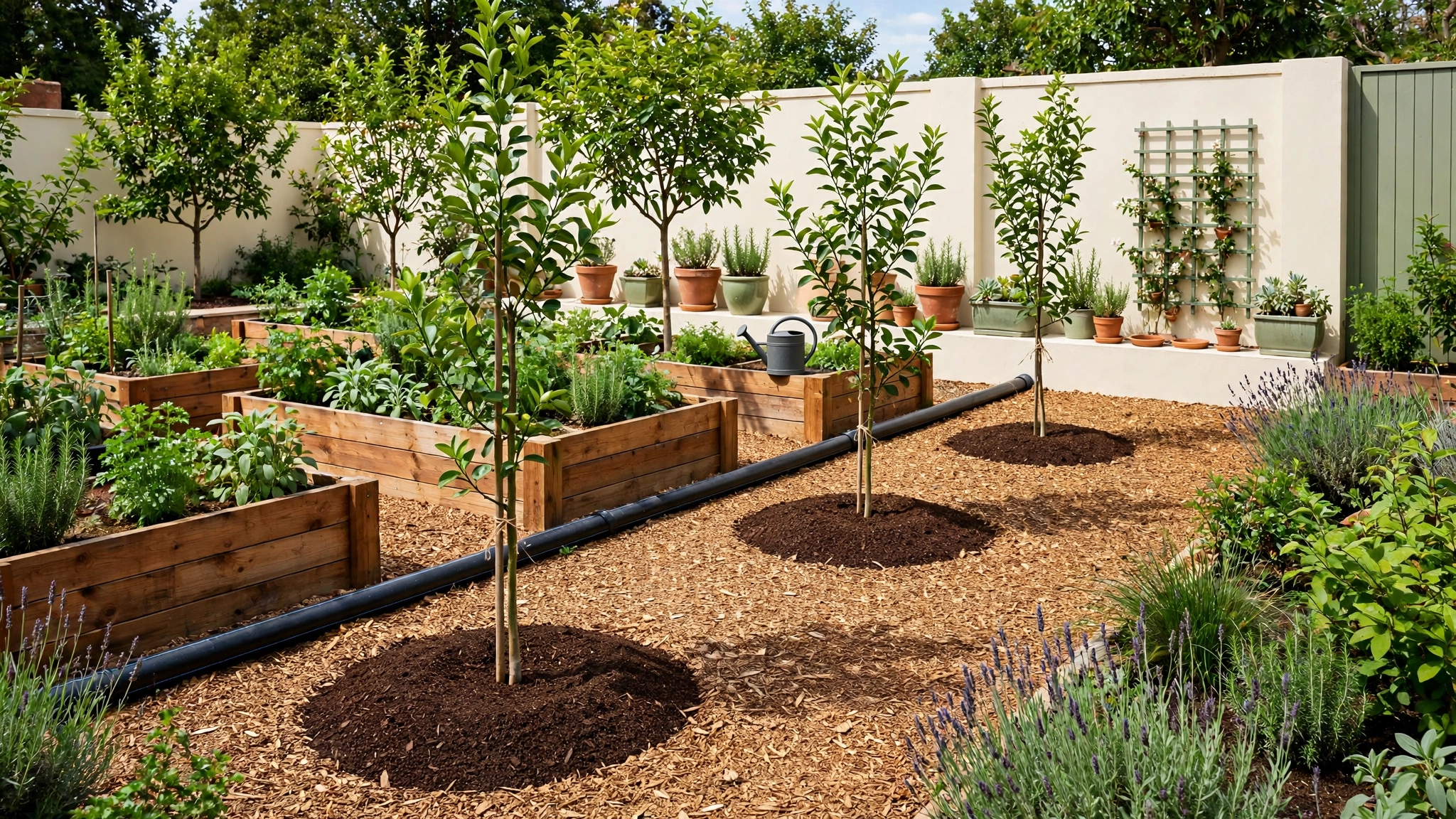
Picture this: you finish a load of laundry, and instead of watching that water disappear down the drain, it flows outside to feed your fruit trees and flower beds. Your garden stays green through dry weeks, your water bill drops, and not a single drop goes to waste. That quiet cycle is the heart of greywater landscaping, and it works in almost any backyard.
Greywater is the gently used water from your washing machine, shower, and bathroom sinks, and it is perfectly good for watering ornamental plants and trees when you handle it the right way. These 32 backyard greywater landscaping ideas will show you how to route, filter, and spread that water safely, from simple laundry-to-landscape lines to full backyard systems that keep your whole garden thriving.
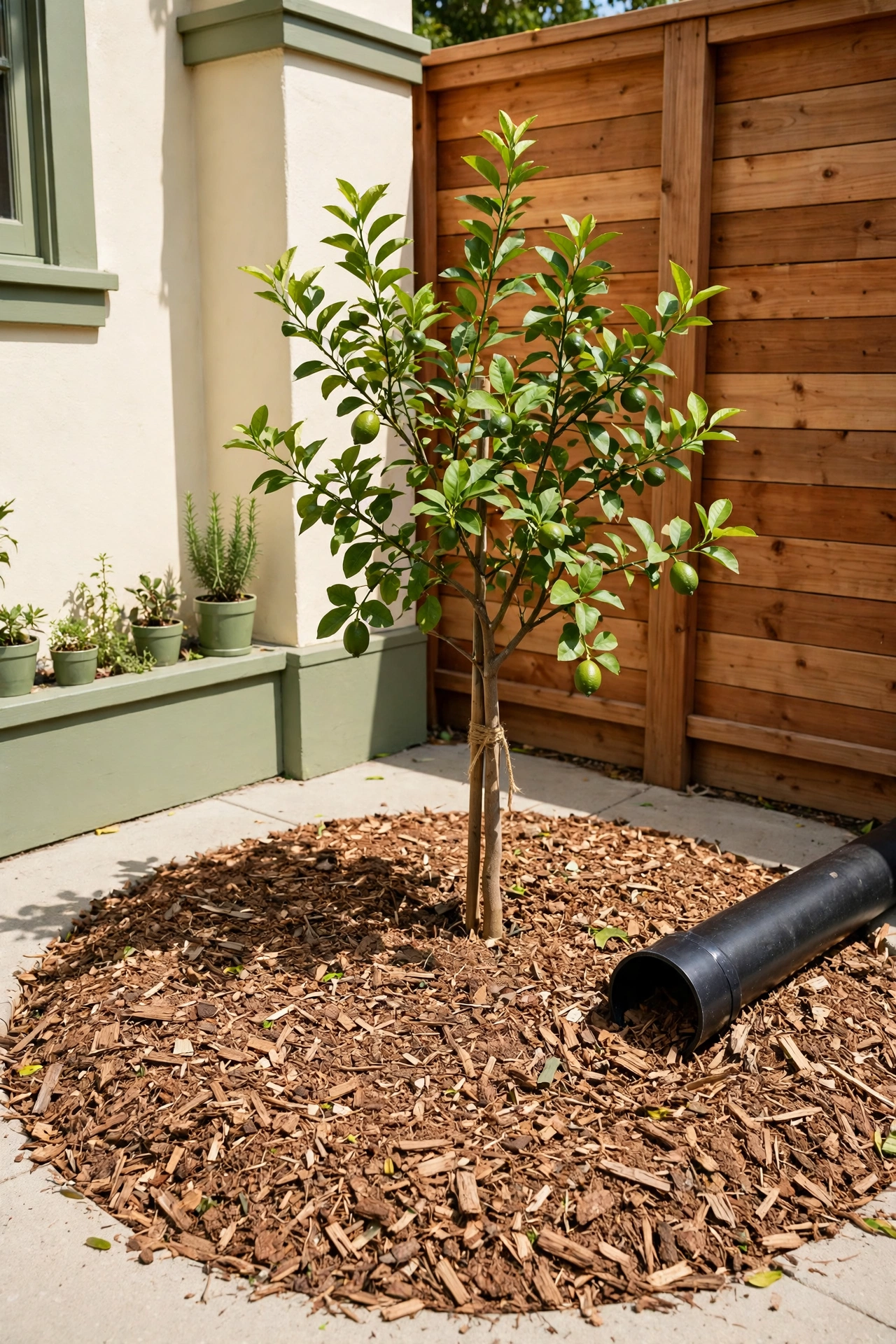
1. Send Laundry Water to Mulch Basins Around Fruit Trees
A laundry-to-landscape system is the simplest way to start reusing greywater. A pipe runs from your washing machine to shallow mulch-filled basins around fruit trees, and the soapy water soaks into the wood chips instead of running off. The mulch filters the water, feeds the soil, and keeps the root zone moist for days after each wash.
Dig each basin a few inches deep and a few feet wide, then fill it with coarse wood chips so the water spreads evenly. Place one basin at each tree and connect them with a single main line from the house. Fruit trees love the steady supply, and the basins look like tidy rings of fresh mulch around every trunk.
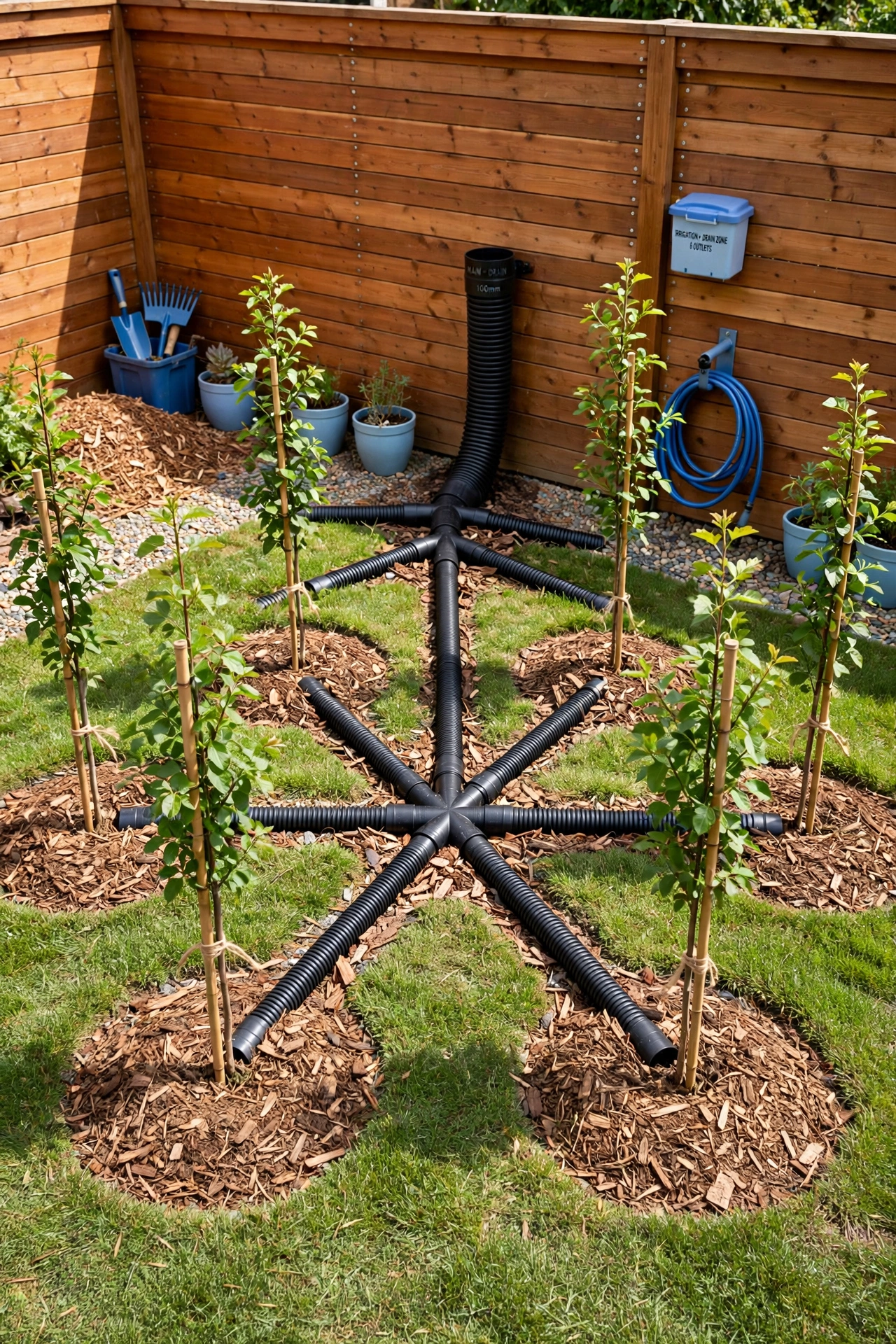
2. Split One Line Into a Branched Drain Tree Ring
A branched drain splits a single greywater pipe into several smaller lines, so one load of laundry can water a whole ring of trees at once. Each branch ends in its own mulch basin, and gravity carries the water evenly to every outlet. The layout is simple, has no moving parts, and works beautifully on flat ground.
Plan the ring so the trees sit at roughly the same height, because water will favor the lowest outlet if the ground slopes. Use rigid pipe for the main run and flexible pipe for the branches, and mark each outlet with a small stake so you can find it under the mulch. A ring of six or eight trees turns one washing machine into a whole orchard irrigation system.
3. Hold Shower Water in a Surge Tank With a Small Pump
Showers produce a lot of water in a short burst, and a surge tank catches that rush so you can spread it slowly across the garden. The tank sits beside the house, fills during each shower, and a small pump sends the water out through irrigation lines on a timer. Nothing floods, nothing pools, and every plant gets an even share.
Choose a tank with a lid that seals well and an overflow pipe that leads to a mulch basin for safety. A simple float switch can run the pump only when the tank holds enough water, which keeps the system automatic. If your yard has drainage challenges, these backyard drainage landscaping ideas will help you shape the ground so extra water always has a safe place to go.
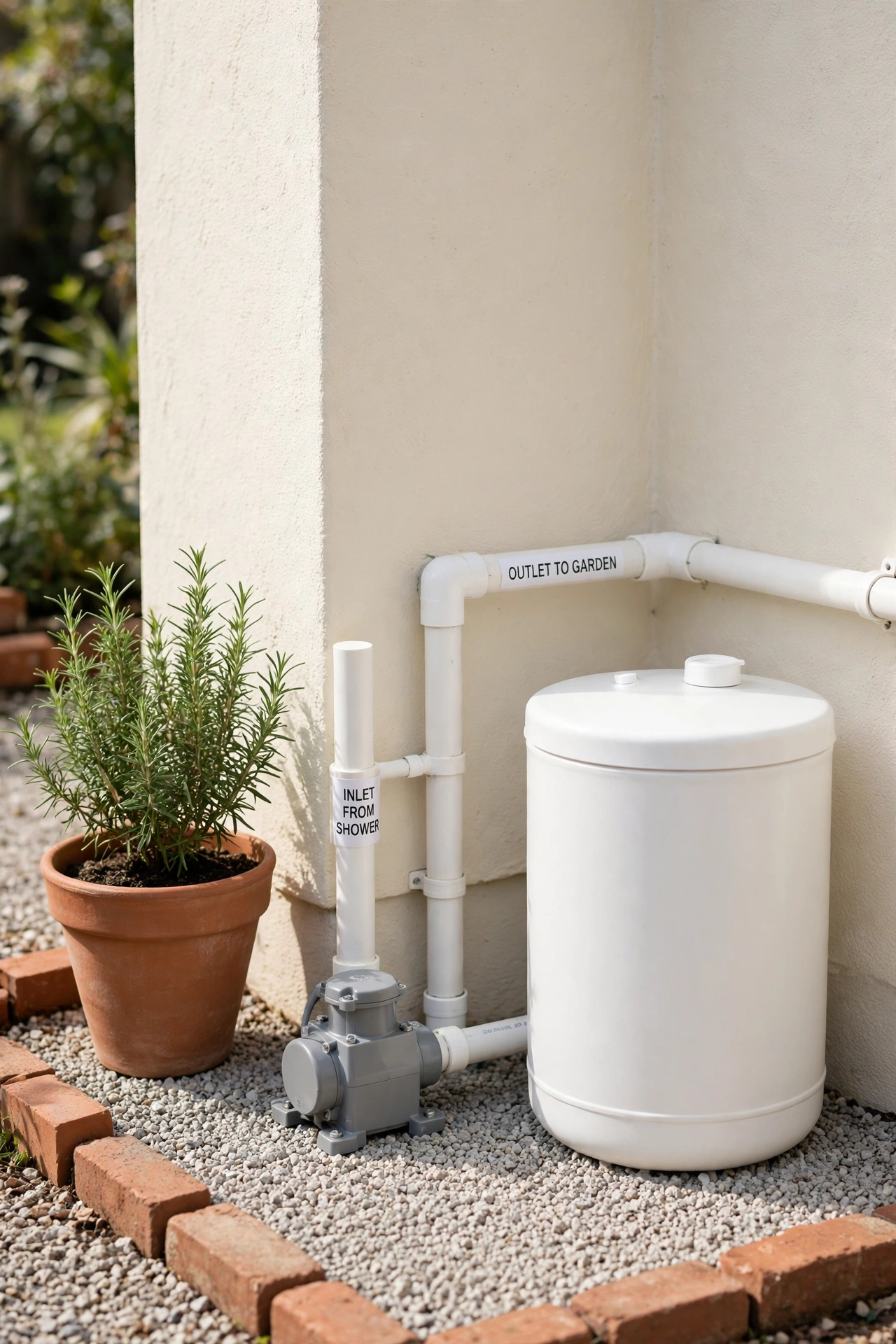
4. Divert a Bathroom Sink to a Flower Bed
A bathroom sink produces a small, steady stream of greywater that is ideal for one flower bed. A short pipe from the sink drain runs through the wall and ends in a mulch-filled trench along the bed, where the water soaks in below the surface. The flowers get a daily drink, and the bed stays lush with almost no effort from you.
Keep the outlet buried under a few inches of mulch so the water never sits on the surface. Choose flowers that enjoy regular moisture, such as daylilies, cannas, and hydrangeas, and skip any plant you plan to eat raw. One sink can keep a bed of four to six feet long green all season.
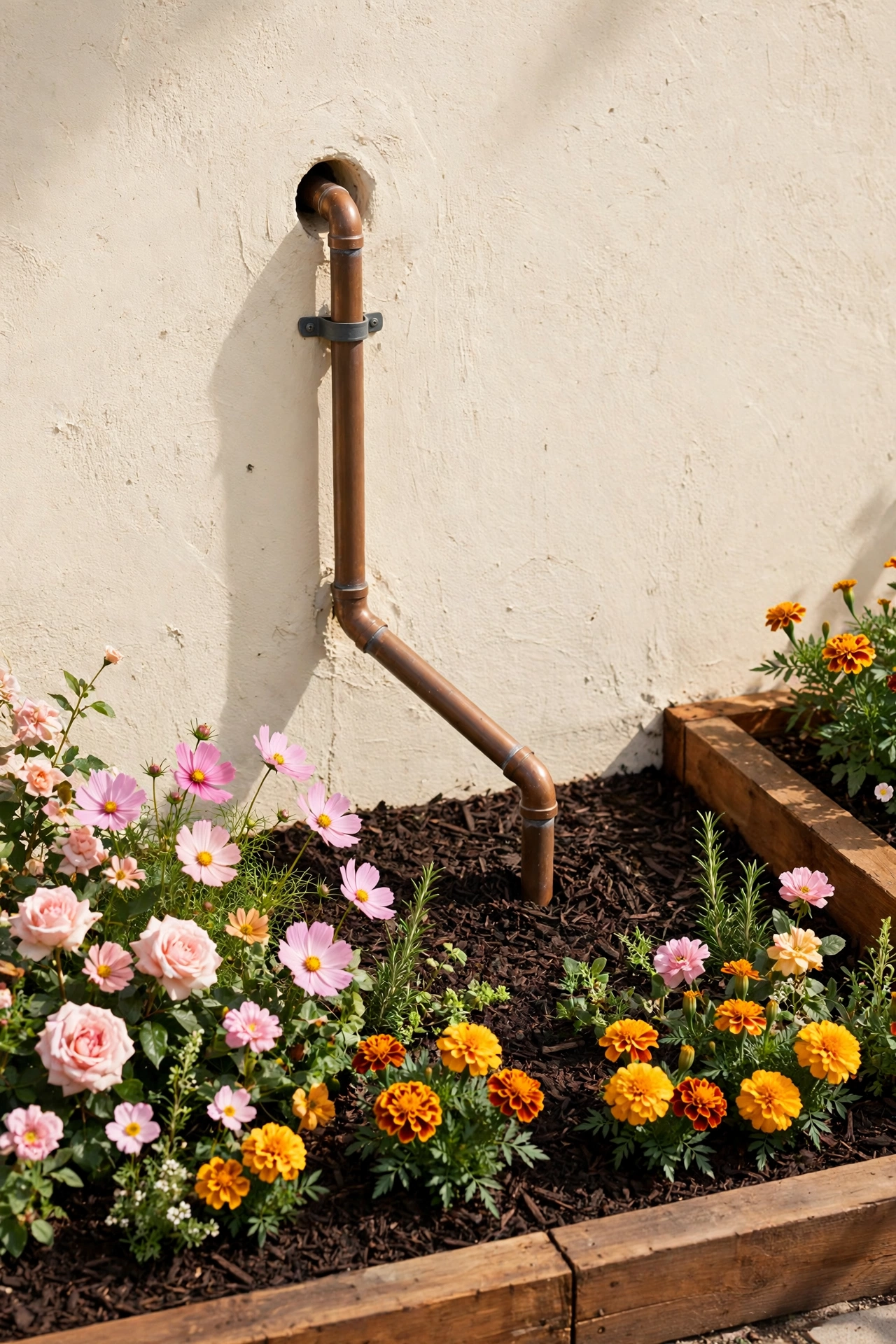
5. Feed a Hedgerow Along the Back Fence With Greywater
A hedgerow along the back fence needs a lot of water to grow dense and tall, which makes it a perfect match for household greywater. Run a single line along the fence with outlets spaced every few feet, and cover the whole run with a thick band of mulch. The hedge drinks steadily, grows fast, and gives you privacy sooner than a hand-watered hedge ever would.
Plant tough, fast-growing shrubs that tolerate soapy water, such as privet, oleander, or native hedging plants suited to your climate. Space the outlets evenly so no shrub gets left dry, and check the mulch band each month to make sure the water still spreads well. In a year or two, the hedge will form a solid green wall that hides the fence completely.
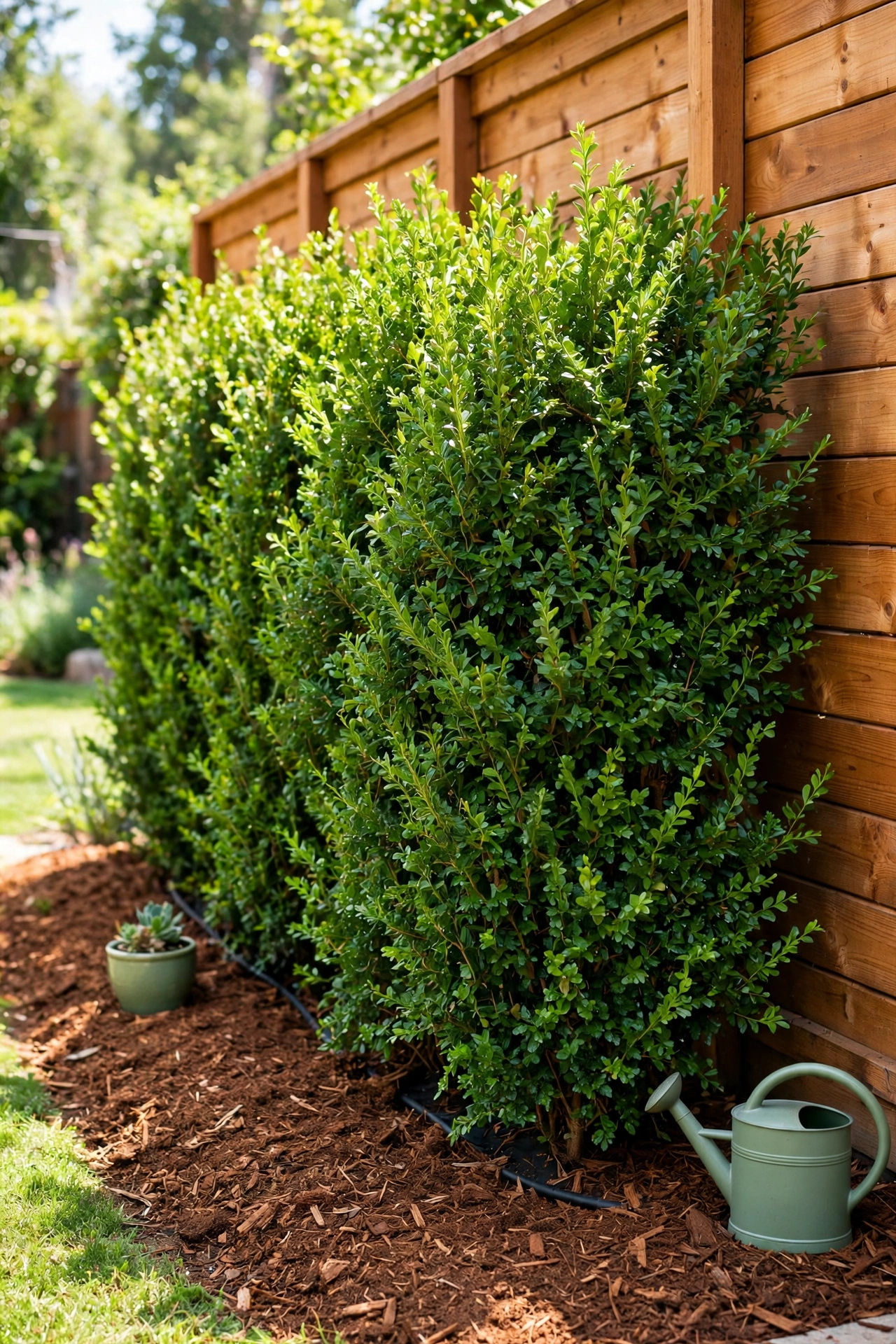
6. Ring Shade Trees With Wide Mulch Basins
Large shade trees drink deeply, and wide mulch basins around their trunks give greywater room to soak in slowly. Each basin spreads the water across the whole root zone instead of letting it pool in one spot, which keeps the tree healthy and the soil biology active. The basins also suppress weeds and keep mower blades away from the trunk.
Make each basin as wide as the tree canopy when you can, and fill it with coarse bark chips that break down slowly. Run the greywater line to the outer edge of the basin, not against the trunk, so the feeder roots get the water first. A ring of fresh mulch under a big tree looks tidy and intentional, like a feature rather than a utility.
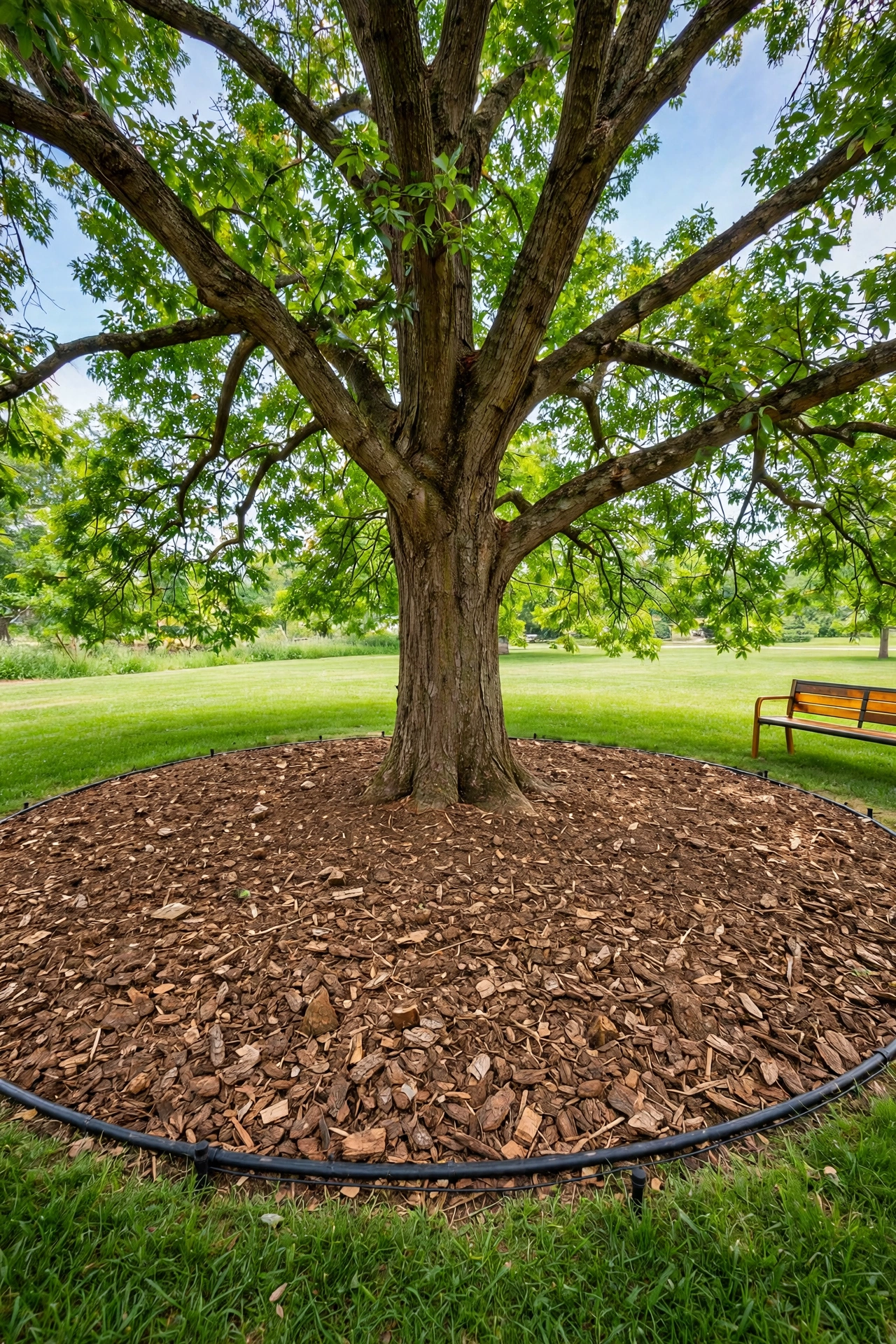
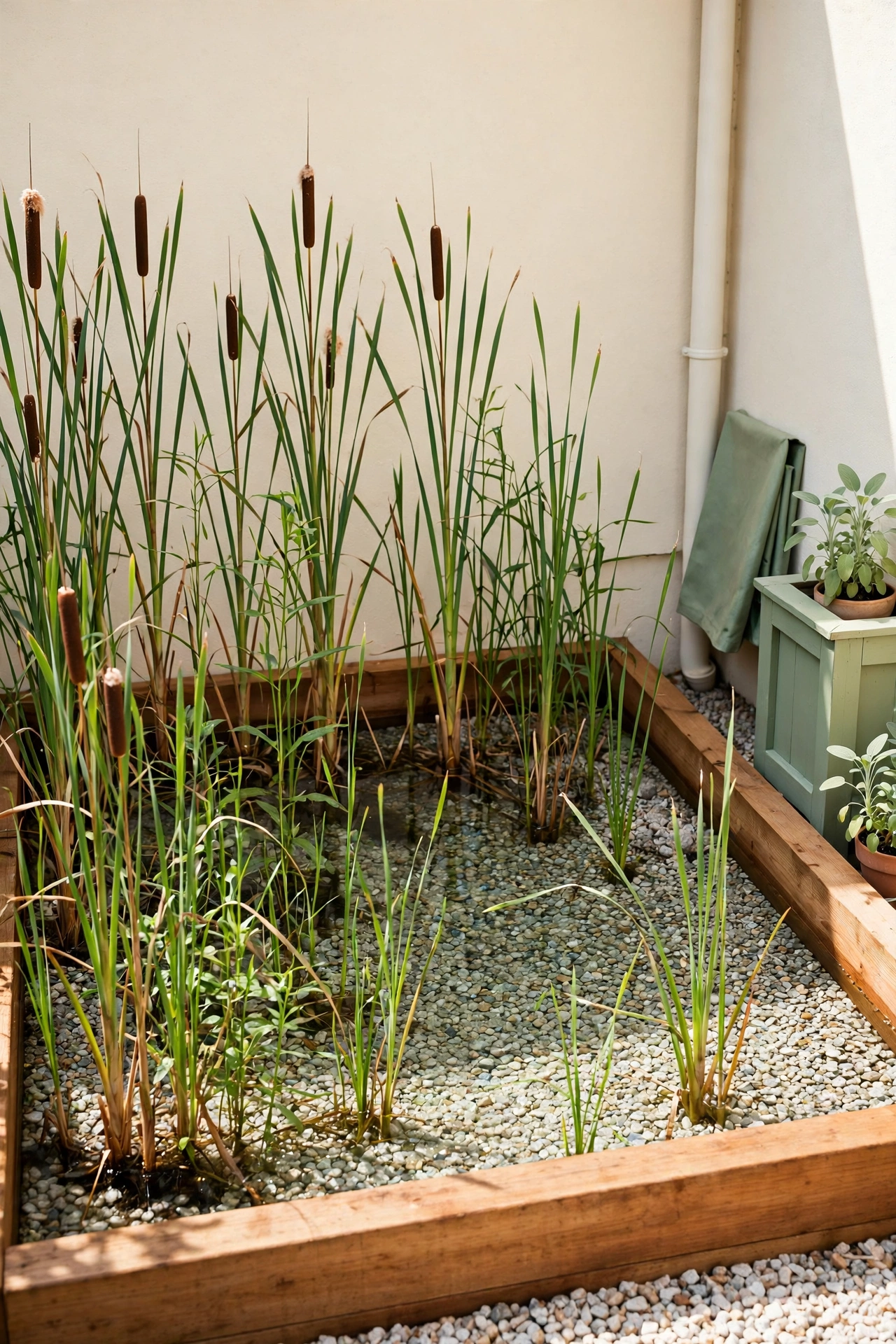
7. Build a Constructed Wetland Bed That Filters Greywater
A constructed wetland is a shallow lined bed filled with gravel and water-loving plants that clean greywater as it flows through. The plants and the gravel host helpful microbes that break down soap and organic matter, and the water that leaves the bed is far cleaner than the water that entered it. The bed looks like a lush little marsh garden, not a filter.
Line the bed with a pond liner, fill it with washed gravel, and plant reeds, rushes, and cattails in the top layer. Keep the water level just below the gravel surface so mosquitoes cannot breed in standing water. A wetland bed of six to eight feet long can polish the greywater from a bathroom sink and shower before it reaches the rest of the garden.
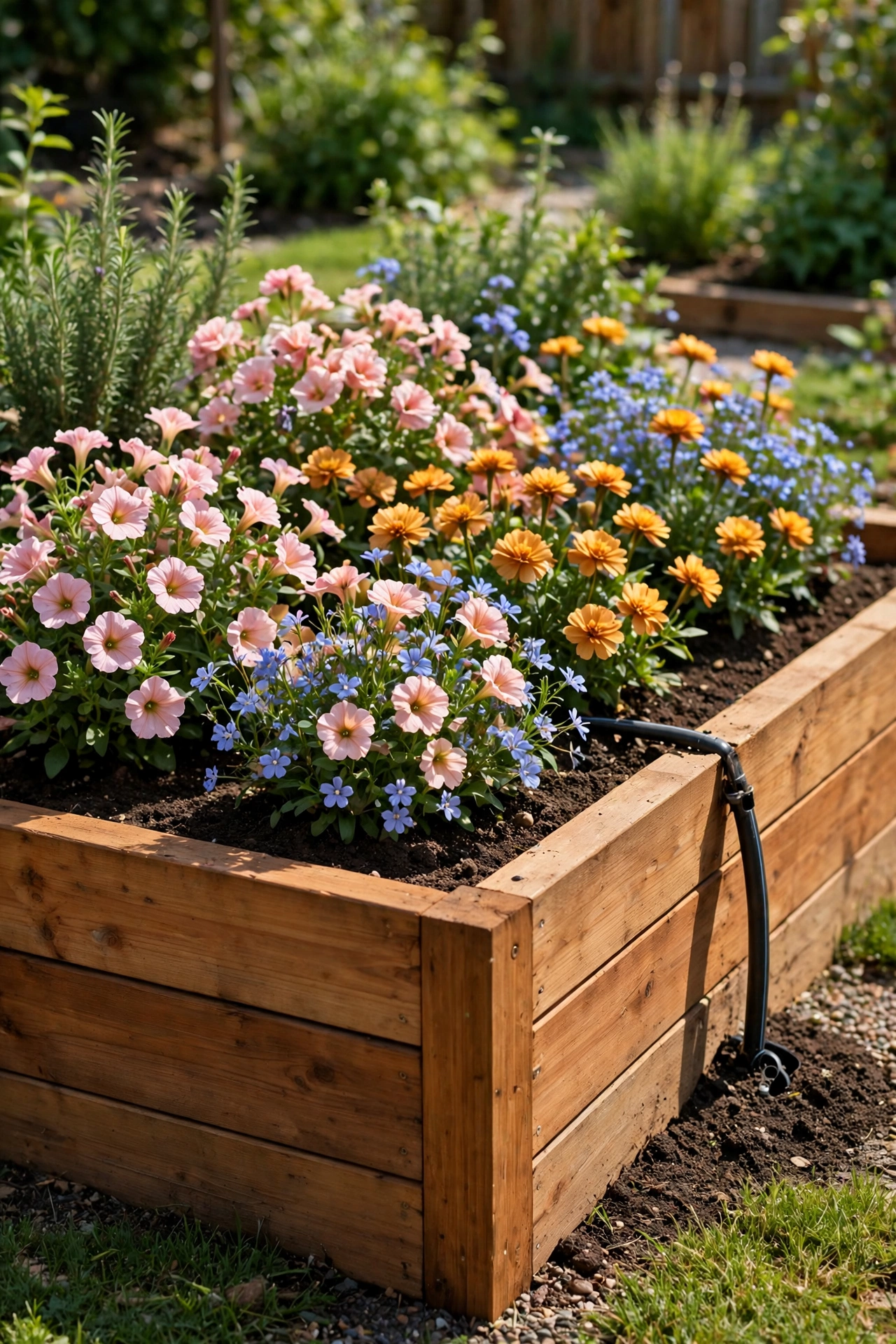
8. Run Subsurface Lines Under a Raised Flower Bed
Subsurface lines deliver greywater a few inches below the soil surface, where roots can reach it and the surface stays dry and clean. In a raised flower bed, the lines sit under the soil in a layer of gravel, and the flowers grow above them without ever touching the water directly. The bed looks like any other raised bed, but it waters itself with every laundry load.
Build the bed with untreated wood or stone, and lay the perforated lines evenly across the base before you add soil. Cover the lines with landscape fabric so soil cannot clog the holes, then fill the bed with a free-draining mix. Flowers with deep roots, such as roses, salvias, and echinacea, thrive on this steady underground supply.
9. Add a Diverter Valve Station at the Washing Machine
A three-way diverter valve lets you choose where the washing machine water goes with a simple turn of a handle. Send it to the garden on wash days, and send it to the sewer when you wash cloth diapers, oily rags, or anything with bleach. The valve gives you full control without replumbing anything.
Mount the valve on the wall behind the machine where you can reach it easily, and label each position clearly so everyone in the house knows which way to turn it. Paint the garden line a different color from the sewer line so the setup is obvious at a glance. A labeled valve station makes the whole system feel safe and simple for the whole family.

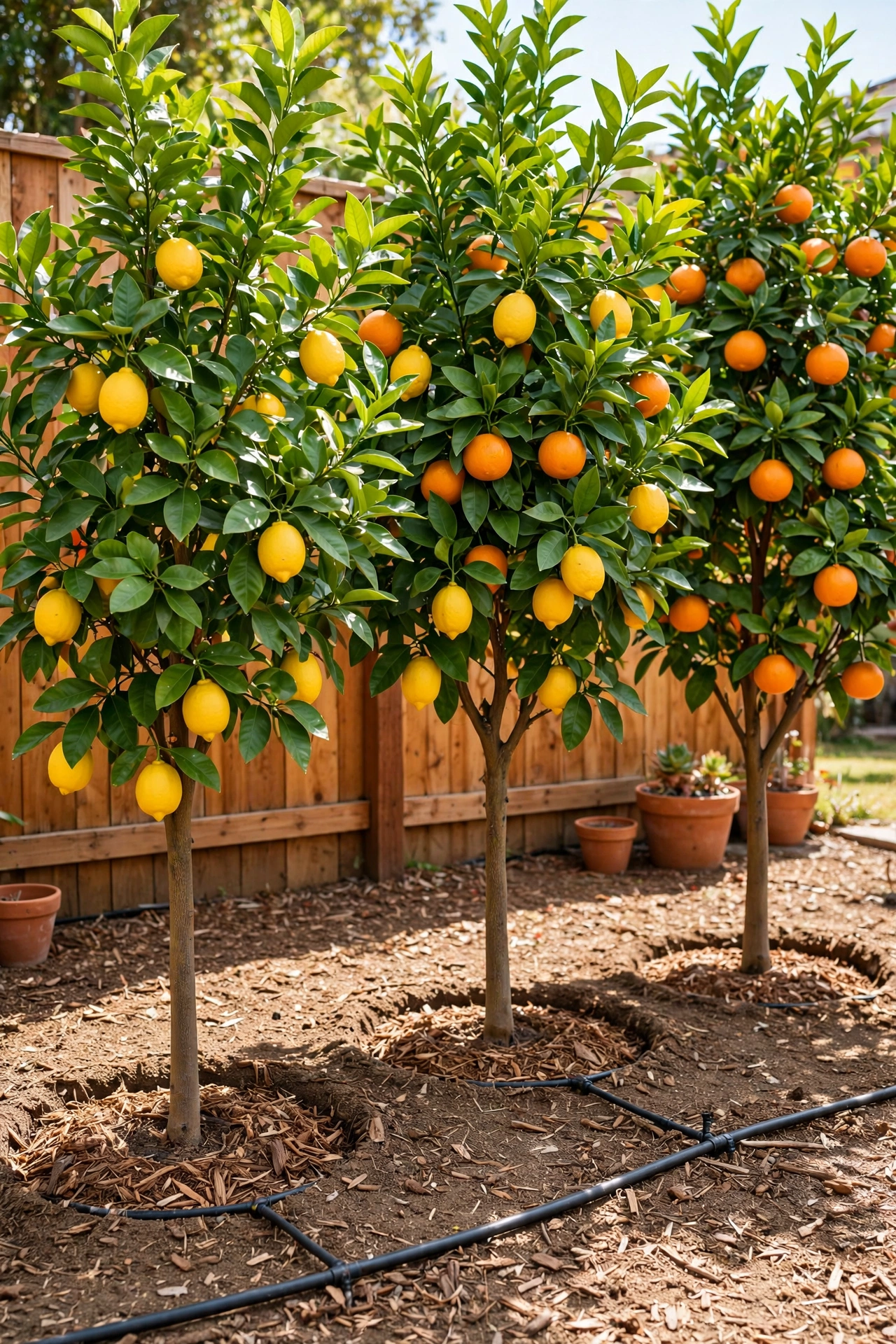
10. Grow a Citrus Grove on Laundry Water
Citrus trees are thirsty, sun-loving plants that respond beautifully to a steady greywater supply. A small grove of lemons, oranges, and limes, each ringed with a mulch basin, can drink the output of a family washing machine with ease. The trees stay green and productive, and the fruit hangs well above the watered soil.
Space the trees eight to ten feet apart so their canopies have room to spread, and run one outlet to each basin. Keep the mulch thick and the water below the surface, and wash the fruit well before eating, as you would with any homegrown produce. For layout inspiration, these backyard orchard layout ideas show how to arrange fruit trees for beauty, airflow, and easy harvest.
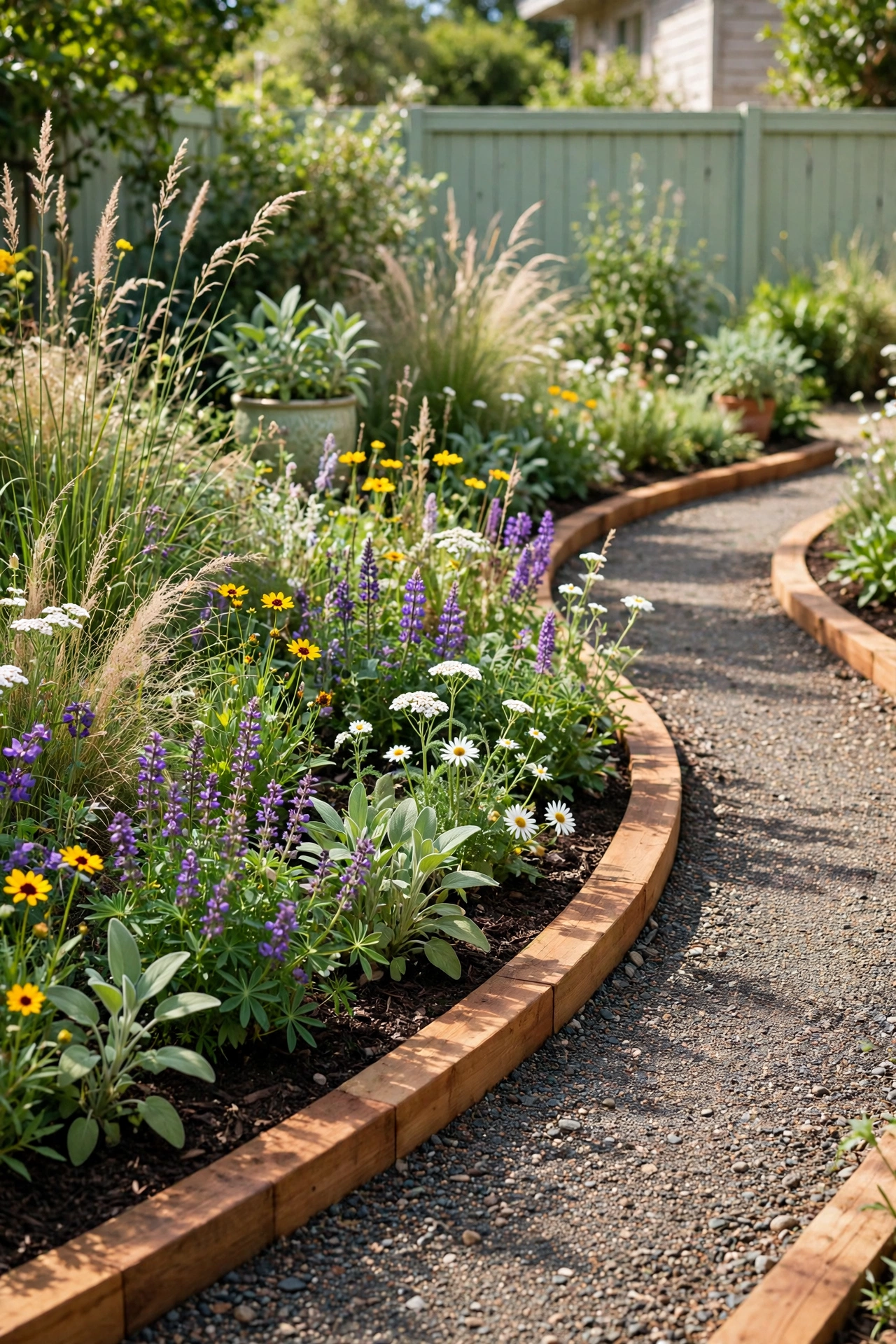
11. Water a Native Plant Border With Greywater
Native plants are already adapted to your local soil and climate, and a modest greywater supply helps them establish faster and bloom longer. A border of native wildflowers, grasses, and shrubs along a path or fence gets a gentle boost from bathroom greywater without needing any extra tap water. The result is a border that looks wild and natural but performs like a pampered garden.
Choose natives that tolerate extra moisture, and avoid desert plants that prefer dry feet. A drip or subsurface line keeps the water at root level, which suits native plants far better than overhead spraying. These native plant garden ideas will help you pick species that suit your region and your soil.
12. Turn a Lawn Patch Into a Greywater Meadow
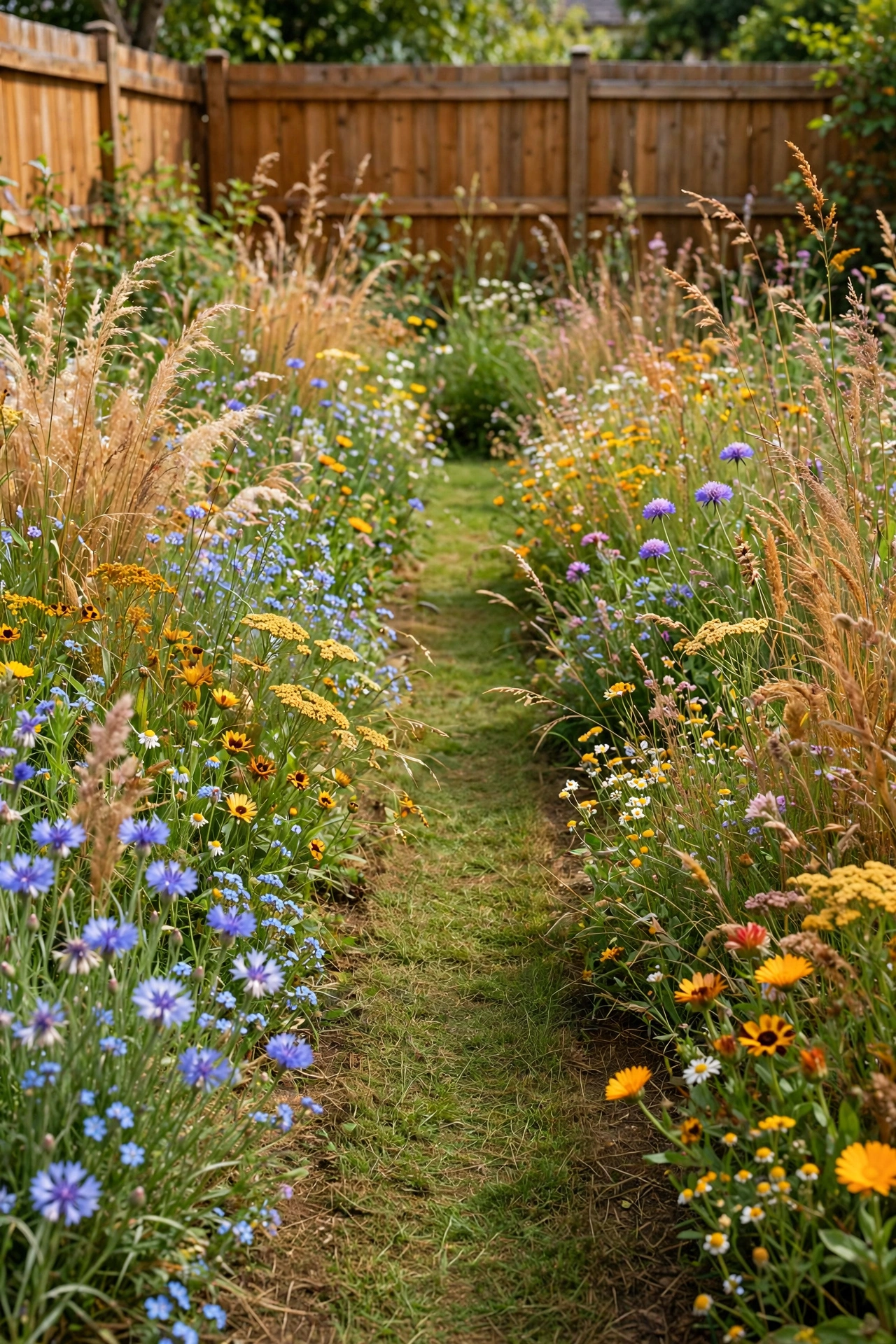
Replacing a thirsty lawn patch with a meadow of wildflowers and grasses saves water twice over, and greywater keeps the meadow blooming through dry spells. The meadow needs no mowing beyond one cut a year, and the mix of flowers feeds bees and butterflies all season. It is one of the lowest-maintenance ways to use household water outdoors.
Prepare the patch by smothering the old lawn with cardboard and mulch, then sow a meadow mix suited to your climate. Run a subsurface line down the center of the patch so the water spreads outward to the roots. Mow the meadow once in late winter, and let it grow tall and flower freely the rest of the year.
13. Filter Kitchen Greywater Through a Gravel Bed
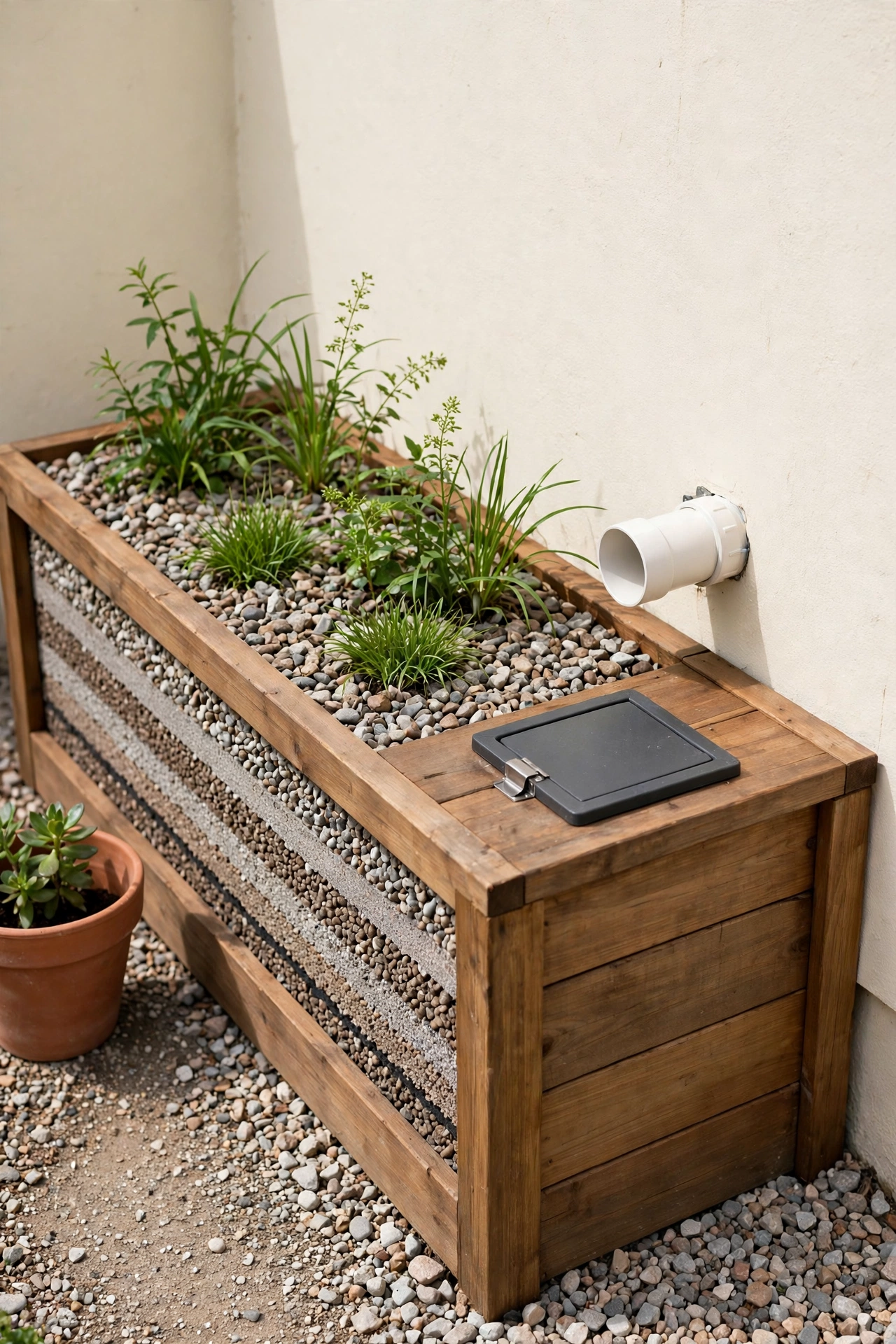
Kitchen sink water carries grease and food scraps, so it needs filtering before it reaches the garden. A gravel filter bed strains out solids and lets microbes break down grease as the water trickles through layers of stone. The filtered water then flows on to a mulch basin where ornamental plants can use it safely.
Build the filter as a lined box filled with coarse gravel at the bottom and finer gravel at the top, with an inspection lid you can lift to check the flow. Scoop out the top layer of gravel once or twice a year and rinse it clean. Always check your local rules first, because some areas restrict kitchen water reuse even when it is filtered.
14. Feed a Berry Patch With Subsurface Greywater Lines
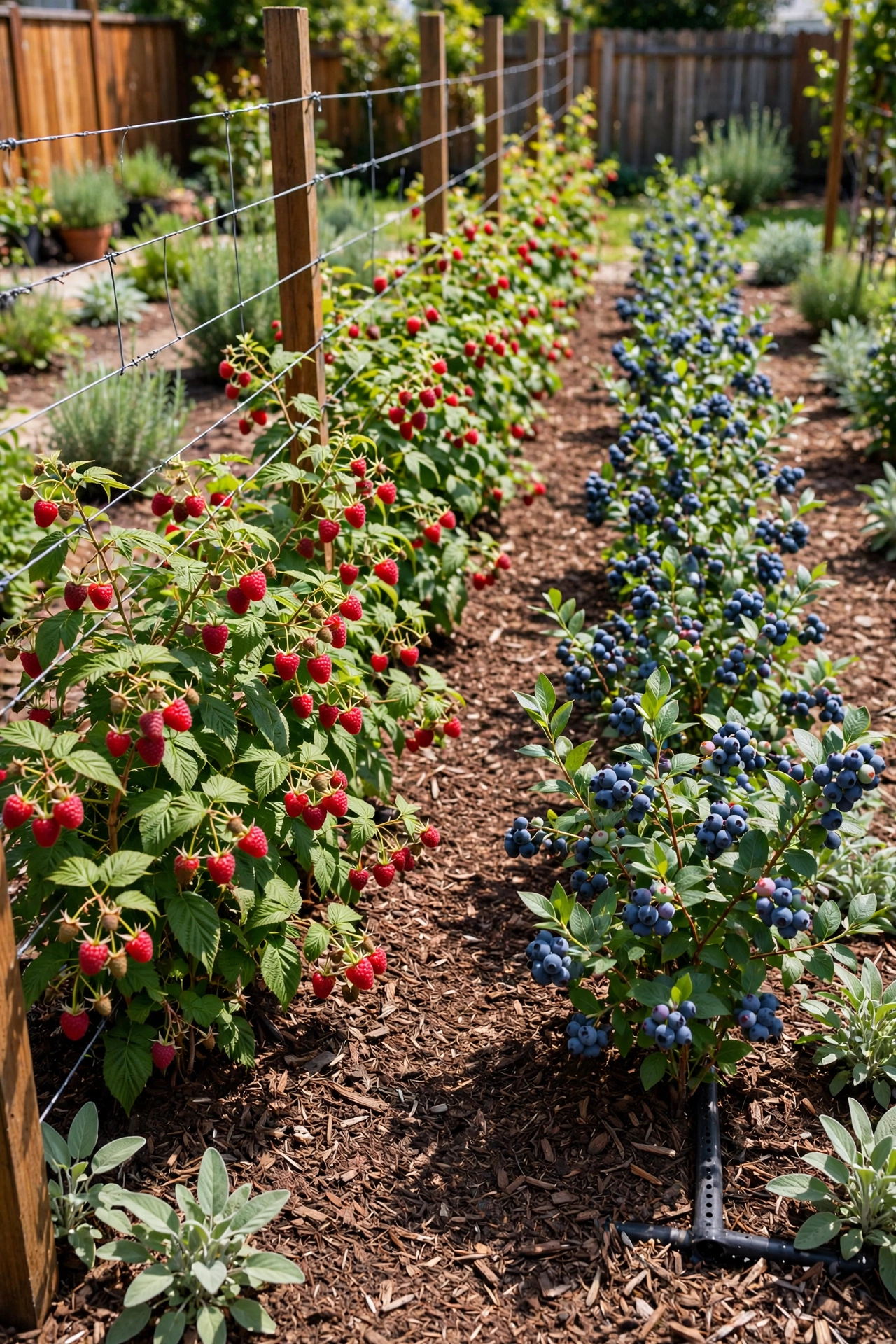
Berry bushes love steady moisture, and subsurface lines deliver it right to the roots without wetting the fruit. Raspberries, blackberries, and blueberries all thrive when the soil stays evenly damp, and the mulch on top keeps the berries clean and the birds happy. The bushes form neat rows that are easy to pick and easy to prune.
Run one line down each row, buried a few inches deep, and keep the outlets well away from the base of each cane so water spreads sideways through the soil. Wash all berries thoroughly before eating, and never let greywater touch the fruit directly. A berry patch of three or four rows can absorb the greywater from a small household with ease.
15. Plant a Rose Garden Fed by Shower Water
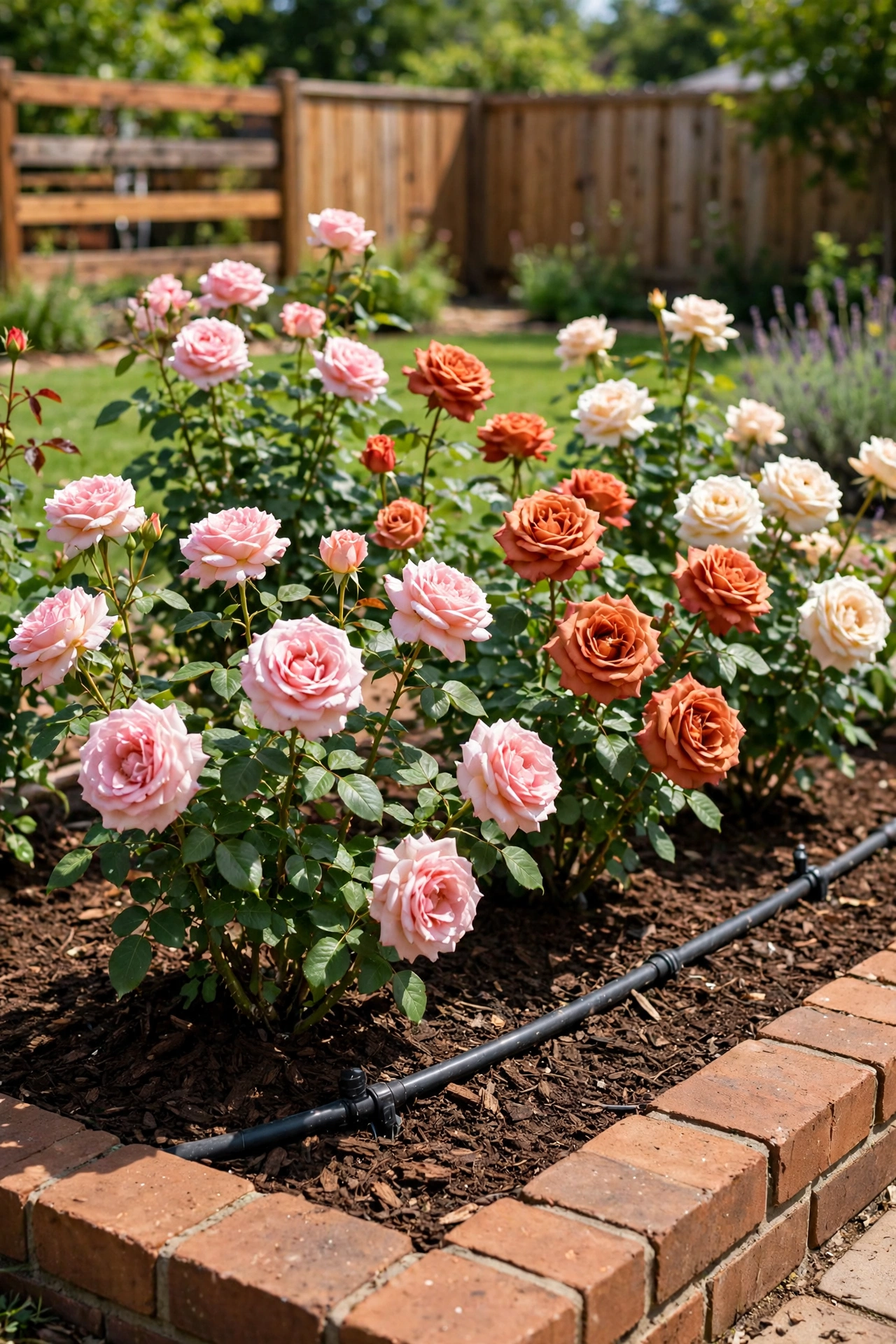
Roses are famously thirsty, and shower greywater gives them the deep, regular drinks they need to bloom heavily. A rose garden with one outlet per bush, buried under mulch, stays evenly moist without wetting the leaves, which also helps keep fungal diseases away. The roses reward you with bigger blooms and a longer flowering season.
Space the bushes three feet apart in beds edged with brick or wood, and top the soil with a thick layer of bark mulch. Use only plant-safe soaps in the shower that feeds the bed, and flush the lines with clean water once a month to prevent salt buildup. A rose garden on greywater smells as sweet as any other, and it costs far less to keep.
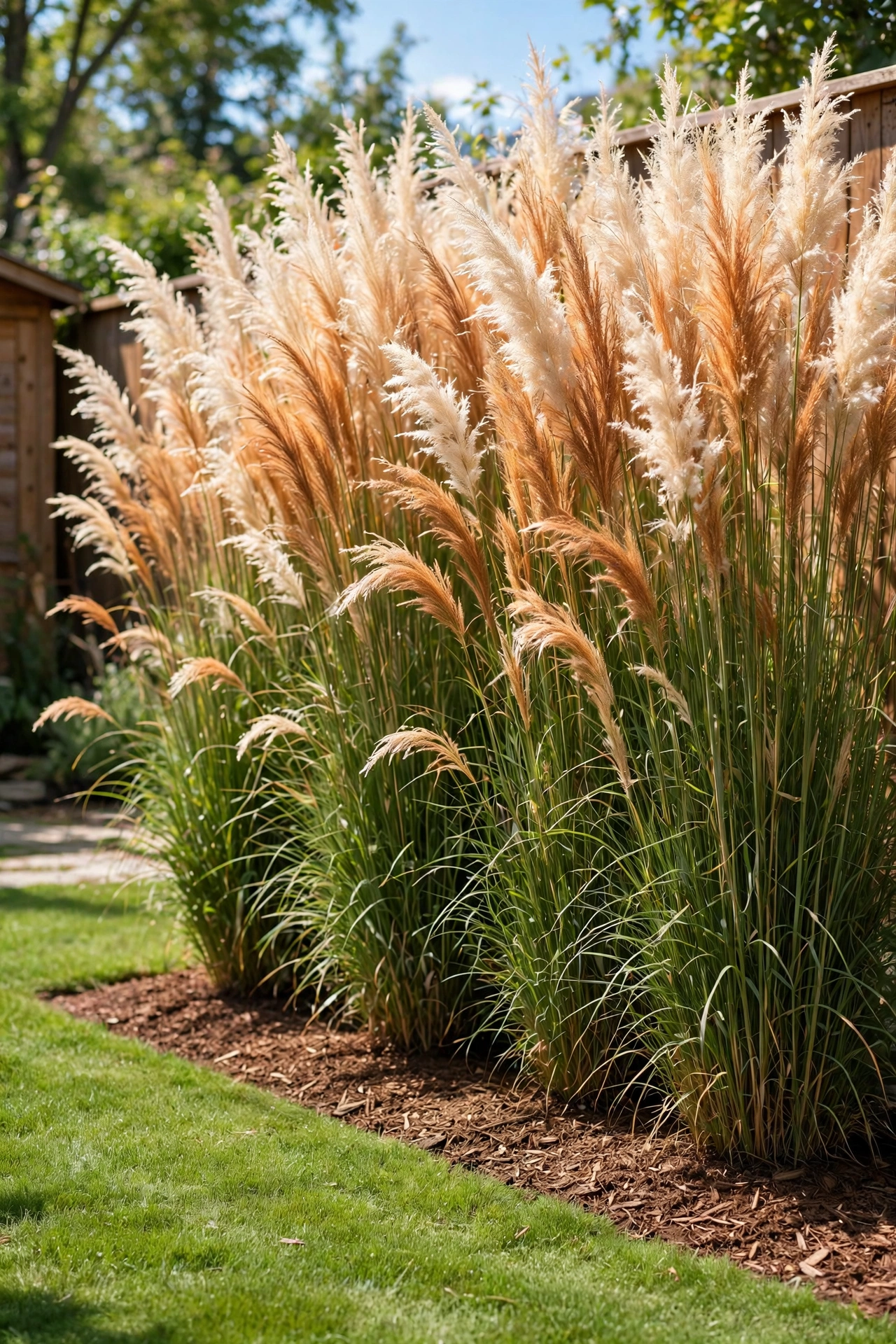
16. Grow a Tall Grass Screen for Privacy on Greywater
Tall ornamental grasses grow fast and thick when they get plenty of water, which makes them ideal for a living privacy screen fed by greywater. A row of miscanthus, pampas grass, or giant reed along a boundary can reach eight feet in a single season with a steady underground supply. The screen sways in the breeze and hides the neighbors without a single fence panel.
Plant the grasses three feet apart in a trench lined with a root barrier if you choose a spreading variety. Run the greywater line along the trench and cover it with mulch so the roots drink from below. Cut the grasses back hard in late winter, and they will regrow taller and thicker every spring.
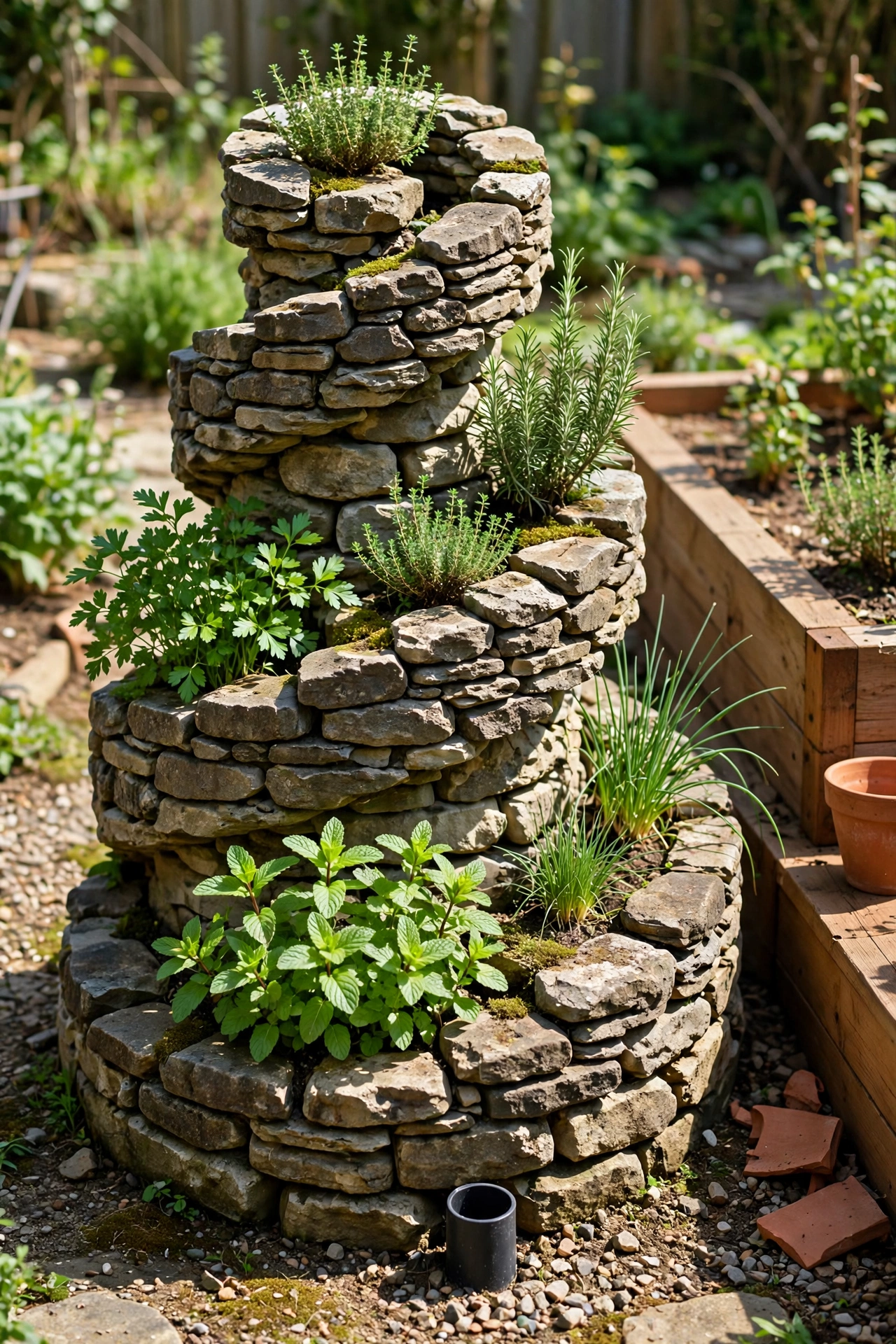
17. Water a Herb Spiral From Below the Surface
A herb spiral stacks growing space in a beautiful coil of stone, and a subsurface greywater line at its base keeps the lower herbs moist without wetting the leaves. The spiral shape creates sunny, shady, dry, and damp pockets in one small footprint, so you can grow a dozen herbs in the space of a single bed. The stonework looks like a garden feature, and the watering happens silently underground.
Build the spiral with stacked stone or brick, and run the line into the center base where the moisture-loving herbs sit. Plant mint, parsley, and chives low where the water reaches, and rosemary and thyme high where the soil stays drier. Wash all herbs well before use, and keep the greywater strictly below the surface.
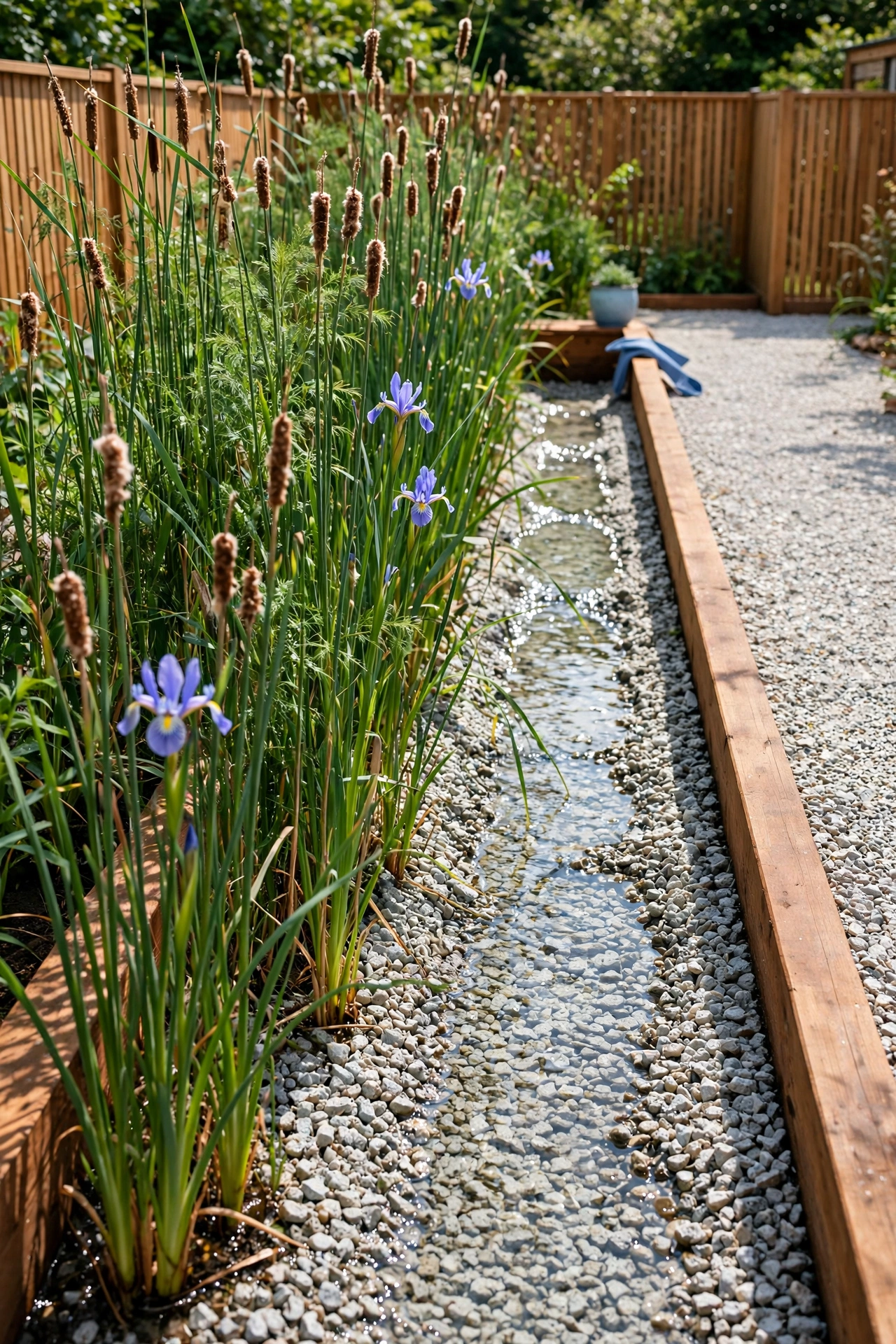
18. Polish Greywater in a Reed Bed Before It Reaches the Beds
A reed bed works like a living filter, where tall reeds and their root microbes clean the water as it passes slowly through gravel. Placed between the house and the garden, it polishes shower and sink water so the beds downstream receive cleaner water with less soap residue. The bed itself becomes a striking vertical accent of green reeds and seed heads.
Build the bed as a lined trench two feet deep, filled with washed gravel and planted thickly with reeds and rushes. Keep the flow slow so the water spends time in contact with the roots, and trim the reeds back once a year to keep the bed tidy. A reed bed of eight to ten feet long can serve a whole bathroom worth of greywater.
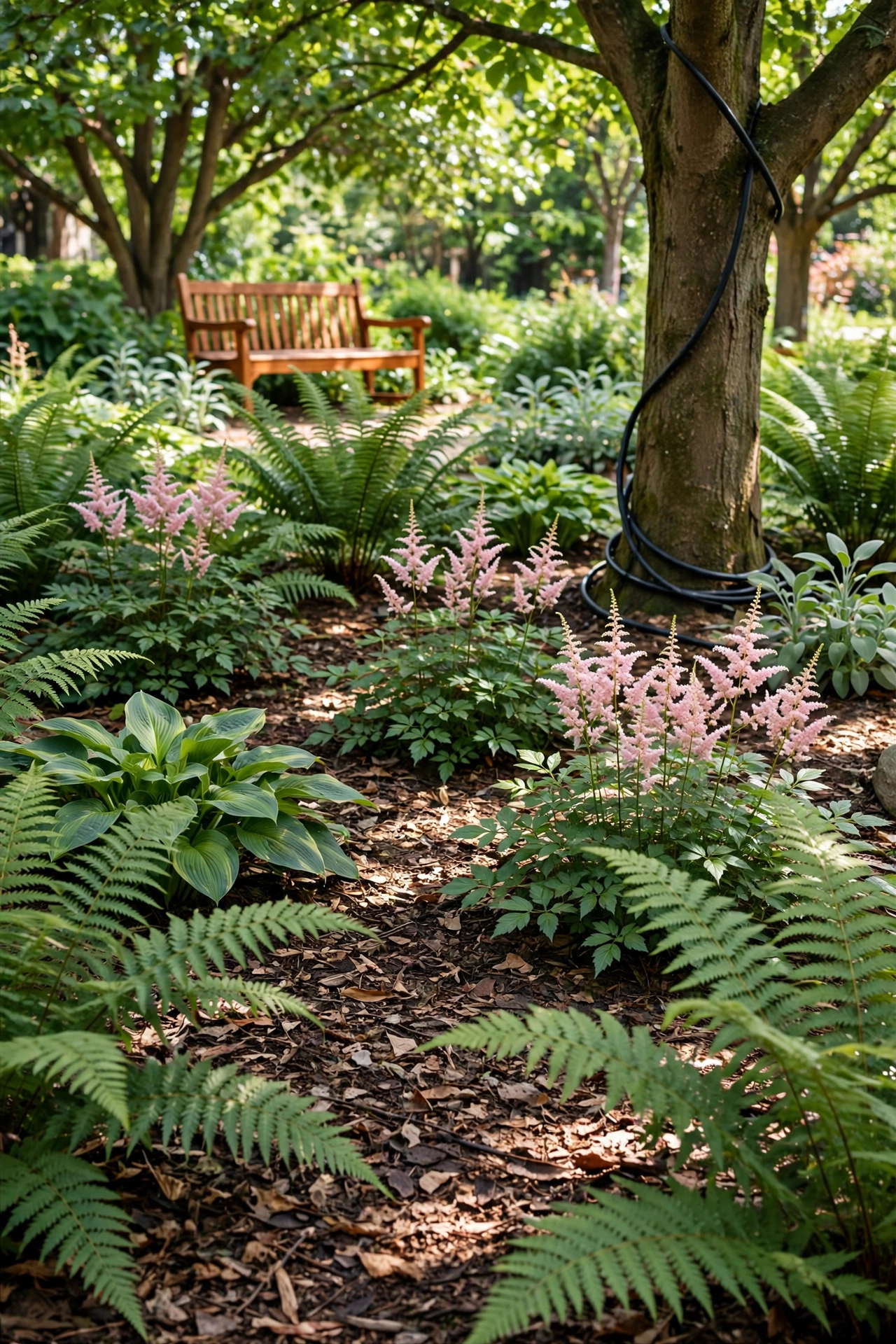
19. Create a Lush Shade Garden Under Mature Trees
Shade gardens struggle when tree roots steal every drop of water, but a greywater line under the mulch gives ferns, hostas, and shade flowers the moisture they need to thrive. The water soaks in below the surface, so the shade plants stay lush without creating damp spots where mosquitoes could breed. The garden feels cool, green, and calm on the hottest days.
Lay the line in a gentle loop around the tree, well away from the trunk, and cover it with a thick layer of leaf mulch. Plant in drifts of ferns, astilbe, and impatiens for a layered look that fills the shade with texture. A shade garden on greywater stays green through summer droughts when hand-watered shade beds turn crisp and brown.
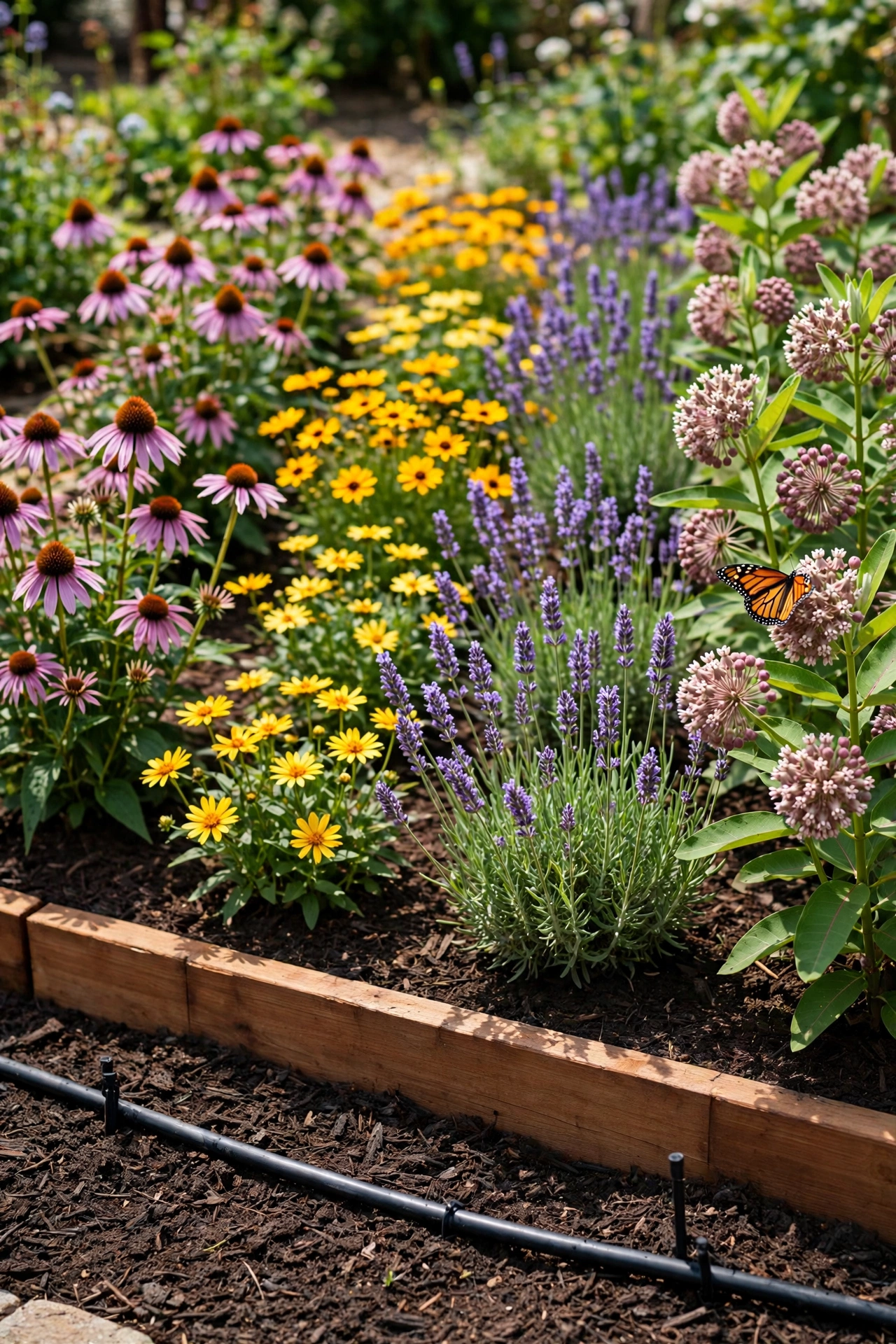
20. Run Greywater Drip Lines Through a Pollinator Border
Pollinator borders need steady moisture to keep flowers blooming from spring to fall, and greywater drip lines deliver it right to the roots without wasting a drop. Bees and butterflies visit the flowers all day, and the border becomes a ribbon of color that also supports the whole local ecosystem. The drip lines hide under mulch, so the border looks completely natural.
Plant a mix of echinacea, salvia, lavender, and milkweed in repeating drifts so something is always in flower. Space the drip emitters evenly and flush the lines monthly to prevent clogging. These pollinator garden layout ideas will help you arrange the border for the longest bloom season and the happiest bees.
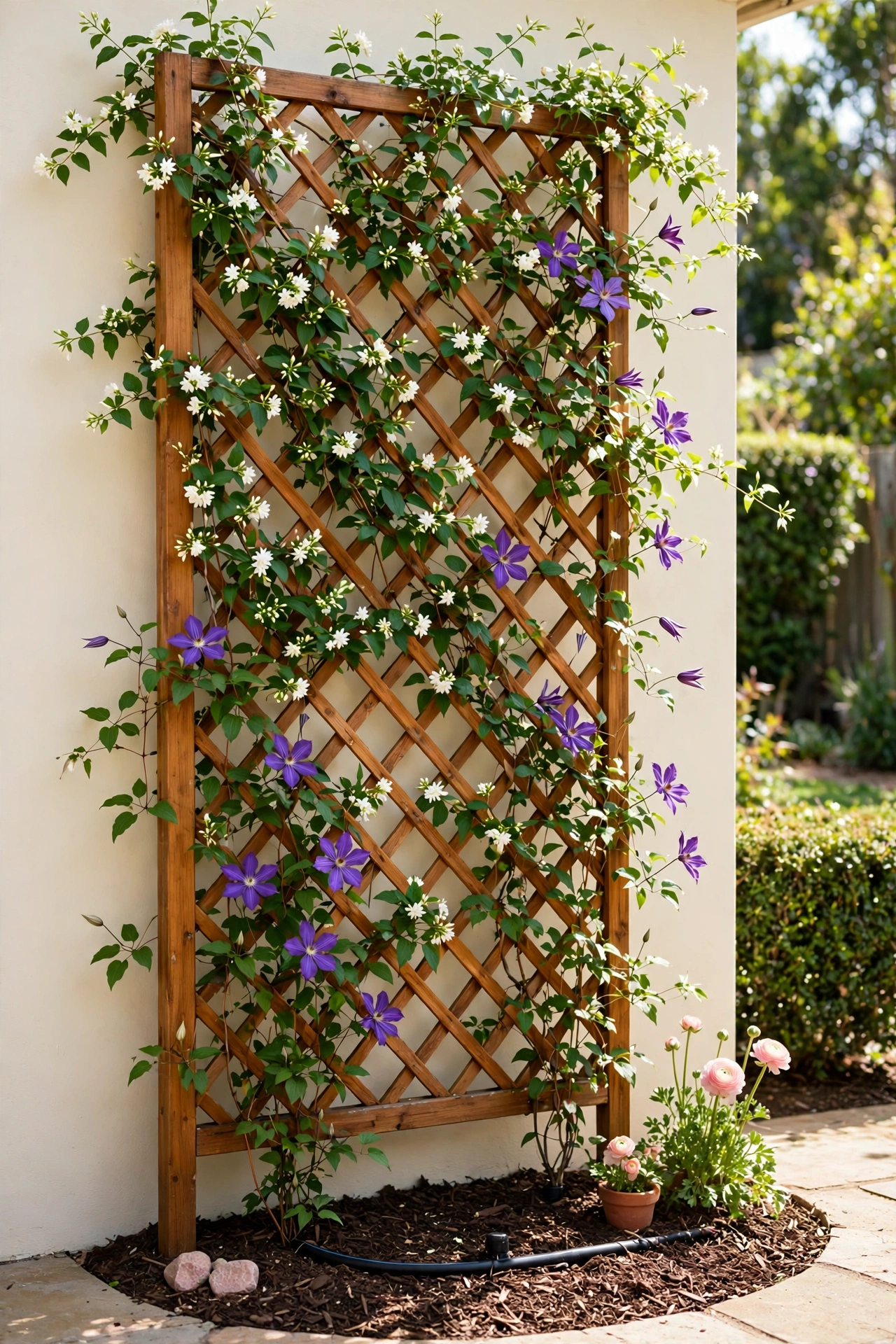
21. Train Flowering Vines on a Trellis Fed by Greywater
Flowering vines grow fast when their roots stay moist, and a greywater outlet at the base of a trellis gives them exactly that. Jasmine, clematis, and climbing roses will cover the trellis in a season or two, turning a bare wall or fence into a wall of blooms and scent. The vine shades the wall behind it, which also keeps the house cooler in summer.
Set the trellis a few inches away from the wall so air can flow behind the vine, and dig a mulch basin at the base for the greywater outlet. Train the young stems onto the trellis with soft ties, and prune lightly after each flush of flowers. A vine-covered trellis on greywater is one of the fastest ways to soften a harsh wall.
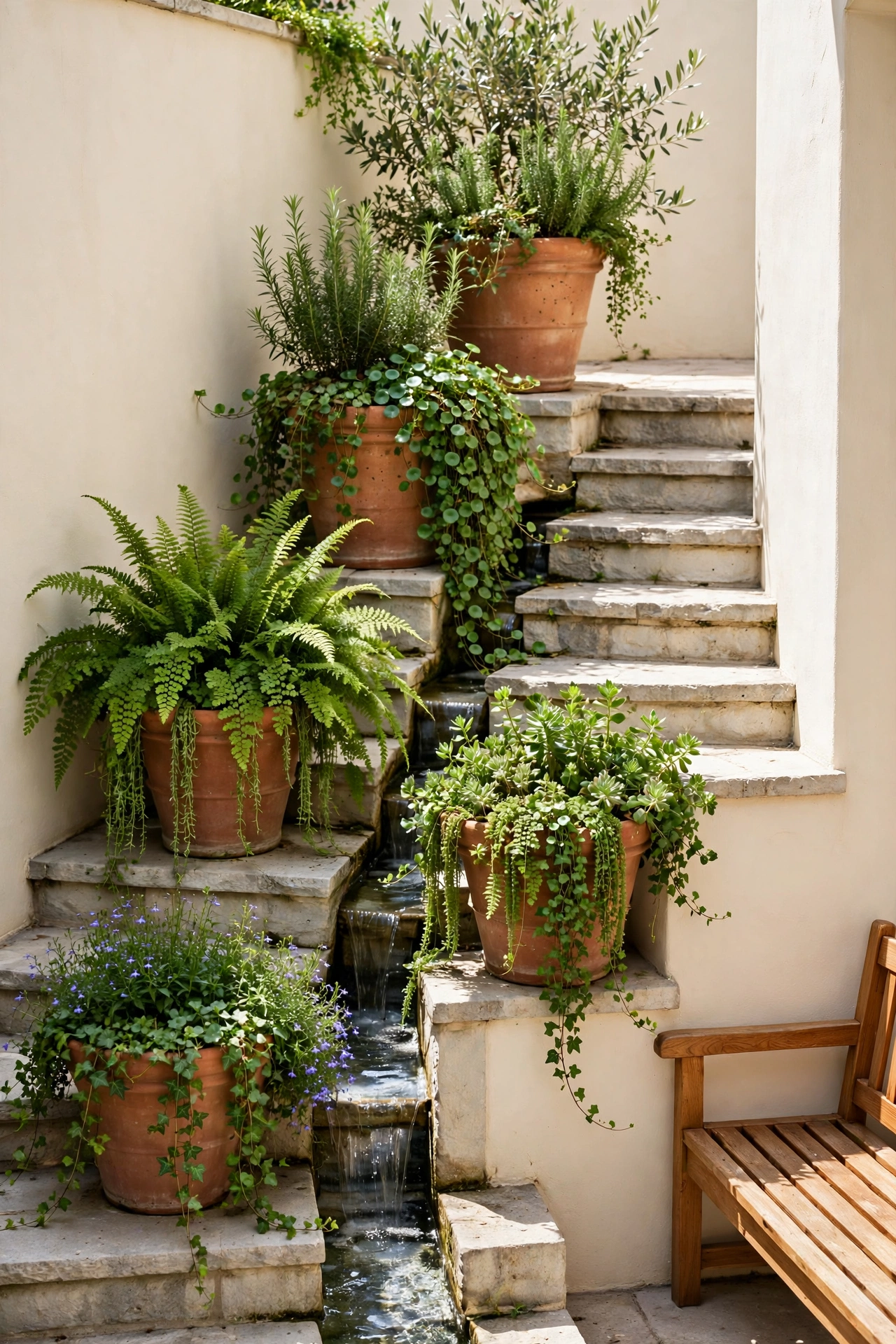
22. Water Courtyard Planters With a Greywater Overflow Channel
Courtyard planters dry out fast in the sun, and a small greywater channel that overflows from one planter to the next keeps them all watered in turn. The water enters the highest planter, drains through the soil, and spills into the next pot down the line, so nothing is wasted and every plant gets a drink. The planters look lush and full with almost no daily care.
Arrange the planters in a gentle cascade on steps or a sloped edge, and use large terracotta pots with drainage holes and saucers that direct overflow downward. Plant each pot with a mix of trailing and upright plants so the cascade looks full from every angle. A courtyard on greywater feels like a cool oasis in the middle of a hot summer.
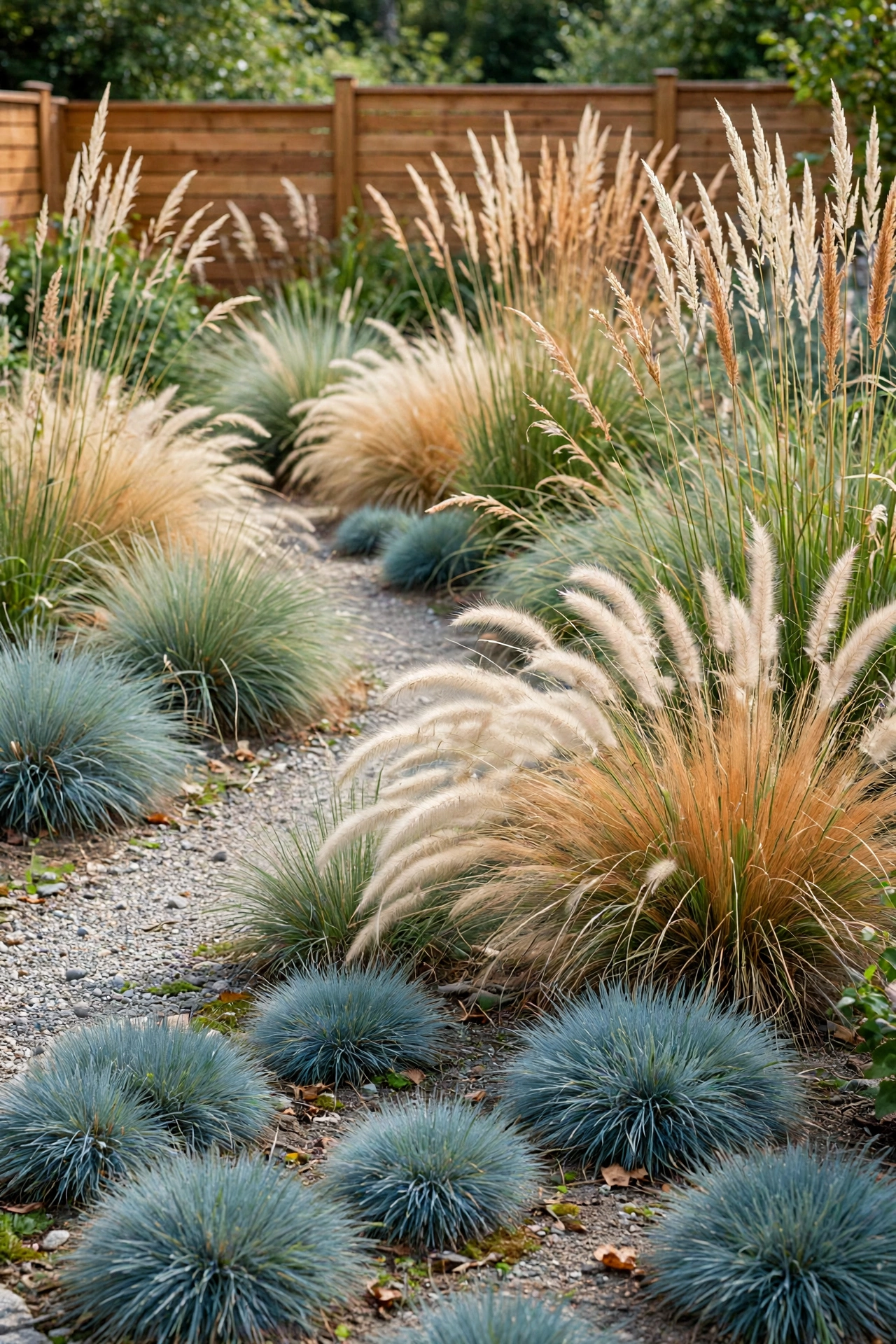
23. Plant an Ornamental Grass Meadow on Greywater
Ornamental grasses turn a plain corner into a waving meadow of plumes and seed heads, and greywater keeps them tall and full through dry weather. A mix of fountain grass, feather reed grass, and blue fescue gives you movement, texture, and color from spring to winter, with almost no mowing and no fertilizing needed. The meadow rustles softly in the breeze and glows in low evening light.
Plant the grasses in generous drifts of five or seven, with the tallest varieties at the back and the shortest at the front. Run a single subsurface line through the center of the drift so the roots share the water evenly. Leave the seed heads standing through winter for birds, and cut the whole meadow back in early spring.
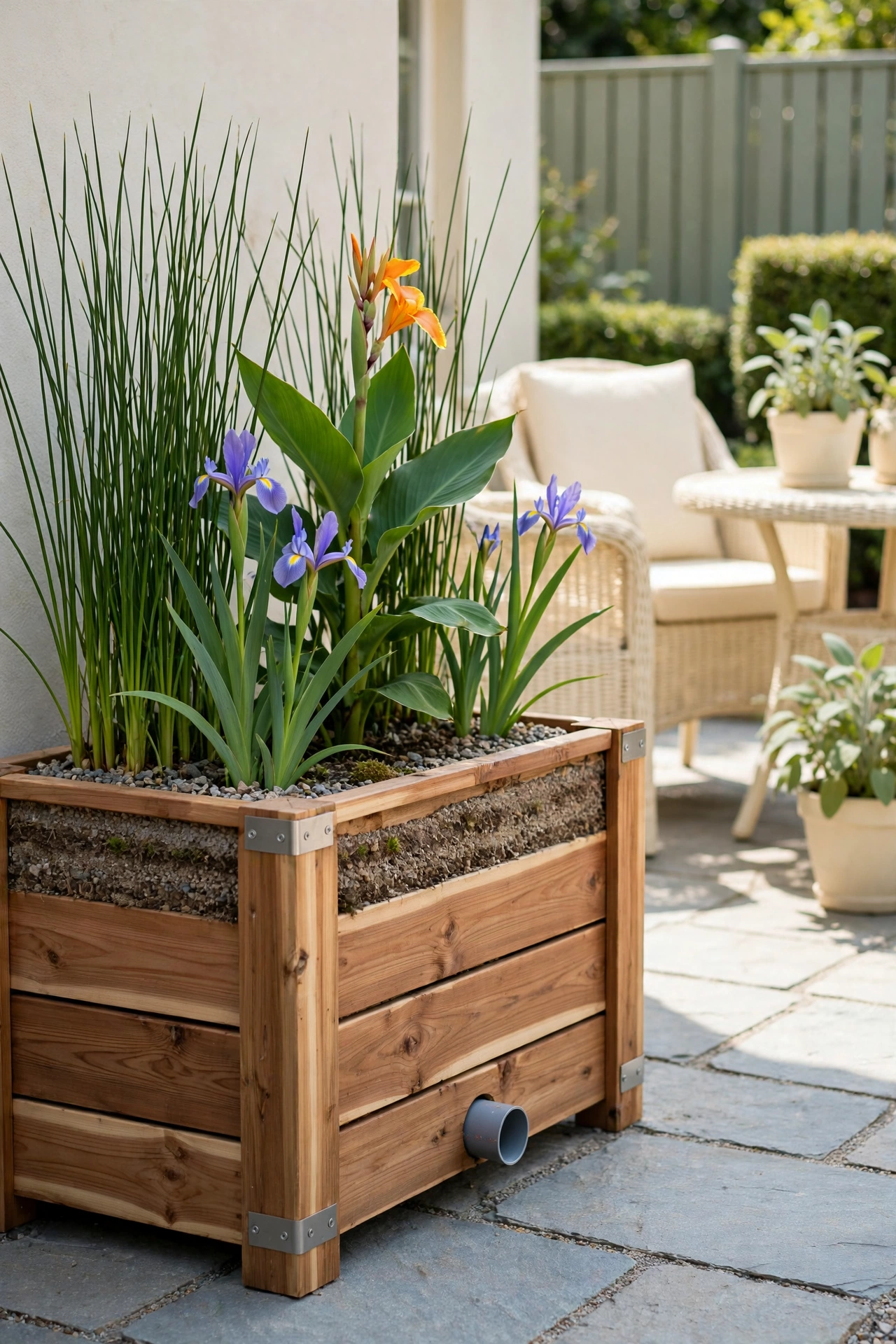
24. Filter Greywater in a Planter Box Beside the Patio
A filtration planter box beside the patio cleans greywater while it doubles as a handsome piece of garden furniture. The box holds layers of gravel, sand, and soil planted with rushes and water-loving flowers, and the water trickles down through the layers before it flows on to the garden beds. Guests see a pretty planter, not a filter.
Build the box from cedar or redwood with a liner and a drain at the base, and layer the inside from coarse gravel at the bottom to fine sand at the top. Plant the top with cannas, rushes, and irises that enjoy wet feet. Check the drain monthly and clear any debris so the water keeps flowing freely.
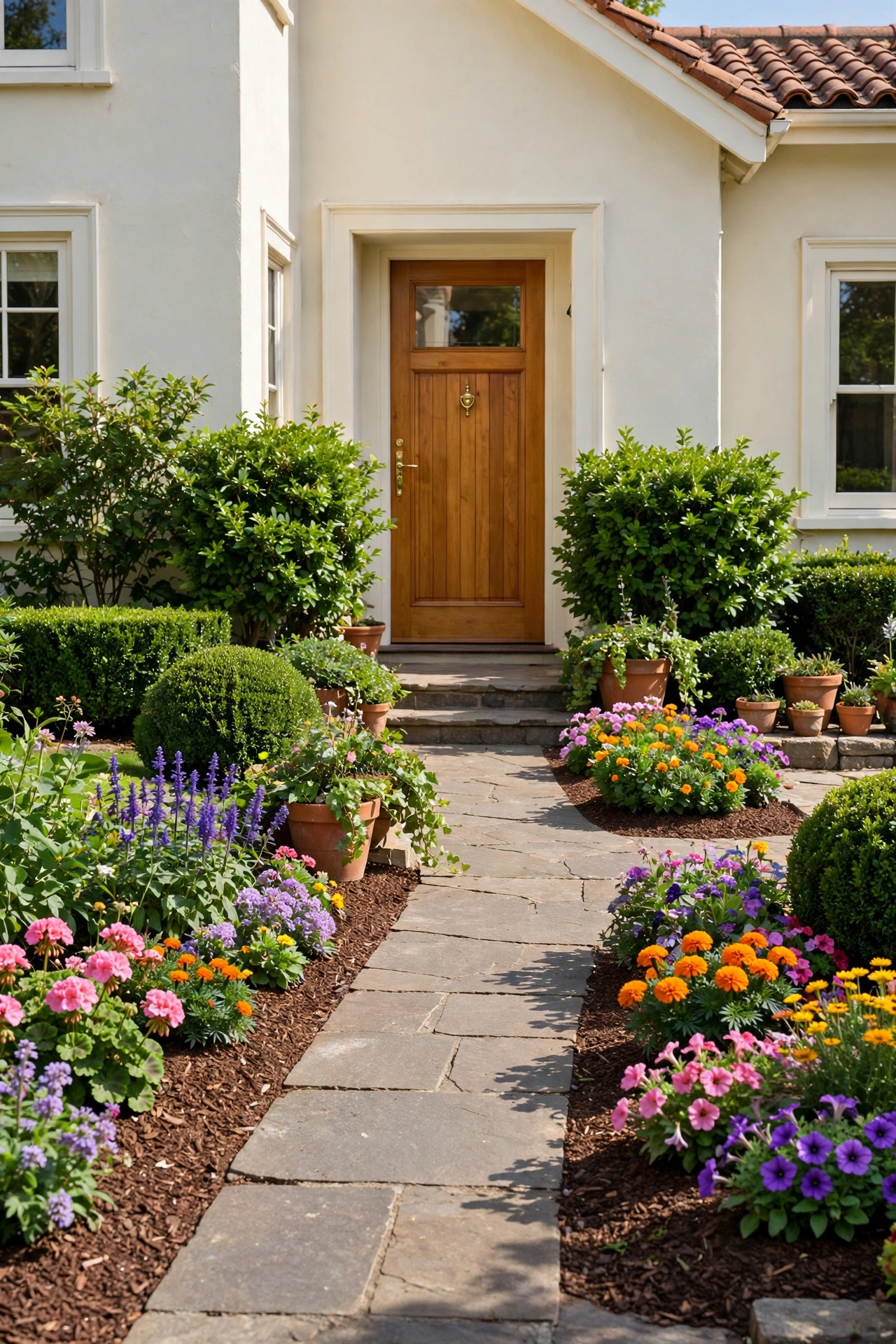
25. Keep the Front Yard Green With a Subsurface System
Front yards face the street, so a greywater system there must be invisible, tidy, and fully code compliant. Subsurface lines buried under the lawn replacement beds deliver water where no one can see it, and the shrubs and flowers stay green and full without a sprinkler in sight. The yard looks polished and cared for, and no water ever pools on the surface.
Check your local rules before you start, because front yard systems often need a permit and a backflow preventer. Use only plant-safe soaps in the fixtures that feed the yard, and keep the lines at least a few inches below the mulch. A green front yard on greywater is a quiet statement that water conservation can look beautiful.
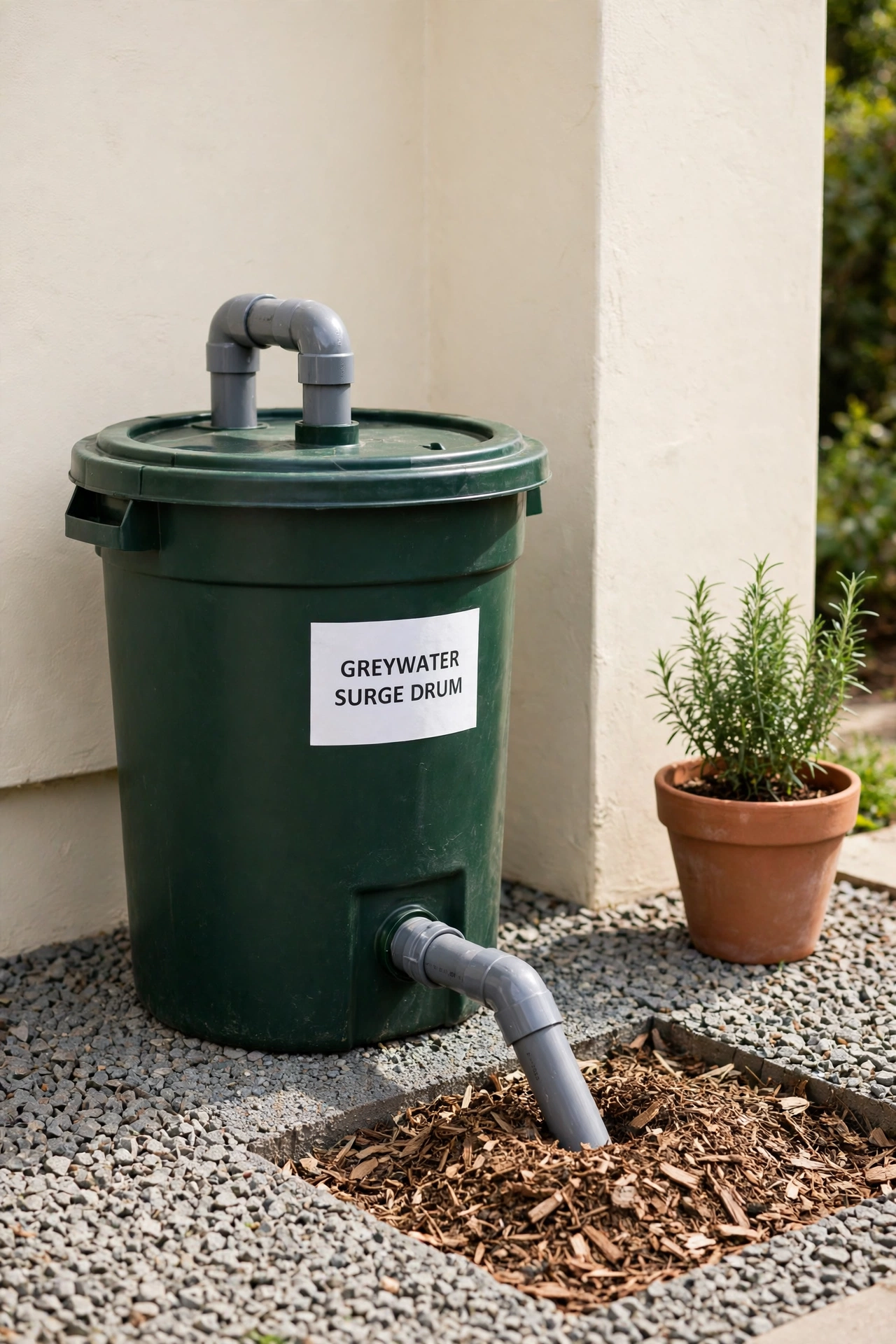
26. Add a Surge Drum With Overflow to a Mulch Basin
A surge drum is a small covered tank that catches greywater surges and releases them slowly, so a big laundry day never floods the garden. The drum fills, then drains through a slow outlet to a mulch basin, and an overflow pipe carries any extra to a second basin as a backup. The whole setup is simple, cheap, and has no pump to fail.
Place the drum on a level gravel pad beside the house, with the inlet at the top and the outlet near the bottom. Fit a tight lid to keep out leaves and insects, and paint the drum a dark green so it blends into the garden. Check the outlet screen each month and clear any lint so the drum keeps draining freely.
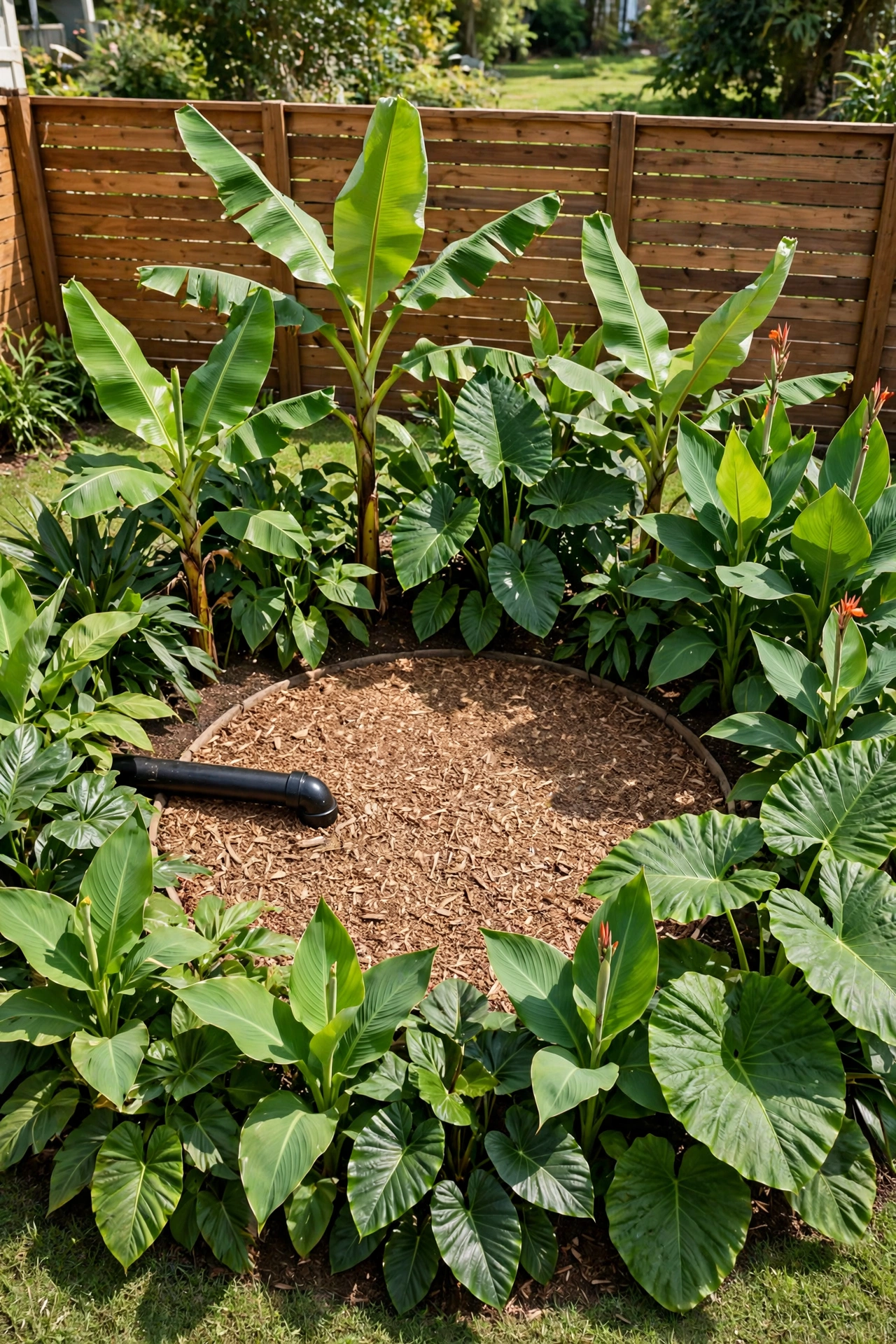
27. Ring Tropical Foliage Plants Around a Central Basin
Tropical foliage plants such as bananas, elephant ears, and cannas are heavy drinkers that love the warm, nutrient-rich flow of greywater. Planted in a ring around a central mulch basin, they form a lush jungle corner that grows taller and lusher every month. The ring hides the basin completely, so the corner looks like a tropical retreat.
Dig the central basin two feet deep and fill it with coarse mulch, then plant the ring eight to ten feet across so the foliage has room to spread. In cold climates, grow the tropical plants in large pots sunk into the ring so you can lift them indoors for winter. A tropical ring on greywater is the most dramatic use of household water in the whole garden.
28. Give Thirsty Trees Their Own Heavy-Flow Zone
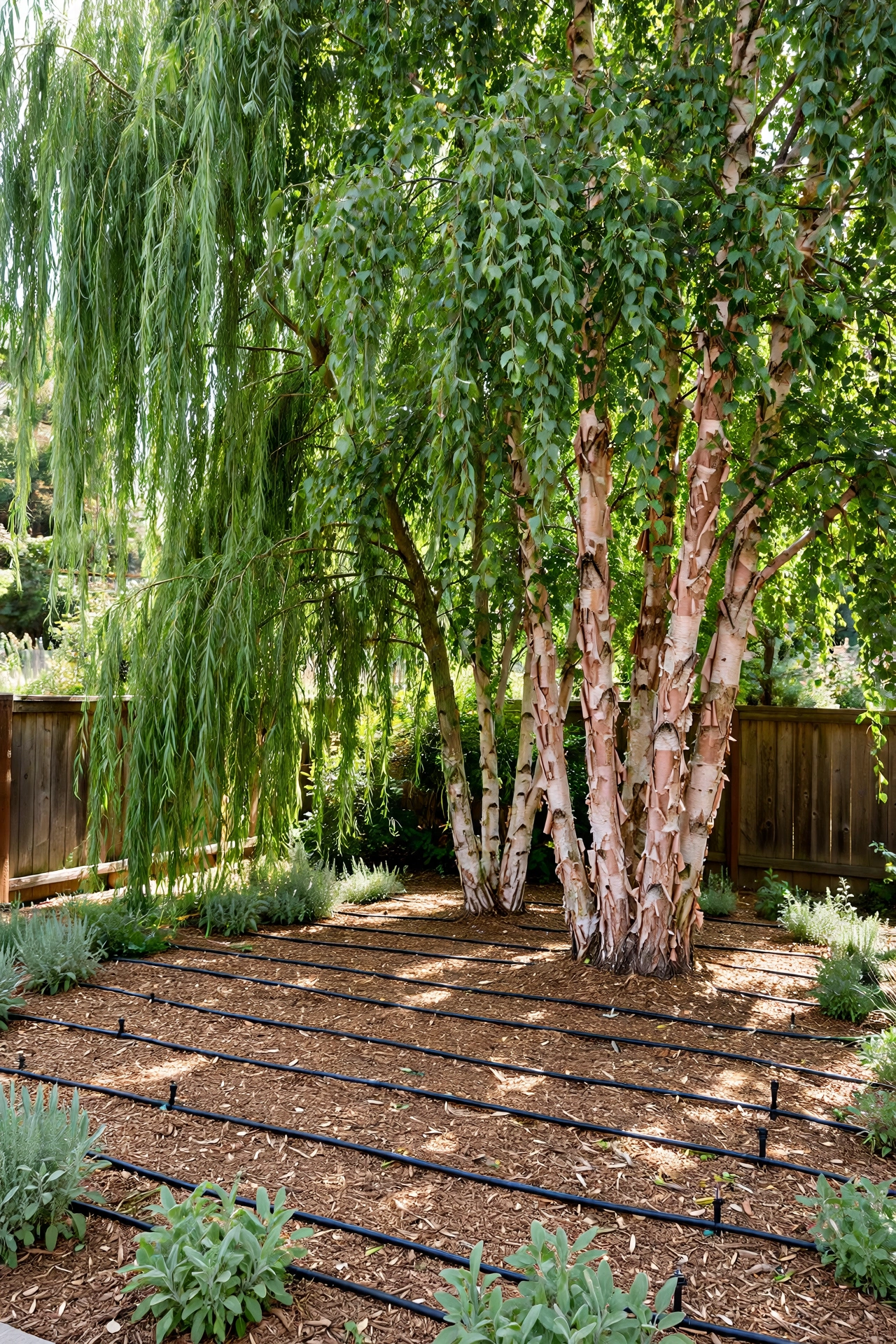
Some trees drink far more than others, and grouping them in one heavy-flow zone lets you send the largest greywater flows exactly where they are wanted. Willows, poplars, and river birches thrive on abundant water, and a dedicated zone keeps their thirsty roots away from pipes and foundations. The zone becomes a cool, leafy grove that shades the whole corner of the yard.
Place the grove at least twenty feet from the house and any underground pipes, because thirsty roots will seek out water wherever it flows. Run two or three outlets into a shared mulch bed so the water spreads across the whole root zone. A heavy-flow grove can absorb the greywater of a large household without breaking a sweat.
29. Grow a Cutting Flower Garden on Greywater
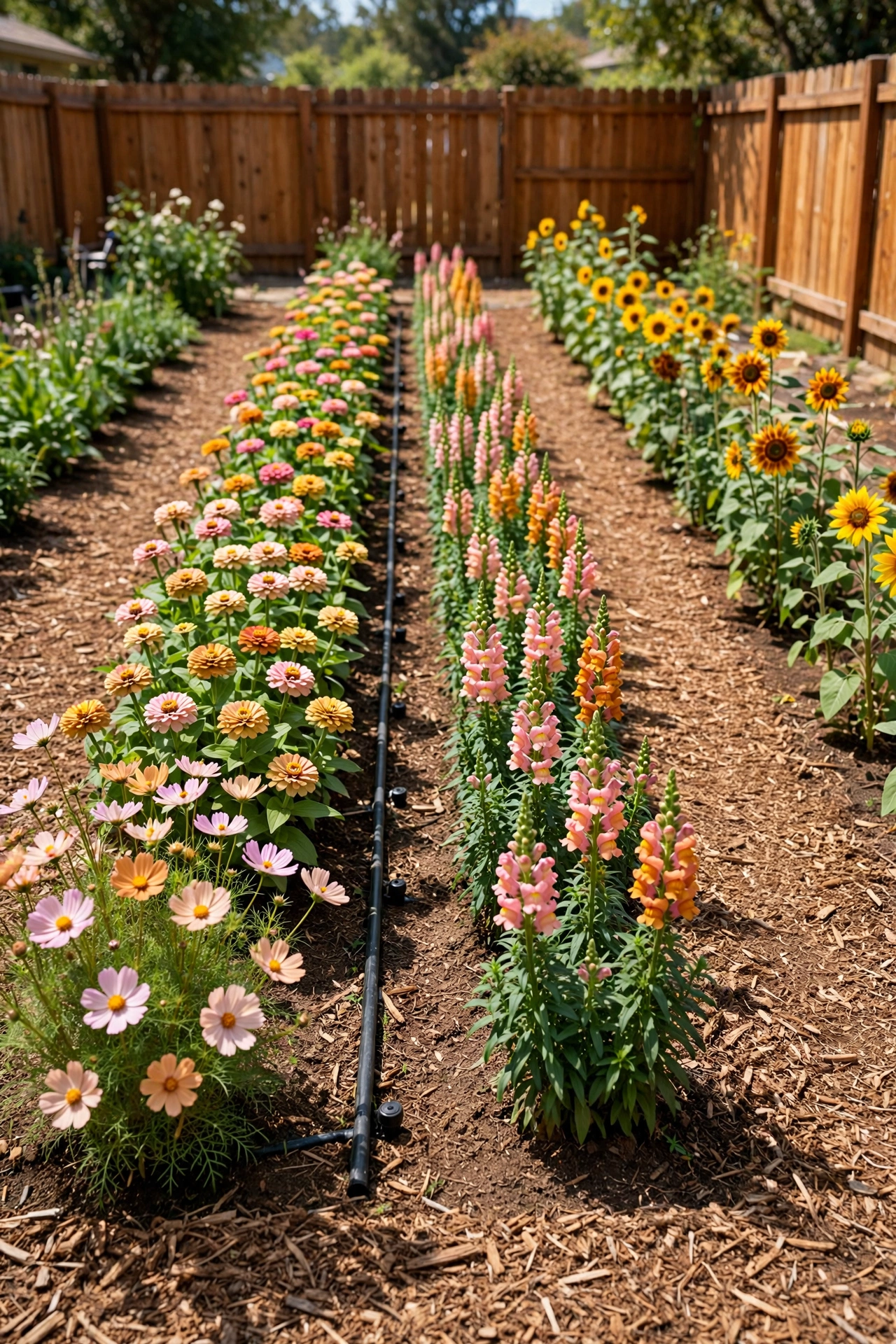
A cutting garden exists to be picked, so it needs constant moisture to keep producing fresh stems week after week. Greywater lines down each row keep zinnias, cosmos, sunflowers, and snapdragons blooming heavily from early summer to the first frost. You cut armfuls of flowers for the house, and the plants just keep growing back.
Plant the flowers in straight rows with paths wide enough for a basket and a pair of snips, and run one line per row under a mulch blanket. Deadhead the spent blooms every few days to keep new buds coming, and rotate the rows each year so the soil stays healthy. A cutting garden on greywater fills the house with flowers all season for almost no tap water at all.
30. Set Up a Plant-Safe Soap Station in the Laundry Room
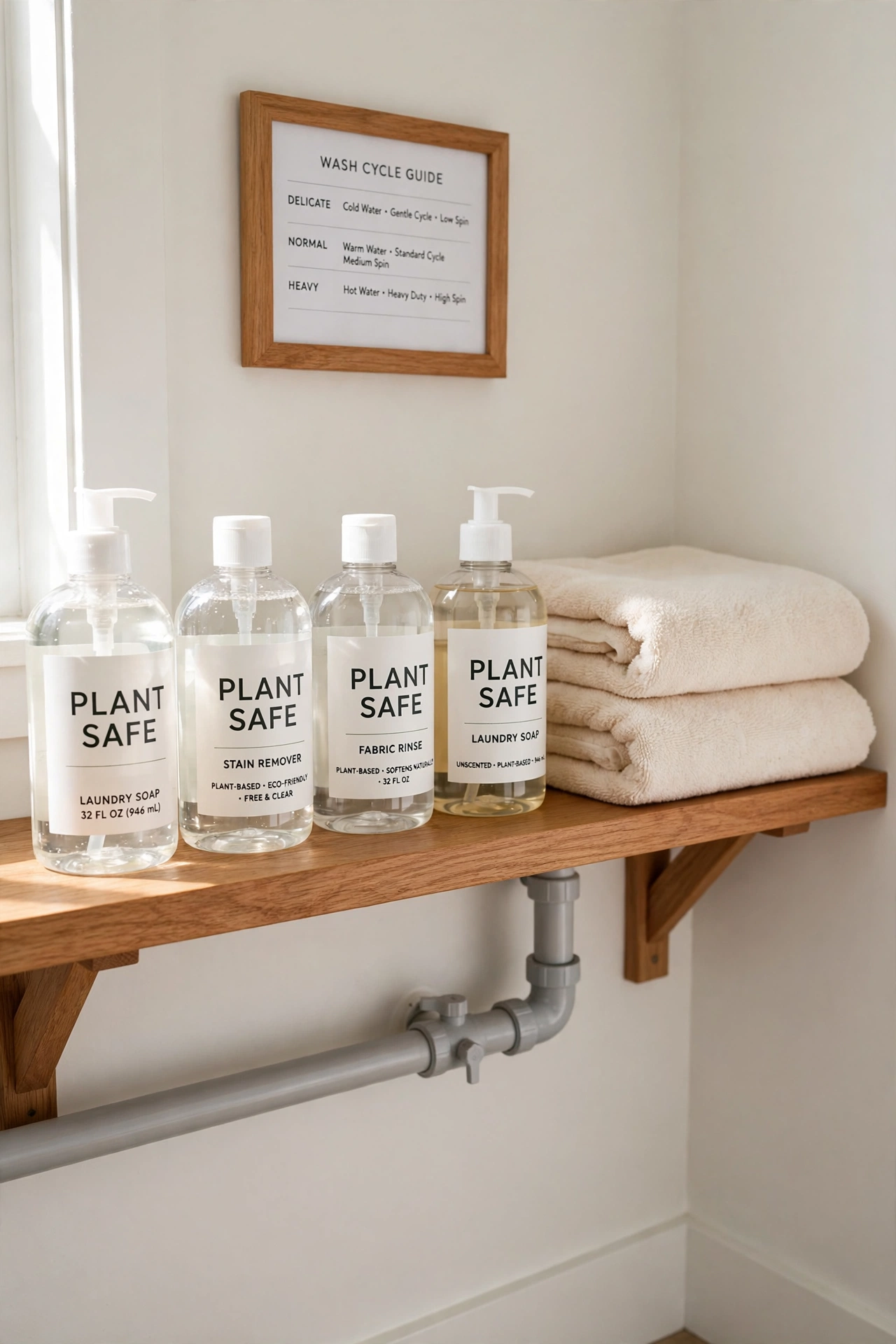
Greywater is only as safe as the soap in it, so a dedicated soap station in the laundry room keeps the whole system healthy. Stock the shelf with plant-safe laundry detergent, low-sodium soaps, and borax-free cleaners, each clearly labeled, and keep harsh products in a separate cupboard for the rare loads that must go to the sewer. The station makes the right choice the easy choice.
Label each bottle with a simple printed tag that says whether it is safe for the garden, and add a small chart on the wall that lists the products to avoid. Switch the whole household to plant-safe soaps gradually, one product at a time, so the change feels painless. A tidy soap station is the smallest project in this list, and it protects every plant the system waters.
31. Water Terraced Hillside Beds With a Gravity System
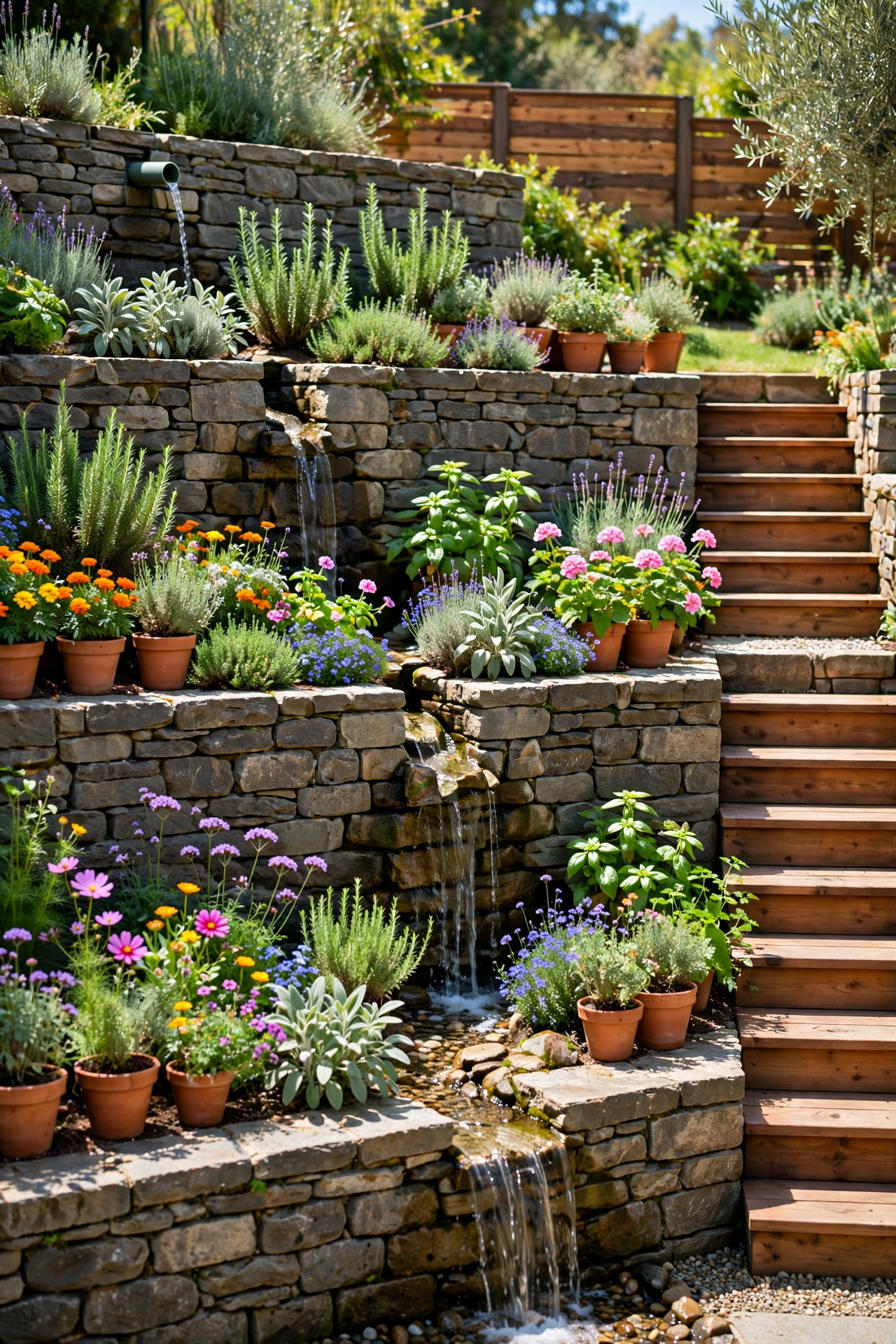
A sloping yard is a gift for greywater, because gravity carries the water downhill from terrace to terrace with no pump at all. Each terraced bed catches the flow, soaks it up, and passes the extra down to the next level, so one pipe at the top waters the whole hillside. The terraces look like a beautiful stepped garden, and the water does all the work.
Build the terraces with stone or timber walls, and give each bed a level floor so the water spreads evenly instead of pooling at one end. Place the greywater inlet at the highest terrace and add a small spillway between levels for overflow. Plant each terrace with a different theme, from herbs at the top to flowers at the bottom, for a hillside that changes as you walk down it.
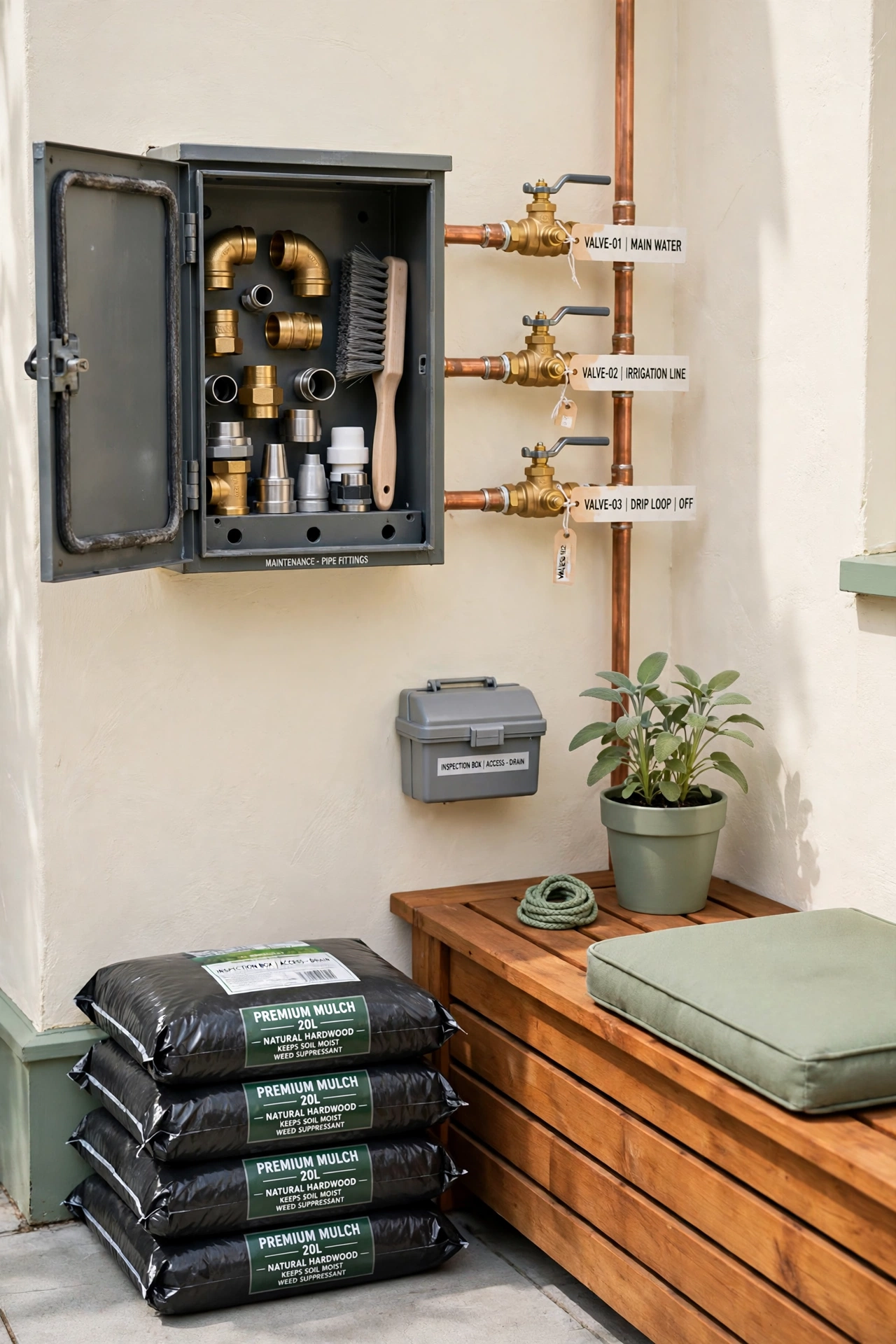
32. Build a Maintenance Corner With Labeled Valves and Spares
Every greywater system needs occasional care, and a tidy maintenance corner keeps the tools, spares, and labels in one place. A small weatherproof cabinet beside the house holds spare emitters, pipe fittings, a filter brush, and a notebook where you log each check. Labeled valves on the wall show exactly which line feeds which bed, so troubleshooting takes minutes instead of hours.
Mount a simple map of the system inside the cabinet door, with each line drawn in a different color and each valve numbered to match. Check the filters monthly, flush the lines seasonally, and top up the mulch in every basin twice a year. A well-kept maintenance corner is what turns a good greywater system into a great one that lasts for decades.
Conclusion
Greywater landscaping turns a waste stream into a resource, and it does so with systems that are simpler than most people expect. A pipe, a mulch basin, and a plant-safe soap shelf are enough to start, and you can grow the system bed by bed until the whole backyard runs on water you already used once. The garden gets greener, the water bill gets smaller, and the soil gets healthier with every load of laundry.
Start with one idea from this list, perhaps a laundry line to a single fruit tree, and watch how the garden responds before you expand. If you want to pair your greywater system with other water-wise landscaping, these rain garden ideas show how to shape beds that capture and hold every drop. Your backyard can become proof that conservation and beauty grow best together.
Frequently Asked Questions About Backyard Greywater Landscaping Ideas for Water Conservation
What is greywater and which fixtures produce it?
Greywater is gently used water from washing machines, showers, bathtubs, and bathroom sinks. It does not include toilet water, which is blackwater, and kitchen sink water is often classed separately because of grease and food waste. Always check your local rules, because the legal definition of greywater varies by area.
Is greywater safe for watering fruit trees and berry bushes?
Yes, when the water is delivered below the surface through mulch basins or subsurface lines so it never touches the fruit. Use only plant-safe, low-sodium soaps, and wash all fruit thoroughly before eating. Avoid watering root vegetables and leafy greens that you eat raw with greywater.
Do I need a permit for a greywater system?
Simple laundry-to-landscape systems need no permit in many areas, while larger systems with pumps, tanks, or front yard lines often do. Rules vary widely by city and state, so check with your local building or water authority before you dig. A quick call now can save you from redoing the work later.
Which soaps are safe for greywater systems?
Choose liquid laundry detergents and soaps that are labeled biodegradable, low in sodium, and free of boron, bleach, and antibacterial agents. Powder detergents tend to carry more salts, which can build up in the soil over time. Switch one product at a time so the change is easy for the whole household.
How do I keep a greywater system from smelling or clogging?
Send the water to mulch basins or subsurface lines within a day, and never store untreated greywater for more than 24 hours. Keep filters clean, flush the lines with fresh water monthly, and top up the mulch twice a year. A system that drains freely and stays covered with mulch will not smell or clog.

Hi, I’m Emily! I turn messy corners into cozy, organized spots. DreamNestDecor is where I share simple, practical home ideas — decor, organization, and small-space solutions that work in real life, not just in photos. Every idea here is carefully researched before it’s shared.