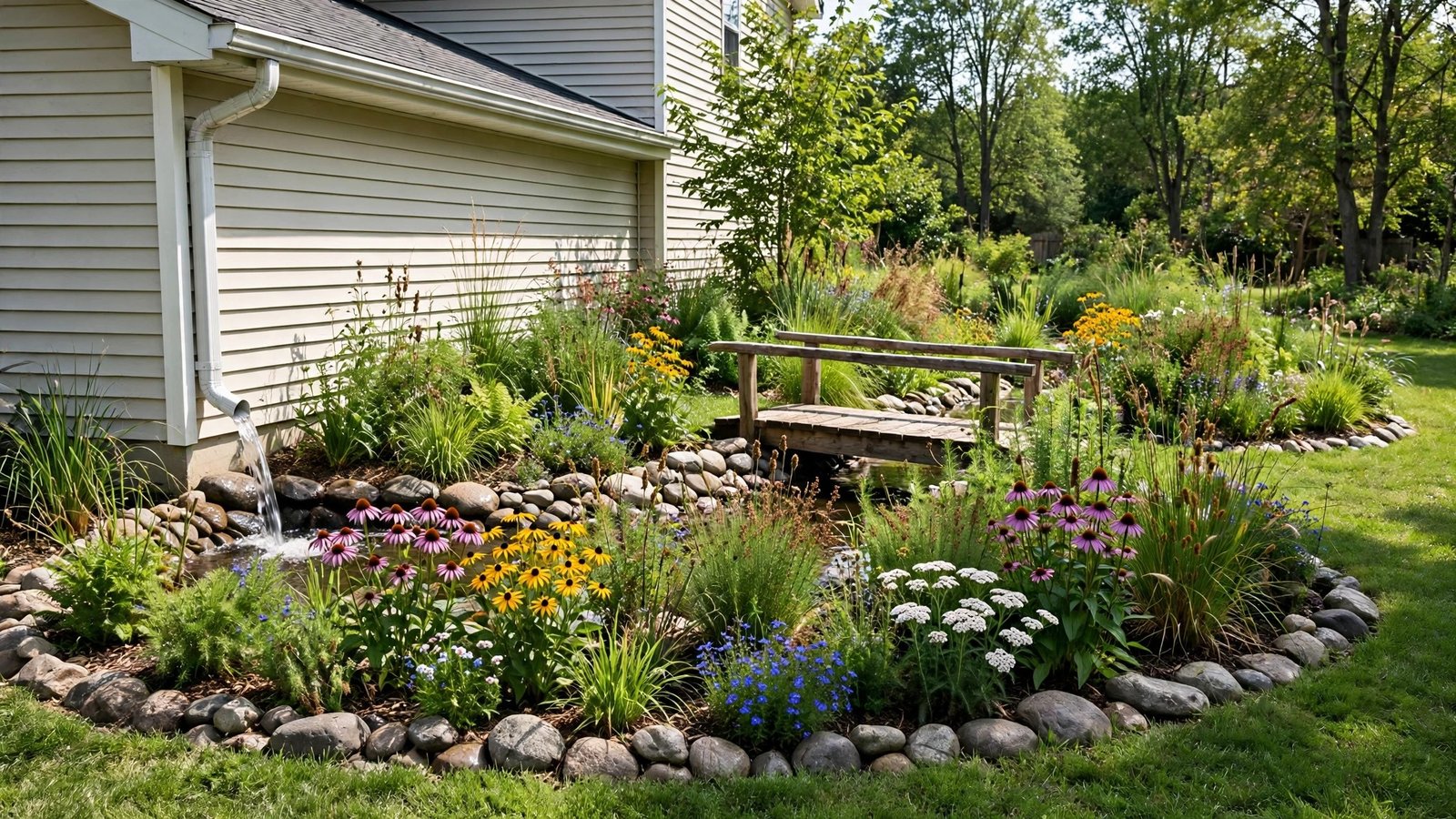
Every yard has that one spot where rain loves to linger a little too long. Picture it transformed: a lush basin of cardinal flowers and swaying sedges where water once stood in a muddy puddle, butterflies drifting over the blooms while the soil below quietly drinks the storm away. That soggy problem area is actually a rain garden waiting to happen.
Rain gardens are shallow planted basins designed to catch runoff from roofs and driveways, giving it time to soak into the ground instead of flooding your lawn. These 23 rain garden ideas will help you turn wet backyards into beautiful, hardworking landscapes.
1. Fill It With Native Plants
Native plants are the backbone of every successful rain garden because their deep roots handle both flooding and dry spells. Choose cardinal flower, swamp milkweed, and native sedges suited to your region, and layer them for color from spring through fall. They need no fertilizer once established.
These deep roots also filter pollutants as water sinks through the soil, protecting local streams. You will love how sustainable home decor ideas extend right into the landscape with a planting that cleans water while looking gorgeous.
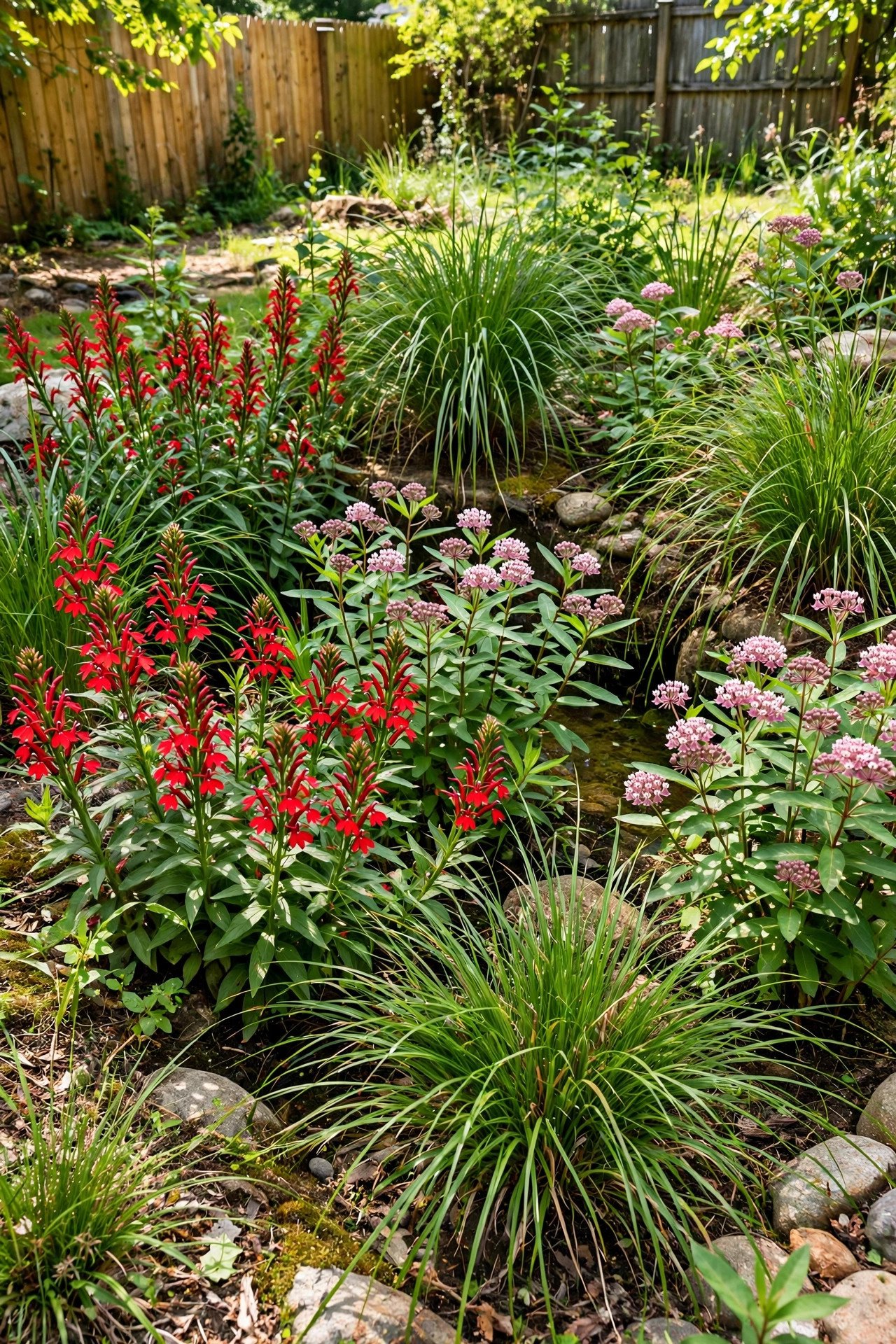
2. Feed It With a Dry Creek Bed
Guide roof and yard runoff to your rain garden through a winding dry creek bed of river rock. The stones look like a natural streambed in dry weather and carry water gracefully during storms. Larger boulders along the edges add permanence and rugged beauty.
This pairing solves two problems at once: the creek moves water where you want it, and the garden absorbs it when it arrives. Edge the creek with moisture-loving rushes to blur the line between stone and planting.
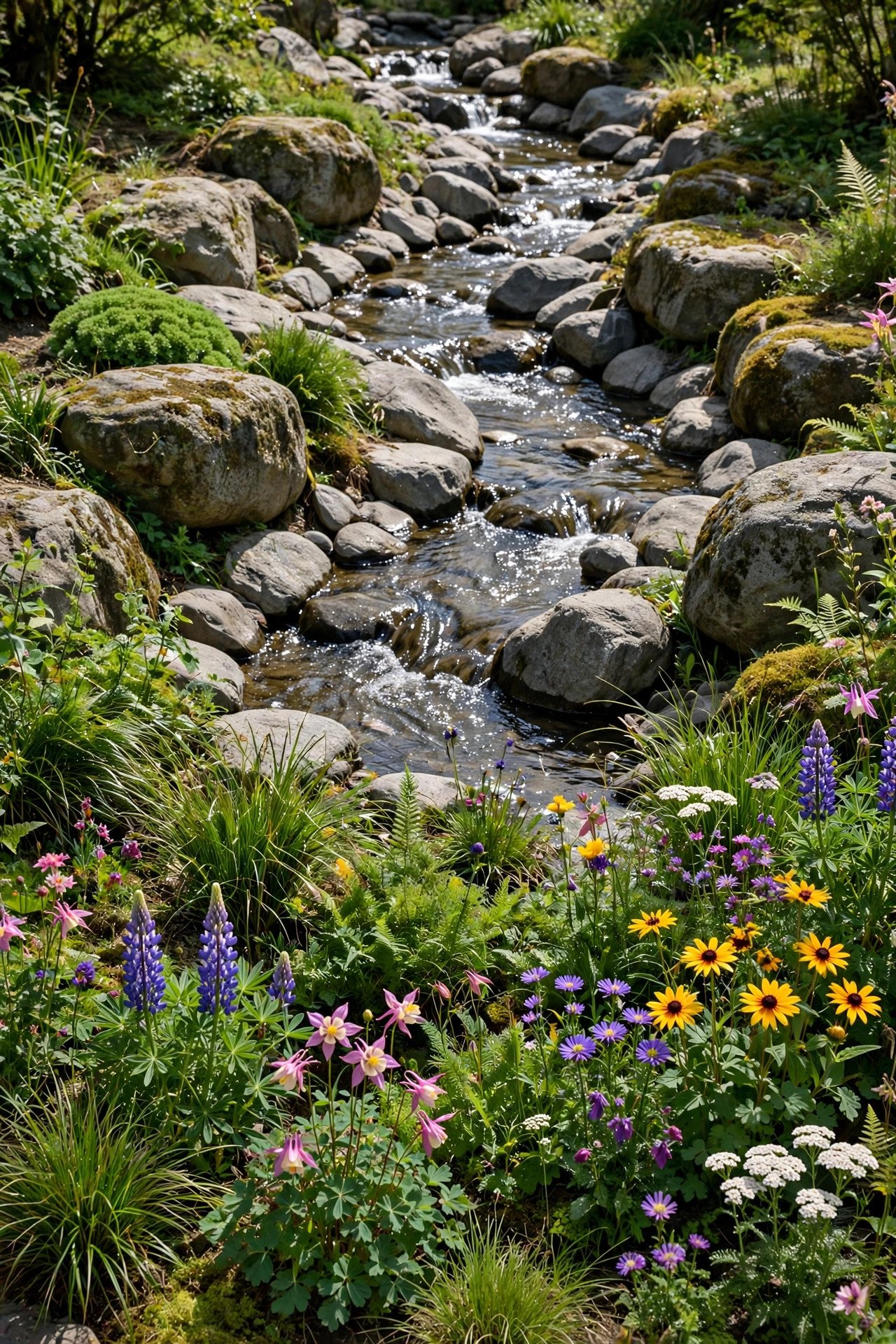
3. Span It With a Garden Bridge
A small wooden bridge arched over the wettest part of your rain garden turns a drainage feature into a destination, much like the charming structures in European garden with antique accents. It lets you cross without muddy shoes or trampled plants, and it gives the whole garden a storybook focal point. A simple flat design suits modern yards; an arched one feels classic.
Stain the wood to match your deck or fence for a pulled-together look, and choose rot-resistant cedar for longevity. Visitors will cross it slowly, which is exactly the point.
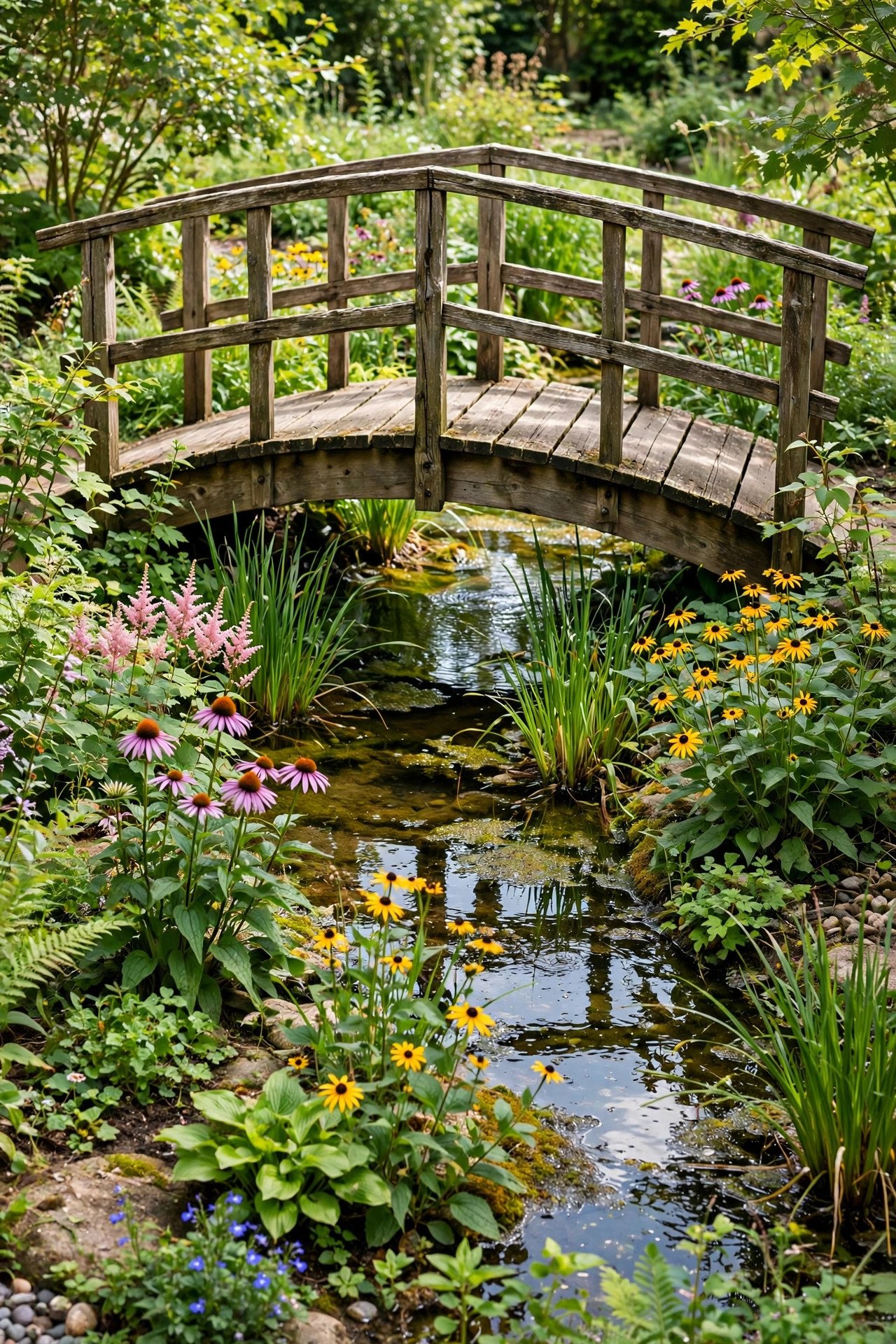
4. Keep It Clean and Modern
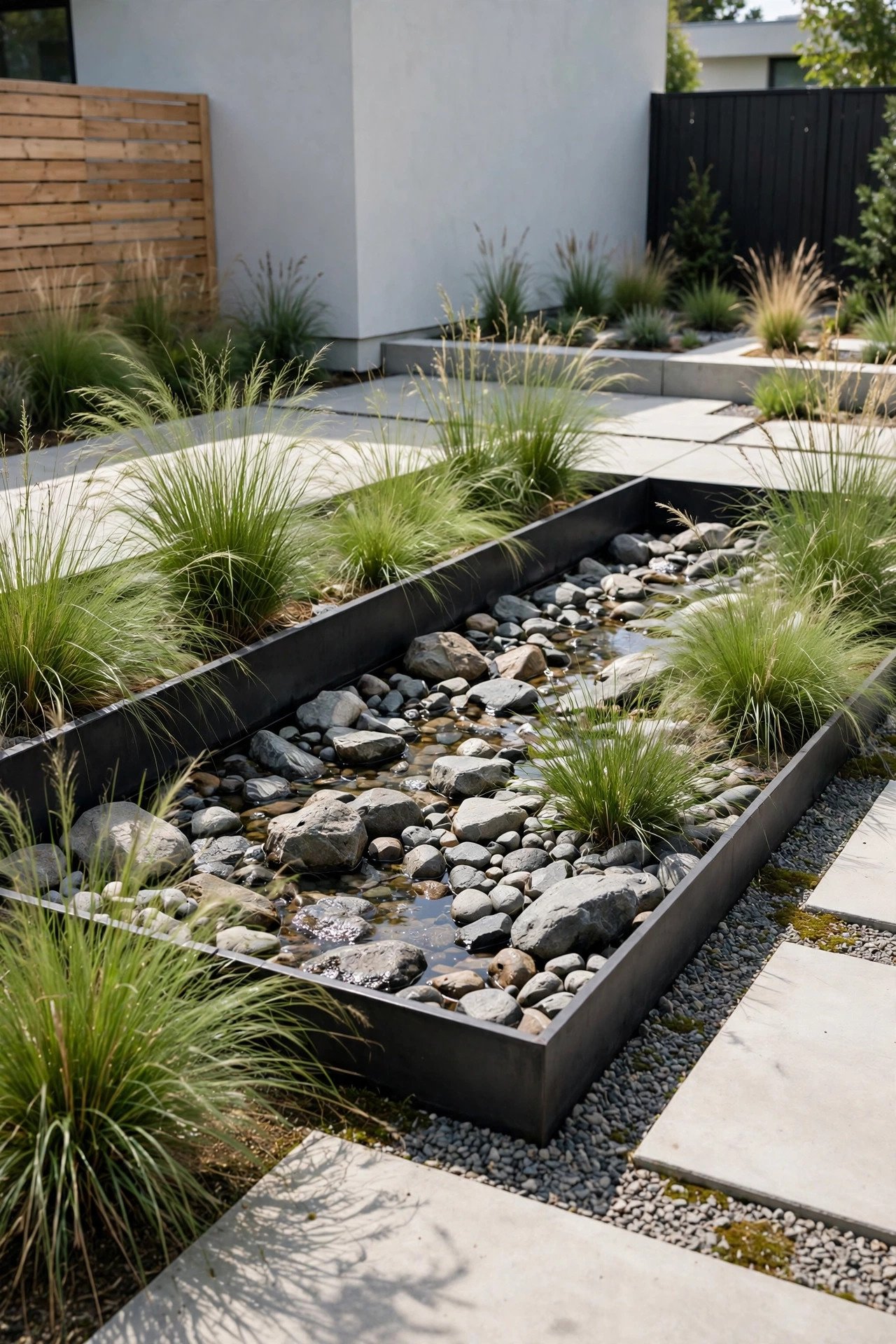
Rain gardens do not have to look wild. Crisp steel edging, a geometric basin shape, and a restrained palette of ornamental grasses give the garden a tailored, architectural feel. This style suits contemporary homes where every landscape line feels intentional.
Limit yourself to three plant varieties repeated in drifts for the strongest modern effect. The garden still manages storm water beautifully, just with sharper lines. Eco-friendly and elegant are not opposites.
5. Terrace a Sloped Backyard
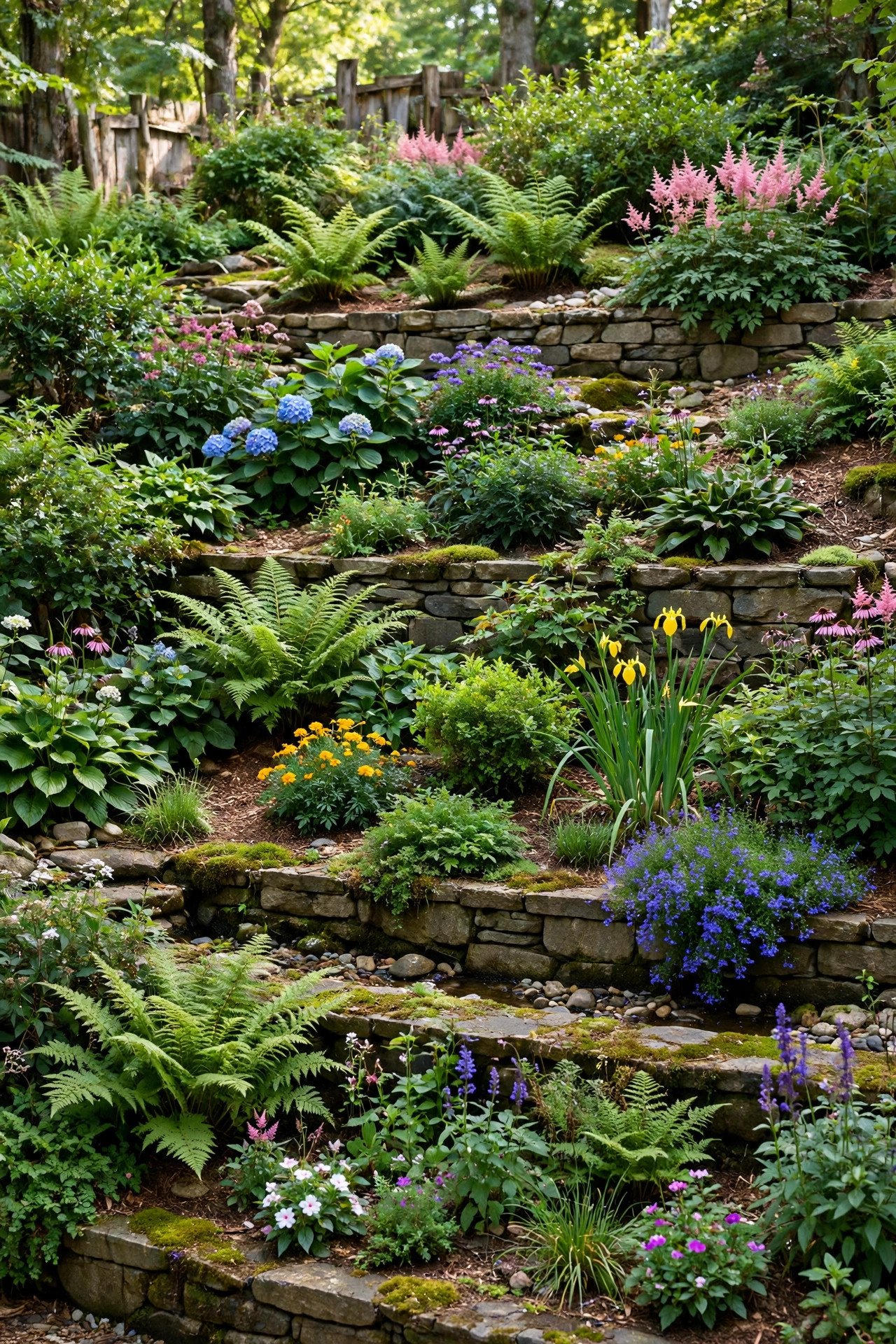
Steep yards send water downhill fast, carrying soil with it, but a series of shallow stepped basins slows every drop. Build each level with stone or timber retaining edges, plant them with moisture-loving shrubs and groundcovers, and let water percolate level by level instead of racing to the bottom.
The terraces turn an erosion problem into a lush vertical garden with serious curb appeal. Each tier can host a slightly different planting for variety. Your slope becomes the most interesting part of the property.
6. Connect a Downspout Garden
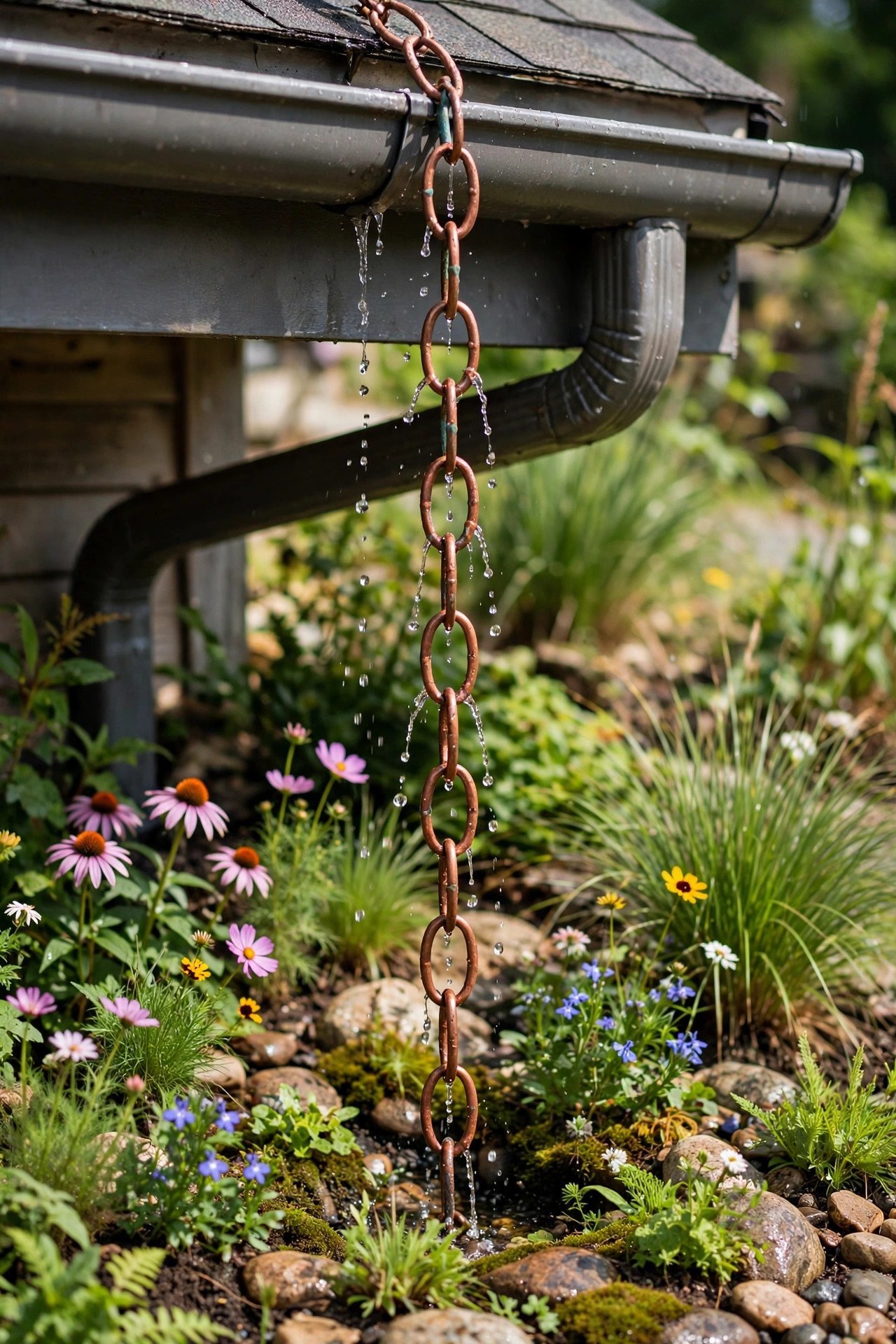
The simplest rain garden starts at your gutter. Extend a downspout with a decorative rain chain or buried pipe that empties into a planted basin at least ten feet from your foundation. Roof runoff becomes free irrigation for thirsty plants instead of a basement threat.
Site the basin where it can be seen from a window so you enjoy watching it work during storms. This one connection can manage hundreds of gallons per rainfall. It is the highest-impact small project in this list.
7. Pair It With a Permeable Paver Patio
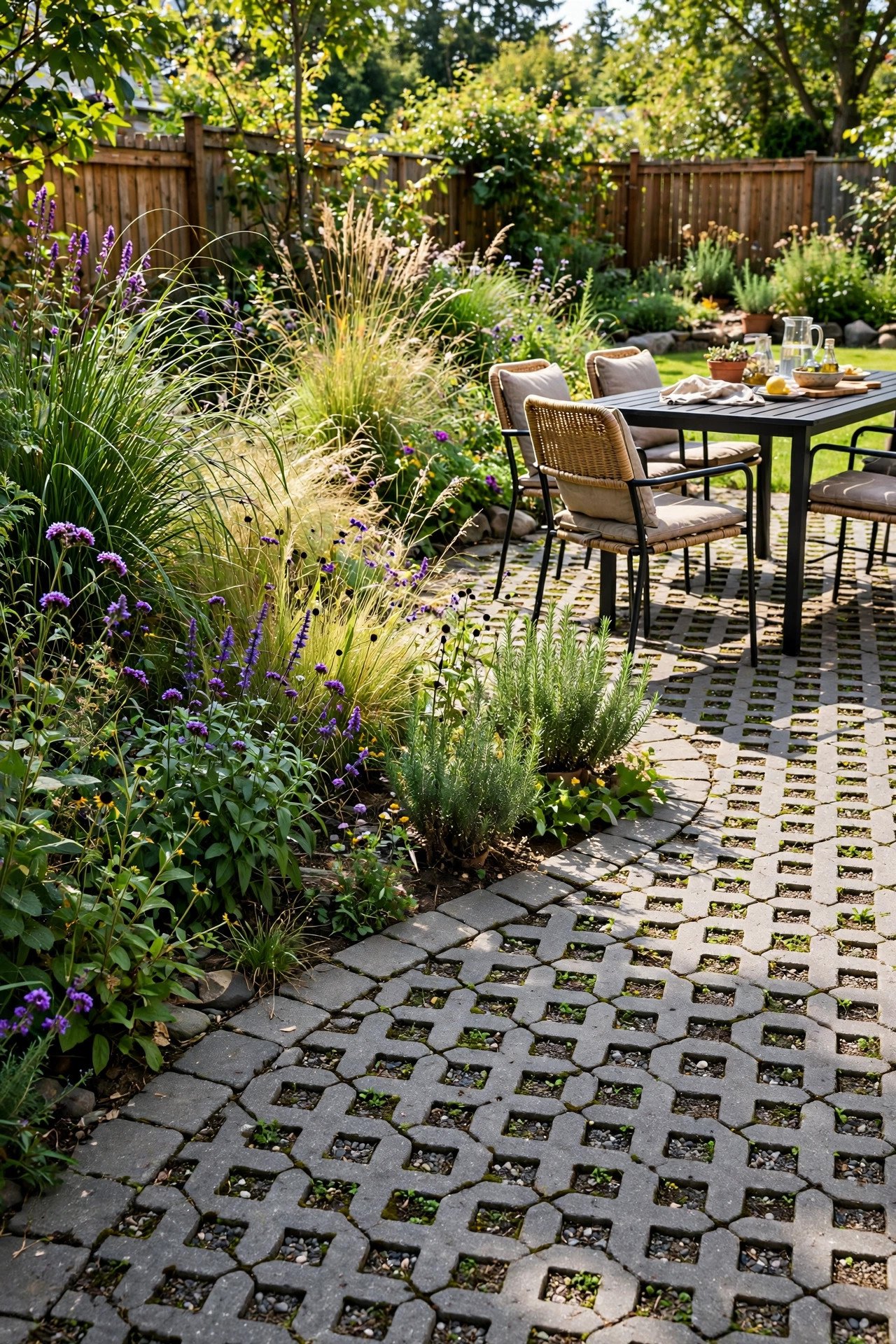
Permeable pavers let rain pass through the patio surface instead of sheeting off it, and a rain garden beside the patio catches whatever remains. Together they keep entertaining spaces puddle-free even after heavy storms. The plants also cool the patio with shade and transpiration.
Choose paver colors that complement your home, and let the garden soften the patio edge with arching grasses. Guests will notice the dry feet before they notice the engineering. Comfort is the best advertisement for green design.
8. Plant for Pollinators
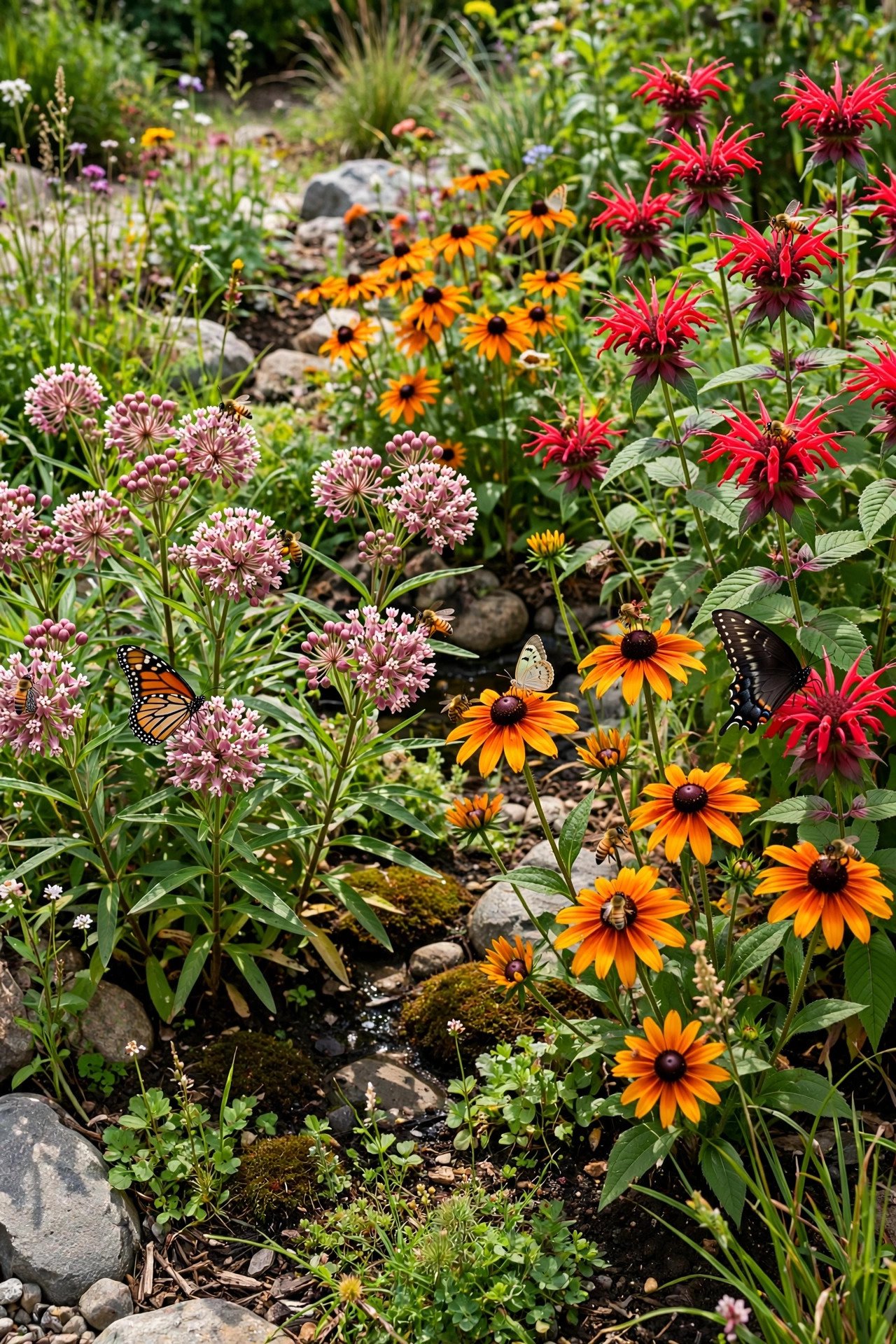
A rain garden is naturally perfect for pollinators because it pairs reliable moisture with dense flowering plants. Milkweed, coneflower, and bee balm thrive in the basin while feeding bees, butterflies, and hummingbirds for months. The damp soil even gives butterflies puddling spots.
Skip all pesticides here so the habitat stays truly safe for its visitors. You will get a front-row seat to the busiest wildlife show in the neighborhood. A garden that drinks storm water and feeds pollinators is doing double duty beautifully.
9. Tuck One Into the Shade
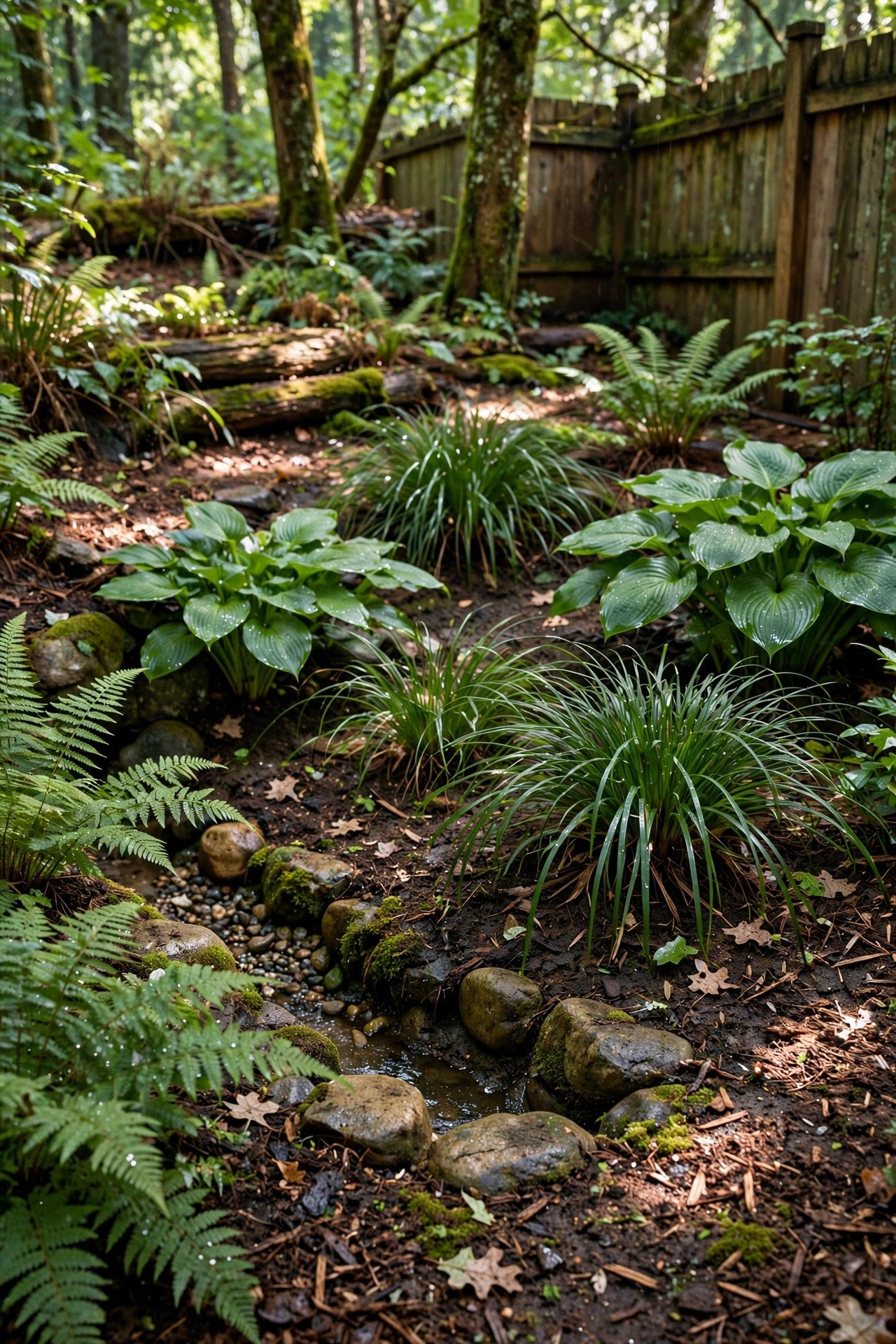
Shady wet corners are often written off, but ferns, hostas, and native sedges turn them into lush rain gardens. These plants love the combination of moisture and low light, creating a cool forest-floor atmosphere. Shredded bark mulch keeps the surface tidy and holds moisture.
This is the garden to pair with a quiet seating spot, since shade gardens feel naturally restful. What was once a muddy eyesore becomes a peaceful retreat. Difficult corners just need the right plants.
10. Build a Rocky Rain Garden
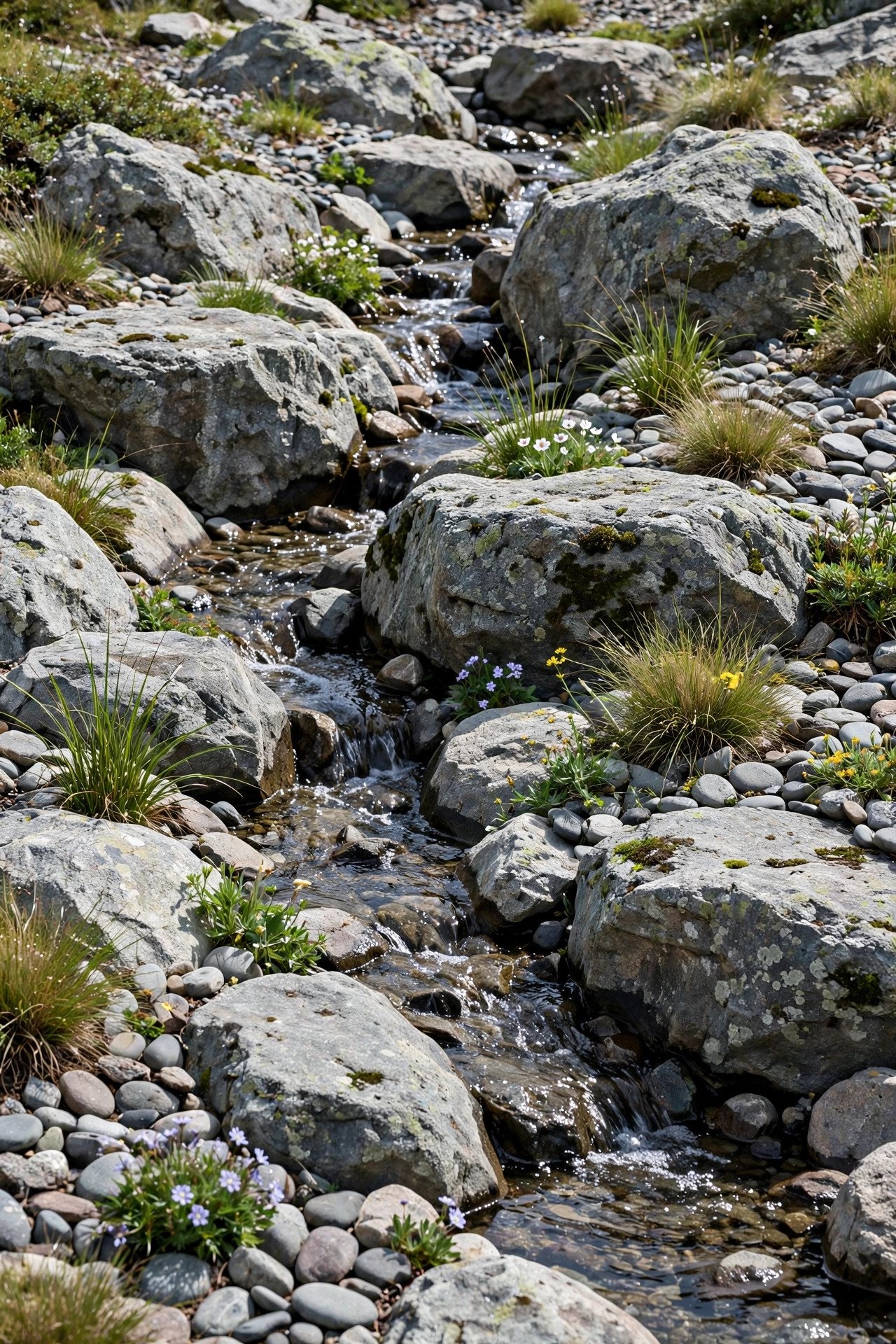
Where water moves fast, stone outlasts mulch. A rocky rain garden uses boulders and river rock as its backbone, with hardy grasses and small alpine plants tucked between the stones. The rocks stay put in heavy flows and look sculptural in dry spells.
This style needs the least weeding of any rain garden because stone mulch blocks light from weed seeds. It suits modern and mountain-style homes especially well. Rugged can still be refined.
11. Cross It on Stepping Stones
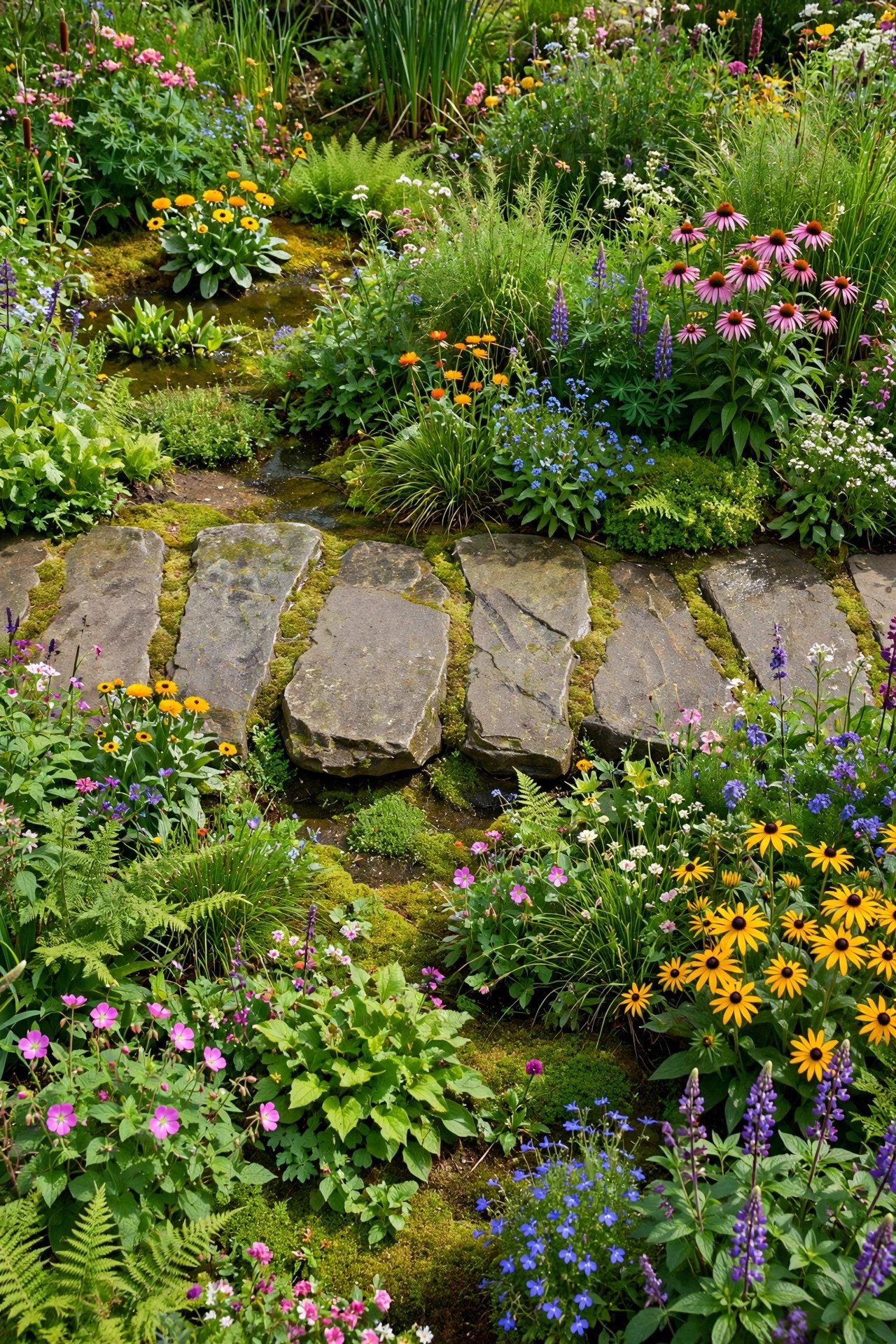
Flat stepping stones laid through the middle of the basin let you walk among the plants for maintenance or pure enjoyment. They protect the soil from compaction and add rhythm to the design. Natural flagstone suits cottage gardens; clean concrete pavers suit modern ones.
Surround the stones with creeping thyme or moss for a soft, storybook feel. The path turns a working drainage basin into a place you actually visit. Every functional garden deserves a way in.
12. Fit One in a Small Backyard
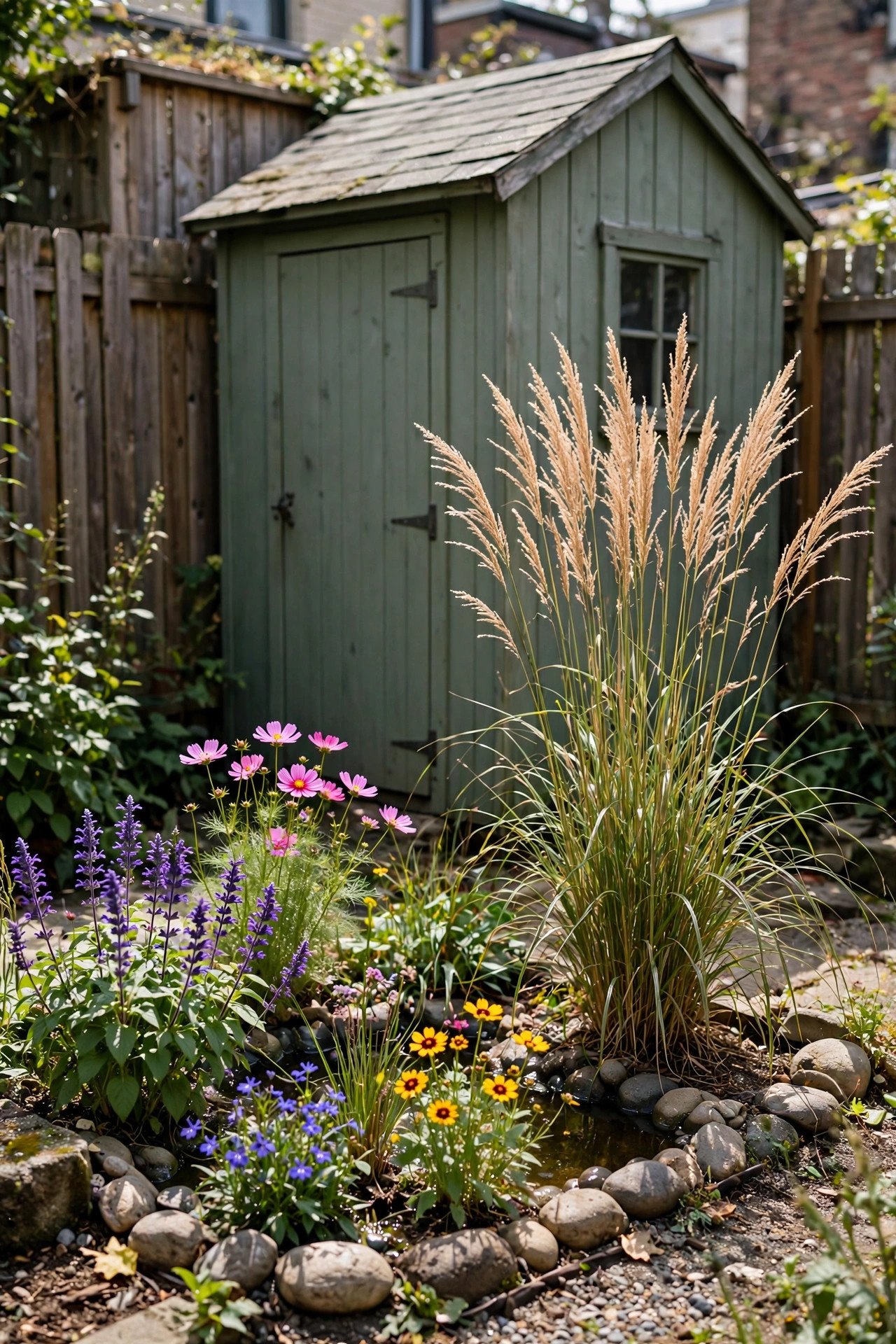
You do not need acreage to manage runoff beautifully. A small depression fed by a garage or shed downspout becomes a mighty mini rain garden with compact plant varieties and one vertical accent like a tall grass. Even a tiny basin reduces puddles and helps with dampness.
Small gardens also mean small maintenance, which suits busy households. This idea pairs well with Mediterranean porch styling nearby, where potted citrus and warm tones frame the lush little basin. Scale down the size, never the beauty.
13. Add a Waterfall Feature
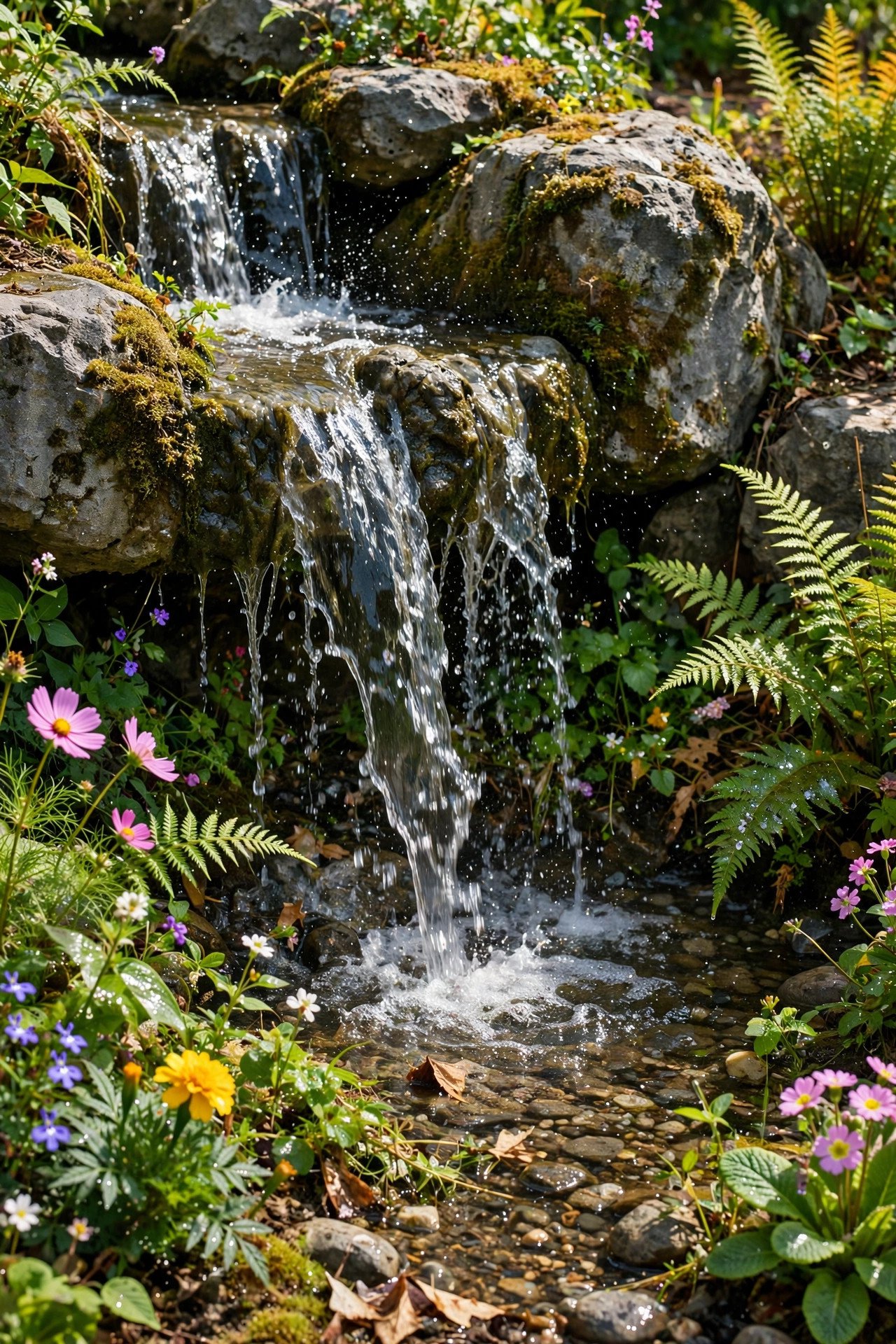
A small waterfall spilling over rocks into the basin makes rain events something to look forward to. Set the stones so storm water sheets dramatically over them, and add a recirculating pump if you want the sound during dry spells too. The moving water becomes the garden soundtrack.
Keep the design natural with mossy boulders and ferns at the waterline. The combination of splashing water and lush planting feels like a spa retreat. Drama and drainage make fine partners.
14. Sow a Wildflower Rain Garden
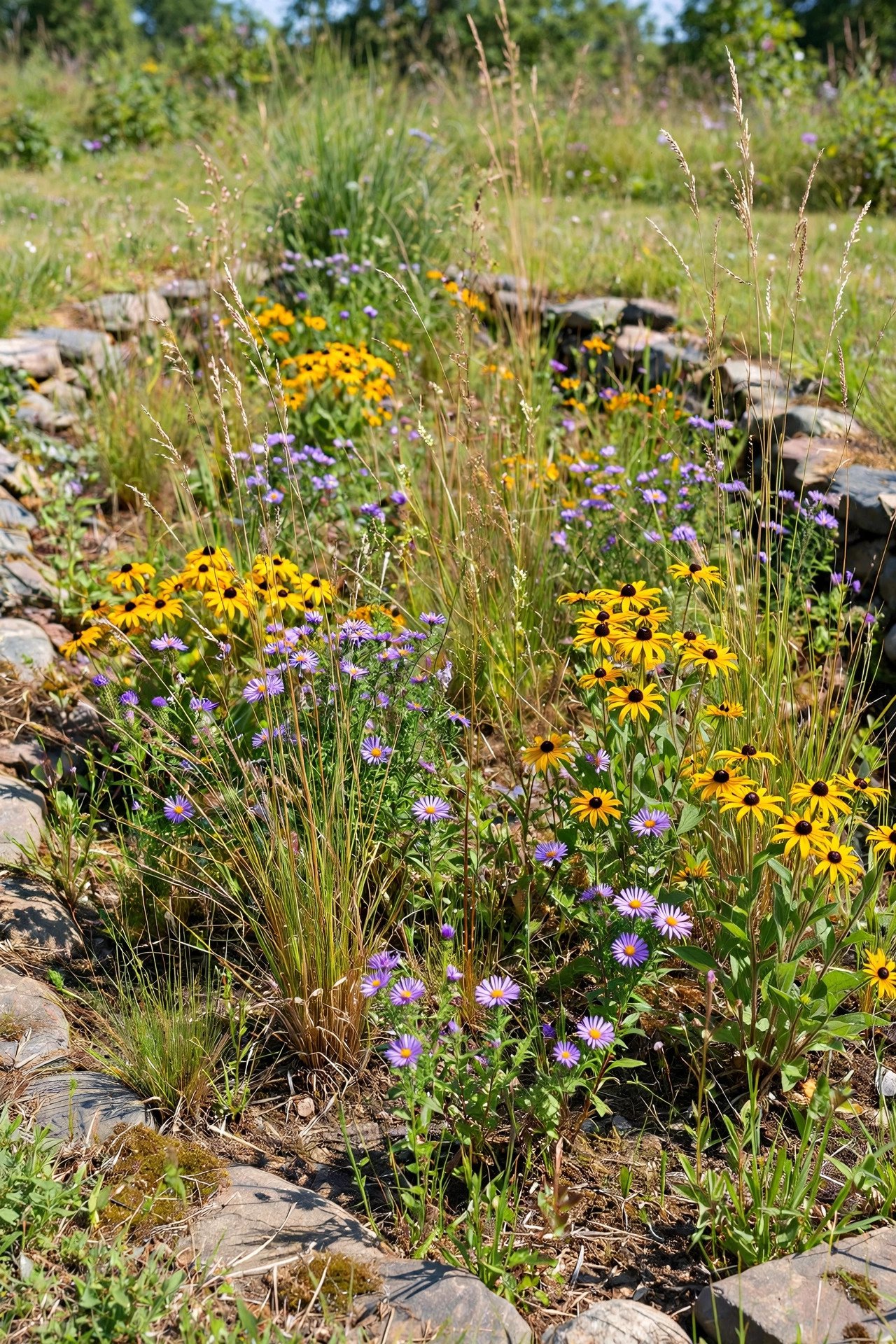
A meadow-style basin of native wildflowers changes its look every few weeks from spring to frost. Black-eyed Susans, asters, and native grasses handle the wet-dry cycle with ease and need almost no care once settled. The tall stems shelter birds and beneficial insects.
This loose, natural style forgives beginners because wildflowers sort themselves out. Leave the seed heads standing through winter for birds. A wildflower basin is the lowest-effort, highest-reward rain garden you can plant.
15. Design a Formal Rain Garden
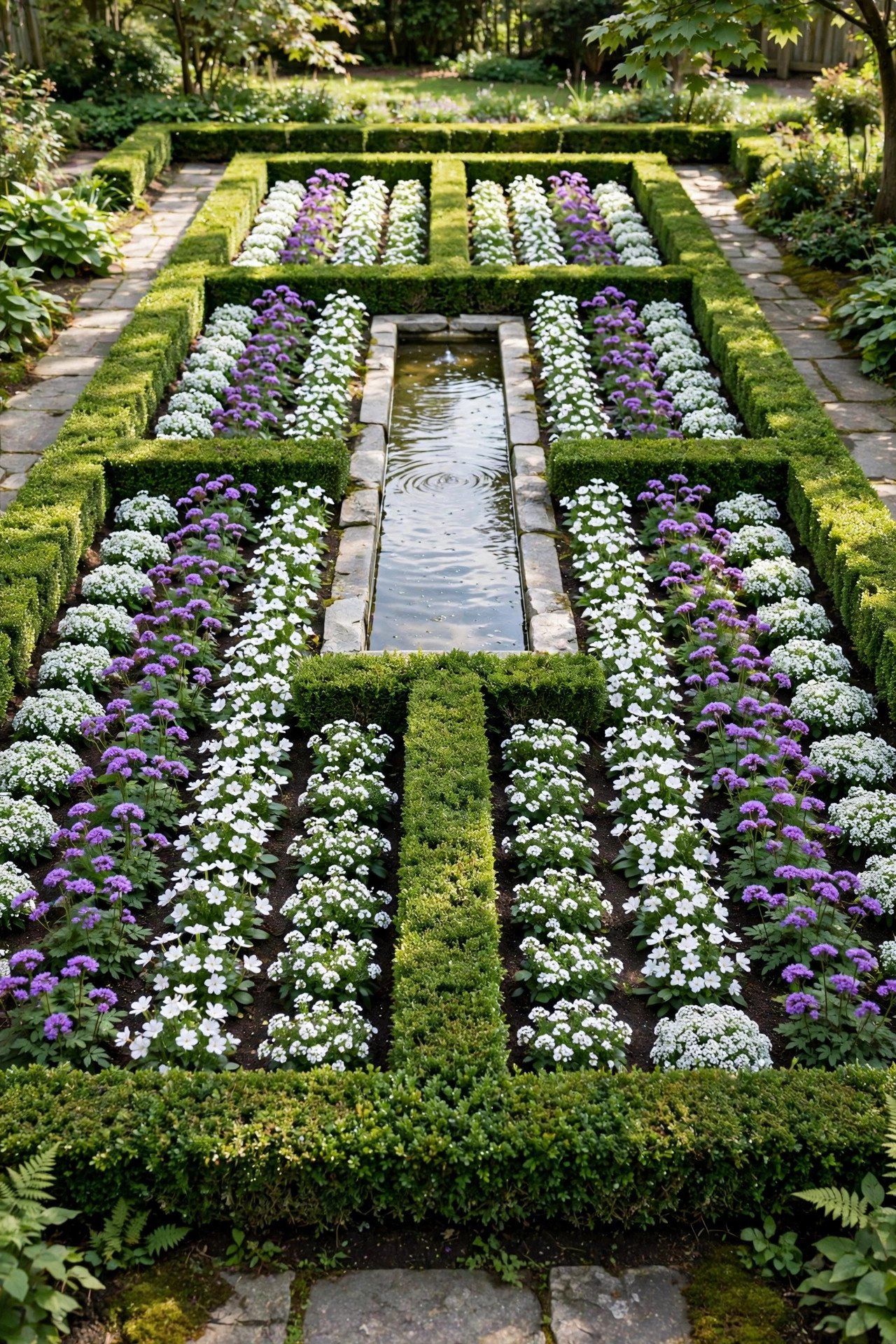
Symmetry, clipped edging, and organized plant rows prove that storm water management can look stately. Frame the basin with low boxwood or cut stone, and plant moisture-lovers in neat drifts inside the border. The structure keeps the wilder plants looking intentional.
This style suits traditional homes and front yards where tidiness matters. Use quality materials for the edging so the garden reads as permanent architecture. Formal does not mean fussy about function.
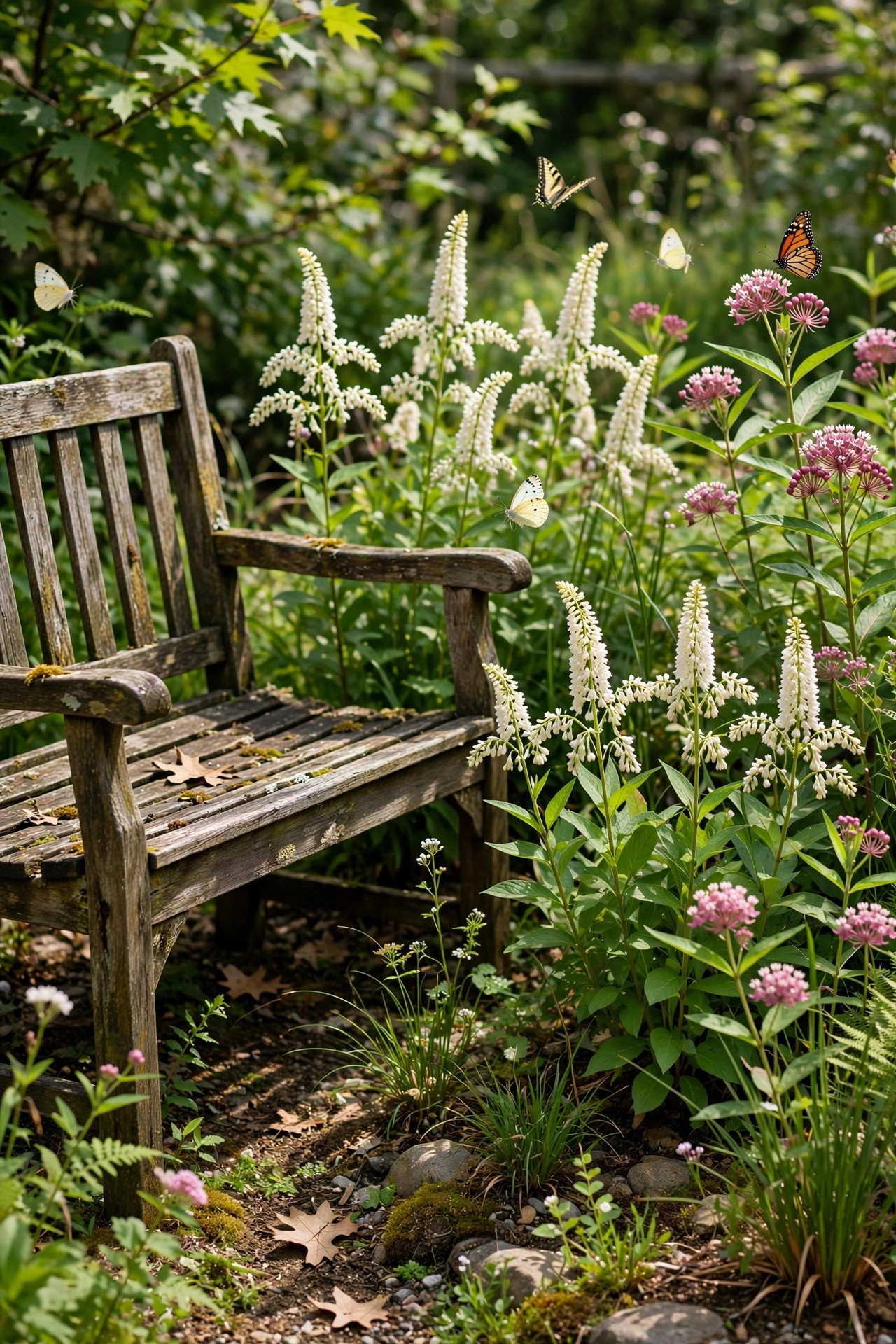
16. Set a Bench Beside It
A comfortable bench turns your working garden into a destination. Tuck it into a dry corner near fragrant sweetspire or swamp milkweed, where you can watch birds and butterflies between chores. Morning coffee tastes better beside moving water and blooms.
Choose weather-resistant teak or powder-coated metal that handles the damp air gracefully, and style the corner with fall front porch decor ideas like pumpkins and lanterns when autumn arrives. A bench also signals that this garden is for enjoying, not just engineering. Sit down and watch your storm water solution earn its keep.
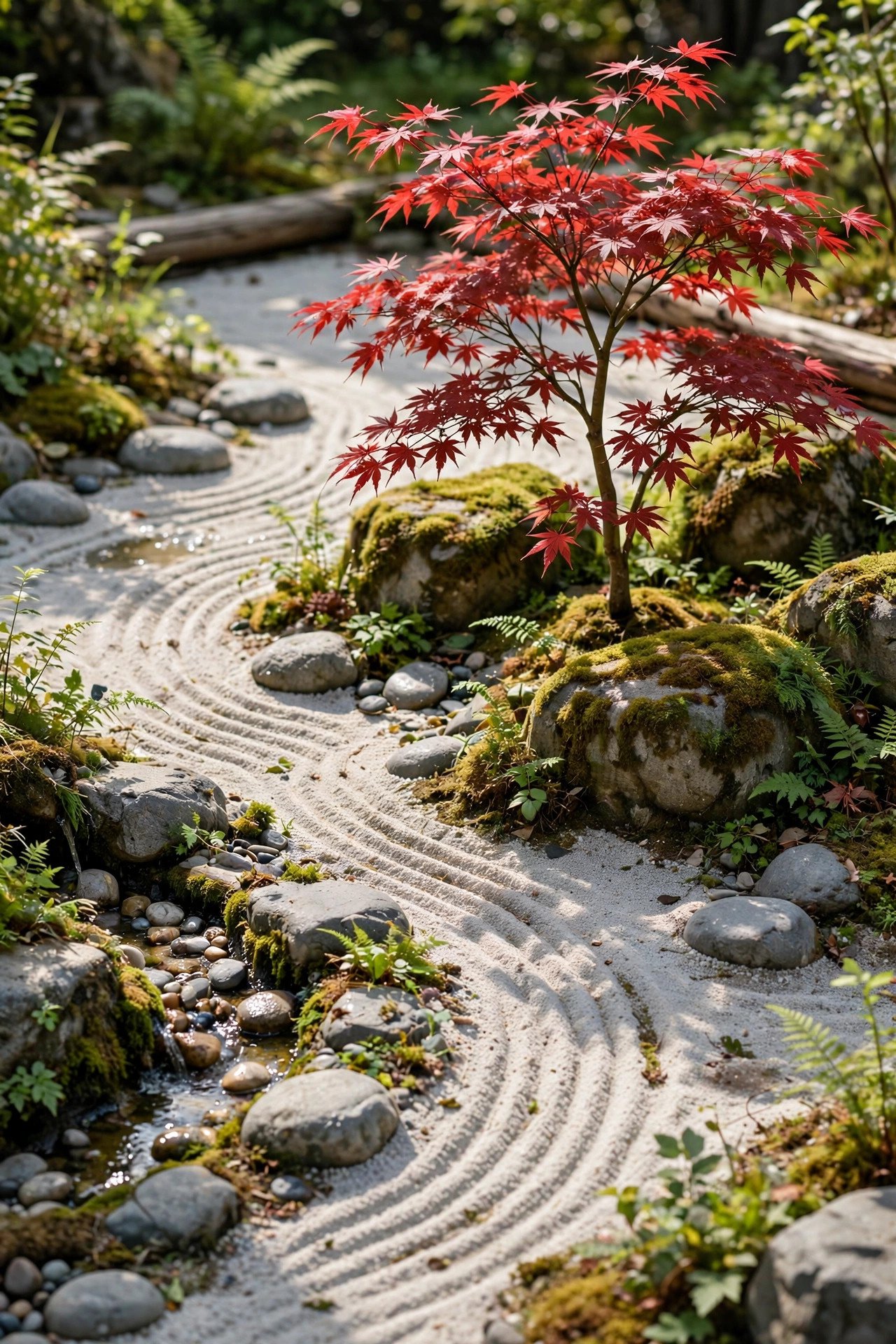
17. Shape a Zen Rain Garden
Borrow the calm of Japanese gardens with raked gravel, smooth river stones, and carefully placed mossy boulders around your basin. The rain garden becomes the water element in a meditative composition, filling during storms and resting between them. A Japanese maple adds graceful height.
Keep plantings simple and the palette restrained for the deepest sense of stillness. This garden manages runoff while lowering your blood pressure. Mindfulness and drainage in one quiet package.
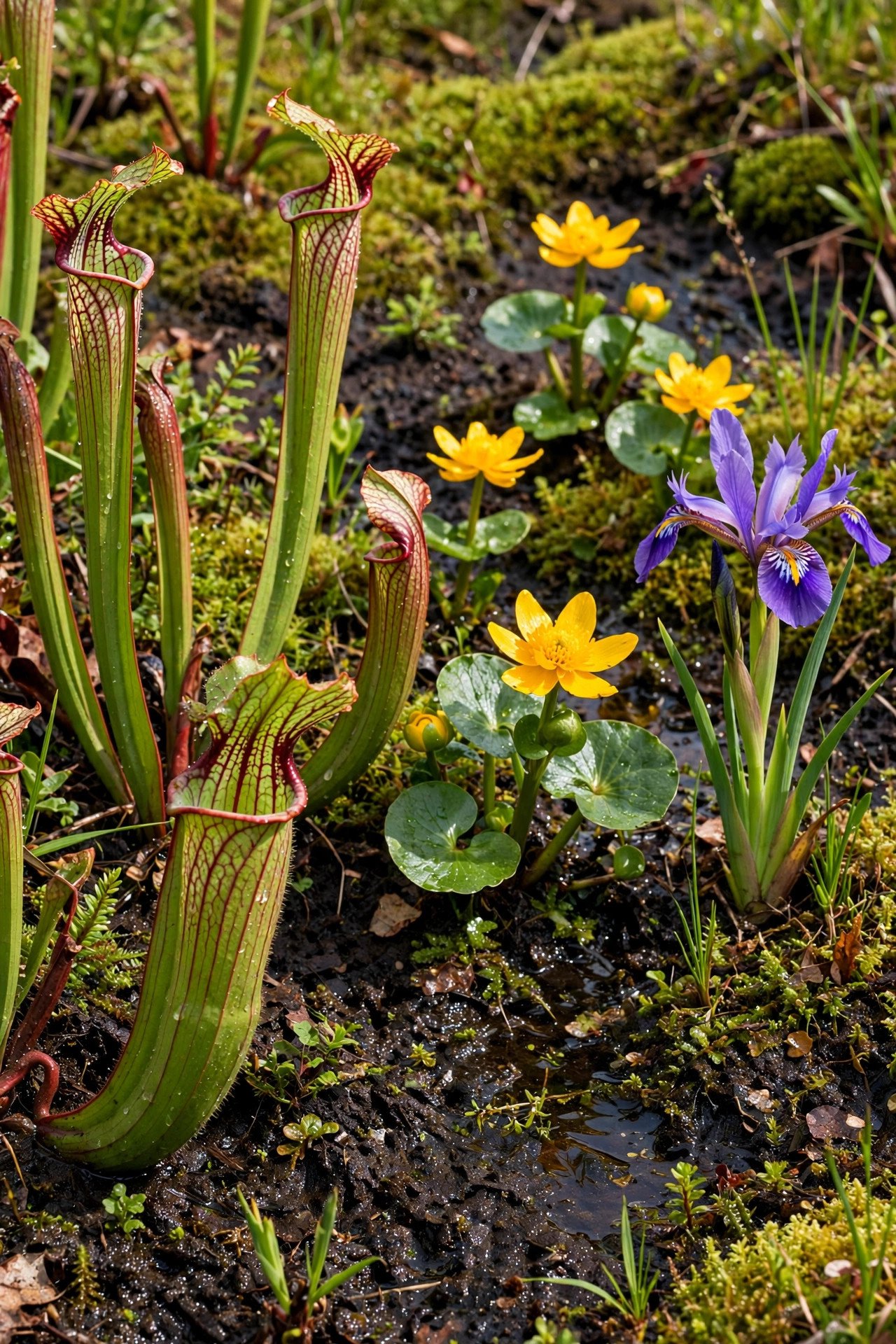
18. Grow a Bog Garden
For spots that never truly dry out, go all in with a bog garden of pitcher plants, marsh marigolds, and water-loving iris. These specialists thrive in saturated soil where ordinary perennials would drown. Their unusual forms make the wettest corner the most fascinating one.
A pond liner with drainage holes can hold moisture if your soil drains too quickly. Frogs will move in within a season, adding their evening chorus. Embrace the wet instead of fighting it.
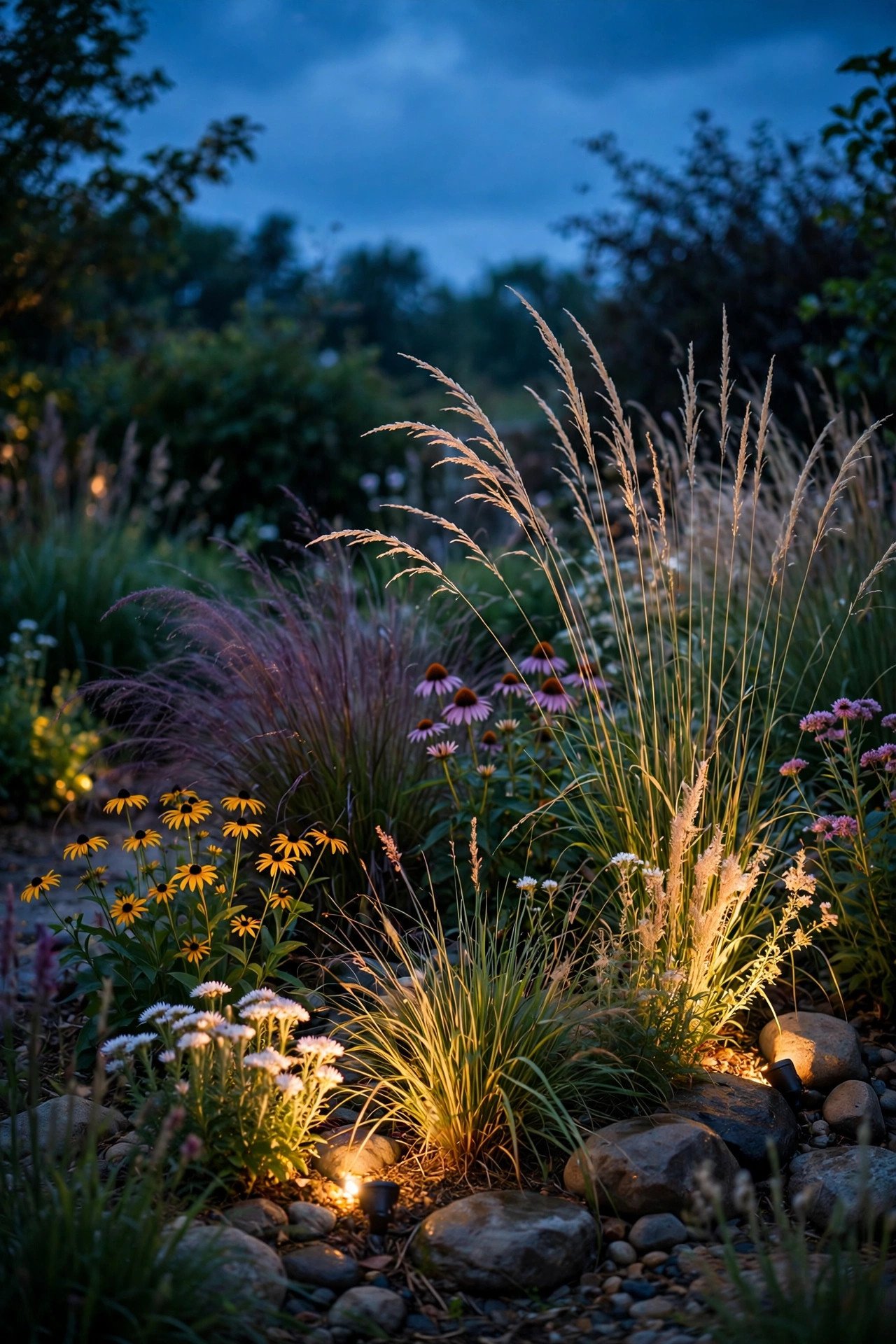
19. Light It for the Evening
Low-voltage landscape lights let you enjoy the rain garden after dark. Uplight a dramatic grass clump or small tree, and let path lights trace the stepping stones. The garden takes on a completely different, almost magical character at night.
Solar fixtures keep the project simple with no wiring to bury. Warm light flatters both stone and foliage beautifully. Your hardworking garden deserves an evening shift too.
20. Go Bold With a Tropical Style
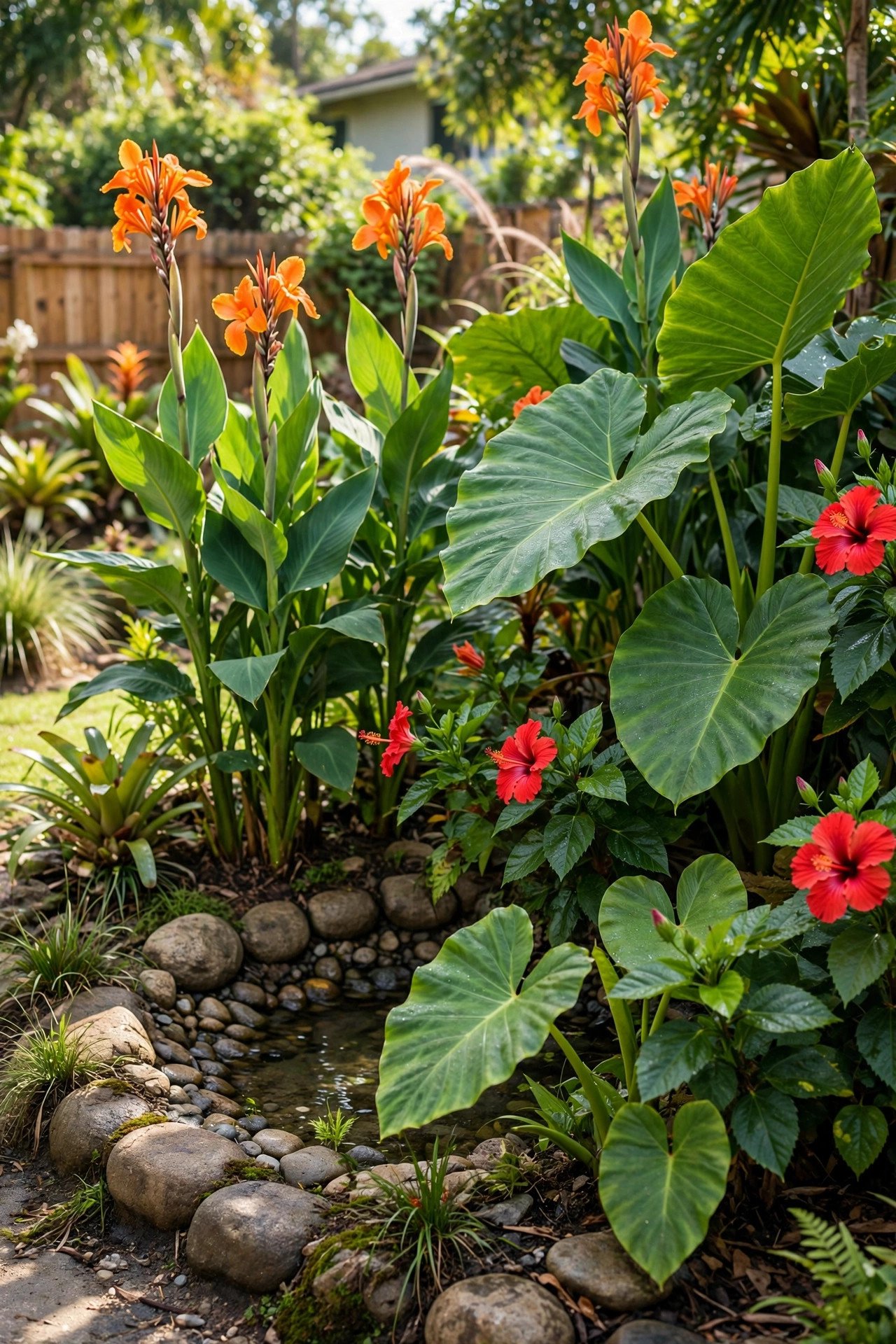
In warm climates, a rain garden can go full tropical with cannas, elephant ears, and hibiscus drinking happily in the basin. The huge leaves and hot-colored blooms turn a drainage feature into a resort-style showpiece. These thirsty plants are perfectly matched to the site.
Pair the planting with romantic garden styling ideas like a draped hammock nearby, and the whole corner feels like a getaway. Where the climate allows, bold is beautiful.
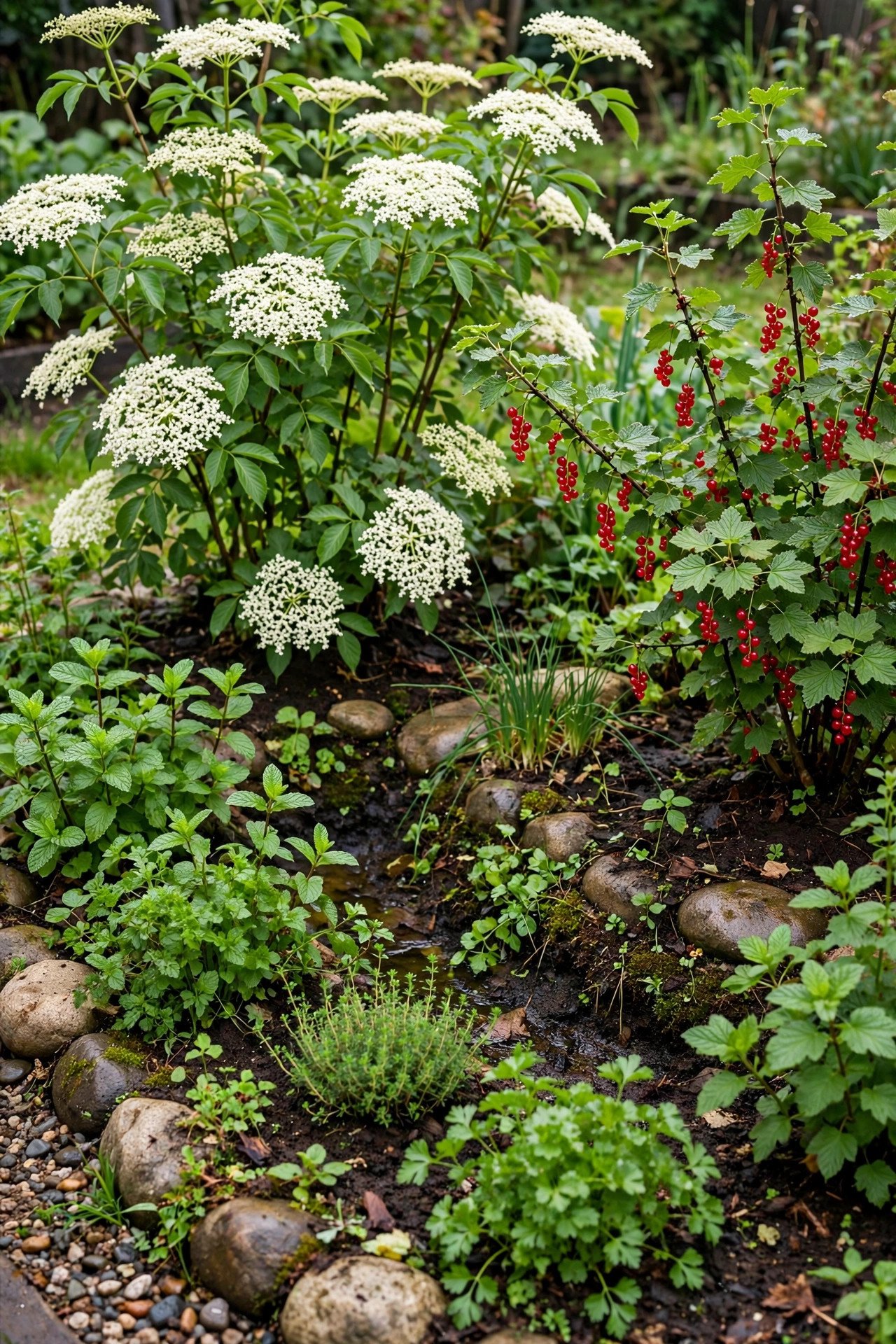
21. Make It an Edible Rain Garden
The steady moisture of a basin suits edible plants like elderberry, currants, and water-loving herbs. You will harvest fruit and flavor from the same feature that manages your runoff. Just be sure the water source is clean roof runoff, not driveway chemicals.
Elderflowers in spring and berries in late summer make this the tastiest rain garden style. Net the fruit if birds get too enthusiastic. Practicality has never been this delicious.
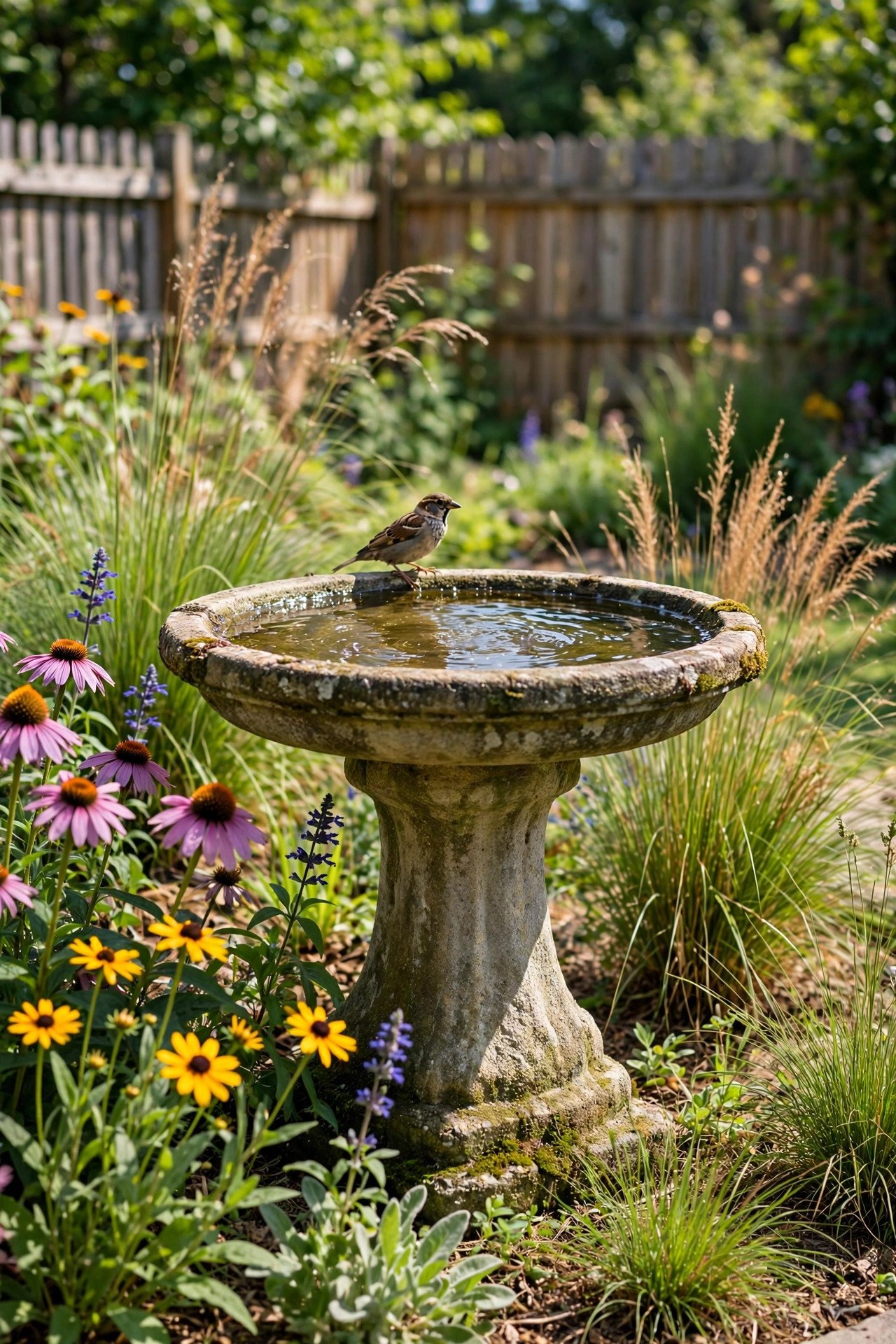
22. Add a Bird Bath
A bird bath set at the garden edge draws even more wildlife to your basin. Birds drink and bathe while the surrounding plants offer cover from predators. The bath becomes a lively focal point, especially in the morning.
Keep the water fresh and the basin scrubbed for healthy visitors. A simple stone or concrete bath suits any style. Small water, big wildlife rewards.
23. Terrace It on a Hill
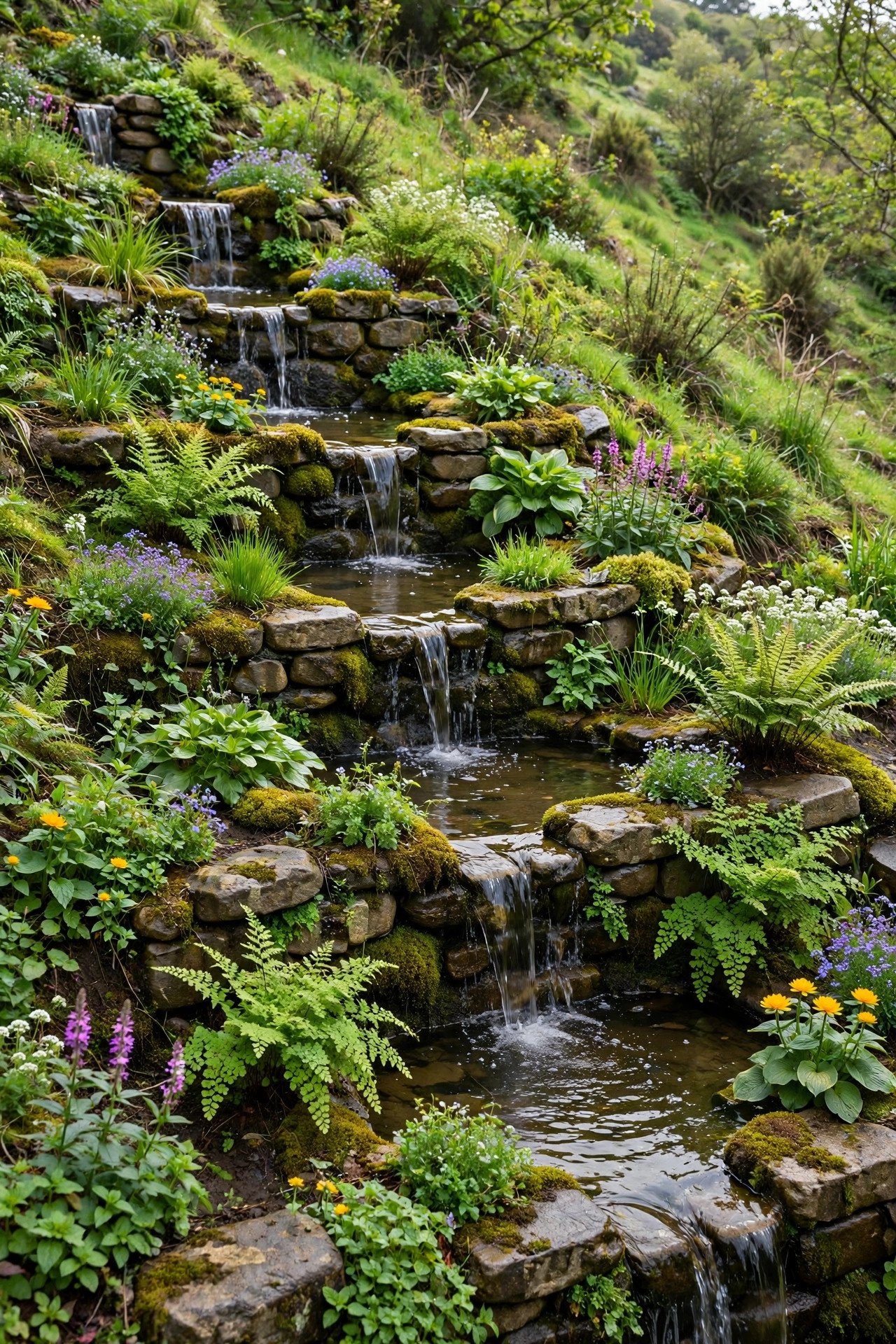
On steeper ground, a single basin is not enough, so build a cascade of small terraced pools down the slope. Each level slows the water, lets it soak in, and spills gently to the next through notched stones. The effect is part garden, part water feature.
Plant each terrace with a different moisture-lover for a tapestry of texture. This ambitious project solves serious erosion while looking spectacular. Hillsides are just rain gardens waiting for steps.
Conclusion
A rain garden turns your yard wettest weakness into its greatest strength. Instead of fighting puddles and runoff, you give water a beautiful place to slow down, sink in, and nourish plants that welcome it. The result is less mowing, fewer mosquitoes, more wildlife, and a garden with a real sense of purpose.
Start where the water already goes, whether that is a downspout corner or a soggy low spot, and shape one generous basin. Plant it with tough natives, add a path or a bench, and let the next storm show you what your garden can do.
Frequently Asked Questions About Rain Garden Ideas for Wet Backyards
What is a rain garden?
A rain garden is a shallow planted depression designed to capture runoff from roofs, driveways, and lawns. Specially chosen plants and engineered soil let the water soak in slowly instead of running off. It reduces flooding, filters pollutants, and looks beautiful.
Where should I put a rain garden?
Place it at least ten feet from your foundation, in a spot where water naturally collects or where a downspout can reach it. Avoid areas over septic systems or where water pools for more than a day. A sunny or partly sunny low spot works best.
What plants grow well in rain gardens?
Choose natives that tolerate both flooding and dry spells: cardinal flower, swamp milkweed, blue flag iris, sedges, bee balm, and switchgrass. Ferns and hostas suit shady basins. Match plants to your region for the toughest, lowest-care results.
Will a rain garden attract mosquitoes?
No, a properly built rain garden drains within 24 to 48 hours, which is too fast for mosquitoes to breed. Good soil drainage and the right depth are the keys. If water stands longer, the basin needs regrading or better soil.
How much maintenance does a rain garden need?
Water new plantings through their first season, weed until the plants fill in, and cut everything back once a year in late winter. After establishment, rain gardens need less care than a lawn. Check inlets after big storms to keep them clear of debris.

Hi, I’m Emily! I turn messy corners into cozy, organized spots. DreamNestDecor is where I share simple, practical home ideas — decor, organization, and small-space solutions that work in real life, not just in photos. Every idea here is carefully researched before it’s shared.