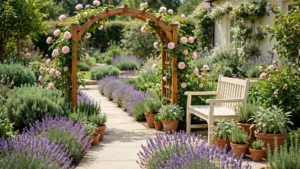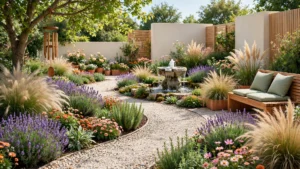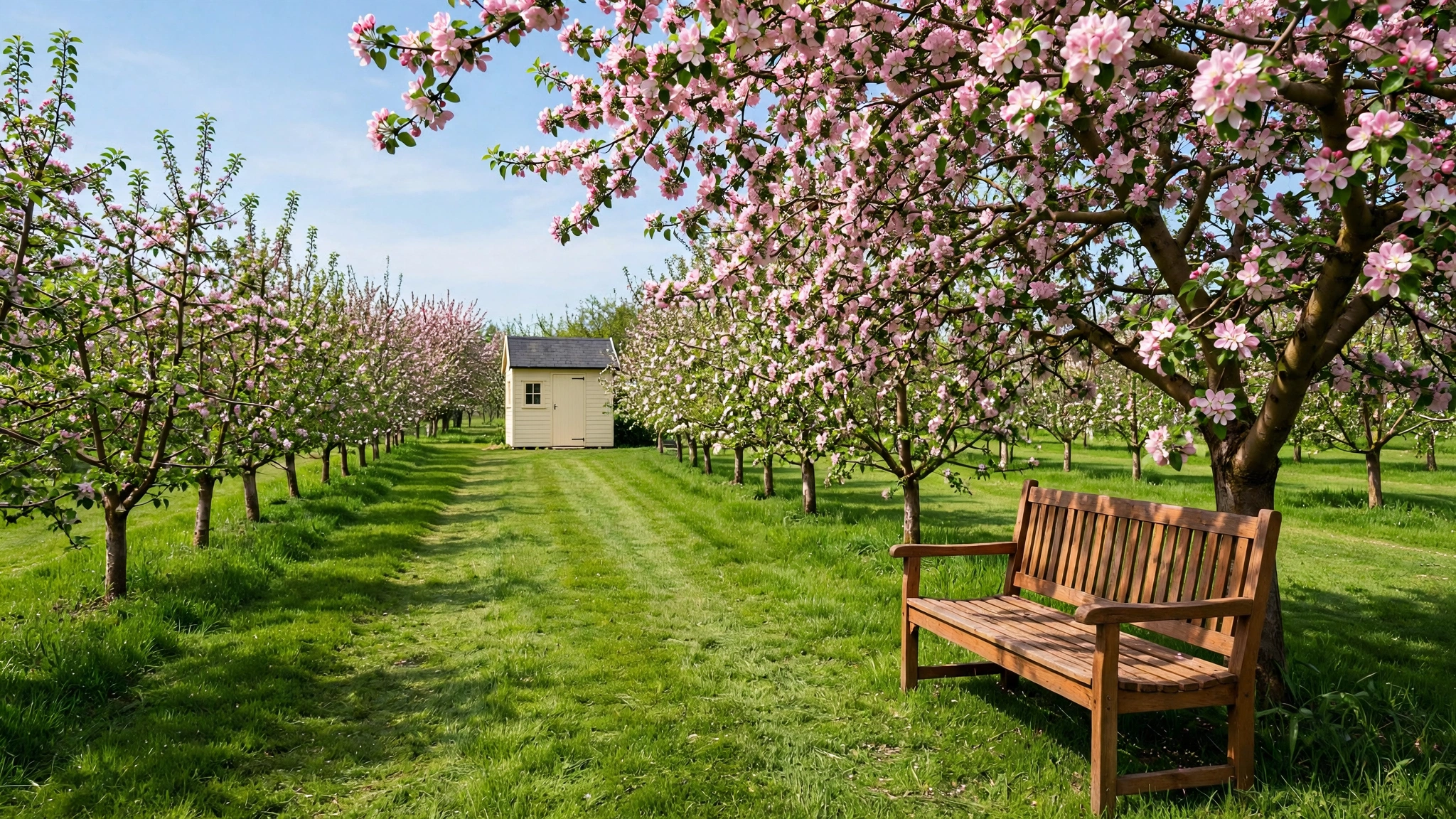
Picture this: it is a warm spring morning, you step into your backyard, and soft pink blossom drifts down from your own apple and peach trees. By late summer those same branches are heavy with fruit, ready to pick for breakfast. That simple joy of growing your own fruit starts with a layout that gives every tree room to thrive.
You do not need a farm or acres of land to plant an orchard. A small backyard can hold a surprising number of fruit trees when the rows, paths, and sunny spots are planned with care. These 16 backyard orchard layout ideas for fruit trees will help you shape a productive and beautiful orchard that fits your yard, your climate, and your daily life.
1. Plant Classic Rows With Wide Grass Paths
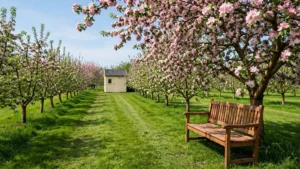
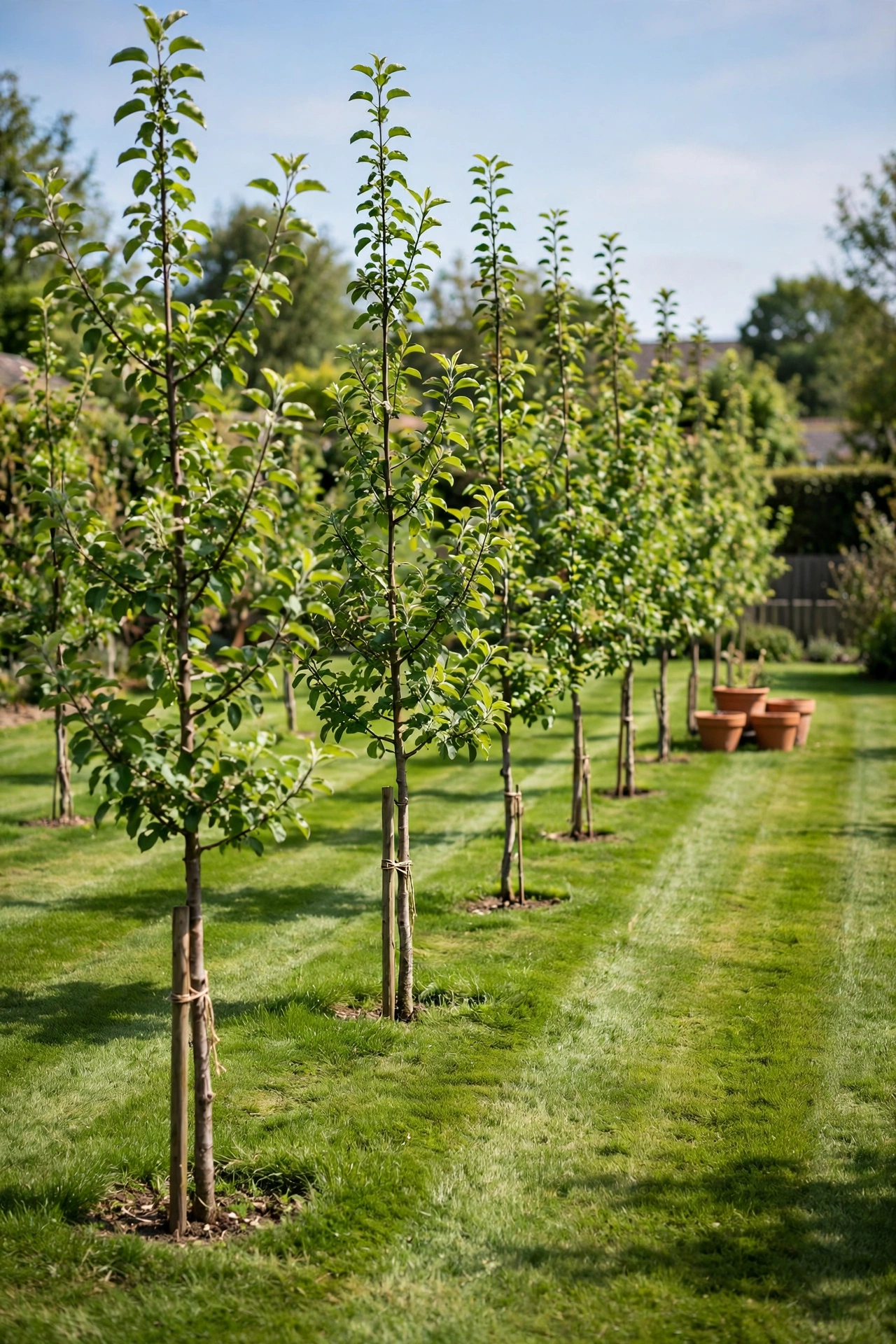
Classic rows are the simplest orchard layout, and they work beautifully in a rectangular backyard. Plant each row of fruit trees in a straight line, leave generous space between rows, and mow a wide grass path down the middle of each gap. The paths give you easy access for watering, pruning, and carrying baskets of ripe fruit at harvest time.
Space standard trees about fifteen feet apart and dwarf trees about eight feet apart so sunlight reaches every branch. A mowing strip between rows keeps the orchard tidy and gives children room to play while you work. If your yard feels plain, a row of flowering fruit trees will turn it into a seasonal display that changes from blossom to fruit to autumn color.
2. Divide the Orchard Into Four Quadrants
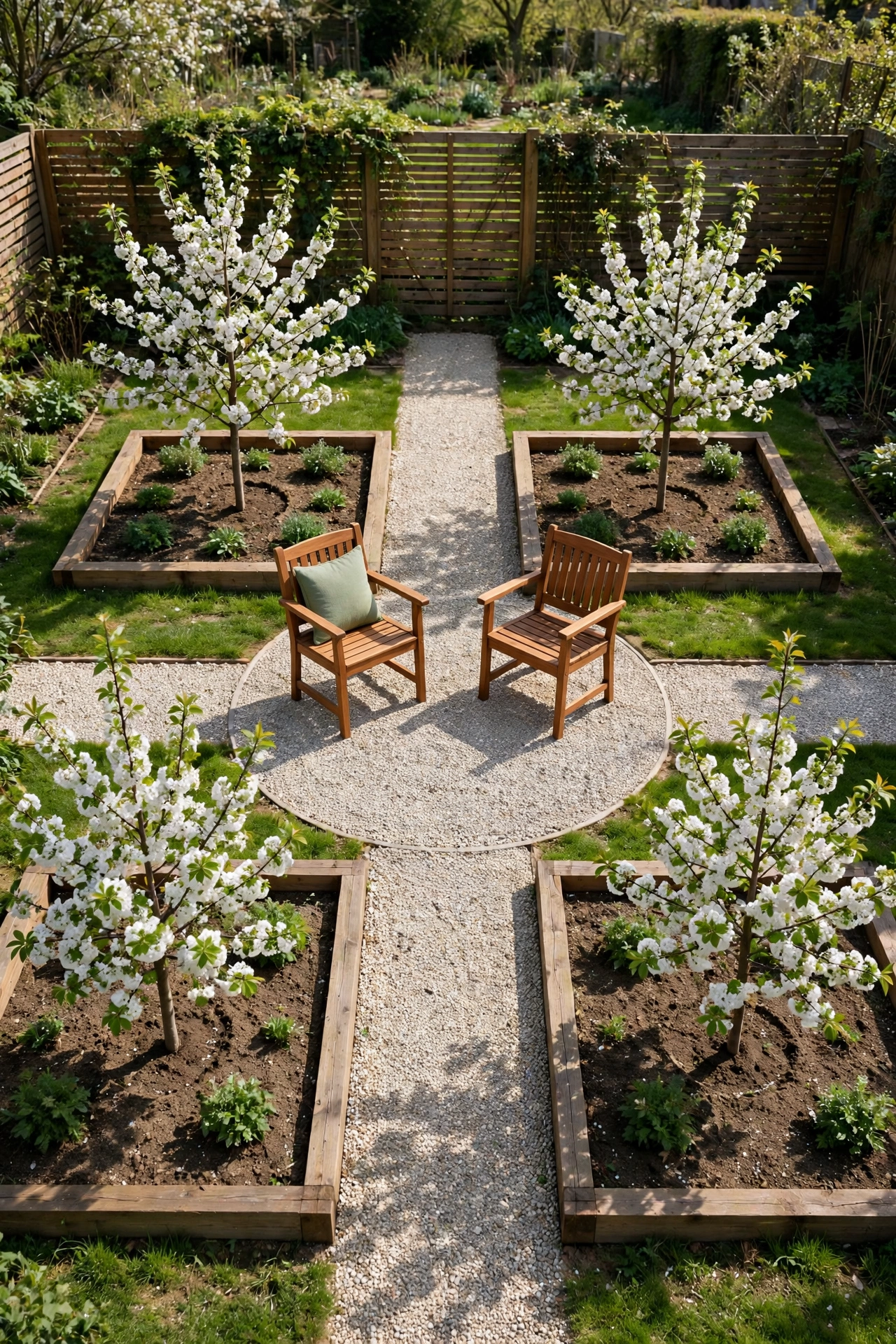
A four quadrant layout splits the orchard into four planting beds with paths that cross in the center. Each quadrant can hold a different fruit family, such as apples in one, plums in another, pears in the third, and cherries in the fourth. The crossing paths make it easy to reach every tree without stepping on roots or low branches.
Place a small round seating area or a birdbath where the paths meet, and the orchard gains a natural focal point. This layout suits a square backyard and keeps the planting plan easy to remember. When it is time to prune or spray, you can work one quadrant at a time and always know exactly where you left off.
3. Train Espalier Fruit Trees Along a Sunny Fence
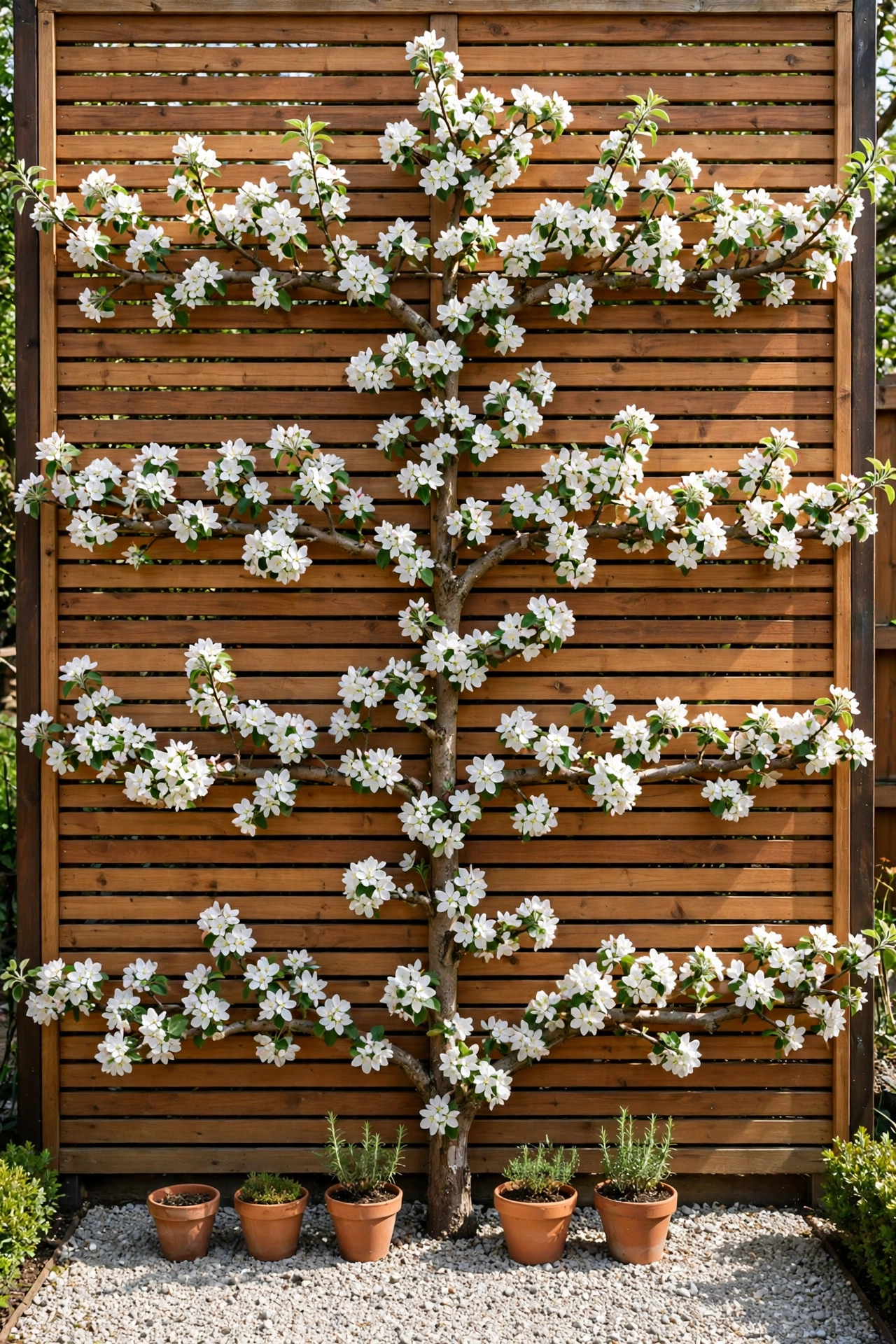
An espalier layout trains fruit trees flat against a fence or wall, with branches tied in neat horizontal tiers. Apple and pear trees respond especially well to this method, and the flat shape uses almost no floor space. A sunny south facing fence becomes a living wall of blossom in spring and fruit in summer.
Fix sturdy horizontal wires to the fence at regular heights and tie new growth to the wires as it lengthens. Prune twice a year to keep the tiers clean and open to sunlight. For support ideas that suit trained and climbing plants, these climbing plant trellis ideas will help you build a strong frame for your espalier trees.
4. Grow Dwarf Trees in Large Patio Containers
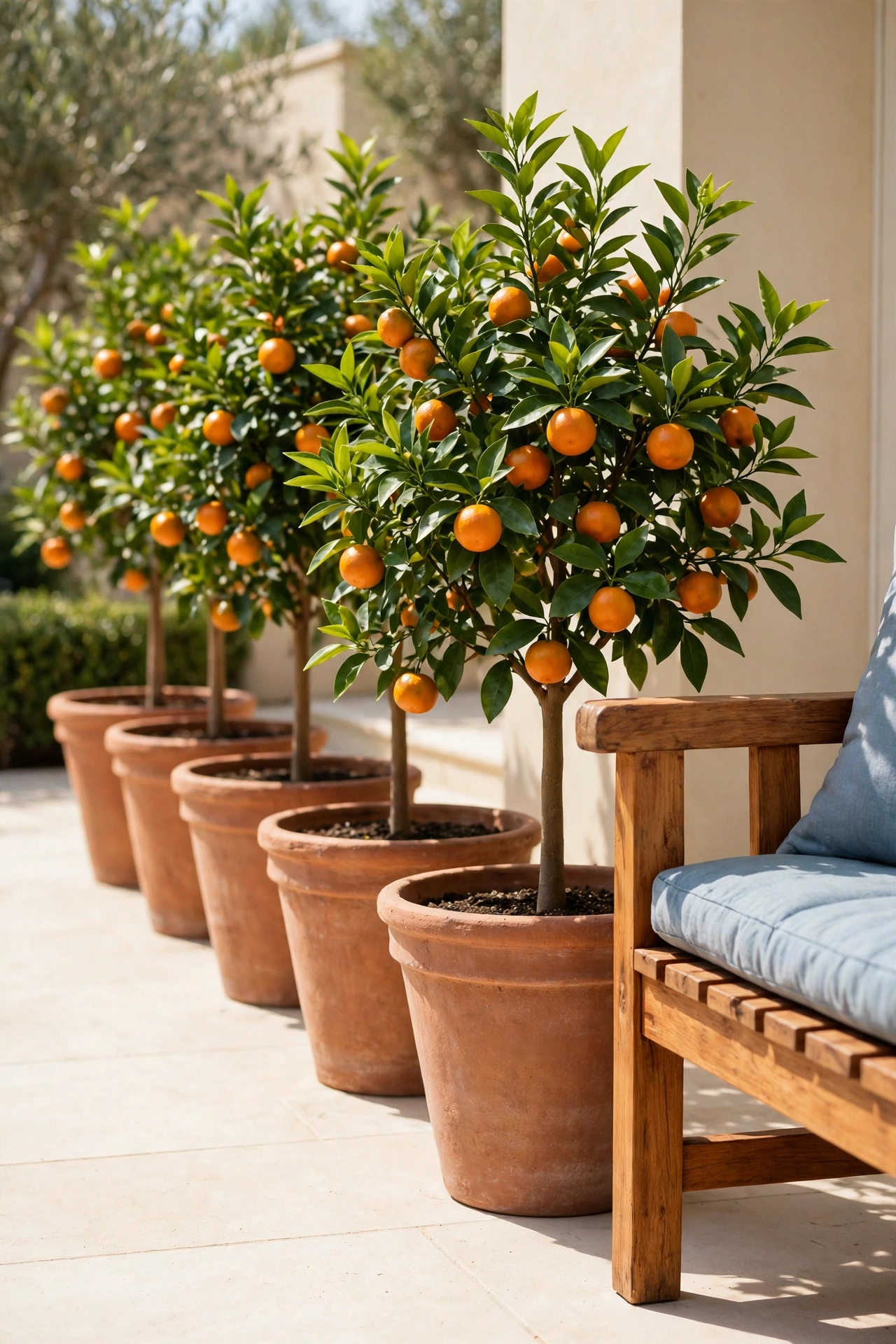
Dwarf fruit trees in large containers bring an orchard to a patio, balcony, or paved courtyard. Choose half barrels, large terracotta pots, or sturdy wooden planters, and fill each one with rich potting mix and a dwarf lemon, fig, or apple tree. The containers can move with the seasons, so tender trees can shelter near a wall in winter.
Water container trees more often than ground planted trees, because pots dry out quickly in sun and wind. Feed them in spring with a balanced fertilizer and top up the soil each year. A row of matching pots along a patio edge looks tidy and gives you fresh fruit within a few steps of the kitchen door.
5. Build Fruit Tree Guilds With Companion Planting
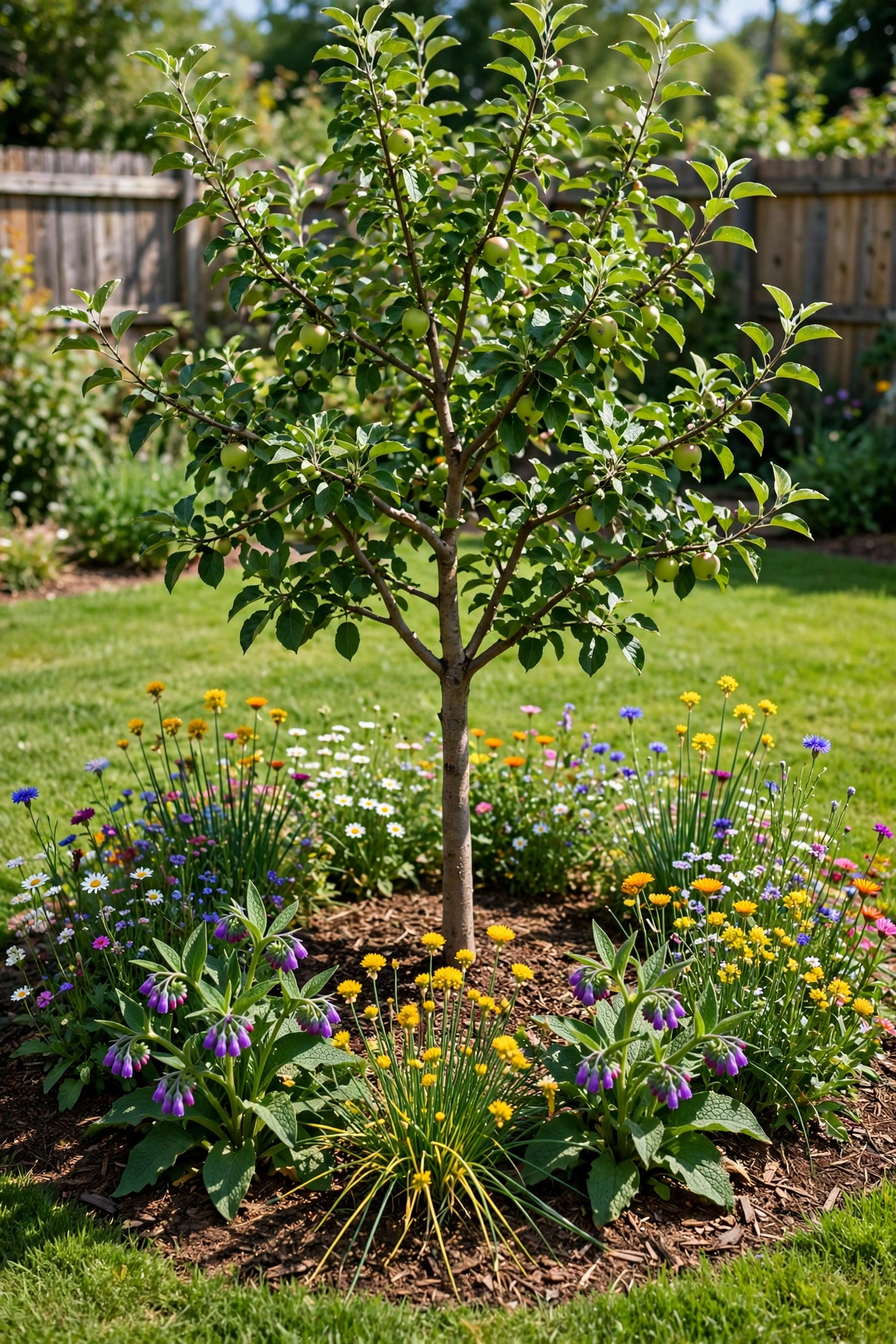
A fruit tree guild plants helpful companions around each tree, so the tree, the herbs, and the flowers support one another. Comfrey feeds the soil, chives repel pests, and flowering herbs attract bees that pollinate the blossom. The guild turns a single tree into a small working ecosystem that needs less spraying and less watering.
Plant the companions in a ring around the drip line of the tree, leaving the trunk clear for air flow. Choose native flowers and herbs that suit your climate and bloom at the same time as the fruit blossom. For planting ideas that welcome pollinators and suit local conditions, these native plant garden ideas will help you choose companions that truly belong in your yard.
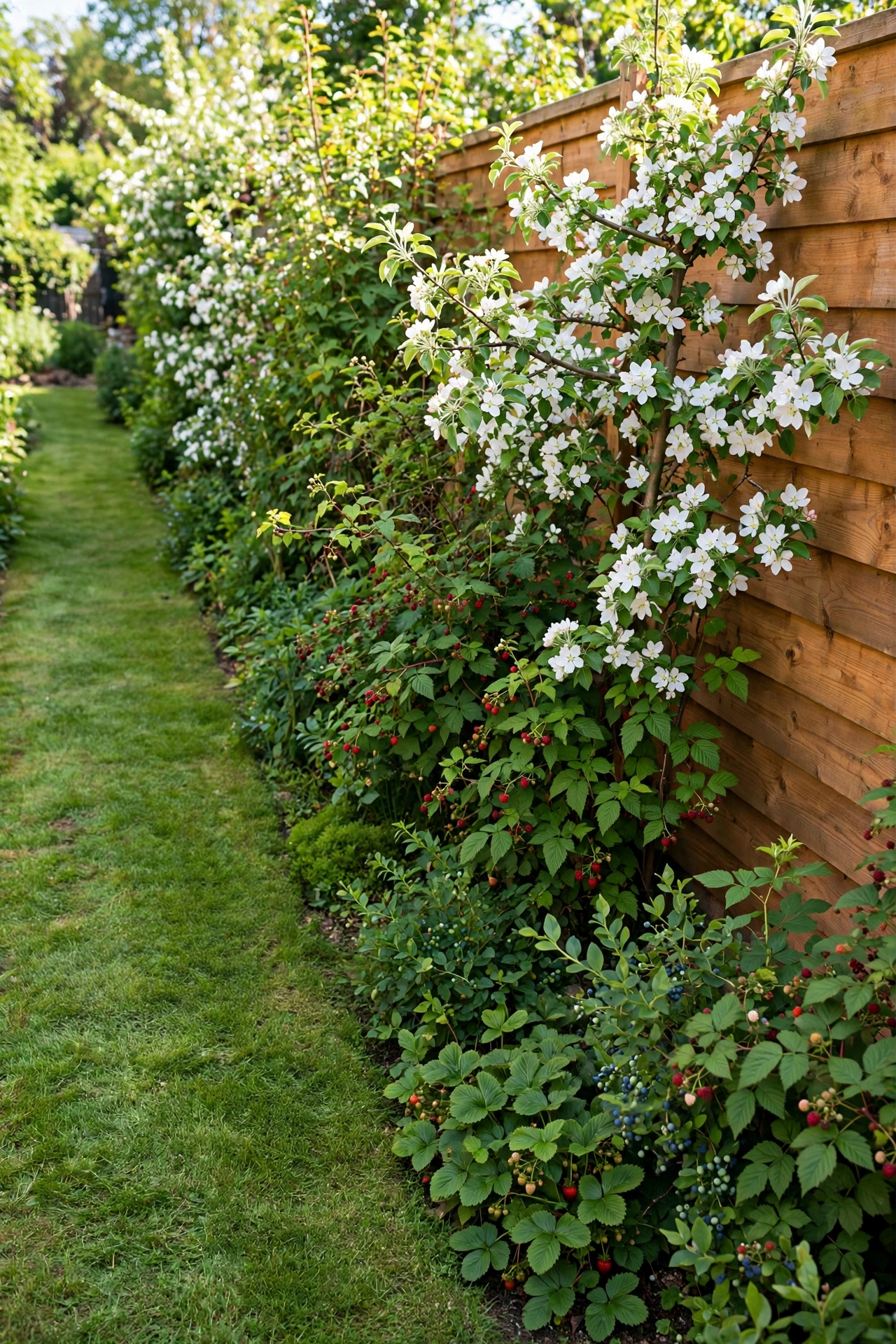
6. Grow a Hedgerow Orchard Along the Boundary
A hedgerow orchard plants fruit trees and berry shrubs in a single deep line along a fence or property edge. The row doubles as a living screen, giving you privacy from neighbors while it produces fruit. Plums, damsons, and elderberries all grow happily in a mixed hedgerow, and their blossom feeds early bees.
Keep the hedgerow wide enough for a narrow maintenance path behind the trees, so you can reach both sides for picking and pruning. Mix evergreen shrubs with fruiting plants so the screen stays green in winter. A fruiting hedge is one of the hardest working layouts in a small yard, because it gives you food, shelter for wildlife, and a beautiful boundary all at once.
7. Terrace an Orchard on a Sloped Backyard
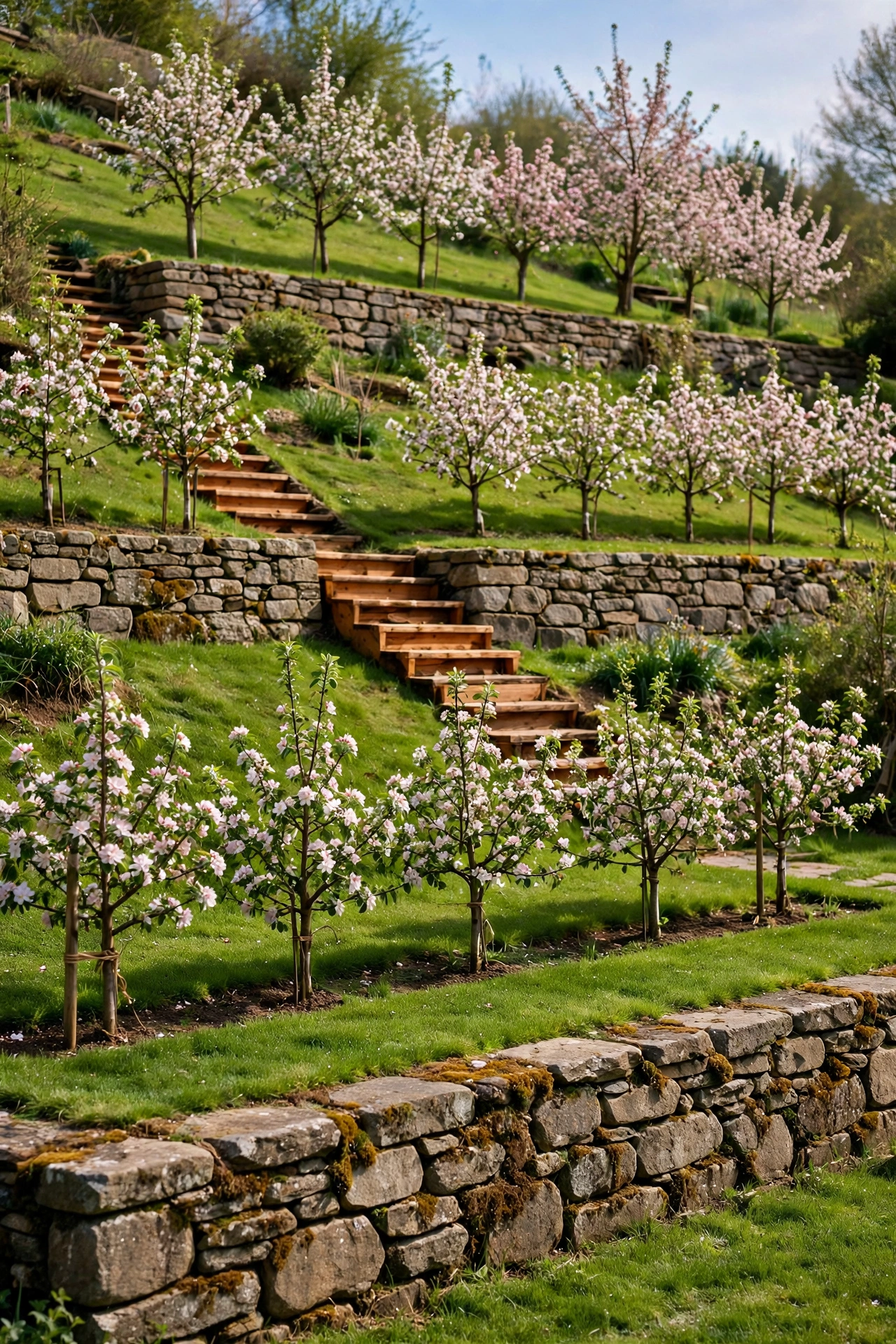
A sloped backyard suits a terraced orchard, where each row of trees sits on its own level step cut into the hill. Low retaining walls of stone or timber hold each terrace in place and keep soil from washing downhill in heavy rain. The steps also make watering easier, because each level catches and holds its own share of rain.
Place the tallest trees on the highest terrace so they do not shade the lower rows. Add a set of wide steps or a gentle ramp at one end so a wheelbarrow can reach every level at harvest time. A terraced orchard turns a difficult slope into the most beautiful part of the yard, with each row framed against the sky.
8. Leave a Central Lawn Clearing for Gatherings
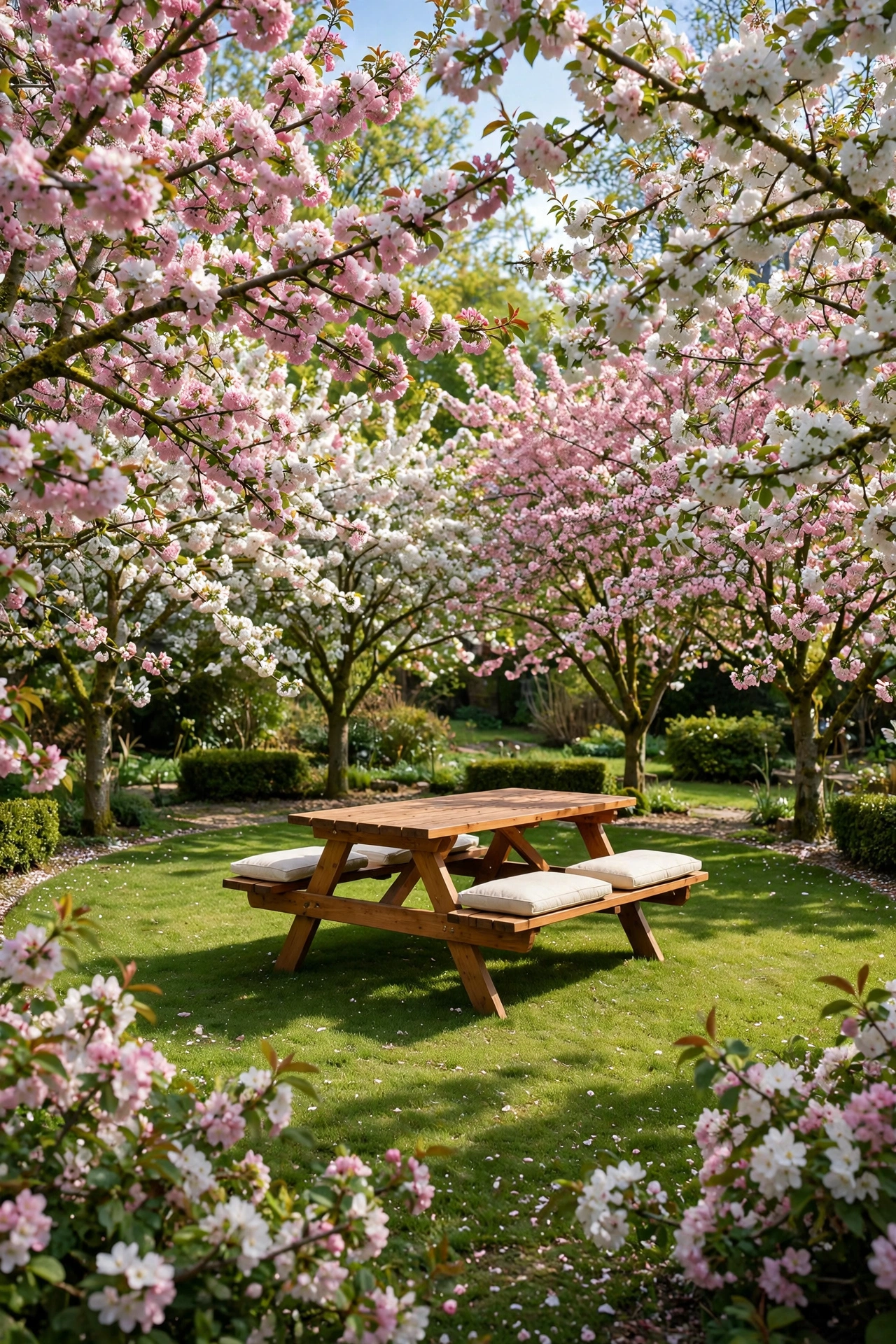
An orchard with a central lawn clearing keeps a soft open space in the middle for picnics, play, and summer meals under the trees. Plant the fruit trees in a loose ring around the clearing, so the lawn feels sheltered and private. Dappled shade from the canopy makes the clearing the coolest and calmest spot in the yard on hot days.
Mow the clearing regularly and keep the ring path clear so guests can walk the full circle. A wooden picnic table or a pair of garden chairs in the center turns the clearing into an outdoor room. This layout suits families who want fruit trees and play space in the same backyard without either one crowding the other.
9. Fan Train Trees Against a Warm Garden Wall
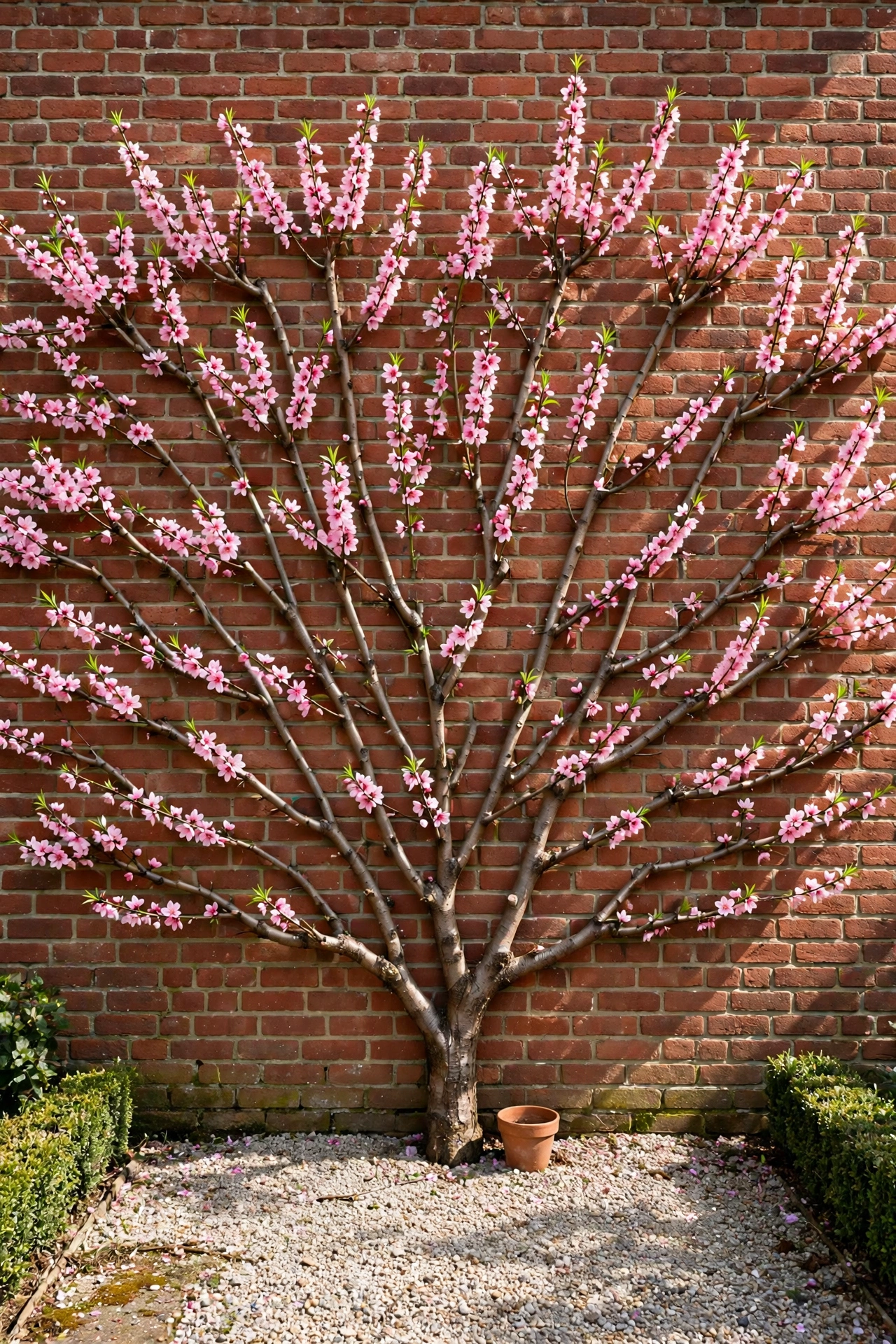
A fan trained tree spreads its branches outward from a low trunk like an open hand, flat against a warm brick or stone wall. Peaches, nectarines, and apricots love this layout, because the wall stores heat during the day and releases it at night. The extra warmth helps tender fruit ripen in cooler climates.
Fix horizontal wires to the wall and tie the main branches to the wires as they grow outward. Prune in late spring to keep the fan shape open and balanced on both sides. A wall of fan trained trees looks stunning against warm brick, and the fruit hangs within easy reach for picking and checking ripeness.
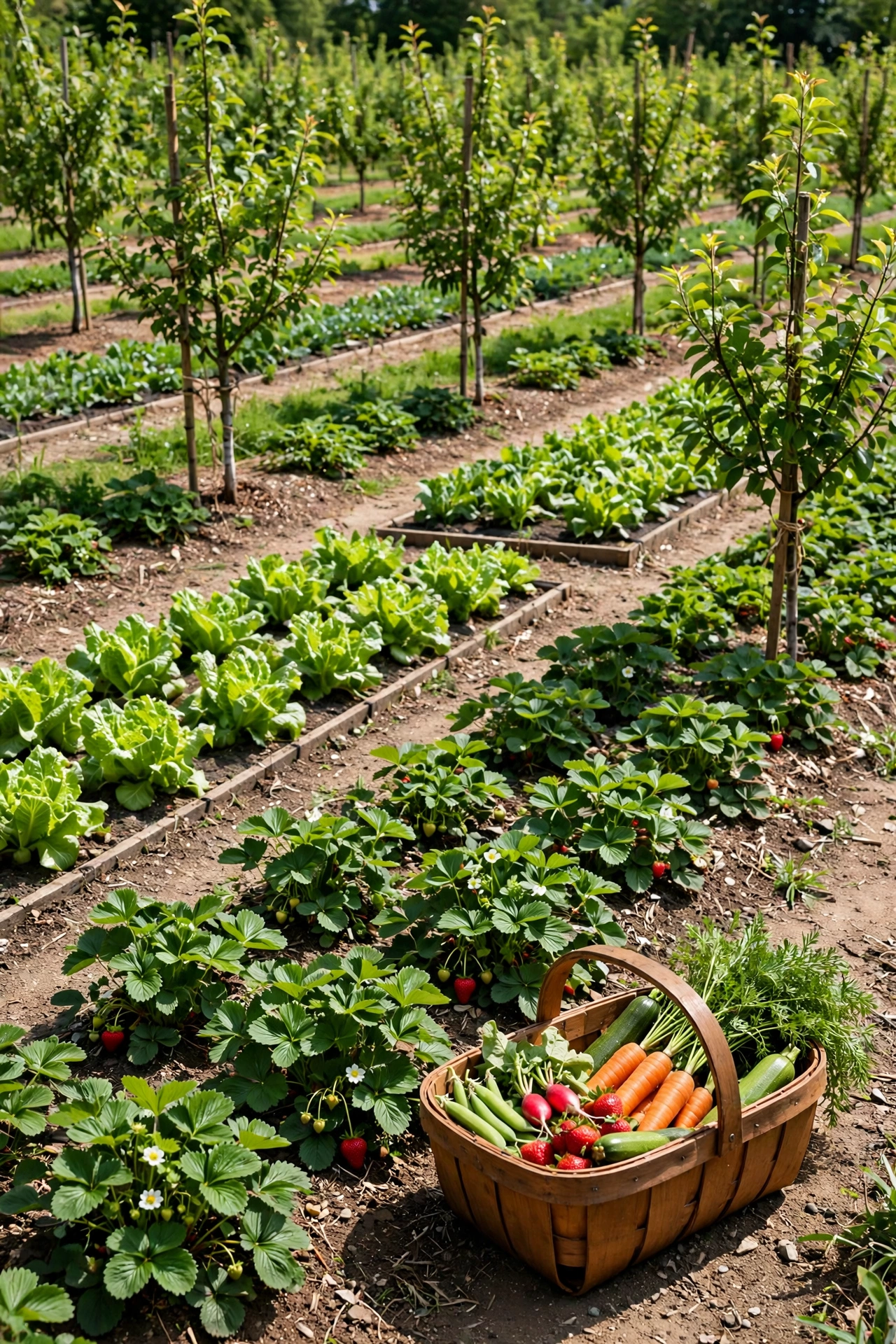
10. Mix Orchard Rows With Vegetable Beds
Mixing fruit trees with vegetable beds turns the orchard into a full food garden. Plant rows of trees with wide sunny gaps between them, then fill each gap with a vegetable bed, a herb strip, or a row of strawberries. The trees give light shade in the heat of the day, and the vegetables keep the ground covered and productive.
Choose vegetables that enjoy a little afternoon shade, such as lettuce, spinach, and peas, for the beds closest to the trees. Keep root crops and heavy feeders in the sunniest gaps. This mixed layout makes the most of every square foot, and it means a single trip to the garden can fill a basket with fruit, salad, and herbs at the same time.
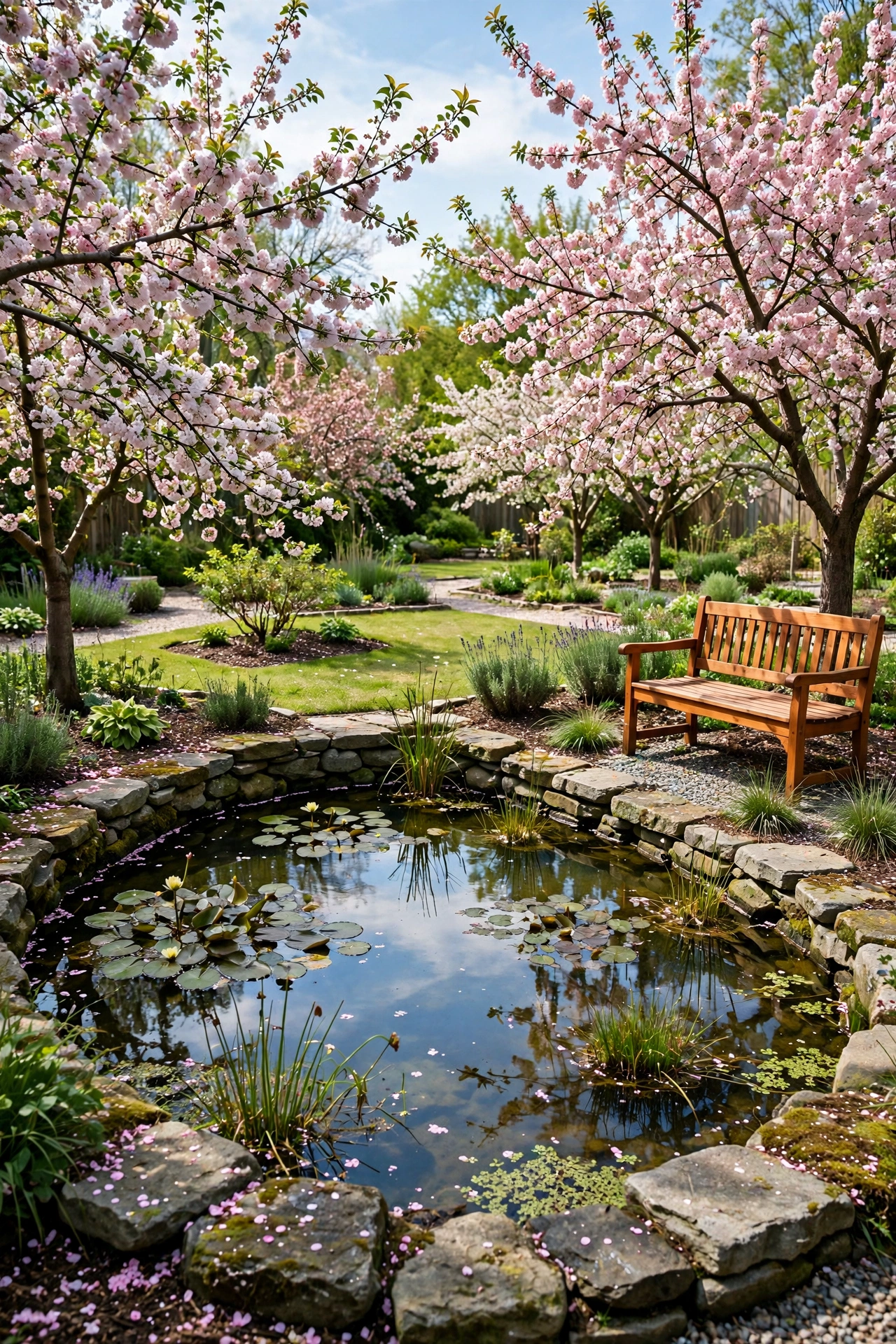
11. Shape the Orchard Around a Small Pond
A small pond at the heart of an orchard adds water for wildlife, softens the air on dry days, and gives the layout a peaceful focal point. Plant moisture loving trees such as pears and plums on the damper ground near the water, and keep stone fruit on the drier, higher spots. Frogs and dragonflies will soon move in and help keep pests in check.
Surround the pond with a ring of grass and a few flat stones for standing while you watch the water. Leave one open bank clear so birds can drink and bathe safely. A pond orchard feels calm and natural, and the sound of water makes the whole backyard feel like a quiet retreat.
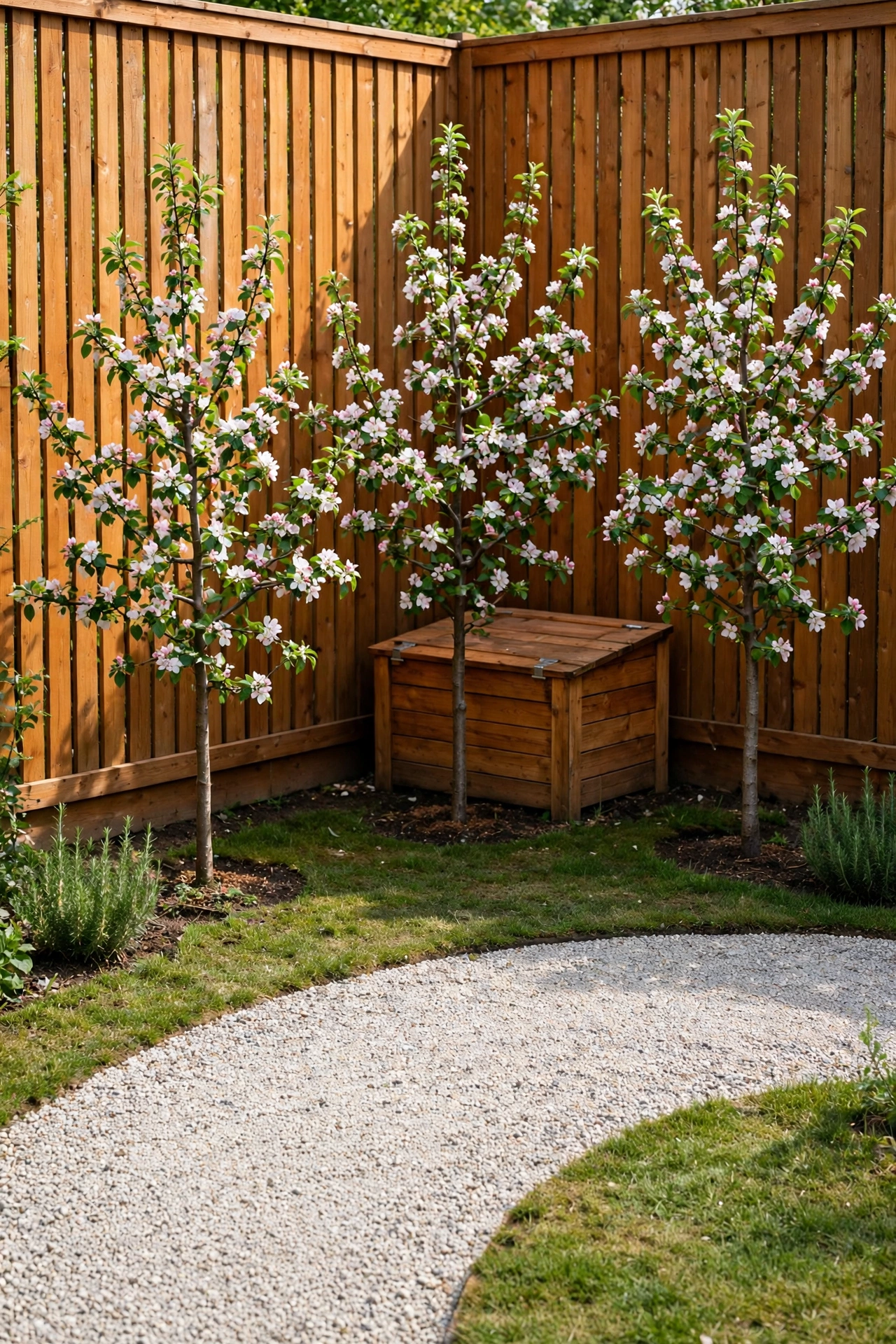
12. Tuck a Corner Orchard Into an L Shaped Yard
A corner orchard uses the far corner of an L shaped yard, where two fences meet and the space often goes unused. Plant three or four trees in a loose triangle or arc, with a curved path sweeping in front of them. The corner catches sun from two directions, and the fences shelter the blossom from cold wind.
Add a small compost bin and a water barrel behind the trees, hidden from the main lawn by the planting itself. A curved gravel path keeps feet dry and gives the corner a finished look. Even a tight corner can hold a dwarf apple, a plum, and a cherry, which is enough fruit for fresh eating all summer.
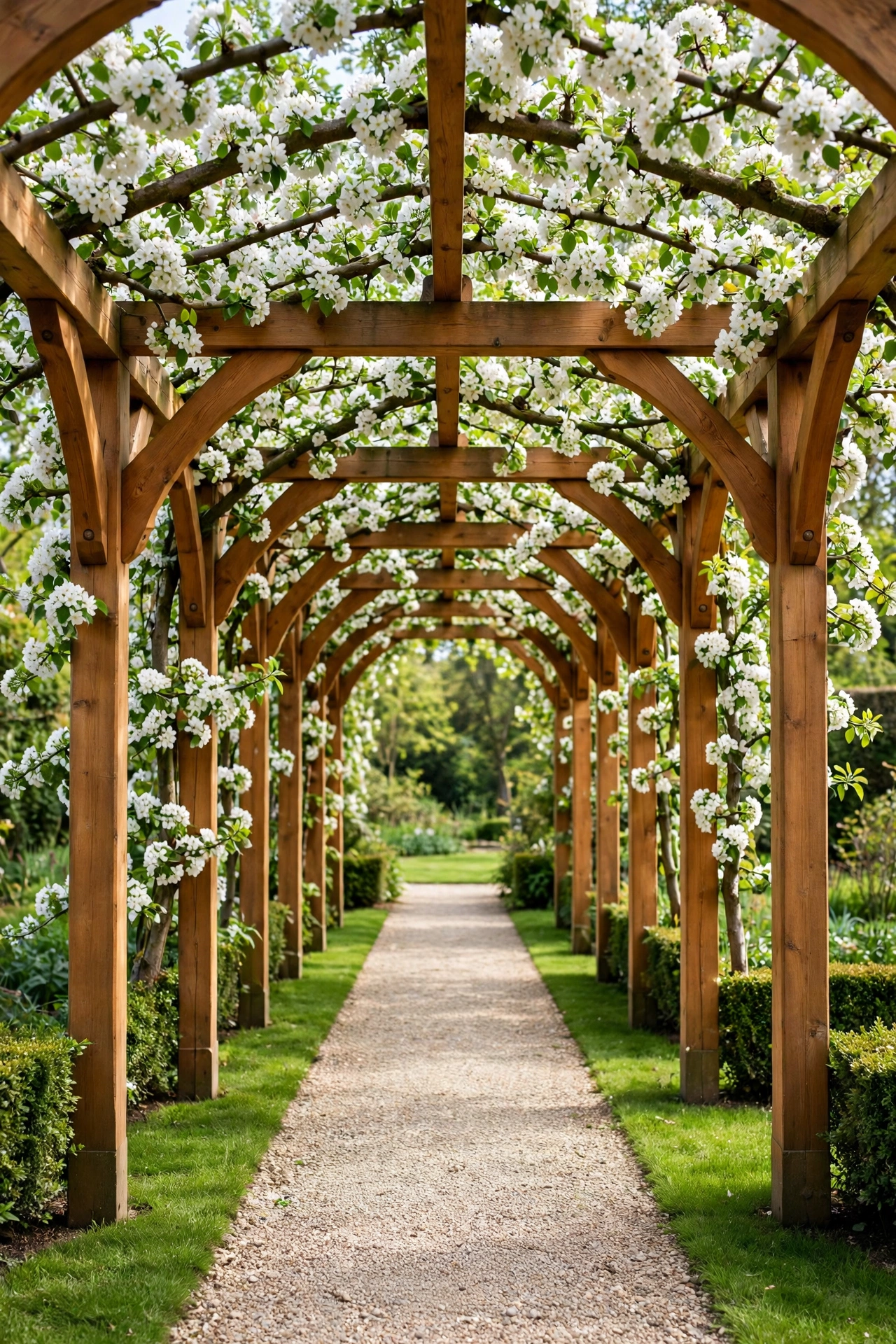
13. Create an Orchard Walkway Under Trained Branches
An orchard walkway plants two rows of trees close together with their branches trained overhead to meet in a leafy arch. Walking beneath the arch in blossom season feels magical, and the shaded path stays cool all summer. Apples and pears trained on a simple wooden frame make the most reliable arches.
Build the frame from sturdy timber posts and crossbars, then tie young branches along the frame as they grow. Keep the path below clear and level, with gravel or stepping stones for dry footing. For path materials and edging that suit a garden walk, these garden pathway ideas will help you choose a surface that stays tidy under the trees.
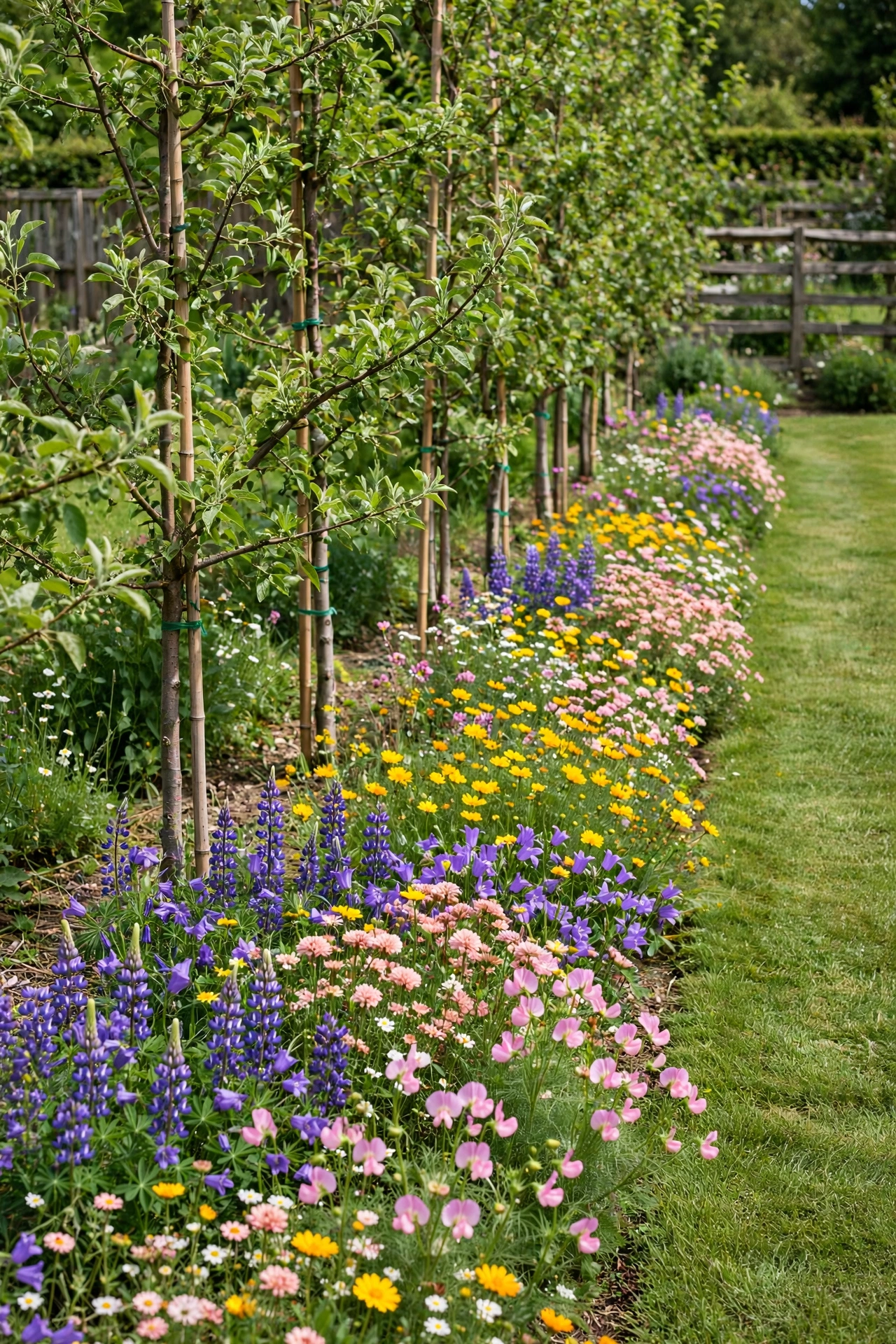
14. Edge the Orchard With Wildflower Strips
Wildflower strips along the edges of an orchard feed the bees and hoverflies that pollinate the fruit blossom. Sow a wide band of mixed native flowers along each outer path, and let it bloom from spring to autumn. The strips also shelter ground beetles and other helpful insects that eat aphids and caterpillars.
Mow the strips once in late summer after the flowers set seed, and leave the cuttings for a few days so seeds can fall. Avoid spraying near the strips so the pollinators stay safe. A wildflower edge turns a plain orchard boundary into a ribbon of color that changes every week through the growing season.
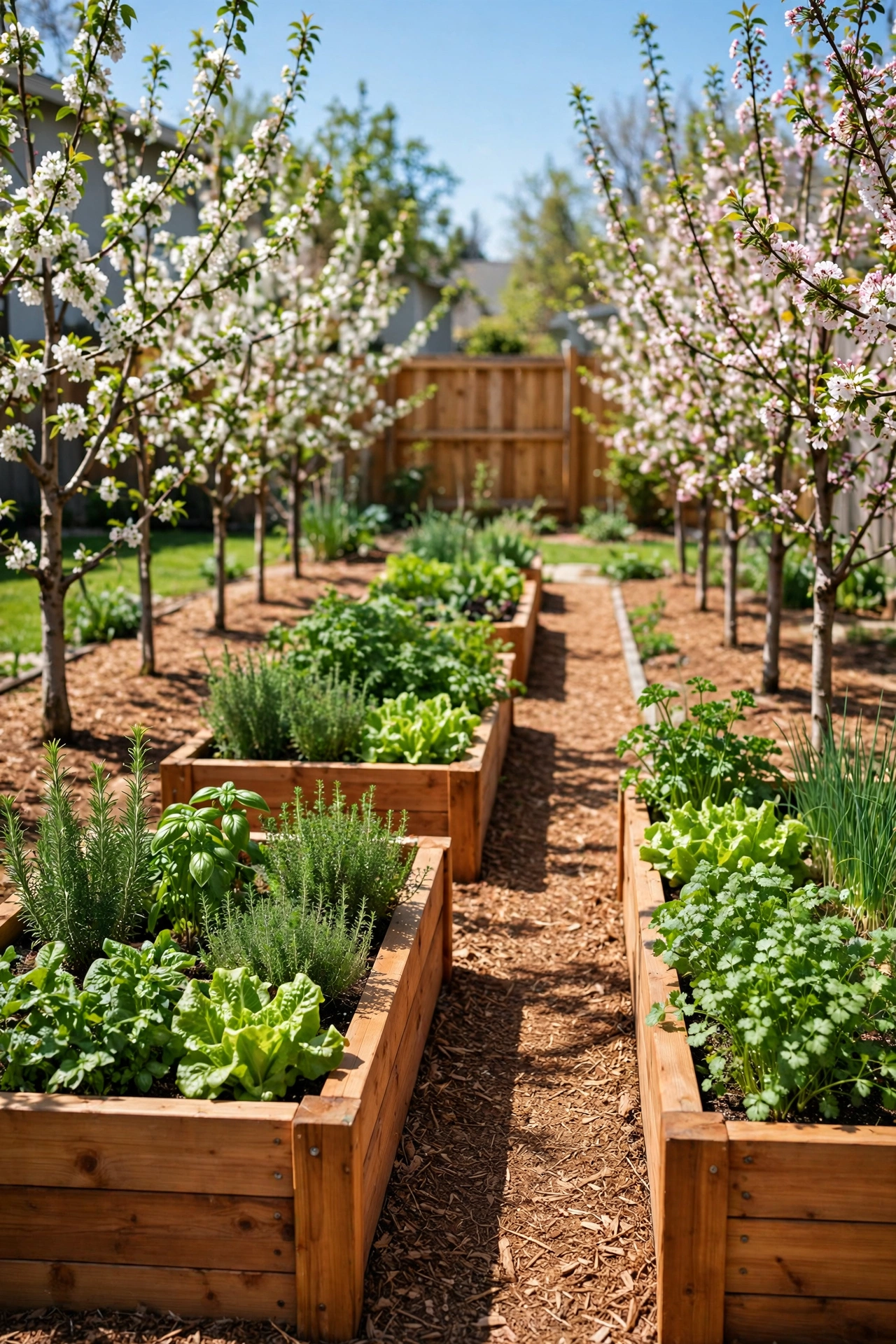
15. Set Raised Beds Between the Fruit Trees
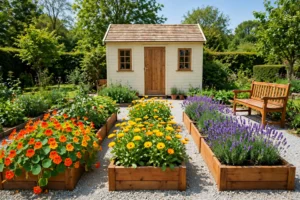
Raised beds set between orchard rows give you tidy growing space for herbs, salads, and cut flowers right where you already walk each day. Build the beds from warm wood or stone, fill them with rich soil, and plant them with crops that enjoy the light shade of the tree canopy. The beds keep the orchard floor organized and make weeding easy on the back.
Leave enough room between each bed and the nearest trunk for a wheelbarrow to pass at harvest time. Line the beds with mulch paths so the whole orchard stays mud free after rain. For bed sizes and layouts that fit a productive garden, these raised garden bed layout ideas will help you plan beds that suit your trees and your walking routes.
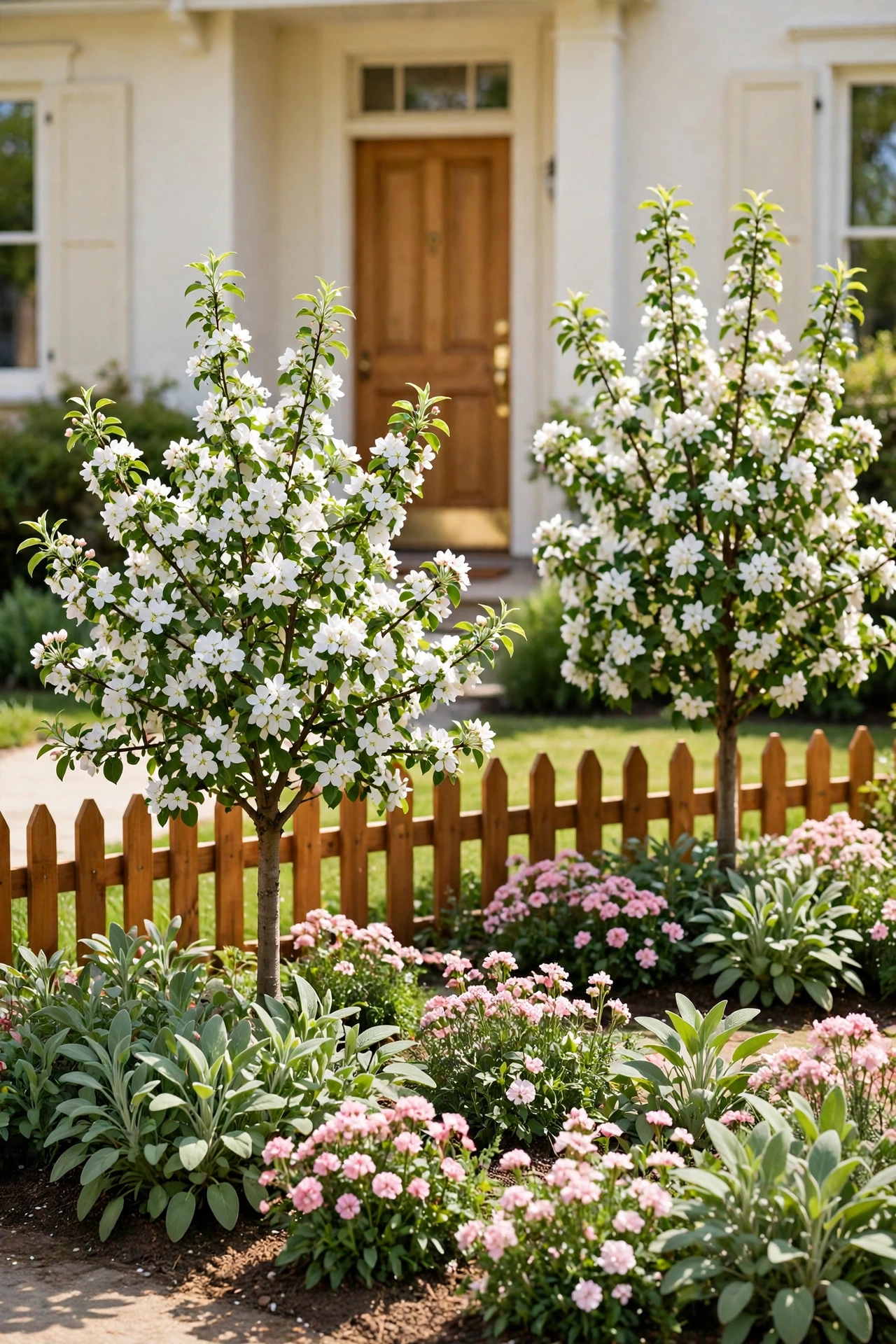
16. Plant a Front Yard Orchard for Curb Appeal
A front yard orchard moves fruit trees to the sunny space in front of the house, where they give shade, blossom, and curb appeal all at once. Choose tidy varieties with an attractive shape, such as a dwarf apple or a crabapple, and underplant them with low flowers so the front garden still looks cared for. Neighbors will enjoy the blossom as much as you do.
Keep the front orchard neat with regular pruning and a clean mulch ring around each trunk. A low fence or a row of shrubs marks the boundary and keeps fruit pickers on the path. For boundary styles that protect the trees and suit the street view, these backyard privacy fence ideas include designs that work just as well at the front of the house.
Conclusion
A backyard orchard is one of the most rewarding projects you can plant, because it grows more beautiful and more generous with every passing year. Whether you choose classic rows, a walled espalier, a terraced slope, or a few dwarf trees in pots, the same rules apply: give each tree sun, space, and good soil, and keep the paths clear for easy care.
Start with two or three trees that suit your climate and your taste, then add more as your confidence grows. Sketch your layout on paper first, mark the sunny spots, and leave room for the trees to reach their full size. In a few short years your backyard will give you blossom in spring, shade in summer, and baskets of fresh fruit at your own back door.
Frequently Asked Questions About Backyard Orchard Layout Ideas for Fruit Trees
How far apart should backyard fruit trees be planted?
Standard fruit trees need about fifteen to twenty feet between trunks, while semi dwarf trees need twelve to fifteen feet and dwarf trees need six to ten feet. The right spacing depends on the rootstock, so check the label before you plant. Good spacing lets sunlight reach every branch and gives you room to prune, spray, and harvest.
How many fruit trees can fit in a small backyard?
A small backyard of about twenty by thirty feet can hold four to six dwarf or espalier trees comfortably. A corner orchard or a fence line espalier fits even more trees in the same space. Start with the fruits your family eats most, and add trees only when you know you have room for their mature size.
What is the best direction for orchard rows?
North to south rows give the most even sunlight on both sides of each tree through the day. On a slope, run rows across the hill instead, so each row catches water and soil that would otherwise wash downhill. If your yard only allows one direction, choose the line that gives the trees the most hours of direct sun.
Do fruit trees need a pollinator partner nearby?
Many apples, pears, plums, and cherries need a second compatible variety nearby to set fruit, while peaches, nectarines, and figs are usually self fertile. Check the pollination needs of each variety before you buy. Planting partners within fifty feet of each other gives bees an easy flight between blossoms.
How long does it take for a backyard orchard to produce fruit?
Dwarf trees often fruit in two to three years, while standard trees can take four to six years to bear a full crop. Espalier and container trees usually fruit sooner because they are pruned to stay small. Good watering, feeding, and pruning in the first two years will bring your first harvest sooner.

Hi, I’m Emily! I turn messy corners into cozy, organized spots. DreamNestDecor is where I share simple, practical home ideas — decor, organization, and small-space solutions that work in real life, not just in photos. Every idea here is carefully researched before it’s shared.