Imagine stepping into your backyard on a summer morning and hearing it before you see it: bees humming over purple coneflowers, goldfinches chattering in the serviceberry, and a hummingbird hovering at the bee balm by the fence. Nothing in this garden fights the climate, because every plant was born to grow exactly where you planted it. That is the quiet power of going native.
Native plants have spent centuries adapting to your soil, your rainfall, and your seasons, so they ask for less water, less fertilizer, and less fuss than anything shipped from far away. These 21 native plant garden ideas will help you shape a natural landscape that looks beautiful, supports local wildlife, and practically takes care of itself.
1. Plant a Pollinator Garden
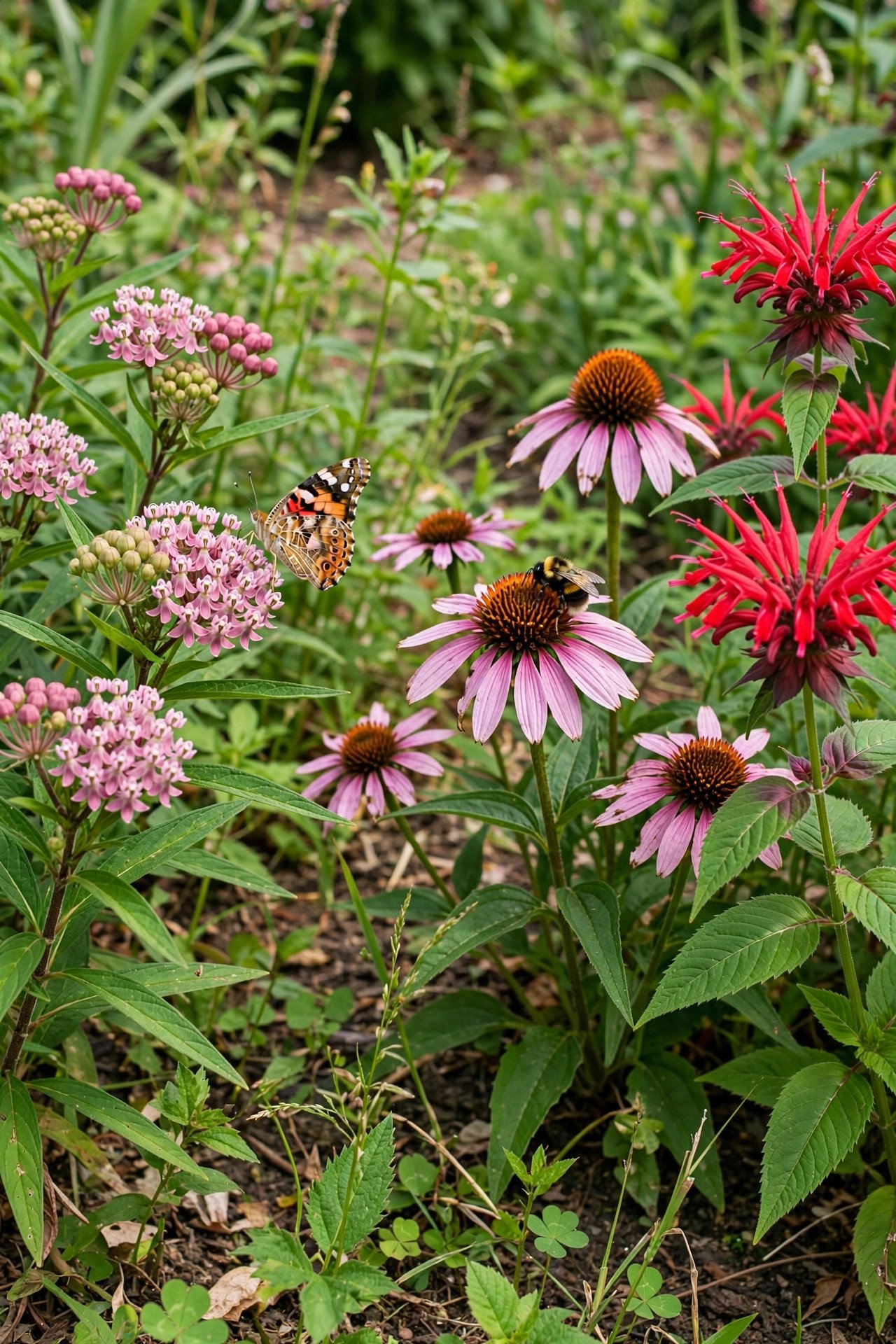
A pollinator garden puts food on the table for bees, butterflies, and beneficial insects from spring through fall. Choose native milkweed, coneflowers, and bee balm, and group the same species together so foragers can find them easily. A mix of flower shapes, from flat landing pads to deep tubes, welcomes the widest range of visitors.
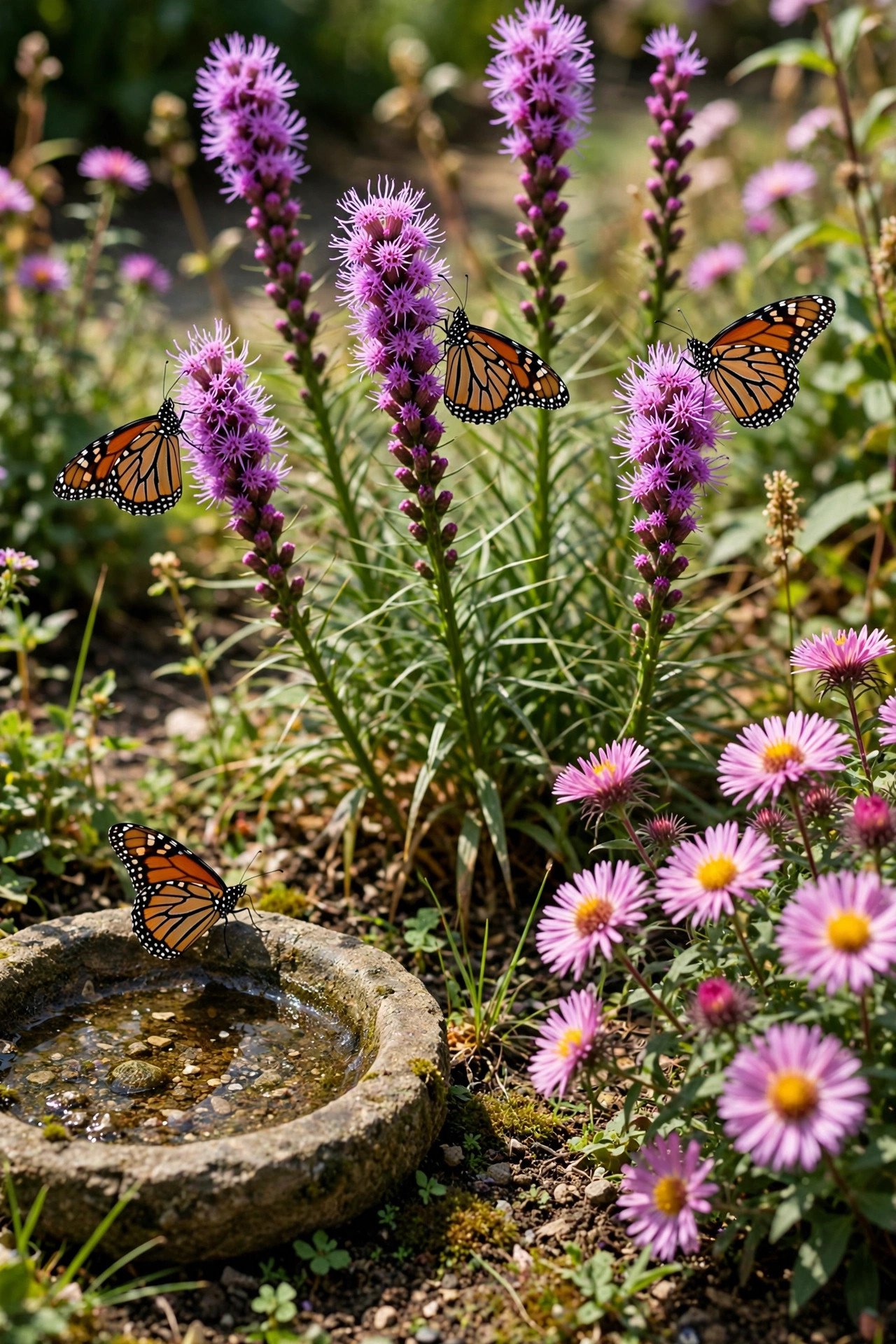
Add a shallow water dish with pebbles and a small patch of bare soil for ground-nesting bees, and your garden becomes a full-service habitat. You will love watching the daily rush hour of wings, and sustainable home decor ideas fans will appreciate a landscape that gives back to the local ecosystem.
2. Design a Xeriscape Backyard
A xeriscape yard stays handsome through the hottest months without constant watering. Combine drought-tough natives like agave, yucca, and little bluestem with gravel paths and a few sculptural boulders. The result looks modern and clean while sipping rather than gulping water.
Because these plants evolved for dry spells, they need almost no help once their roots settle in. You will spend weekends enjoying the yard instead of dragging hoses around it, and your water bill will shrink noticeably. It is proof that a lush look does not require a thirsty lawn.

3. Build a Rain Garden
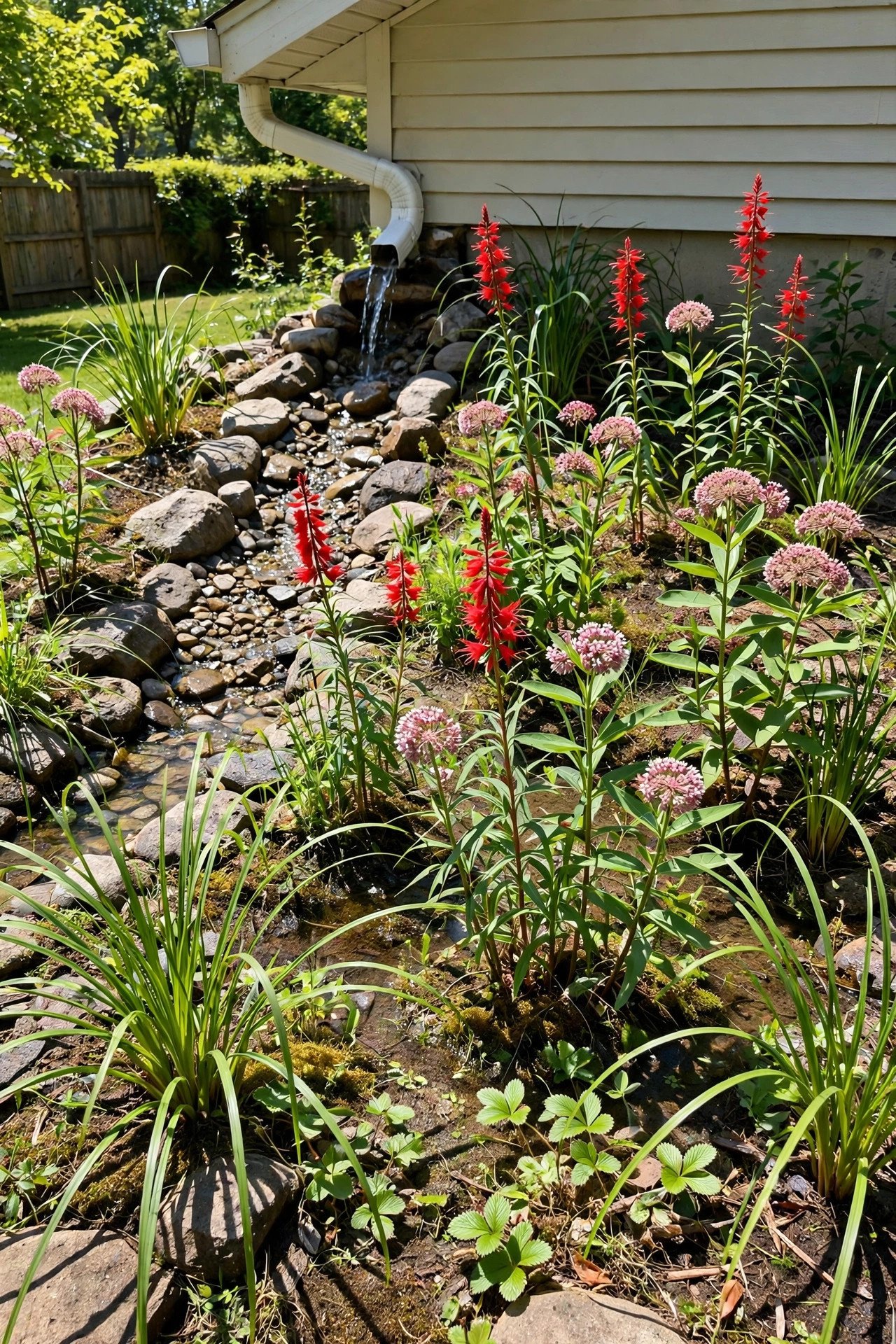
If water pools in a low spot after every storm, turn that problem into a feature with a rain garden. Dig a shallow basin and fill it with moisture-loving natives like cardinal flower, swamp milkweed, and sedges. The plants drink up runoff, filter pollutants, and stop the water from racing into storm drains.
A rain garden looks lush and intentional while doing serious ecological work underground. Place it at least ten feet from your foundation and direct a downspout toward it for the best results. That soggy corner you used to avoid will become one of the prettiest spots in the yard.
4. Sow a Wildflower Meadow
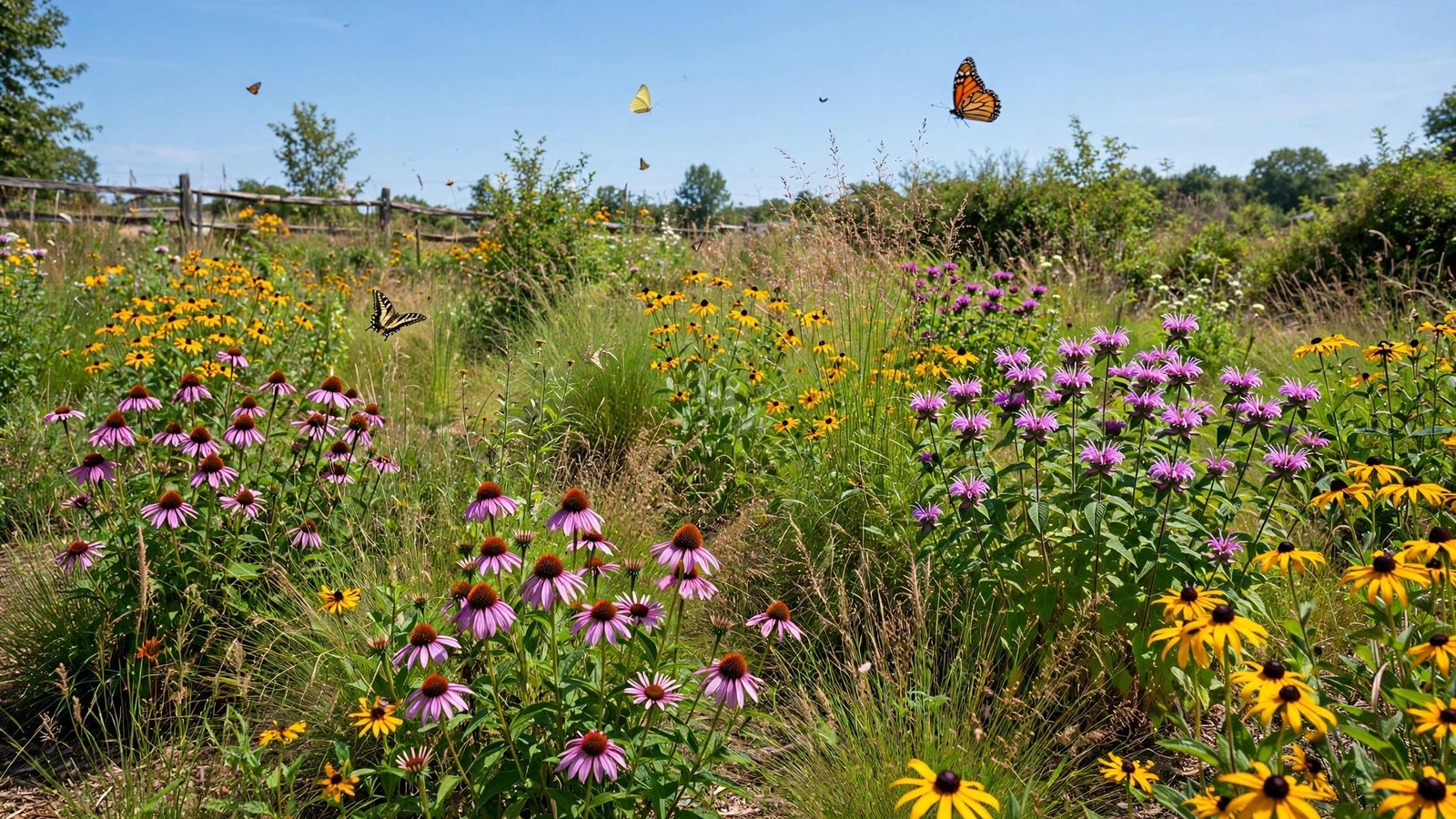
Trading turf for a wildflower meadow is one of the most rewarding native projects you can try. Sow a regional mix of black-eyed Susans, lupines, coreopsis, and native grasses, then mow just once or twice a year. The tapestry of color shifts with the seasons and never needs fertilizer.
Meadows are wildlife magnets, offering cover for rabbits, seeds for finches, and nectar for countless insects. Mow a winding path through the middle so the design reads as intentional and you can stroll through the blooms. Your mower will finally get a long rest.

5. Create a Butterfly Garden
A butterfly garden feeds both halves of the butterfly life cycle: host plants for caterpillars and nectar flowers for adults. Native asters, blazing star, and several kinds of milkweed cover the essentials, while flat stones give butterflies warm spots to bask. A shallow puddling dish with damp sand offers minerals they crave.
Children love watching caterpillars munch milkweed leaves and spotting chrysalises tucked under foliage. Leave the garden undisturbed through fall so overwintering insects stay safe. Few sights beat a summer afternoon with a dozen butterflies drifting between the blooms.
6. Grow a Bird Habitat
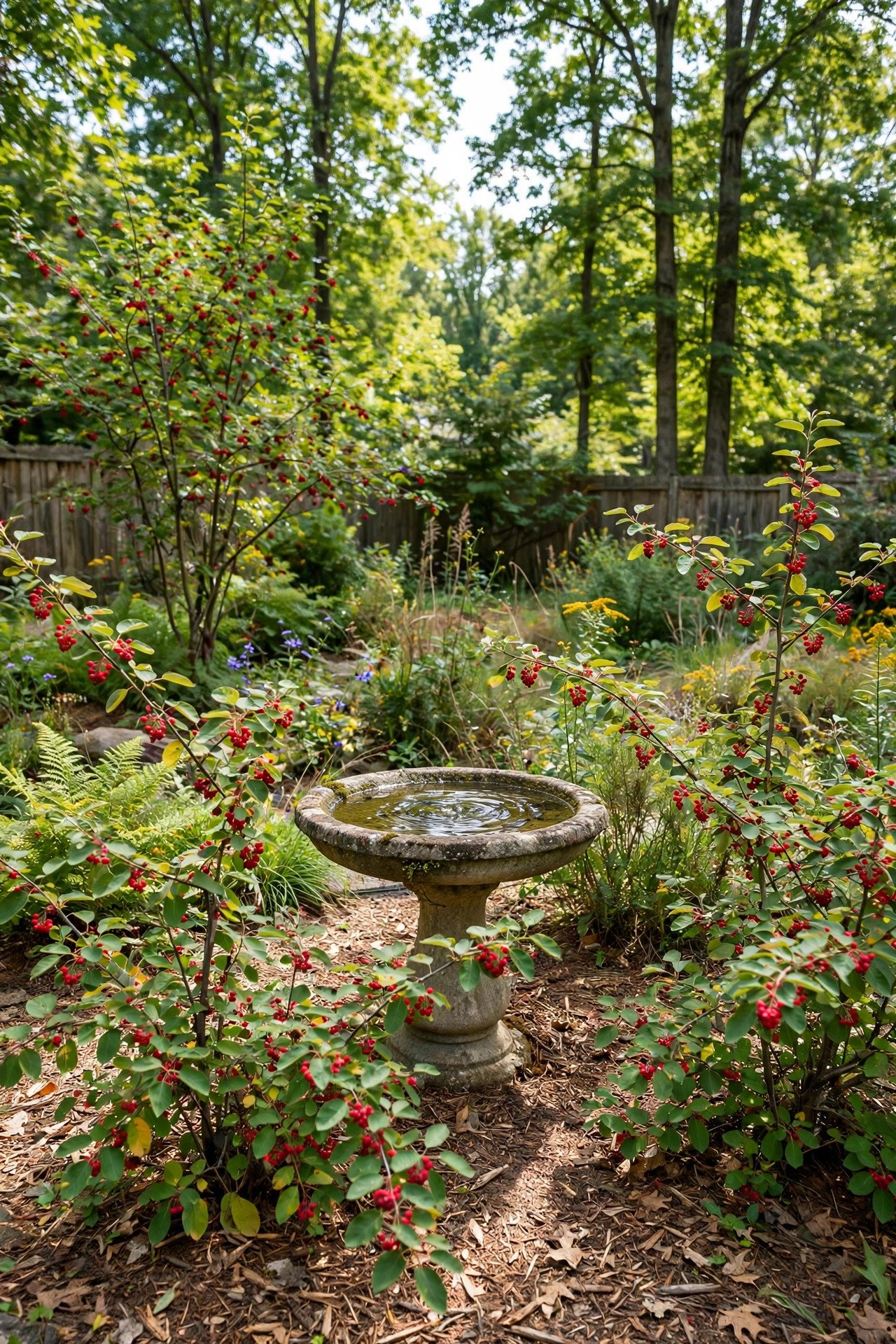
To fill your mornings with birdsong, layer native plants the way birds like them: tall oaks or maples above, berry shrubs like serviceberry and dogwood in the middle, and native groundcover below. Each layer offers different birds food, shelter, and nesting spots through the seasons.
Add a simple birdbath and keep it filled, because water draws birds even faster than food. In winter the remaining berries and seed heads become a vital pantry. You will soon recognize your regulars, from chickadees to cardinals, by sight and by song.
7. Plant a Native Shade Garden
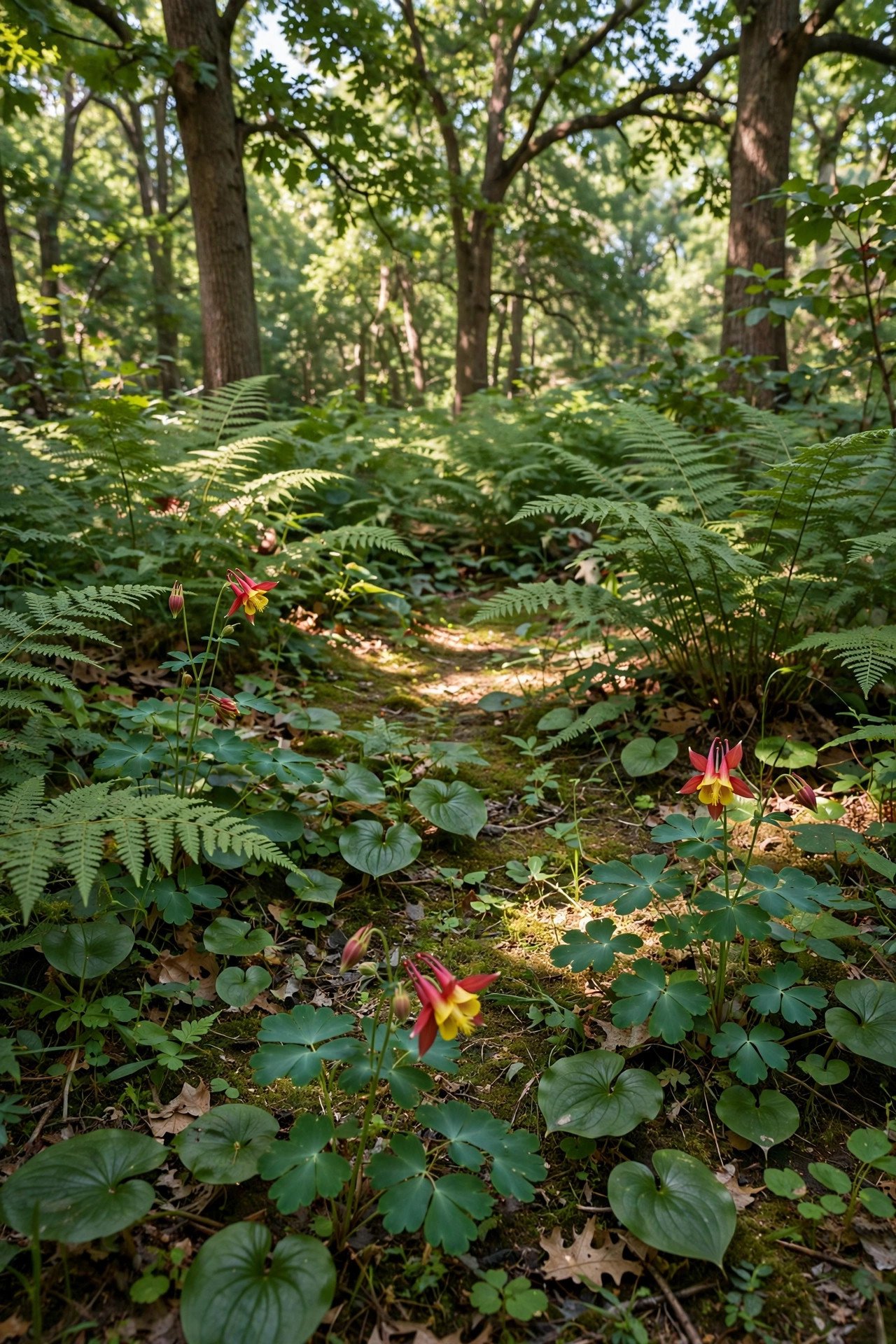
The ground beneath big trees does not have to stay bare and muddy. Native wild ginger, ferns, columbine, and foamflower evolved for exactly those dim, root-filled conditions. Their varied leaf textures create a cool, layered carpet that looks intentional and lush.
This is also the perfect spot for a quiet seating nook, since shade gardens feel naturally calm and private. A simple bench among the ferns invites slow mornings with coffee. Even the darkest corner of the yard can become a retreat with the right natives.
8. Build a Native Rock Garden
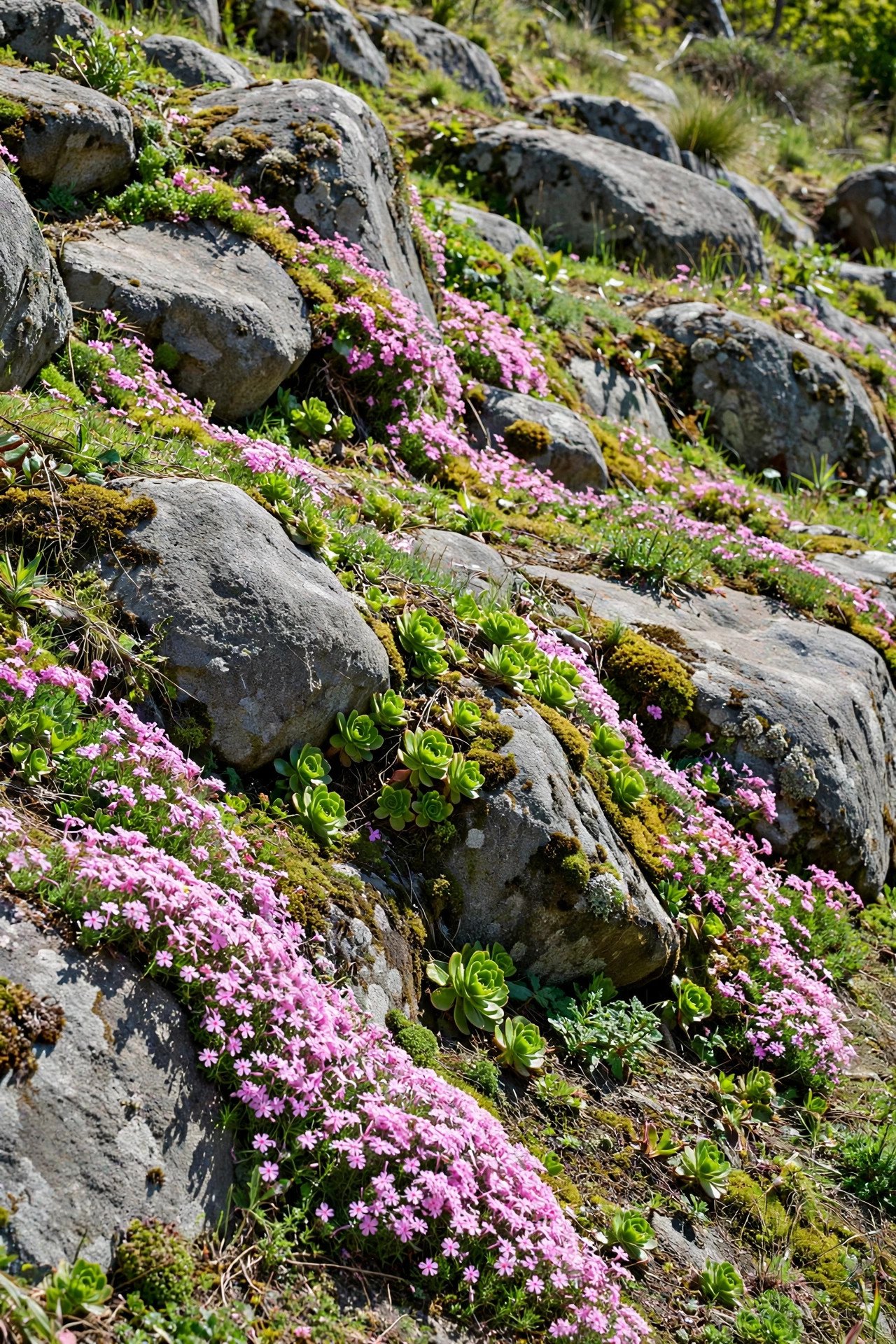
Rock gardens shine on slopes or poor soil where little else wants to grow. Arrange local stones and boulders in natural-looking clusters, then tuck native succulents, creeping phlox, and mosses into the crevices. The stones hold warmth and moisture that the plants love.
This style borrows beautifully from European garden with antique accents when you add a weathered urn or aged stone trough among the rocks. The contrast of rugged stone and delicate blooms gives the garden a timeless, collected feel with almost no upkeep.
9. Landscape With Ornamental Grasses
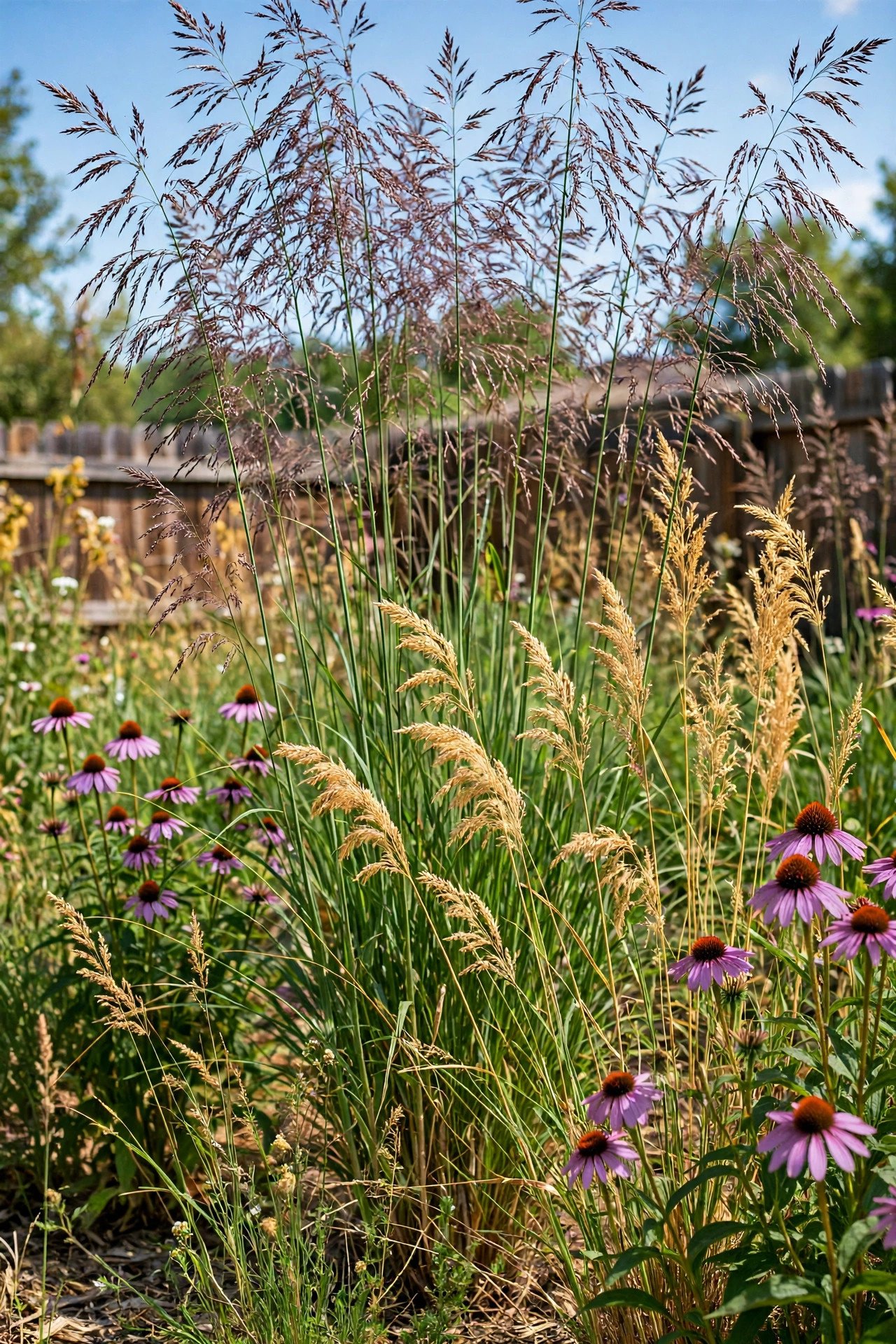
Native grasses like switchgrass, little bluestem, and prairie dropseed bring movement and music to the garden as they sway in the breeze. They glow green in summer, turn gold and copper in fall, and stand as sculptural silhouettes through winter. Few plantings give four seasons of interest with so little work.
Plant grasses in generous drifts rather than lonely singles for the strongest effect. Their dense clumps shelter ground-nesting birds and overwintering insects. Once established, they need no watering and only one haircut in early spring.

10. Recreate a Prairie Landscape
A prairie-style planting captures the sweeping beauty of open grasslands in a sunny yard. Combine tall big bluestem and indiangrass with purple prairie clover and coneflowers, letting them mingle in natural drifts. The deep roots build healthy soil and lock away carbon while you simply enjoy the view.
The height of a prairie planting makes a wonderful living privacy screen that changes color through the year. Leave the stems standing in winter for sculptural interest and bird cover. It is a bold, soulful landscape that feels deeply connected to the land.
11. Grow a Woodland Garden
A woodland garden recreates the layered structure of a forest: canopy trees above, redbuds and dogwoods in the understory, and ferns with spring ephemerals carpeting the floor. Fallen leaves become free mulch, feeding the soil exactly as nature intended.
This is the lowest-maintenance native garden of all once it settles in, and it feels like a private forest glade. A winding mulch path invites slow walks under the canopy. If you love romantic garden styling ideas, add a vintage-style bench where the light filters through the leaves.

12. Plant a Coastal Garden
Seaside yards battle salt spray, sand, and wind, but native coastal plants take it all in stride. Beach plum, sea kale, and salt-tolerant grasses have thick leaves and deep roots built for harsh shores. Their soft blues, silvers, and sandy tones echo the ocean beautifully.
These tough plants also protect dunes and shorelines from erosion while looking effortlessly elegant. Even if you live inland, a coastal-style bed brings breezy, relaxed character to a sunny spot. Choose the toughest natives and let the sea air do the styling.

13. Design a Desert Landscape
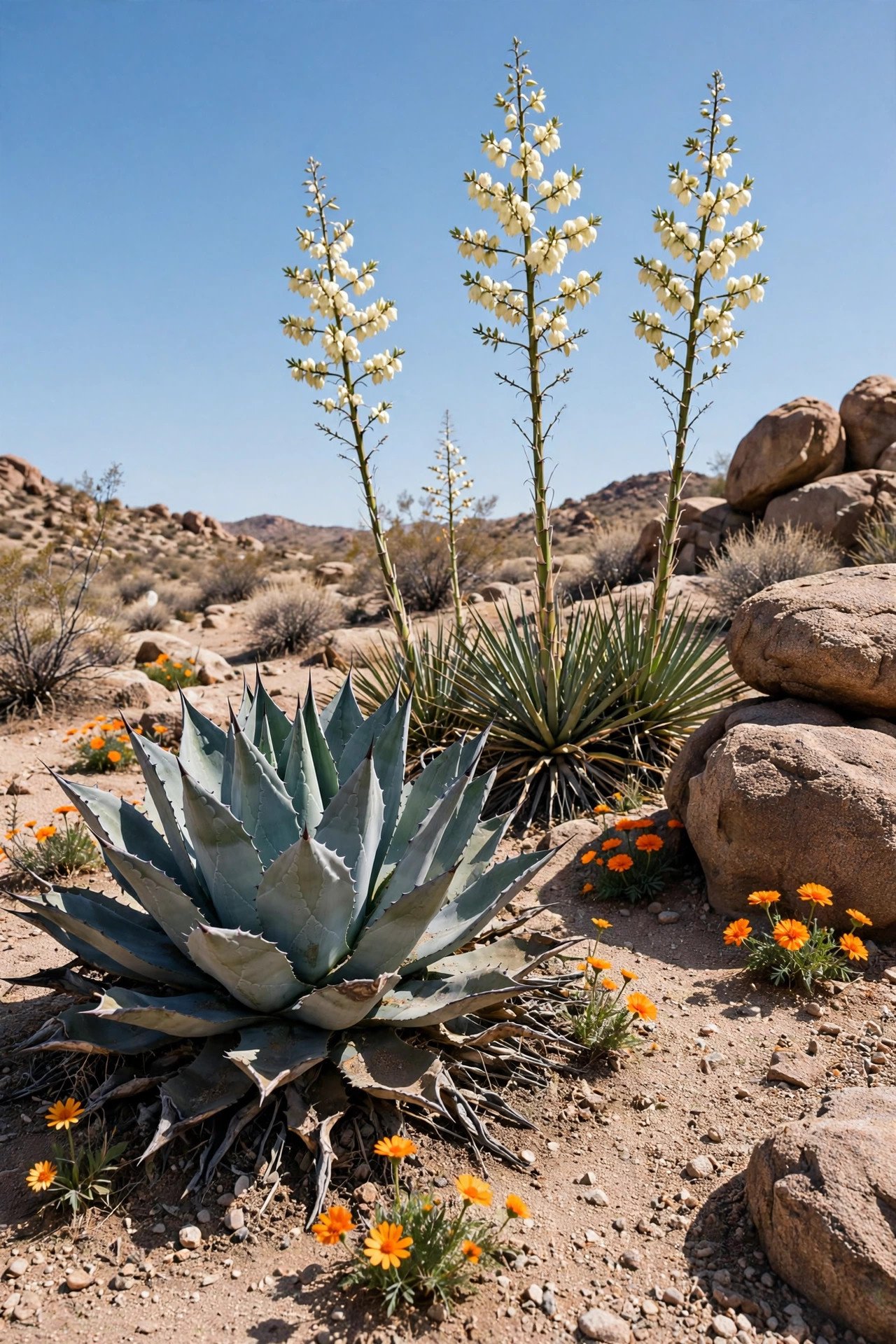
Desert natives turn extreme heat into high style. Sculptural agaves, flowering yuccas, and desert marigolds arranged among boulders and decomposed granite create a clean, dramatic look that needs almost no irrigation. Each plant becomes a piece of living architecture.
The blooms are a bonus wildlife feast when they appear, drawing bees and hummingbirds to the bright flowers. Keep the design simple and let the striking shapes carry the composition. This is sustainable landscaping at its most sculptural.
14. Grow a Medicinal Garden
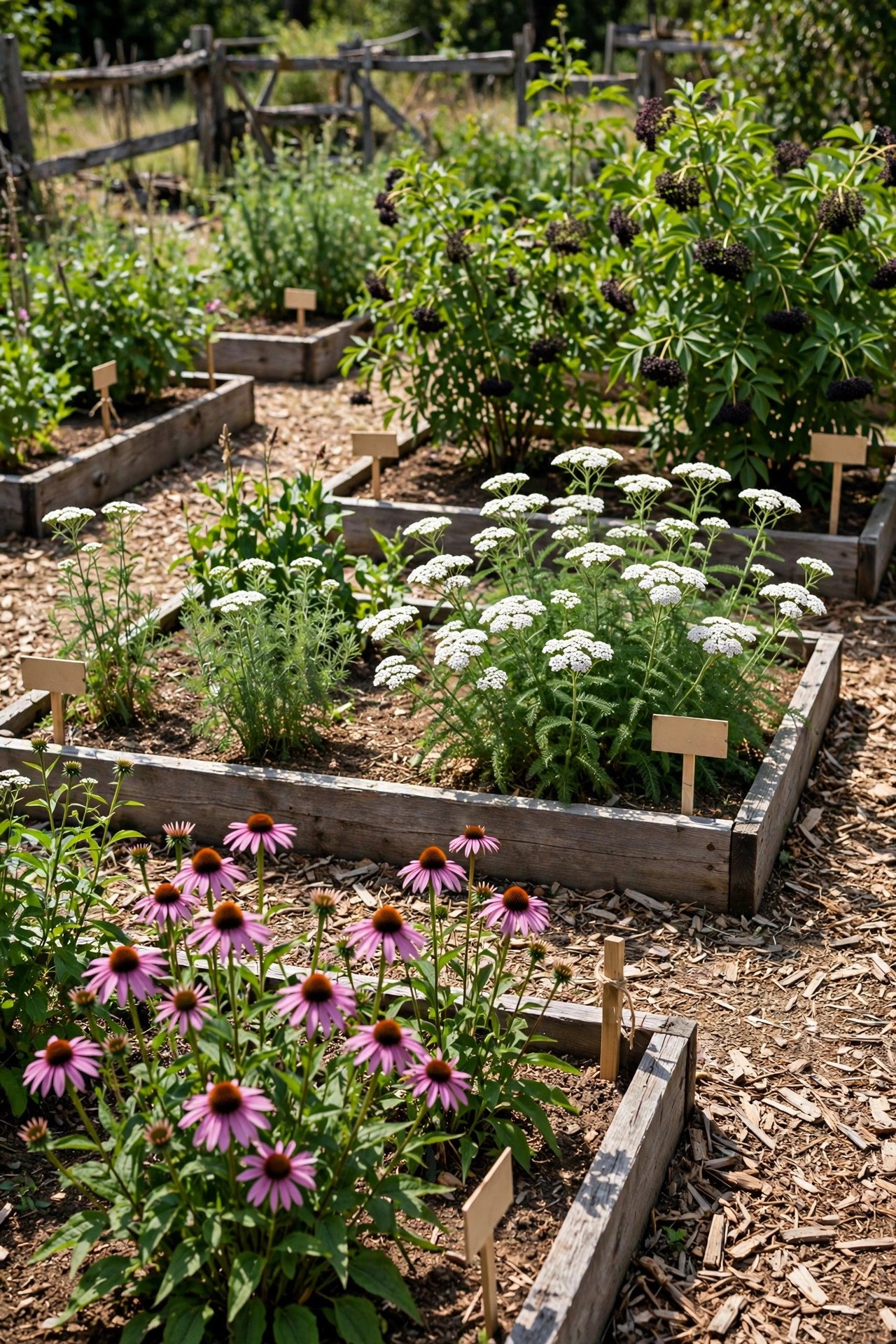
Many native plants carry centuries of traditional use, and a medicinal garden honors that heritage beautifully. Echinacea, elderberry, and yarrow are as lovely as they are storied, with blooms that also feed pollinators generously. Organize them in tidy beds with clear paths for easy tending.
Harvest a little for teas and leave plenty for the bees, because these plants serve two purposes at once. Label each plant with a small stake so visitors can learn their stories. The garden becomes both beautiful and meaningful.
15. Plant an Evergreen Privacy Screen
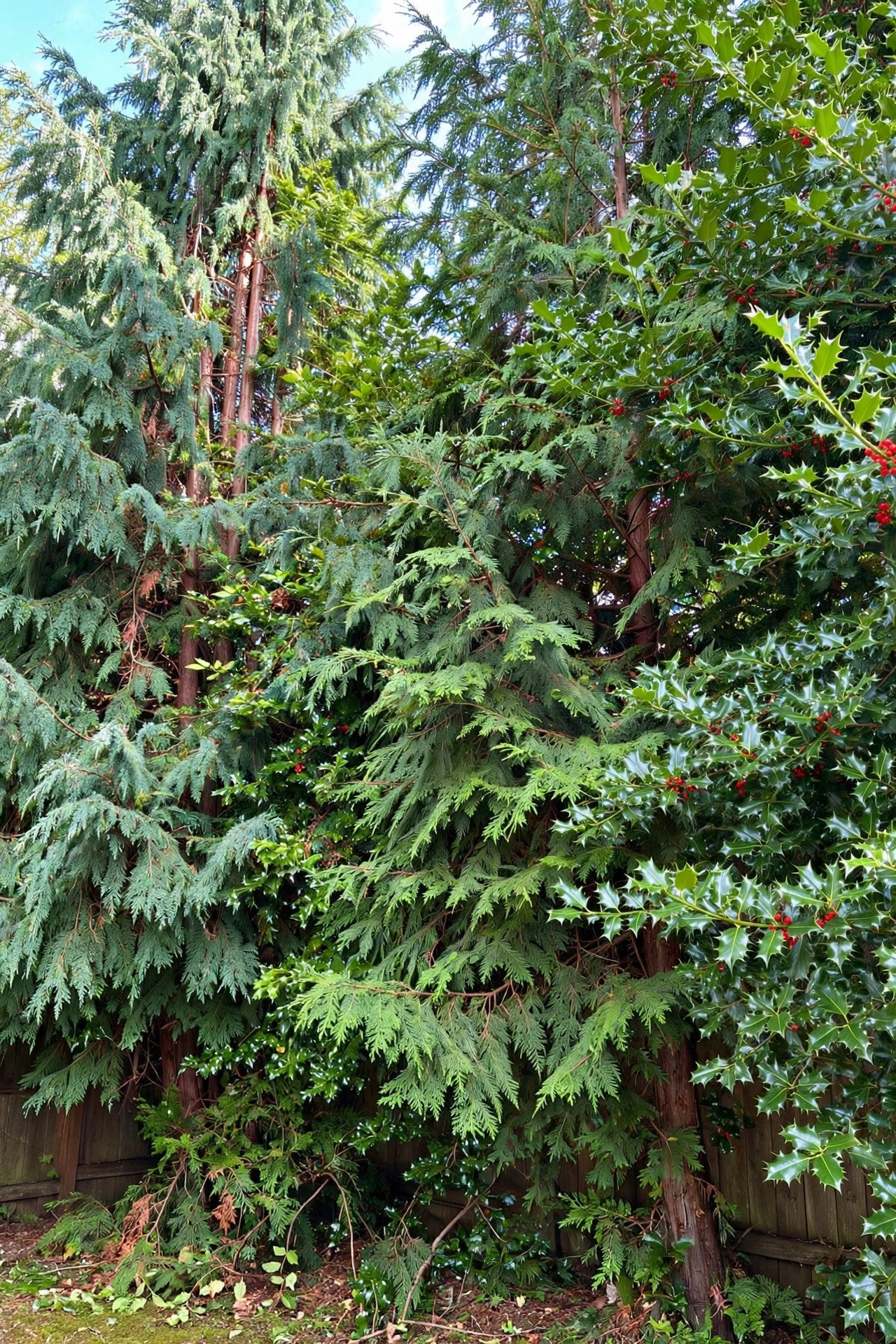
When you need privacy that never takes a season off, native evergreens are the answer. Eastern red cedar, American holly, and native pines form a dense living wall that blocks views and softens noise all year. Stagger two rows for a natural look instead of a stiff line.
Unlike a fence, this screen grows more beautiful with time and gives birds safe winter cover. Underplant the base with native ferns to finish the layered look. In a few years you will have a green sanctuary wall that no lumber could match.
16. Grow an Edible Native Garden
Your landscape can feed you as well as the wildlife when you plant edible natives. Pawpaw trees, blueberries, wild plums, and serviceberries produce delicious harvests while shrugging off local pests. Use fruiting shrubs as hedges and let a pawpaw anchor a sunny corner.
Because these plants evolved with local insects, they need far fewer sprays than orchard varieties. You will harvest unique flavors you cannot buy in stores, and the birds will happily take their share too. It is the tastiest kind of landscaping.

17. Create a Hummingbird Garden
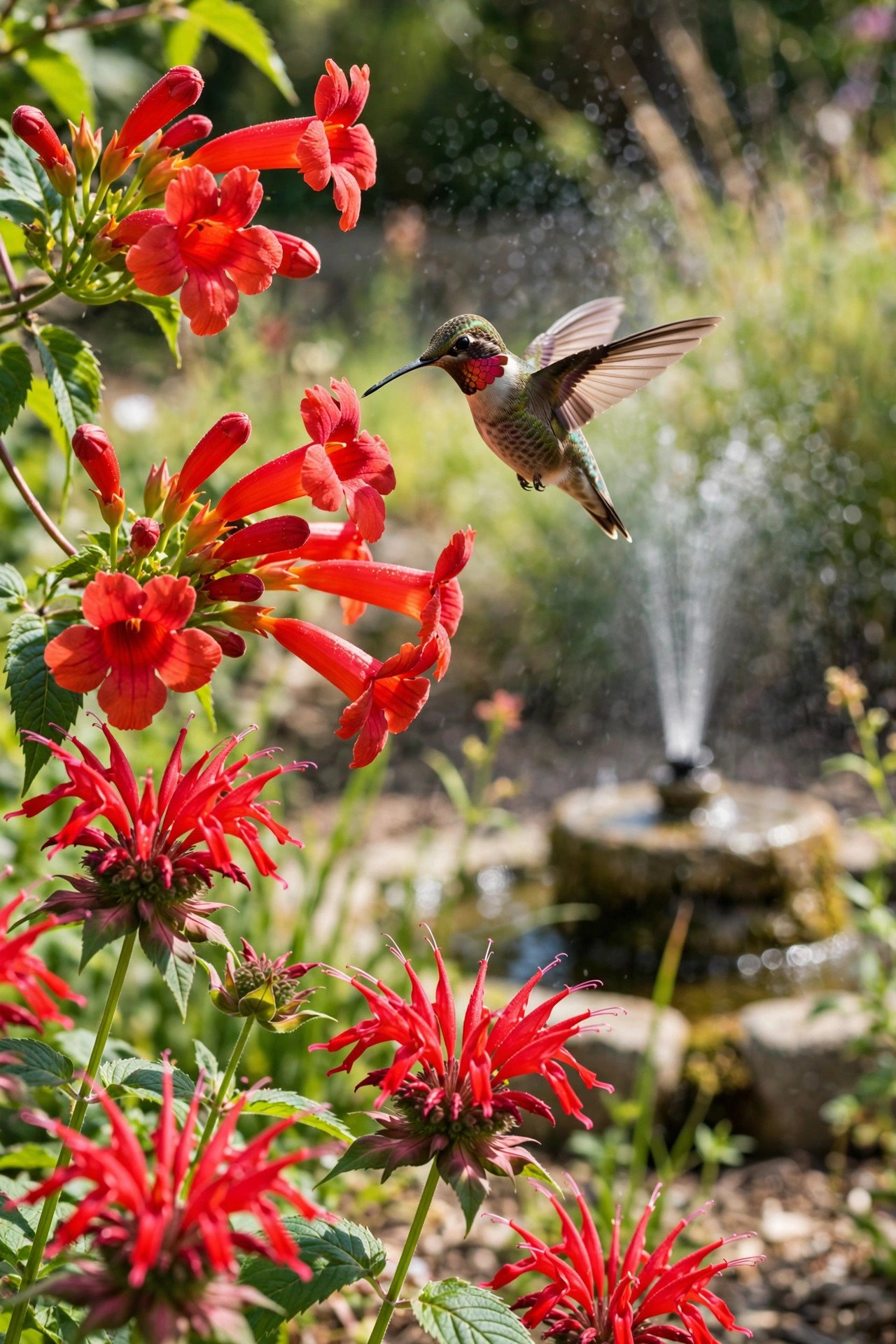
Hummingbirds cannot resist tubular red, orange, and pink blooms, so build your garden around them. Trumpet creeper, columbine, and scarlet bee balm offer the high-energy nectar these tiny birds need. Add a mister or small fountain, because hummingbirds love to bathe in fine spray.
Skip all pesticides here so the garden stays a safe hunting ground for the insects hummingbirds also eat. Provide a few thin perches where they can rest between feedings. On summer evenings you will watch aerial duels and dives right outside your window.
18. Build a Dry Creek Bed
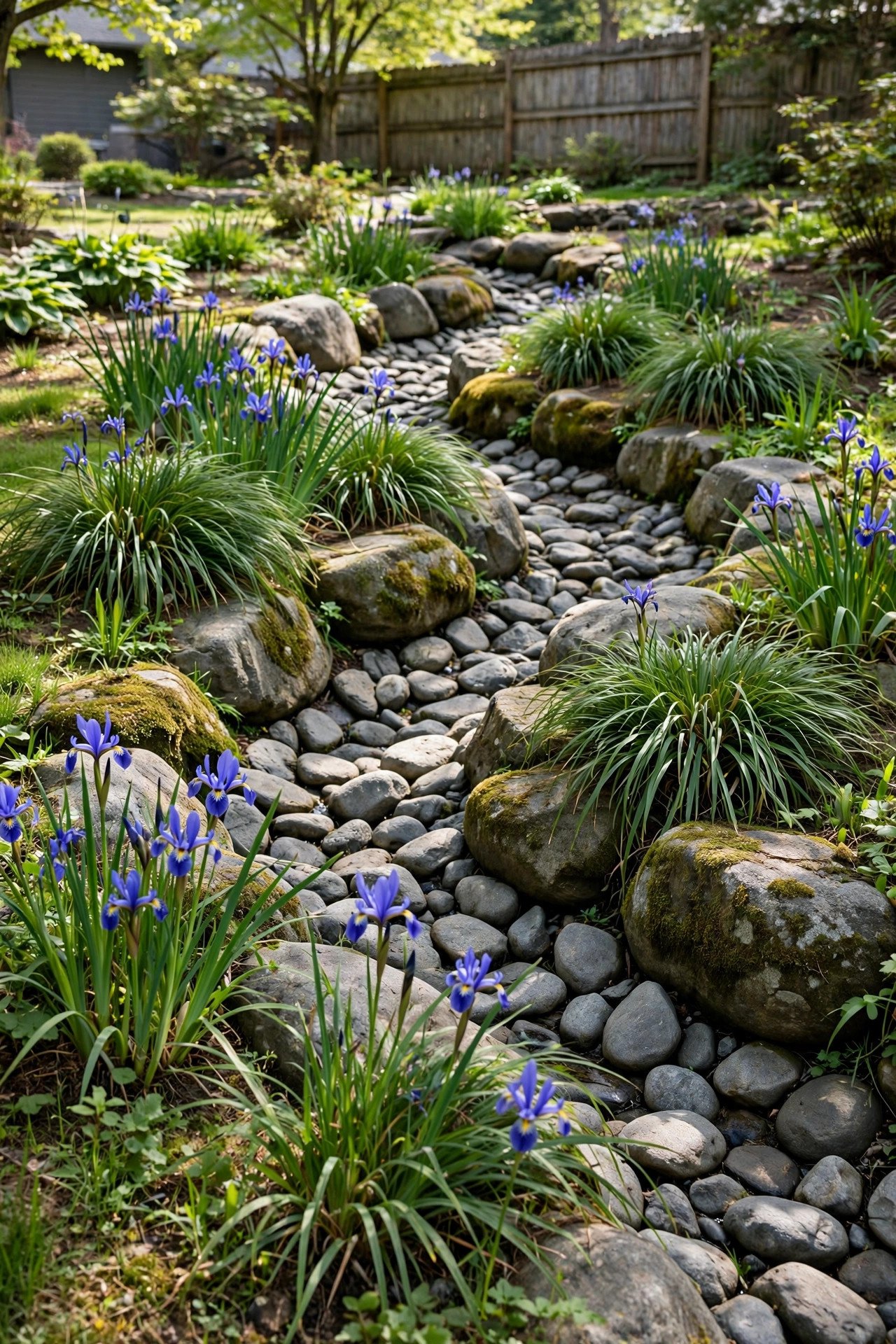
A dry creek bed handles drainage with artistry, guiding storm water away from your home through a winding ribbon of river rock. Edge it with rushes, sedges, and blue flag iris to soften the stone and root the feature in the landscape. In dry weather it looks like a sculptural stream; in rain it works beautifully.
Larger boulders placed along the curves give the bed a sense of permanence and age. This feature pairs well with a Mediterranean porch nearby, where you can sit and watch the water move after a storm. Form and function rarely blend this gracefully.
19. Cover Ground With Native Plants
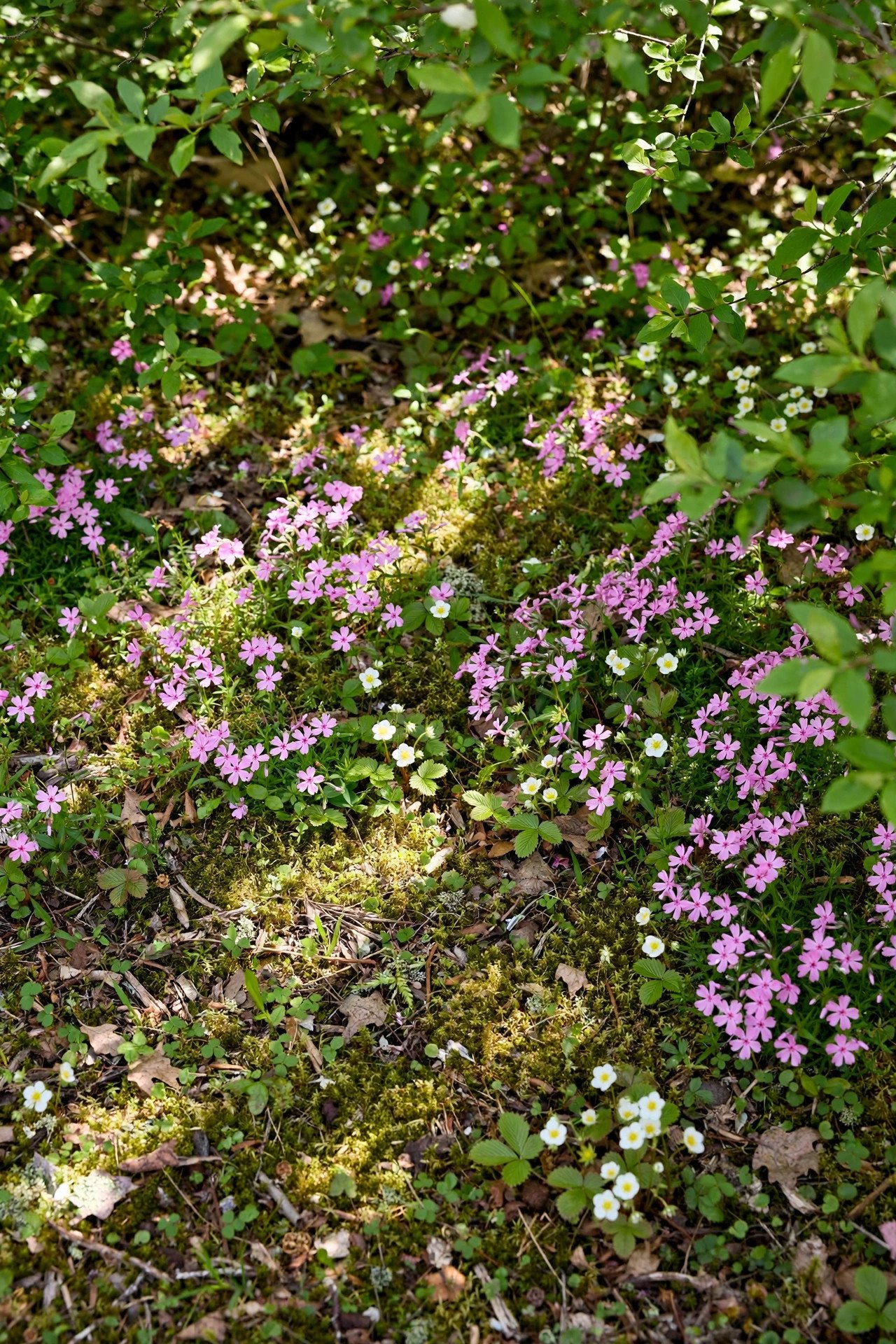
Bare soil invites weeds, but native groundcovers solve the problem while feeding wildlife. Wild strawberry, creeping phlox, and Pennsylvania sedge knit together into living mulch that smothers weeds and holds moisture. Their small flowers still feed early pollinators.
Use groundcovers under shrubs, along paths, and on slopes where mowing is miserable. Once they knit together, maintenance drops to nearly nothing. The garden floor becomes as alive and intentional as everything growing above it.
20. Add a Native Bog Garden
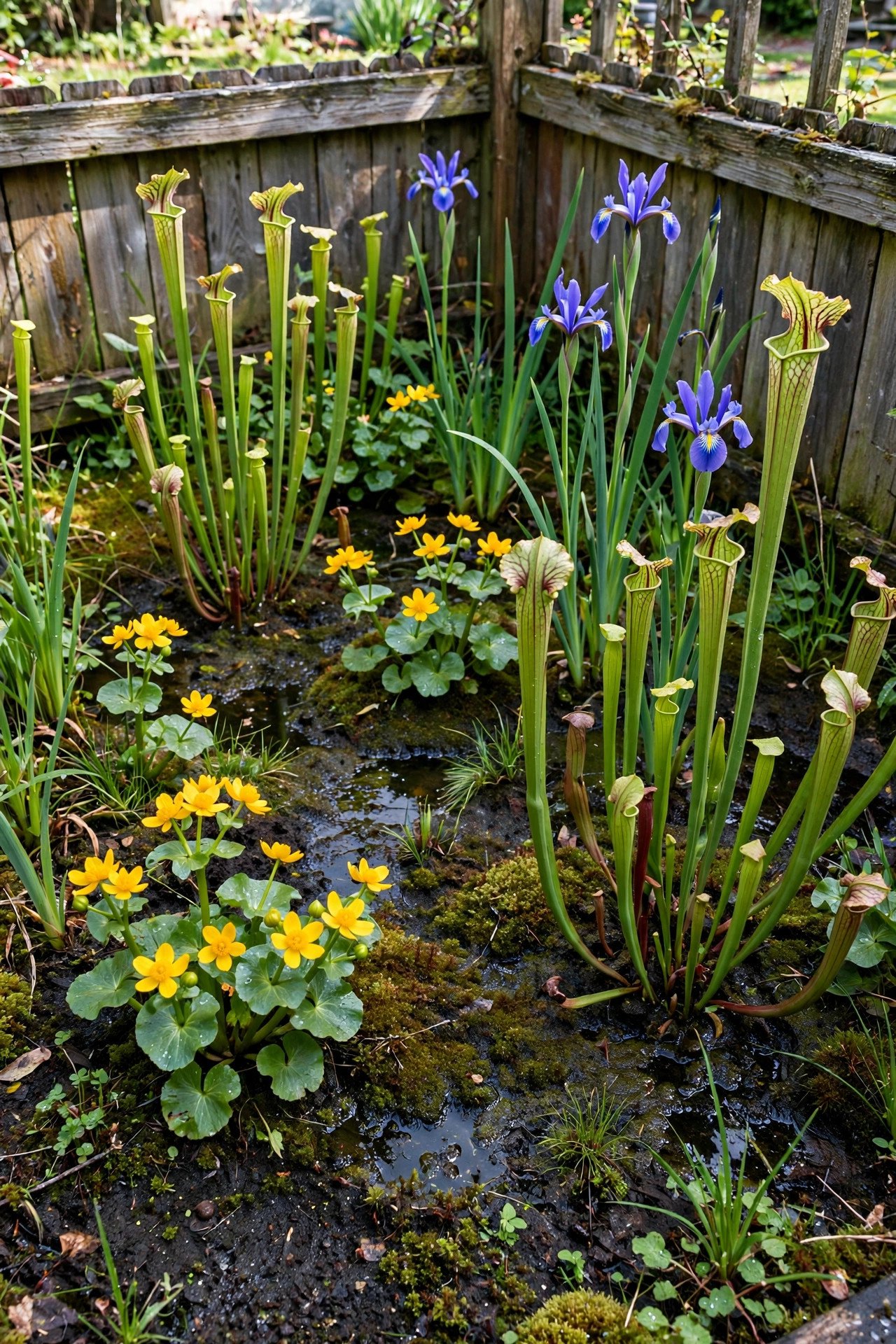
That permanently soggy corner where nothing survives is perfect for a bog garden. Pitcher plants, marsh marigolds, and blue flag iris thrive in saturated soil that would drown ordinary perennials. Their exotic shapes and bright blooms create a fascinating focal point.
If your soil drains too fast, sink a pond liner with drainage holes to hold the moisture these plants crave. A bog garden becomes a conversation piece that also filters water and shelters frogs. Turn your wettest problem into your most interesting feature.
21. Plan a Fall Color Landscape
Native plants put on one of the best fall shows in the plant world when you plan for it. Serviceberry, sumac, and native maples flame red and gold, while asters and goldenrod bloom late to feed migrating pollinators. Site these plants where you will see them from your favorite window, and echo the palette at the entry with fall front porch decor ideas like pumpkins and lanterns.
This late-season display extends your garden year by weeks and gives wildlife crucial fuel before winter. Leave the seed heads standing for birds after the leaves drop. A garden planned for fall proves that the season finale can be the best act.

Conclusion
Native plant gardening is really about partnership: you provide the space, and plants that have thrived in your region for centuries do the rest. Less watering, fewer chemicals, and more birdsong are the natural rewards of working with nature instead of against it. Every native you plant stitches your yard back into the local ecosystem.
Begin with one bed that matches your sun and soil, perhaps a pollinator patch or a rain garden, and expand from there. Season by season your landscape will grow richer, wilder, and more alive, and you will wonder why you ever planted anything else.
Frequently Asked Questions About Native Plant Garden Ideas for Natural Landscaping
What are native plants?
Native plants are species that evolved naturally in your region over thousands of years. They are adapted to local soil, rainfall, and seasons, so they need less water and care than exotic plants. They also provide the best food and shelter for local wildlife.
Do native gardens need less maintenance?
Yes, once established, which usually takes one to two growing seasons. Deep root systems find their own water, and natural pest resistance means fewer treatments. You will mainly do seasonal cut-backs and occasional weeding while new plantings fill in.
Where can I buy native plants?
Look for native plant nurseries, botanical garden sales, and conservation district seedling programs in your area. Local chapters of native plant societies often hold spring sales with expert advice. Avoid big-box wildflower mixes that may contain non-native species.
Will a native garden attract more insects to my yard?
It will attract more beneficial insects like bees, butterflies, and ladybugs, which is exactly the goal. These insects pollinate your garden and control pests naturally. A balanced native planting rarely causes pest problems and actually reduces the need for sprays.
Can I mix native plants with my existing garden?
Absolutely, and it is the easiest way to start. Replace struggling exotic plants with natives one bed at a time, or tuck native grasses and flowers among your current plantings. Even small additions help local wildlife while you learn what thrives.

Hi, I’m Emily! I turn messy corners into cozy, organized spots. DreamNestDecor is where I share simple, practical home ideas — decor, organization, and small-space solutions that work in real life, not just in photos. Every idea here is carefully researched before it’s shared.