Picture this: it is the first week of the month, and three boxes arrive on the same day. One holds pantry staples, one holds cleaning supplies, and one holds a surprise you forgot you ordered. The boxes pile up by the door, the contents spill onto the counter, and the calm kitchen you love turns into a sorting station.
You do not need to cancel every subscription to fix the chaos. All you need is a simple system for tracking, receiving, and storing each monthly delivery. These 27 household subscription organization ideas will help you know what is coming, where it belongs, and when to pause or skip, so every box has a home the moment it arrives.
1. Create a Master Delivery Calendar
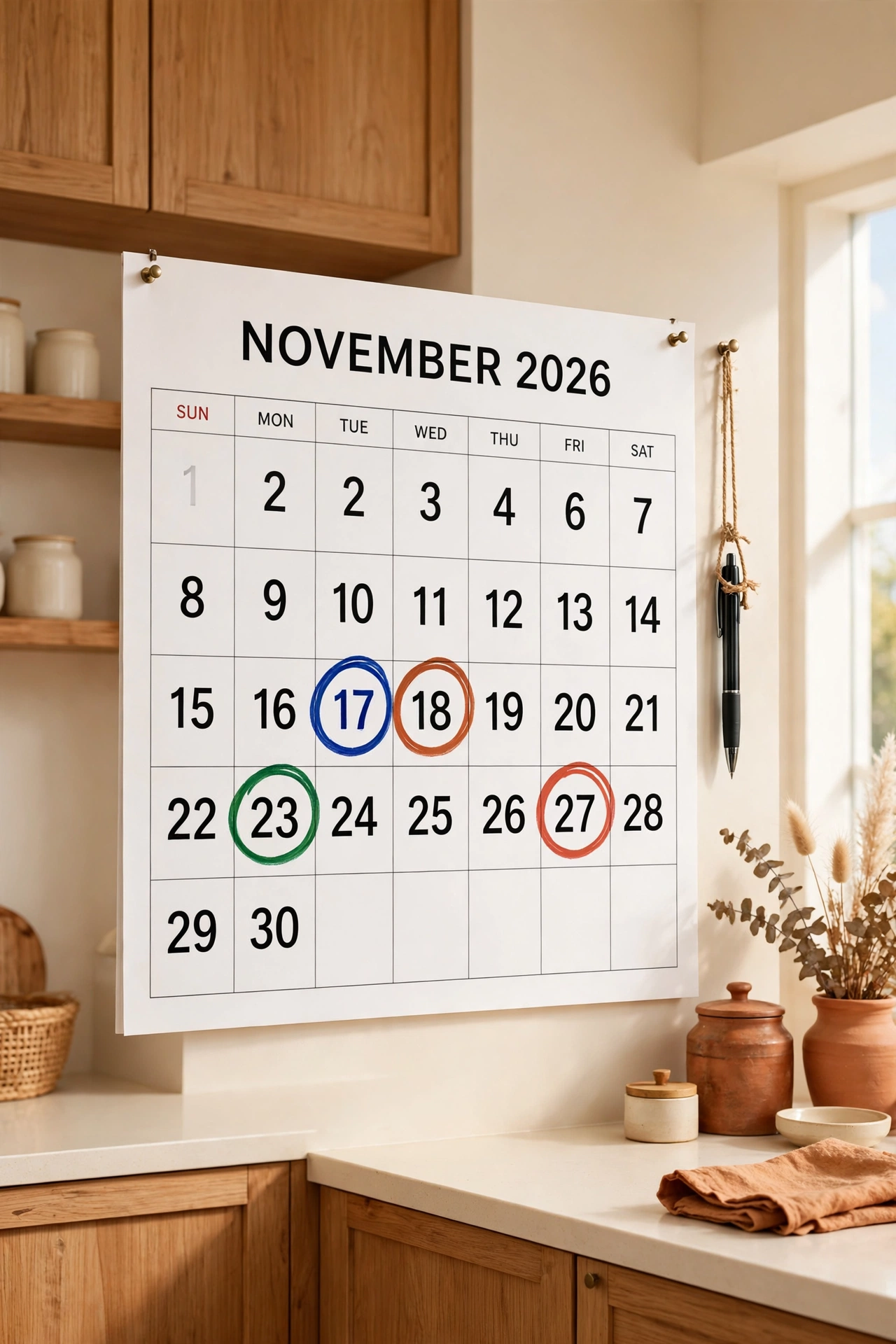
A master delivery calendar is the foundation of every organized subscription system. Write down every subscription, its delivery date, and its contents on one calendar that the whole family can see. When everyone knows what is arriving and when, no box sits forgotten by the door.
You can use a paper wall calendar, a shared phone calendar, or a simple printed sheet on the fridge. Mark delivery days in a bold color and add a reminder two days before each one. For a calendar setup that handles the whole household, see these family calendar and paperwork organization ideas that keep dates, bills, and school papers in one place.
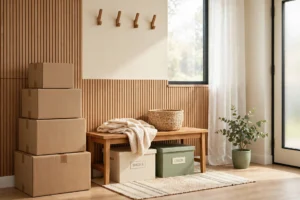
2. Set Up a Dedicated Unboxing Station
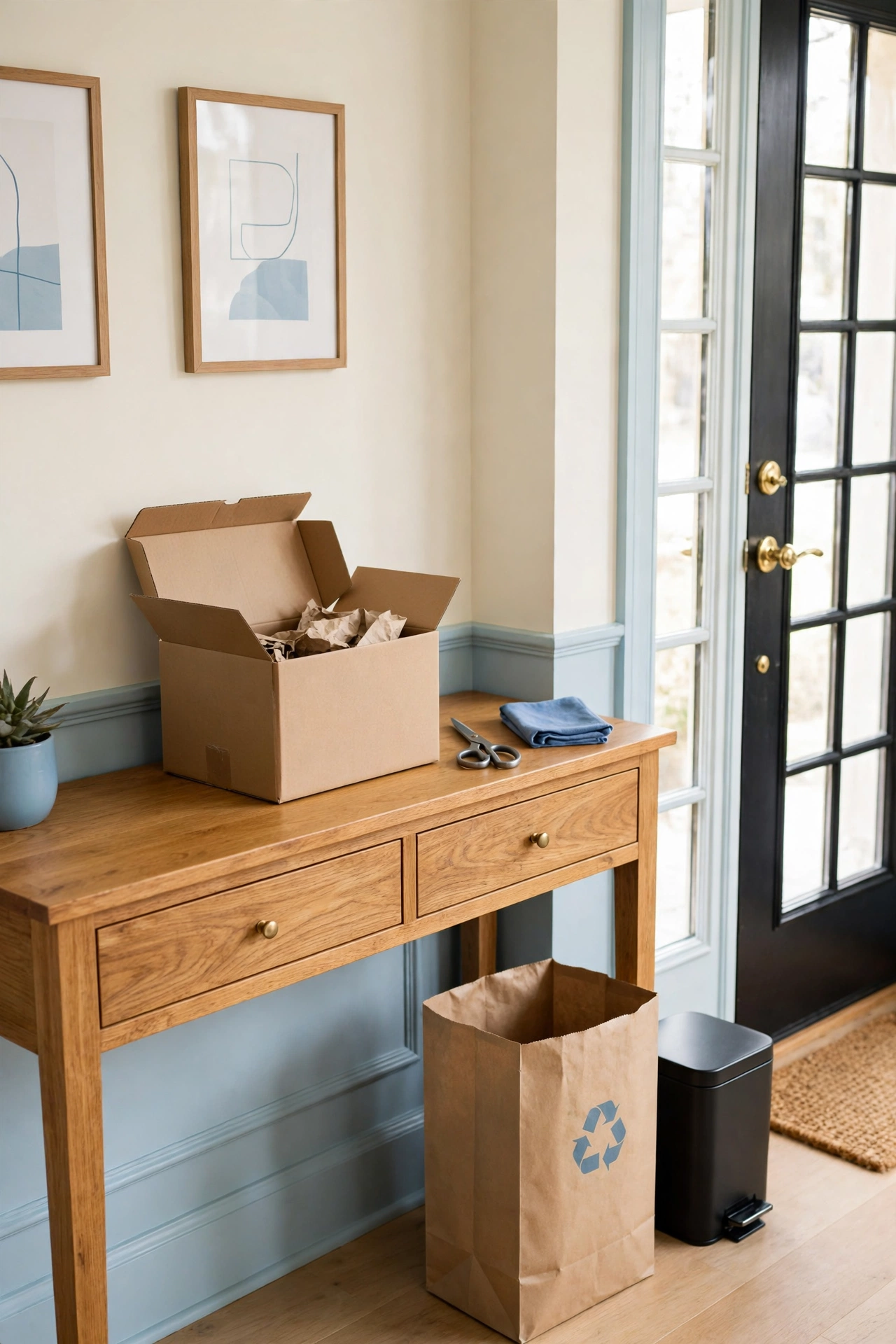
An unboxing station is one clear surface where every delivery gets opened, sorted, and put away. Choose a spot near the door, like a console table, a mudroom bench, or one end of the kitchen counter. Keep scissors, a recycling bag, and a small trash bin right there so packaging never drifts through the house.
Open each box at the station, check the contents against your list, and carry items straight to their storage spots. Break down boxes at once and flatten them into the recycling bag. This one habit keeps delivery day from turning into a week of hallway clutter.
3. Use Labeled Bins for Each Subscription
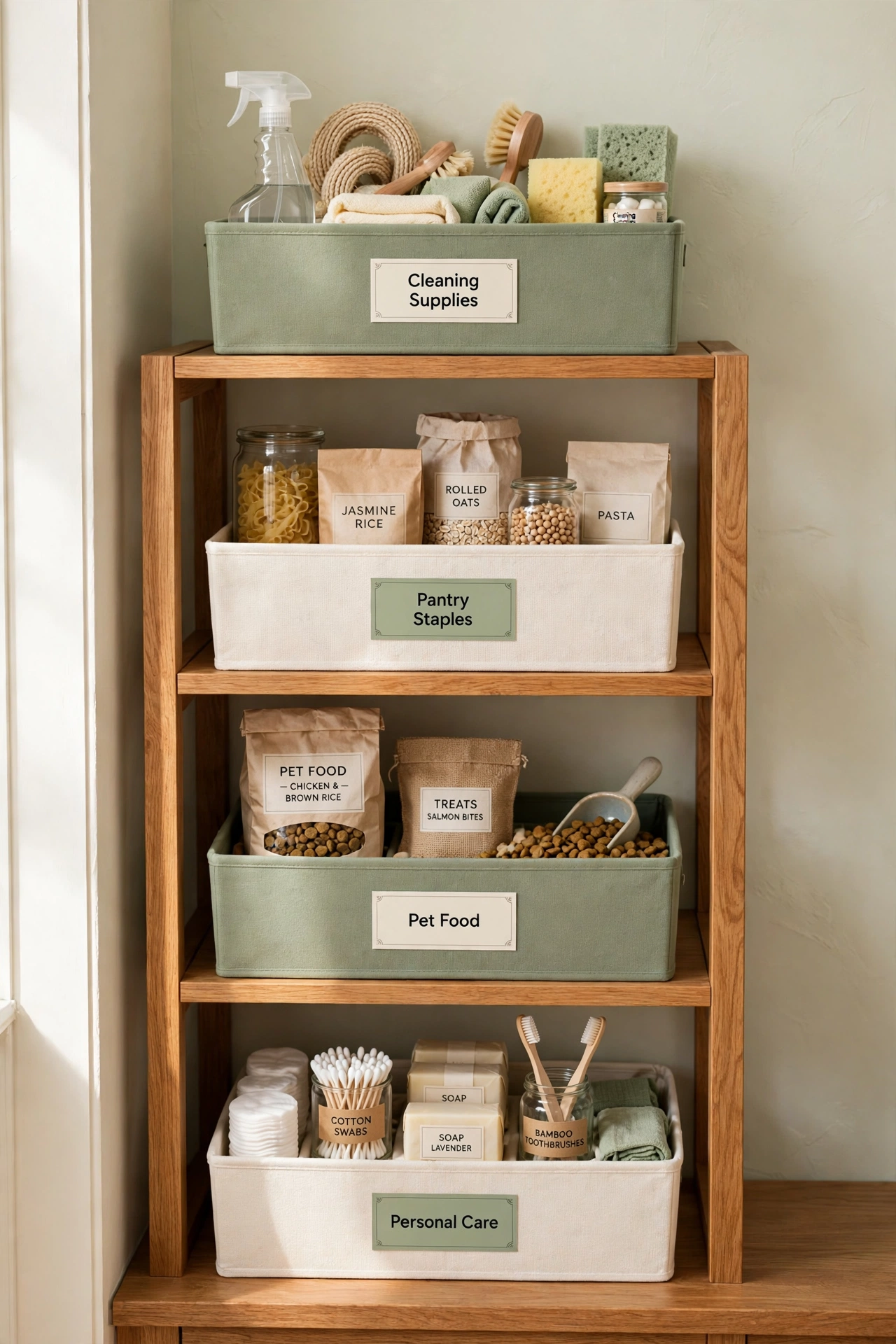
Give every subscription its own labeled bin so contents never mix. One bin for cleaning supplies, one for pantry staples, one for pet food, and one for personal care items keeps each delivery in its own lane. Clear bins let you see stock at a glance, while solid bins with bold labels look tidier on open shelves.
Place the bins where the items get used, not all in one closet. Cleaning bins belong near the laundry room, pantry bins belong in the kitchen, and pet bins belong near the feeding station. When a new box arrives, you will know exactly which bin to open.
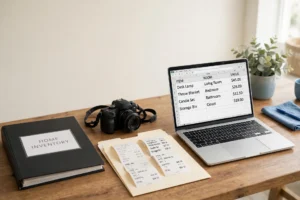
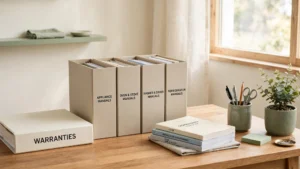
4. Keep a Subscription Binder With Every Detail
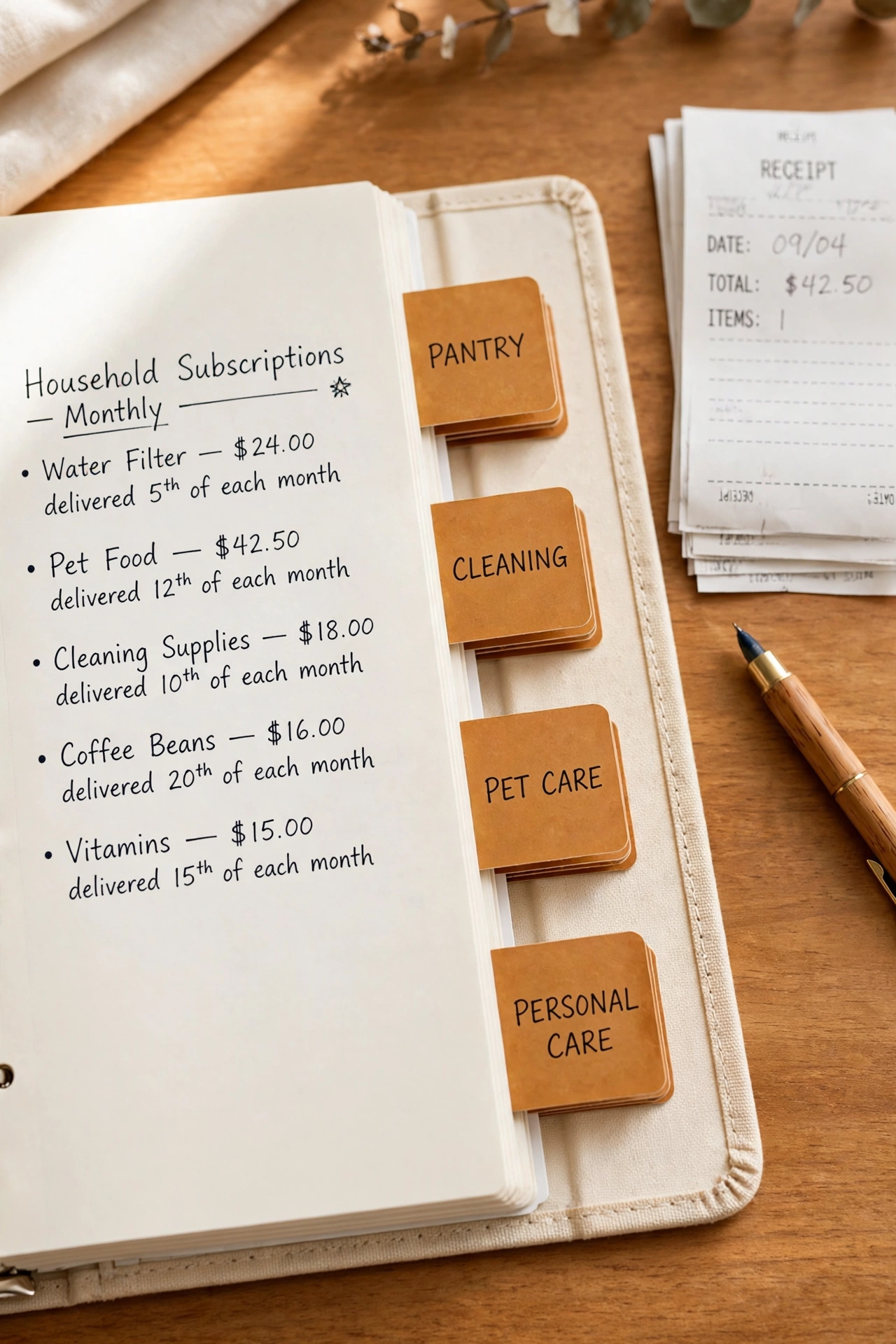
A subscription binder holds all the details that live in too many apps and emails. One page per subscription with the company name, the plan, the cost, the delivery schedule, and the login details keeps everything in one place. Add a pocket for packing slips and receipts so you can check a delivery in seconds.
Keep the binder on a shelf near your desk or in the kitchen command area. Review it once a month and cross out any subscription you no longer use. A binder you can flip through beats a dozen forgotten emails every time.
5. Track Renewals With a Wall Chart
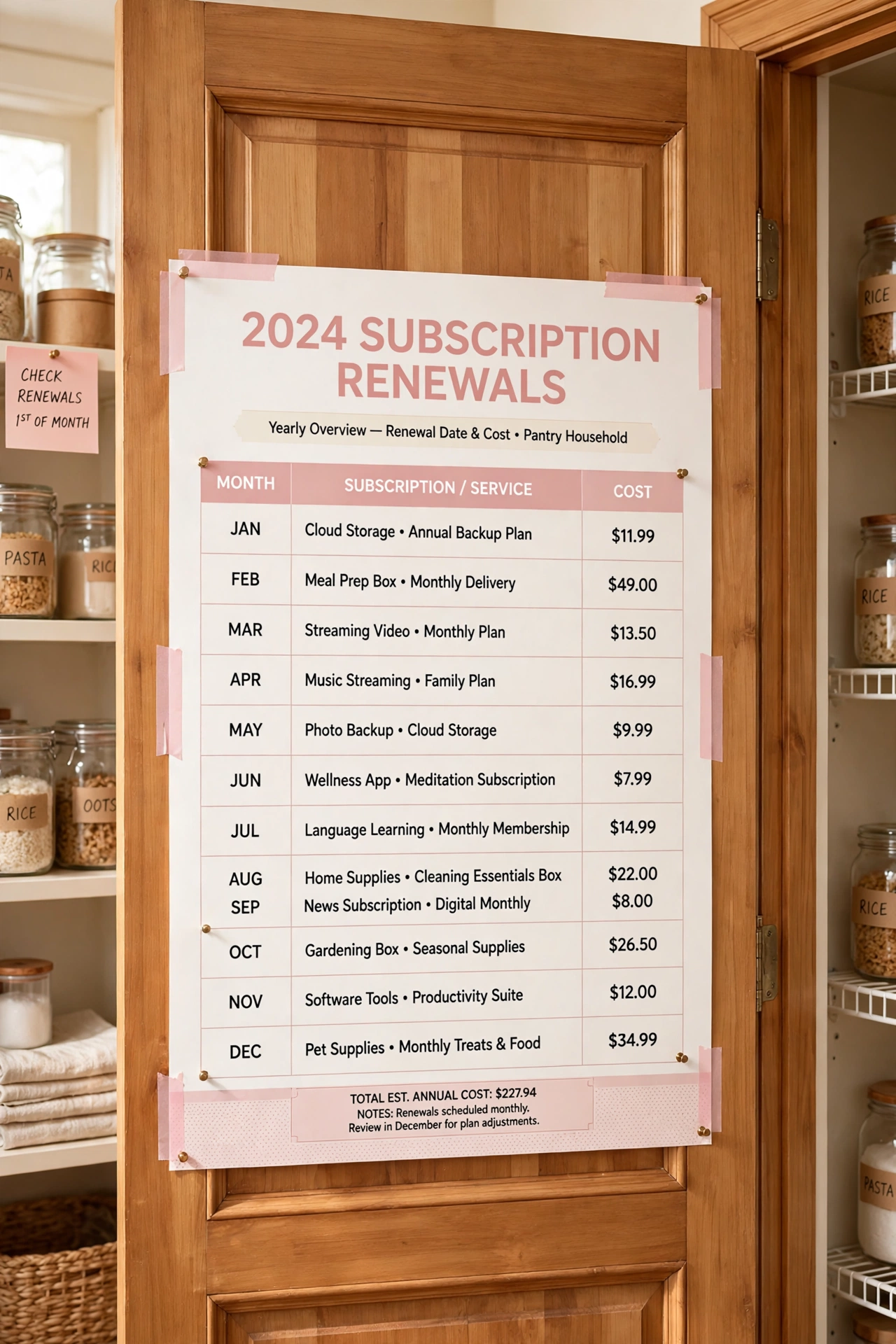
Renewal dates are easy to forget and expensive to miss. A simple wall chart with twelve columns, one for each month, shows every renewal at a glance. Write each subscription name in the month it renews, and add the cost beside it so the chart doubles as a spending snapshot.
Hang the chart inside a pantry door or on the side of the fridge where you will see it often. Check it at the start of each month and decide which renewals to keep, pause, or cancel before they charge. You will never be surprised by a renewal fee again.
6. Give Each Delivery Its Own Pantry Shelf
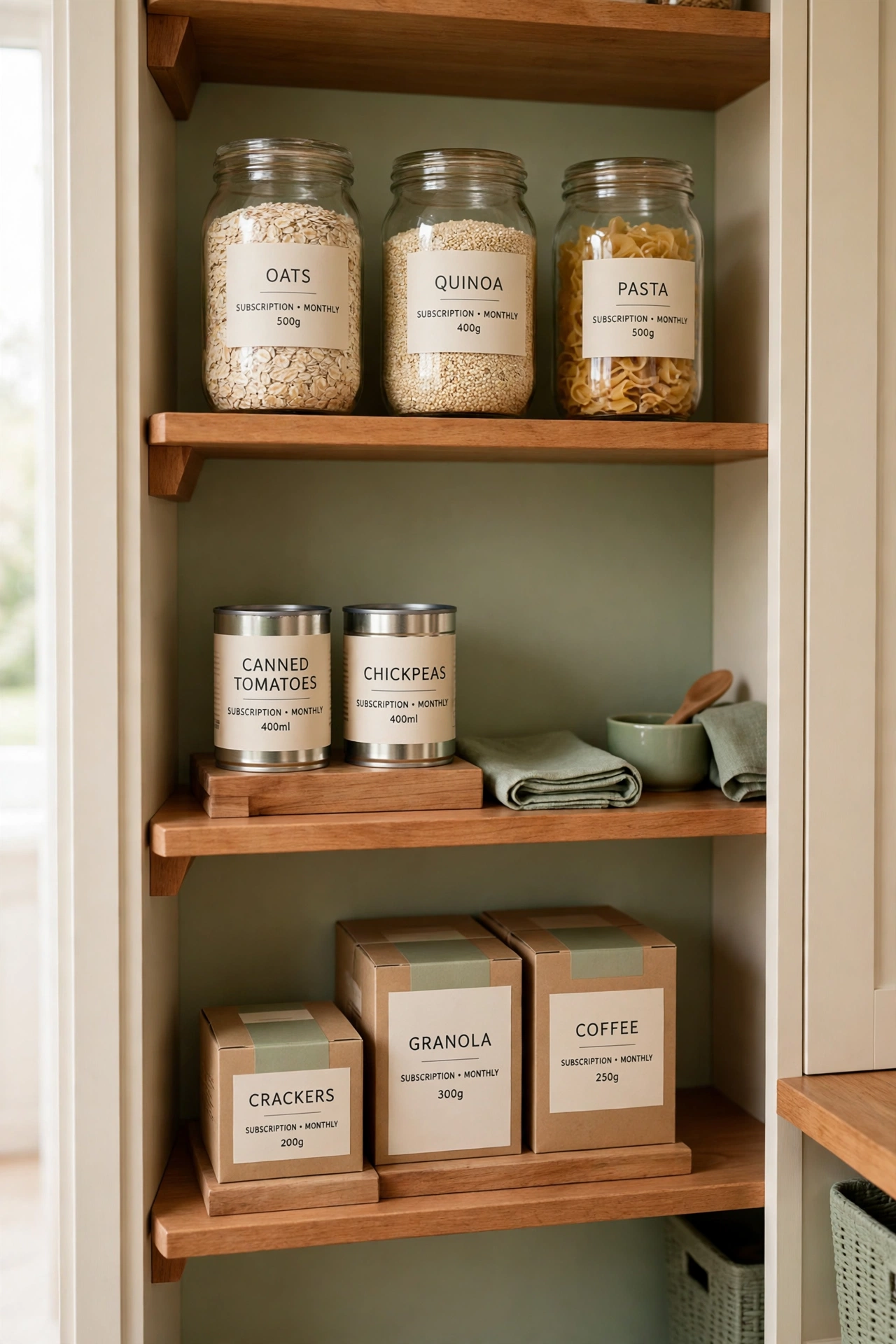
When pantry deliveries arrive, they need a shelf of their own, not a random gap wherever one appears. Assign one shelf to subscription pantry items and label the shelf edge so everyone in the family knows the rule. New stock goes at the back and older stock moves forward, so nothing expires unnoticed.
Keep the shelf at eye level if you can, because items you can see get used first. Add small shelf risers to double the usable space without stacking cans and boxes into unstable towers. For a fuller plan for keeping track of what you already own, these food inventory organization ideas will help you match new deliveries to what is already on hand.
7. Sort Deliveries by Room With Color Coded Labels
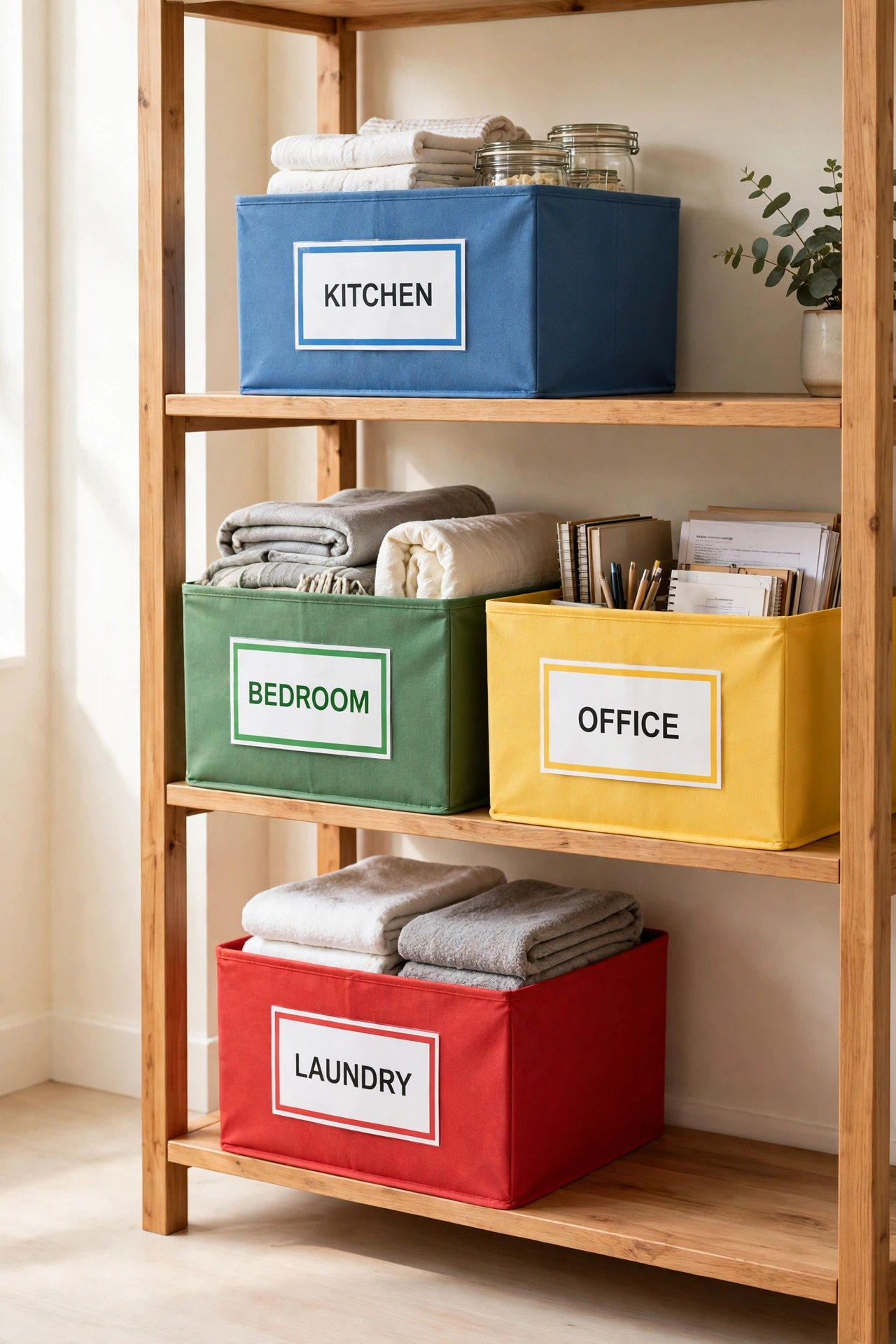
Color coded labels turn sorting into a game the whole family can play. Assign one color to each room: blue for the bathroom, green for the kitchen, yellow for the laundry room, and red for the garage. Stick a matching colored label on each bin, shelf, and delivery box as it arrives.
When a box lands at the door, the color tells you where it goes without opening it first. Children can help carry boxes to the right room by matching colors, which makes delivery day faster and more fun. Keep a small roll of colored tape at the unboxing station so labels are always ready.
8. Build a Monthly Budget Tracker for Subscriptions
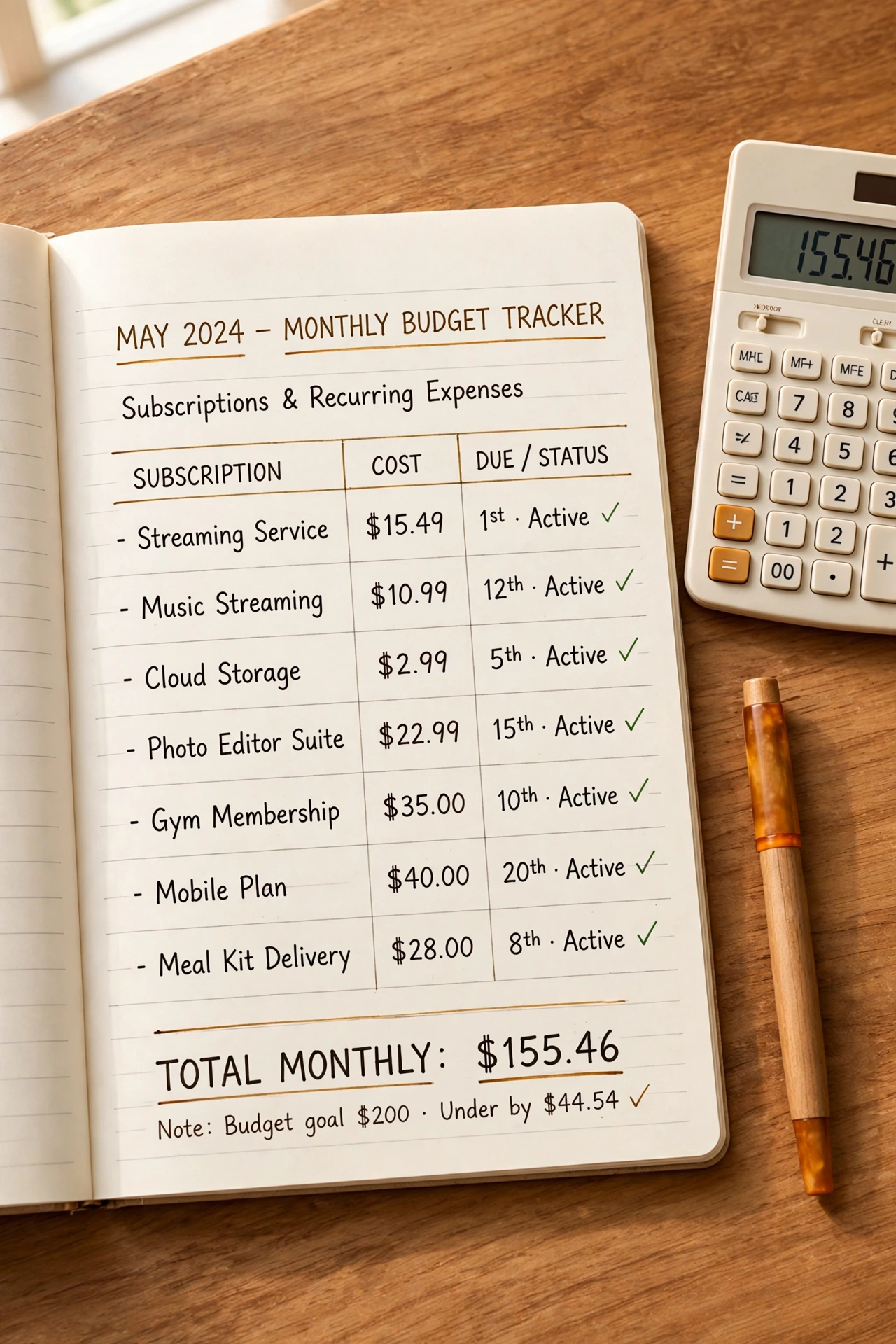
Subscriptions feel small one at a time, but together they can quietly eat a large part of a monthly budget. A simple tracker with one row per subscription, its monthly cost, and its value to your family shows the true total in black and white. Many families are surprised to find they spend twice what they guessed.
Review the tracker on the first day of each month and ask one question about every line: did we use all of it last month? If the answer is no twice in a row, pause or cancel that subscription. The money you save can fund a subscription you actually love.
9. Set Pause and Skip Reminders Before Each Shipment
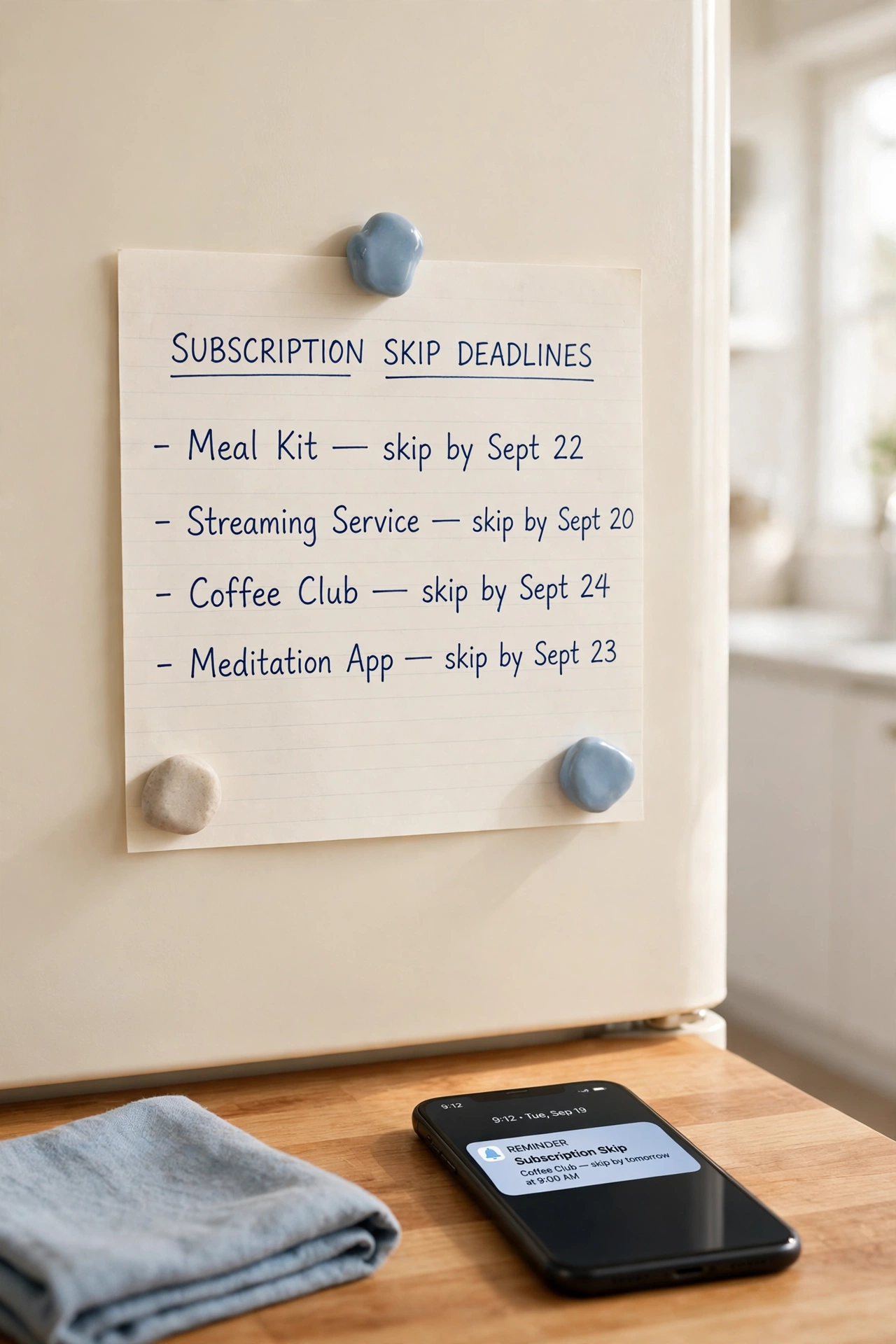
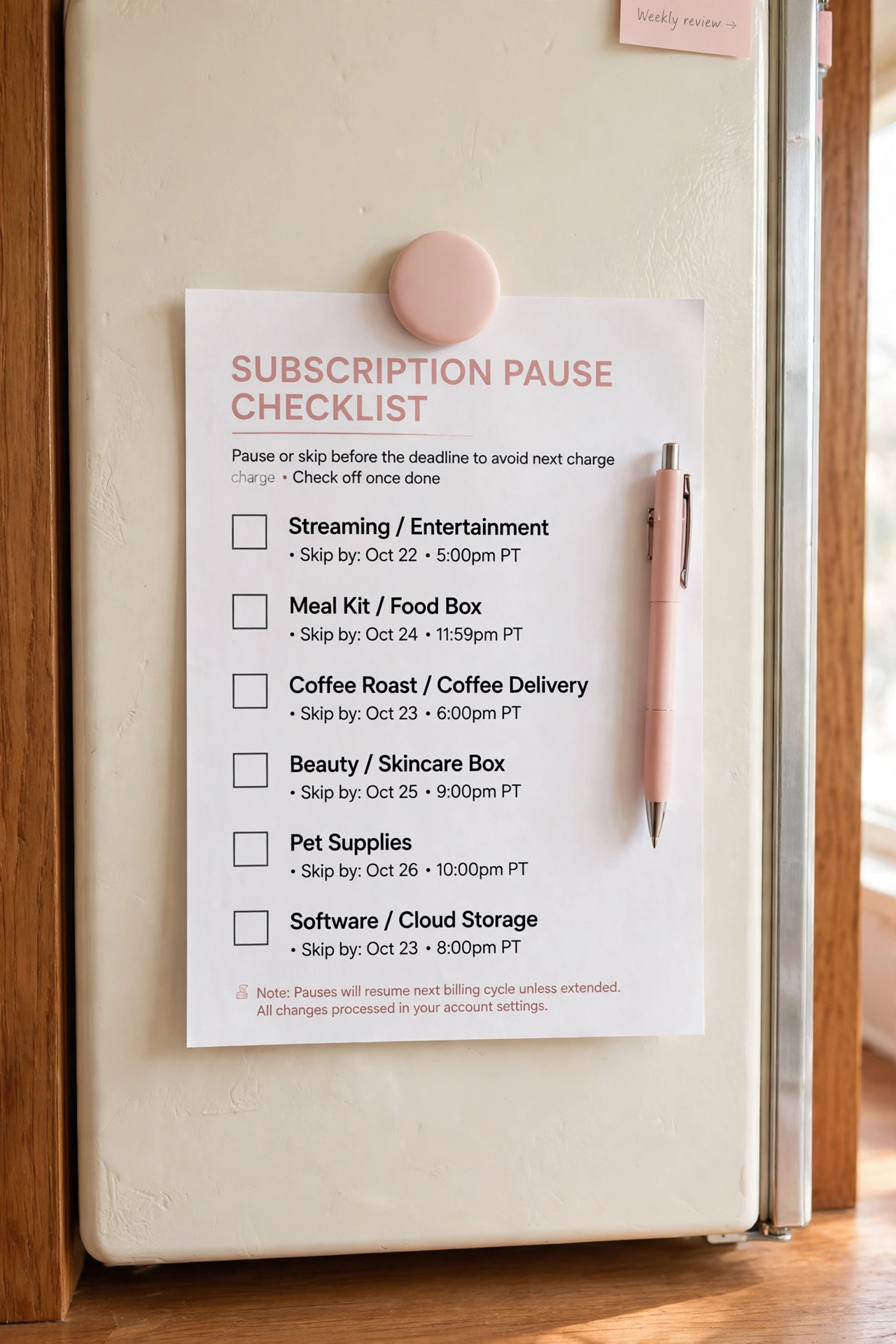
Most subscription services let you pause or skip a shipment, but only if you remember before the cutoff date. Set a phone reminder three days before each shipment and use that moment to check your stock. If the pantry is still full, skip the month with one tap and save the money.
Keep a short list of skip deadlines on the fridge next to your delivery calendar. Mark each skipped month with a star so you can see how often you skip a particular service. A subscription you skip three months in a row is a subscription you can probably cancel.
10. Use a Rolling Cart for Delivery Overflow
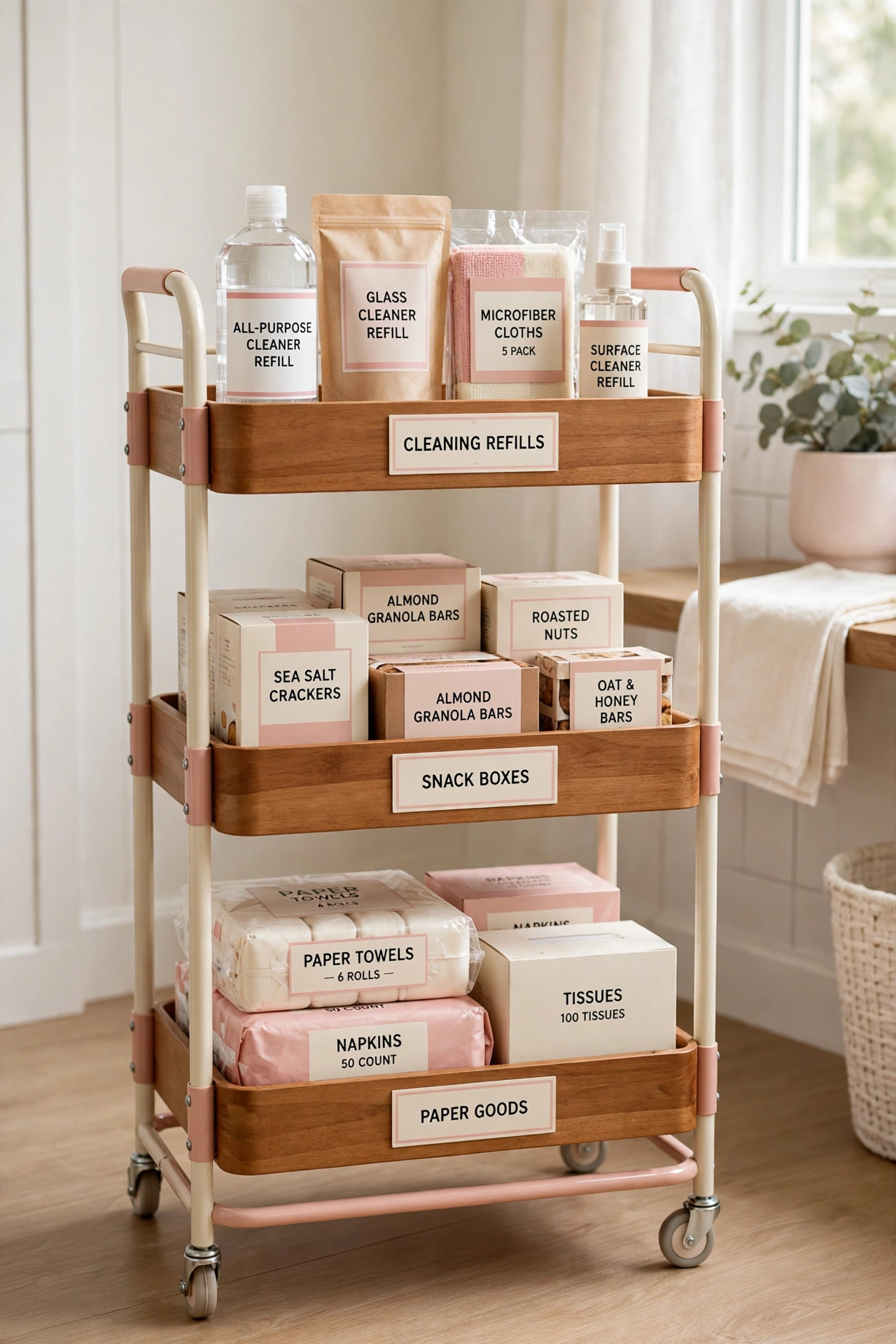
Some months bring more boxes than your shelves can hold, and a rolling cart is the perfect overflow solution. A three tier cart can hold a full month of cleaning refills, snack boxes, or paper goods, and it rolls into a closet or corner when it is not needed. The open tiers keep everything visible so overflow never becomes forgotten stock.
Label each tier by category and restock the cart on delivery day. When the cart is full, it is a clear signal to pause the next shipment. A cart that rolls also makes it easy to carry supplies from the door to the room where they belong.
11. Create a Use First Shelf for Older Stock
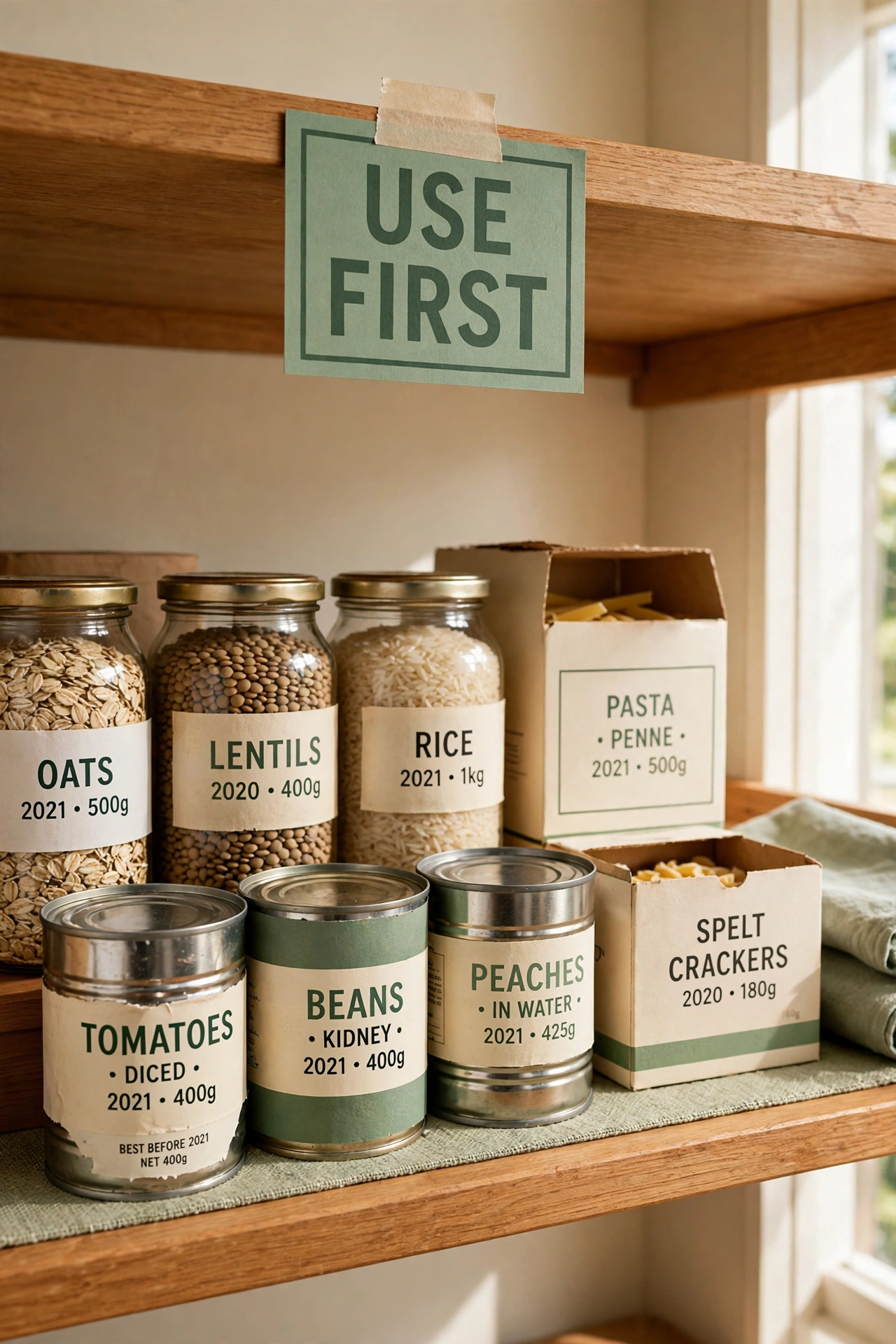
A use first shelf solves the most common subscription problem: new stock piling up in front of old stock. Dedicate one shelf or one bin to items that must be used before anything new gets opened. Move the oldest items to this shelf on every delivery day, and make it the first place the family reaches.
Label the shelf in bold letters so no one misses the rule. In the pantry, the use first shelf holds the oldest cans and boxes. In the bathroom, it holds the half used bottles and the oldest refills. This simple rotation keeps waste low and shelves honest.
12. Store Cleaning Refills in a Portable Caddy
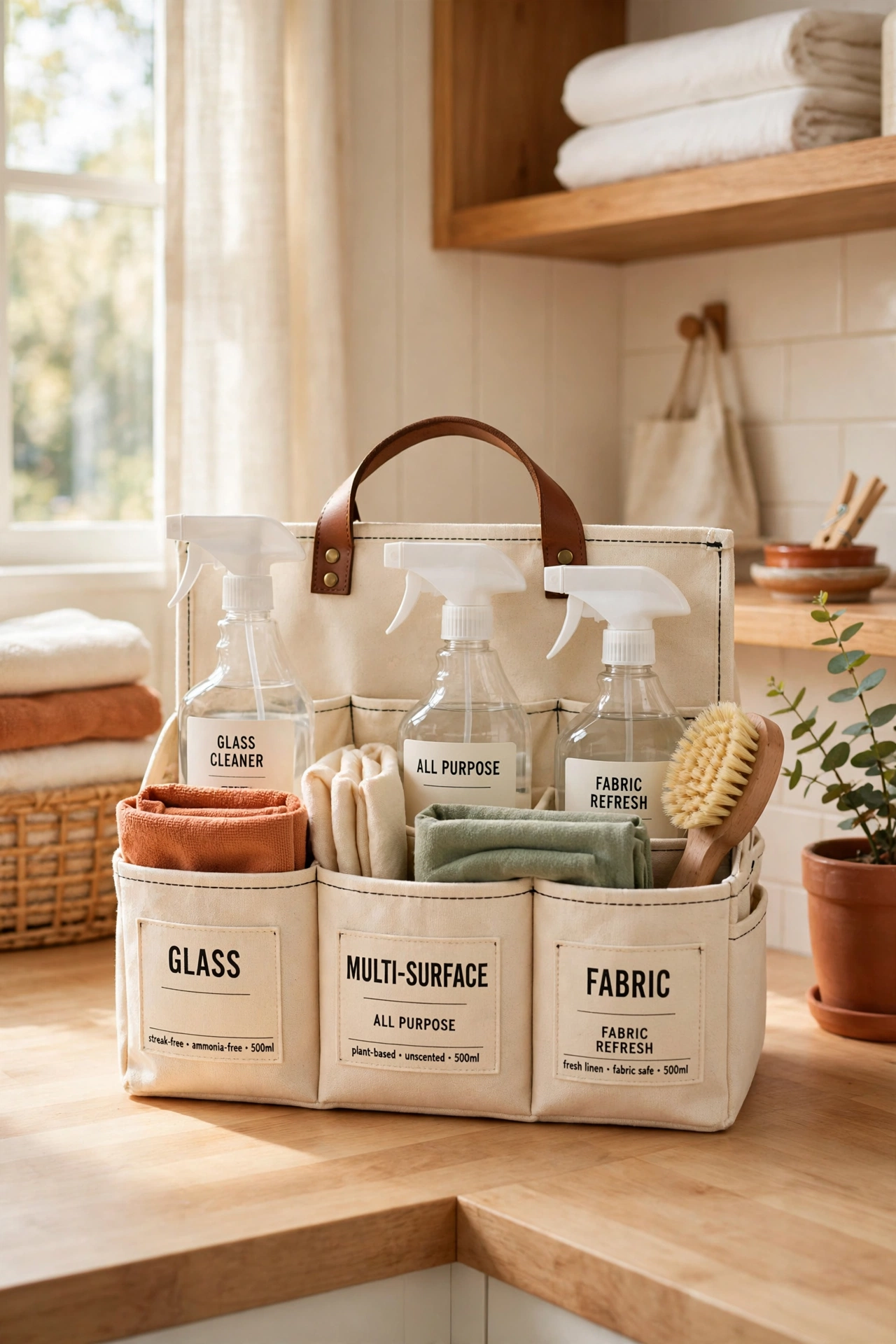
Cleaning supply subscriptions send refills in large bottles that are awkward to store and heavy to carry. A portable caddy with a handle holds the refills you use every week and travels from room to room with you. Keep the backup refills on a laundry room shelf and the caddy stocked with just what you need.
Choose a caddy with separate compartments for sprays, cloths, and scrub brushes so nothing tips over. Label each compartment and refill the caddy on delivery day. When cleaning day arrives, you will grab one caddy instead of hunting through three closets.
13. Set Up a Pet Supply Corner for Deliveries
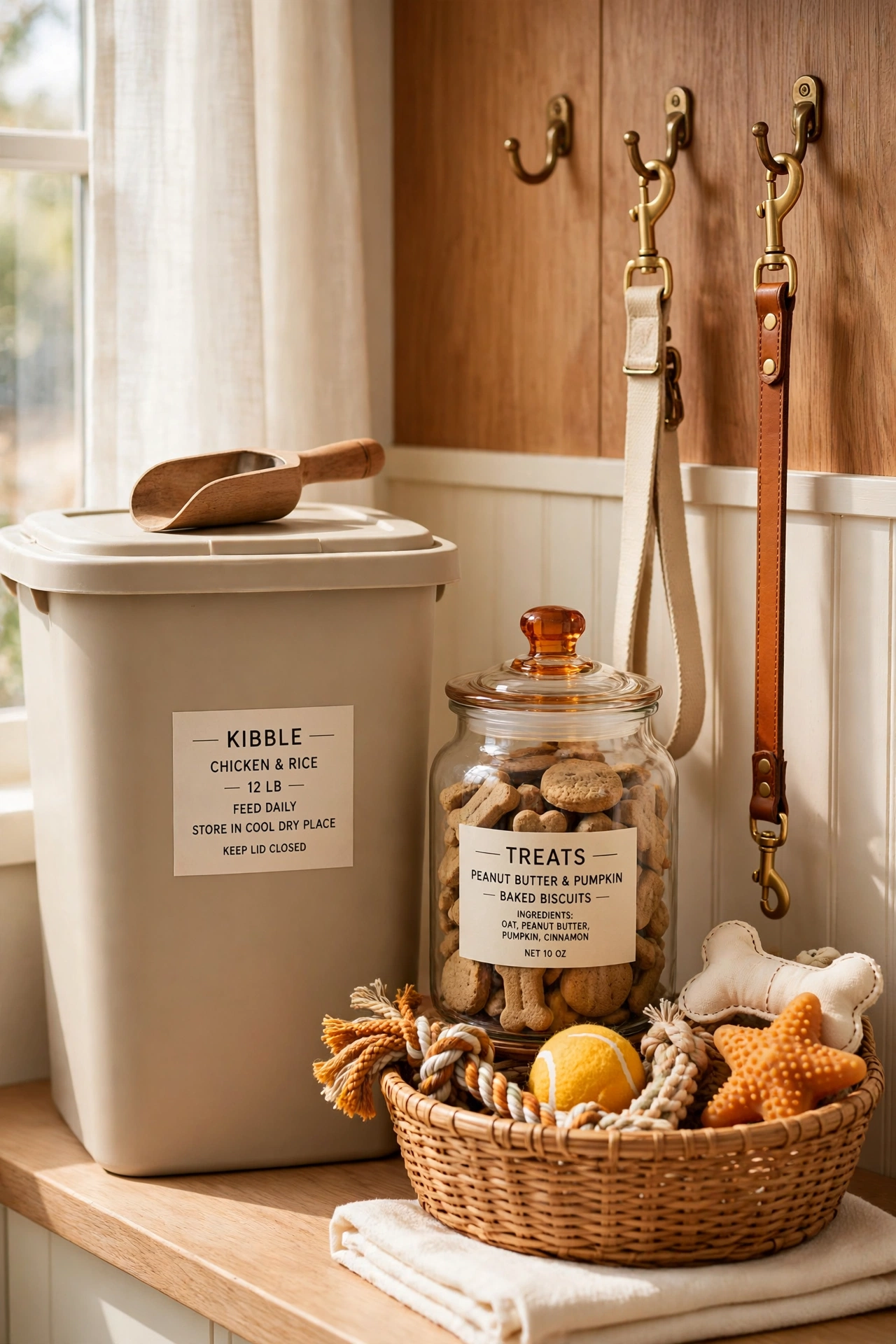
Pet food and treat subscriptions arrive in heavy bags and boxes that need a sturdy home. A pet supply corner with a raised bin for kibble, a basket for treats and toys, and hooks for leashes keeps everything in one tidy spot. The corner belongs near the feeding area so mealtime stays simple.
Transfer kibble into a sealed bin with a scoop as soon as the bag arrives, and write the delivery date on a label. Store treats in a clear jar so you can see when stock runs low. A tidy pet corner also keeps curious pets from tearing into a new bag before you unpack it.
14. Zone the Fridge for Meal Kit Deliveries
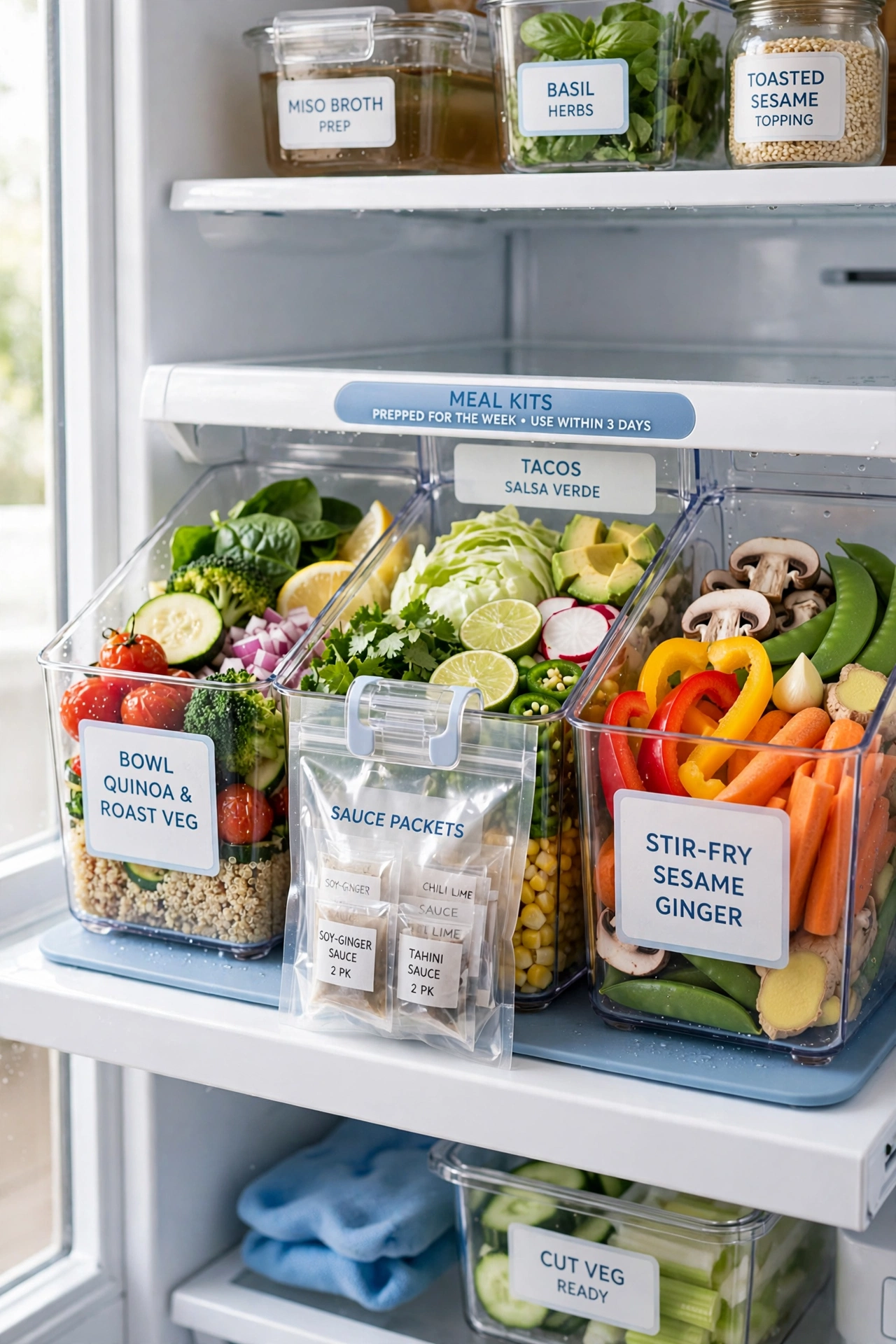
Meal kit deliveries come with ingredients for several recipes, and they can swallow a whole fridge shelf if you let them. Create a meal kit zone on one shelf with a labeled bin for each recipe. Unpack the box, sort the ingredients by recipe, and slide each bin onto the shelf in the order you will cook them.
Keep sauces and small packets in a clear pouch clipped to the front of the bin so nothing gets lost. Cook the recipes with the most delicate greens first and save the heartier meals for later in the week. If grocery deliveries also stock your fridge, these grocery shopping list organization ideas will help you match every order to your weekly meal plan.
15. Keep a Coffee and Tea Station Stocked From Deliveries
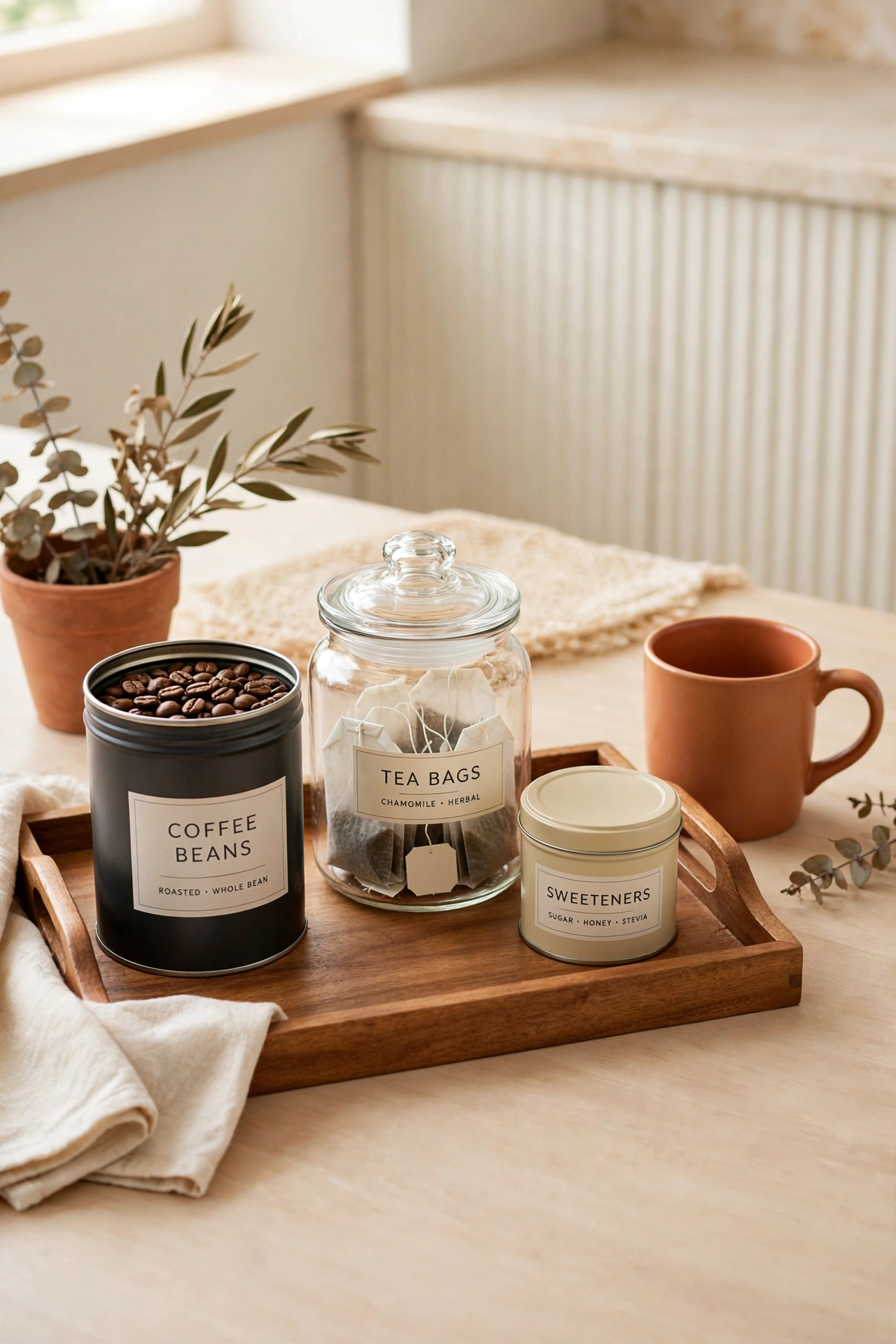
Coffee and tea subscriptions deserve a station of their own, because these are daily rituals, not occasional treats. A small tray on the kitchen counter with a canister for beans or pods, a jar for tea bags, and a tin for sweeteners turns each delivery into a restock, not a pile. The station keeps morning routines calm and quick.
When a new delivery arrives, fill the canisters first and store the extra bags in a labeled pantry bin. Write the roast or flavor on a small chalk label so everyone knows what is fresh. A stocked station also stops half empty bags from drifting into three different cabinets.
16. Decant Bulk Items Into Clear Labeled Containers
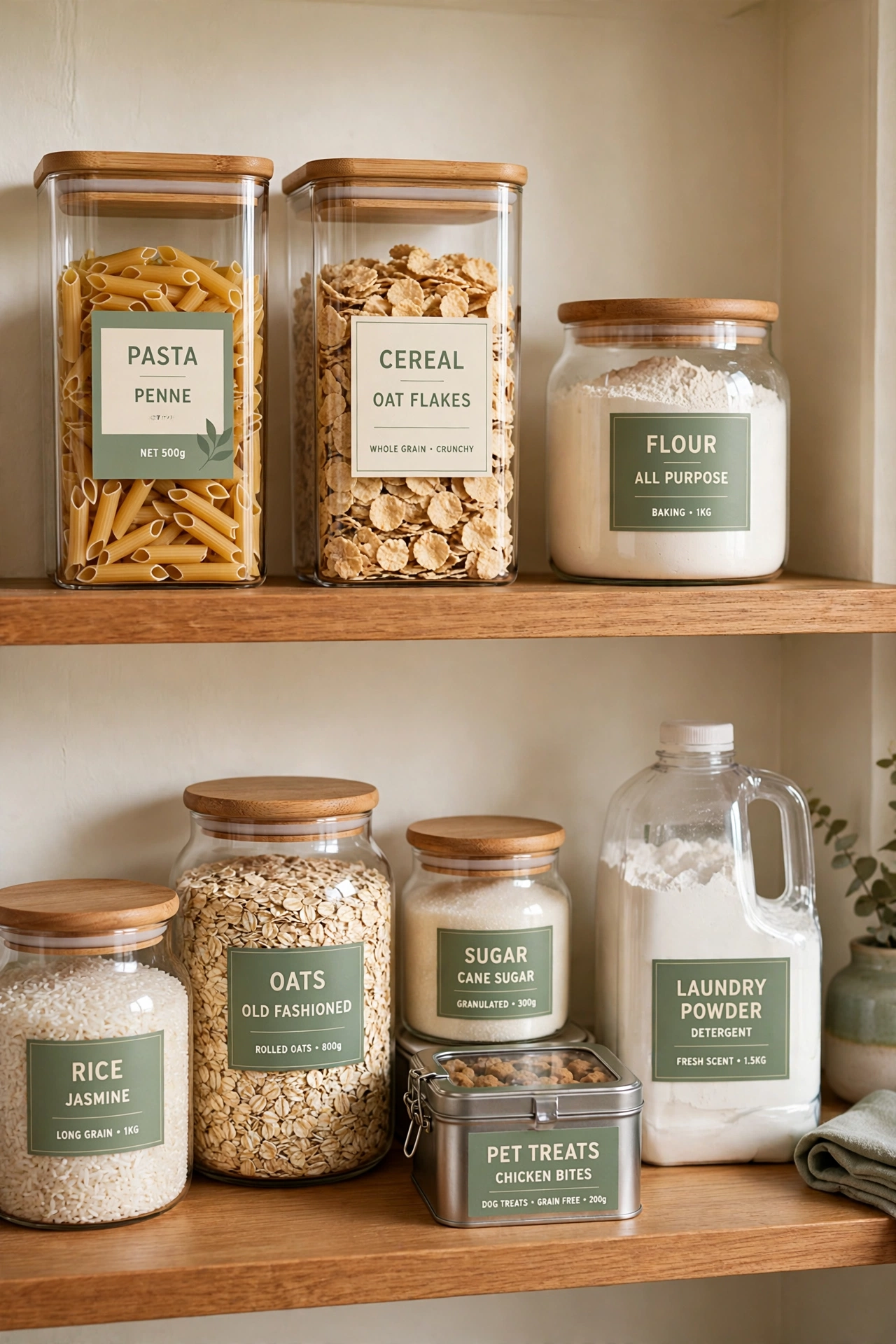
Bulk subscription items arrive in large bags that are hard to pour and easy to spill. Decanting them into clear containers with tight lids makes every item easy to see, scoop, and store. Flour, rice, oats, pet treats, and laundry powder all look tidier and last longer in sealed containers.
Label each container with the item name and the date you filled it, and keep a measuring scoop inside the lid. Store the containers in neat rows on pantry shelves with the labels facing out. When a container runs low, it is a clear sign that the next delivery is due.
17. Rotate Kids Activity Boxes on a Dedicated Shelf
Kids activity and book subscriptions bring joy, but the boxes and supplies multiply fast. Give them one dedicated shelf where the newest box sits in front and finished activities move to a keepsake bin below. When the shelf is full, it is time to pass finished crafts along before the next box arrives.
Add a small basket for loose supplies like crayons, stickers, and scissors so the shelf stays tidy between boxes. Let each child choose one favorite finished project to display and store the rest. A single shelf keeps the excitement of delivery day without letting supplies take over the playroom.
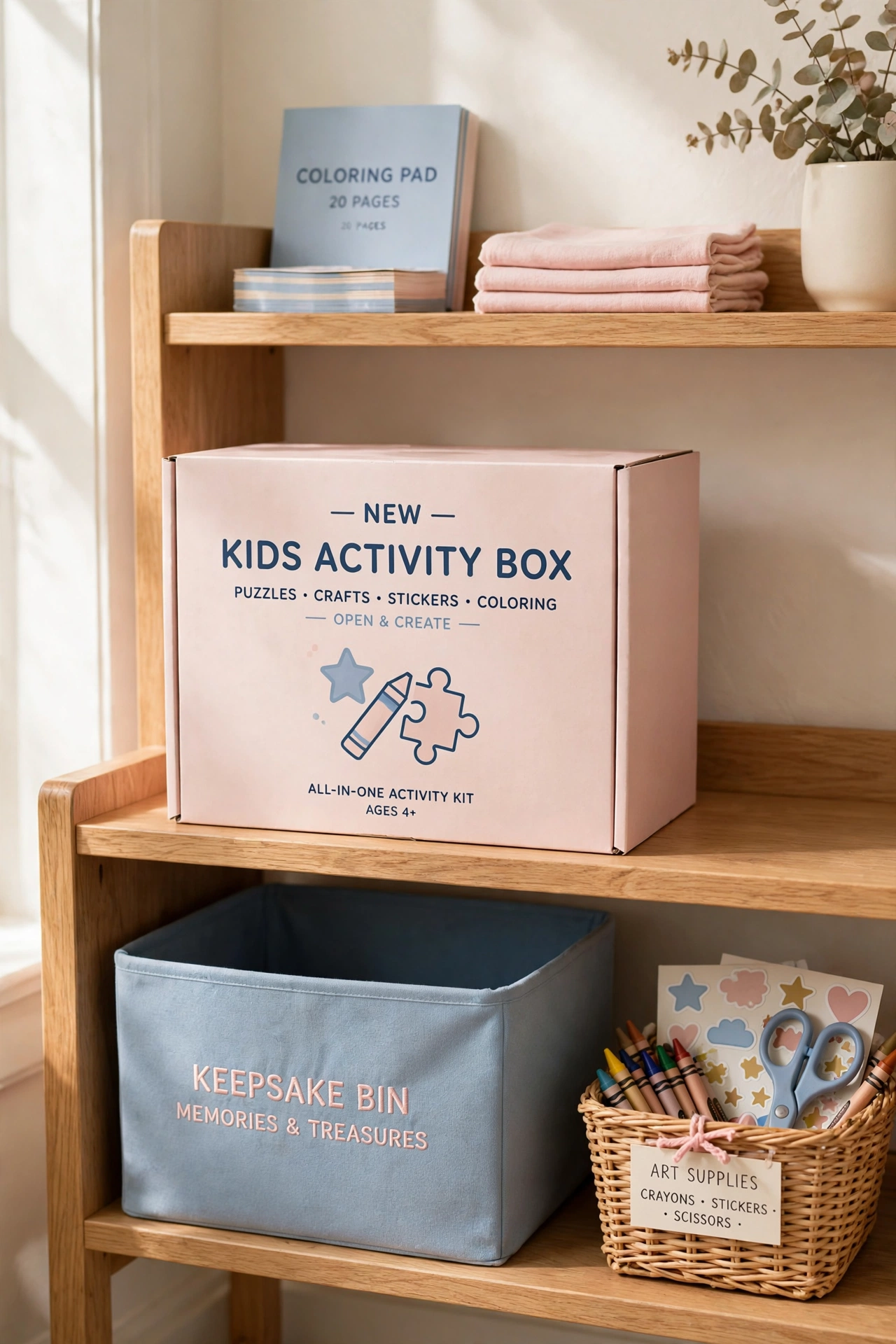
18. Corral Beauty Deliveries in a Vanity Tray
Beauty and self care subscriptions send small bottles and tubes that vanish into drawers. A vanity tray with raised edges corrals the newest delivery in one visible spot on the bathroom counter or dressing table. Arrange the items by step: cleanser, treatment, moisturizer, and extras, so your routine follows the tray from left to right.
When a new box arrives, move the current items to a backup drawer and place the fresh products on the tray. This rotation keeps you using what is newest while the older products stay safe and clean. A tray also protects the counter from drips and spills.

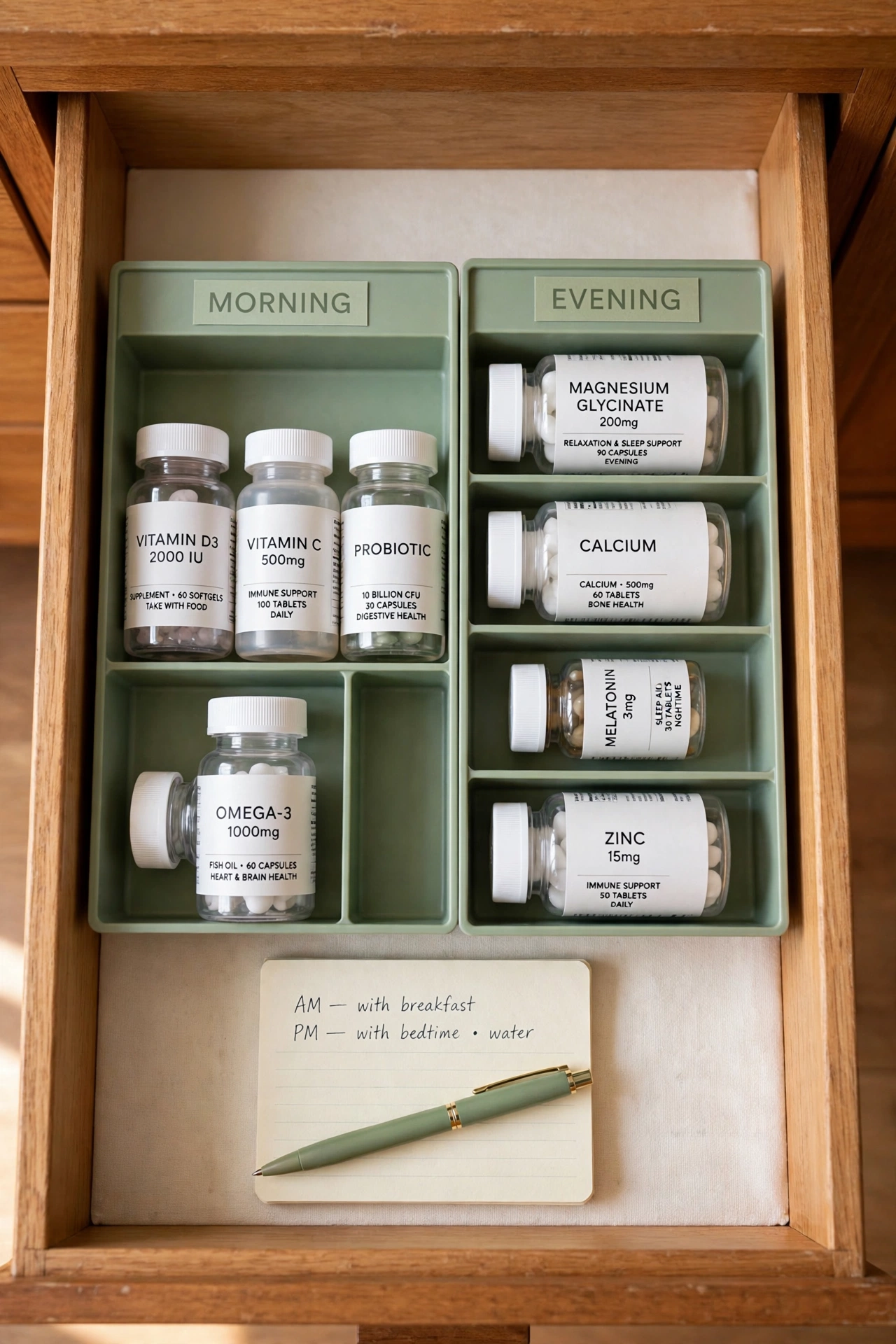
19. Keep a Medication and Vitamin Delivery Drawer
Medication and vitamin subscriptions need a dedicated drawer that is organized, dry, and out of reach of children. Use small divided trays inside the drawer to separate morning and evening doses, and keep a printed list of what each family member takes taped inside the drawer lid. New deliveries go straight into the drawer on arrival day.
Check expiration dates once a month and move anything expiring soon to the front of its tray. Keep a small notepad in the drawer to note when a bottle runs low, so you can adjust the next delivery before you run out. A single organized drawer replaces bottles scattered across three rooms.
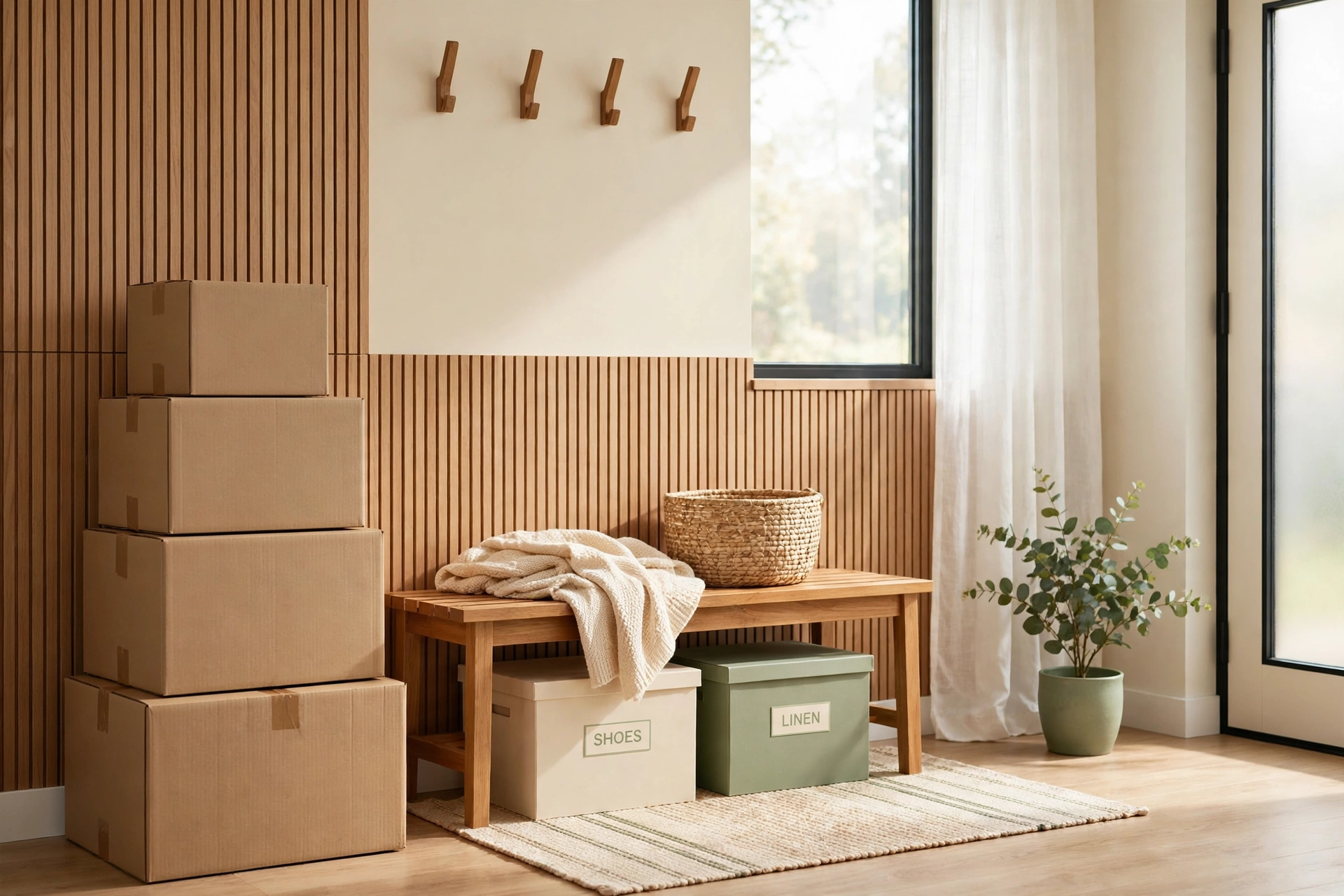
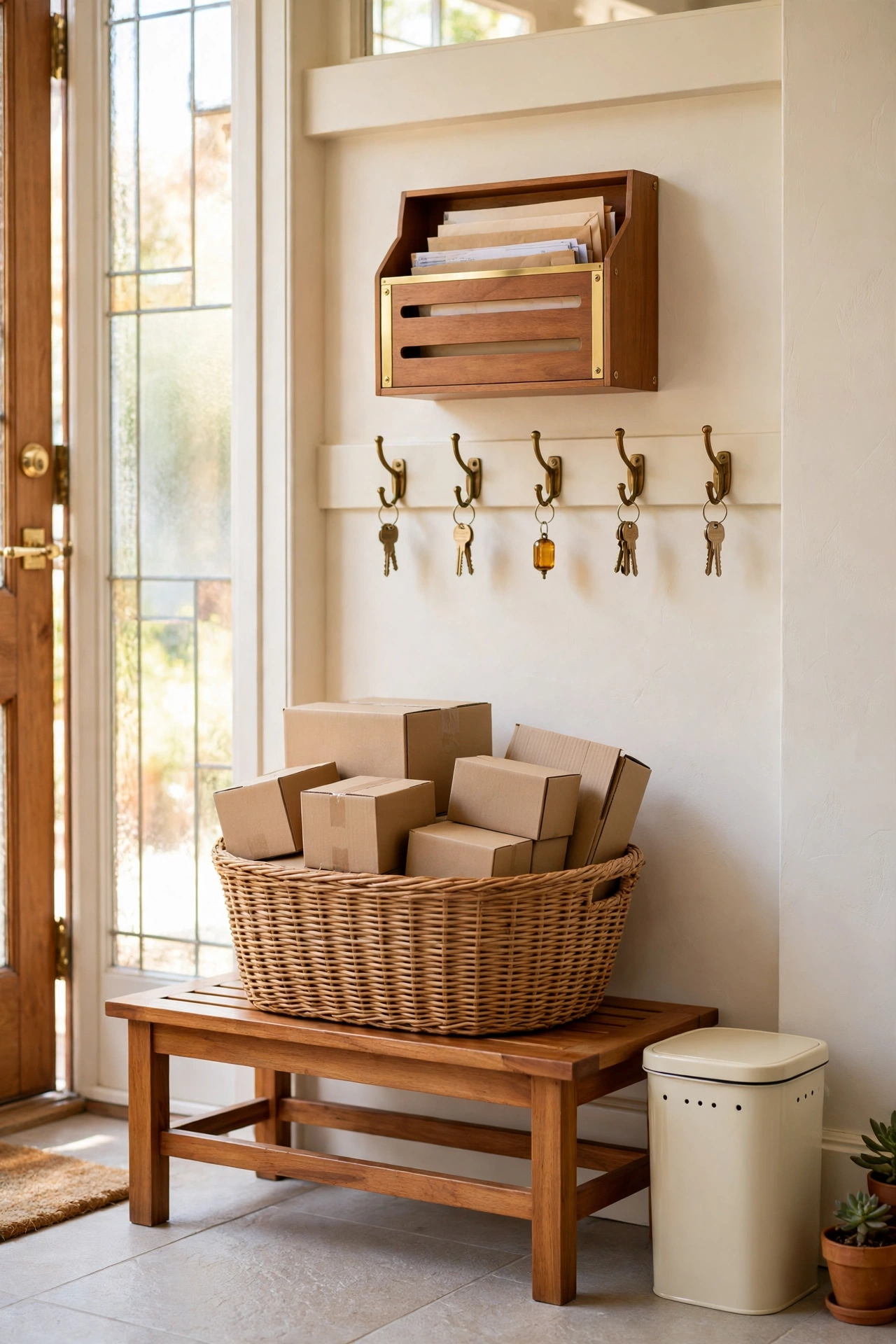
20. Create a Package Drop Zone by the Door
A package drop zone gives every delivery a landing spot the moment it enters the house. A low bench or a large basket by the front door holds boxes until you have time to unpack them, and a small sign reminds family members not to pile coats and shoes on top. The zone keeps boxes out of walkways and off the kitchen table.
Add a small recycling bin beside the drop zone for cardboard and packing paper, and empty it on delivery day. If the zone fills up, it is a visible reminder that unpacking cannot wait another day. For a drop zone that also handles keys, mail, and school papers, these family command center organization ideas show how to build one hardworking station by the door.
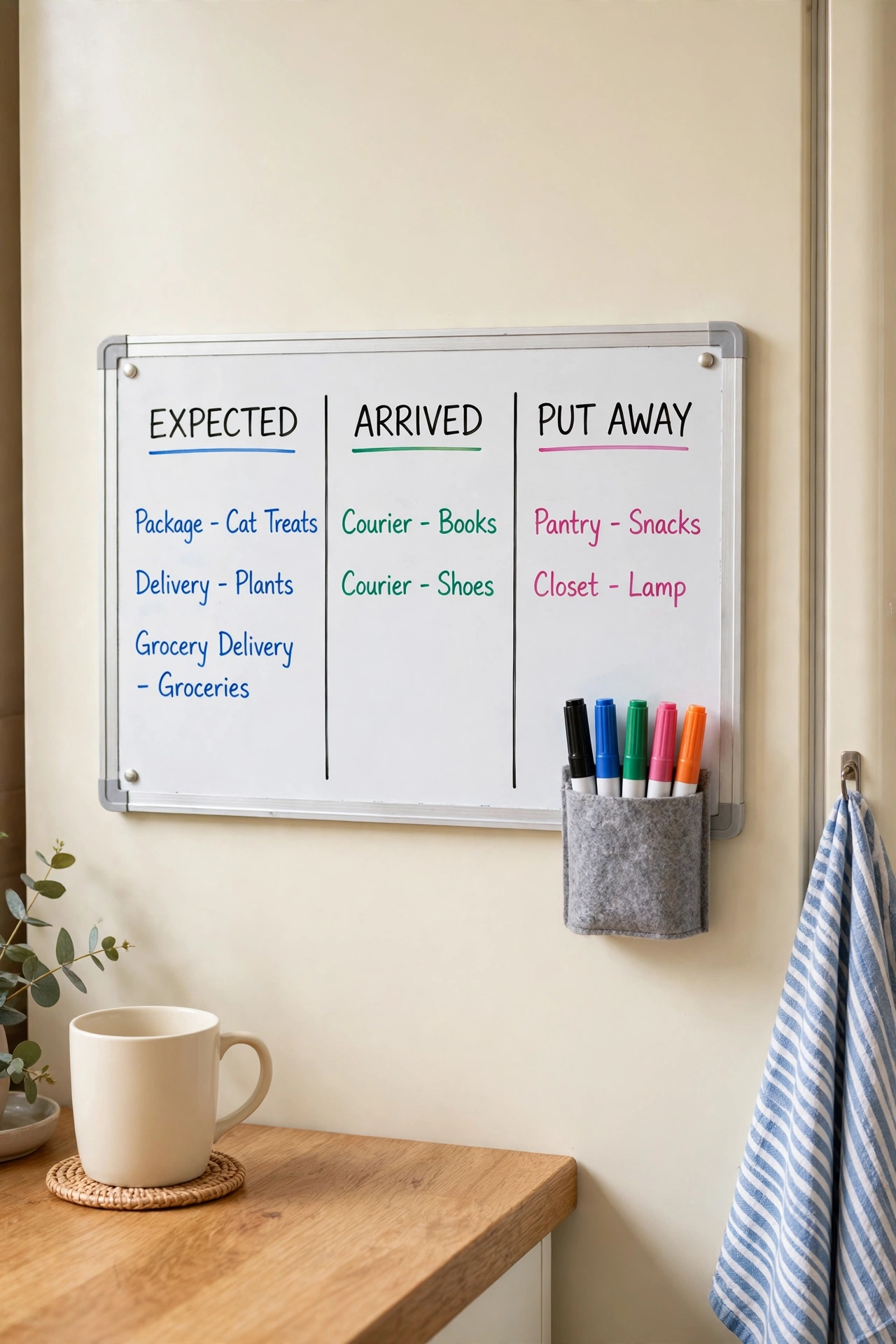
21. Track Arrivals on a Fridge Whiteboard
A small whiteboard on the fridge is a low tech tracker that the whole family can update. Divide it into three columns: expected, arrived, and put away. Move each delivery across the columns as it arrives and gets stored, so everyone knows what is still sitting in a box.
Wipe the board clean at the start of each month and write in the new delivery schedule. Use a different marker color for each family member if several people order subscriptions. The board turns a chore into a shared habit that takes seconds to update.
22. Photograph and Log Every Delivery
A quick photo of each delivery as you unpack it creates a useful record with almost no effort. Snap the open box, the packing slip, and the items inside, then save the photos in a shared album labeled with the month. If an item arrives damaged or missing, you have proof ready for a replacement request.
Add a one line note under each photo with the date and the subscription name. At the end of the month, scroll through the album to see exactly what arrived and what you actually used. The photo log also helps you spot duplicate orders before the next shipment leaves the warehouse.
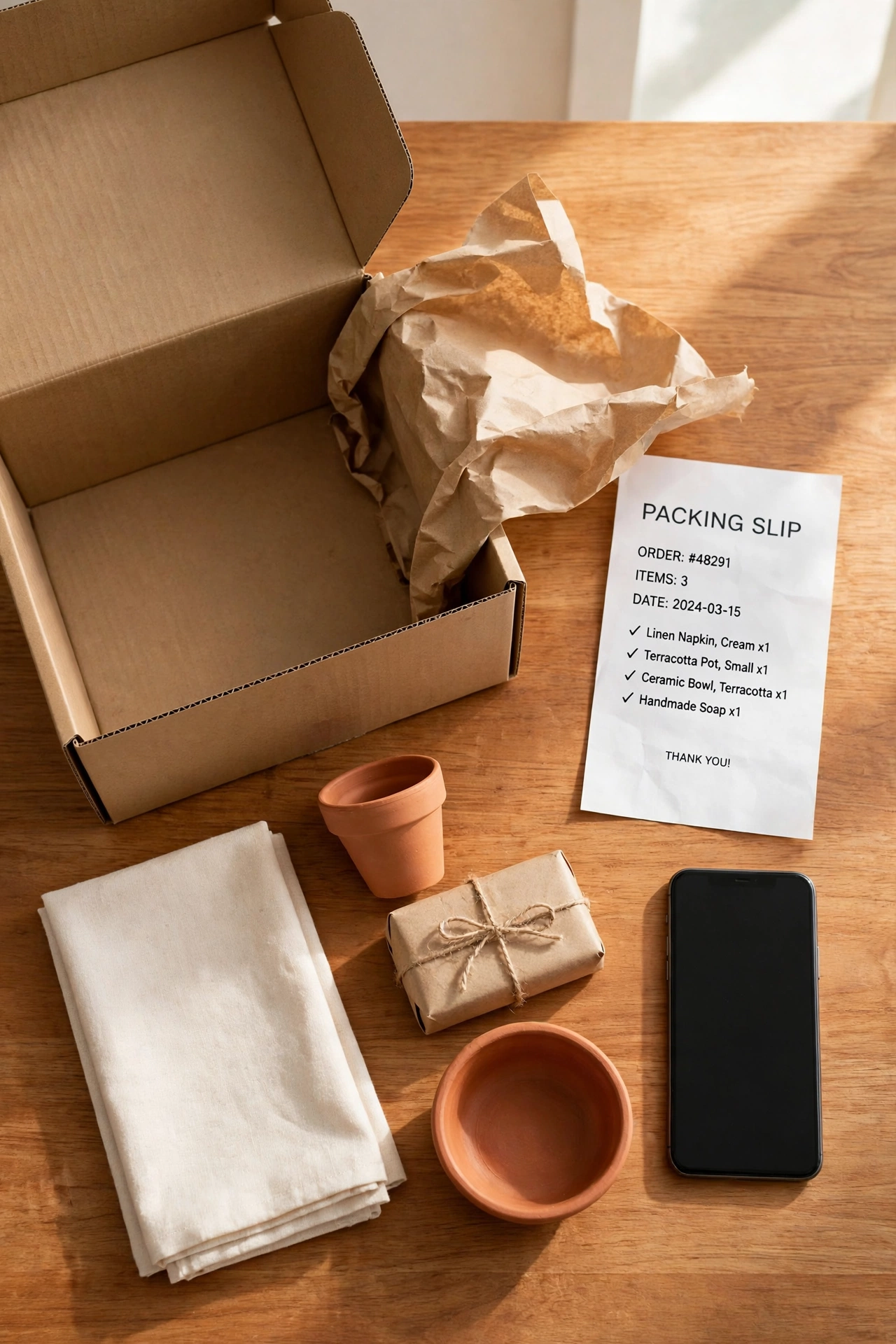
23. Keep a Donation Bin for Extras You Will Not Use
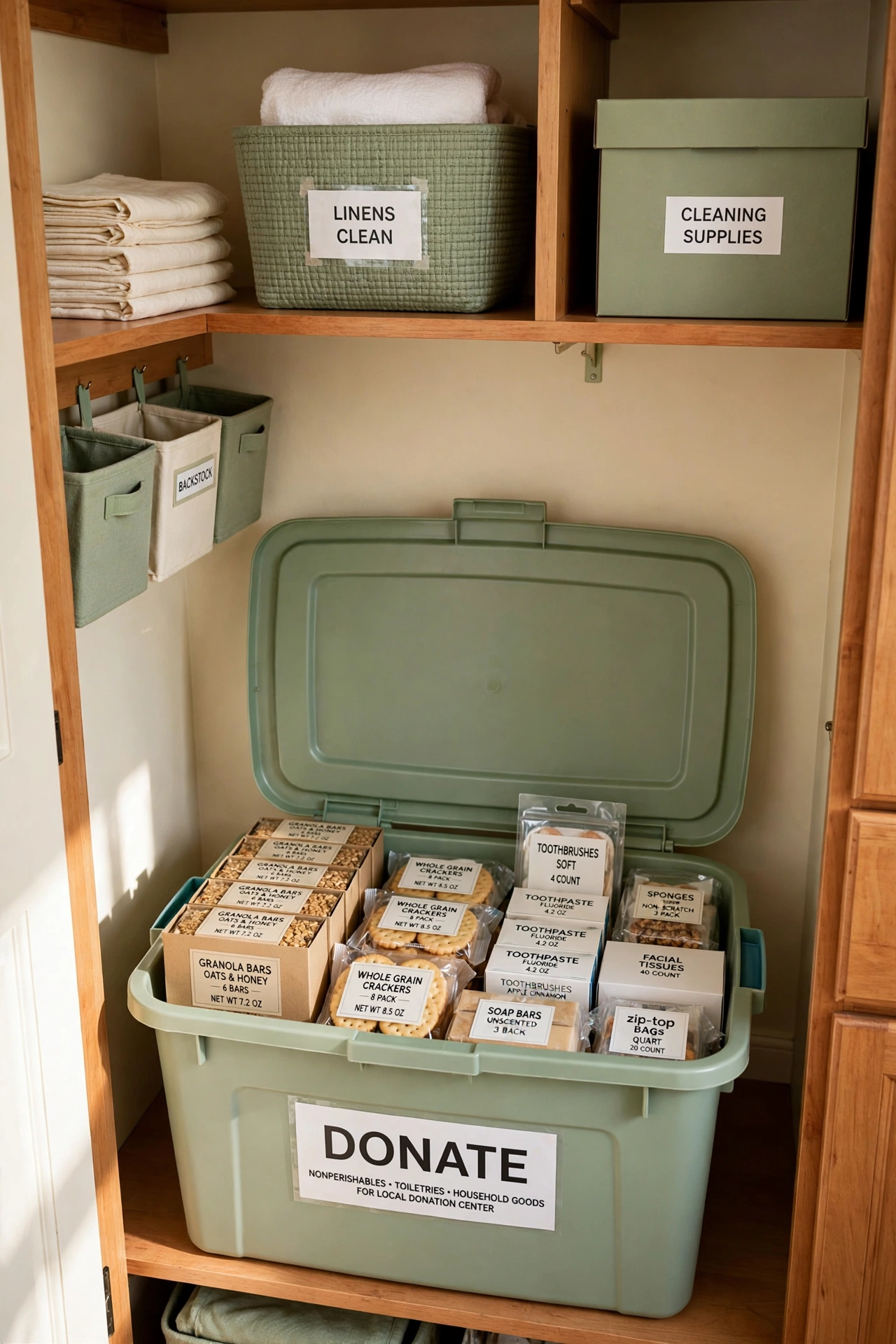
Every subscription sends an occasional item your family will not use, and those extras pile up fast. A donation bin in a closet or garage gives each unwanted item a one way ticket out of the house. Drop in unopened snacks, extra toiletries, and duplicate household items as soon as you decide you will not use them.
When the bin is full, donate it to a local shelter or food pantry. Keep a lid on the bin so it does not become a second junk pile, and set a rule: nothing stays in the bin longer than one month. Generosity and tidiness grow from the same small habit.
24. Sync Delivery Days to Fewer Trips to the Door
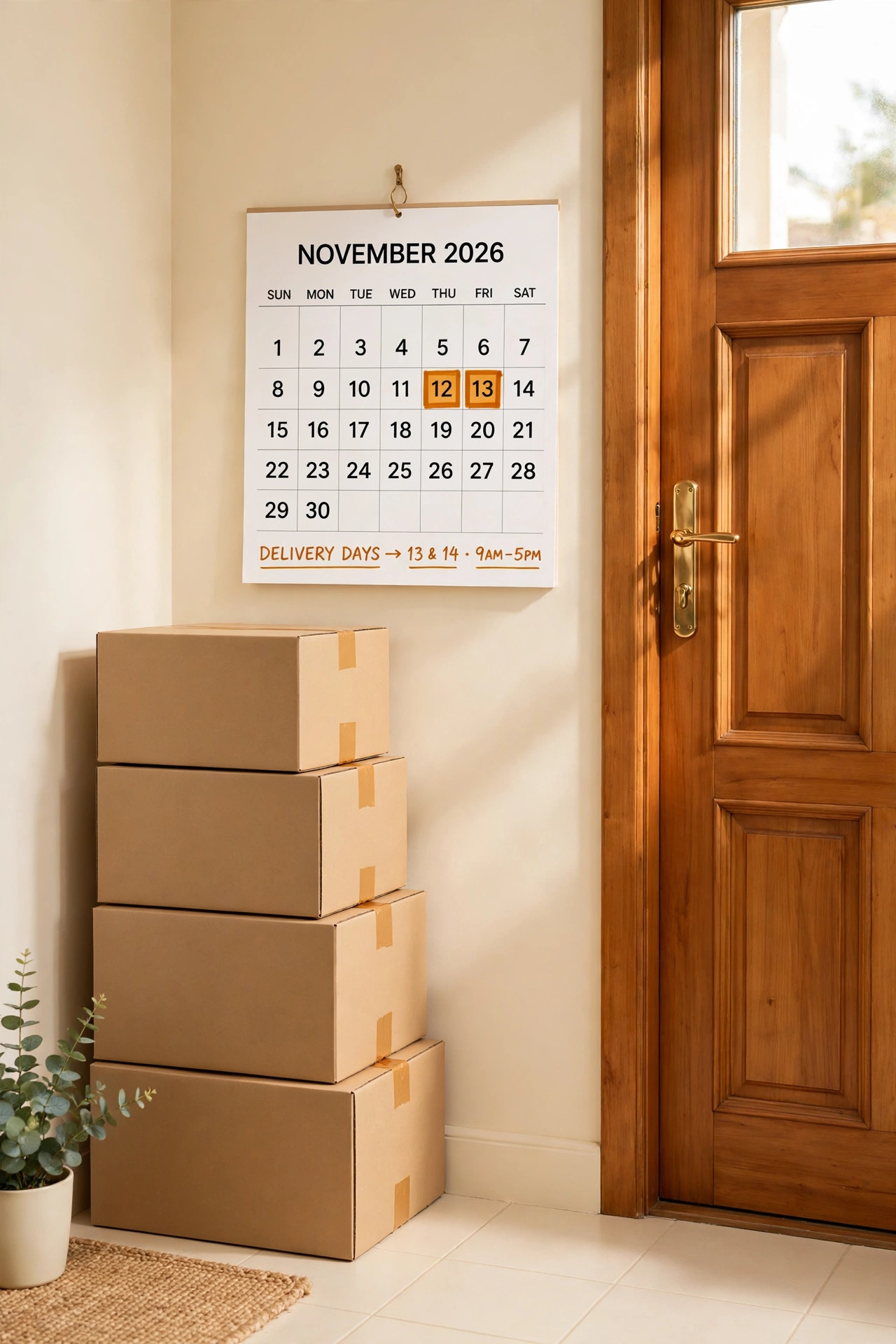
Ten subscriptions arriving on ten different days means ten interruptions and ten chances for boxes to pile up. Most services let you choose a delivery window, so group your subscriptions into one or two delivery days each month. One busy delivery day is easier to manage than a month of scattered boxes.
Pick days when you are home and have thirty minutes to unpack and store everything at once. Mark the grouped days on your calendar in a bold color and treat them like appointments. Fewer delivery days also mean fewer cardboard boxes cluttering the porch.
25. Post a Subscription Pause Checklist on the Fridge
A pause checklist on the fridge turns a vague intention into a clear action. List every subscription with its skip deadline and a checkbox beside it, and check your stock before you tick each box. If you still have more than half a shipment left, pause it for the month.
Review the checklist together as a family at the start of each month so everyone owns the decision. Children can help count pantry stock and learn that pausing is smart, not wasteful. A checklist on the fridge keeps the habit visible instead of buried in an app.
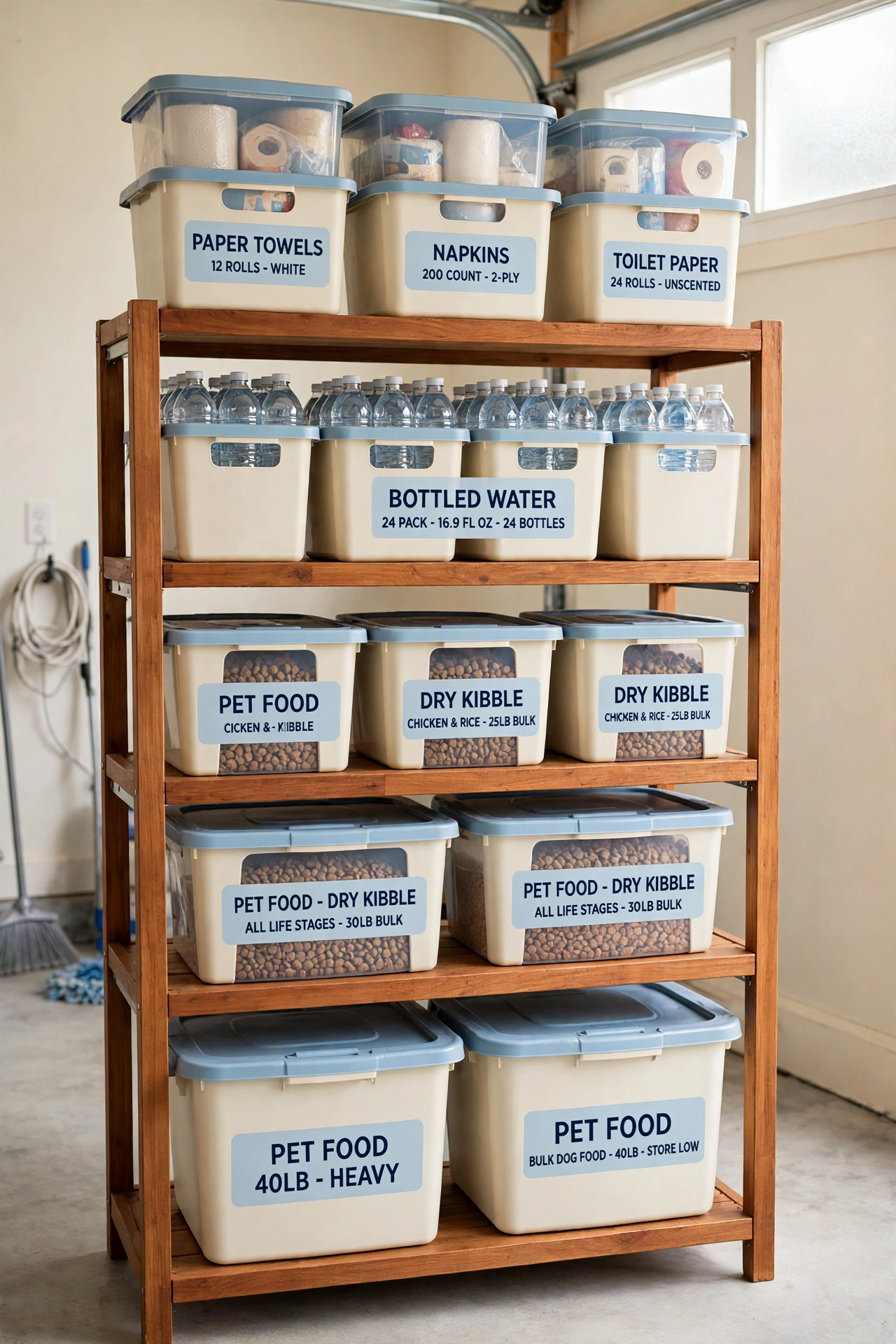
26. Use Stackable Bins in the Garage for Large Deliveries
Large deliveries like paper goods, bottled water, and bulk pet food need garage storage that can handle weight and size. Stackable bins on a sturdy shelving unit keep these items off the floor, dry, and easy to reach. Label each bin with large letters you can read from the car.
Keep the heaviest bins on the lowest shelf and the lightest on top for safety. Set a rule that one bin must be empty before a new bulk delivery arrives, so the garage never overflows. A tidy garage shelf turns oversized boxes into a calm, organized stockroom.
27. Do a Monthly Subscription Audit
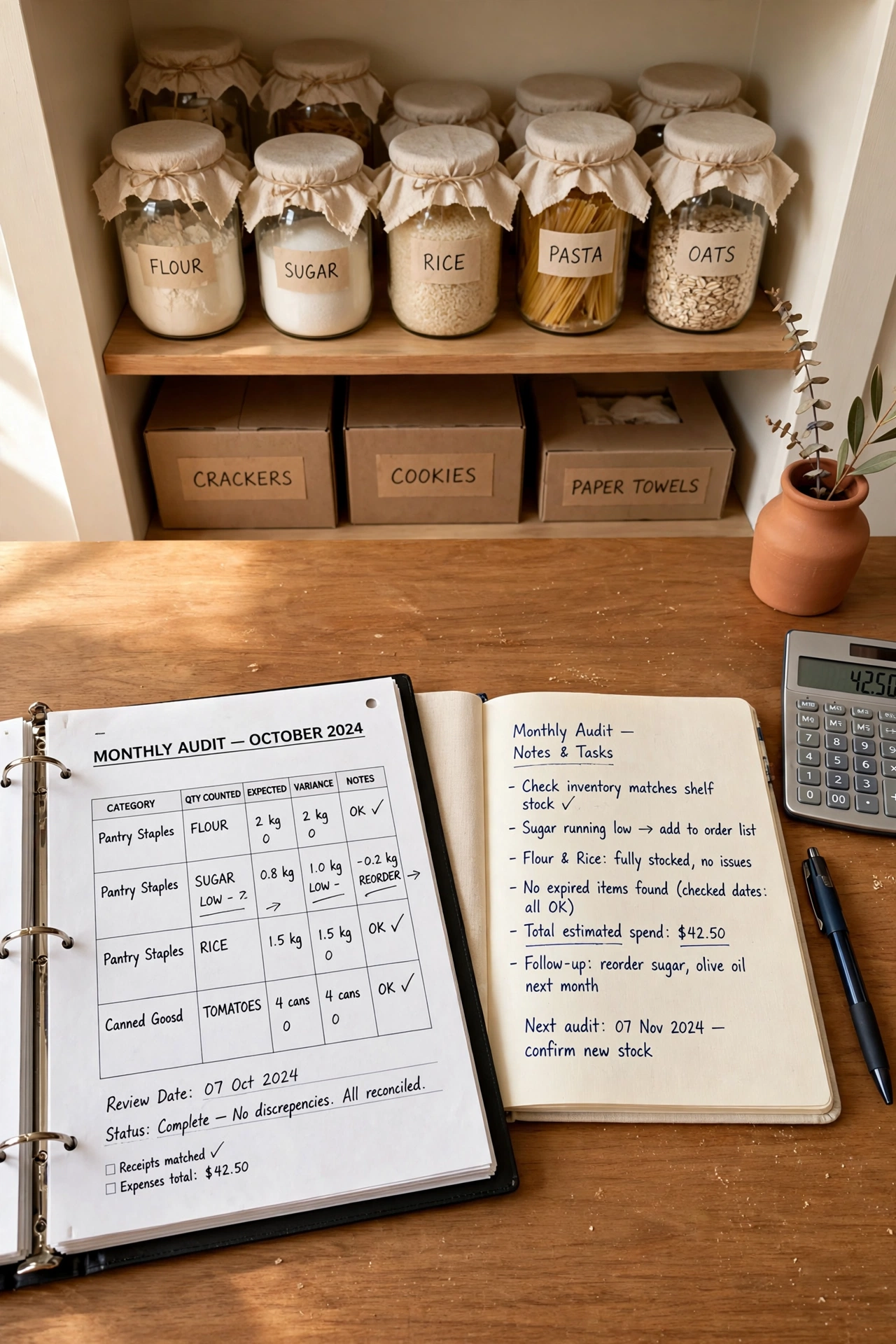
A monthly audit is the habit that keeps all the other systems working. On the first weekend of each month, open your binder, your budget tracker, and your pantry shelves, and ask three questions: what arrived, what did we use, and what should change. Write the answers in a notebook so the audit builds a record over time.
Cancel anything unused for two months, pause anything overstocked, and celebrate the subscriptions that earn their place. For a monthly review rhythm that covers the whole home, these monthly home maintenance checklist ideas pair naturally with a subscription audit. End the audit by updating your calendar, and next month will run even smoother.
Conclusion
Monthly deliveries should make life easier, not add a new layer of clutter to your home. With a calendar, a drop zone, labeled bins, and a monthly audit, every box that arrives has a plan and a place. The systems in this list work together, so start with the two or three that solve your biggest headaches first.
Over time, you will spend less money on duplicates, waste less food and fewer supplies, and open your pantry doors without a sigh. Pick one idea today, put it in place before the next delivery arrives, and enjoy a home where subscriptions serve you instead of stacking up around you.
Frequently Asked Questions About Household Subscription Organization Ideas for Monthly Deliveries
How many subscriptions should one household have?
There is no magic number, but most households manage five to ten subscriptions comfortably. The right count is the one you can track, store, and fully use each month. If boxes pile up unopened or items expire before use, you have more subscriptions than your system can handle.
How do I keep track of all my delivery dates?
Use one master calendar for every subscription, with delivery dates marked in a bold color and reminders set two or three days ahead. A paper calendar on the fridge works well for families, while a shared phone calendar suits households that are often on the go. The key is one calendar, not five.
What should I do when a subscription sends too much?
Pause or skip the next shipment first, then use the extras before you order anything similar. Move older stock to a use first shelf so it gets used before newer items. If overstock happens three months in a row, reduce the plan size or cancel the subscription.
Where should I store subscription boxes before unpacking?
Set up a package drop zone by the front door with a bench or large basket and a recycling bin for cardboard. Unpack boxes at the drop zone the same day they arrive whenever you can. Boxes that sit longer than two days tend to become permanent clutter.
How often should I review my subscriptions?
Review them once a month, on the first weekend, when you can check your binder, your budget tracker, and your shelves together. A monthly audit takes about thirty minutes and catches duplicates, overstock, and unused plans before they cost another month of fees.

Hi, I’m Emily! I turn messy corners into cozy, organized spots. DreamNestDecor is where I share simple, practical home ideas — decor, organization, and small-space solutions that work in real life, not just in photos. Every idea here is carefully researched before it’s shared.