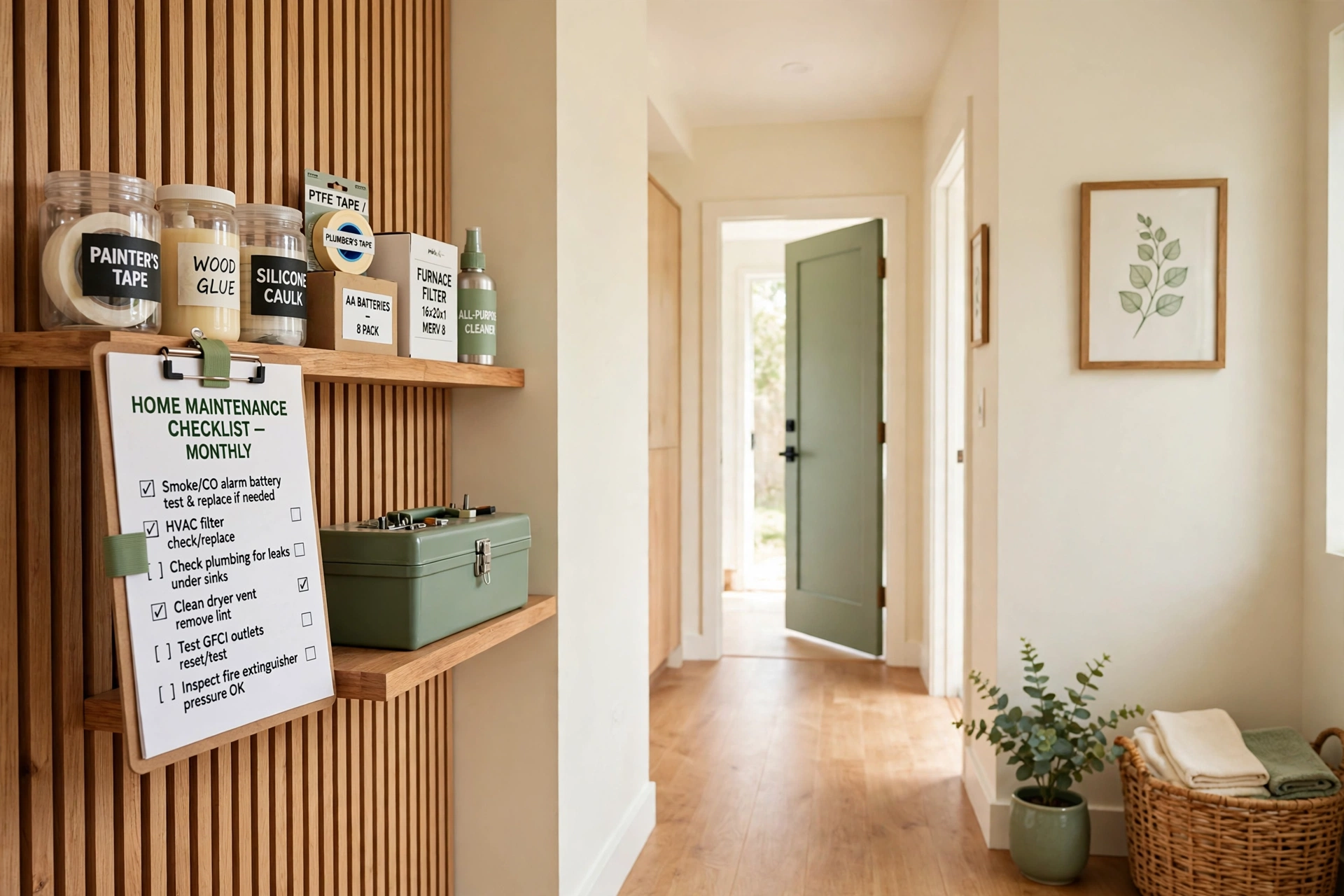
Picture this: it is the first Saturday of the month, you walk through your home with a short list in hand, and every small task takes only a few minutes. No more surprise leaks, no more dead smoke detector batteries, no more clogged drains at the worst possible moment. That calm feeling is exactly what a monthly home maintenance checklist gives you all year long.
You do not need special skills or expensive tools to keep a home in good shape. All you need is a simple routine that catches small problems before they grow into costly repairs. These 15 monthly home maintenance checklist ideas will help you protect your home, save money, and enjoy real peace of mind.
1. Test Smoke and Carbon Monoxide Detectors
Press the test button on every smoke detector and carbon monoxide detector once a month. A short beep tells you the alarm still works, while silence tells you the batteries need attention right away. This single habit takes less than five minutes and protects everyone who sleeps under your roof.
Keep spare batteries in one labeled spot so a dead detector never waits for a store trip. For more ways to keep small supplies tidy, see these battery storage organization ideas. Replace the whole detector every ten years, and write the install date on the back of each unit so you never have to guess its age.

2. Change or Clean HVAC Air Filters
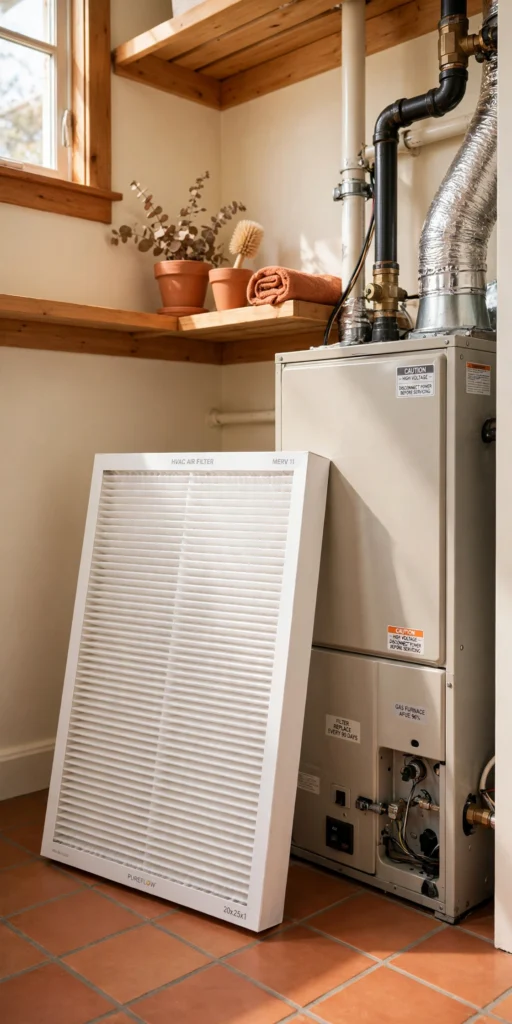
A dirty air filter makes your heating and cooling system work harder, which raises energy bills and wears out parts faster. Check the filter every month and hold it up to the light. If you cannot see light through it, replace it or wash it if it is a reusable type.
Write the filter size on a small label inside the furnace closet so you always buy the right one. Stock two or three spares on a shelf nearby, and set a phone reminder for the first of each month. Clean air and a healthy system start with this simple monthly step.
3. Check Under Every Sink for Leaks
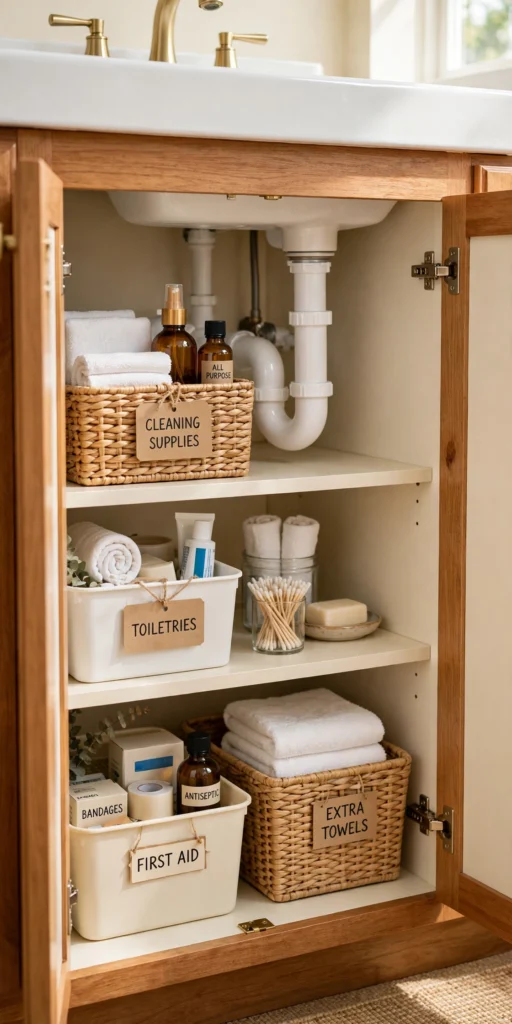
Slide out the cleaning supplies once a month and look under every sink with a flashlight. Small drips often start as a faint stain or a damp spot on the cabinet floor, and catching one early can save you from warped wood and mold. Run the water for a minute and watch the pipes and joints while it drains.
Place a small tray or an old towel under each trap to catch the first sign of a drip. For more ideas on keeping that hidden space tidy, see these under bathroom sink organization ideas. If you find a leak, tighten the slip nut by hand first, and call a plumber only when the drip continues.
4. Clean the Range Hood Filter
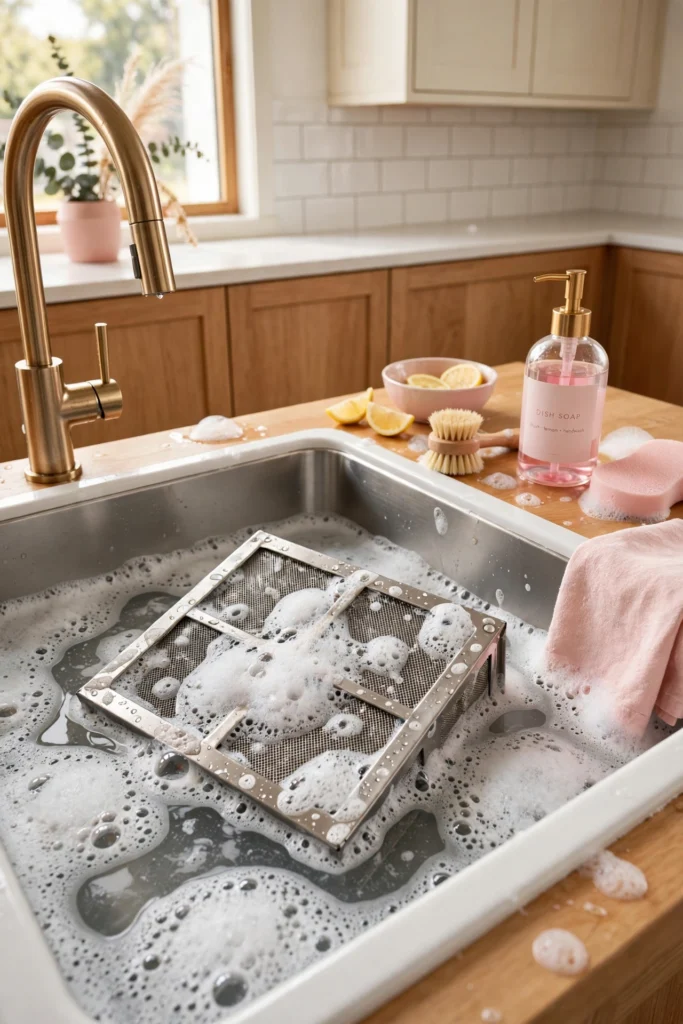
Grease builds up fast on a range hood filter, and a clogged filter lets cooking smells and steam drift through the whole house. Remove the metal filter once a month and soak it in hot water with dish soap for fifteen minutes. A soft brush takes off the last of the grease without bending the mesh.
Let the filter dry fully before you slide it back into place, and wipe the underside of the hood while it soaks. A clean filter also lowers the risk of a kitchen grease fire. Add this task to the same day you deep clean the stove so it becomes part of one simple routine.
5. Flush Kitchen and Bathroom Drains
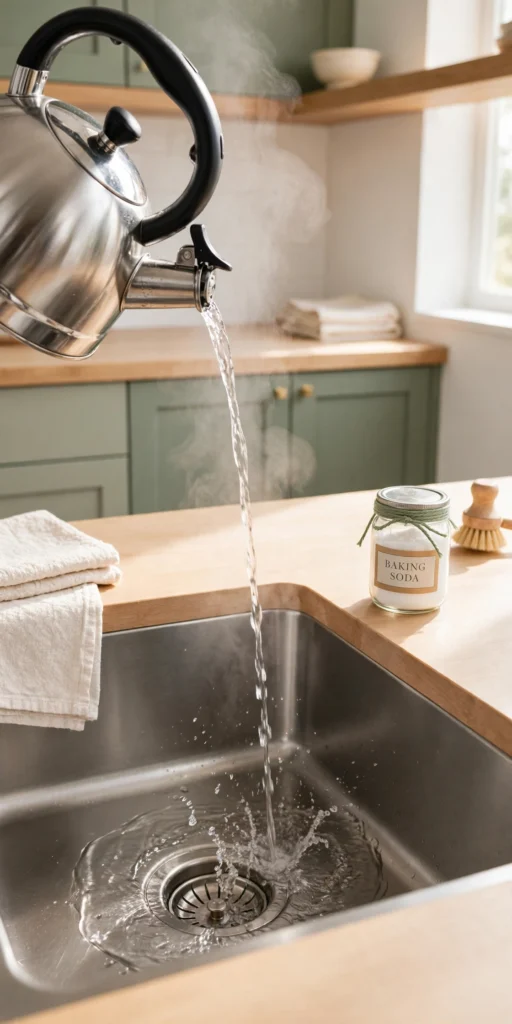
Slow drains usually start with a thin layer of grease, soap, and hair that builds up a little more every day. Once a month, pour a kettle of hot water down each drain, followed by half a cup of baking soda and half a cup of vinegar. Let the mixture fizz for fifteen minutes, then flush it with more hot water.
This gentle routine keeps water flowing fast without harsh chemicals that can damage pipes. Pull out the drain stoppers and clear away any hair or debris you can reach. If one drain stays slow after two tries, a drain snake or a plumber visit is the next step.
6. Inspect the Water Heater
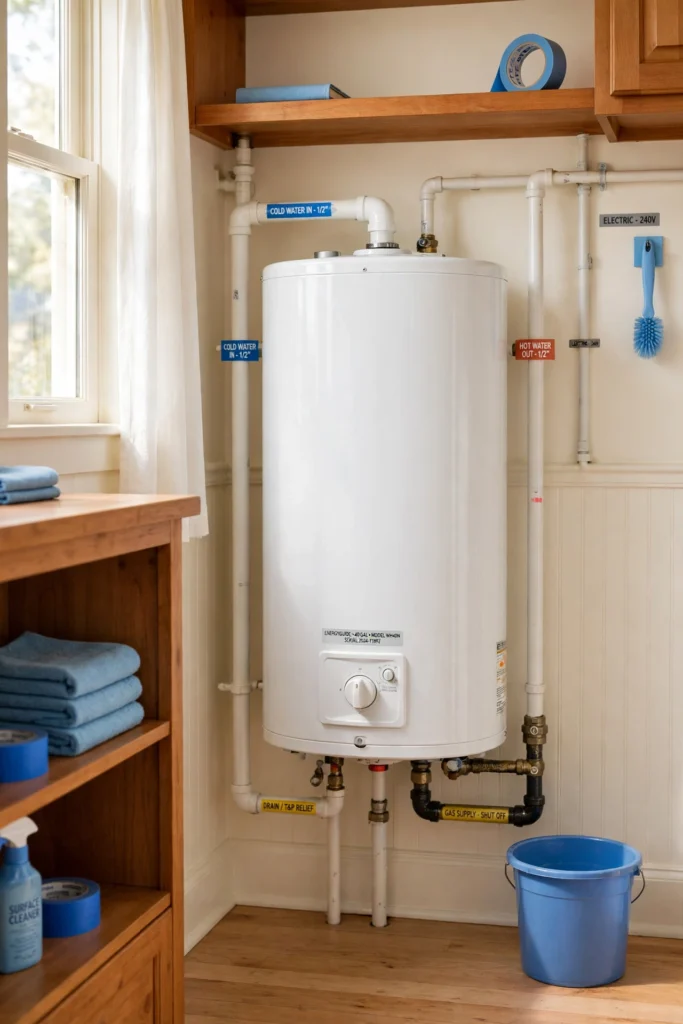
Walk around your water heater once a month and look for rust, damp spots, or a puddle on the floor. Check the temperature setting on the dial and keep it near 120 degrees Fahrenheit, which is hot enough for showers and safe enough to prevent scalding. Listen for rumbling sounds that can mean sediment has built up inside the tank.
Test the pressure relief valve by lifting its lever for a second and letting it snap back, with a bucket underneath to catch the water. If the valve drips after the test, it may need a replacement. A quick monthly look keeps hot water reliable and catches small leaks before they flood a room.
7. Clean Refrigerator Coils and Door Seals
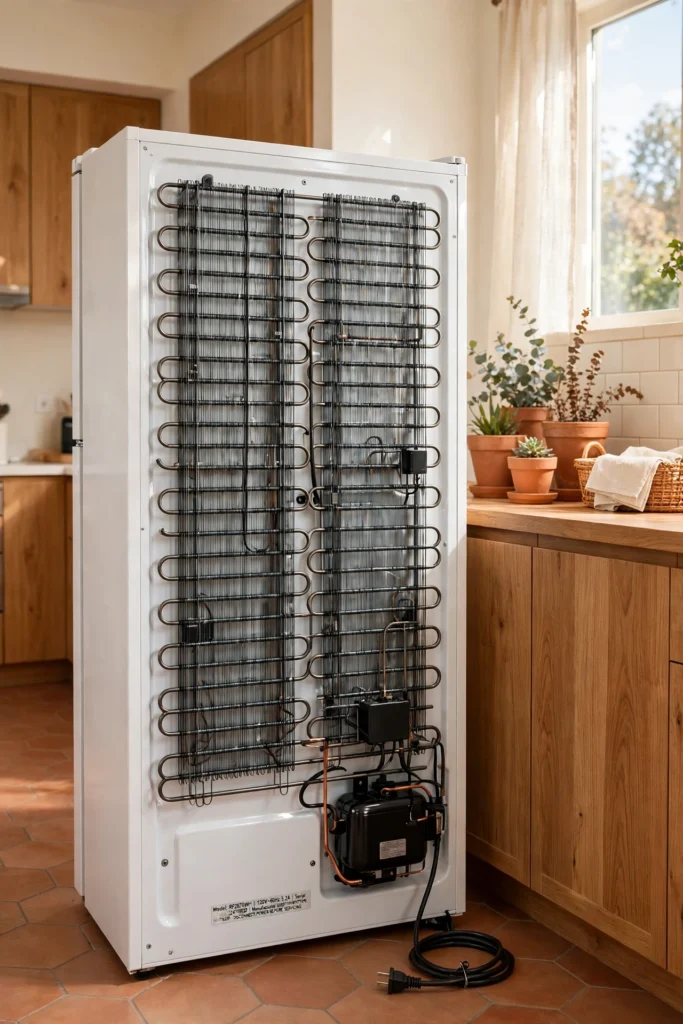
Dust on the refrigerator coils forces the compressor to run longer, which wastes energy and shortens the life of the fridge. Once a month, pull the fridge away from the wall and vacuum the coils gently with a brush attachment. Unplug the fridge first and work slowly so you do not bend the thin metal fins.
While the fridge is out, wipe the rubber door seals with warm soapy water and check for cracks or gaps. Close the door on a dollar bill and tug it gently. If the bill slides out with no resistance, the seal needs cleaning or replacement. Tight seals keep food cold and power bills low.
8. Run the Garbage Disposal with Ice and Citrus
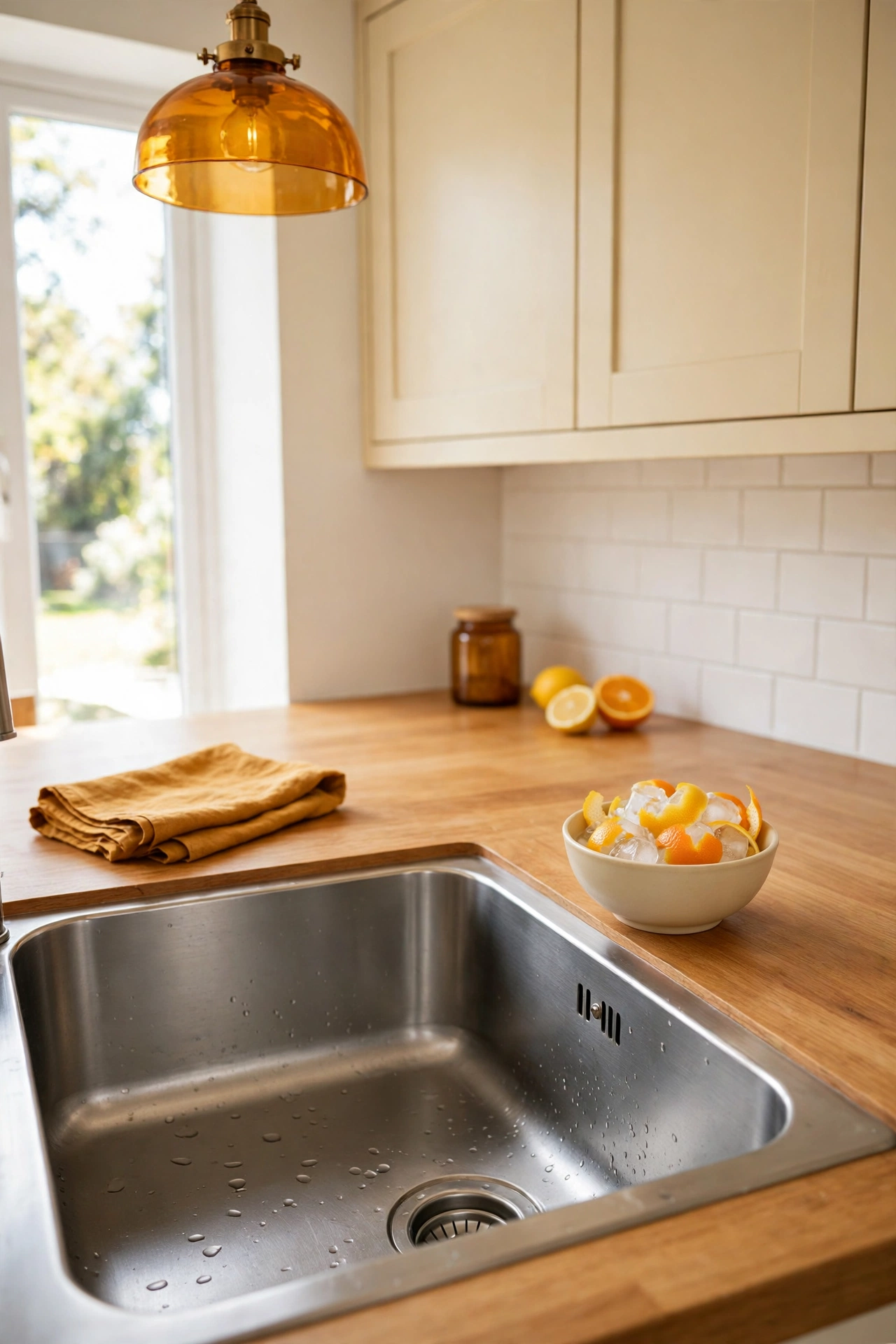
A garbage disposal collects food residue and odors even when it seems to run fine. Once a month, drop a tray of ice cubes into the disposal and run it with cold water. The ice scours the grinding plates clean without any chemicals. Follow with a few citrus peels to leave the sink smelling fresh.
Never put grease, coffee grounds, or fibrous peels down the disposal, since they clog pipes and dull the blades. Run cold water for a full minute after each use so food washes all the way through the drain. This small monthly habit keeps the kitchen sink fresh and the disposal working for years.
9. Check Windows and Doors for Drafts
Hold a lit candle or a thin strip of tissue near the edges of each window and door on a windy day. If the flame flickers or the tissue moves, air is leaking through a gap in the weather stripping or caulk. Drafts raise heating and cooling bills and let dust and insects inside.
Replace worn weather stripping and add a fresh bead of caulk where you find gaps. Check the door sweep at the bottom of each exterior door as well, since it wears out faster than the side seals. A draft free home stays comfortable in every season and costs less to heat and cool.

10. Inspect Bathroom Caulk and Grout
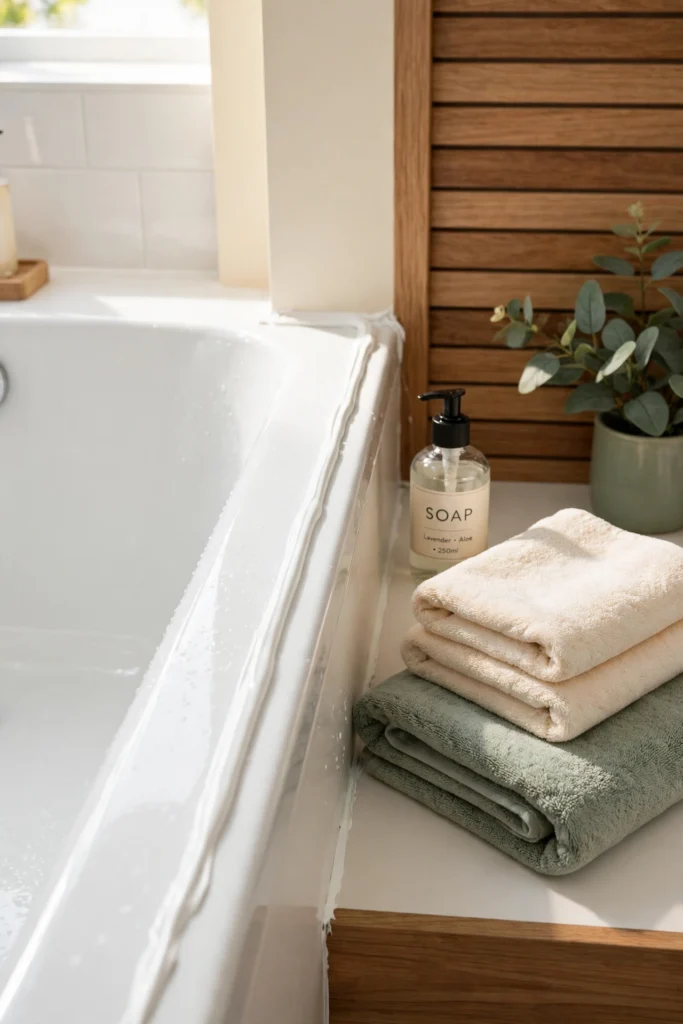
Bathroom caulk and grout take a beating from daily steam and splashes, and small cracks let water seep behind tiles where mold can grow. Once a month, look closely at the caulk lines around the tub, the shower, and the sink. Dark spots or soft, peeling caulk are signs that a repair is due.
Scrape out damaged caulk and apply a fresh bead of bathroom grade silicone, then let it cure for a full day before you shower. Recheck grout lines for cracks and seal them with grout sealer once a year. Dry walls behind tile stay strong for decades when you catch moisture early.
11. Test the Garage Door Safety Reverse
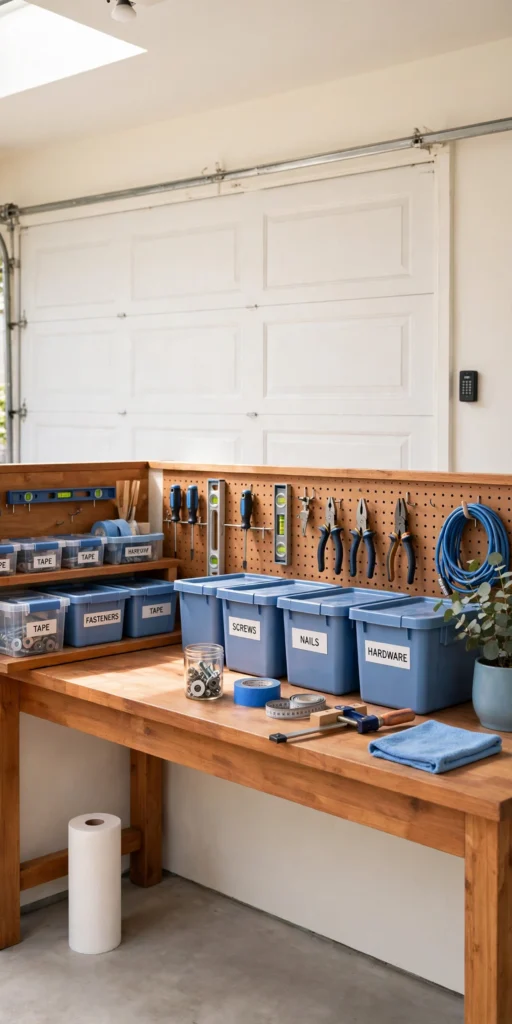
A garage door should reverse the moment it touches an object on its way down. Once a month, place a roll of paper towels on the floor under the door and close it with the remote. The door should touch the roll and reverse at once. If it crushes the roll or keeps going, the safety system needs adjustment.
Check the photo eye sensors near the floor as well, and wipe their lenses clean with a soft cloth. For more ideas on keeping the garage tidy, see these garage workbench organization ideas. Lubricate the rollers and hinges with a silicone spray so the door moves smoothly and quietly.
12. Clean the Dryer Lint Trap and Vent
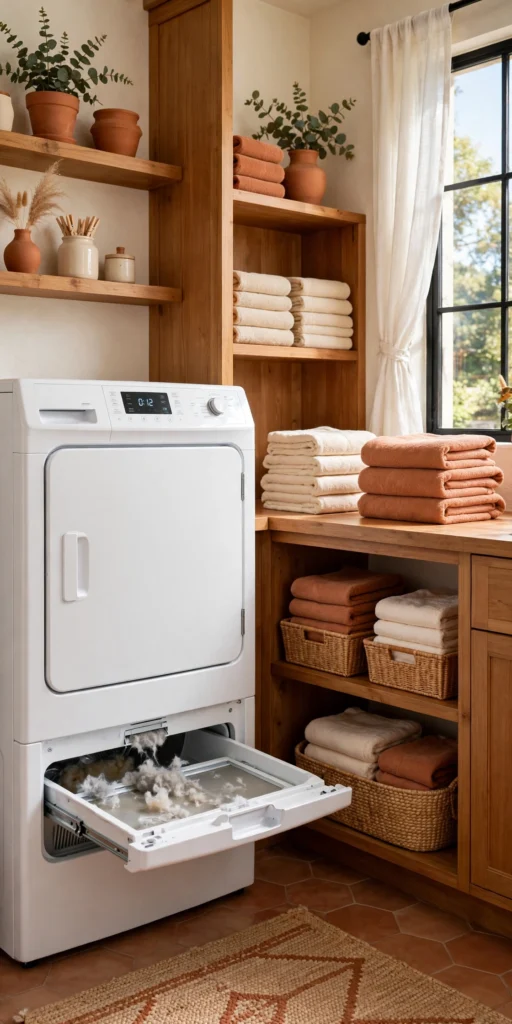
Lint builds up in the dryer trap after every load, and a clogged trap makes clothes take longer to dry while raising the risk of a fire. Clean the lint screen before every load, and once a month wash the screen with hot soapy water and a soft brush. Dryer sheets leave a film that blocks airflow even when the screen looks clean.
Check the vent hose behind the dryer for kinks or lint buildup, and vacuum the vent opening on the wall. Go outside and make sure the exterior vent flap opens freely when the dryer runs. A clear vent path dries laundry faster and keeps your home safer.
13. Check Fire Extinguishers and Emergency Supplies
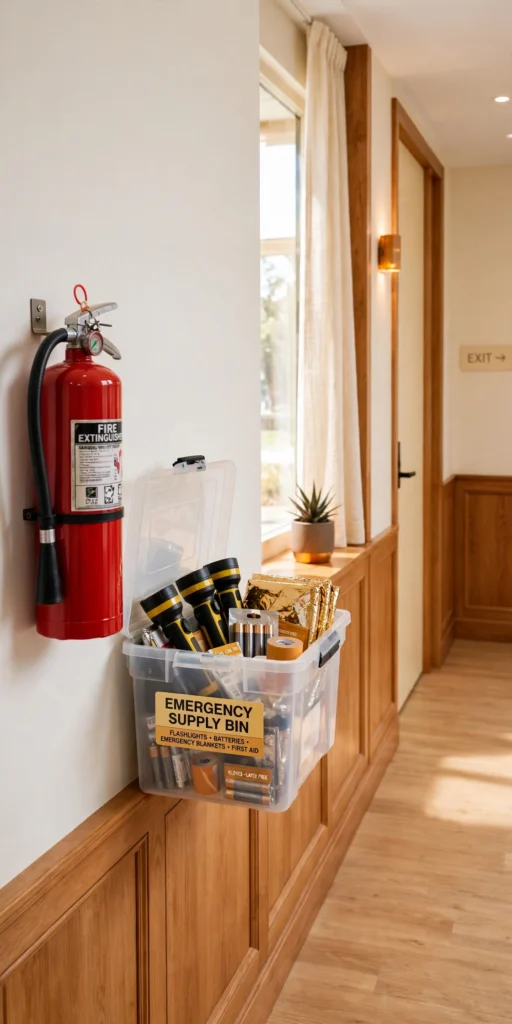
Look at the pressure gauge on every fire extinguisher once a month and make sure the needle sits in the green zone. Check that the pin is sealed and the hose has no cracks. Keep one extinguisher in the kitchen and one near the bedrooms, where everyone in the family can reach them fast.
While you check the extinguishers, look over your emergency supplies as well. For more ideas on keeping those supplies ready, see these flashlight and emergency supply organization ideas. Replace dead batteries, check expiry dates on food and water, and make sure the first aid kit is full. A ready home is a safe home.
14. Inspect Outdoor Walkways and Steps
Walk your driveway, front steps, and garden paths once a month and look for cracks, loose pavers, and uneven slabs. Small cracks grow fast in rain and frost, and a raised edge can trip a guest or a delivery driver. Mark problem spots with chalk so you remember where to work.
Sweep away leaves and dirt that hide damage and make surfaces slippery when wet. Fill small cracks with concrete filler and reset loose pavers before they tilt further. A tidy, level path keeps your home safe and gives visitors a good first impression.

15. Review the Family Calendar and Plan Next Month
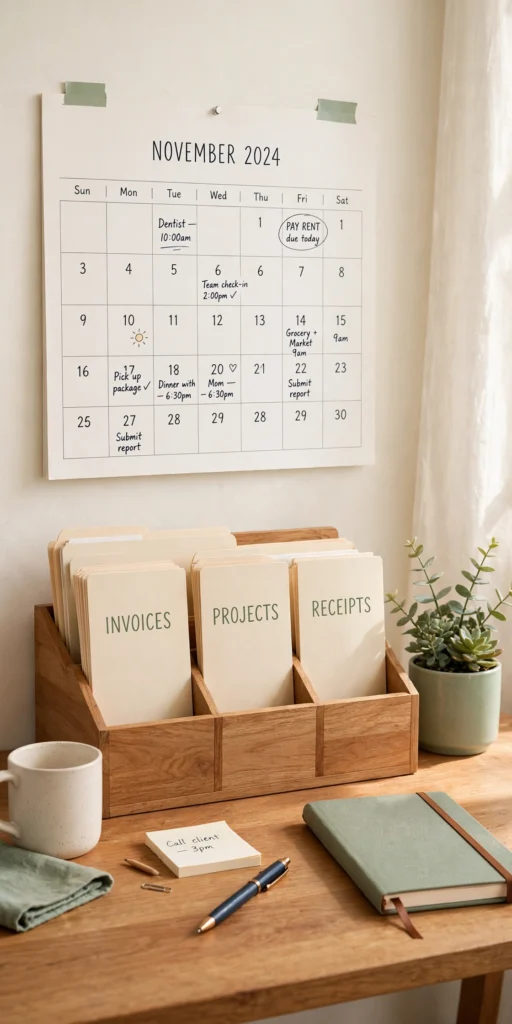
Sit down with the family calendar at the end of each month and look ahead at the next four weeks. Mark birthdays, school events, service appointments, and seasonal tasks like gutter cleaning or furnace checks. A shared calendar stops surprises and spreads chores fairly across the month.
Move any unfinished task from this month to a specific date next month instead of letting it drift. Write down one bigger project, such as painting a room or deep cleaning the garage, and break it into small weekly steps. A short monthly review keeps the whole house running on a calm, steady rhythm.
Conclusion
Monthly home maintenance does not have to be complicated or expensive. From testing detectors to checking caulk, there is an idea here for every home and every budget. The best routine is the one you will actually follow every month without fail.
Pick three or four ideas that fit your home and start this month. Work through the list at a steady pace, and add one new habit each month until the whole checklist feels easy. For a calm home beyond maintenance, these nightly reset routine ideas will help you keep every room tidy with just a few minutes each evening.
Frequently Asked Questions About Monthly Home Maintenance Checklist Ideas for Homeowners
How long does a monthly home maintenance checklist take?
Most monthly tasks take ten minutes or less, and the whole checklist fits into one or two hours. Split the list across two weekends if one long session feels like too much. A short routine each month saves far more time than an emergency repair later.
What should I check first if I am new to home maintenance?
Start with safety tasks such as smoke detectors, carbon monoxide detectors, and fire extinguishers. Then move to water tasks like checking under sinks and flushing drains. Safety first, water second, and comfort tasks last is a simple order that works for any home.
Do I need special tools for monthly home maintenance?
Most monthly tasks need only basic tools such as a screwdriver, a flashlight, a vacuum, and a step ladder. Keep these tools in one spot so you never waste time hunting for them. A plumber or an electrician is the right call for any task that feels unsafe.
How do I remember to do monthly maintenance tasks?
Set a repeating reminder on your phone for the first Saturday of each month, and keep a printed checklist on the fridge or inside a utility closet. Tick off each task as you finish it. A visible list turns good intentions into a real habit.
Can I do monthly maintenance in a rental home?
Yes, most monthly checks such as testing detectors, cleaning filters, and checking for leaks suit rental homes as well. Report any problem you find to your landlord right away, and keep a written record of the date and the issue. Small checks protect your deposit and your safety.

Hi, I’m Emily! I turn messy corners into cozy, organized spots. DreamNestDecor is where I share simple, practical home ideas — decor, organization, and small-space solutions that work in real life, not just in photos. Every idea here is carefully researched before it’s shared.