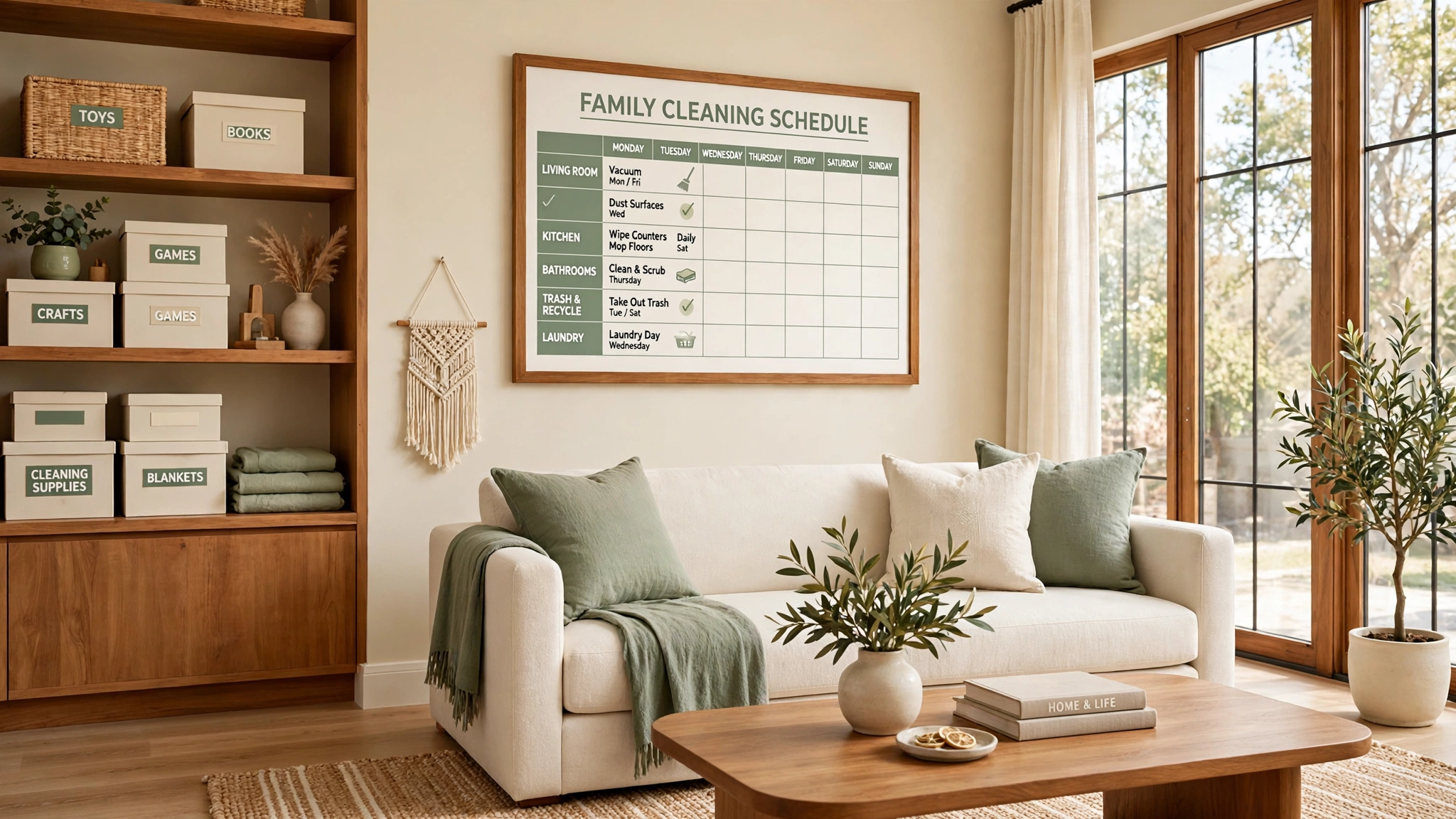
Picture this: it is Saturday morning, the house feels calm, and every room is already tidy because the cleaning happened in small steps all week. No more frantic scrubbing before guests arrive, no more piles of laundry waiting for a free day that never comes. That steady calm is exactly what a good cleaning schedule gives a busy family.
You do not need more hours in the day or a perfect home to get there. All you need is a simple plan that spreads the work across the week and gives every person a clear job. These 23 household cleaning schedule ideas will help your family keep every room tidy, clean, and ready for real life without stress.
1. Start with a Morning Five-Minute Reset
A morning reset takes only five minutes and sets the tone for the whole day. Each person makes the bed, puts dirty clothes in the hamper, and clears one surface in the bedroom before breakfast. The house starts the day tidy instead of messy.
Keep the reset small on purpose so nobody skips it on busy mornings. A short list on the bathroom mirror reminds everyone what to do without nagging. When the day starts clean, the evening feels lighter too.

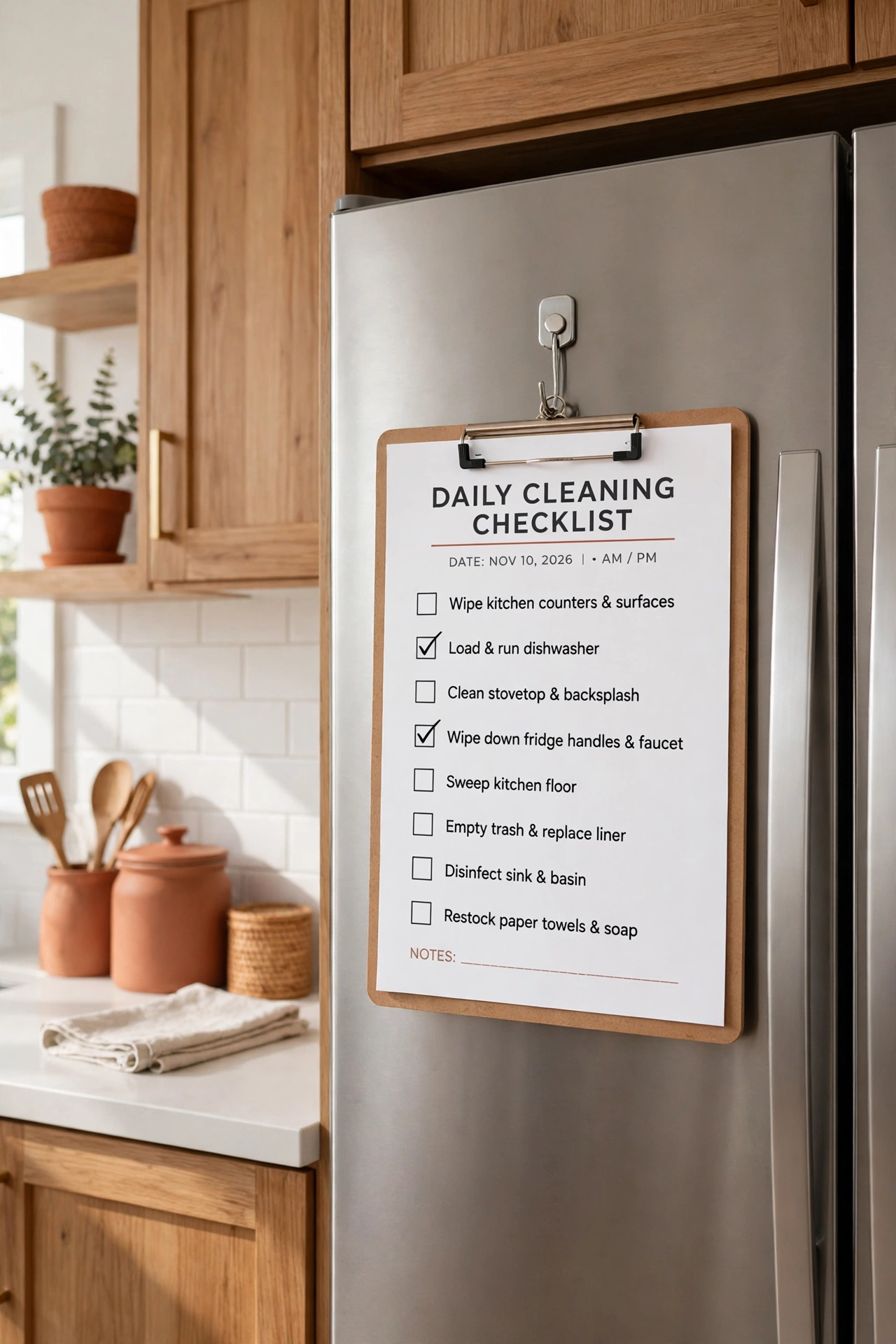
2. Build a Simple Daily Cleaning Checklist
A daily checklist turns cleaning into a habit instead of a chore that waits for the weekend. List five or six small jobs that happen every day, like wiping the kitchen counters, running the dishwasher, and taking out the trash. Tick each job off as it gets done.
Print the checklist and stick it on the fridge where everyone can see it. Rotate who checks the list each week so the whole family shares the work. A short daily list keeps the house from ever getting messy enough to feel overwhelming.
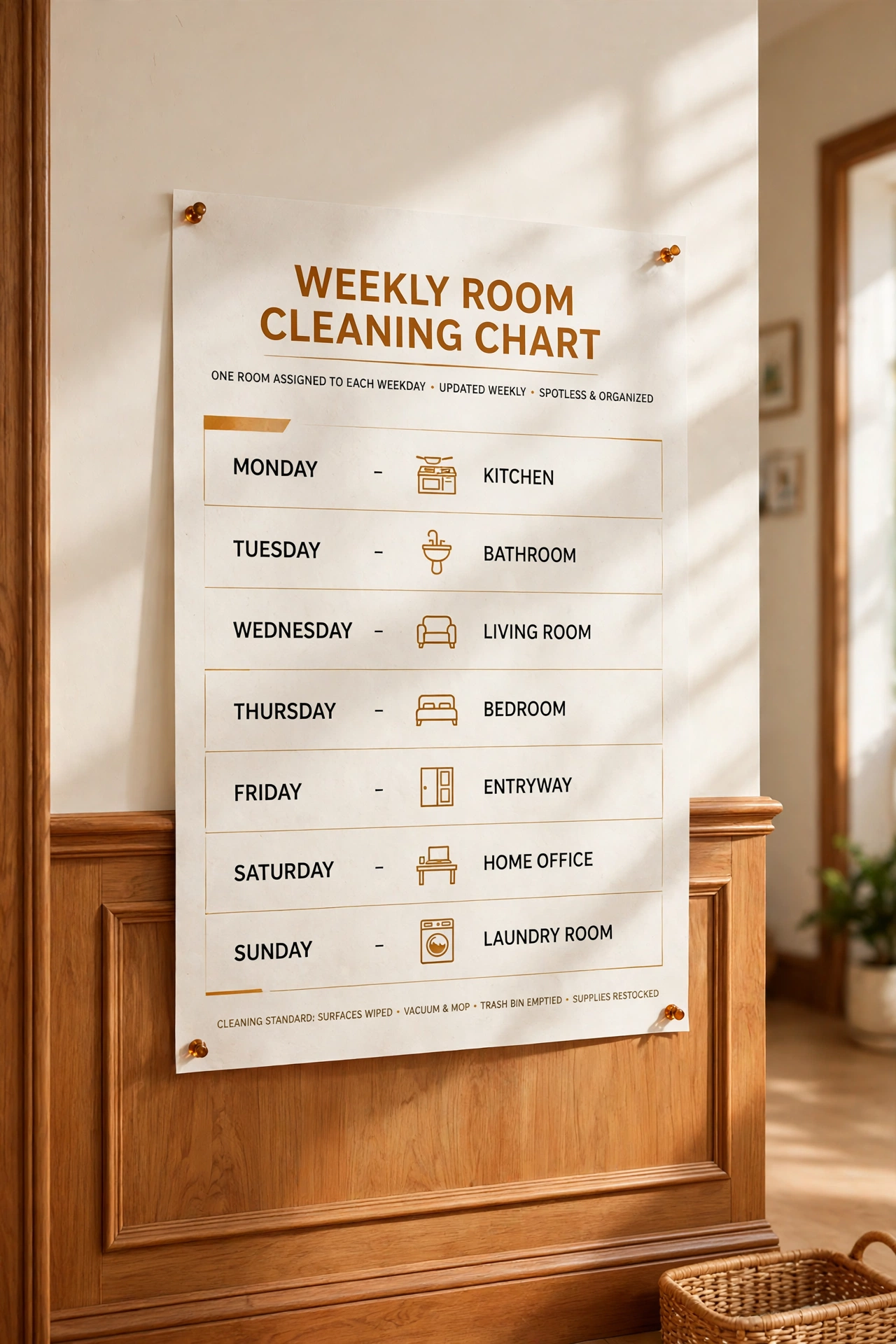
3. Assign One Room to Each Weekday
One room per weekday spreads the cleaning across the week in a way that feels easy. Monday can be the kitchen, Tuesday the bathrooms, Wednesday the bedrooms, Thursday the living room, and Friday the laundry room. Each day has one clear focus.
This system works well because nobody faces the whole house at once. Set a timer for twenty minutes and clean only that room until the timer rings. By Friday, every room has had attention and the weekend stays free for family time.
4. Use a Weekly Cleaning Chart on the Fridge
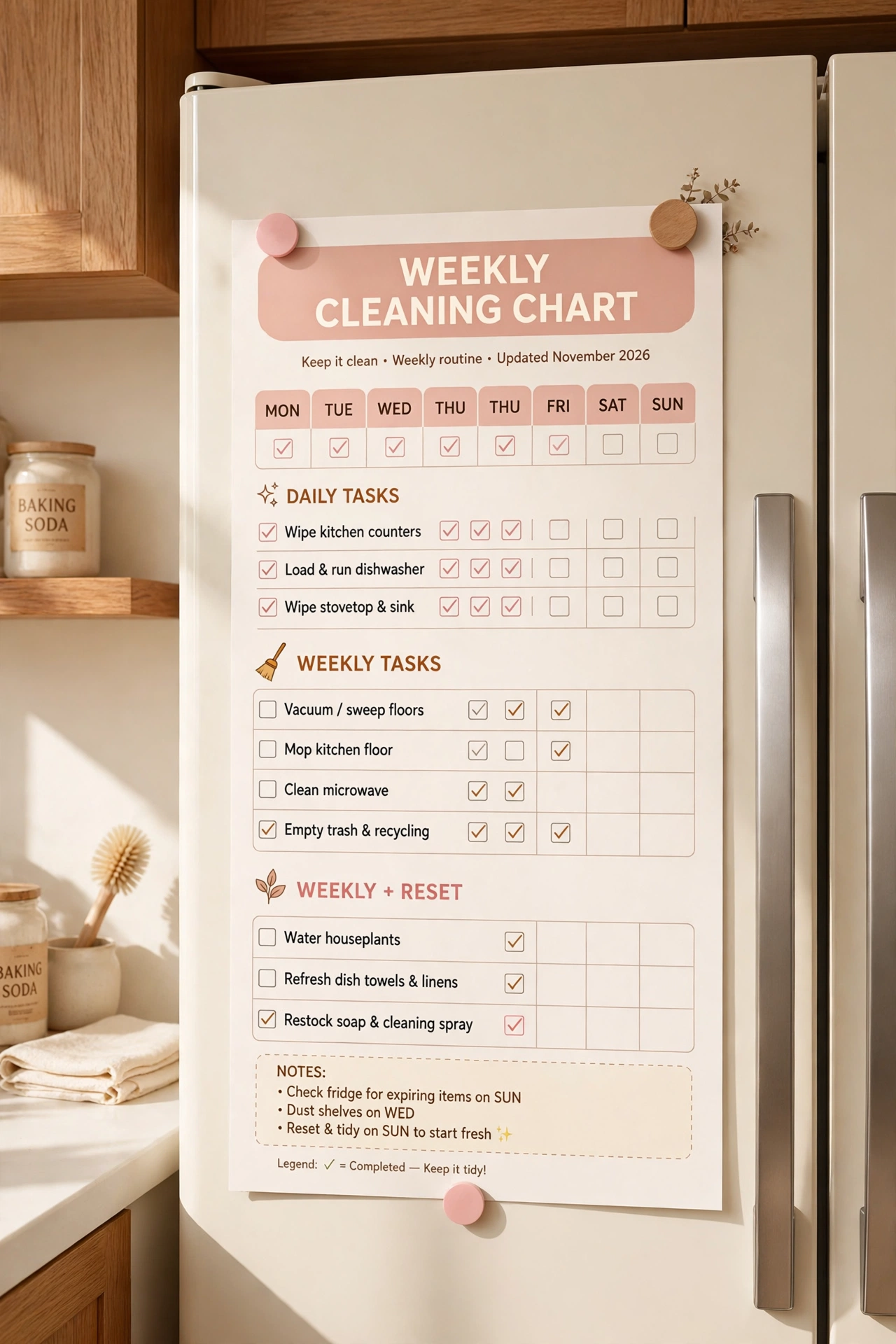
A weekly chart on the fridge shows the whole family what needs cleaning and when. Draw a simple grid with days across the top and jobs down the side, then add a tick box for each task. Everyone can see the plan at a glance.
Use magnets or colored markers so children can tick off their own jobs with pride. Update the chart every Sunday night so Monday starts with a fresh plan. A visible chart turns cleaning into a shared family project instead of one person’s job.
5. Split Chores by Family Member
Splitting chores by family member makes the schedule fair and easy to follow. Give each person two or three regular jobs that match their age and ability. Younger children can dust low shelves and sort laundry, while older children can vacuum and clean the bathroom sink.
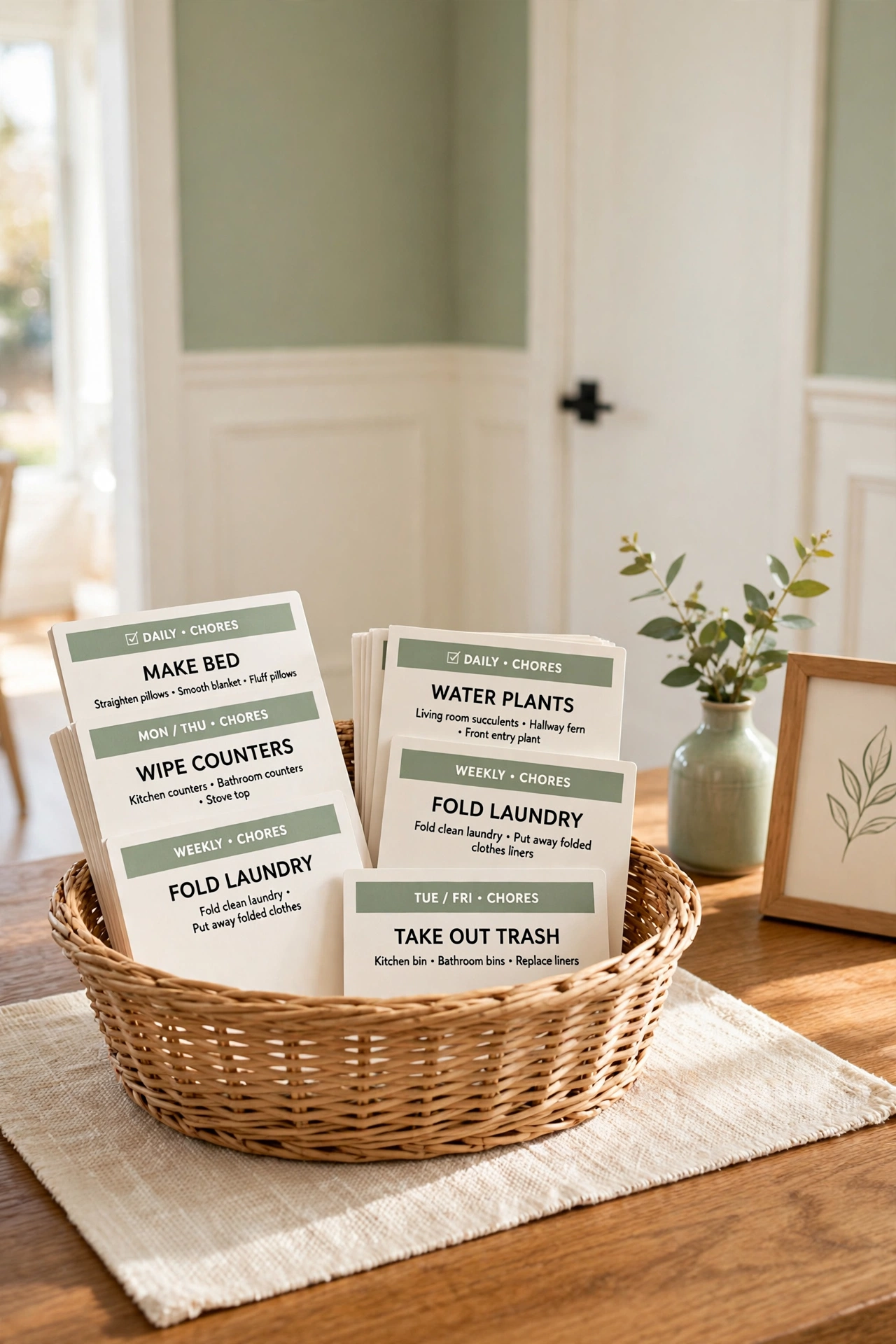
Write each person’s jobs on a small card and keep the cards in a basket by the door. Swap the cards every month so everyone learns new skills and nobody gets bored with the same job. When everyone owns a part of the plan, the house stays tidy with less effort from any one person.
6. Set a Saturday Deep Clean Hour
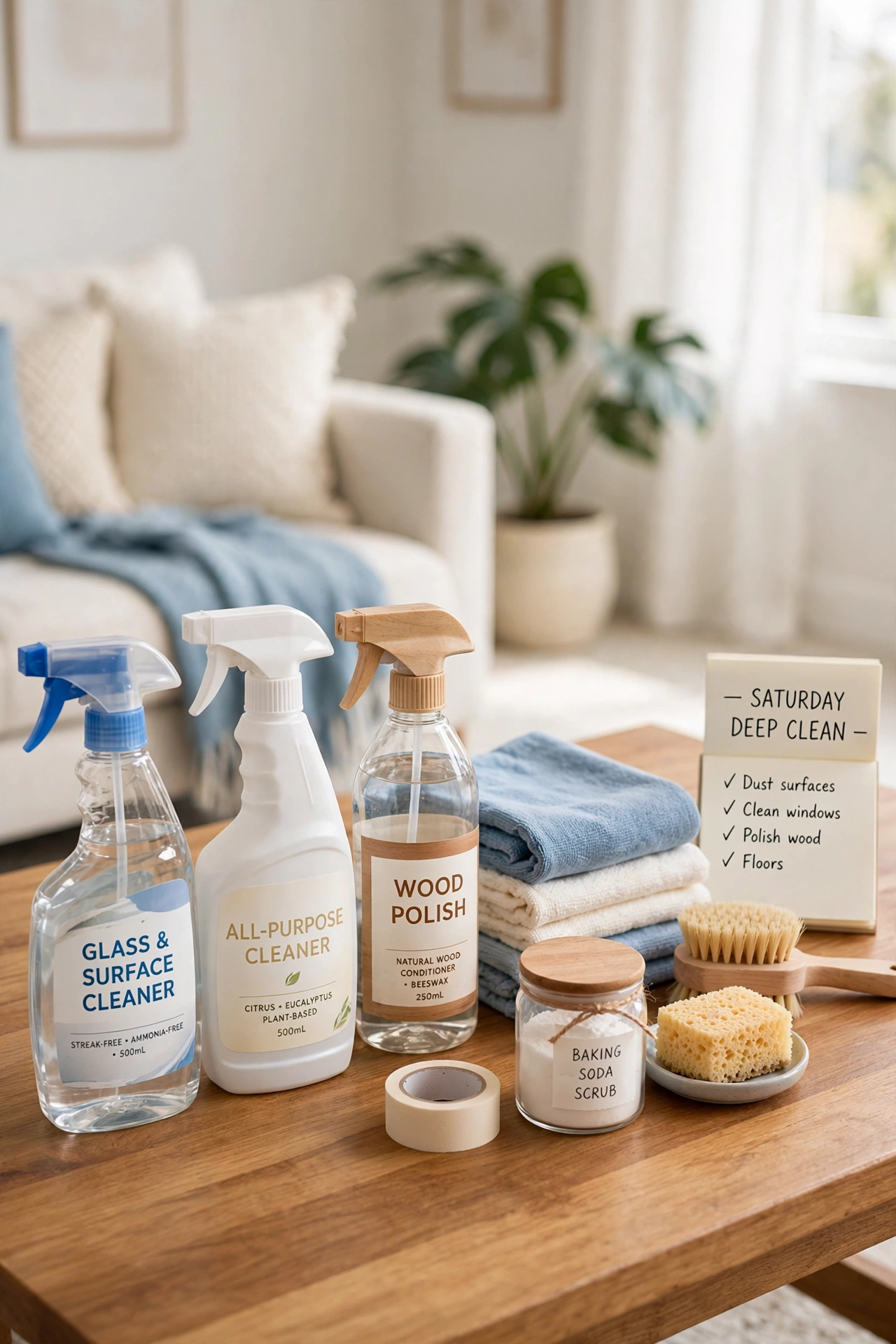
A Saturday deep clean hour gives the house a thorough refresh without eating the whole weekend. Pick one hour, put on music, and clean together as a family. Each person takes one deep clean job like scrubbing the shower, wiping the baseboards, or cleaning the oven door.
Keep the hour fixed so it becomes part of the weekend rhythm. When the hour ends, the cleaning ends too, even if a small job remains for next week. A short weekly deep clean stops dirt from building up and keeps the house feeling fresh.
7. Keep a Cleaning Caddy in Every Bathroom
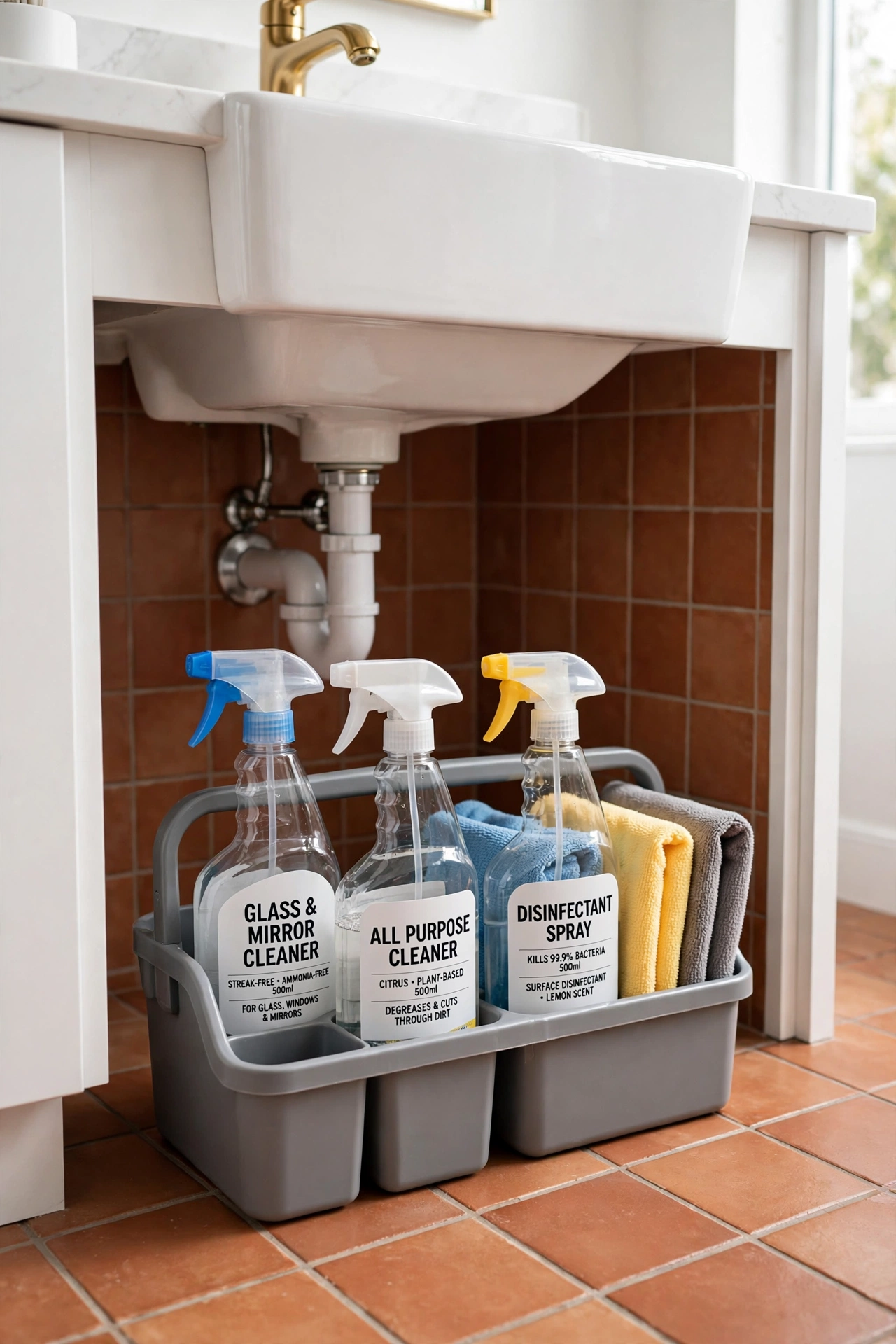
A cleaning caddy in every bathroom makes quick cleaning easy. Fill a small caddy with a spray bottle, a cloth, and a scrub brush, then keep it under the sink. When someone notices a spot on the mirror or the sink, the tools are right there.
Label each caddy so it stays in its own bathroom and never wanders to another room. A five-minute wipe of the sink and mirror after the morning rush keeps the bathroom looking clean all day. Small caddies turn cleaning into a quick habit instead of a big job.
8. Do Laundry on Fixed Days
Fixed laundry days stop the pile of dirty clothes from taking over the house. Pick two or three days each week for laundry and stick to them. Wash, dry, fold, and put away one load on each laundry day instead of letting loads pile up.
Sort the laundry the night before so the morning starts smoothly. For more ideas on keeping laundry supplies tidy, see these laundry detergent storage ideas. A steady laundry rhythm means clean clothes are always ready and the laundry basket never overflows.
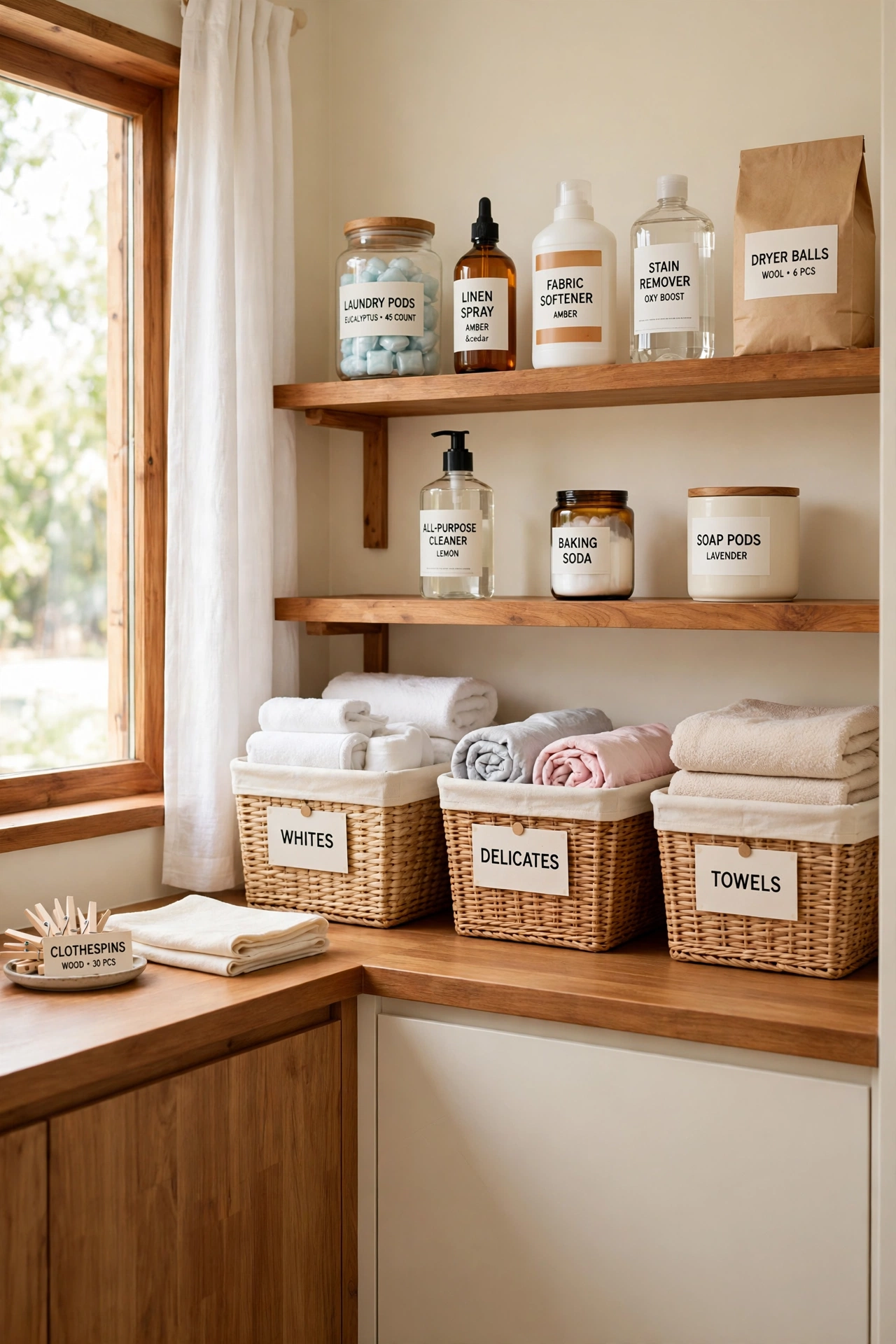
9. Clean the Kitchen Every Night Before Bed
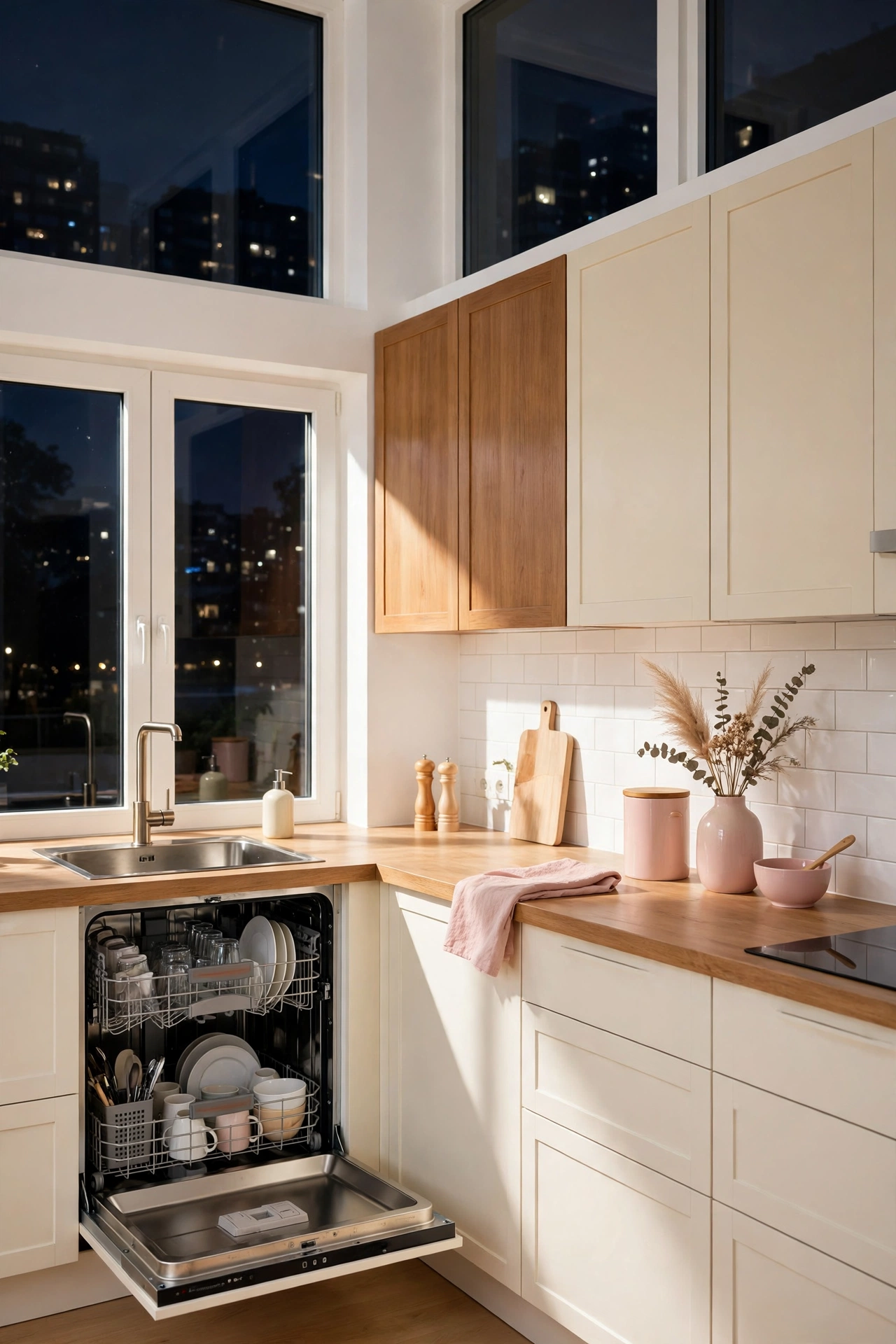
A clean kitchen every night means a calm morning. After dinner, load the dishwasher, wipe the counters and the stove, and take out the trash. The whole routine takes about ten minutes when it happens every day.
Keep the sink empty overnight so breakfast starts in a clean space. For more ideas on keeping kitchen waste tidy, see these kitchen trash and recycling ideas. A nightly kitchen reset is the single habit that makes the biggest difference in how clean a home feels.
10. Use a Timer for Speed Cleaning Sessions
A timer turns cleaning into a game that the whole family can win. Set the timer for fifteen minutes, pick one area, and clean as fast as you can until it rings. Everyone works at the same time, which makes the job feel fun instead of boring.
Speed cleaning works well for living rooms, playrooms, and bedrooms that collect clutter during the day. Keep a basket nearby for items that belong in other rooms. When the timer rings, stop and enjoy the tidy space you created together.

11. Rotate Deep Clean Tasks Each Month
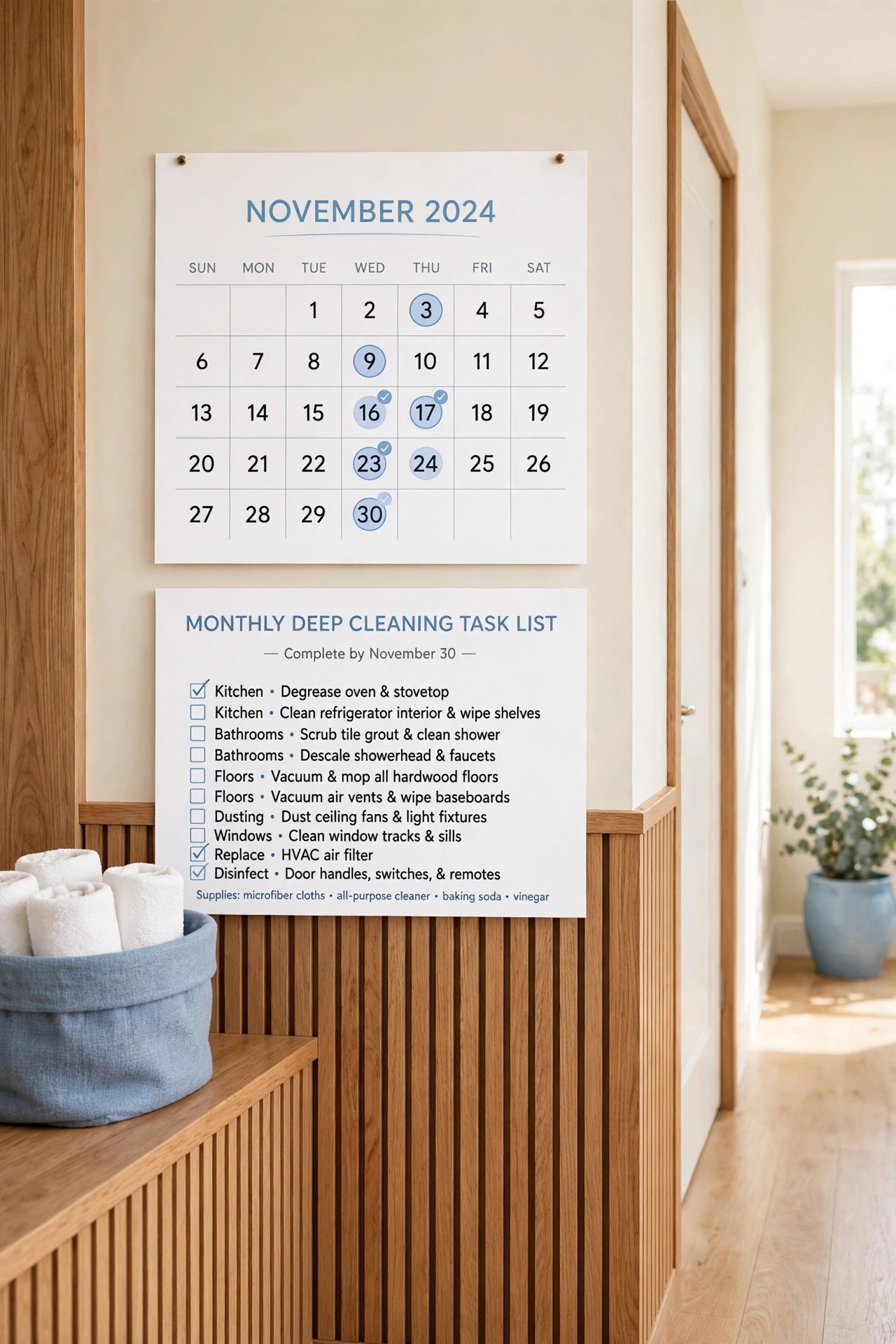
Monthly rotation keeps deep clean tasks from piling up or getting forgotten. Make a list of twelve deep clean jobs, one for each month, like cleaning the windows in March, the ceiling fans in June, and the oven in September. Each month has one extra job beyond the daily routine.
Write the monthly job on the family calendar so everyone knows what is coming. Rotate the job among family members so the same person never gets the hardest task twice. A monthly rotation keeps the whole house in good shape all year.
12. Create a Seasonal Cleaning Calendar
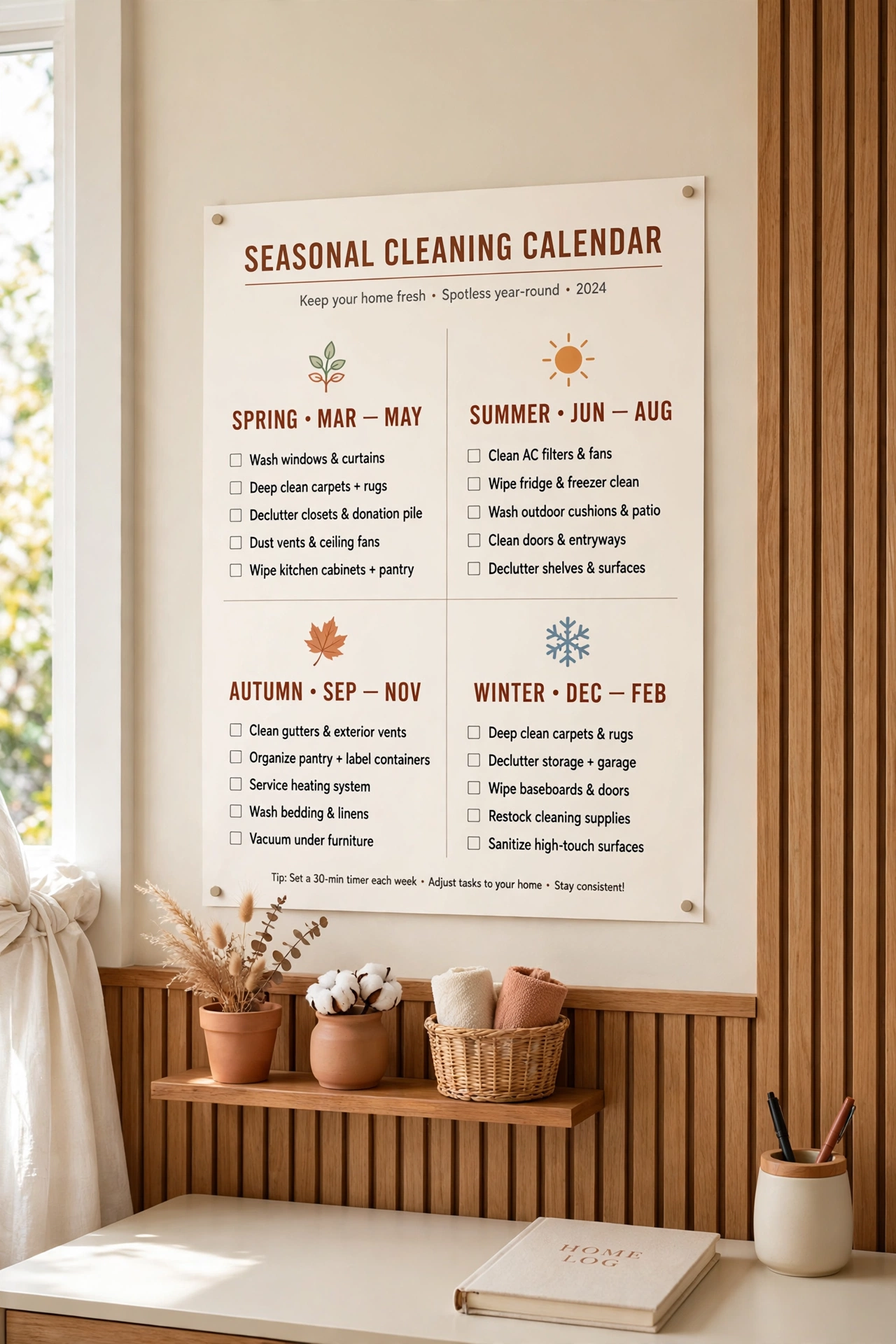
A seasonal cleaning calendar breaks big jobs into four manageable seasons. Spring is for windows and closets, summer is for the garage and outdoor furniture, autumn is for the pantry and the heating vents, and winter is for the basement and storage rooms. Each season has a clear focus.
Plan the seasonal jobs at the start of each season and spread them across four weekends. Invite the whole family to help with one big job per weekend. Seasonal cleaning keeps the house healthy and stops clutter from building up year after year.
13. Keep Cleaning Supplies in One Central Spot
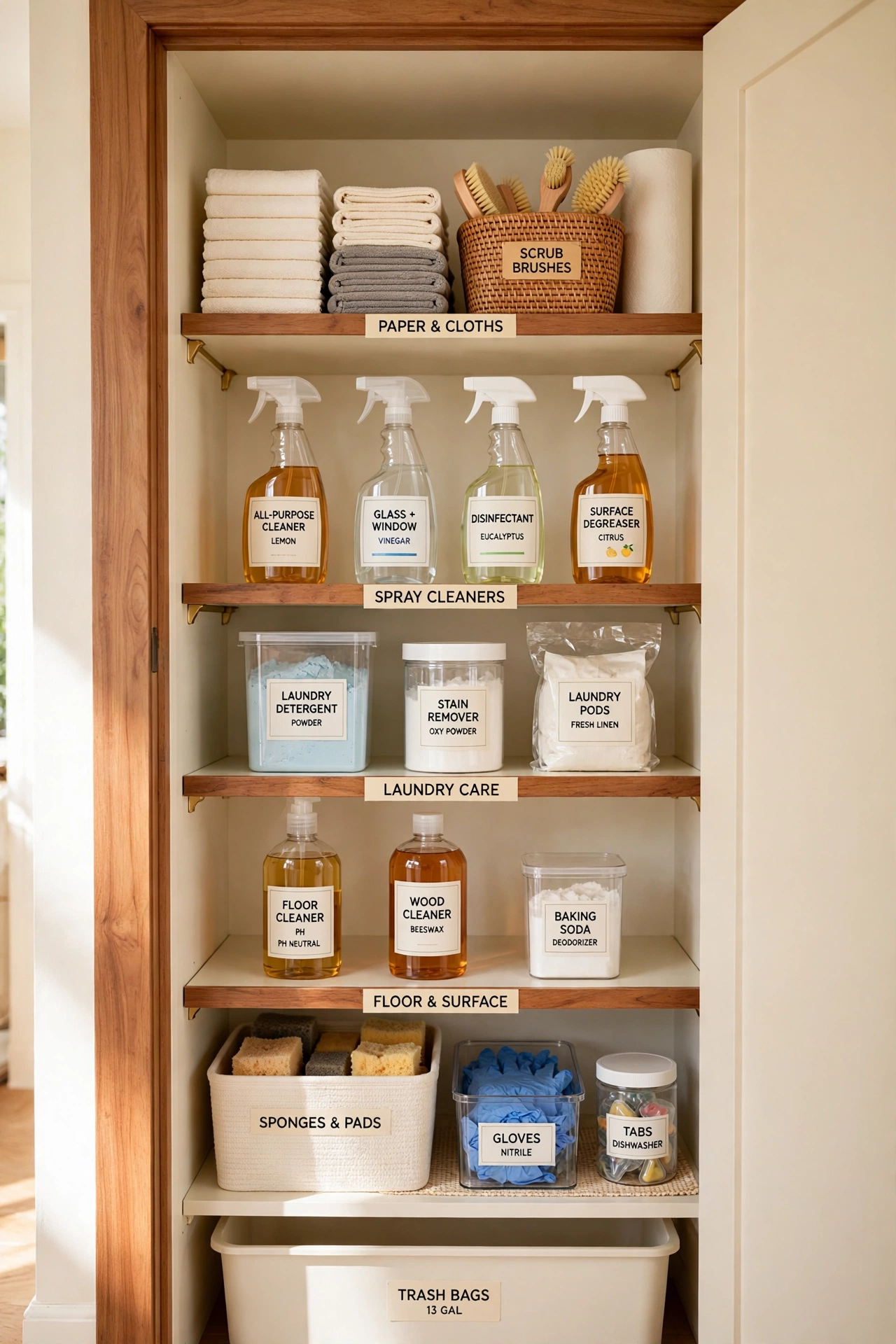
One central spot for cleaning supplies saves time every single day. Choose a closet or a shelf near the middle of the house and store all sprays, cloths, and brushes there. Label each shelf so everything has a home and returns to the same place.
Keep a small basket of supplies on each floor if your home has stairs. When supplies are easy to find, nobody wastes time hunting for a cloth or a spray bottle. A tidy supply closet makes every cleaning session start faster.
14. Use a Family Calendar for Cleaning Duties
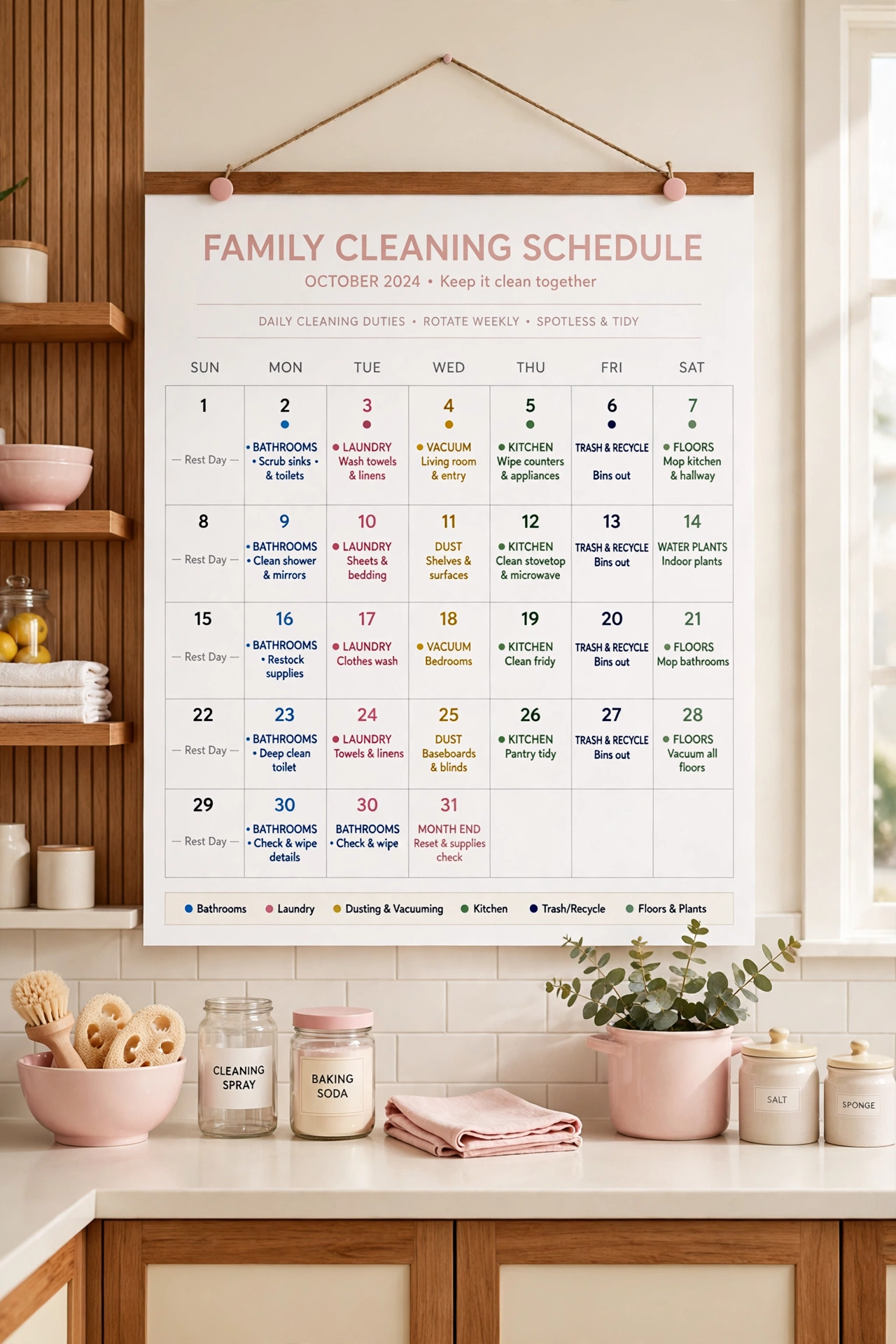
A family calendar for cleaning duties keeps everyone on the same page. Hang a large calendar in the kitchen and write each person’s cleaning jobs on it in a different color. Everyone can see who does what and when, which stops arguments before they start.
Review the calendar together every Sunday evening and adjust it for the week ahead. For more ideas on keeping family papers and plans in order, see these family calendar and paperwork organization ideas. A shared calendar turns the cleaning schedule into a family plan that everyone follows.
15. Make Beds First Thing Every Morning
Making the bed takes two minutes and makes the whole bedroom look tidy at once. Pull up the sheets, fluff the pillows, and smooth the blanket before leaving the room. A made bed sets a calm tone for the rest of the day.
Teach children to make their own beds as part of the morning routine. Keep the bedding simple with one blanket and two pillows so the job stays quick. A tidy bedroom in the morning means less cleaning later in the day.

16. Clean As You Cook to Save Time Later
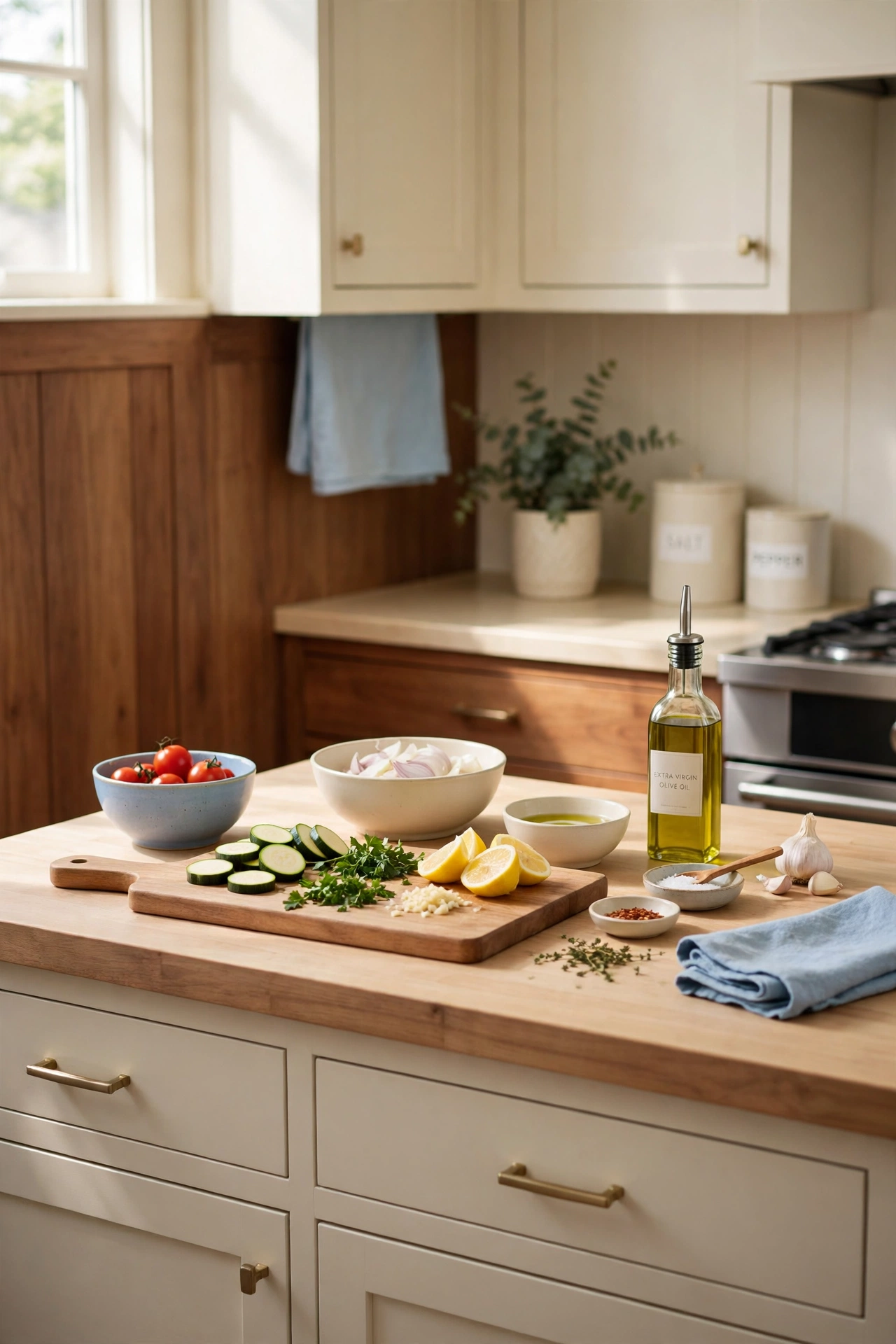
Cleaning as you cook keeps the kitchen tidy without extra effort. Wash the cutting board while the food simmers, wipe the counter while the oven heats, and put ingredients away as soon as you finish with them. The kitchen stays clean through the whole meal.
This habit cuts the after-dinner cleanup time in half. Keep a small bowl on the counter for scraps so the work surface stays clear. When cooking and cleaning happen together, dinner ends with a tidy kitchen instead of a pile of dishes.
17. Set a Weekly Entryway Tidy Routine
A weekly entryway tidy routine stops shoes, coats, and bags from piling up by the door. Once a week, clear the entryway completely, put away anything that belongs elsewhere, and wipe the floor and the hooks. The entrance feels welcoming again.
Give every family member one hook and one shelf so their things always have a home. For more ideas on keeping the entrance organized, see these entryway organization ideas. A tidy entryway makes coming home feel calm every single day.

18. Vacuum High Traffic Areas Twice a Week
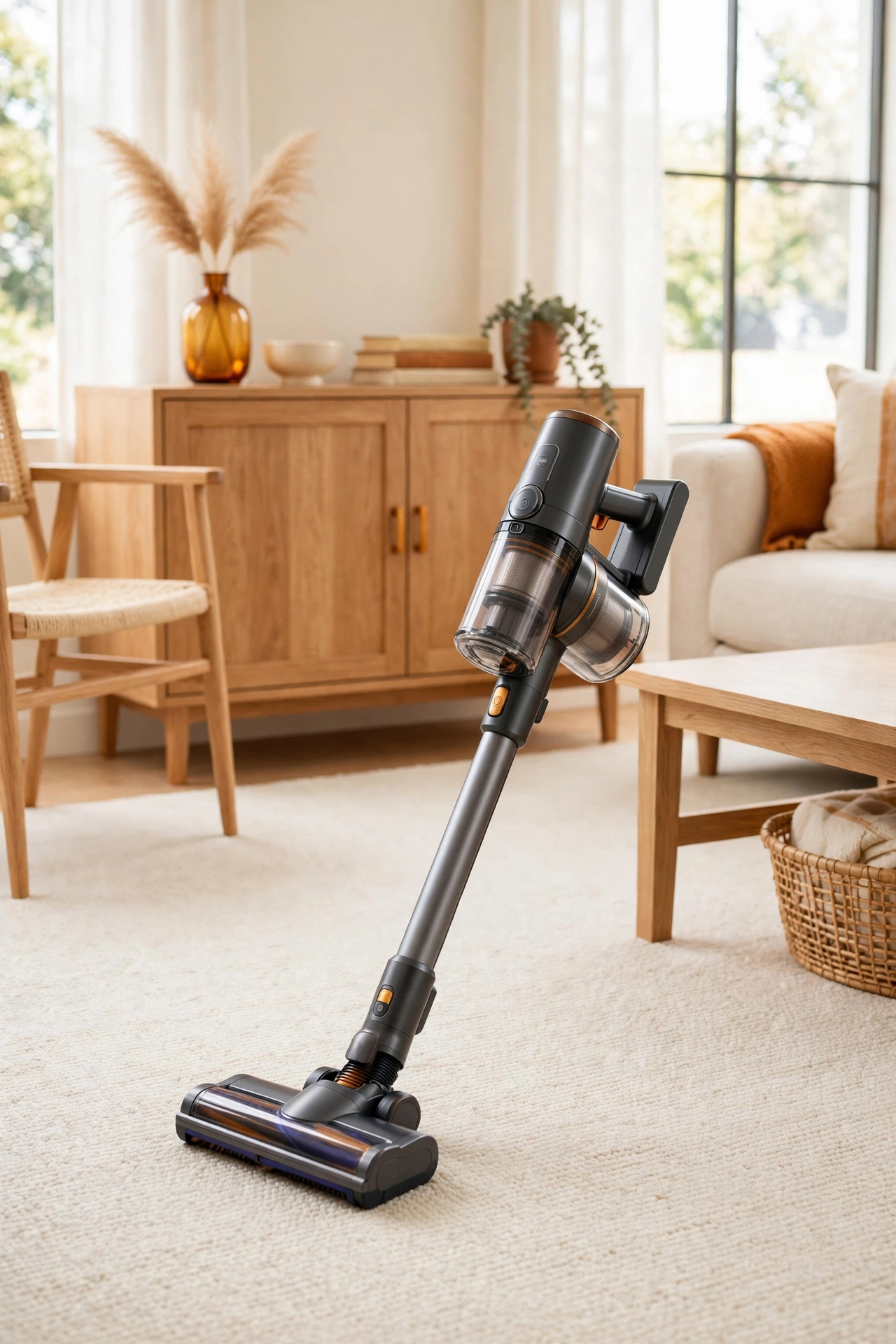
High traffic areas like the hallway, the living room, and the stairs collect dust and dirt faster than any other part of the house. Vacuum these areas twice a week to keep floors clean and the air fresh. A quick vacuum takes less than ten minutes.
Keep the vacuum in a closet near the rooms you vacuum most often. Empty the dust container after each use so the vacuum works well every time. Regular vacuuming keeps carpets looking new and stops dirt from spreading to other rooms.
19. Declutter One Small Spot Each Day
One small spot a day keeps clutter from ever taking over the house. Pick a drawer, a shelf, or a corner each morning and spend five minutes clearing it. Remove anything broken, unused, or out of place, and put the rest back neatly.
Keep a small box nearby for items to donate or move to another room. Over a month, thirty small spots get decluttered without a single exhausting weekend. Daily decluttering keeps the house light and easy to clean.
20. Wash Bedding on the Same Day Every Week
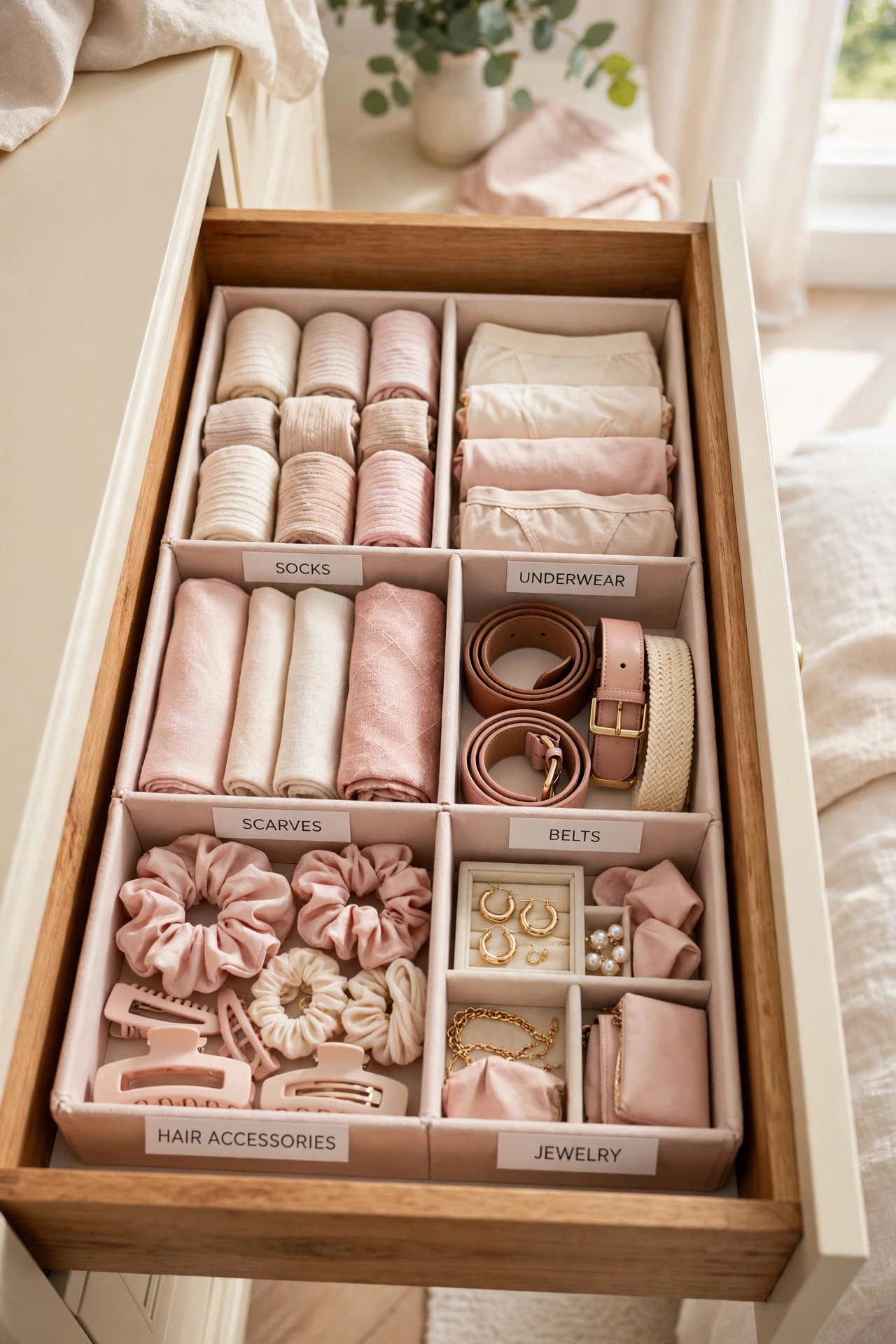
Washing bedding on the same day every week keeps bedrooms fresh without thinking about it. Pick a day, strip the beds in the morning, and wash the sheets while the family goes about the day. Put clean sheets back on before bedtime.
Keep a spare set of sheets for each bed so the change takes only a few minutes. Wash pillowcases and duvet covers on the same day for a full refresh. A fixed bedding day means the family always sleeps on clean, fresh sheets.

21. Keep a Donation Box by the Door
A donation box by the door makes decluttering a daily habit. Place a sturdy box or bag near the entrance and drop in clothes, toys, or kitchen items the family no longer uses. When the box fills up, take it to a donation center.
Label the box clearly so everyone knows what goes inside. Review the box once a month and remove anything that should stay in the house. A donation box keeps the home lighter and teaches children the joy of giving things away.

22. Plan a Monthly Fridge and Pantry Clean Out
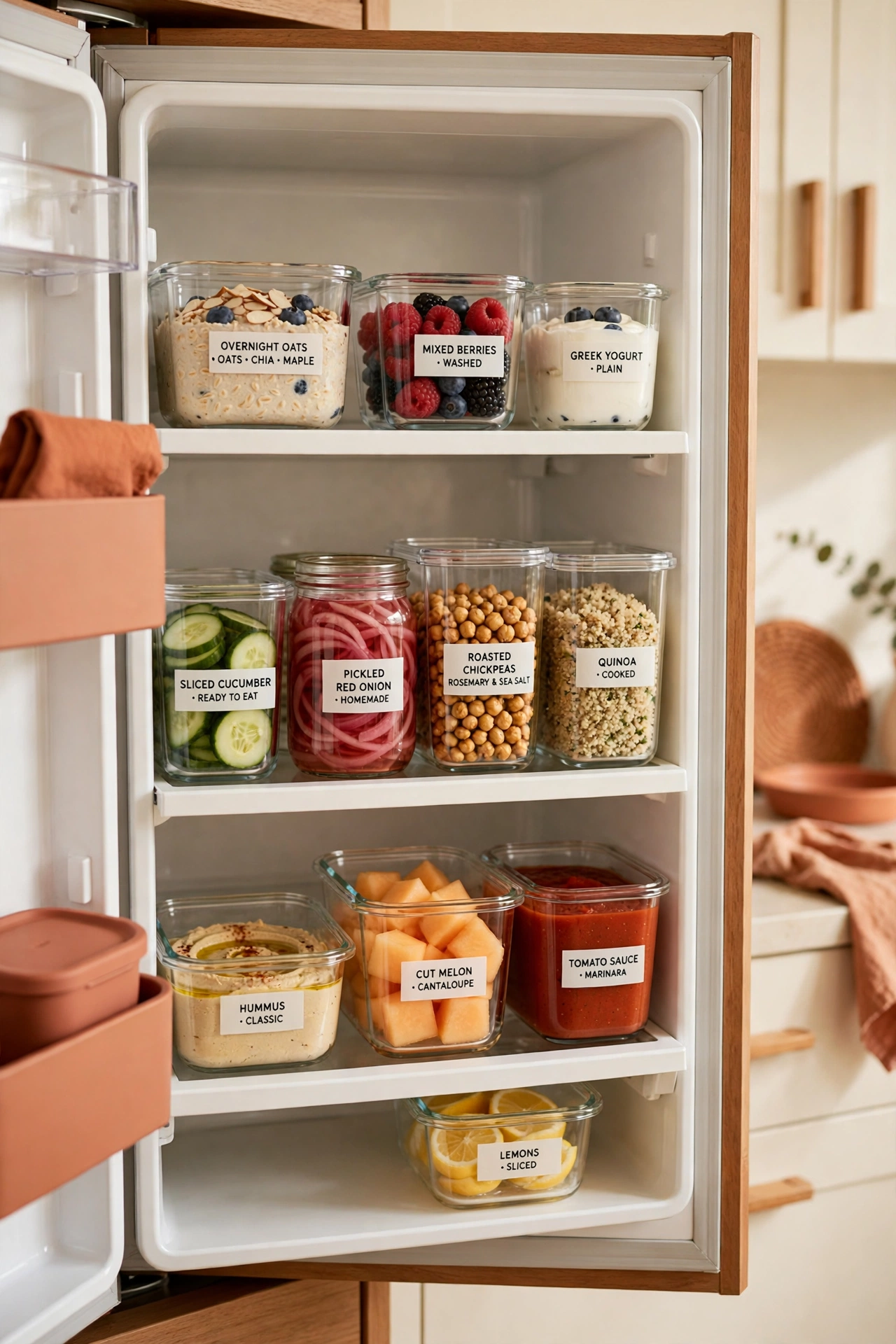
A monthly fridge and pantry clean out stops expired food from hiding at the back of the shelves. Once a month, empty one shelf at a time, wipe it clean, and throw away anything past its date. Check the labels as you put food back.
Group similar items together so the family can find things quickly. Keep a small list on the fridge door for items that need replacing. A monthly clean out keeps the kitchen healthy and makes meal planning much easier.
23. Review and Adjust the Schedule Every Month
A cleaning schedule works best when it grows with the family. Once a month, sit down together and talk about what works and what does not. Maybe the laundry days need to change, or one room needs more attention than the plan allows.
Adjust the schedule without guilt, since a plan that fits real life is better than a perfect plan nobody follows. Celebrate the weeks that went well and fix the parts that felt too hard. A schedule that changes with the family stays useful all year.

Conclusion
A cleaning schedule does not have to be strict or complicated. From a five-minute morning reset to a monthly fridge clean out, there is an idea here for every family and every home. The best schedule is the one your family will actually follow week after week.
Pick one or two ideas that fit your home and start today. Write the plan on the fridge, give everyone a job, and enjoy a house that stays tidy without weekend panic. For a calm home beyond the cleaning routine, these nightly reset routine ideas will help you keep every room organized with just a few minutes each evening.
Frequently Asked Questions About Household Cleaning Schedule Ideas for Busy Families
How do I make a cleaning schedule that my family will actually follow?
Keep the schedule short and simple, with only a few jobs each day. Give every person a clear job that matches their age and ability, and post the plan where everyone can see it. Review the schedule together each month and change anything that feels too hard, since a plan that fits real life works better than a perfect plan nobody follows.
How often should a busy family deep clean the house?
A one-hour deep clean once a week is enough for most busy families. Add one bigger job each month, like cleaning the windows or the oven, so deep cleaning never piles up. Daily habits like wiping counters and making beds keep the house tidy between deep cleans.
What is the best way to split cleaning chores among children?
Give younger children simple jobs like dusting low shelves, sorting laundry, and putting toys away. Older children can vacuum, clean bathroom sinks, and help with the kitchen. Rotate the jobs every month so everyone learns new skills and nobody gets bored with the same task.
How can I keep the kitchen clean with a busy family schedule?
Clean as you cook and wipe the counters after every meal. Load the dishwasher right after dinner and take out the trash before bed. A ten-minute nightly kitchen reset keeps the busiest room in the house clean without a big weekend effort.
What should I do when the cleaning schedule falls apart?
Do not worry, since every family has weeks when the schedule slips. Pick the most important job, like the kitchen reset, and restart from there. Adjust the plan to fit the new week instead of trying to catch up on everything at once.

Hi, I’m Emily! I turn messy corners into cozy, organized spots. DreamNestDecor is where I share simple, practical home ideas — decor, organization, and small-space solutions that work in real life, not just in photos. Every idea here is carefully researched before it’s shared.