Picture this: dinner time arrives and you know exactly where your favorite recipe lives. No more digging through a drawer full of loose printouts, no more scrolling through old messages to find the recipe your mother sent you last year. That small moment of calm is exactly what smart recipe organization gives you every single day.
You do not need a bigger kitchen or expensive tools to get there. All you need is one simple system that keeps printed recipes and digital recipes in their own tidy homes. These 19 kitchen recipe organization ideas will help you keep every recipe visible, protected, and easy to find when you need it most.
1. Sort Every Recipe by Category First
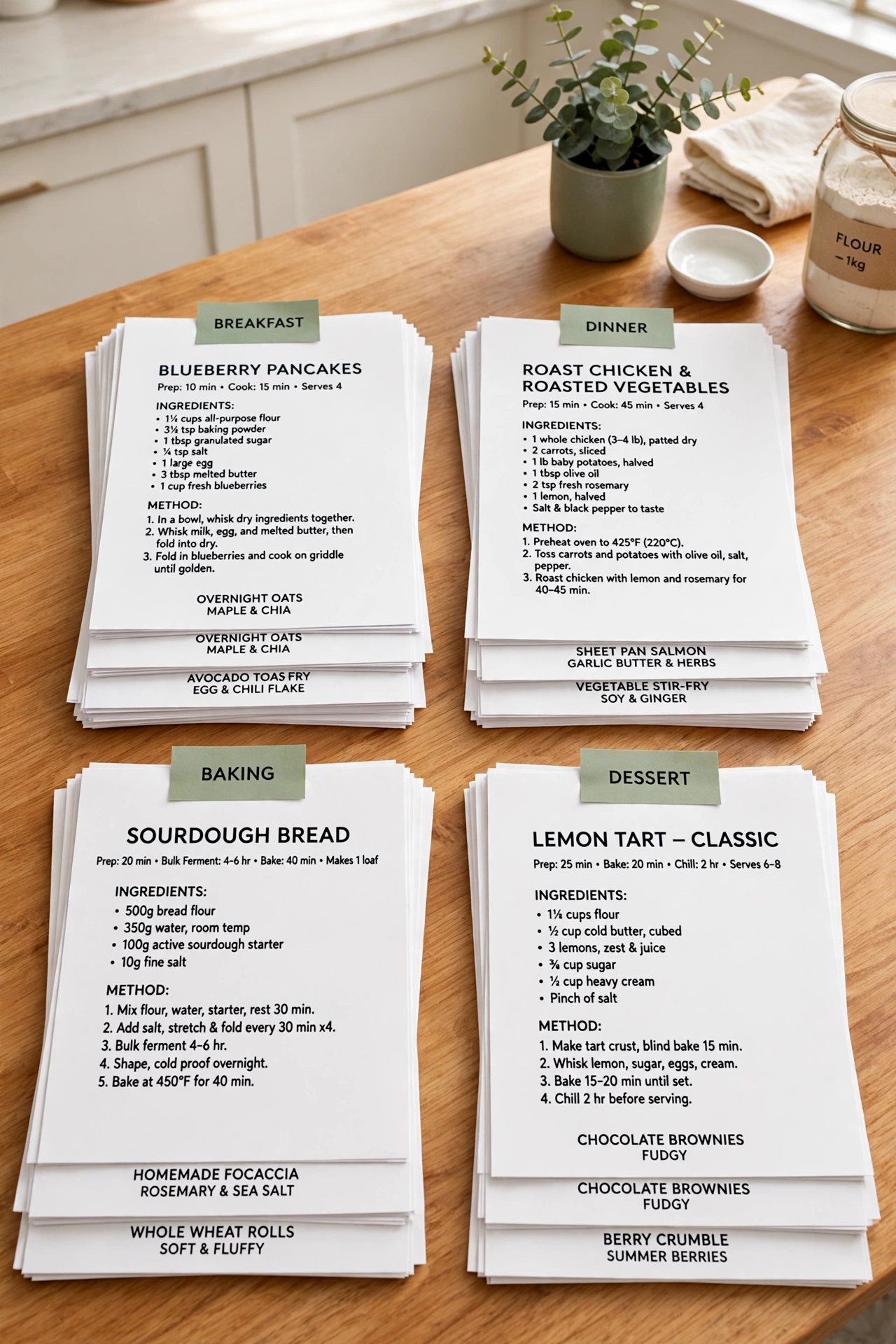
Before you buy a binder or download an app, gather every recipe you own into one pile. Spread printed recipes, magazine clippings, handwritten cards, and screenshots across the kitchen table and sort them into clear groups like breakfast, dinner, baking, and desserts. This first sort shows you how many recipes you truly have and which ones you actually cook.
Set aside duplicates and recipes you never plan to make again. Keep only the recipes you love or want to try soon, and let the rest go. A smaller collection is far easier to organize, and every system you build after this step will work better because of it.
2. Build a Binder for Printed Recipes
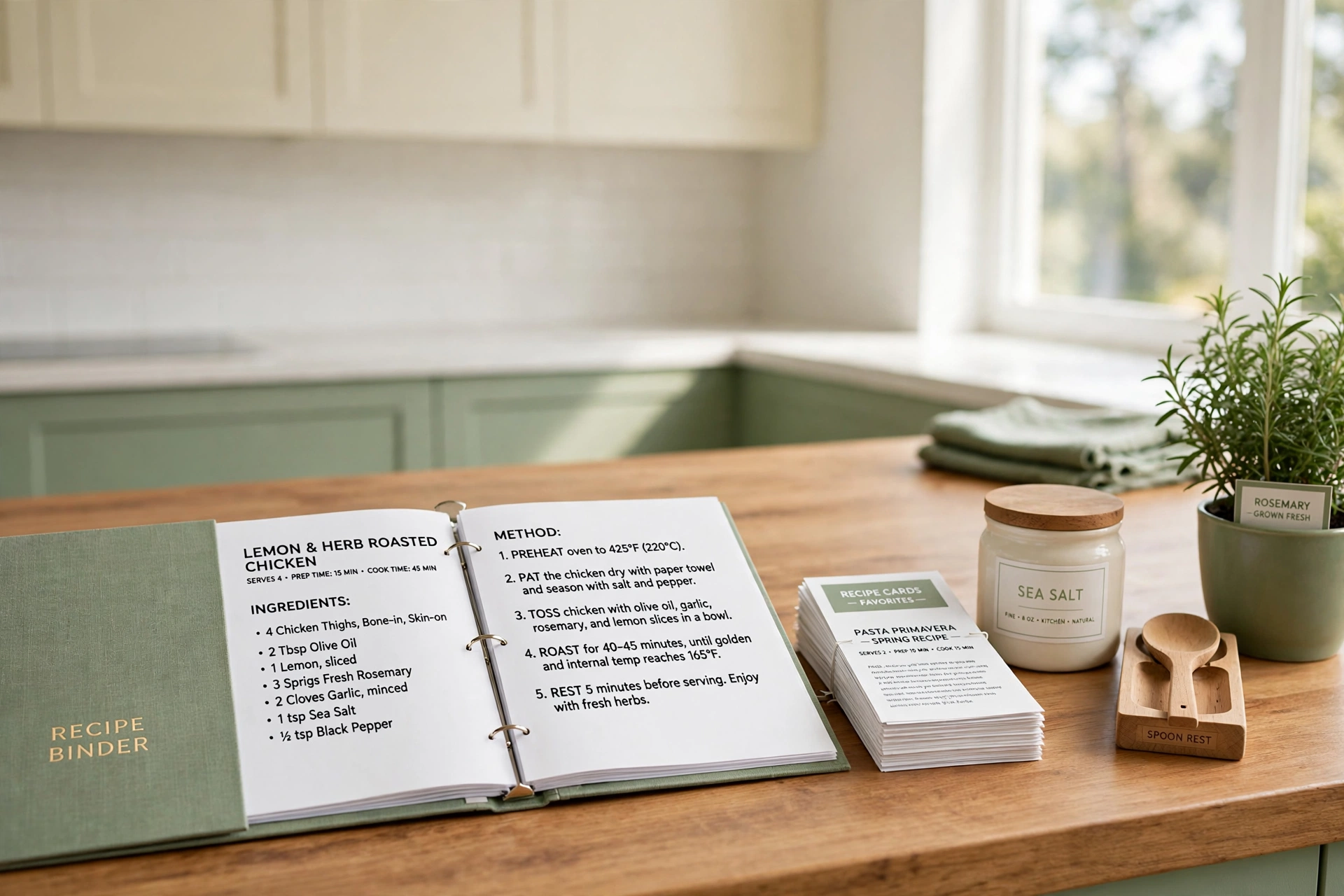
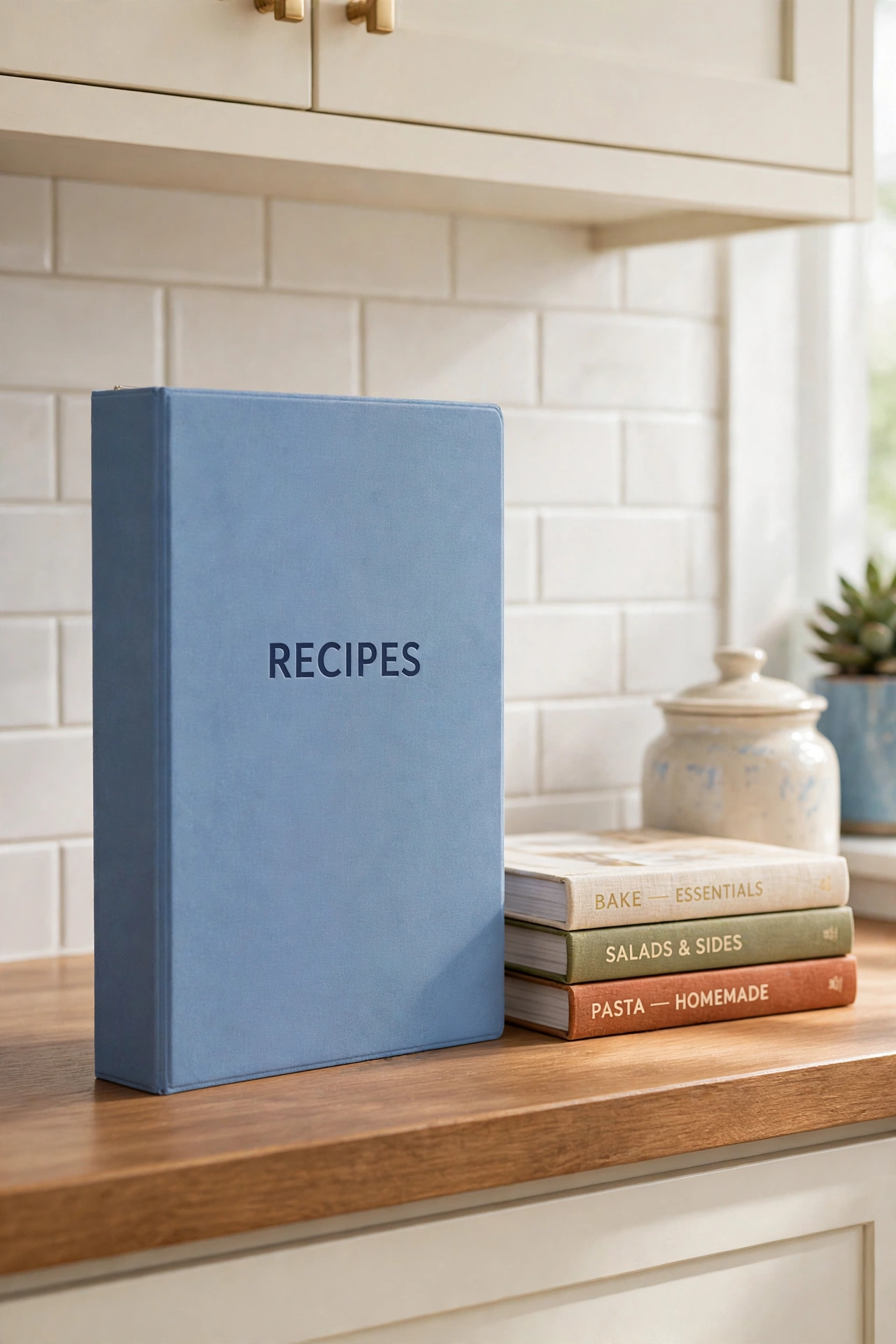
A sturdy three ring binder is the simplest home for all your printed recipes. Slide each recipe into the binder in the order of your categories, and the whole collection stays together in one place on a kitchen shelf. A binder also grows with you, since you can add new pages any time without starting over.
Choose a binder with a clear pocket on the front cover so you can slip in a printed label that says RECIPES in large letters. Keep the binder where you cook, not in a distant closet, so it becomes part of your daily routine. One binder replaces a drawer full of loose paper.
3. Protect Pages with Clear Sheet Protectors
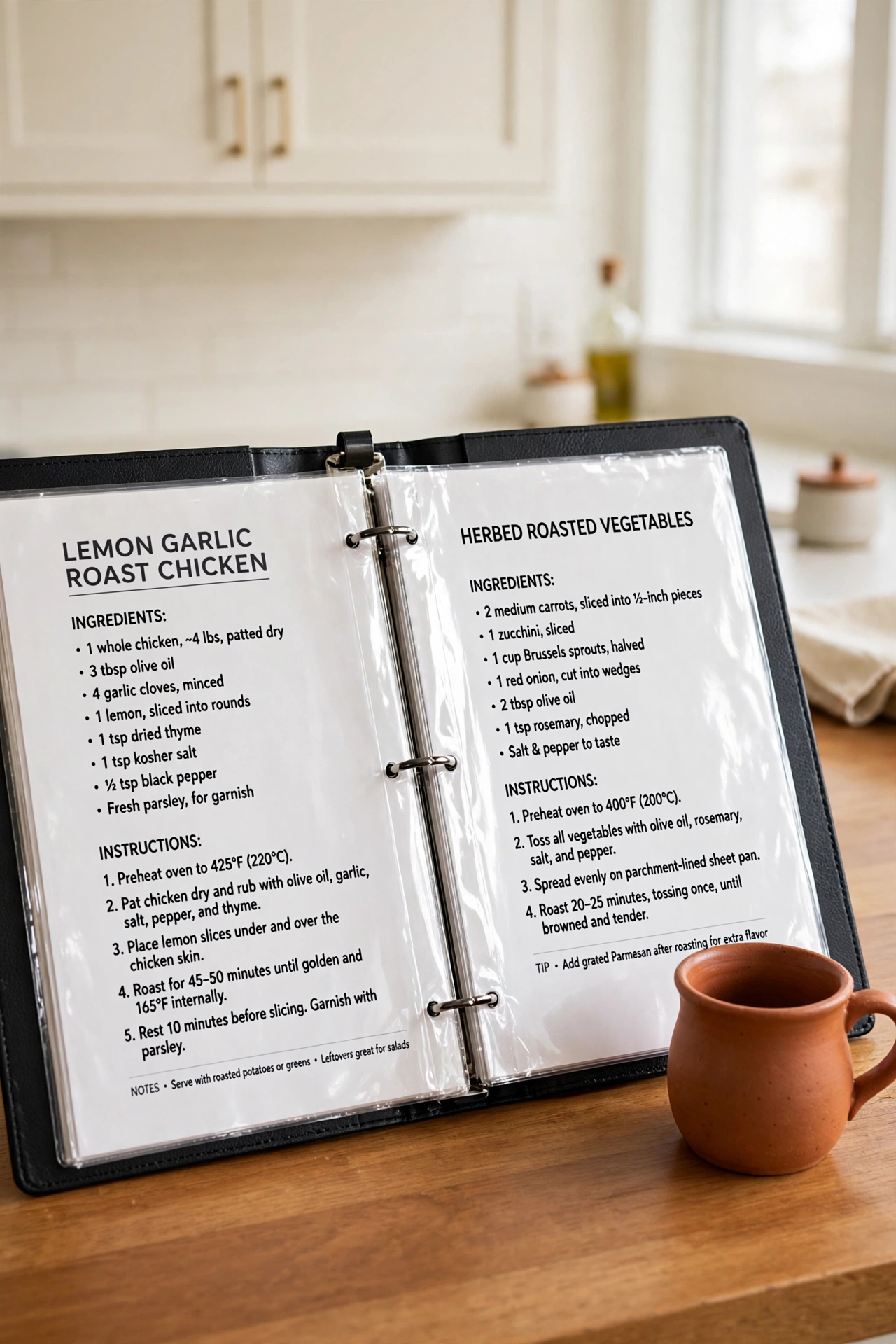
Clear sheet protectors keep printed recipes safe from spills, steam, and sticky fingers. Slide each recipe into a protector before you file it in the binder, and a splash of sauce will wipe off the plastic instead of ruining the paper. Protectors also stop ink from fading when pages sit in a warm kitchen for years.
Use one recipe per protector so you can flip straight to the dish you want without shuffling loose sheets. Wipe the protectors clean with a damp cloth now and then to keep them clear. This small step protects recipes that you may have kept for a decade or more.
4. Make a Digital Recipe Folder
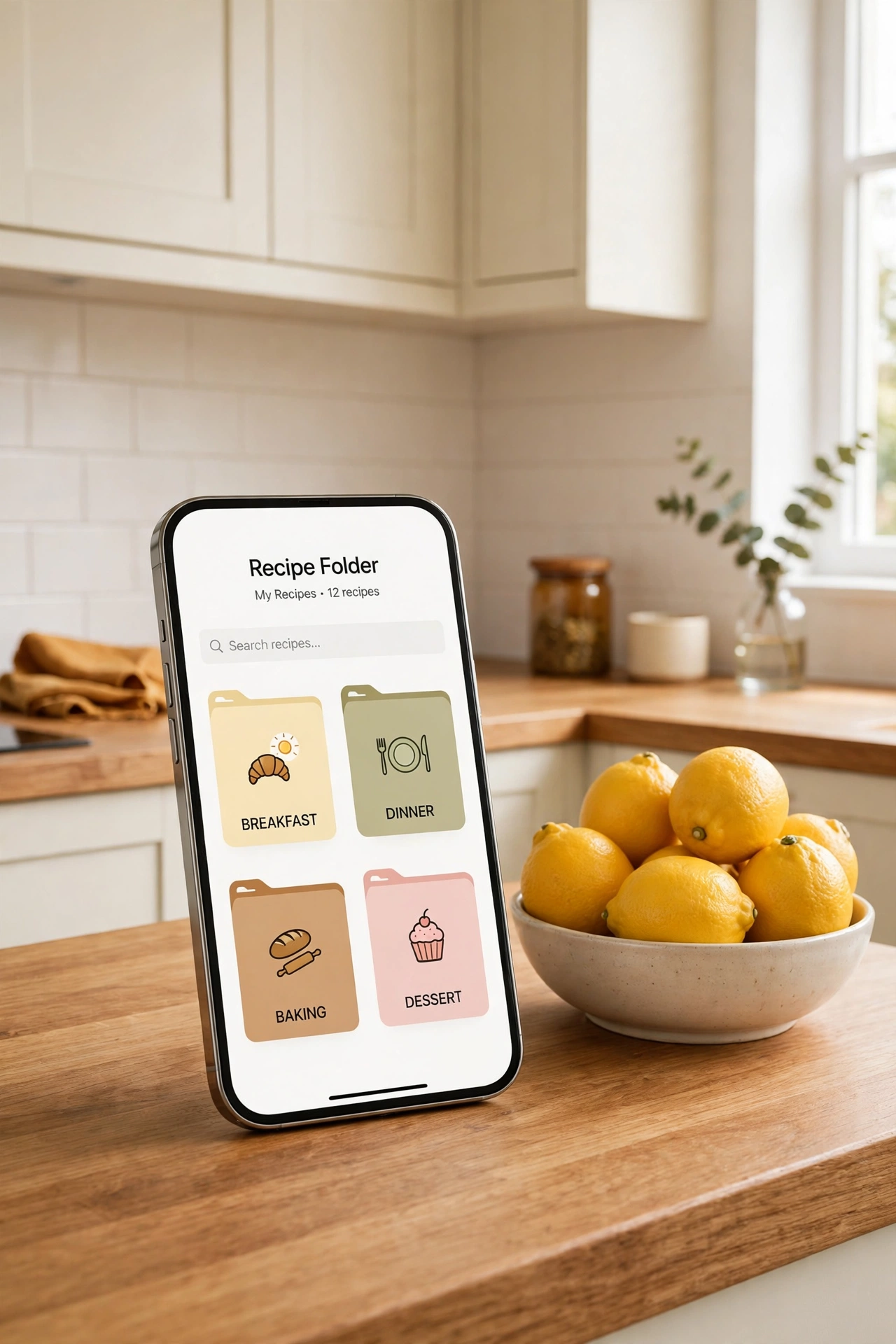
A digital recipe folder on your phone or computer keeps every saved recipe in one place instead of scattered across apps and messages. Create one main folder called RECIPES, then add a subfolder for each category, such as breakfast, dinner, baking, and desserts. Save every new recipe into the right subfolder the moment you find it.
Name each file clearly with the dish name and the source, so a quick search finds it in seconds. Move screenshots and saved links into the folder on the same day you collect them, before they sink into a sea of photos. A tidy digital folder works just like a tidy binder, only lighter.
5. Save Recipes in a Recipe App
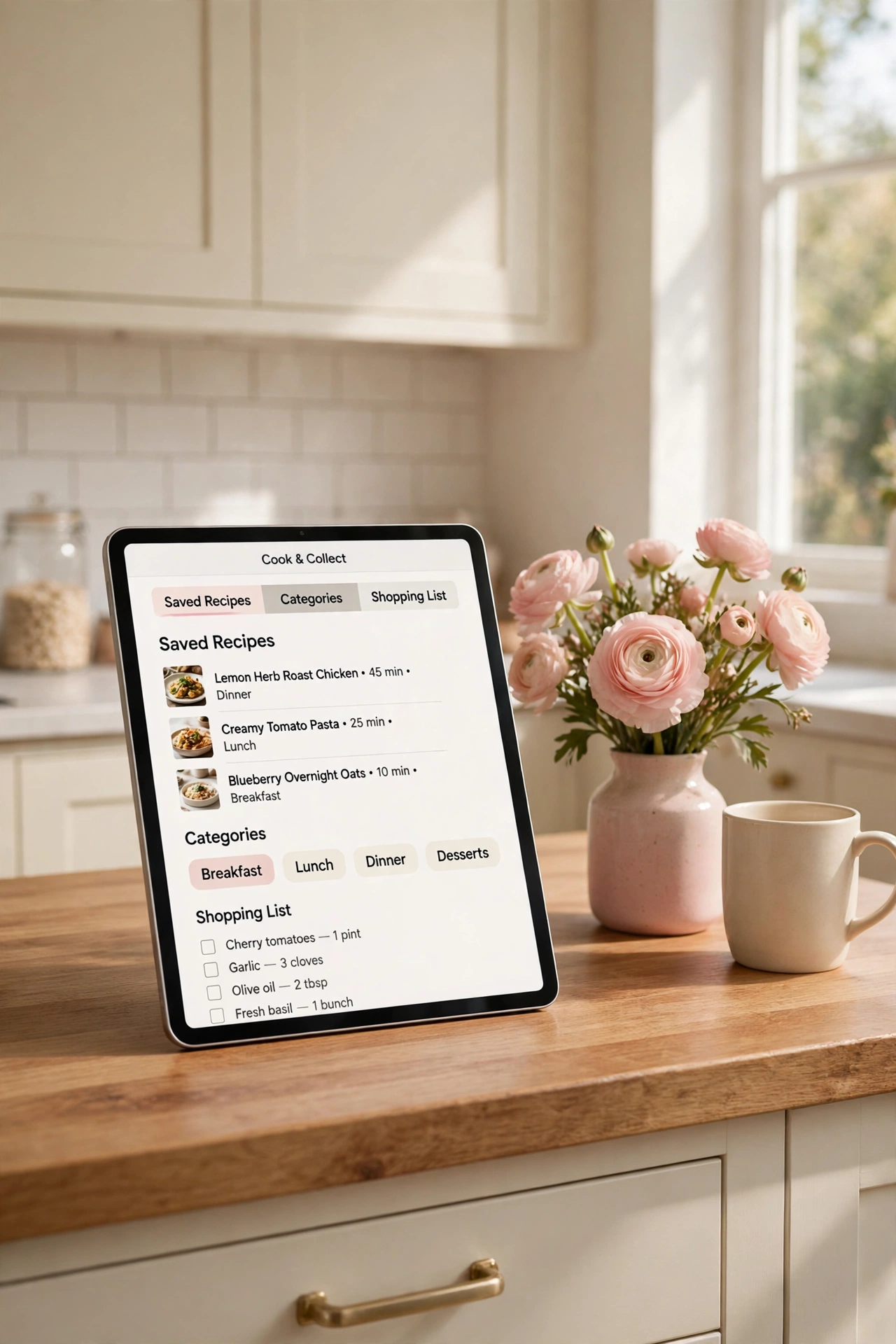
A recipe app adds search, scaling, and shopping lists to your collection in one neat package. Many apps let you save recipes from any website with one tap, then sort them by category, cooking time, or favorite status. You can also scale ingredient amounts up or down when you cook for a crowd.
Pick one app and use it for every digital recipe, so nothing gets lost between three different apps. Add your own notes to each saved recipe, such as the oven time that worked best or the spice amount you prefer. One app becomes your second recipe binder, always in your pocket.
6. Photograph Handwritten Recipe Cards
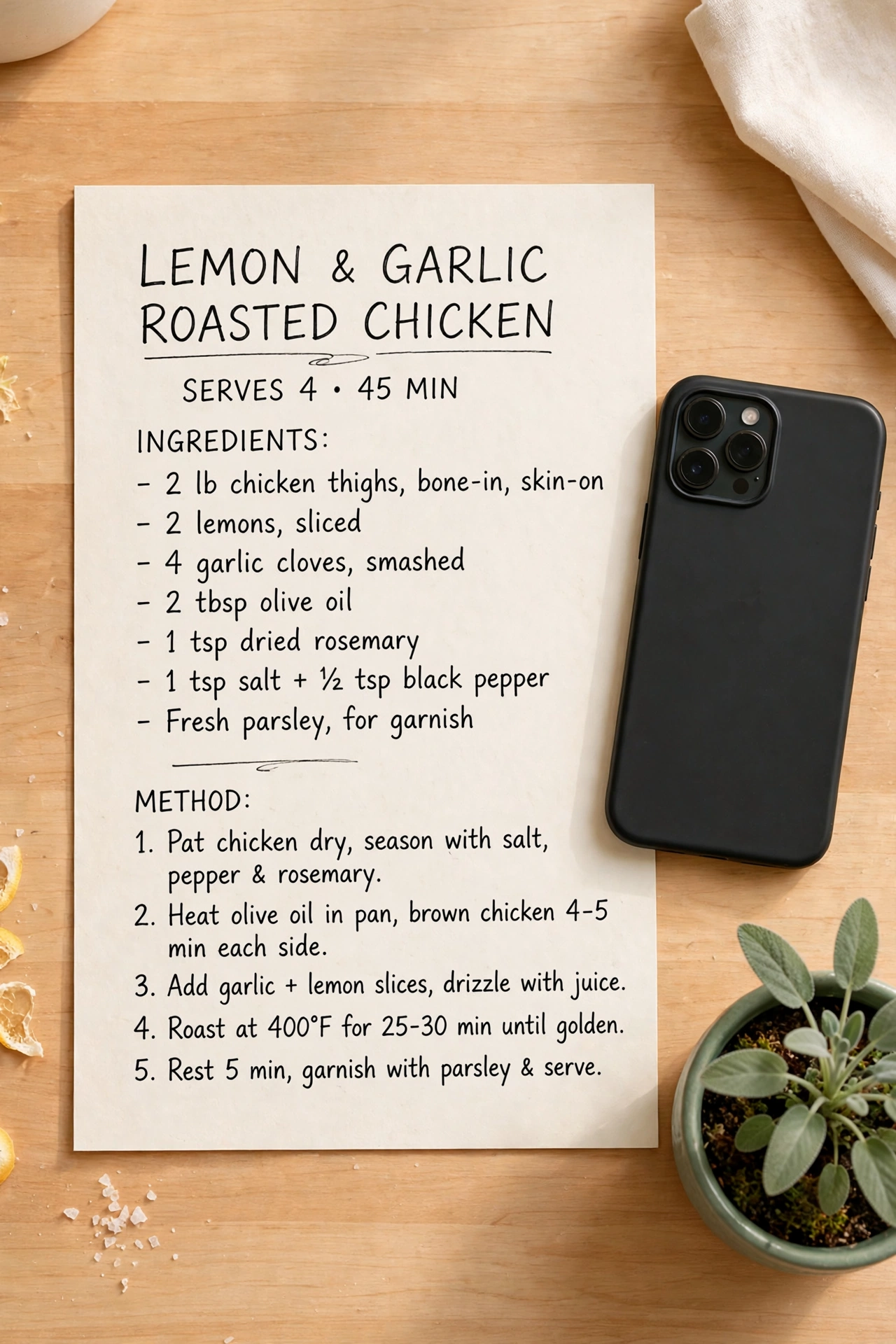
Handwritten recipe cards carry family history, but paper fades and tears over time. Photograph each card in bright daylight, straight from above, so every word stays sharp and readable. Save the photos into your digital recipe folder under the right category, and the original cards stay safe in a box.
Give each photo a clear file name with the dish name, so you can find it with a quick search later. You can also print a fresh copy of a photographed card if the original ever gets damaged. This simple habit protects recipes that no cookbook can replace.
7. Group Recipes by Meal Type
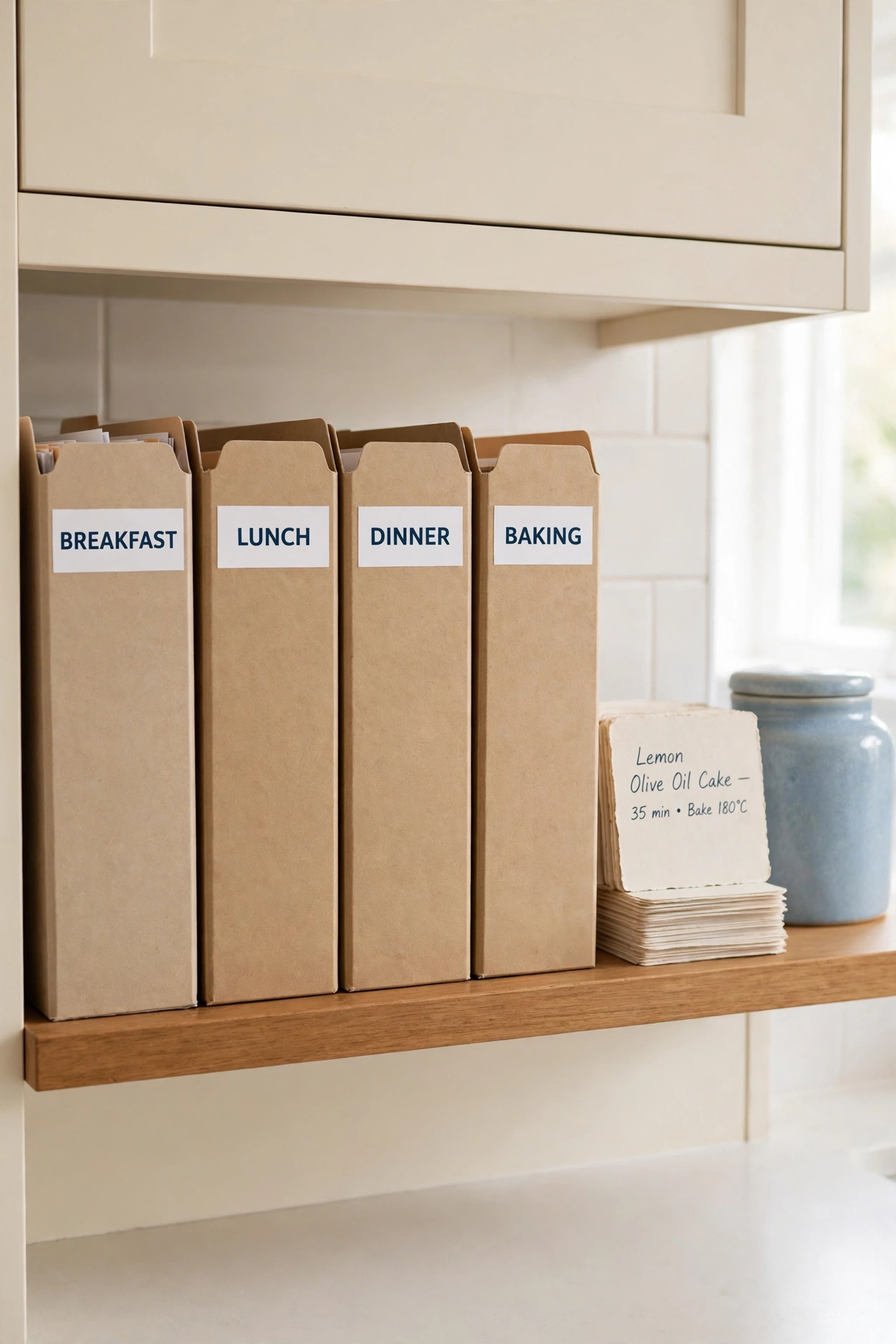
Grouping recipes by meal type makes dinner planning fast and simple. Keep breakfast recipes together, lunch recipes together, and dinner recipes together, with baking and desserts in their own groups. When you plan a meal, you only need to open one section instead of flipping through the whole collection.
This system works for printed binders and digital folders alike, so use the same groups in both places. If a recipe fits two groups, file it under the meal you cook it for most often and add a small note about the other use. Consistent groups turn a pile of recipes into a library you can actually use.
8. Label Each Recipe Card Clearly
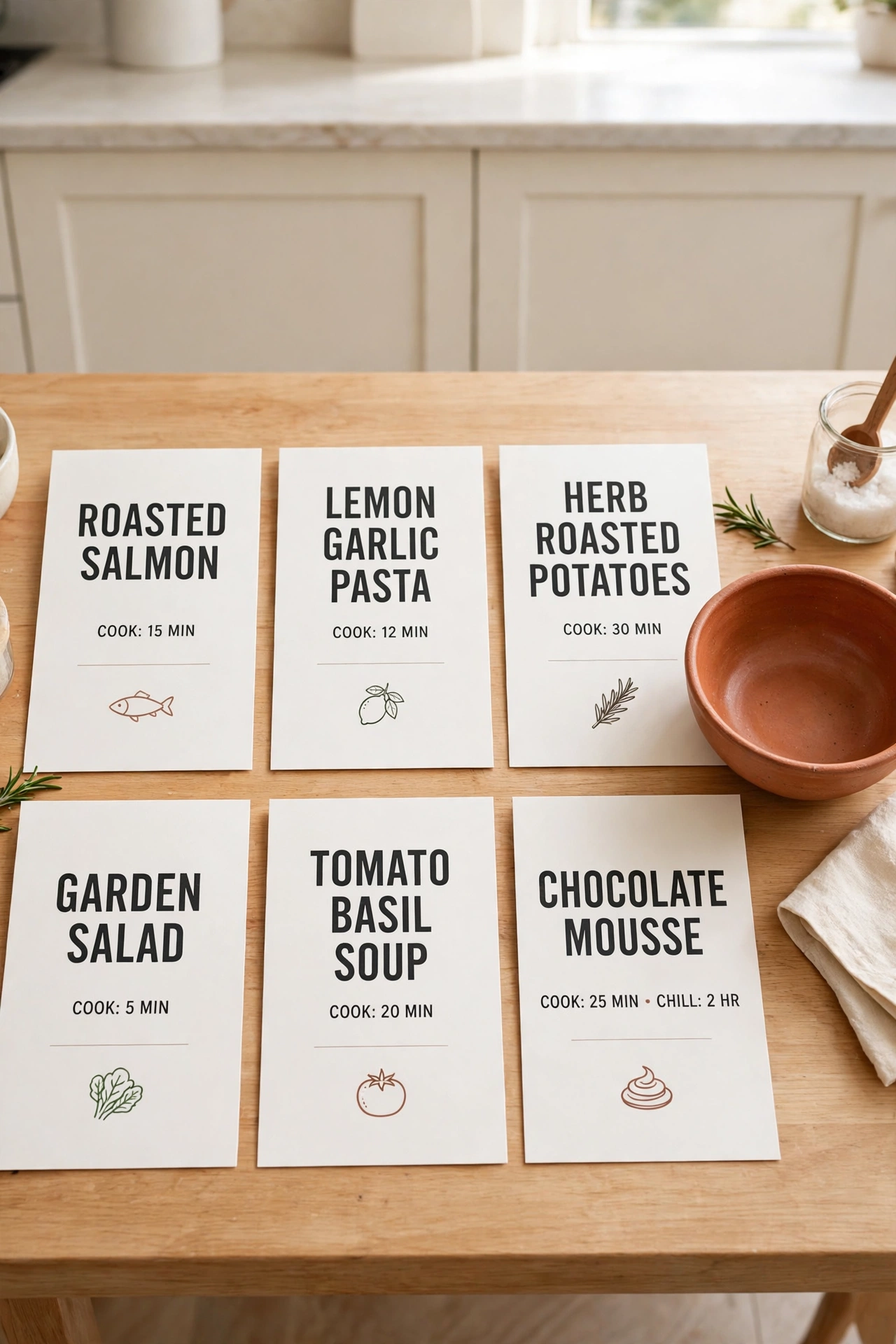
Clear labels end the guessing game of which card holds the chicken curry and which one holds the vegetable soup. Write the dish name in large letters at the top of every card, then add the cooking time and the number of servings underneath. Everyone in the family can find the right recipe at a glance.
Use a label maker or neat printed labels that stay put and look tidy. Keep the labels short and easy to read, and place them where they never cover the ingredients list. Clear labels are a tiny change that makes a big difference on busy evenings.
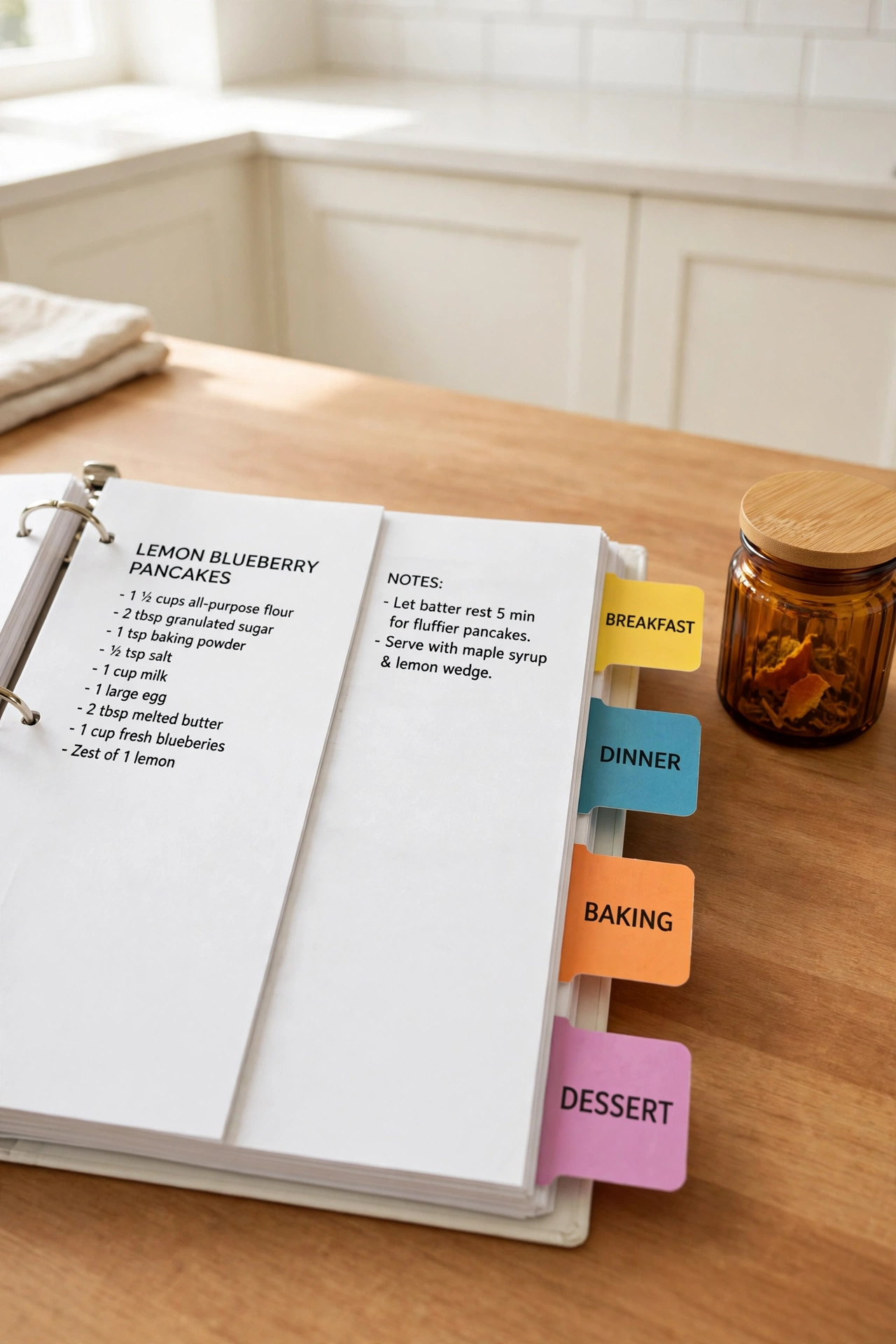
9. Add Dividers with Printed Tabs
Dividers with printed tabs turn a thick binder into a book you can navigate in seconds. Place one divider at the start of each category, with a tab that sticks out past the pages and shows the category name in large print. You can flip straight to desserts without passing every dinner recipe first.
Use a different color for each divider so the sections are easy to spot even from across the kitchen. Print the tabs on sturdy card so they survive years of flipping. Dividers cost very little and make a big binder feel small and friendly.
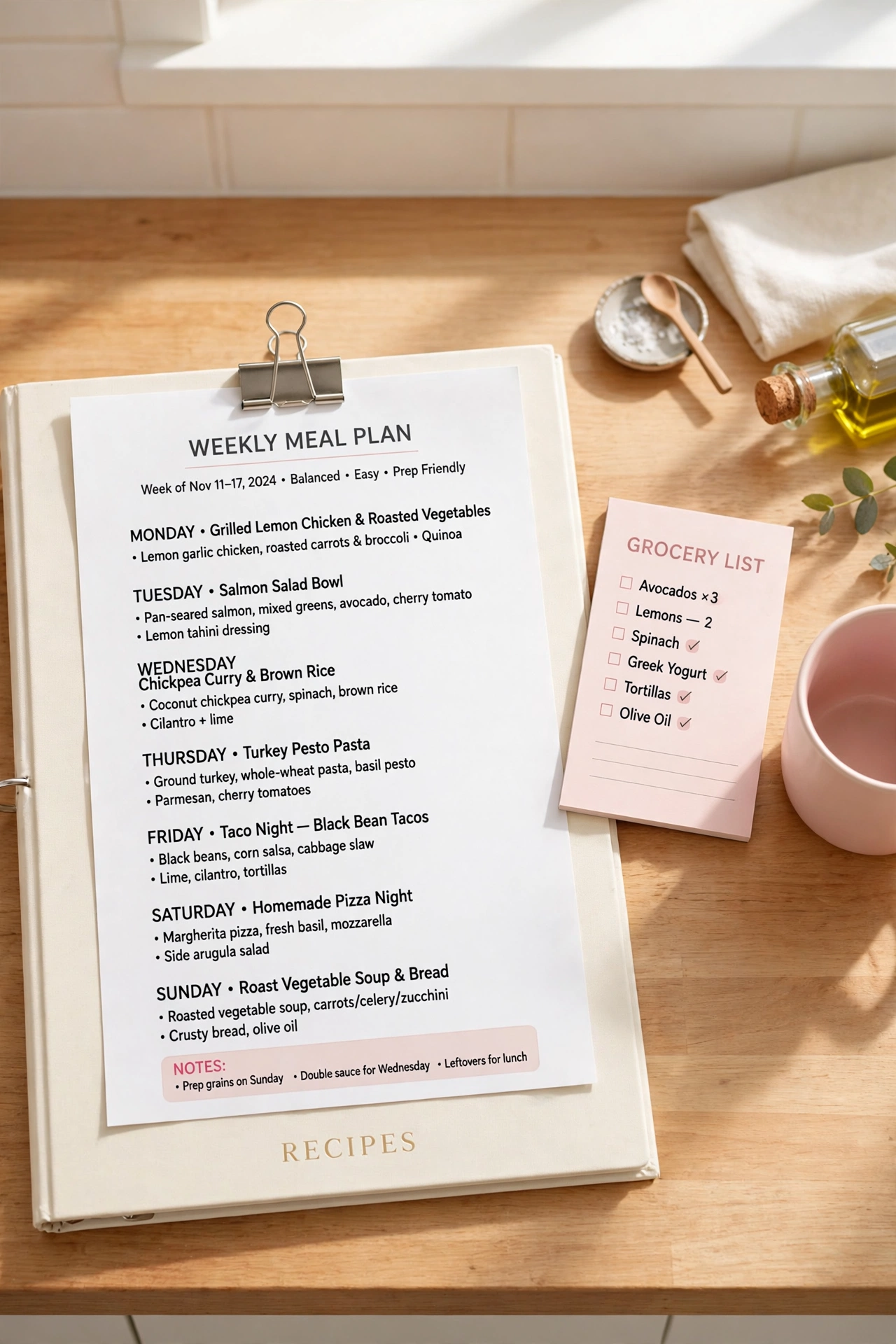
10. Keep a Weekly Meal Plan in the Binder
A weekly meal plan sheet at the front of your binder turns recipe storage into dinner planning. Write the seven days across the top of the sheet and fill in one recipe for each evening, with the page number of the recipe beside it. Shopping becomes easier too, since you can check your pantry before you plan the week. For more ways to keep pantry supplies tidy, see these pantry can organization ideas.
Use a fresh sheet each week and keep the old ones in a back pocket for ideas when you feel stuck. A meal plan also stops the daily question of what to cook, because the answer is already written down. Planning once a week saves time every single day.
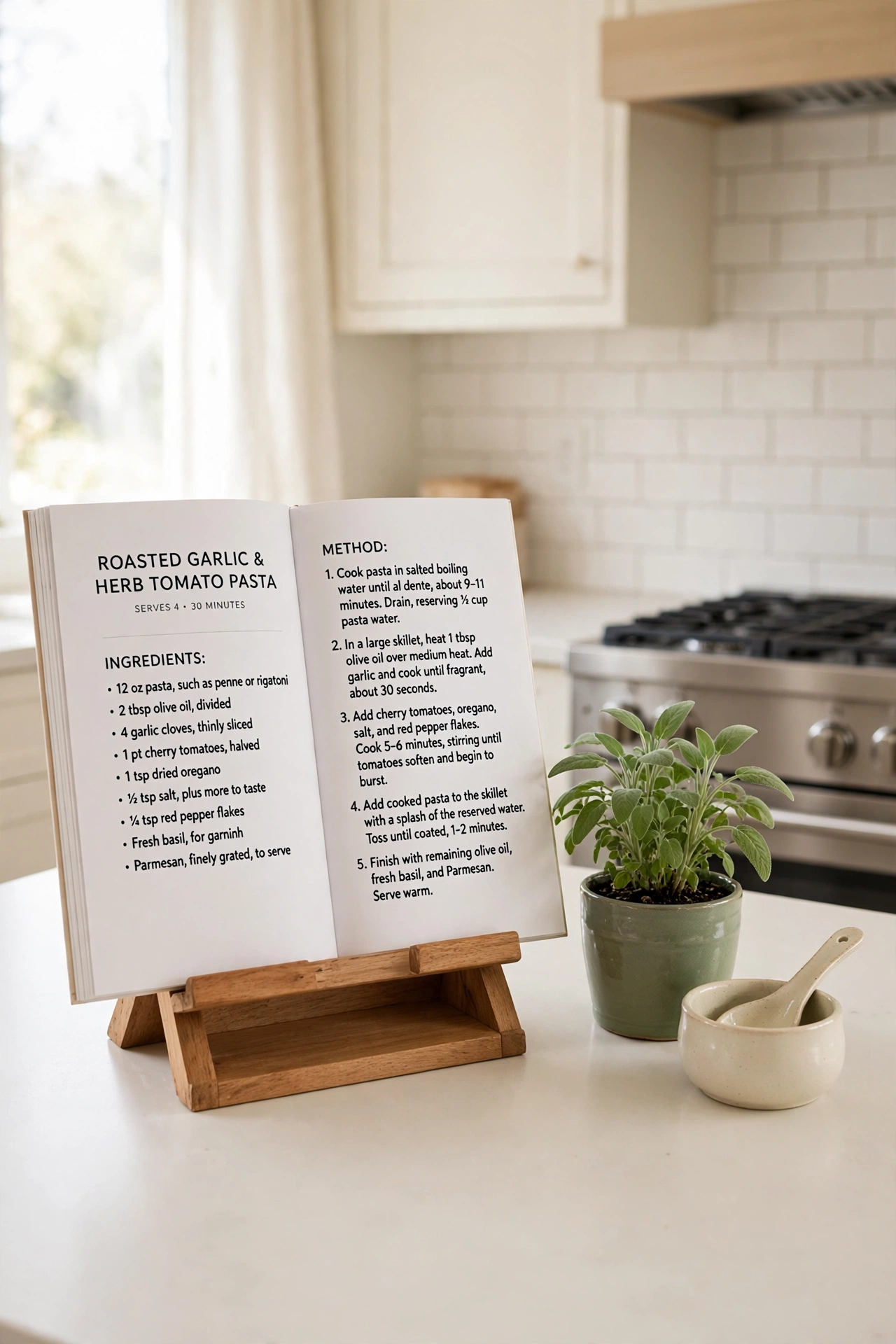
11. Set Up a Recipe Stand on the Counter
A recipe stand holds your current recipe upright at eye level while you cook, so the page stays clean and your hands stay free. Place the stand near the stove but away from direct steam, and the recipe stays visible from every angle. Many stands fold flat for storage when the meal is done.
Choose a stand with a ledge deep enough to hold a tablet as well as a printed page. A clear counter makes cooking calmer, so keep only the stand and the tools you need within reach. For more ways to free up counter space, see these small kitchen appliance storage ideas. A stand turns one recipe into the star of the kitchen for an hour.
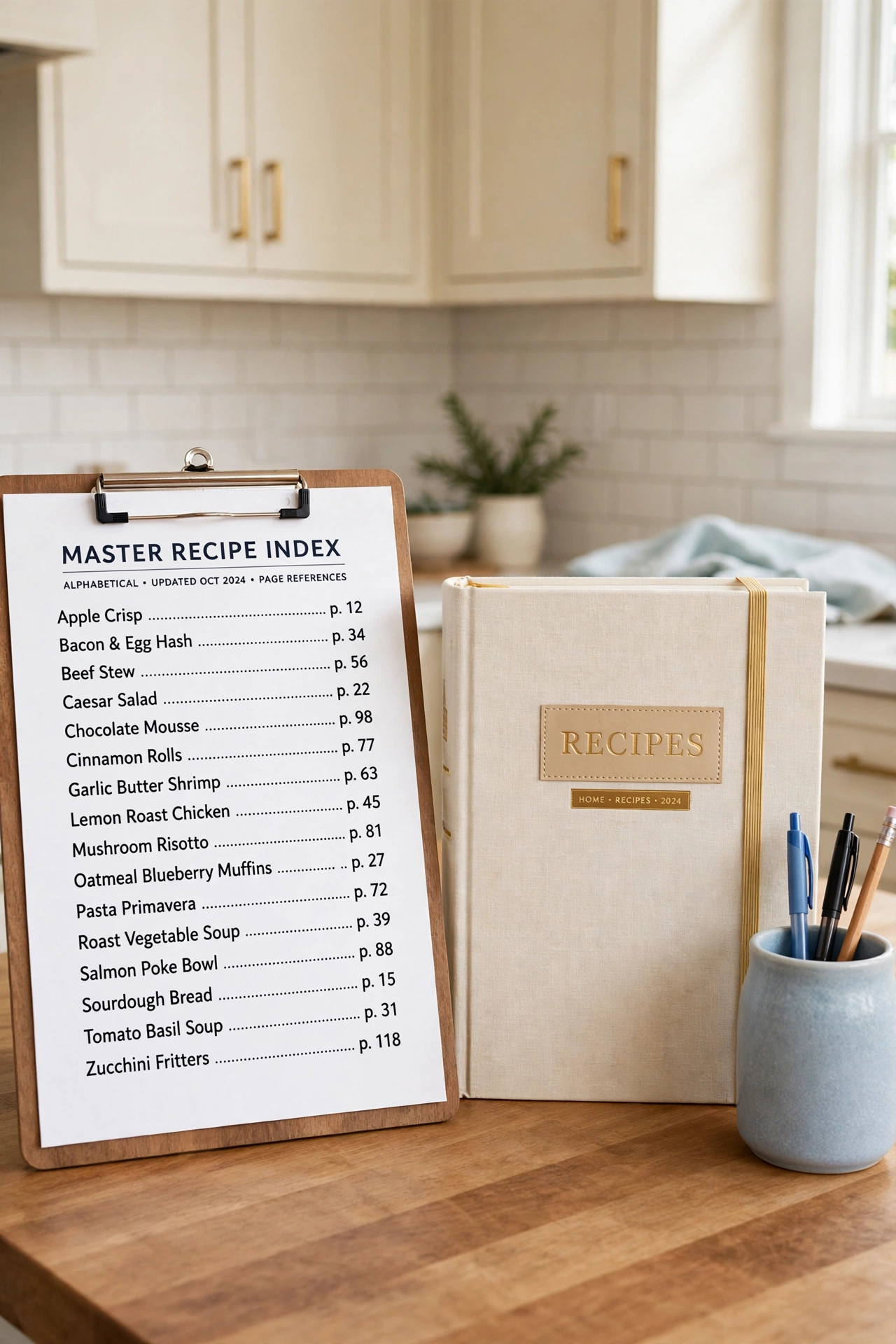
12. Create a Master Recipe Index
A master recipe index is a single list of every recipe you own, with the dish name and the page or folder where it lives. Keep the list at the very front of your binder and as the first file in your digital folder. When you want a recipe, you check the index first and go straight to it.
Update the index each time you add or remove a recipe, so it never goes out of date. Sort the list by dish name from A to Z, which makes it easy to scan. An index turns a large collection into a small search, and it works for printed and digital recipes together.
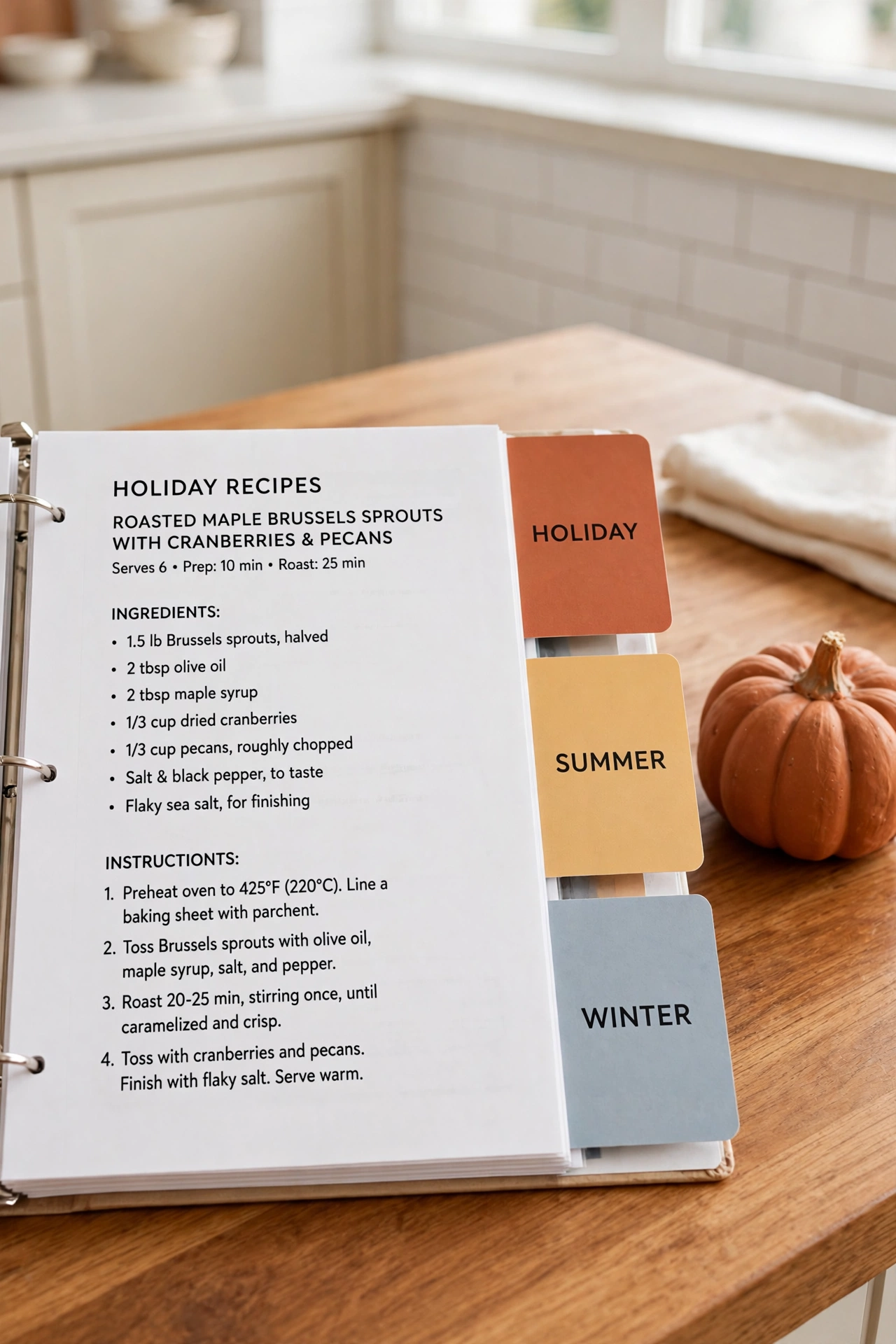
13. Keep Seasonal Recipes in Their Own Section
Seasonal recipes deserve their own section, since you only cook them for a few weeks each year. Give holiday baking, summer salads, and winter soups a separate divider in the binder and a separate subfolder online. When the season arrives, that section is ready to open and use right away.
Move recipes into the seasonal section as soon as you find them, instead of letting them hide among everyday meals. Add a small note to each one with the month you cook it most. A seasonal section keeps your everyday recipes lean and your special recipes easy to find.
14. Start a Notebook for Recipes to Try
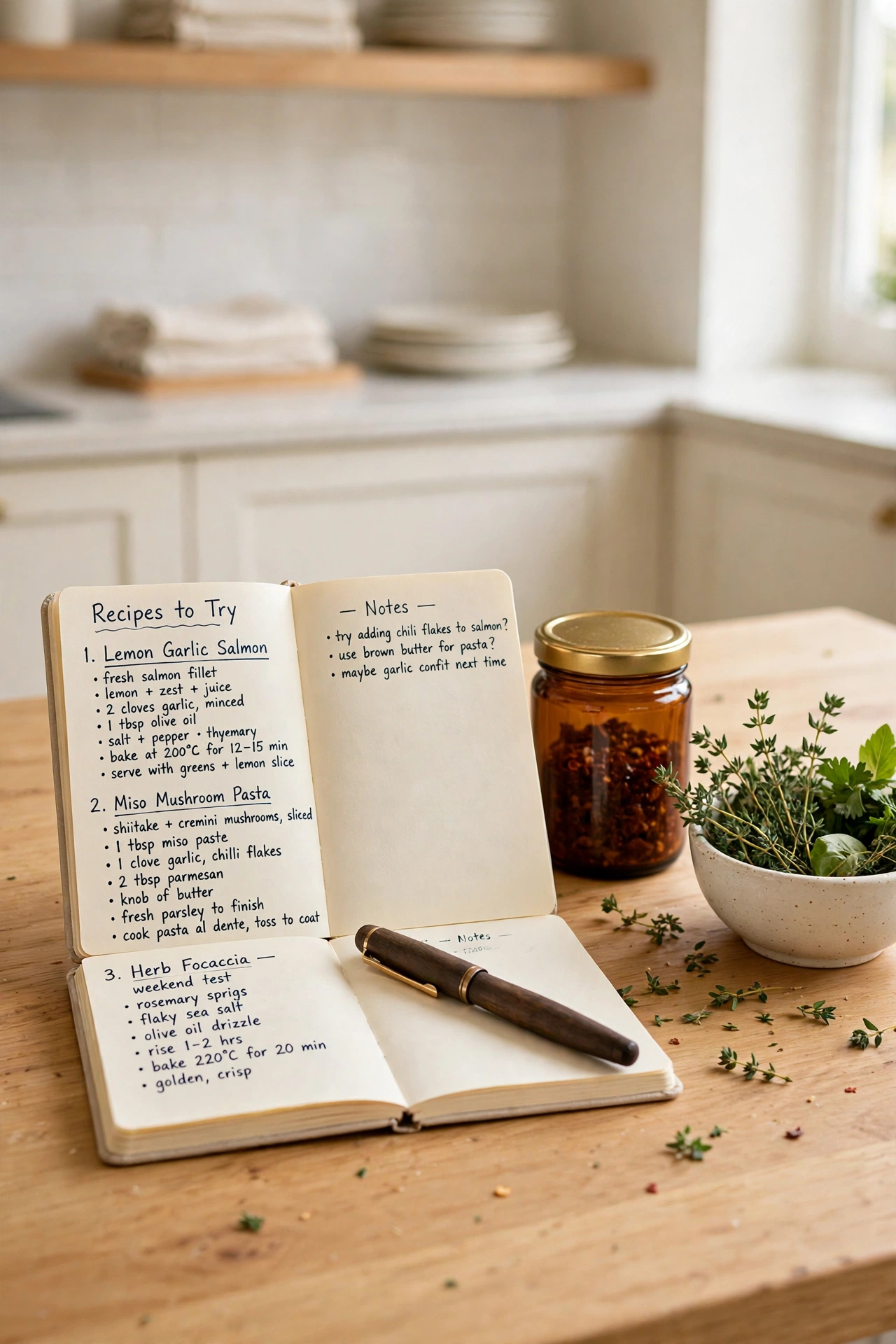
A small notebook for recipes you want to try keeps new ideas from getting lost among the recipes you already trust. Write the dish name, the source, and one line about why it caught your eye. When a recipe earns a place in your regular rotation, move it into the binder or the app.
Keep the notebook in the kitchen so you can add to it the moment you spot a new dish. Review it once a month and pick one or two recipes to test that week. A try list keeps cooking fun, because there is always something new waiting.
15. Back Up Digital Recipes to the Cloud
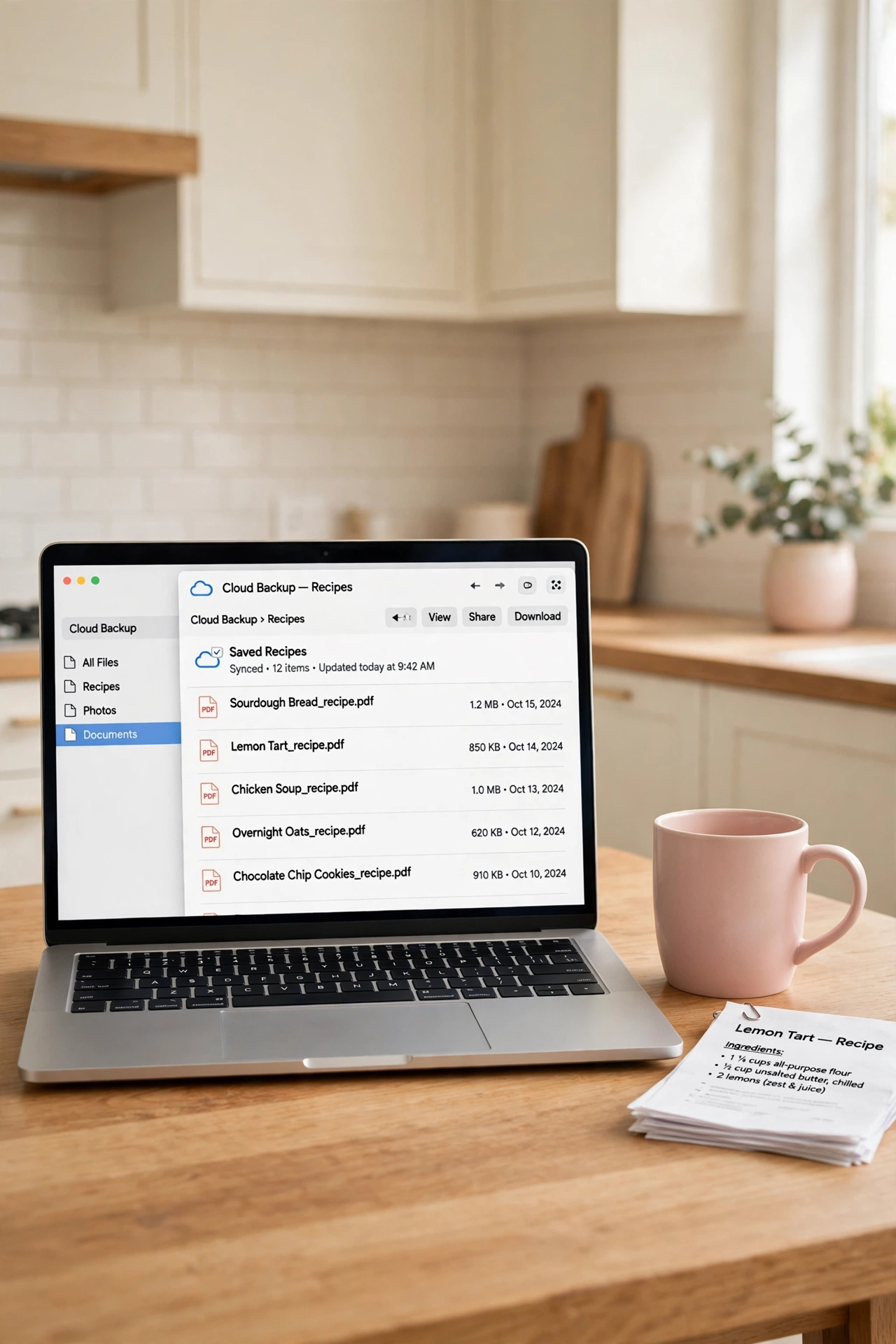
A cloud backup protects your digital recipes from a lost phone or a broken laptop. Turn on automatic backup for your recipe folder and your recipe app, so every new recipe saves to the cloud the same day. If a device ever fails, your whole collection is still safe and ready to restore.
Check the backup once a month to make sure new recipes are actually saving. Keep one extra copy of your most loved recipes in a second cloud folder, just in case. A backup takes minutes to set up and saves years of collected recipes.
16. Print Everyday Recipes in Large Clear Type
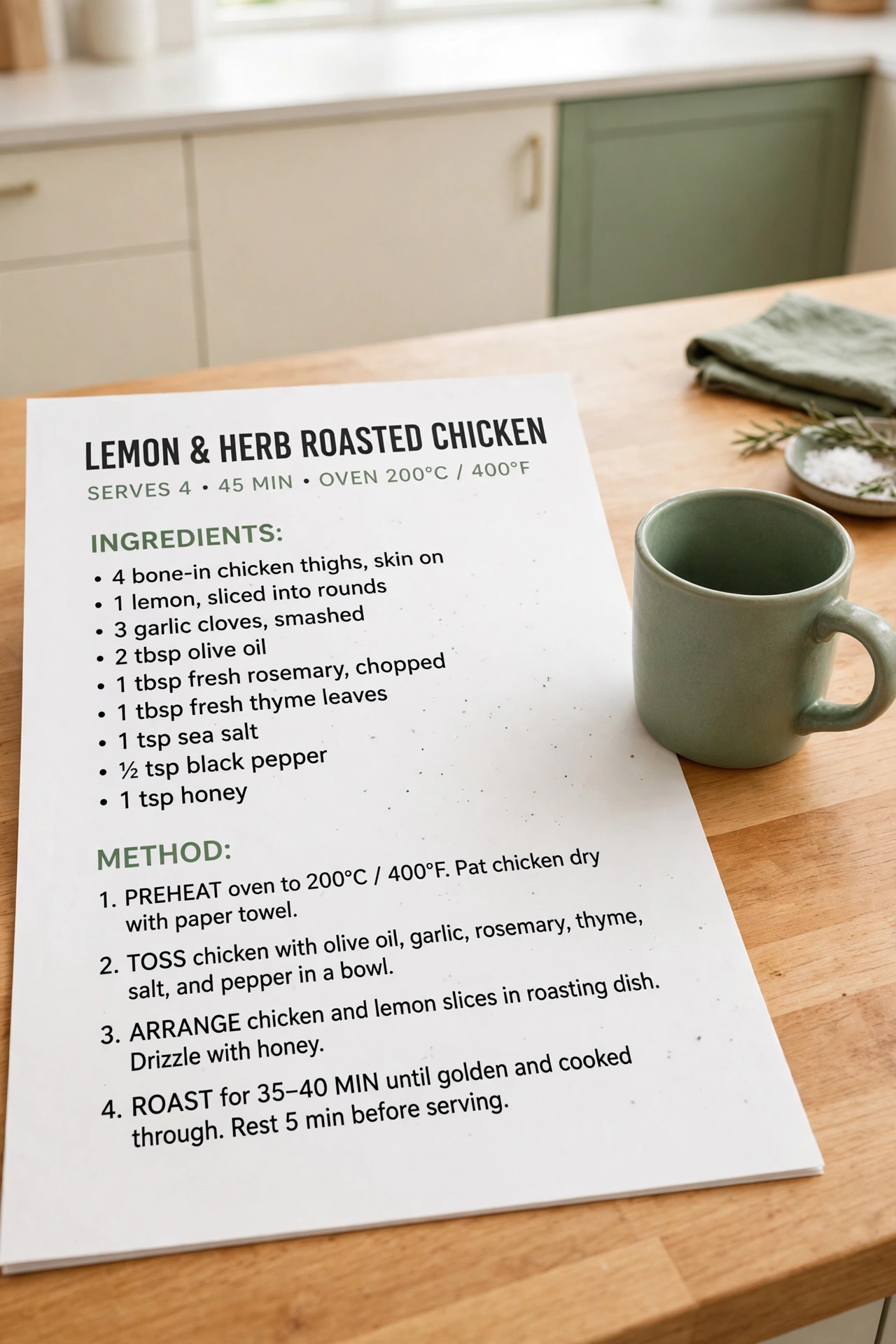
Print the recipes you cook every week in large clear type, so you can read them from across the counter without glasses or squinting. Use a font size of at least 14 points, with wide spacing between the steps. A large print page is easier to follow when your hands are busy or messy.
Keep these large print pages at the front of the binder, where you can grab them in seconds. Reprint a page when it gets stained, since a fresh copy costs almost nothing. Large type turns a rushed weeknight dinner into a calm and simple task.
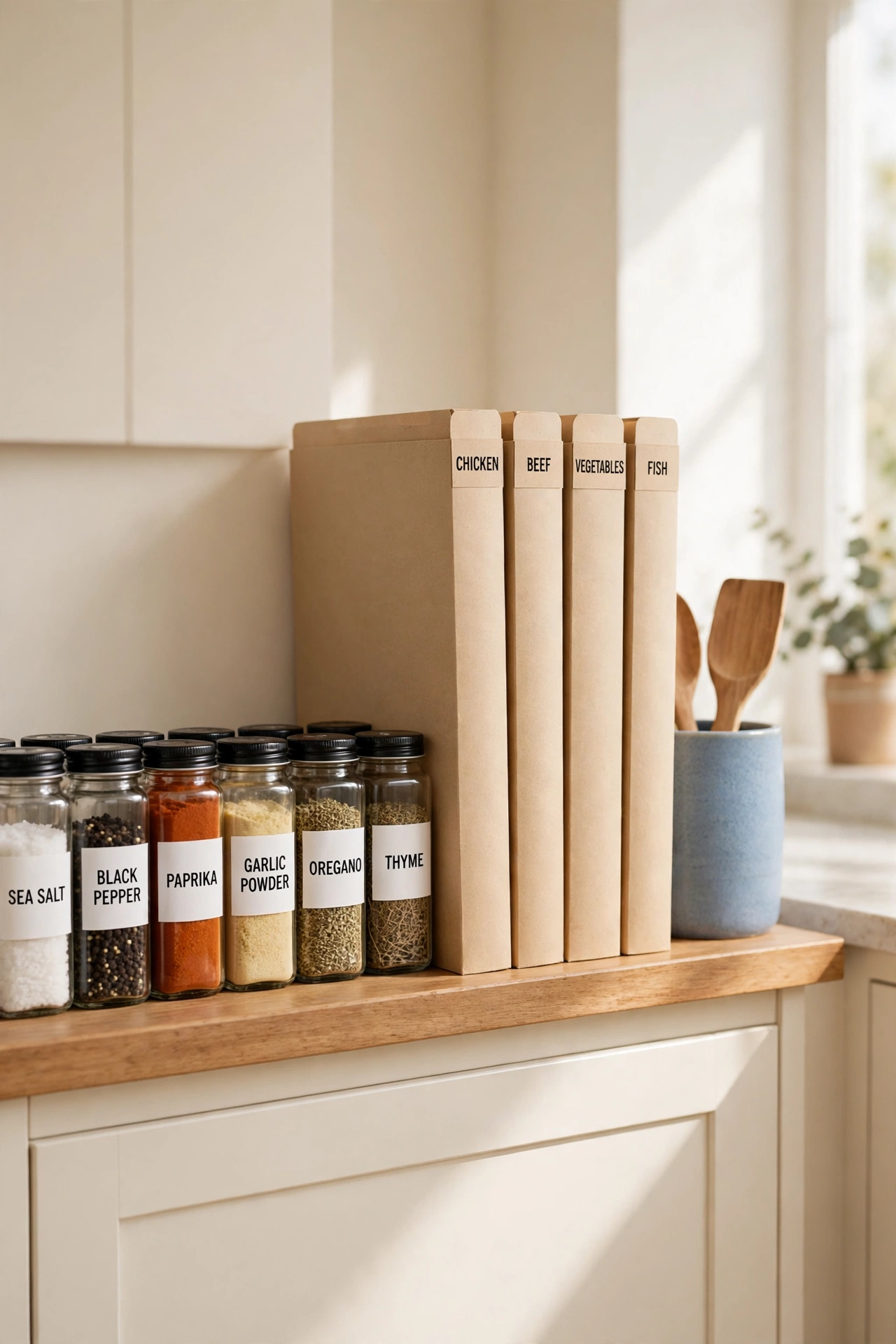
17. Organize Recipes by Main Ingredient
Organizing recipes by main ingredient helps when you plan meals around what is already in the kitchen. Group recipes under chicken, beef, vegetables, fish, and grains, so you can open the section that matches the ingredients for tonight. This system pairs well with a tidy spice drawer, and these spice drawer organization ideas will help you keep flavors in order too.
Use this system as a second index if your main system groups recipes by meal type. Add a small note at the top of each recipe with its main ingredient, so you can sort new recipes fast. Cooking from what you have saves money and cuts food waste every week.
18. Use a Small Drawer for Loose Recipe Clippings
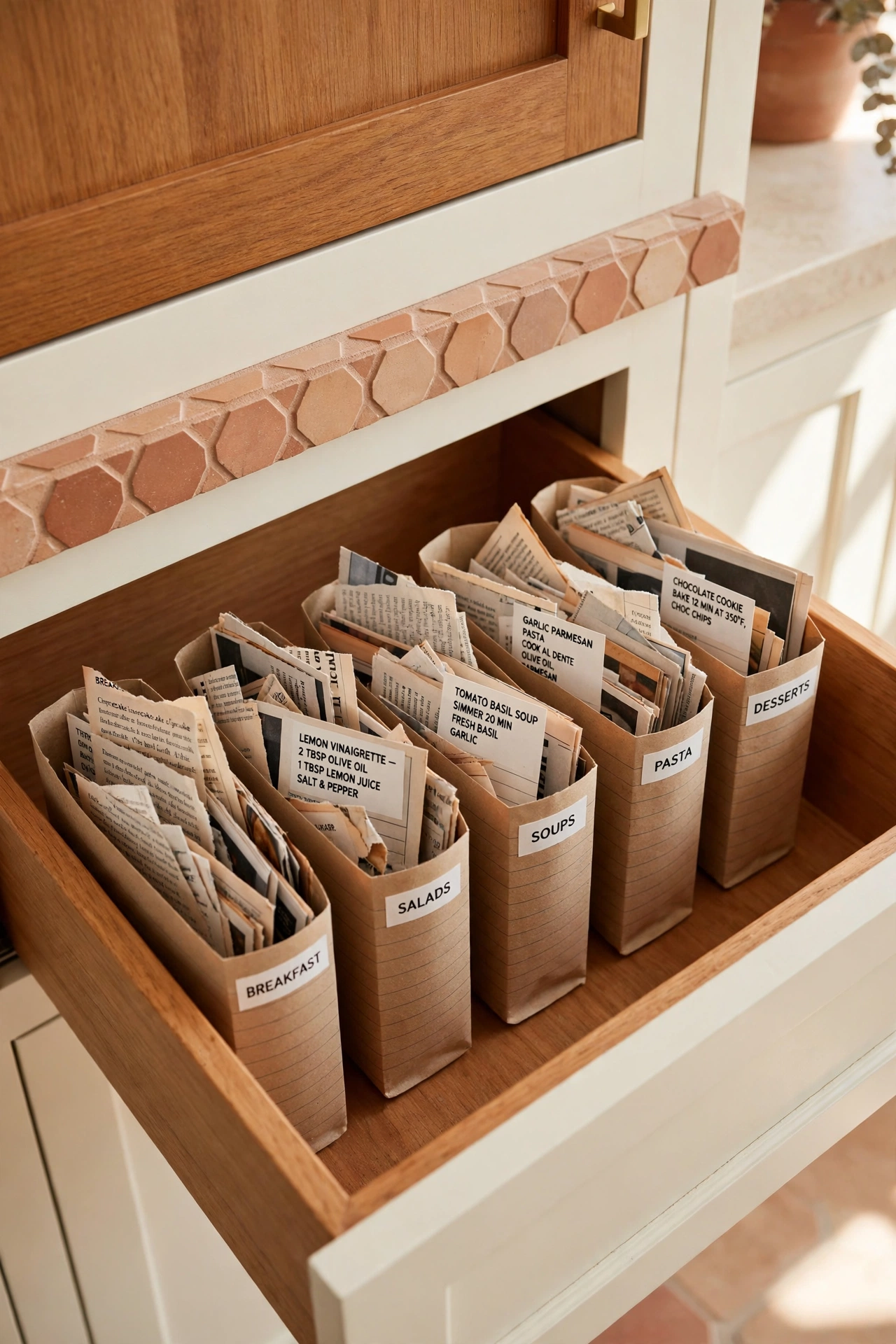
A small drawer near the stove is the perfect home for loose recipe clippings that have not earned a binder page yet. Sort the clippings into labeled envelopes inside the drawer, one envelope per category, so nothing gets lost in a pile. When a clipping proves itself, move it into the binder and free the space.
Keep the drawer shallow and close to where you cook, so it never becomes a junk drawer. For more ways to keep kitchen drawers tidy, see these deep kitchen drawer organization ideas. Empty the drawer once a month and file or toss every clipping inside it.
19. Do a Seasonal Recipe Clean Out
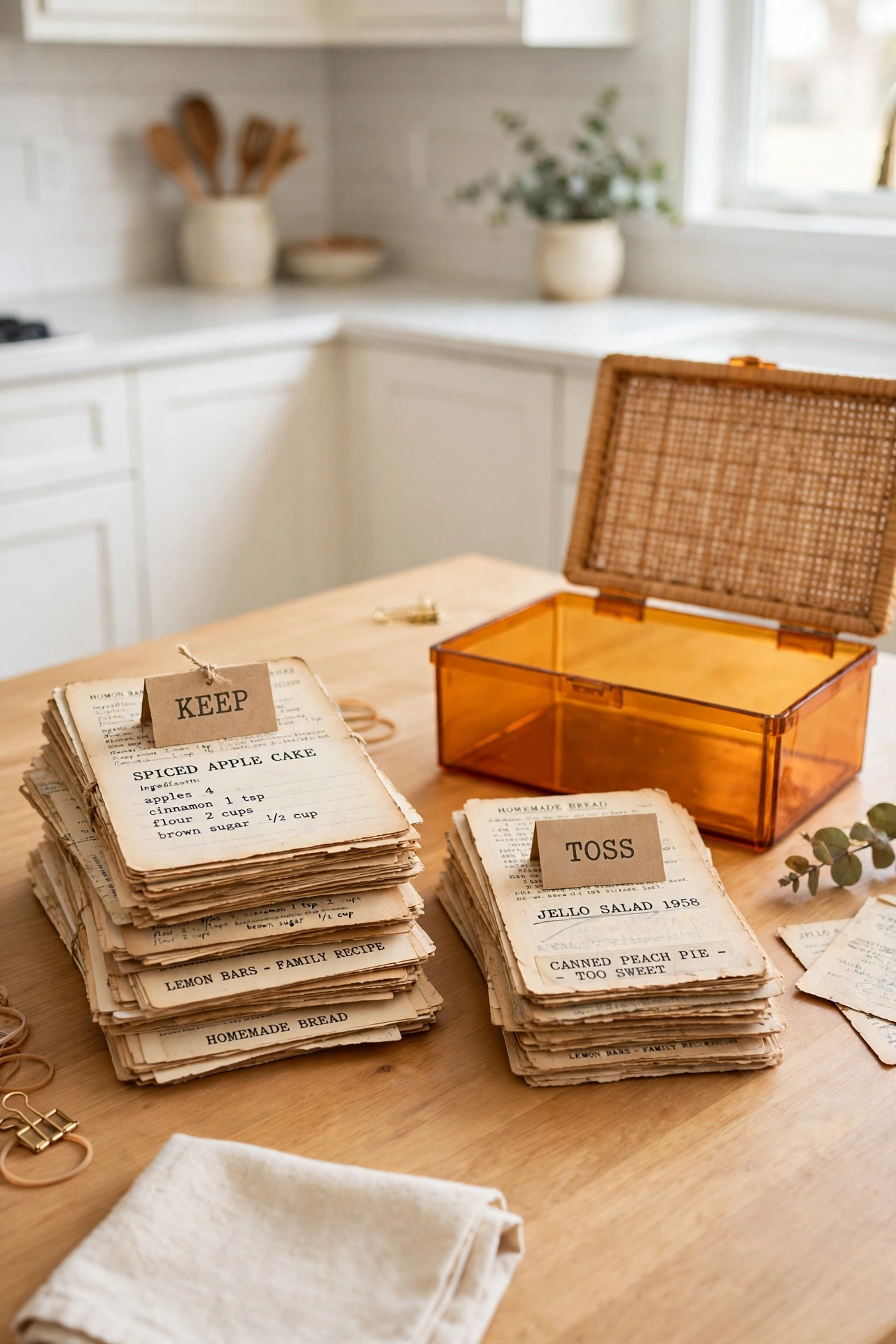
A seasonal recipe clean out keeps your collection fresh and useful all year. Once every season, open the binder and the digital folder and ask whether each recipe still earns its place. Remove recipes you never cook, merge duplicates, and file any loose clippings that are still waiting.
Pick one quiet afternoon each season for this routine, and write it on your calendar so you never skip it. A small habit like this keeps every recipe worth keeping, so your collection stays a joy to use instead of a chore to search. Your future self will thank you at dinner time.
Conclusion
Recipe organization does not have to be complicated or expensive. From a simple binder with clear tabs to a backed up digital folder and a weekly meal plan, there is an idea here for every kitchen and every cook. The best system is the one you will actually use every time you plan a meal.
Pick one or two ideas that fit your kitchen and start today. Sort your recipes, give each one a home, and enjoy cooking without the daily search. For a calm home beyond the kitchen, these nightly reset routine ideas will help you keep every room organized with just a few minutes each evening.
Frequently Asked Questions About Kitchen Recipe Organization Ideas for Printed and Digital Recipes
What is the best way to organize printed recipes?
A three ring binder with clear sheet protectors and dividers is the best way to organize printed recipes. Sort recipes by category, label each one clearly, and keep a master index at the front. The binder keeps every recipe protected, visible, and easy to flip through while you cook.
How do I organize recipes on my phone?
Create one main folder called RECIPES with a subfolder for each category, and save every new recipe into the right subfolder right away. A recipe app also works well, since it adds search and scaling in one place. Back up the folder to the cloud so your recipes stay safe if the phone is lost.
Should I keep handwritten recipe cards or digitize them?
Keep both. Store the original handwritten cards in a safe box, and photograph each one so you have a clear digital copy in your recipe folder. The photo protects the recipe from damage, while the original card keeps its family history and charm.
How often should I clean out my recipe collection?
Clean out your recipe collection once every season. Remove recipes you never cook, merge duplicates, and file any loose clippings that are still waiting. A seasonal clean out keeps the collection fresh and stops it from growing into a pile you cannot search.
How do I start a meal plan with organized recipes?
Put a weekly meal plan sheet at the front of your binder and fill in one recipe for each evening, with the page number beside it. Check your pantry before you plan, so you cook from what you already have. Planning once a week saves time and money every single day.

Hi, I’m Emily! I turn messy corners into cozy, organized spots. DreamNestDecor is where I share simple, practical home ideas — decor, organization, and small-space solutions that work in real life, not just in photos. Every idea here is carefully researched before it’s shared.