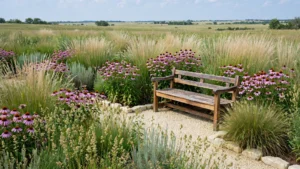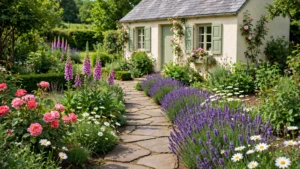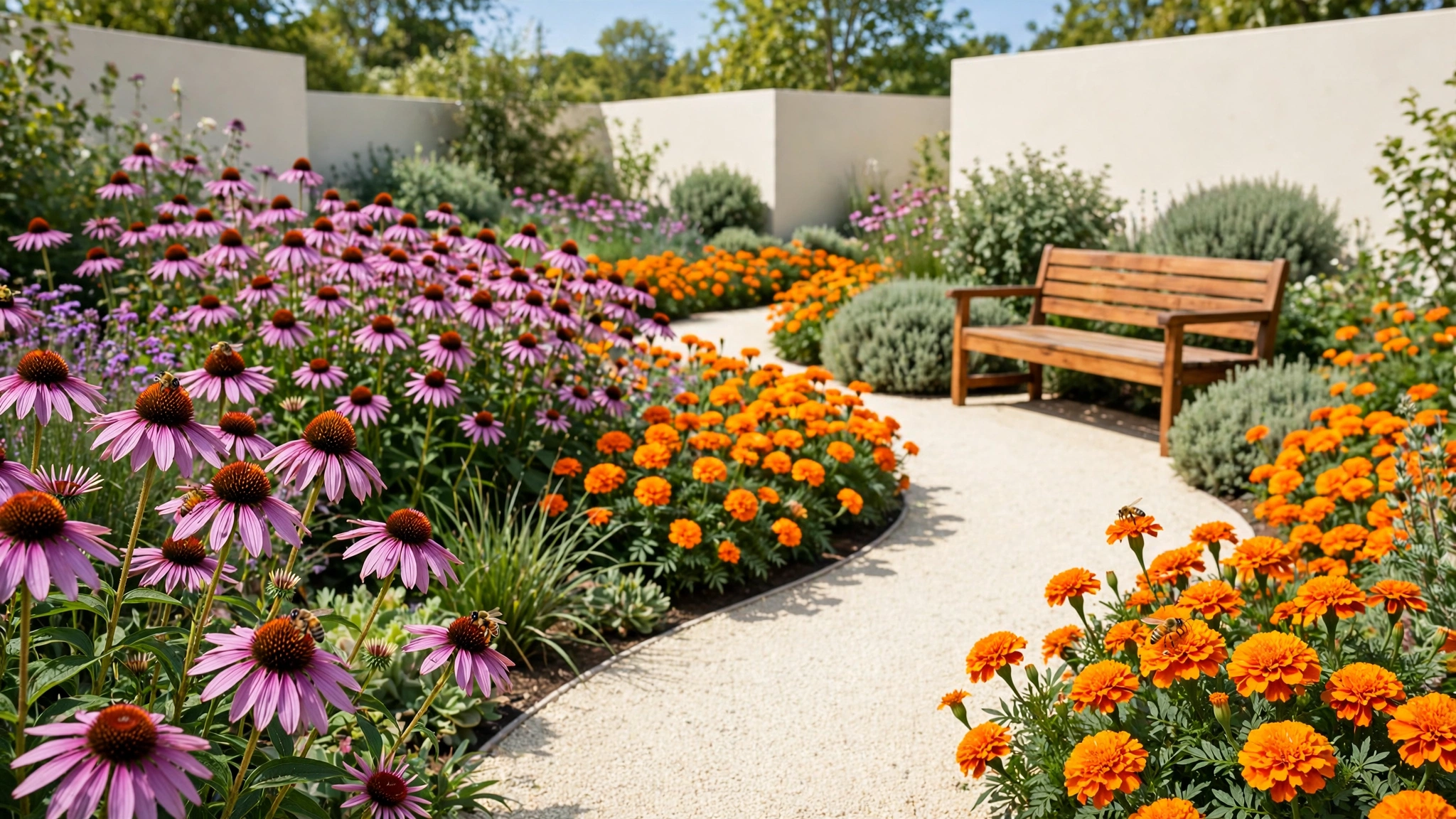
Picture this: you step into your garden on a warm morning, and the air hums with bees moving from flower to flower while a hummingbird hovers near a red trumpet bloom. A beetle crosses a sunny stone path, and a small native bird picks seeds from a tall dried flower head. That busy, living feeling is what a pollinator garden gives you, and it starts with the layout you choose.
You do not need a large yard or a wild, untidy garden to welcome native wildlife. A clear layout with drifts of flowers, shelter zones, water, and nesting spots can turn even a small backyard into a habitat that feeds bees, hummingbirds, moths, beetles, and birds through every season. These 30 pollinator garden layout ideas will show you how to shape beds, paths, and corners so your garden works as hard for wildlife as it does for you.
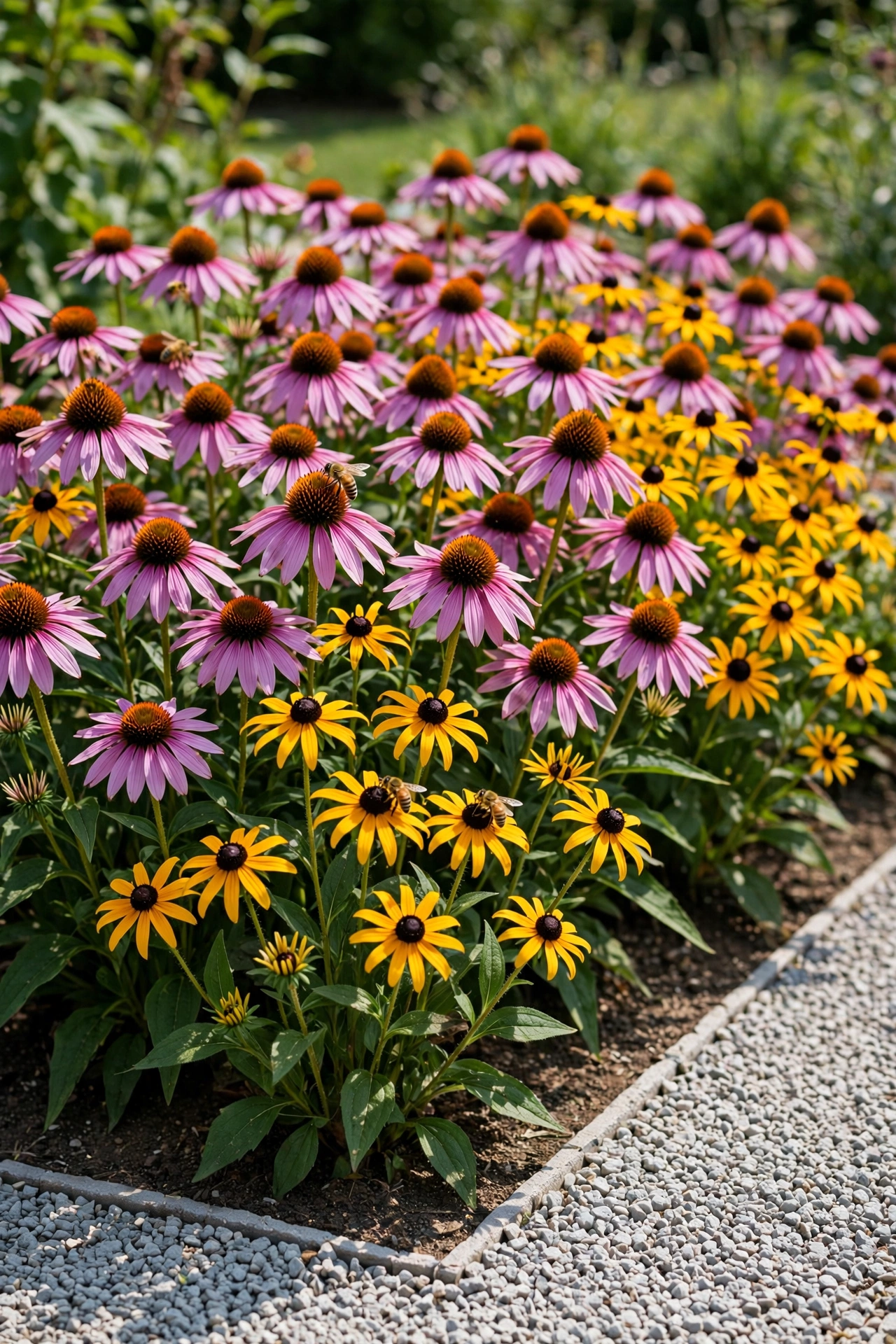
1. Plant in Wide Drifts of One Native Flower
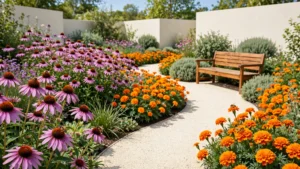
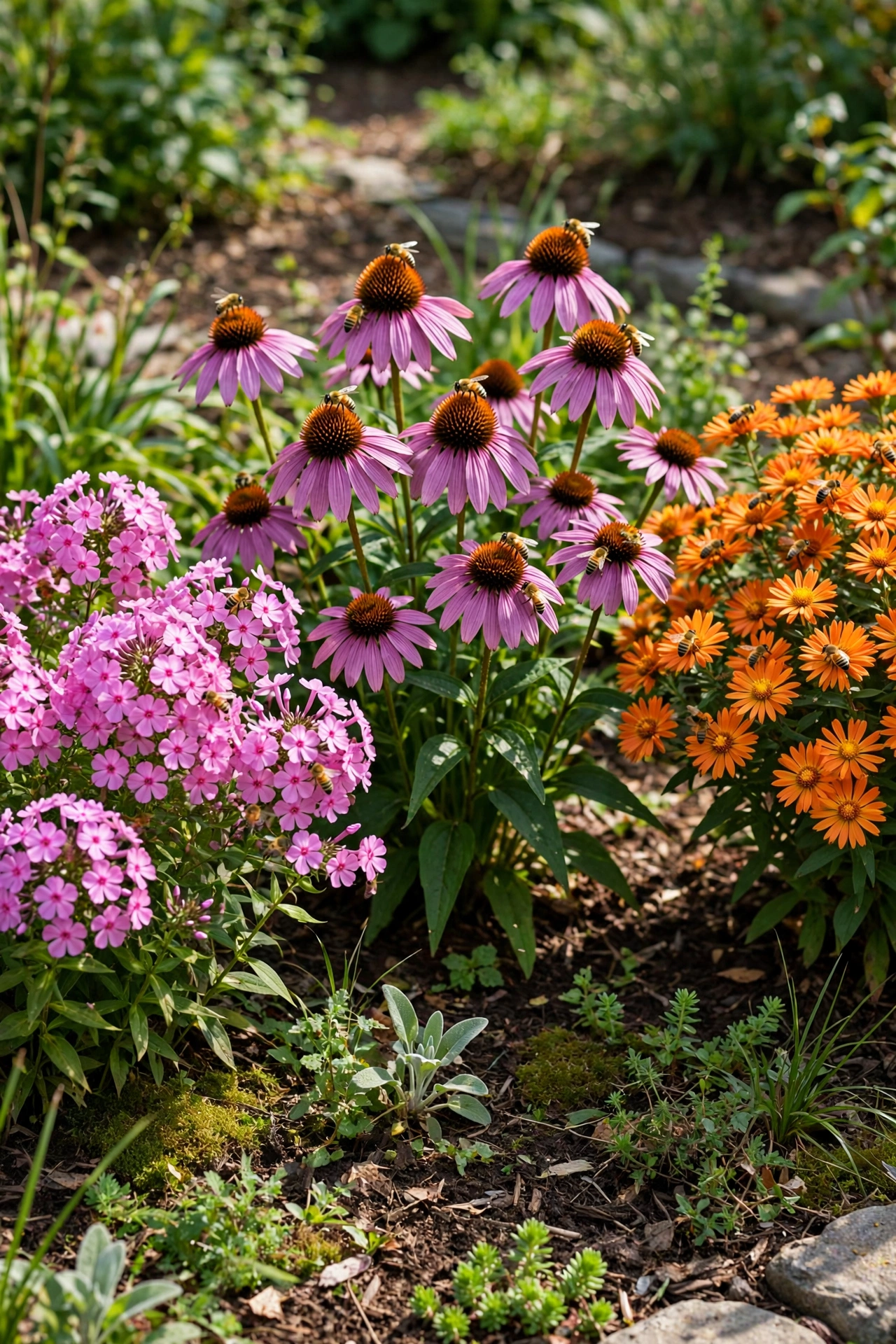
Bees and other pollinators find food faster when one kind of flower grows in a wide drift instead of single plants scattered across a bed. A drift of purple coneflower, black-eyed Susan, or native milkweed creates a clear target that bees can see from far away, and it lets them gather nectar without wasting energy flying between lone blooms.
Plan each drift at least three feet wide and repeat the same flower in three or five groups across the bed. The repeated blocks look calm and intentional from your window, and they give pollinators a reliable patch to return to day after day. Mix early, mid, and late season drifts so something is always in bloom.
2. Give Native Bees a Sunny Nesting Corner
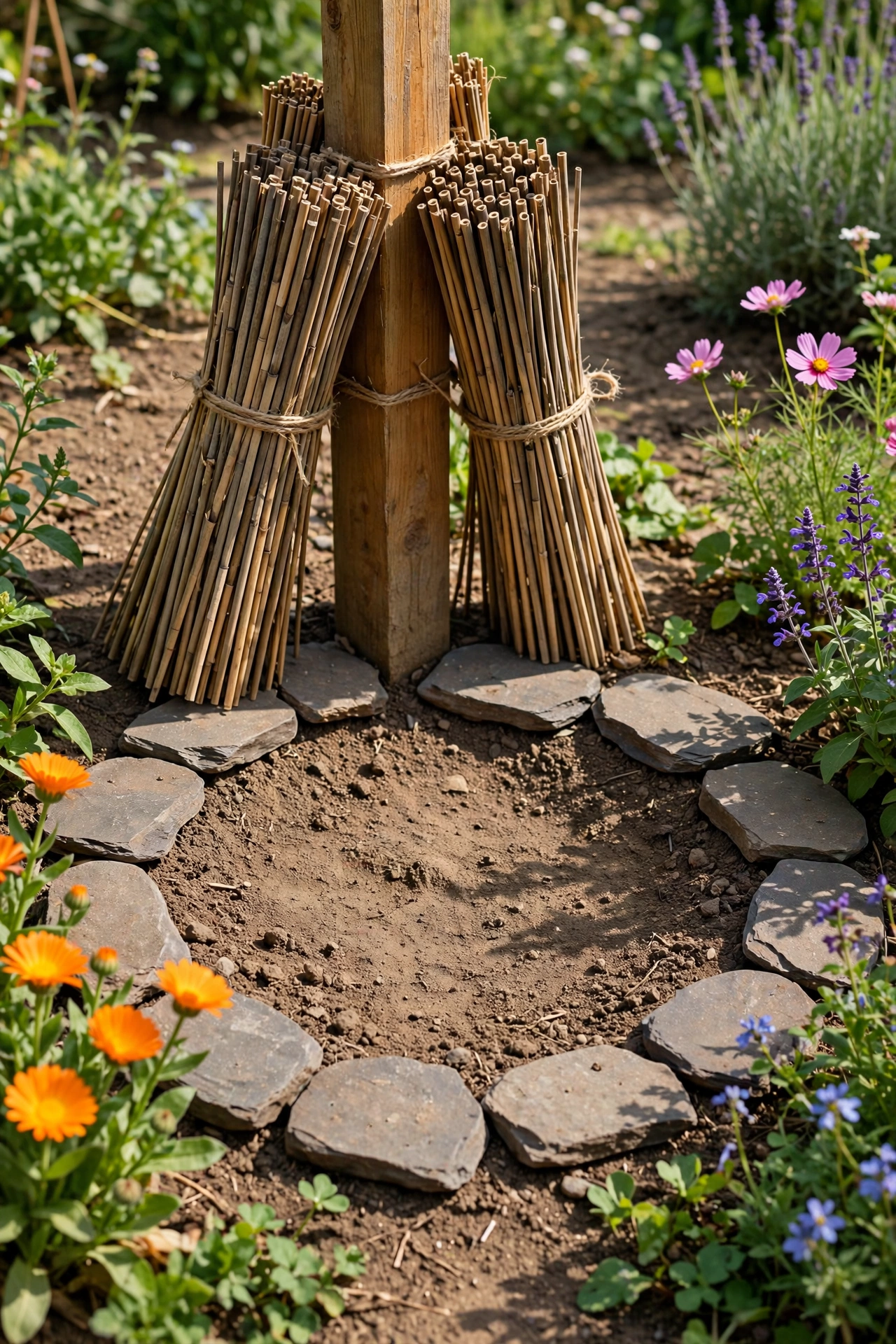
Most native bees nest in the ground or in hollow stems, not in hives, so a sunny, undisturbed corner is one of the most useful zones in a pollinator garden. Leave a patch of bare, dry soil in full sun, add a few hollow reed bundles tied to a warm wood post, and keep the area free of mulch and foot traffic.
Place the nesting corner near your flower beds so foraging bees travel only a short distance from home to food. A low border of flat stones marks the corner and keeps the soil from washing away in heavy rain. Once bees move in, leave the corner alone through winter so next season’s bees can emerge safely.
3. Run a Hummingbird Corridor Along a Fence
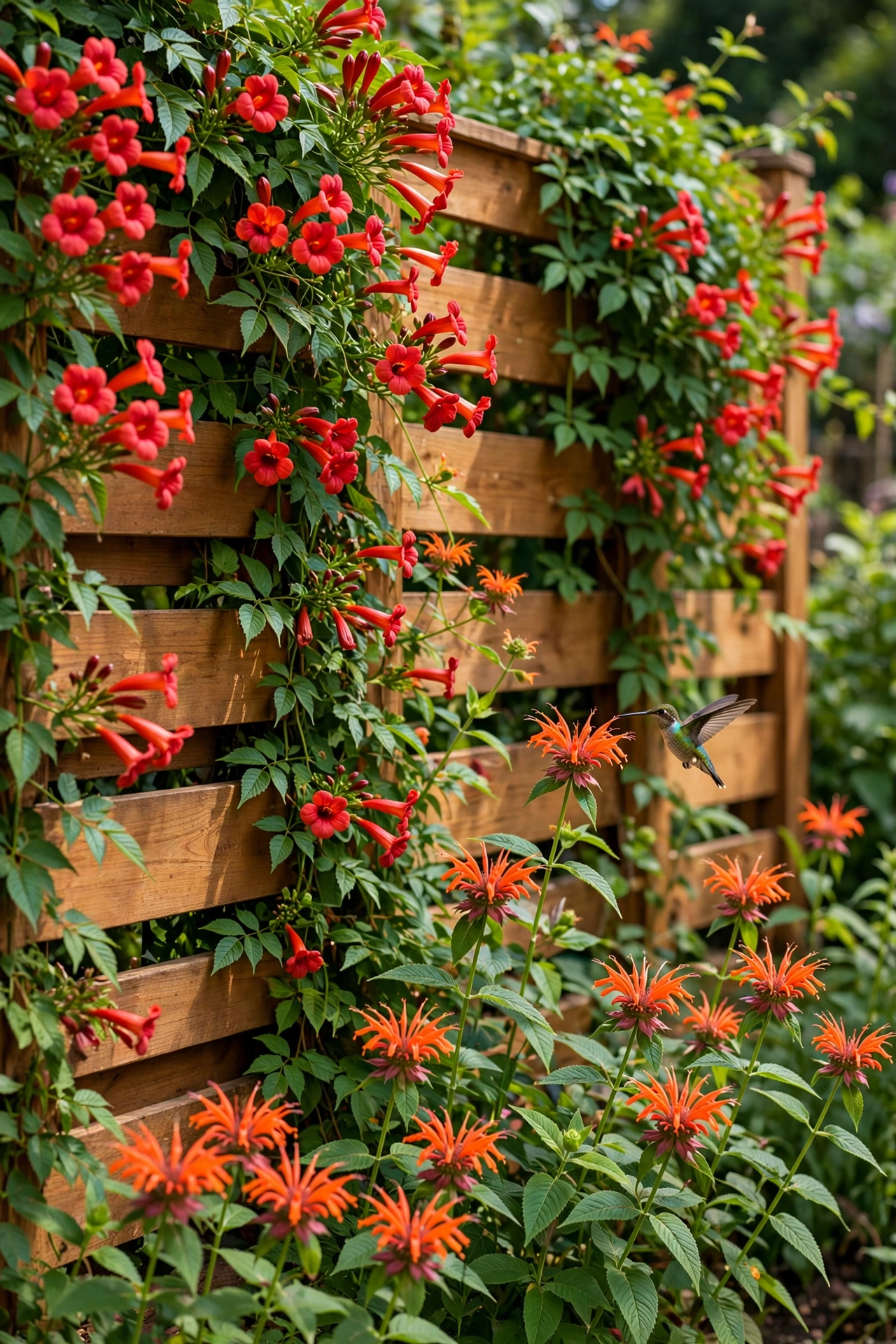
Hummingbirds follow lines of tubular flowers, so a fence line planted with red and orange blooms becomes a flight path they visit again and again. Native honeysuckle, bee balm, cardinal flower, and trumpet vine all offer the deep, nectar rich flowers hummingbirds need, and a fence gives the vines a sturdy frame to climb.
Keep the corridor unbroken from one end of the fence to the other so hummingbirds can travel the full length without gaps. Add a shallow water dish at the end of the corridor for drinking and bathing, and avoid spraying the flowers so the nectar stays safe for the tiny visitors.
4. Curve a Bed of Evening Blooms for Night Moths
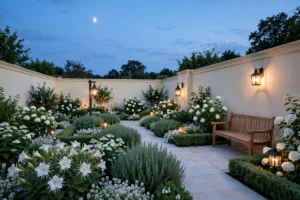
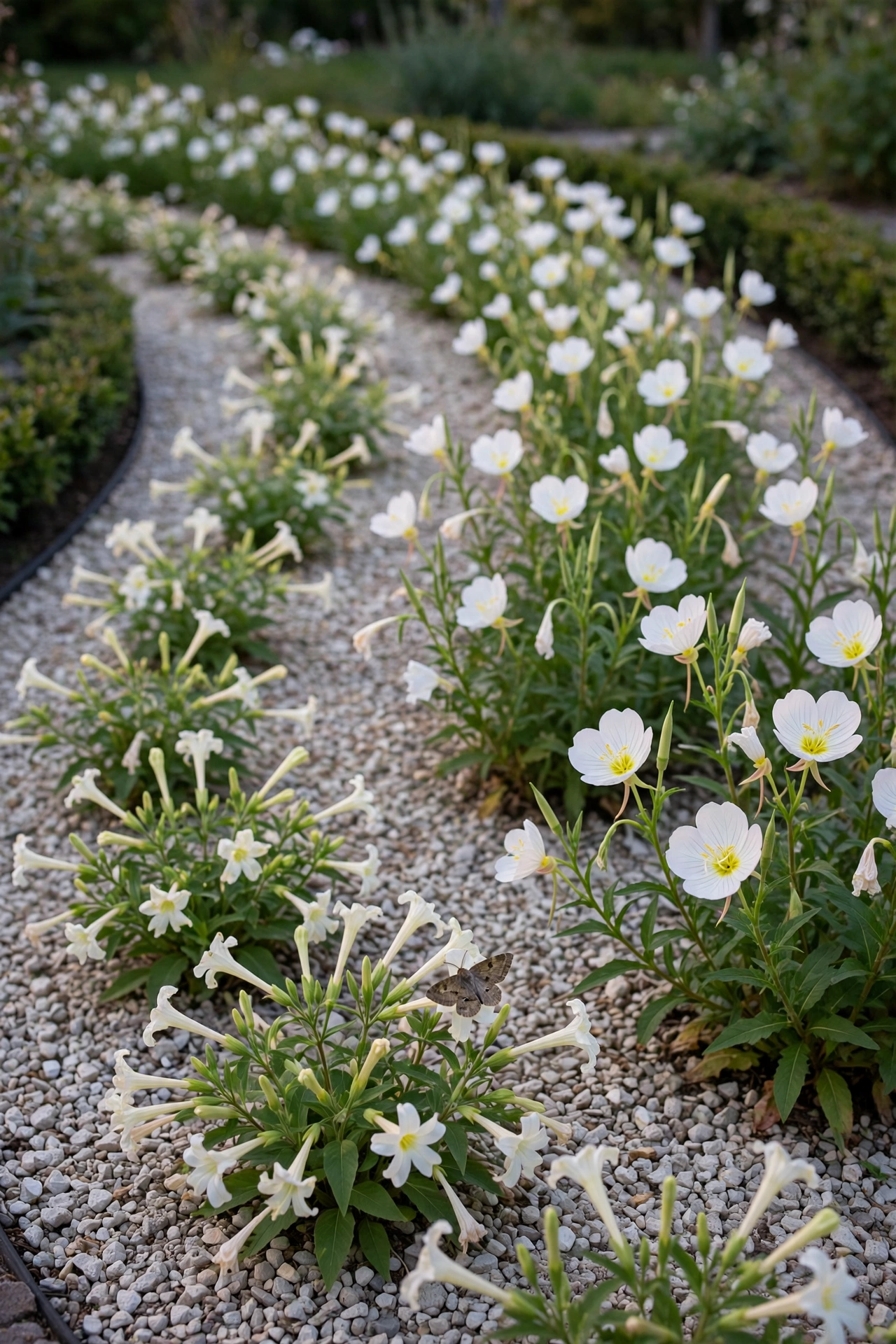
Moths are hardworking night pollinators, and they find pale, fragrant flowers that open at dusk. A curved bed of evening primrose, night scented stock, white nicotiana, and moonflower gives moths a clear landing strip after sunset, and the curve makes the bed easy to enjoy from a patio chair on warm evenings.
Keep artificial lights away from the bed or switch them off at night so moths can navigate by moonlight. A light layer of gravel mulch holds warmth through the evening and reflects a soft glow that helps you see the blooms. The bed will perfume the air just as the day cools down.
5. Stack a Log Pile Shelter for Beetles
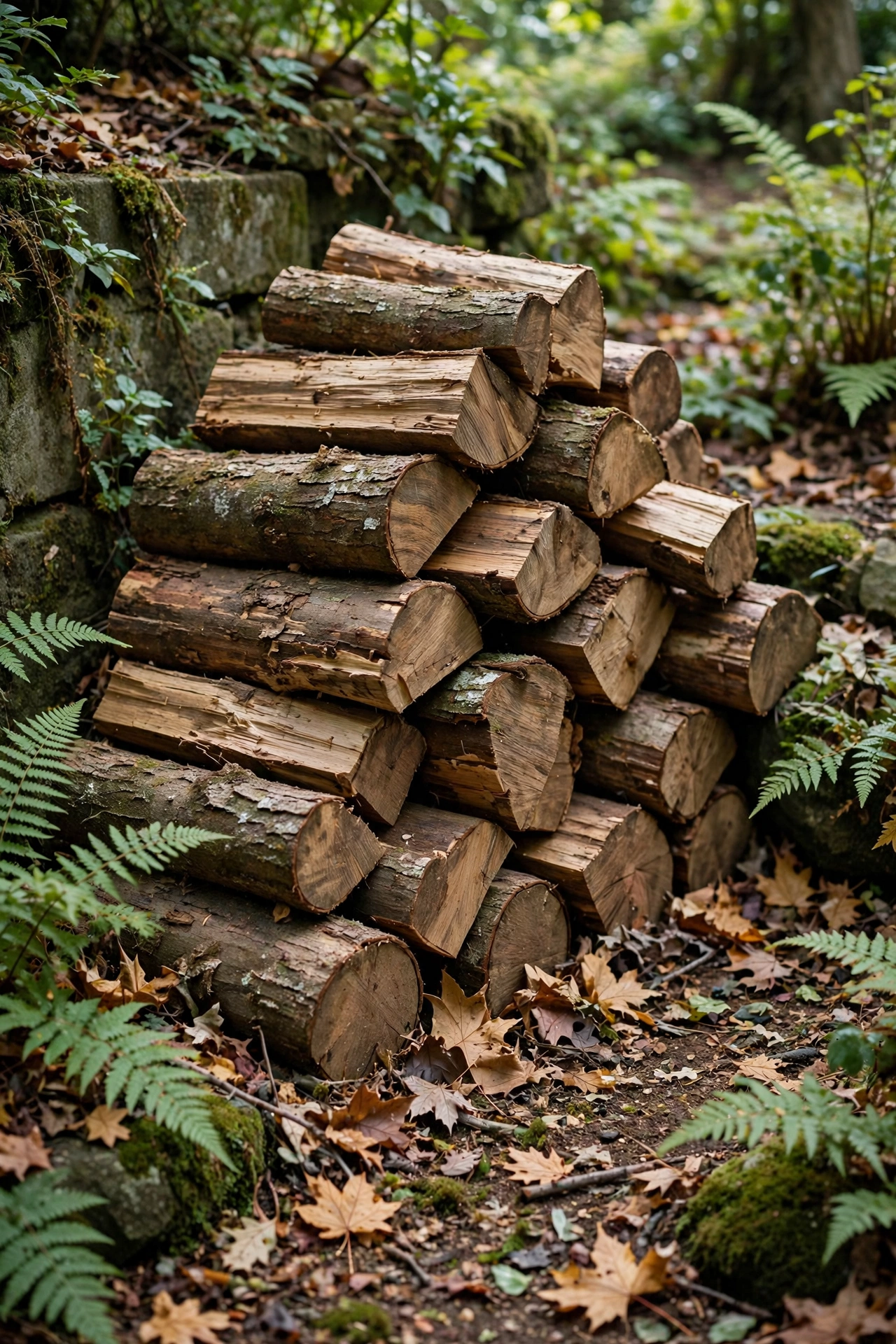
Beetles need damp, dark hiding places, and a stacked log pile is a simple shelter that also feeds the soil as the wood slowly breaks down. Stack hardwood logs in a loose pyramid in a shady corner, leave gaps between the logs, and let leaves gather around the base for extra cover.
Place the log pile near flower beds so beetles can crawl out at night to feed on fallen petals and pollen. Avoid treated or painted wood, since chemicals harm the insects you want to welcome. Over time the pile will also shelter native bees, spiders, and small frogs that help keep garden pests in balance.
6. Set Out a Shallow Water Station for Bees and Birds
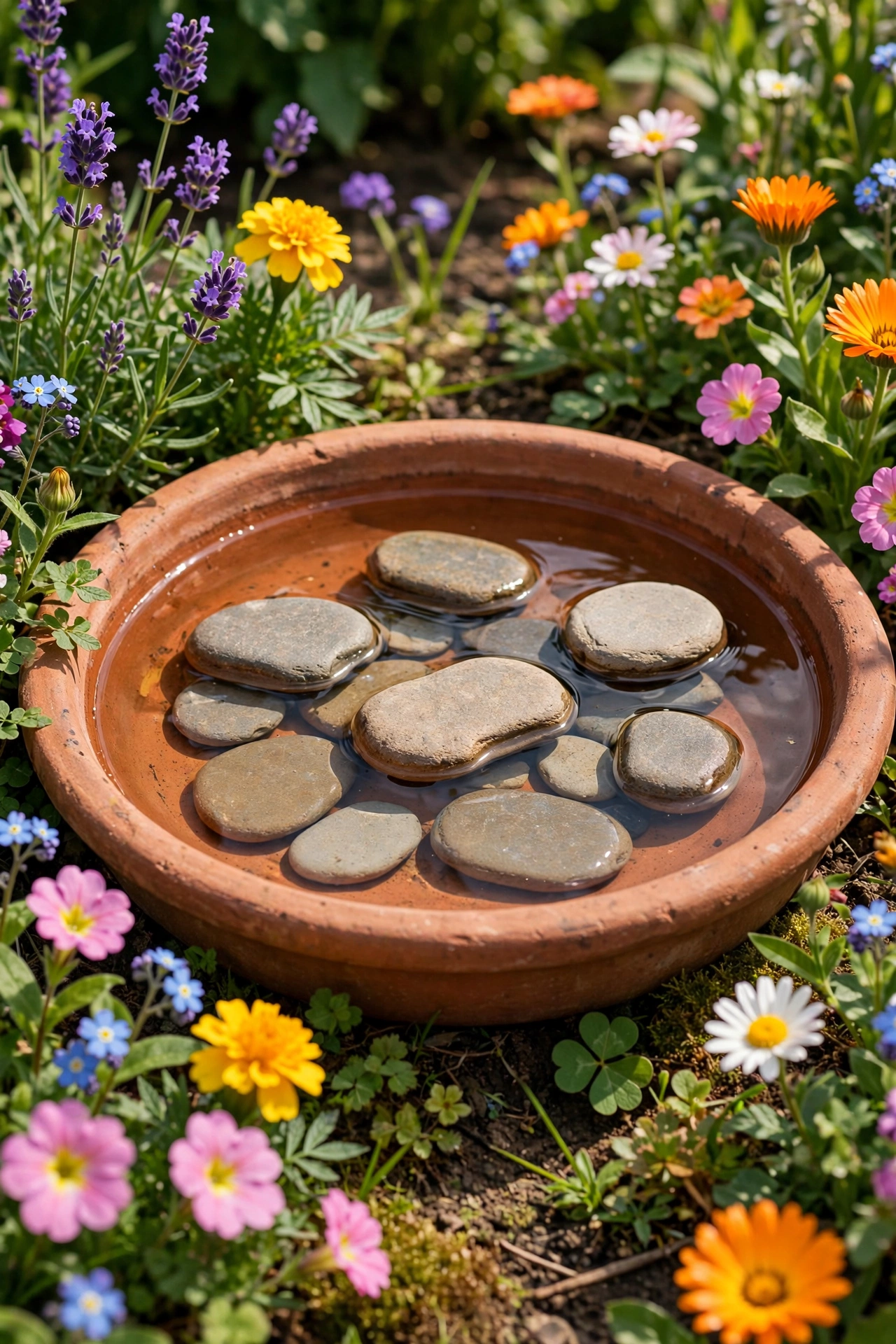
Pollinators and birds need water as much as they need flowers, and a shallow dish is the safest way to offer it. Fill a wide, low ceramic saucer with clean water and add flat pebbles that rise above the surface so bees can land and drink without falling in. Refill the dish each morning so the water stays fresh.
Place the water station in partial shade near your main flower beds, where birds can perch on nearby branches and watch for danger before they land. A second dish at ground level helps beetles and other crawling insects reach a drink. Clean the dish weekly to keep it free of algae and mosquito larvae.
7. Sow a Wildflower Meadow Strip Along the Back Fence
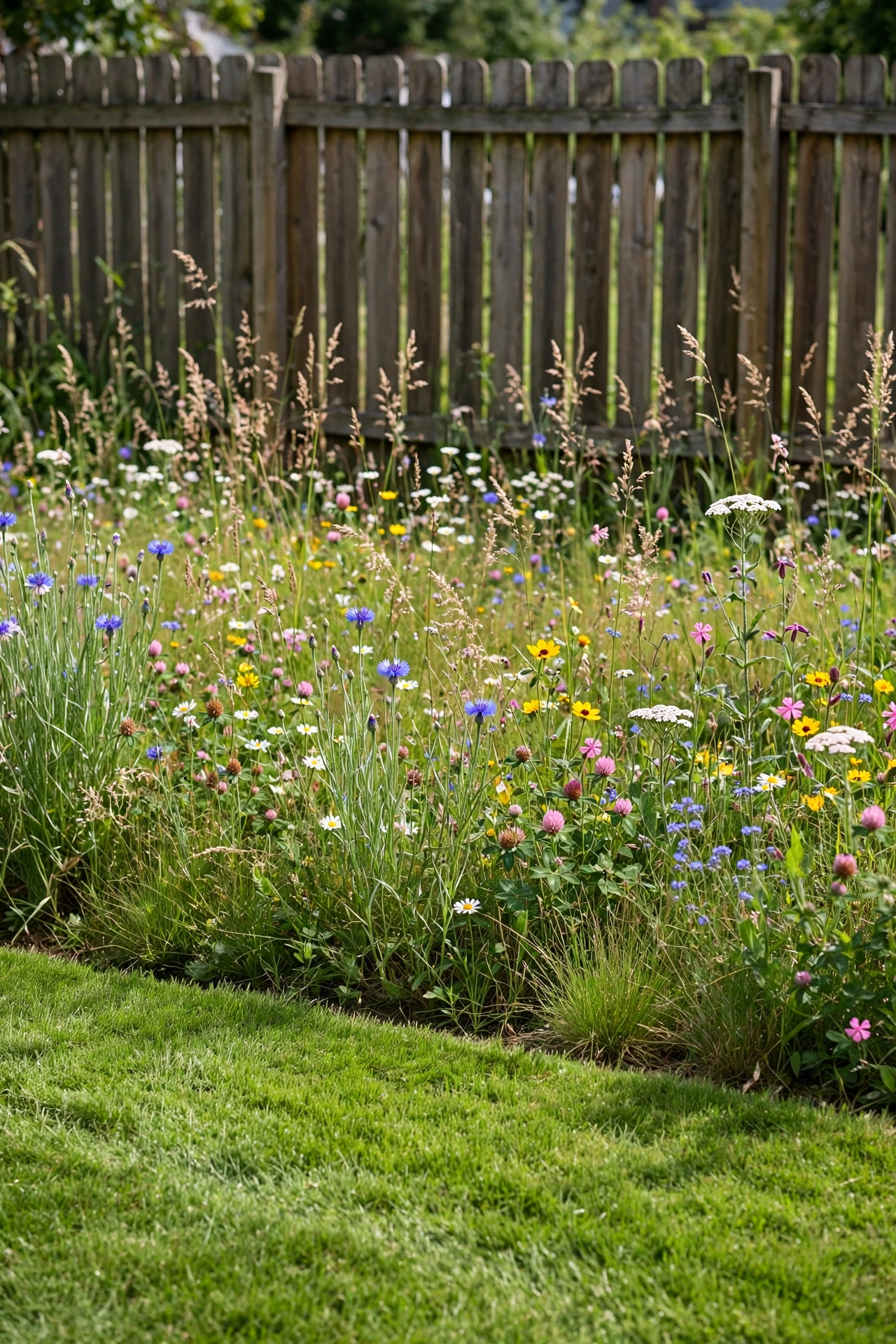
A meadow strip turns an unused strip of lawn into a dense patch of native flowers that feeds pollinators from spring to fall. Sow a mix of native wildflower seed in autumn or early spring, keep the strip unmown through summer, and let the flowers set seed before you cut the strip back once in late winter.
A strip six feet wide is enough to hold a real mix of grasses and blooms, and it needs far less watering than a lawn once the plants take root. For a full plan for meadow style planting, see these backyard wildflower meadow ideas that show how to prepare the soil and choose a seed mix for your region. Mow a neat edge along the front of the strip so the meadow looks cared for from the house.
8. Plant a Native Hedge Row as a Wildlife Corridor
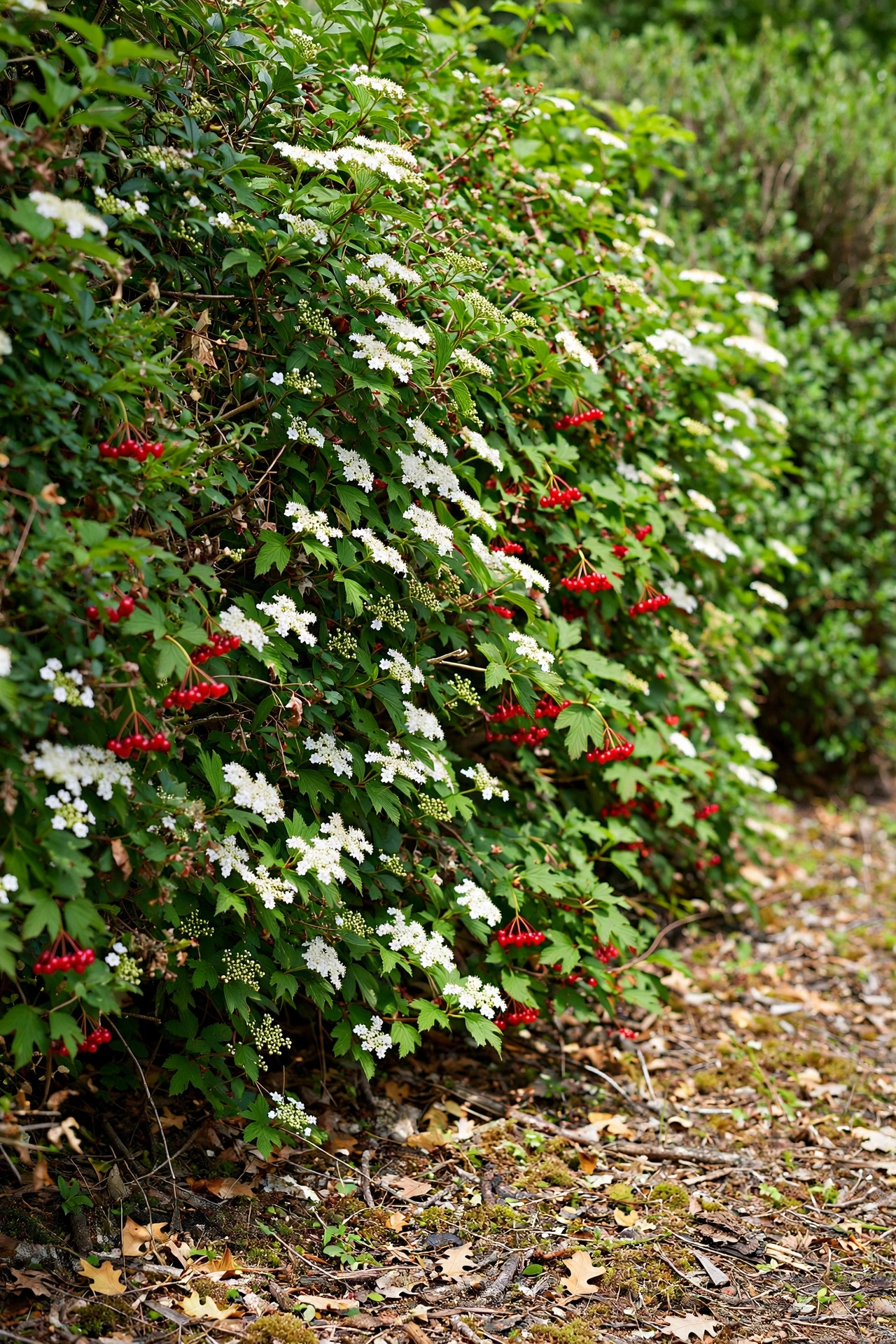
A hedge row of native shrubs connects one side of your yard to the other and gives wildlife a sheltered route to travel, feed, and nest. Serviceberry, elderberry, native viburnum, and winterberry offer flowers in spring, berries in summer and fall, and dense branches that shelter birds through winter.
Plant the shrubs in a staggered double row so the hedge grows thick from the ground up, and leave the leaf litter beneath it as food and cover for beetles. These native plant garden ideas will help you pick shrubs that suit your soil and light. A hedge row also blocks wind, which helps bees fly steadily between flower beds.
9. Arrange Raised Beds in a Pollinator Grid
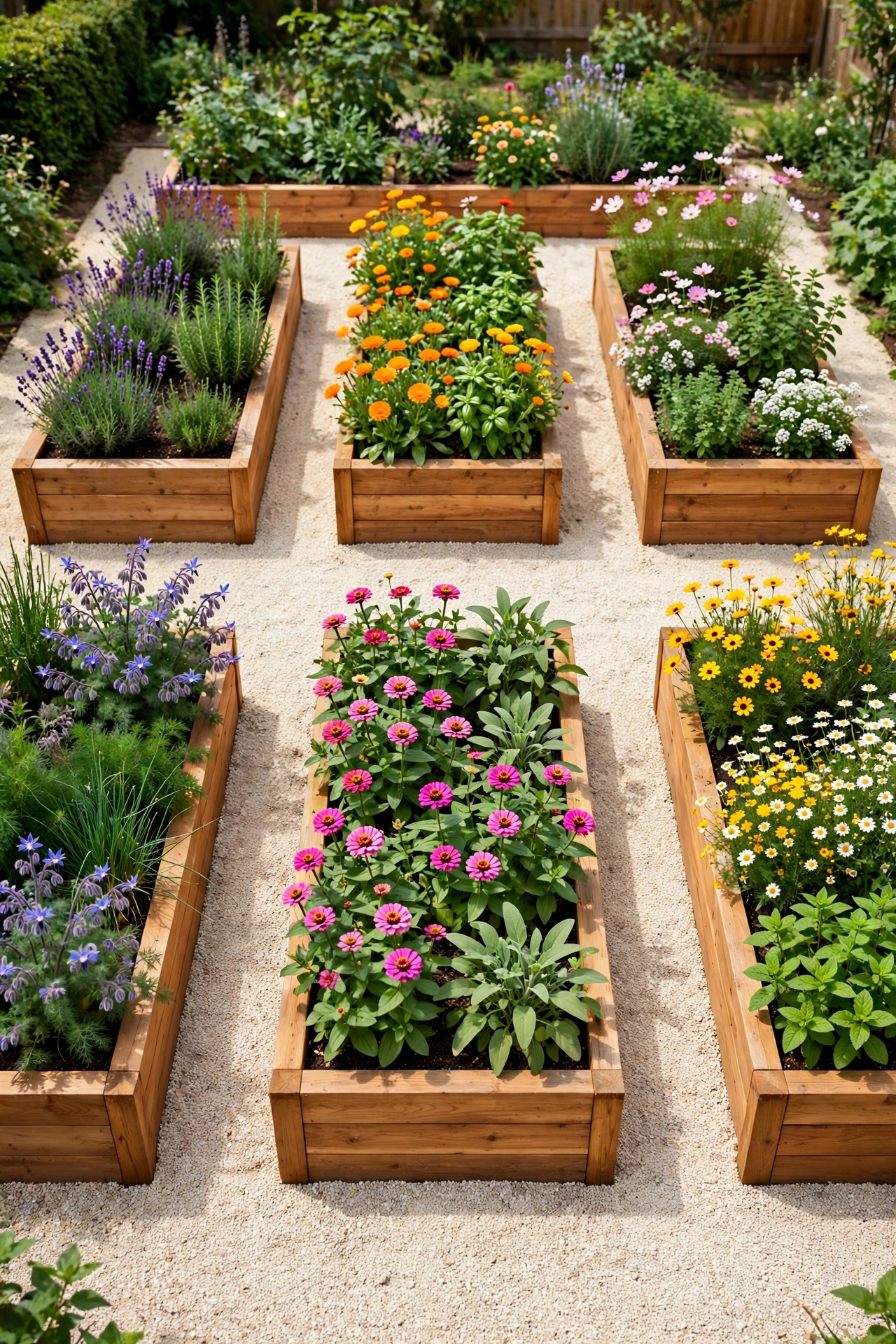
Raised beds arranged in a grid give you tidy, easy to reach planting zones, and each bed can hold a different pollinator theme. One bed can hold herbs for bees, another can hold tubular flowers for hummingbirds, and a third can hold late season asters for migrating pollinators.
Leave paths at least three feet wide between beds so you can walk through with a watering can and so low flying bees have clear flight lines. Warm wood frames and cream gravel paths keep the grid looking clean and modern. These raised garden bed layout ideas show bed sizes and spacing that work in small and large yards alike.
10. Wind a Path Through the Flower Beds
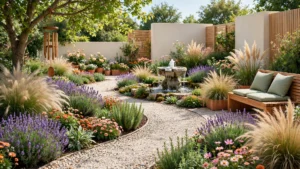
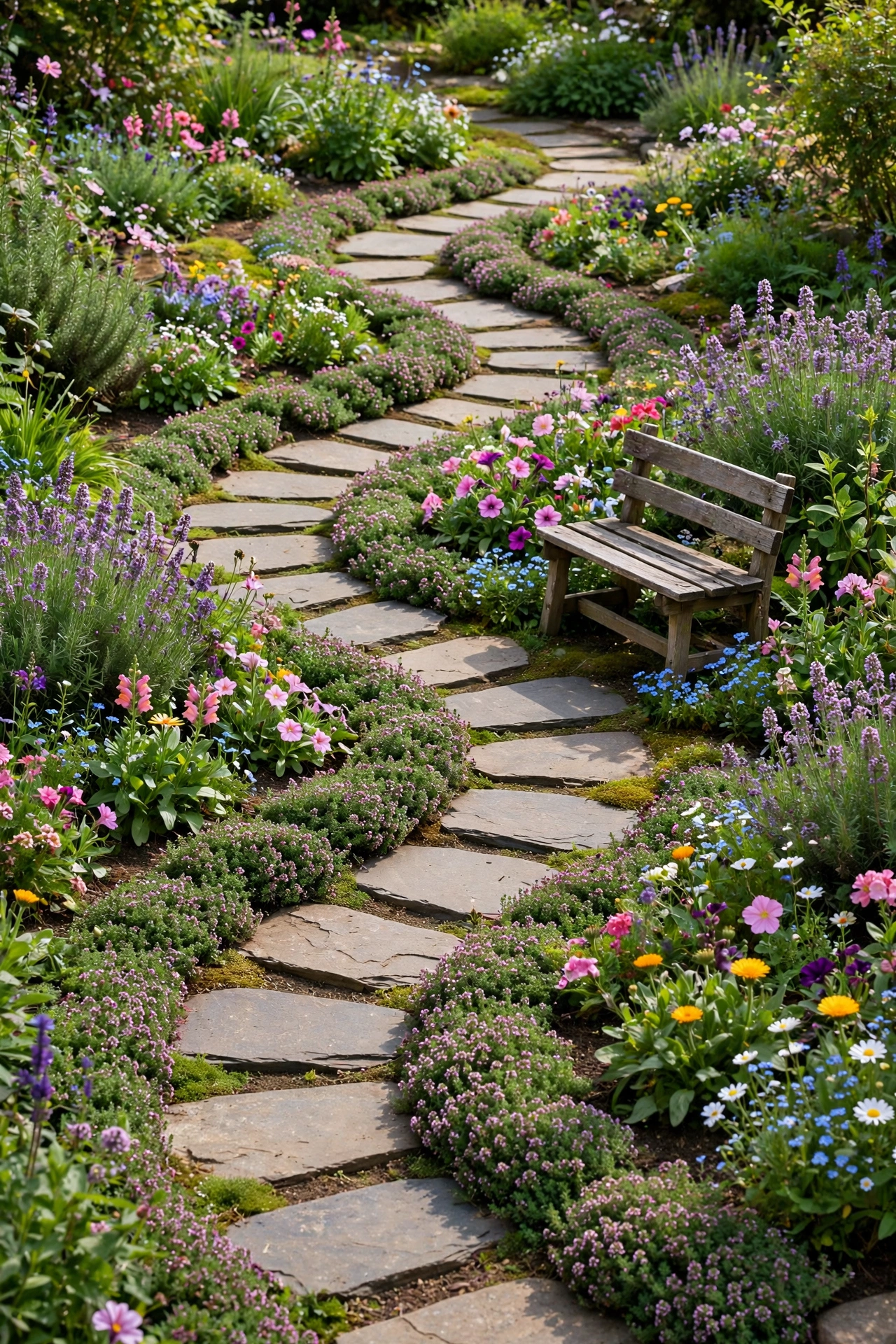
A winding path slows you down and brings you close to the flowers, and it breaks a large bed into smaller planting zones that suit different pollinators. Curve the path in a gentle S shape through the middle of the garden, and plant low creeping thyme or native sedum along the edges where bees can reach it easily.
Use flat stepping stones set in gravel or low growing ground cover so the path drains well and stays firm after rain. Place a small wooden bench at the widest curve so you can sit and watch the garden at work. For path materials and shapes, these garden pathway ideas offer options that fit every garden style and budget.
11. Edge the Front Bed With Early Spring Bulbs for Hungry Bees
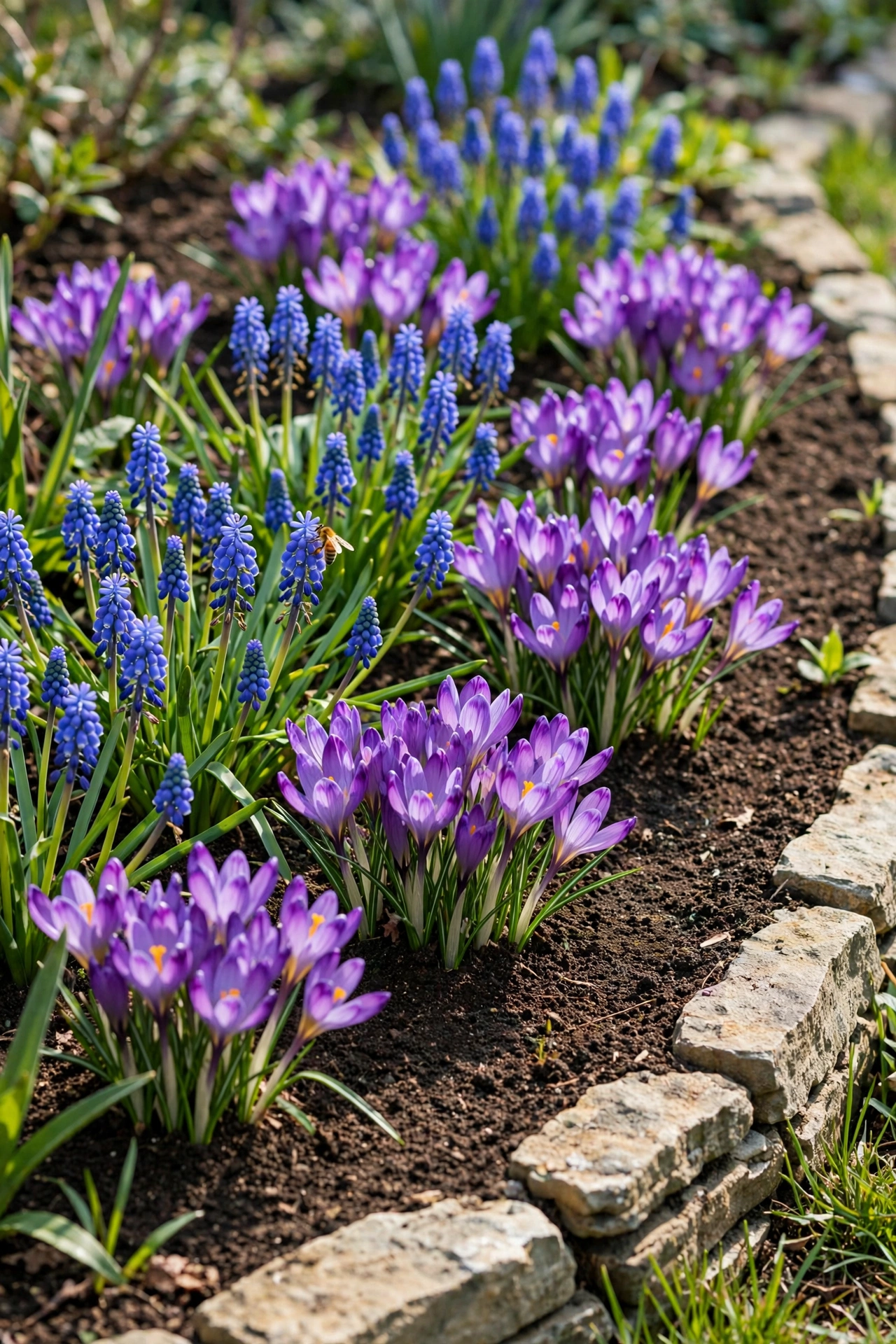
Early bees wake up before most flowers open, so a border of spring bulbs gives them food in the weeks when little else is blooming. Crocus, grape hyacinth, snowdrops, and native trout lilies open in cool weather and offer nectar when bees need it most.
Plant the bulbs in thick clusters along the front edge of your beds where the soil warms first in spring sun. Leave the leaves standing after the blooms fade so the bulbs store energy for next year. The early color also makes the garden feel alive weeks before summer flowers arrive.
12. Build a Summer Peak Bed for Hummingbirds and Long Tongued Bees
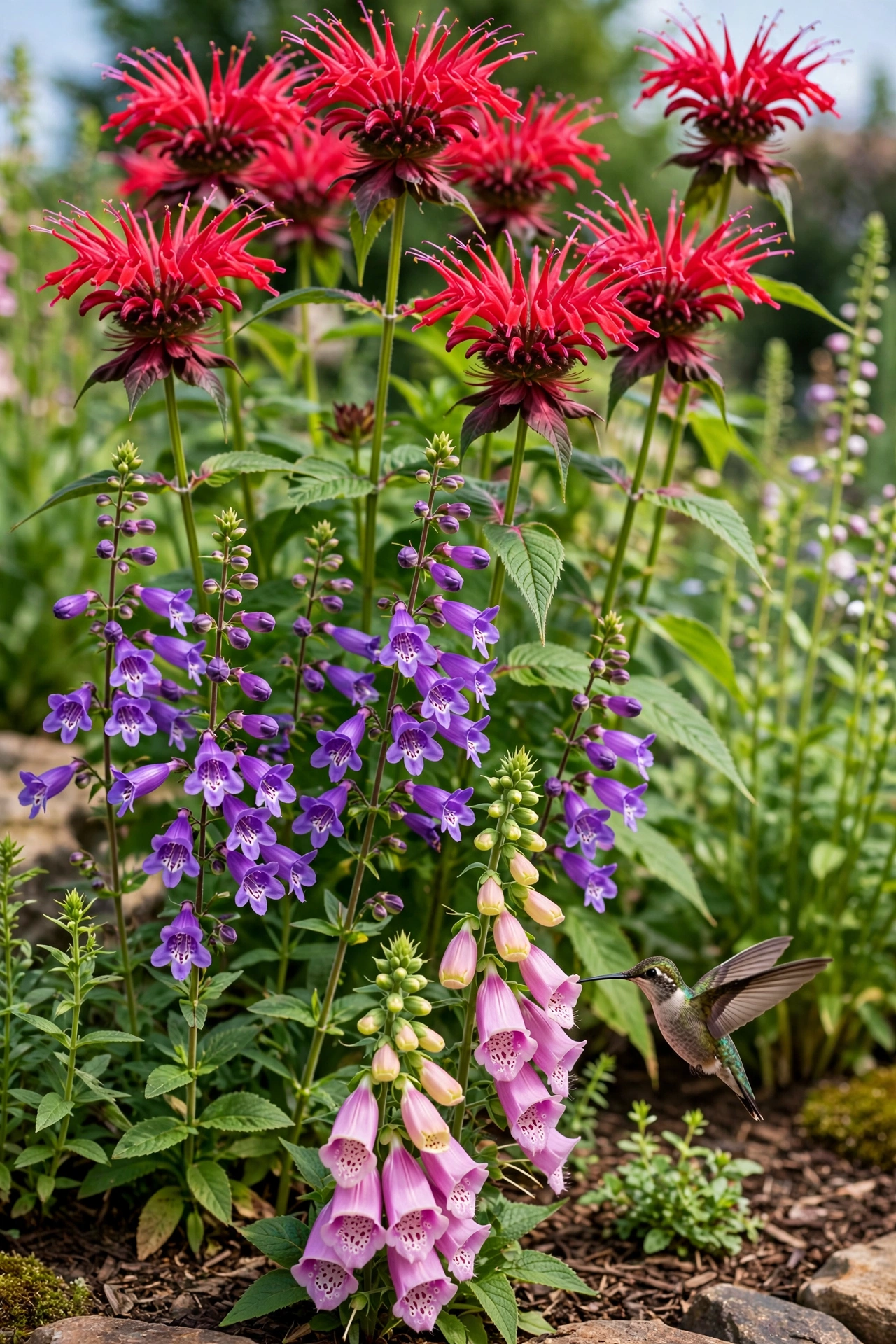
Midsummer is the peak season for hummingbirds and long tongued bees, and a bed packed with deep tubular flowers meets that demand. Bee balm, penstemon, foxglove, salvia, and native phlox all hold nectar at the bottom of long tubes that short tongued insects cannot reach, so the right visitors get the reward.
Plant the tallest flowers at the back of the bed and step the heights down toward the front so every bloom stays visible. Water the bed deeply once a week rather than lightly each day, which pushes roots down and keeps flowers producing nectar through hot spells. Deadhead spent blooms to stretch flowering into late summer.
13. Finish the Season With Asters and Goldenrod for Late Pollinators
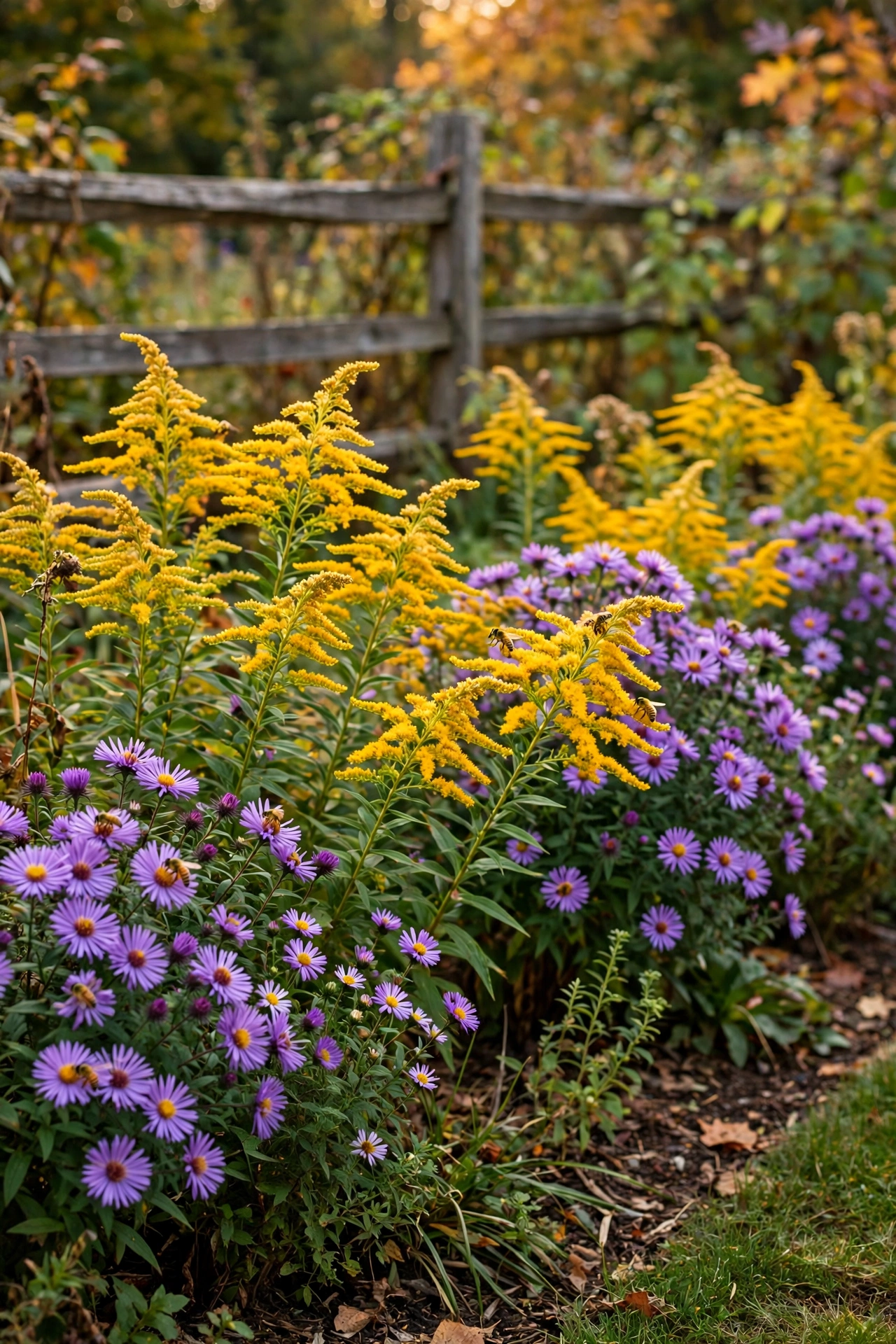
When summer flowers fade, asters and goldenrod keep pollinators fed through autumn, and they are the last major nectar source before winter. Native New England aster, smooth aster, and stiff goldenrod bloom in shades of purple, pink, and gold that light up the garden in September and October.
Plant this late season border at the back of the garden where the tall stems can rise without shading shorter plants. Leave the stems standing through winter, since native bees shelter in hollow stems and birds eat the seeds. Cut the border back once in early spring, just before new growth starts.
14. Leave a Bare Soil Patch for Ground Nesting Bees
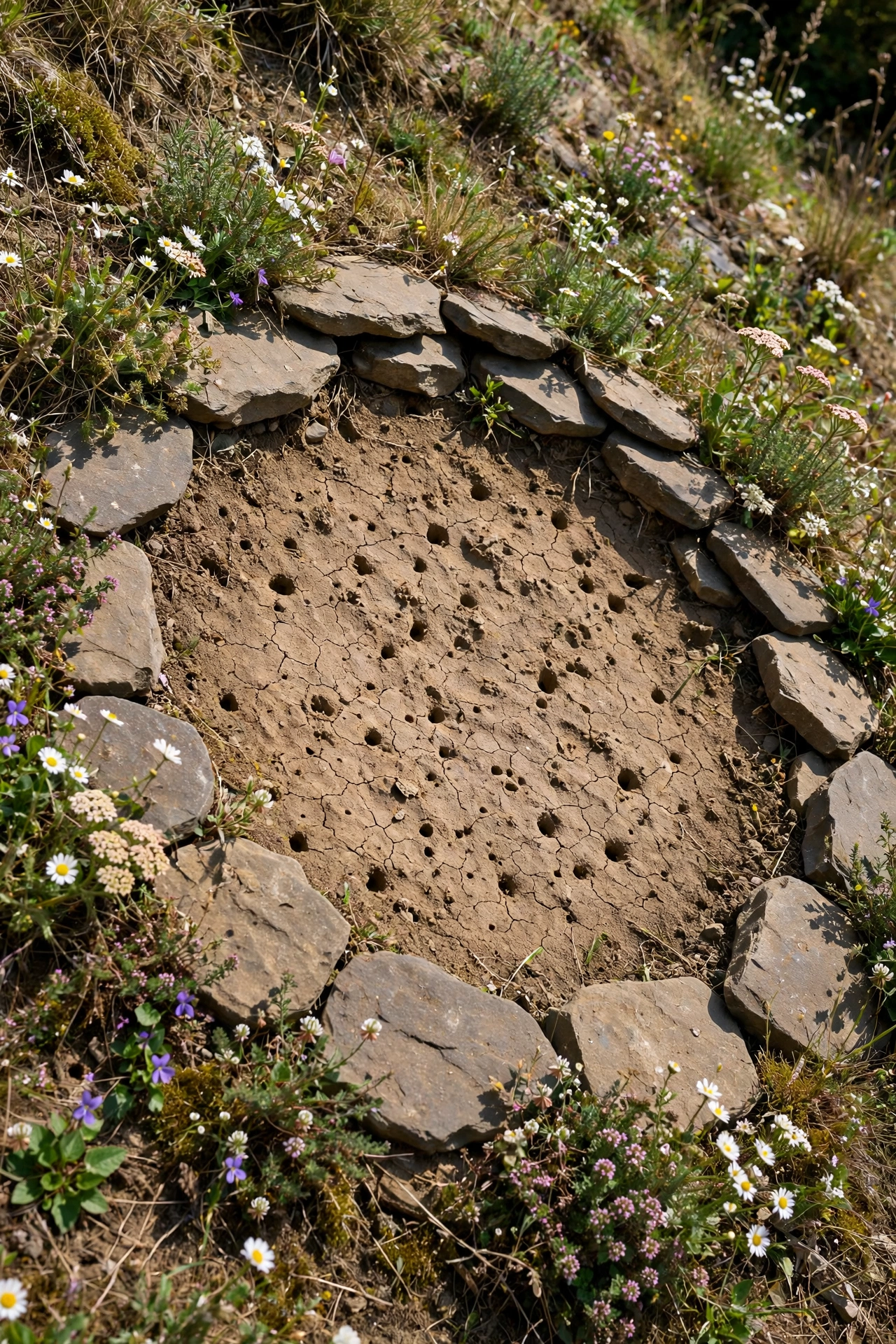
Around seven in ten native bee species nest in the ground, digging small tunnels in bare, dry, sunny soil. A patch of earth left free of mulch, lawn, and foot traffic gives these bees a place to raise their young, and the small holes they dig are easy to miss if you are not looking for them.
Mark the patch with a ring of flat stones and place it on a gentle south facing slope where the soil warms early and drains fast. Avoid watering the patch directly, since ground nesting bees prefer dry soil. If you see small mounds with a hole in the center, you will know the bees have moved in.
15. Hang a Bee House on a Warm South Facing Wall
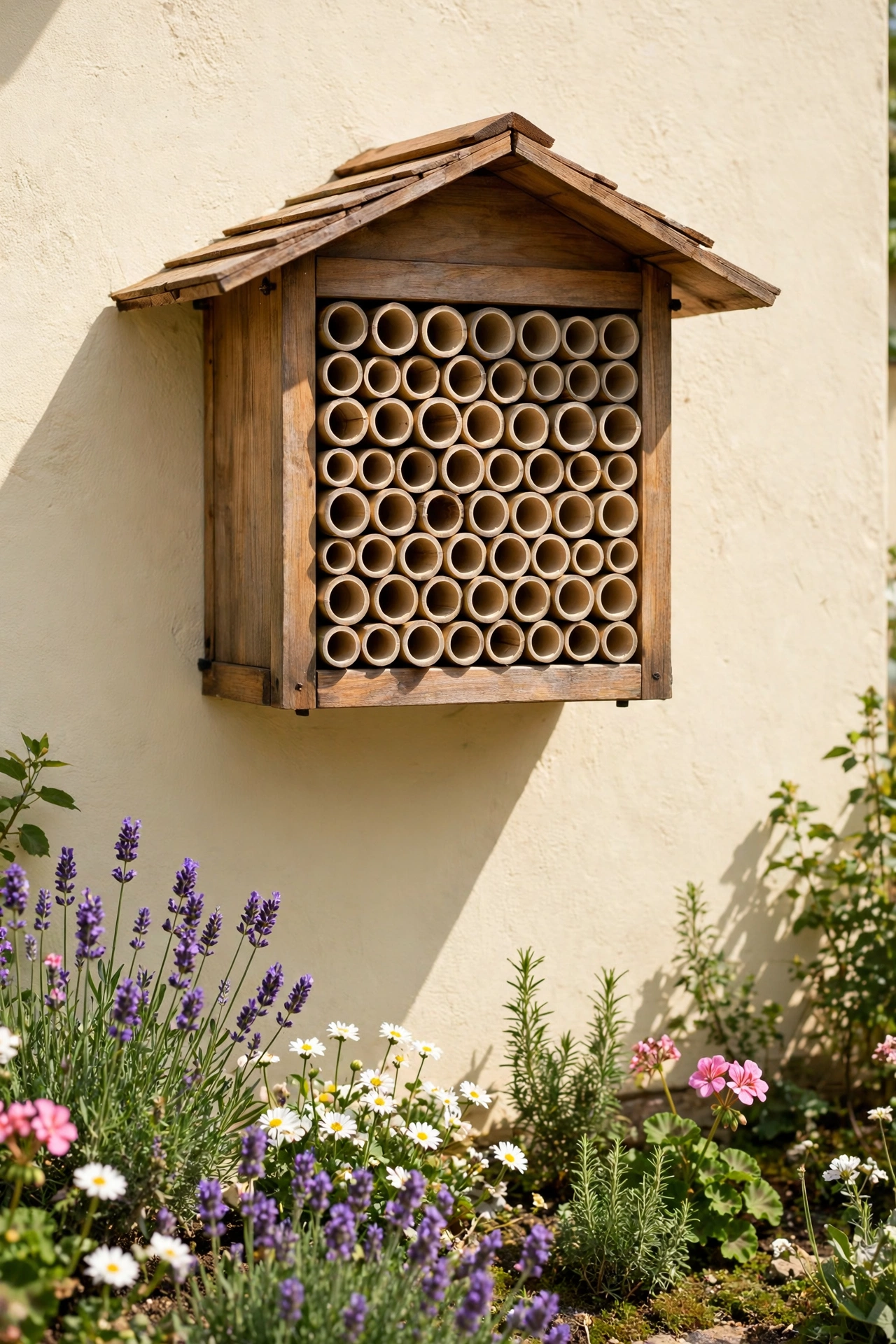
Solitary bees such as mason bees and leafcutter bees nest in hollow tubes, and a bee house mounted on a warm wall gives them ready made homes. Choose a house with smooth tubes of different widths, mount it at eye level facing south or southeast, and give it a small roof overhang to keep rain out of the tubes.
Place the bee house within a short flight of your flower beds and away from bird feeders, since birds sometimes pull nesting bees from the tubes. Replace or clean the tubes each winter so parasites and mold do not build up. A bee house near the garden also gives children a safe window into the life of native bees.
16. Grow a Beetle Bank of Native Grasses
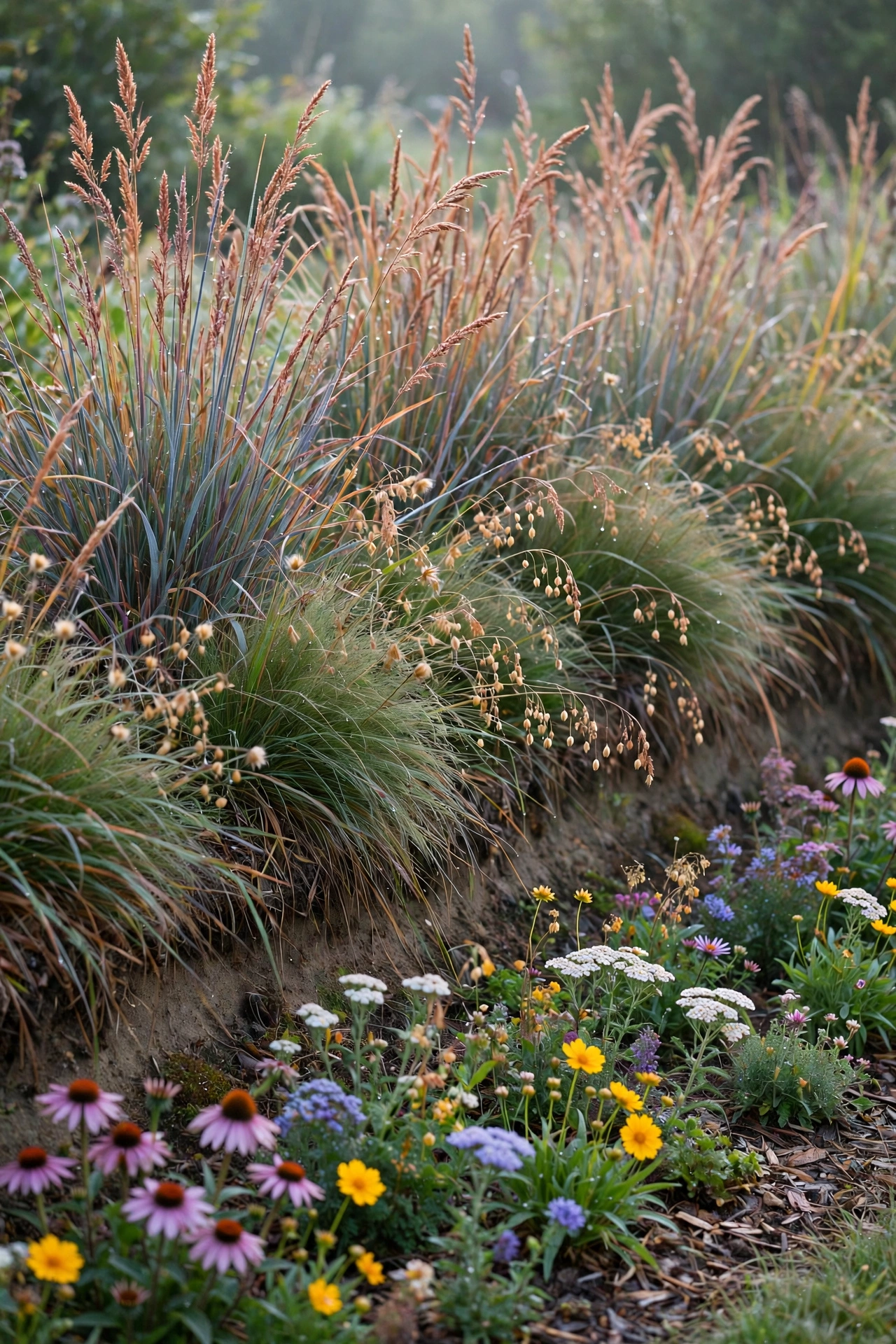
A beetle bank is a low ridge of native grasses that shelters ground beetles, which eat slugs, aphids, and other garden pests. Sow a mix of little bluestem, prairie dropseed, and native sedges on a ridge about a foot high, and let the grasses stand through winter for cover.
Run the beetle bank along the edge of your vegetable or flower beds so the beetles can patrol the beds at night. Cut the grasses back once in early spring and leave the cuttings as mulch. The bank also catches rainwater and slows runoff, which helps the whole garden hold moisture.
17. Shape a Rain Garden Swale for Moisture Loving Pollinators
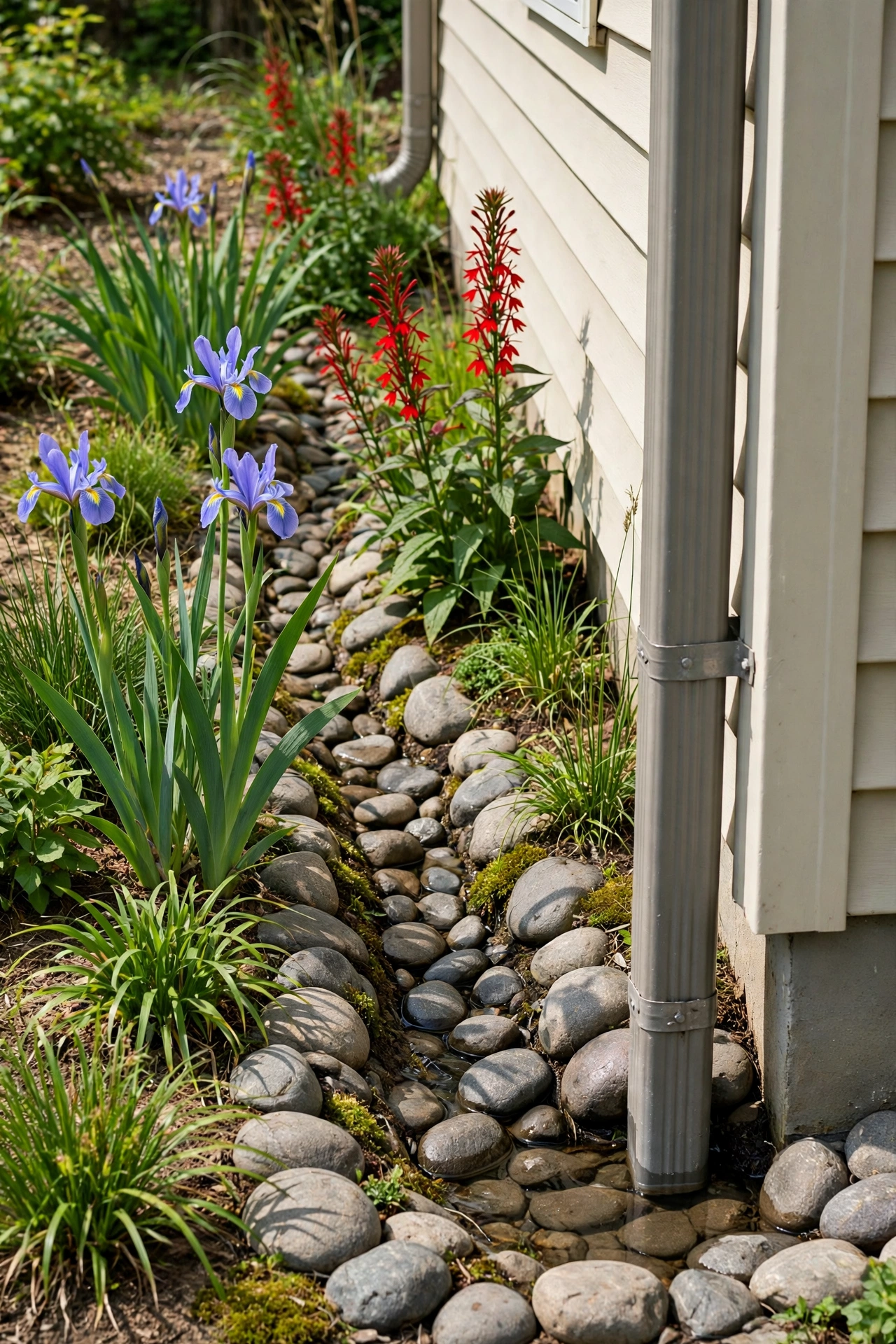
A shallow swale that catches roof runoff creates a damp zone where moisture loving flowers thrive, and those flowers feed a different set of pollinators than dry beds do. Blue flag iris, cardinal flower, Joe Pye weed, and native sedges all love the extra water, and their blooms draw bees, hummingbirds, and moths through the summer.
Dig the swale six to eight inches deep with gently sloping sides, and direct a downspout into one end so rain flows in and soaks away within a day. These rain garden ideas show how to size the swale and pick plants for wet soil. A rain garden also keeps storm water out of the street, which helps your whole neighborhood.
18. Add a Pond Edge for Dragonflies and Water Loving Wildlife
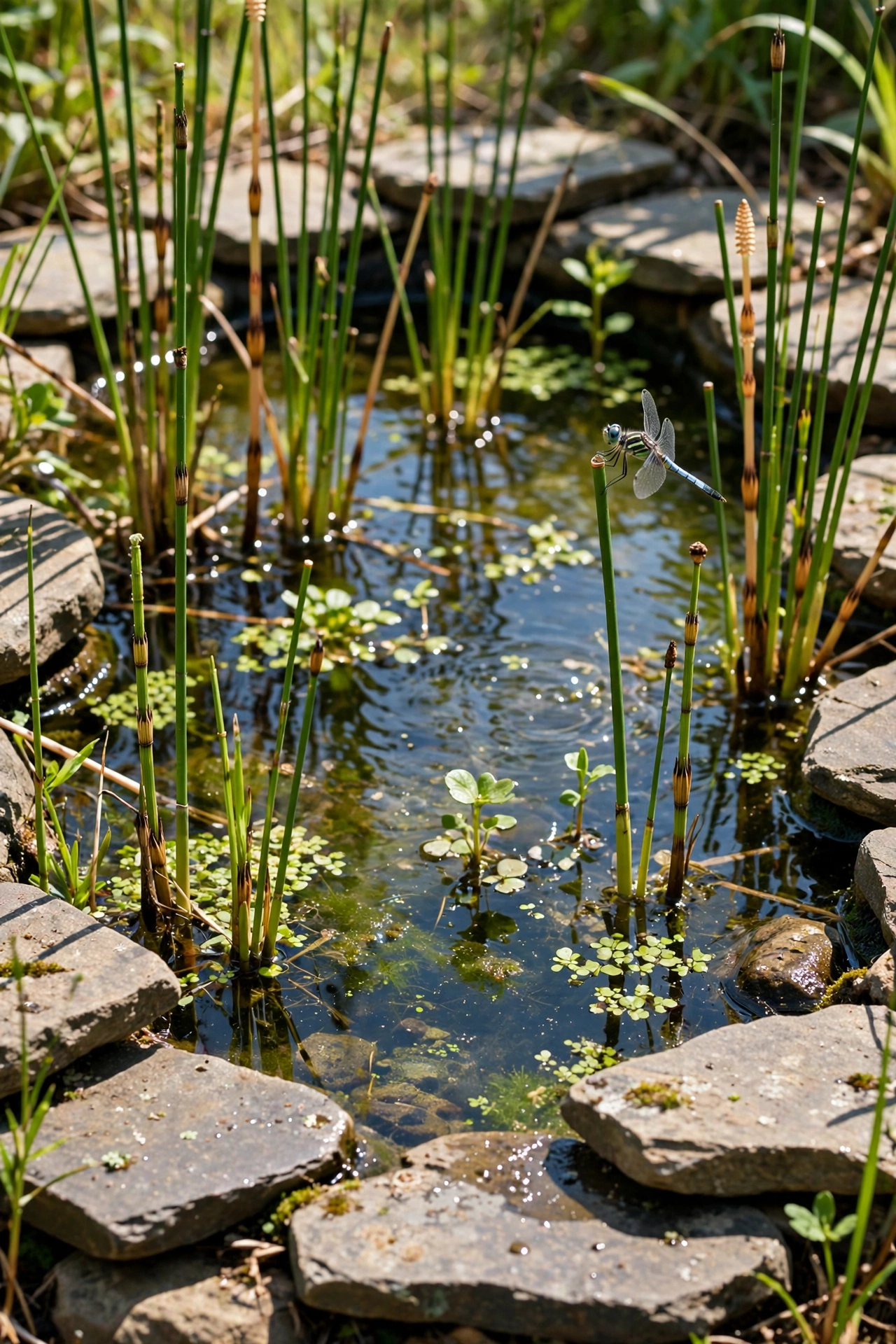
Dragonflies are fierce hunters of mosquitoes, and they need still water to breed, so a small pond edge turns your garden into a home for them. A shallow basin two feet across is enough, with flat stones at the rim for perching and a few upright rushes where dragonfly nymphs can climb out of the water to become adults.
Keep fish out of the pond, since fish eat dragonfly nymphs, and let a few water plants cover part of the surface for shade. Place the pond in sun near your flower beds so adult dragonflies can hunt over the blooms. The pond will also draw frogs, birds, and bees that come to drink at the edges.
19. Plant a Berry Shrub Border for Native Birds
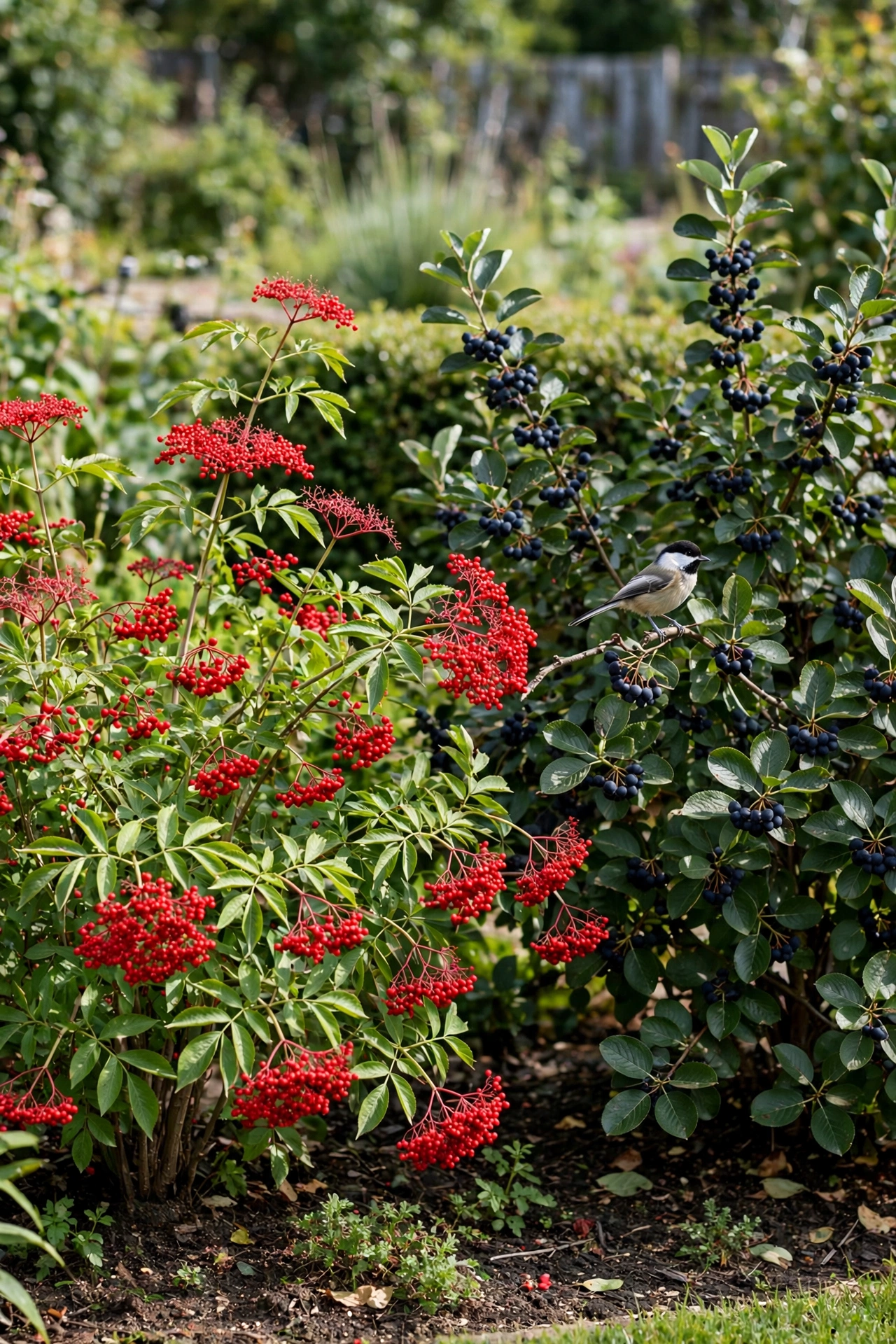
Native birds need fruit through summer and fall, and a border of berry shrubs gives them a steady food supply without a feeder. Elderberry, serviceberry, chokeberry, and native viburnum all produce berries that birds eat, and their flowers feed bees and other pollinators in spring.
Plant the shrubs in a loose group at the back of the garden where birds can perch and watch before they feed. Leave some berries on the branches through winter, since resident birds rely on them in cold months. The shrubs also screen the garden from neighbors and give the layout a soft, natural boundary.
20. Make a Butterfly Puddling Station in a Sunny Corner
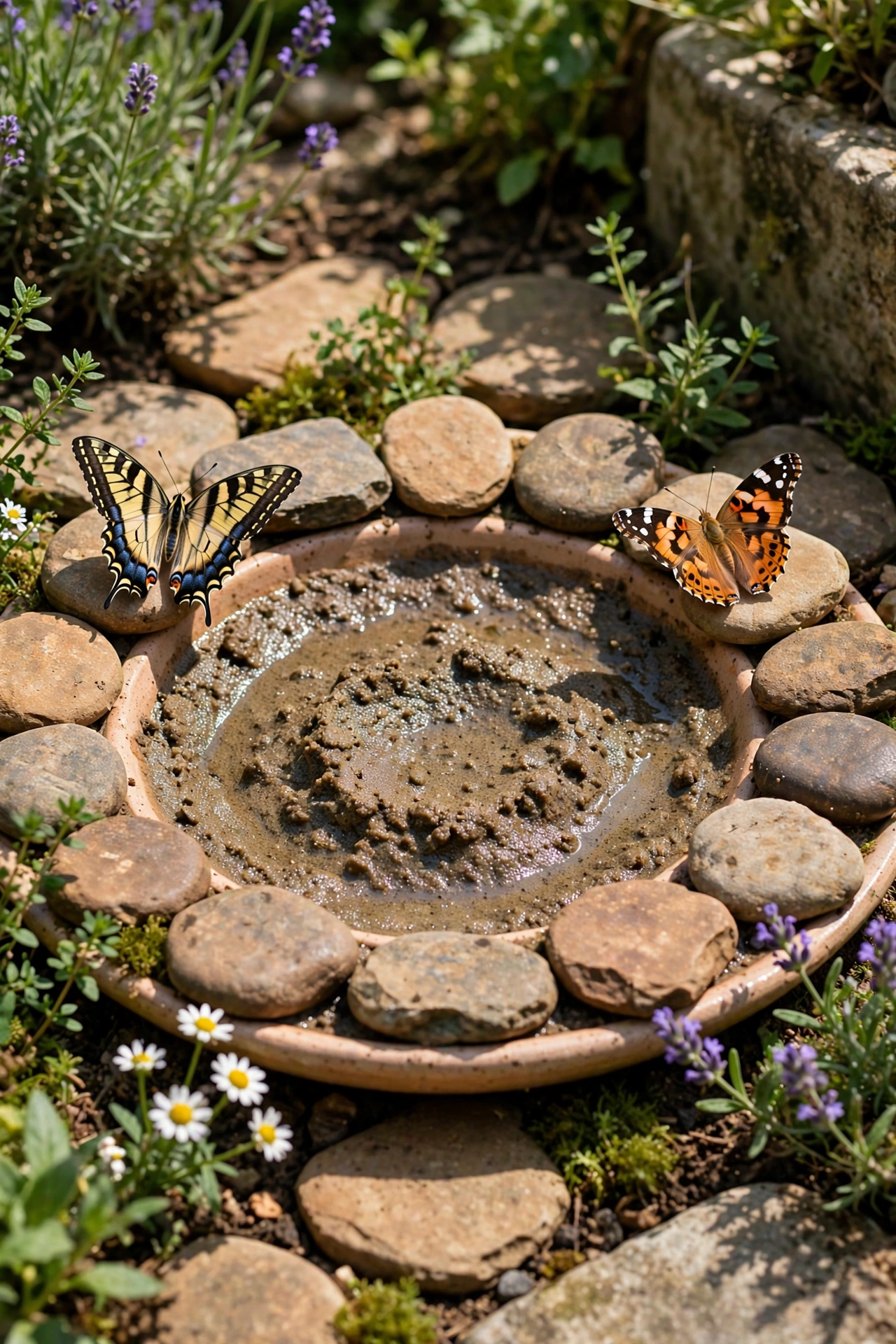
Butterflies gather at damp, salty patches of soil to sip minerals, and a puddling station gives them that resource in a tidy corner of the garden. Fill a shallow dish with damp sand and a pinch of sea salt, set it in full sun, and keep the sand moist through the day. Butterflies will land, unroll their tongues, and drink for several minutes at a time.
Place the station near your flower beds and away from heavy foot traffic so the butterflies feel safe enough to stay. Surround the dish with flat stones that warm in the sun and give butterflies a place to bask with open wings. Refill the dish with plain water each morning and refresh the sand once a month.
21. Keep a Compost Corner That Feeds Beetles and Soil Life
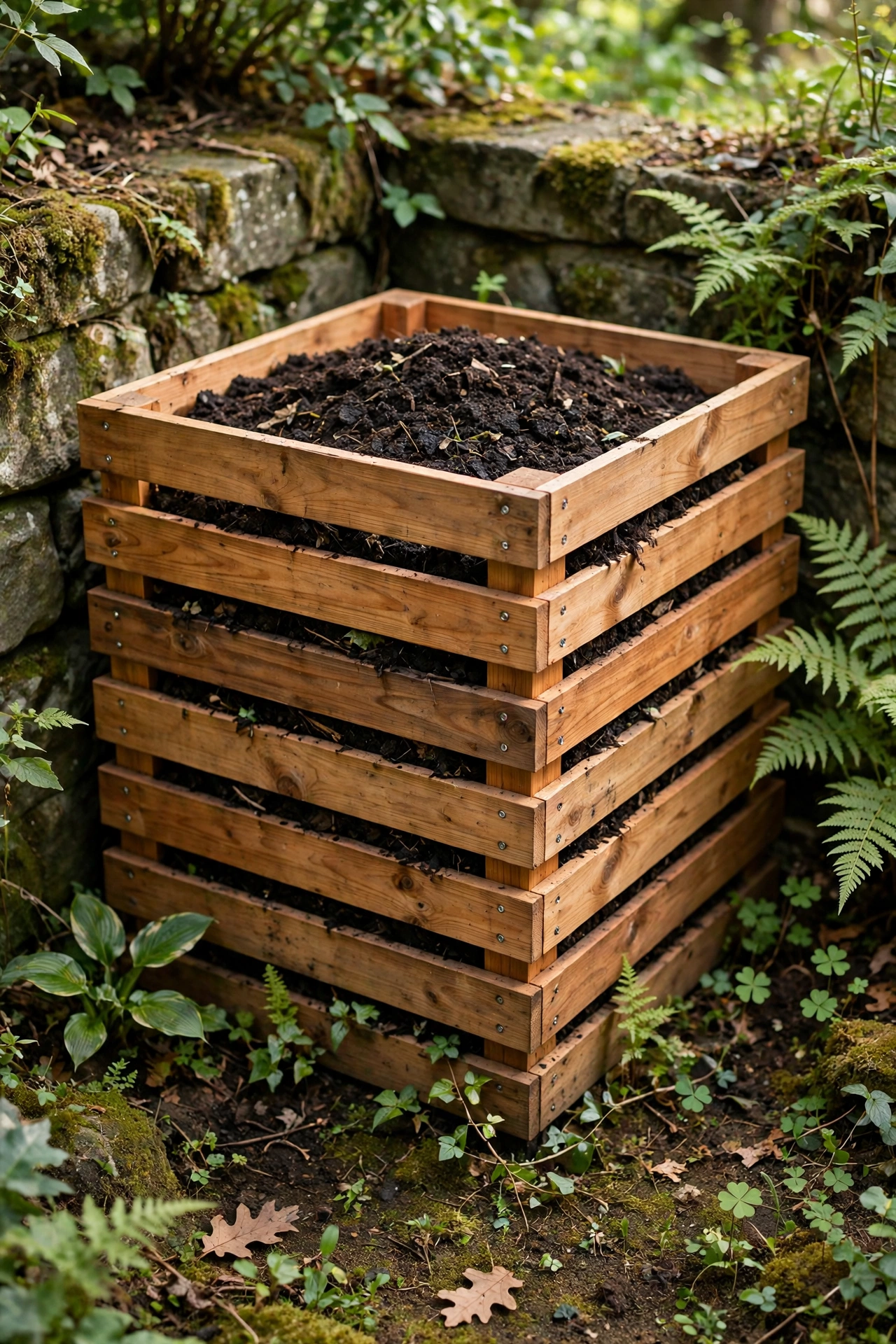
A compost corner does double duty in a pollinator garden: it turns kitchen and garden waste into rich soil, and the warm, damp heap shelters beetles, worms, and other decomposers that feed the whole food web. Build the heap in a shaded corner with slatted wood sides that let air flow through.
Keep the heap moist and turn it every few weeks to speed up the breakdown. The finished compost feeds your flower beds without chemical fertilizer, which keeps the nectar clean for pollinators. Birds will also visit the heap to pick out insects, especially in early morning.
22. Edge a Path With Culinary Herbs for Bees
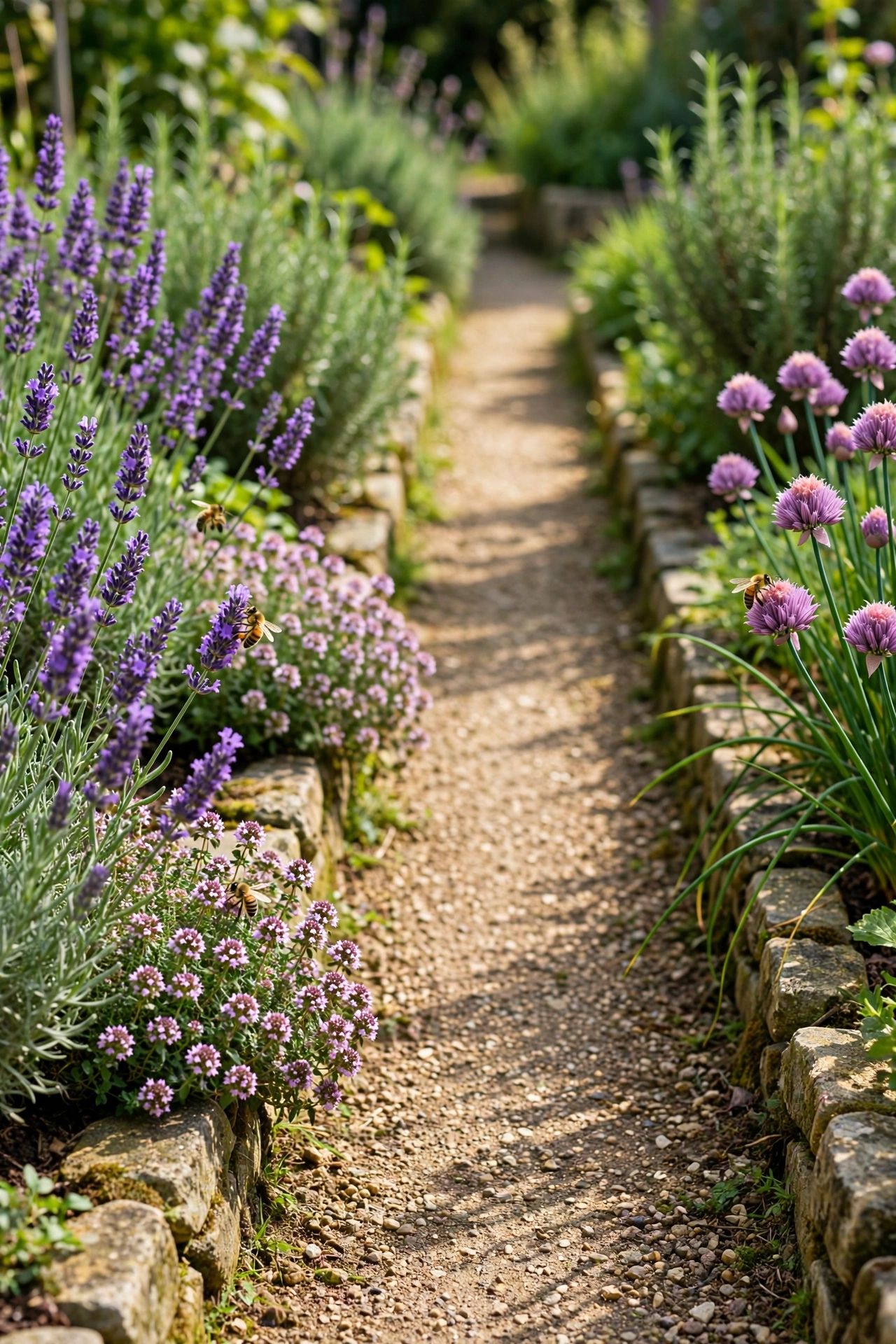
Culinary herbs are some of the best bee plants of all, because their small, open flowers are easy for bees to reach and rich in nectar. Lavender, thyme, oregano, borage, chives, and rosemary all bloom generously if you let a few plants go to flower instead of harvesting every stem.
Plant the herbs along both sides of a sunny path where brushing past them releases their scent. Use low stone edging to keep the herbs from spreading into the path, and harvest from the back of each clump so the front keeps blooming. The herb edge also gives you fresh flavor for the kitchen all season.
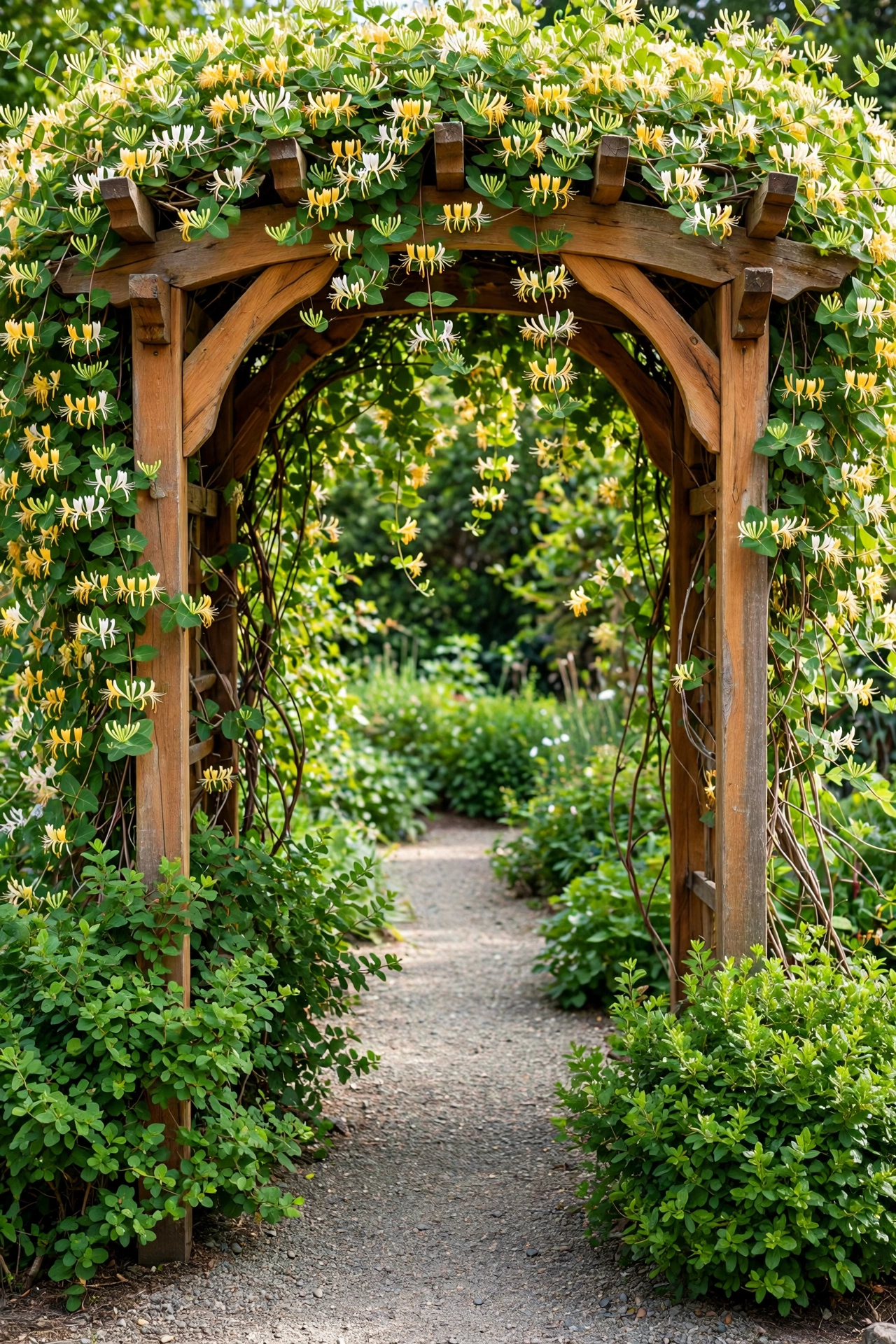
23. Shape a Shrub Archway That Shelters Small Birds
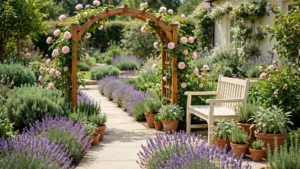
An archway of native shrubs gives small birds a covered route through the garden and a safe perch above the flower beds. Train native honeysuckle or Virginia creeper over a warm wood arch, and plant dense shrubs at each foot so birds can hop from cover to cover without crossing open ground.
Place the archway over a path that links two parts of the garden, so you walk under it every day and enjoy the flowers at eye level. The arch also frames a view of the garden beyond and gives climbing plants a sturdy home. Prune the shrubs lightly after flowering to keep the arch open and airy.
24. Terrace a Sunny Slope Into Pollinator Beds
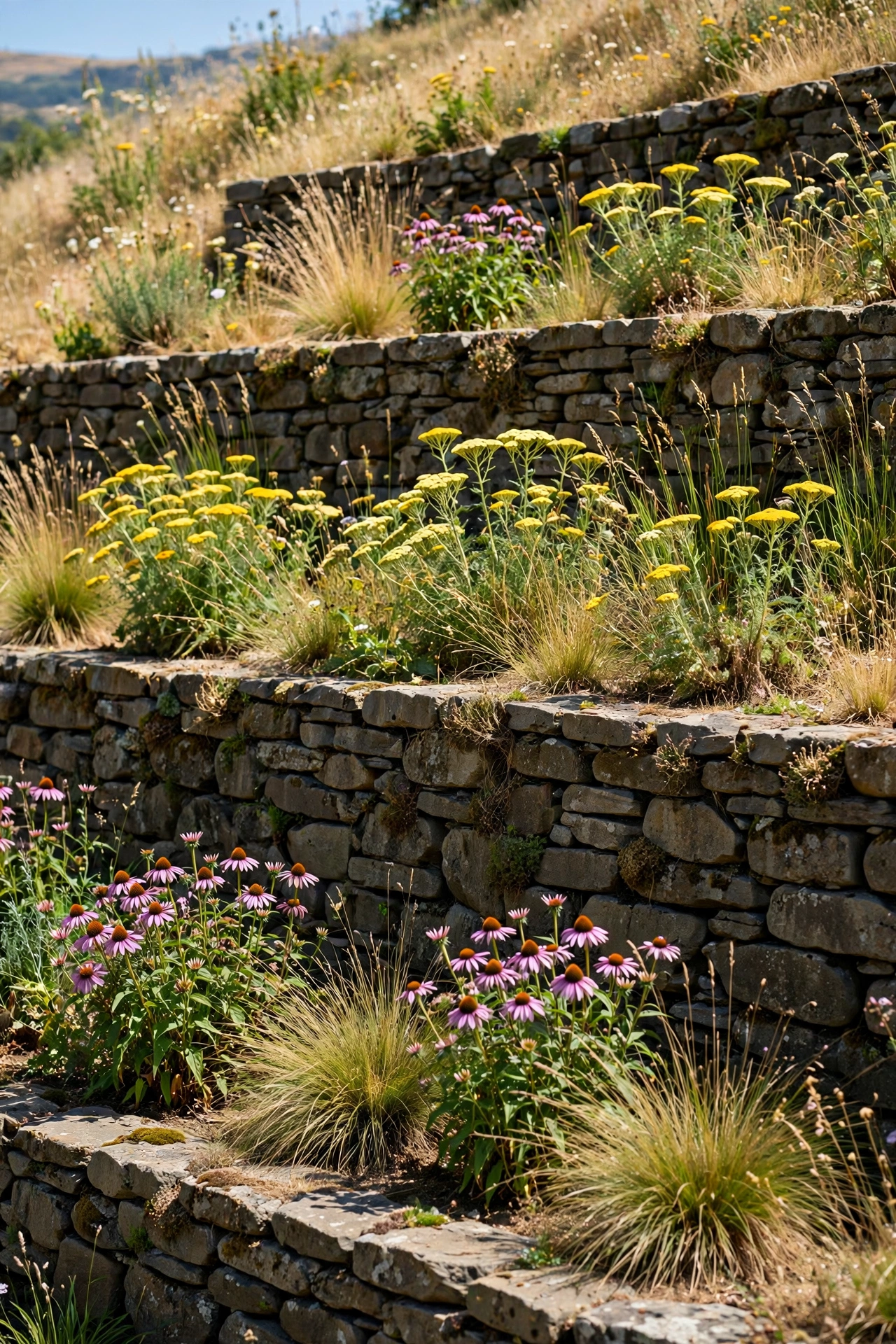
A sunny slope loses water fast, but terraced beds hold soil and moisture in place and turn the slope into a series of sunny shelves for flowers. Build low retaining walls from dry stacked stone or warm wood timbers, level each shelf, and fill it with a mix of native soil and compost.
Plant drought tolerant natives such as purple coneflower, yarrow, and native grasses on the top terraces, where drainage is fastest, and moisture loving flowers on the lower shelves. The steps between terraces give you easy access for weeding and deadheading, and the whole slope becomes a wall of color that bees can work from bottom to top.
25. Grow a Clover Path Between the Beds
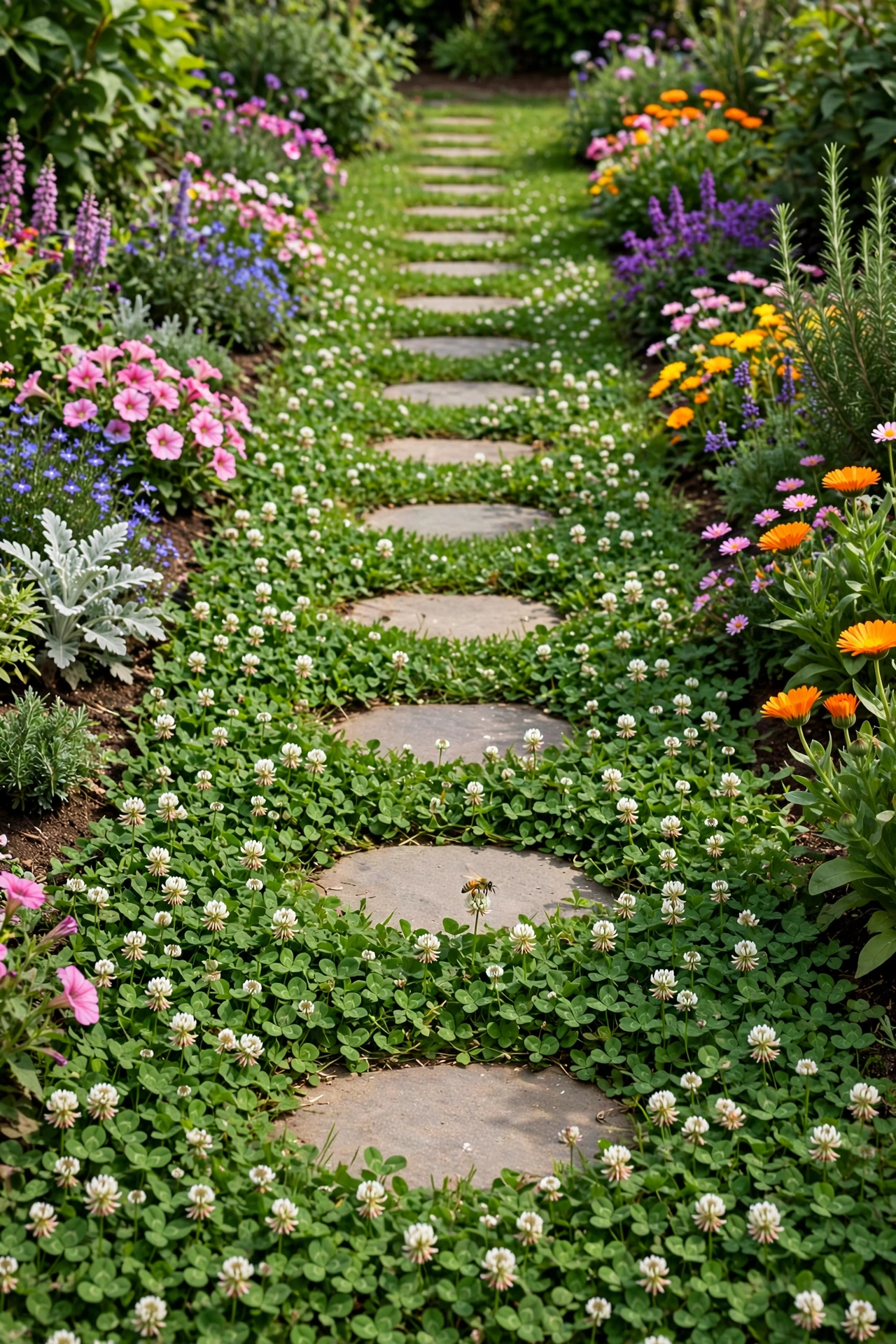
White clover stays low, soft, and green, and its small white flowers feed bees all summer long, which makes it a better path surface than bare soil or gravel in a pollinator garden. Sow clover seed along the paths between your beds, mow it high once a month, and let it bloom between cuts.
Clover also fixes nitrogen in the soil, which feeds the flowers on either side of the path without fertilizer. The soft path is pleasant to walk on barefoot and stays green through dry spells. If you need a firmer surface, set flat stepping stones into the clover so you can walk the path after rain.
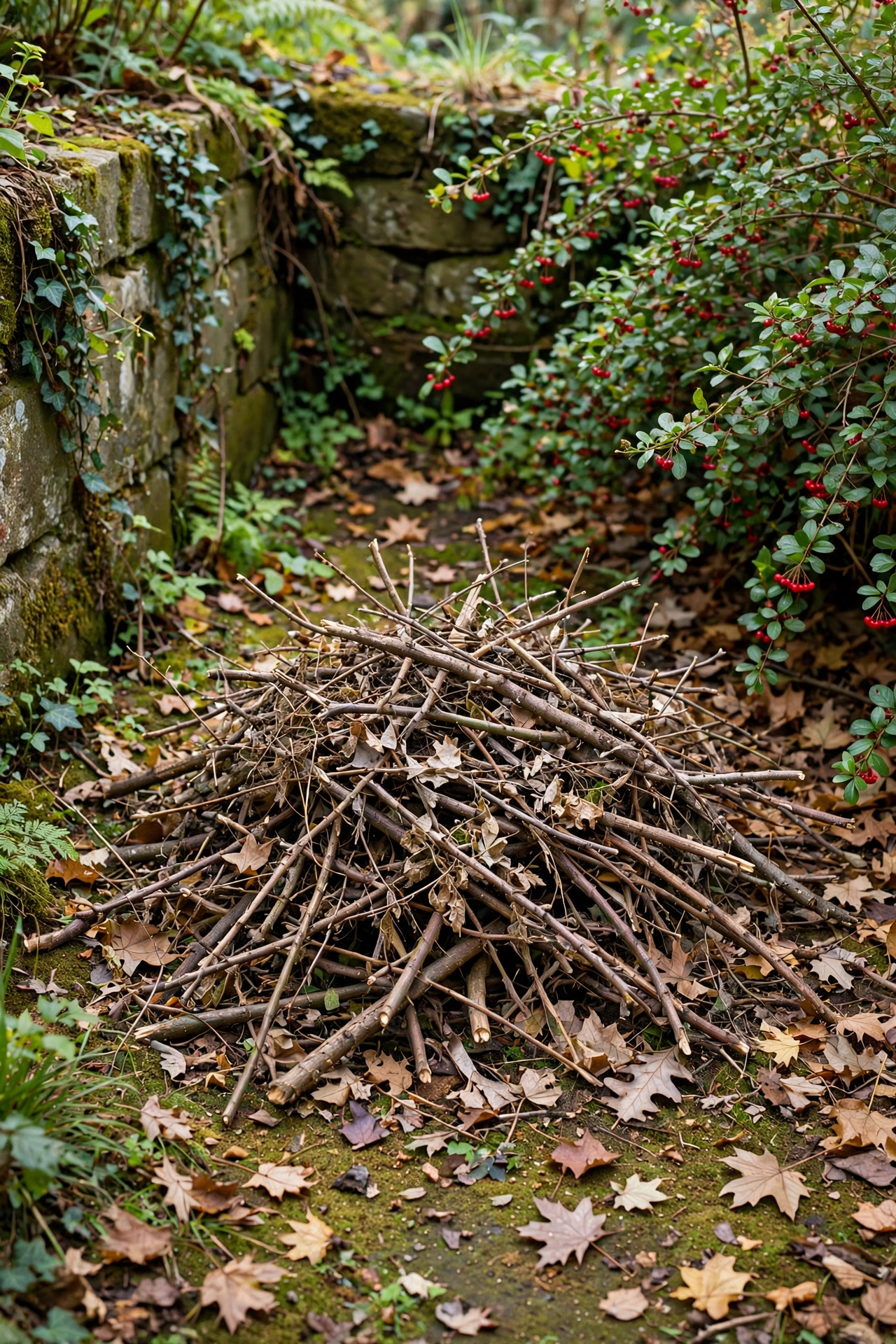
26. Build a Brush Pile Hideaway for Birds and Small Wildlife
A brush pile is the simplest wildlife shelter you can build, and it costs nothing more than the branches you already prune from trees and shrubs. Stack the branches in a loose heap in a quiet corner, with larger limbs at the bottom and fine twigs on top, and let leaves settle into the gaps.
Native birds will use the pile for cover from hawks and cats, and small mammals and beetles will shelter inside it through winter. Place the pile near your berry shrubs so birds can dart from food to cover in one short flight. Add fresh branches each year as the lower layers break down into soil.
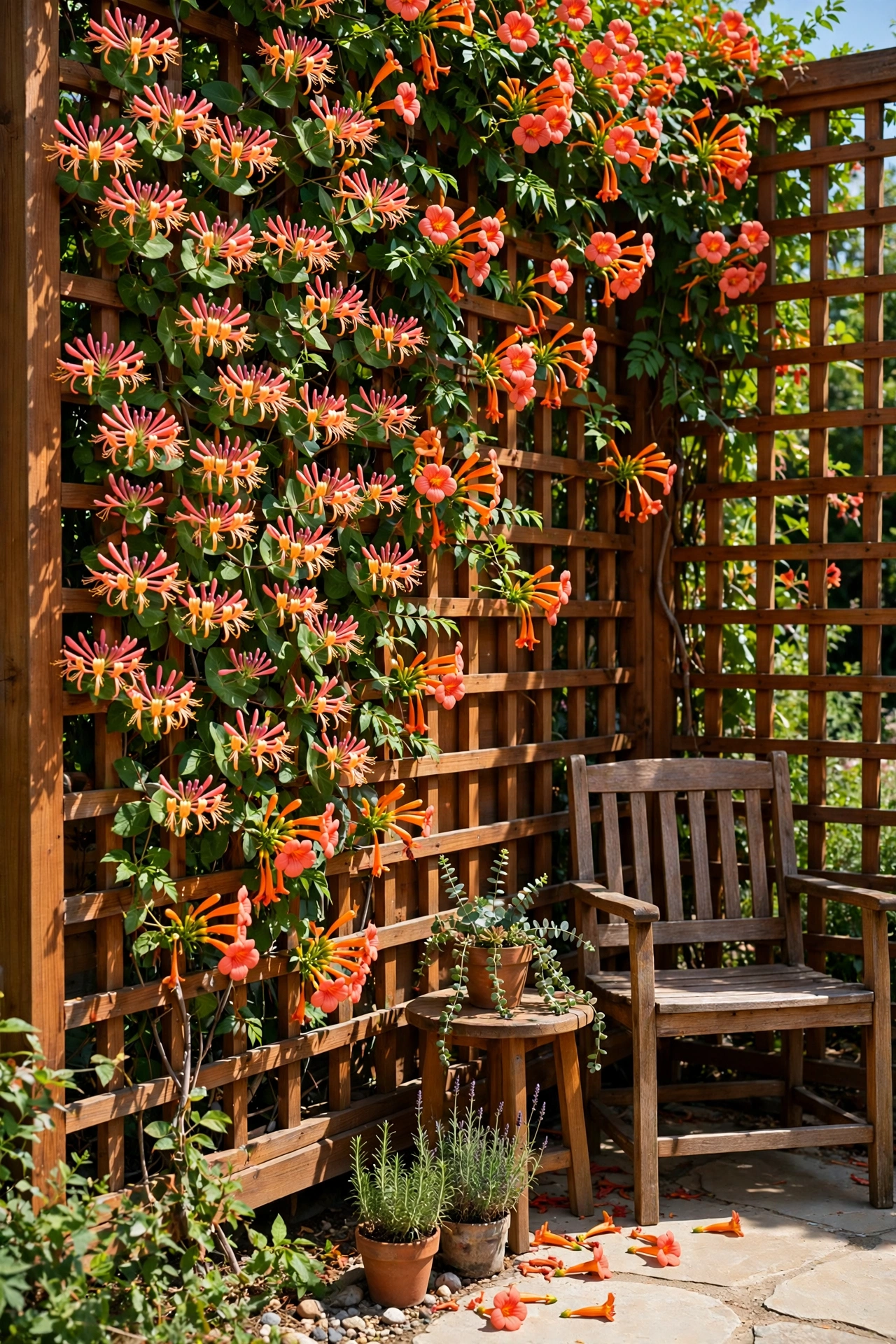
27. Train Native Vines Up a Trellis Wall for Hummingbirds
A trellis wall covered in native vines gives hummingbirds a vertical feeding station that takes almost no ground space, which suits small yards and patios. Coral honeysuckle, trumpet vine, and native clematis all produce the long, tubular flowers hummingbirds love, and a sturdy trellis holds the vines at a height you can watch from a window.
Build the trellis from warm wood slats on a sunny wall or fence, and guide the vines upward as they grow. The vine wall also shades a seating area and screens the garden from a neighbor’s view. Cut the vines back in late winter to keep them dense and full of flowers through summer.
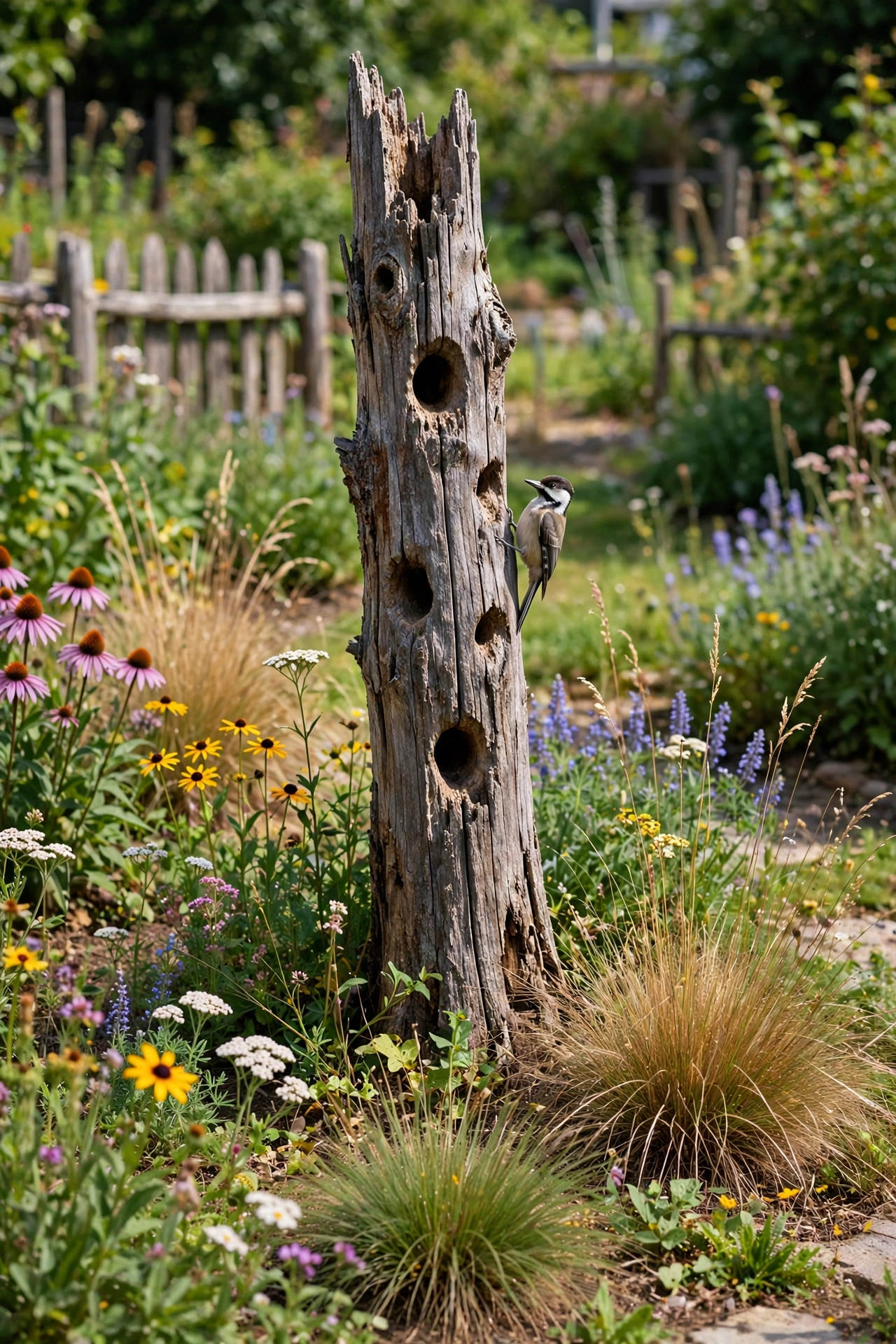
28. Leave a Standing Dead Tree Snag for Nesting Birds and Bees
A standing dead tree, called a snag, is one of the most valuable wildlife features in any garden, because woodpeckers carve nest holes in it and native bees nest in the soft wood. If a small tree dies in your yard, consider leaving the trunk standing at a safe height instead of removing it.
Cut the snag to eight or ten feet tall, remove any branches that could fall on a path or a building, and let nature take over. Bluebirds, chickadees, and native bees will use the holes in turn, and fungi will slowly return the wood to the soil. A snag at the back of the garden looks natural and needs no care at all.
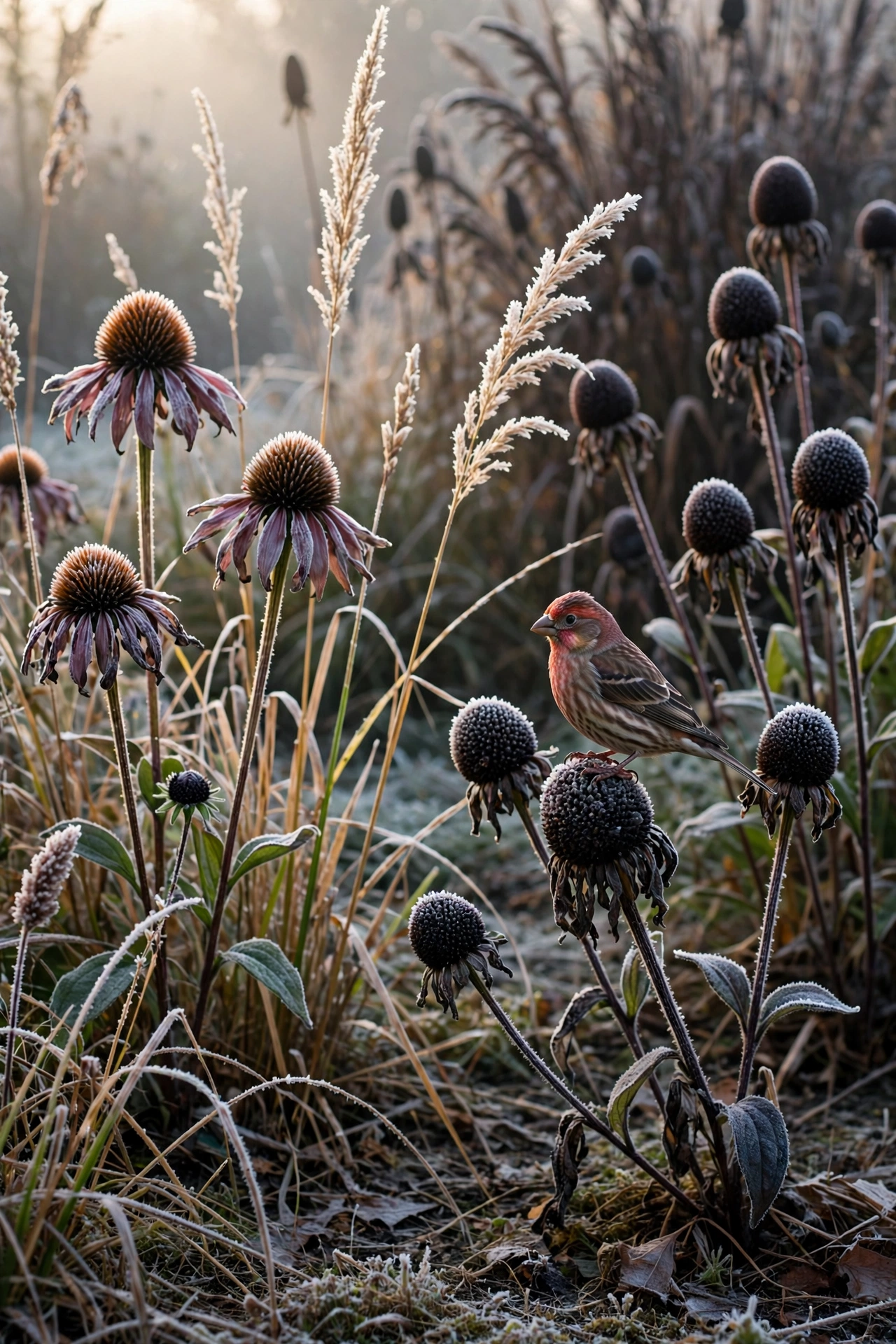
29. Leave a Winter Seed Head Border for Hungry Birds
When autumn arrives, resist the urge to cut the garden back, because standing seed heads feed native birds all winter. Coneflower, black-eyed Susan, sunflower, and native grasses all hold seeds in their dried heads, and finches, sparrows, and chickadees will pick at them on cold mornings.
Plant the seed head border where you can see it from a kitchen window, so winter birdwatching becomes part of your daily routine. The frosted stems also look beautiful in low winter light. Cut the border back once in early spring, just as new shoots appear, and leave the cut stems in a loose pile for nesting material.
30. Plan a Four Season Bloom Calendar Bed
The best pollinator layout is one that never has a gap, so plan a bed with a bloom calendar that runs from early spring to late fall. Start with spring bulbs and native phlox, follow with summer coneflower and bee balm, and finish with asters, goldenrod, and late sedum so every week of the season offers fresh nectar.
Draw the bed on paper before you plant, and mark which plant blooms in which month so you can spot and fill any gaps. Repeat the same sequence in two or three beds across the garden so pollinators always have a full table nearby. A calendar bed also keeps your garden colorful from the first warm day to the first frost.
Conclusion
A pollinator garden layout is really a promise you make to the wildlife that shares your yard: food in every season, water within reach, shelter from wind and predators, and safe places to raise the next generation. When you shape your beds, paths, and corners with those needs in mind, your garden becomes part of a larger habitat that stretches far beyond your fence.
Start with two or three ideas that fit your space, such as a drift of native flowers, a shallow water dish, and a quiet nesting corner, and build from there as you watch which visitors arrive. The bees, hummingbirds, moths, beetles, and birds will tell you what works, and each season your garden will hum a little louder.
Frequently Asked Questions About Pollinator Garden Layout Ideas for Native Wildlife
How big does a pollinator garden need to be?
A pollinator garden can start as small as a single container or a bed three feet wide. Even a few pots of native flowers on a patio will feed bees and hummingbirds. The key is a steady supply of blooms through the seasons, not a large area. Start small, watch which plants thrive, and expand the layout as your confidence grows.
Do pollinator gardens attract wasps and pests?
A balanced pollinator garden rarely becomes a pest problem, because the same habitat that feeds pollinators also shelters their natural predators, such as birds, dragonflies, and ground beetles. Wasps visit flowers too, but they rarely sting unless provoked. Avoid sweet drinks and fallen fruit near seating areas, and keep the garden tidy without spraying chemicals.
Should I use mulch in a pollinator garden?
Use mulch lightly and leave some bare soil open, since ground nesting bees need direct access to earth. A thin layer of leaf mulch around plants holds moisture and feeds the soil, but thick bark mulch blocks nesting sites. Keep mulch away from the base of stems and leave at least one sunny patch of bare ground in the garden.
How do I keep a pollinator garden looking tidy?
Neat edges make a wildlife garden look intentional, so mow a clean border around meadow strips, edge beds with stone or wood, and keep paths clear. Repeat plants in drifts rather than scattering single plants, which reads as a designed pattern. A tidy frame around a slightly wild center gives you the best of both worlds.
When should I cut back a pollinator garden?
Wait until early spring to cut back stems and seed heads, since native bees shelter in hollow stems and birds eat the seeds all winter. Cut stems to different heights and leave the cuttings in a loose pile nearby so any insects inside can still emerge. One spring cleanup is enough for most pollinator gardens.

Hi, I’m Emily! I turn messy corners into cozy, organized spots. DreamNestDecor is where I share simple, practical home ideas — decor, organization, and small-space solutions that work in real life, not just in photos. Every idea here is carefully researched before it’s shared.