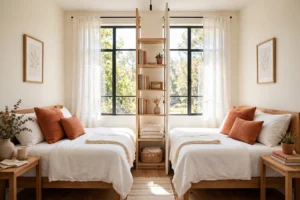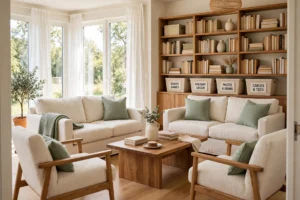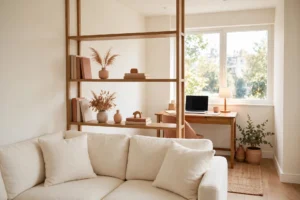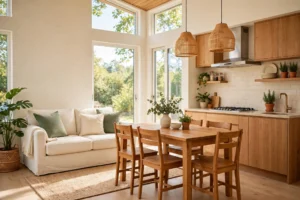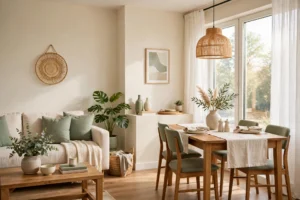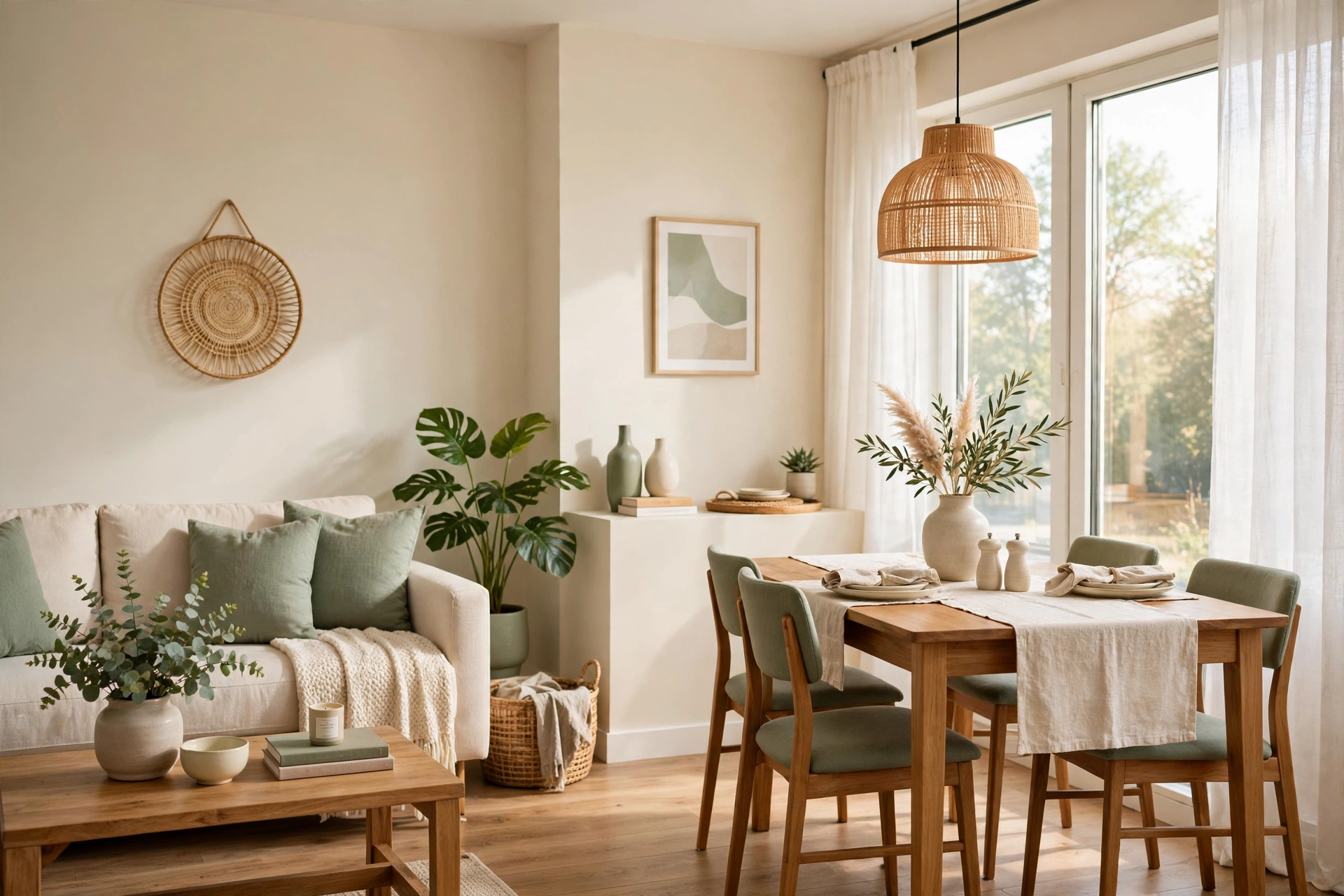
Picture this: you walk into a small apartment and instead of one crowded room, you see two clear spaces. A sofa and a reading chair define the living area, while a small wooden table with four chairs waits in its own sunny corner for dinner. The rooms feel calm and open, and every meal has a proper place of its own.
You do not need a large apartment or a big budget to get this feeling. All you need is a smart layout that gives dining its own spot without stealing space from living. These 15 small apartment layout ideas with a separate dining area will help you carve out a dining zone that feels intentional, welcoming, and made for real life.
1. Place a Round Table in the Brightest Corner
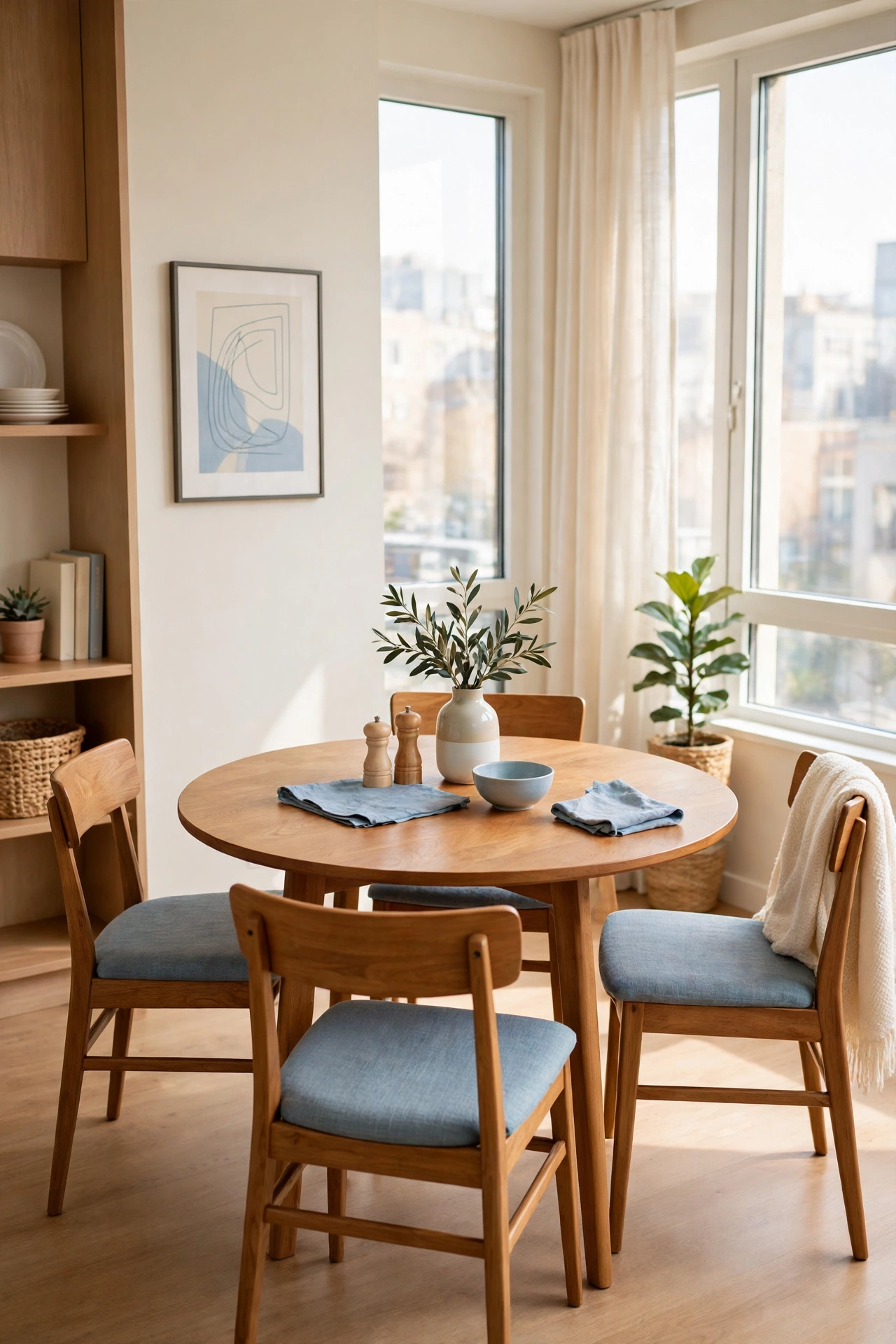
A round table fits beautifully into the brightest corner of a small apartment because it has no sharp edges and no wasted space. You can push it close to the window so meals get natural light, and chairs slide in neatly around it when dinner is done. A round shape also makes conversation easy because everyone faces each other.
Choose a table that seats four and a light-colored top so the corner feels airy instead of heavy. For more ways to shape a small dining zone, see these small dining room layout ideas. A round table turns an empty corner into the warmest seat in the home.
2. Use a Rug to Mark the Dining Zone
A rug is the simplest way to tell the eye where the dining area begins and the living area ends. Place a flat weave rug under the table and chairs, and the dining zone gets a clear border without any walls or furniture in the way. The rug also softens footsteps and keeps chairs from sliding on hard floors.
Pick a rug that is wide enough for the chairs to stay on it even when pulled out. A low pile rug in a calm color keeps the space feeling open, while a washable rug makes cleanup easy after meals. This one change gives the whole apartment a more organized and finished look.
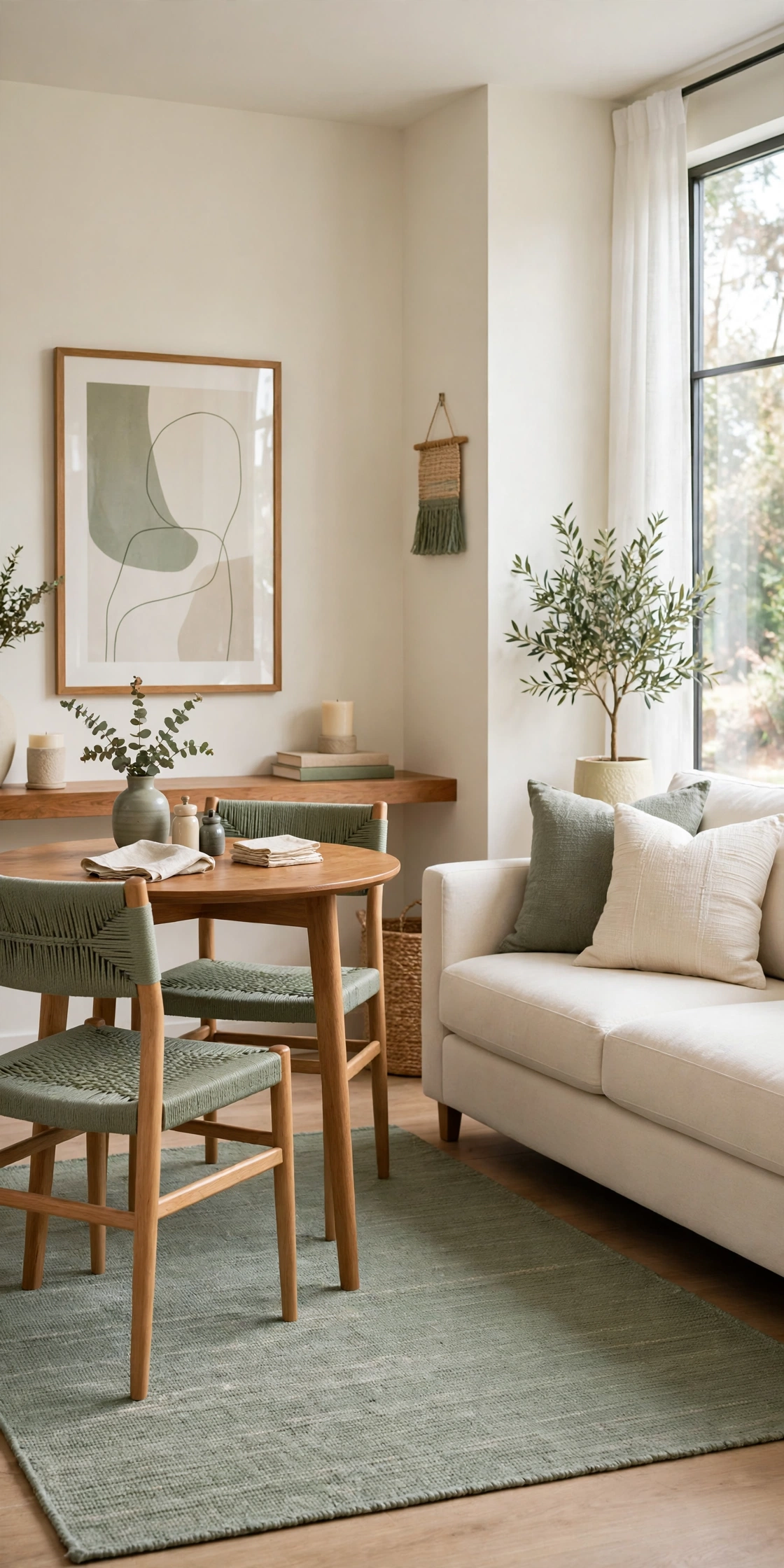
3. Float the Sofa to Face Away from the Table
Floating the sofa with its back to the dining table creates two rooms out of one open space. The sofa acts as a gentle divider, and the dining area gets its own side of the room without a single wall. This works especially well in long, narrow apartments where everything tends to run together.
Place a slim console table behind the sofa to hold a lamp or a few books, and the divide feels even more intentional. Keep the walkway between the sofa and the dining table wide enough for easy movement. A floated sofa gives both areas room to breathe.
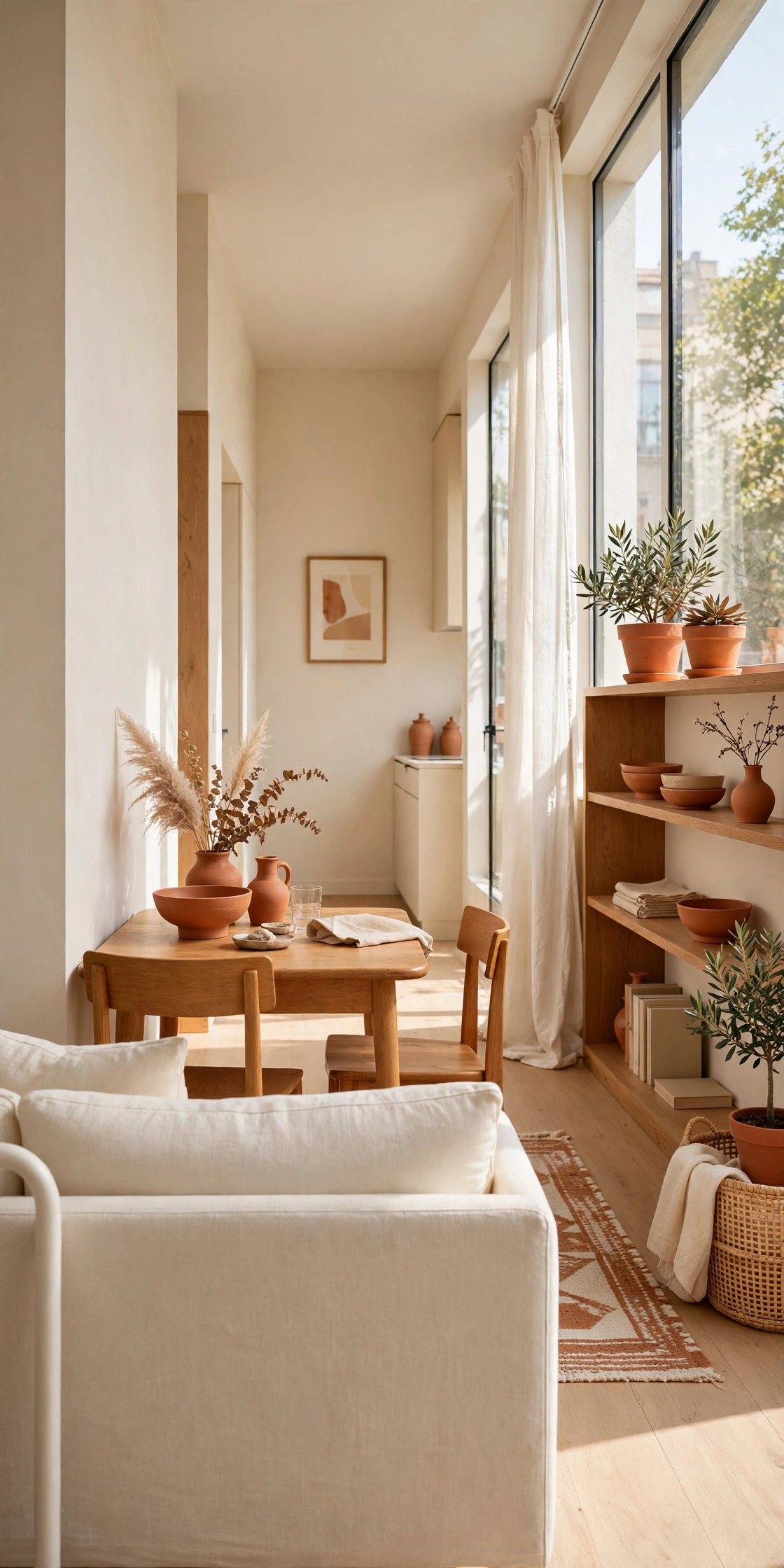
4. Tuck a Drop Leaf Table Against the Wall
A drop leaf table is perfect for a separate dining area in a very small apartment. Folded down, it hugs the wall and leaves the floor clear. Opened up, it seats two or four people for a proper meal. You get a real dining spot that disappears when you do not need it.
Mount a small shelf or a mirror above the folded table so the wall still feels decorated when the table is down. Pair it with two folding chairs that store flat in a closet. A drop leaf table is one of the smartest ways to keep dining separate without giving up precious space.
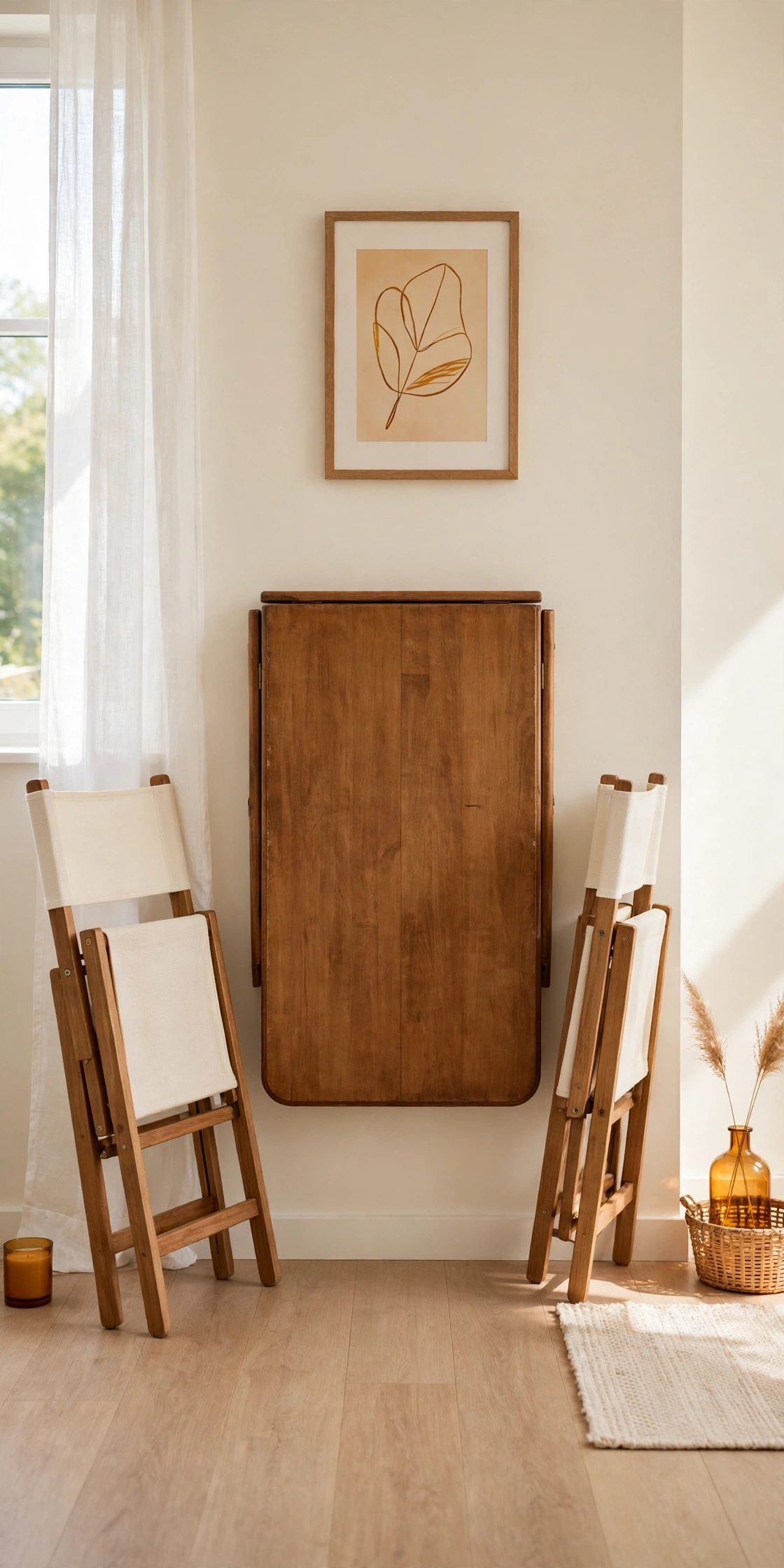
5. Divide the Room with an Open Bookcase
An open bookcase makes a lovely room divider that keeps light flowing between the living and dining areas. Books, plants, and a few dishes fill the shelves, and you can see through the gaps so the apartment still feels like one connected home. The bookcase gives the dining table a clear home of its own.
Choose a low bookcase if you want the space to feel open, or a tall one if you want more privacy at dinner. This trick works in a small loft apartment just as well as in a studio. An open divider adds storage and structure at the same time.
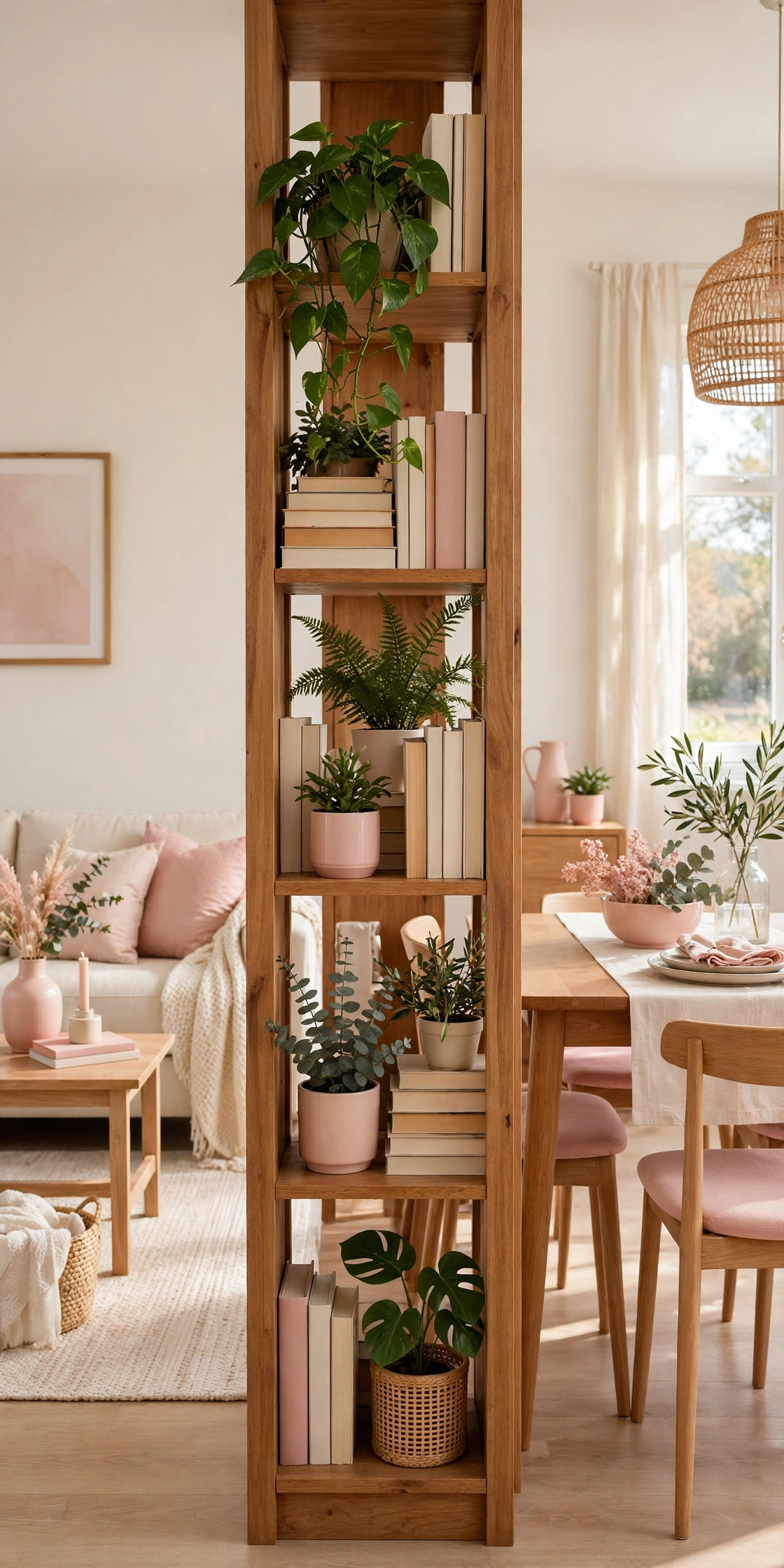
6. Hang a Pendant Light Over the Dining Table
A pendant light hung low over the dining table tells everyone that this spot is for eating. The pool of light marks the dining zone clearly, even in an open plan apartment with no walls. It also makes evening meals feel warm and special.
Pick a simple pendant in a soft metal or fabric shade that matches the room. Hang it about 30 inches above the table so it lights the plates without blocking the view across the table. One pendant can do more to define a dining area than any piece of furniture.
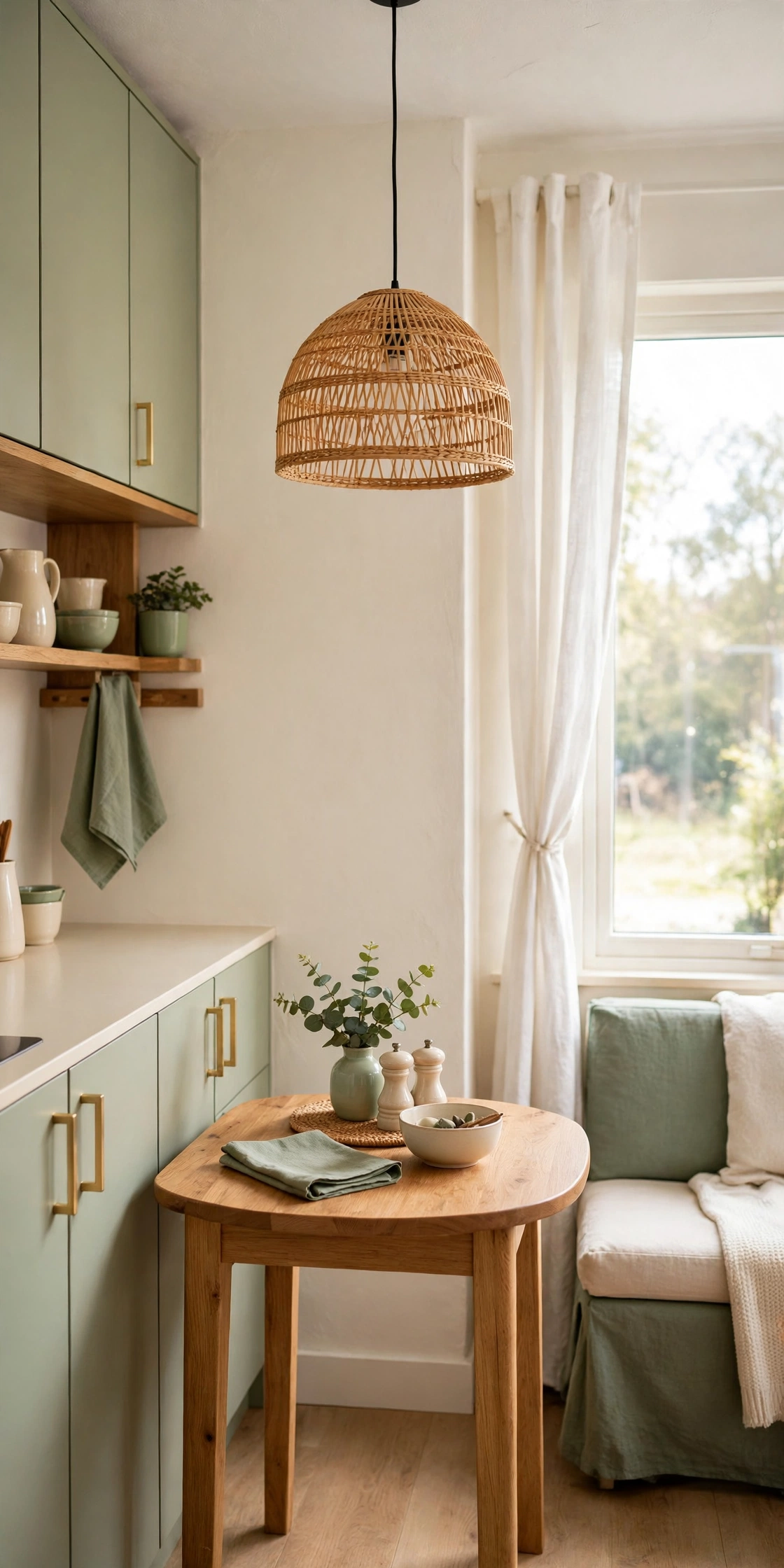
7. Build a Banquette Along the Wall
A banquette is a built-in bench that turns a wall into dining seating and saves a surprising amount of space. Slide the table against the bench and you only need chairs on one side, which leaves the walkway wide and clear. A banquette also gives you hidden storage underneath the seat for placemats, napkins, and board games.
Pad the bench with a comfortable cushion in a washable fabric and add two or three throw pillows for color. A banquette feels like a cozy cafe corner and makes everyday meals feel like a treat. It is a wonderful fit for families with kids who love to slide in and out of their seats.
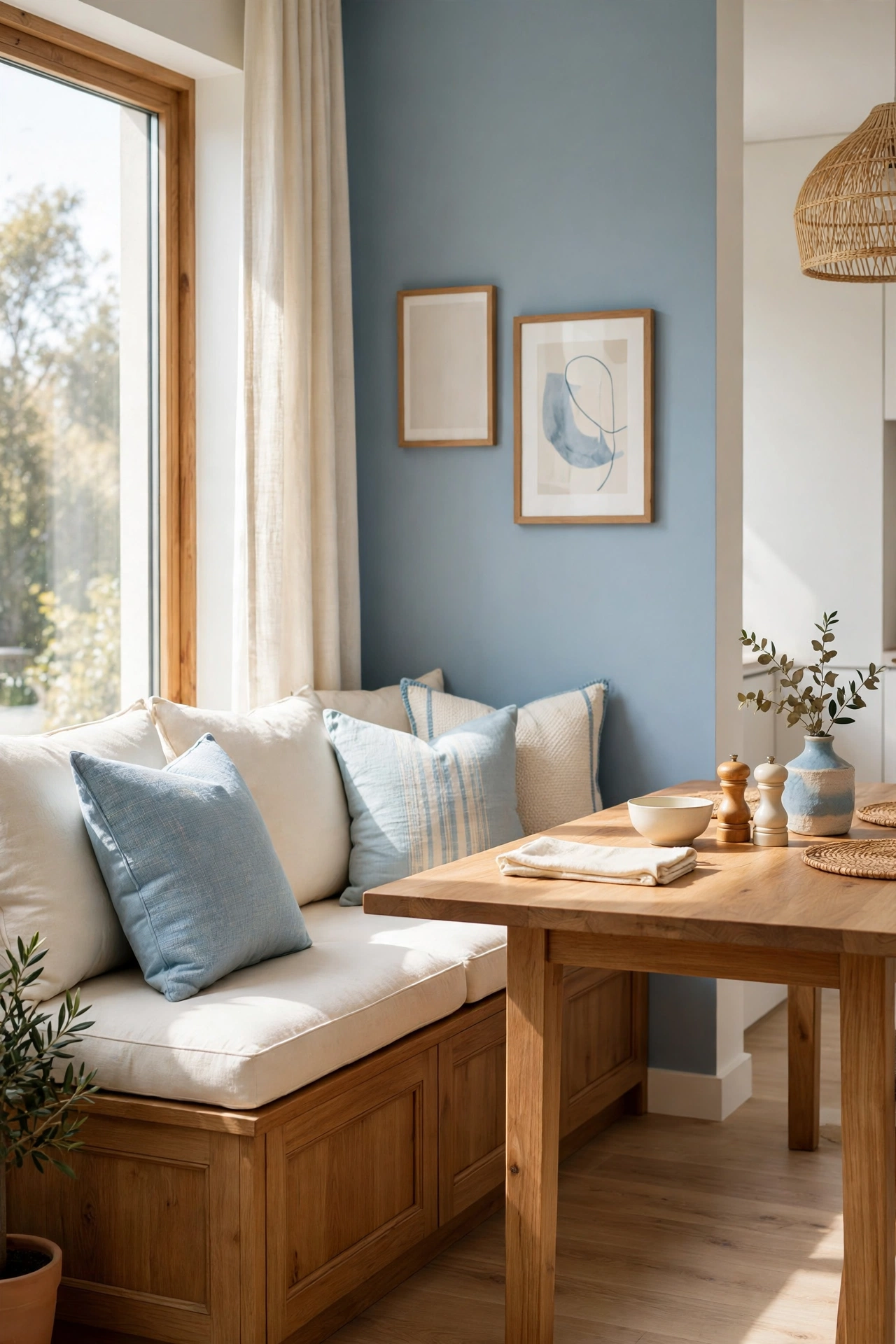
8. Use a Bar Counter as the Dining Split
A slim bar counter can split a small apartment into a kitchen side and a dining side without closing anything off. Place the counter at the edge of the kitchen and put two stools on the dining side, and suddenly the dining area has a clear edge. The counter also doubles as extra prep space when you cook.
Choose stools that tuck fully under the counter so the floor stays clear when they are not in use. A bar counter works best when it matches the kitchen cabinets or the dining table in tone. This layout keeps the apartment open while giving every activity its own place.
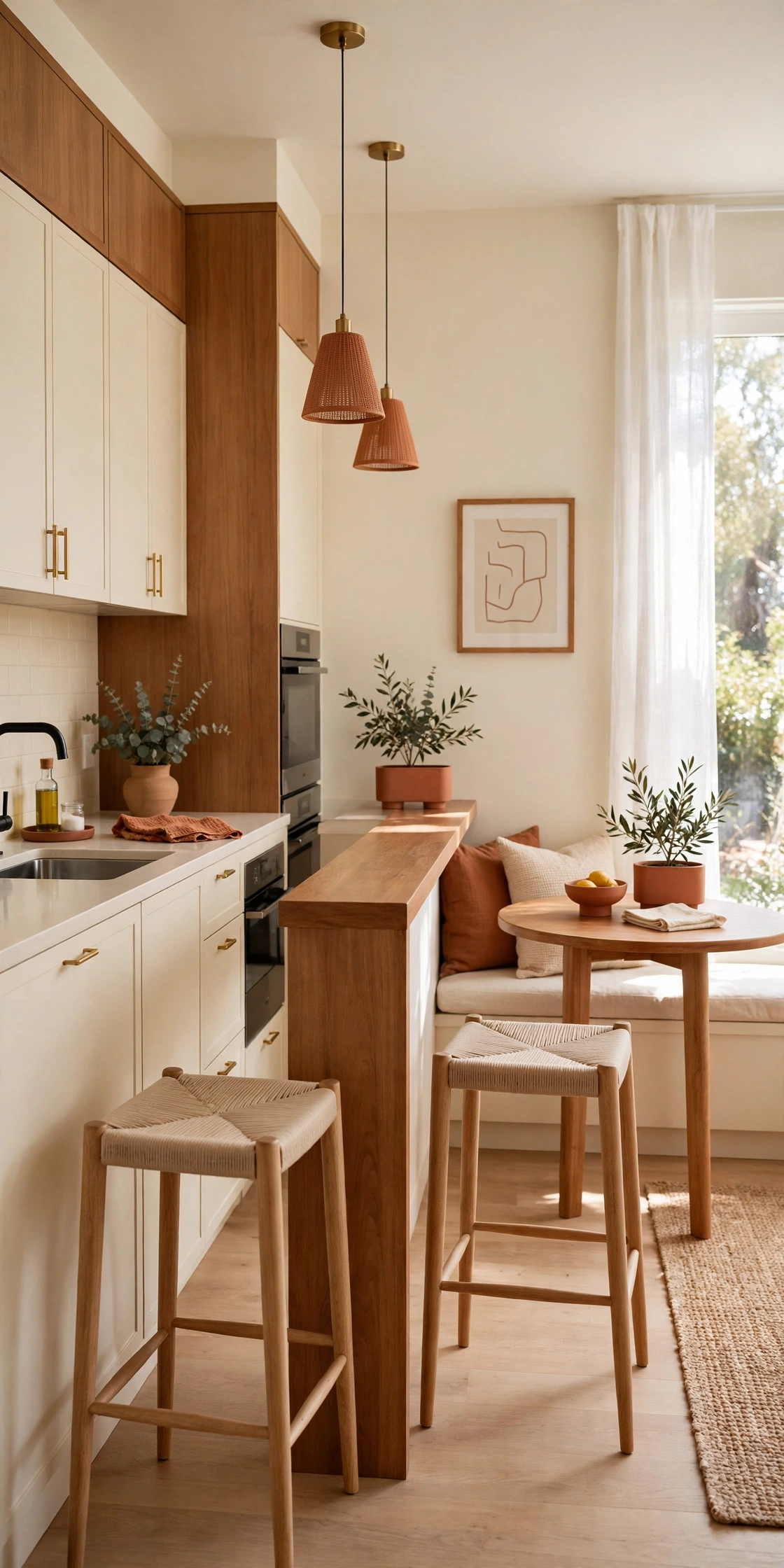
9. Set the Dining Table Near the Kitchen Pass
Placing the dining table near the kitchen pass or serving hatch makes mealtimes smooth and easy. You carry dishes a short distance, and the table stays close to the food without sitting in the middle of the living room. The kitchen pass also becomes a natural serving spot for drinks and dessert.
Keep the path between the kitchen and the table completely clear so nobody bumps into chairs while carrying hot food. A small sideboard beside the pass holds plates and glasses within reach. For more ideas on working from home in a small space, see these small home office layout ideas. A table near the kitchen pass makes every meal feel effortless.
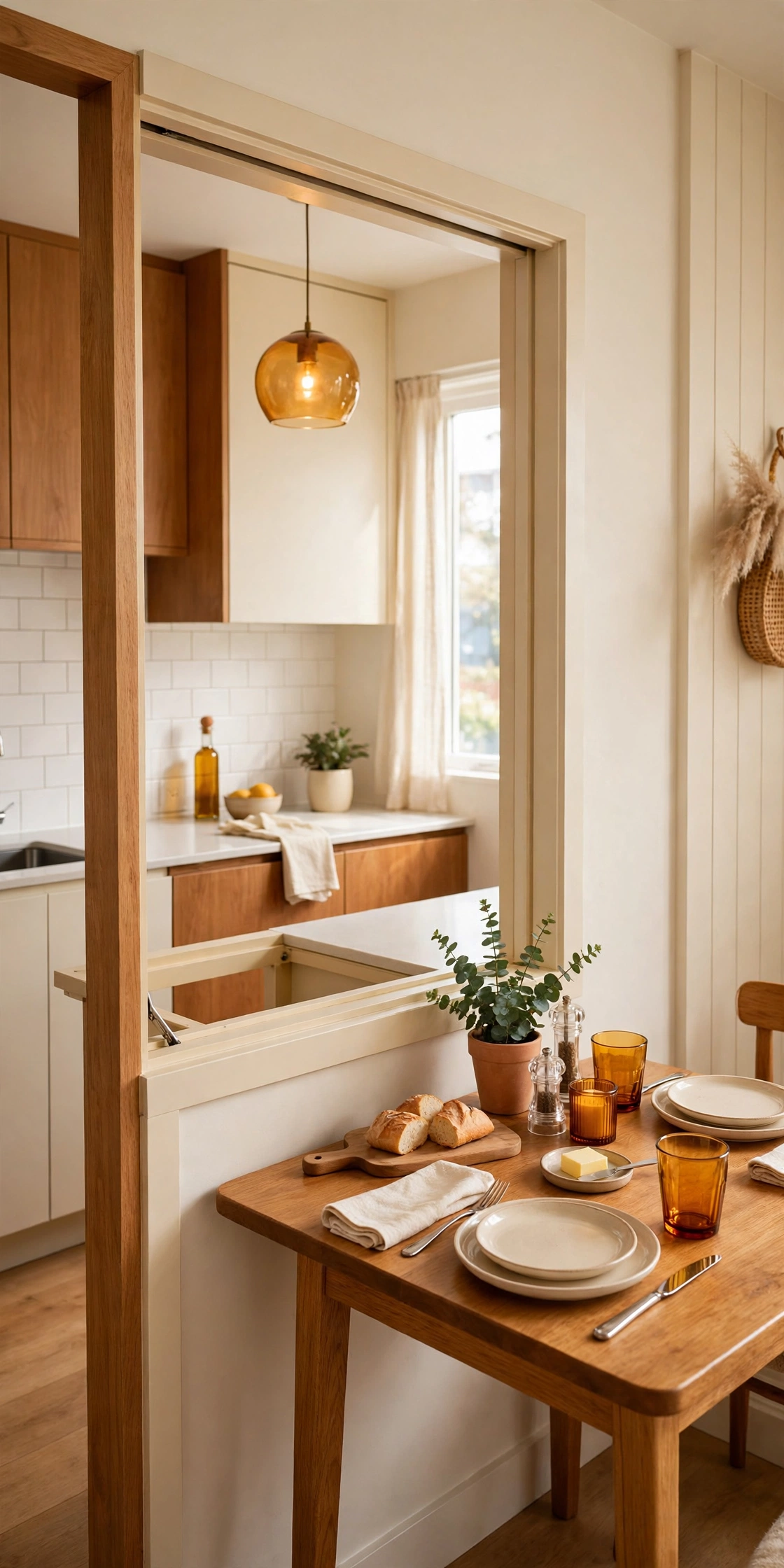
10. Choose Slim Chairs That Slide Away
Slim dining chairs that slide fully under the table keep a separate dining area from feeling crowded. When dinner ends, the chairs disappear under the tabletop and the floor opens up again for walking, playing, or stretching. This simple habit makes a small apartment feel much larger.
Look for chairs without arms and with a light frame so they are easy to pull out and push in. A bench on one side of the table works even better because it seats two people and slides away completely. Slim seating is a quiet hero of small apartment living.
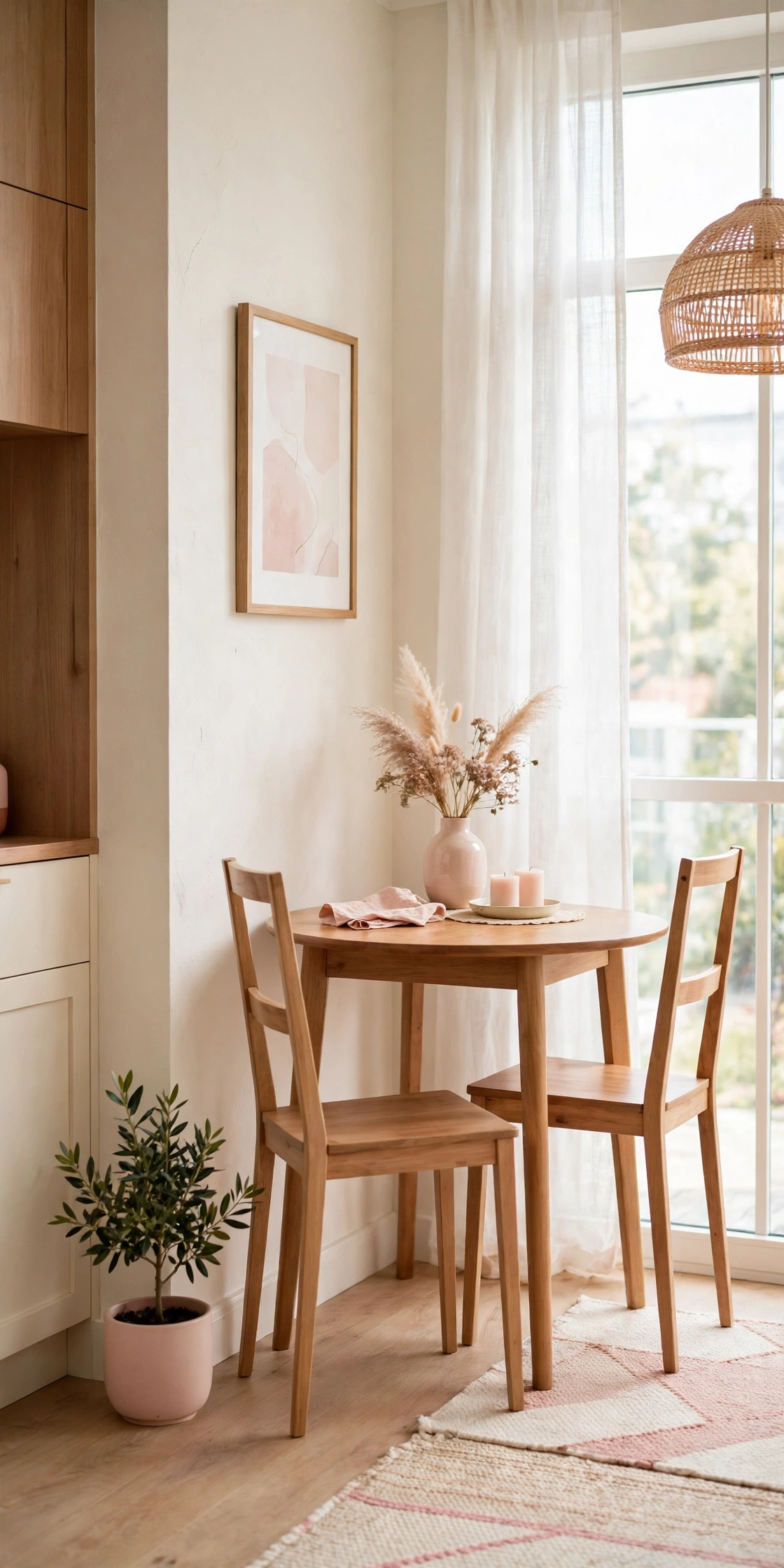
11. Paint the Dining Wall a Soft Accent Color
Painting just the dining wall in a soft accent color gives the dining area its own identity without any building work. A gentle sage, warm terracotta, or soft blue wall makes the table area feel like a separate room. The color also adds warmth and personality to a plain apartment.
Keep the rest of the walls cream or white so the accent wall stands out without making the space feel small.
Hang one piece of art or a mirror on the colored wall to finish the look. Paint is the cheapest and fastest way to draw a line between living and dining.
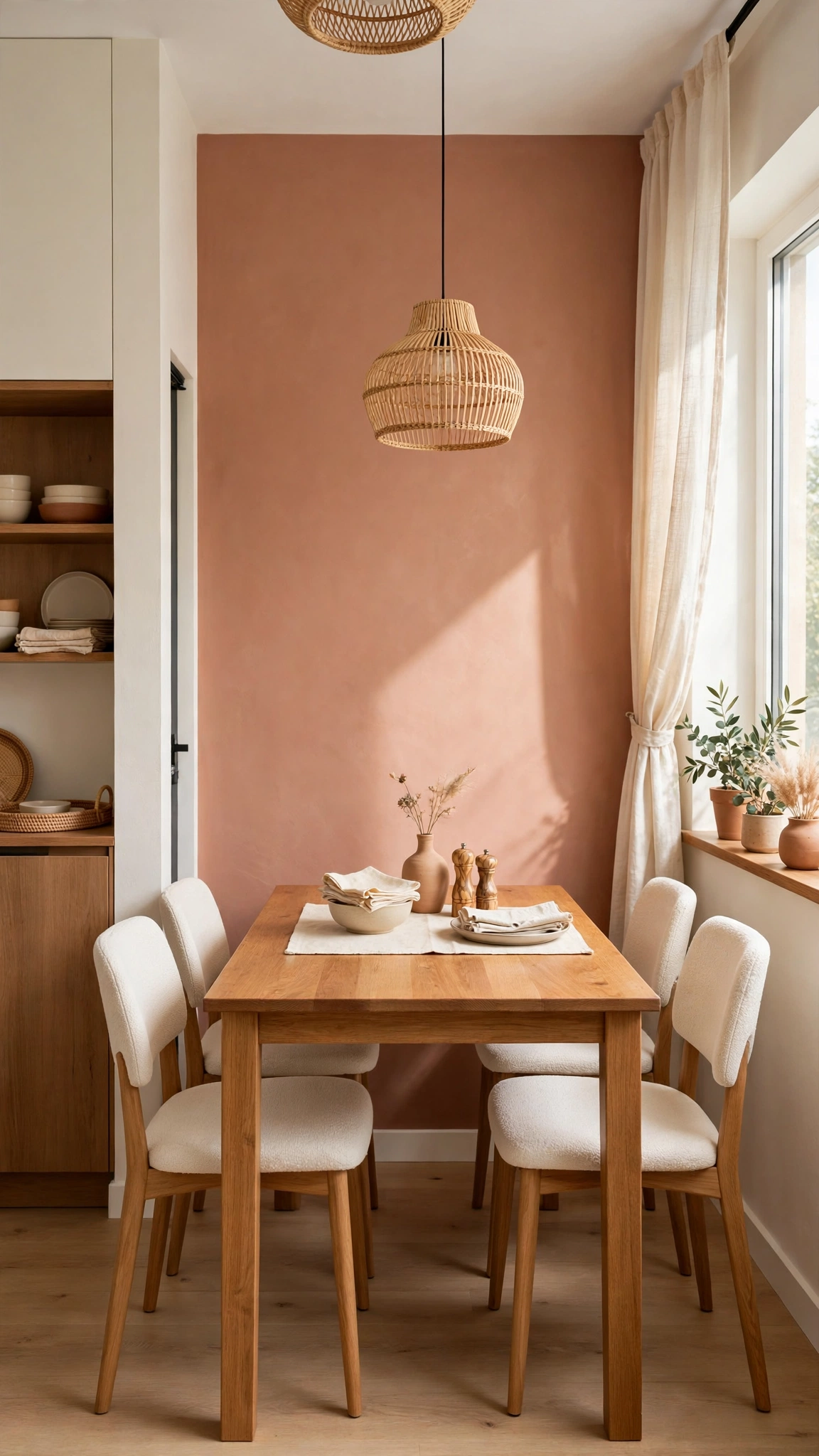
12. Add a Sideboard to Anchor the Dining Side
A low sideboard against the dining wall anchors the whole dining area and adds useful storage. Plates, glasses, and table linens live inside it, so the table stays clear between meals. The sideboard also gives you a surface for a lamp, a vase of flowers, or a fruit bowl.
Choose a sideboard that is shallow enough to keep the walkway wide and tall enough to feel substantial. A small teen bedroom can use the same anchoring trick with a low dresser, and the idea works just as well in a dining corner. A sideboard makes the dining zone feel finished and permanent.
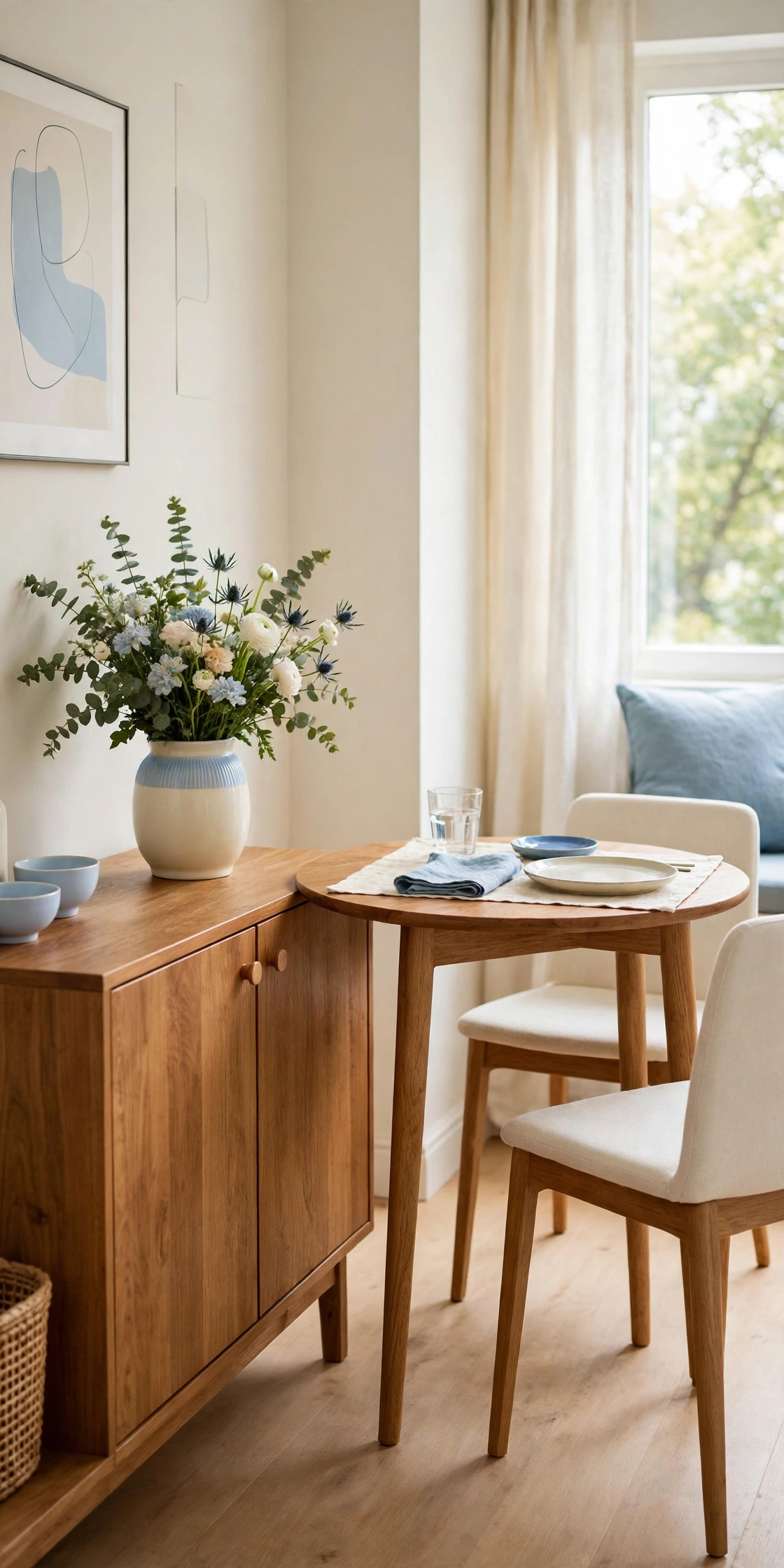
13. Hang Curtains to Soften the Divide
Light curtains hung from a ceiling track can soften the divide between the living and dining areas without blocking light. Pull them closed for a private dinner and open them wide during the day so the apartment feels like one bright space. Sheer linen curtains work best because they glow in daylight.
Mount the track close to the ceiling so the curtains make the room feel taller. Choose a curtain color that matches the sofa or the dining chairs so the divide looks planned. Curtains are a renter-friendly way to create a separate dining area with no permanent changes.
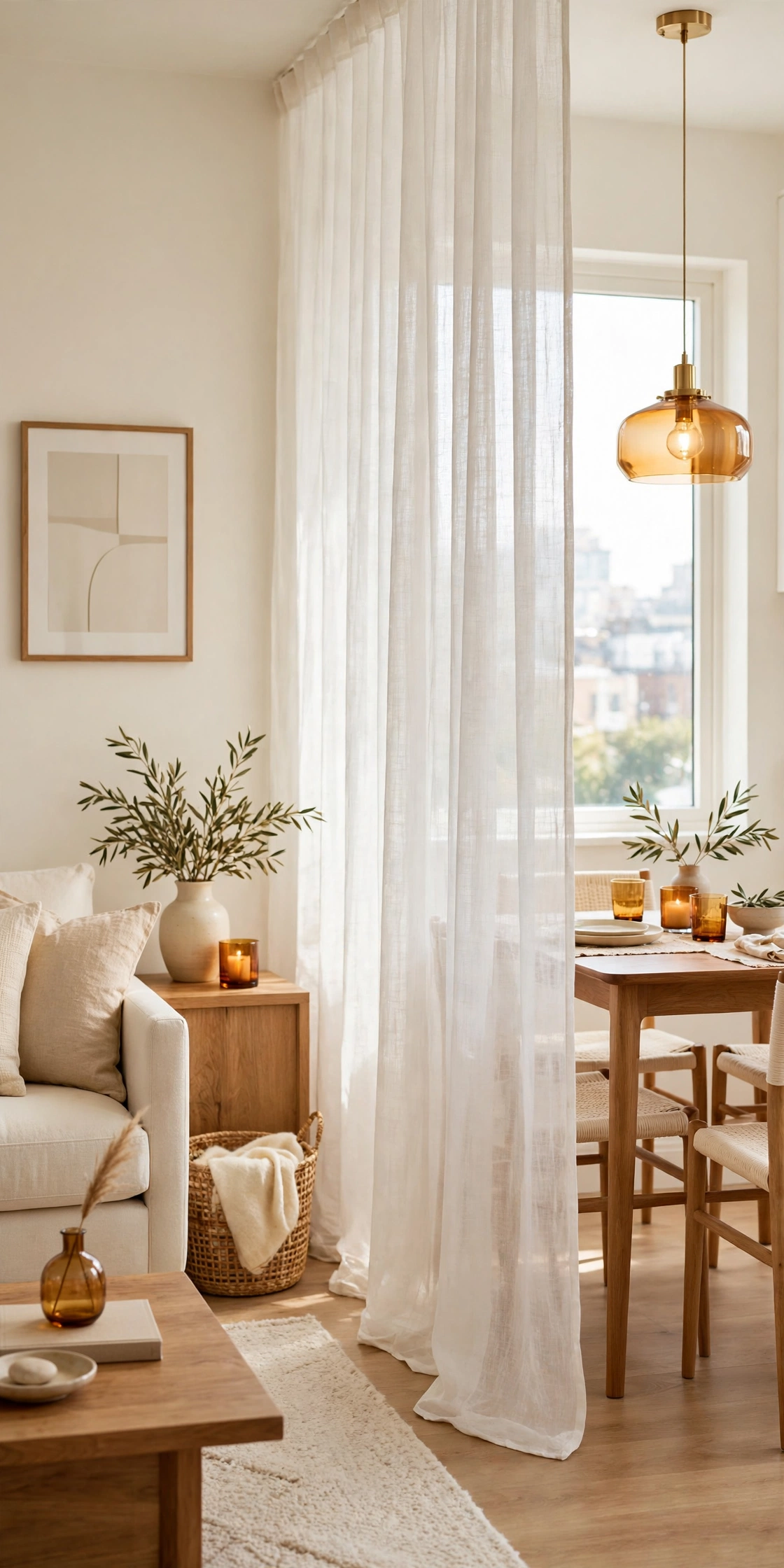
14. Use a Folding Screen for a Flexible Wall
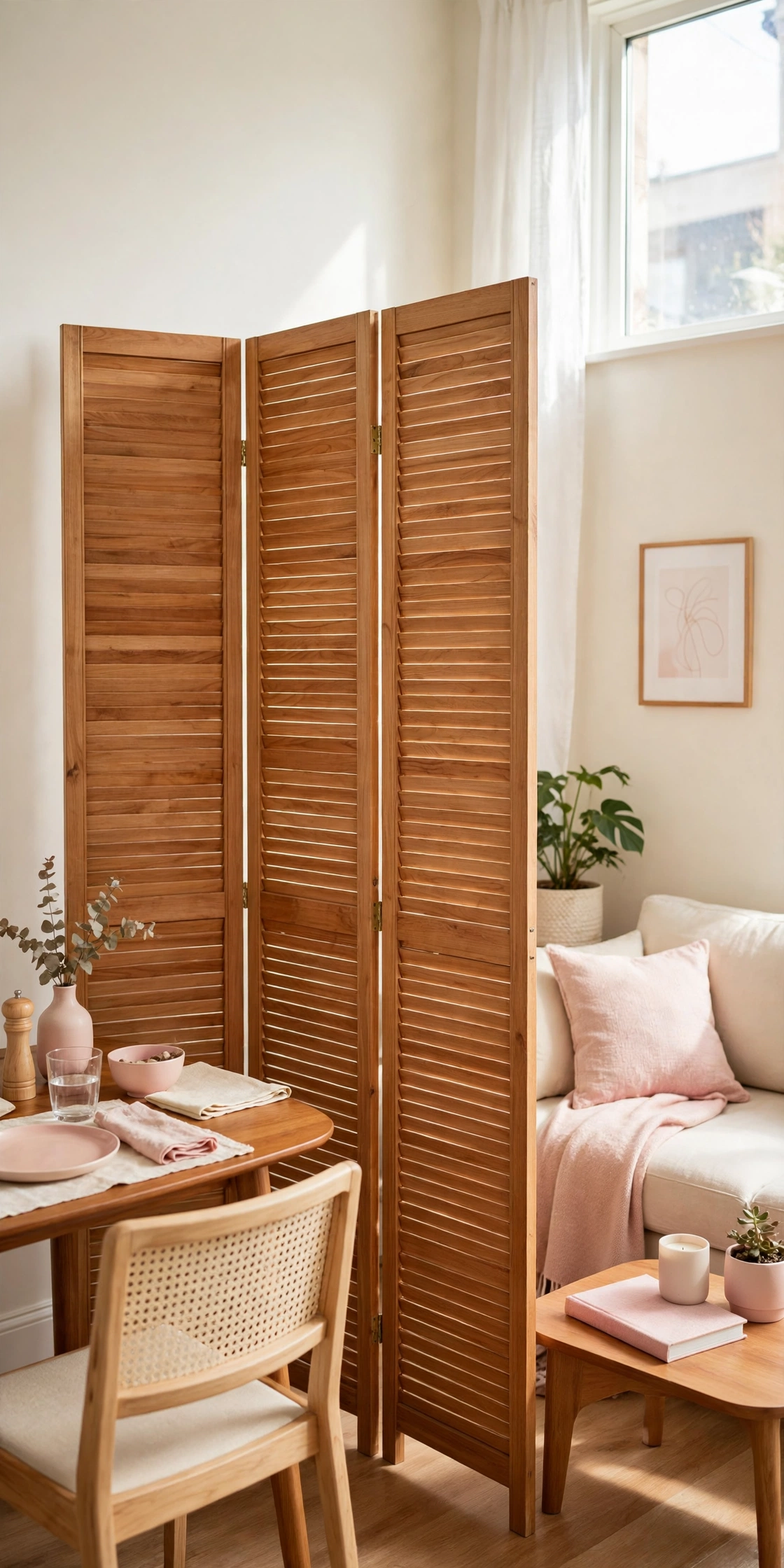
A folding screen gives you a wall that you can move whenever you like. Open it between the sofa and the dining table for dinner, then fold it flat against the wall when friends come over. Screens come in wood, fabric, and rattan to match any style.
Pick a screen with a light, open design so it does not darken the dining area. A three-panel screen is enough for most small apartments. A folding screen is perfect for renters who want a separate dining area without drilling a single hole.
15. Keep the Dining Table by the Window for Daylight Meals
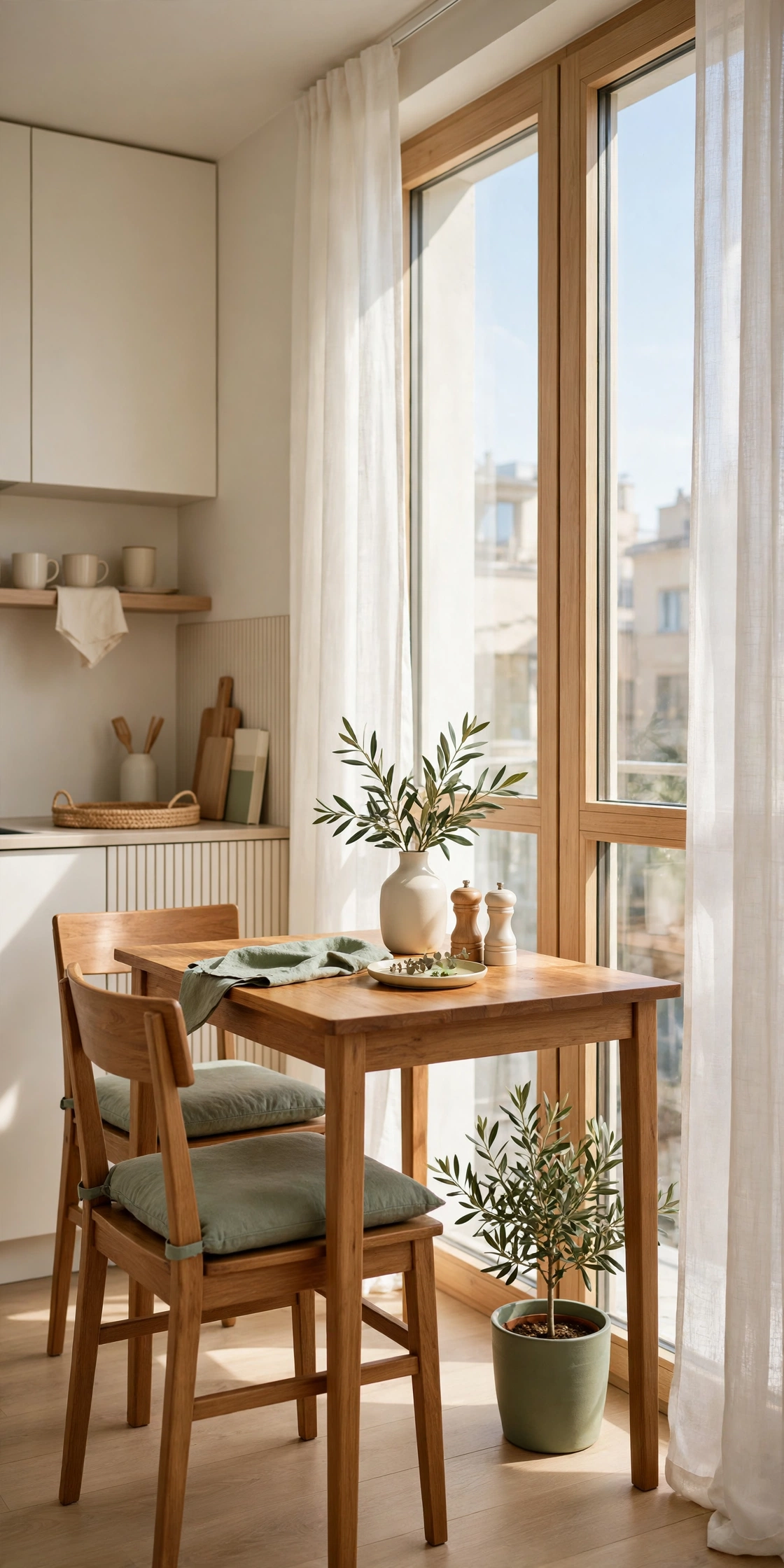
Putting the dining table right by the window gives you daylight meals and a lovely view while you eat. The window wall becomes the dining side of the apartment naturally, and the living area takes the darker inner wall. Morning coffee tastes better with sunshine on the table.
Use a light table and chairs so the window light flows around them, and add a small plant on the windowsill for freshness. Keep the curtains light so the window stays bright all day. A window-side dining spot turns every meal into a small daily pleasure.
Conclusion
A separate dining area does not need extra rooms or a big budget. From a rug under the table to a pendant light above it, there is an idea here for every small apartment and every style. The best layout is the one that makes meals feel special and keeps the living area free for rest.
Pick one or two ideas that fit your space and start today. Move the table, hang the light, or paint one wall, and enjoy dinners in a spot that feels like it was always meant for eating. For a calm home beyond the dining table, these nightly reset routine ideas will help you keep every room organized with just a few minutes each evening.
Frequently Asked Questions About Small Apartment Layout Ideas with a Separate Dining Area
How much space do I need for a separate dining area in a small apartment?
A dining area for four people needs about 8 by 8 feet, including room to pull out chairs. A table for two fits in about 6 by 6 feet. Measure your space and leave at least 3 feet behind each chair so people can sit down and stand up easily.
What is the best table shape for a small apartment dining area?
A round table works best in tight corners because it has no sharp edges and fits more people around it. A rectangular table suits a long wall or a banquette setup. Avoid very large square tables, as they take up the most floor space for the fewest seats.
Can I create a separate dining area in a studio apartment?
Yes, a rug, a pendant light, and a floated sofa can define a dining area in a studio without any walls. A drop leaf table or a bar counter works well in the smallest studios. The key is to give the dining spot its own light and its own floor boundary.
How do I stop the dining area from crowding the living room?
Use slim chairs that slide under the table, keep the walkway at least 3 feet wide, and avoid tall furniture between the two zones. A low bookcase or a sheer curtain divides the areas without blocking light or air. Clear the table between meals so it never becomes a dumping spot.
What lighting works best over a small dining table?
A single pendant light hung 30 to 34 inches above the table gives warm, focused light for meals. Choose a warm bulb and a shade that spreads light evenly. A dimmer switch lets you lower the light for quiet dinners and raise it for homework or crafts.

Hi, I’m Emily! I turn messy corners into cozy, organized spots. DreamNestDecor is where I share simple, practical home ideas — decor, organization, and small-space solutions that work in real life, not just in photos. Every idea here is carefully researched before it’s shared.