Picture this: you open the refrigerator after dinner and see three half full containers pushed to the back, a pot of soup from two days ago, and a small bowl you no longer remember. That cluttered shelf is where good food goes to waste, one forgotten container at a time.
You do not need a bigger refrigerator or expensive organizers to fix it. All you need is a simple system for storing, labeling, and using what you already cooked. These 26 refrigerator leftover organization ideas will help you keep every meal fresh, visible, and ready to eat before it goes to waste.
1. Start with a Full Fridge Clear-Out
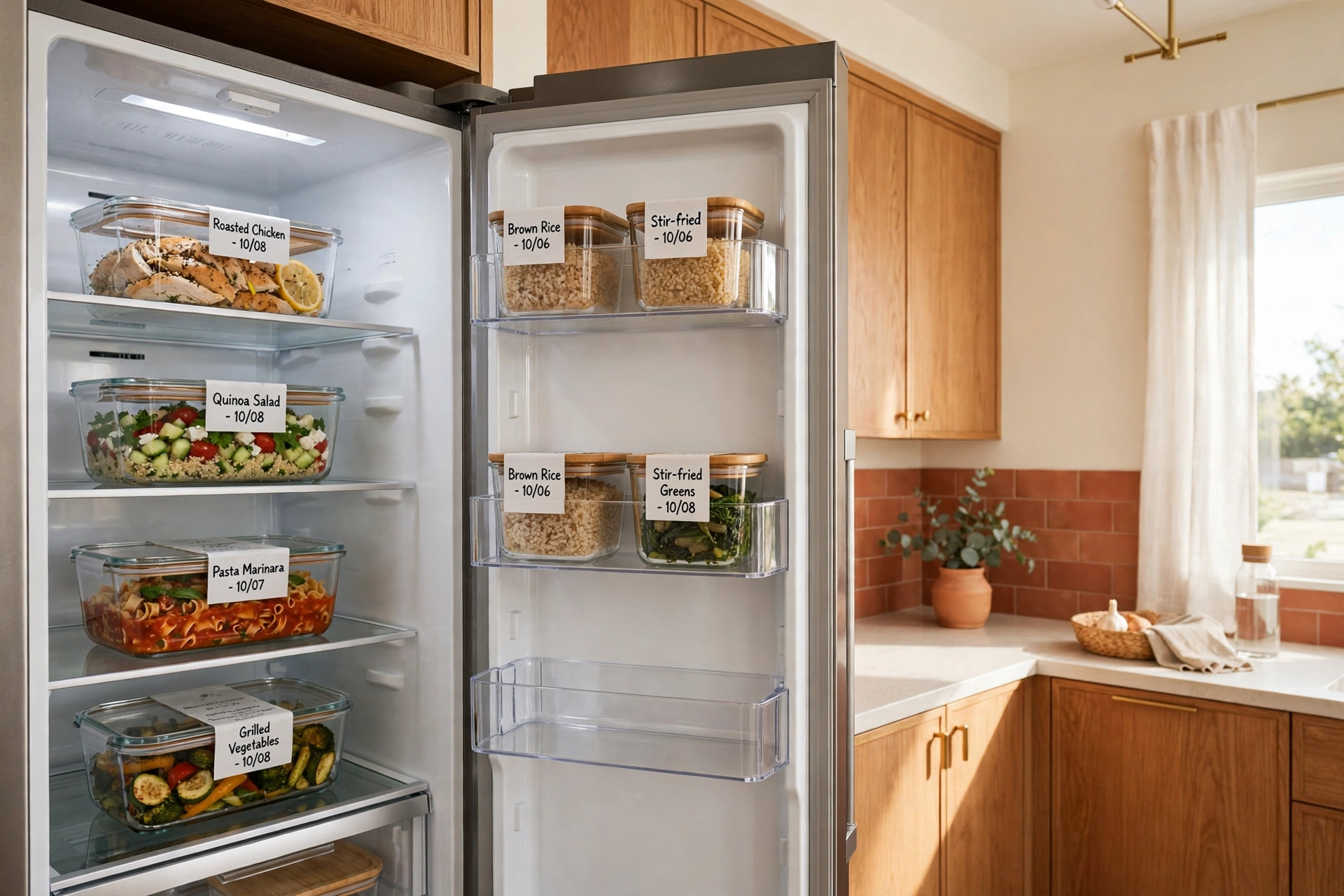
Before you organize a single container, take everything out of the refrigerator and look at it with fresh eyes. Toss anything that smells off, looks slimy, or has passed its safe date. Wipe every shelf clean so your fresh start begins with a spotless fridge.
Sort what stays into groups: tonight’s dinner, lunches for the week, and food that needs freezing today. For scraps and packaging from the clear-out, these kitchen trash and recycling ideas will help you sort waste without a mess. A clean fridge shows you exactly how much food you really have.
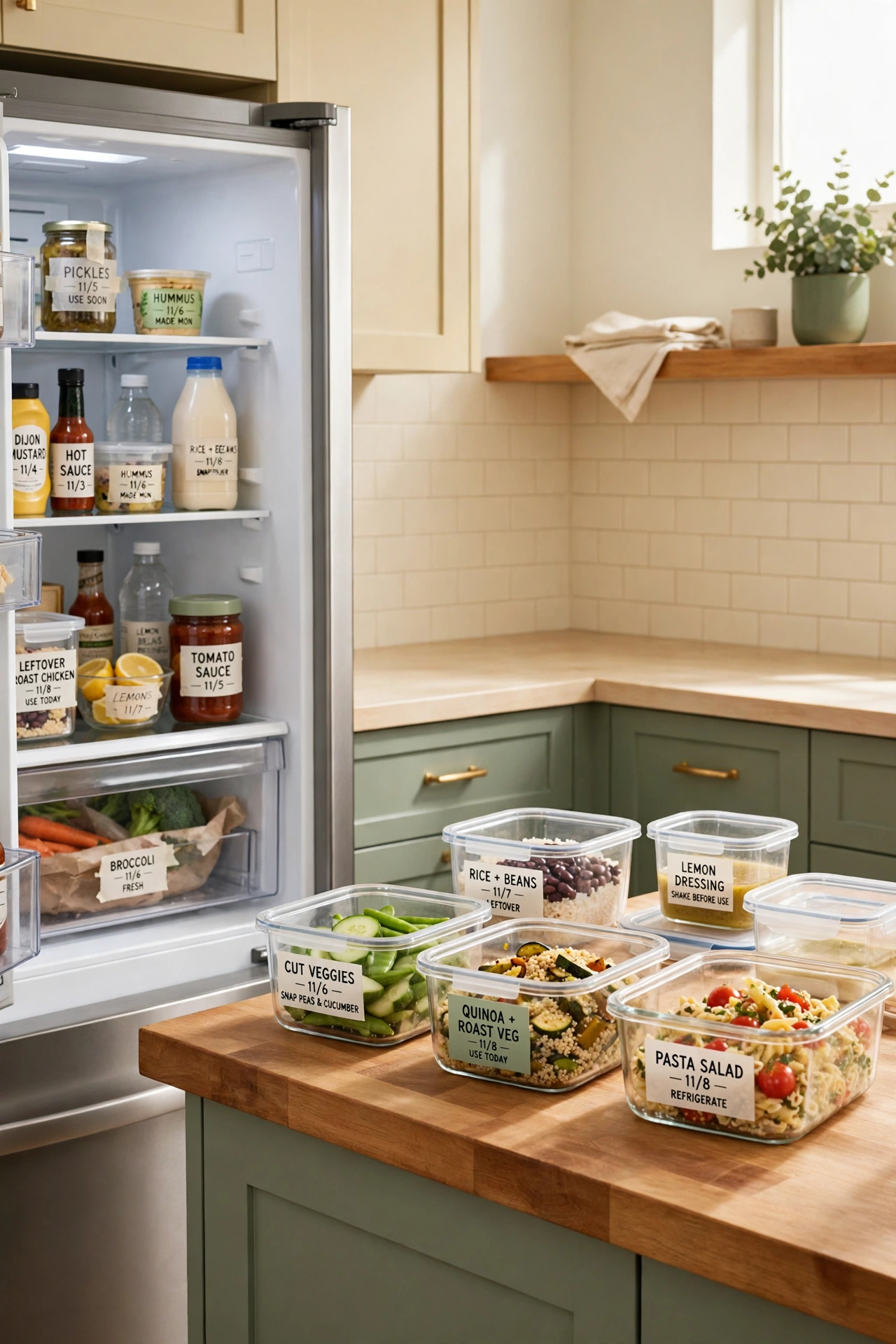
2. Give Leftovers Their Own Dedicated Shelf
Choose one shelf in the refrigerator and make it the leftover shelf, no exceptions. Every container of cooked food goes there, and nothing else is allowed to crowd it. When the whole family knows where leftovers live, nothing gets lost behind the milk and juice.
Pick a shelf at eye level so you see every container each time you open the door. If the shelf fills up, that is your signal to plan a leftover night instead of cooking something new. One shelf keeps the whole system simple and visible.
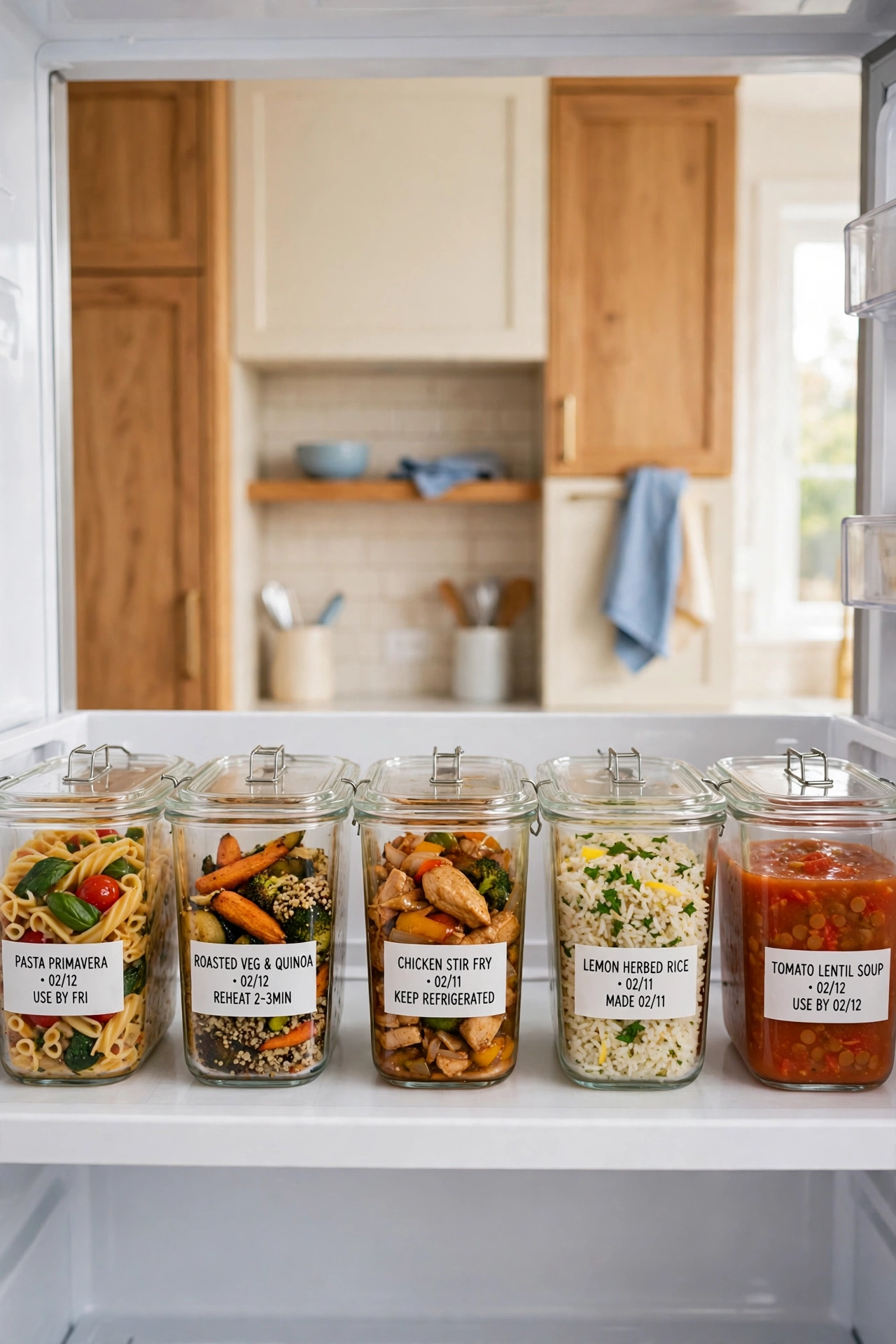
3. Use Clear Stackable Containers
Clear containers let you see what is inside without opening a single lid. Stackable shapes use vertical space well, so you can fit more meals on one shelf without a wobbly tower. Choose containers with tight lids that seal well and stack neatly.
Keep the container sizes consistent so lids and bases always match. For more ways to arrange the whole fridge around your containers, see these refrigerator shelf organization ideas. Matching containers turn a messy shelf into a tidy grid.
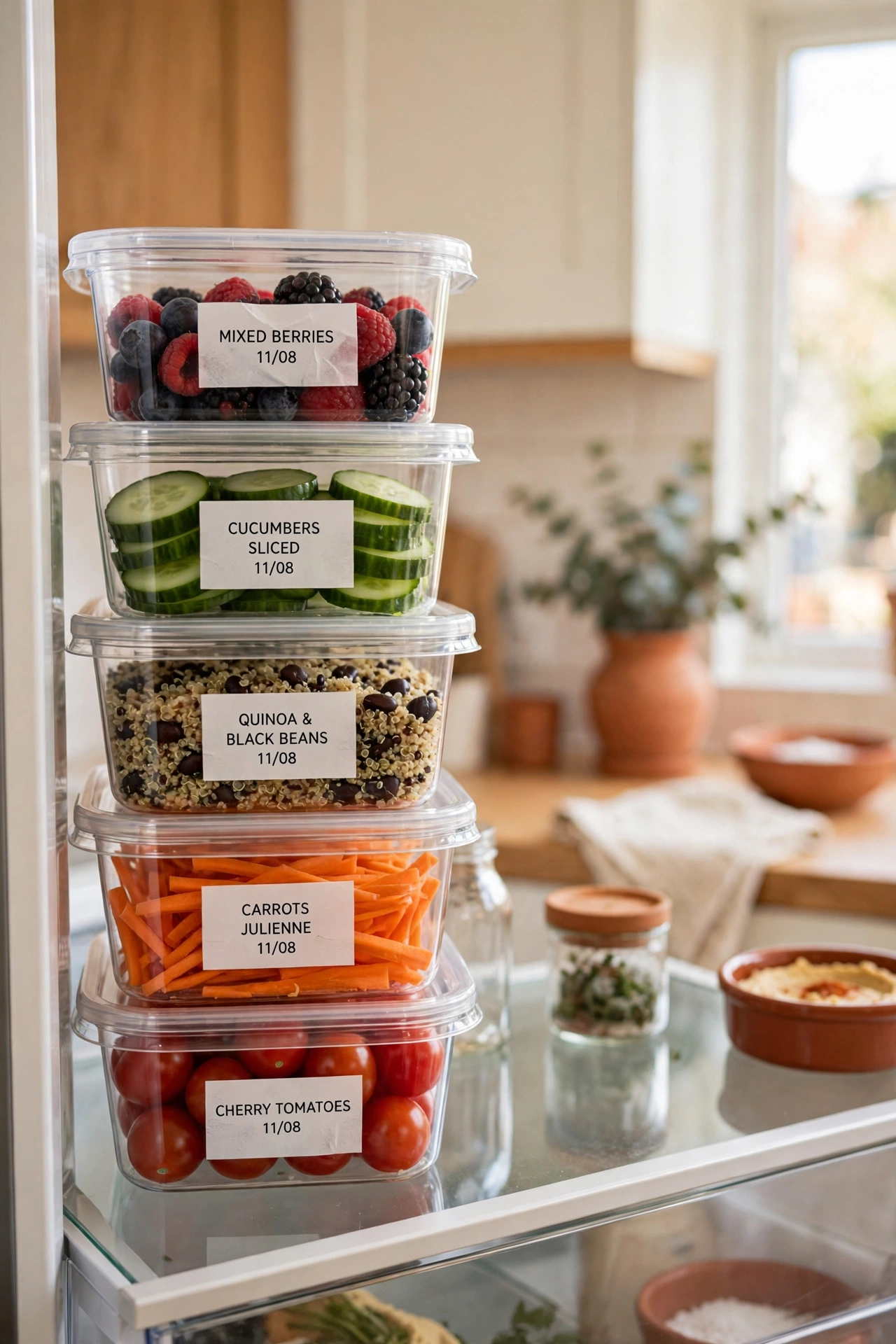
4. Label Every Container with the Date and Contents
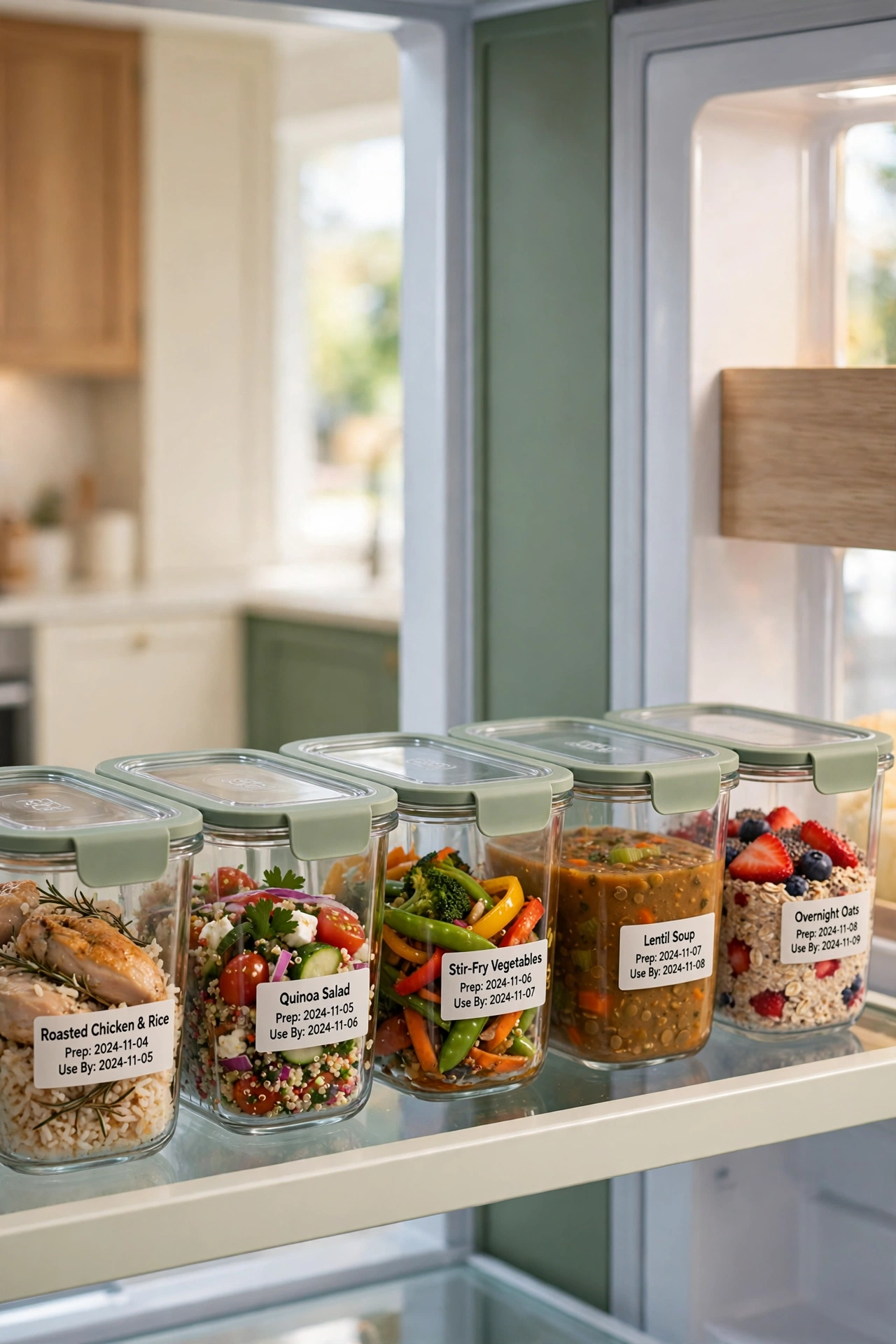
A small label on every container ends the guessing game of what is inside and when you cooked it. Write the dish name and the date in clear print, and stick the label where you can read it at a glance. Masking tape and a marker work perfectly for this.
Date labels also protect your family, because you can see at once which meals to eat first. Replace the label each time you refill a container. This tiny habit is the single best defense against forgotten food.
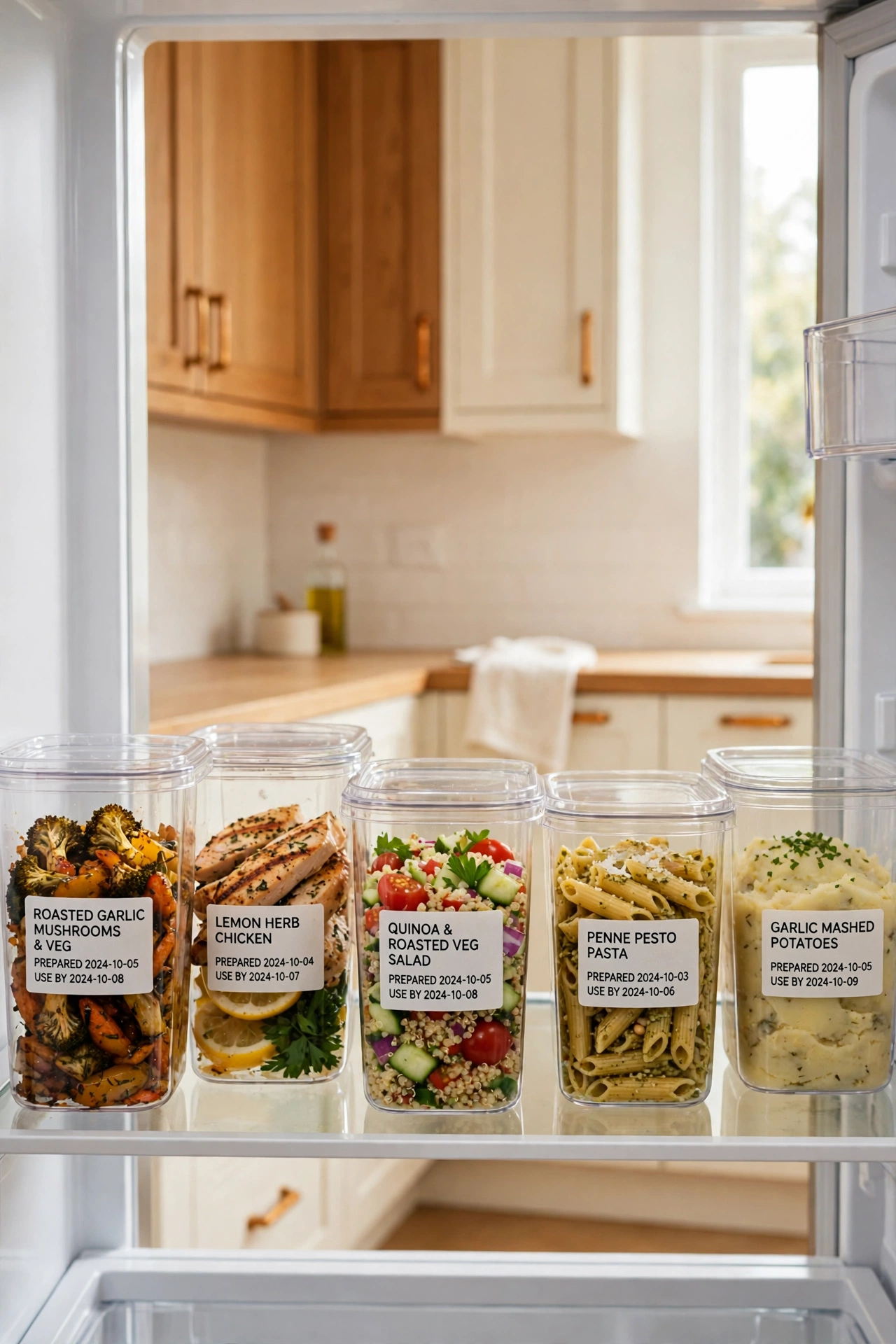
5. Follow the First In First Out Rule
The first in first out rule means the oldest food gets eaten before the newest food. Move older containers to the front of the shelf and place fresh leftovers behind them. This simple rotation keeps every meal moving toward the table instead of the trash.
When you put away a new batch, slide the older containers forward first. Families who follow this rule throw away far less food each week. It costs nothing and works in every refrigerator.
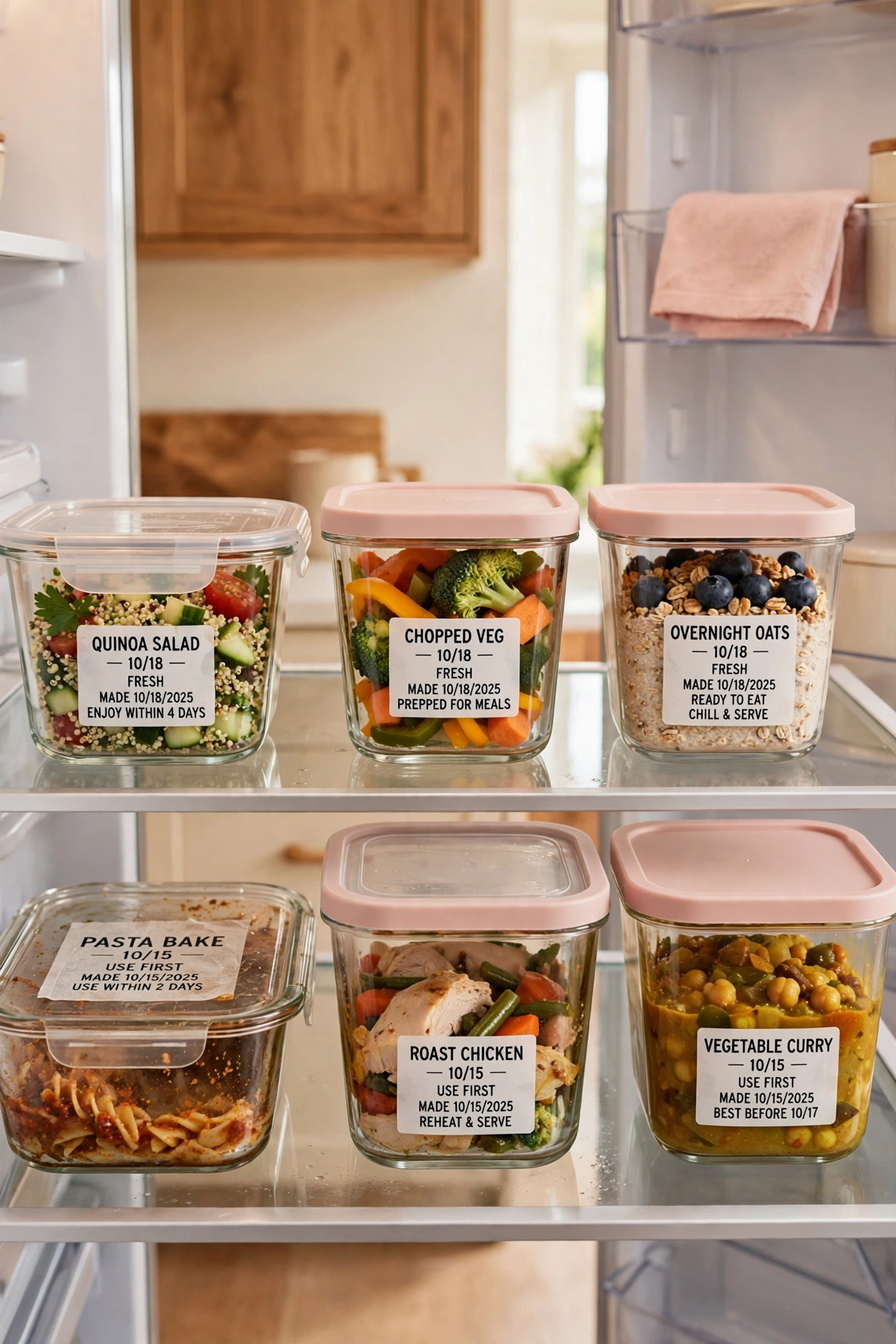
6. Portion Leftovers into Single Servings
Divide a big pot of food into single serving containers as soon as it cools. Individual portions are ready to grab for lunch, easy to reheat, and simple to count. You will know exactly how many meals you have left.
Single servings also stop the cycle of reheating a whole pot for one small bowl. Use containers that go from fridge to microwave safely. Portioning takes five extra minutes and saves food all week long.
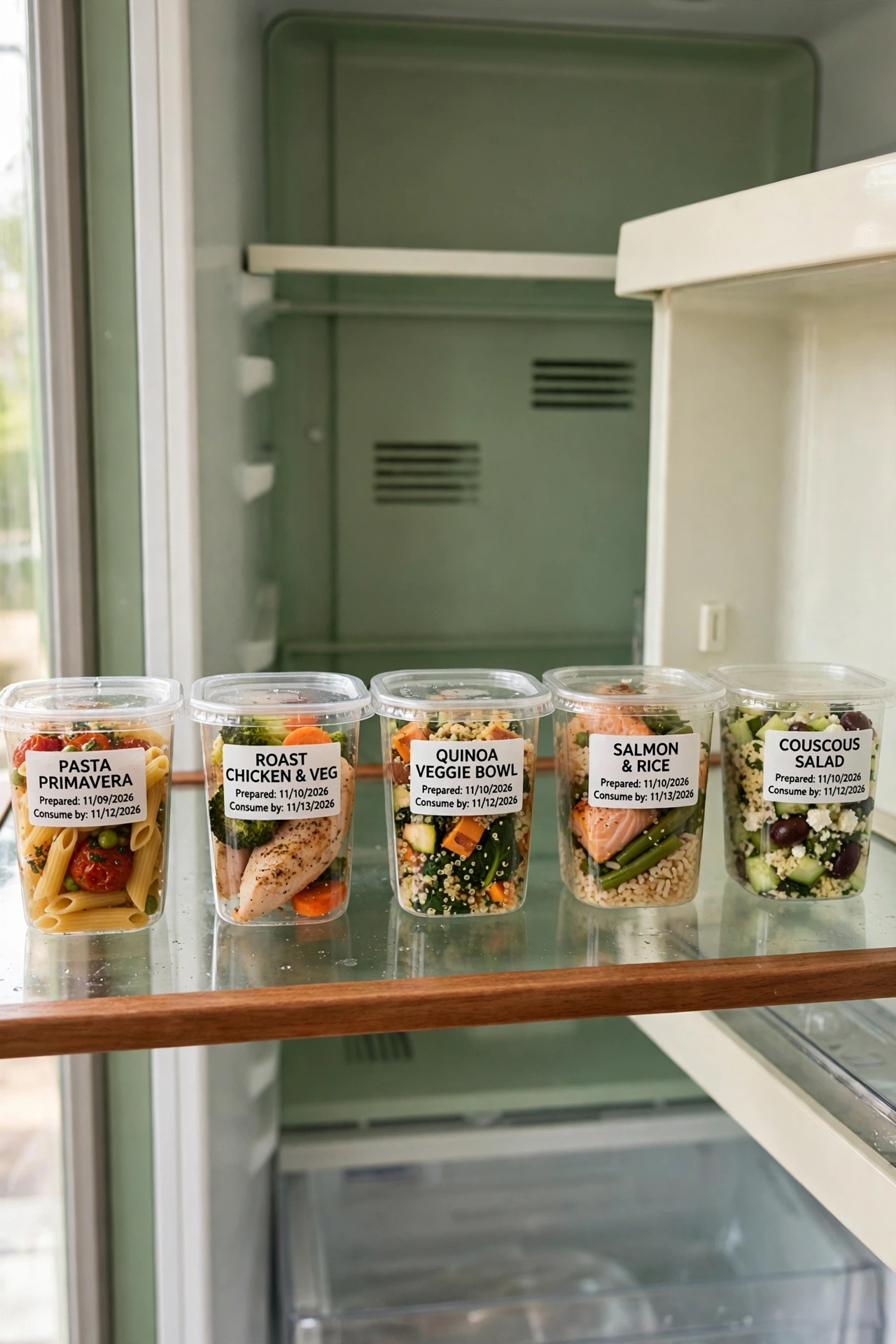
7. Cool Food Quickly Before You Store It
Hot food needs to cool down before it goes into the refrigerator, but it should not sit out for hours. Spread food in a shallow pan or divide it into smaller containers so it cools fast. Once it reaches room temperature, move it into the fridge right away.
Fast cooling keeps food safe and protects the temperature of everything else in the fridge. Never put a steaming pot beside cold milk and produce. A little patience at the counter keeps your whole refrigerator safer.
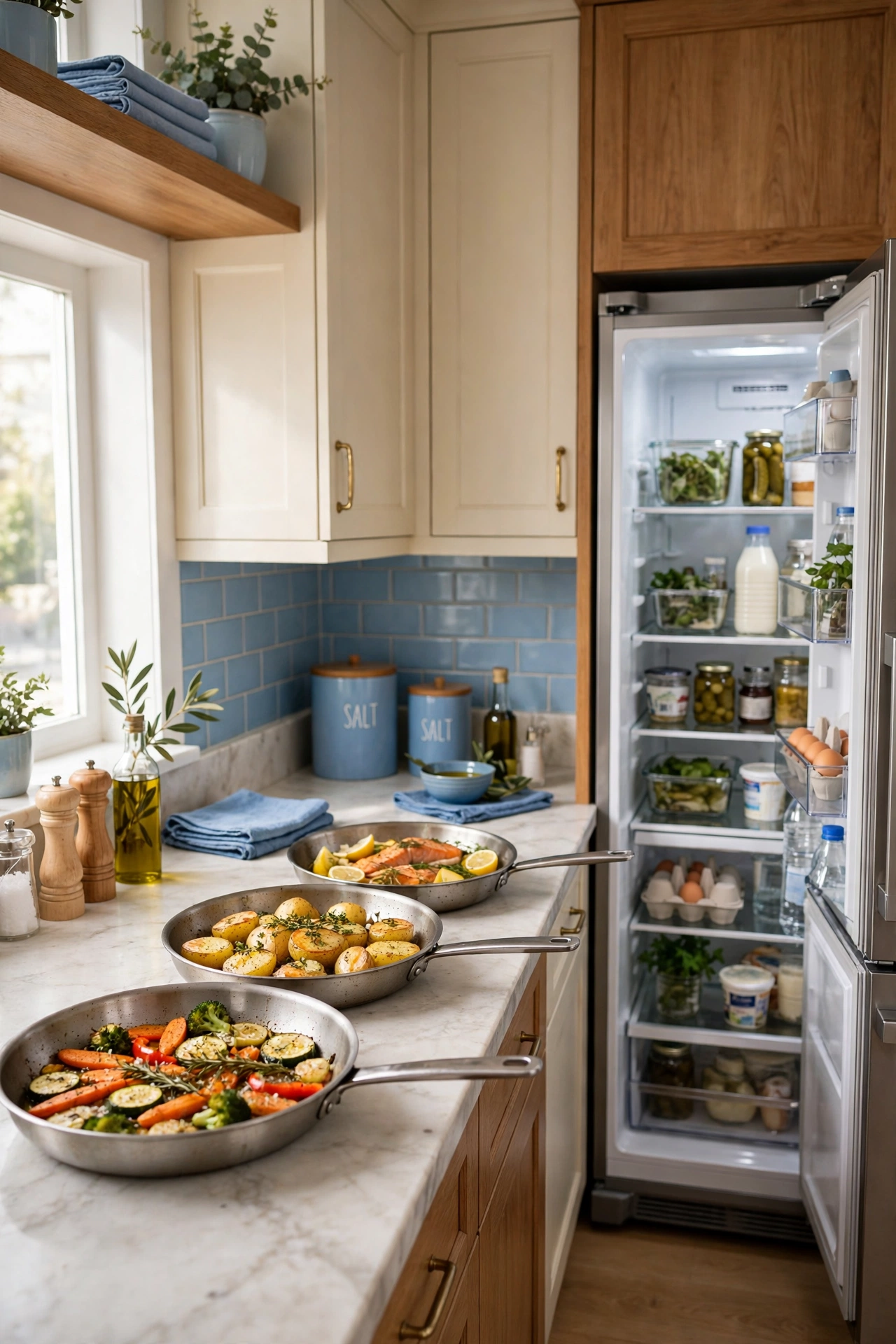
8. Use Shallow Containers for Faster Cooling
Shallow containers cool food much faster than deep pots, which stay warm in the center for a long time. Pour soups, stews, and sauces into wide, flat containers before you store them. The food cools evenly and reaches a safe temperature sooner.
Shallow containers also stack well and fit neatly on a shelf. Label each one with the contents and the date before it goes into the fridge. This is a small change that makes storage safer and neater at the same time.
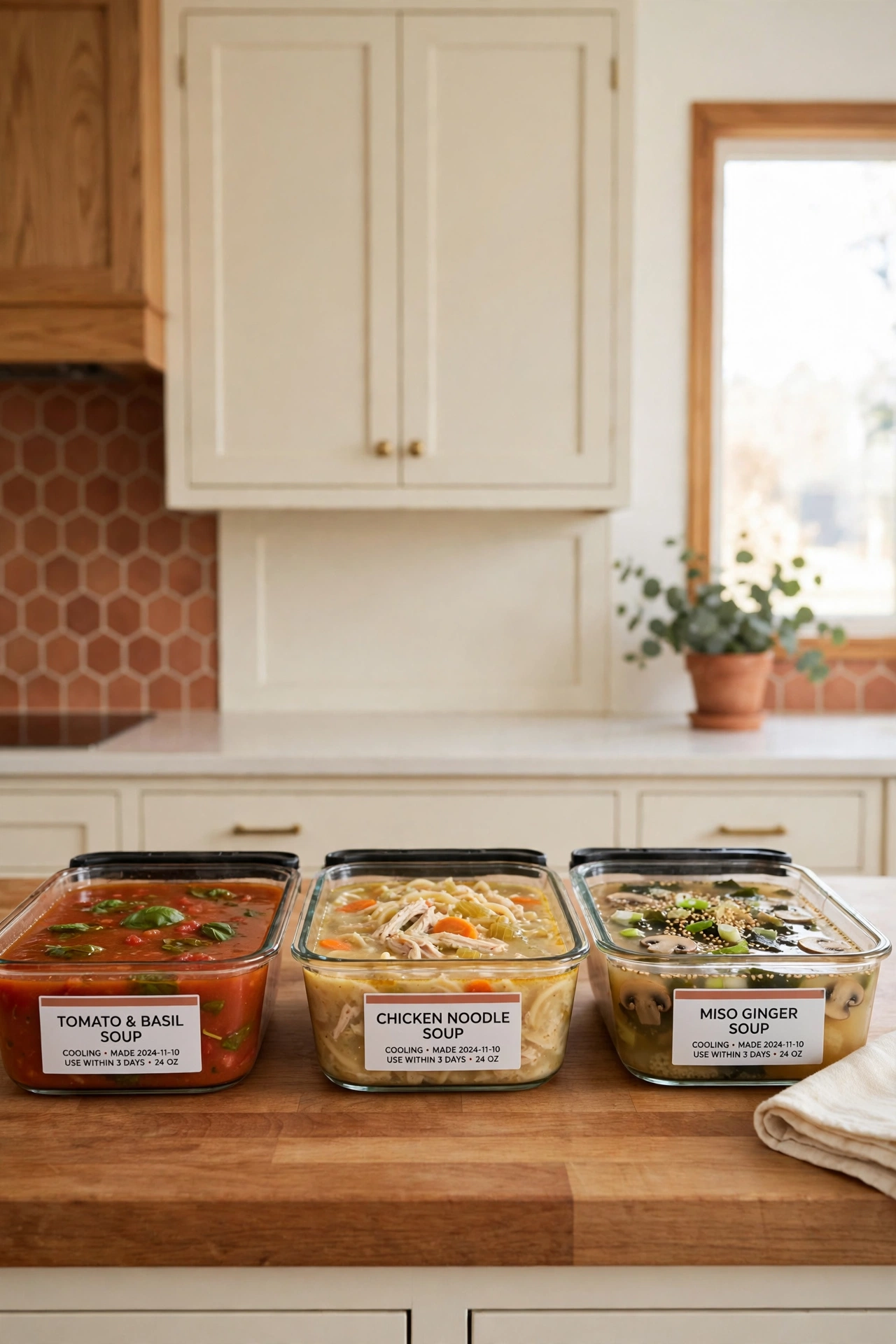
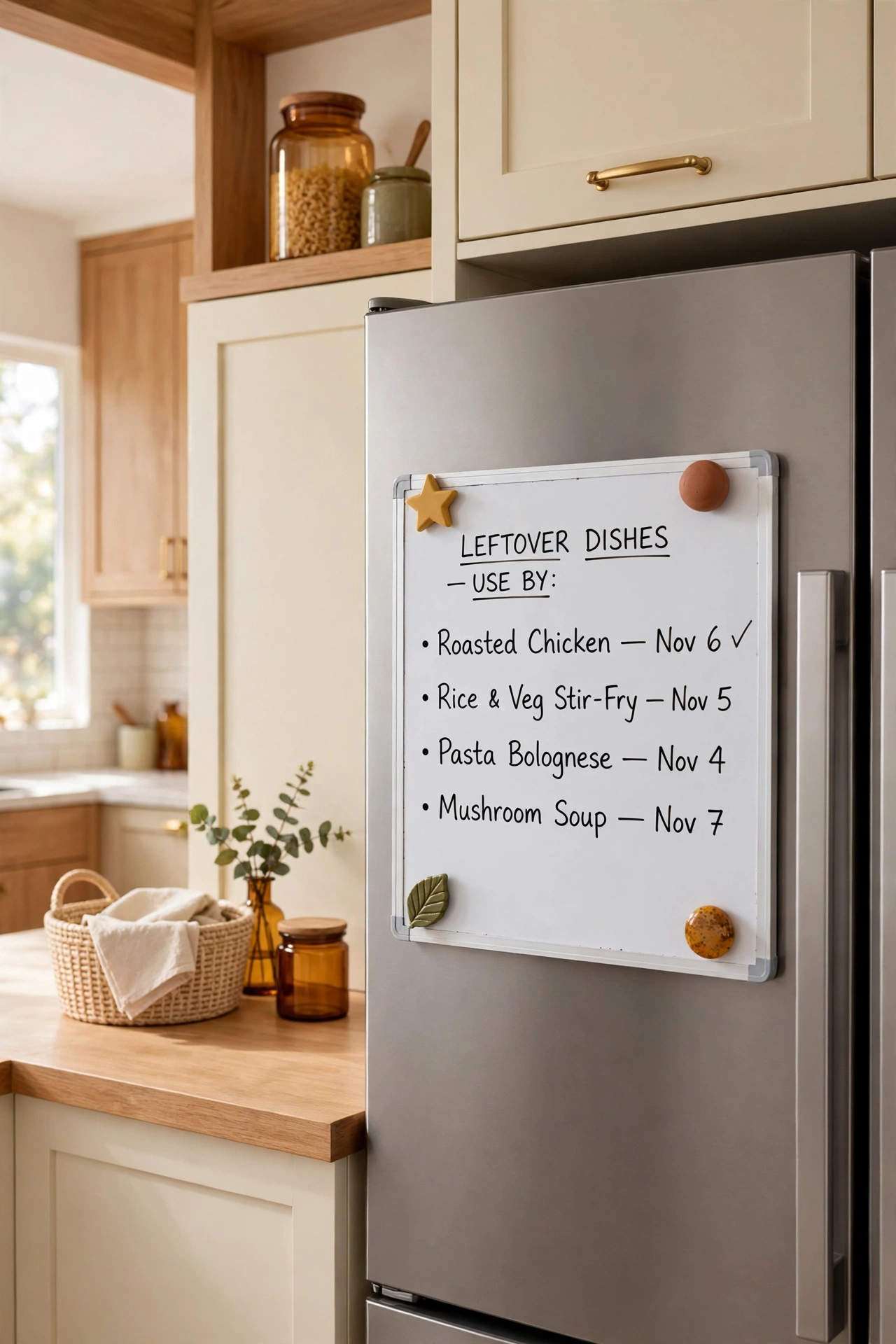
9. Keep a Leftover List on the Fridge Door
A simple list on the fridge door tells everyone what is inside without opening a single container. Write each dish and its date on a small whiteboard or a sheet of paper held by a magnet. Cross items off as you eat them.
The list stops duplicate cooking, because you can see at a glance that dinner is already waiting. Update it every time you store a new container. This visible list turns your fridge into a menu you can read in seconds.
10. Plan a Weekly Leftover Night
Pick one night each week when dinner comes entirely from the refrigerator. Lay out every leftover container on the counter and let each person build a plate from what is there. Leftover night clears the shelf and saves money at the same time.
Make it fun by calling it a fridge feast or a mix-and-match dinner. Kids enjoy choosing their own combinations, and nothing goes to waste. One leftover night each week can cut your food waste in half.
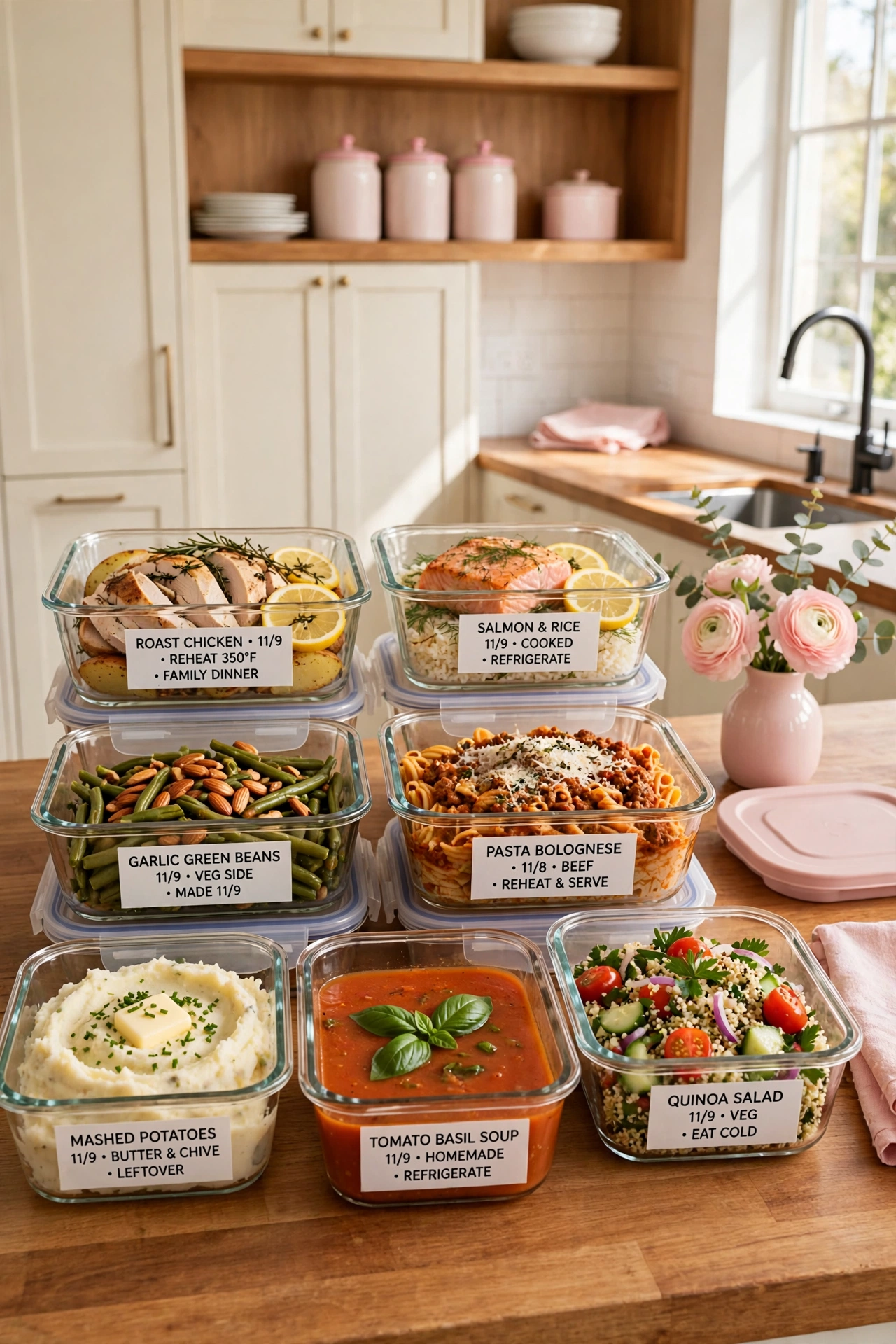
11. Freeze What You Cannot Eat in Three Days
Most cooked leftovers stay safe in the refrigerator for three to four days. If you know you will not eat a dish in that time, freeze it on the same day you cook it. Freezing locks in freshness and gives you a ready meal for a busy night later.
Use freezer safe containers or bags and label each one with the dish name and the date. Move frozen meals to the fridge the night before you plan to eat them. Your freezer becomes a second pantry full of home cooked meals.
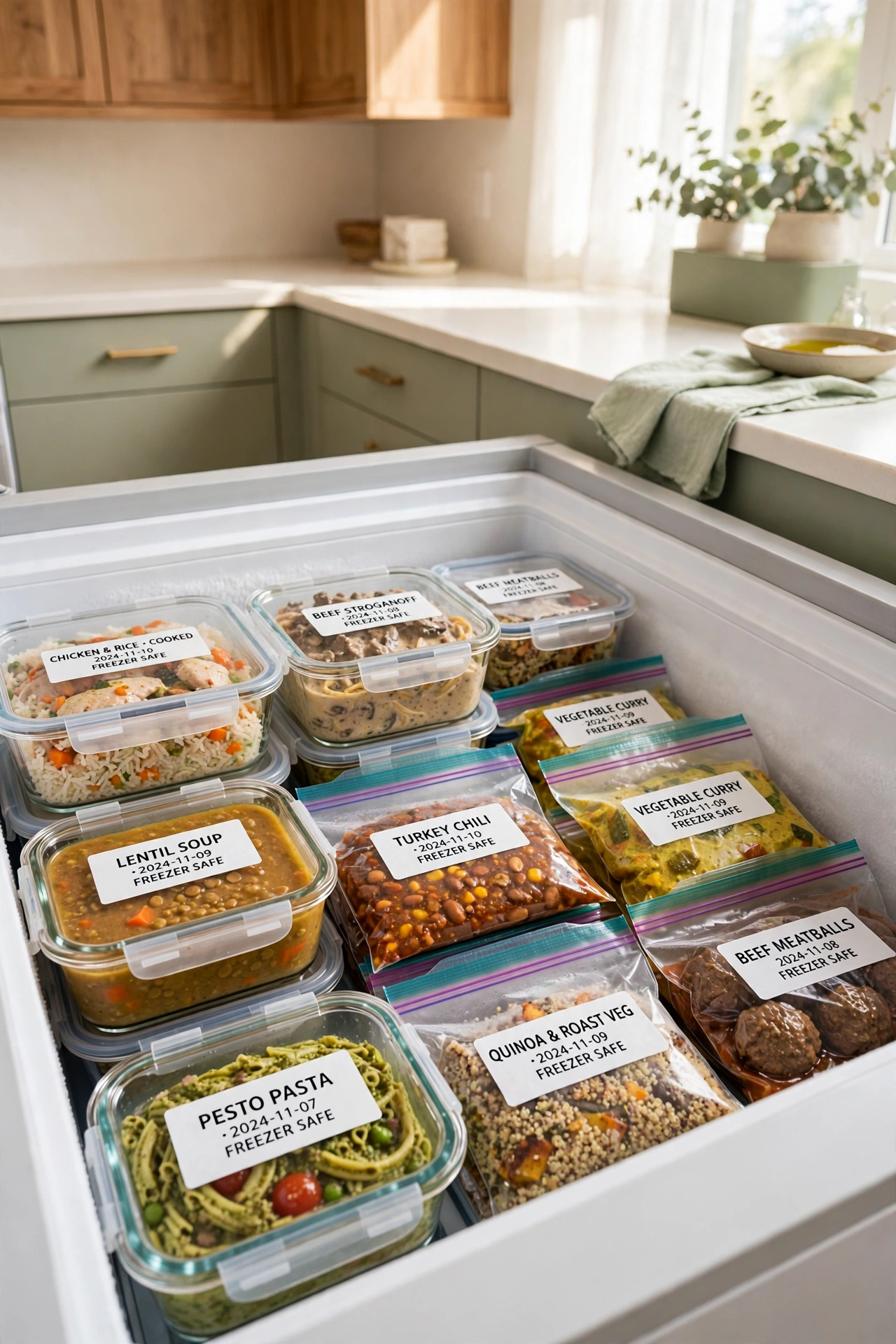
12. Freeze Soups Flat in Freezer Bags
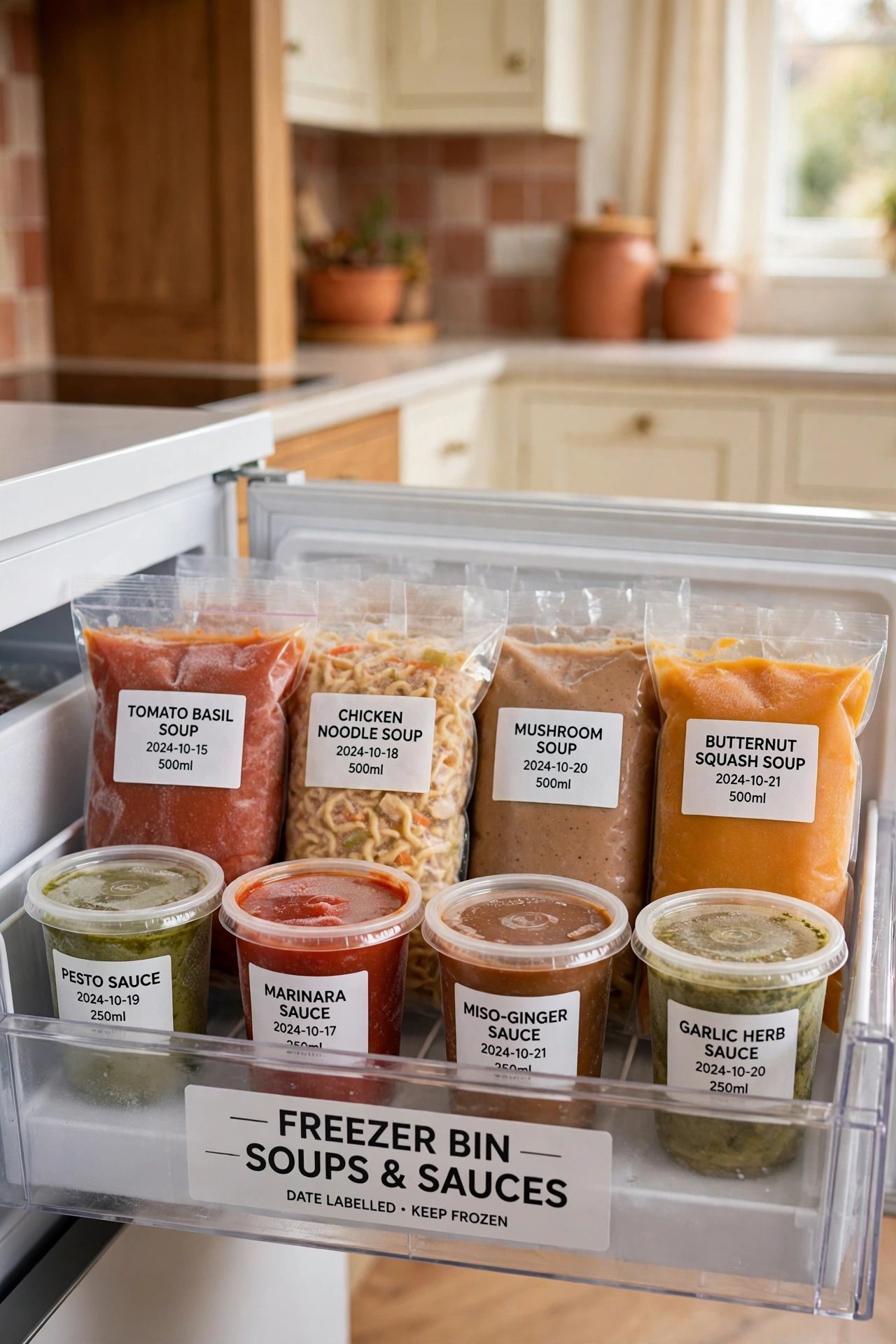
Pour cooled soup into freezer bags, press out the air, and lay the bags flat to freeze. Flat bags stack like books on a freezer shelf and take up far less space than bulky containers. You can fit a whole week of soup in one small section.
Label each bag with the soup name and the date before you freeze it. To thaw, stand the bag in a bowl of warm water or move it to the fridge overnight. Flat freezing is the smartest way to store liquid leftovers.
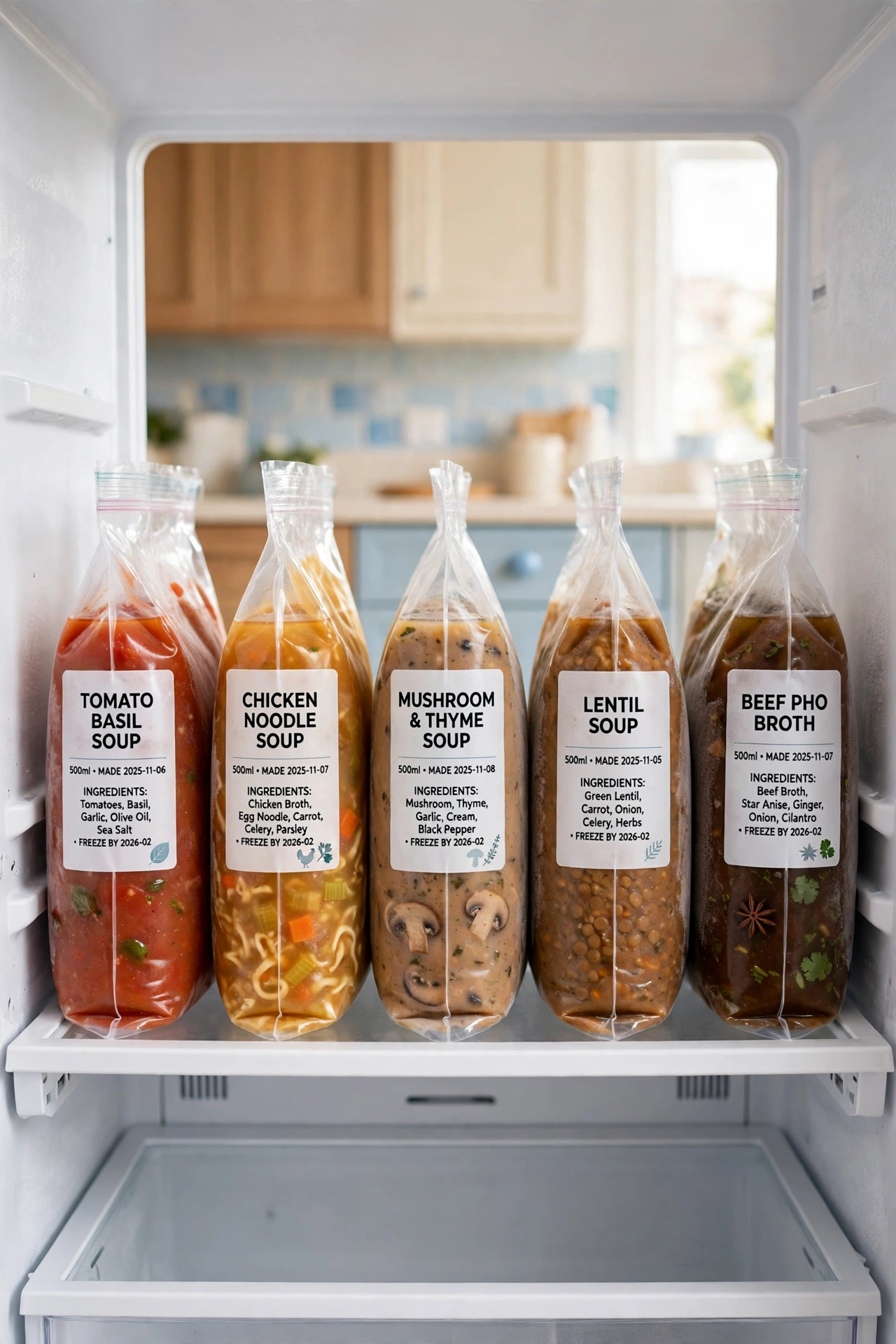
13. Keep a Soup and Sauce Bin in the Freezer
A single bin in the freezer can hold all your soups, sauces, and gravies in one easy to find spot. Use a small basket or a labeled box that fits your freezer shelf. Every frozen bag or container goes into the bin, so nothing slides to the back and gets forgotten.
Sort the bin by type if you freeze often: soups on one side, sauces on the other. For more ideas on arranging frozen food, see these freezer organization ideas. One bin keeps your frozen leftovers as organized as the fresh ones.
14. Store Sauces and Gravies in Small Jars
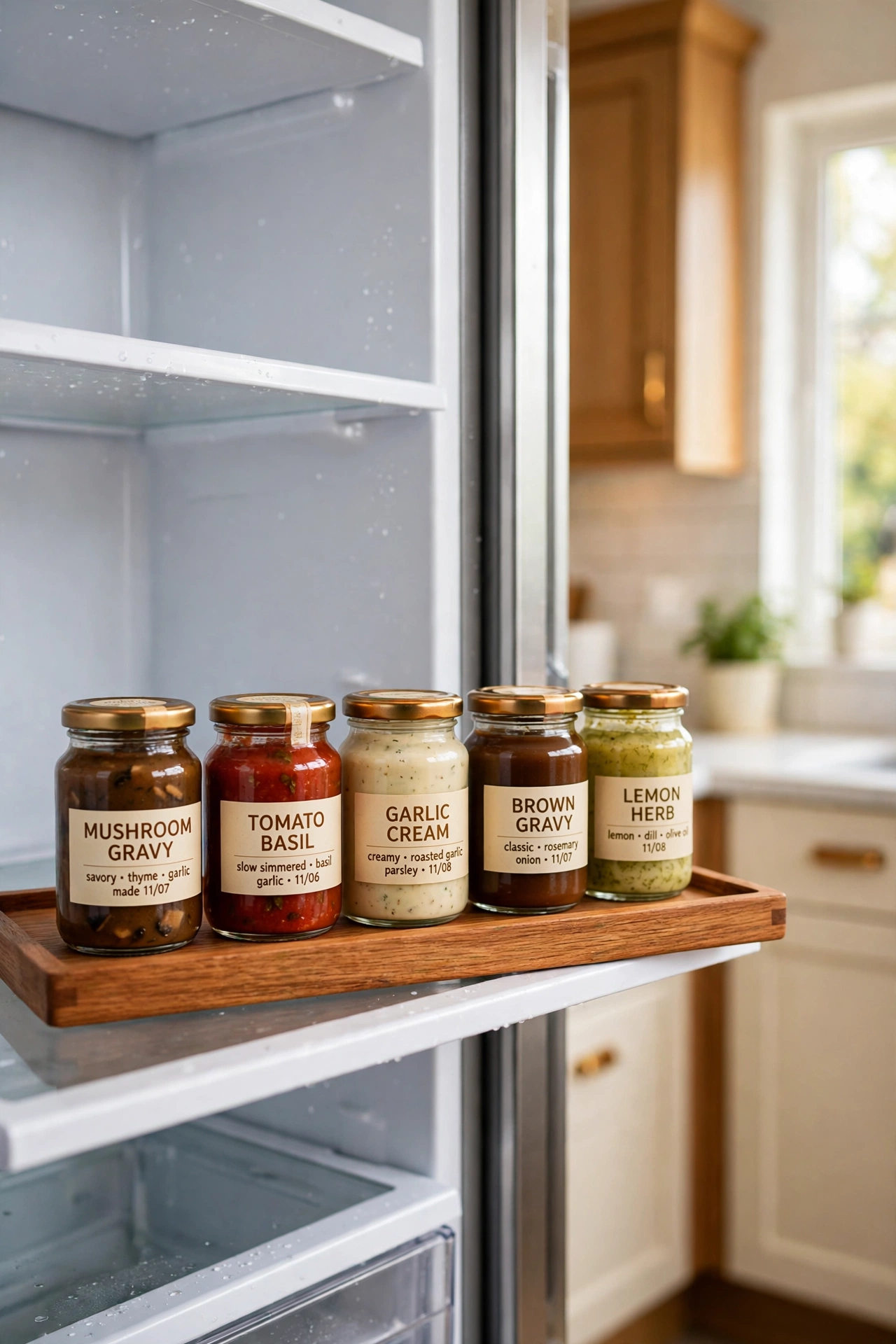
Small glass jars are perfect for leftover sauces, gravies, and dressings that would get lost in a big container. The clear glass shows you the color and amount at a glance, and the tight lid stops leaks. Keep the jars together on one small tray.
Label each jar with the sauce name and the date you made it. A tray of small jars takes up very little shelf space and stops sticky spills. This is a tidy way to save every spoonful of flavor.
15. Turn Leftover Rice into a Fried Rice Dinner
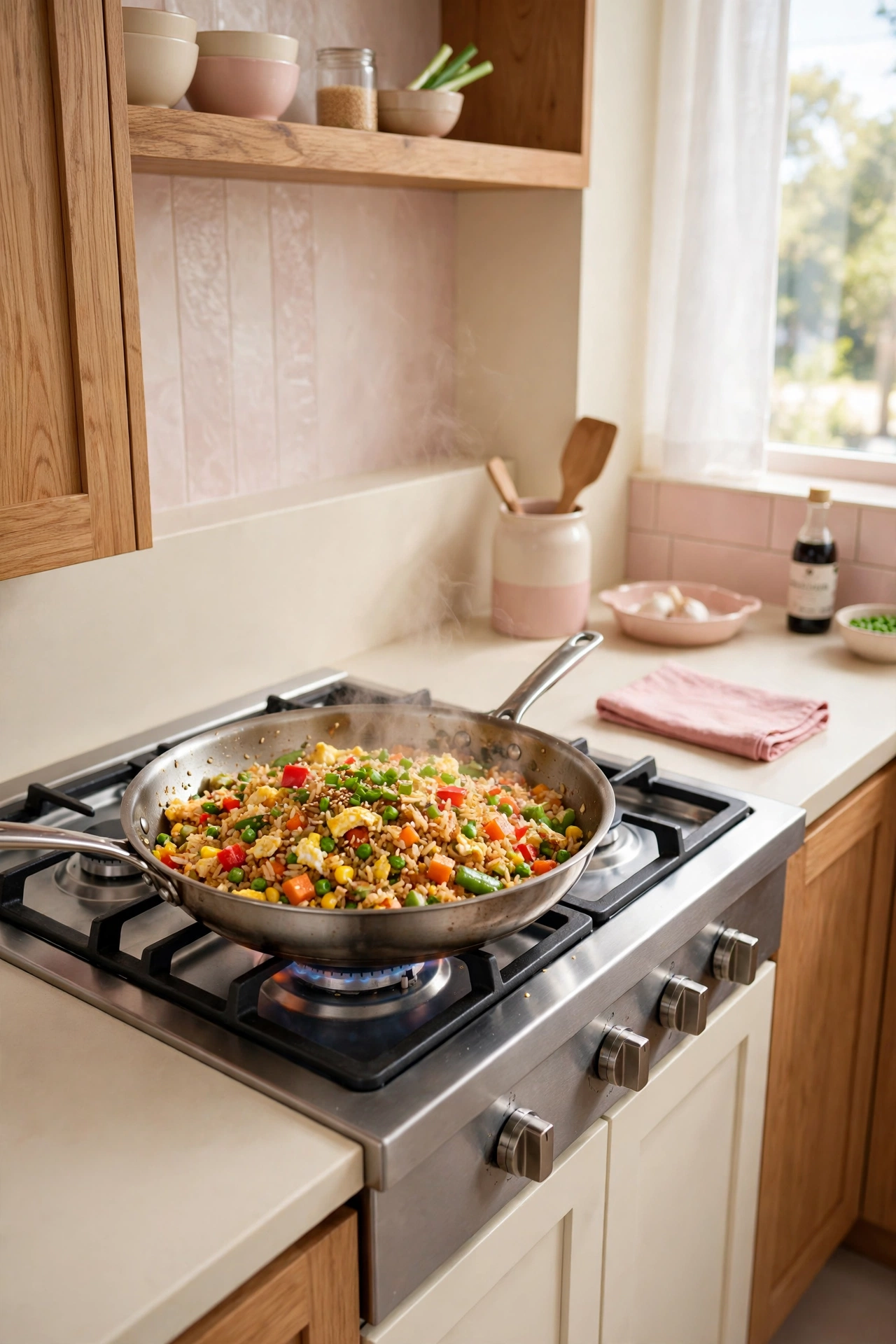
Day old rice is the secret to great fried rice, because it fries up firm instead of turning mushy. Toss it in a hot pan with oil, eggs, vegetables, and any leftover meat from the fridge. In fifteen minutes you have a fresh dinner from food that might have gone to waste.
Fried rice night works with almost any leftovers, from roast chicken to steamed vegetables. Keep soy sauce and eggs on hand so the meal comes together fast. This one recipe can rescue a whole shelf of odds and ends.
16. Build a Grab-and-Go Lunch Shelf
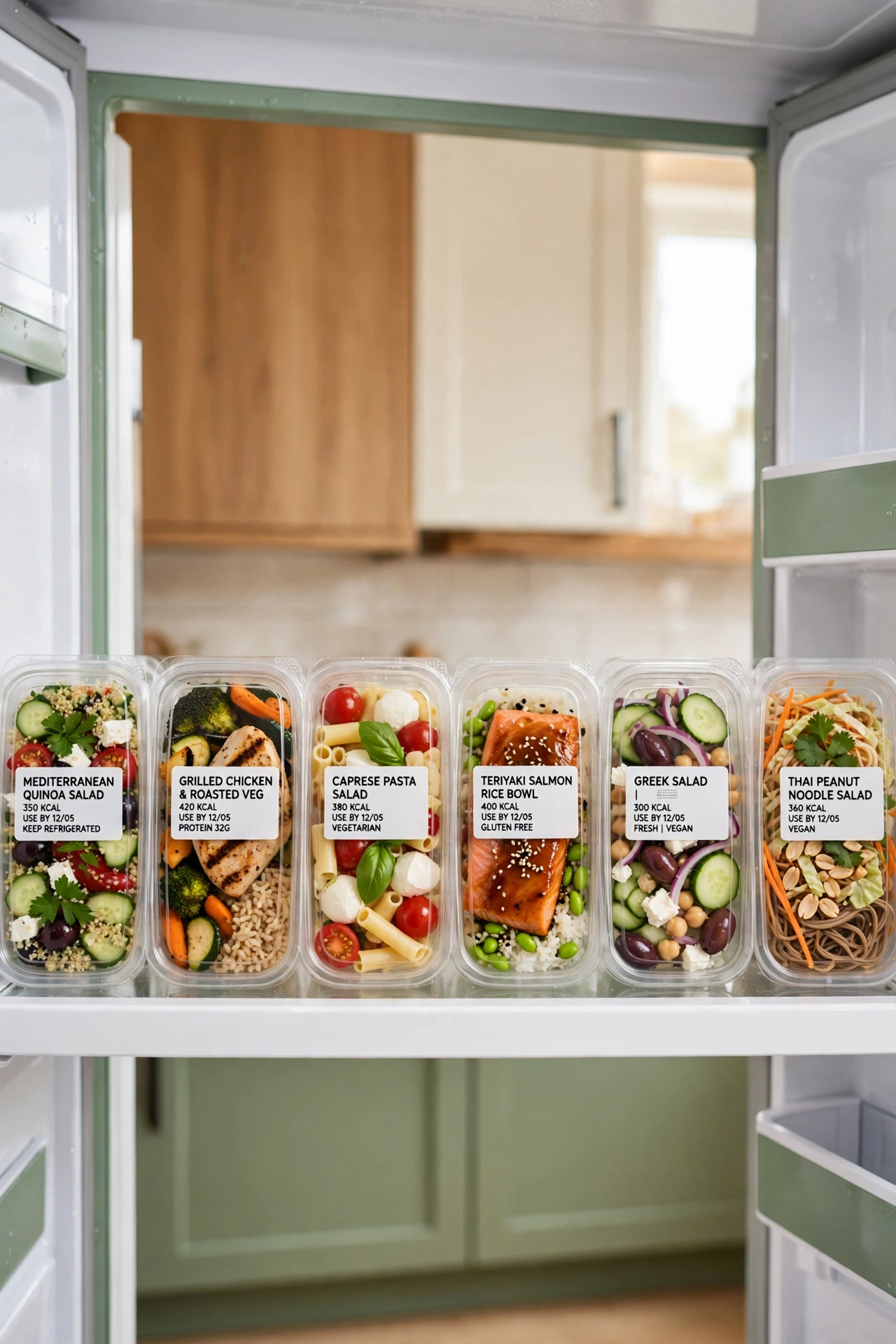
A grab-and-go shelf holds portioned lunches at eye level, ready for busy mornings. Pack leftovers into single serving containers the night before and line them up in a row. Each person grabs a container on the way out the door.
Add a small bin beside the containers for forks, napkins, and lunch bags. When lunch is already packed, nobody buys takeout or skips a meal. This shelf turns leftovers into the easiest lunch of the week.
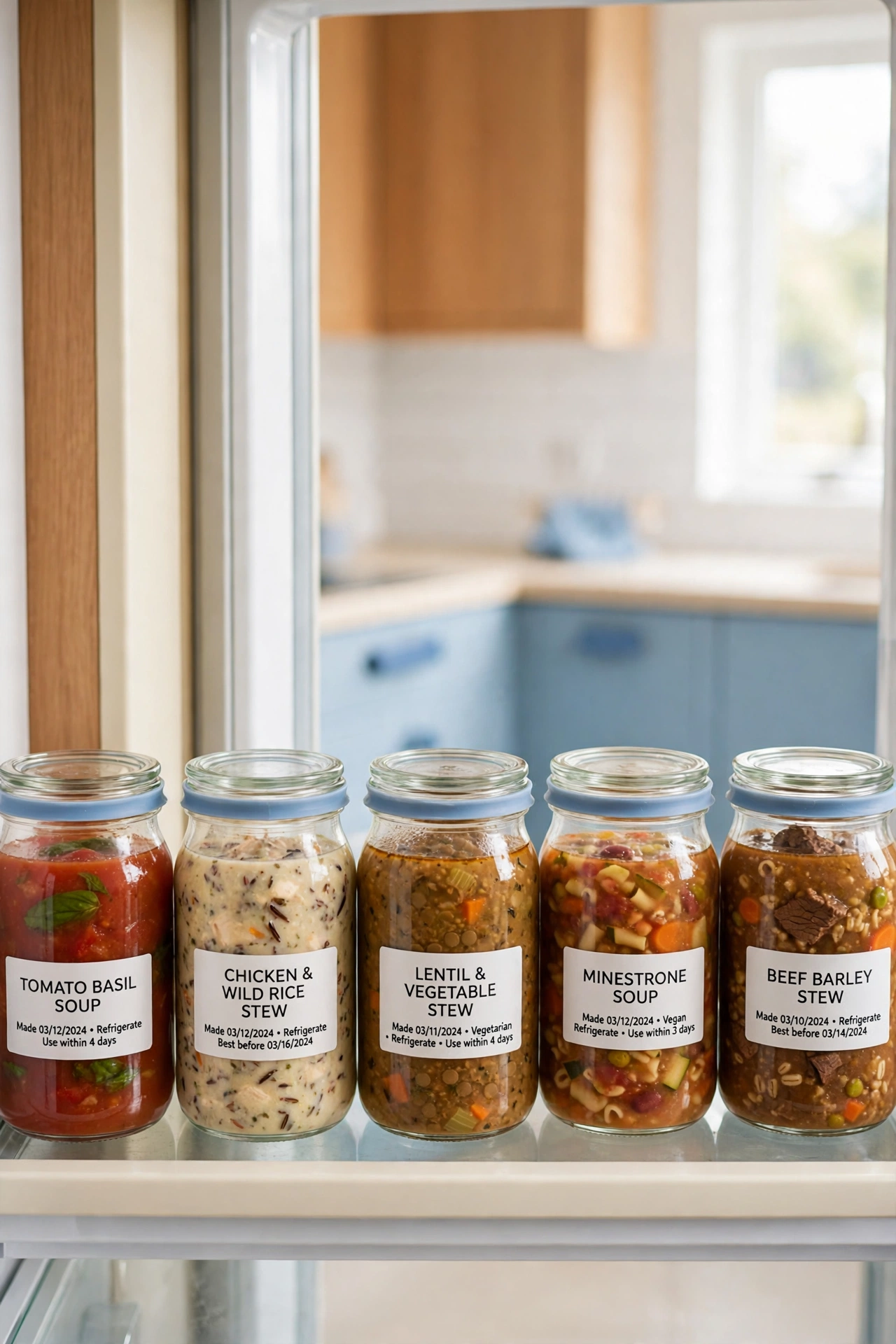
17. Use Glass Jars for Soups and Stews
Wide mouth glass jars hold soups and stews beautifully and let you see exactly what is inside. The glass does not stain or hold smells the way plastic can, and the jars stack neatly on a shelf. Choose jars with straight sides so frozen soup can expand safely.
Leave an inch of space at the top when you fill a jar for the freezer. Label the lid with the contents and the date. Glass jars make leftovers look appetizing instead of forgotten.
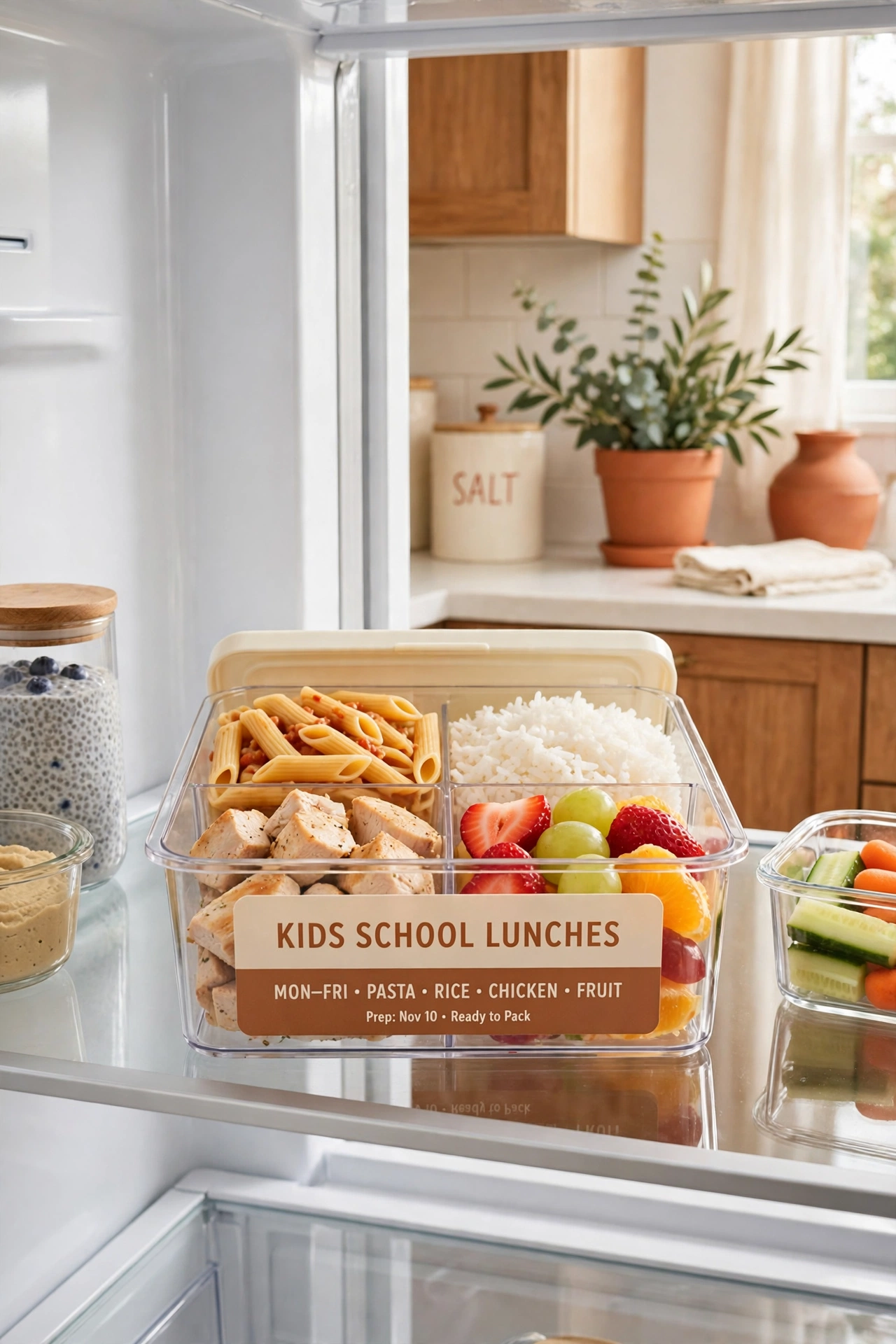
18. Keep a Small Bin for Kids Lunch Leftovers
A small bin on the leftover shelf holds the foods kids actually eat for lunch. Fill it with portioned pasta, rice, chicken pieces, and fruit that are ready to pack. Kids can see their choices and pick their own lunch without digging through the whole fridge.
Label the bin clearly so everyone knows it is the lunch bin. Refill it each evening after dinner while you put food away. This small bin makes school mornings faster and wastes less food.
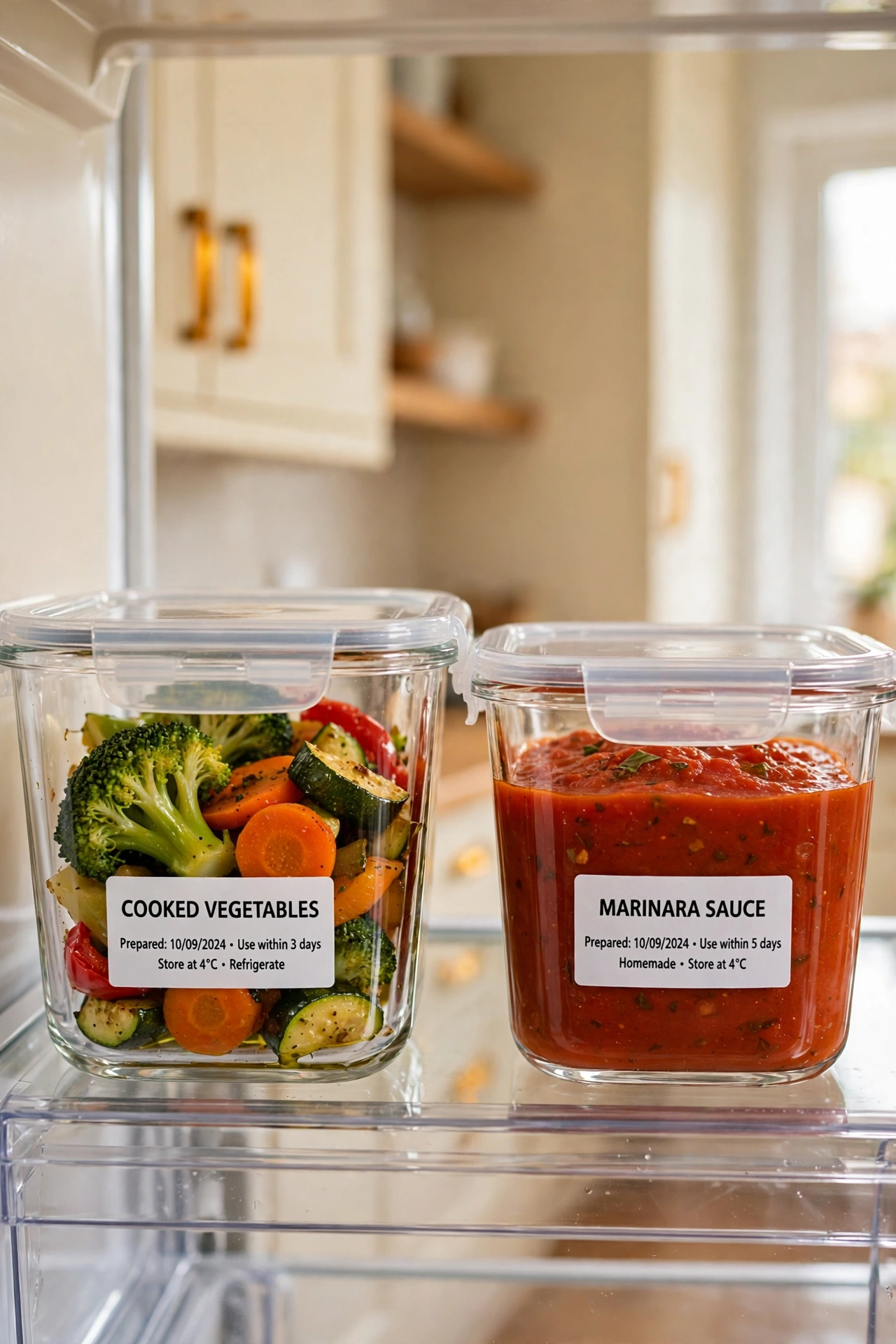
19. Store Cooked Vegetables Apart from Sauces
Cooked vegetables stay fresh longer when you store them apart from sauces and gravies. Sauces make vegetables soggy and hard to reuse in a new dish. Keep vegetables in one container and sauces in another, then combine them only when you reheat.
Separate storage also gives you more options, because plain vegetables can go into a stir fry, a soup, or a salad. Label both containers so you remember which sauce belongs with which vegetables. A little separation keeps more meals possible.
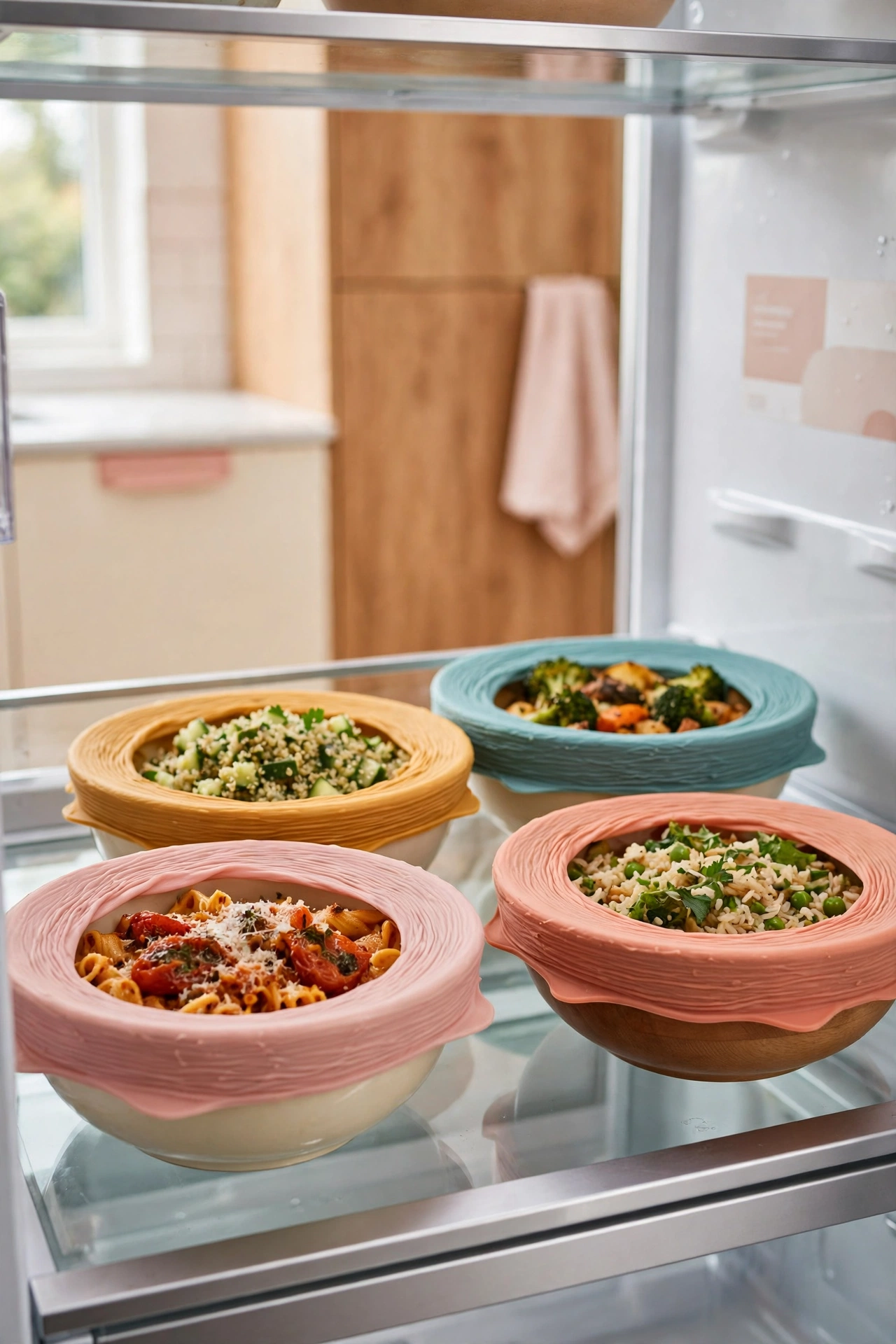
20. Cover Containers with Silicone Lids
Silicone lids stretch over bowls and containers of almost any size and seal tightly without extra plastic wrap. They keep leftovers fresh, stop spills, and wash clean in the dishwasher. One set of lids can replace a whole drawer of mismatched plastic lids.
Choose lids in different sizes so you always have the right fit. Press the lid flat on the rim to create a firm seal. Silicone lids are reusable, which saves money and cuts down on kitchen waste.
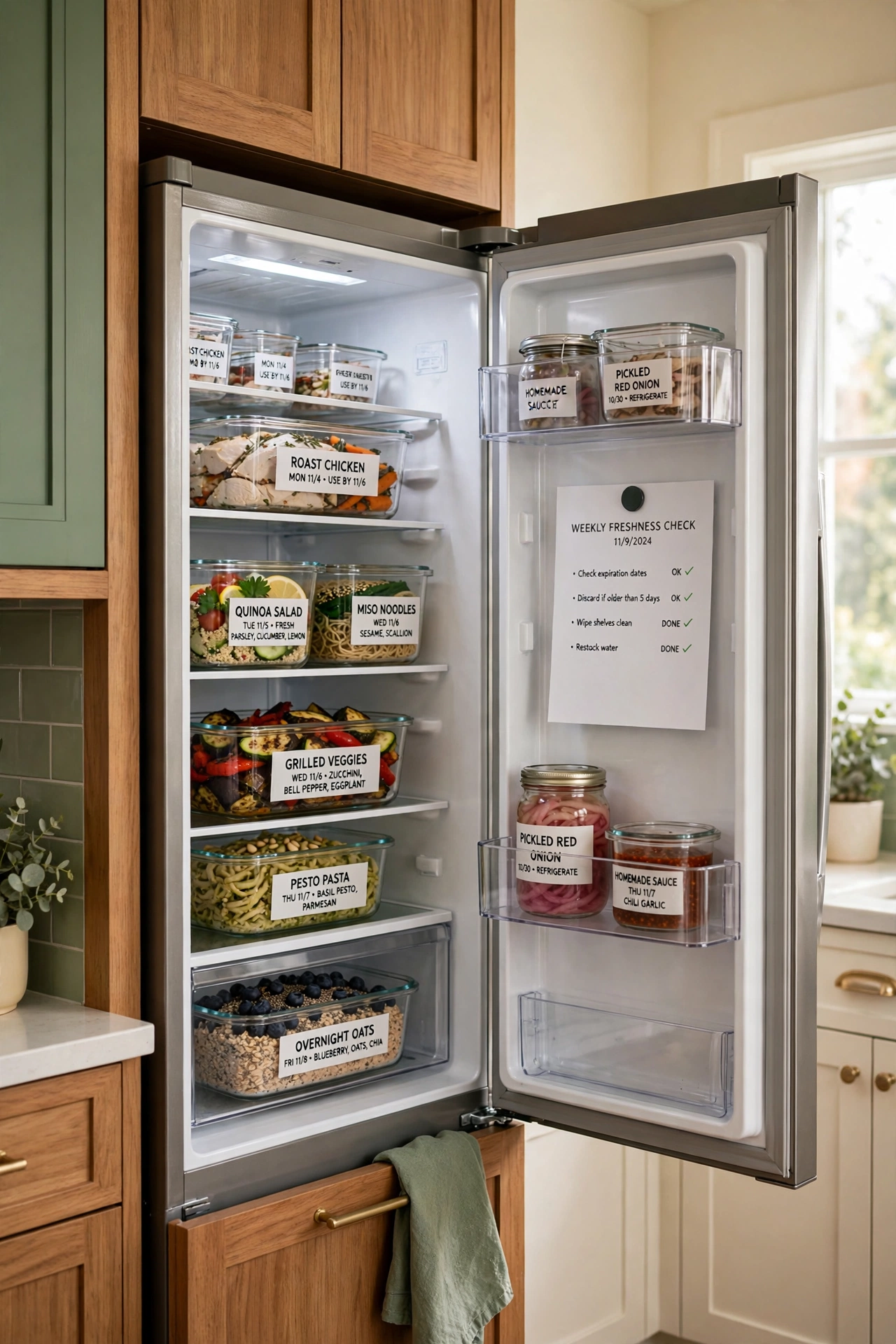
21. Run a Weekly Smell and Freshness Check
Once a week, open every leftover container and give it a quick smell and look. Toss anything that smells sour, looks slimy, or has spots of mold. This check takes five minutes and stops old food from contaminating fresh meals.
Do the check on the same day each week, right before you shop for groceries. A clean shelf makes room for the new week and shows you what your family actually finishes. Regular checks keep the fridge safe and honest.
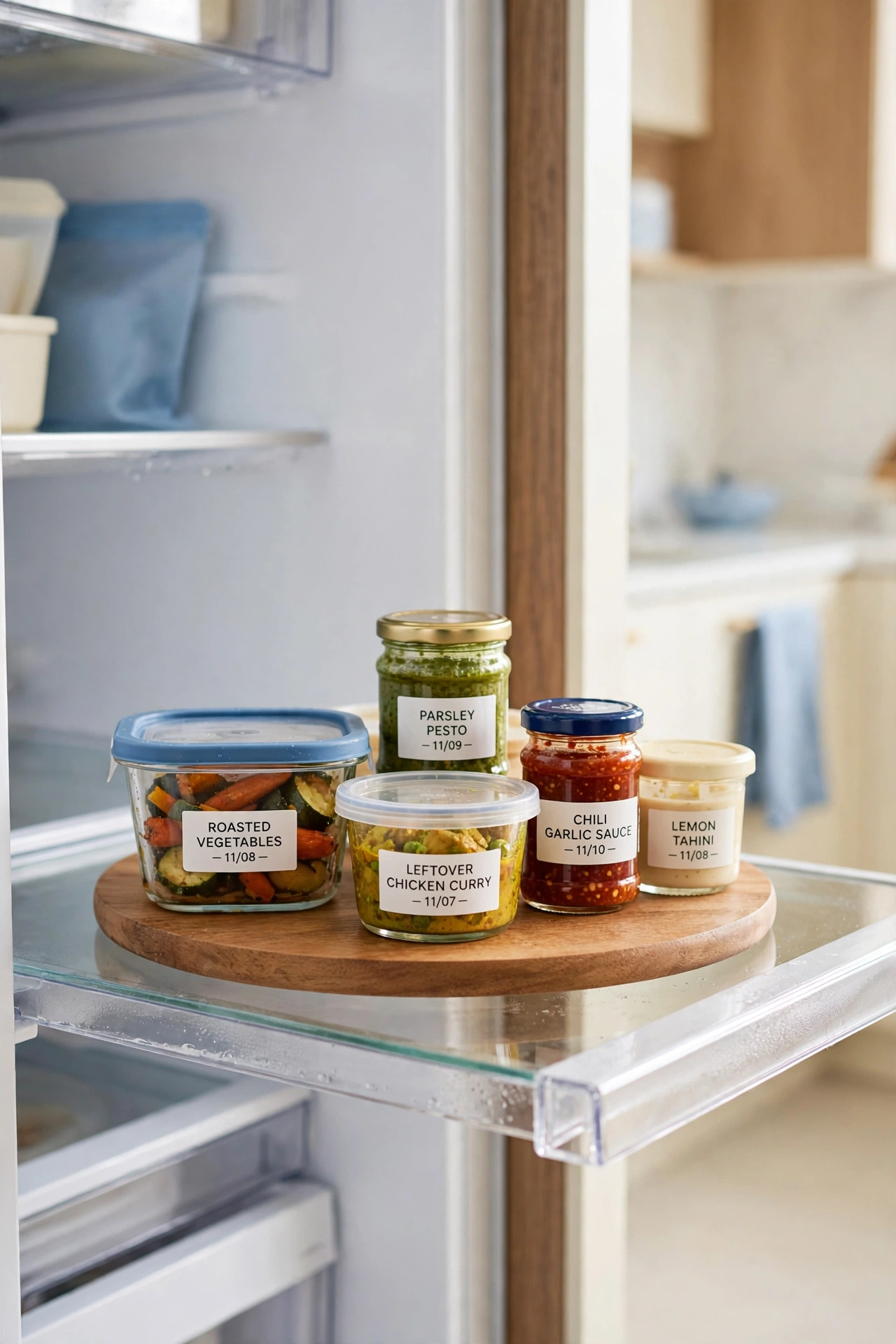
22. Add a Turntable for Small Containers
A turntable on a refrigerator shelf spins small leftover containers to the front with one gentle turn. No more containers hiding at the back until they spoil. Choose a turntable with a raised edge so nothing slides off when it spins.
Group similar items on the turntable, like sauces on one side and single servings on the other. Wipe the turntable clean each week during your freshness check. This simple tool makes every container easy to reach.
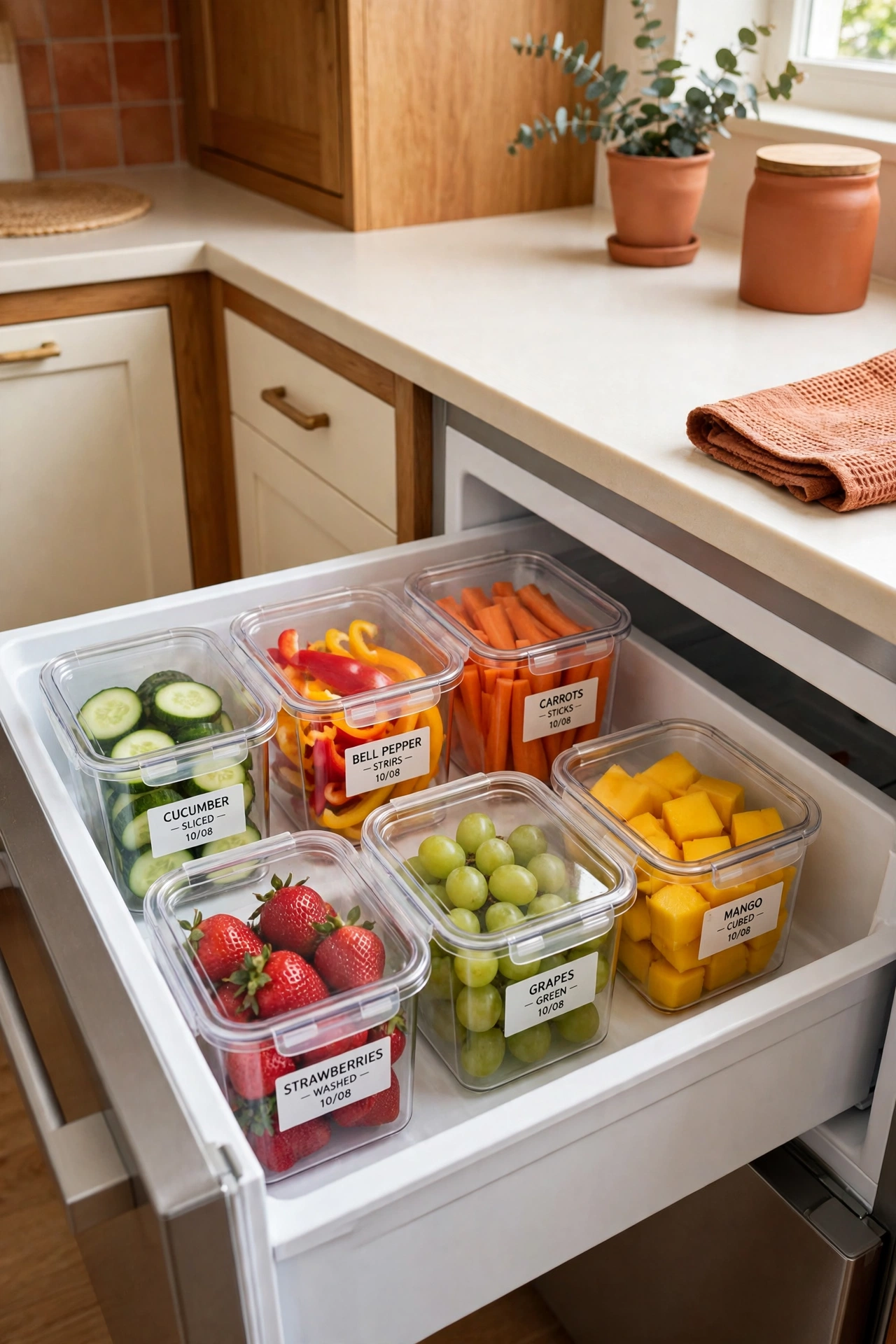
23. Use the Crisper Drawer for Produce Leftovers
The crisper drawer is the best home for leftover cut vegetables, salads, and fruit. The drawer holds humidity better than an open shelf, so produce stays crisp for days longer. Keep cut vegetables in clear containers inside the drawer so you can see them.
Line the drawer with a clean cloth or a paper towel to absorb extra moisture. Check the drawer during your weekly freshness check and use the oldest produce first. The crisper drawer protects food that would wilt fast on a shelf.
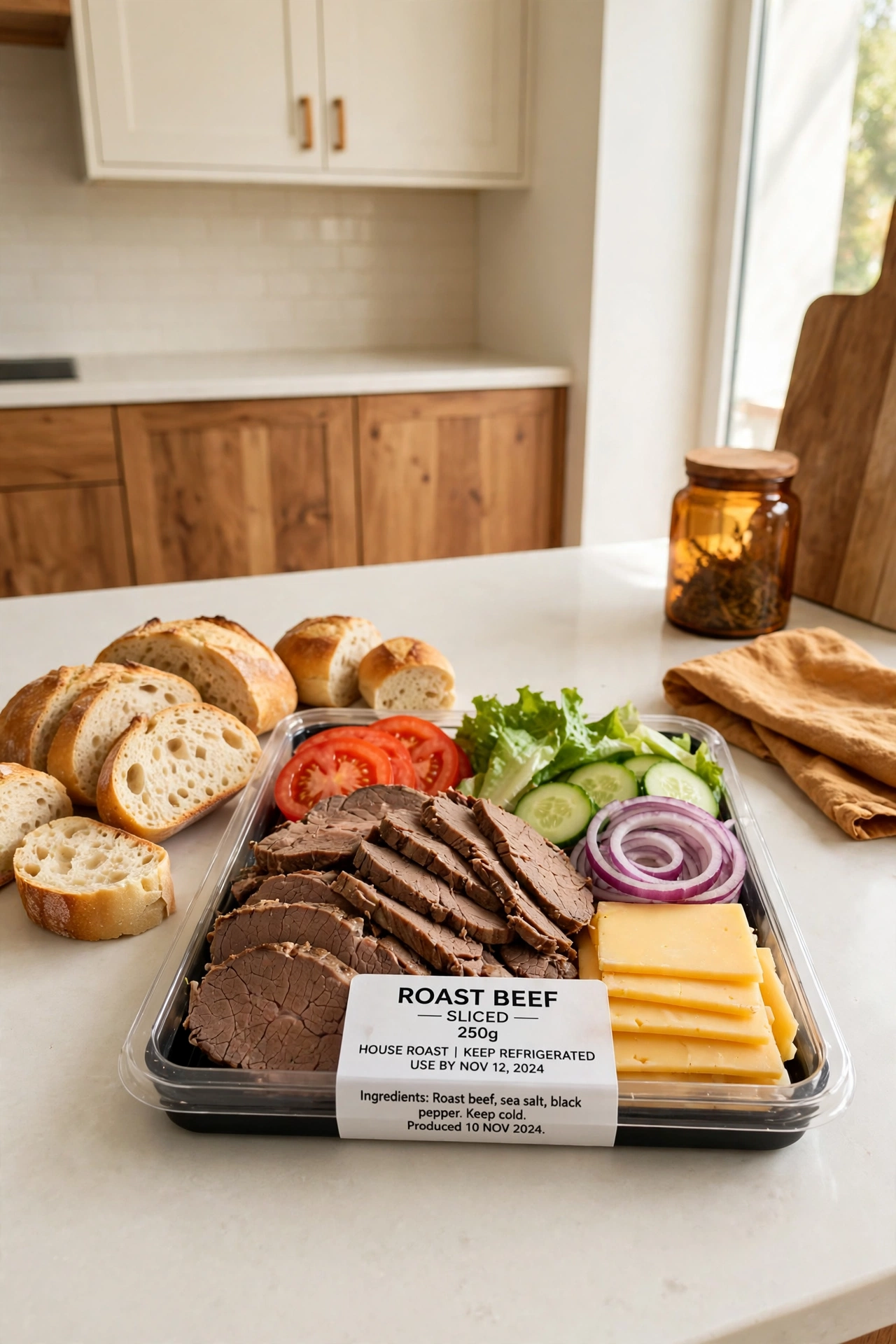
24. Turn Leftover Roast into Sandwiches and Wraps
Leftover roast meat makes some of the best sandwiches and wraps of the week. Slice the meat thin, add fresh bread, cheese, and vegetables, and lunch is ready in minutes. A roast that fed dinner on Sunday can feed lunches until Wednesday.
Store sliced meat in a flat container with a tight lid so it stays moist. Label it with the date and keep it at the front of the leftover shelf. One roast can stretch into three or four easy meals.
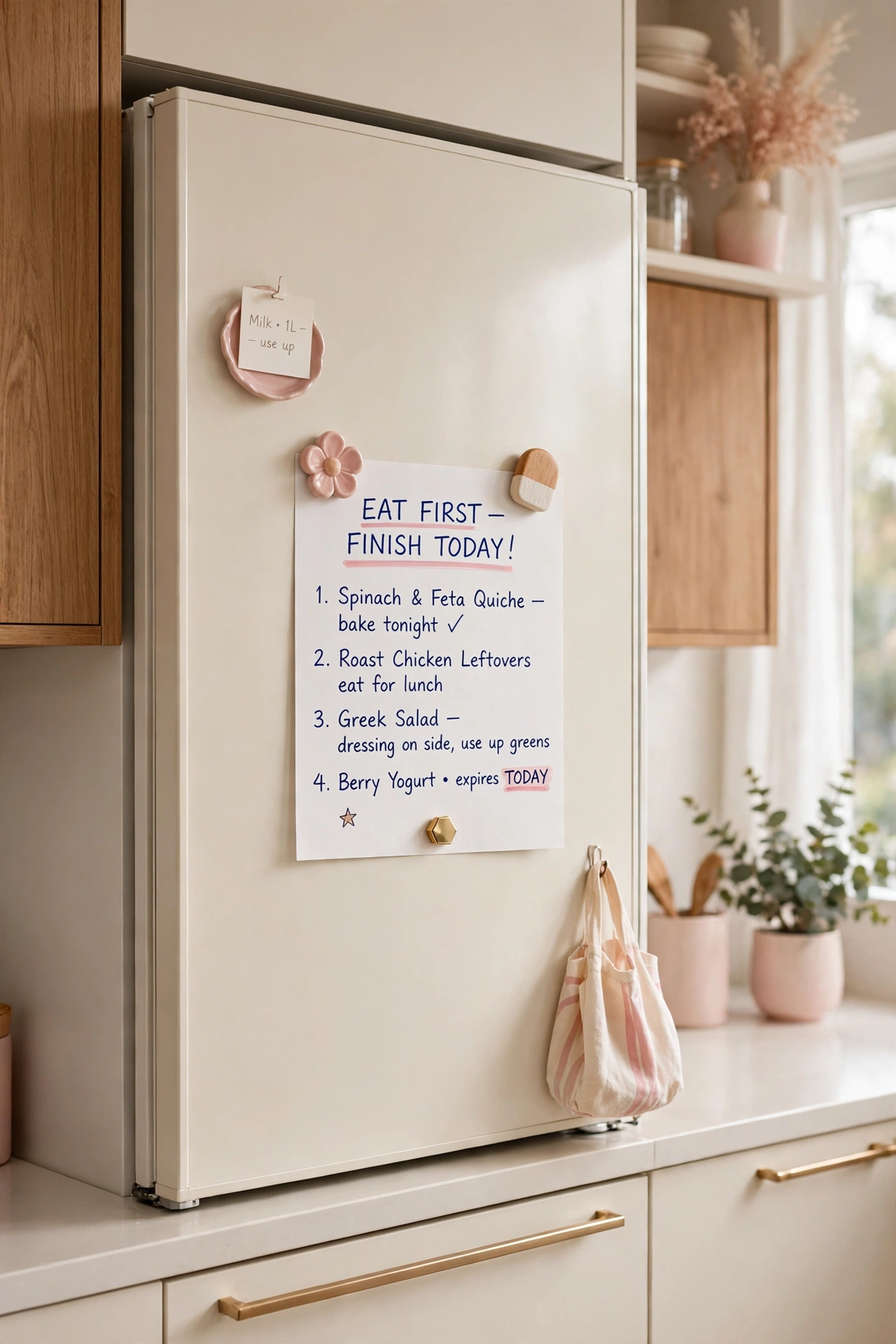
25. Post an Eat First Reminder on the Door
An eat first reminder on the fridge door tells the whole family which containers to finish today. Write the dish names on a small sign or a sticky note and stick it at eye level. Everyone sees it each time they open the fridge.
Move the reminder to the front of the leftover shelf as well, so the right containers are easy to grab. Update the note each morning after breakfast. This visible reminder turns good intentions into finished meals.
26. Do a Sunday Leftover Reset
A Sunday leftover reset takes fifteen minutes and sets up the whole week. Clear the leftover shelf, toss anything past its date, and list what is left for the week ahead. Wipe the shelf clean and put the remaining containers back in date order.
Plan the first two dinners of the week around what is already in the fridge. When Monday starts with a plan, far less food goes to waste. The Sunday reset is the habit that holds the whole system together.
Conclusion
Refrigerator leftover organization does not have to be complicated or expensive. From clear containers and date labels to a weekly leftover night and a Sunday reset, there is an idea here for every kitchen and every family. The best system is the one you will actually use every day.
Pick one or two ideas that fit your refrigerator and start today. Label a container, clear a shelf, and give every leftover a plan. For a calm home beyond the kitchen, these nightly reset routine ideas will help you keep every room organized with just a few minutes each evening.
Frequently Asked Questions About Refrigerator Leftover Organization Ideas to Reduce Food Waste
How long do leftovers last in the refrigerator?
Most cooked leftovers stay safe for three to four days in the refrigerator. Soups, stews, and cooked meat follow the same rule. Label every container with the date you cooked it, and freeze anything you will not eat in that time.
What is the best container for storing leftovers?
Clear glass or plastic containers with tight fitting lids work best, because you can see the food inside and the seal stops leaks. Stackable containers save shelf space, and shallow containers cool food faster. Choose containers that go safely from fridge to microwave.
Can I store leftovers in the refrigerator door?
The door is the warmest part of the refrigerator, so it is not the best place for leftovers. Keep milk, sauces, and condiments in the door instead. For more ways to arrange the door well, see these refrigerator door organization ideas. Store leftovers on a shelf where the temperature stays steady.
How do I stop leftovers from smelling up the fridge?
Seal every container with a tight lid and keep strong smelling foods in glass jars. Place an open box of baking soda on the shelf to absorb odors. Clean up spills right away and run a weekly freshness check to remove anything that has turned.
What should I do with leftovers nobody wants to eat?
Turn them into a new dish instead of serving the same meal twice. Leftover roast becomes sandwiches, rice becomes fried rice, and vegetables go into soup. If food is truly past its date, compost it when you can and learn from the portion size next time.

Hi, I’m Emily! I turn messy corners into cozy, organized spots. DreamNestDecor is where I share simple, practical home ideas — decor, organization, and small-space solutions that work in real life, not just in photos. Every idea here is carefully researched before it’s shared.