Picture this: it is moving morning, the truck is outside, and instead of chaos you walk through rooms where every box is labeled, sealed, and ready to go. You know exactly where the coffee maker is, where the bed sheets are, and which box holds the shower curtain. That calm start is what a little planning gives you on the busiest day of a move.
You do not need professional movers or expensive supplies to stay organized. All you need is a simple system for packing and labeling that anyone can follow. These 25 moving day organization ideas will help you pack smarter, label clearly, and unpack faster in your new home.
1. Start With a Moving Binder for Every Detail
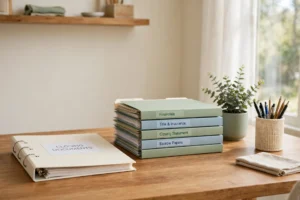
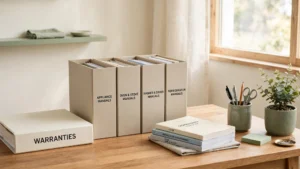
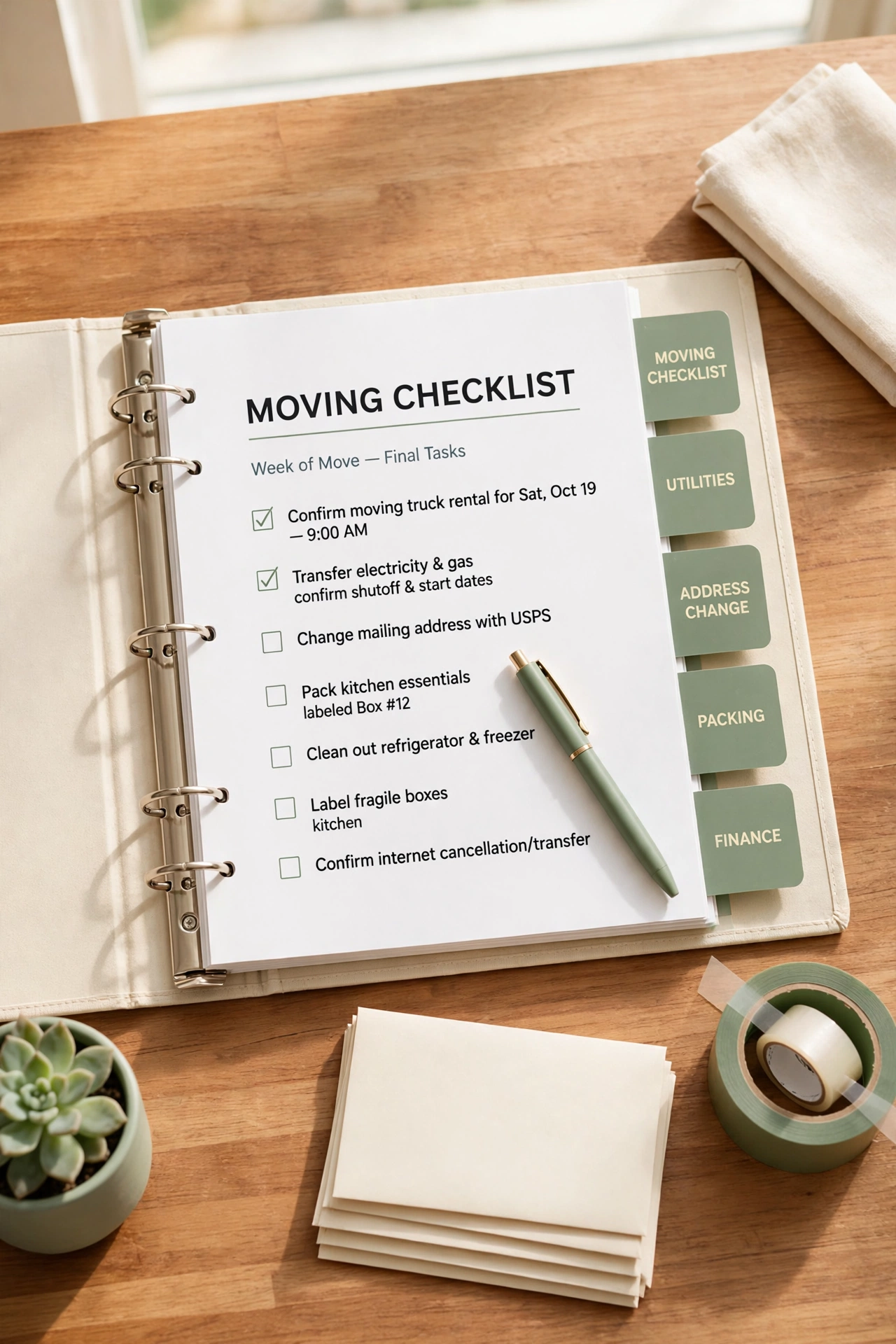
A moving binder is a simple folder or notebook that holds every detail of your move in one place. Keep your moving company quote, your new address, utility account numbers, and your packing schedule inside it. When a question comes up, you will know exactly where to look instead of searching through piles of paper.
Add a pocket for receipts and a page for phone numbers you might need on moving day. A binder also gives you a place to store your box inventory list as you pack. Carry it with you in your car, not in the moving truck, so it stays within reach all day long.
2. Declutter Room by Room Before You Pack a Single Box
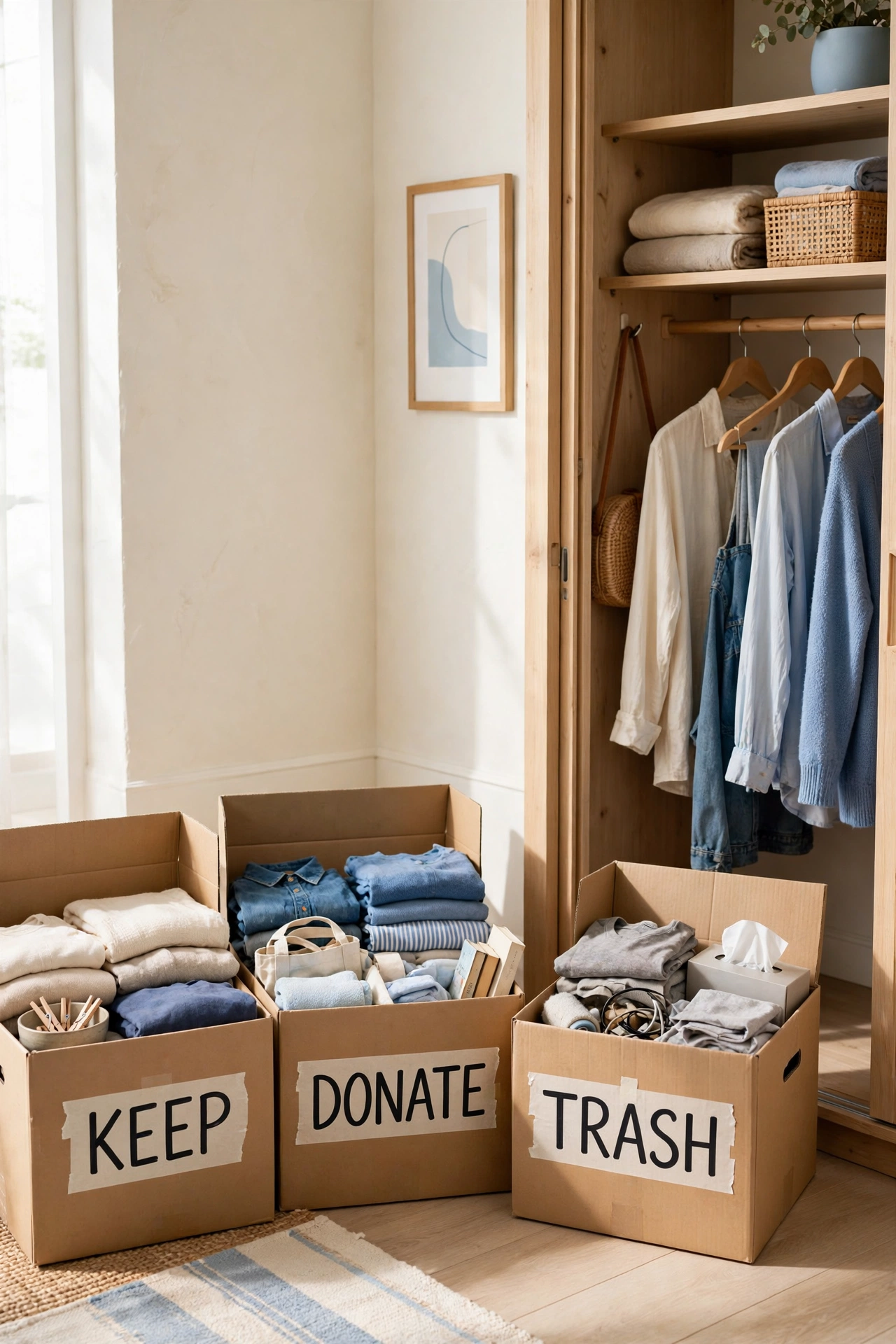
Packing is much easier when you only pack the things you truly want to keep. Walk through one room at a time and sort items into keep, donate, and throw away piles. Be honest about broken items, duplicate gadgets, and clothes you have not worn in a year.
Decluttering before you pack means fewer boxes, lower moving costs, and a fresher start in your new home. For a clear plan to follow, these room by room declutter checklist ideas will help you work through every space without feeling overwhelmed. Start early so donation pickups can be scheduled before moving week.
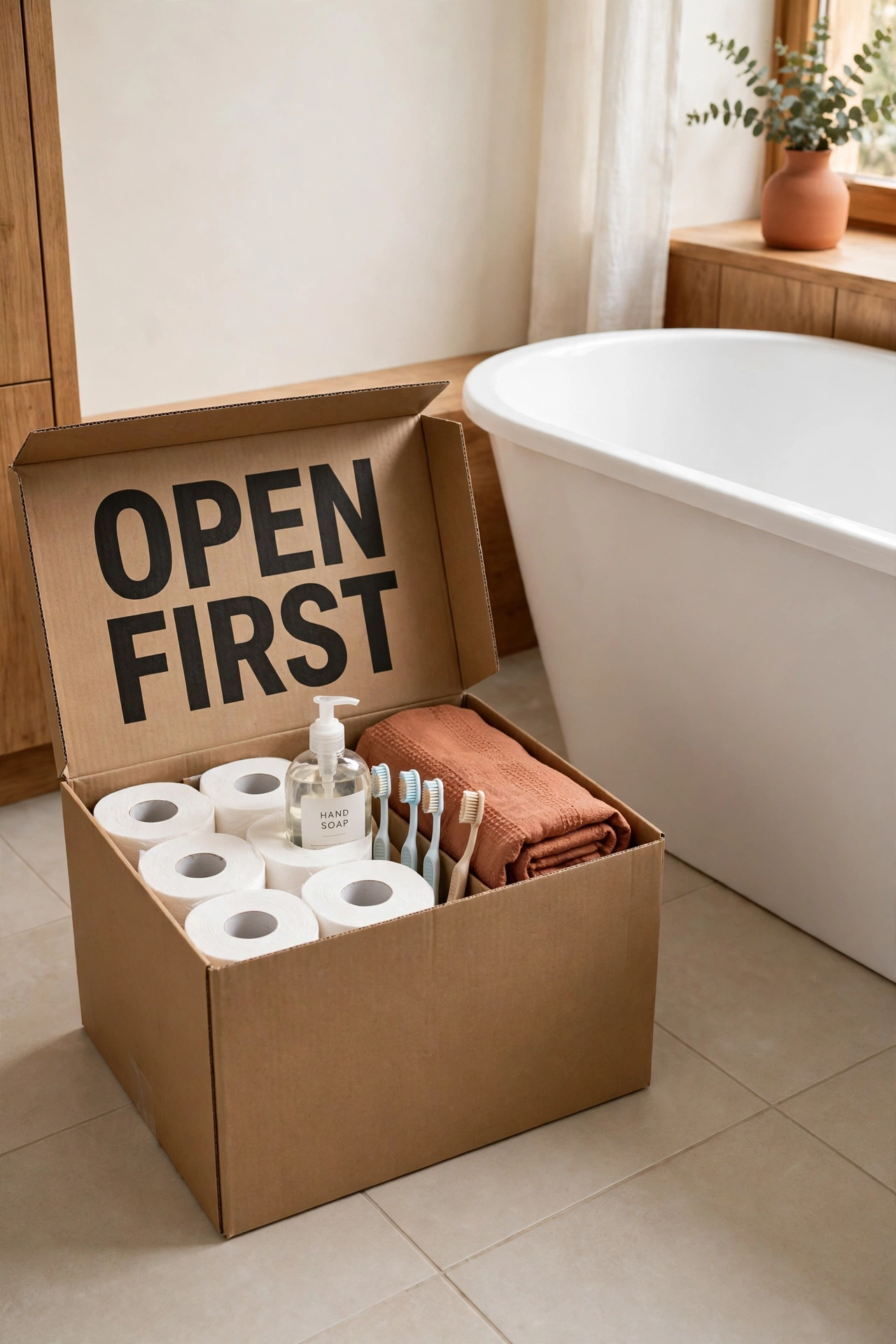
3. Pack an Open First Box for Each Room
An open first box holds the items you will need in the first hours after you arrive. For the bathroom, that means soap, toothbrushes, toilet paper, and a shower curtain. For the kitchen, it means a few plates, mugs, basic utensils, and dish soap.
Mark each open first box with a bright sticker or a star so it is easy to spot in a stack. Load these boxes last so they come off the truck first. When you walk into your new home tired and hungry, you will be glad the essentials are easy to find.
4. Color Code Every Box by Room
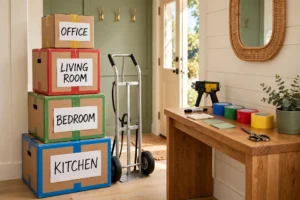
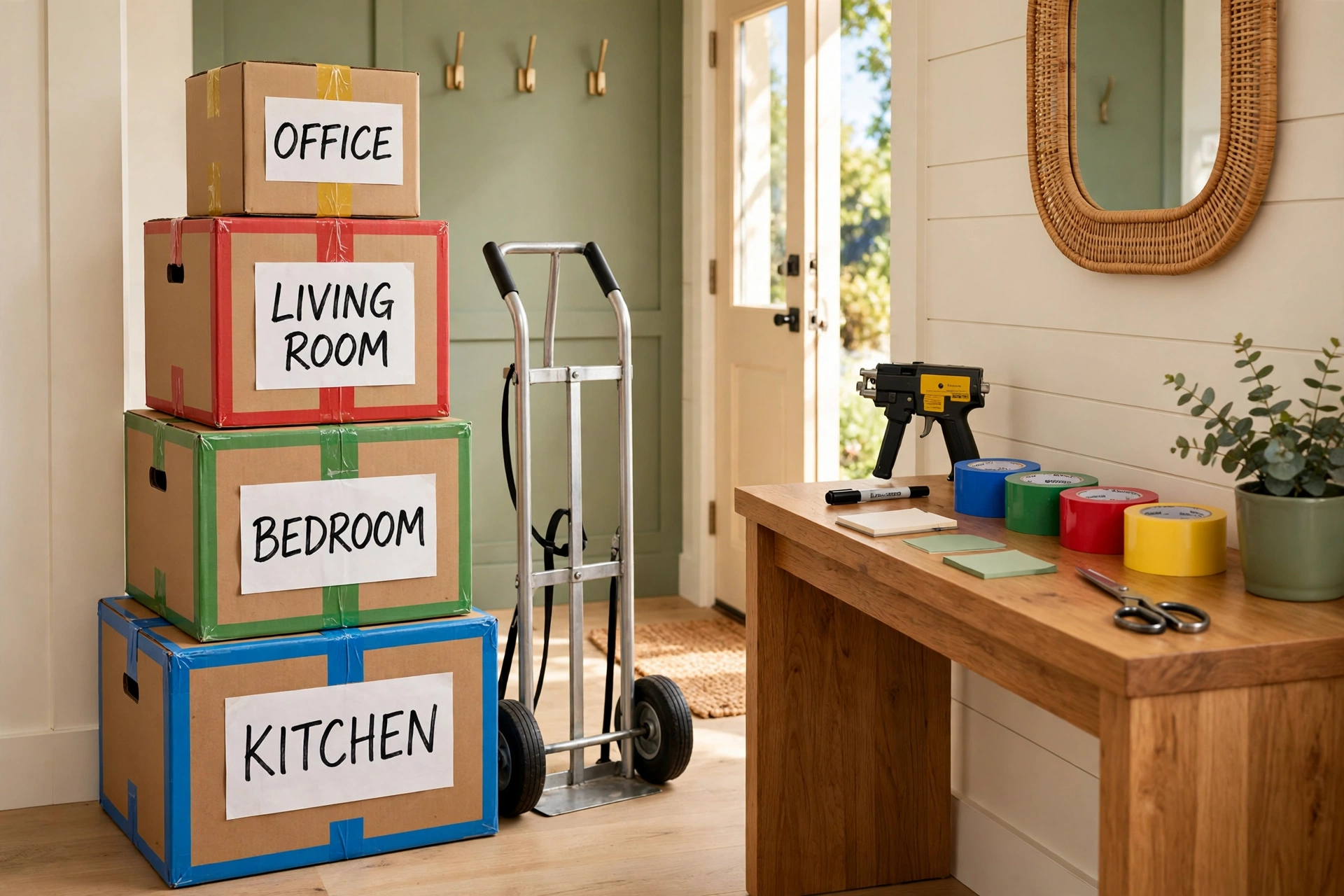
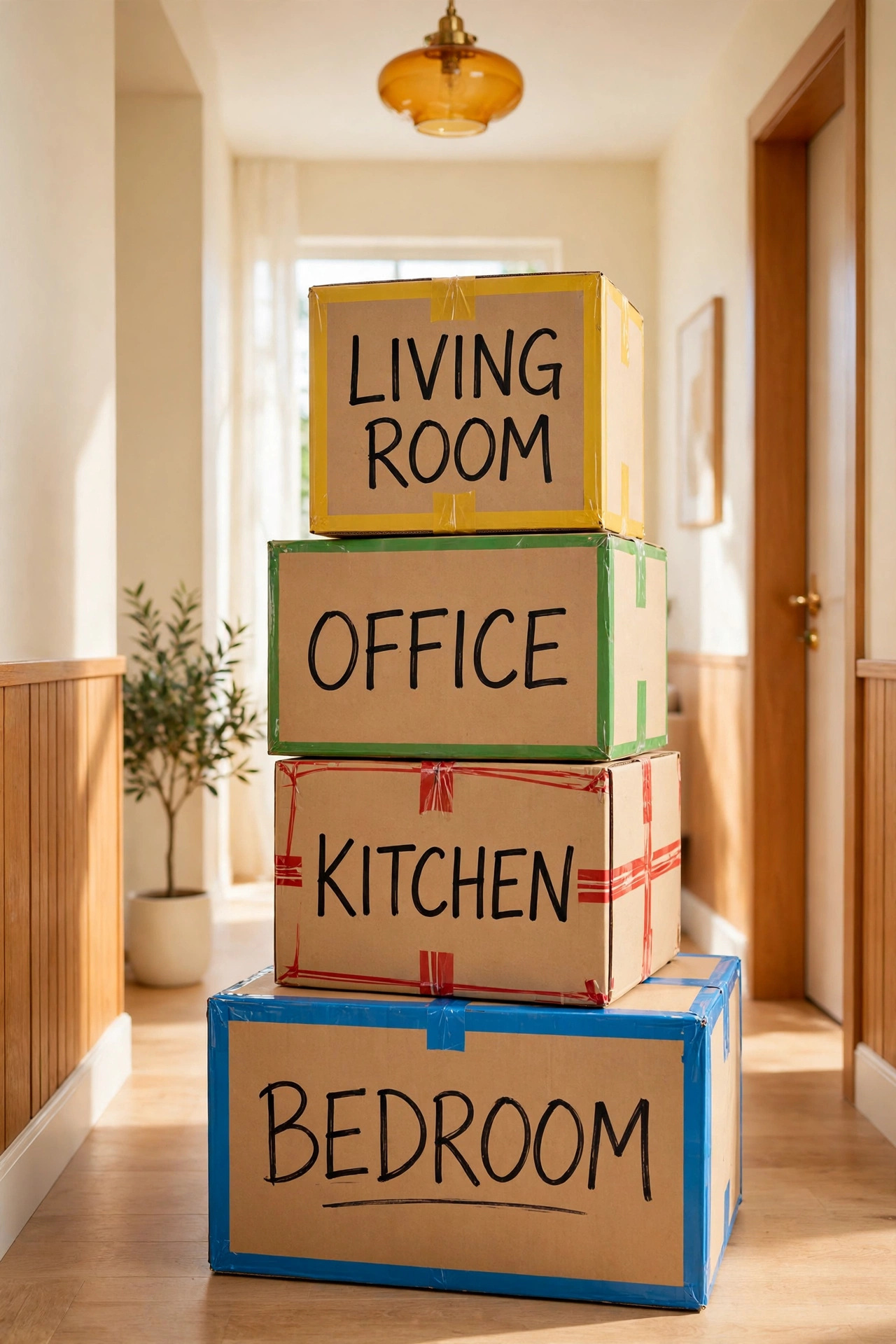
Color coding turns a mountain of brown boxes into a map anyone can read at a glance. Assign one color to each room, such as blue tape for the kitchen, green tape for the bedroom, and red tape for the bathroom. A strip of colored tape on each box is all it takes.
Post a simple color key on the front door of your new home so helpers know where each box belongs without asking you. Movers can carry boxes straight to the right room, which saves time and keeps hallways clear. Color coding also helps you spot a misplaced box in seconds.
5. Number Your Boxes and Keep a Master List
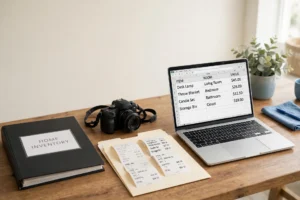
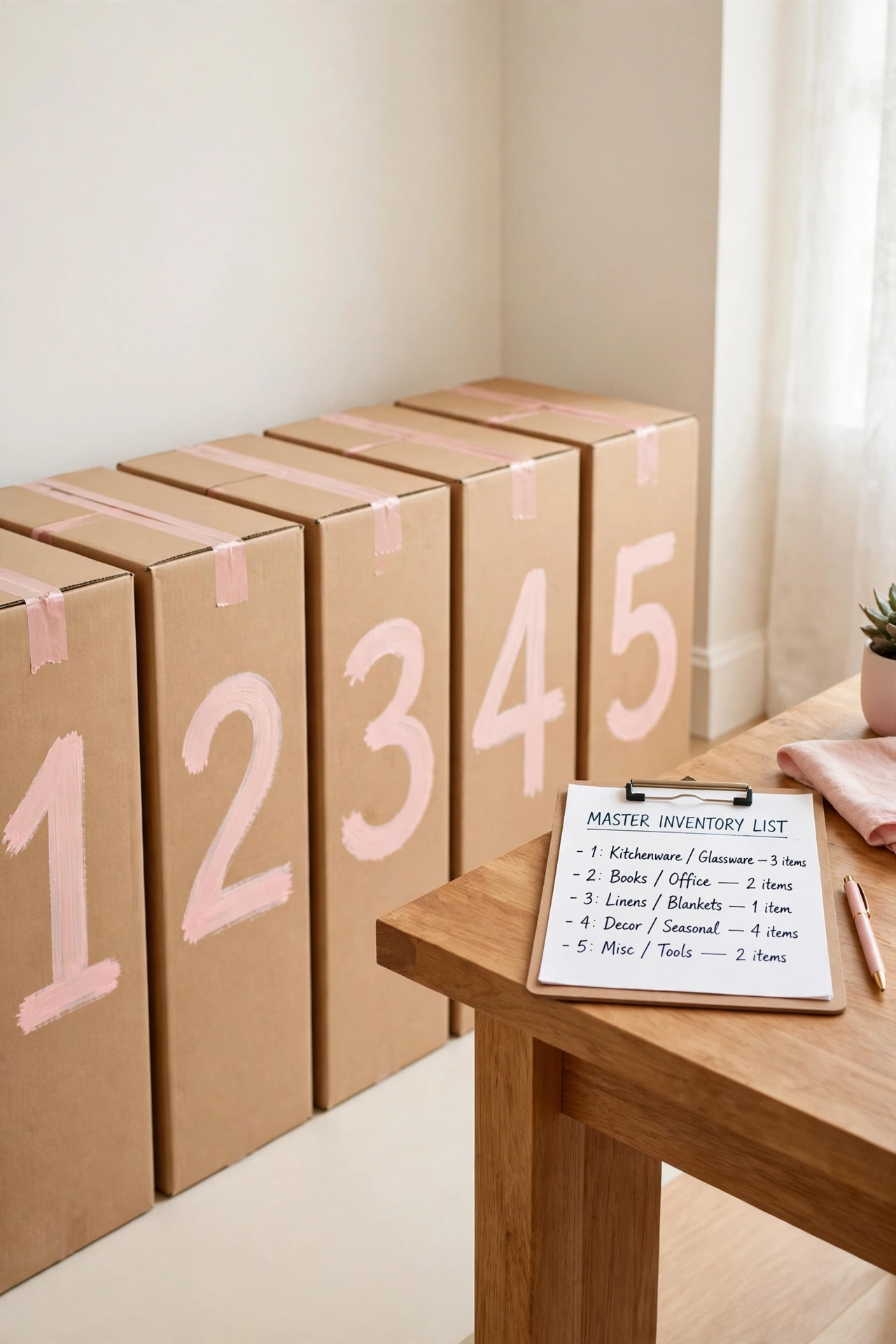
Numbering every box gives you a quick way to check that nothing gets lost in the move. Write a large number on each box with a thick marker, then write the same number on your master list with a short note about what is inside. Box 12 might read kitchen baking supplies, while box 13 reads bedroom winter clothes.
Keep the master list in your moving binder or on your phone where you can check it anytime. When boxes arrive at your new home, tick off each number as it comes through the door. If a number is missing, you will know right away instead of discovering the loss days later.
6. Label Boxes on Three Sides, Not Just the Top
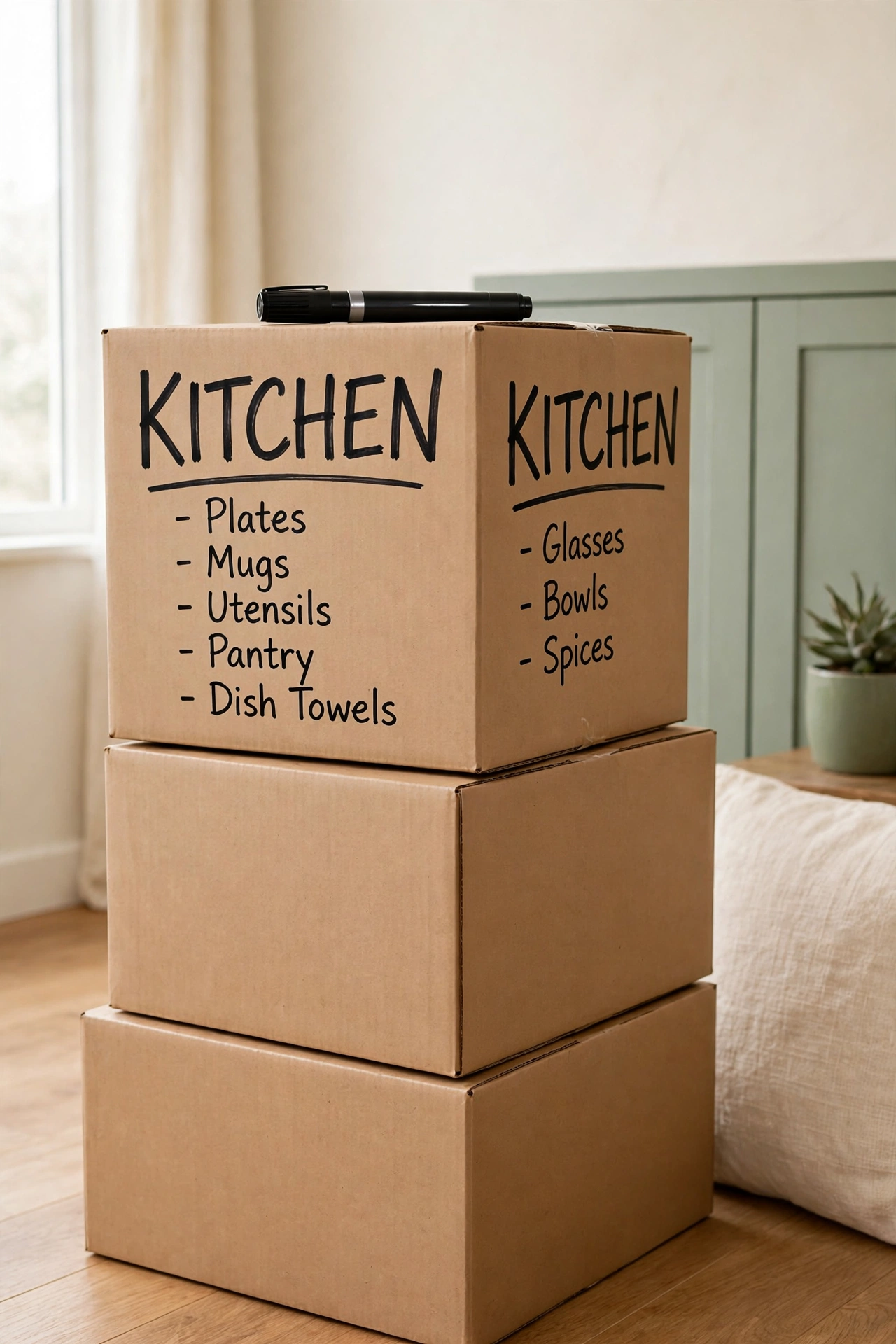
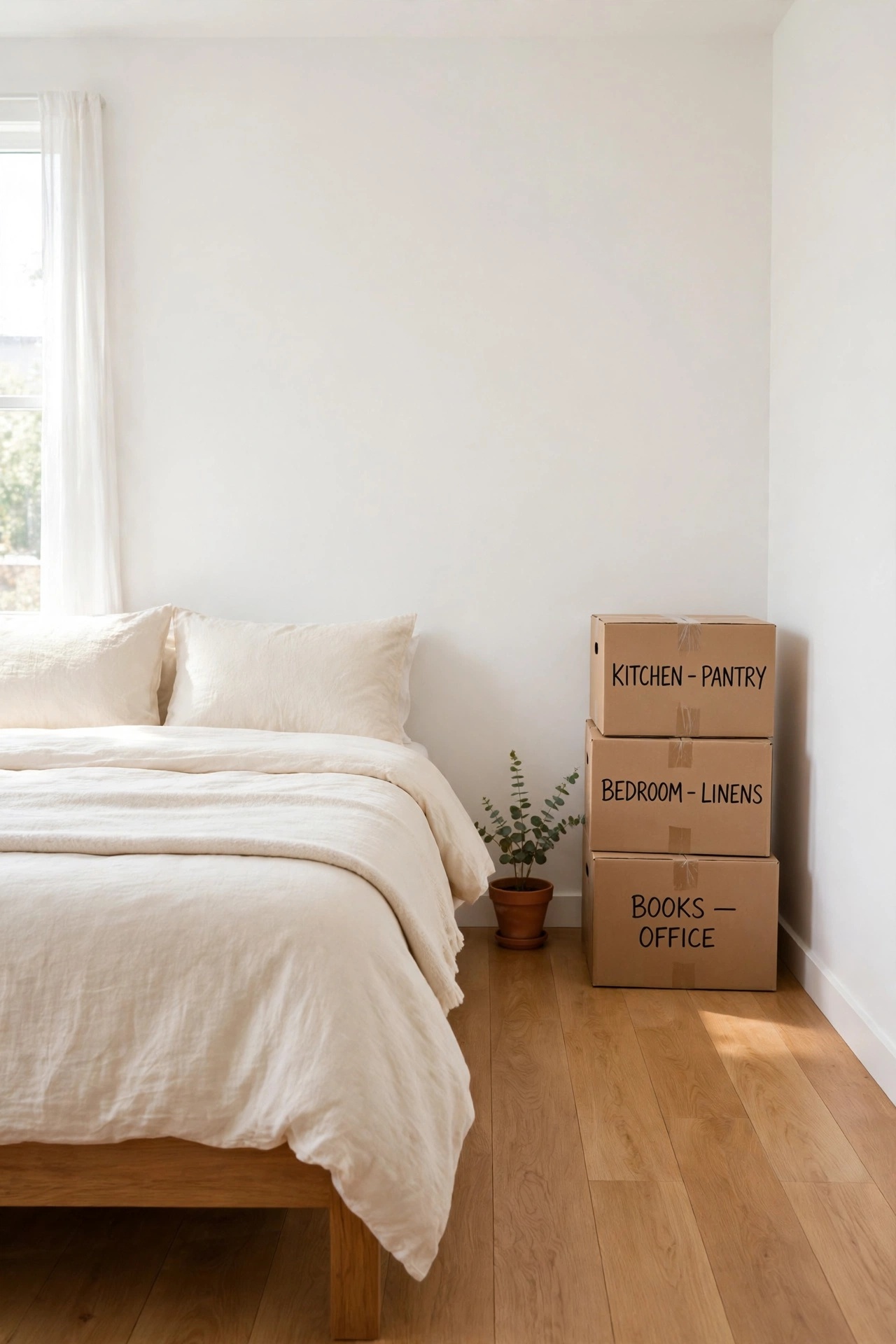
A label on the top of a box disappears the moment another box is stacked on it. Write the room name and a short contents note on at least two sides of every box, plus the top if you like. Side labels stay visible no matter how the boxes are stacked in the truck or in a room.
Use a thick dark marker and write in large letters so labels are easy to read from a distance. Add a short list of the main items inside, not just the room name, so you can find the box you need without opening five others. Clear side labels save you from guessing and digging through stacks.
7. Photograph Electronics Before You Unplug Anything
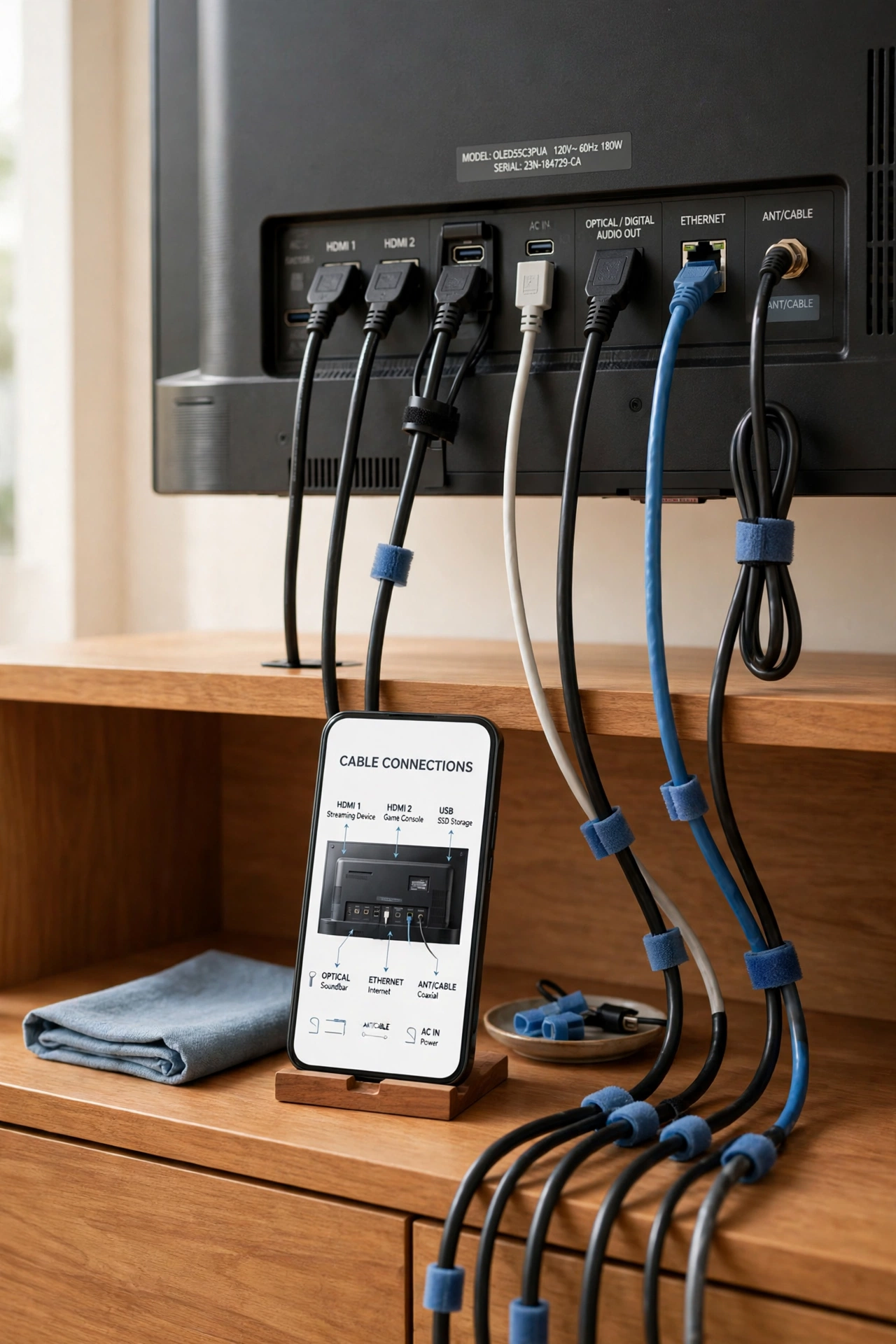
Before you disconnect the television, the router, or the computer, take a photo of the back of each device with all the cables plugged in. The photo shows exactly which cord goes into which port. When you set up the same device in your new home, the photo becomes your personal instruction guide.
Store the photos in a folder on your phone labeled moving day so you can find them fast. You can also tape a small photo print to the outside of the box holding the device. This simple habit turns a frustrating hour of cable guessing into a five minute setup job.
8. Pack a First Night Essentials Bag
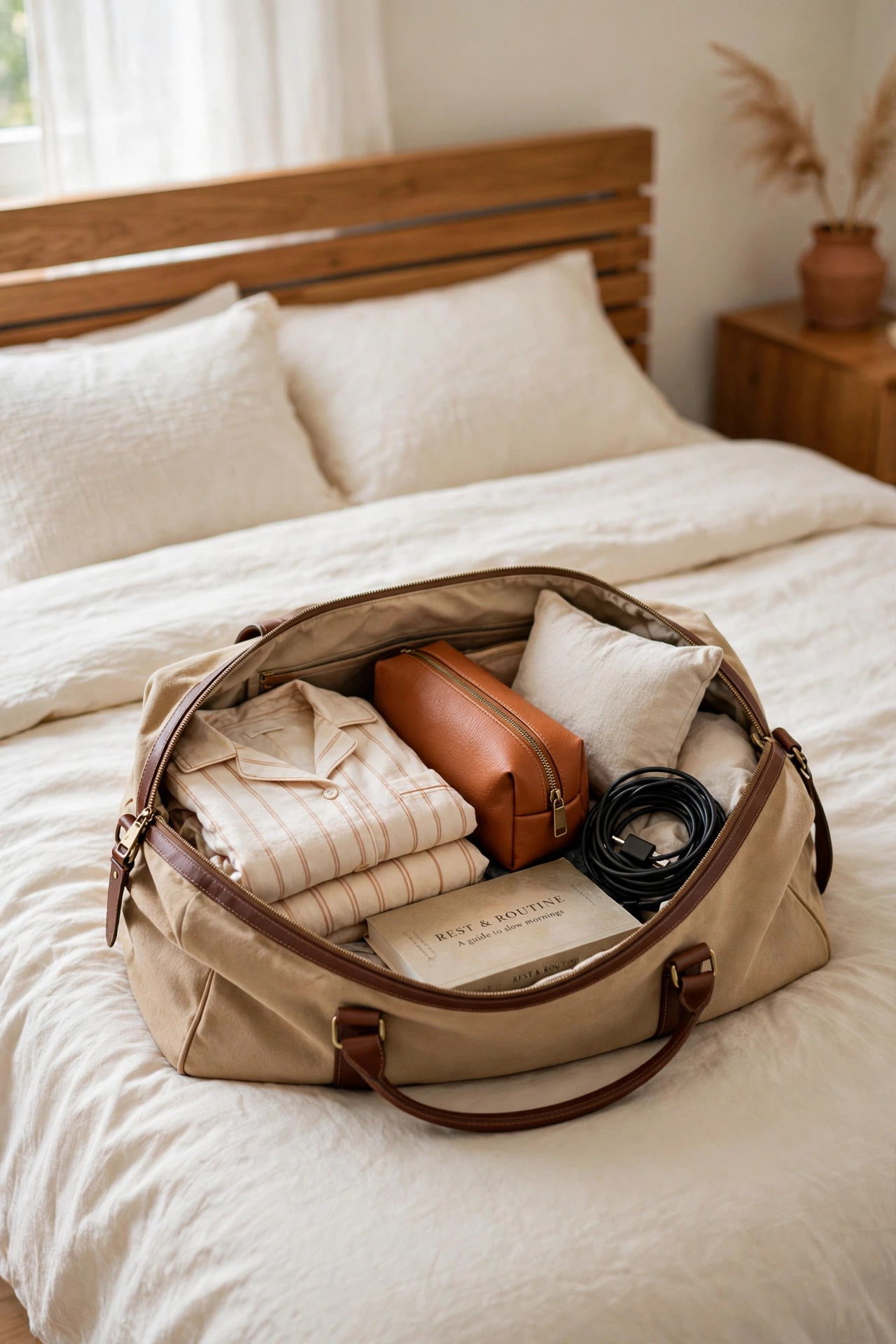
Your first night in a new home will be much smoother if you pack one bag with everything you need before bedtime. Include pajamas, medications, phone chargers, toiletries, a change of clothes, and a favorite pillow. Keep the bag with you in the car, not in the moving truck.
Add a few comfort items like a good book, a snack, and a small lamp in case the main lights are not set up yet. For smart ways to fit a lot into one bag, these suitcase packing organization ideas will help you roll clothes and use every pocket. A well packed first night bag means you can rest properly after a long day.
9. Use Suitcases and Bags You Already Own
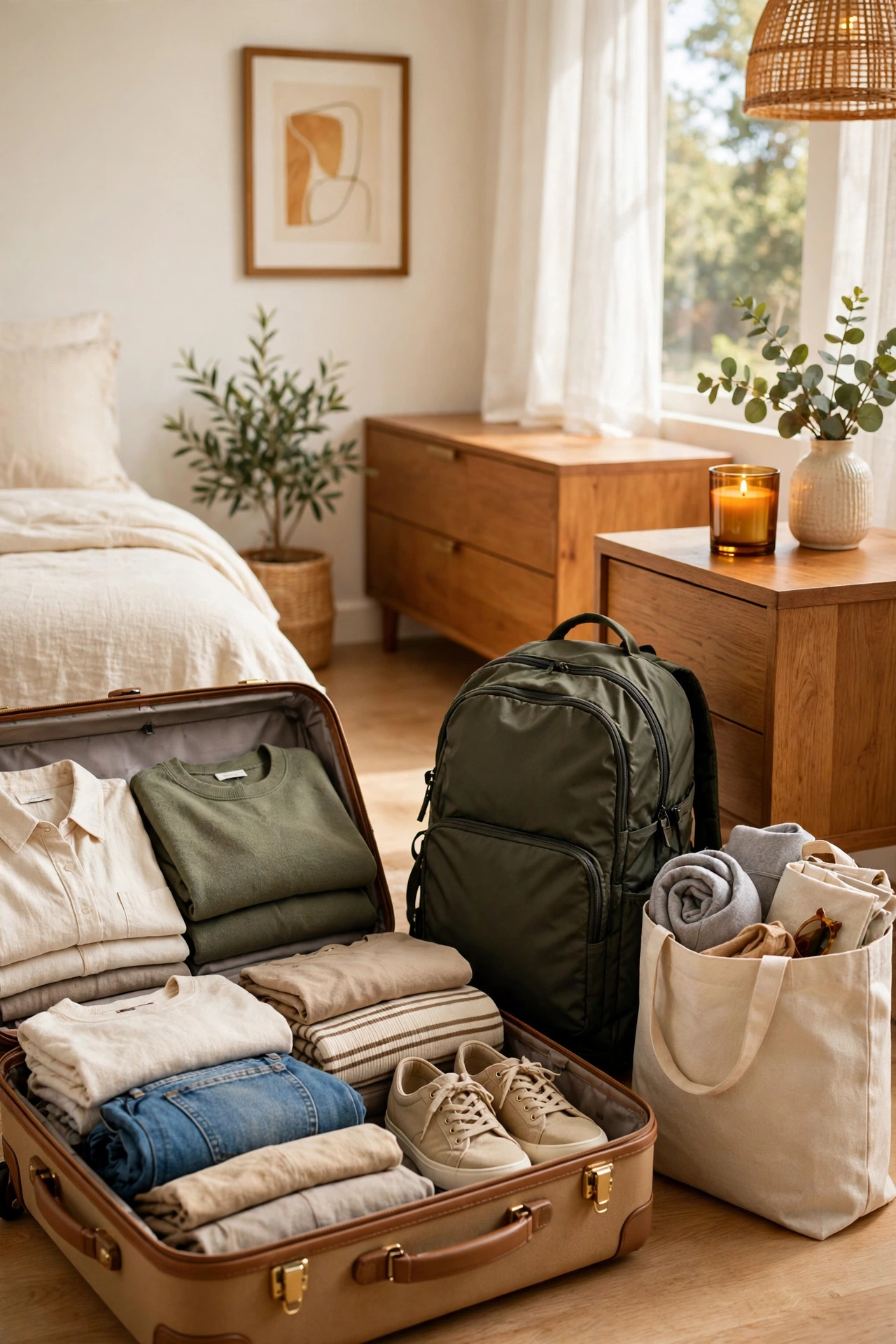
Suitcases, duffel bags, backpacks, and tote bags are free packing containers you already own. Use them for clothes, shoes, books, and other heavy items, since bags with wheels and handles are easier to carry than boxes. Soft bags also fit into odd gaps in a loaded truck.
Pack suitcases with clothes on hangers laid flat, or fill them with folded clothes and linens. After the move, your suitcases go back to their normal storage spot without adding to the pile of empty boxes. For ideas on where to keep them once you are settled, these luggage storage ideas will help you find a tidy home for every bag.
10. Keep Important Documents in One Clearly Marked Folder
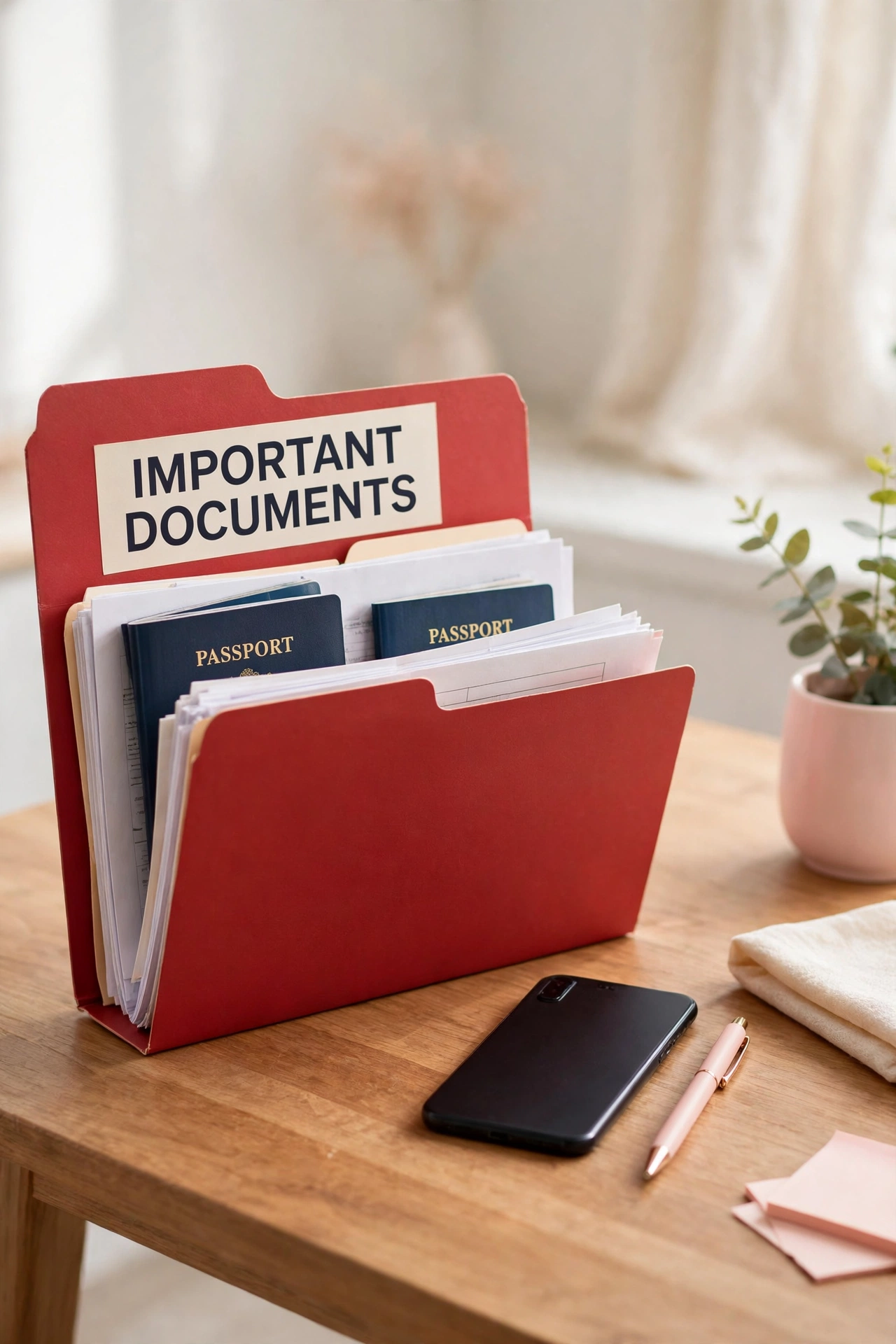
Passports, leases, moving contracts, medical records, and new school forms should never ride in a random box. Gather every important document into one folder or envelope and label it clearly with your name and the words important documents. Carry this folder with you at all times on moving day.
Make copies or take photos of the most important papers and store them on your phone as a backup. A single folder keeps sensitive papers safe and saves you from searching through boxes when a landlord or mover asks for a document. For a tidy system that works beyond moving day, these travel document organization ideas will help you keep papers sorted all year.
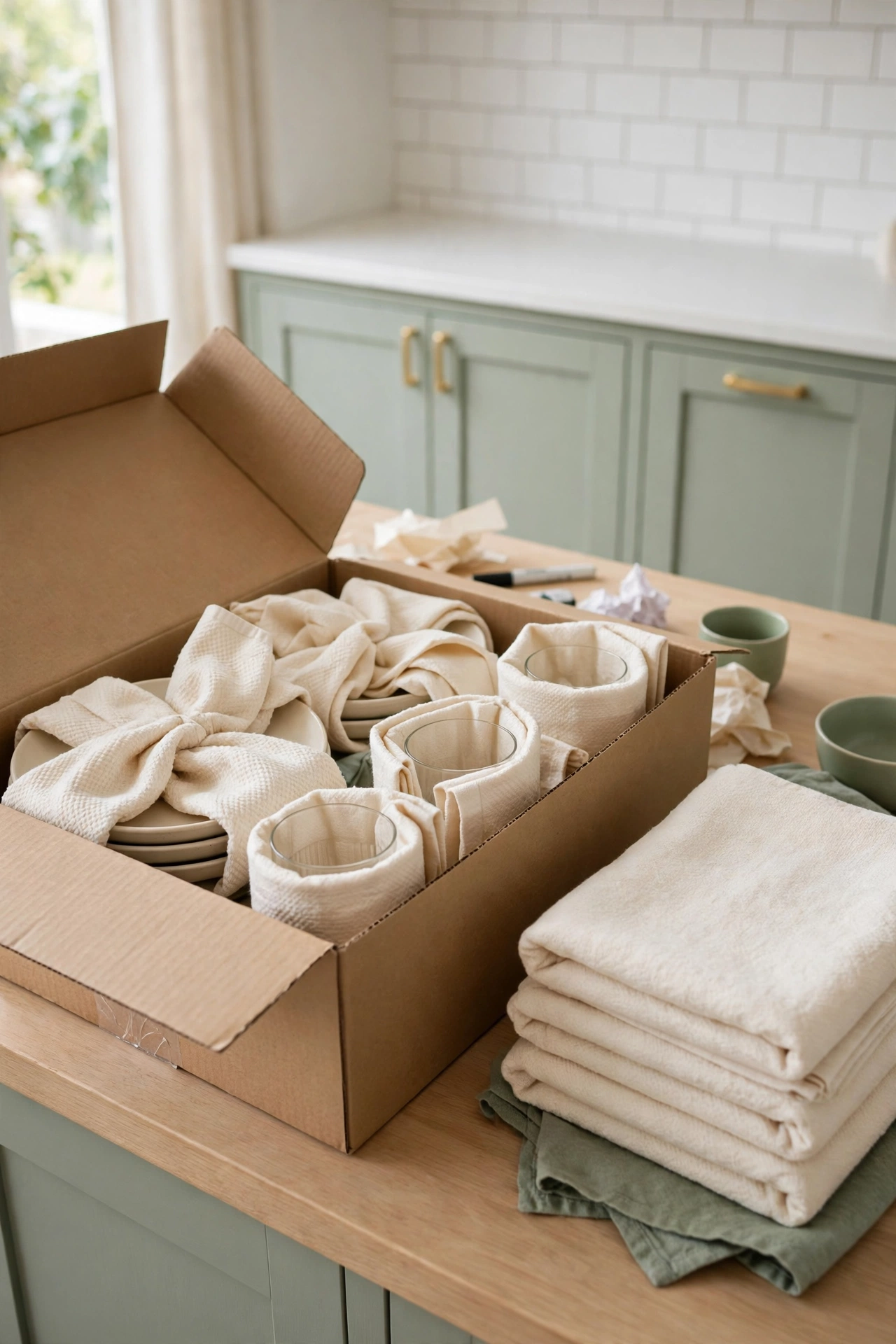
11. Wrap Fragile Items in Linens and Towels
Towels, pillowcases, and blankets make excellent padding for fragile items, and they need to be packed anyway. Wrap plates in dish towels, cushion glasses with hand towels, and tuck a folded blanket around picture frames. This trick protects your breakables while saving money on packing paper.
Label boxes holding wrapped breakables with the word fragile on every side so movers handle them with care. Place heavier wrapped items at the bottom of each box and lighter ones on top. For fresh ways to sort and store linens once you unpack, these linen closet organization ideas will help you give every towel and sheet a proper home.
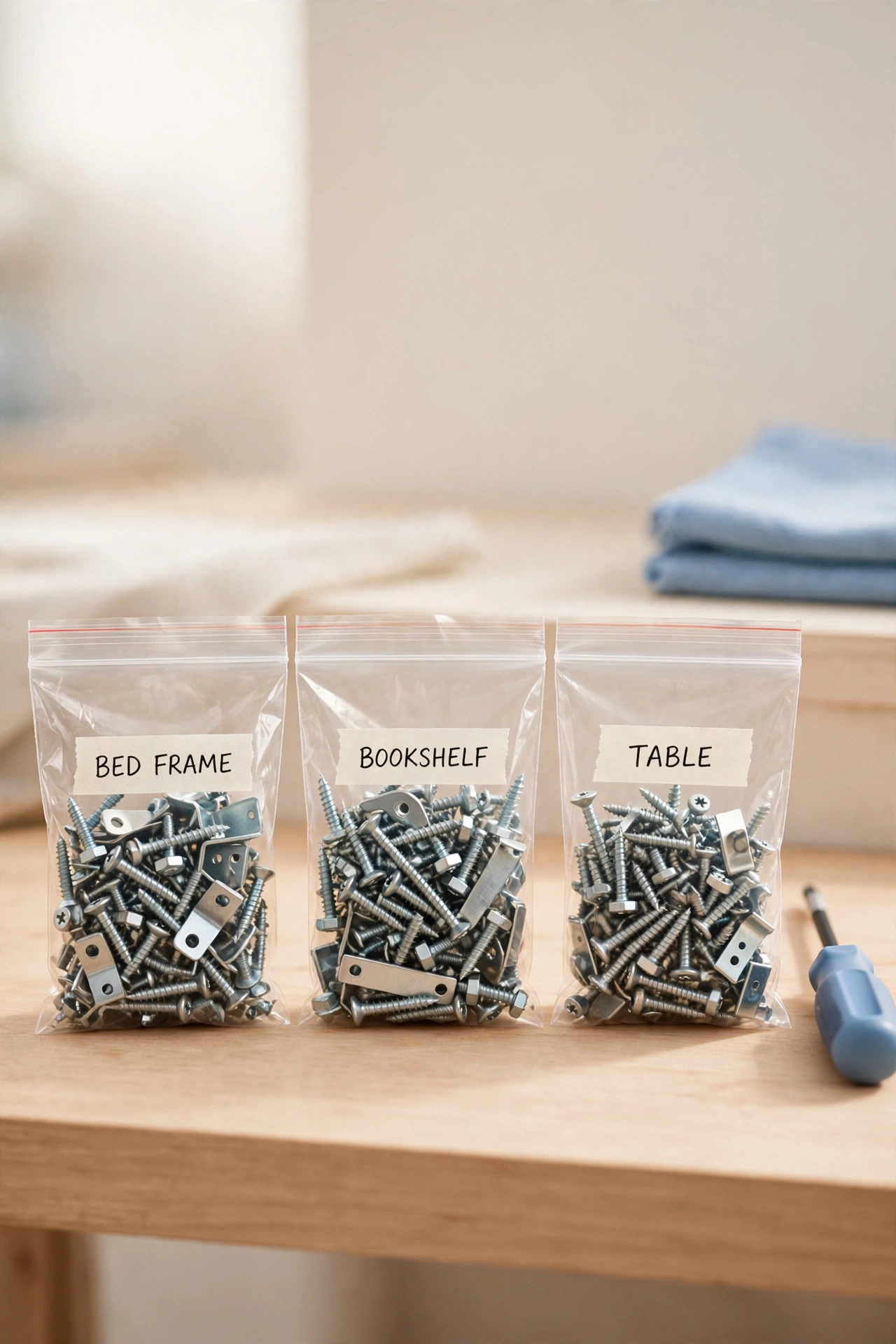
12. Bag Small Hardware in Labeled Pouches
Screws, bolts, and brackets from disassembled furniture are easy to lose and hard to replace. As you take apart each piece, place its hardware in a small zip bag and label the bag with the furniture name. Tape the bag to the largest piece of that furniture or keep all hardware bags in one labeled box.
Take a photo of each piece of furniture before you take it apart so reassembly is simple. Keep an Allen key set and a screwdriver in your moving day kit so you can rebuild beds and tables as soon as they arrive. Small labeled bags turn a pile of mystery screws into an organized system.
13. Pack One Room at a Time, Start to Finish
Packing one room completely before starting the next keeps your system simple and your boxes honest. Every box from that room goes to the same room in your new home, and your master list stays accurate. Jumping between rooms mixes items together and makes unpacking much slower.
Start with the rooms you use least, such as a guest room or a storage room, and finish with the kitchen and bathroom you use every day. As each room empties, clean it and close the door. The sense of progress will keep you motivated through the whole packing process.
14. Set Aside a Donate Box as You Pack
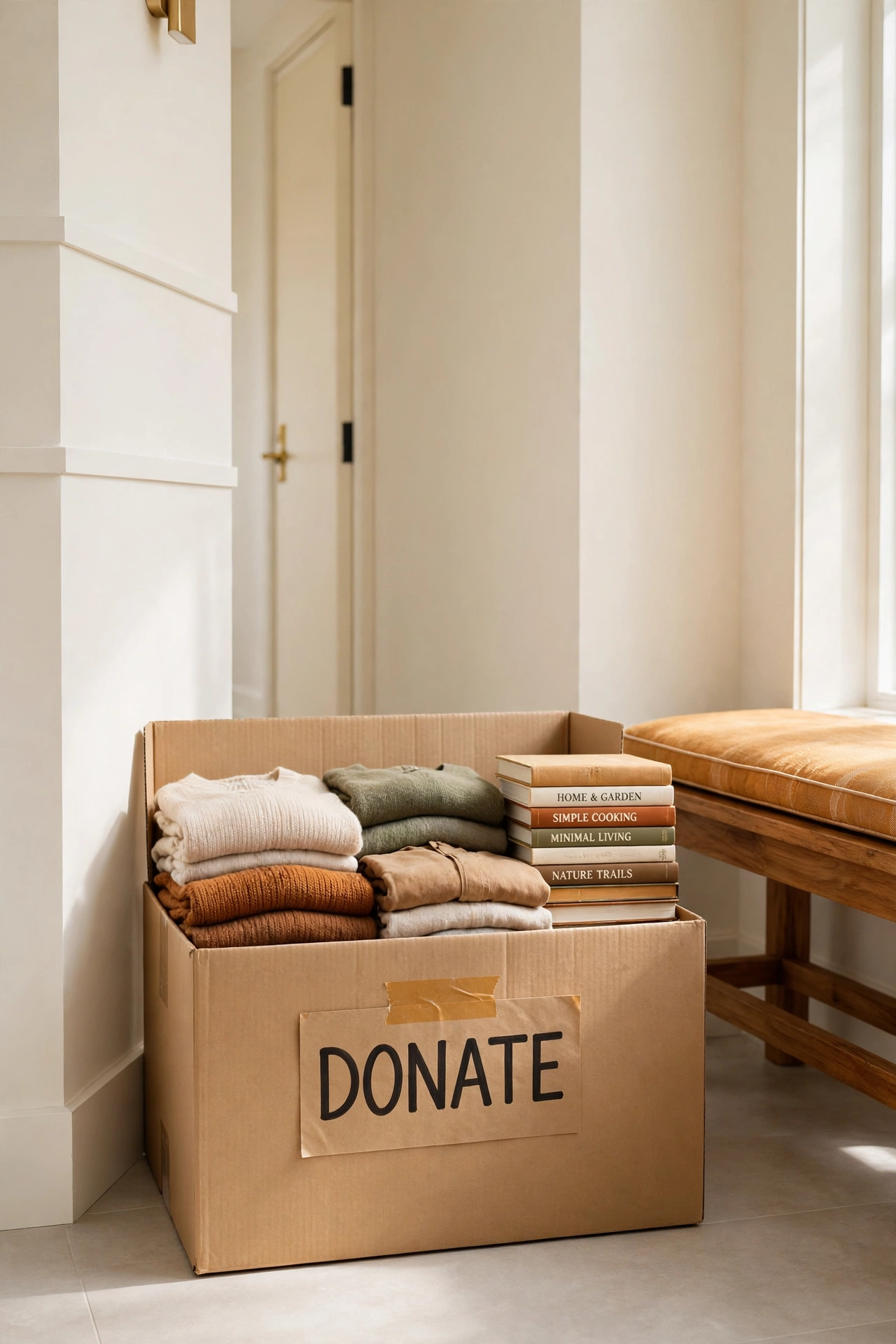
Every home has items that are not worth moving but are too good to throw away. Keep one large box labeled donate in a central spot while you pack, and add items to it as you find them. Clothes that no longer fit, duplicate kitchen tools, and books you will not read again all belong in the donate box.
Drop the box off at a donation center a few days before moving day so it does not end up on the truck by mistake. Donating lightens your load and helps someone else at the same time. A donate box also keeps you honest about what truly deserves space in your new home.
15. Use Clear Bins for Items You Need Right Away
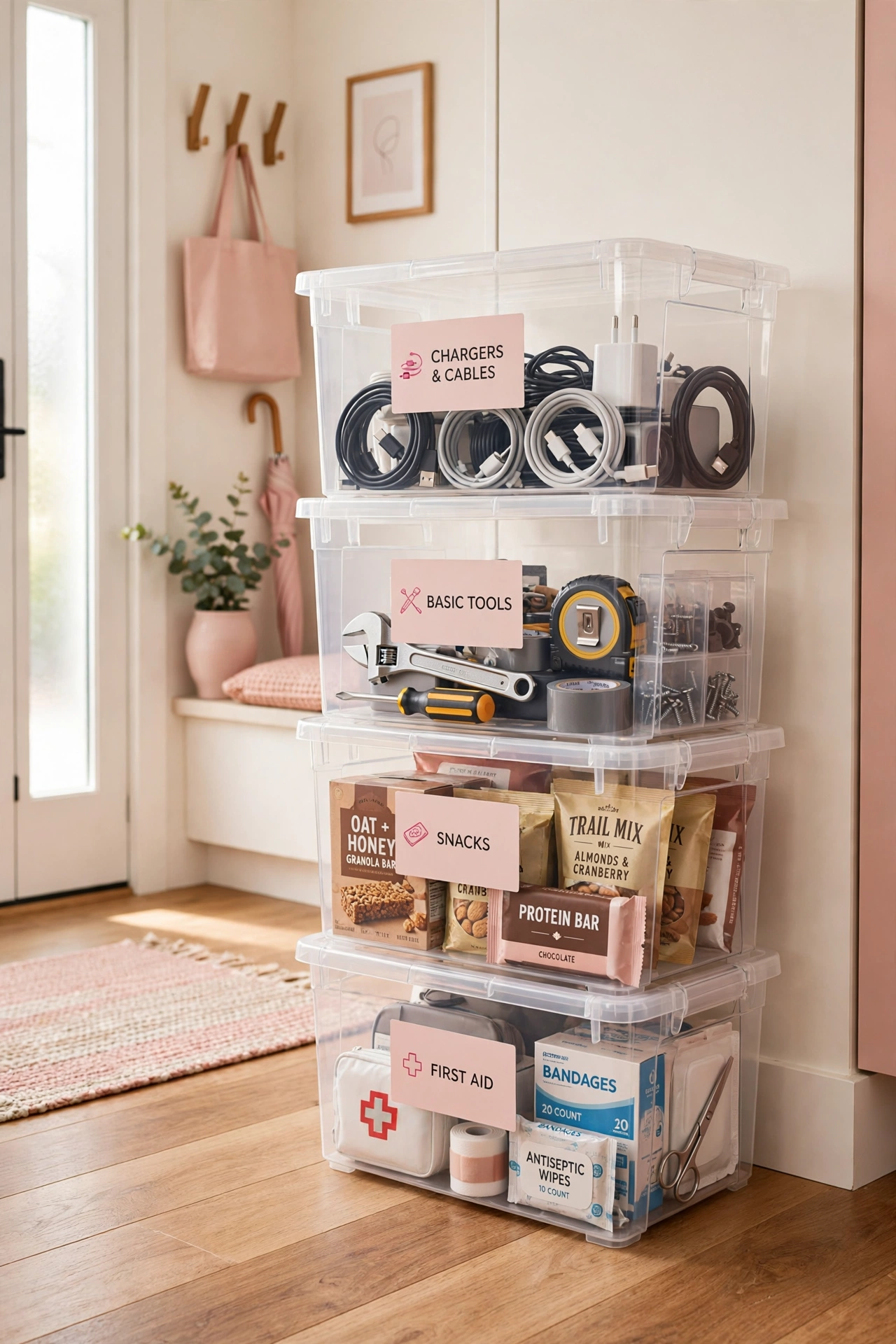
Clear plastic bins are worth their cost for the items you will need in the first day or two. Pack medications, chargers, basic tools, cleaning supplies, and snacks in clear bins so you can see the contents without opening anything. The see through sides save you from opening box after box in search of one item.
Limit clear bins to true essentials so the system stays useful. Label each bin on the lid and on one side, and load them last on the truck. When you arrive, these bins come off first and go straight to the rooms where you need them most.
16. Label Cords and Chargers With Tape Flags
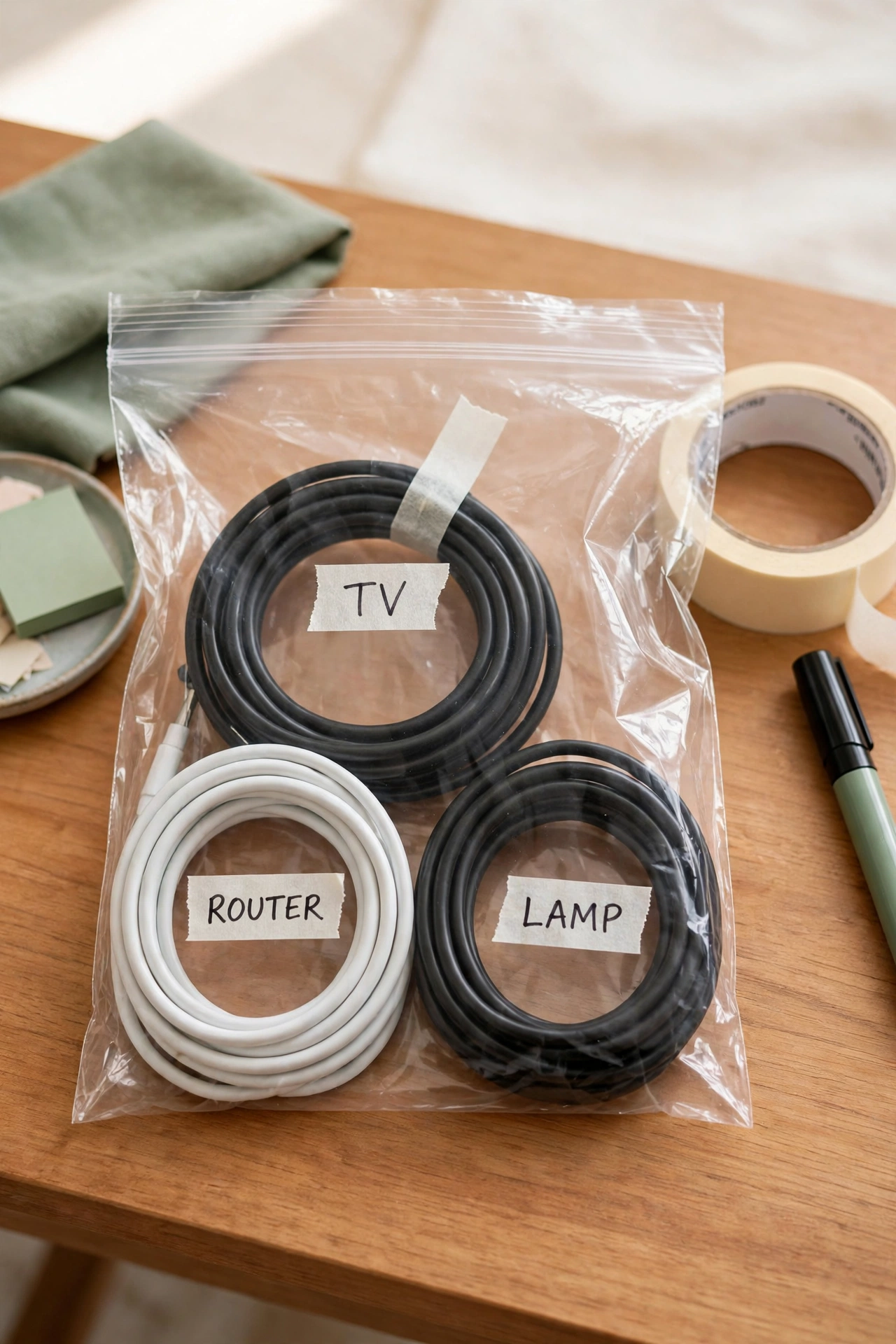
A tangle of unlabeled cords is one of the most frustrating parts of any move. Before you unplug anything, wrap a small piece of tape around each cord and write what it belongs to, such as television, router, or bedside lamp. Tape flags take seconds to make and save hours of guessing later.
Coil each labeled cord neatly and secure it with a twist tie or a rubber band. Pack all cords from one room in a single zip bag labeled with the room name. When you set up your new home, every cord will find its device without a single guess.
17. Pack a Cleaning Caddy for the Old and New Home
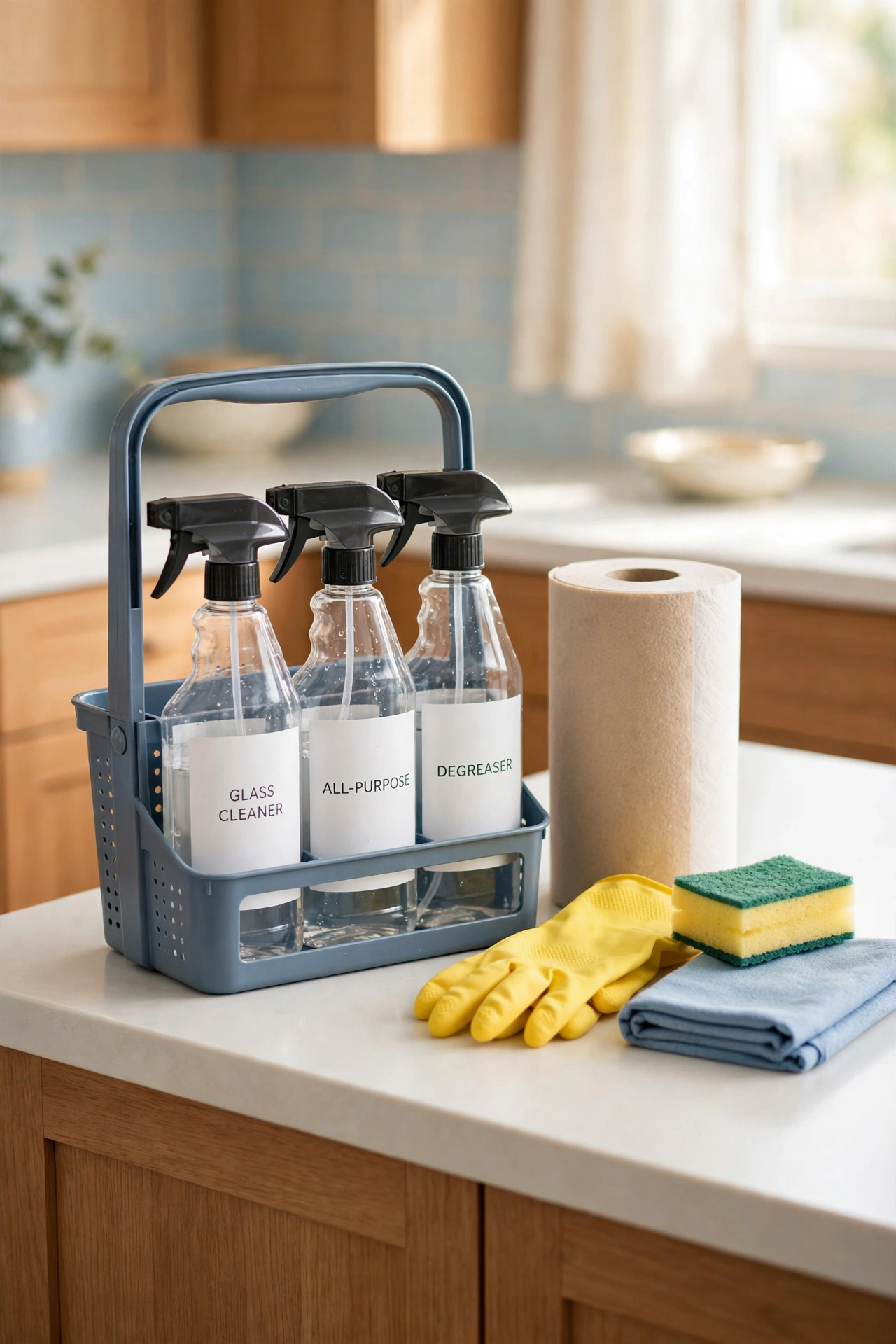
Both homes need cleaning on moving day, and a ready caddy keeps your supplies together. Fill a bucket or a tote with all purpose cleaner, paper towels, trash bags, a sponge, gloves, and a broom. Clean each room in the old home as it empties, and wipe down shelves and counters in the new home before boxes go in.
Keep the caddy in your car so it is available at both addresses. A quick clean as you go means you will not face a dirty kitchen at midnight when you finally stop moving boxes. The caddy also holds your trash bags for the packing paper and tape you will collect along the way.
18. Seal Liquids in Zip Bags Before Boxing Them
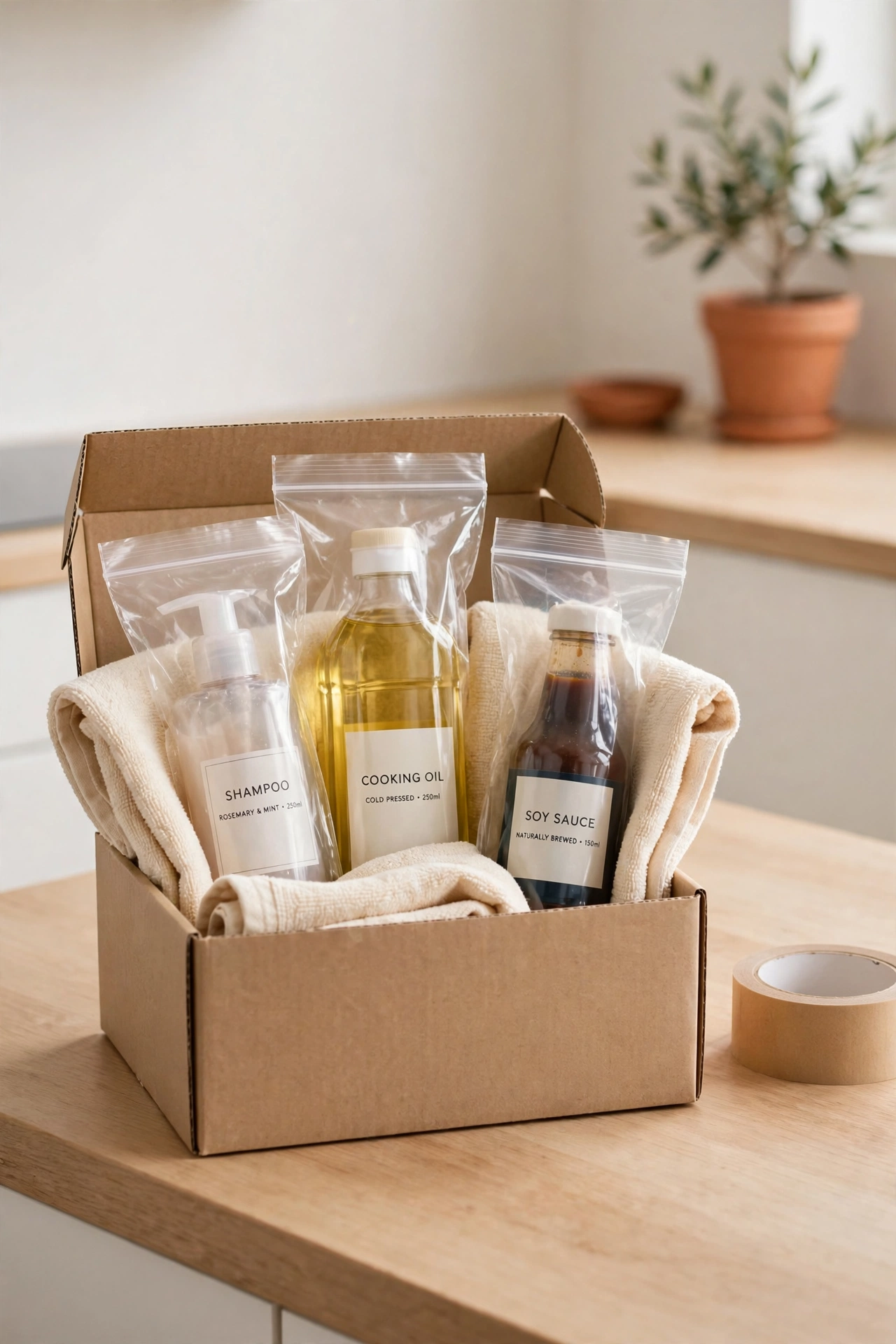
Shampoo, cleaning products, cooking oils, and sauces can leak during a move and ruin everything in the box. Place each bottle in its own zip bag and squeeze out the air before sealing it. Stand bottles upright in a small box and pack paper or towels around them so they cannot tip over.
Tape the caps of bottles closed for extra safety, and mark the box with the words this side up and an arrow. Keep liquid boxes separate from boxes holding clothes or paper items. A few minutes of sealing work protects your belongings from messy spills.
19. Stack Heavy Items in Small Boxes Only
Books, canned food, and tools are heavy, and a large box full of them is almost impossible to lift safely. Pack heavy items in small boxes so each box stays light enough for one person to carry. A small box full of books is manageable, while a large one can injure a back or break open at the bottom.
Reinforce the bottom of every heavy box with two strips of packing tape in a cross pattern. Fill any empty space with light items like dish towels or packing paper so the contents cannot shift. Movers will thank you, and your boxes will survive the trip in one piece.
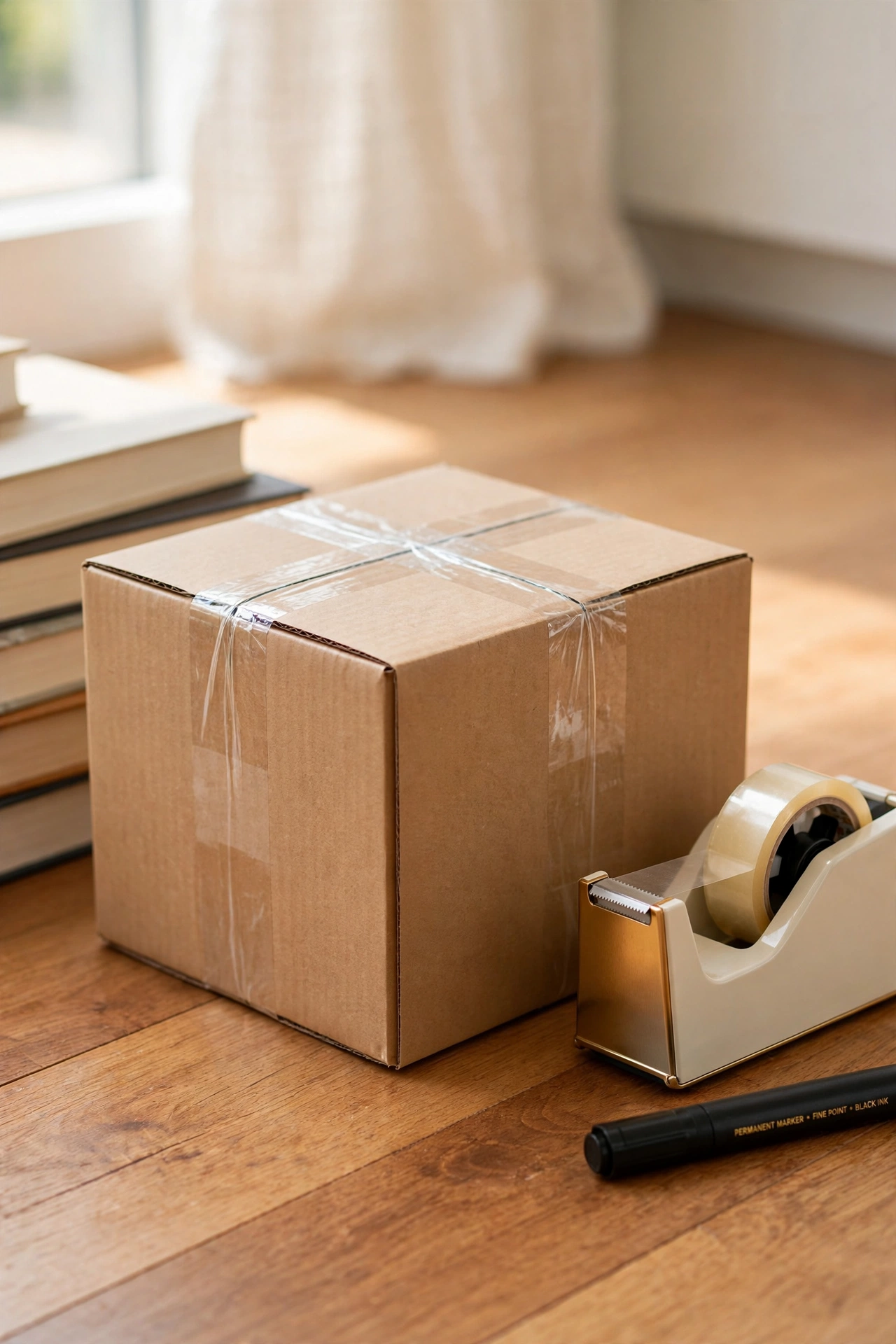
20. Make a Floor Plan for the New Home Before Moving Day
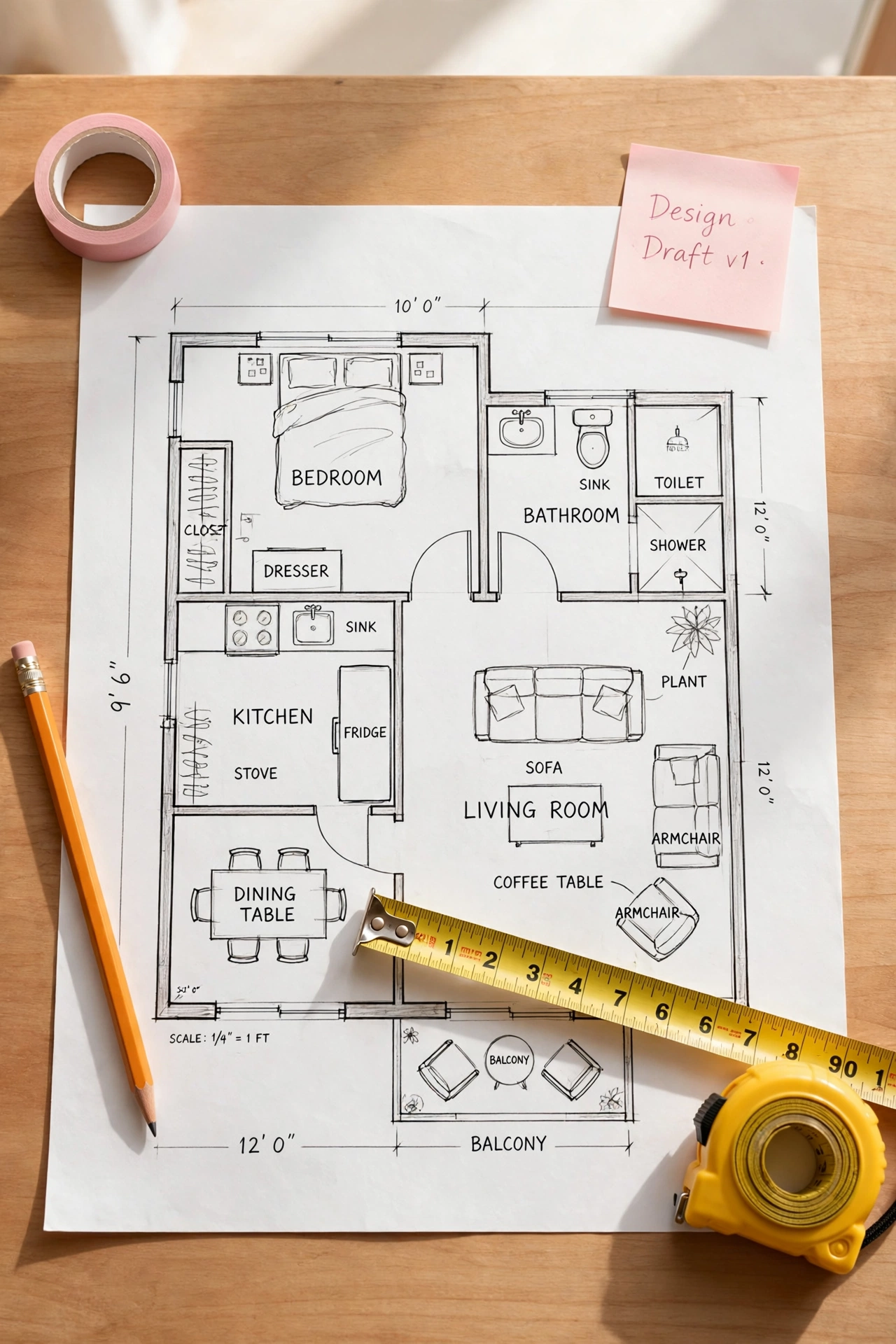
A simple sketch of your new home with furniture placement marked saves a lot of heavy lifting on moving day. Draw each room, mark where the bed, sofa, table, and large items will go, and share the sketch with your helpers. Movers can place furniture in the right spot the first time instead of moving it twice.
Measure doorways and large furniture before moving day so you know everything will fit through. Note any tight corners or steep stairs on your sketch. A floor plan also helps you decide which boxes go to which room, which keeps your color coded labels working perfectly.
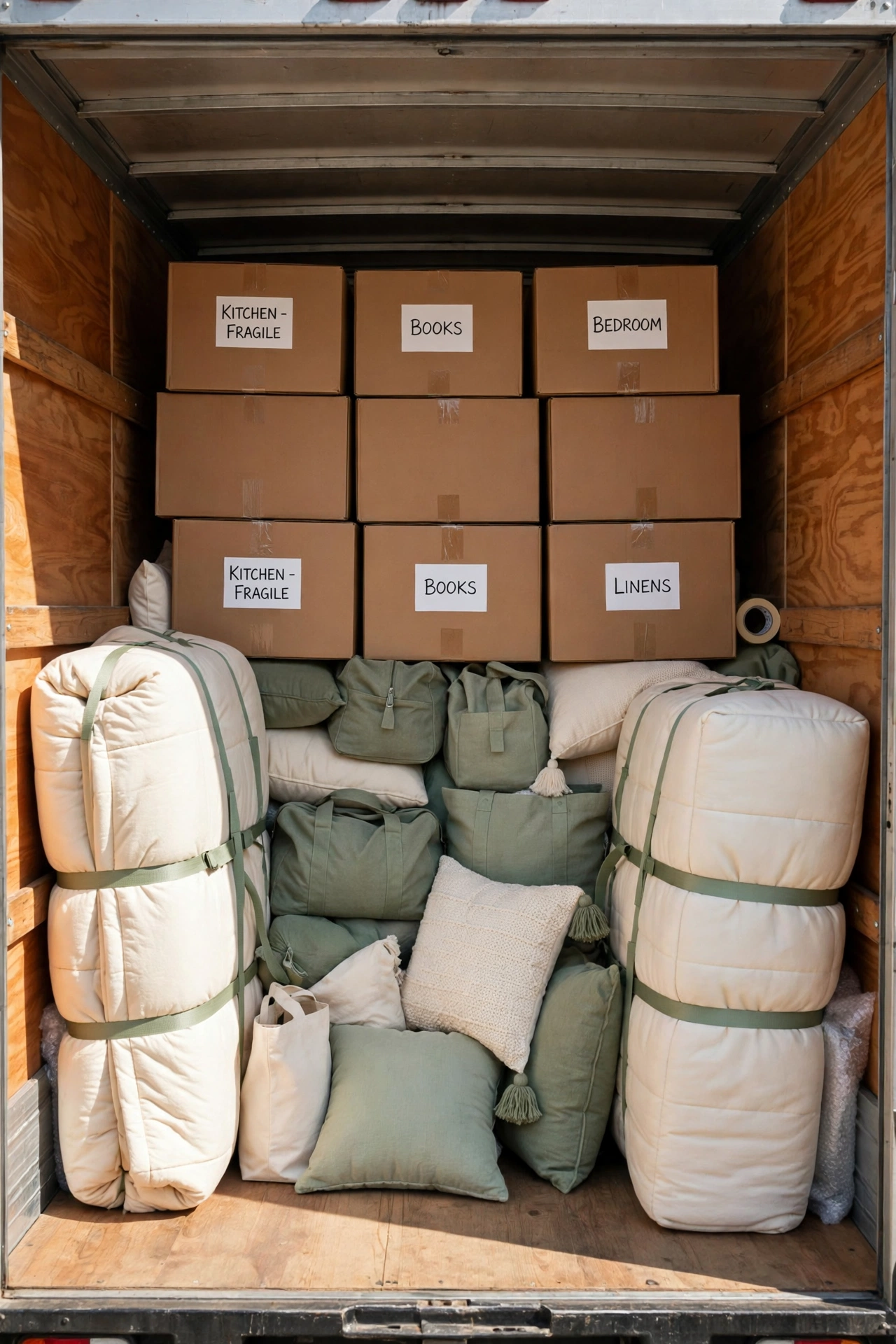
21. Load the Truck in Reverse Unpack Order
The last items loaded onto the truck are the first items unloaded, so plan your loading order carefully. Load large furniture and rarely used boxes first, toward the front of the truck. Load everyday essentials, open first boxes, and clear bins last so they come out first at your new home.
Keep heavy boxes low and distribute weight evenly from side to side. Fill gaps with soft bags, pillows, and blankets so nothing shifts during the drive. A well loaded truck unloads faster and keeps your belongings safer on the road.
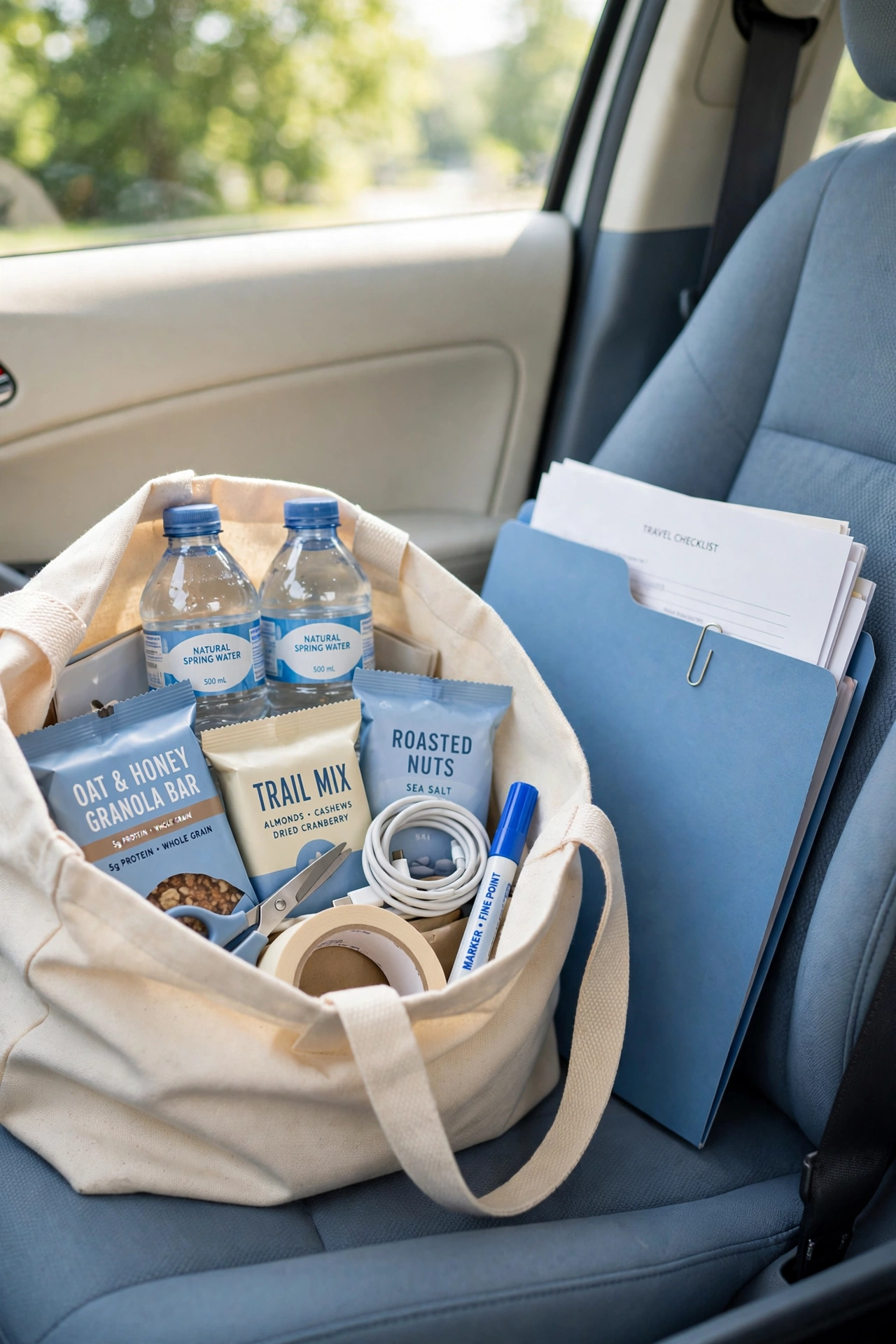
22. Keep a Moving Day Kit in Your Car
A moving day kit is a small bag or box that rides in your car with the items you cannot afford to lose track of. Pack water bottles, snacks, phone chargers, medications, basic tools, scissors, tape, and a marker. Add cash, your moving binder, and your important documents folder to the same bag.
Keep the kit within reach all day, from the first box to the final walkthrough. A marker and tape let you fix a broken box or relabel a box on the spot. When you are tired and hungry at the end of the day, your kit will have everything you need close at hand.
23. Unpack the Kitchen First for Quick Wins
The kitchen is the room that makes a new house feel like home fastest. Unpack plates, mugs, basic pots, and utensils first so you can make a meal and a cup of tea. A working kitchen also means you can stop spending money on takeout while the rest of the unpacking continues.
Set up one counter as a landing zone and keep it clear while you work through the boxes. Put away food and cold items first, then arrange cabinets one shelf at a time. Once the kitchen works, the rest of the house feels much more manageable.
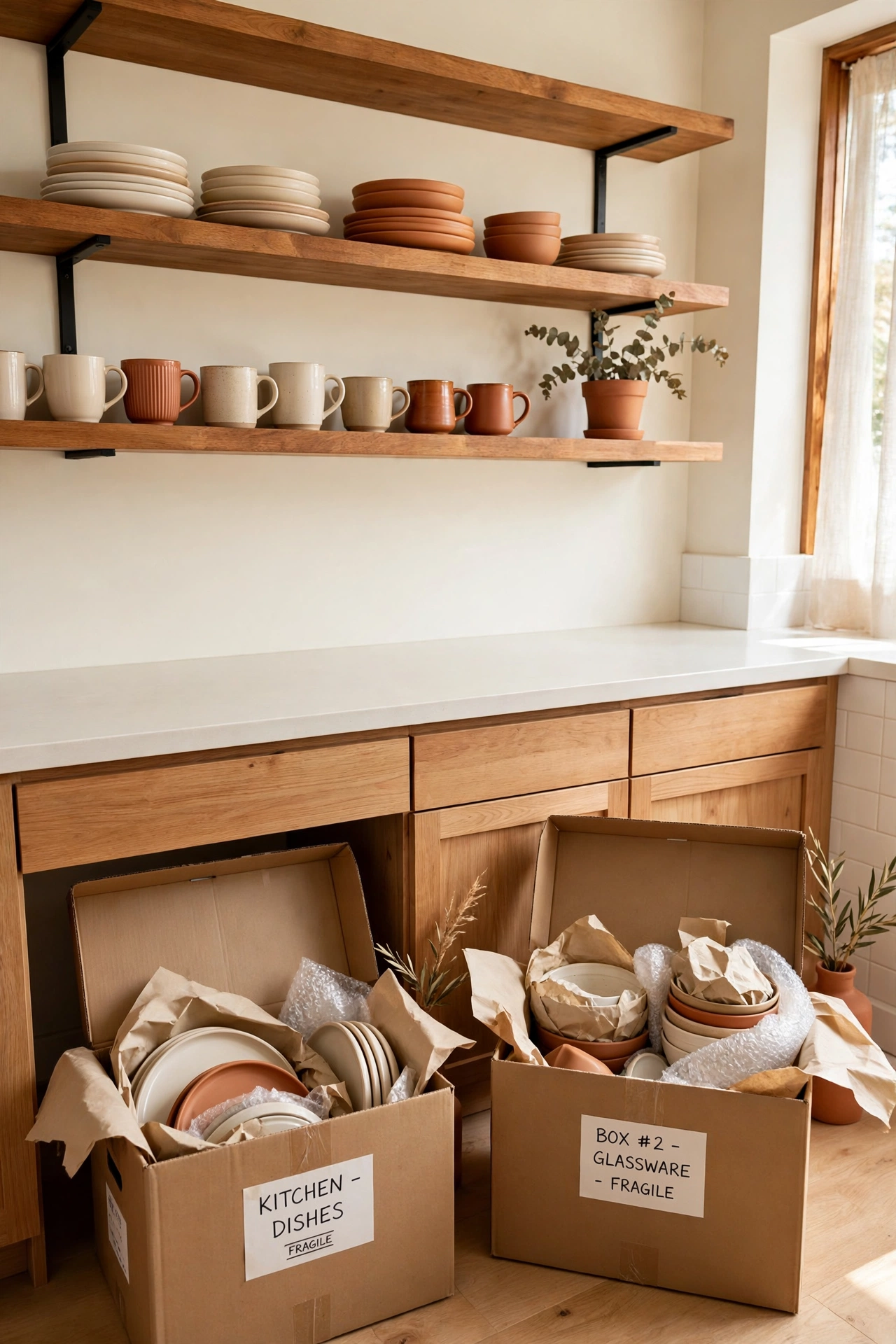
24. Flatten and Sort Boxes as You Unpack
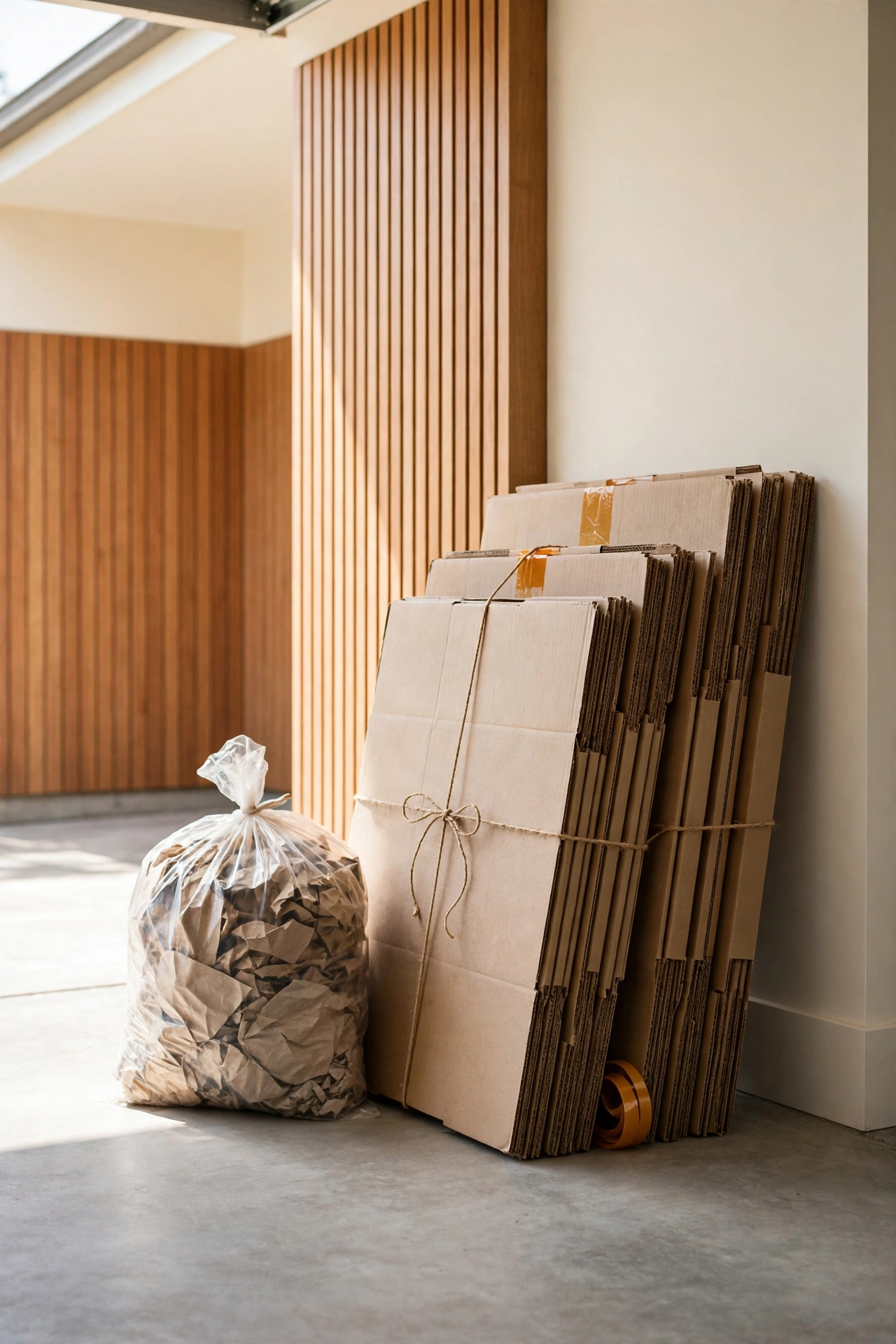
Empty boxes pile up fast, and a growing mountain of cardboard makes unpacking feel endless. Flatten each box as soon as you empty it and stack the flat cardboard in one corner or in the garage. Keep a trash bag nearby for packing paper and tape so the floor stays clear.
Sort flattened boxes into keep, recycle, and give away piles. Good boxes can go to a friend who is moving soon, or be listed for free pickup online. A clear floor and a tidy pile of cardboard keep your energy up and your new home feeling calm from day one.
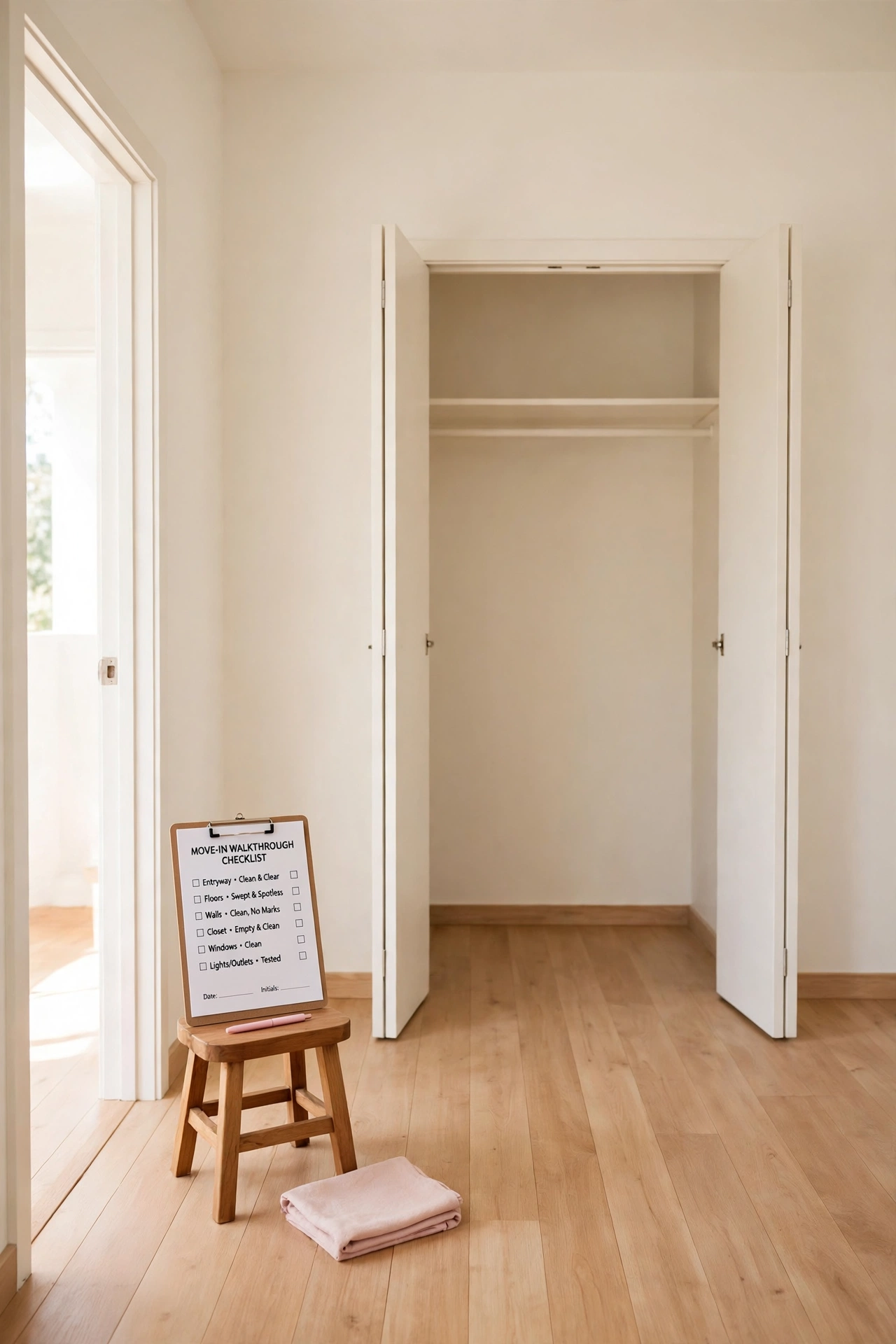
25. Do a Final Walkthrough Room by Room
Before you lock the door of your old home for the last time, walk through every room slowly with a checklist. Open every closet, cabinet, drawer, shelf, and storage nook to make sure nothing is left behind. Check the attic, the basement, the garage, and any outdoor storage areas too.
Look inside the oven, the dishwasher, and the medicine cabinet, where small items hide easily. A careful final walkthrough catches phone chargers, cleaning supplies, and spare keys that are easy to forget. Leaving with confidence that nothing is behind you is the perfect end to moving day.
Conclusion
Moving day does not have to feel chaotic. With a clear labeling system, a master list, and a few well packed essentials, you can walk into your new home feeling calm and in control. The best system is the one you will actually follow, so keep it simple and start early.
Pick the ideas that fit your move and put them into action this week. Label every box, pack one room at a time, and keep your essentials close. A little organization now will reward you with a smoother move and a faster, happier start in your new home.
Frequently Asked Questions About Moving Day Organization Ideas for Packing and Labeling
How early should I start packing for a move?
Start packing three to four weeks before moving day if you can. Begin with items you rarely use, such as seasonal clothes, books, and decorative pieces. Pack one room at a time and leave everyday essentials for the final days. Early packing keeps the last week calm and gives you time to declutter properly.
What is the best way to label moving boxes?
Write the room name and a short list of contents on at least two sides of every box with a thick marker. Add a color coded strip of tape for each room and a number that matches your master list. Side labels stay visible when boxes are stacked, which saves you from opening boxes to find one item.
What should I pack in an open first box?
Pack the items you will need in the first hours in your new home. For the bathroom, include soap, toilet paper, toothbrushes, and a shower curtain. For the kitchen, include plates, mugs, basic utensils, and dish soap. Mark the box clearly and load it last so it comes off the truck first.
How do I keep track of all my moving boxes?
Number every box and keep a master list that notes the number, the room, and the main contents of each box. Tick off each number as boxes arrive at your new home. A master list in your moving binder or on your phone makes it easy to spot a missing box right away.
Should I unpack everything on the first day?
No, unpack only the essentials on the first day, such as beds, bathroom items, and basic kitchen supplies. Set up one room at a time over the following days, starting with the kitchen and bedrooms. A steady pace keeps the process calm and lets you organize each room properly instead of rushing through every box.

Hi, I’m Emily! I turn messy corners into cozy, organized spots. DreamNestDecor is where I share simple, practical home ideas — decor, organization, and small-space solutions that work in real life, not just in photos. Every idea here is carefully researched before it’s shared.