1. Line a Garden Path With Lavender Borders
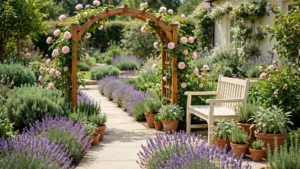
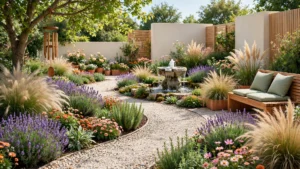
Lavender is the classic fragrance plant, and a border along a path puts its scent exactly where you will brush past it every day. As you walk by, your clothes gently touch the flower spikes and release their calm, clean perfume into the air. The soft purple flowers also bring bees and butterflies to the garden all summer long.Plant lavender in full sun with soil that drains well, because wet roots are the one thing this plant will not forgive. Space the plants about two feet apart so they grow into one full, flowing hedge. Trim the flower stems after the first bloom, and many varieties will reward you with a second flush of flowers before fall.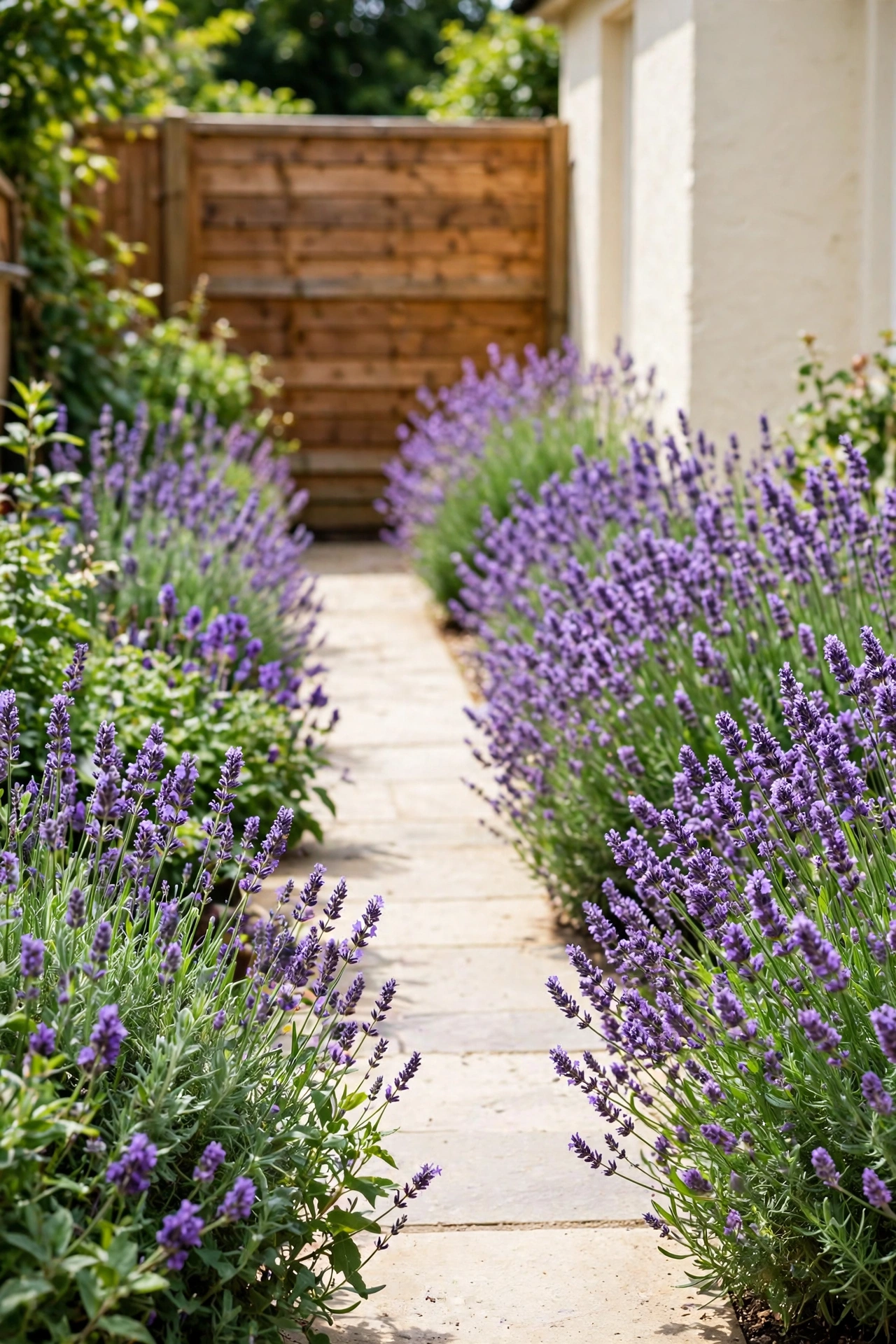
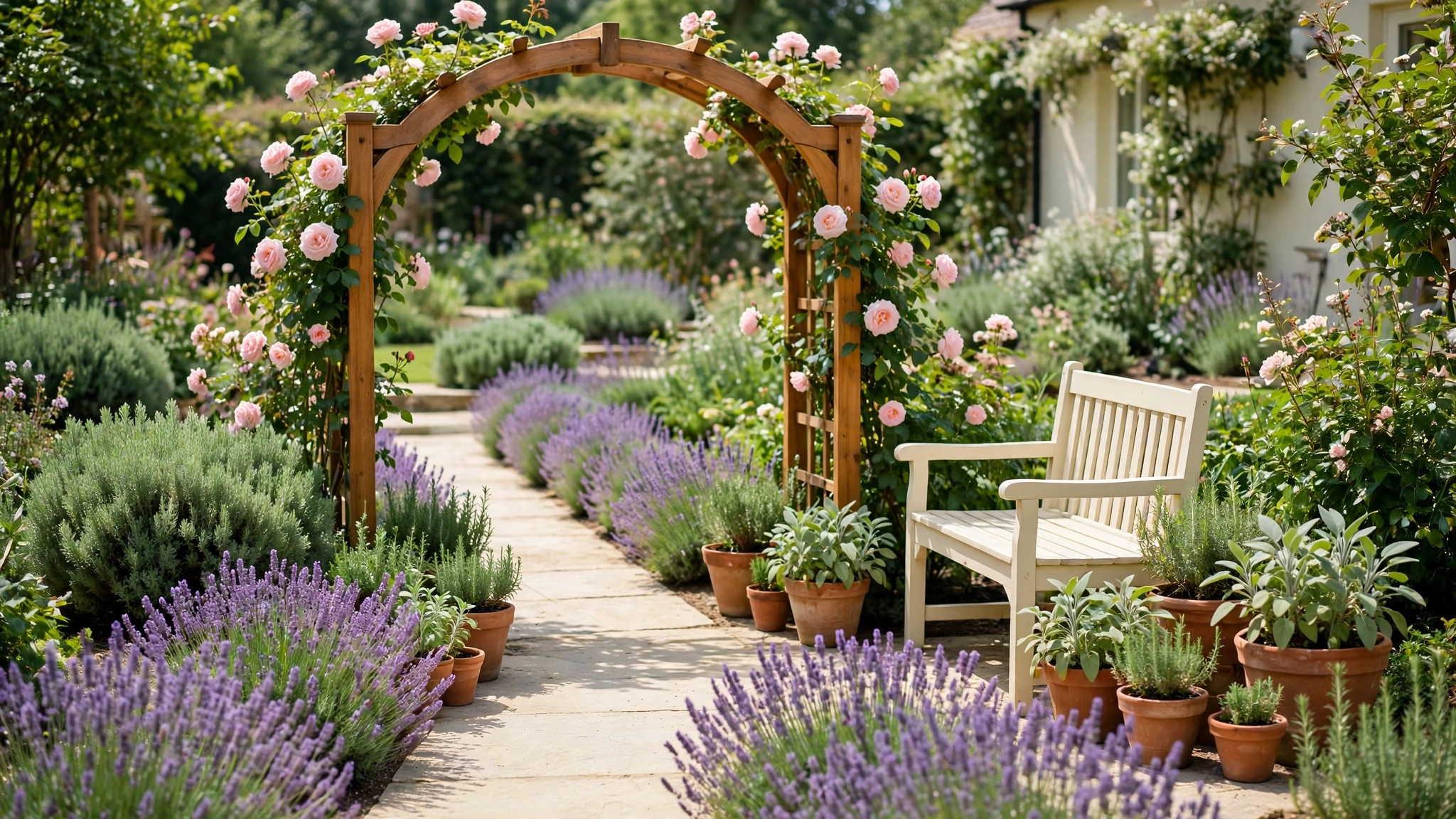
2. Grow Climbing Roses Over an Entry Arch
A rose arch turns an ordinary garden entrance into a fragrant doorway you will look forward to walking through. Choose a strongly scented climbing variety so the perfume drifts down as you pass under the blooms. The arch also gives the garden a clear focal point that looks beautiful from the street and from inside the house.Train the main canes sideways along the arch rather than straight up, because horizontal canes produce far more flowers. Feed the roses in spring and water them at the base to keep the leaves dry and healthy. For more ways to plan a rose filled space, these rose garden layout ideas will help you place beds, arches, and paths so the whole garden works together.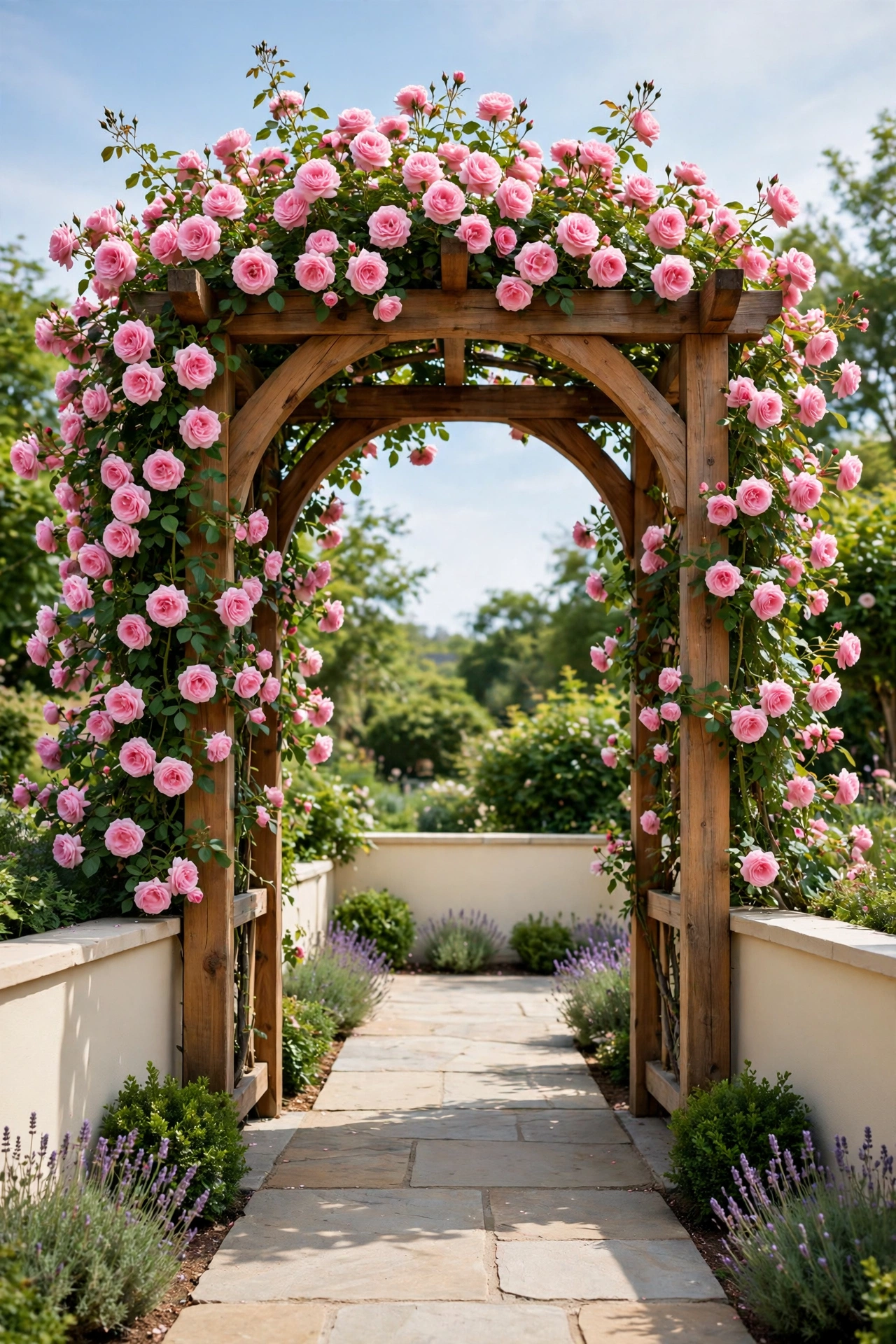
3. Let Jasmine Climb a Sunny Trellis Wall
Jasmine is famous for a sweet scent that grows stronger as the sun goes down, which makes it perfect for an evening garden. A trellis on a sunny wall gives the slender stems something to climb, and within a season or two the wall becomes a living curtain of small white stars. The fragrance can drift through open windows on warm nights.Give jasmine a warm, sheltered spot and water it regularly while it is getting established. Tie new stems loosely to the trellis as they grow, and prune lightly after flowering to keep the plant tidy. If your winters are cold, grow jasmine in a large pot and move it to a protected spot before the first frost.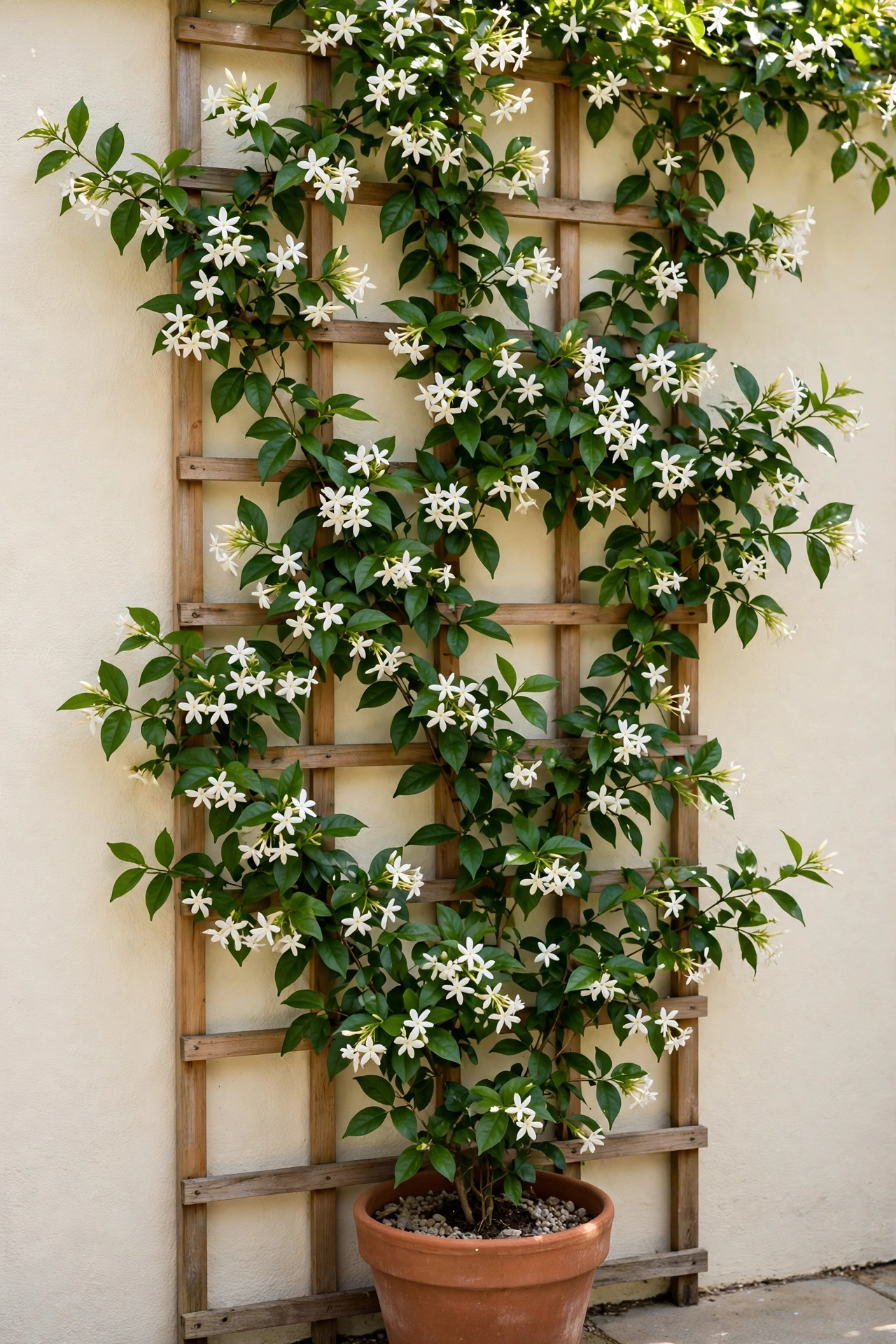
4. Plant Aromatic Herbs in a Raised Bed by the Kitchen Door
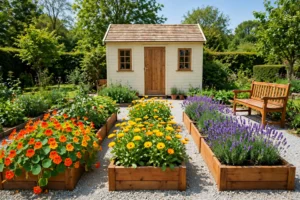
A raised bed of herbs beside the kitchen door gives you fresh flavor for cooking and a wave of scent every time you step outside. Rosemary, thyme, oregano, and sage release their oils when you brush them, and basil adds a sweet peppery note in summer. The bed stays easy to reach, easy to weed, and easy to harvest.Fill the raised bed with loose, well drained soil and give each herb enough room to spread. Place taller rosemary at the back and low creeping thyme at the front edge where it can spill over the side. These raised garden bed layout ideas show how to size and position beds so your herb garden stays tidy and productive all season.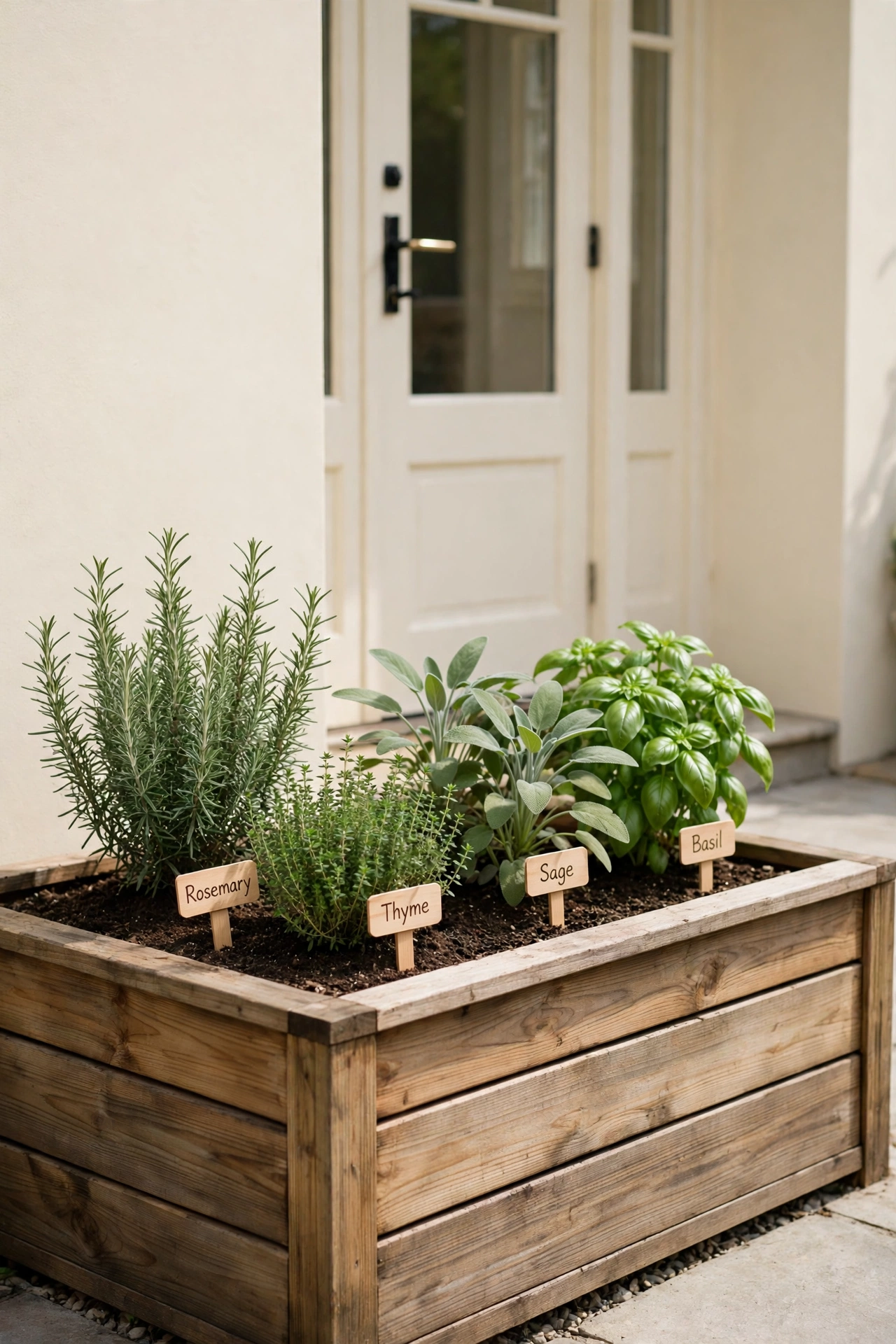
5. Place Night Blooming Jasmine Below a Bedroom Window
Night blooming jasmine opens its small flowers after sunset and fills the night air with one of the strongest sweet scents of any garden plant. Placing it below a bedroom window means the fragrance floats in on warm evenings while you sleep. A single shrub is often enough to perfume a whole side of the house.This plant grows quickly in warm climates, so give it room and prune it back after flowering to keep its shape. In cooler regions, grow it in a pot and bring it indoors before frost. Keep it away from paths where people brush against it, because the scent is very strong up close and is best enjoyed from a little distance.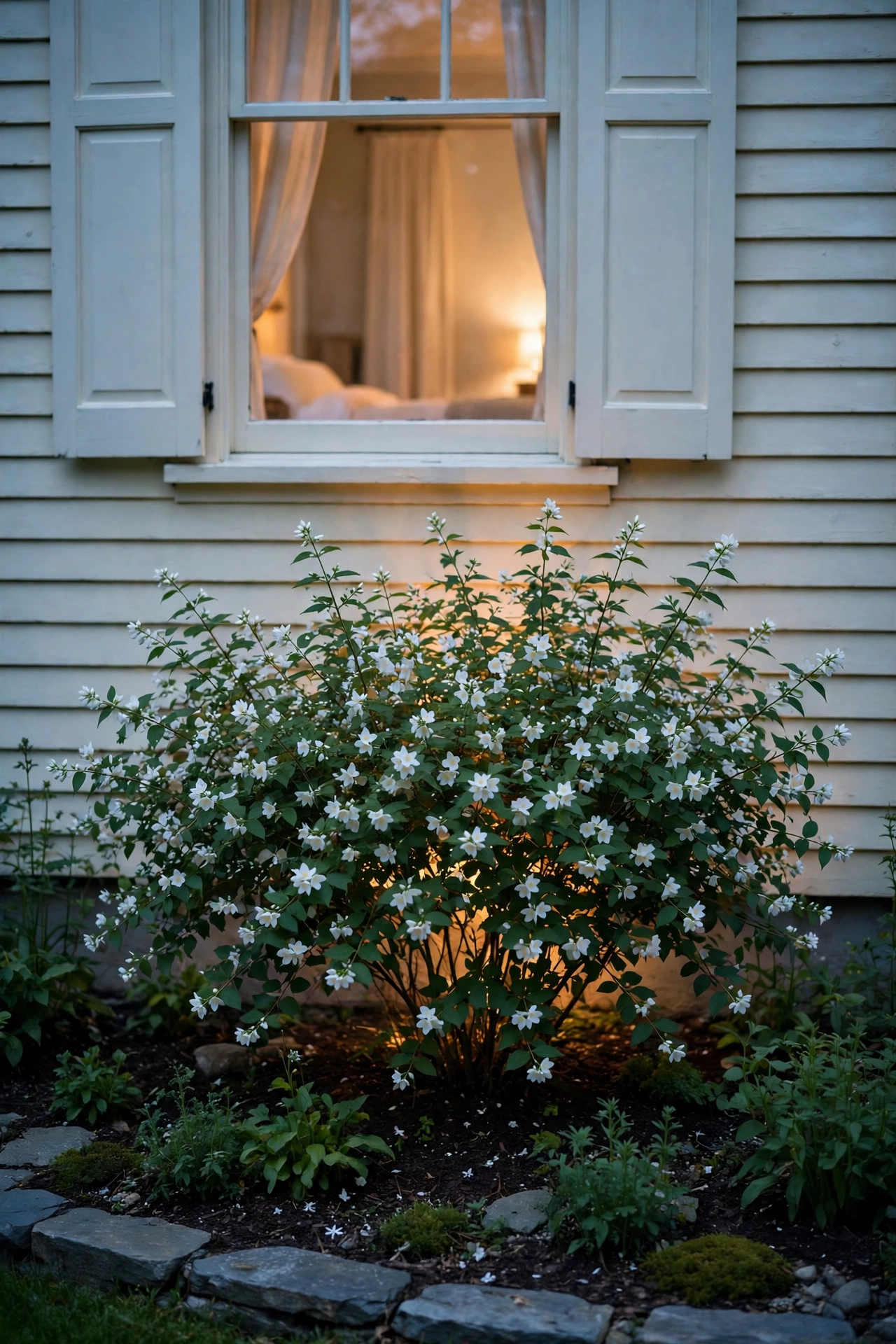
6. Tuck Creeping Thyme Between Stepping Stones
Creeping thyme turns a plain stone path into a fragrant walkway, because every footstep presses the tiny leaves and releases a warm herbal scent. The low mat of green also softens the hard edges of the stones and fills gaps where weeds would otherwise grow. In summer, the thyme covers itself with tiny pink or white flowers.Plant small plugs of thyme in the gaps between stones and water them until they take root. Choose a sunny path with soil that drains freely, since thyme hates sitting in water. Once established, the thyme needs almost no care beyond an occasional trim to keep it flat and neat underfoot.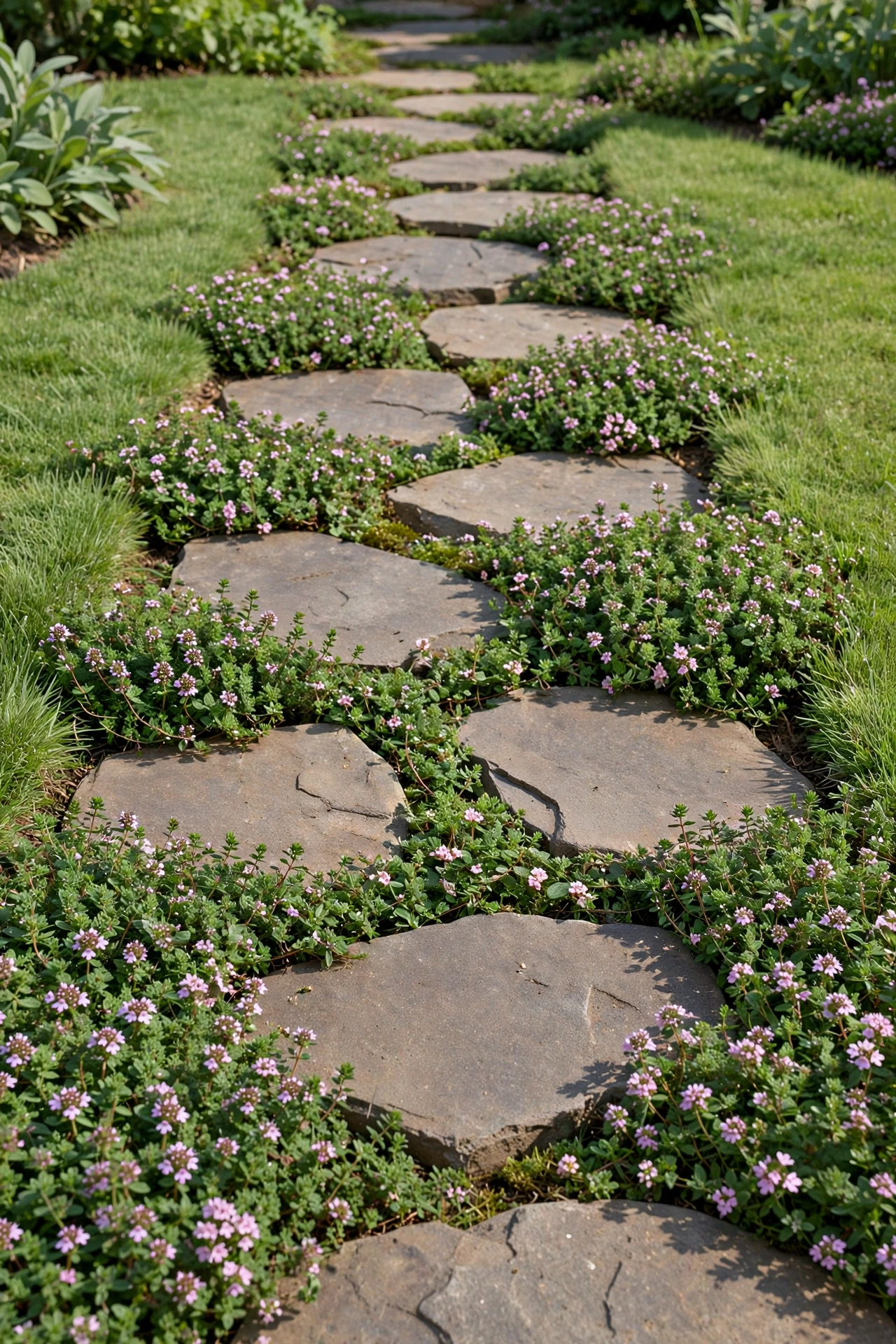
7. Grow a Lilac Hedge Along a Fence Line
A lilac hedge gives you a wall of perfume for several weeks each spring, when the large flower clusters open in shades of purple, pink, and white. The scent carries a long way on a gentle breeze, and a few cut stems will perfume a whole room indoors. The hedge also gives the garden privacy and a soft green backdrop for the rest of the year.Plant lilacs in full sun with good air flow, and give each shrub enough space to grow wide. Prune right after flowering, because lilacs form next year’s flower buds during the summer. Remove a few of the oldest stems each year to keep the hedge vigorous and full of young flowering wood.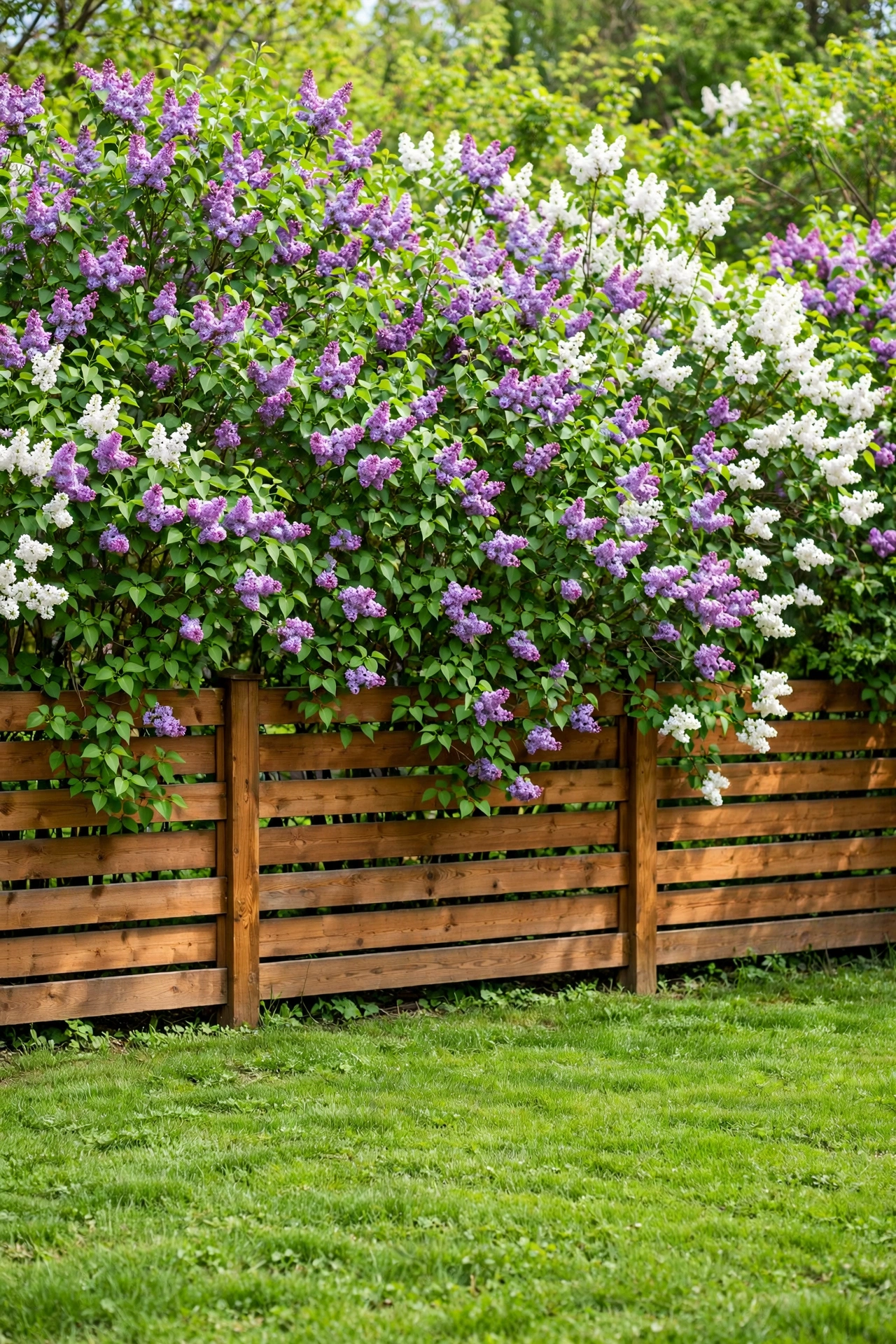
8. Drape Honeysuckle Over a Pergola for Shade and Scent
Honeysuckle climbs fast and covers a pergola with trumpet shaped flowers that smell sweetest in the evening. Sitting under a honeysuckle pergola on a summer night feels like sitting inside a perfume bottle, and hummingbirds visit the flowers all day long. The dense leaves also give welcome shade over a dining table or a bench.Choose a non invasive variety suited to your region, and train the stems across the pergola beams as they grow. Prune after the main flush of flowers to keep the vine from getting too heavy. The flowers also attract butterflies, and these butterfly garden ideas will help you add more nectar rich plants so your fragrant pergola becomes a haven for winged visitors too.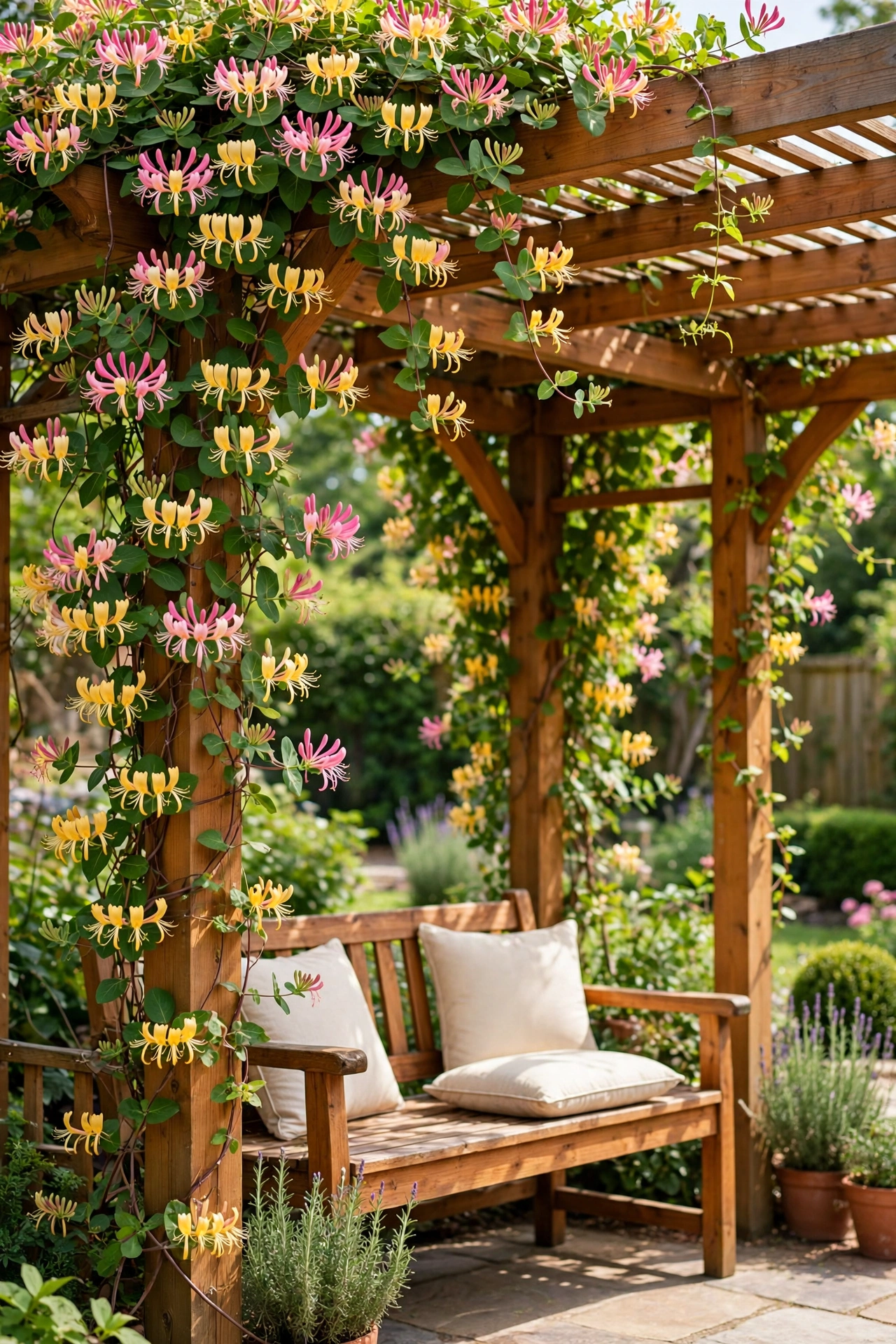
9. Build a Fragrant Container Garden on a Sunny Patio
A container garden brings fragrance to a patio, balcony, or front step where there is no soil to plant in. Group pots of lavender, scented geranium, rosemary, and jasmine together so their scents blend into one rich perfume. You can move the pots around through the season to chase the sun or to refresh a seating area.Use large pots with drainage holes and fill them with good potting soil, because small pots dry out fast in summer heat. Water containers more often than garden beds, and feed the plants every few weeks so they keep blooming. Terracotta pots look beautiful with fragrant plants and help the soil breathe.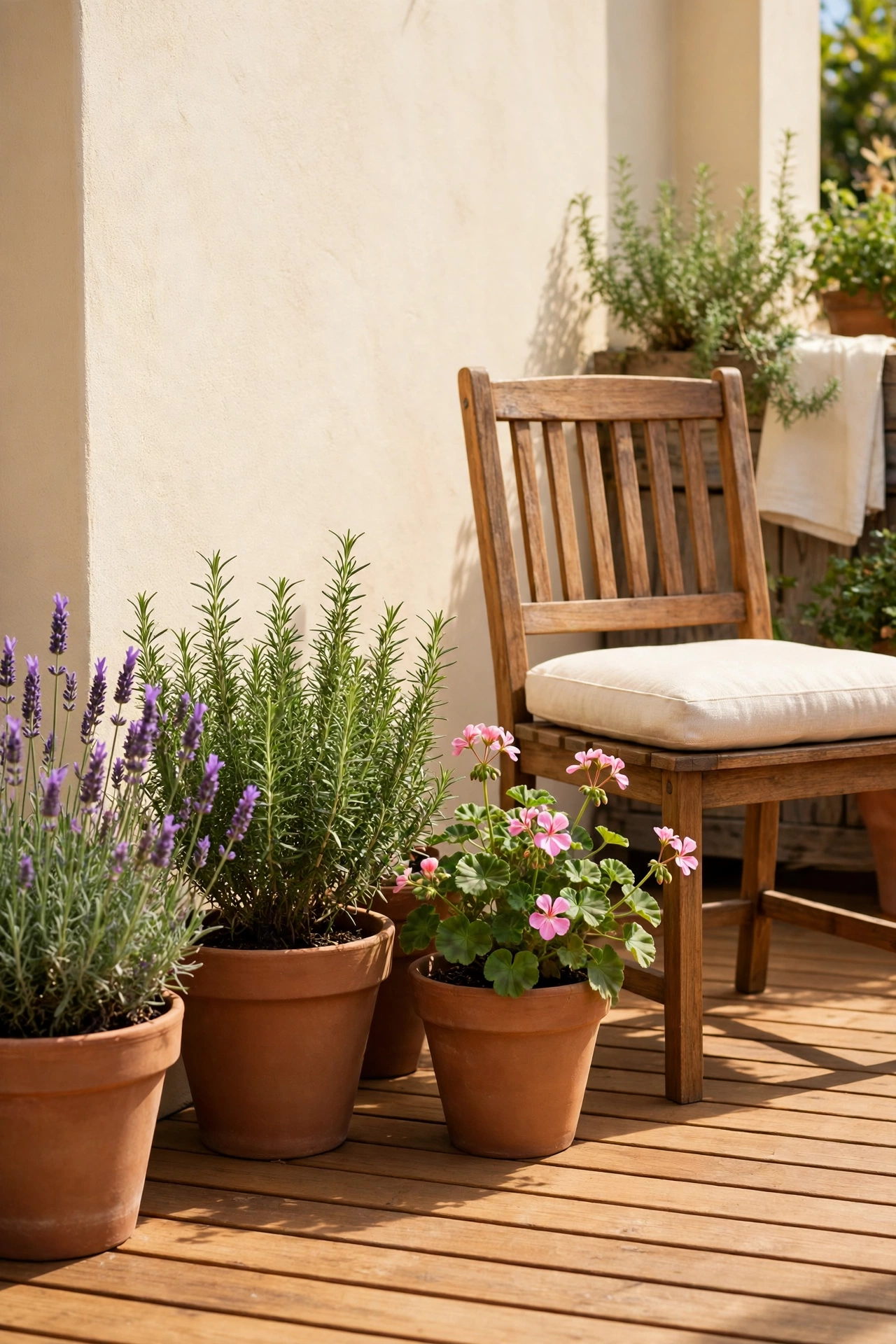
10. Fill Window Boxes With Scented Geraniums
Scented geraniums are grown for their leaves rather than their flowers, and each variety smells different. Some smell like rose, some like lemon, and some like mint or apple. A window box full of scented geraniums perfumes the air every time you open the window, and brushing the leaves releases an extra burst of scent.Place window boxes where they get morning sun and afternoon shade in hot climates. Water when the top inch of soil feels dry, and pinch the growing tips often to keep the plants bushy instead of leggy. Bring the boxes indoors before frost, and the plants will keep scenting your home all winter on a sunny sill.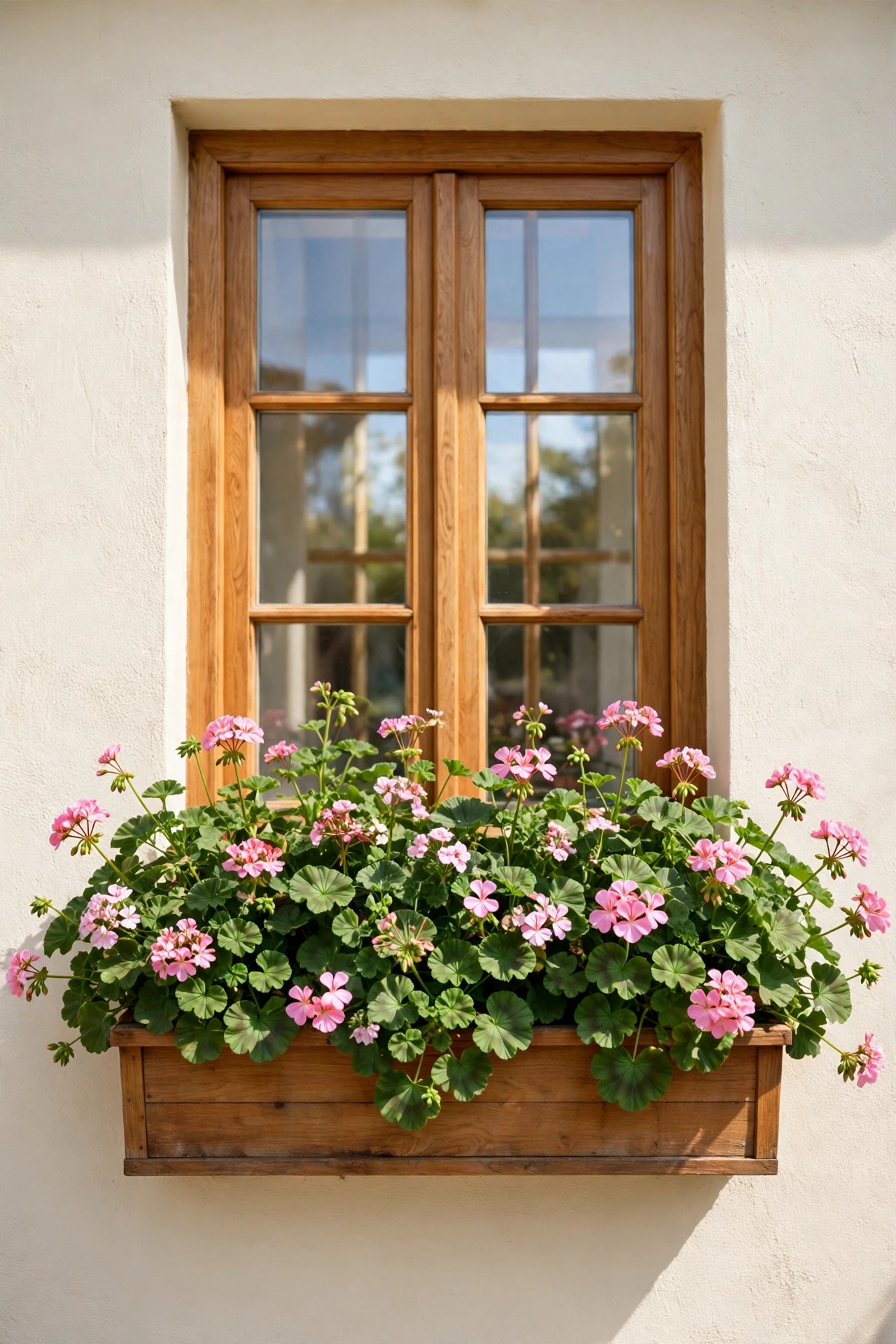
11. Plant Mock Orange Beside a Garden Bench
Mock orange is a shrub that many gardeners plant for its white flowers, then keep forever for its scent, which smells remarkably like orange blossom. Placing one beside a bench means you sit inside a cloud of perfume during its spring bloom. The arching branches also give the seating spot a soft, sheltered feeling.Give mock orange full sun or light shade and soil that stays moist but drains well. Prune it right after flowering by removing some of the oldest stems at the base, which encourages fresh young growth. Pair the bench with a small side table so you have a place to set a book and a cool drink while you enjoy the scent.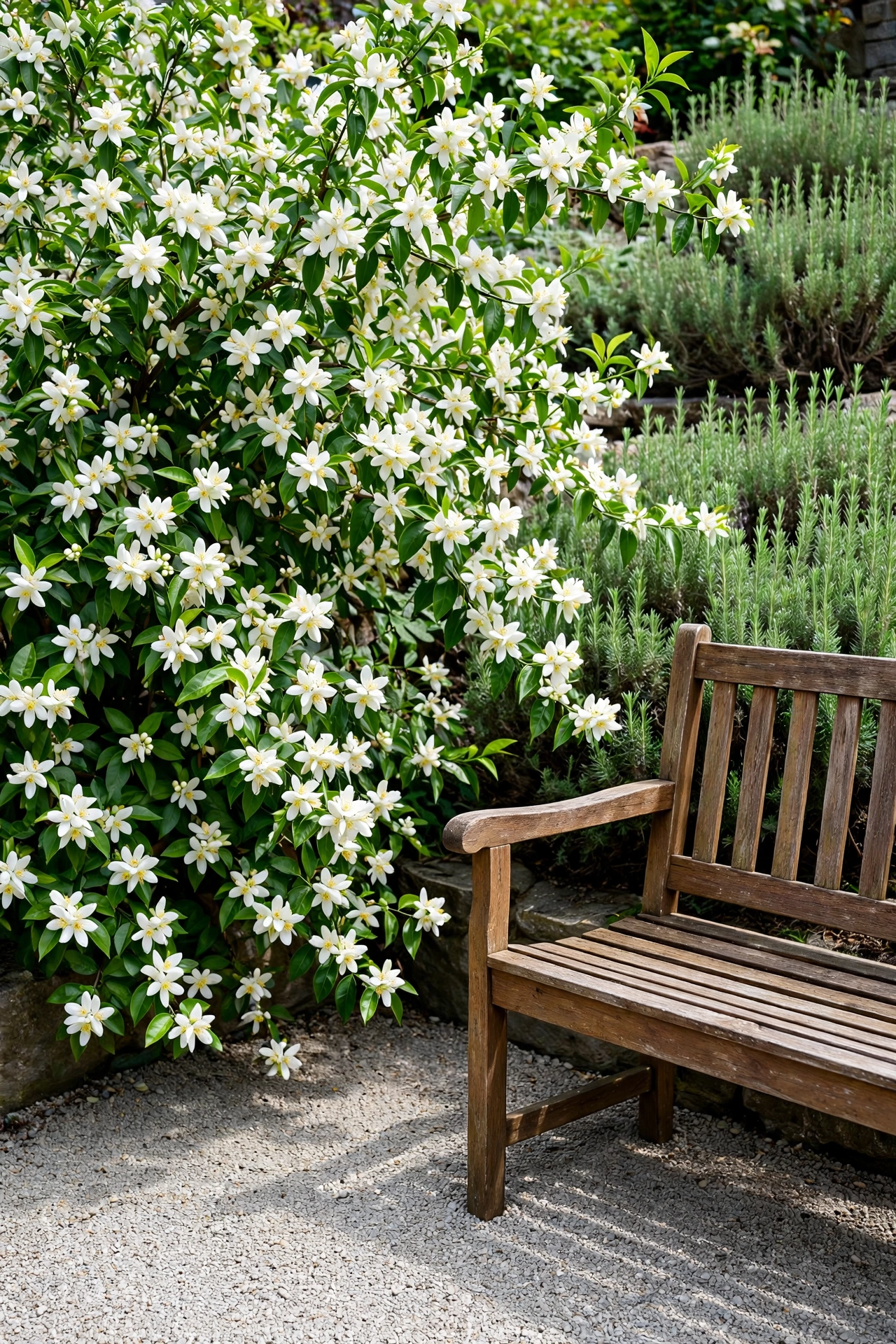
12. Train Fragrant Roses Up an Arbor Over a Seating Nook
An arbor over a seating nook creates a private room outdoors, and fragrant roses on the arbor make that room smell wonderful. Unlike a rose arch you walk through, an arbor invites you to sit and stay, so the scent has time to settle around you. A small bistro set or a pair of chairs fits neatly underneath.Choose a repeat flowering rose so the arbor blooms from late spring until fall rather than for one short burst. Tie the canes to the arbor frame and deadhead faded blooms often to encourage new flowers. A climbing rose needs a sturdy arbor, so build the frame from solid wood or metal that can carry the weight of a mature plant.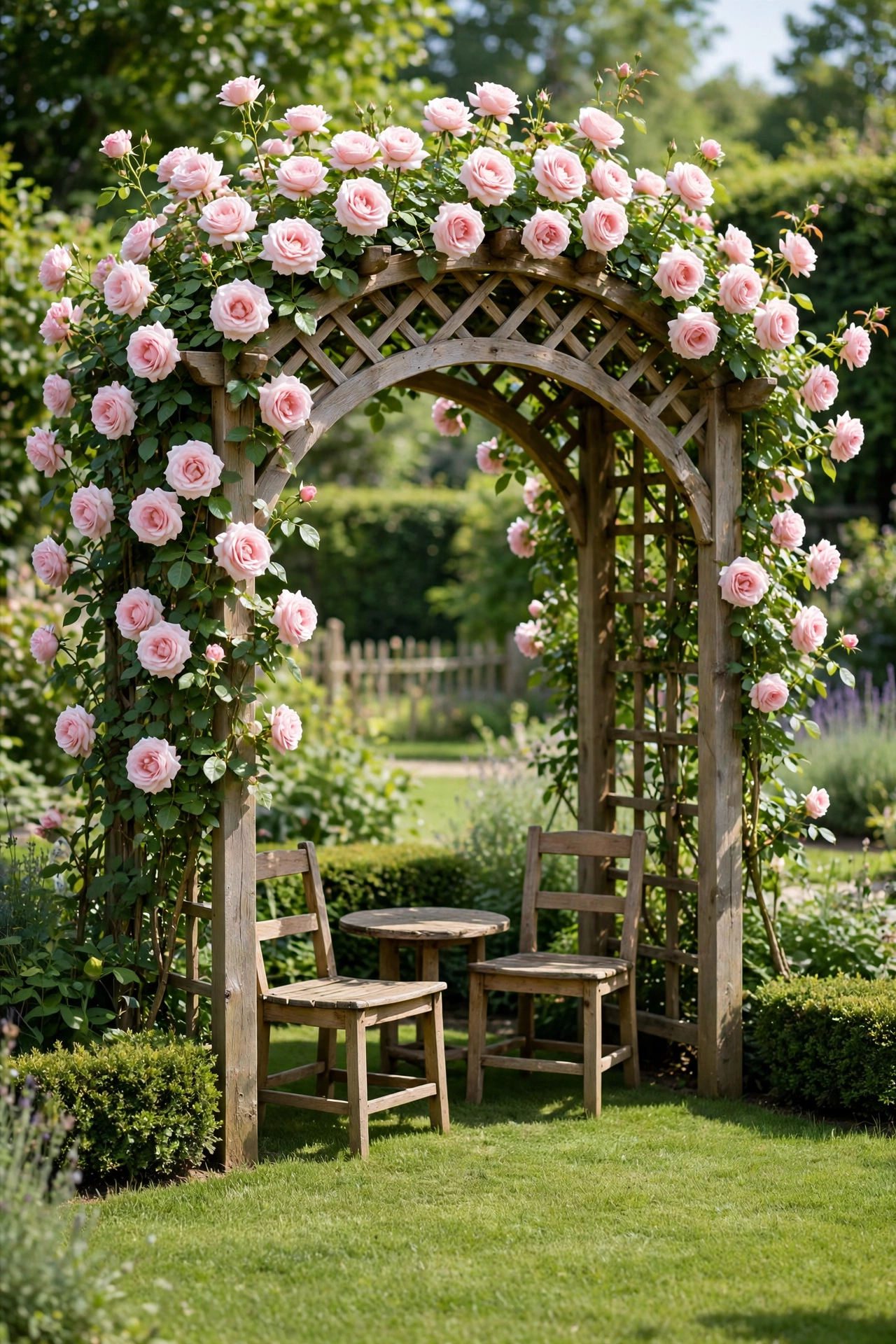
13. Create a Chamomile Seat in a Quiet Garden Corner
A chamomile seat is a low bench or mound planted with creeping chamomile, and sitting on it releases a sweet apple like scent from the crushed leaves. It is an old fashioned idea that still charms everyone who tries it, and it gives a quiet corner of the garden a purpose. The tiny daisy flowers add a sprinkle of white in summer.Build the seat from soil mounded over a low frame, or plant chamomile on top of a wide flat topped wall. Keep the chamomile watered in dry spells and trim it lightly to keep the seat smooth and even. Place the seat where it catches afternoon sun, so the warmth helps the scent rise around you as you sit.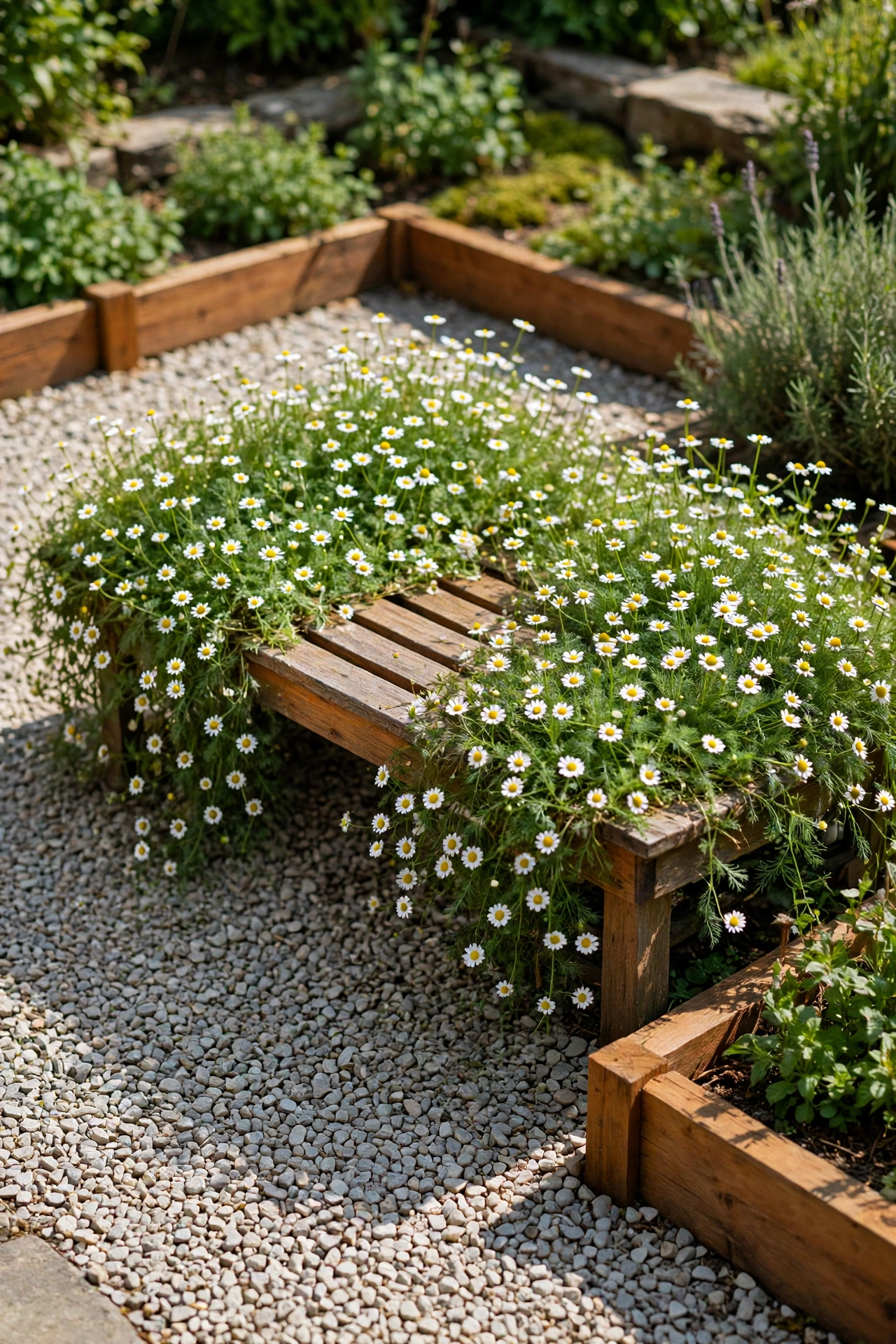
14. Edge a Pathway With Lavender and Catmint
Pairing lavender with catmint along a path gives you two layers of scent and a long season of flowers. Catmint blooms in soft blue spikes just as the lavender starts, and its gray green leaves smell minty when brushed. Together they form a billowing edge that softens the path and invites you to walk slowly.Plant both in full sun and lean, well drained soil, because rich soil makes catmint flop and lavender rot. Shear the catmint back after its first bloom and it will flower again in late summer. These garden pathway ideas show how to shape paths with curves, borders, and edging so a fragrant walkway becomes the prettiest route through your yard.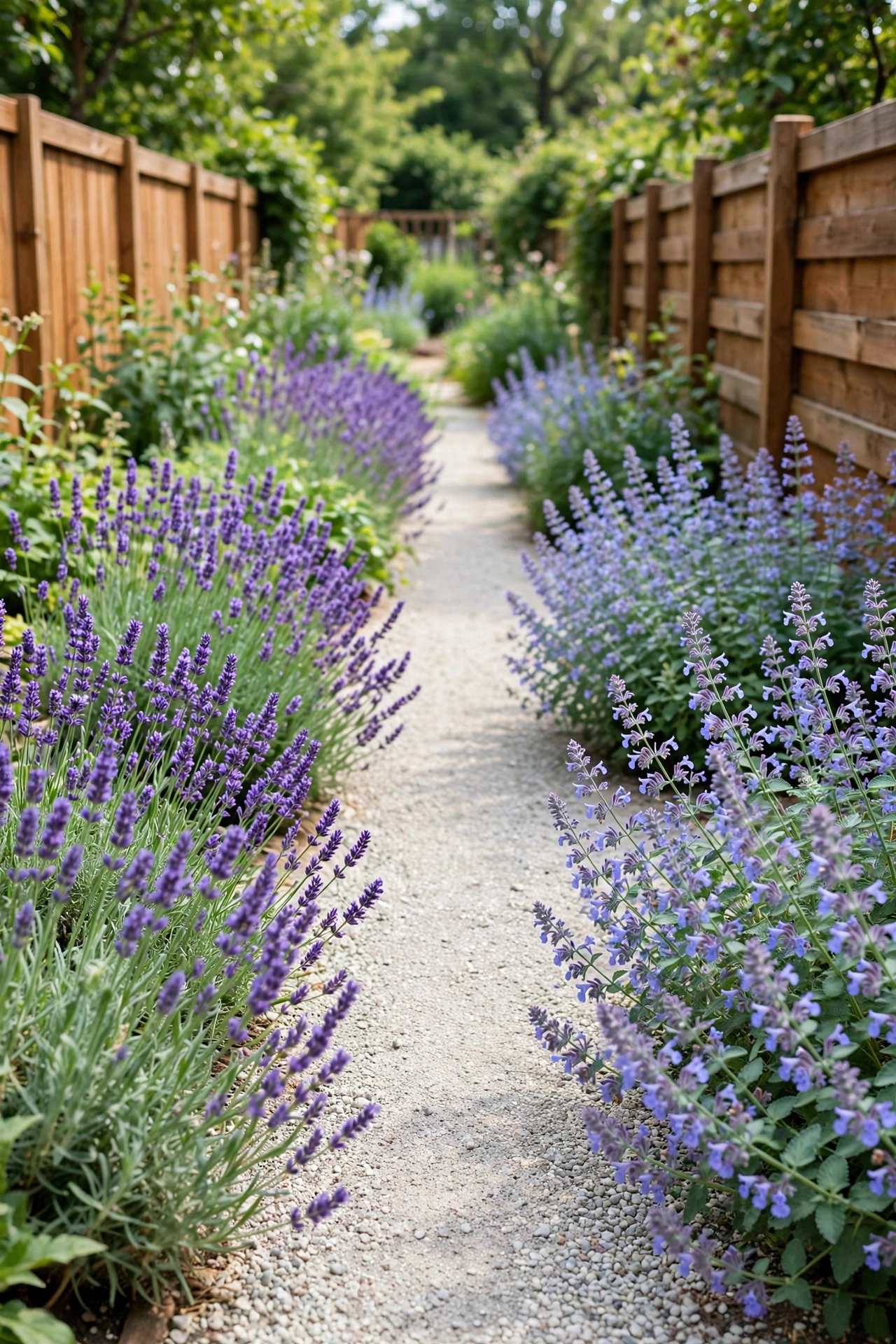
15. Plant an Evening Scent Garden With Stock and Night Phlox
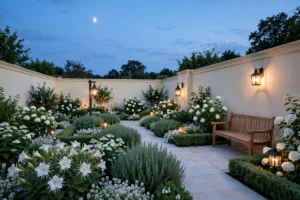
An evening scent garden is planted for the hours after sunset, when stock, night phlox, and evening primrose open their flowers and release their strongest perfume. Place this bed near a patio or a bedroom window so the scent drifts to you while you relax outdoors or sleep. The pale flowers also glow softly in moonlight.Sow stock and night phlox in spring where they are to grow, because both dislike transplanting. Keep the soil moist while the seedlings establish, and deadhead stock regularly to stretch the bloom season. Add a few white nicotiana plants for height, and their trumpet flowers will add a sweet jasmine like note to the evening air.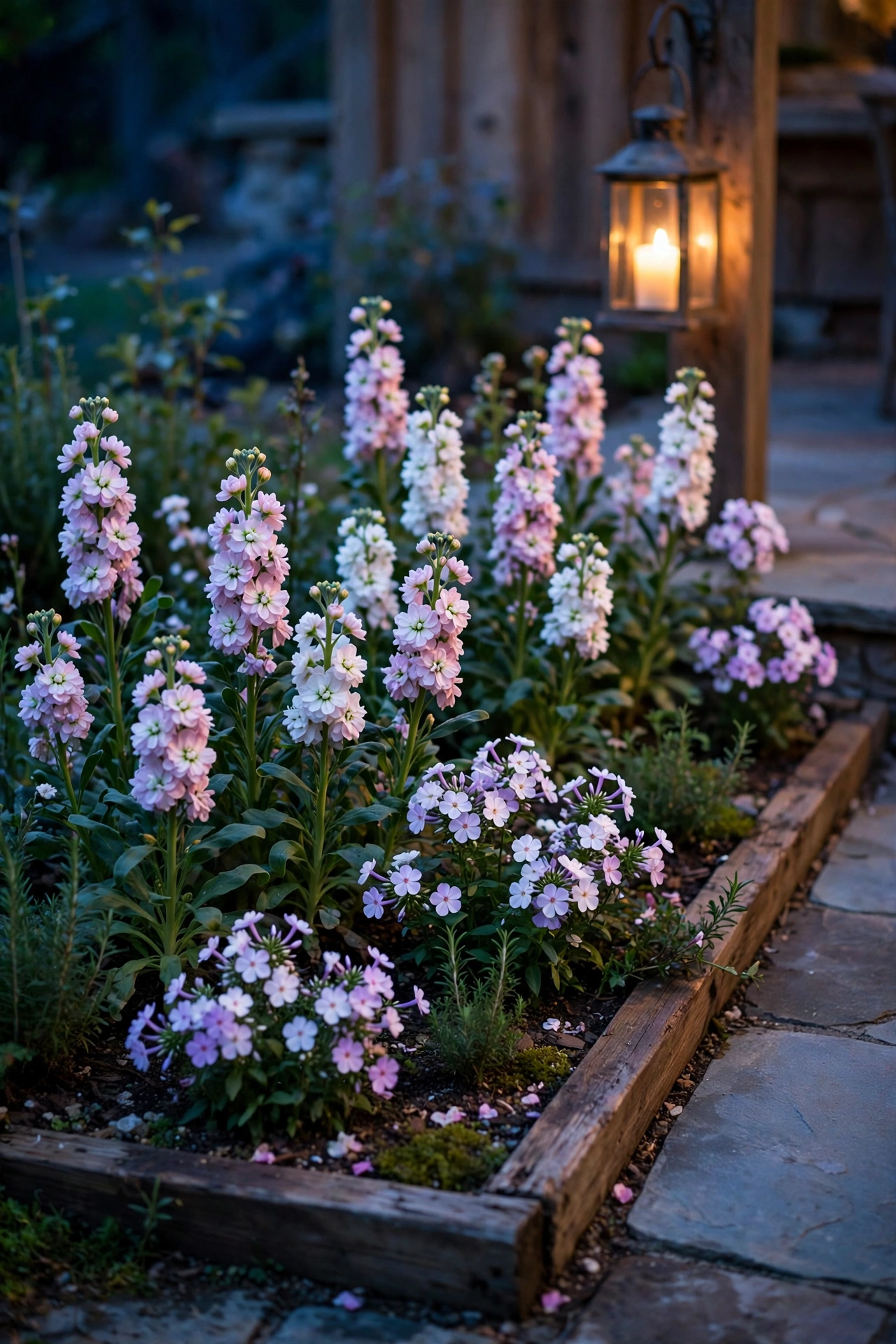
16. Grow a Fragrant Balcony Garden in Pots and Planters
A balcony can smell just as beautiful as a big garden when you fill it with pots of fragrant plants. Jasmine on a small trellis, lavender in a long planter, and mint in its own pot give you scent at three heights without taking up floor space. The enclosed space of a balcony actually holds the perfume close, so a few plants go a long way.Check how much sun your balcony gets before you choose plants, because a shady balcony suits different fragrant plants than a sunny one. Use light weight pots and saucers so water does not drip to the neighbors below. Group the pots near your chair so the scent reaches you, and refresh the soil each spring for healthy growth.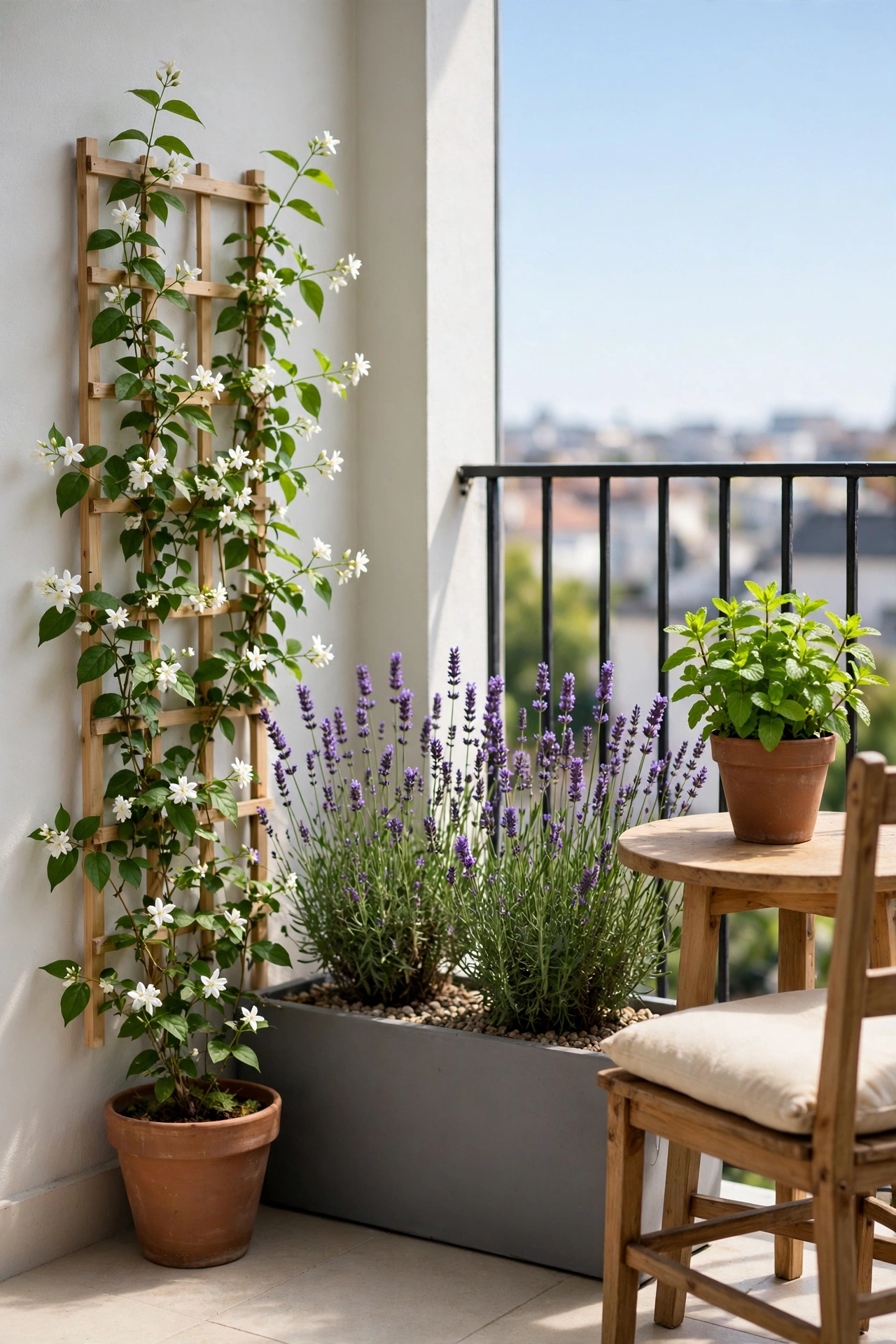
17. Place Daphne Shrubs Near the Front Door
Daphne is a small shrub with one of the most powerful sweet scents in the garden, and a pair flanking the front door will perfume every arrival and departure. The flowers open in late winter or early spring, when few other plants are blooming, so daphne extends your fragrance season into the coldest months. The glossy evergreen leaves look tidy all year.Plant daphne in a sheltered spot with morning sun and afternoon shade, in soil that drains sharply. Once planted, leave it alone, because daphne resents being moved and its roots dislike disturbance. Water it during dry spells in its first year, and mulch lightly to keep the roots cool and moist.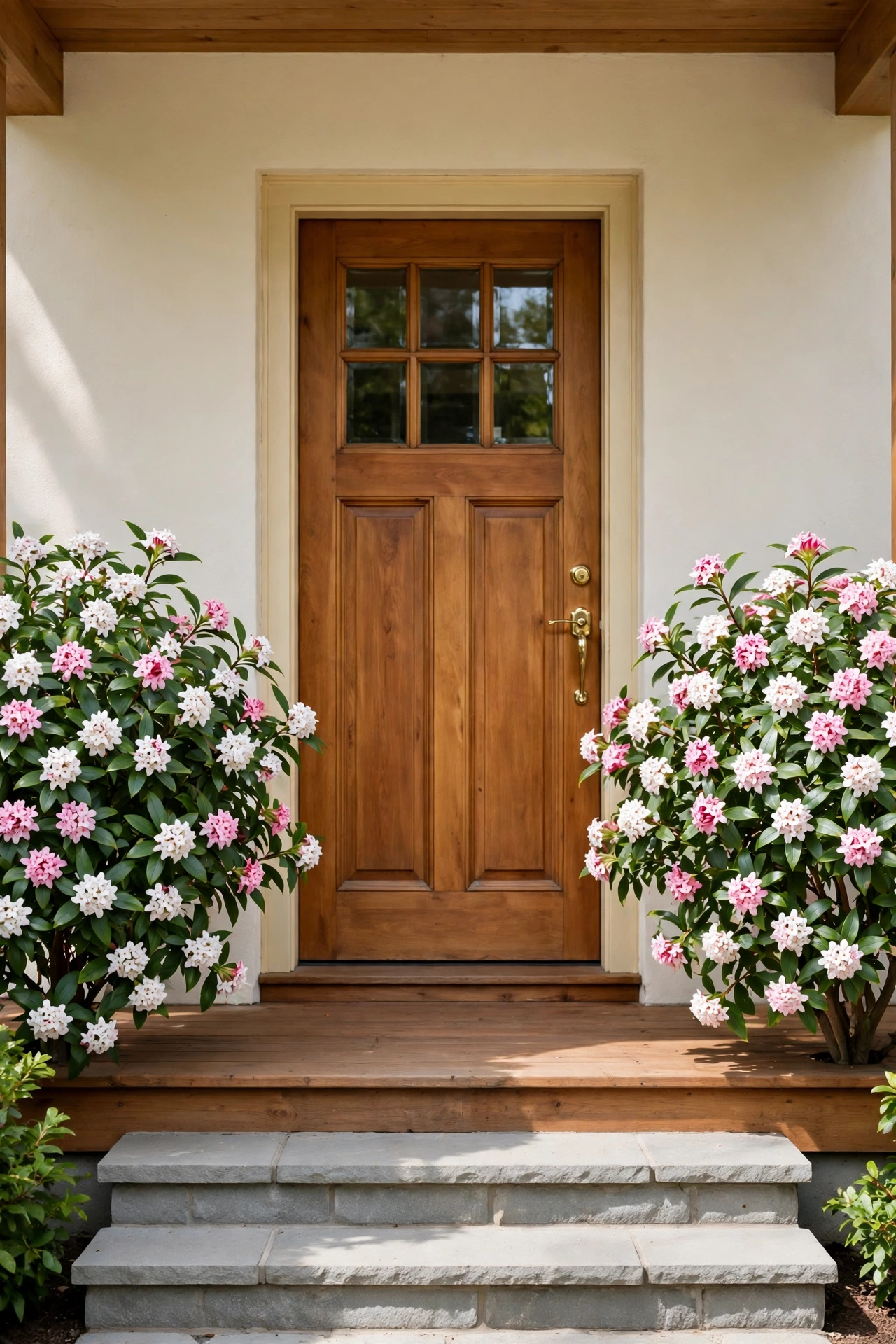
18. Design a Fragrant Reading Corner With Scented Plants
A reading corner surrounded by fragrant plants turns an ordinary chair into a retreat. Surround the seat with pots of lavender, a climbing jasmine on a small obelisk, and a rosemary bush at arm height so you can brush the leaves as you read. The scent helps the mind slow down, and the greenery gives the corner privacy.Choose a spot that gets gentle morning light and afternoon shade, so the corner stays comfortable through the day. Add a cushion, a small side table, and a soft outdoor rug to make the seat inviting. These outdoor reading garden ideas will help you shape a quiet nook with shade, seating, and plants that make reading outdoors a daily habit.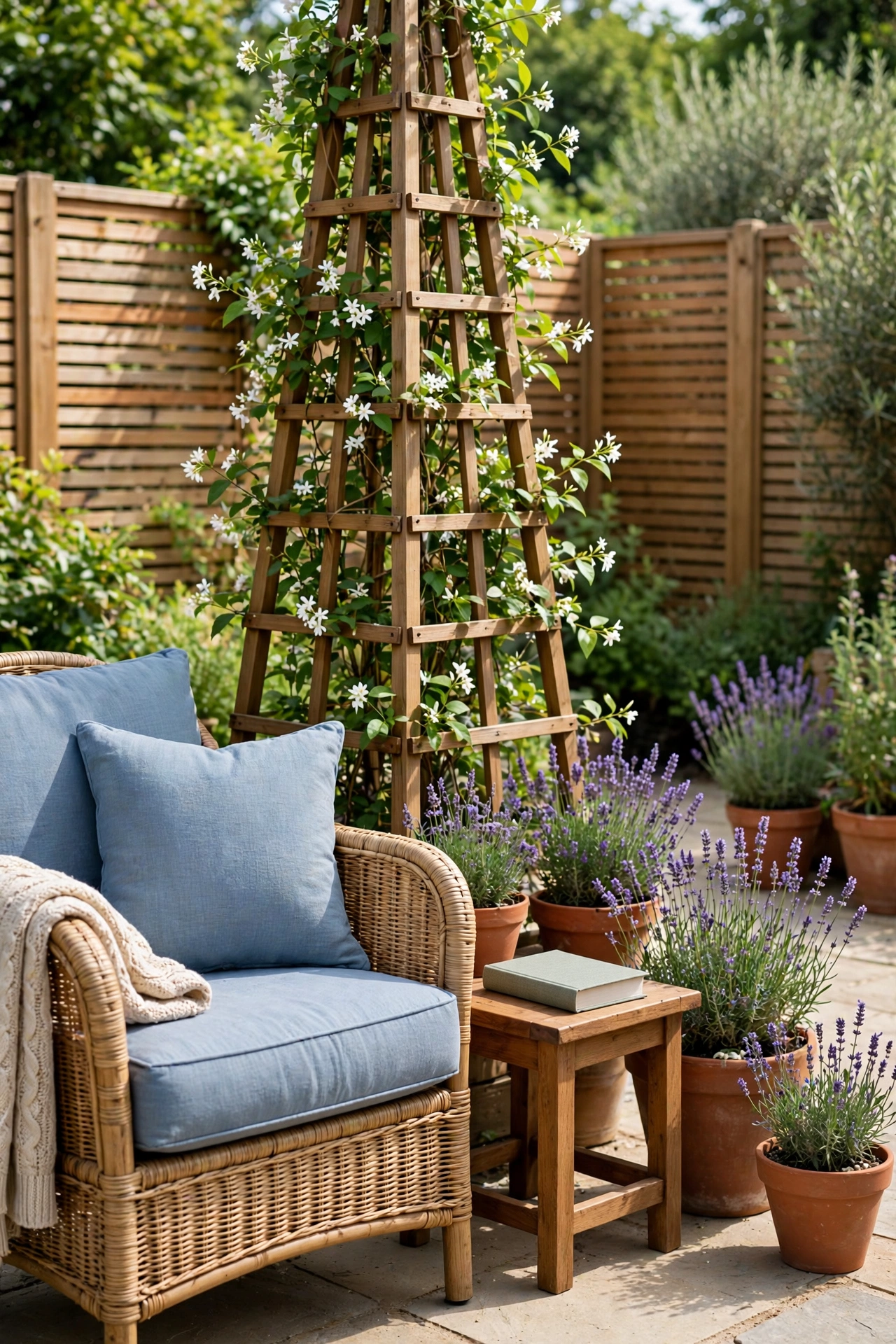
19. Grow Sweet Peas on a Fence for Cottage Garden Scent
Sweet peas are the scent of an old fashioned cottage garden, with delicate flowers in pink, purple, white, and blue that smell honey sweet. Growing them up a fence or a bamboo teepee fills a vertical space with color and perfume from early summer until fall. The more you pick the flowers, the more the plants bloom.Sow sweet pea seeds in early spring in rich, well drained soil, and give the young plants twigs or netting to climb. Water regularly and feed every two weeks once the flowers start. Pick a small bunch every few days for a vase indoors, and your fence will keep producing fresh fragrant blooms all season long.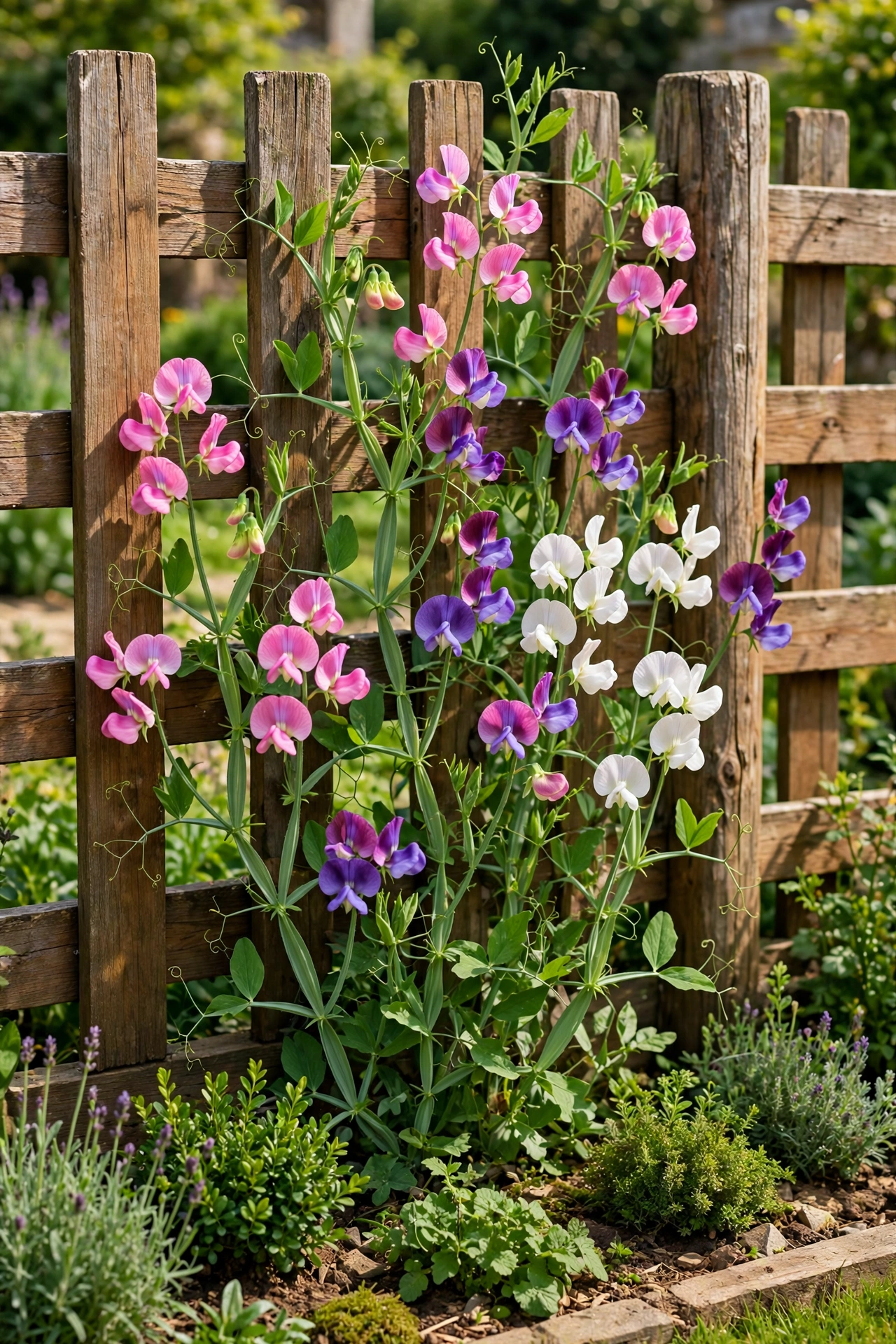
Conclusion
A fragrance garden rewards you every time you step outside, with scents that change through the day and through the seasons. From a lavender path and a rose arch to a jasmine wall and a herb filled raised bed, each idea here adds perfume to a different corner of your outdoor space. The best plan layers several fragrant plants together so something is always in bloom.Start with the spots you use most, such as the front door, the patio, and the path to the garden gate. Plant one or two fragrant favorites there, then add more each season until the whole garden smells as beautiful as it looks. Your nose will thank you every single day.Frequently Asked Questions About Fragrance Garden Ideas With Aromatic Plants
Which fragrant plants are easiest to grow for beginners?
Lavender, rosemary, thyme, and mint are the easiest fragrant plants for a beginner. They need full sun, well drained soil, and very little care once established. Mint spreads fast, so grow it in a pot to keep it from taking over the bed.
Where should I place fragrant plants in my garden?
Place fragrant plants where you will brush past them or sit near them, such as along paths, beside doors, around patios, and near bedroom windows. Warm, sheltered spots hold scent better than windy open areas. Group several fragrant plants together so their scents blend instead of planting one lonely shrub in the middle of the lawn.
How do I keep a fragrance garden blooming all season?
Combine early spring shrubs like daphne and lilac with summer flowers like roses, jasmine, and lavender, then add fall blooming plants like witch hazel for late scent. Deadhead flowers regularly and feed plants through the growing season. A mix of shrubs, perennials, and annuals gives you the longest fragrance season.
Can I grow a fragrance garden in containers?
Yes, most fragrant plants grow well in containers, including lavender, rosemary, scented geranium, jasmine, and mint. Use large pots with drainage holes and water them often, because containers dry out faster than garden beds. Move the pots to sheltered spots in winter if your climate is cold.
Which fragrant plants attract bees and butterflies?
Lavender, catmint, honeysuckle, buddleia, and herbs like thyme and oregano all attract bees and butterflies with their nectar rich flowers. Leave some flowers to set seed and avoid spraying pesticides on fragrant plants. A fragrance garden that feeds pollinators helps the whole garden stay healthy and productive.

Hi, I’m Emily! I turn messy corners into cozy, organized spots. DreamNestDecor is where I share simple, practical home ideas — decor, organization, and small-space solutions that work in real life, not just in photos. Every idea here is carefully researched before it’s shared.