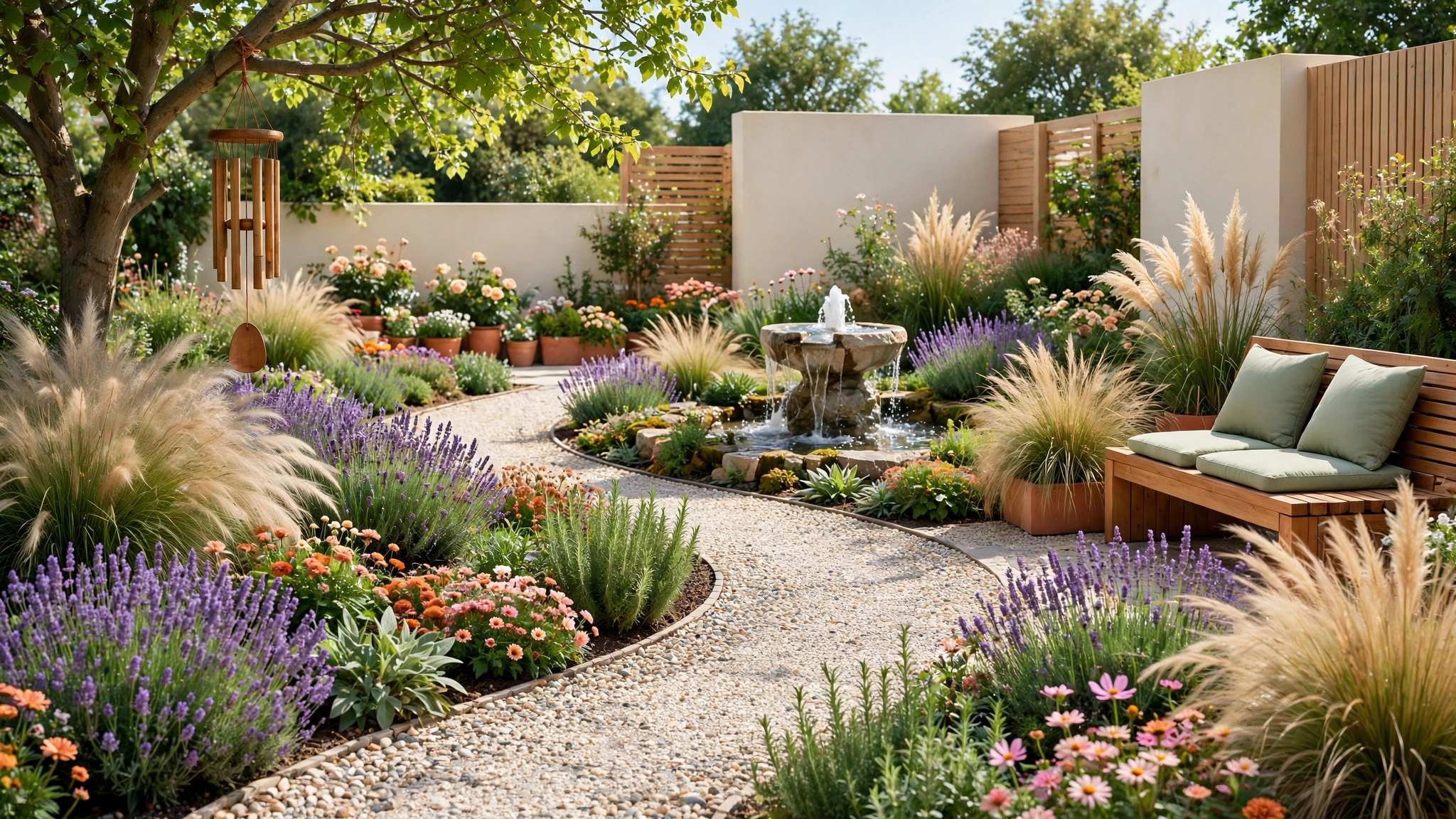
Picture this: you step into your garden and a soft breeze carries the scent of lavender past your face while a wind chime rings gently above you. A child beside you runs small fingers over the velvet leaves of lamb’s ear, and somewhere nearby a bee hums over a purple flower. Every corner of the garden has something to see, hear, touch, smell, or taste.
That rich experience is the heart of a sensory garden. It is not about rare plants or a large budget. It is about choosing plants, textures, sounds, and scents on purpose so the garden speaks to all five senses. These 26 sensory garden ideas for children and adults will help you build a garden that calms, delights, and invites everyone to slow down and explore.
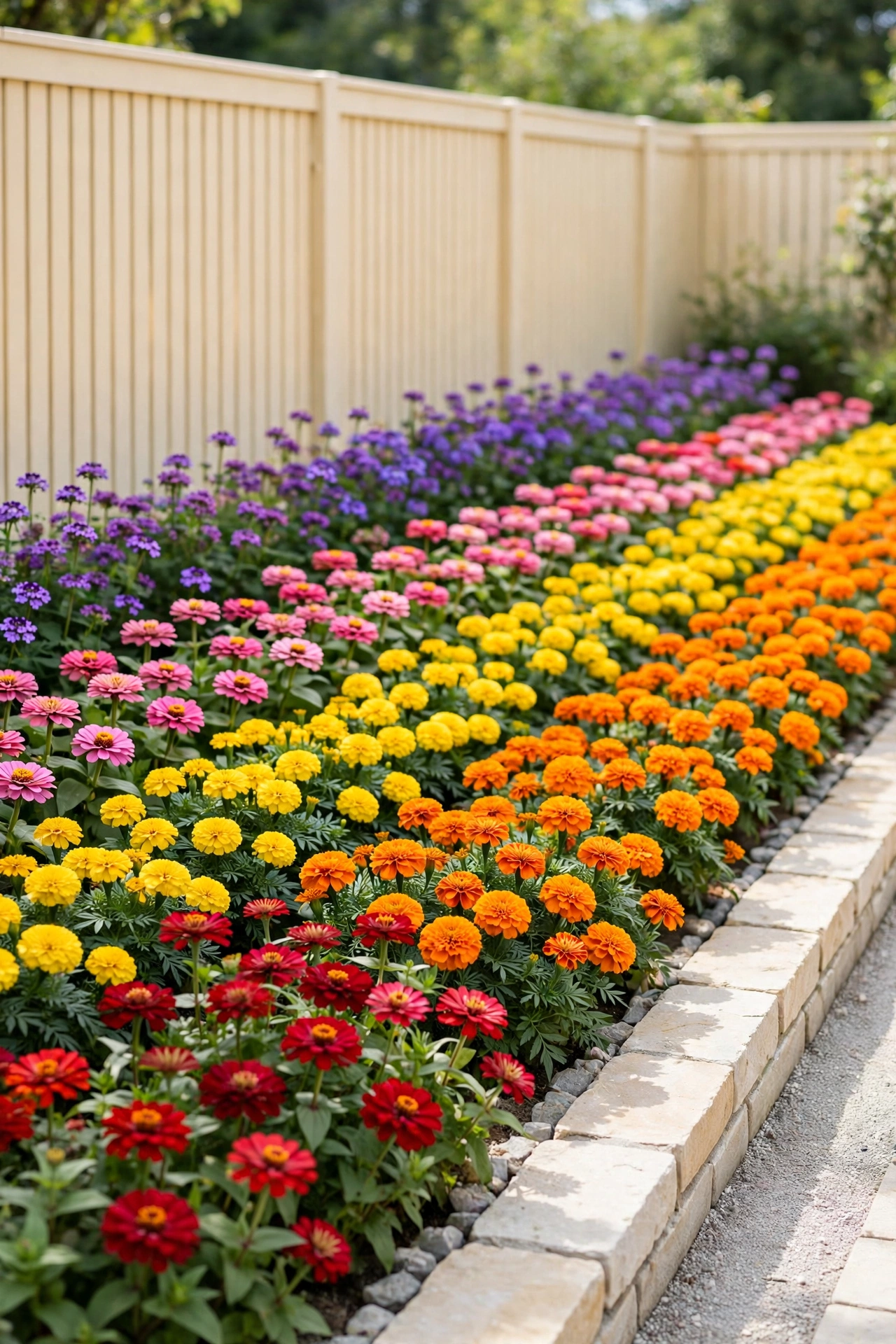
1. Plant a Rainbow Border of Bold Flowers
A border planted in bands of bold color gives the garden an instant visual anchor that draws the eye from one end to the other. Choose flowers in clear blocks of red, orange, yellow, pink, and purple so the colors read like stripes from across the yard. Zinnias, marigolds, salvia, and petunias all hold their color through the warm months with very little care.
Keep the border low at the front and taller at the back so every band stays visible from the path. A neat edge of warm wood or pale stone keeps the beds tidy and gives the bright colors a calm frame. Children love to name the colors as they walk along, and adults enjoy a border that looks cheerful from the kitchen window all season long.
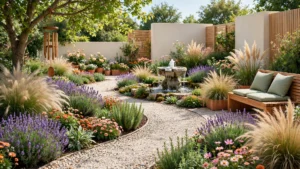
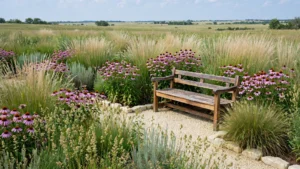
2. Grow Tall Ornamental Grasses That Sway in the Breeze
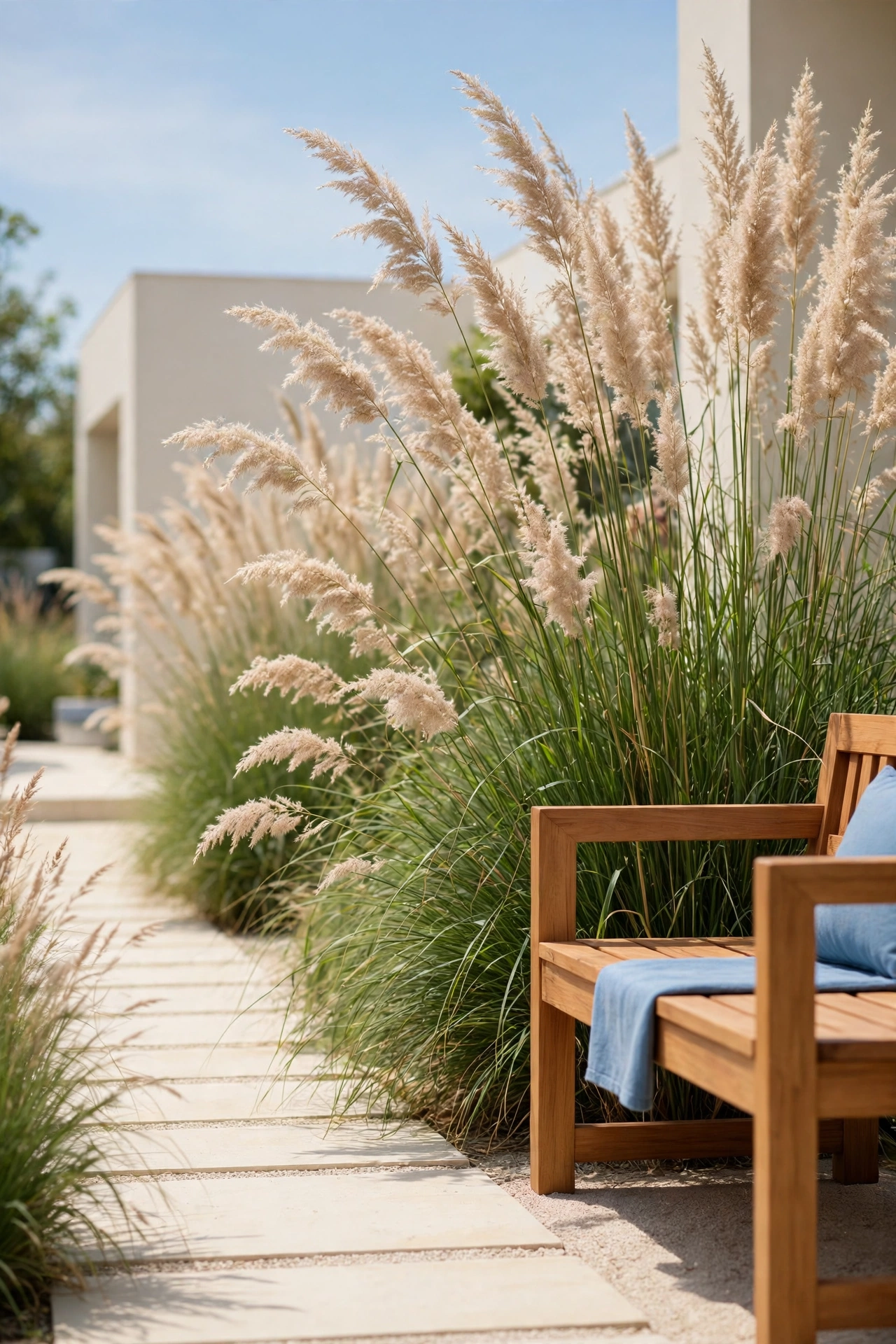
Tall ornamental grasses bring movement to a garden in a way that flowers alone cannot match. Their slim stems bend and ripple each time the wind passes, and their seed heads catch the light like soft brushes. Plant them in a loose group near a seating area so you can watch the gentle motion while you rest.
Choose varieties with different heights and textures, from fine fountain grass to tall miscanthus, and leave their seed heads standing through autumn for extra interest. The soft rustle of the stems adds a quiet sound layer too. Grasses are easy to grow, need little water once established, and look good from spring through winter.
3. Add a Butterfly Corner Full of Nectar Flowers
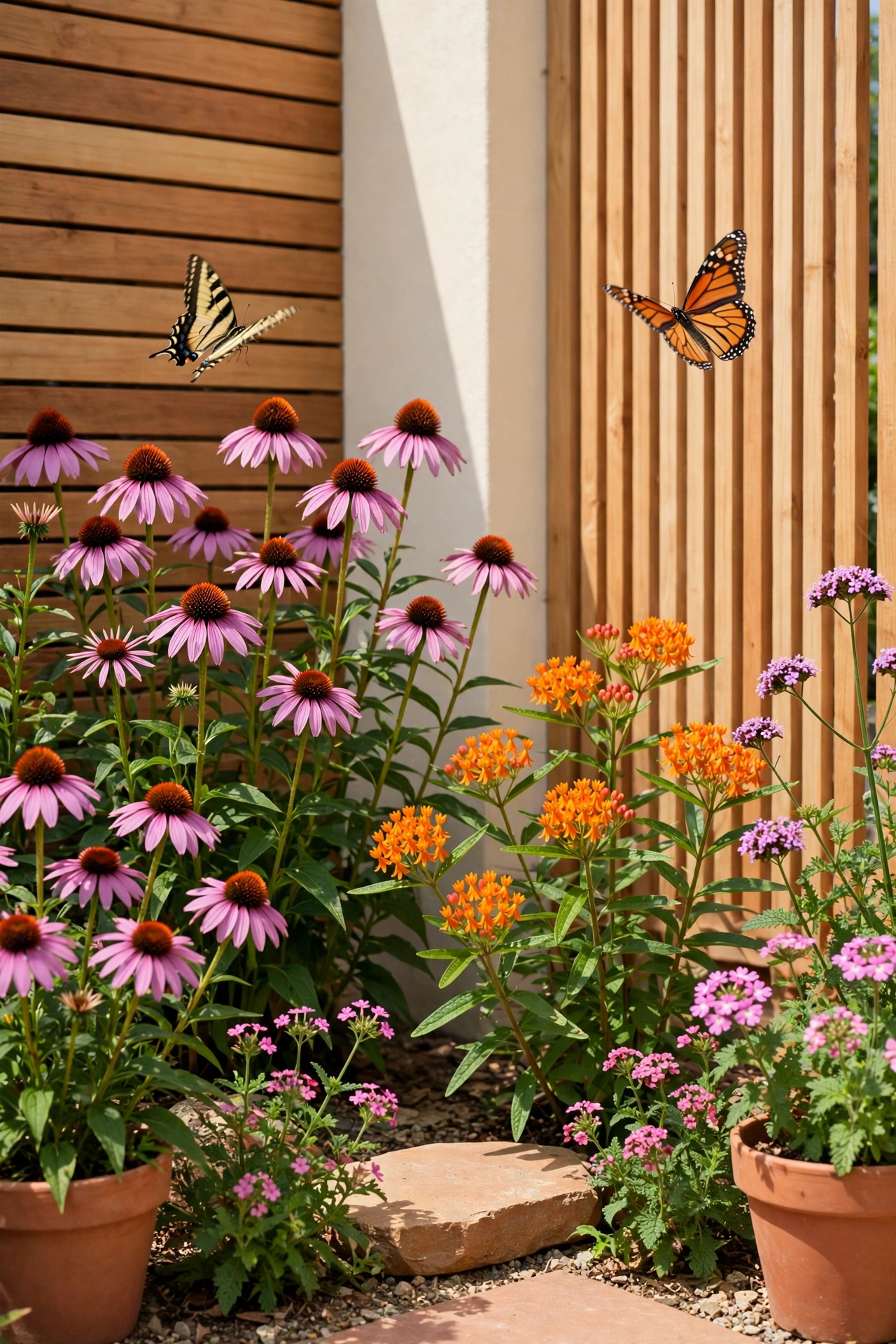
A butterfly corner turns one sunny spot into a living show of color and movement. Plant nectar rich flowers such as buddleia, coneflowers, verbena, and milkweed in a sheltered bed where butterflies can feed without strong wind. A flat stone in the sun gives butterflies a warm place to rest with open wings.
Keep the corner free of sprays so caterpillars and butterflies stay safe, and add a shallow dish of water with pebbles for drinking. Children will spend long minutes watching wings open and close, and adults will enjoy the quiet flutter of color. For more planting ideas that attract winged visitors, these butterfly garden ideas show how to build a whole garden around pollinators.
4. Hang Glass Suncatchers That Scatter Rainbows
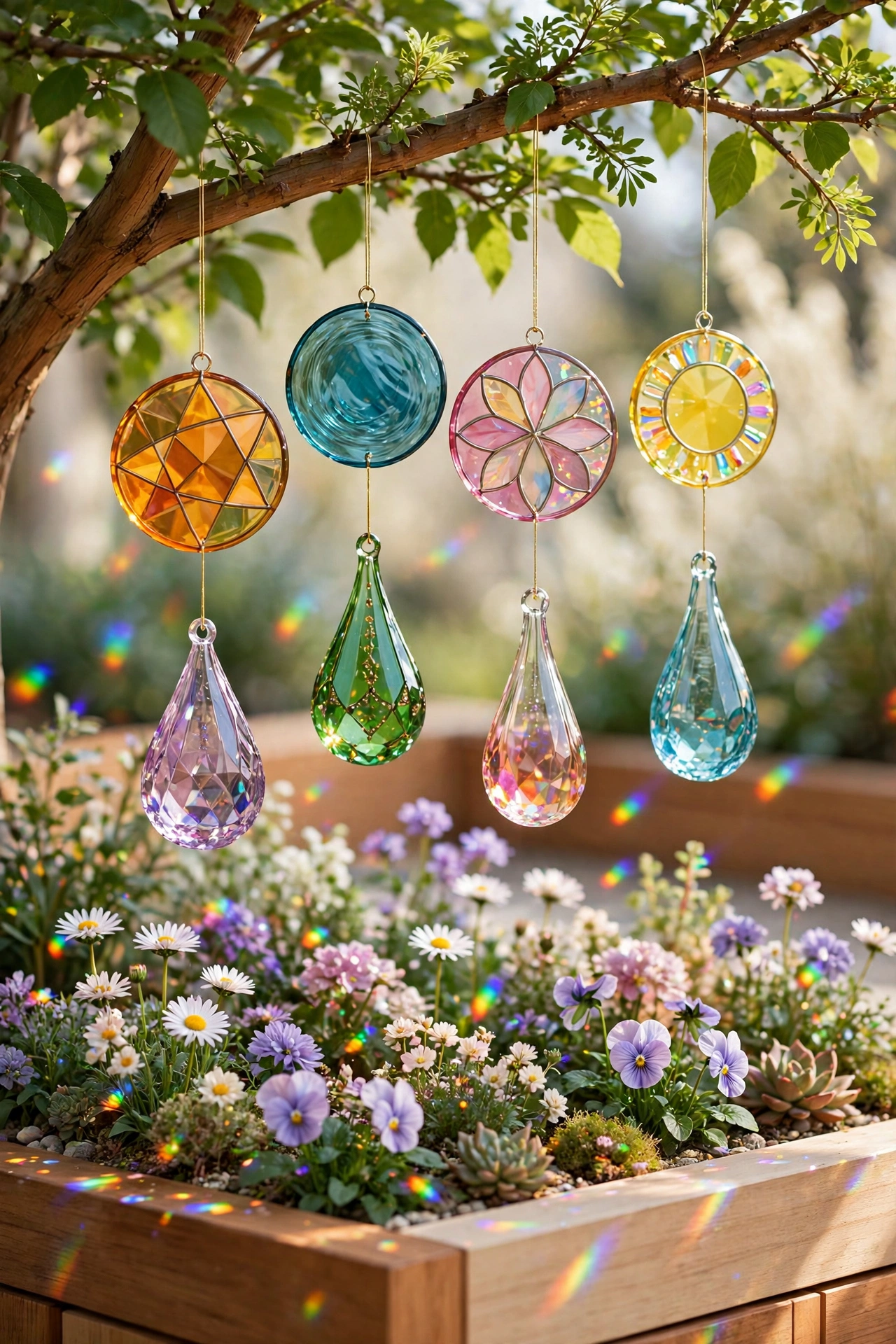
Glass suncatchers catch the sun and throw small rainbows across paths, fences, and flower beds. Hang them from a tree branch or a pergola beam where morning light reaches them, and watch the colored light move slowly across the garden as the sun rises. The effect is simple, free, and different every single day.
Choose suncatchers in a mix of shapes, such as circles, drops, and stars, and hang them at different heights so the light scatters in layers. Use strong cord and check the fixings each spring so nothing falls. Children love to chase the rainbows on the ground, and the sparkle adds a touch of magic to even a small garden.
5. Build a Barefoot Texture Path With Five Surfaces
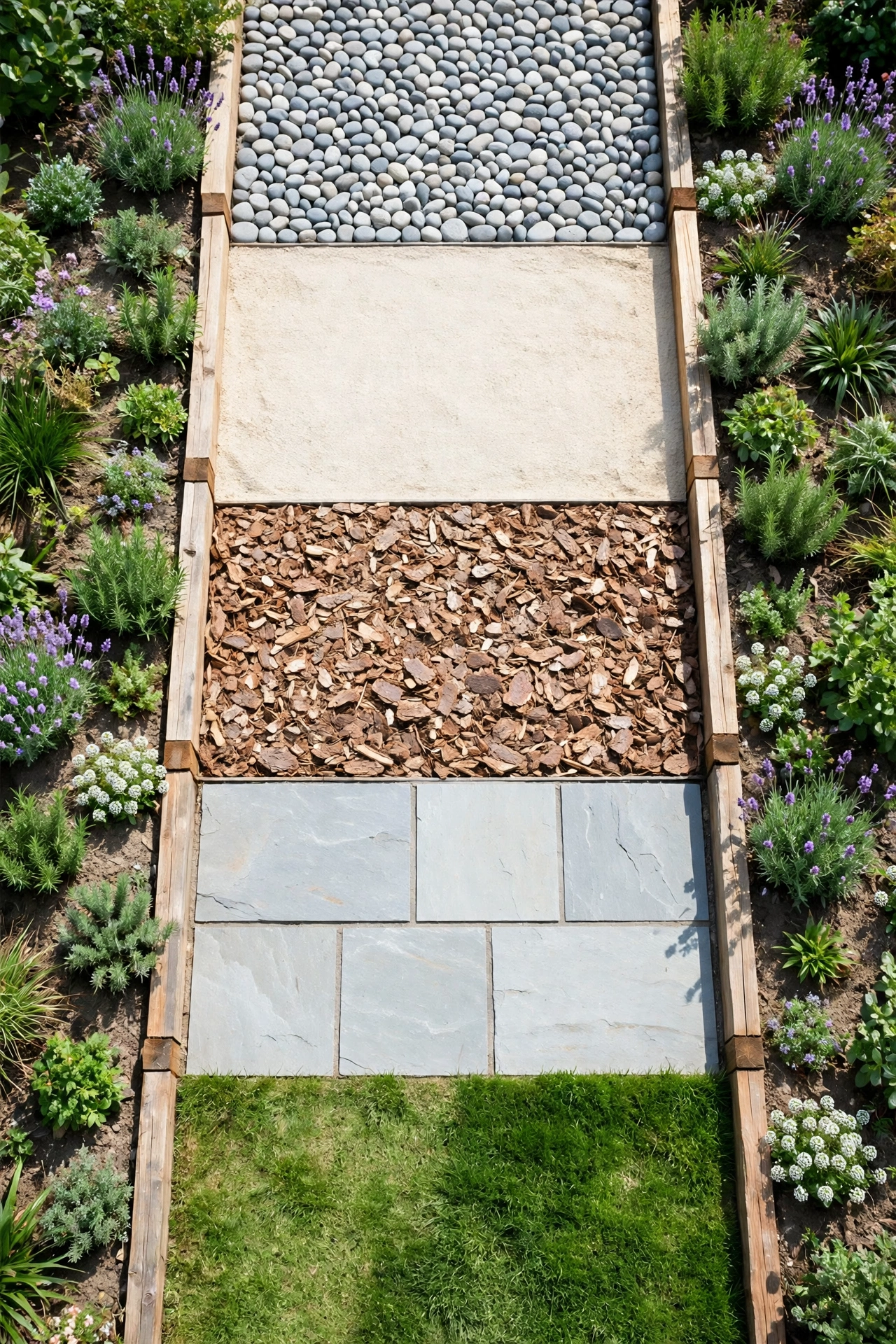
A barefoot path invites everyone to kick off shoes and feel the garden underfoot. Lay short sections of five different surfaces in a row, such as smooth pebbles, soft sand, cool bark chips, flat flagstones, and springy grass. Each step brings a new feeling, and the change from one surface to the next is the whole point.
Keep every surface clean and level so the path is safe for small feet and steady for older visitors. Edge the path with low timber or stone so the loose materials stay in place. For more ways to shape paths that guide the eye and the feet, these garden pathway ideas cover materials, curves, and edging for every style of yard.
6. Plant Lamb’s Ear and Other Velvet Soft Leaves
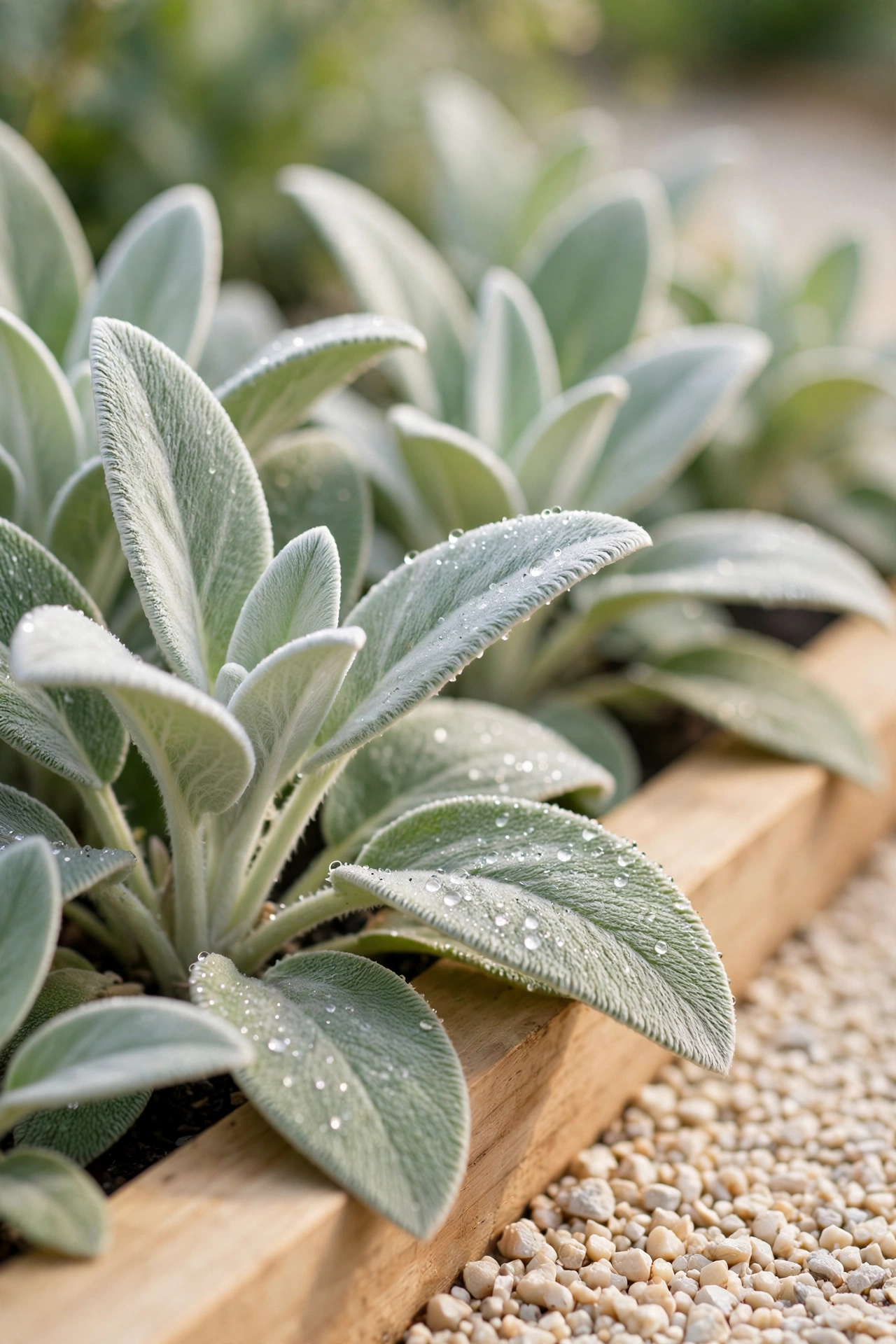
Lamb’s ear is the classic touch plant because its leaves feel like soft velvet under the fingers. Plant a generous patch along the edge of a path where hands can reach it easily, and pair it with other soft plants such as silver sage, mullein, and soft moss. The silvery leaves also brighten a shady corner with their pale glow.
Show children how to stroke the leaves gently from base to tip, and let them compare the soft leaves with the rough bark of a nearby tree. The contrast teaches texture in a way that words cannot. Lamb’s ear spreads quickly, so give it room to grow and trim the flower stalks to keep the leaves thick and soft.
7. Add a Smooth Stone Stacking Station
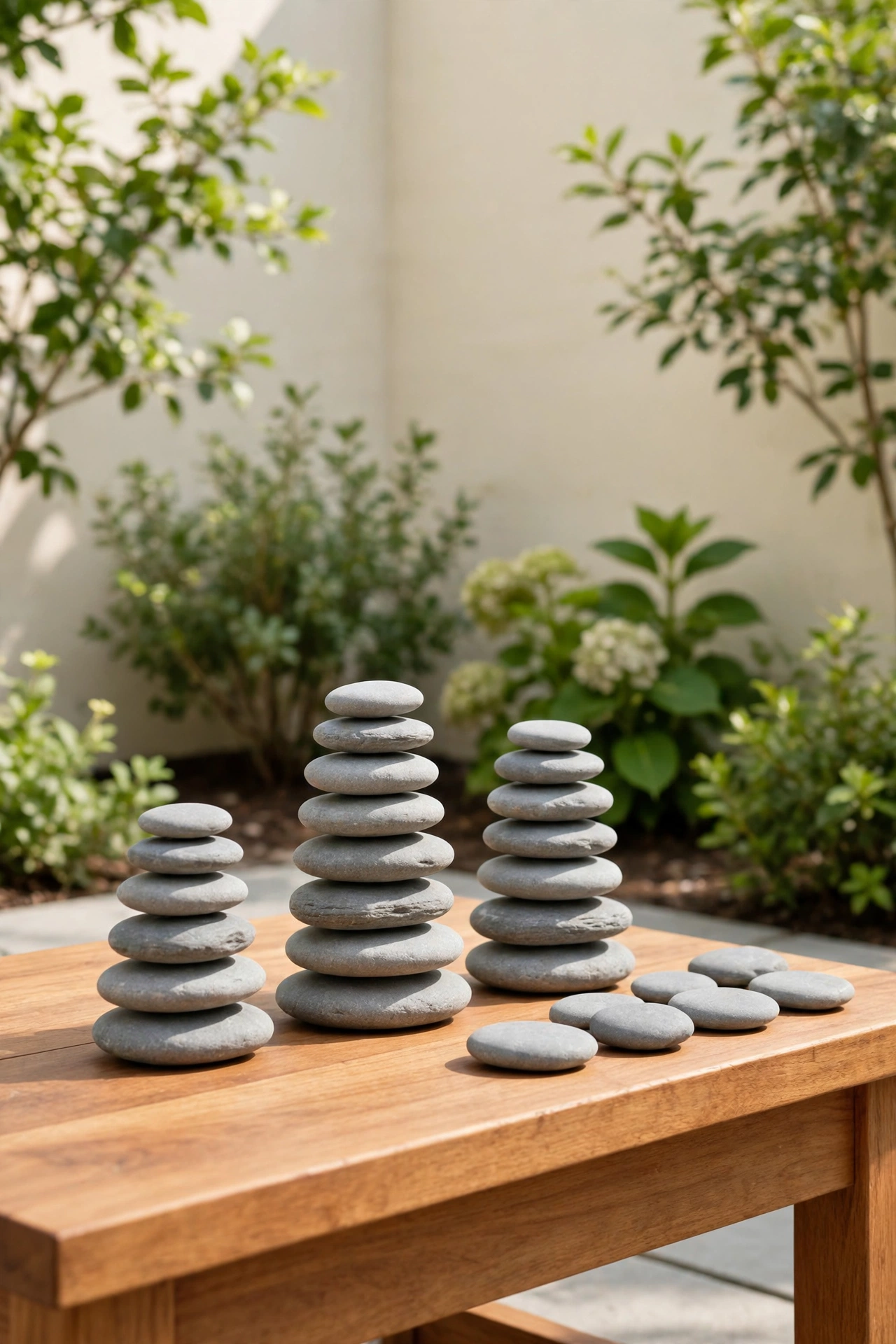
A stone stacking station is a low table or flat rock area stocked with smooth, flat stones in several sizes. Visitors can stack the stones into small towers, balance them, and knock them down to start again. The cool weight of the stones and the soft clink as they settle make the activity calm and satisfying.
Choose river stones with rounded edges and wash them clean before you set them out. Place the station in a quiet corner with a low bench nearby so both children and adults can sit and build. Stacking stones is a screen free activity that builds focus, and the finished towers look charming left standing in the garden.
8. Fill a Raised Bed With Herbs to Taste and Smell
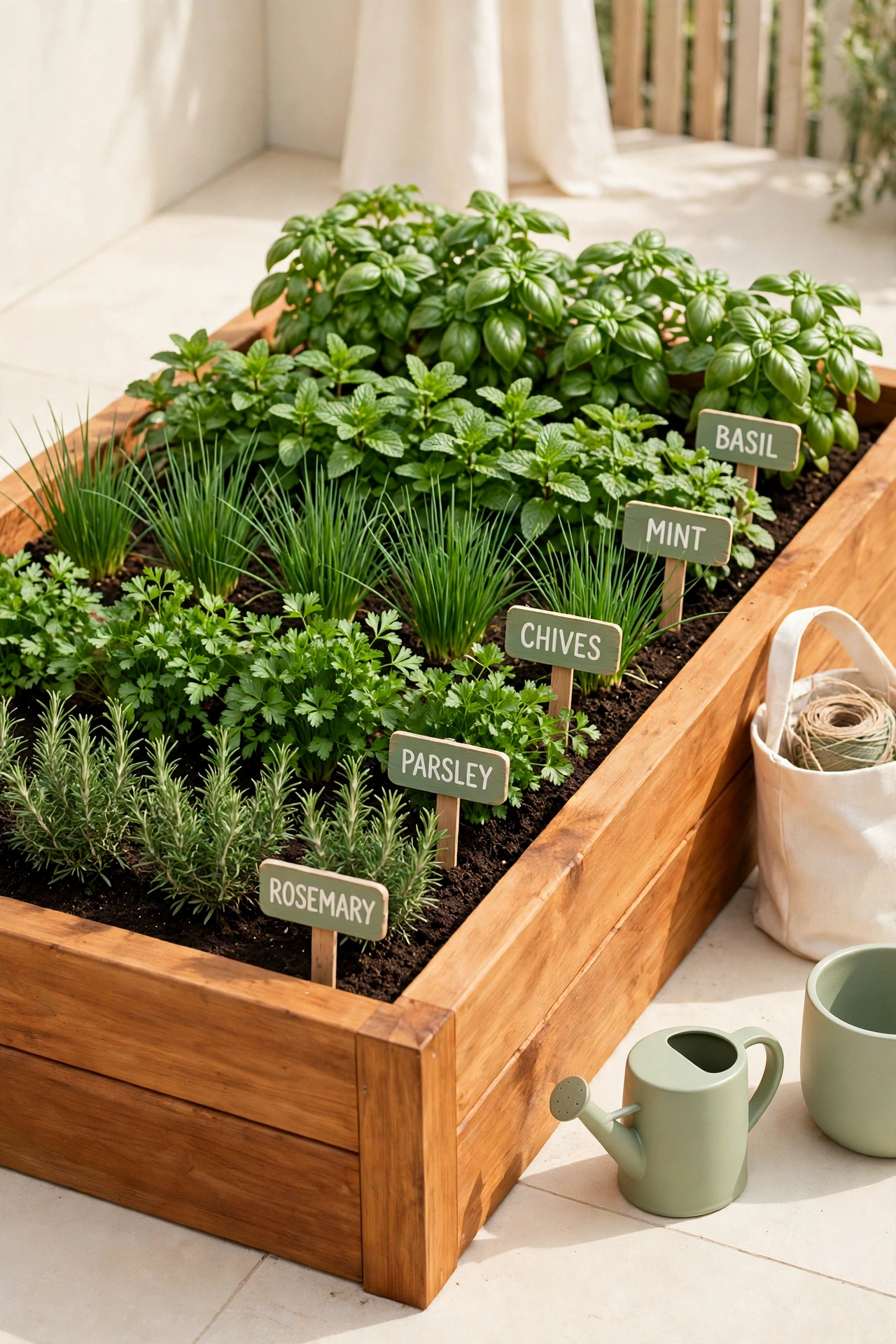
A raised herb bed brings taste and scent to waist height, where small hands and stiff knees can both reach it. Plant basil, mint, chives, parsley, and rosemary in neat rows, and label each row with a painted wooden marker so everyone knows what they are tasting. Brushing a hand across the leaves releases a burst of scent.
Keep the bed in full sun and water it often so the leaves stay soft and full of flavor. Let children pick a few leaves to chew and compare, and let adults snip fresh herbs for the kitchen. For bed shapes, heights, and layouts that fit any yard, these raised garden bed layout ideas will help you plan the perfect herb bed.
9. Grow a Berry Patch for Pick and Eat Moments
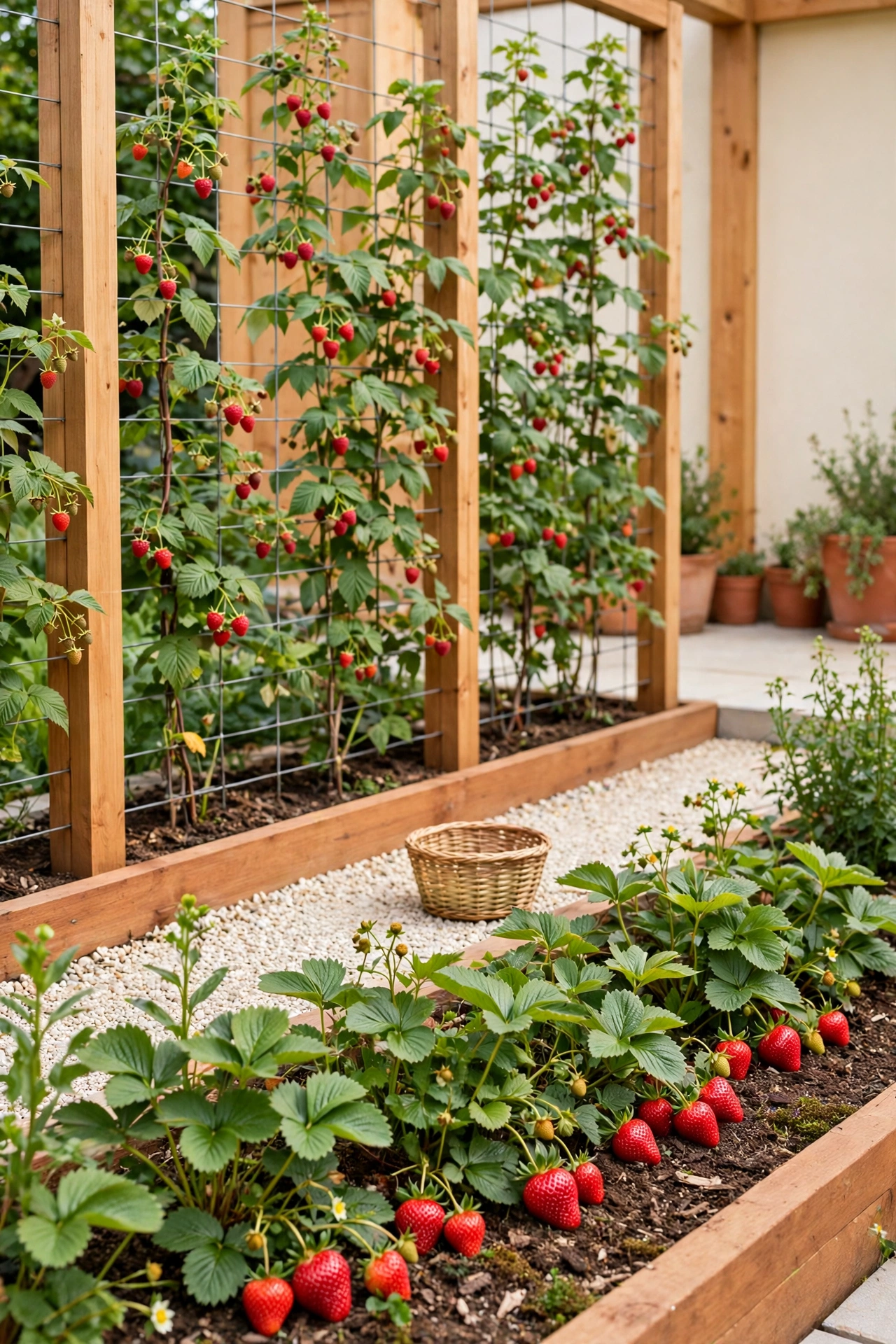
A berry patch gives the garden a taste that arrives straight from the stem. Plant strawberries along the front edge where small hands can reach them, and train raspberries or blackberries along a simple wire fence behind. The berries ripen over weeks, so there is always something new to pick.
Cover the ripest fruit with light netting if birds take more than their share, and pick berries in the morning when they are cool and sweet. A berry patch teaches patience and reward in a way that few other garden features can match. Keep a small basket by the gate so picking becomes a daily ritual rather than a chore.
10. Plant Edible Flowers Beside the Path
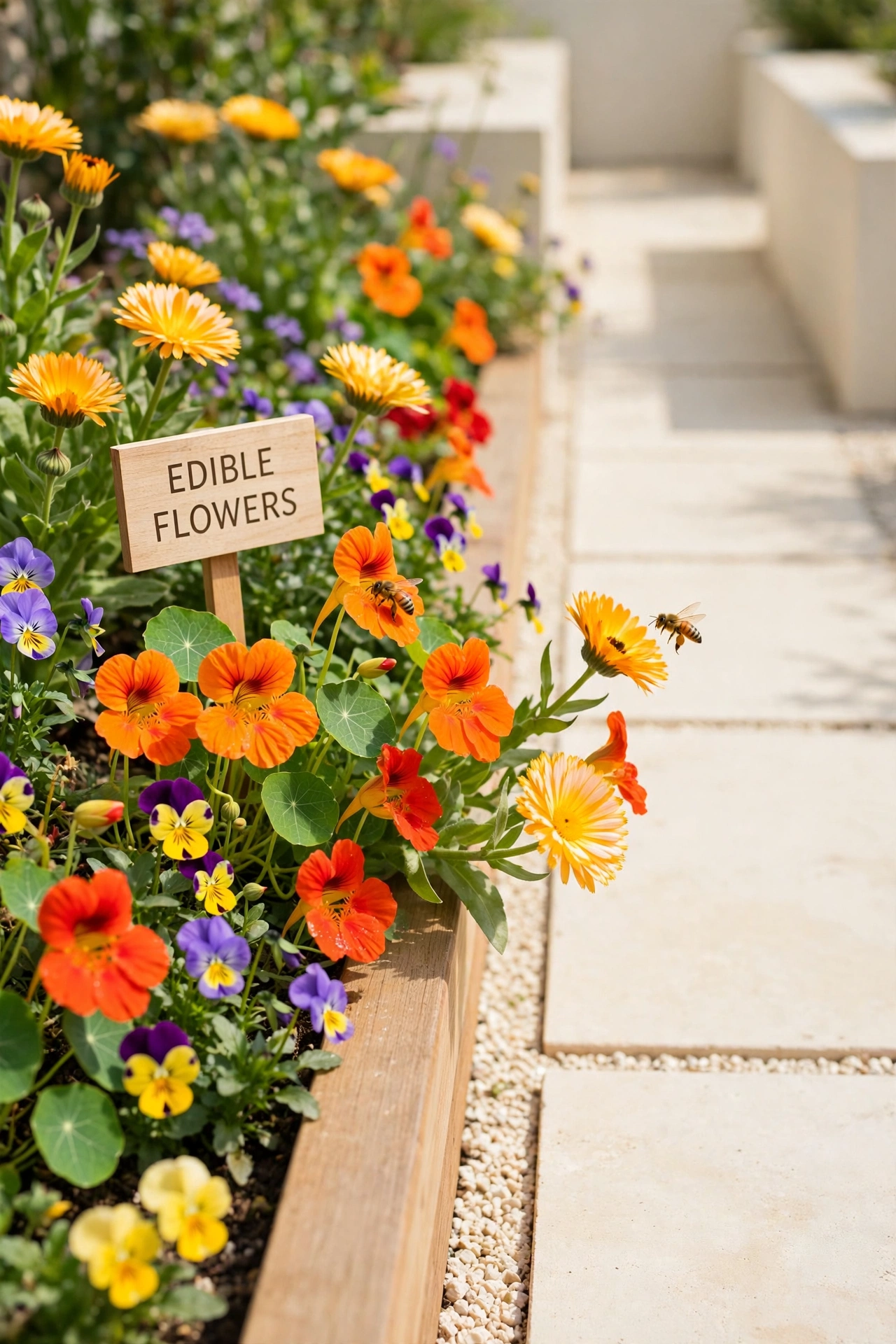
Edible flowers add color to the garden and a surprise to the plate. Nasturtiums bring a peppery bite, violas add a gentle sweetness, and calendula petals brighten salads with golden color. Plant them along the path edge where they are easy to spot and easy to pick.
Grow edible flowers without any sprays, and teach children to check with an adult before tasting anything new. A small sign with the flower name and the word edible keeps everyone confident about what is safe to try. The bright blooms also attract bees, so the path hums with life through the whole season.
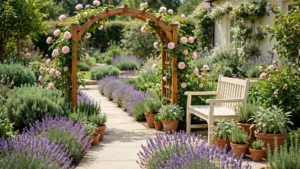
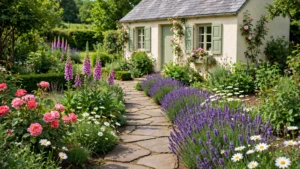
11. Grow a Fragrant Lavender Hedge Along the Walk
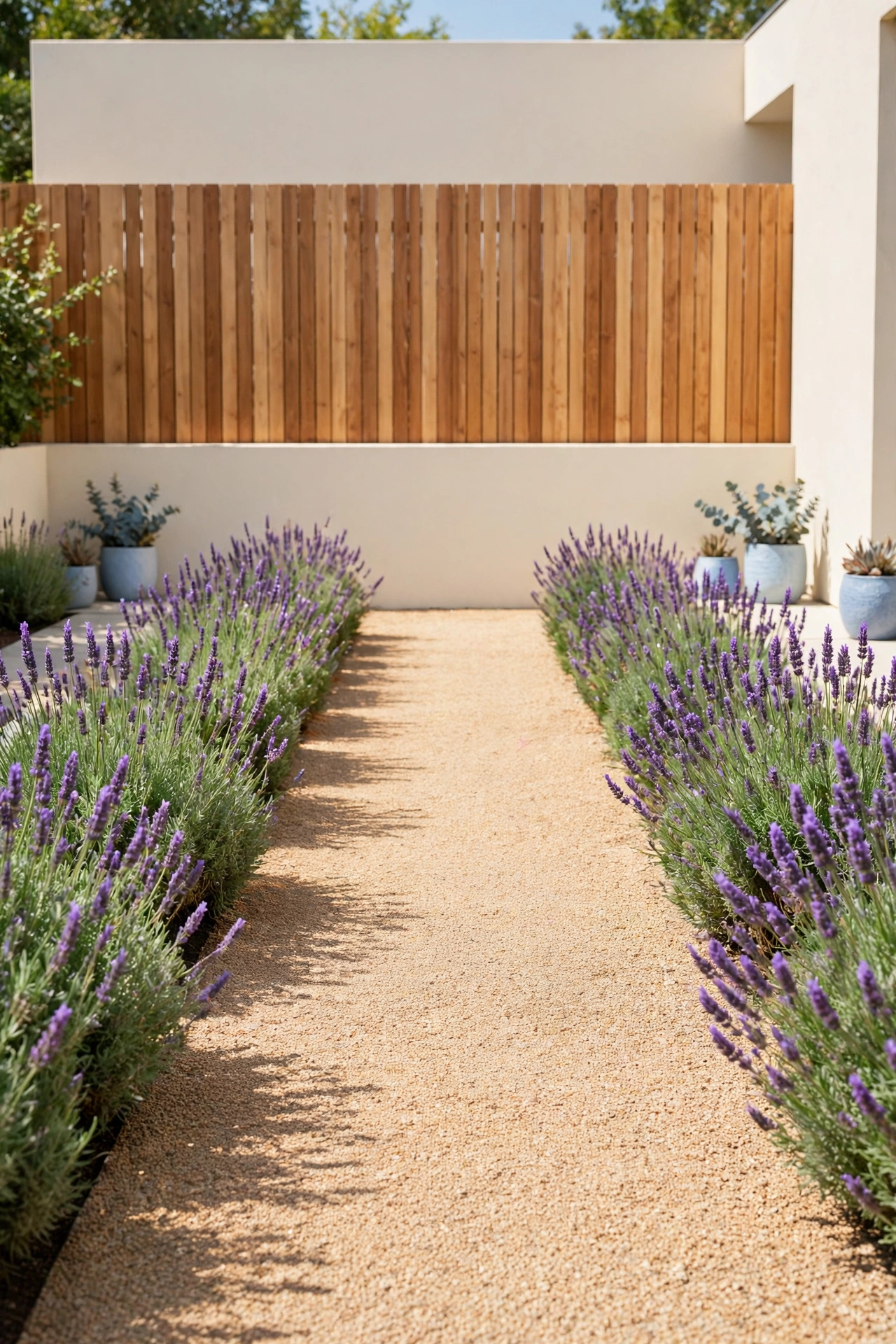
A lavender hedge turns an ordinary walk into a scented journey. As legs brush the flower spikes, the calm scent of lavender rises into the air and follows you down the path. Plant the hedge in a sunny, well drained spot, and keep it trimmed into a low, tidy line so it frames the walk neatly.
Choose a hardy variety that suits your climate, and shear the plants lightly after the first flush of flowers to encourage a second bloom. The silvery green foliage looks good even in winter, and dried bundles of lavender can scent drawers and rooms indoors. Few plants reward so little effort with so much fragrance.
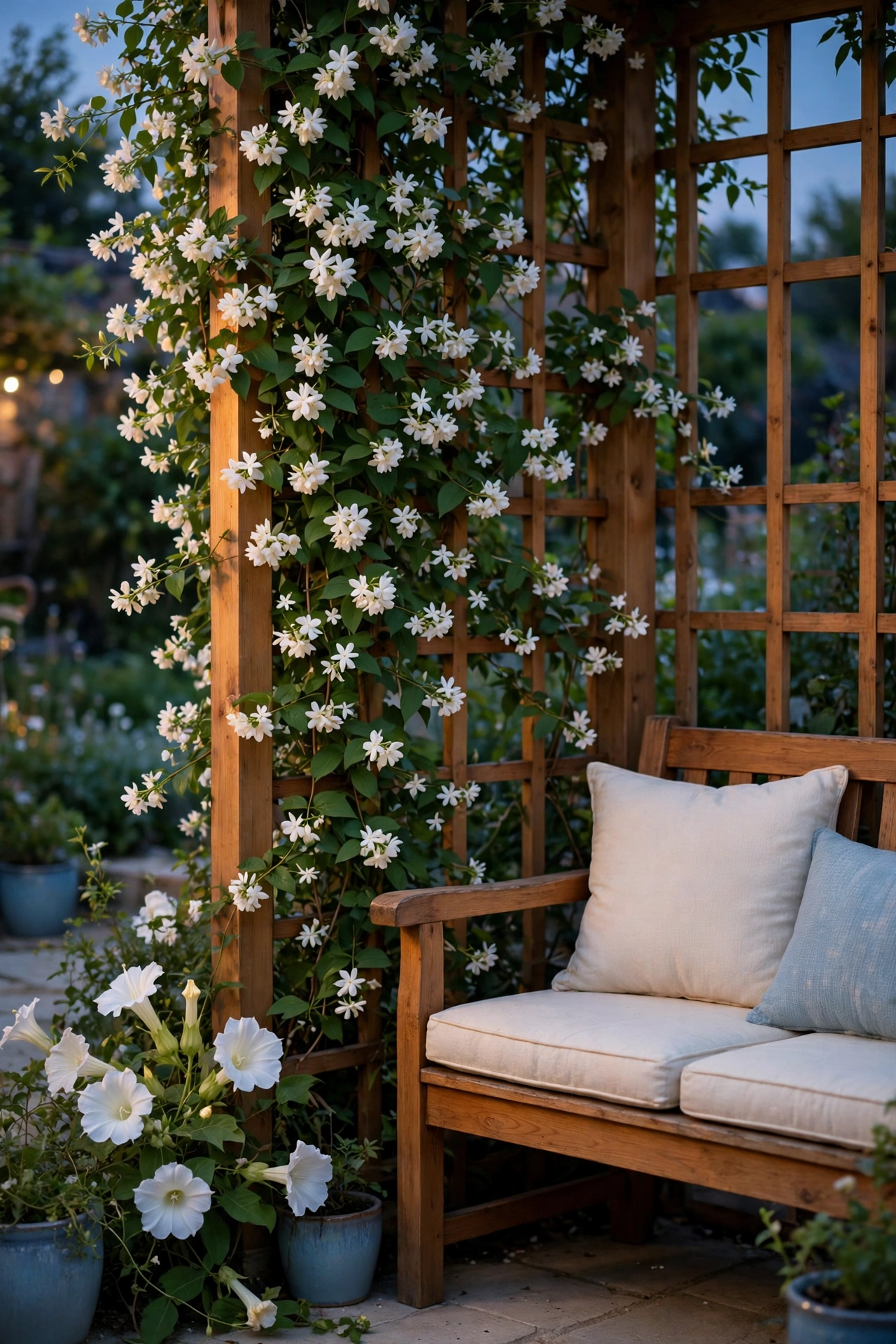
12. Plant Night Blooming Jasmine Near a Bench
Night blooming jasmine releases its sweetest scent after sunset, when the garden grows quiet and cool. Plant it near a bench or a bedroom window so the fragrance drifts over the seating area on warm evenings. The small white flowers are modest by day, but their perfume at night is unforgettable.
Give the jasmine a warm, sheltered wall and a trellis to climb, and water it well through dry spells. Pair it with pale flowers that glow in moonlight, such as white nicotiana and moonflowers, for a corner that delights the nose and the eye after dark. Evening visitors will linger longer in a garden that smells this good.
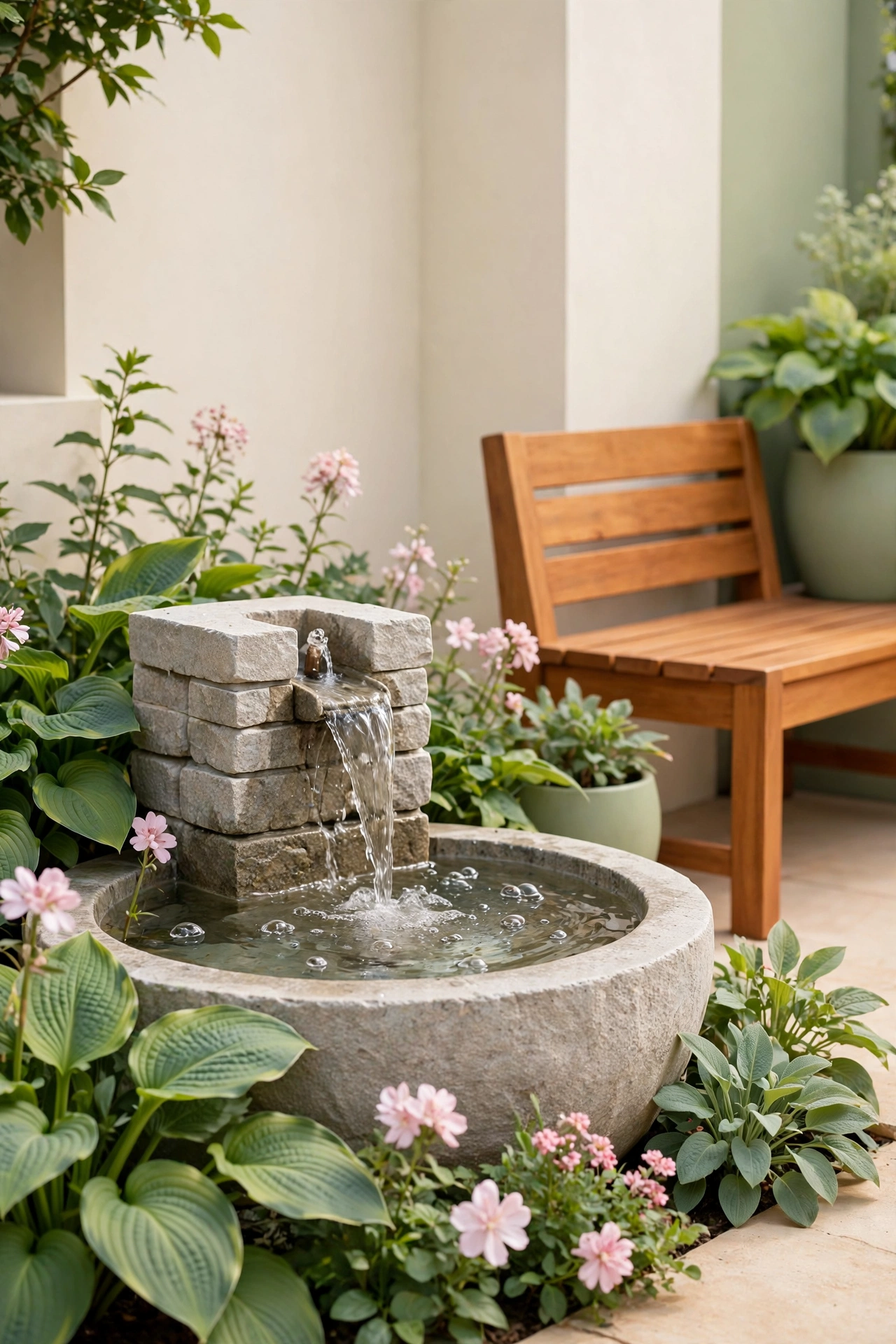
13. Add a Bubbling Fountain for Gentle Water Sound
A small bubbling fountain adds the soothing sound of moving water without the cost or space of a large pond. The gentle trickle masks street noise and gives the garden a calm background hum that helps everyone relax. Place the fountain where you can hear it from a bench and from an open window.
Choose a self contained fountain with a hidden reservoir so it needs no plumbing and stays safe for small children. Keep the water clean and top it up in hot weather so the pump never runs dry. The sound of water draws birds too, so the fountain becomes a listening post for birdsong as well.
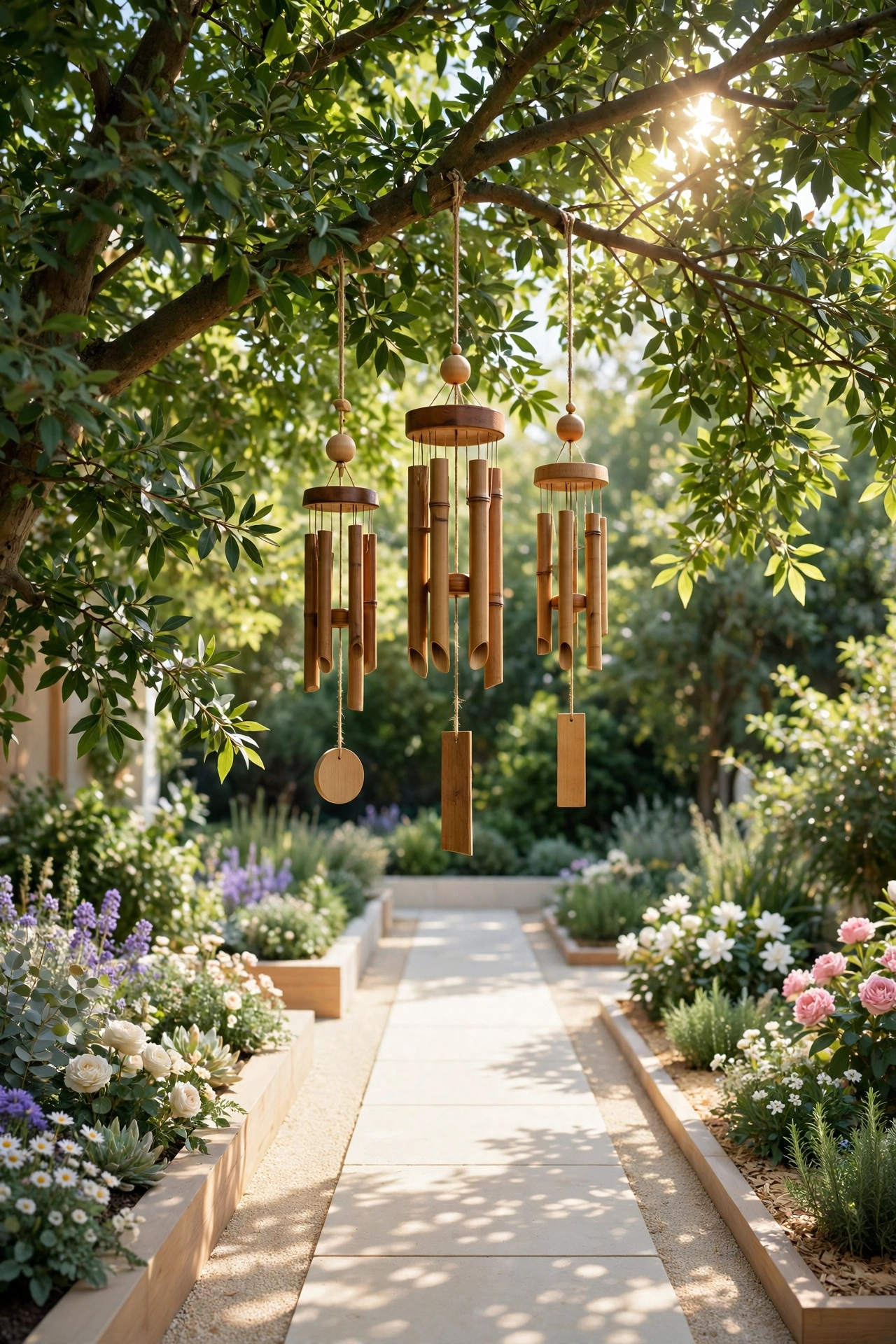
14. Hang Wooden Wind Chimes in a Shady Tree
Wooden wind chimes make a soft, hollow tone that is gentler than metal chimes and suits a calm garden. Hang them from a sturdy branch in a shady tree where breezes pass through the leaves. Each gust brings a different pattern of notes, so the garden never sounds the same twice.
Hang the chimes high enough that they stay out of reach but low enough to hear clearly from the path below. Bamboo chimes weather to a soft gray that blends with the tree, while painted chimes add a splash of color overhead. The irregular rhythm of wind chimes teaches quiet listening without any effort at all.
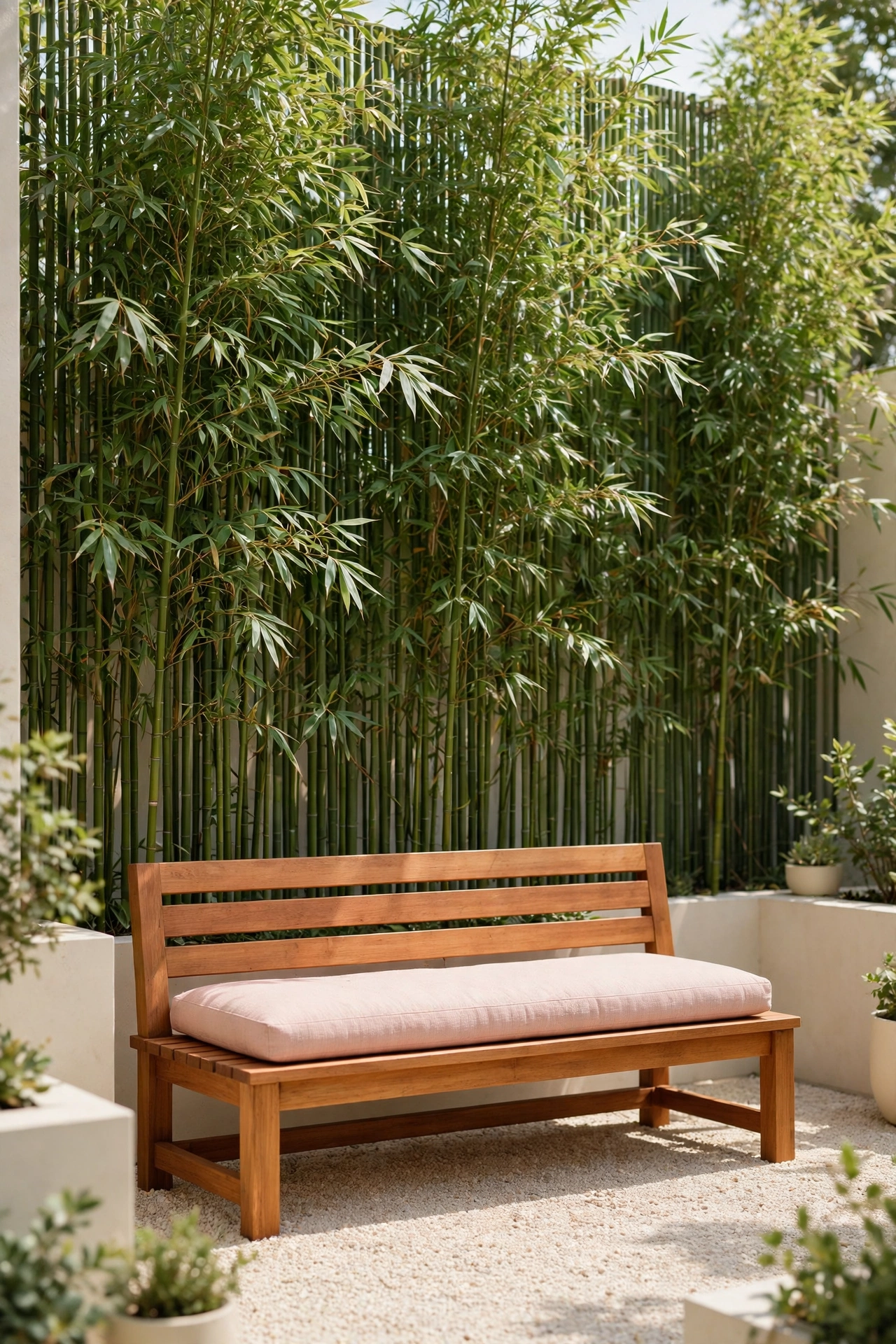
15. Grow Rustling Bamboo Behind a Seating Nook
A screen of bamboo behind a bench gives the seating nook privacy, shade, and a constant soft rustle as the leaves move. The tall green canes sway in the breeze and make a gentle whispering sound that blocks traffic noise. The nook feels sheltered and secret, even in a small yard.
Choose a clumping bamboo variety that stays where you plant it, and keep it watered so the leaves stay green and full. A simple wooden bench and a cushion are all the furniture the nook needs. Sit quietly for a few minutes and the bamboo becomes a green curtain that turns the whole garden into a private retreat.
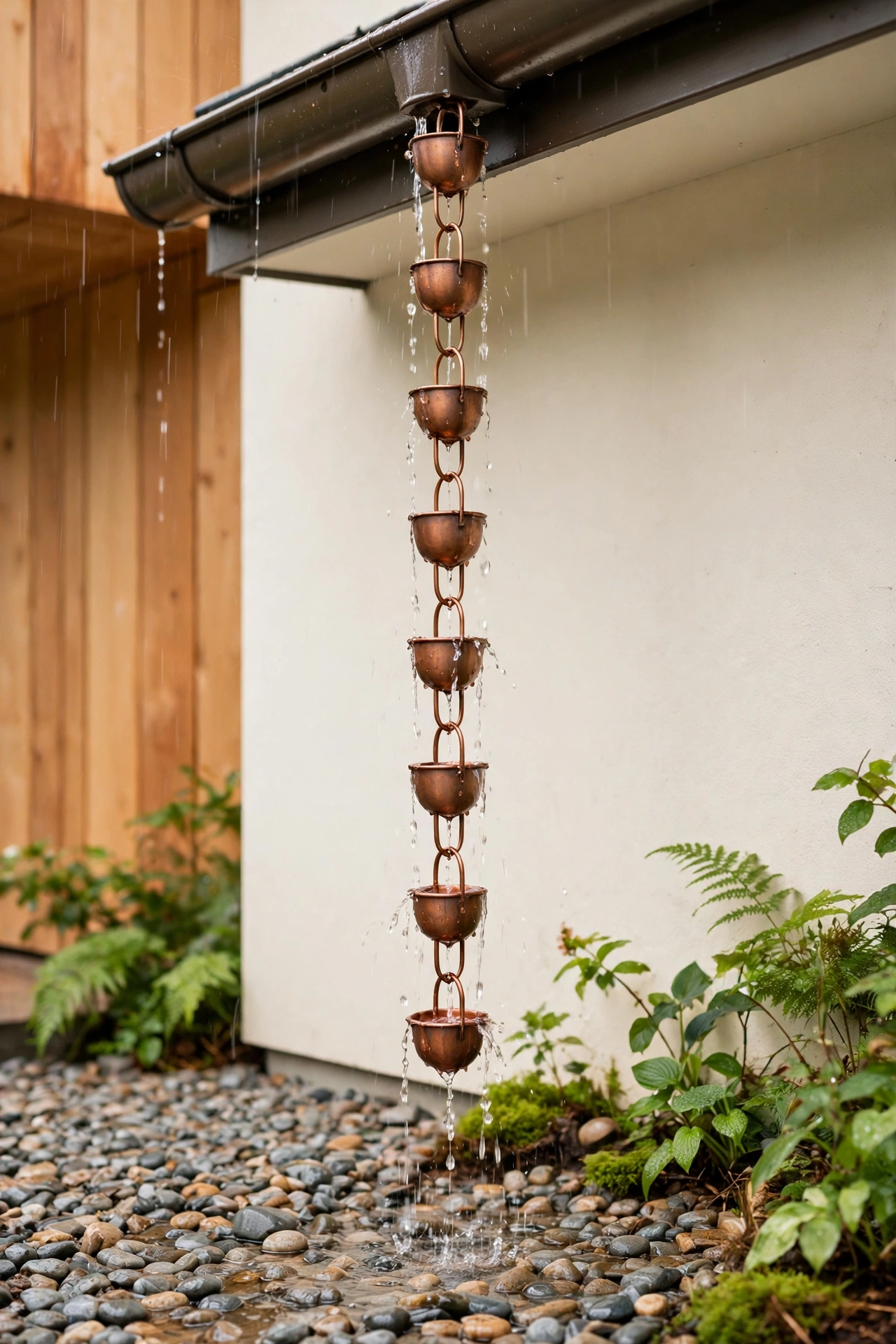
16. Build a Rain Chain That Sings in a Shower
A rain chain replaces a plain downspout with a chain of linked cups that guides rainwater from the roof to the ground. When rain falls, the water dances from cup to cup with a bright tinkling sound that turns a shower into a small performance. Children love to watch the water travel down the chain.
Hang the rain chain from the gutter above a gravel bed or a large ceramic pot so the water lands safely and drains away. Copper cups age to a warm patina that looks beautiful against cream walls and green leaves. On dry days the chain is a pretty garden ornament, and on wet days it becomes the star of the garden.
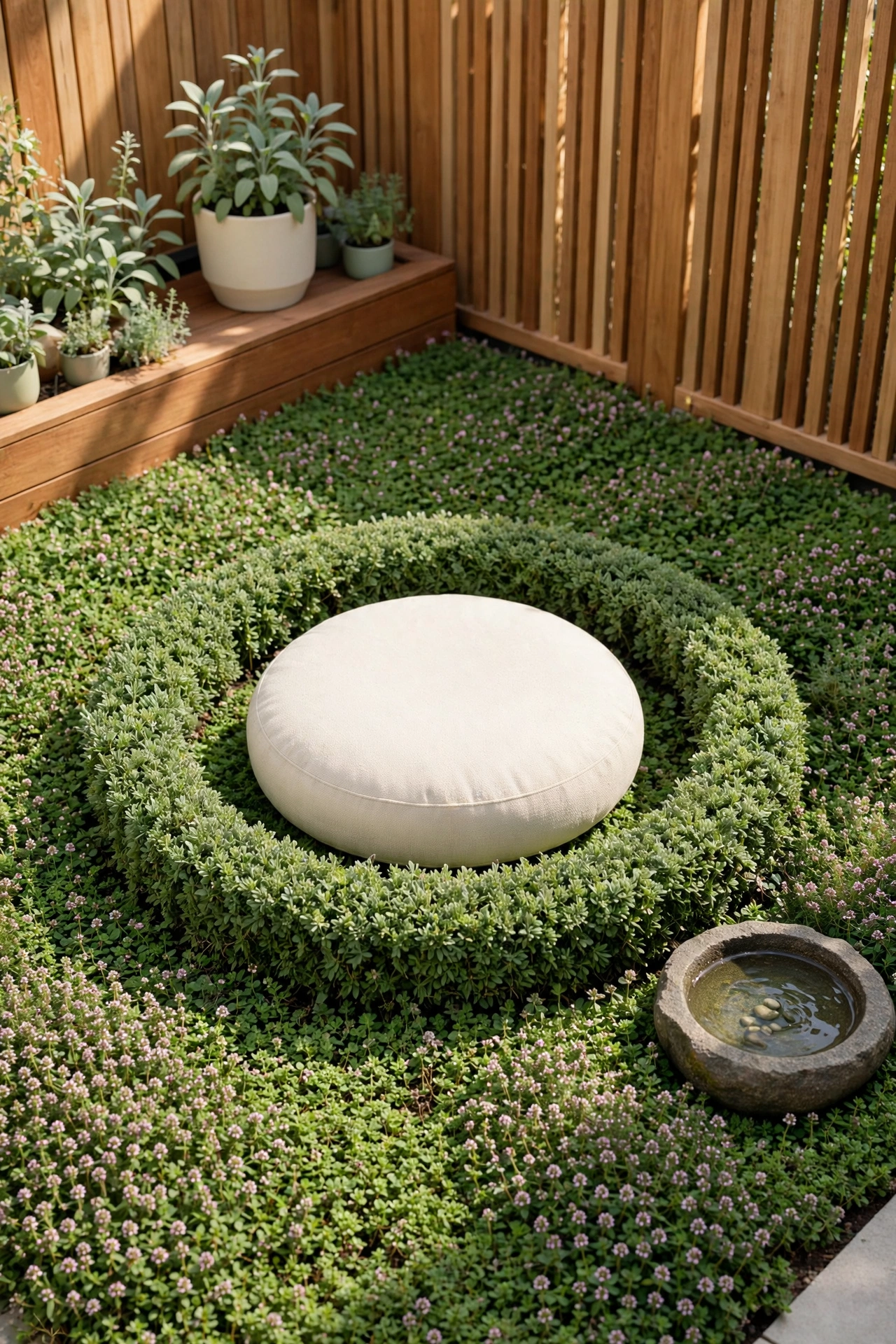
17. Create a Quiet Meditation Corner With Soft Ground Cover
A meditation corner needs only three things: soft ground, gentle enclosure, and quiet. Plant a low carpet of creeping thyme or soft moss, ring it with shrubs or a low hedge, and place a single flat stone or a low cushion in the center. The corner becomes a place to sit, breathe, and listen to the garden.
Keep the corner free of bright colors and busy features so the senses can rest. A single wind chime or a small water bowl is enough decoration. For more ways to shape calm outdoor spaces, these backyard meditation garden ideas show how to build a peaceful retreat in any size of yard.
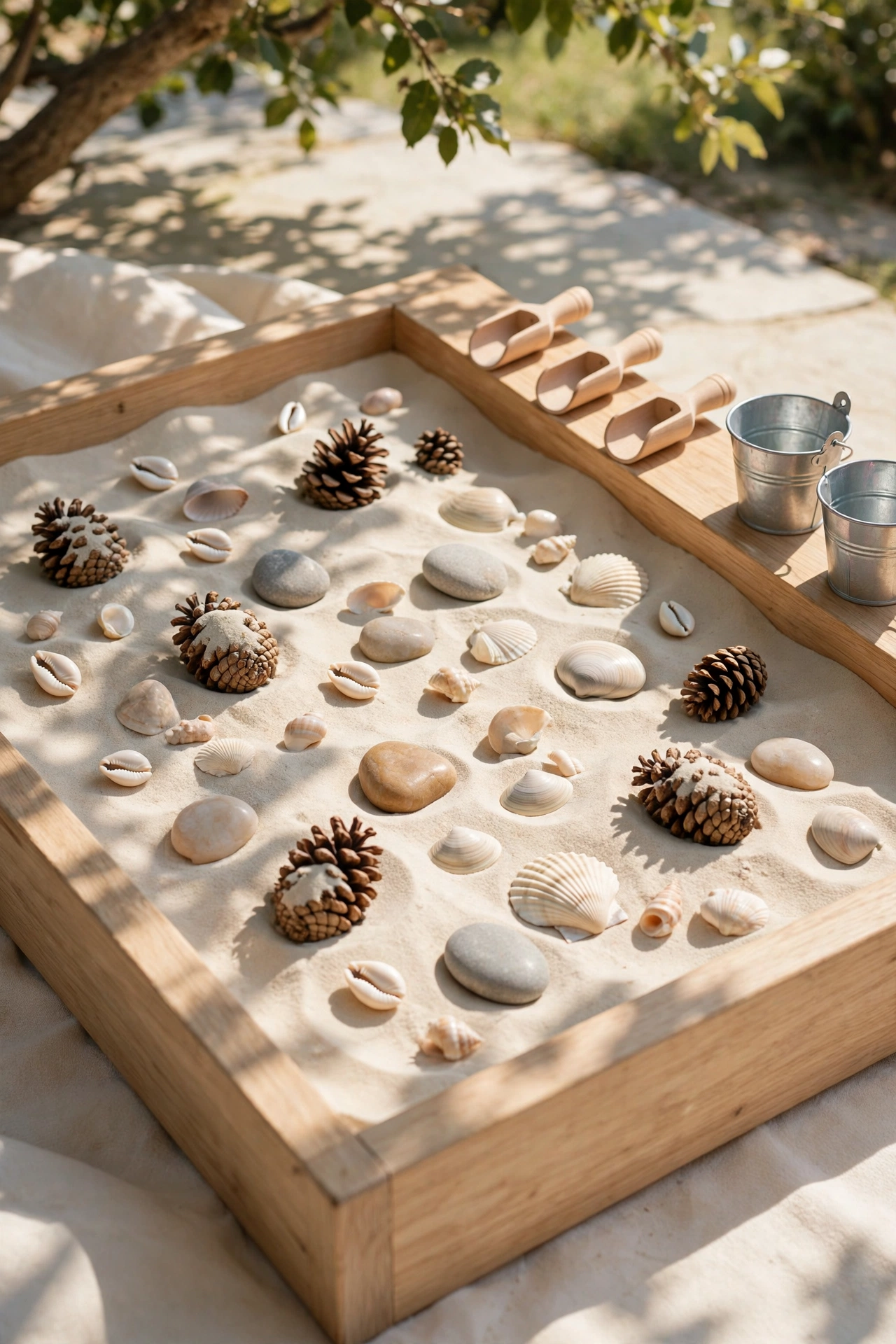
18. Add a Sand Table With Hidden Shells and Stones
A sand table is a low, waist height box filled with clean play sand where children can dig, pour, and build. Hide smooth shells, polished stones, and small pinecones in the sand for treasure hunts, and add a few scoops and small buckets for pouring. The cool sand and the hidden objects keep small hands busy for a long time.
Cover the table with a fitted lid when it is not in use so the sand stays clean and dry. Place the table in light shade so the sand stays cool on hot days. Adults enjoy the sand table too, because running fingers through fine sand is a simple and calming sensory pleasure.
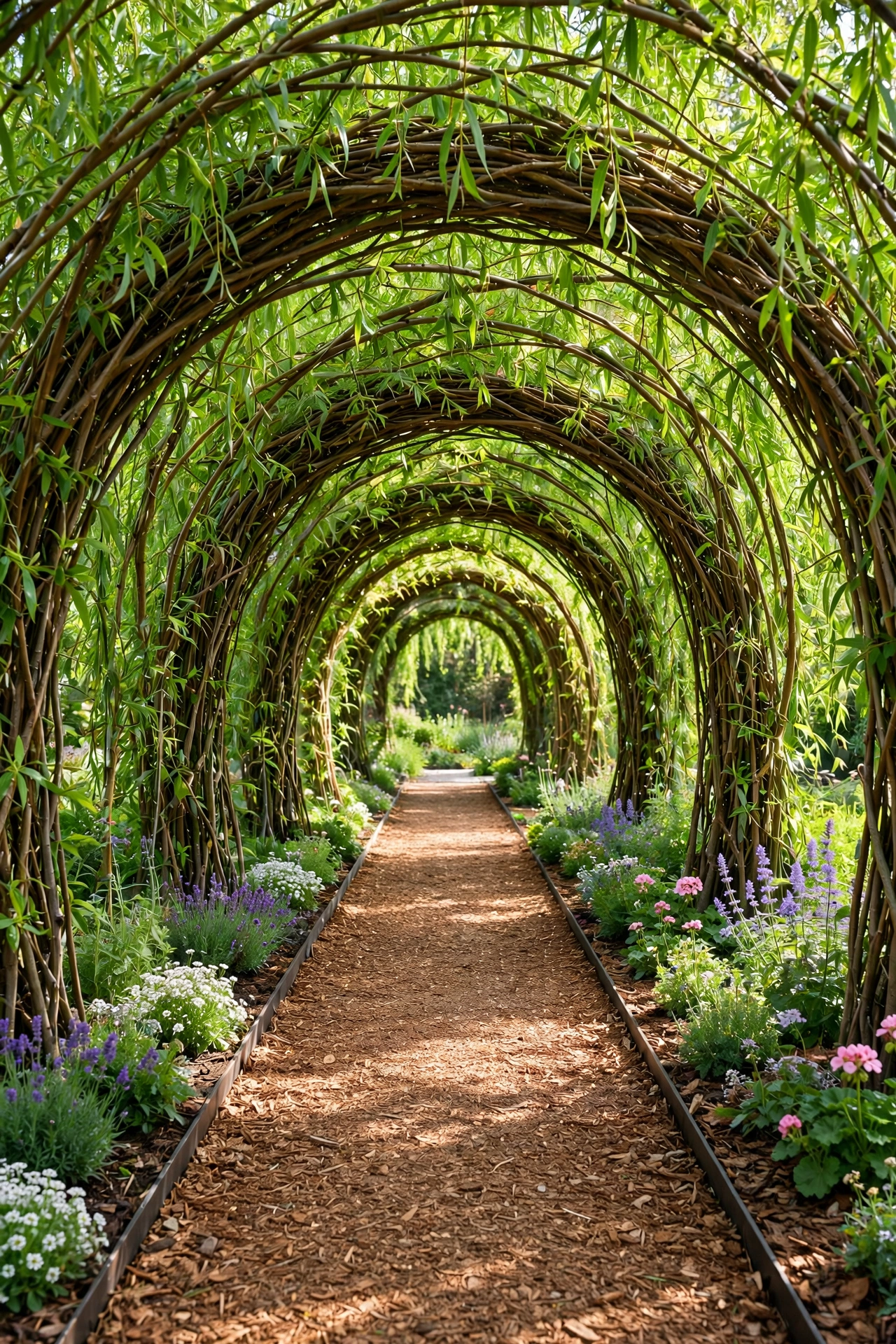
19. Build a Living Willow Tunnel for Children
A living willow tunnel is a curved archway made from willow rods that root and leaf out to form a green passage. Children can walk through the tunnel, peek out through the leaves, and feel the cool shade inside. The tunnel changes with the seasons, from bare woven rods in winter to a leafy green cave in summer.
Plant the rods in early spring in moist soil, weave them together at the top, and water them well for the first season. Trim the tunnel once or twice a year to keep the shape neat. A willow tunnel is a living piece of garden architecture that grows more magical with each passing year.
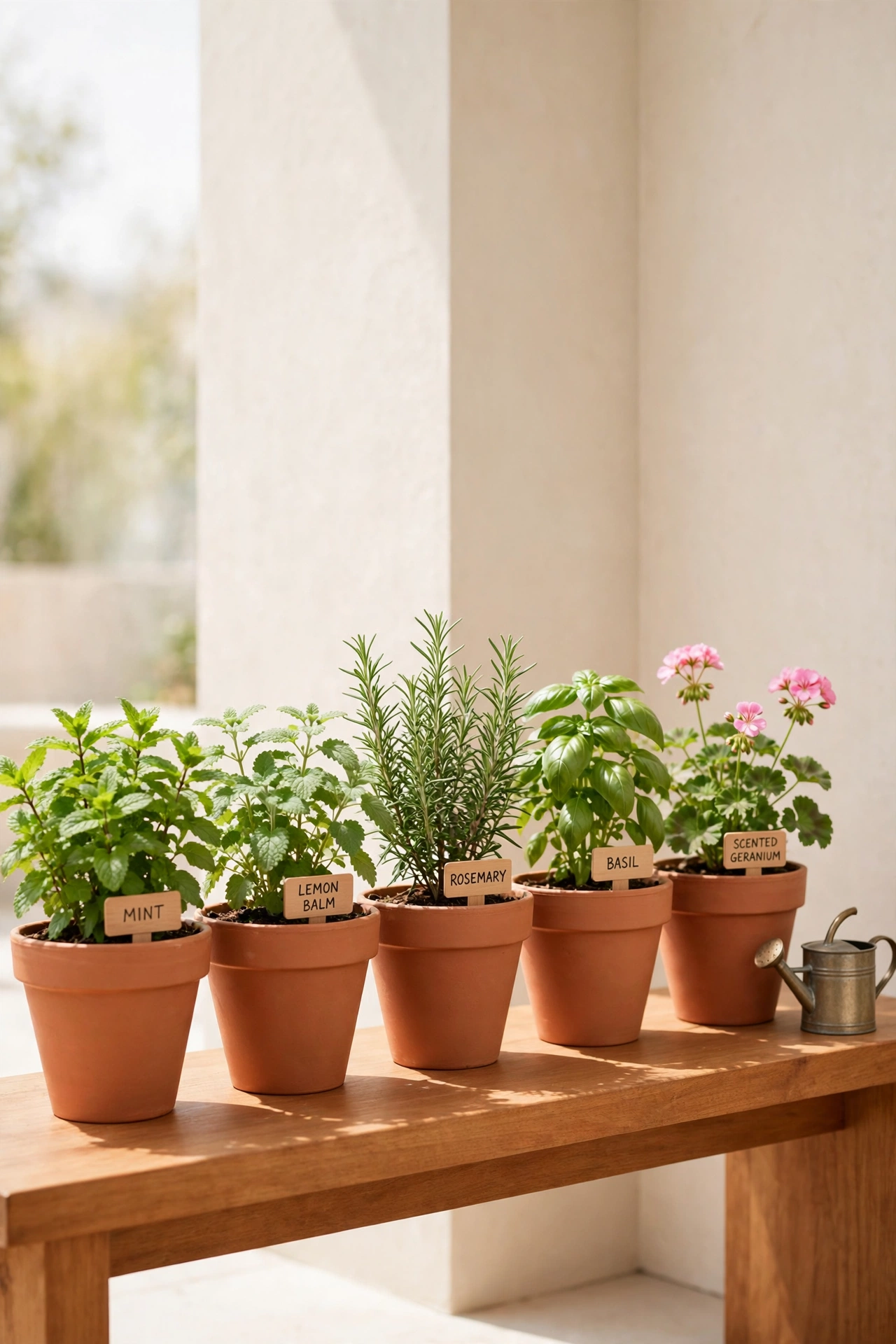
20. Set Up a Scent Station With Potted Herbs in Rows
A scent station is a low table or bench holding rows of potted herbs that visitors can sniff one by one. Line up pots of mint, lemon balm, rosemary, basil, and scented geranium, and label each pot with a clear wooden marker. Rubbing a leaf between the fingers releases the scent at full strength.
Arrange the pots from mild to strong so the nose is not overwhelmed at the start. Refill the pots with fresh plants as the season goes on, and keep a small watering can nearby so children can help with care. A scent station works well on a patio too, so even a garden without soil beds can join in.
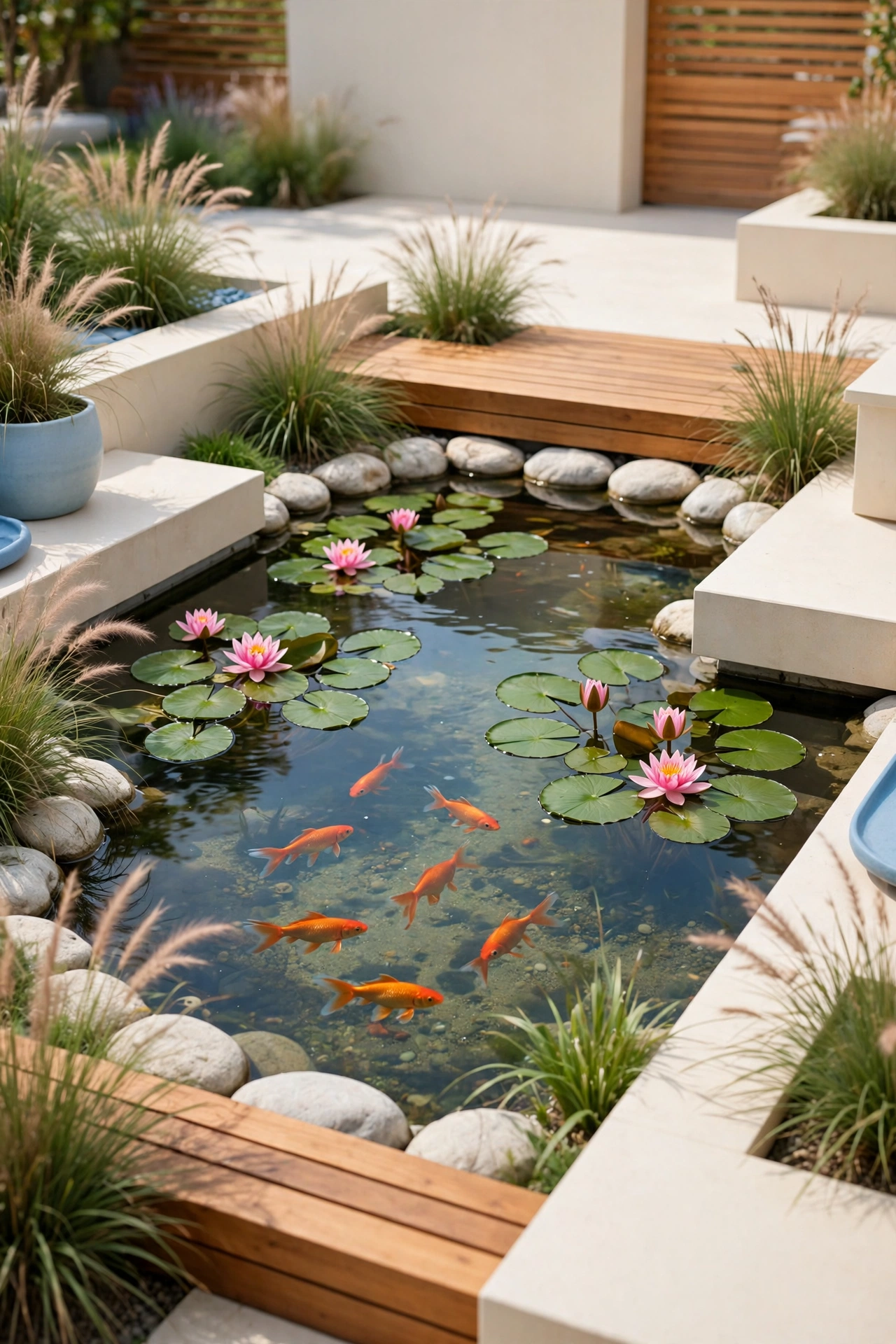
21. Add a Still Pond With Water Lilies and Goldfish
A still pond brings a mirror of sky into the garden and a quiet home for water lilies and goldfish. The flat leaves and open flowers give the eye a calm focal point, and the slow movement of the fish holds attention without any noise at all. A pond also draws dragonflies, frogs, and birds that add life and sound.
Keep the pond shallow at the edge with a gentle slope so it is safe and easy to reach for pond dipping. A ring of smooth stones and low grasses finishes the edge neatly. Even a half barrel pond on a patio can hold a lily and a few fish, so a small garden need not miss out on still water.
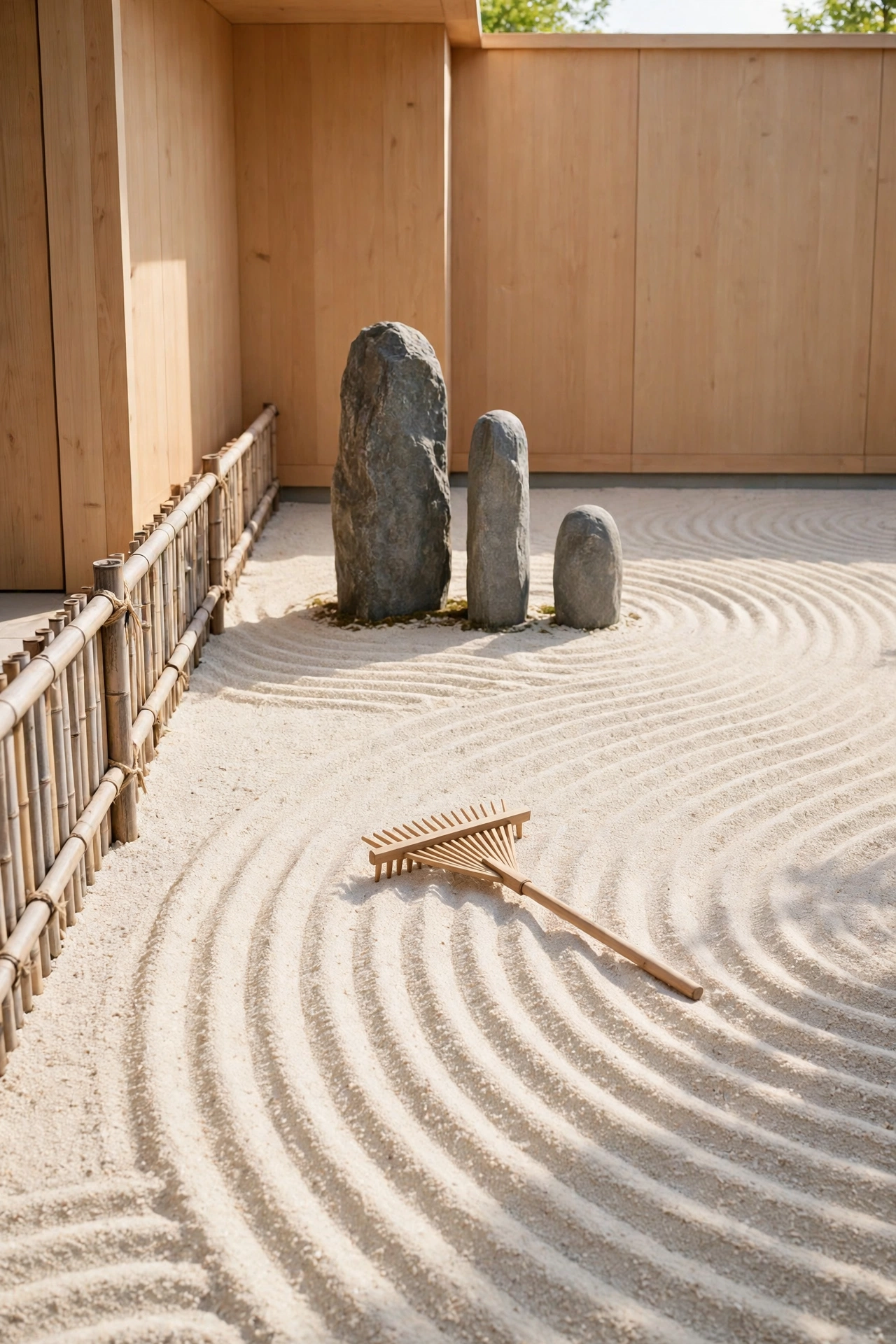
22. Create a Zen Raking Corner With Pale Gravel
A zen raking corner is a small rectangle of pale gravel with a wooden rake, a few standing stones, and a low border. Raking the gravel into waves and circles is a slow, rhythmic activity that calms the mind and delights the hands. The patterns last until the next rain or the next visitor, which is part of the charm.
Keep the gravel clean and level, and choose stones with interesting shapes and smooth surfaces. A bamboo fence or a hedge on one side gives the corner a sense of enclosure. For more calm gravel gardens and stone layouts, these zen garden landscape ideas show how to shape a peaceful corner in any yard.
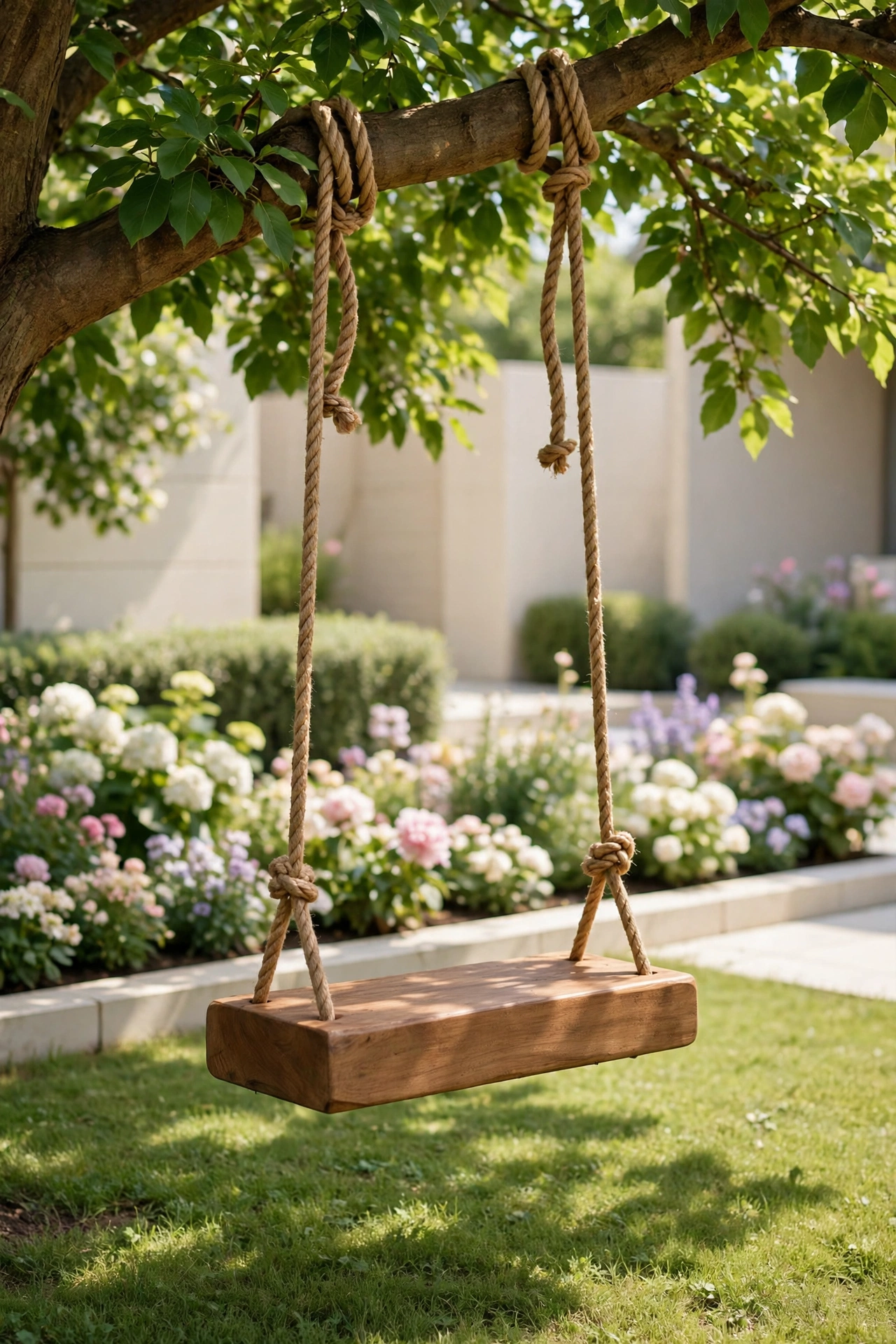
23. Hang a Wooden Swing Under a Leafy Tree
A wooden swing hung from a strong branch gives the garden gentle motion and a view that changes with every swing. The creak of the ropes, the rush of air, and the dappled shade all feed the senses at once. A swing suits children who love to soar and adults who love to sit and sway.
Use thick rope and a solid hardwood seat, and check the branch and knots each season for wear. Hang the swing where the ground below is soft grass or bark chips. A swing under a leafy tree becomes the favorite seat in the garden within days of going up.
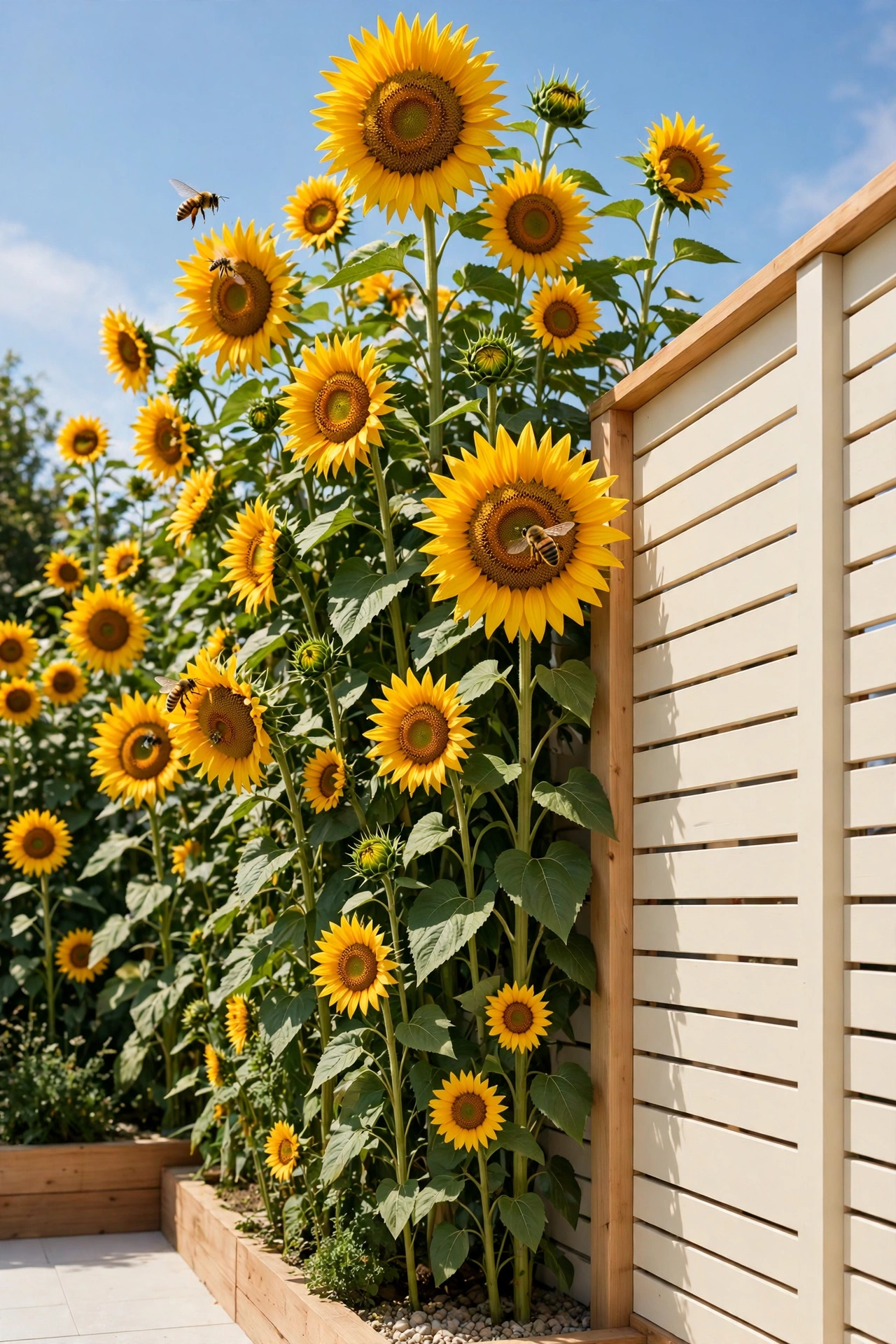
24. Grow a Sunflower Wall That Towers Over Children
A row of tall sunflowers makes a living wall that children can stand beside and measure themselves against. The huge golden heads turn to follow the sun, and the rough stems and soft leaves give hands plenty to feel. By late summer the wall hums with bees gathering nectar from every flower.
Sow the seeds along a fence in full sun and water them well while they grow tall. Leave the seed heads standing in autumn so birds can feast on the seeds. A sunflower wall is cheap, fast, and joyful, and it photographs beautifully against a cream fence or a warm wood wall.
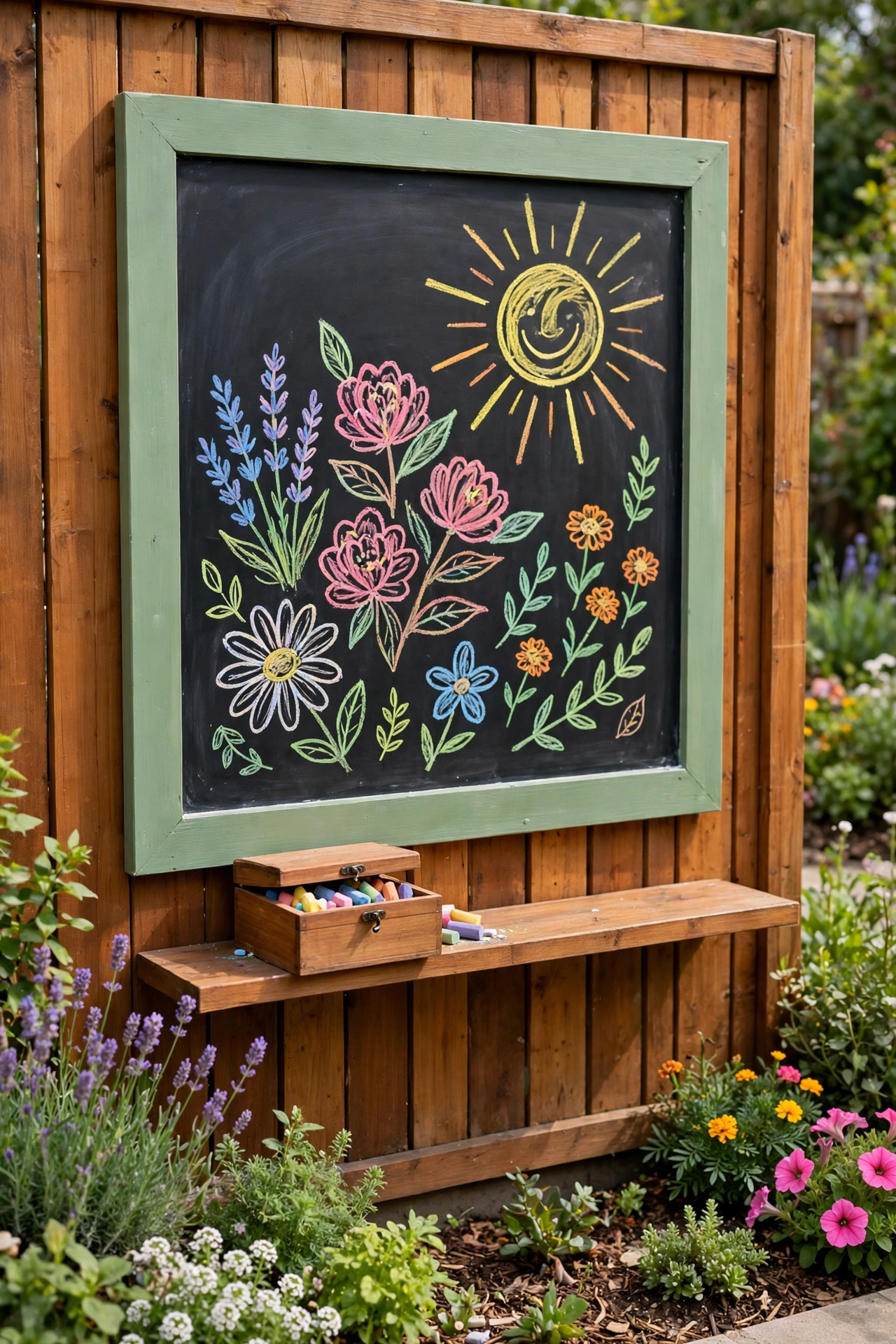
25. Mount an Outdoor Chalkboard on a Fence
An outdoor chalkboard gives children a place to draw the garden they see, label the plants they find, and leave messages for the next visitor. Mount a weatherproof board on a sunny fence at child height, and keep a lidded box of chunky chalk and a small eraser nearby. The board wipes clean with a damp cloth.
Paint the board frame in a cheerful color that matches the garden, and seal the chalkboard surface so rain does not ruin it. Adults use the board too, for garden notes, plant names, and reminders. A chalkboard turns a plain fence into a creative corner that changes every day.
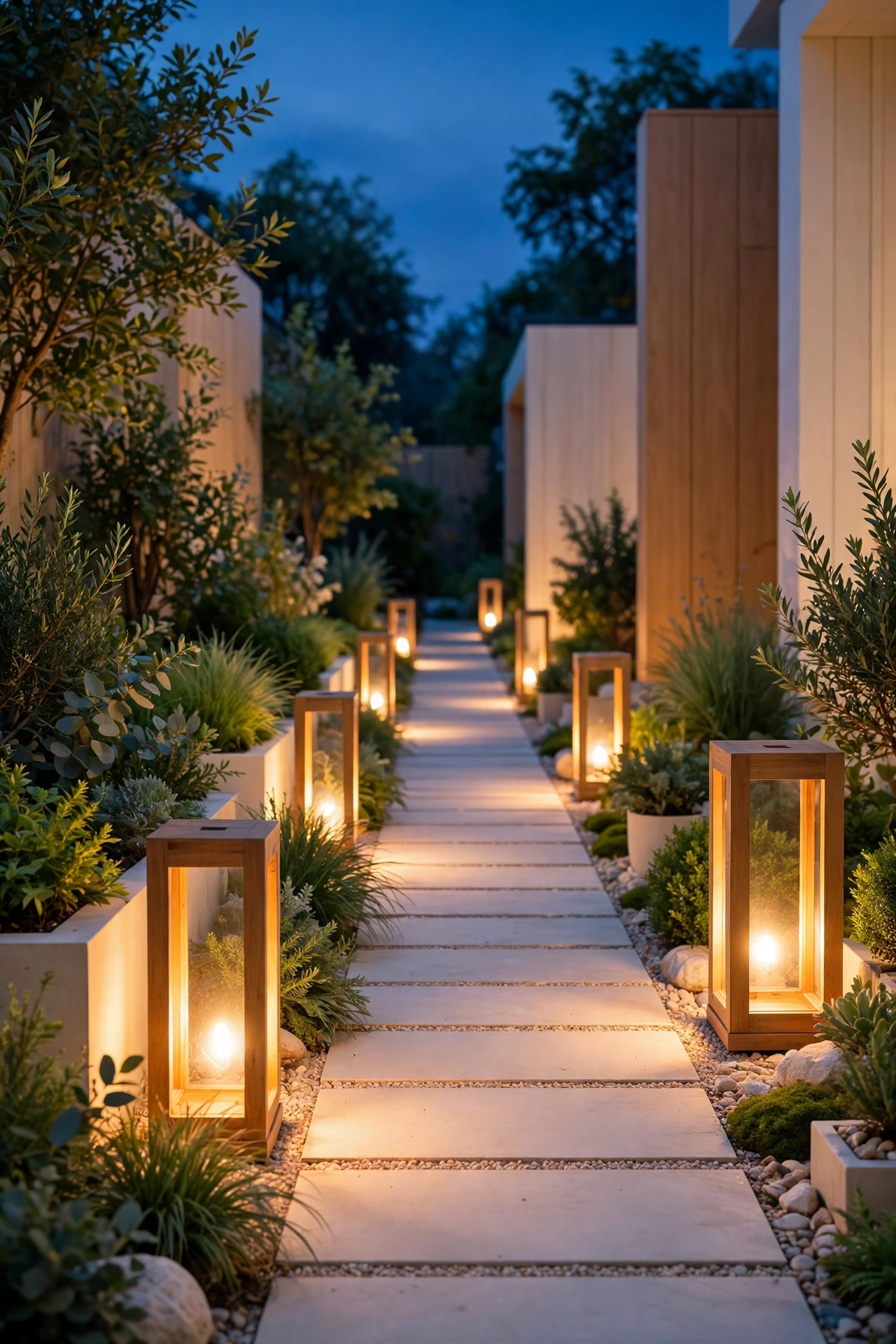
26. Light the Garden With Warm Lanterns for Evening Senses
Warm lantern light extends the sensory garden into the evening, when scents grow stronger and sounds grow clearer. Place lanterns along the path, on tables, and in trees so the garden glows in pools of amber light. The flicker of flame or the steady glow of solar lanterns makes the garden feel safe and inviting after dark.
Choose lanterns with warm toned lights rather than cool white, and keep the light low so the stars stay visible overhead. Evening is when night jasmine, moths, and crickets take over the garden, so a lantern lit path lets the whole family enjoy the night shift of the senses. The garden that delights by day should delight by night too.
Conclusion
A sensory garden does not need to be large or expensive. It needs plants to touch, scents to follow, sounds to notice, colors to enjoy, and flavors to taste. Start with one corner, one path, or one bed, and add a new sensory feature each season until the whole garden invites exploration.
Children will learn the names of plants by feeling and smelling them, and adults will find a quiet place to slow down after a busy day. Choose the ideas that fit your space, your climate, and your family, and let your garden become a place where all five senses feel welcome.
Frequently Asked Questions About Sensory Garden Ideas for Children and Adults
What is a sensory garden?
A sensory garden is a garden designed on purpose to stimulate all five senses: sight, sound, touch, smell, and taste. It uses colorful flowers, rustling grasses, soft leaves, fragrant herbs, water sounds, and edible plants to create a rich experience. Sensory gardens suit children, adults, and people of all abilities.
How much space do I need for a sensory garden?
A sensory garden can fit in a space as small as a single raised bed or a few large pots on a patio. One fragrant herb bed, one texture path, and one wind chime already create a sensory corner. Larger gardens can hold separate zones for each sense, but even a tiny space can delight the senses.
Which plants are safest for a sensory garden for children?
Soft and safe plants include lamb’s ear, mint, basil, sunflowers, marigolds, and strawberries. Avoid plants with thorns, sharp leaves, or poisonous berries in areas where children play unsupervised. Always check that a plant is safe before letting children taste leaves or flowers.
How do I keep a sensory garden low maintenance?
Choose hardy perennials, ornamental grasses, and self seeding flowers that return each year with little care. Mulch the beds to hold moisture and keep weeds down, and use gravel or bark paths that need no mowing. A simple watering routine and a seasonal trim keep most sensory gardens tidy.
Can a sensory garden help adults relax?
Yes, quiet garden features such as bubbling water, rustling bamboo, fragrant lavender, and soft ground cover help lower stress and encourage slow, mindful time outdoors. A meditation corner or a shaded bench gives adults a daily retreat. The gentle sensory input of a garden is calming for every age.

Hi, I’m Emily! I turn messy corners into cozy, organized spots. DreamNestDecor is where I share simple, practical home ideas — decor, organization, and small-space solutions that work in real life, not just in photos. Every idea here is carefully researched before it’s shared.