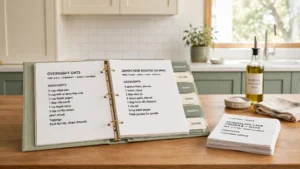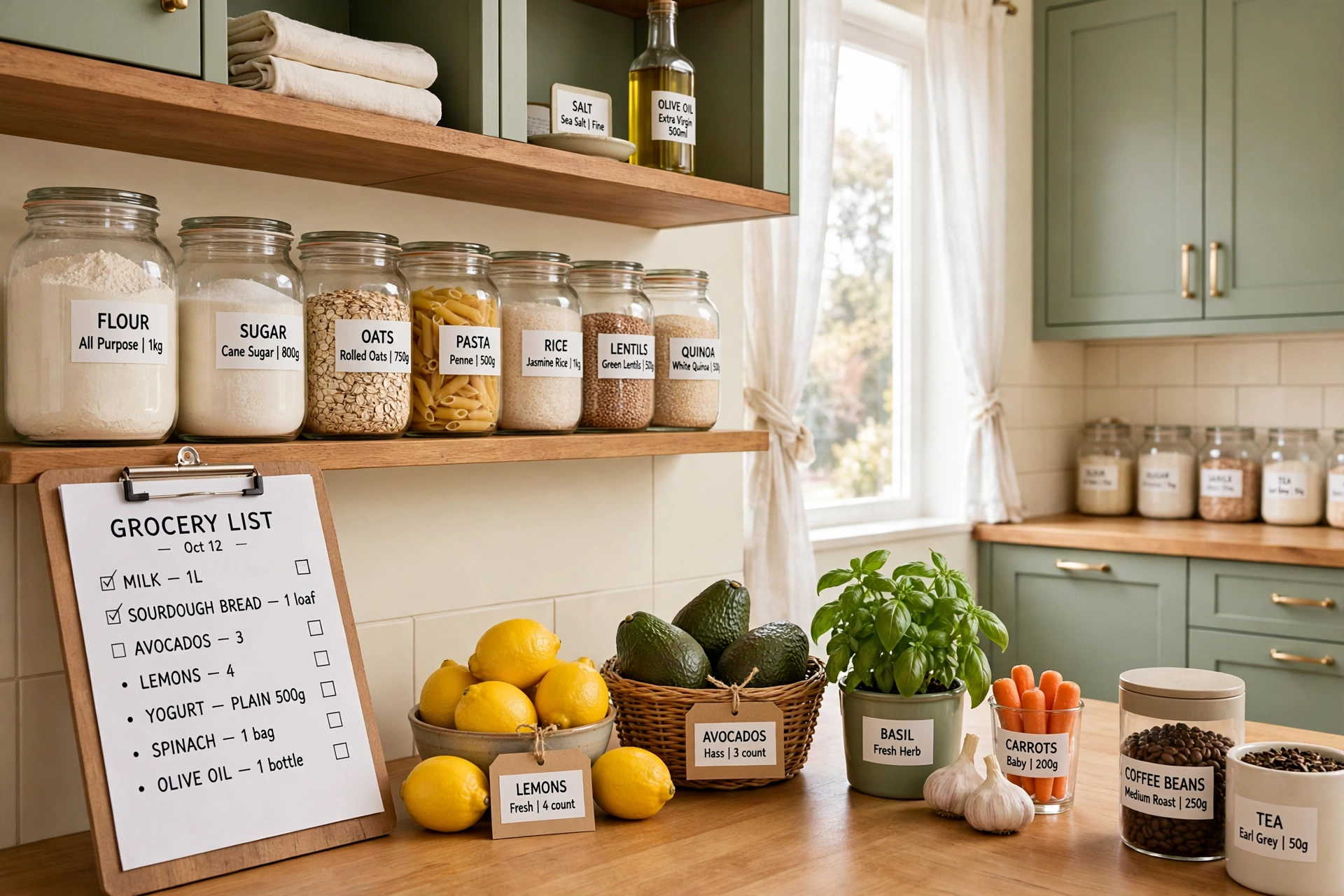
Picture this: you walk into the grocery store with a clear list in hand, every item grouped by category, and you glide through the aisles without a single extra trip back for something you forgot. The cart fills up exactly as planned, the budget stays on track, and dinner for the whole week is already decided before you reach the checkout. That calm feeling is exactly what a well organized grocery list gives to a busy family.
You do not need a fancy planner or a complicated system to get there. All you need is the right list format for your household and a habit of updating it through the week. These 16 grocery shopping list organization ideas for families will help you shop faster, waste less food, and keep the kitchen stocked with everything your family needs.
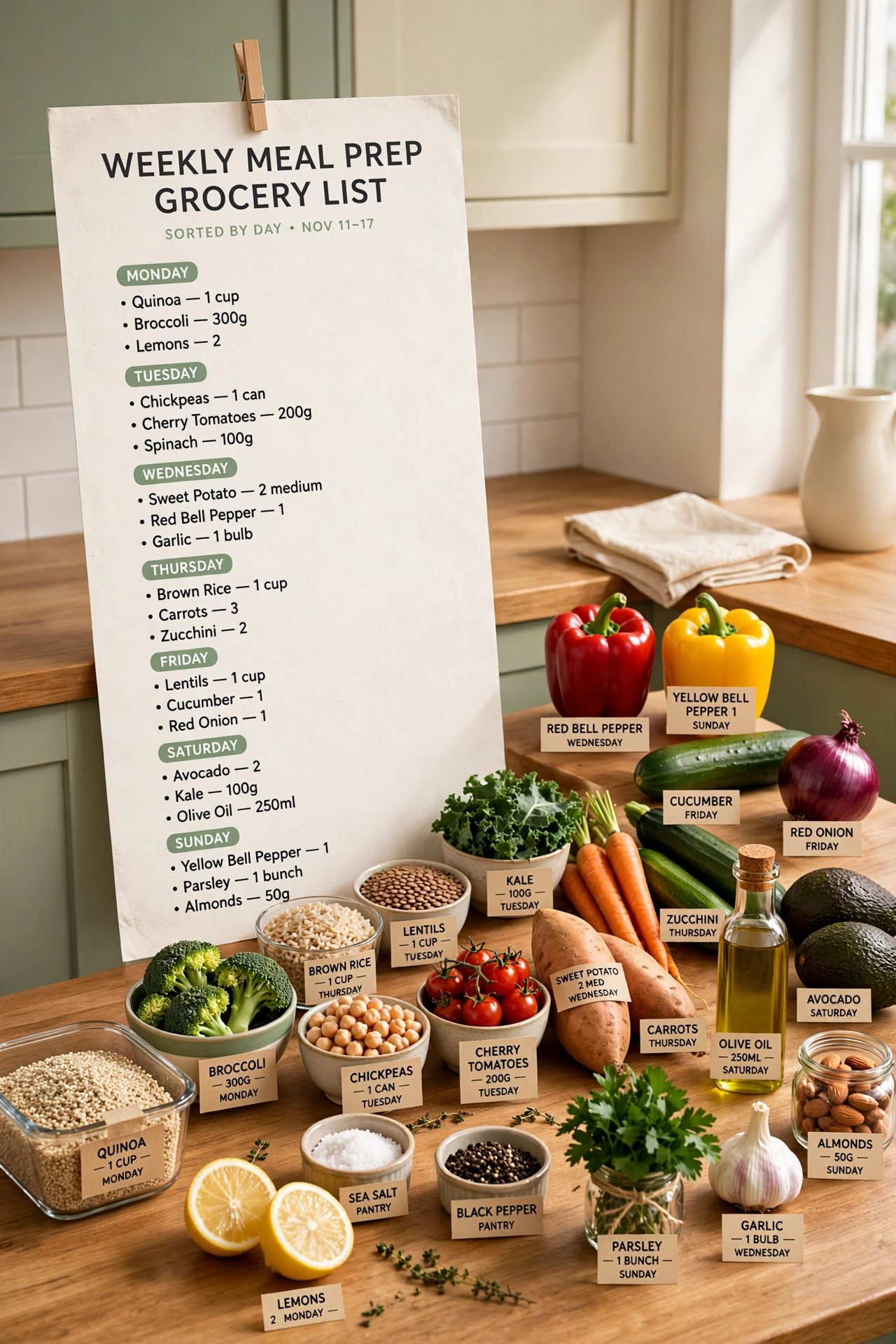
1. Plan a Weekly Meal Prep Grocery List
A weekly meal prep list sorts every ingredient by the day you will cook it, so the whole week runs on a plan instead of guesswork. Sit down once a week, choose the meals for the next seven days, and write the ingredients under each day. When shopping day arrives, the list tells you exactly what to buy and nothing gets left behind.
This method also keeps the fridge from overflowing with random items that never become a meal. You buy only what the planned meals need, which means less food waste and fewer surprise trips to the store. For more ideas on planning meals ahead, see these meal prep container organization ideas. A Sunday reset with the list in hand sets up a smoother week for the whole family.
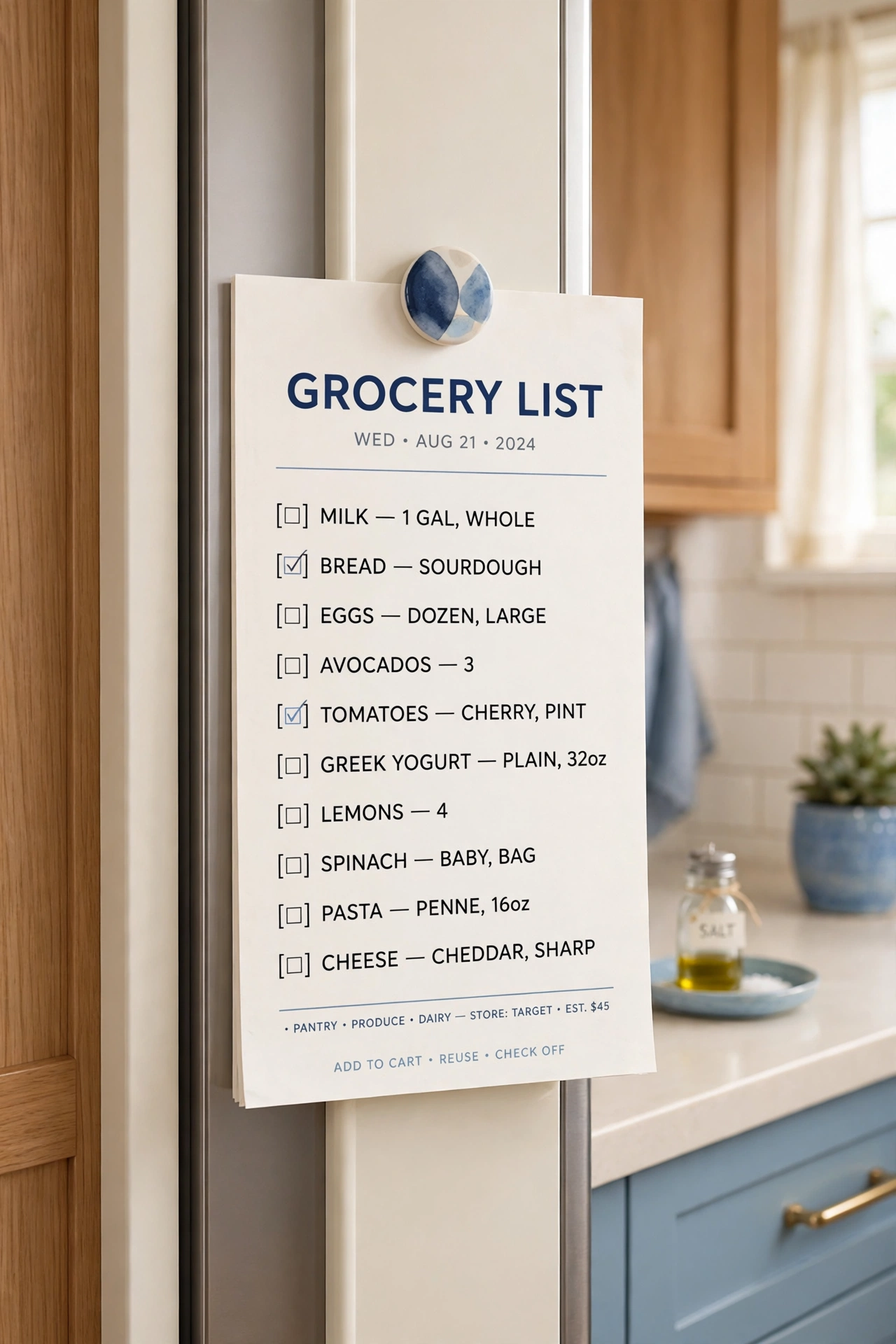
2. Keep a Printable Grocery List Notepad on the Fridge
A printable grocery list notepad lives on the fridge where everyone in the family can see it and add to it. The little checkboxes make crossing off items feel satisfying, and the pad tears off cleanly when it is time to head to the store. Keep a pen clipped beside it so nobody has an excuse for forgetting to write something down.
The fridge is the best spot because every family member passes it many times a day. When the milk runs low or the last egg gets used, the item goes straight on the list instead of being forgotten. Print a fresh stack of sheets every month so the pad never runs out at the wrong moment.
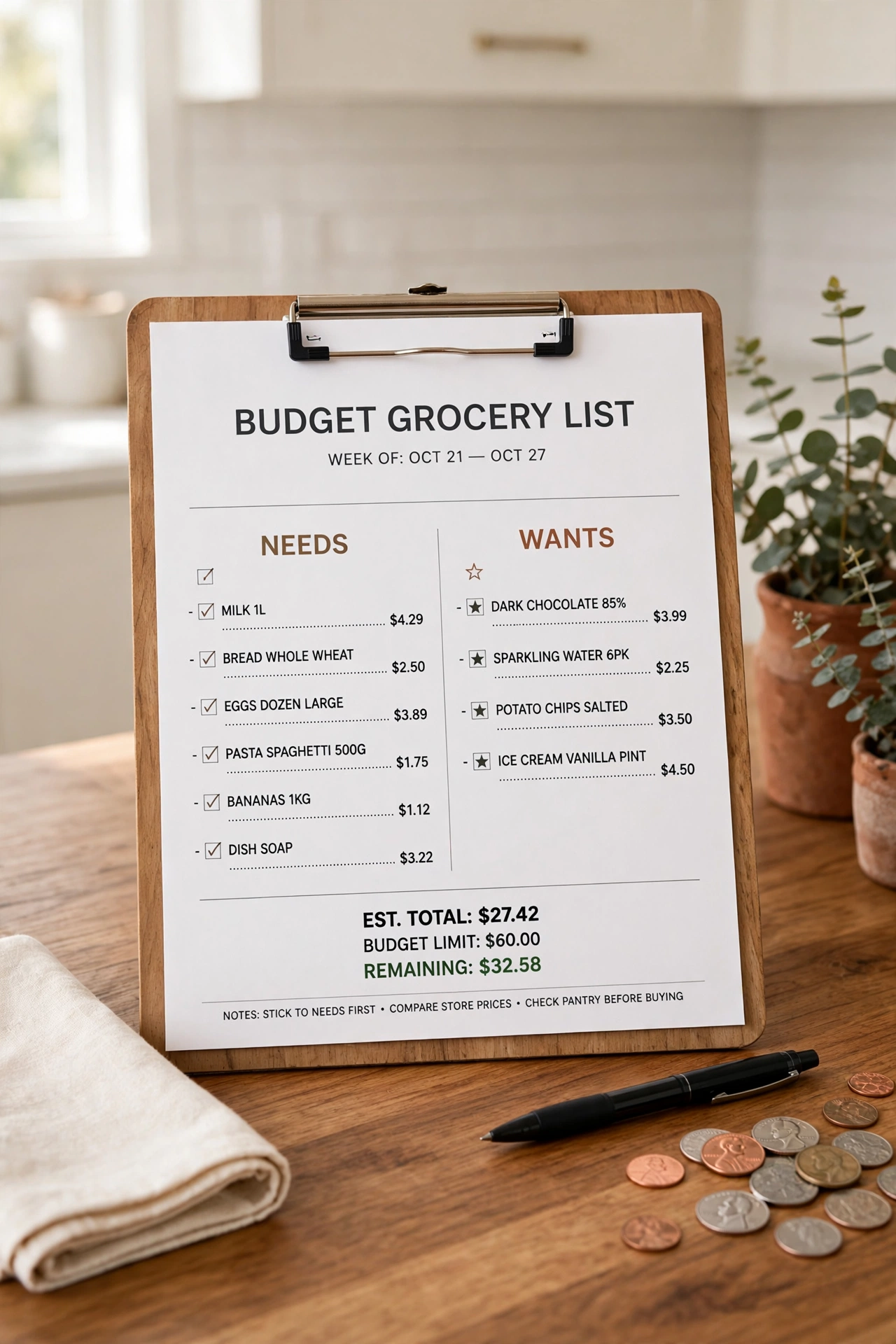
3. Use a Budget Grocery List Template
A budget grocery list template splits everything into needs and wants before you step foot in the store. Write the essentials in one column and the nice extras in another, then shop the needs first. If the total starts to climb, the wants column shows you exactly where to cut back.
This simple split keeps weekly spending predictable and stops impulse buys from quietly doubling the bill. Many families find that the template alone saves them money every single week. Review the template after each trip and adjust the categories until the list matches the way your family really shops.
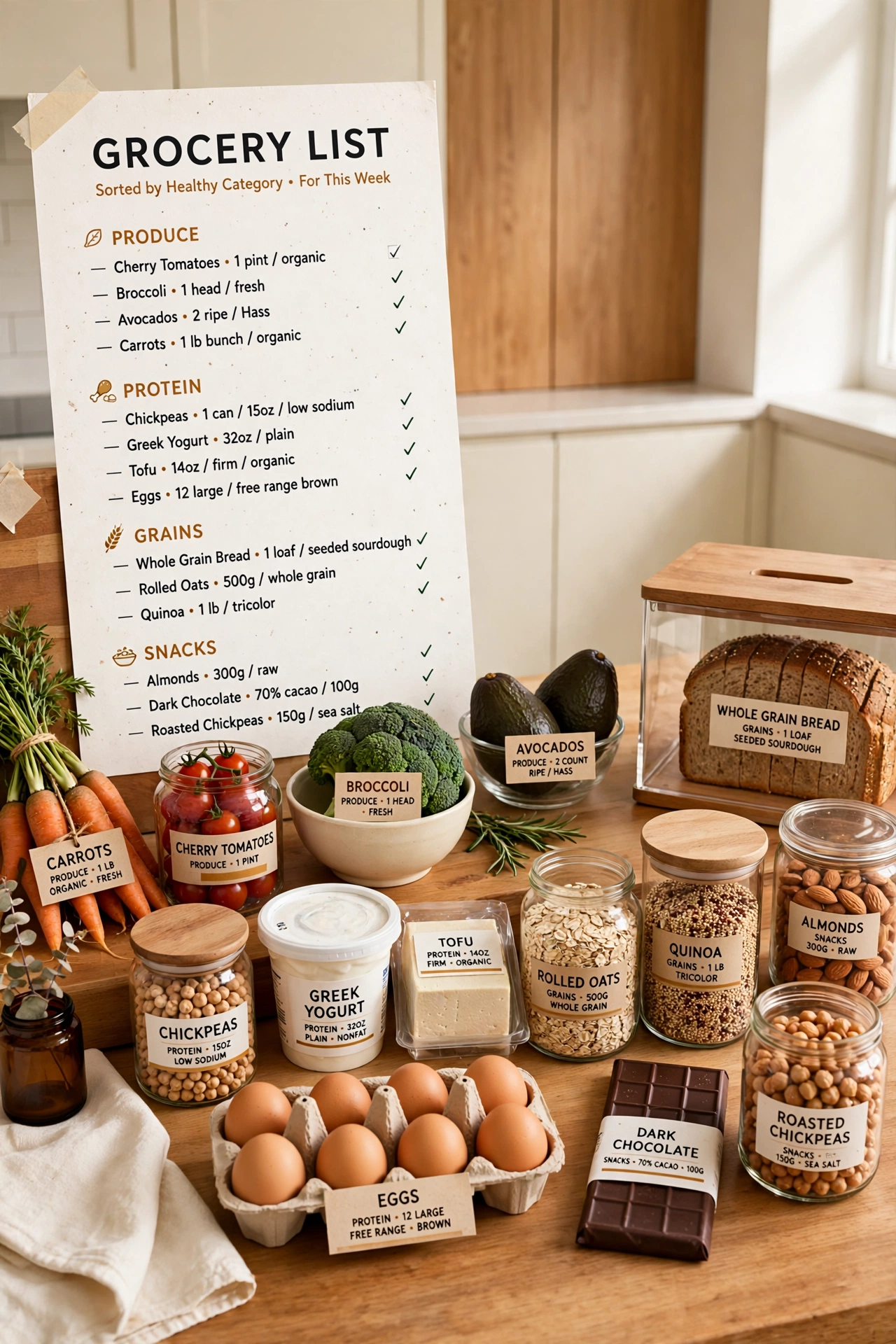
4. Sort the List into Healthy Grocery Categories
Healthy grocery categories break the list into produce, protein, grains, and snacks so nothing sneaky slips through. Each section gets its own space on the page, which makes it easy to see whether the cart holds a balanced mix or too many treats. The structure also speeds up the shop because you move through the store section by section.
This format works especially well when your family is trying to reset after a week of takeout. Frozen vegetables, whole grains, and lean proteins all get a clear spot on the list. For a pantry that supports healthy shopping, see these kitchen spice organization ideas. A categorized list turns good intentions into a cart full of real food.
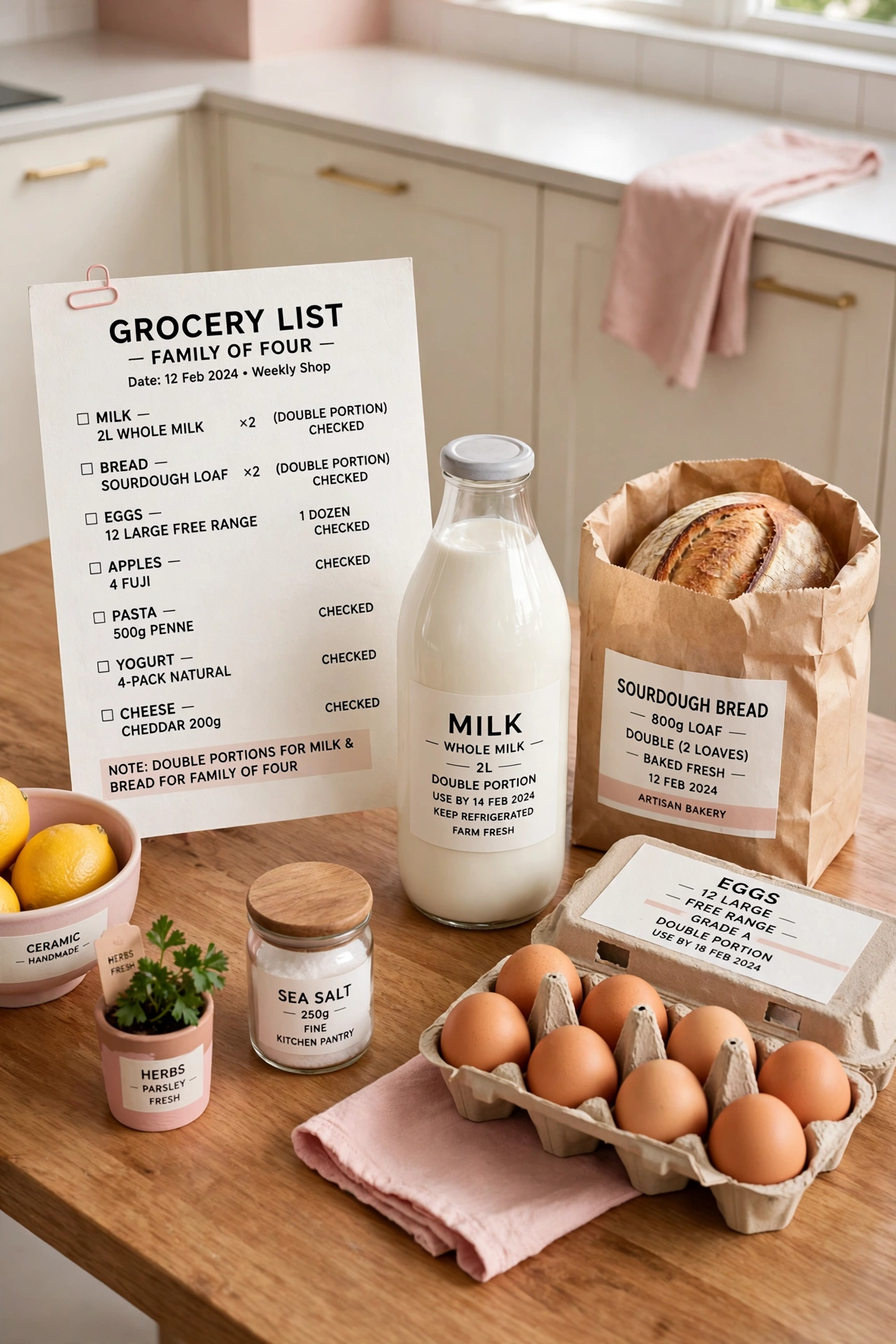
5. Make a Grocery List for a Family of Four
Feeding four hungry people every week is no small task, and a family of four list template proves it can still stay simple. The template builds in double portions for the items that always run out first, like milk, bread, and eggs. A snack section with room for everyone keeps the pantry stocked through the whole week.
Start by listing the meals your family eats most often, then note how much of each staple those meals use. The pattern becomes clear after two or three weeks, and the list almost writes itself from then on. Keep a copy of the template on the fridge so any family member can refill it when supplies run low.
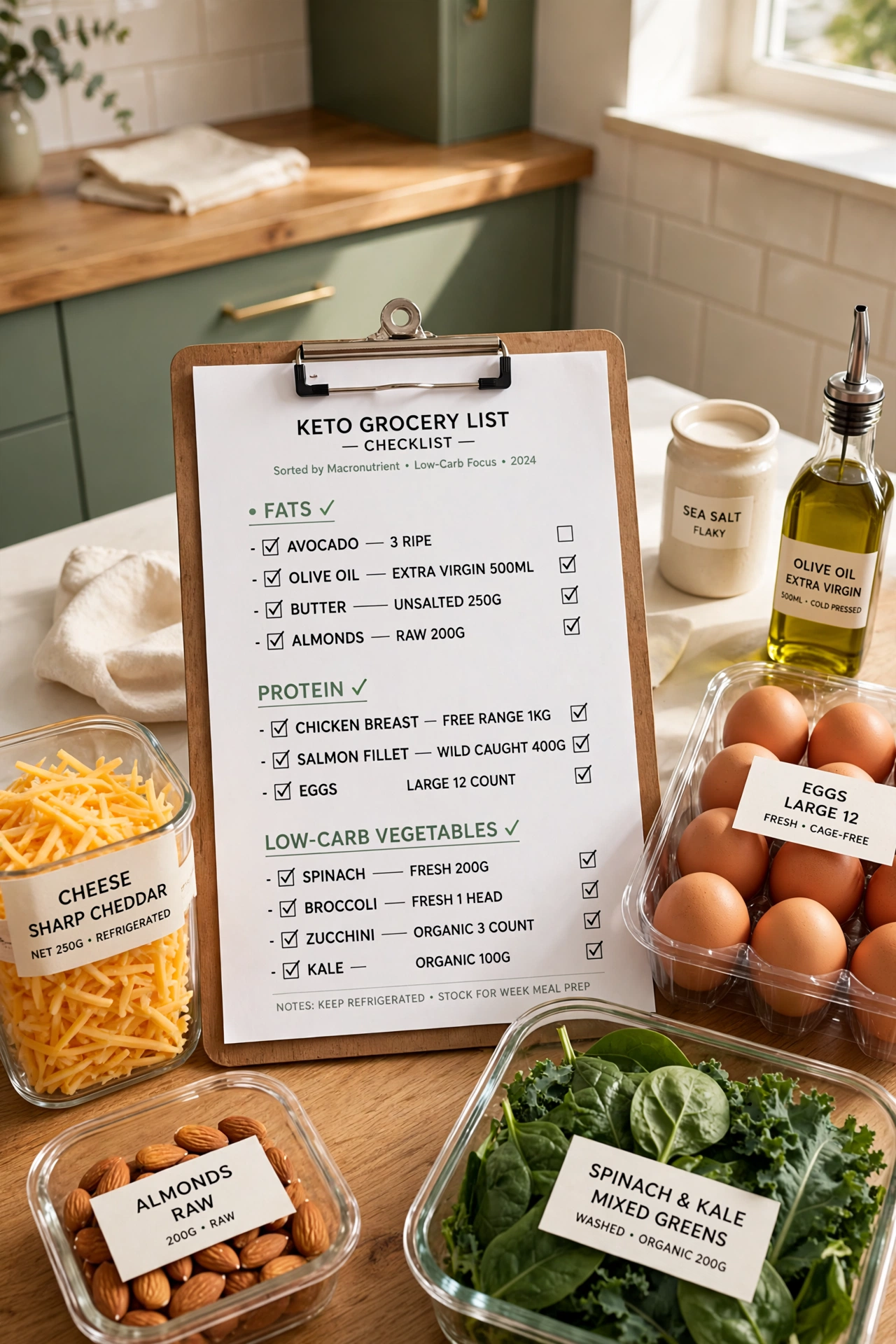
6. Follow a Keto Grocery List Checklist
Keto shopping gets much easier once the checklist is already sorted by fat, protein, and low carb vegetables. Each group has its own section, so you can scan the store shelves without guessing which foods fit the plan. Cheese, eggs, leafy greens, and healthy oils all sit in their own neat columns.
A printed checklist also stops the carb counter confusion that slows down every trip. Tick off each item as it lands in the cart, and the list keeps you honest about the extras. Laminate the checklist or slip it into a clear sleeve so the same template lasts for months of weekly shops.
7. Build a College Dorm Grocery List
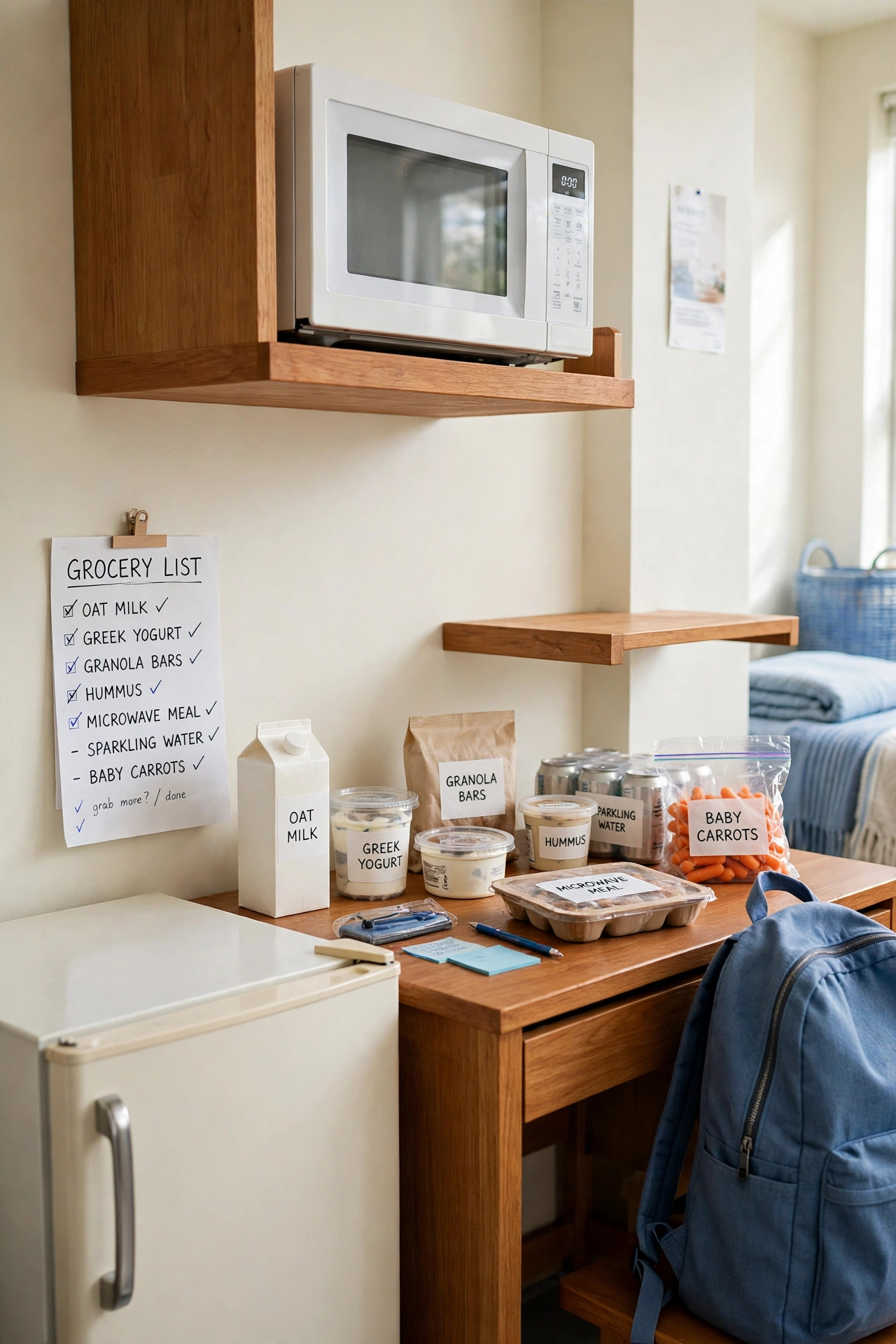
College dorm shopping has its own rules, mostly involving a mini fridge and zero counter space. A dorm list keeps things simple with microwave friendly staples, snacks that survive a backpack ride across campus, and portions sized for one person. The list skips family sized packs that would never fit in a shared fridge.
Group the items by where they live: mini fridge, shelf, and backpack. That way packing and unpacking take minutes after every shop. A dorm list also helps students stick to a tight budget, because every item on the page earns its place before it goes in the cart.
8. Organize a Vegan Grocery Shopping List
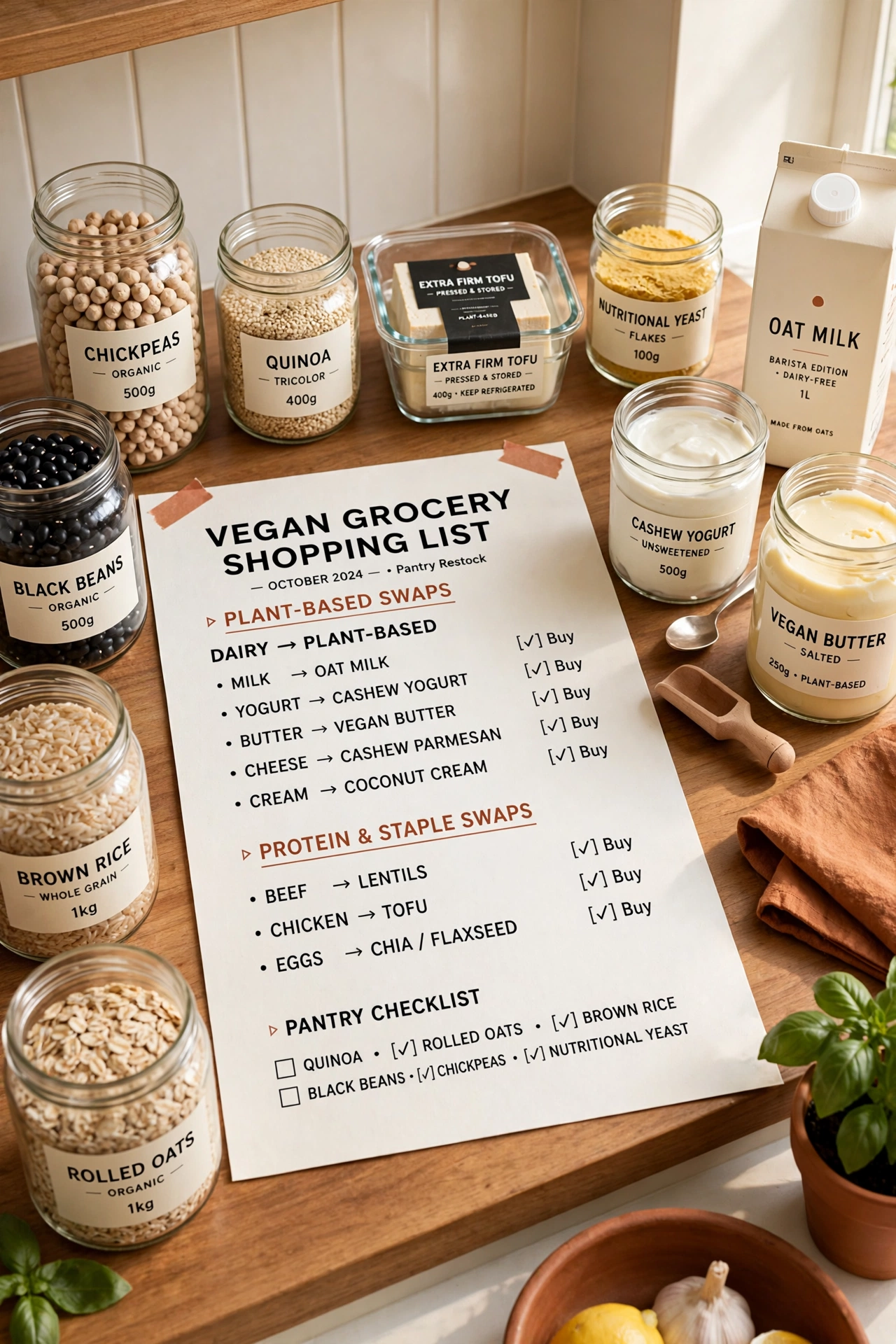
A vegan shopping list breaks everything down by plant based swaps, so beans, grains, and dairy alternatives each get their own neat section. The format makes it easy to spot what is missing before you leave the house, and it keeps specialty items from hiding among the regular groceries. Nutritional yeast, tofu, and plant milk all have a clear line of their own.
This kind of list is also a great way to try new ingredients without losing track of the basics. Add one new swap to the list each week and the pantry grows more interesting over time. Keep the list on the fridge or in a shared app so everyone in the household can add to it.
9. Hang a Whiteboard Grocery List in the Kitchen
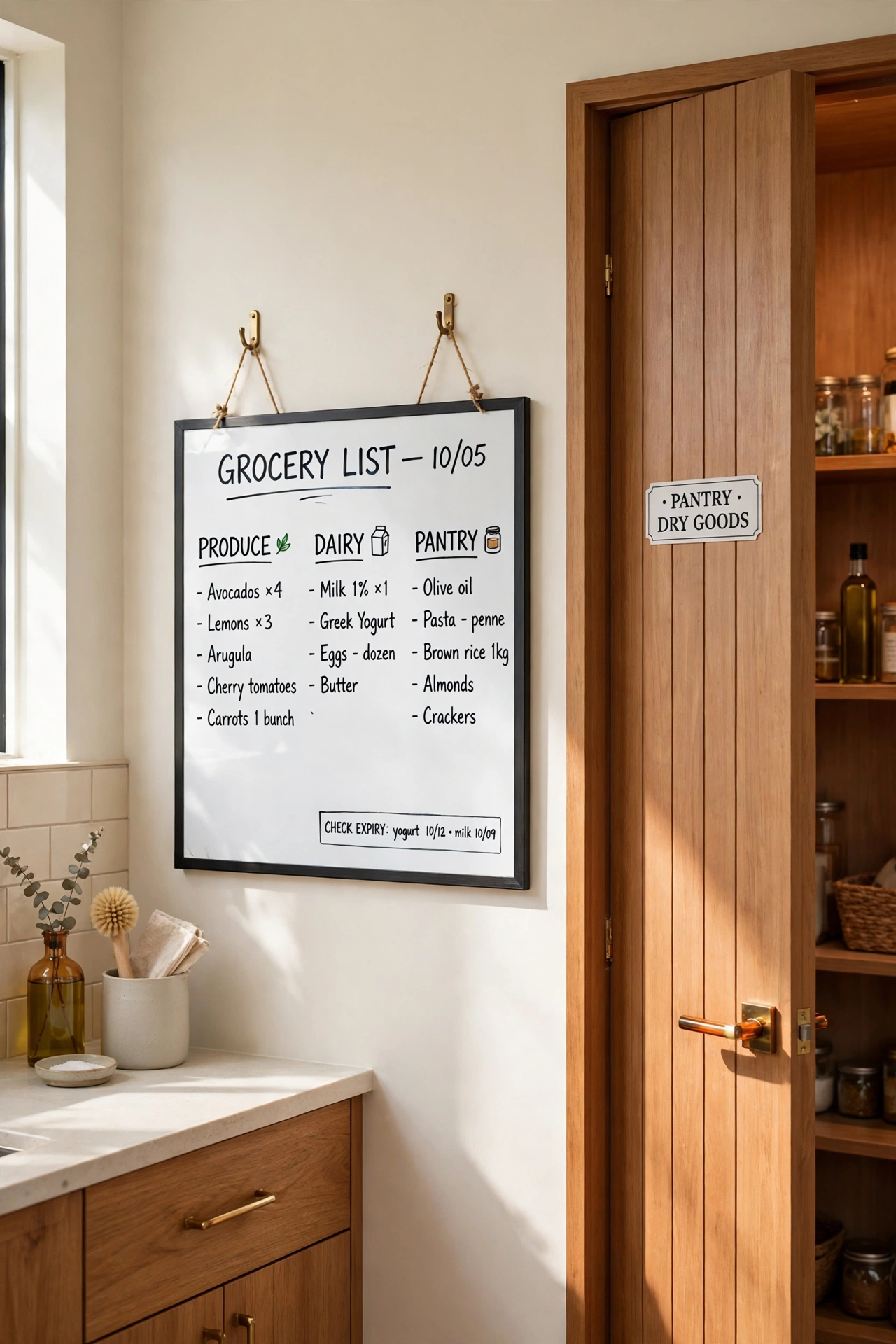
A whiteboard in the kitchen means nobody has an excuse for forgetting the eggs again. Hang it right by the pantry door where the whole family sees it every day, and keep a marker on a string beside it. When an item runs out, it goes on the board in seconds.
The whiteboard erases clean between shopping trips, so the list always starts fresh. Divide the board into a few simple zones, like produce, dairy, and pantry, so items land in the right group. Snap a photo of the board before you leave for the store, and the list travels in your pocket.
10. Stick a Magnetic Grocery List Notebook to the Fridge
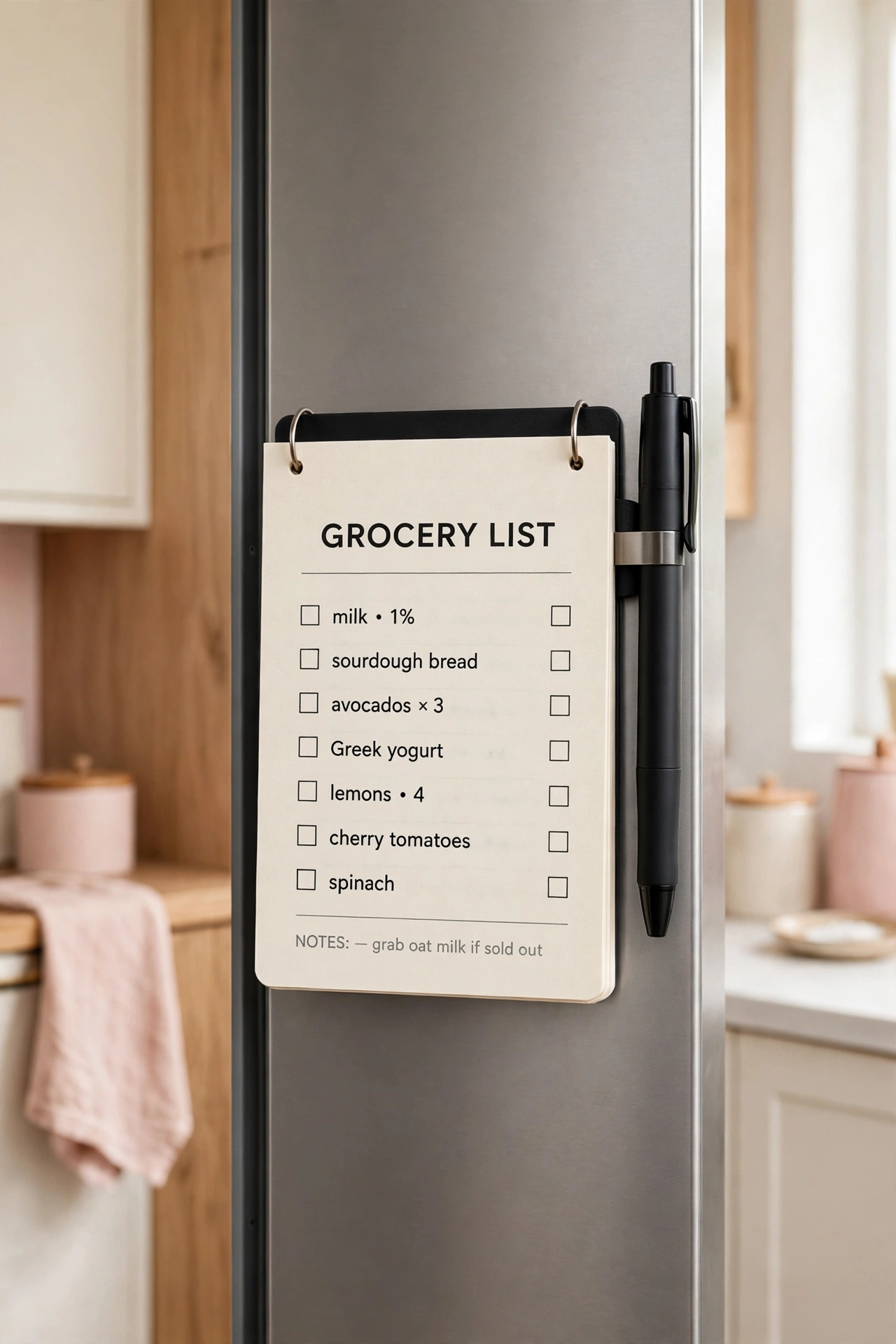
A grocery list notebook with a magnet strip on the back sticks straight to the fridge, so the list never gets lost halfway to the store. The notebook is small enough for a purse or a pocket, yet it holds a full week of items on one page. When the page fills up, tear it off and start fresh on the next sheet.
This format suits families who like a paper list but keep losing loose sheets. The magnet holds the notebook in the same spot every day, which builds the habit of writing things down the moment they run out. Keep a spare notebook in the kitchen drawer so a replacement is always close at hand.
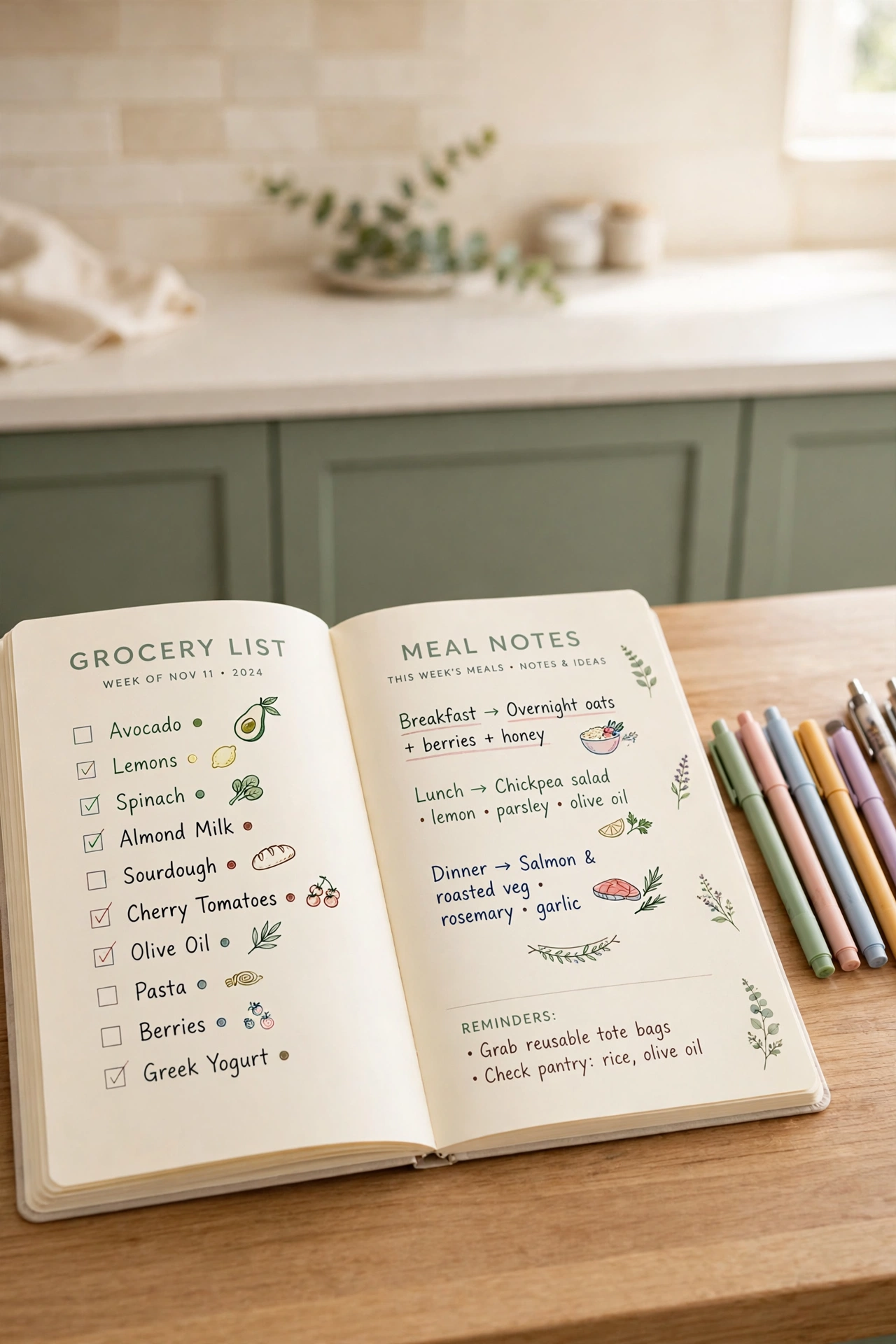
11. Start an Aesthetic Grocery List Journal
An aesthetic grocery list journal is for the people who want their list to look as good as their planner. Soft colors, small illustrations, and room for meal notes on the side turn a plain chore into a small creative ritual. The journal lives open on the kitchen counter where it reminds the family to add items through the week.
Use washi tape or colored pens to mark each category, and leave a margin for weekly meal notes. A beautiful list is a list you actually enjoy using, which means it gets updated far more often than a scrap of paper. The journal also becomes a handy record of what your family eats most.
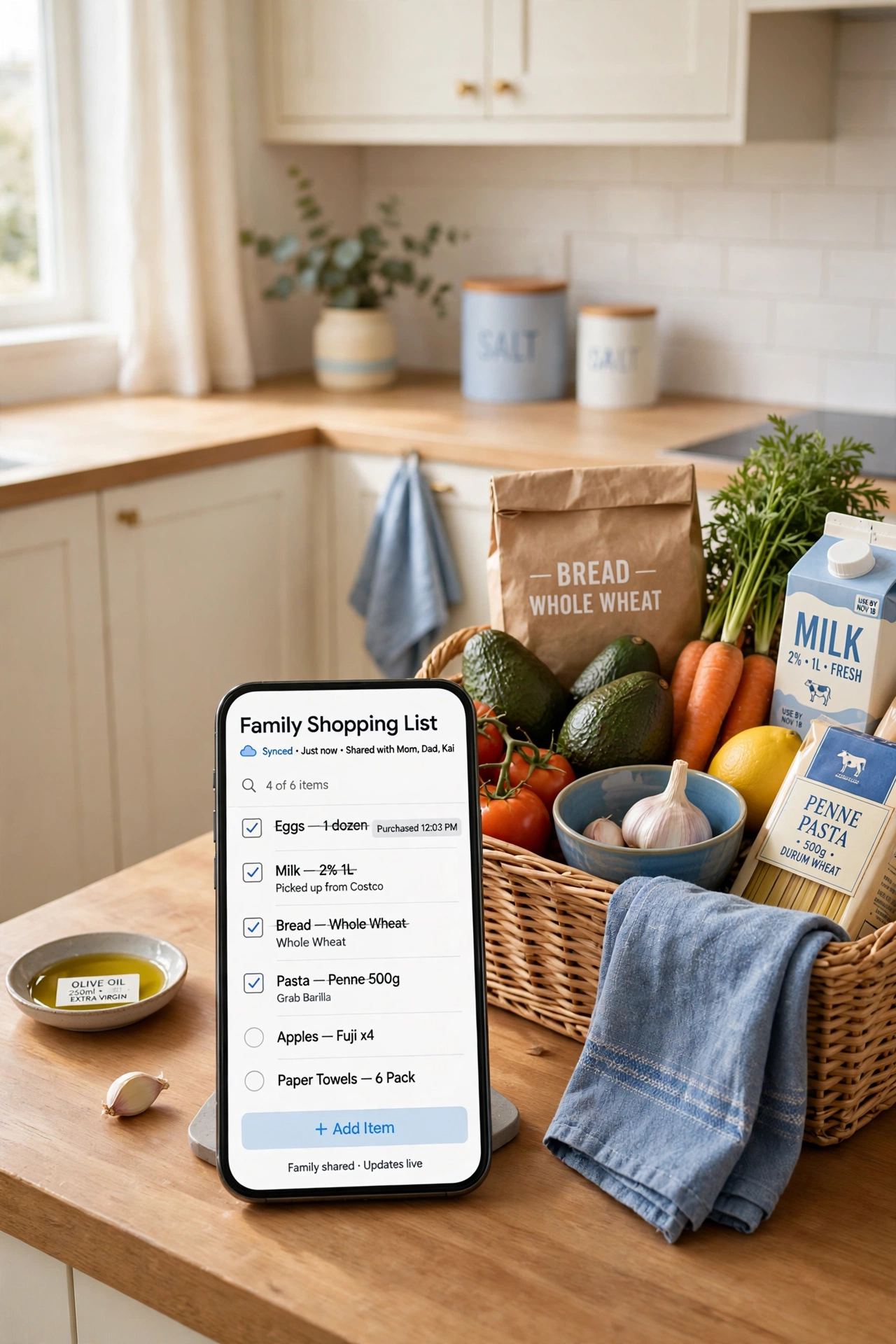
12. Sync the Family List with a Grocery List App
A grocery list app acts as a second brain for the whole household, syncing between every phone in the family. Anyone can add an item the moment it runs out, and everyone sees the same list at the store. Checking an item off before you even reach the checkout line feels like a small victory.
Most apps sort items into categories automatically and update in real time, so two shoppers never buy the same thing twice. Pick one app for the whole family and stick with it, so nobody has to check two places. The shared list also makes it easy to split the shopping between two people on busy weeks.
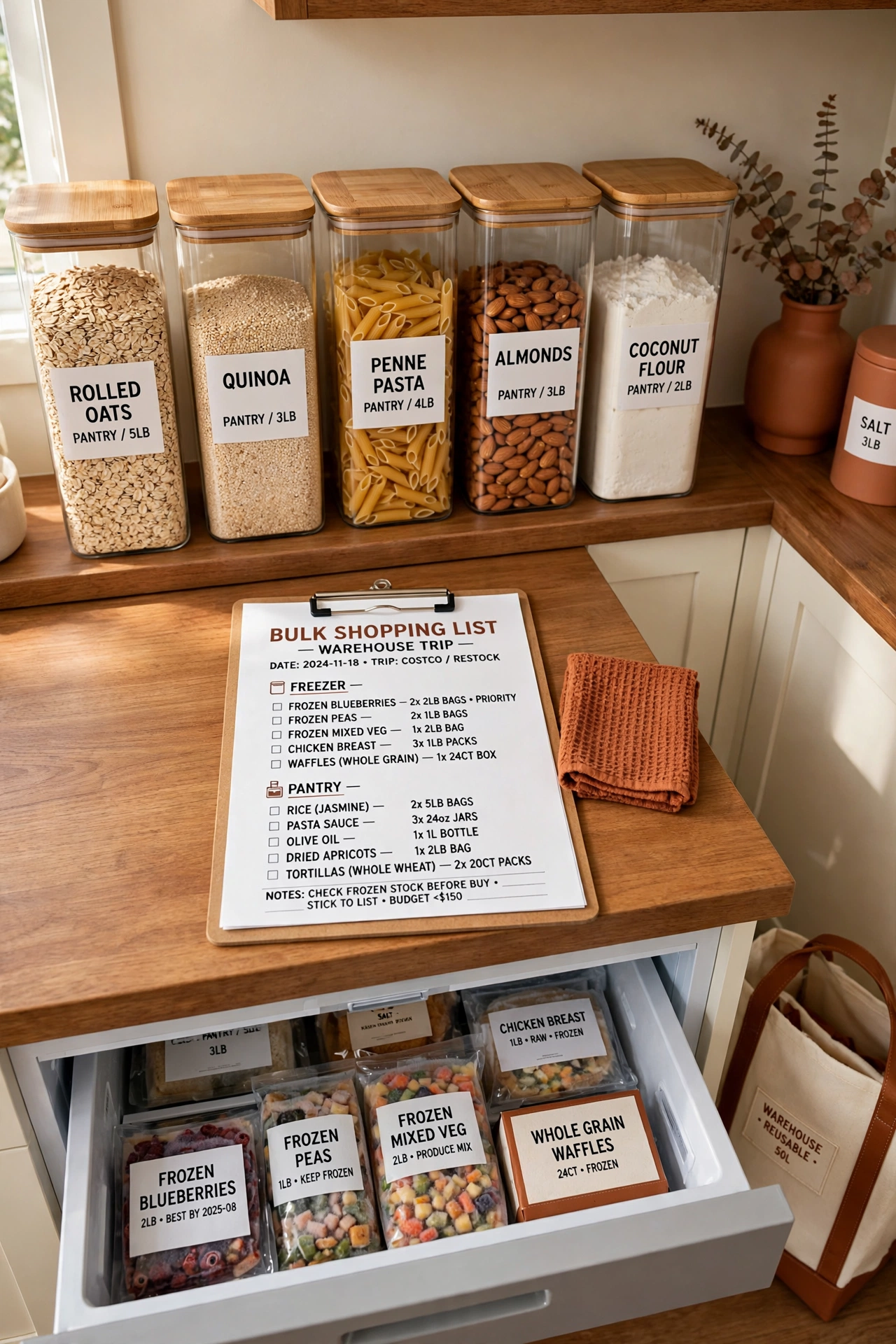
13. Plan a Bulk Shopping List for Warehouse Trips
Warehouse trips require their own strategy, and a bulk shopping list keeps the cart from spiraling out of control. The list separates freezer stock from pantry stock, which saves a lot of confusion once you get home. It also keeps impulse buys in check by giving every item a reason to be in the cart.
Before a warehouse trip, check the freezer and the pantry and write down only what is actually running low. For a freezer that stays ready for bulk shopping, see these freezer organization ideas. A bulk list with a firm quantity for each item stops the classic mistake of buying three of something you already own.
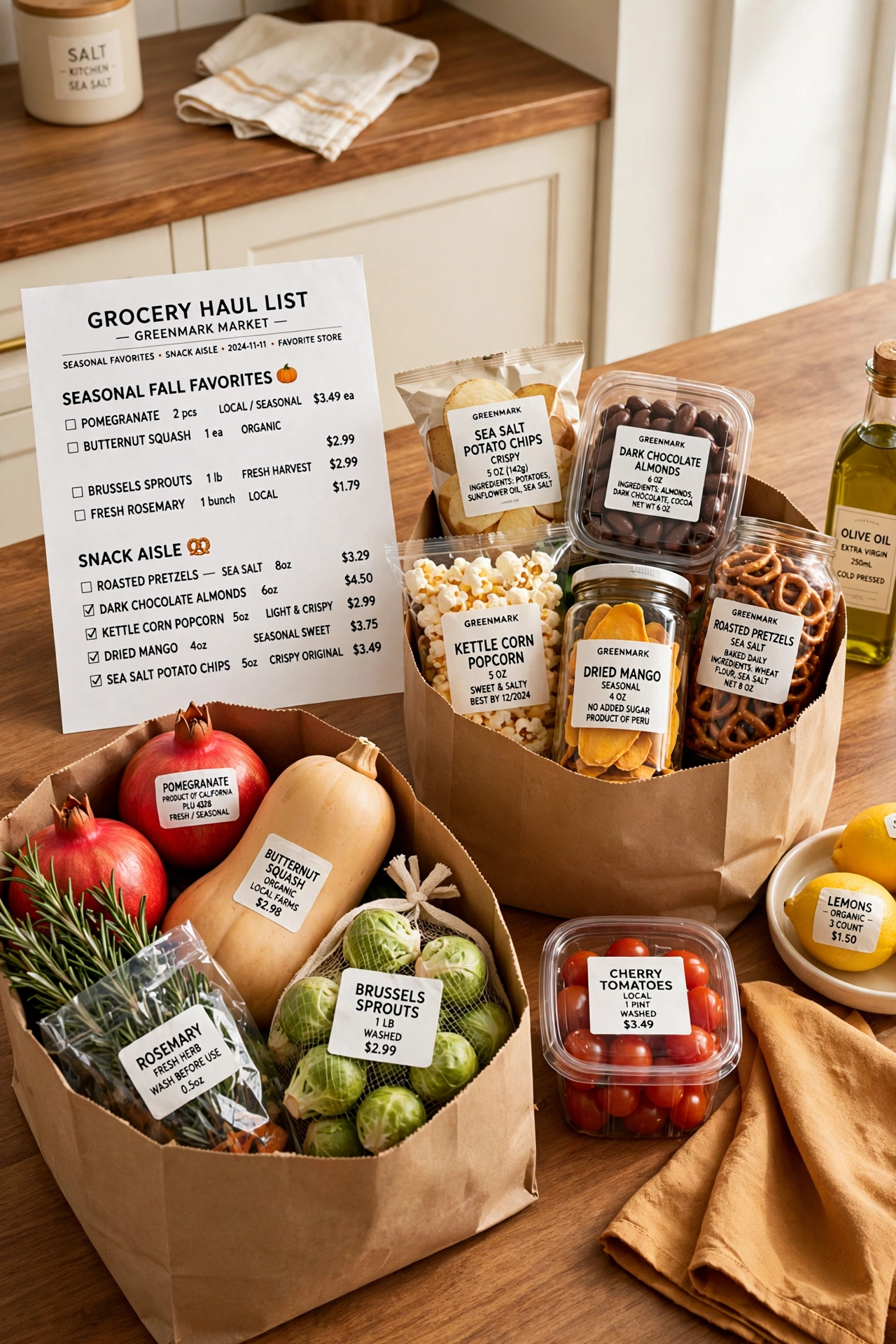
14. Keep a Grocery Haul List for Favorite Stores
A grocery haul list captures the seasonal favorites and regular picks from a store your family loves. Each section covers one part of the shop, from fresh produce to the snack aisle, so the trip follows a clear path. Seasonal items get their own row, which makes it easy to grab them before they disappear from the shelves.
Keep a separate haul list for each favorite store, because the layout and the best picks differ from place to place. Update the lists when the seasons change and retire items your family has stopped buying. A haul list turns a routine shop into a quick, focused trip.
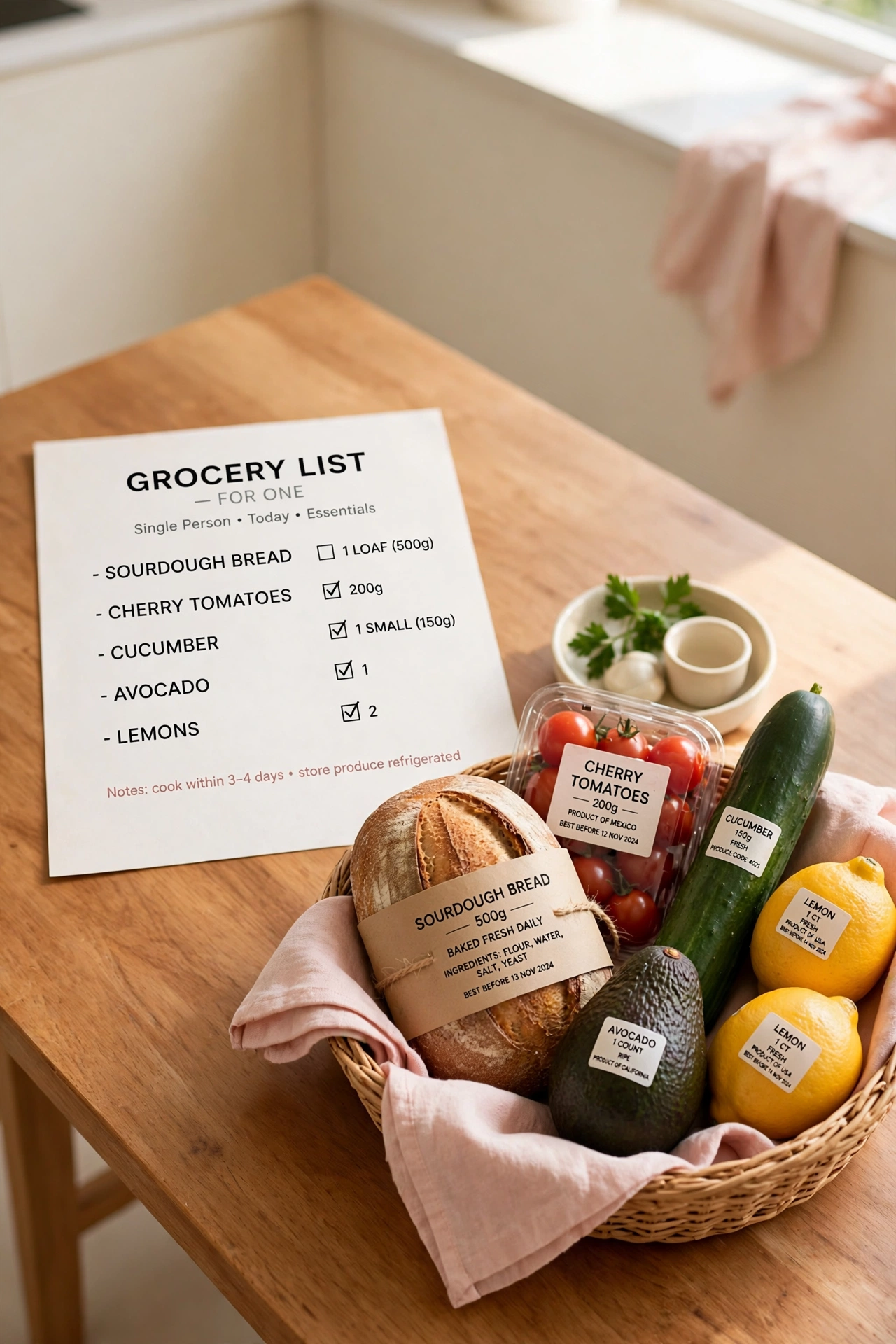
15. Simplify the List for a Single Person Household
Shopping for one person is its own puzzle, mostly about not buying a family sized bag of anything. A single person list keeps portions realistic, so produce never grows sad and forgotten in the crisper drawer. Each item is sized for one or two meals, which cuts waste to almost nothing.
Plan the list around three or four meals that share ingredients, so a bag of spinach or a pack of chicken covers more than one dinner. Small packs cost a little more per unit, but they save money overall because nothing gets thrown away. A simple list also makes the shop itself much faster.
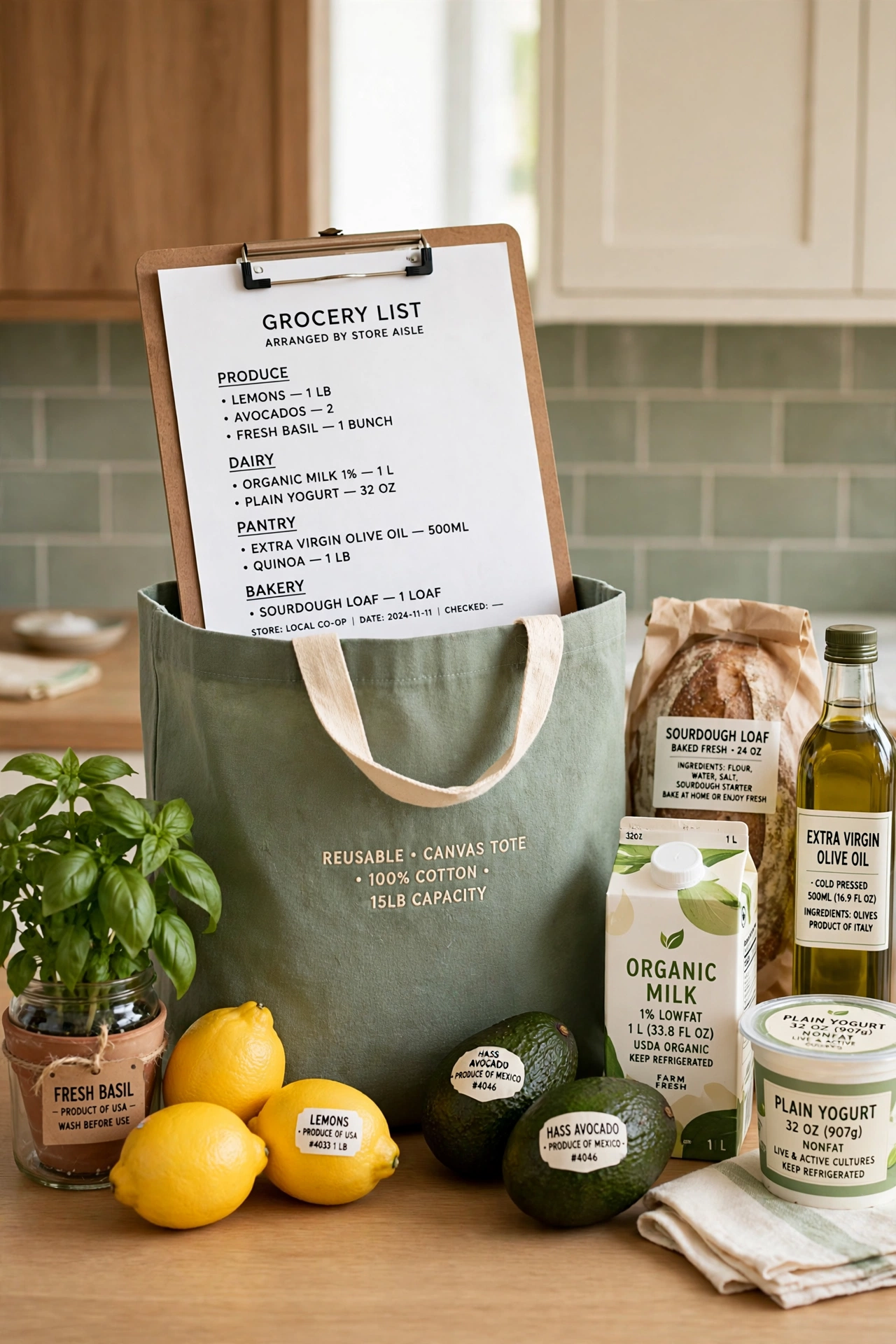
16. Arrange the List by Store Aisle
Sorting the list by aisle turns a chaotic store run into a quick, efficient loop. The list follows the exact layout of most grocery stores, so you move from produce to dairy to frozen without backtracking for the ketchup you forgot. This one change can cut shopping time nearly in half.
Write the aisles in the order you walk them, starting at the entrance and ending at the checkout. For a list that travels well, clip it to a reusable bag so it is always ready. For shopping trips that start at home, see these reusable shopping bag organization ideas. An aisle sorted list is the simplest upgrade any family can make to the weekly shop.
Conclusion
A grocery shopping list does not need to be complicated to change the way your family shops. From a simple notepad on the fridge to a synced app on every phone, there is a format here for every household and every budget. The best list is the one your family will actually update and use every single week.
Pick one or two ideas that fit your home and start today. Hang the whiteboard, print the notepad, or download the app, and watch the weekly shop become calmer and cheaper. For a calm home beyond the kitchen, these nightly reset routine ideas will help you keep every room organized with just a few minutes each evening.
Frequently Asked Questions About Grocery Shopping List Organization Ideas for Families
How often should a family update the grocery list?
Update the list every day as items run out, and do a full review once a week before the main shop. A daily habit keeps the list accurate, while the weekly review catches anything the family missed. A list that is always current saves far more time than one rebuilt from memory.
What is the best way to organize a grocery list?
Group items by store aisle or by category, such as produce, dairy, pantry, and frozen. A grouped list matches the layout of the store, which cuts backtracking and speeds up the trip. Pick one grouping method and use it every week so the whole family learns the pattern.
How can a grocery list help a family save money?
A list stops impulse buys and duplicate purchases, which are the two biggest leaks in a grocery budget. When every item has a purpose, the cart holds only what the family needs. Many families save a noticeable amount each month simply by shopping from a list instead of from memory.
Should each family member have their own grocery list?
One shared list works better than separate lists, because it stops two people from buying the same item. A shared list on the fridge or in an app lets everyone add what they need. If children have requests, give them a small section on the shared list so their items stay visible.
How do I stop forgetting items on the grocery list?
Write items down the moment they run out, instead of trusting your memory until shopping day. Keep the list where the whole family sees it, like the fridge or a kitchen whiteboard. A photo of the list on your phone also guards against leaving the paper copy at home.

Hi, I’m Emily! I turn messy corners into cozy, organized spots. DreamNestDecor is where I share simple, practical home ideas — decor, organization, and small-space solutions that work in real life, not just in photos. Every idea here is carefully researched before it’s shared.