Picture this: you come home from a warehouse store with a cart full of jumbo packs, and every single item has a place waiting for it. The rice goes into its bin, the paper towels stack neatly on their shelf, and the freezer welcomes the bulk meat into its labeled zone. No piles on the kitchen counter, no mystery bags in the garage, no buying the same thing twice because you forgot it was already there.
That calm feeling is exactly what a good bulk shopping system gives to a large household. You do not need a bigger house or a bigger pantry to make it work. All you need is a plan for where everything lives and a habit of putting it there. These 22 bulk shopping organization ideas for large household purchases will help you buy in bulk without the chaos that usually comes with it.
1. Create a Dedicated Bulk Pantry Zone
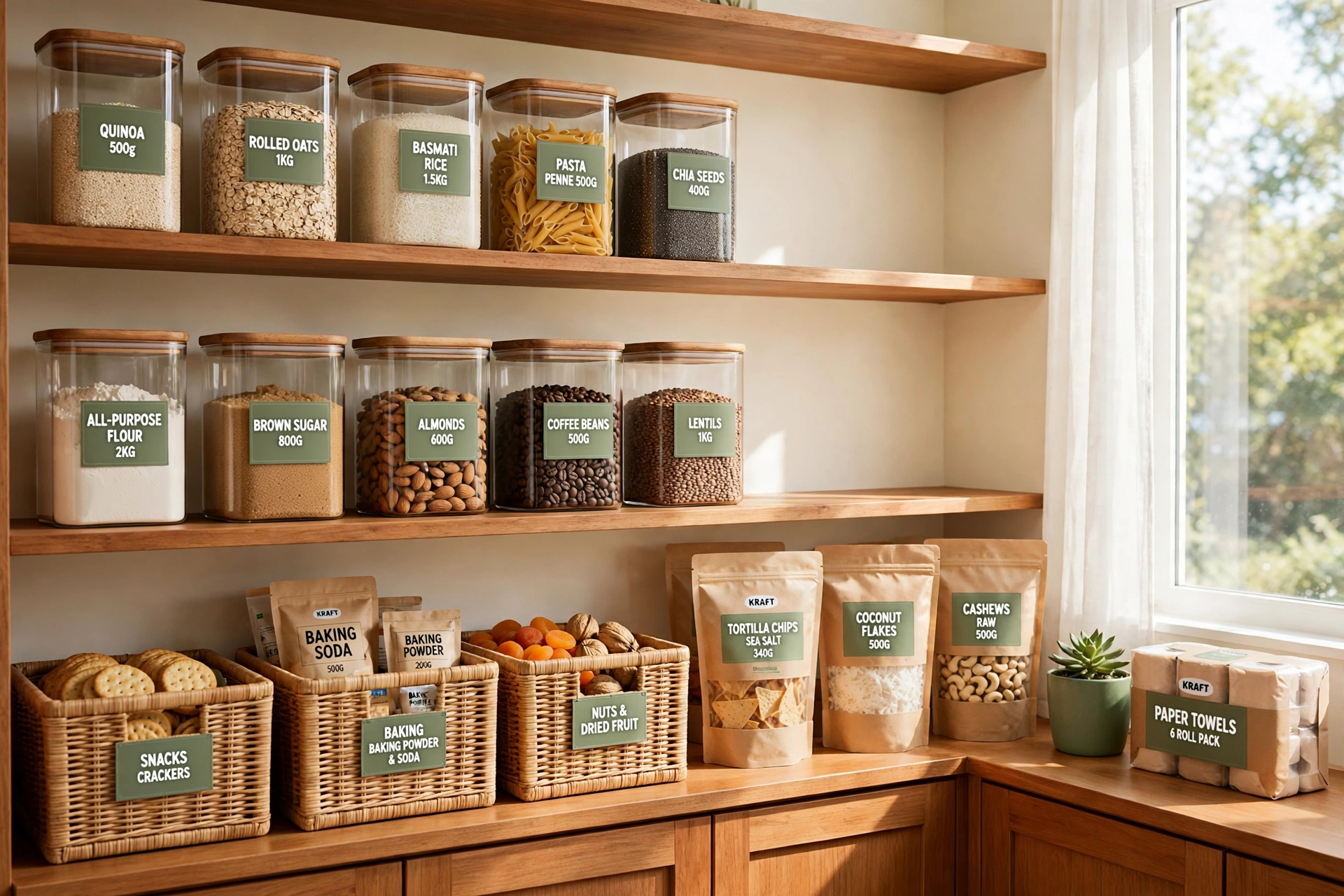
A dedicated bulk pantry zone gives every jumbo pack one clear home. Choose one shelf, one cabinet, or one section of the pantry and reserve it only for bulk items. When the zone has a clear boundary, bulk food never spreads across the whole kitchen.
Keep the zone at a height that is easy to reach, with the heaviest items on the lowest shelf. Label the zone with a small sign so the whole family knows where bulk food lives. A dedicated zone turns a wall of jumbo packs into an organized system that anyone can follow.
2. Decant Bulk Food into Labeled Bins
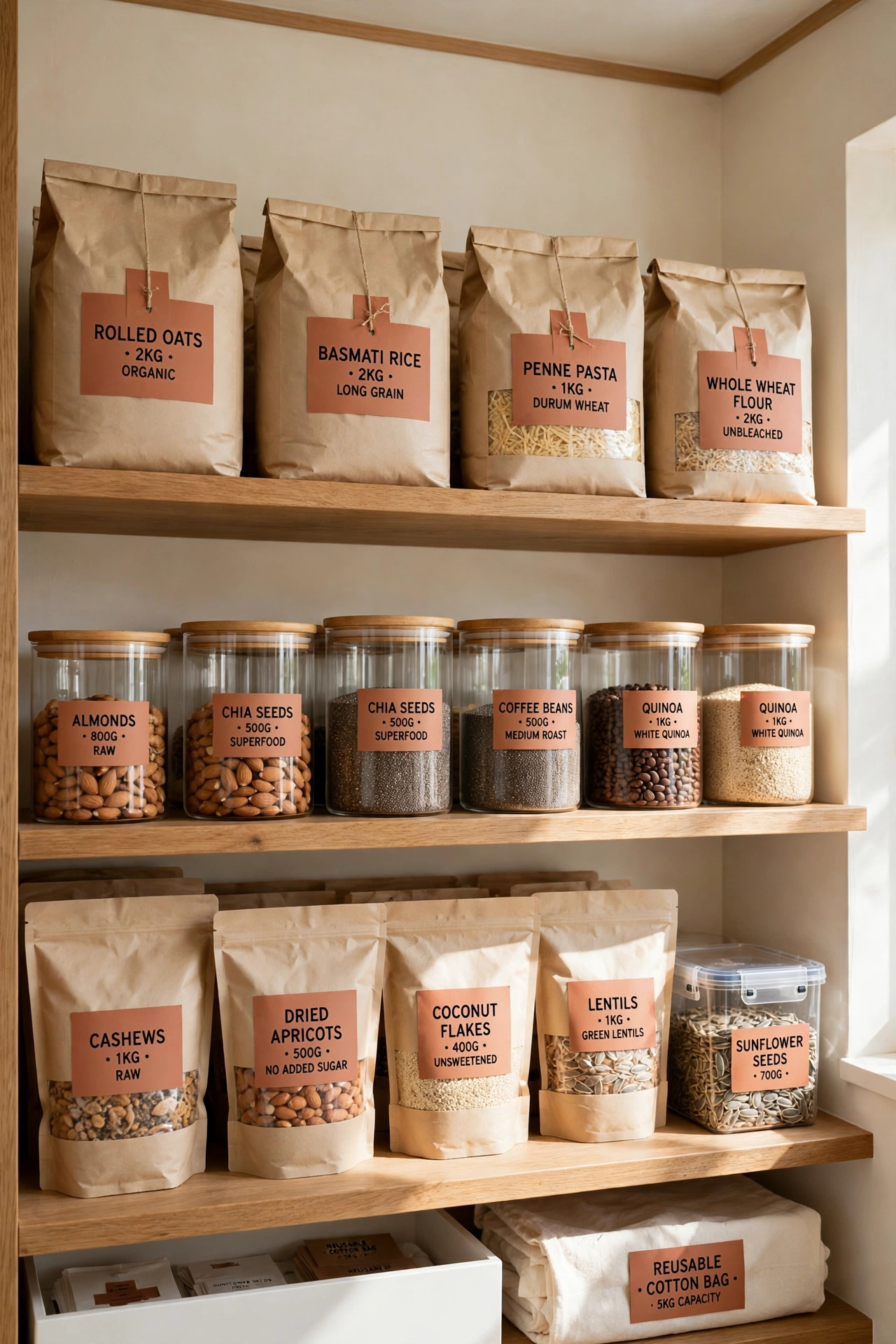
Decanting bulk food into labeled bins keeps the pantry tidy and the food fresh. Pour rice, pasta, flour, and snacks from their big bags into clear bins with tight lids, and label each bin with the contents and the date it was filled. The bins stack neatly, the food stays visible, and nothing spills across the shelf.
Choose bins that fit your shelf depth so no space is wasted behind them. For more ideas on keeping canned goods tidy in labeled bins, see these pantry can organization ideas. Decanted bins also make it easy to see what is running low, so the next bulk list writes itself.
3. Keep a Bulk Buying List on the Fridge
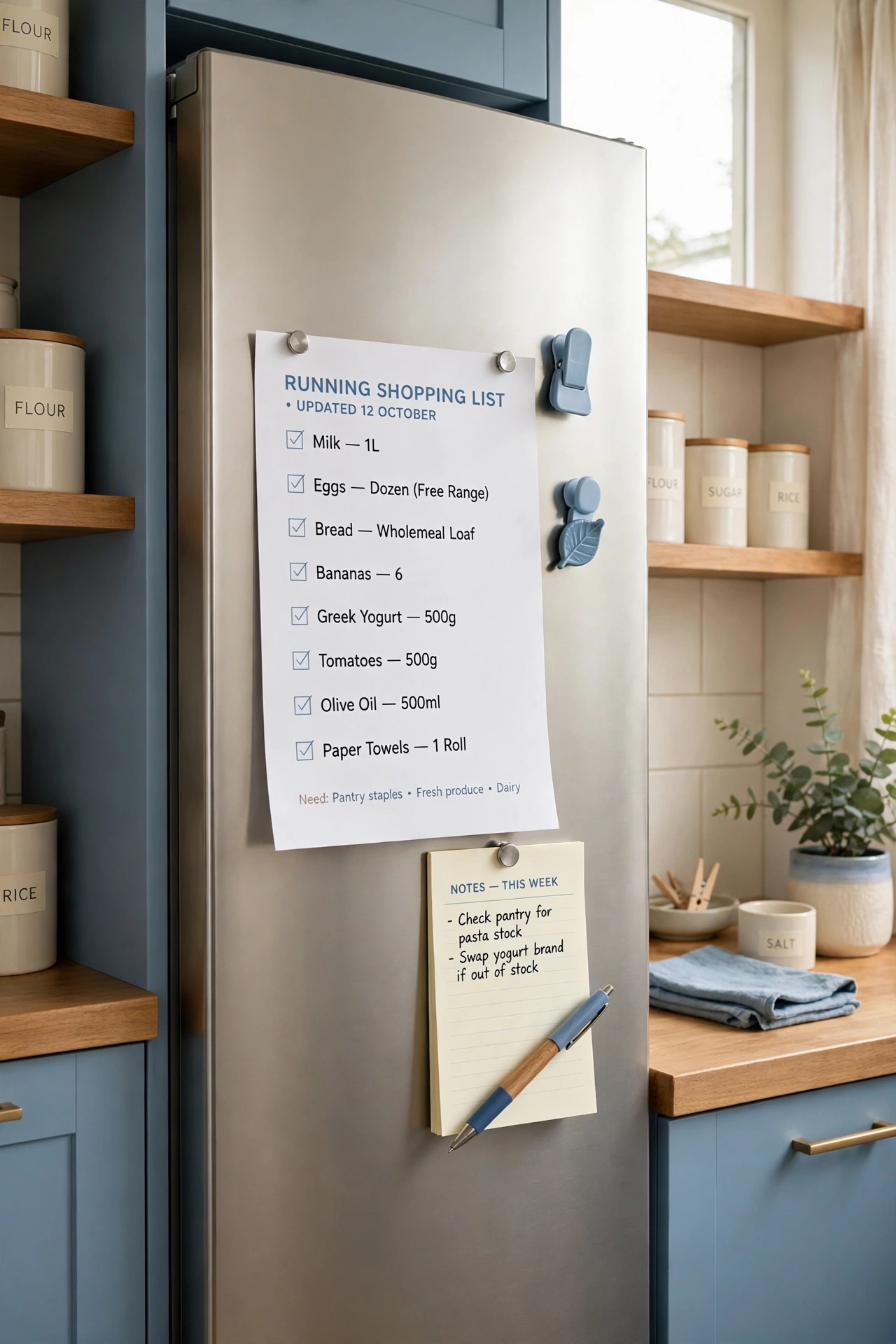
A bulk buying list on the fridge catches the items that need restocking before the next warehouse trip. Write down every bulk item as it runs low, with the quantity your household uses in a month. When the list is complete, the trip takes one visit instead of two.
Keep a pen clipped beside the list so anyone in the family can add to it. Review the list the night before a bulk trip and cross off anything you already bought. A running list stops the classic mistake of buying three of something you already own.
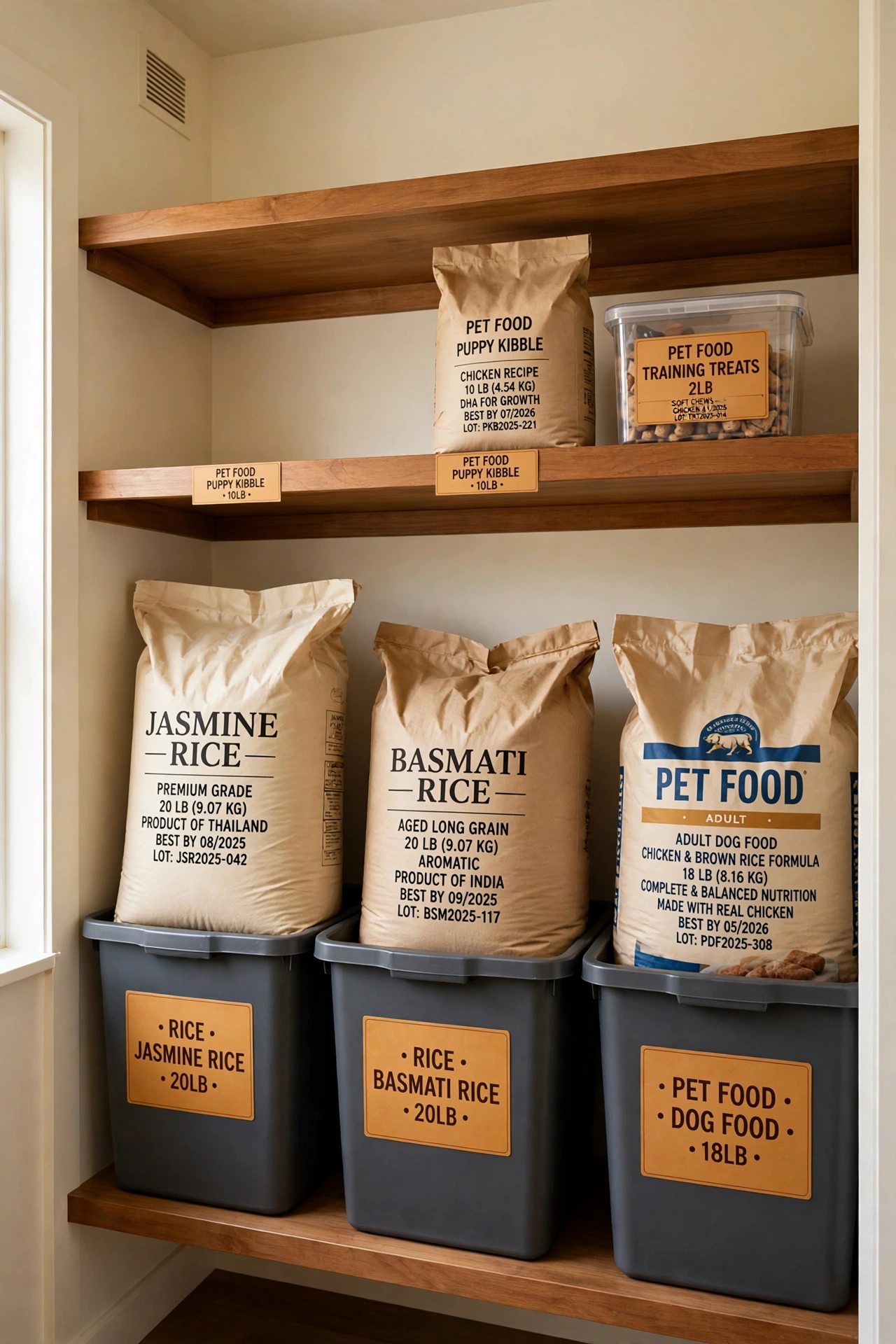
4. Store Pet Food in Bulk Bins
Pet food comes in big bags that tear, spill, and attract pests when left open. Pour the food into a large airtight bin with a tight lid and a scoop inside, and keep the bin in a cool, dry spot near the feeding area. The food stays fresh, the bag stays out of the way, and feeding time takes seconds.
Label the bin with the pet name and the food type so nobody mixes up bags for different animals. Keep a small measuring scoop clipped inside the lid so every meal is the right size. A dedicated pet food bin keeps a messy corner of the house tidy with almost no effort.
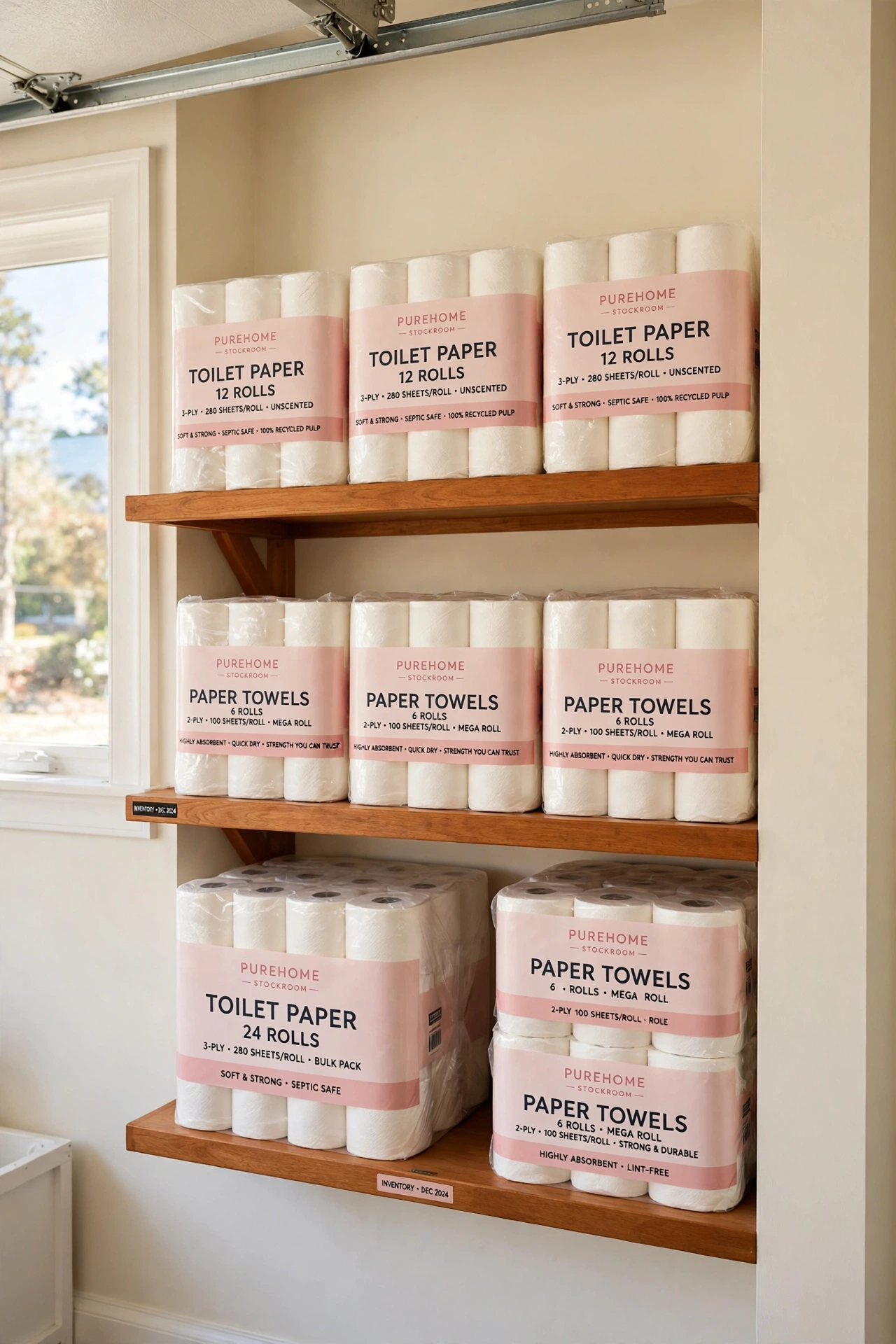
5. Give Bulk Paper Goods Their Own Shelf
Paper towels, toilet paper, and tissues arrive in huge packs that swallow a whole shelf. Give paper goods one dedicated shelf in a closet or a laundry room, and stack the packs neatly with the labels facing out. When the shelf has one job only, the packs never end up scattered around the house.
Keep the most used rolls at the front and the spare packs at the back. A full shelf tells you at a glance that the household is stocked for the month. One shelf for paper goods keeps the biggest, bulkiest buys out of the kitchen and in one tidy place.
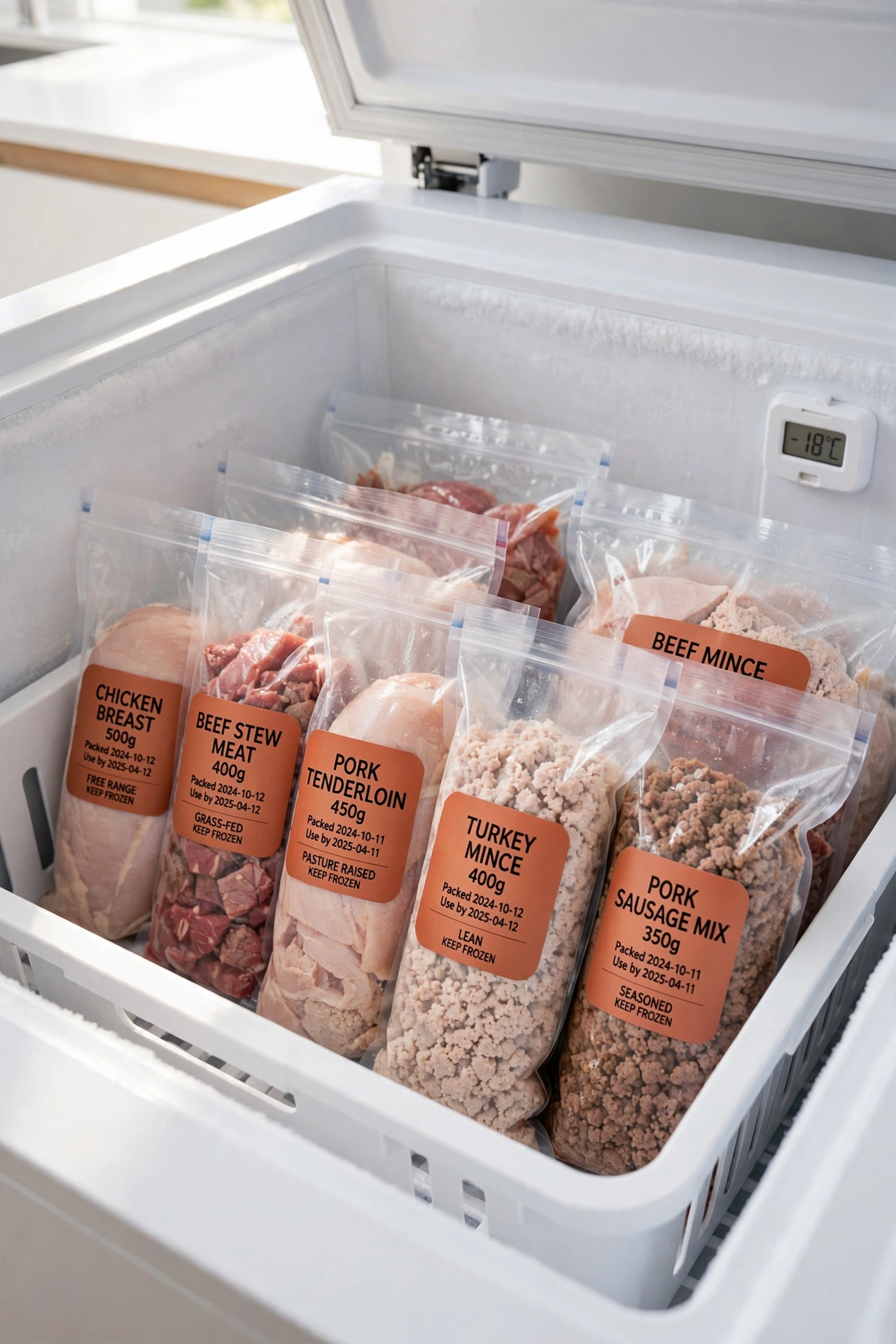
6. Set Up Freezer Zones for Bulk Meat
Freezer zones for bulk meat keep a chest freezer from becoming a frozen mystery box. Divide the freezer into zones with bins or bags, one zone for chicken, one for beef, one for fish, and one for ready meals. Label each zone so anyone can find what they need without digging through layers of frost.
Wrap each portion before it goes into its zone, and write the date on every package. Use the oldest zone first and restock from the top. Zoned freezers save money because nothing gets buried and forgotten until it is too old to use.
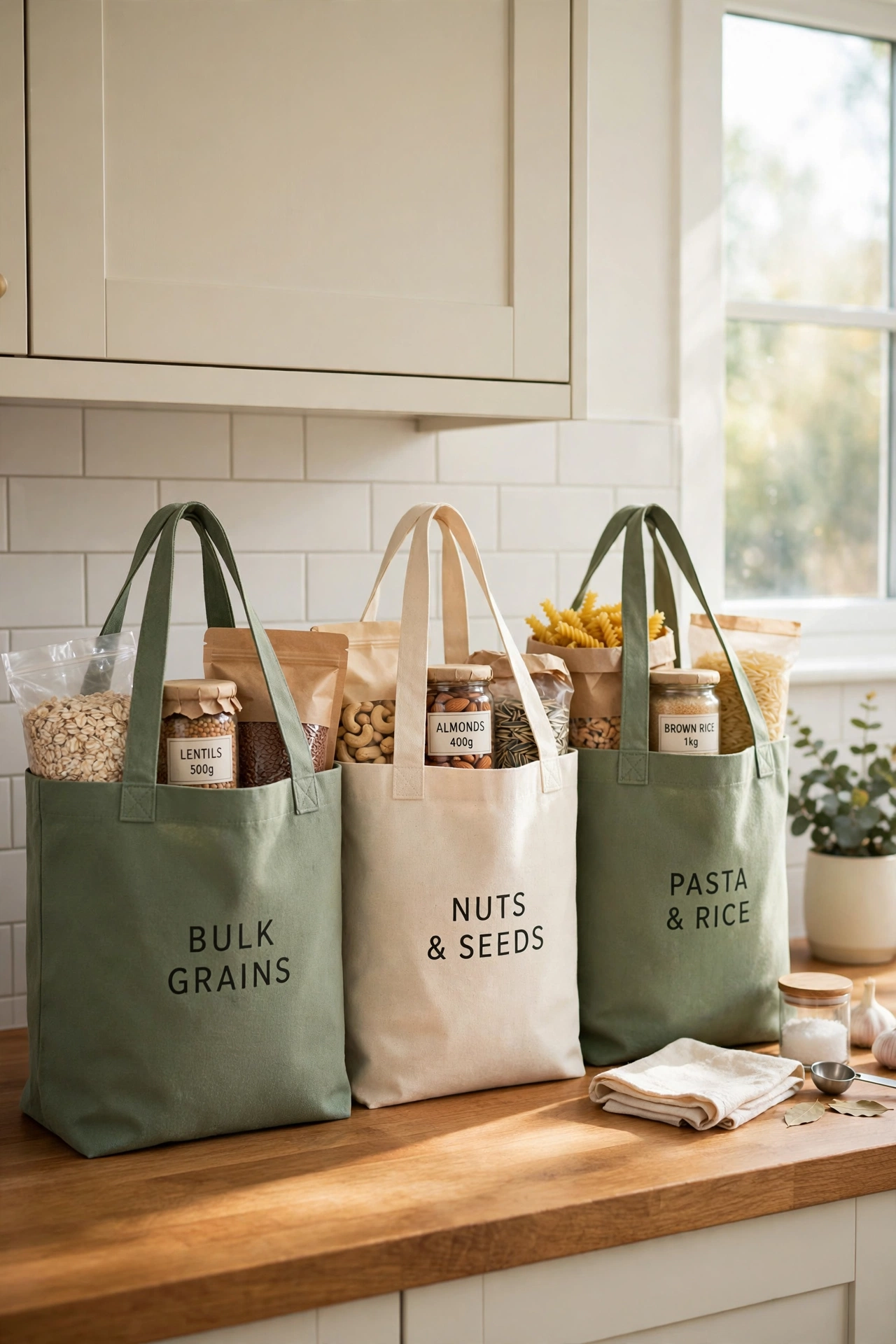
7. Bring Reusable Bags for Bulk Trips
Reusable bags make bulk trips easier and keep the car tidy on the way home. Bring large, sturdy bags that can hold heavy jumbo packs without tearing, and keep them in the car so they are always ready. A set of bags for cold items and a set for dry goods keeps the load organized before it even reaches the kitchen.
Label the bags by category or color so packing and unpacking take minutes. For more ideas on keeping those bags tidy at home, see these reusable shopping bag organization ideas. Reusable bags also cut down on the pile of plastic bags that used to follow every bulk trip home.
8. Build a Bulk Baking Supplies Station
A bulk baking supplies station keeps flour, sugar, and baking staples in one tidy corner. Use large airtight containers for the staples you buy in bulk, and keep the measuring cups and scoops right beside them. When the station has everything in reach, baking starts without a search through five different cabinets.
Label each container with the contents and the date it was filled, and keep the most used staples at the front. For a freezer that supports a well stocked baking station, see these freezer organization ideas. A baking station turns bulk buying into a real habit, because the supplies are always ready to use.
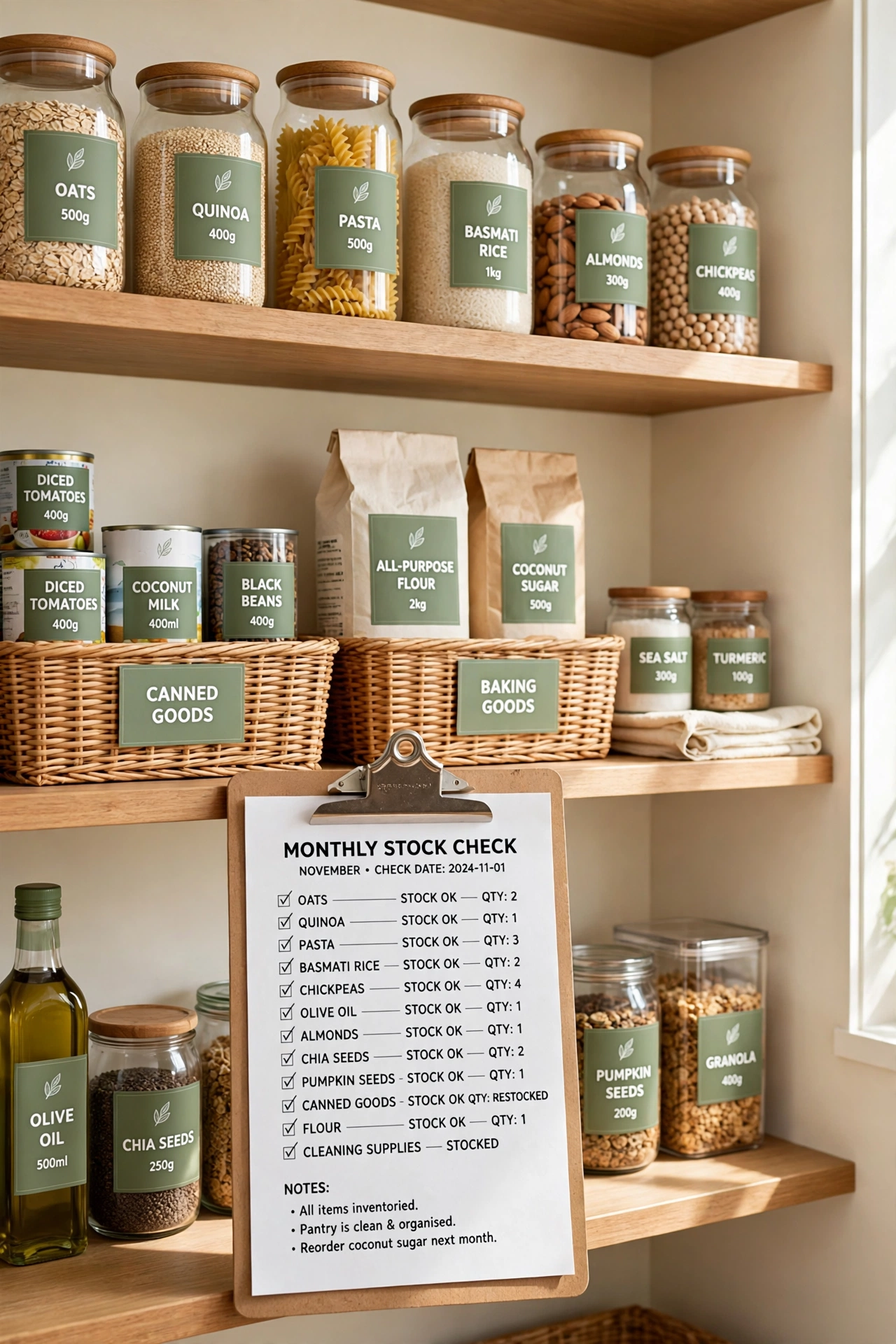
9. Label Bulk Bins with Contents and Date
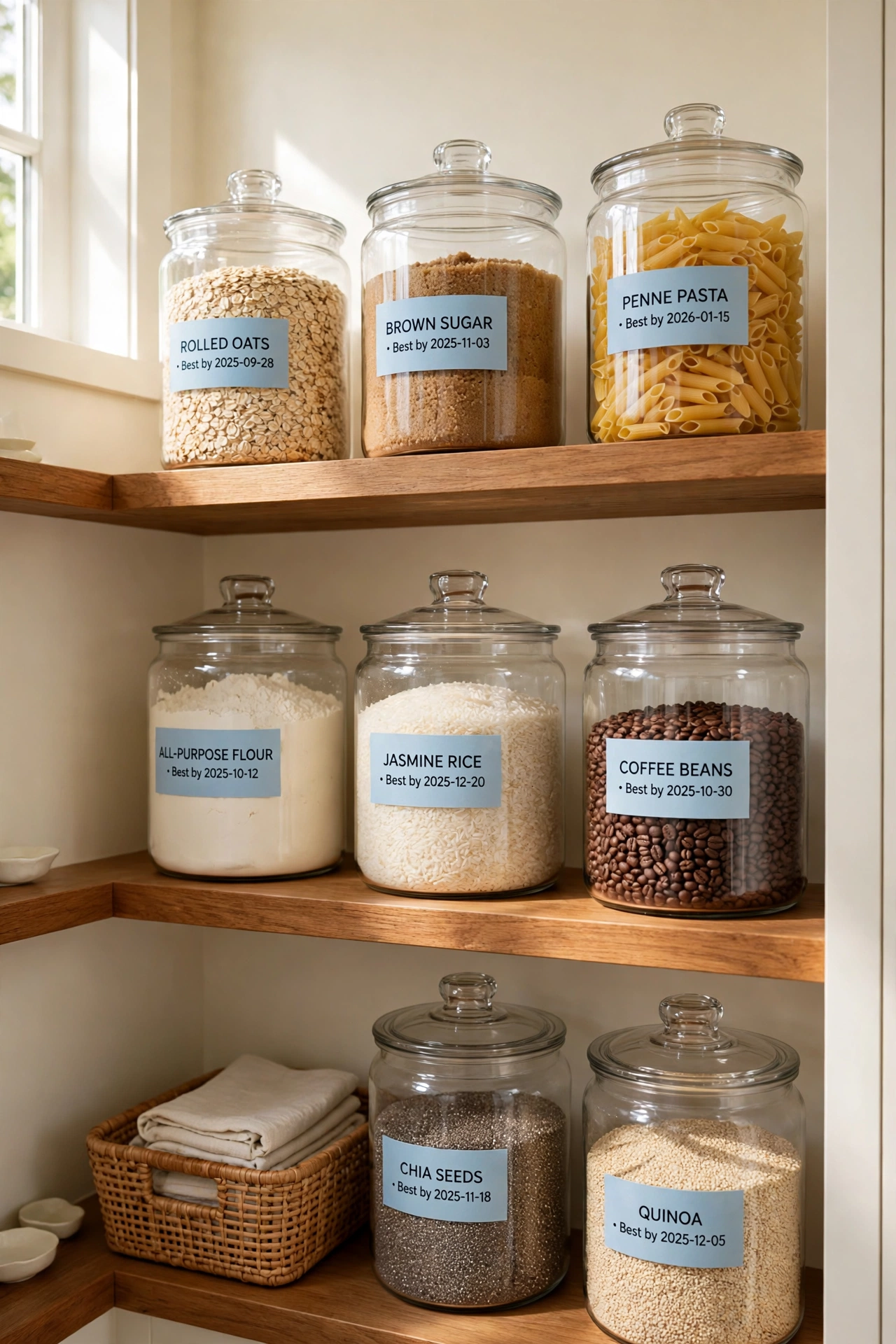
Labels turn a row of identical bins into a system anyone can use. Write the contents and the date on every bin, and place the label where it can be read without moving the bin. A good label stops the guessing game of opening five bins to find the rice.
Use a label maker or neat handwriting on a simple white label, and update the date every time you refill. Keep the labels consistent across the whole pantry so the system looks as tidy as it works. Labeled bins are the smallest habit with the biggest payoff in a bulk pantry.
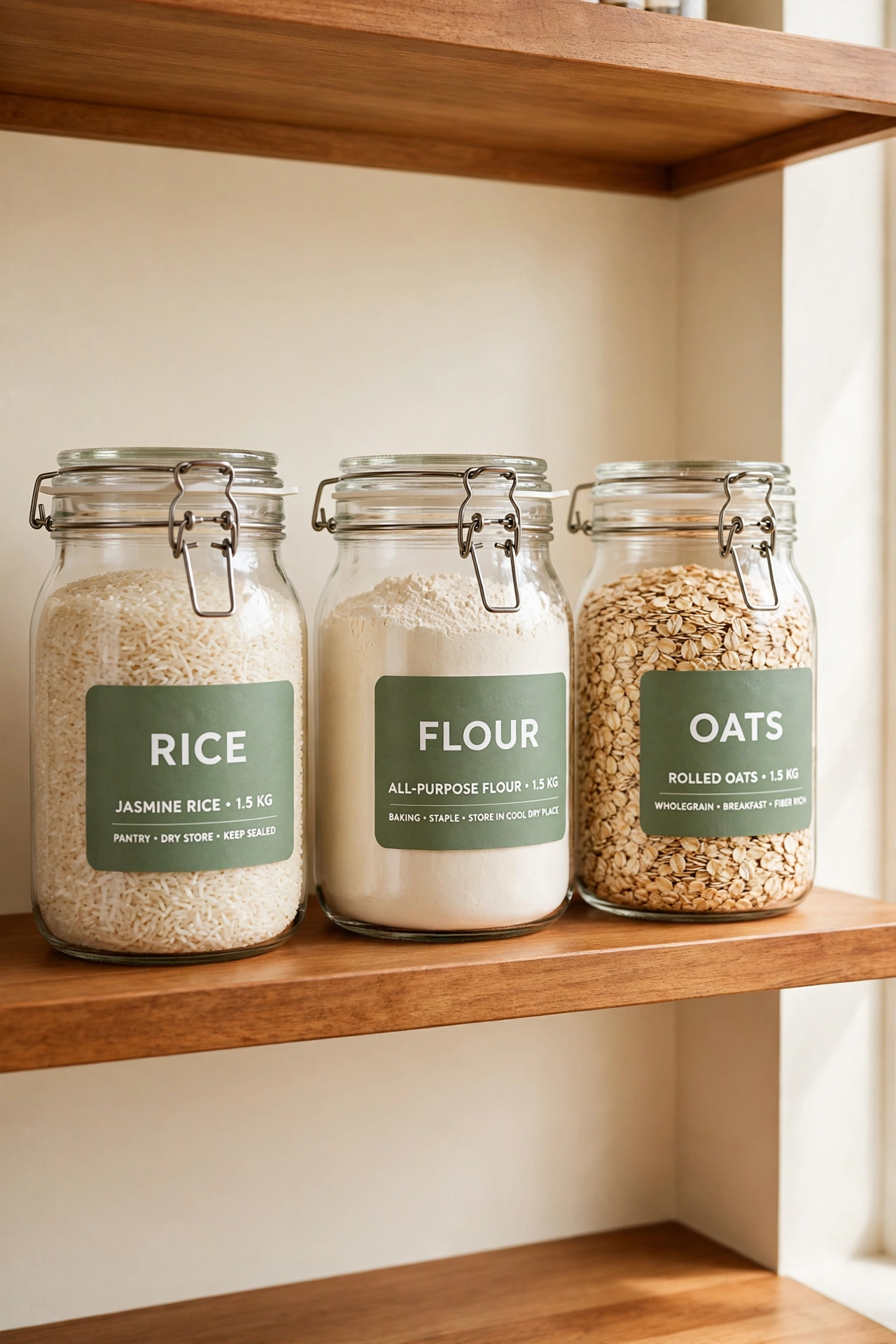
10. Create a Bulk Snack Station for Kids
A bulk snack station gives children their own tidy spot for the snacks you buy in bulk. Use a low shelf or a basket with small bins, one for crackers, one for fruit pouches, and one for granola bars. Children can see the choices and pick their own snack without emptying the whole pantry.
Refill the station once a week from the bulk stock, and keep the portions small so the snacks last until the next refill. A snack station teaches children to choose for themselves while keeping the kitchen tidy. It also stops the daily question of what snacks are left in the house.
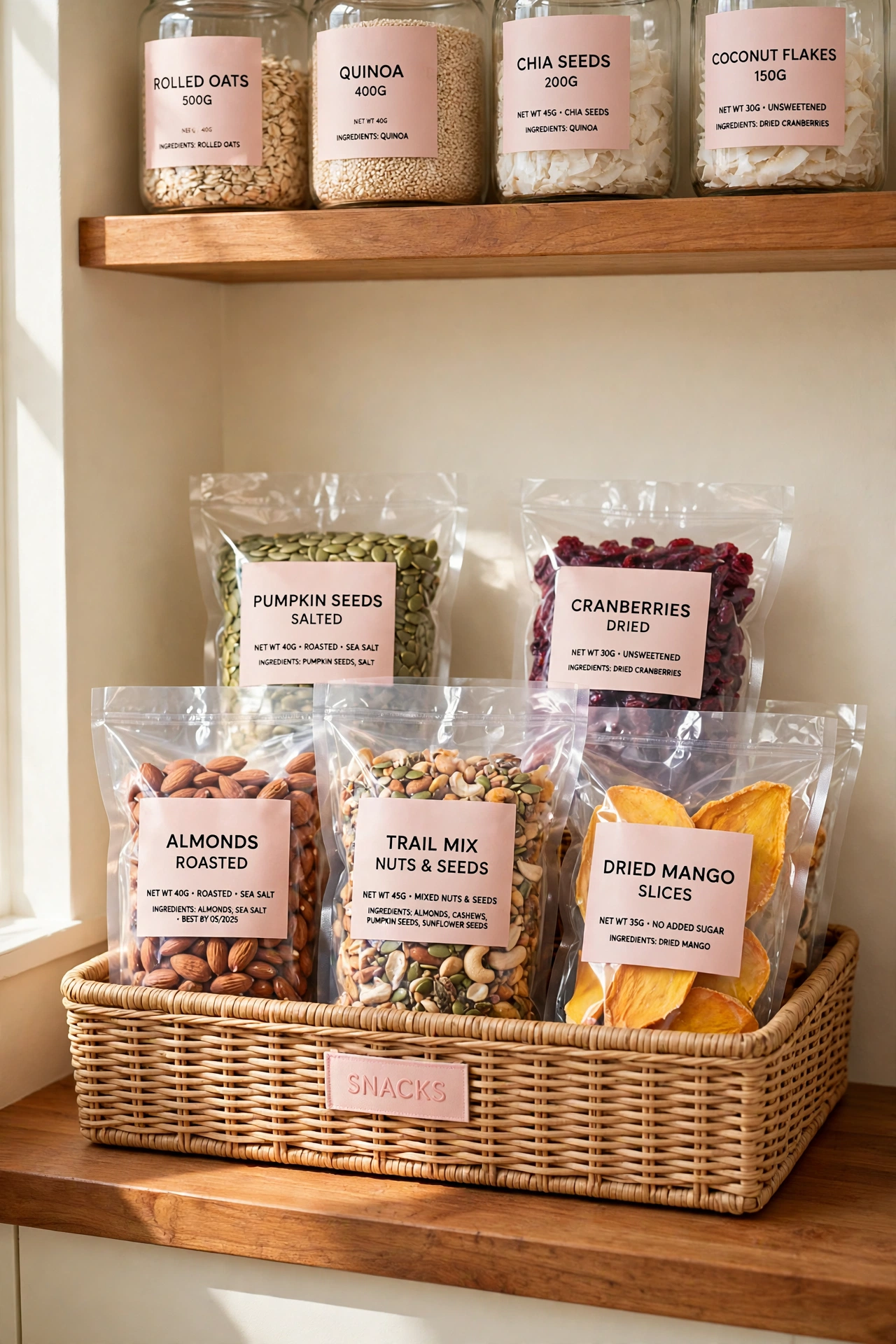
11. Keep Bulk Cleaning Supplies in a Caddy
Bulk cleaning supplies arrive in large bottles that are heavy and awkward to carry around the house. Keep them in a sturdy caddy with a handle, grouped by room or by task, and carry the whole caddy to the room you are cleaning. The caddy keeps the supplies together and the bottles upright.
Store the caddy under a sink or in a laundry closet, and refill the small spray bottles from the bulk bottles when they run low. Label the caddy so the whole family knows where cleaning supplies live. A caddy turns a pile of big bottles into a portable cleaning station.
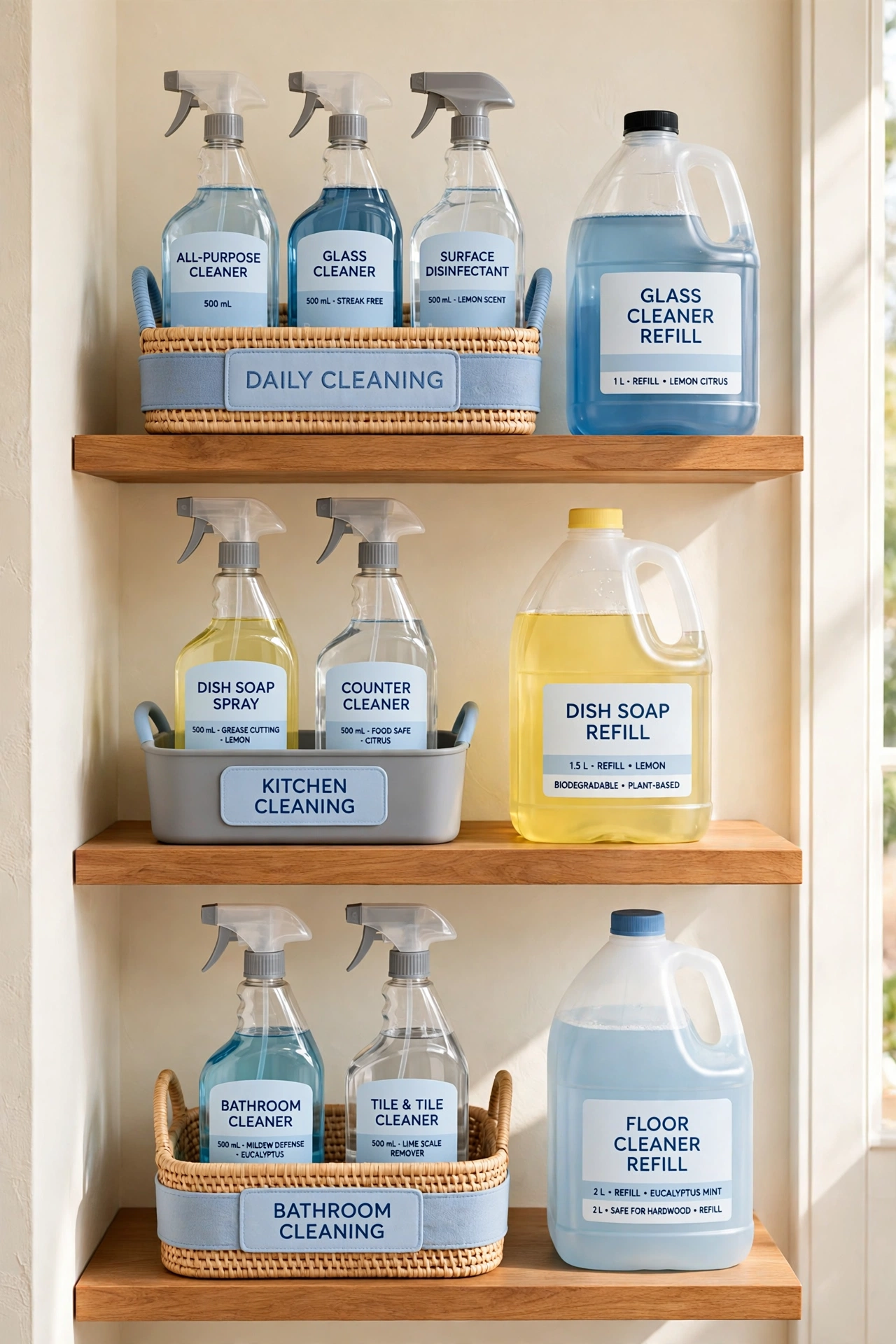
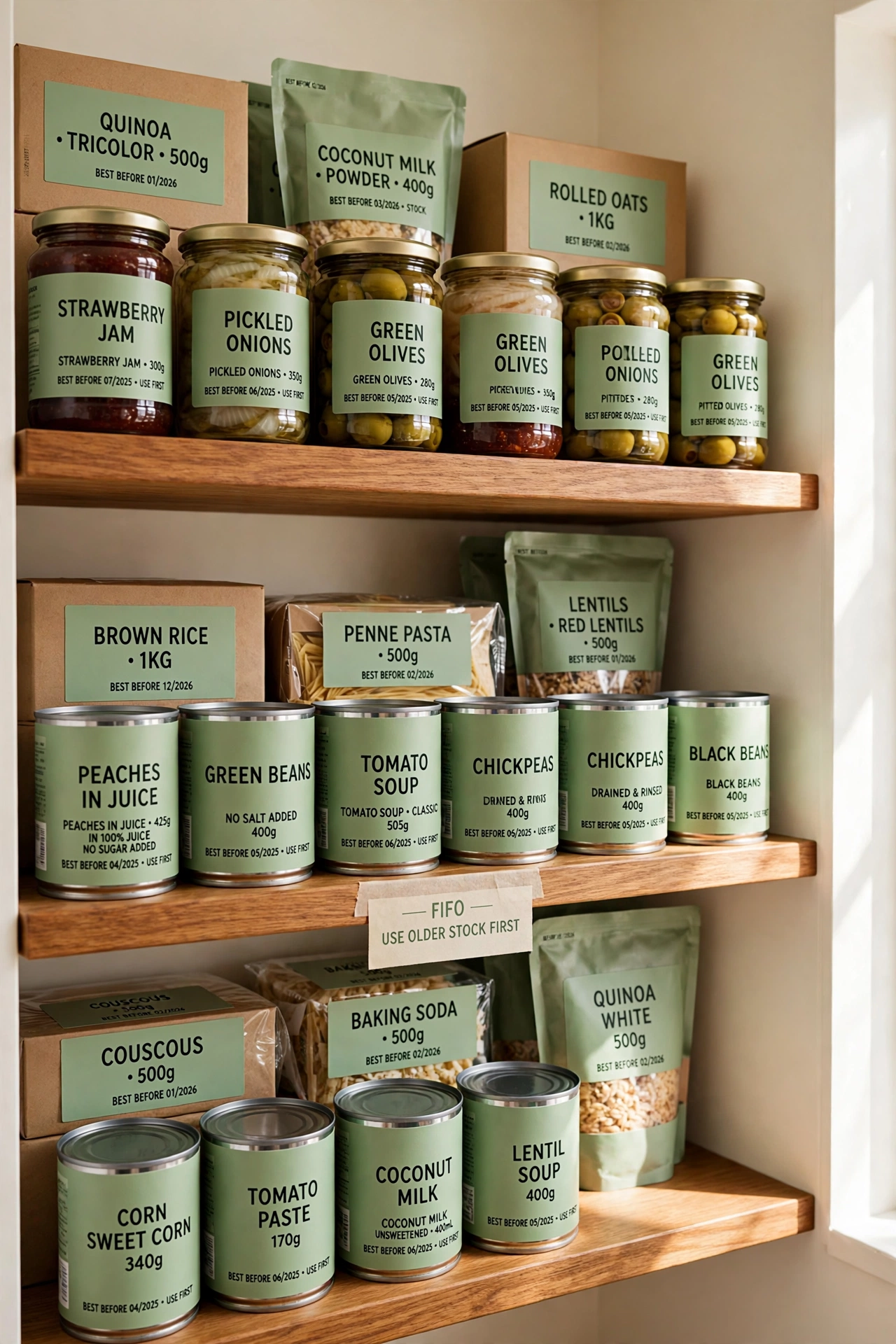
12. Rotate Bulk Stock First In, First Out
First in, first out means the oldest bulk stock gets used before the newest. When a new jumbo pack arrives, place it behind the pack that is already open. The simple rule stops food from expiring on a back shelf while a fresh pack gets opened first.
Write the purchase date on every pack when it comes home, and check the dates once a month. A rotation habit keeps the pantry fresh without any extra tracking system. First in, first out is the quiet rule that makes bulk buying actually save money.
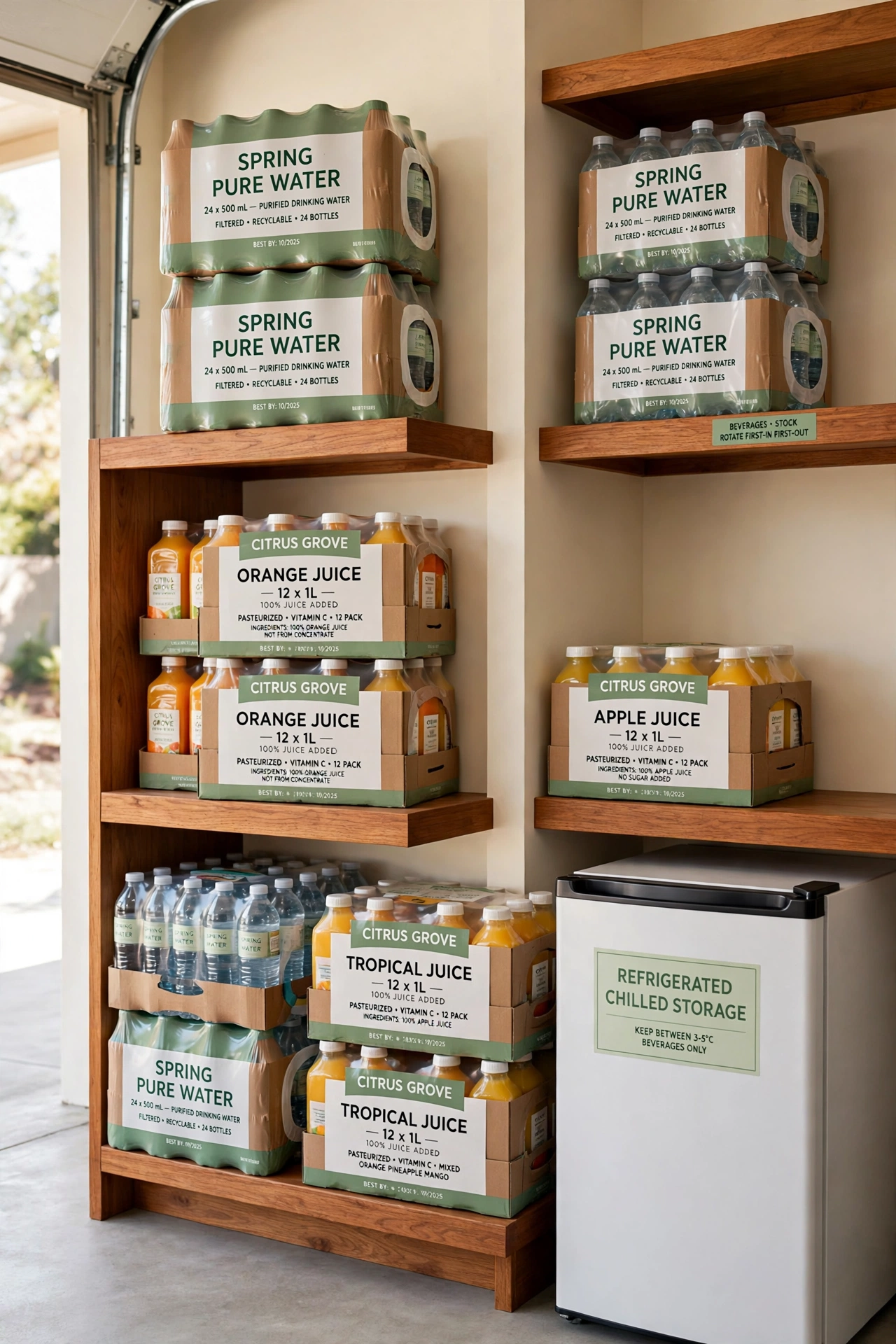
13. Store Bulk Drinks and Water Neatly
Bulk drinks and water bottles stack up fast and take over a whole corner of the garage or pantry. Stack the cases neatly against one wall, with the most used drinks at the front and the spares behind. Keep a small bin for single bottles near the fridge so the family grabs a cold one without opening a whole case.
Place a drip tray or a mat under the stack to catch any condensation. Check the stack once a week and move the oldest cases to the front. Neat drink storage keeps the heaviest bulk buys from becoming a cluttered pile.
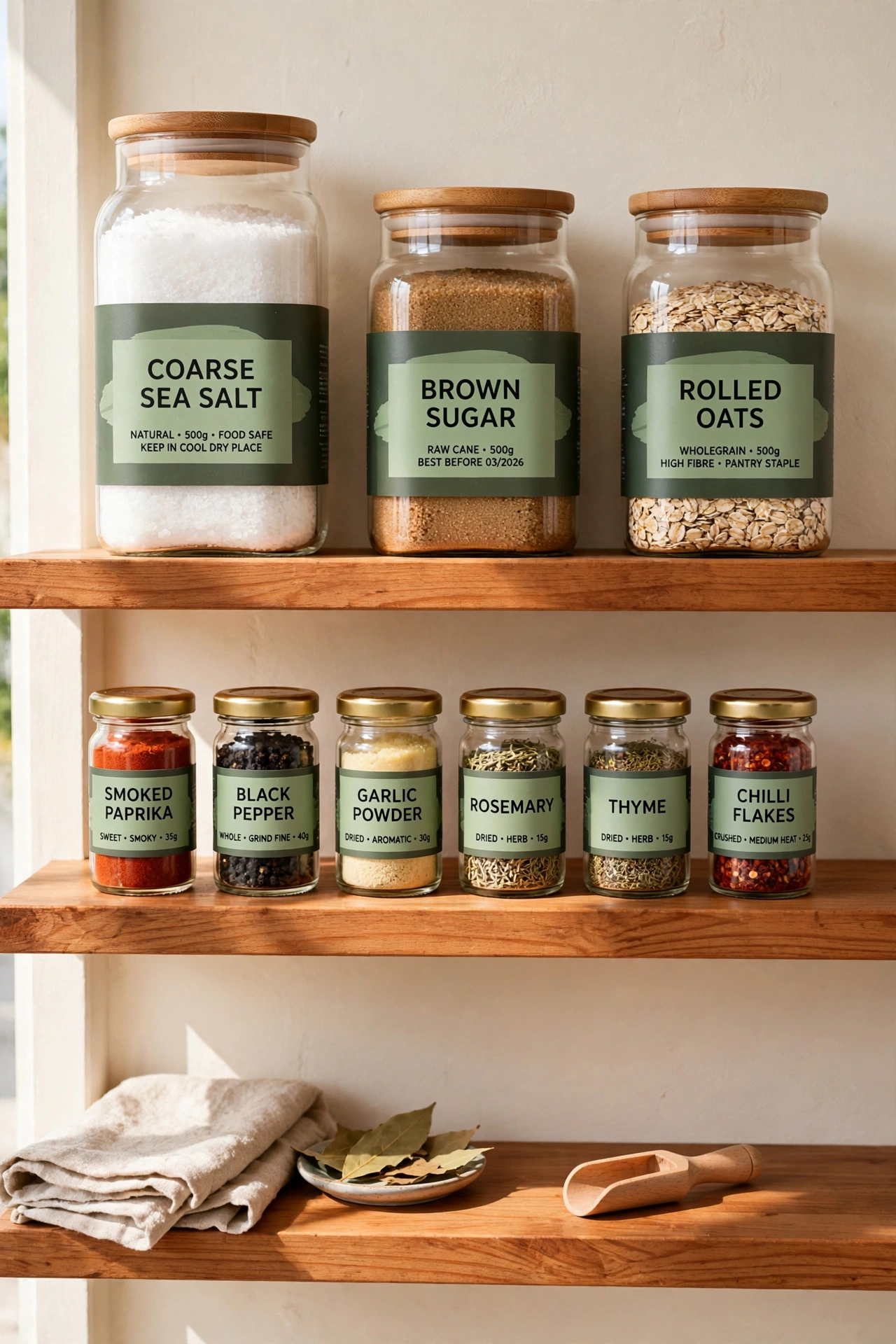
14. Organize Bulk Spice Jars
Bulk spices lose their flavor when they sit in big open bags. Transfer them into small airtight jars with tight lids, and label each jar with the spice name and the date it was filled. The jars stack neatly, the spices stay fresh, and the right jar is easy to find while cooking.
Keep the most used spices at the front of the shelf and the rarely used ones at the back. For more ideas on keeping spices tidy, see these kitchen spice organization ideas. Small jars turn a bulk spice buy into a tidy system that lasts for months.
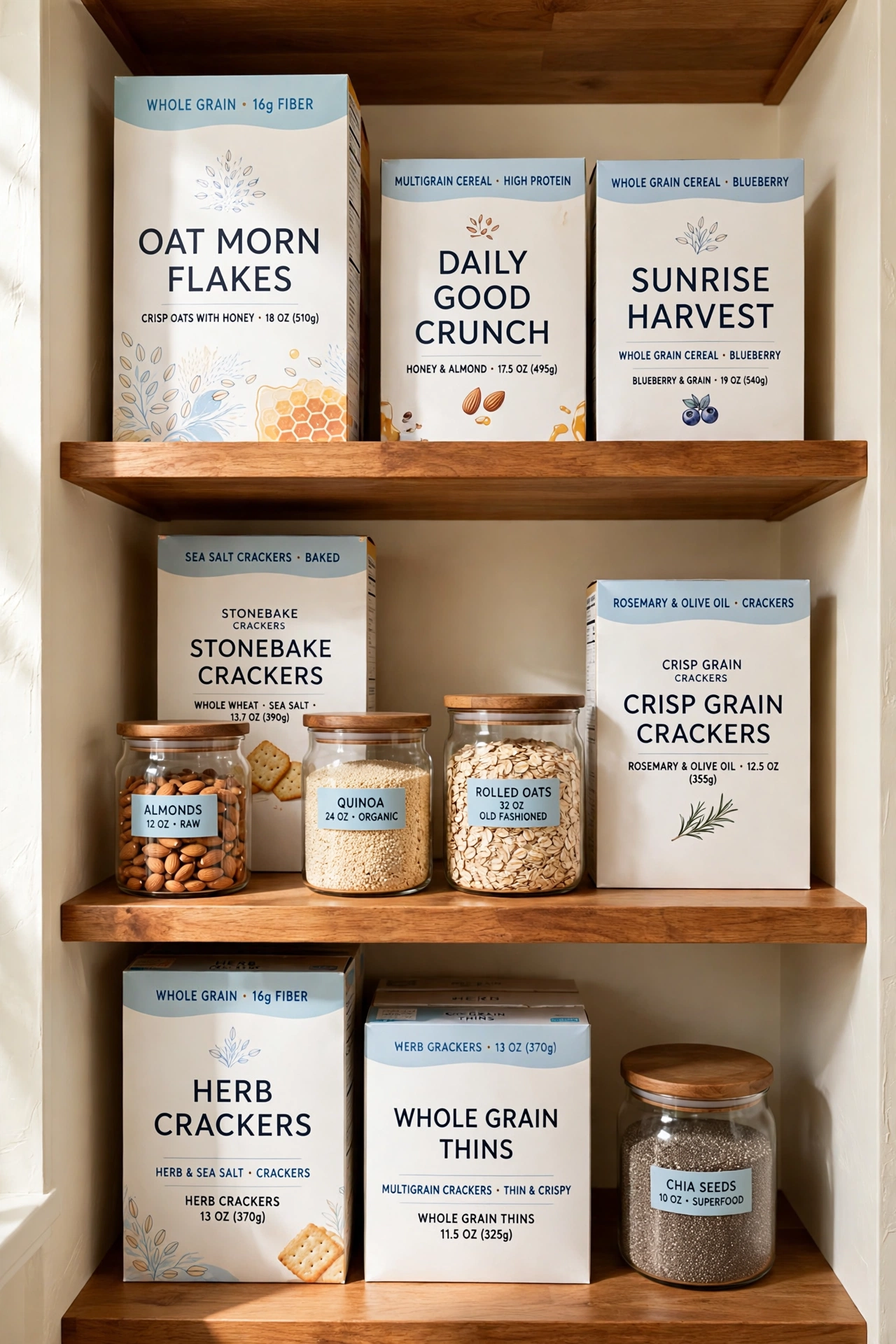
15. Keep Bulk Grains in Airtight Containers
Bulk grains like rice, oats, and lentils need airtight containers to stay fresh and pest free. Pour them from their large sacks into clear containers with tight lids, and label each one with the grain name and the date. The containers stack well, the grains stay visible, and pouring a cup takes seconds.
Choose containers that fit your shelf depth and leave a little space at the top for easy scooping. Keep a scoop in each container so the family never hunts for one. Airtight grain containers are the backbone of a bulk pantry that actually works.
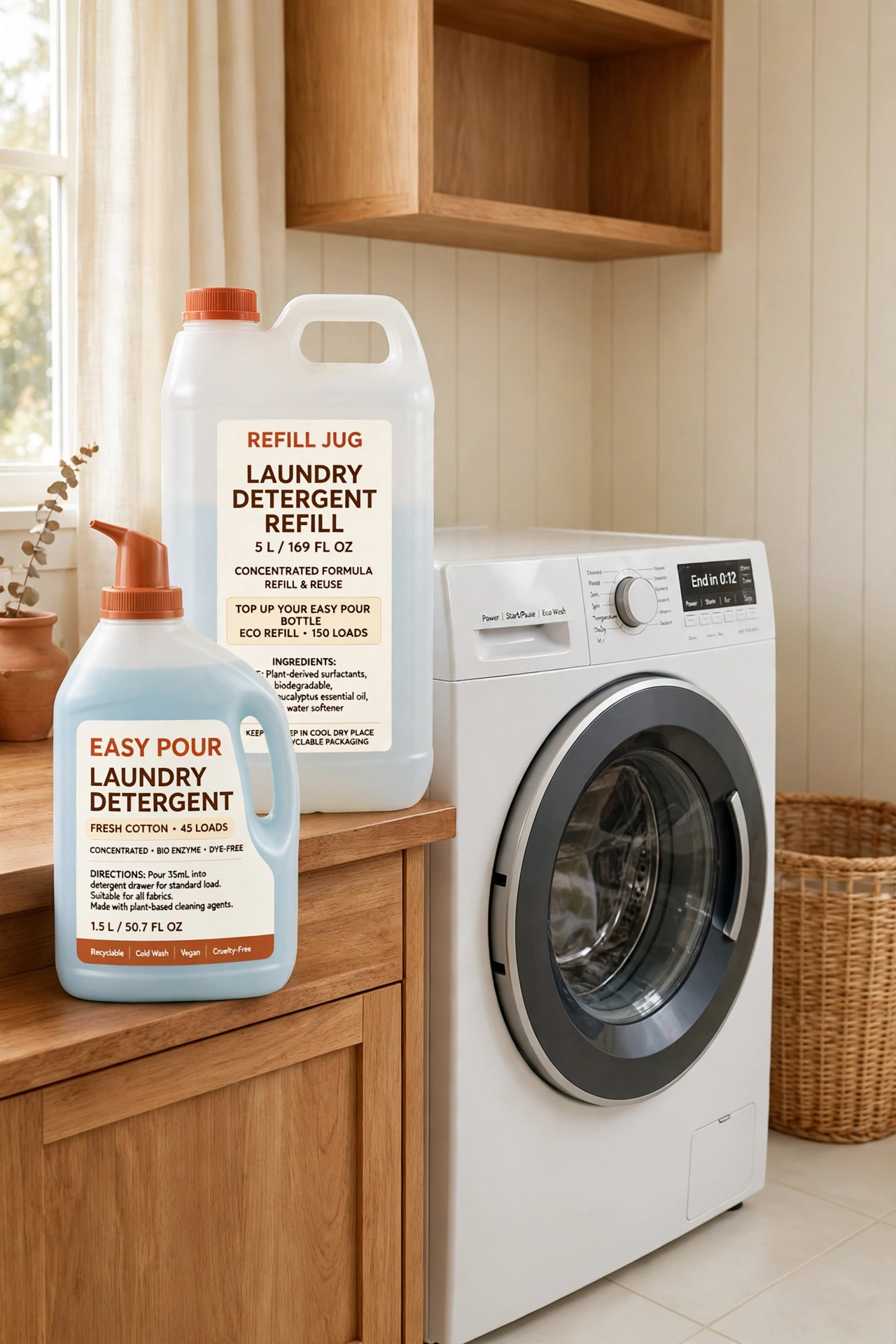
16. Give Bulk Laundry Supplies Their Own Shelf
Laundry detergent, fabric softener, and stain remover arrive in large bottles that crowd the laundry room. Give them one dedicated shelf above or beside the washer, and arrange the bottles with the labels facing out. When the shelf has one job only, the bottles never end up on the floor or behind the dryer.
Keep a small measuring cup beside the detergent so every load uses the right amount. Refill the small bottles from the bulk bottles, and the shelf stays tidy between trips. A laundry shelf keeps the bulkiest cleaning buys in one neat place.
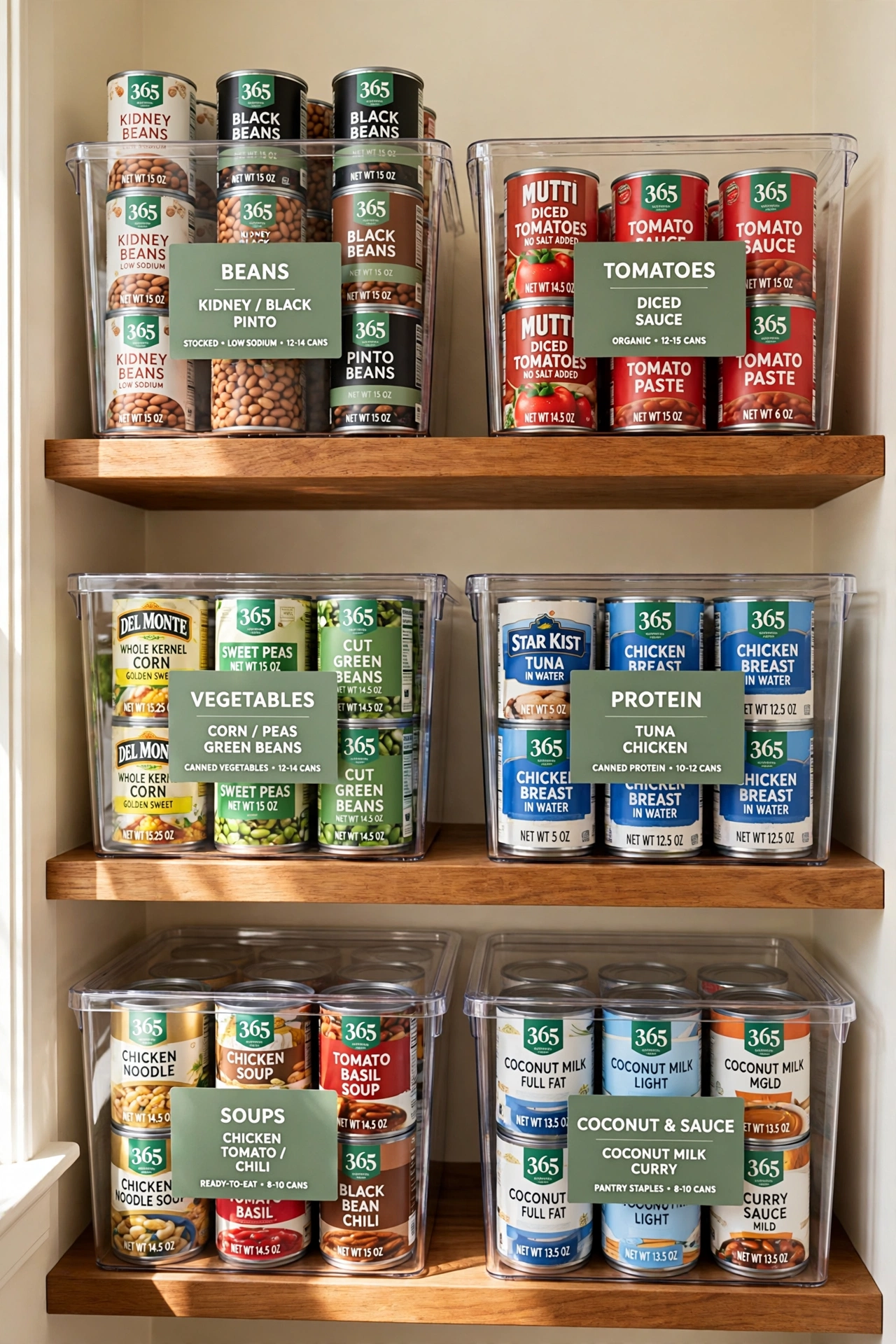
17. Stack Bulk Canned Goods by Type
Bulk canned goods stack best when grouped by type. Keep all the tomatoes together, all the beans together, and all the soups together, with the labels facing out. When the cans are grouped, finding the right one takes seconds instead of a search through a mixed pile.
Place the newest cans at the back and the oldest at the front so the stock rotates naturally. Use a small shelf riser if the cans are hard to see at the back. Grouped cans turn a wall of metal into a pantry system that works as well as it looks.
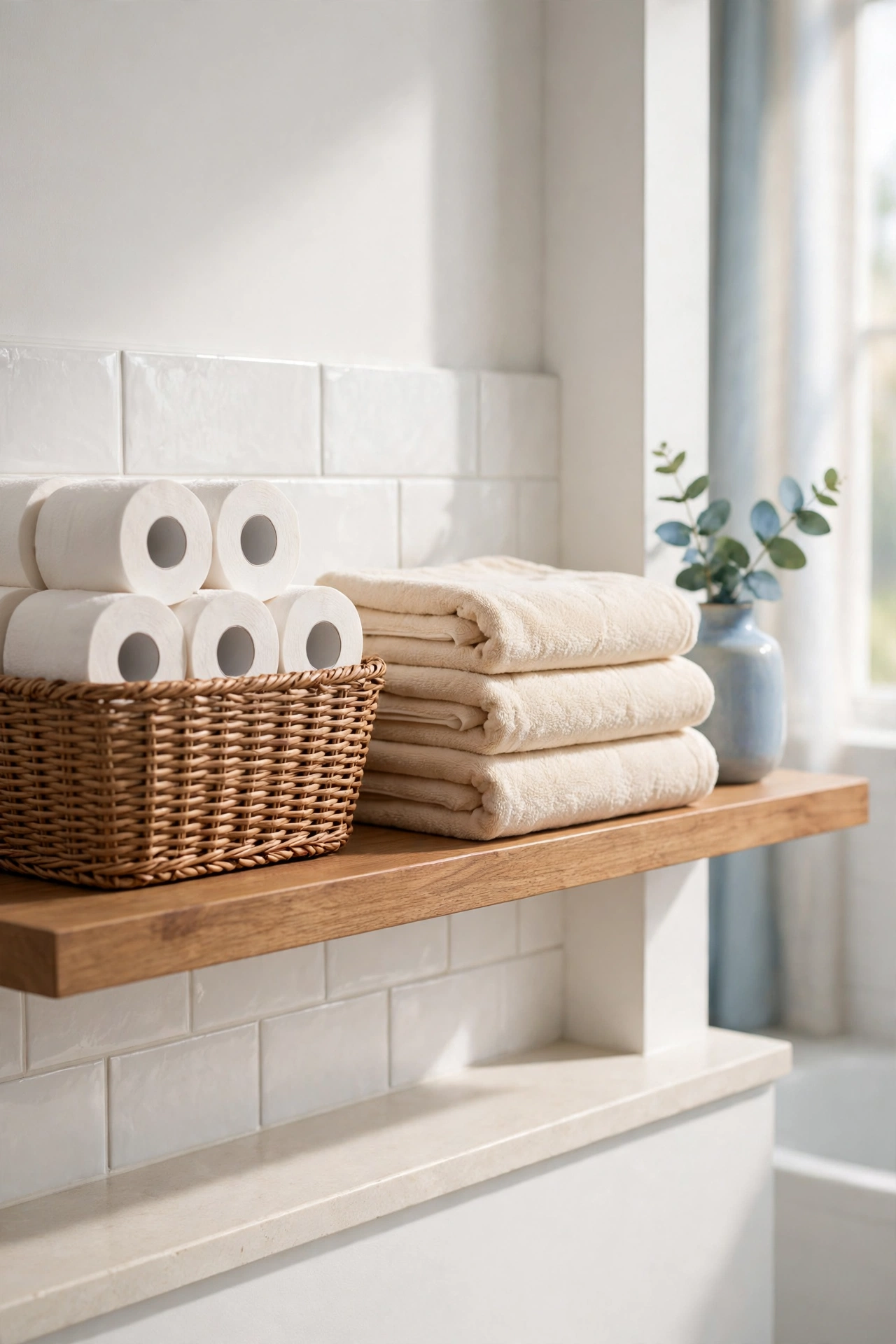
18. Store Bulk Toilet Paper in a Basket
Bulk toilet paper packs are big, soft, and hard to stack neatly. Keep a few rolls in a basket in the bathroom and store the rest of the pack in a closet or a linen shelf. The basket holds the working supply, and the closet holds the backup stock.
Refill the basket once a week so it never runs empty at the wrong moment. Choose a basket that fits the bathroom shelf and matches the room so it looks like part of the decor. A basket keeps the bulkiest household buy tidy in every bathroom.
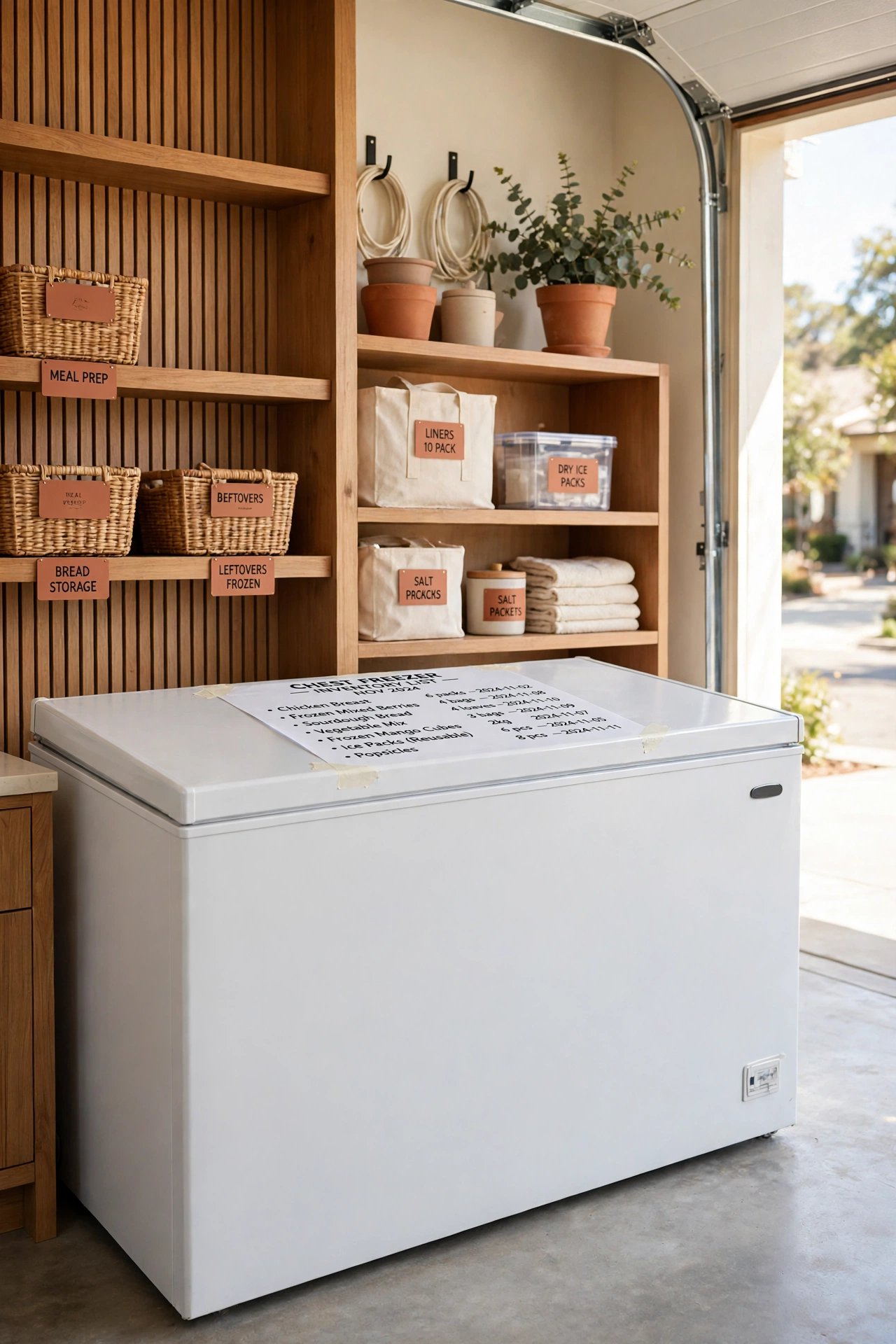
19. Use the Garage for Bulk Overflow
The garage is the perfect place for bulk overflow that does not fit in the kitchen. Set up sturdy shelves along one wall and reserve them for the extra packs, the seasonal bulk buys, and the items you use less often. Keep the shelves labeled so the overflow stays organized instead of becoming a pile.
Store food overflow in sealed bins to protect it from dust and pests, and keep paper goods on the higher shelves where they stay dry. Check the garage shelves once a month and bring forward anything the kitchen needs. Garage overflow gives a large household the extra space bulk buying demands.
20. Pick One Monthly Bulk Shopping Day
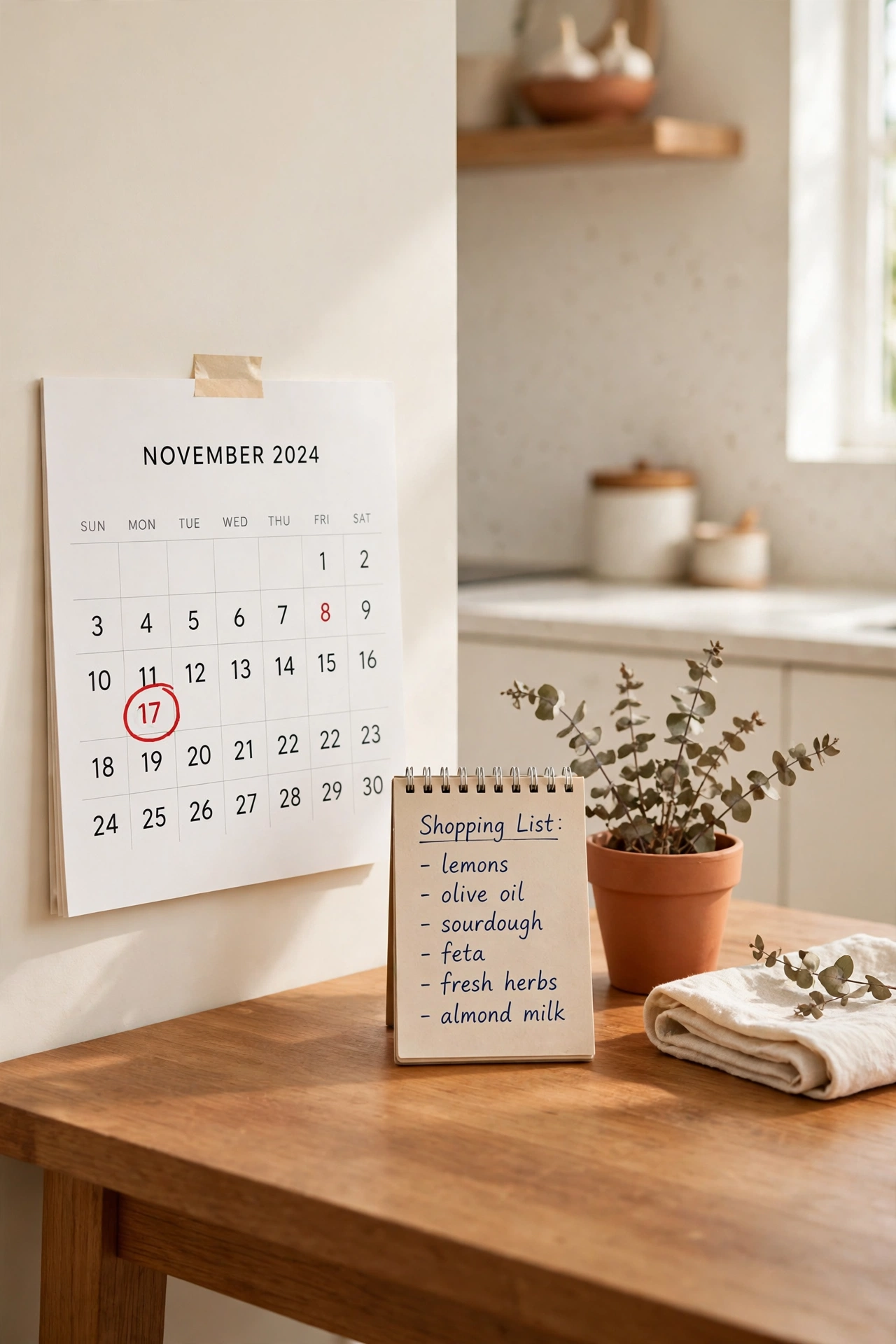
One monthly bulk shopping day replaces a dozen small trips with a single focused shop. Choose the same day each month, write the bulk list the night before, and shop the list in one trip. The rest of the month runs on the stock you bought that day.
Keep a calendar reminder for the bulk day so it never slips past. Review the pantry and the freezer before the trip so the list only holds what is actually missing. One bulk day a month saves time, fuel, and impulse buys all at once.
21. Share Bulk Buys with Family
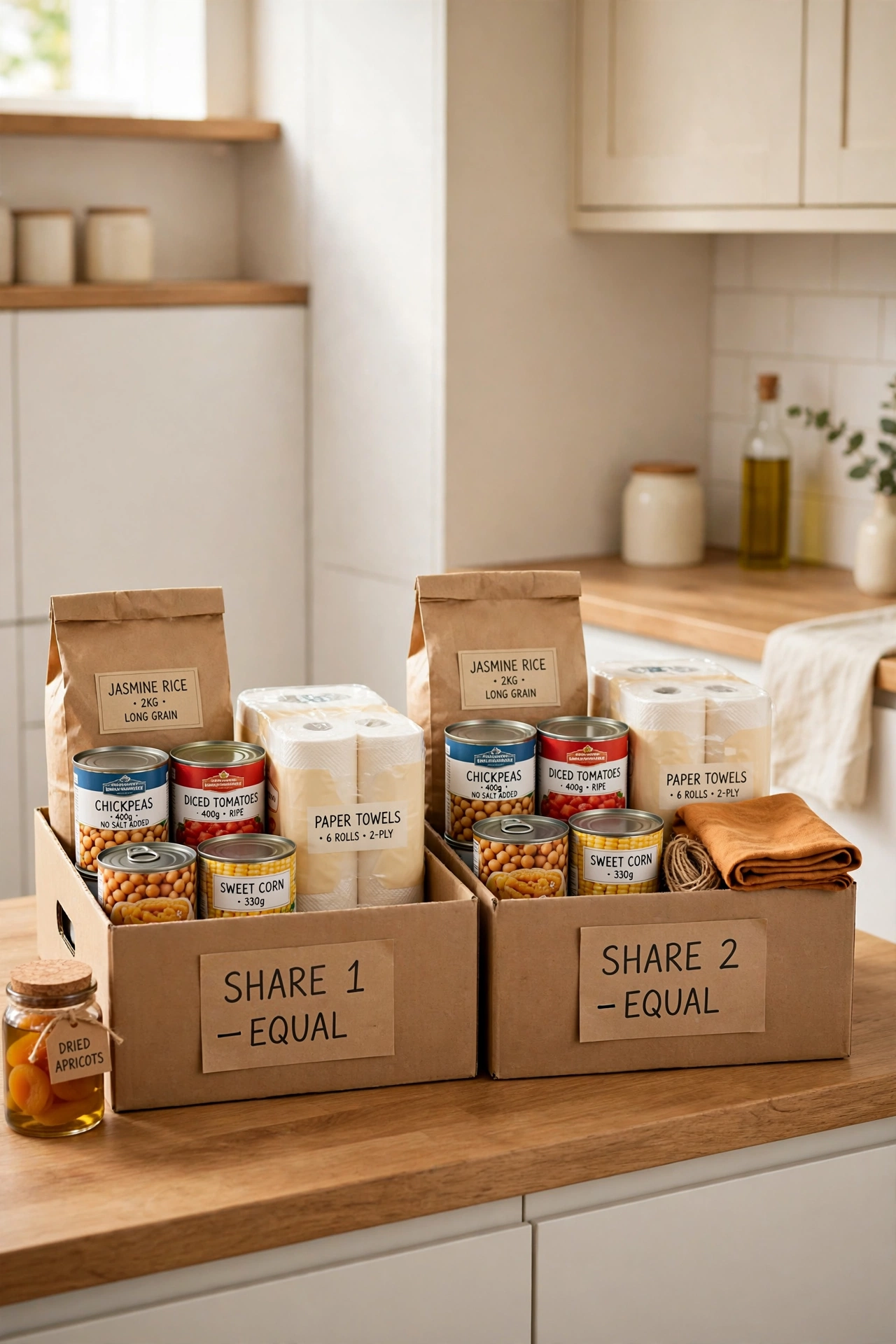
Sharing bulk buys with family or friends splits the cost and the quantity into portions that fit a normal pantry. Buy the jumbo pack together, divide it at home, and each household takes its share. The savings of bulk buying reach everyone, and nobody ends up with more than they can use.
Agree on the split before you shop, and bring containers to divide the food on the spot. A shared bulk buy works best for staples like rice, flour, and paper goods that every household uses. Splitting a bulk buy turns a jumbo pack into a smart deal for two families at once.
22. Track Bulk Savings in a Notebook
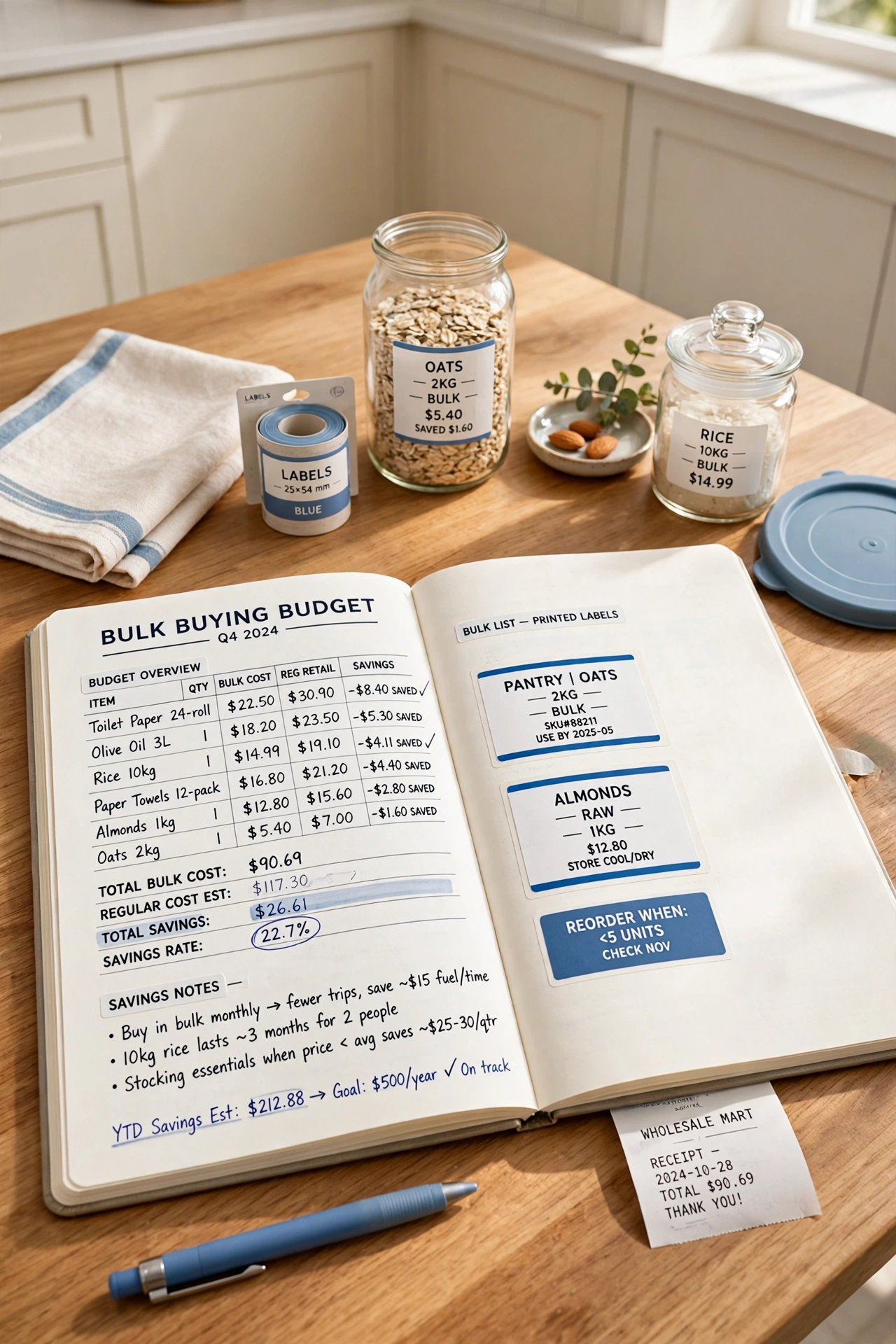
Tracking bulk savings in a notebook shows the family exactly how much bulk buying is worth. Write down the bulk price and the regular price for each item, and note the savings each month. When the numbers add up, the habit feels rewarding instead of like extra work.
Keep the notebook in the kitchen drawer beside the bulk list, and update it after each trip. Review the totals once a quarter and celebrate the savings with a small family treat. A savings notebook turns bulk shopping from a chore into a game the whole family can win.
Conclusion
Bulk shopping works best when every jumbo pack has a place, a label, and a plan. From a dedicated pantry zone to a labeled freezer system, there is an idea here for every large household and every budget. The best system is the one your family will actually keep using, month after month.
Pick one or two ideas that fit your home and start today. Clear one shelf, label a few bins, and enjoy a pantry that stays tidy even after the biggest shop. For a calm home beyond the pantry, these nightly reset routine ideas will help you keep every room organized with just a few minutes each evening.
Frequently Asked Questions About Bulk Shopping Organization Ideas for Large Household Purchases
How much pantry space do I need for bulk shopping?
One dedicated shelf or one section of a pantry is enough for most large households. Decant food into stackable bins and use the garage for overflow that does not fit in the kitchen. A small, well organized zone beats a large, messy pantry every time.
Does bulk shopping really save money?
Yes, bulk buying saves money when you buy only what your household will use before it expires. Track the savings in a notebook and compare the bulk price with the regular price. The savings grow when you plan the list, rotate the stock, and never buy more than the pantry can hold.
How do I keep bulk food fresh?
Transfer bulk food into airtight containers with tight lids and label each one with the contents and the date. Store the containers in a cool, dry place and use the oldest stock first. Airtight storage and first in, first out rotation keep bulk food fresh for months.
What should I buy in bulk first?
Start with the staples your household uses every week, like rice, pasta, toilet paper, and laundry detergent. These items never expire quickly and always get used. Add more items to the bulk list only after the first staples have a tidy home.
How often should I do a bulk shopping trip?
Once a month works well for most large households. Pick the same day each month and write the list the night before. A monthly trip keeps the pantry stocked without turning bulk shopping into a weekly chore.

Hi, I’m Emily! I turn messy corners into cozy, organized spots. DreamNestDecor is where I share simple, practical home ideas — decor, organization, and small-space solutions that work in real life, not just in photos. Every idea here is carefully researched before it’s shared.