Every time it rains, you watch the same sad story unfold. Water pools in the low corner, the lawn turns to mud, and your flower beds drown. You have mopped enough soggy messes, and you are ready for a yard that handles rain gracefully.
These 28 backyard drainage landscaping ideas for wet areas will help you fix soggy spots for good. From hidden French drains to beautiful rain gardens, you will find solutions that work with your landscape instead of against it.
1. Classic French Drain With Gravel Trench
A French drain is the workhorse of yard drainage. Dig a trench along the problem area, line it with landscape fabric, lay a perforated pipe inside, and fill it with gravel. Water enters through the pipe holes and flows away to a safe outlet.
Place French drains across slopes to intercept water or along low spots to carry it away. This discreet fix solves waterlogged lawns and soggy areas between houses.

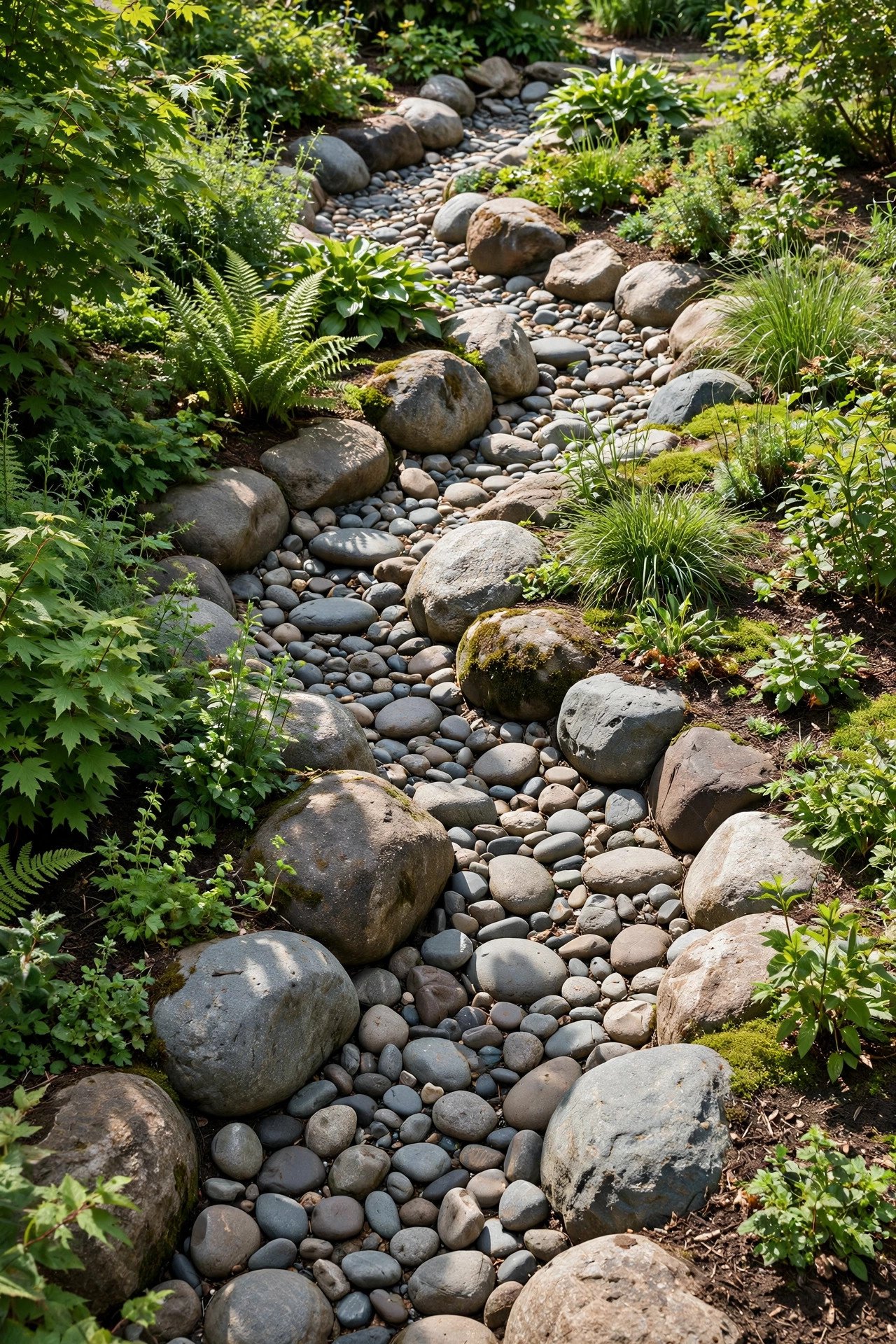
2. Decorative Dry Creek Bed
A dry creek bed turns drainage into a garden feature. Dig a shallow winding trench along the natural water path, line it with fabric, and fill it with river rock and boulders. Rain flows through the stones to a drainage area while the bed looks like a natural stream.
Edge the creek with moisture-loving plants for a lush waterside feel. This is one of the prettiest ways to move water, and these romantic garden styling ideas show how to make it truly enchanting.
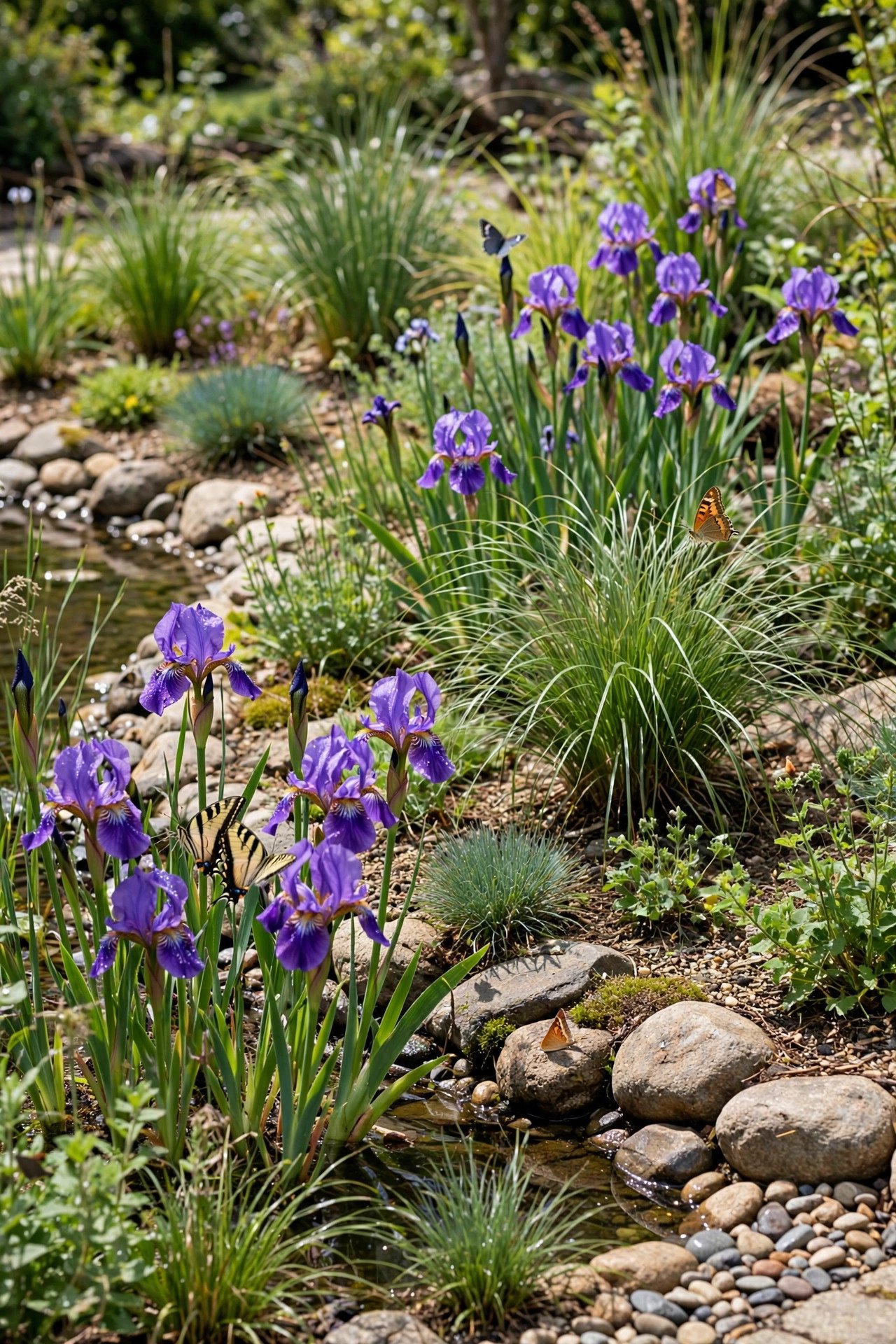
3. Rain Garden With Thirsty Native Plants
A rain garden is a shallow planted basin that catches and filters runoff. Dig a gentle depression six to twelve inches deep in a low spot, improve the soil with compost, and plant thirsty natives like iris, sedges, and swamp milkweed. The plants drink the water while their roots filter it clean.
Rain gardens support pollinators and need little care once established. This eco-friendly solution puts every drop of rain to good use, in the spirit of these sustainable home decor ideas.
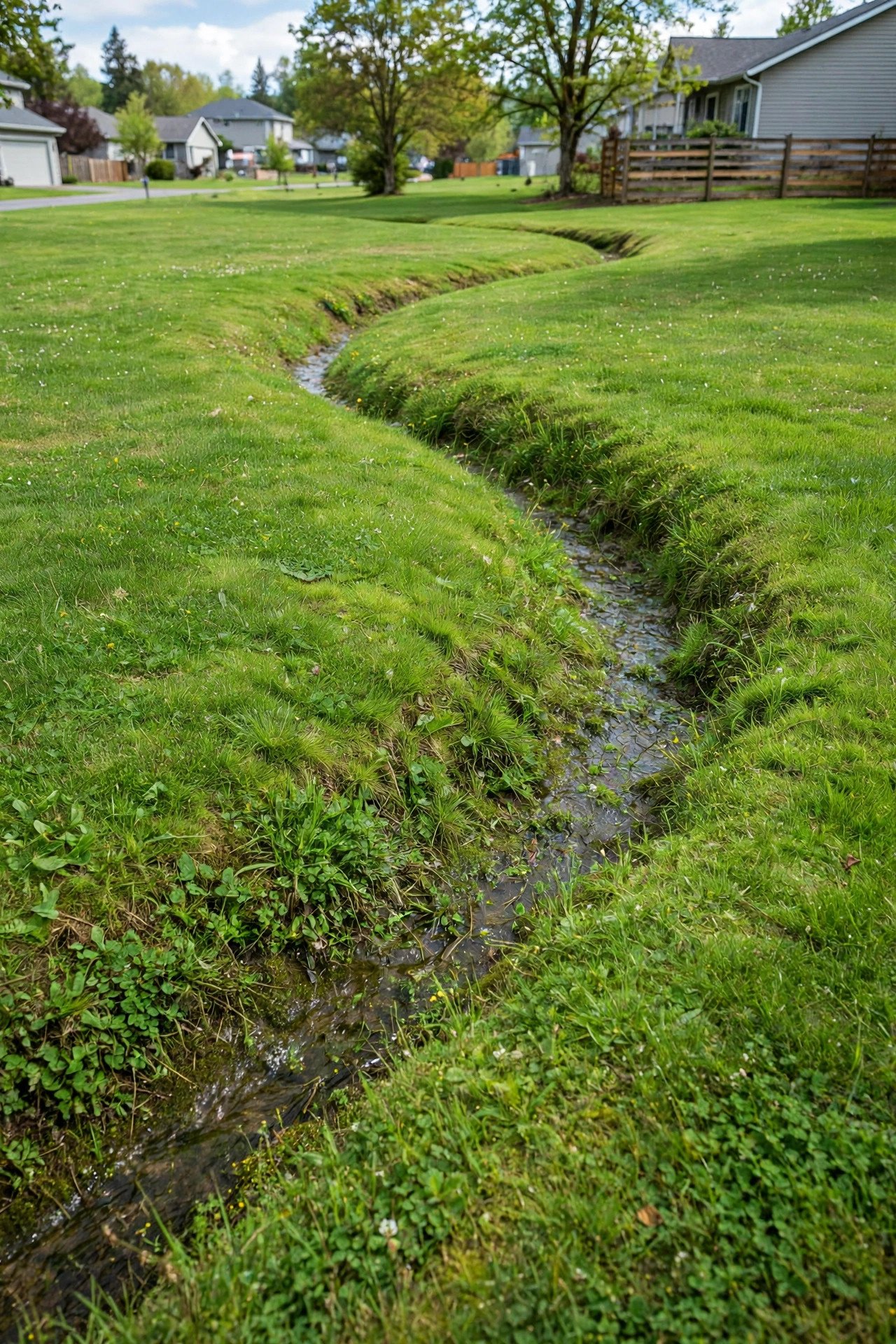
4. Grassy Swale Across the Yard
A swale is a broad shallow channel that guides water gently across the yard. Grade the lawn into a subtle V shape that leads water to a drain or rain garden. Planted with grass, it looks like a natural dip in the landscape rather than a ditch.
Swales suit moderate slopes where water needs redirecting without major construction. Keep the grass mowed so water flows smoothly through the channel.
5. Downspout Extensions to Splash Blocks
Roof water dumping next to your foundation causes more wet yards than anything else. Attach downspout extenders to carry rain at least four to six feet from the house. End them with splash blocks that spread the water gently onto the lawn.
This is the cheapest drainage fix with the biggest impact. Check that every downspout moves water away from the house, not toward it.

6. Catch Basins Connected to Underground Pipe
Catch basins are grates set at ground level in the lowest spots of your yard. They collect surface water and send it through buried solid pipe to a safe outlet. Connect several basins in a soggy area for complete coverage.
Clean the grates each fall so leaves never block the flow. Buried pipe keeps your yard looking clean while the system works invisibly below.

7. Channel Drain Along the Patio Edge
A narrow channel drain set into the patio edge catches runoff before it floods your outdoor living space. The slim grate sits flush with the pavers, so it never trips anyone. Connect it to solid pipe that carries water to the lawn or street.
This is essential where a patio meets a slope or a lawn sits higher than the paving. Your outdoor furniture stays dry no matter how hard it rains.

8. Permeable Paver Patio
Swap solid concrete for permeable pavers that let rain soak straight through. The pavers sit on a deep gravel base that stores water and releases it slowly into the soil. Your patio stays puddle-free while the groundwater gets recharged.
Permeable patios look just as polished as traditional ones. Style yours beautifully with inspiration from these Mediterranean porch ideas for a resort feel.

9. Dry Well Buried in the Lawn
A dry well is an underground pit filled with gravel that collects and slowly disperses water. Bury it in a soggy lawn area and connect your downspouts or French drains to it. The lawn above stays green and usable with no visible structure.
Size the well to your roof and soil type so it never overflows. This invisible solution is perfect for yards where you want drainage without changing the look.
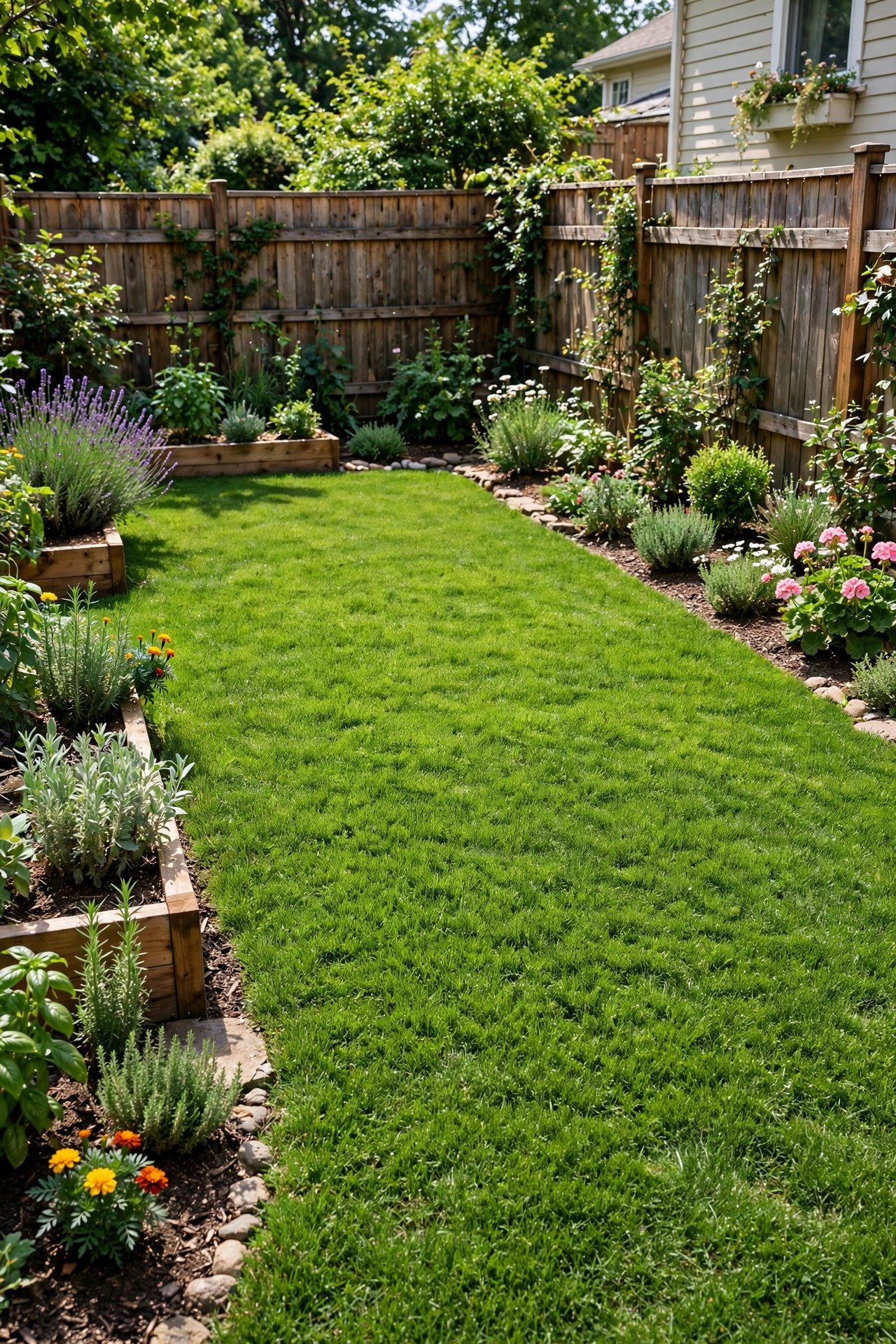
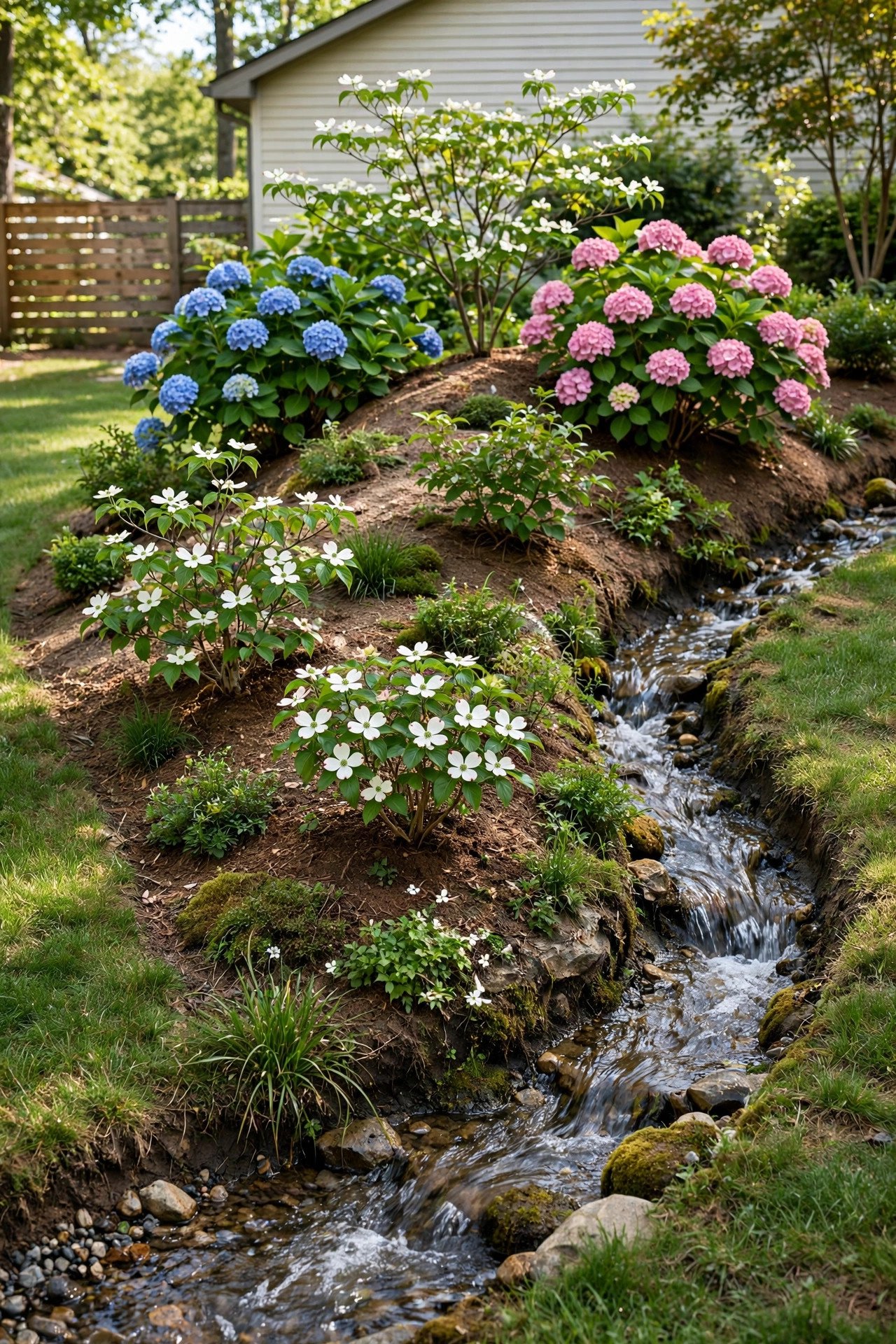
10. Berm Planted With Water-Loving Shrubs
A berm is a raised mound of soil that redirects water while creating planting space. Shape one across the water’s path and plant it with thirsty shrubs like willow, dogwood, and hydrangea. The mound blocks surface flow and the plants drink deeply.
Berms also add welcome height and dimension to flat yards. Mulch heavily so the new mound holds moisture for its plants.
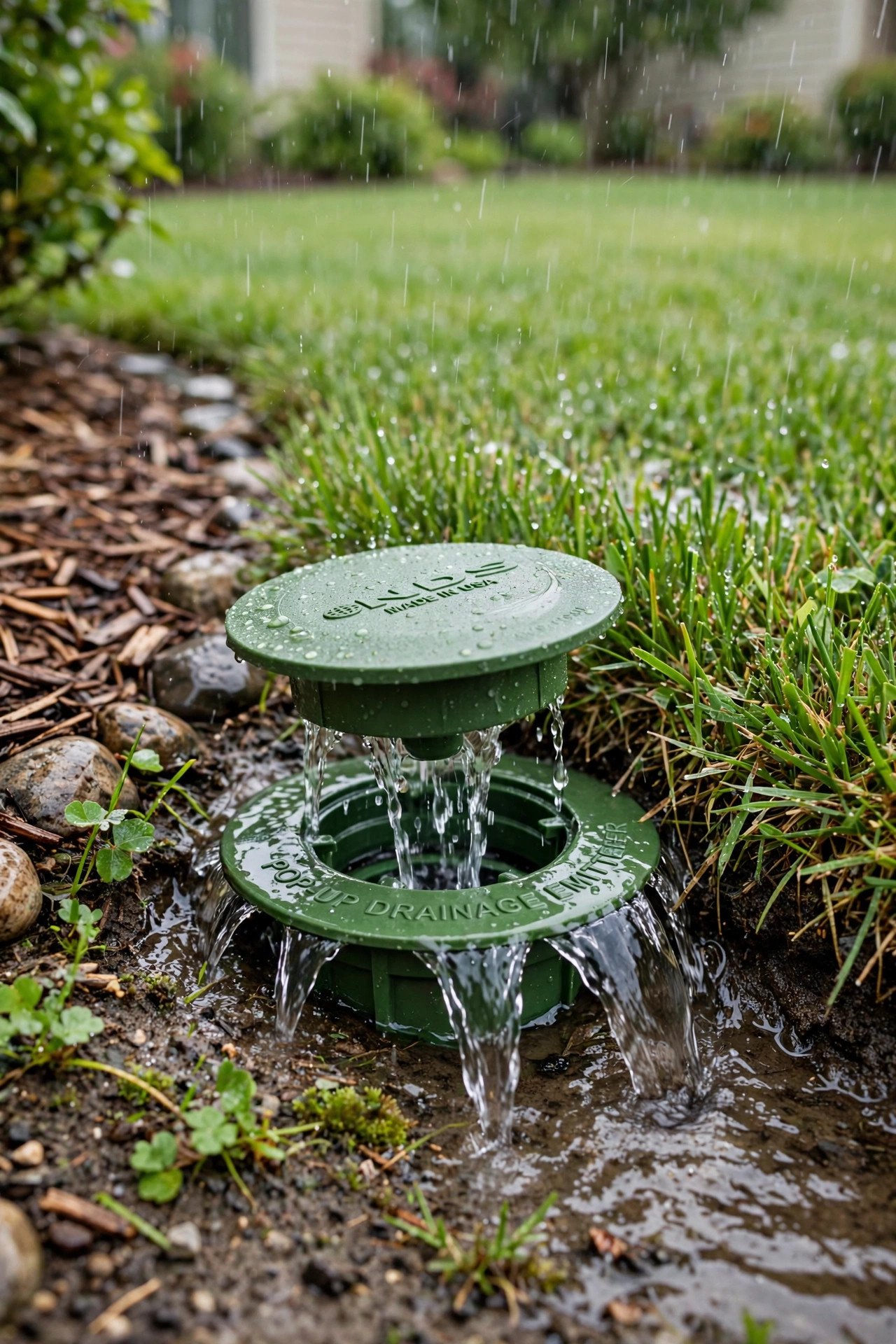
11. Pop-Up Drain Emitters at the Lawn Edge
Pop-up emitters are clever outlets for buried drain pipes. Water pressure pushes the cap open during rain, releasing water onto the lawn, and it closes flat afterward for easy mowing. Connect them to French drains or catch basins.
Place emitters where water can spread safely away from the house. They keep your drainage system hidden until the moment it works.
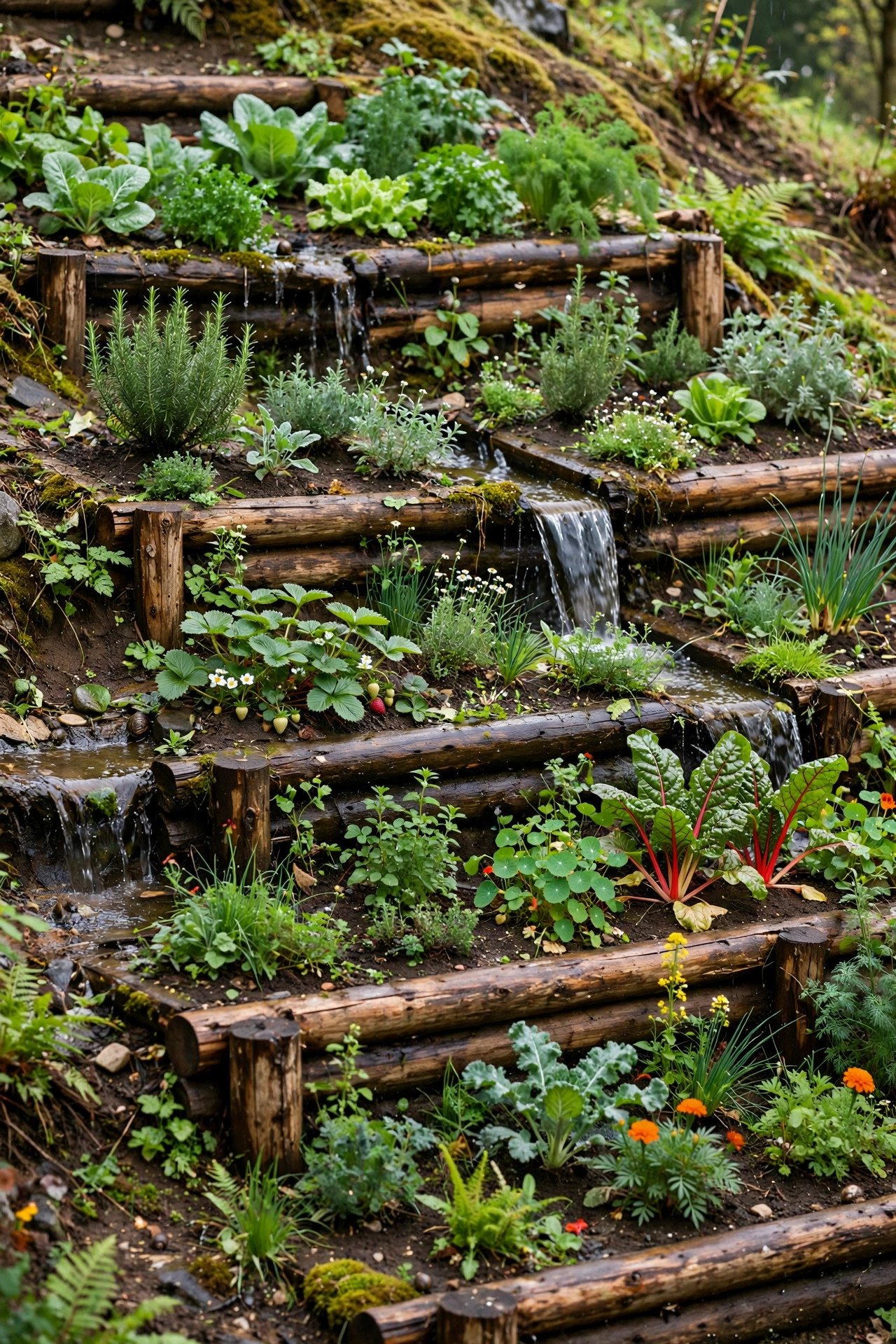
12. Terraced Beds to Slow Runoff
Terraces break a slope into level steps that catch water instead of shedding it. Each flat bed soaks up rain before it rushes downhill. Build low retaining walls or simple timber edges to form the tiers.
This approach controls erosion beautifully while creating gorgeous planting space. Terracing turns your steepest problem into your prettiest garden.
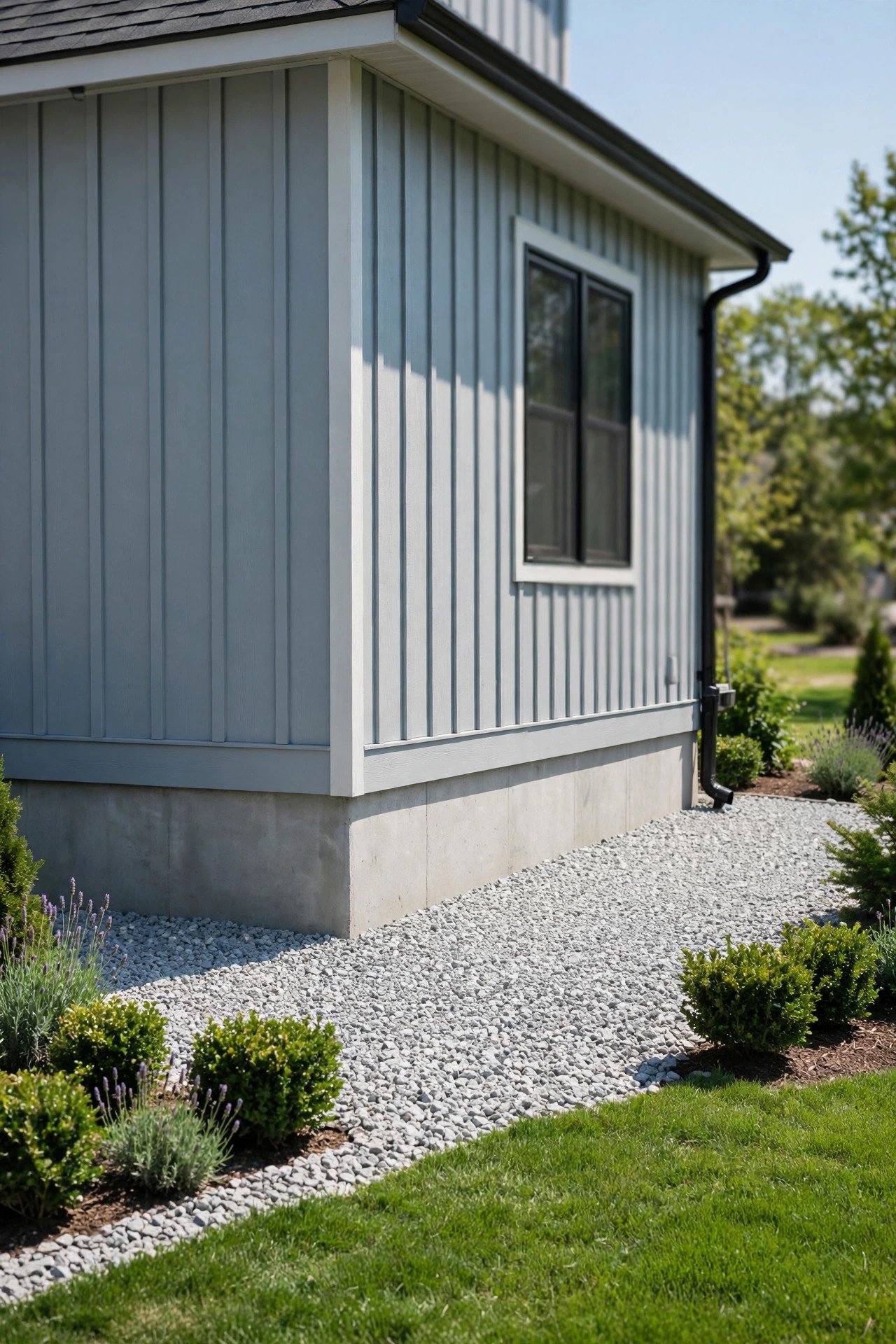
13. Gravel Border Around the Foundation
A wide gravel border around your house foundation keeps water away from the walls. Dig down a foot, line with fabric, and fill with clean gravel that drains instantly. The border also stops mud from splashing onto your siding.
Keep the gravel a few inches below the siding for best results. This simple ring protects your home’s most vulnerable zone.
14. Rain Barrels Under Every Downspout
Rain barrels capture roof runoff before it ever reaches your yard. Place one under each downspout and use the stored water for gardens and containers. A full barrel can hold fifty gallons that would otherwise flood your lawn.
Choose barrels with screens to keep mosquitoes out and overflow valves for heavy storms. Harvesting rainwater is a smart budget move, like the clever projects in these rental-friendly decor hacks.

15. Bioswale Planted With Ornamental Grasses
A bioswale is a landscaped channel designed to slow and filter runoff. Shape a gentle depression along the water’s path and plant it densely with ornamental grasses and sedges. Their roots trap sediment while the foliage slows the flow.
Bioswales look like intentional garden beds, not drainage infrastructure. They are beautiful, functional, and wonderful for local waterways.
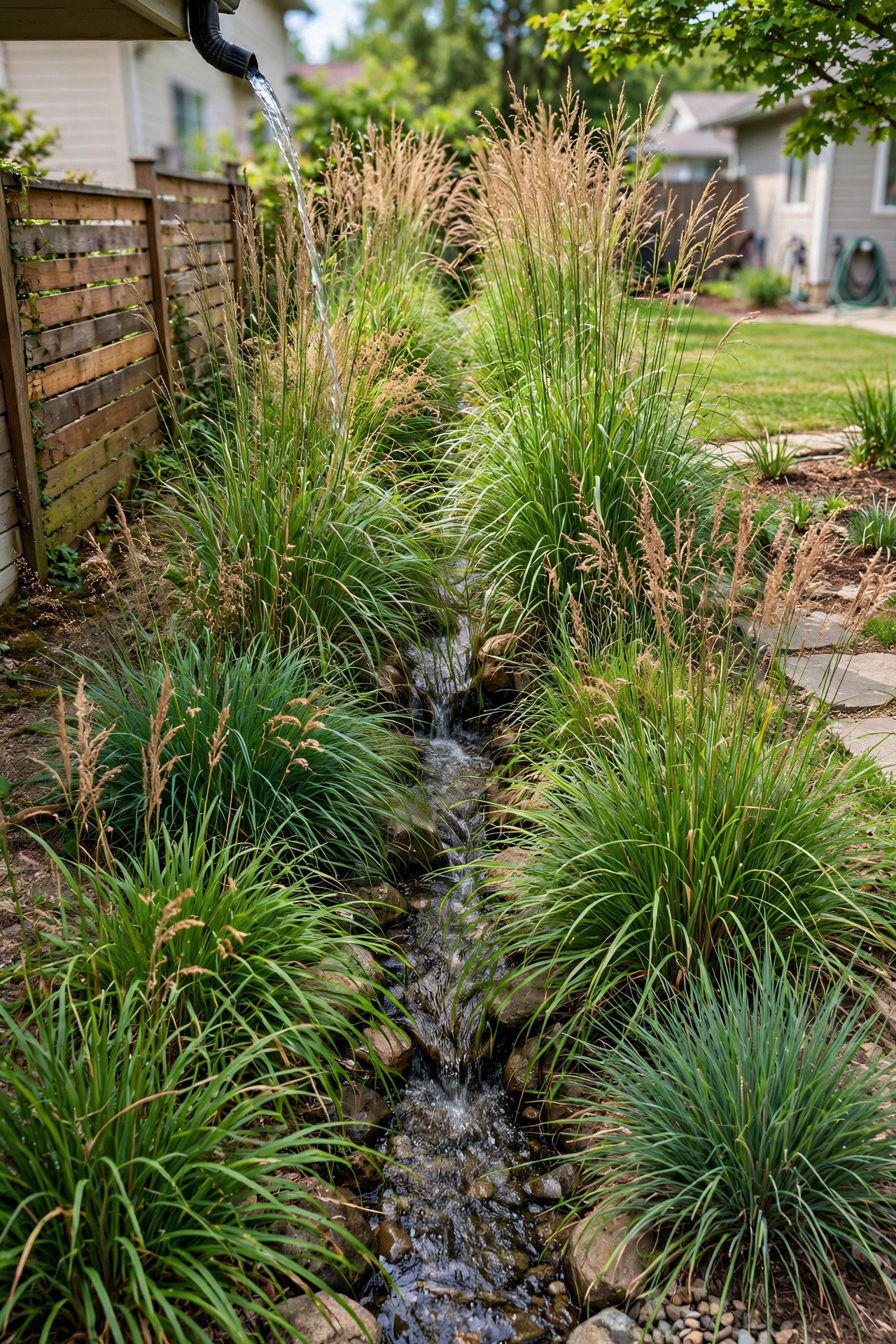
16. Stepping Stone Path Over a Drainage Channel
When a drainage channel must cross your walking route, bridge it with stepping stones. Set large flat stones across the swale at a comfortable stride. Water flows beneath while you stay dry above.
This keeps the yard fully walkable without hiding the drainage. Choose stones wide enough for secure footing in wet weather.

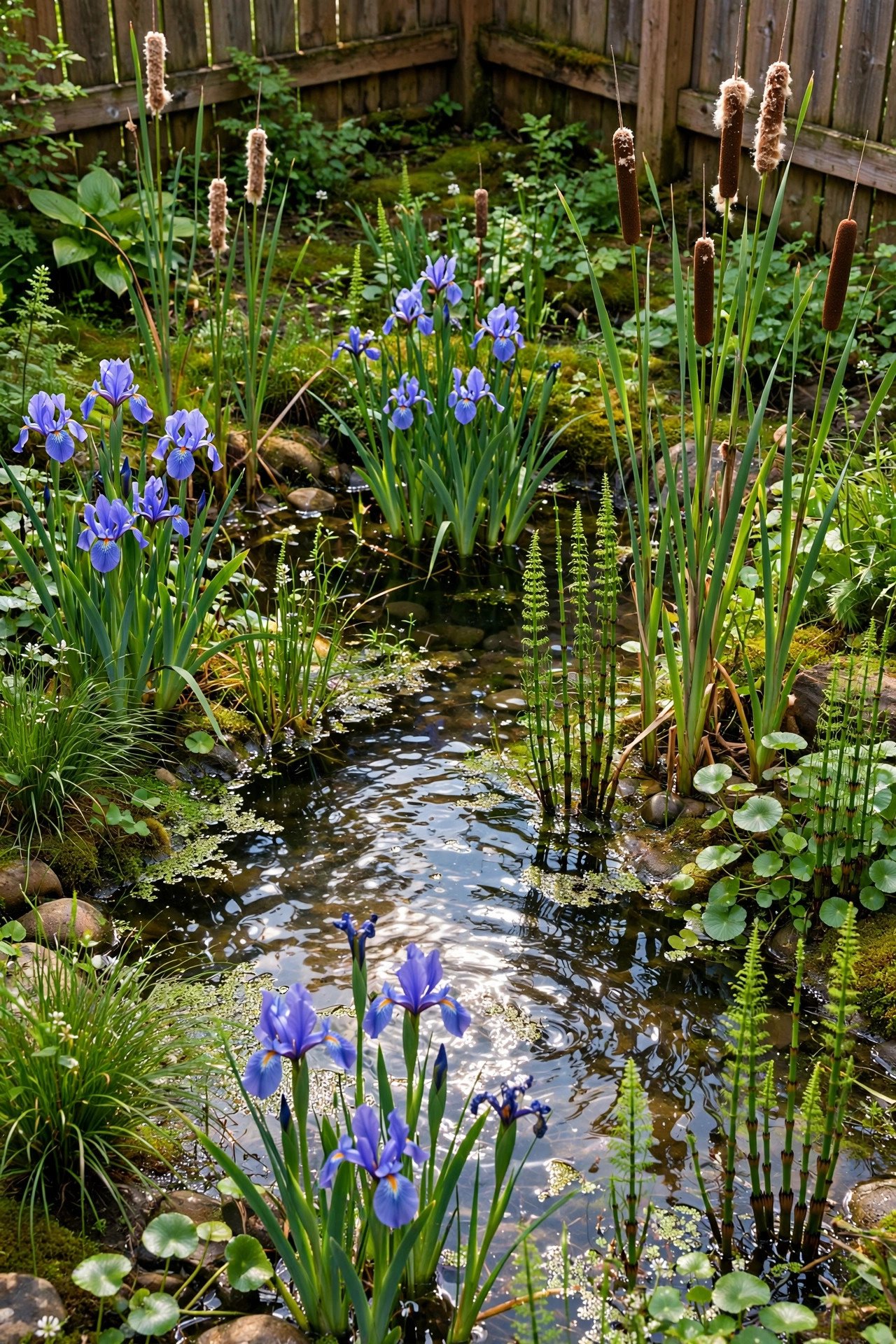
17. Bog Garden in the Soggiest Corner
Stop fighting your wettest corner and celebrate it with a bog garden. Plants like iris, cattails, cardinal flower, and marsh marigold thrive in constant moisture. Dig the area slightly deeper and line it to hold water.
A bog garden becomes a lush wildlife magnet with almost no maintenance. What was once a muddy embarrassment becomes a garden highlight.
18. Curbed Concrete Edging to Redirect Flow
Low concrete curbing steers surface water exactly where you want it. Install curbs along driveways, patios, and bed edges to block water from crossing into the wrong areas. The clean lines also give your landscape a finished look.
Direct the curbed flow toward drains or rain gardens. This simple hardscape detail prevents countless soggy problems.

19. Subsurface Drainage Grid Under New Sod
When laying new sod over a soggy area, install a grid of perforated pipes first. The subsurface network collects water from the root zone and carries it away. Your new lawn establishes on well-drained soil instead of mud.
This is the professional approach for chronically wet lawns. It costs more upfront but ends the cycle of dead patchy grass.
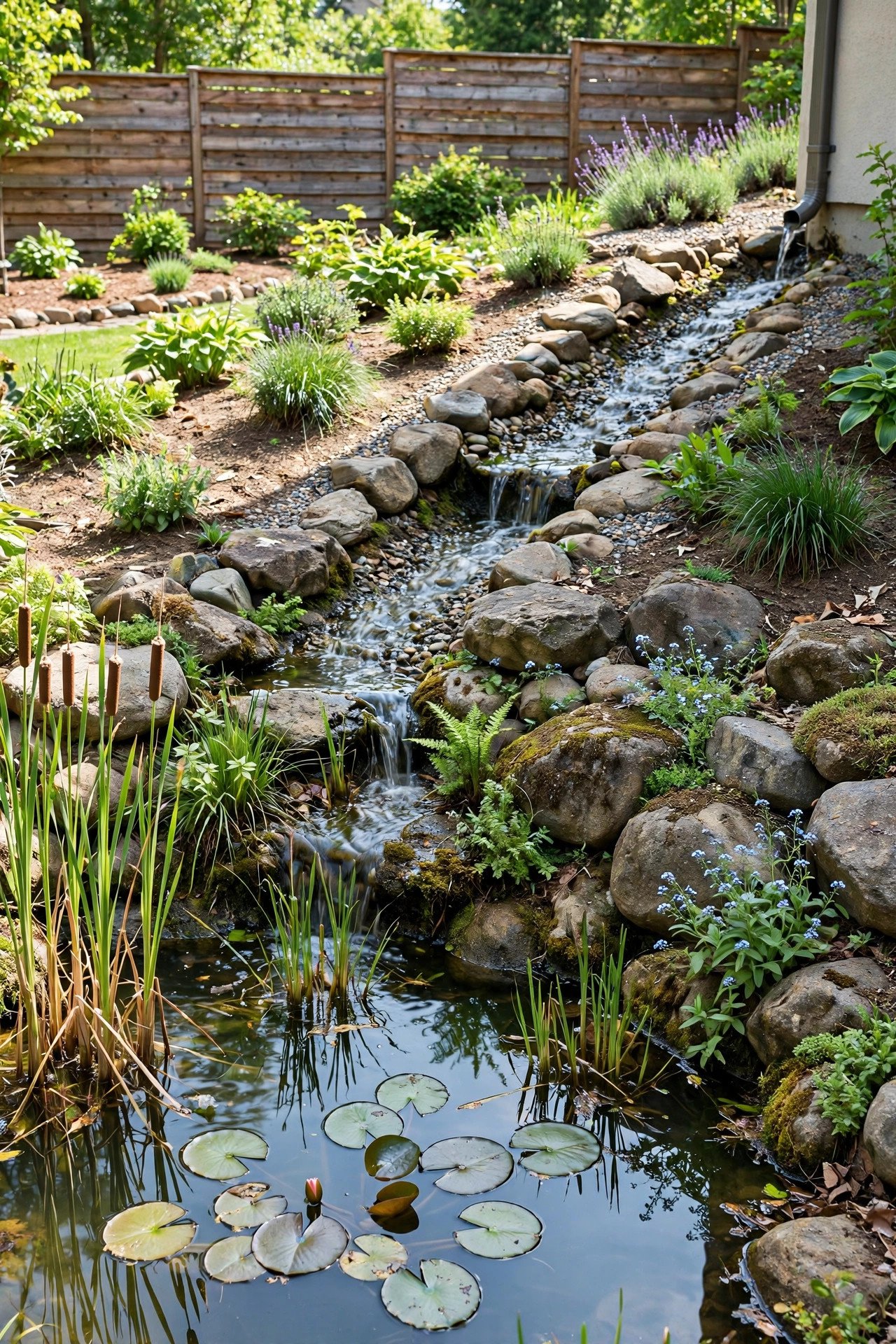
20. Pond That Doubles as a Collection Basin
A garden pond in your lowest spot gives runoff somewhere beautiful to go. Shape the pond to collect yard drainage, edge it with rocks and water plants, and enjoy the wildlife it attracts. You gain a water feature while solving a drainage problem.
Keep the pond’s overflow directed safely away from the house. A pond-centered garden feels tranquil and resort-like, and these romantic porch decor ideas extend that serene mood to your seating areas.
21. Layered Mulch Beds to Absorb Runoff
Deep mulch beds act like sponges in the landscape. Build planting beds with layered bark, compost, and wood chips in the path of runoff. The thick organic layers absorb surprising amounts of water while feeding your plants.
Refresh the mulch yearly as it breaks down into rich soil. This is the easiest drainage improvement most gardeners can make in a weekend.
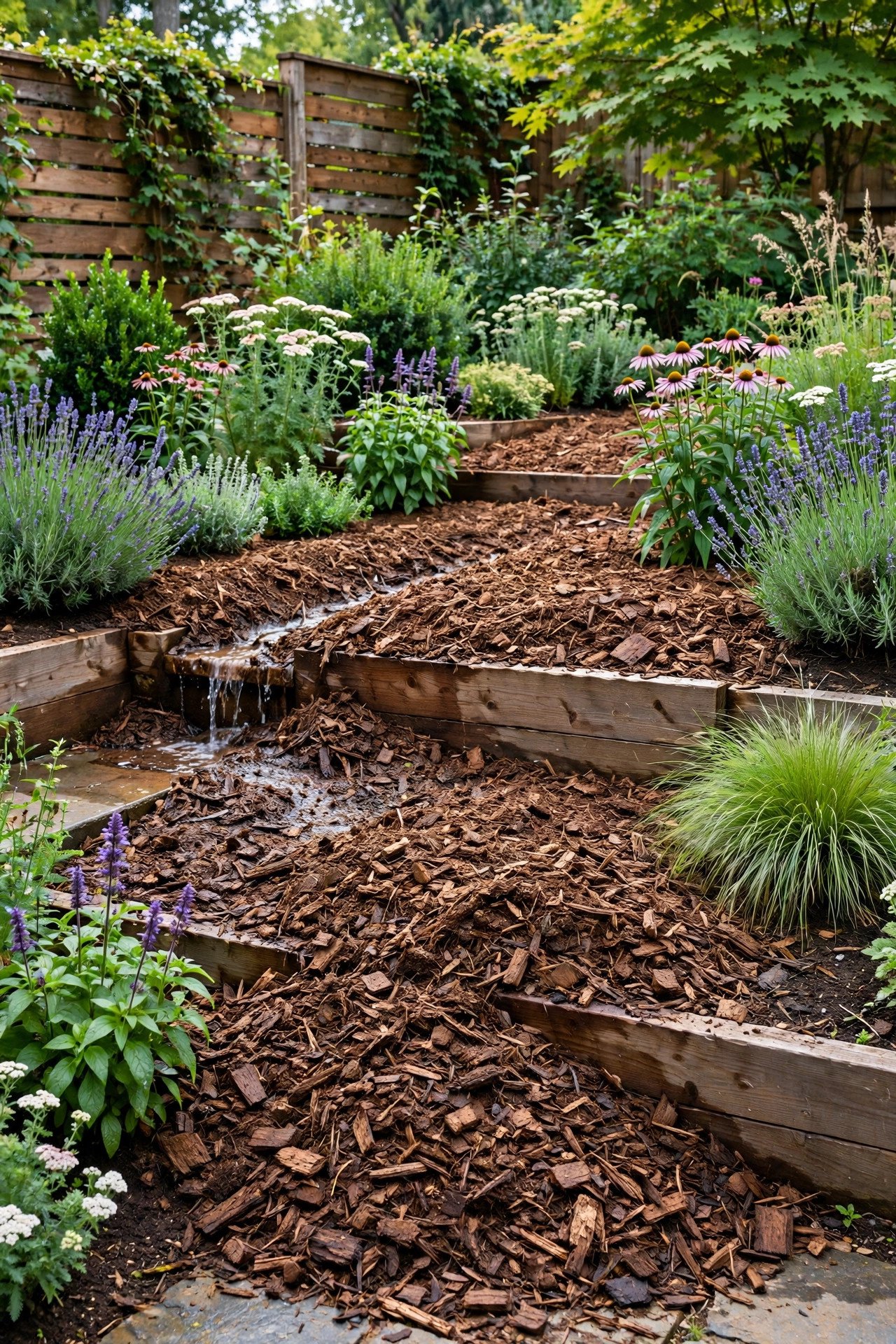
22. Retaining Wall With Weep Holes for Drainage
Any retaining wall on a wet slope needs weep holes to release trapped water. These small openings at the base let water escape instead of building pressure behind the wall. Combine them with gravel backfill for a wall that lasts.
Without drainage, even the strongest wall can fail. Weep holes are a small detail with an enormous job.

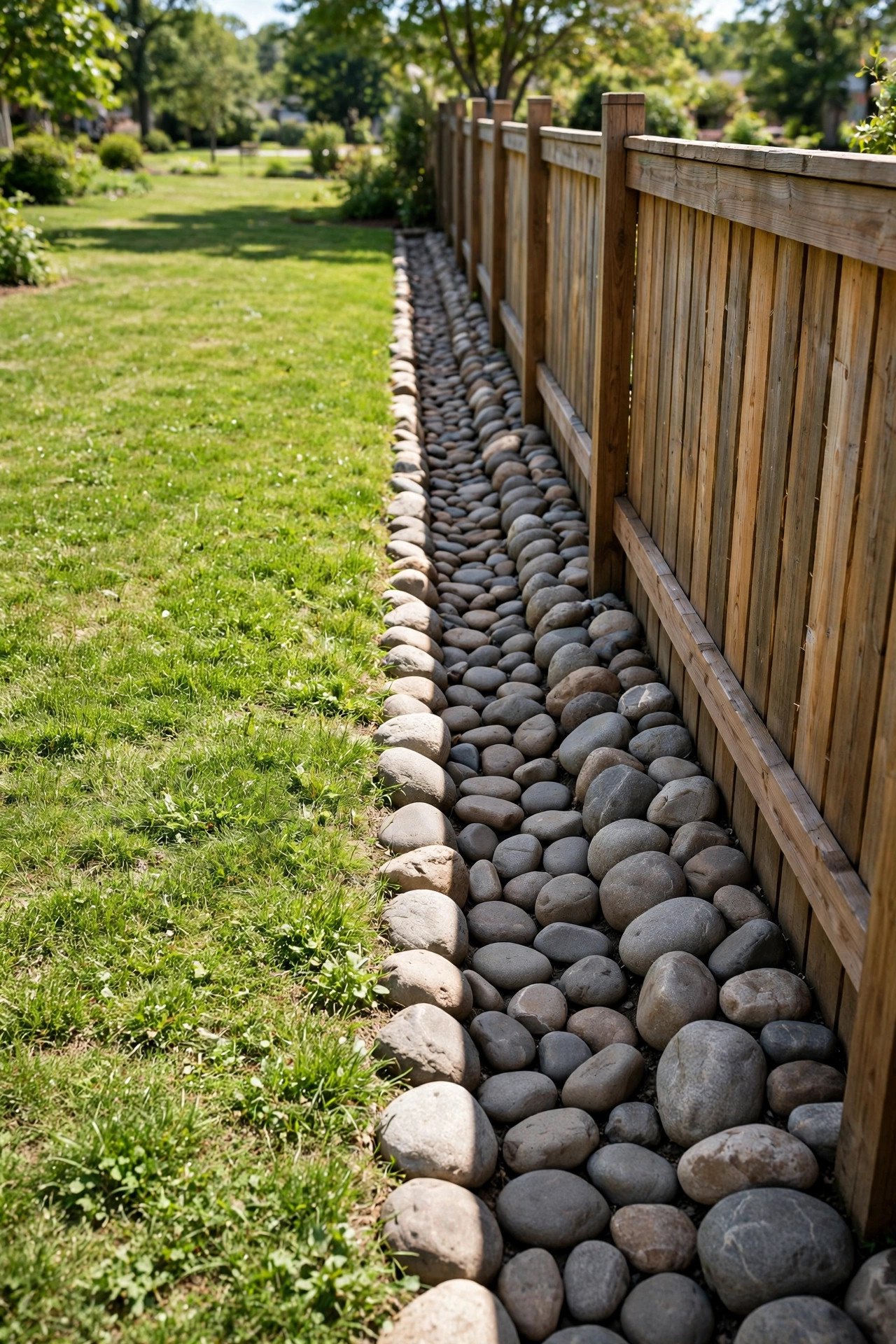
23. Stone-Lined Ditch Along the Property Line
A stone-lined ditch along your property edge intercepts water flowing in from neighboring yards. Line the shallow channel with fabric and river rock for a clean look. The stones slow the water while protecting the soil from erosion.
This is especially useful when an uphill neighbor’s runoff becomes your problem. A neat stone ditch looks intentional, not industrial.
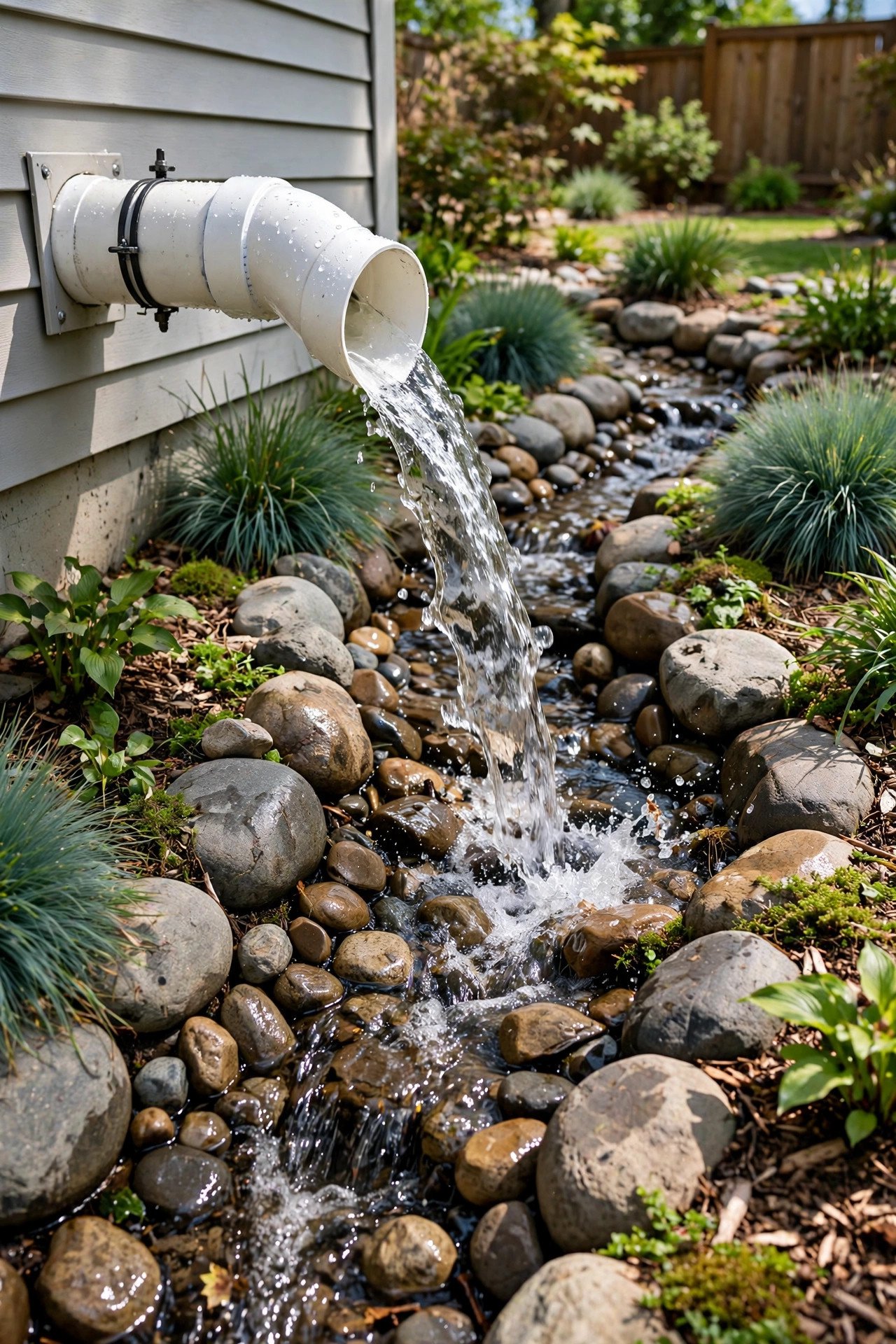
24. Sump Pump Discharge to a Dry Creek
If you have a sump pump, extend its discharge line to a dry creek bed instead of letting it flood the lawn. The buried pipe carries water far from the house, and the creek disperses it beautifully through the landscape.
This keeps the discharge zone from turning into a permanent mud pit. Route the line downhill whenever possible for gravity-fed reliability.
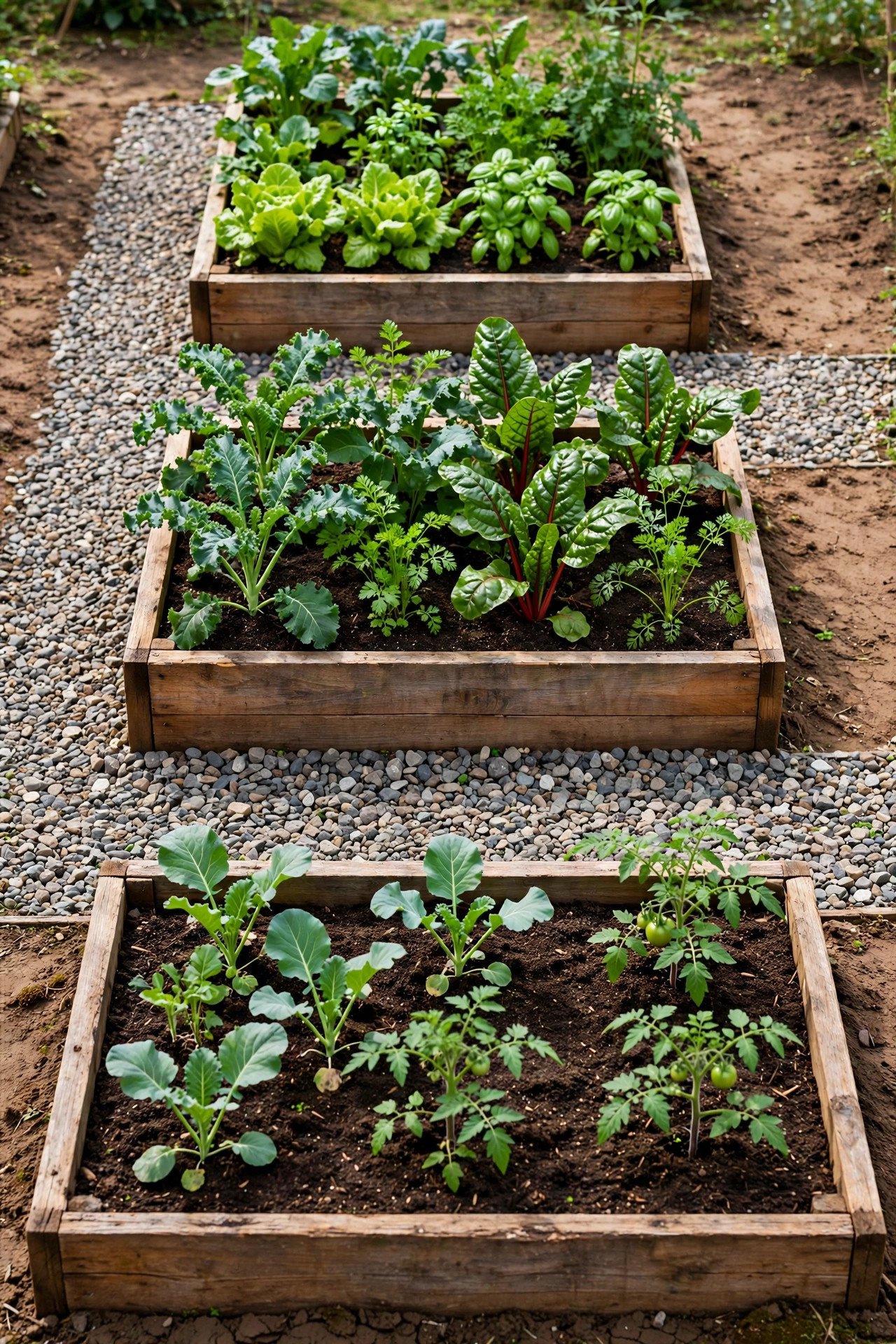
25. Elevated Planting Beds Over Clay Soil
Heavy clay soil drains poorly, so lift your plants above it with elevated beds. Raised beds filled with loose compost-rich mix give roots the drainage clay denies them. The paths between beds can carry water away on the surface.
This is the simplest fix for gardeners cursed with clay. Your plants will thrive while the clay slowly improves underneath.
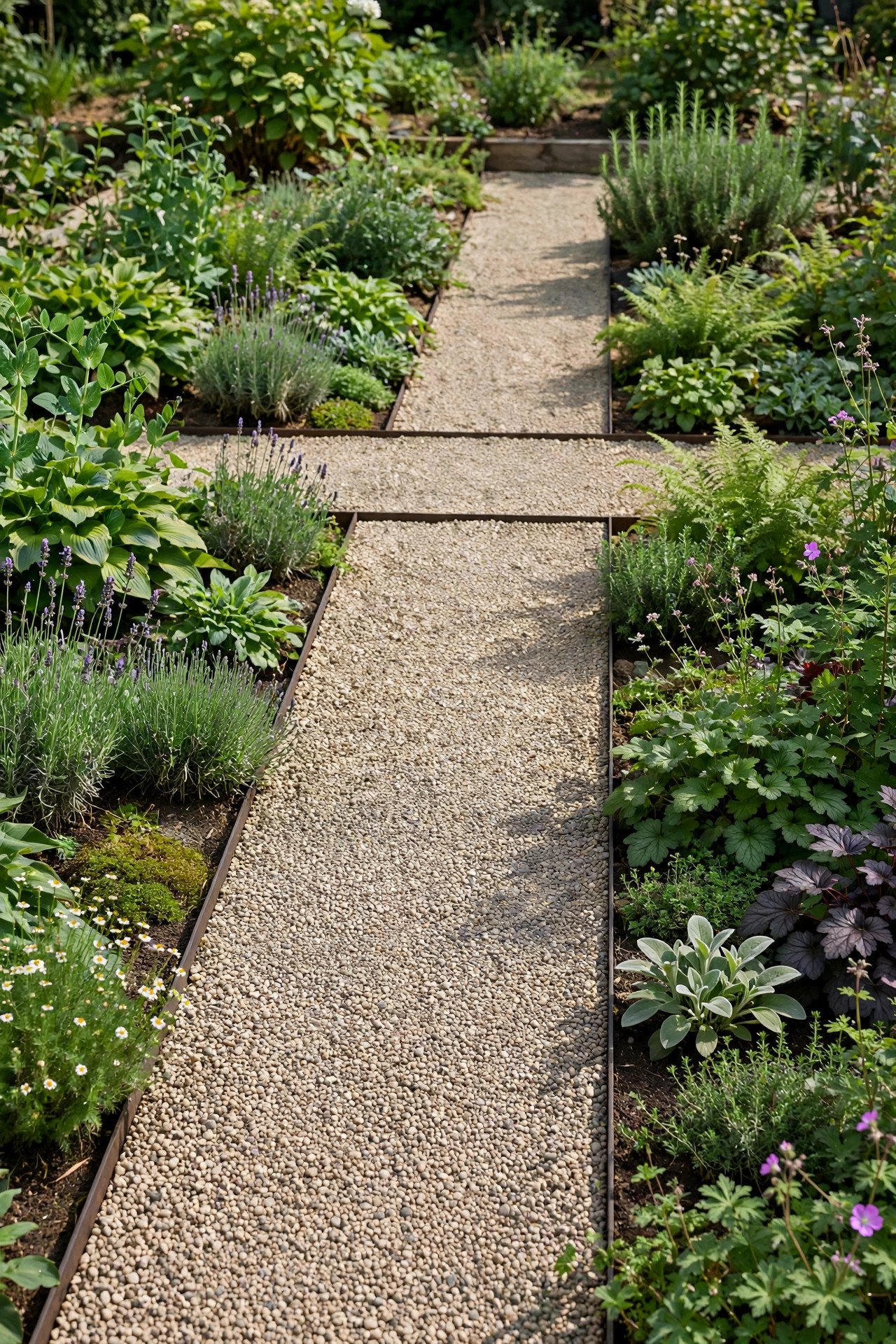
26. Perforated Pipe Under a Gravel Walkway
Hide drainage inside your garden paths by laying perforated pipe under a gravel walkway. The path stays firm and dry while the pipe quietly moves water along. It is two improvements in a single trench.
Use this trick for paths that cross chronically soggy ground. Guests will never know the path is working so hard.
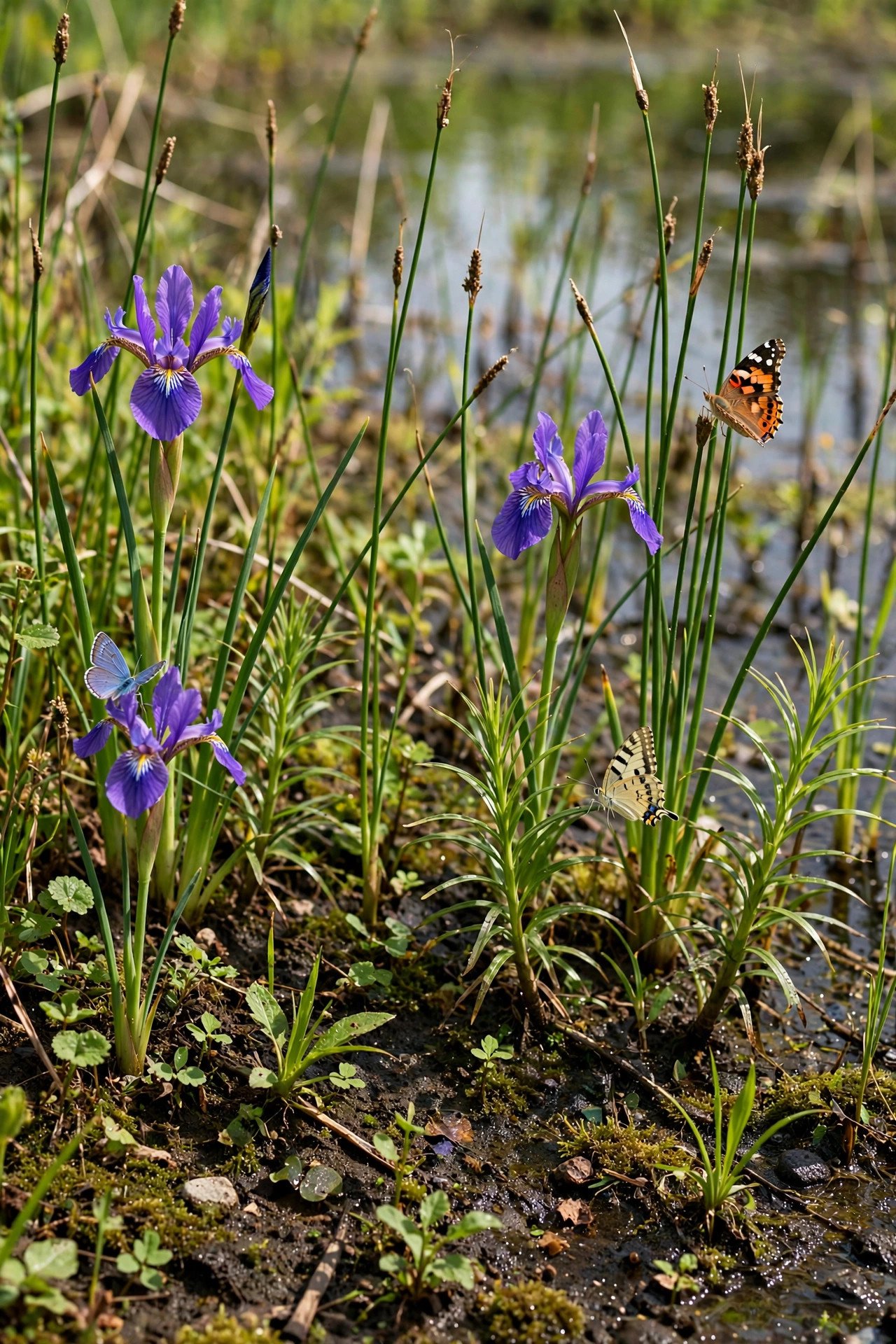
27. Wetland Edge Planting With Iris and Sedges
Turn a permanently damp area into a wetland edge garden. Iris, sedges, rushes, and marsh marigold love wet feet and create a lush naturalistic planting. Their roots stabilize soggy soil while looking gorgeous.
This is gardening with your conditions instead of against them. A wetland edge attracts frogs, birds, and butterflies.
28. Smart Grading to Reshape the Whole Yard
Sometimes the real fix is reshaping the yard itself. Professional grading adjusts the slope so water flows away from the house and toward proper outlets. The land should fall at least six inches over the first ten feet from your foundation.
Grading is the foundation every other drainage solution builds on. Get the big shapes right, and the smaller fixes work far better.

Conclusion
A wet yard is not a life sentence; it is a drainage puzzle waiting for the right solution. Whether you hide a French drain, dig a rain garden, or simply extend a downspout, each fix moves you closer to a yard that handles every storm with grace.
Start with the simplest changes that address your worst wet spot, then layer in bigger solutions as needed. Dry feet and a healthy garden are absolutely within reach.
Frequently Asked Questions About Backyard Drainage Landscaping Ideas for Wet Areas
How do I fix a soggy backyard that holds water?
Start by extending downspouts away from the house and improving the grading. For persistent wet spots, install a French drain or build a rain garden to capture and redirect the water.
What is the cheapest way to improve yard drainage?
Downspout extenders, splash blocks, and regrading with a shovel cost very little. Aerating compacted soil and adding compost also improve drainage for almost nothing.
Will a French drain work in clay soil?
Yes, French drains work in clay, though the trench needs proper fabric wrapping to prevent clogging. In heavy clay, combine the drain with surface grading for the best results.
How deep should a French drain be?
Most yard French drains work well at eighteen to twenty-four inches deep. The trench must slope consistently toward its outlet so water never sits in the pipe.
Can landscaping really solve drainage problems?
Yes, grading, swales, rain gardens, and deep-rooted plants genuinely move and absorb water. For severe flooding or foundation threats, combine landscaping with professional drainage advice.

Hi, I’m Emily! I turn messy corners into cozy, organized spots. DreamNestDecor is where I share simple, practical home ideas — decor, organization, and small-space solutions that work in real life, not just in photos. Every idea here is carefully researched before it’s shared.