You look at your sloped backyard and see a problem: soil washing downhill, nowhere flat to sit, and planting that feels impossible. But what if that slope is actually your greatest asset? With the right retaining wall, it becomes terraces, garden rooms, and the most interesting part of your yard.
These 25 backyard retaining wall ideas for sloped gardens will show you how to stabilize the hill and make it beautiful. From rugged natural stone to sleek corten steel, you will find a wall that matches your home and your budget.
1. Natural Stone Retaining Wall
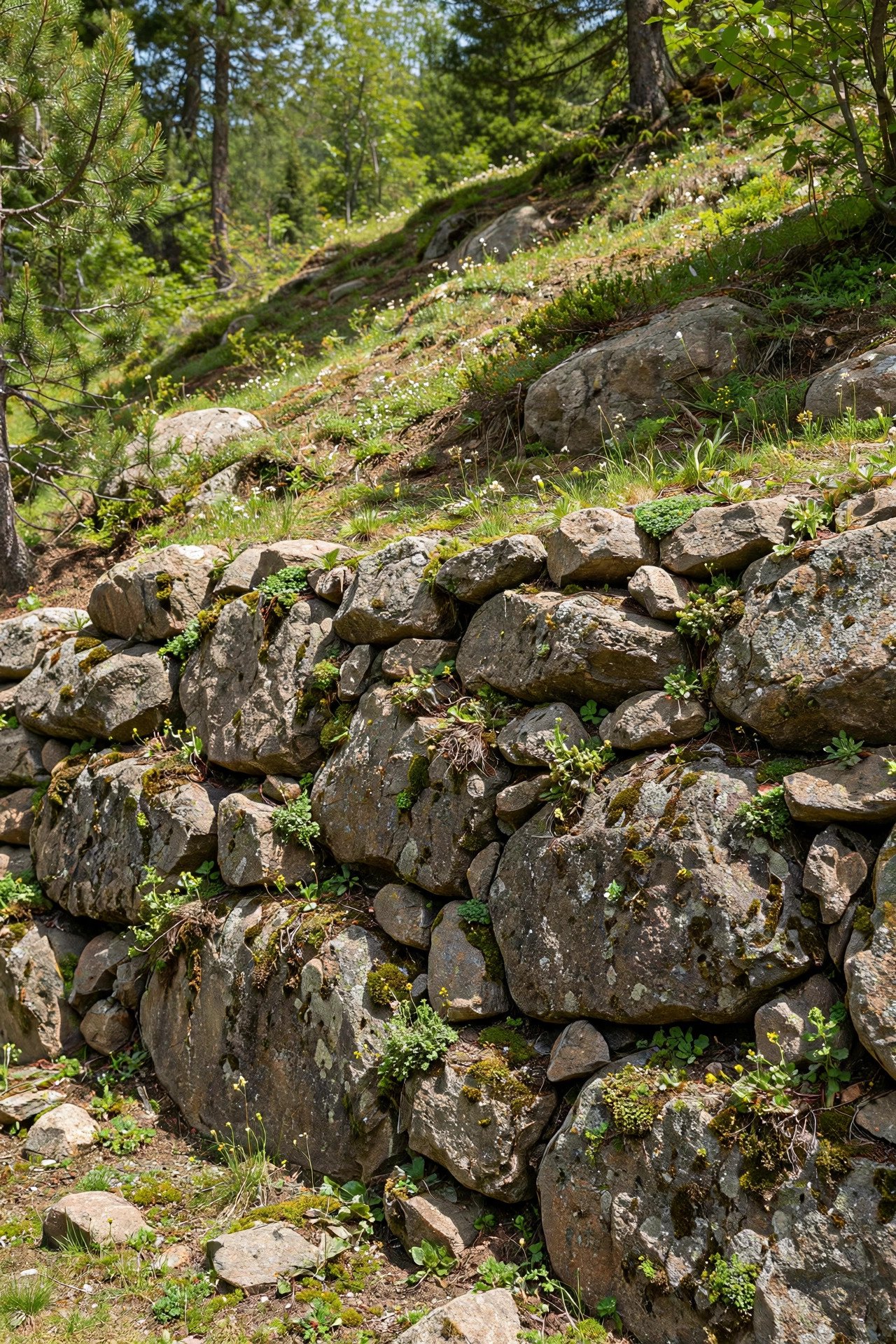
A natural stone retaining wall turns an unusable slope into a structured masterpiece. Large rugged rocks stacked with care prevent erosion while blending seamlessly with trees and shrubs. Tuck small alpine plants into the crevices for a lived-in botanical look.
Raw stone offers organic textures that manufactured materials cannot copy. This approach works beautifully in rustic landscapes where the goal is to mirror nature.
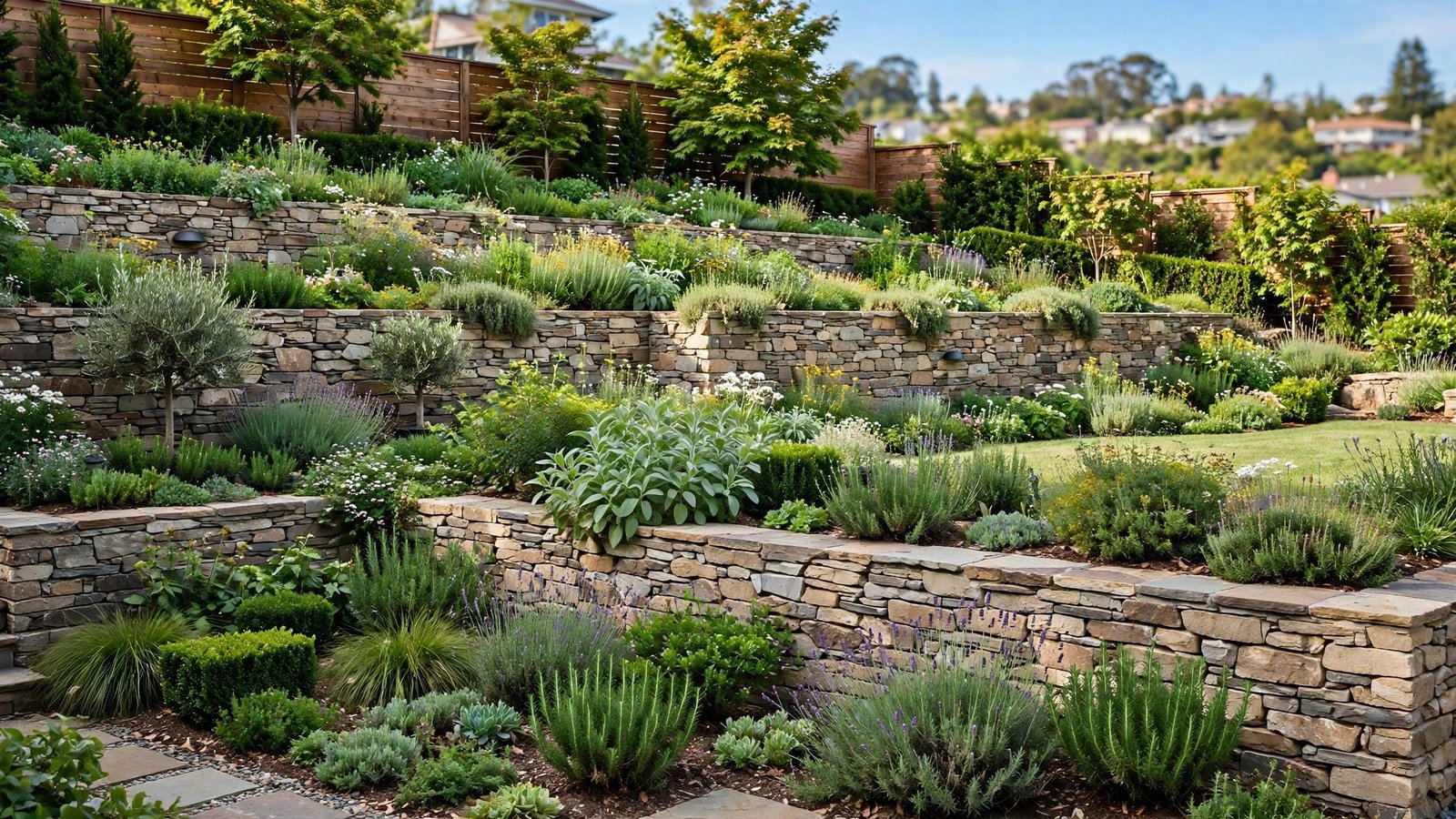
2. Tiered Garden Retaining Walls
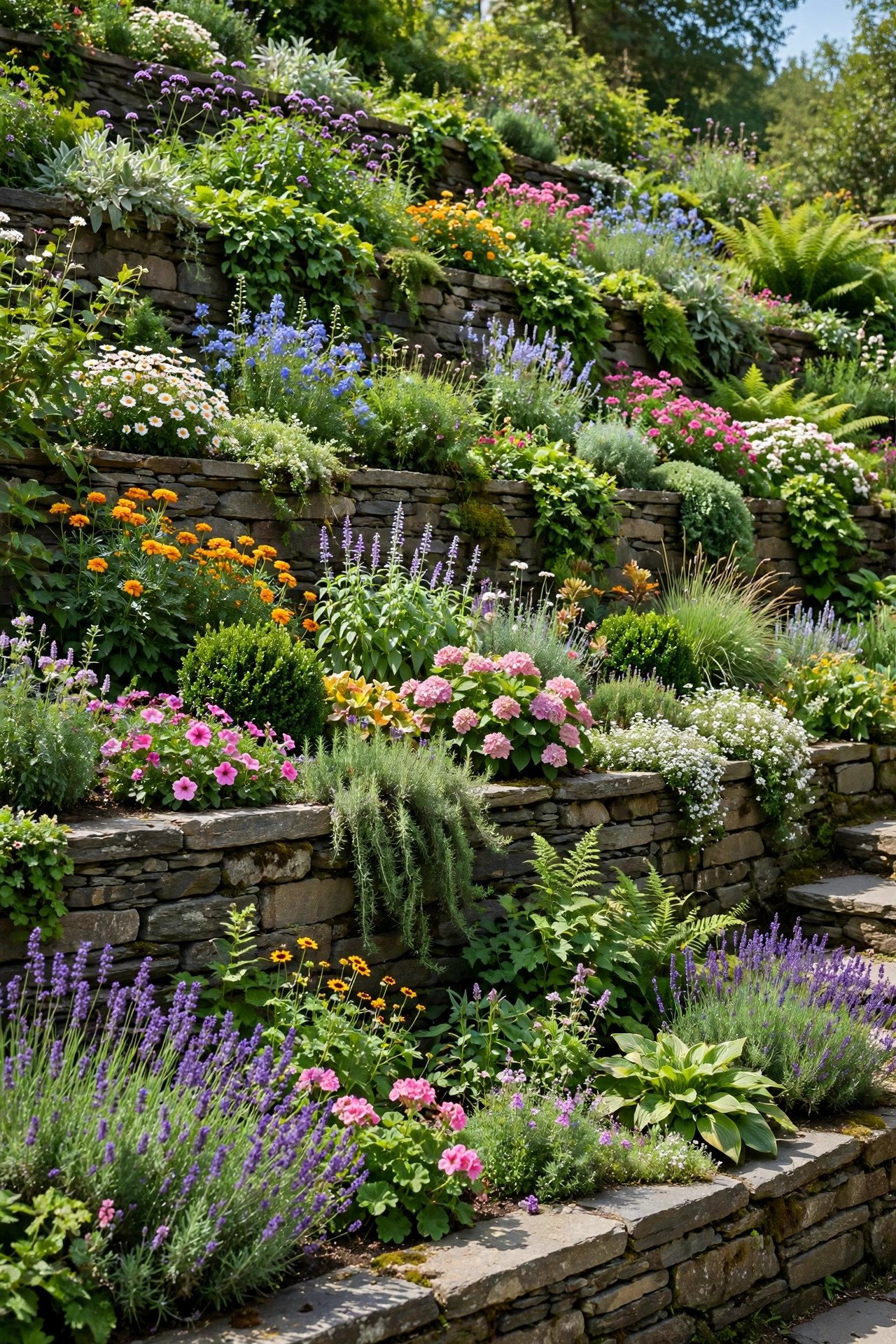
Multiple shorter walls create cascading terraces instead of one massive barrier. Each flat tier becomes perfect planting space for everything from trailing ivy to vibrant perennials. The stepped design also makes maintenance easier, since you can reach every level.
Tiered walls slow runoff and give the slope an intentional, layered appearance. The rhythm of the repeating tiers adds formal elegance to the whole yard.
3. Concrete Block Retaining Wall
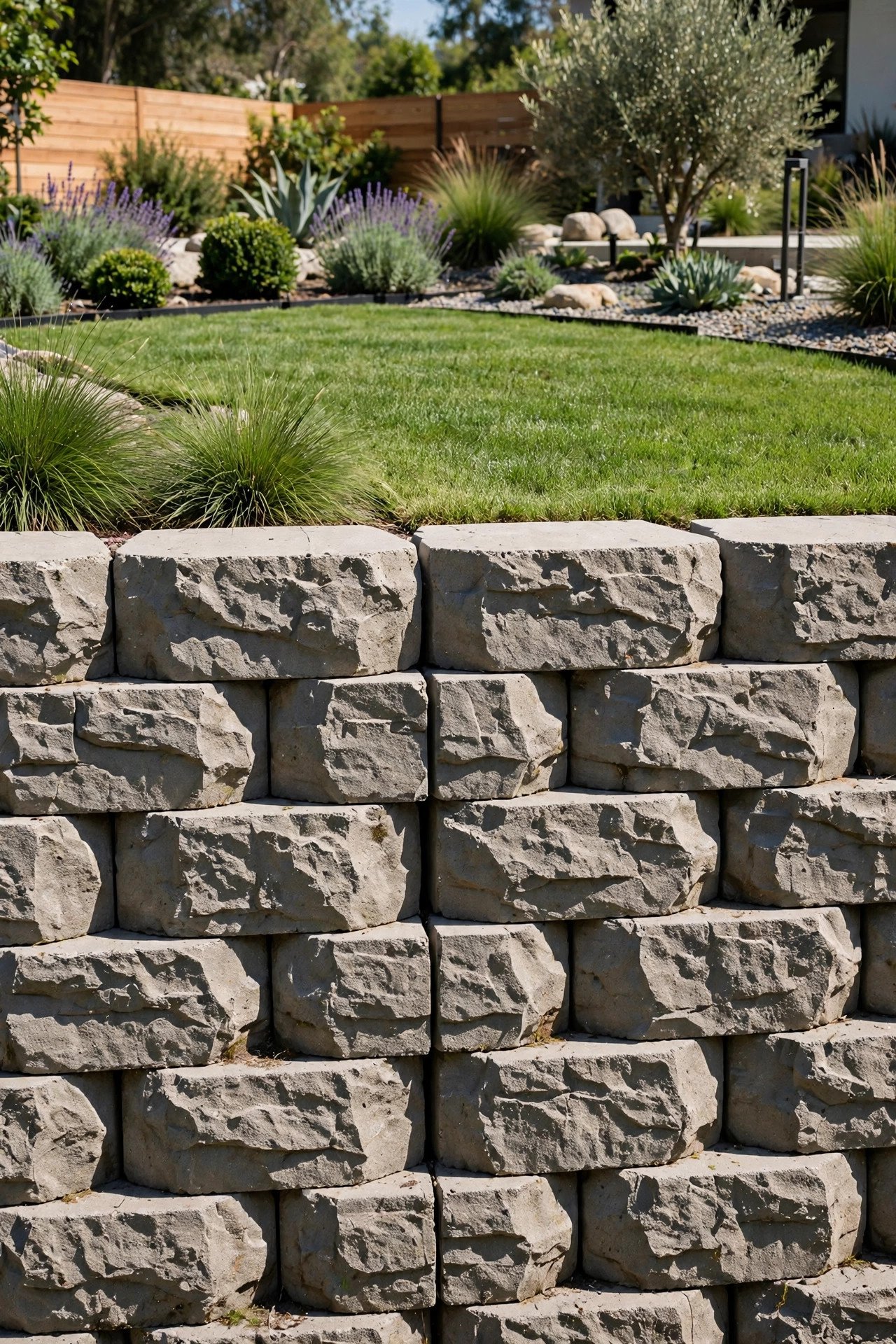
Interlocking concrete blocks give you a clean professional look with serious structural strength. The blocks lock together without mortar, which makes them a favorite for DIY builders. Choose split-face textures that mimic natural stone or smooth finishes for modern minimalism.
Available in many colors, these walls suit contemporary architecture perfectly. They create tidy uniform levels for lawns and structured planting beds.
4. Timber Sleeper Retaining Wall
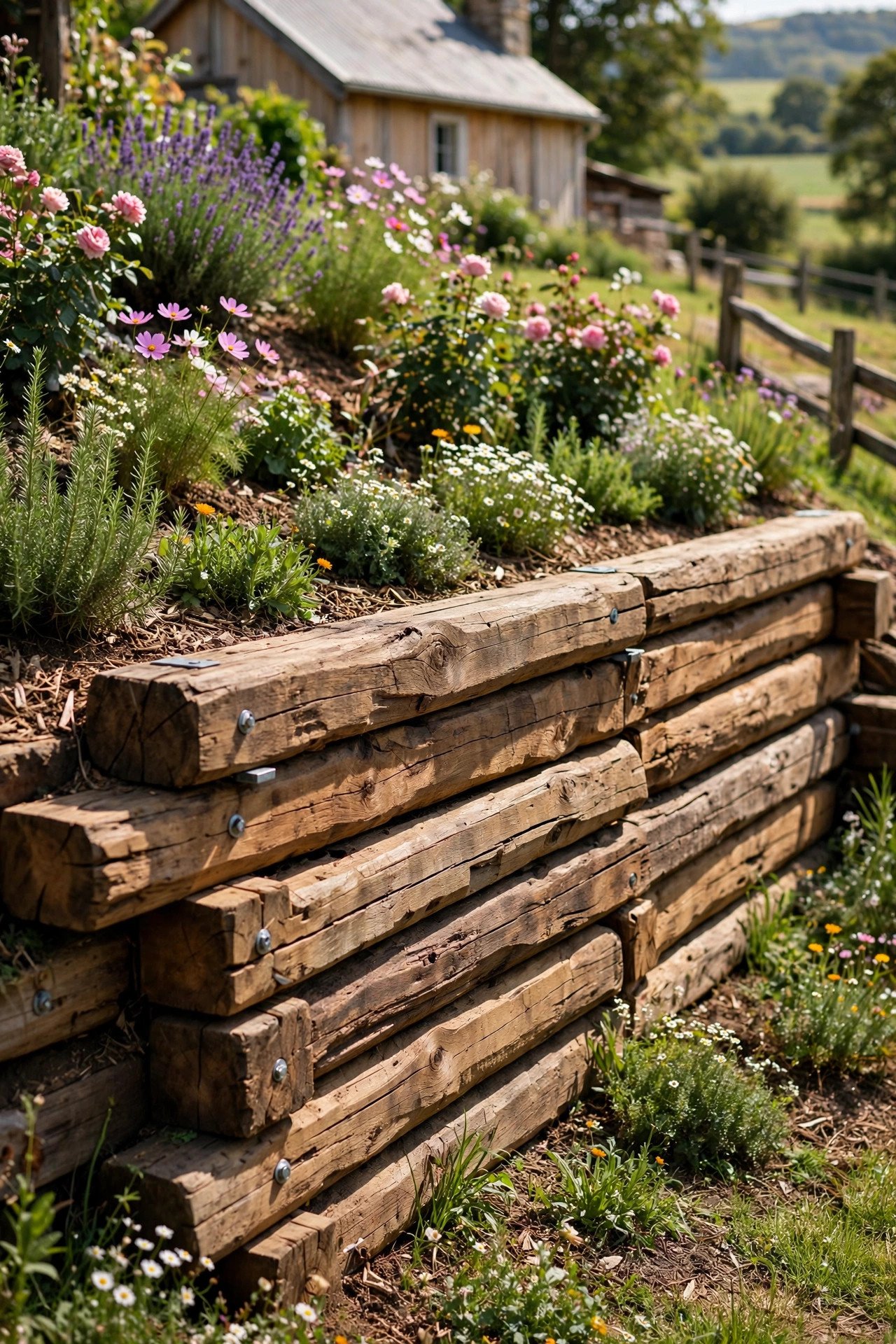
Thick timber sleepers bring warm, rustic character to a sloping yard. The wood is easy to cut and arrange, giving you flexibility for straight edges or sharp angles. Treated timber resists moisture and pests for many years.
Stain the sleepers to match your deck or fence for a cohesive look. This budget-friendly option feels right at home in farmhouse and cottage gardens.
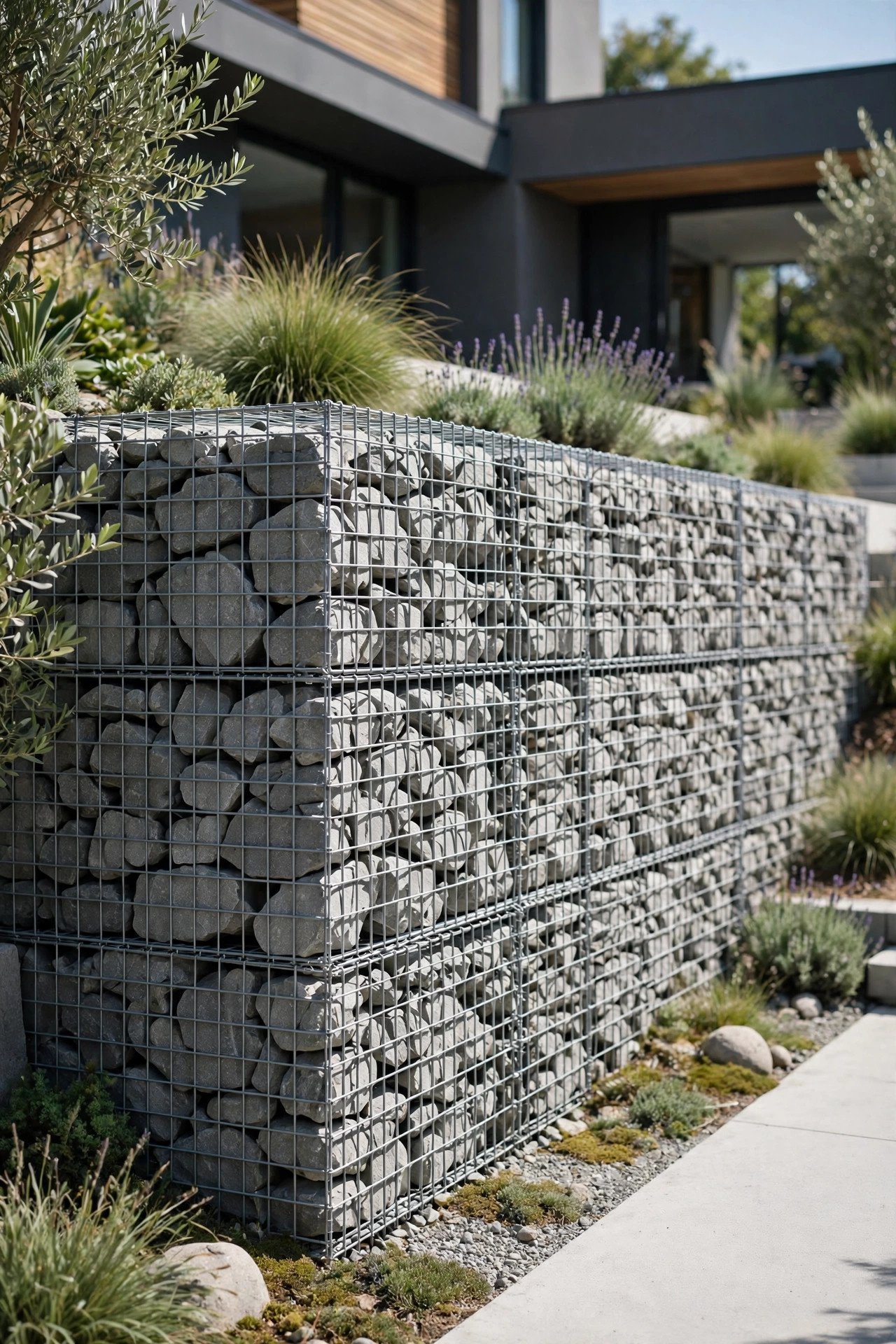
5. Gabion Basket Retaining Wall
Wire cages filled with rocks create a striking modern wall with excellent drainage. Water flows freely through the gaps between stones instead of building up pressure behind the wall. Fill the baskets with local stone or even recycled glass for extra personality.
Gabions need very little maintenance once positioned and filled. This sustainable choice keeps materials simple and honest, in the spirit of these sustainable home decor ideas.
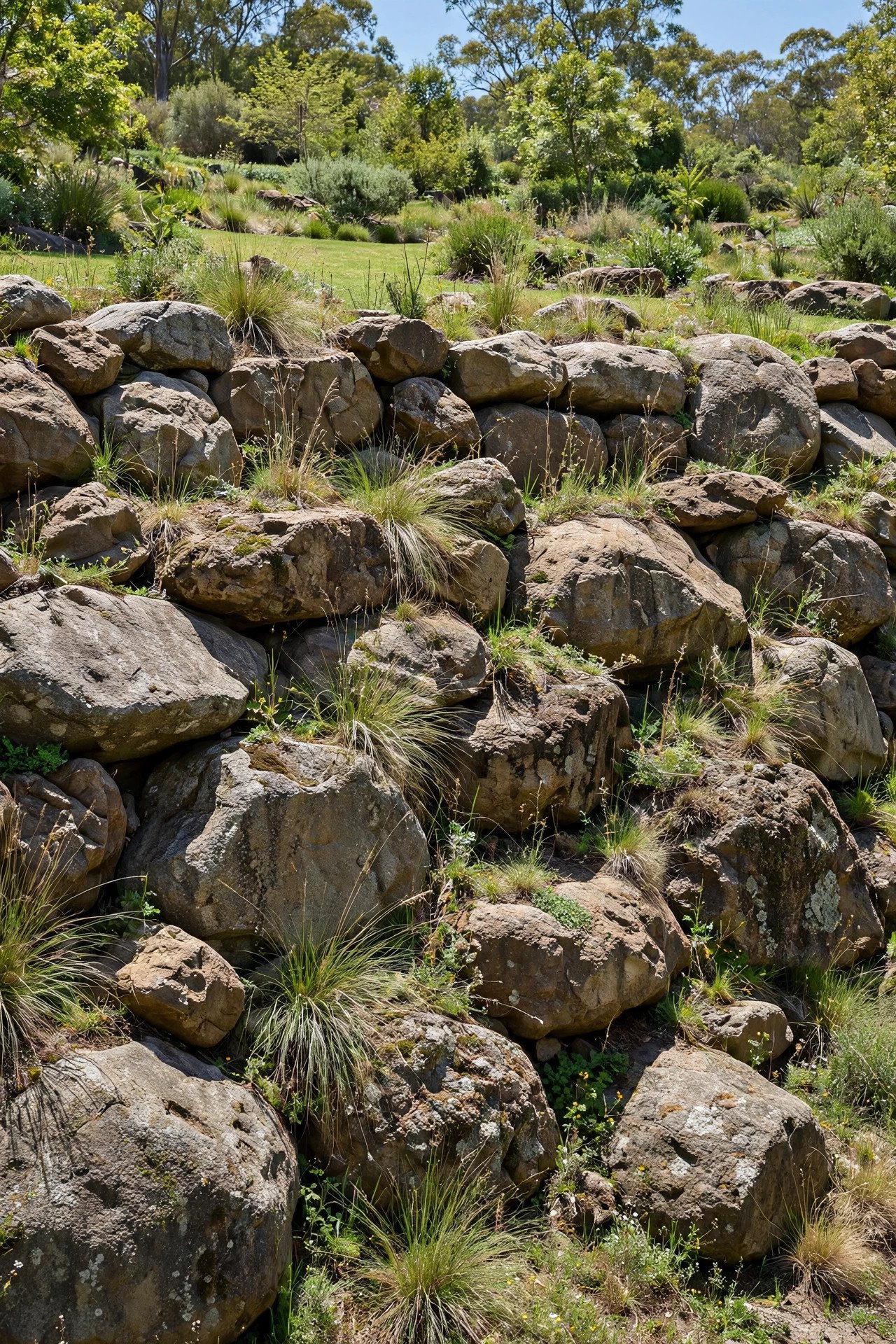
6. Boulder Retaining Wall
Massive boulders placed strategically hold back large amounts of earth with a wild, natural look. The irregular shapes feel like a natural outcrop rather than a built wall. Plant native grasses between the stones to soften the hard edges.
This exceptionally durable option suits large properties where grand scale is welcome. Done well, the boulders look like they have always belonged there.
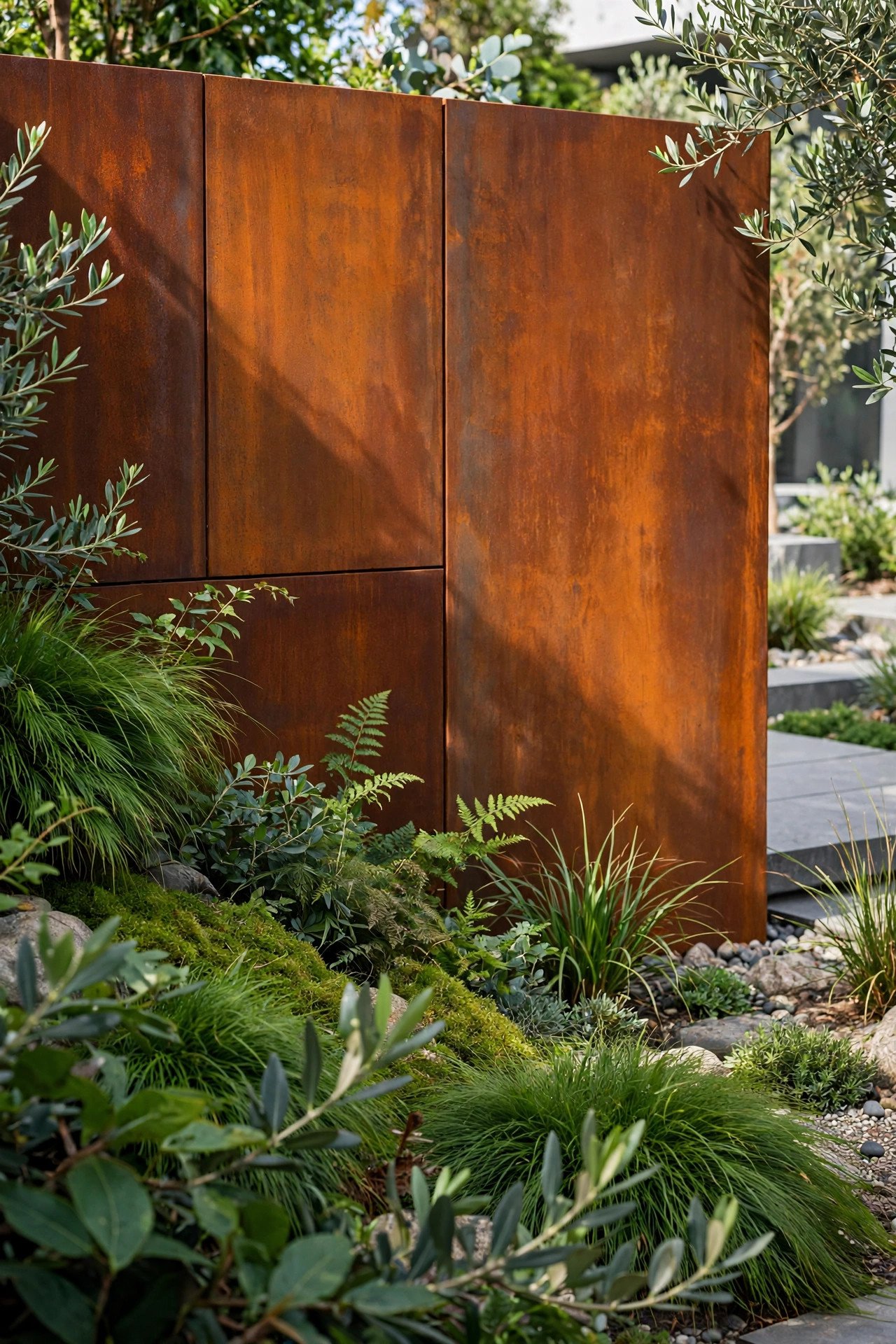
7. Corten Steel Retaining Wall
Corten steel develops a beautiful rust-colored patina that looks stunning against green foliage. The thin yet incredibly strong panels allow crisp minimalist lines and even gentle curves. This is a high-end choice that reads like landscape art.
Because the steel is so thin, it takes up very little space on the slope. Pair it with ornamental grasses for a striking contemporary composition.
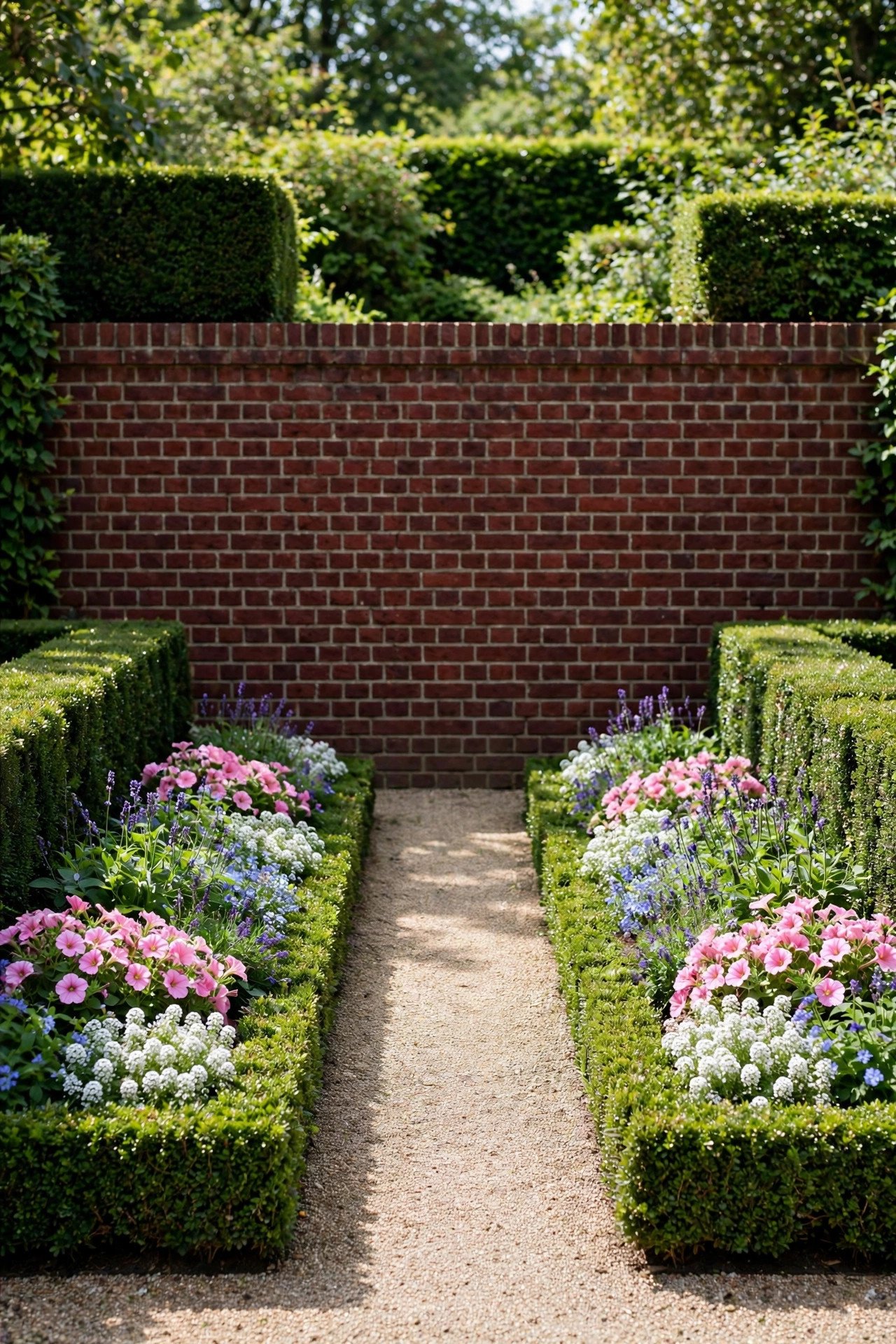
8. Brick Retaining Wall
A brick retaining wall brings timeless structure to a sloped yard. The uniform pattern looks excellent in formal gardens with neat hedges and symmetrical beds. Choose deep reds for classic warmth or sandy buffs for a softer feel.
Brick needs a solid foundation and mortar, but the result lasts for generations. It makes the landscape feel like a natural extension of a traditional home.
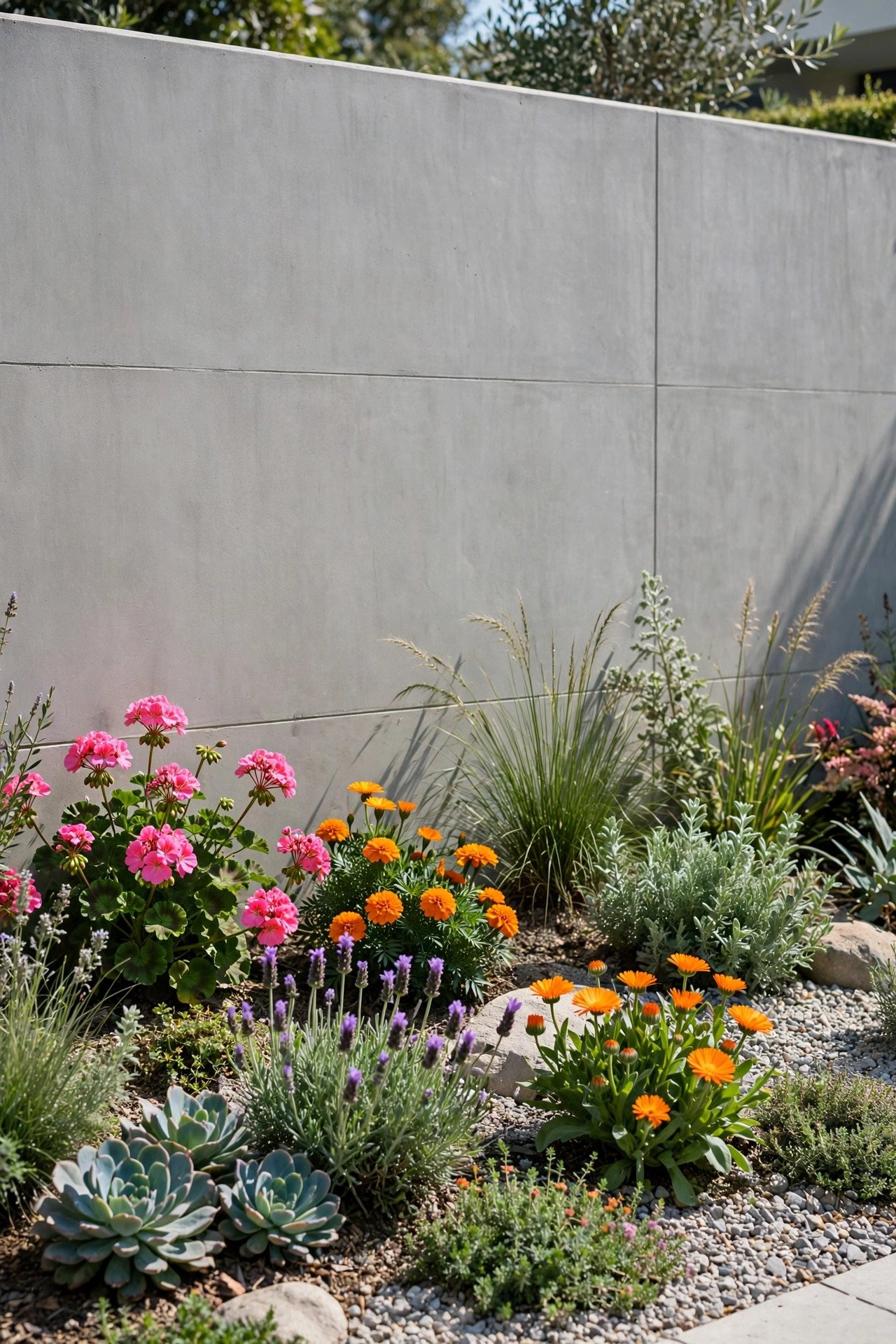
9. Modern Poured Concrete Wall
Poured concrete creates a seamless smooth wall with a gallery-like minimalism. Customize it with pigments or textured finishes, or leave it raw for an industrial vibe. It is exceptionally strong, ideal for holding back steep heavy hillsides.
The neutral surface makes colorful plants pop dramatically. This is the wall for lovers of brutalist and contemporary design.
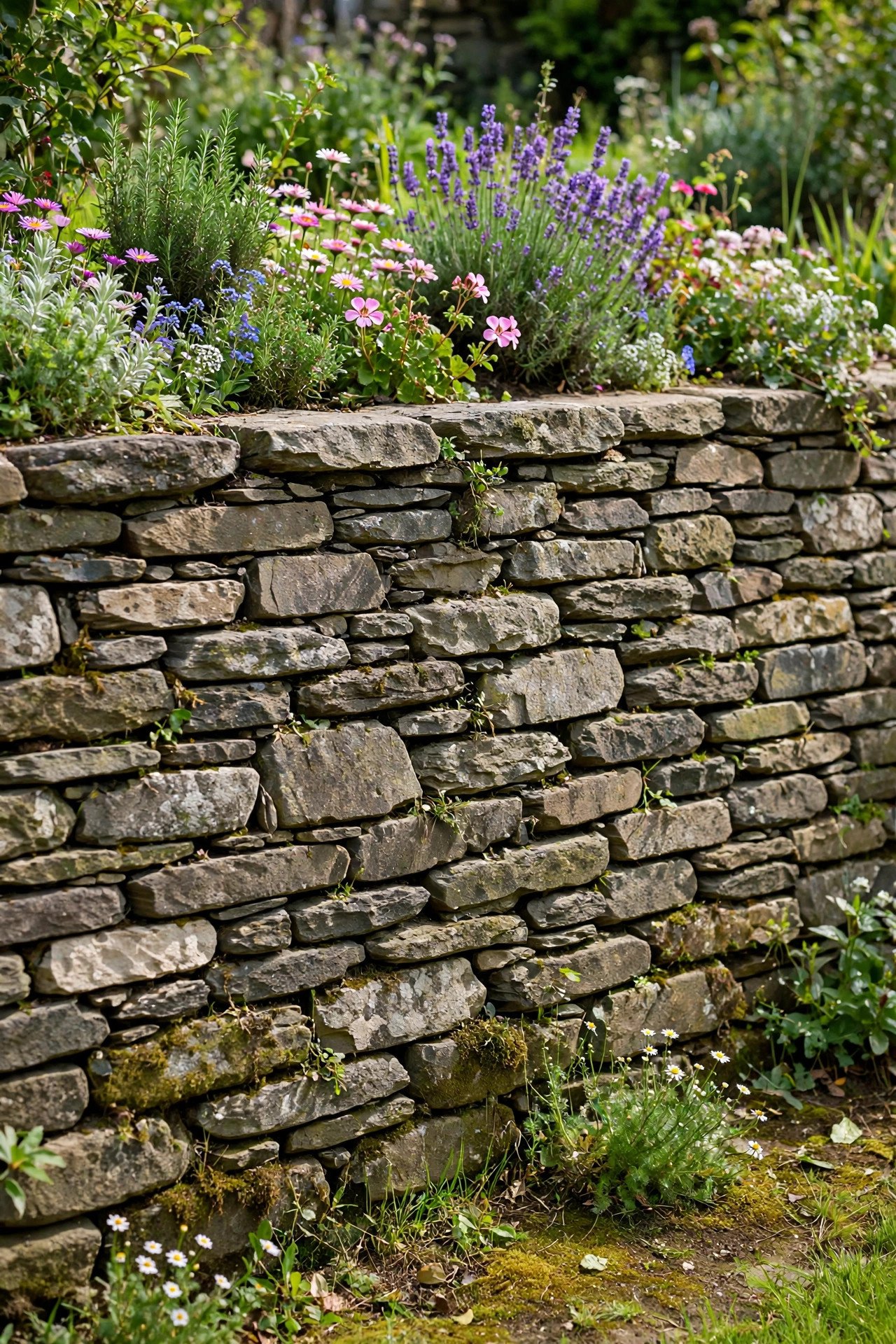
10. Dry Stack Stone Wall
A dry stack stone wall relies on gravity and skilled interlocking rather than mortar. This ancient technique allows natural movement and drainage, so the wall handles shifting earth gracefully. The handcrafted look brings old-world charm to any slope.
It feels like a cozy English cottage garden or a rustic Mediterranean hillside. For more timeless garden character, these European garden antique accents complement dry stone beautifully.
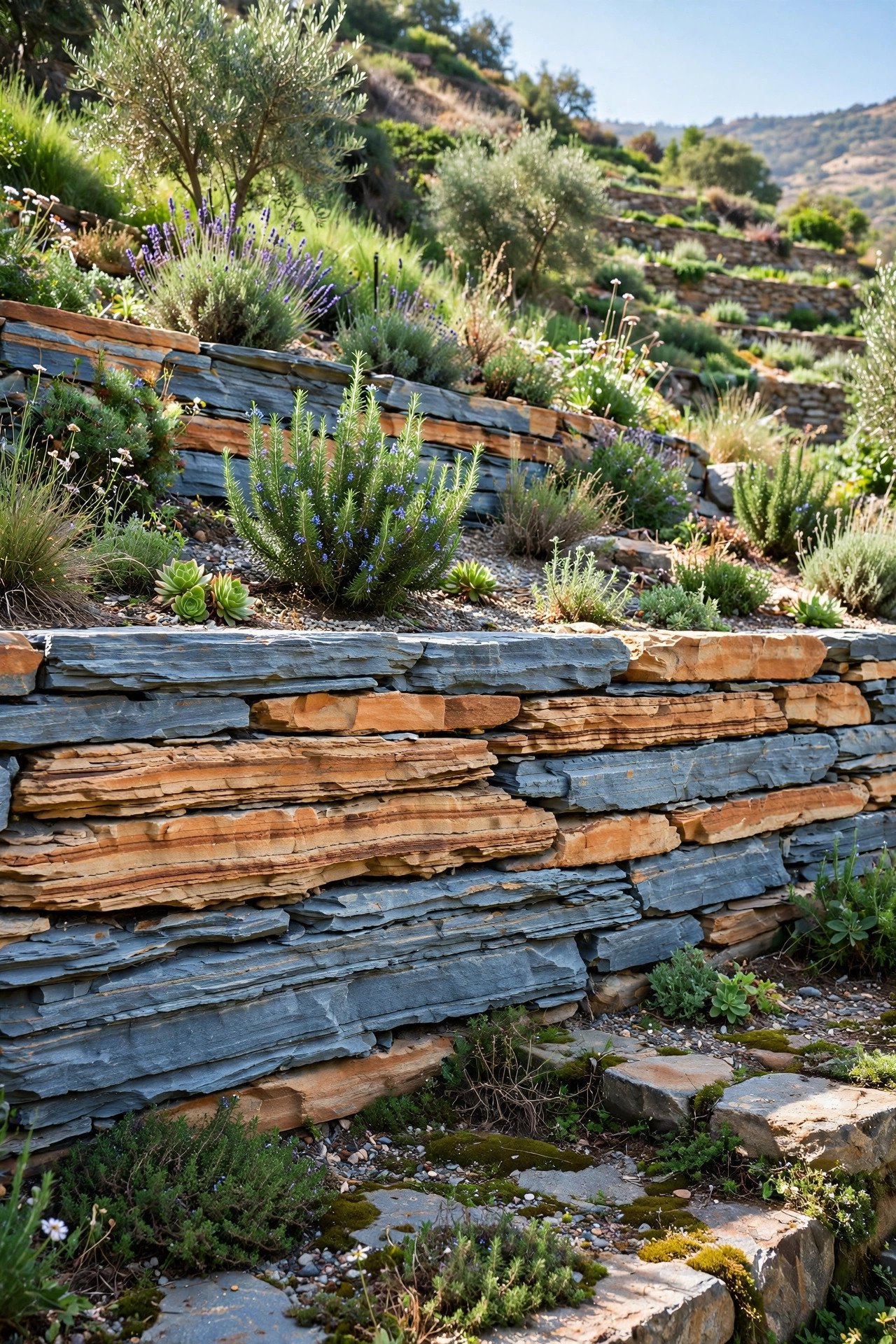
11. Flagstone Retaining Wall
Flat flagstone slabs stacked horizontally create a wall with distinctive layered lines. The stone comes in blue-gray, warm orange, and rich brown tones to set any mood. Horizontal lines emphasize the width of the yard, making narrow slopes feel broader.
Flagstone adds premium texture and a refined finish. It is a standout choice for homeowners who want their wall to be a feature, not just a structure.
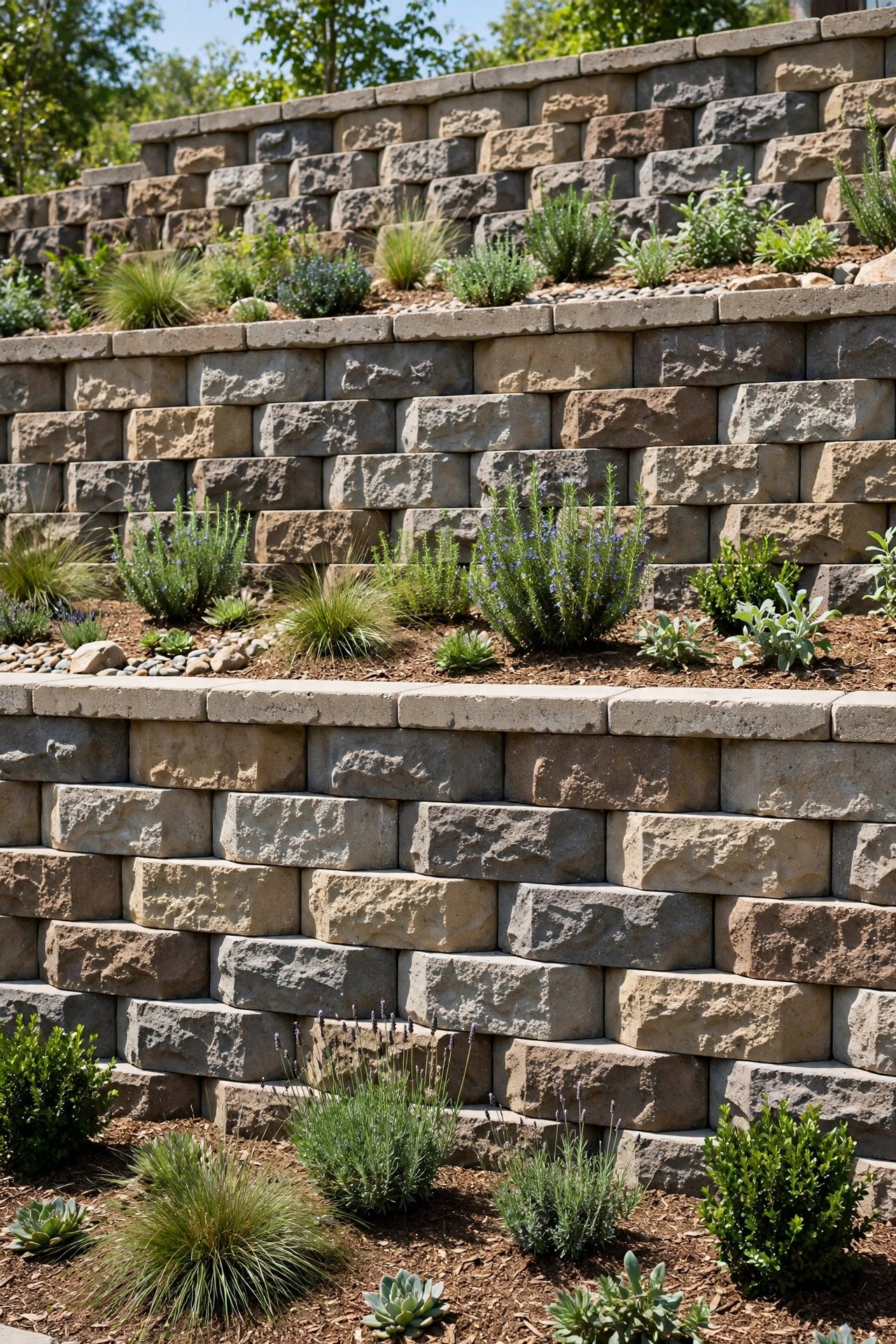
12. Interlocking Block Retaining Wall
Interlocking blocks have a lip on the back that locks each row into the one below. This built-in setback resists soil pressure automatically. Split-face styles mimic natural rock while keeping the ease of a modular system.
These walls are ideal for clean garden borders and structural lawn levels. They deliver a tidy professional result that any careful DIYer can achieve.
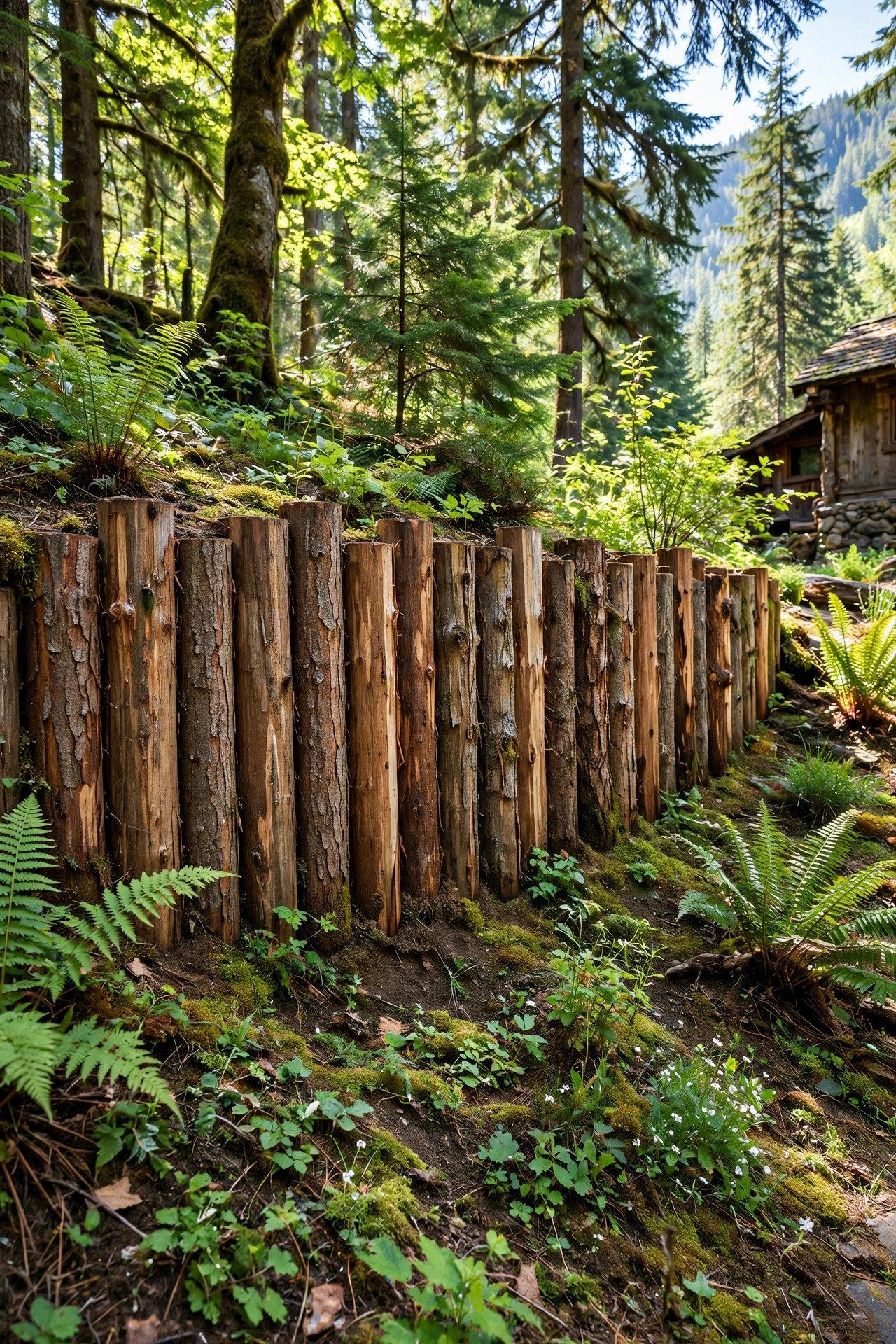
13. Wood Log Retaining Wall
Vertical or horizontal logs create an organic barrier that feels at home in wooded settings. Cedar or pine logs are affordable and easy for a dedicated DIYer to install. Ferns and tall trees complete the mountain-cabin feeling.
Logs have a shorter lifespan than stone, but they are simple to replace section by section. This charming informal wall suits wildlife-friendly backyards.
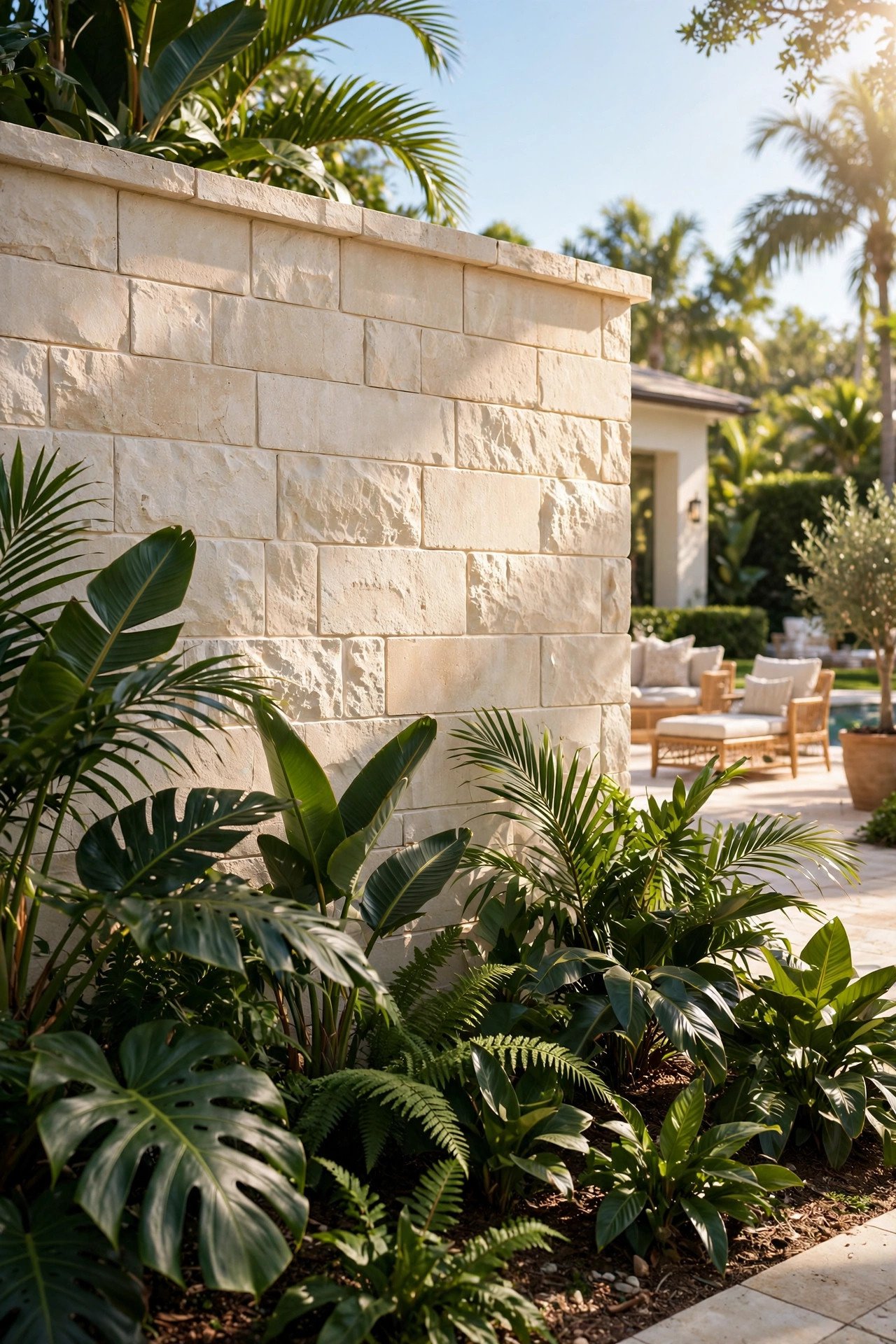
14. Limestone Block Retaining Wall
Limestone blocks glow softly in sunlight with their light creamy color. Cut into large uniform blocks, they create a clean upscale look with Mediterranean or classical character. Limestone pairs wonderfully with pool water and dark tropical plants.
This durable natural stone handles significant slope pressure with ease. It is a favorite for luxury backyard renovations.
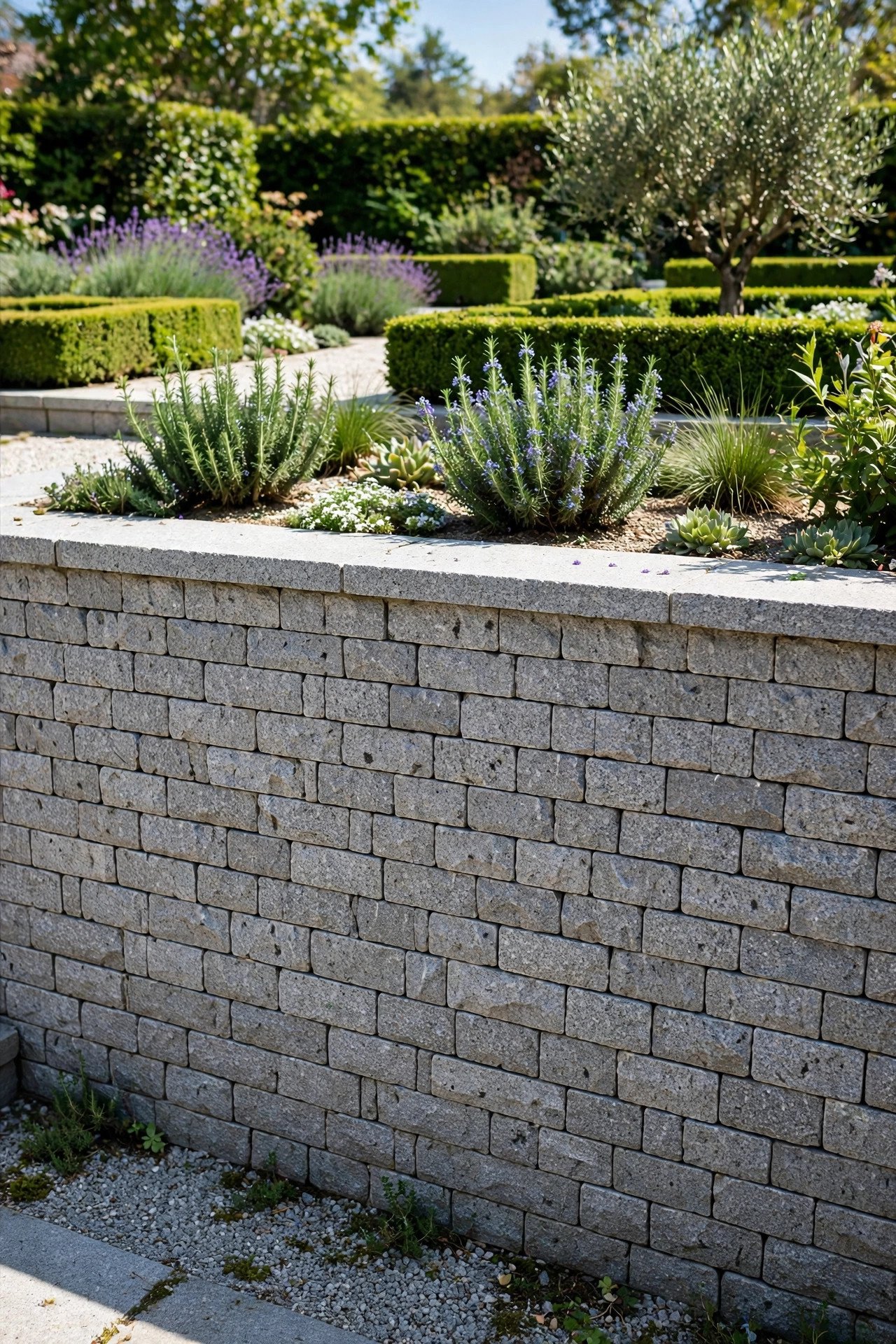
15. Granite Stone Retaining Wall
Granite is the peak of durability and timeless elegance. Its salt-and-pepper texture and cool gray tones look the same decades from now as the day they were laid. The immense weight makes these walls incredibly stable on the steepest properties.
Granite works in both modern and traditional settings. It is the premium choice that signals permanent quality.
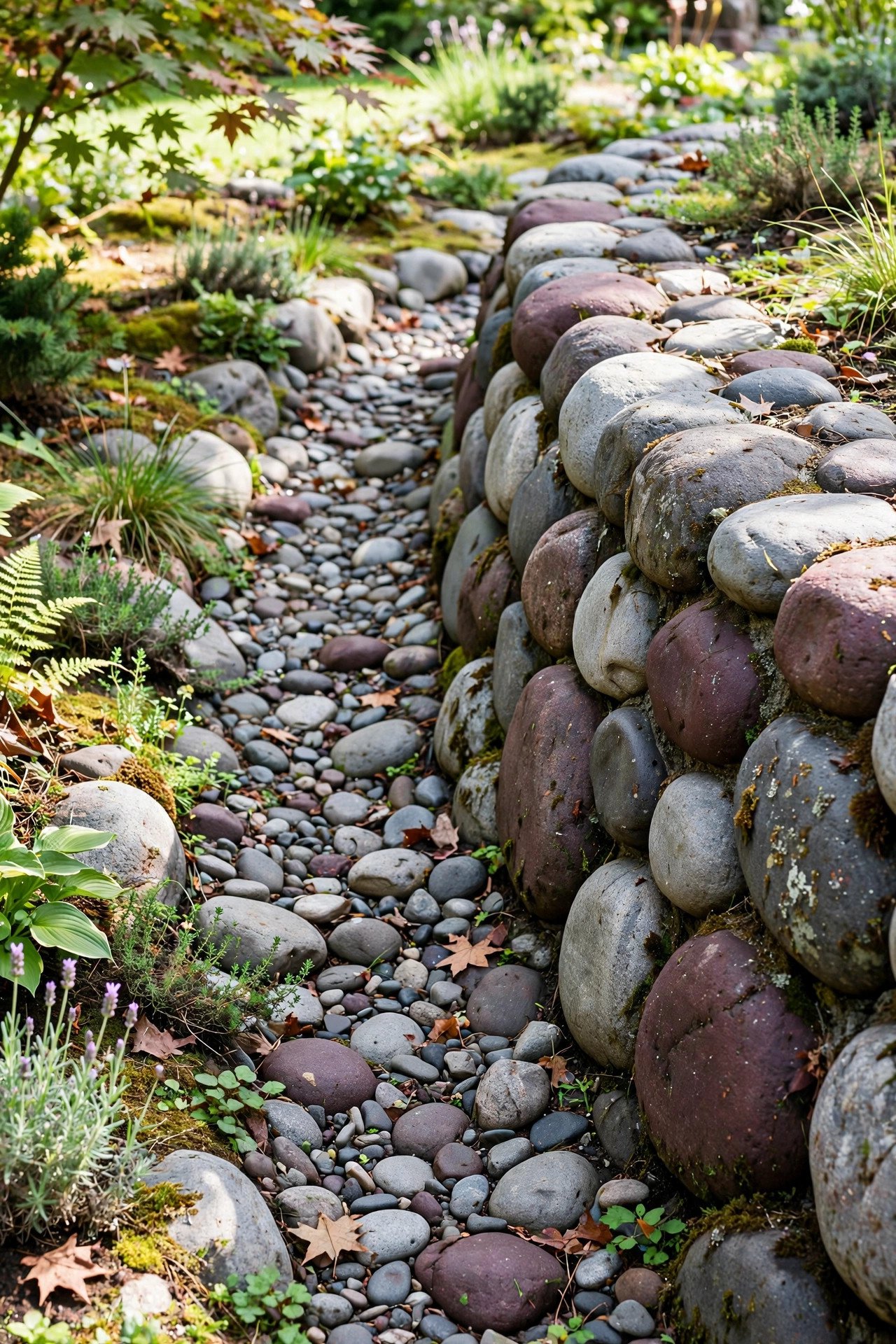
16. River Rock Retaining Wall
Smooth water-worn stones give your slope the peaceful look of a stream bed. Small river rocks in soft grays and deep burgundies create subtle shimmering beauty. This style pairs perfectly with a dry creek bed or water feature.
It is a softer, rounder alternative to sharp-cut stone. The gentle shapes feel calming and natural in any garden.
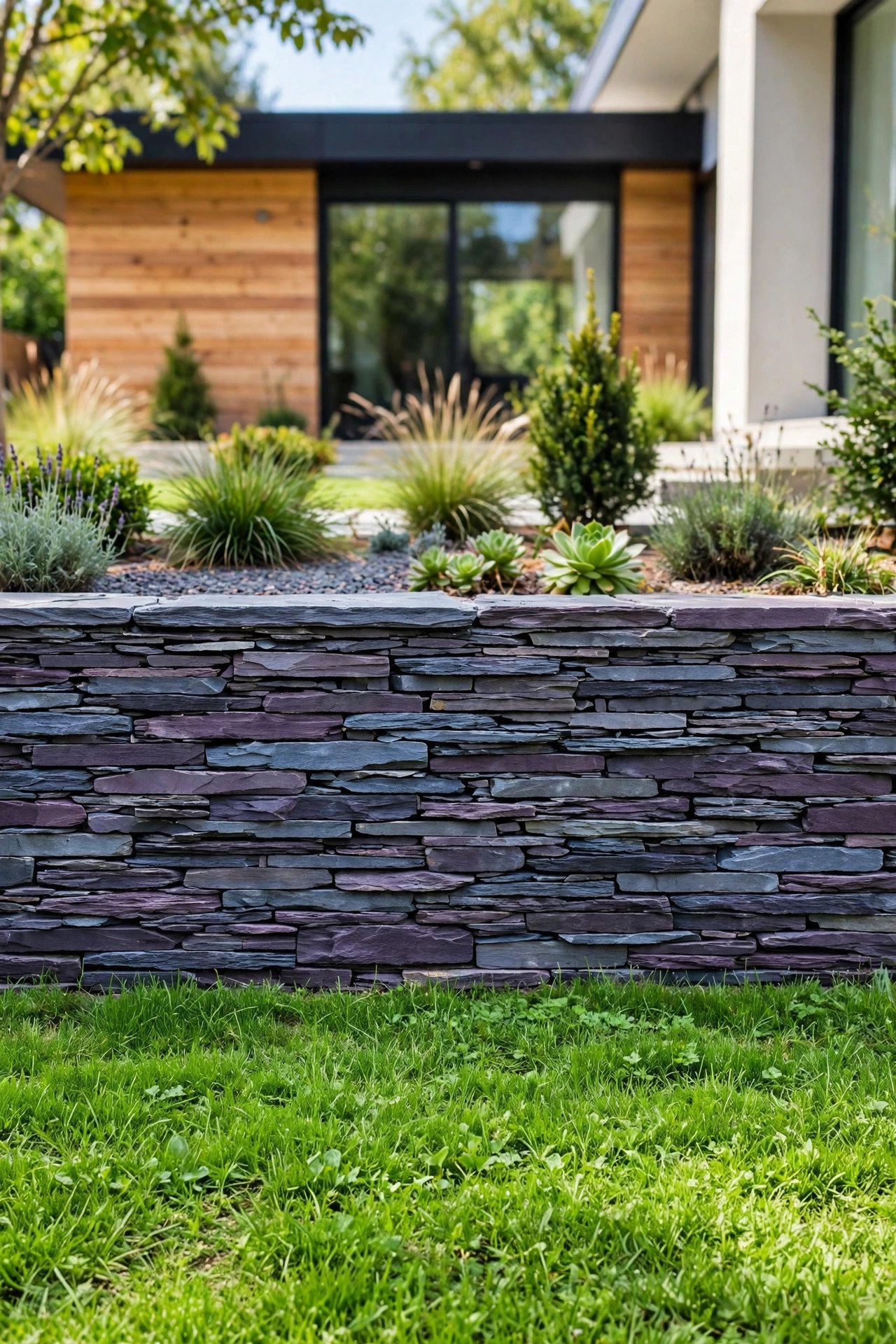
17. Decorative Slate Retaining Wall
Thin pieces of slate create a high-texture wall in striking charcoal, purple, and blue-gray tones. The fine layers catch the light beautifully against green lawns and colorful flowers. Use it as a veneer over concrete or stack it for low garden borders.
Slate brings moody sophistication to contemporary homes. Its natural sheen makes it a true standout material.
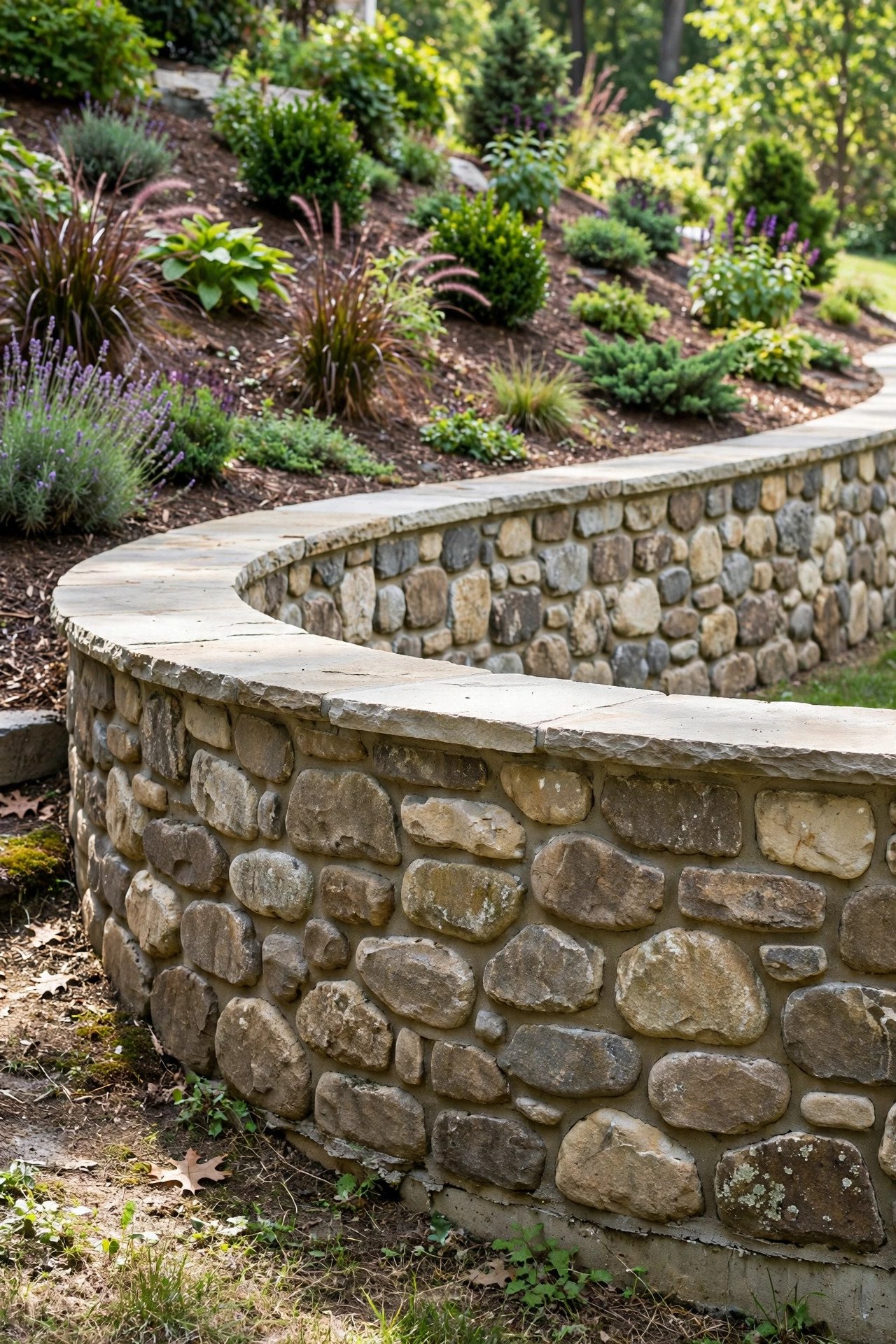
18. Stone Veneer Retaining Wall
Stone veneer gives you the look of expensive natural stone over a strong concrete core. Thin real or manufactured stone applies to curves, corners, and matching fire pits for a cohesive luxurious yard. You get the beauty of fieldstone at a lower cost with greater structural predictability.
This versatile option ties the whole sloped landscape together. Use the same veneer on multiple features for a professionally designed feel.
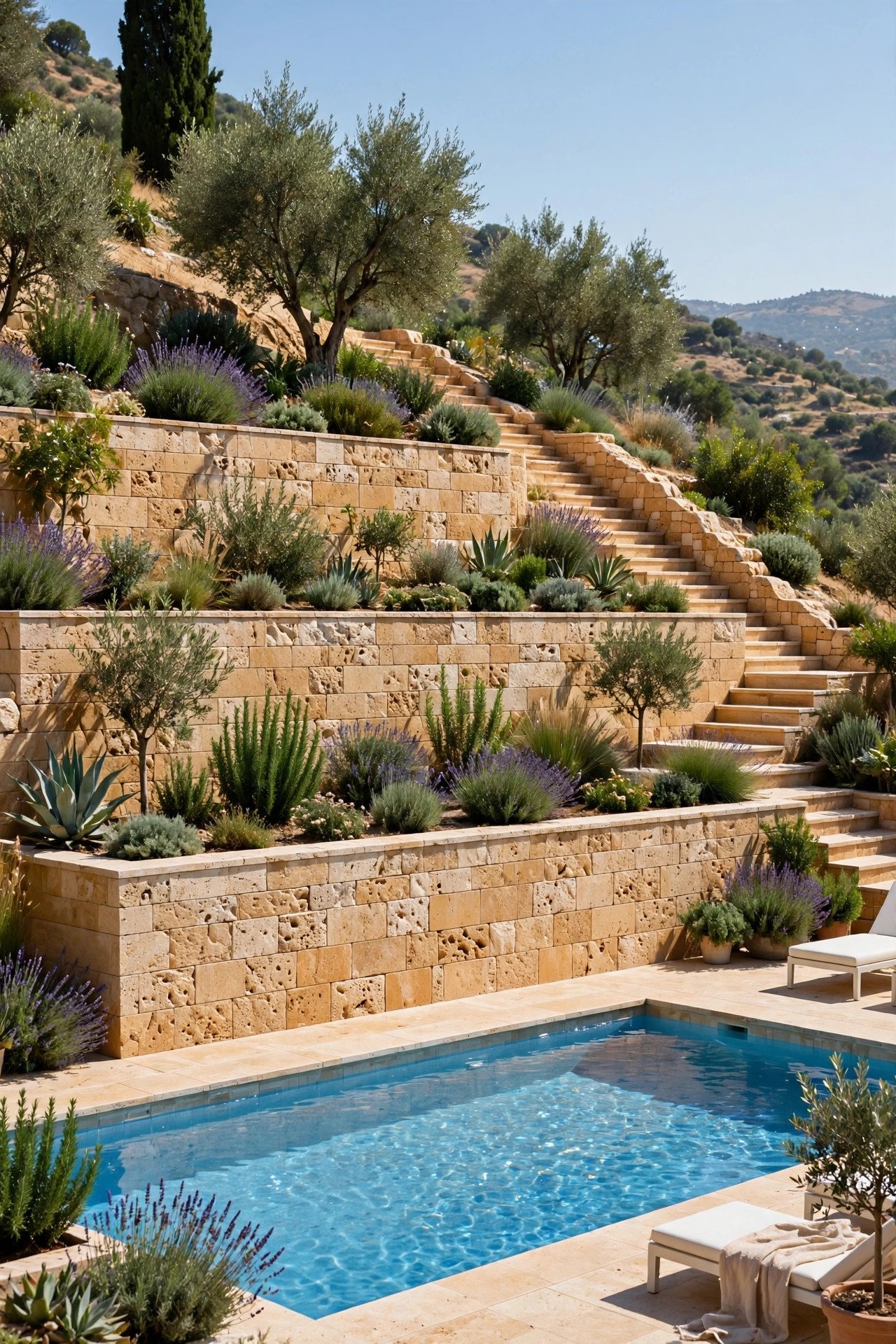
19. Travertine Retaining Wall
Travertine brings the warmth of an Italian villa to your backyard. Its smooth pitted texture and honey-beige tones glow in the sun and stay cool underfoot. Used to terrace a slope near a pool or patio, it creates a bright airy resort feeling.
This elite material suits Mediterranean-inspired sanctuaries perfectly. For more sun-drenched styling, these Mediterranean porch ideas continue the theme.
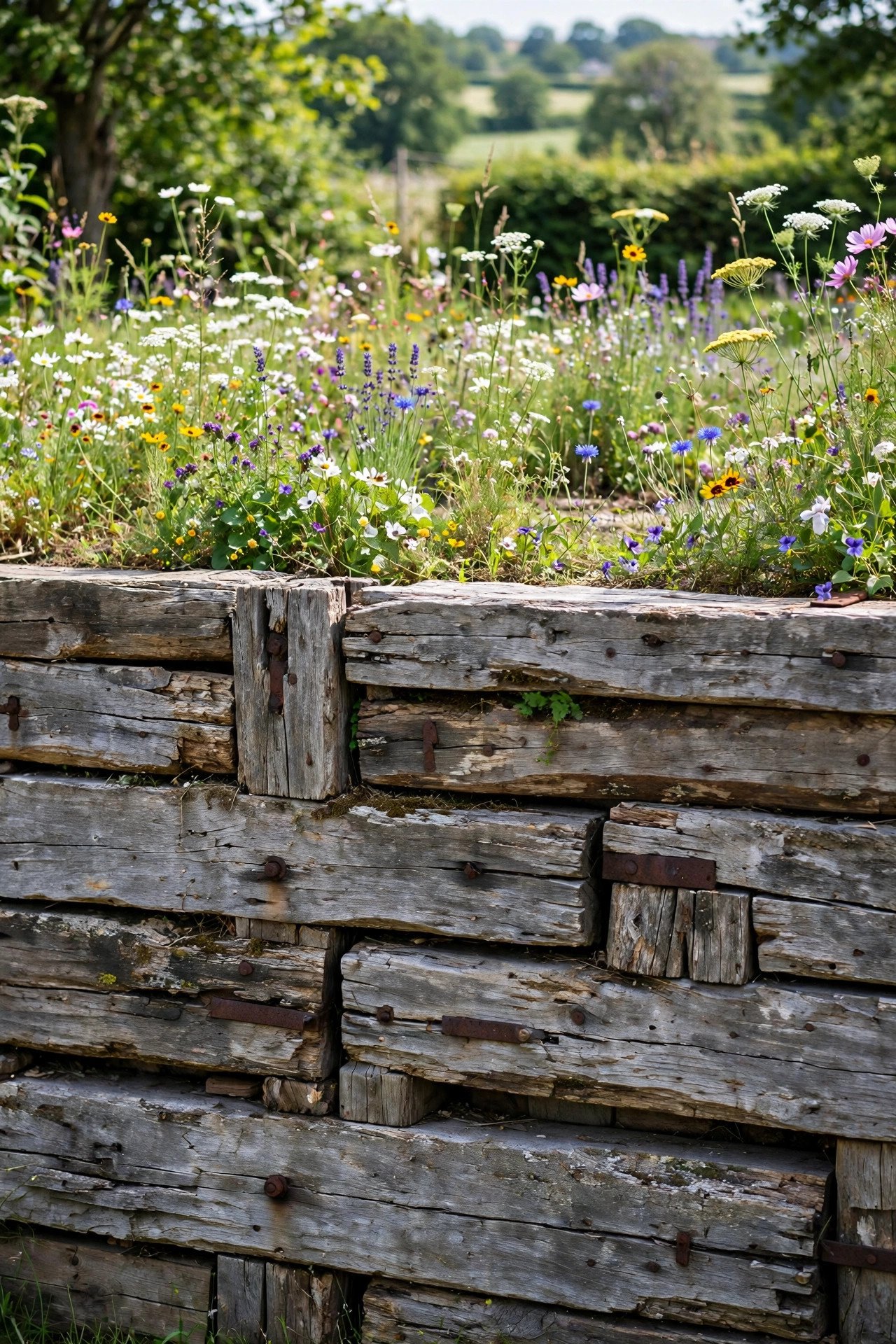
20. Reclaimed Wood Retaining Wall
Old barn beams and salvaged timber build a retaining wall with soul. The weathered texture celebrates imperfection while keeping good wood out of landfills. This rugged barrier suits rustic-chic and industrial-farmhouse backyards.
Seasoned heavy-duty wood makes a surprisingly sturdy low terrace. It is an eco-conscious choice with undeniable character.
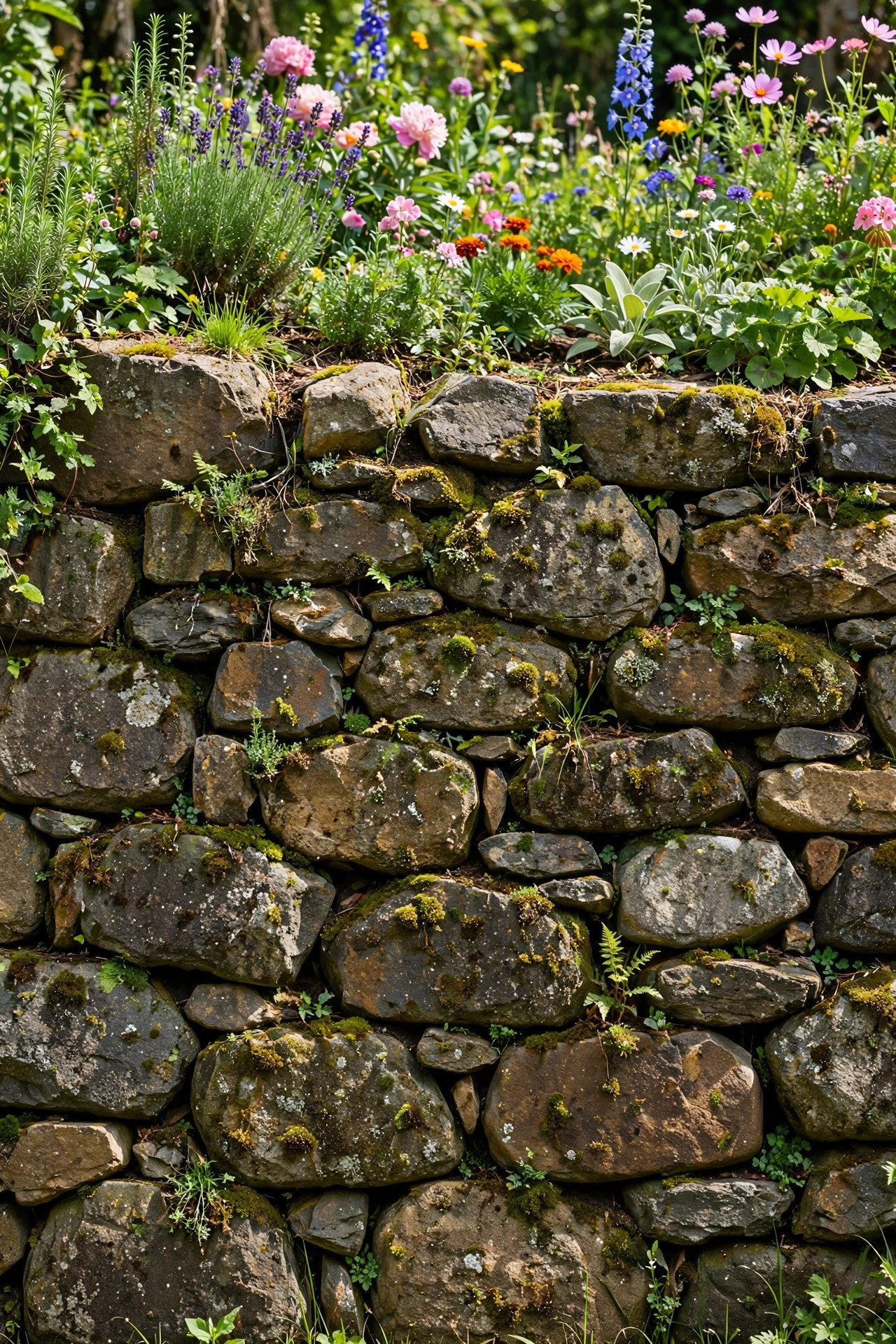
21. Fieldstone Retaining Wall
Fieldstone gathered from the land creates the most authentic countryside wall you can build. The irregular shapes and colors feel wild and natural, like the earth itself emerging from the hillside. Leave it dry-stacked for a historic organic feel.
This is the wall for cottage gardens and informal landscapes. Moss growing in the joints only makes it more beautiful, and these romantic garden styling ideas suit its gentle character.
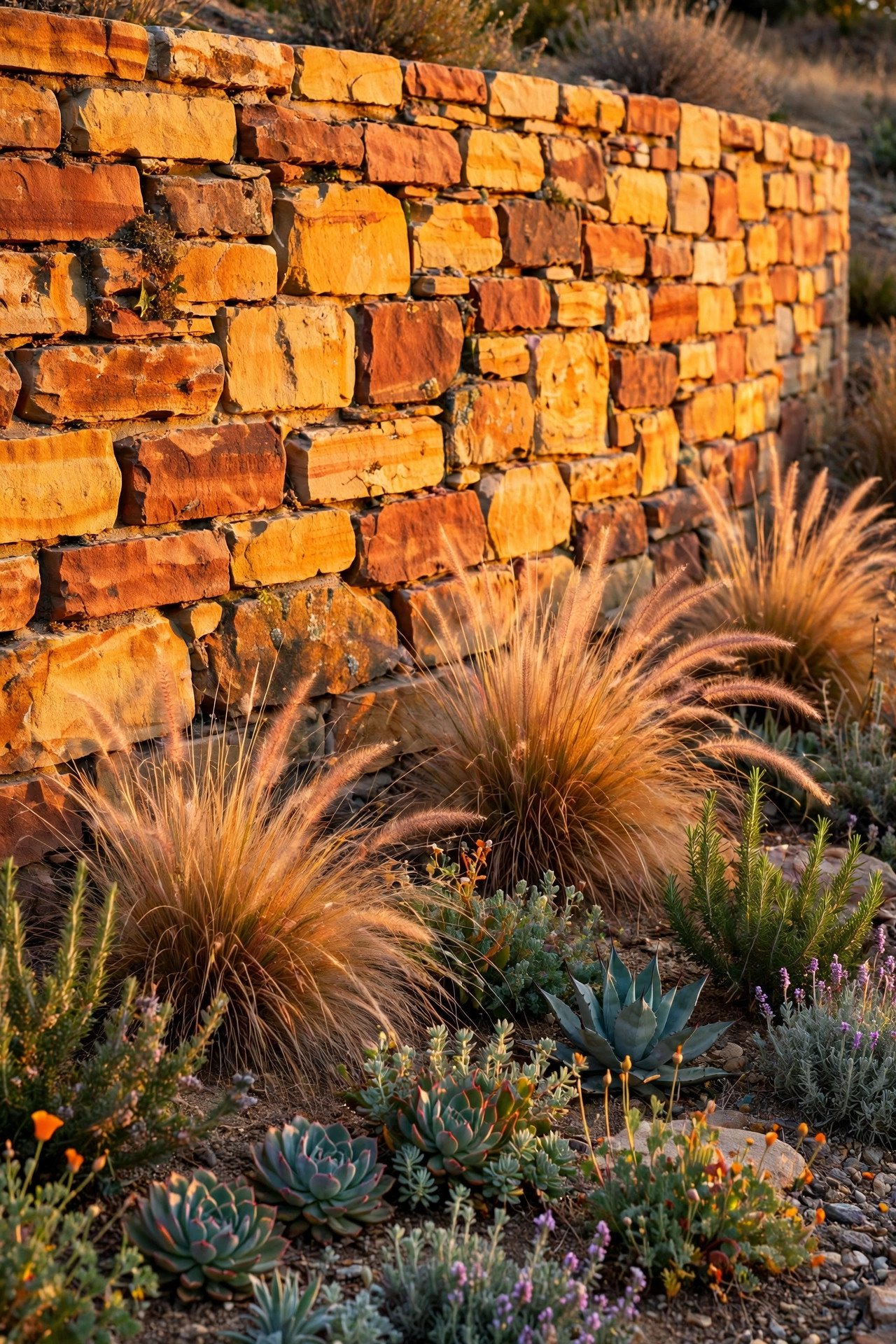
22. Sandstone Retaining Wall
Sandstone glows with the warm hues of a desert sunset in yellows, oranges, and reds. The soft workable stone can be cut into neat blocks or left rugged and natural. It blends beautifully with ornamental grasses and drought-tolerant plantings.
Evenings spent beside a sandstone wall feel especially warm and inviting. This is a wonderful choice for xeriscape and southwestern-style gardens.
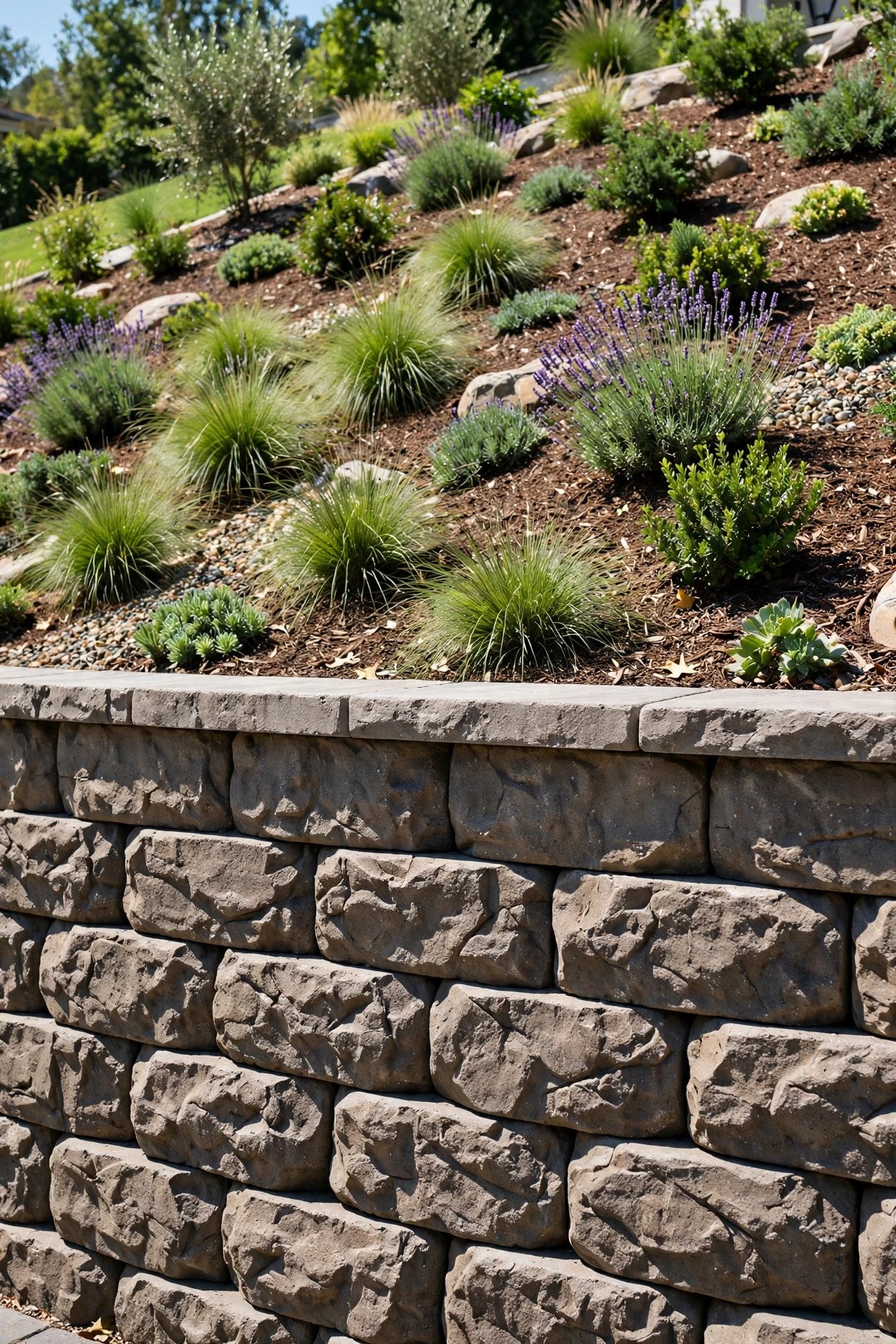
23. Textured Masonry Retaining Wall
Stamped concrete blocks replicate the fine details of natural rock or wood planks. Matching caps and corner pieces make the finished wall look polished from every angle. You get a designer look with the consistency of a manufactured system.
This is perfect when you want a very specific aesthetic without custom masonry prices. The result fools almost everyone.
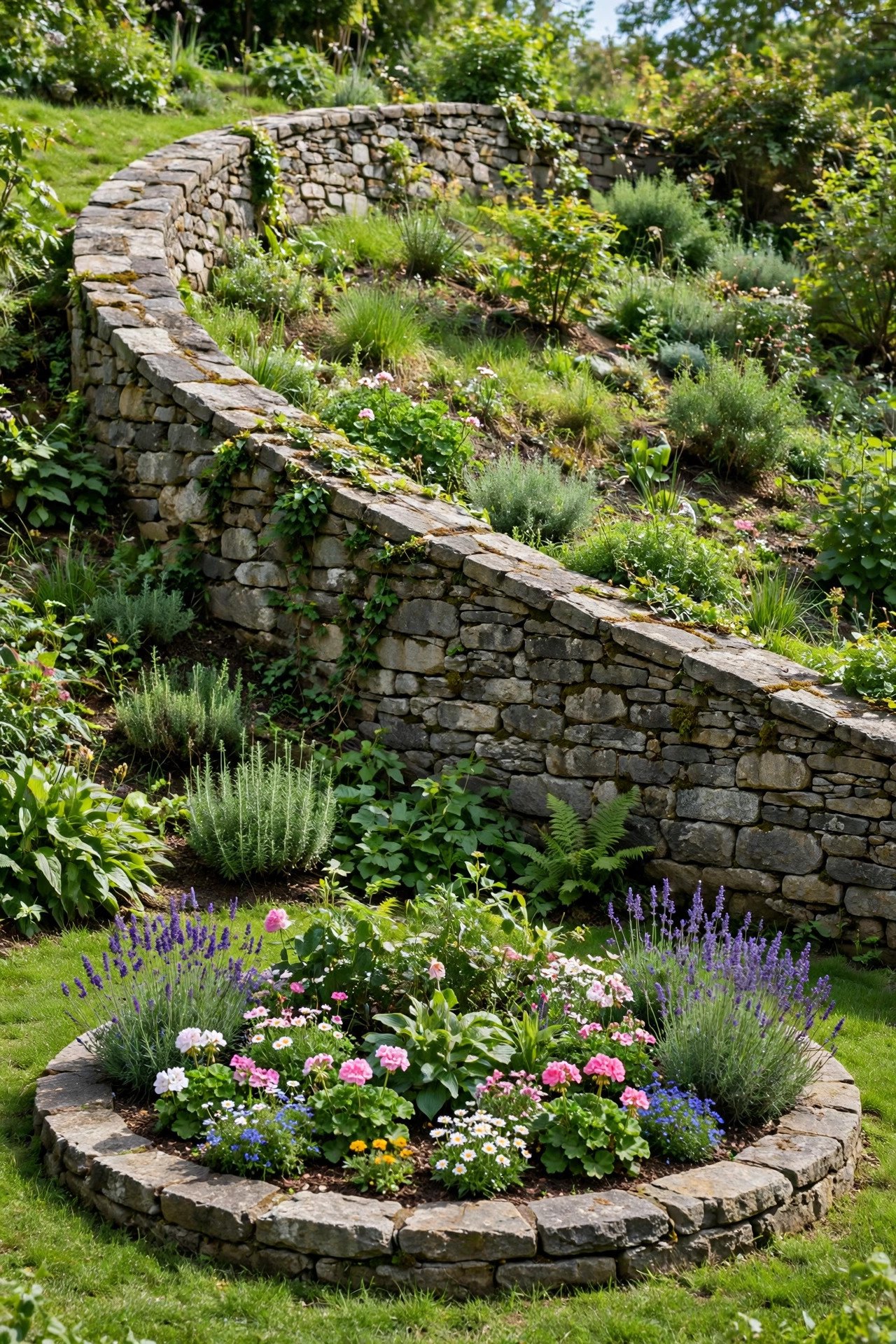
24. Curved Retaining Wall
A curved wall follows the natural contours of your hill instead of fighting them. The graceful flow feels harmonious and relaxing, and the arch shape actually resists soil pressure better than straight runs. Wrap it around a patio or a majestic tree.
Curves are ideal for circular garden beds and organic landscape styles. This is the wall for gardeners who love soft natural lines.
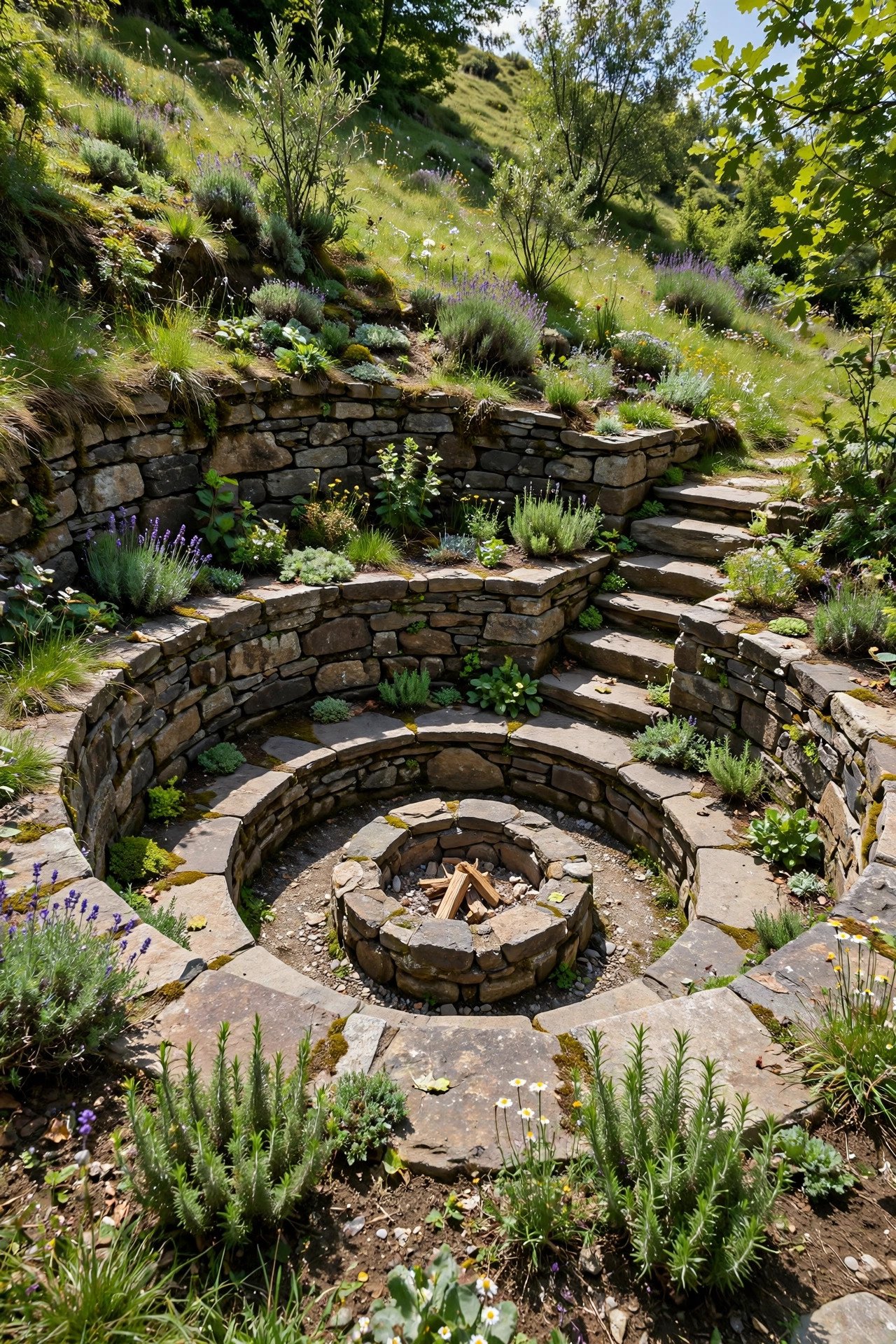
25. Circular Retaining Wall
A circular wall carved into the slope creates a cozy sunken retreat at its heart. Use it to frame a fire pit or a private seating nook with a natural amphitheater feeling. The round shape becomes the strongest focal point in the yard.
This clever design turns the hardest part of your slope into the most popular gathering spot. For styling the seating area it creates, these romantic porch decor ideas offer cozy inspiration.
Conclusion
A sloped backyard is not a problem to solve; it is an opportunity to build something extraordinary. The right retaining wall stabilizes your soil, creates usable terraces, and turns an awkward hill into the most beautiful part of your property.
Choose quality materials, plan for drainage behind every wall, and build with the long term in mind. Your slope will reward you with gardens, views, and outdoor rooms you never thought possible.
Frequently Asked Questions About Backyard Retaining Wall Ideas for Sloped Gardens
How tall can I build a retaining wall without an engineer?
Most areas allow walls up to three or four feet without engineering, but rules vary widely. Taller walls need proper footings, drainage, and often a professional design, so check local codes first.
Do retaining walls need drainage behind them?
Yes, drainage is essential. Water pressure is the top reason walls fail, so include gravel backfill and a perforated drain pipe behind every wall, no matter the material.
What is the cheapest retaining wall material?
Treated timber and interlocking concrete blocks are usually the most affordable. Natural stone and poured concrete cost more but last much longer.
How long does a retaining wall last?
Stone and concrete walls can last 50 to 100 years, while treated timber typically lasts 15 to 25 years. Good drainage behind the wall matters more than the material for longevity.
Can I build a retaining wall myself?
Low walls under three feet are very DIY-friendly, especially with interlocking blocks or timber. Taller walls, poor soils, or slopes above the wall call for professional help.

Hi, I’m Emily! I turn messy corners into cozy, organized spots. DreamNestDecor is where I share simple, practical home ideas — decor, organization, and small-space solutions that work in real life, not just in photos. Every idea here is carefully researched before it’s shared.