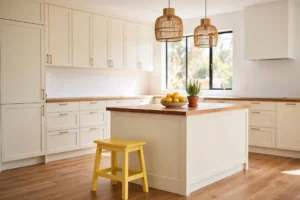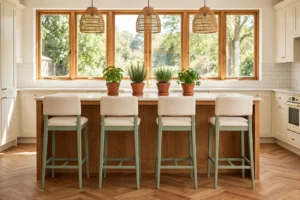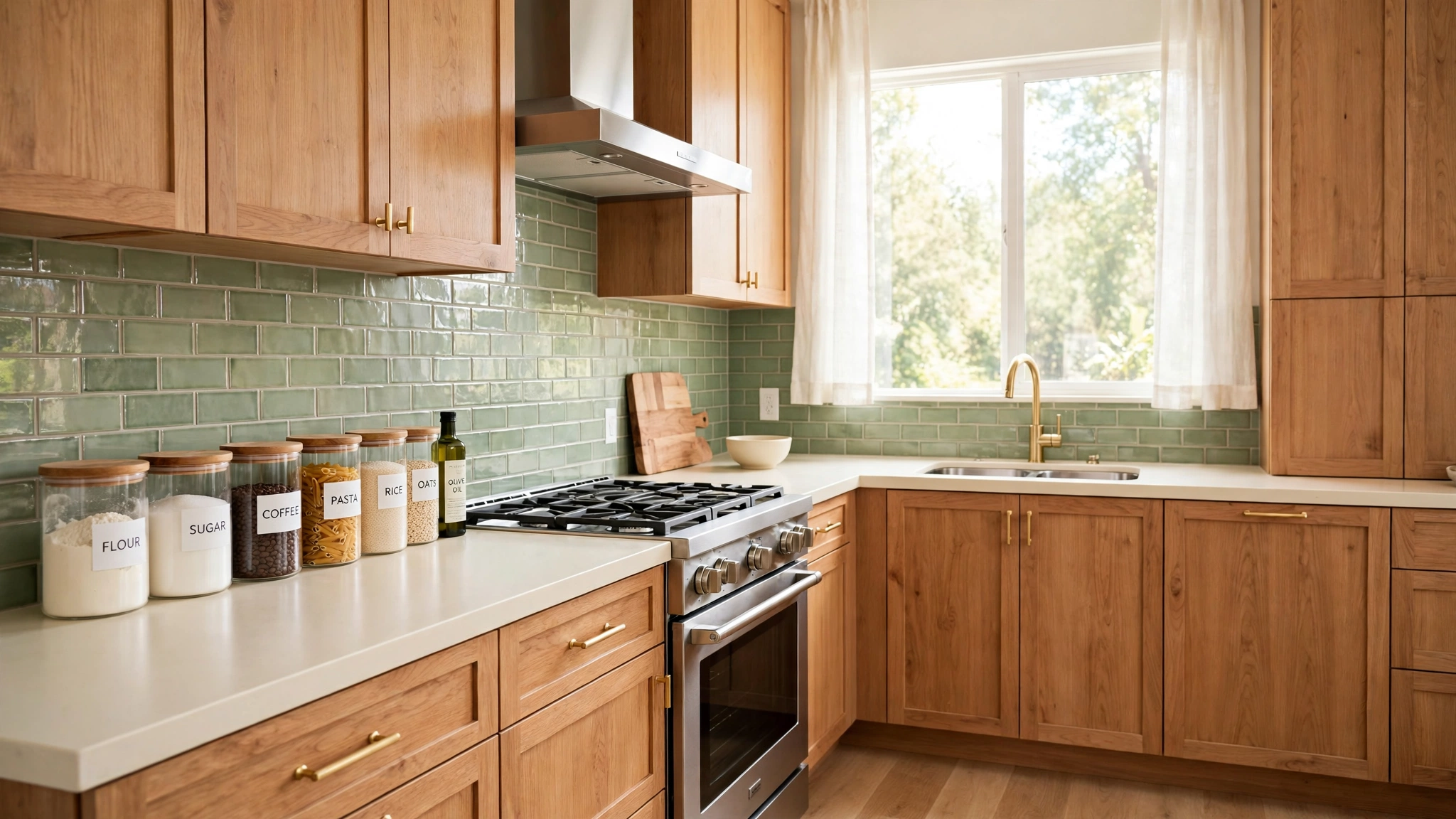
Picture this: you walk into your kitchen and the first thing you notice is the backsplash. The tiles are dated, the color feels tired, and the whole room looks older than it should. You know new tile would cost a fortune and leave your kitchen torn apart for days, so you keep living with a surface you do not love.
You do not need a contractor or a big budget to fix that feeling. A can of tile paint and a free weekend can turn those same outdated tiles into a surface that looks fresh and intentional. These 20 diy tile painting ideas will show you how to refresh backsplashes, floors, fireplaces, stairs, and more, one painted tile at a time.
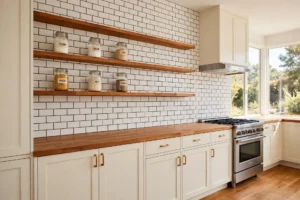
1. Give the Kitchen Backsplash a Classic White Refresh
A coat of crisp white tile paint is the simplest way to rescue a dated kitchen backsplash. White paint covers old colors and busy patterns in one clean layer, and it bounces light around the room so the whole kitchen feels brighter. The result looks like a brand new backsplash at a tiny fraction of the cost of new tile.
Start by cleaning the tiles with a degreaser, then sand them lightly so the paint grips the glossy surface. Apply a bonding primer, then two thin coats of tile paint, and finish with a clear sealer for a wipeable surface. For more budget-friendly ways to update this hardworking wall, see these cheap kitchen backsplash ideas that pair beautifully with a fresh coat of paint.
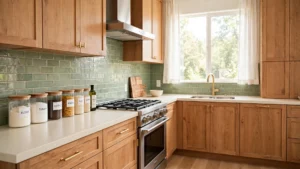
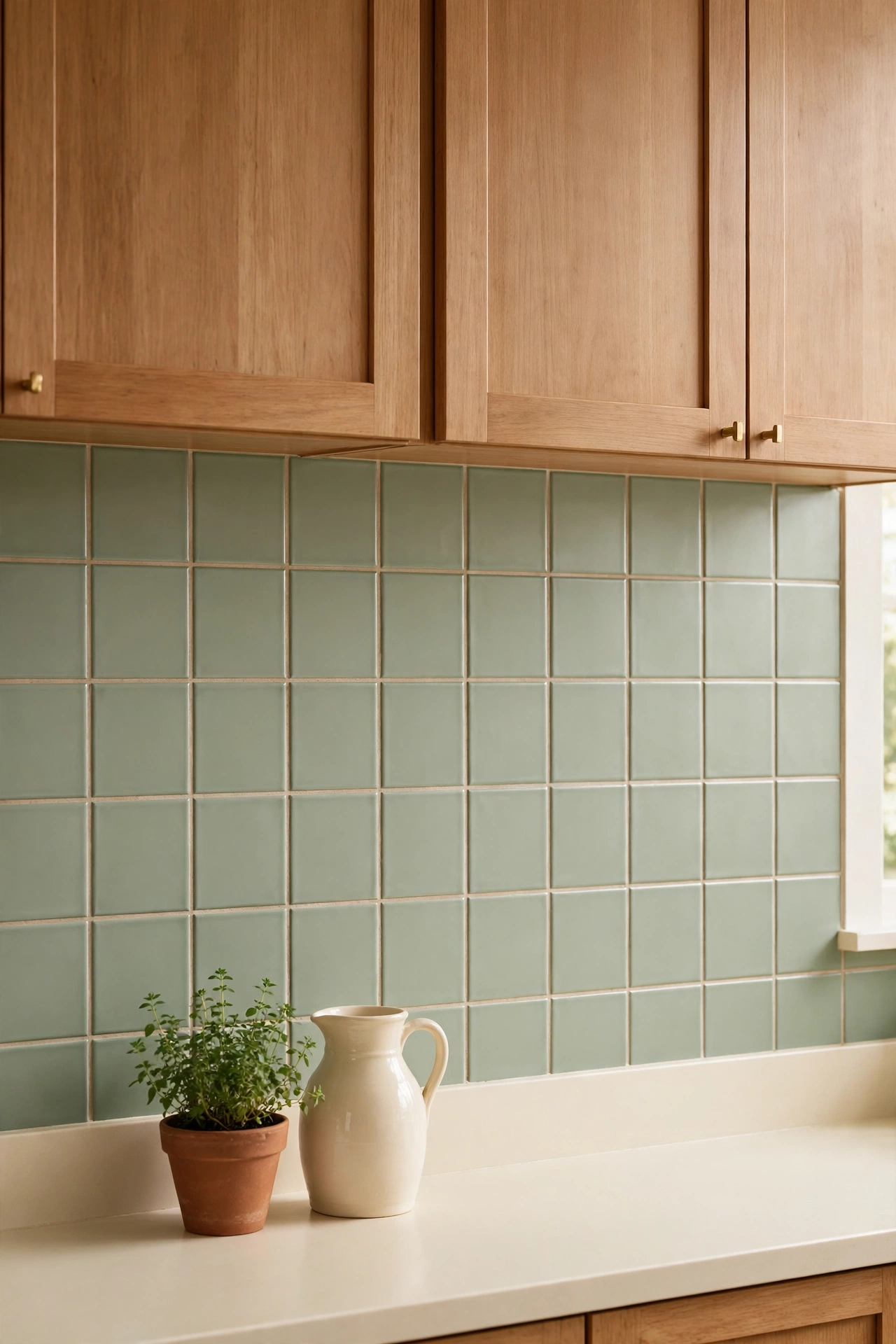
2. Paint the Kitchen Backsplash Soft Sage Green
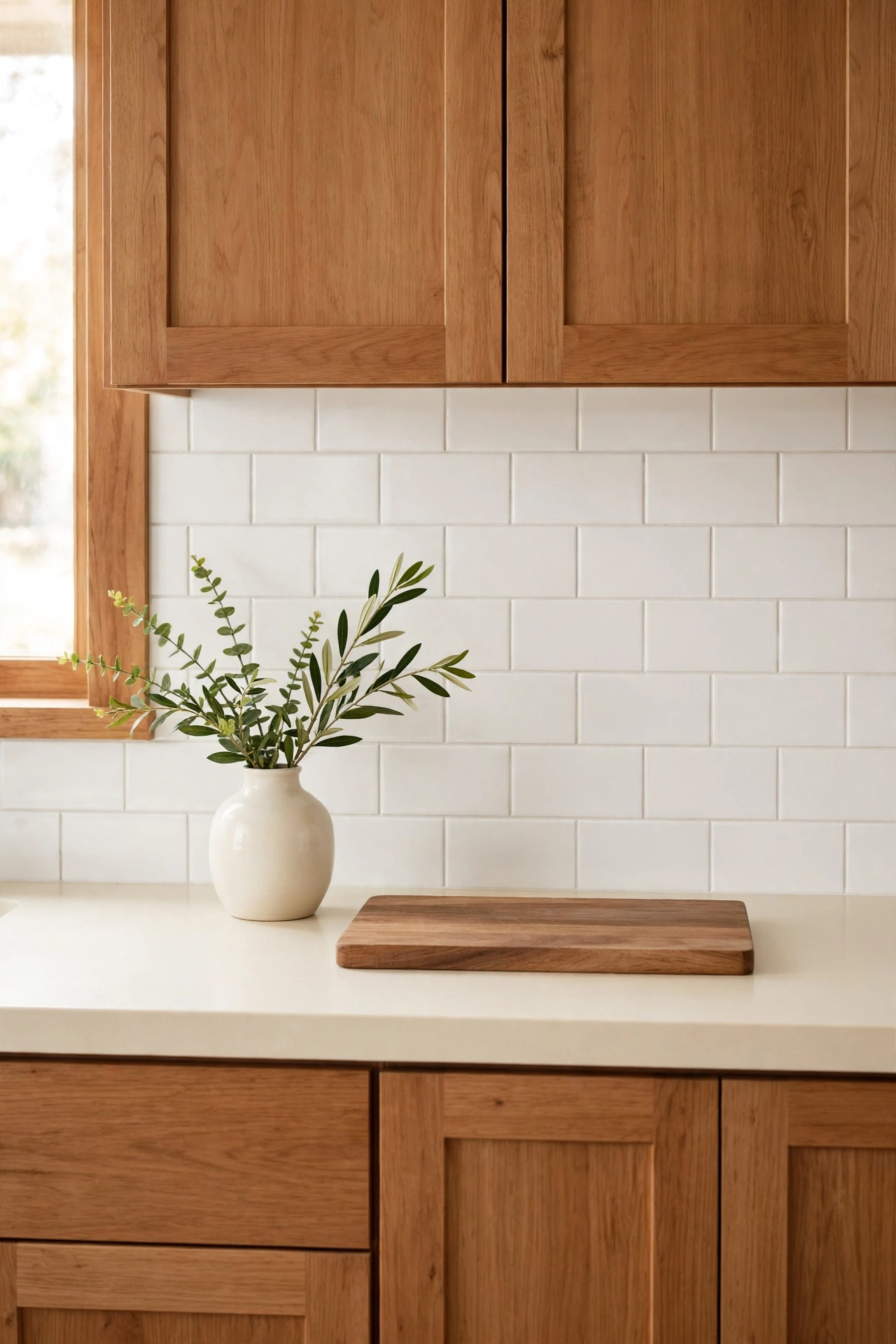
Soft sage green paint turns a plain tile backsplash into a calm and stylish focal point. The muted green feels fresh and natural, and it pairs beautifully with warm wood cabinets, cream countertops, and brass hardware. Sage is gentle enough to live with every day, yet it gives the kitchen real personality.
Choose a flat or satin tile paint so the color looks velvety rather than shiny. Keep the rest of the kitchen palette light and neutral so the sage backsplash stays the star. Add a small potted herb on the counter and a woven basket nearby to echo the natural feeling of the green tiles.
3. Stencil a Moroccan Pattern on the Kitchen Backsplash
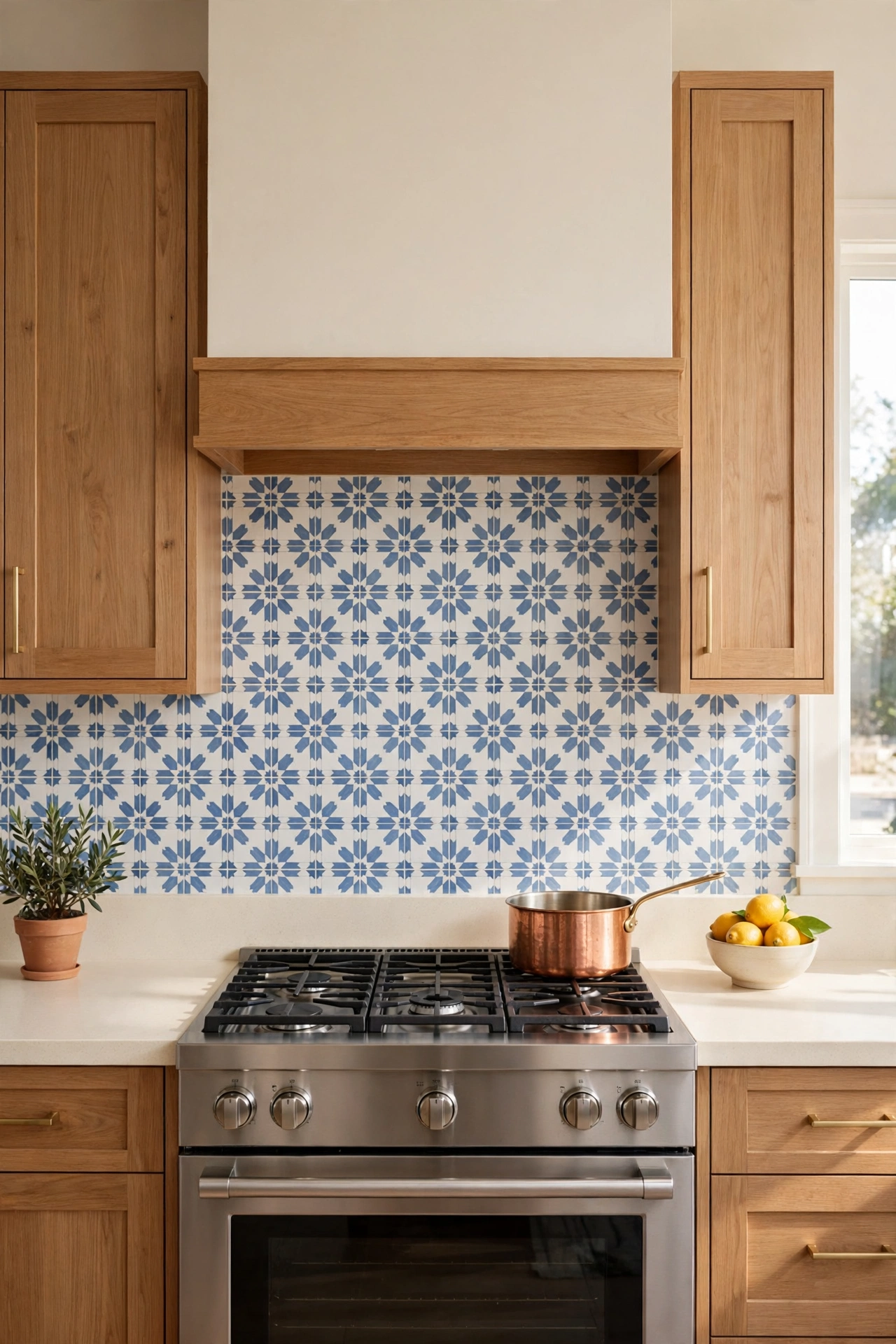
A Moroccan stencil turns ordinary square tiles into a patterned backsplash that looks handcrafted and expensive. The interlocking star and cross shapes add movement and artistry to the wall behind the stove, and the pattern hides small imperfections in old tile. This is one of the most dramatic transformations you can get from a single stencil and two paint colors.
Paint the tiles a solid base color first, let them dry fully, then position the stencil and dab the pattern color on with a nearly dry brush. Work one tile at a time and use painter’s tape to keep the stencil from shifting. Seal the finished wall with a clear topcoat so the pattern survives steam, splashes, and daily wiping.
4. Paint the Kitchen Backsplash Deep Navy Blue
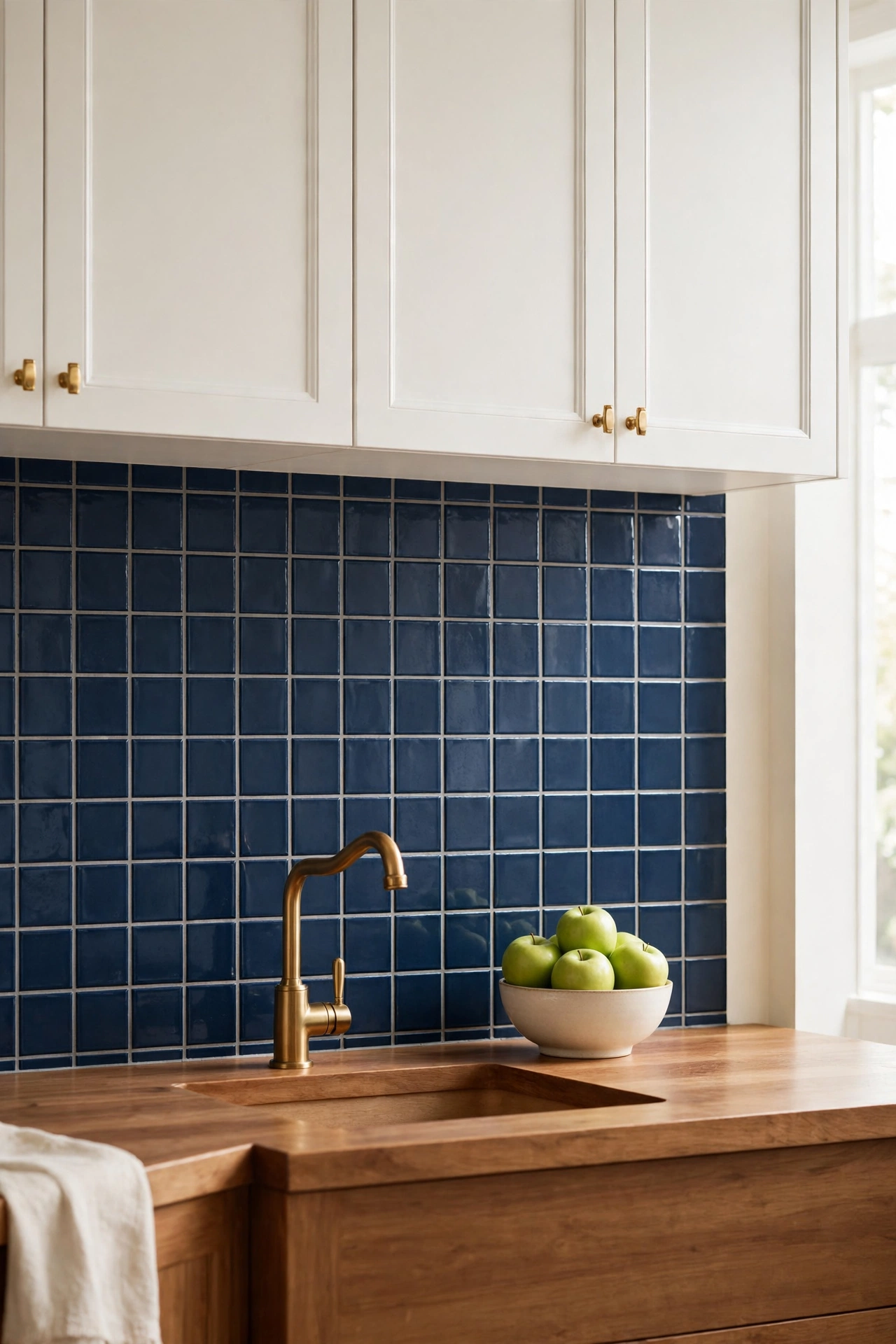
Deep navy blue paint gives a kitchen backsplash a bold and sophisticated look that feels completely custom. The rich color makes white cabinets glow and turns brass or gold hardware into jewelry for the room. Navy is a confident choice that works in both traditional and modern kitchens.
Balance the dark wall with pale countertops and plenty of natural light so the kitchen stays bright. Keep the grout lines crisp by painting carefully with a small angled brush, or paint the grout the same navy for a seamless wall of color. A navy backsplash makes even a simple weeknight dinner feel like an occasion.
5. Warm Up the Kitchen Floor With Terracotta Paint
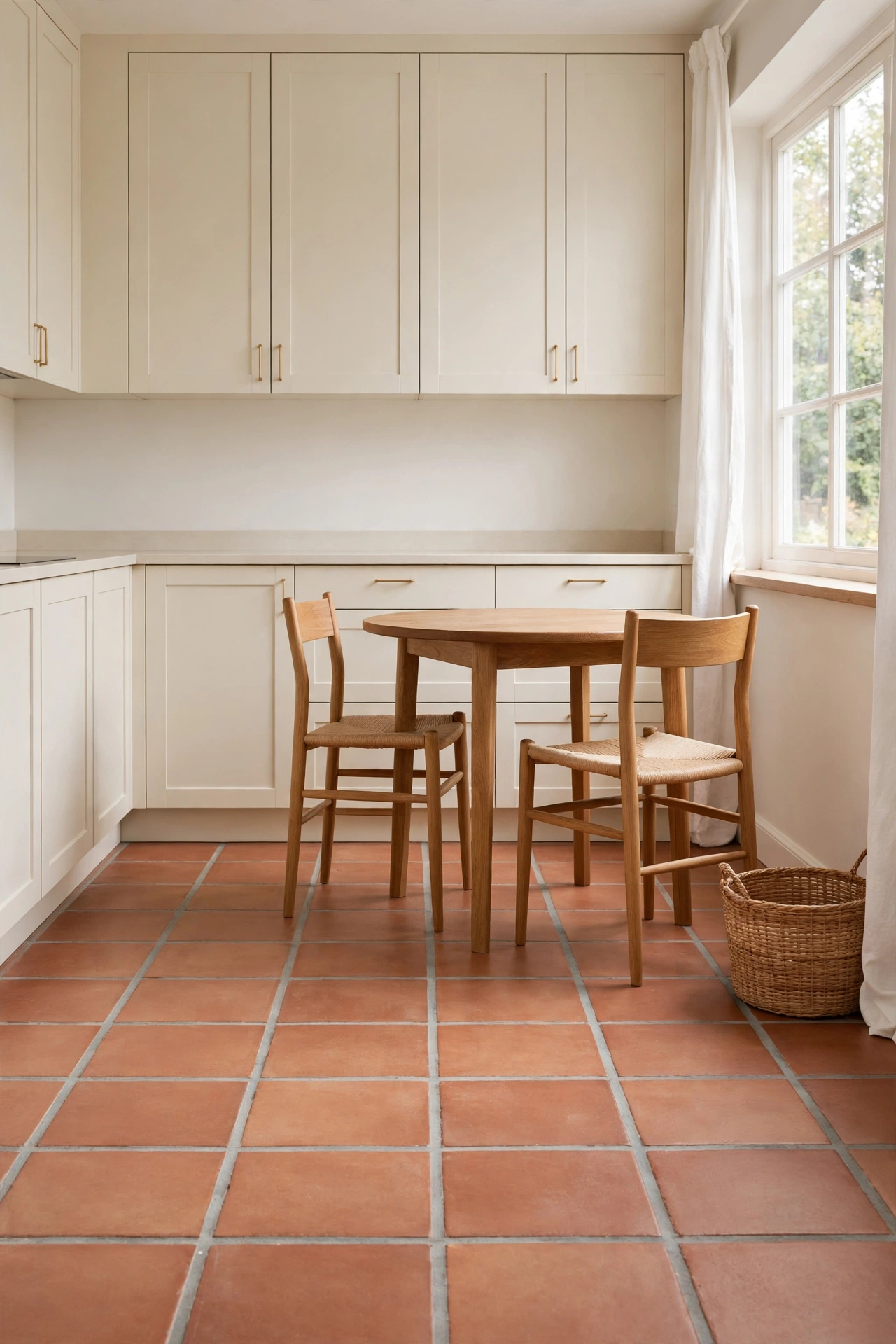
Terracotta paint on kitchen floor tiles brings sun-baked warmth underfoot without the cost of real clay tile. The earthy orange-brown tone hides everyday marks, pairs beautifully with cream cabinets and wood accents, and makes the whole kitchen feel welcoming. It is a perfect choice if your current floor tiles feel cold or dated.
Floor paint needs extra preparation, so clean the tiles thoroughly, sand them well, and use a primer made for floors. Apply thin, even coats and let each one cure fully before you walk on it. Finish with two coats of a durable floor sealer so the terracotta color stands up to spills, shoes, and chair legs.
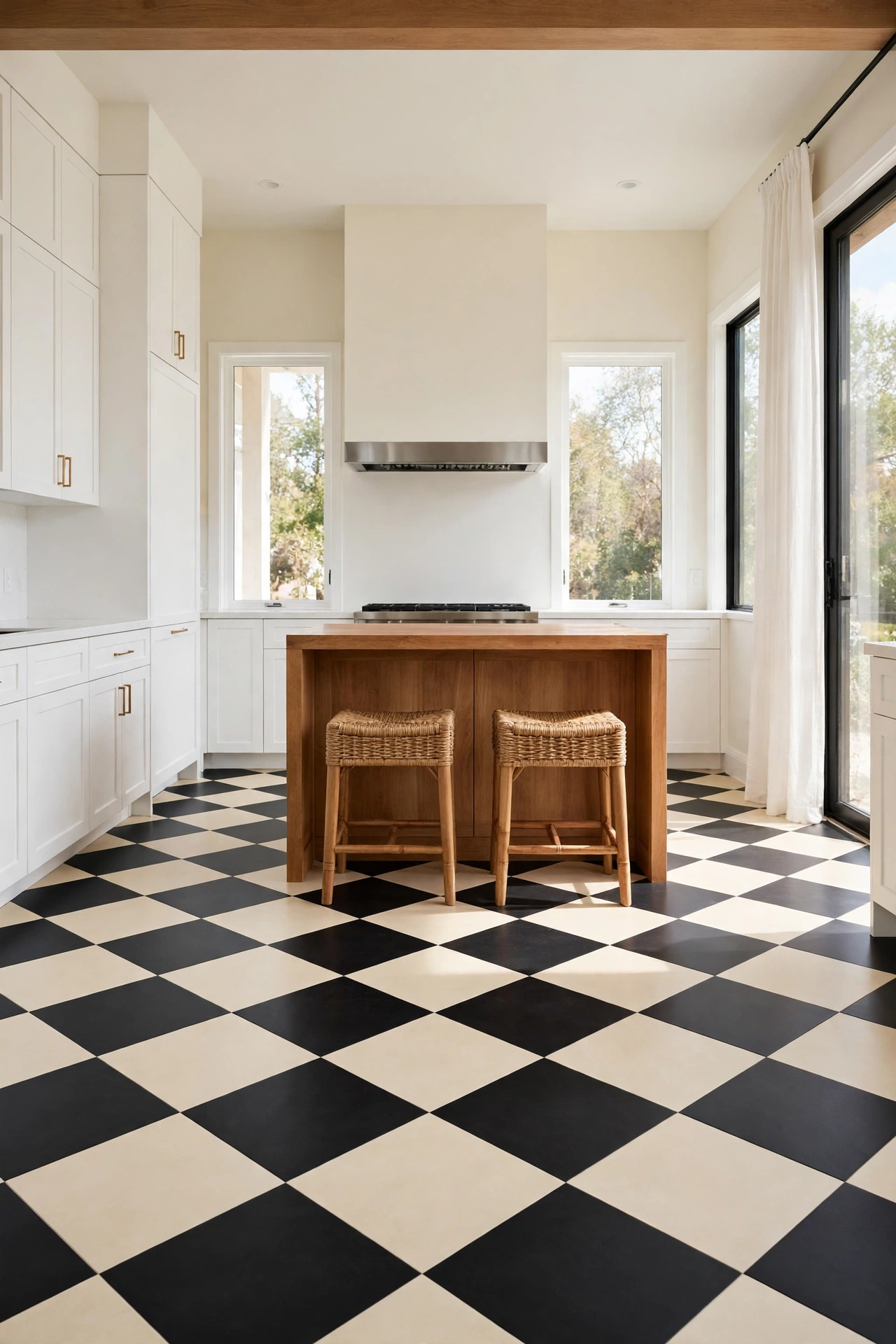
6. Paint a Checkerboard Pattern on the Kitchen Floor
A checkerboard floor is a timeless look that paint can deliver in a single weekend. Alternating black and cream squares give the kitchen a cheerful retro feeling, and the bold pattern makes the floor the star of the room. This classic design suits farmhouse, cottage, and vintage style kitchens especially well.
Mark the grid with a chalk line and painter’s tape before you paint a single square. Paint all the light squares first, let them dry, then tape and paint the dark squares for crisp edges. For more ways to use this beloved pattern around the home, see these checkerboard floor ideas that show how the classic squares work in rooms of every size.
7. Refresh the Fireplace Surround With Painted Tiles
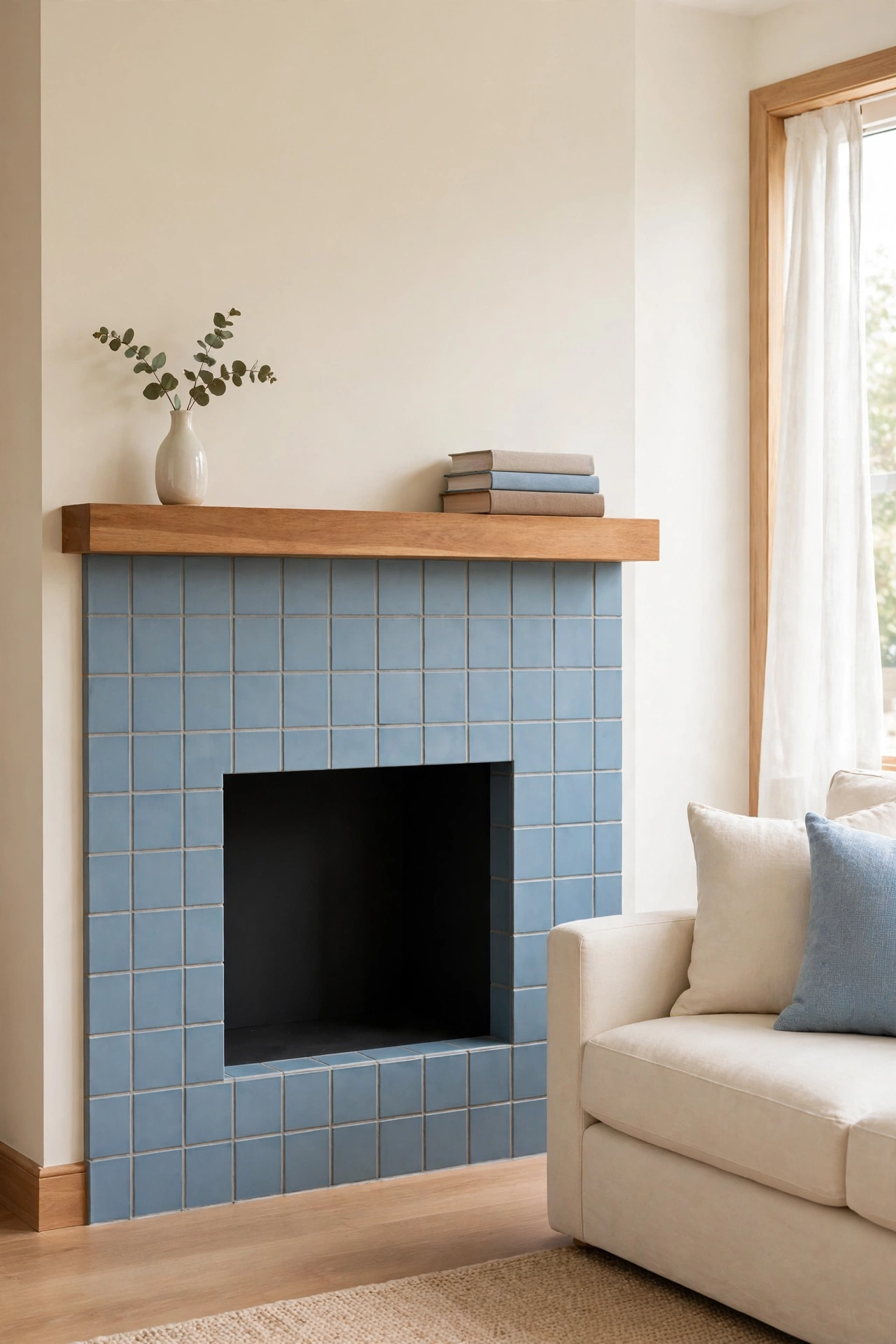
Painted tiles can rescue a fireplace surround that feels stuck in another decade. A fresh coat of paint in cream, sage, or soft blue turns dated ceramic tiles into a clean backdrop for the fire, and the surround becomes a feature you admire instead of one you ignore. The change is dramatic, yet the work takes only a weekend.
Use a heat-resistant tile paint or a standard tile paint kept well clear of the firebox opening, and always follow the paint instructions for heat exposure. Keep the mantel styling simple so the newly painted tiles get the attention they deserve. For more ways to dress the wall around the fire, see these decorative fireplace surround ideas that work beautifully with freshly painted tile.
8. Paint the Fireplace Hearth Tiles a Bold Pattern
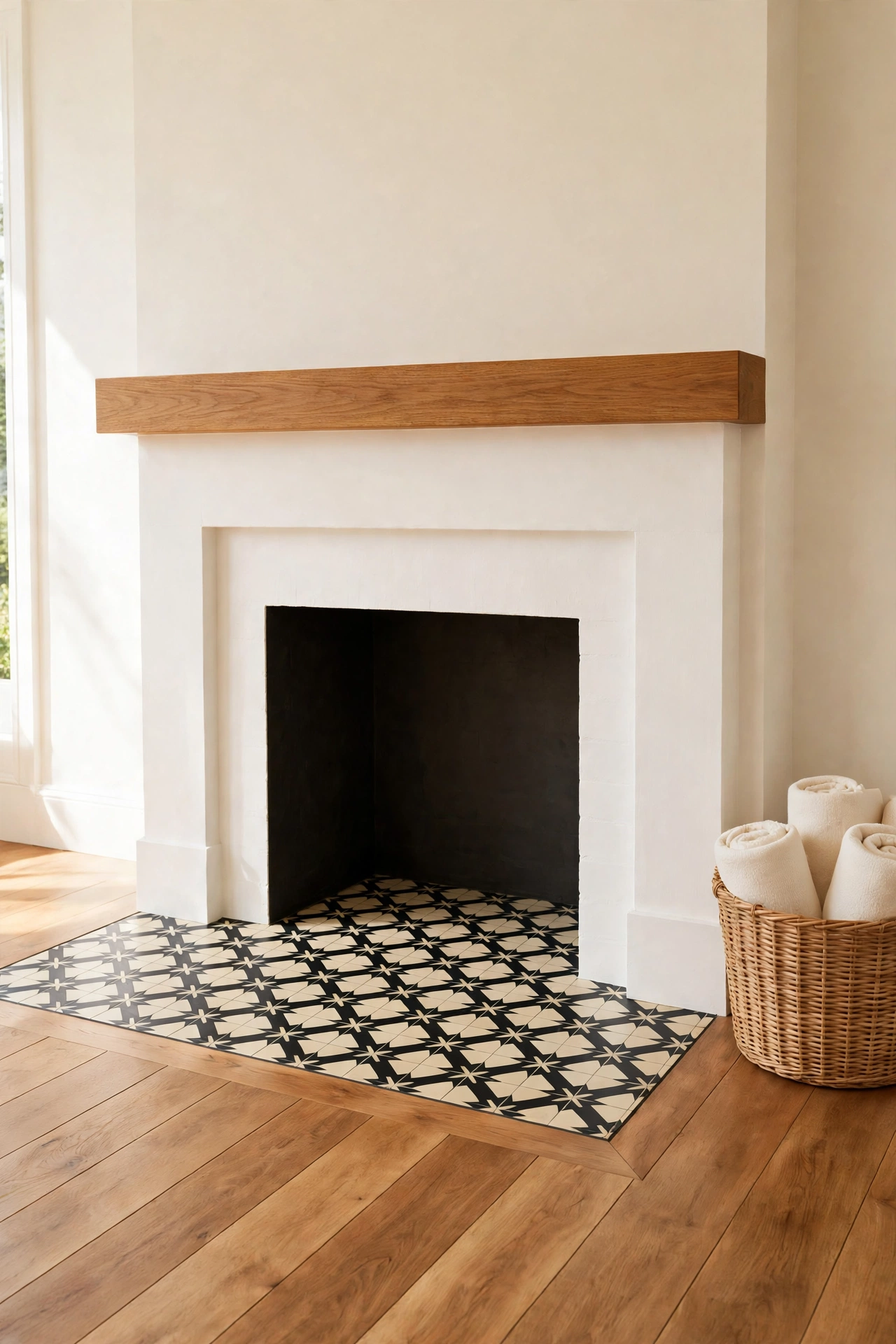
The hearth is the flat tiled area in front of the fireplace, and paint can turn it into a decorative rug made of tile. A bold stencil pattern or a deep solid color on the hearth tiles anchors the whole fireplace wall and adds a layer of design that most rooms never get. It is a small area, so the project is quick and low risk.
Choose a pattern that echoes something else in the room, such as the colors in a rug or the lines of the mantel. Because the hearth sees foot traffic and the occasional spark, seal it with several coats of a tough clear finish. A painted hearth makes the fireplace feel finished from floor to mantel.
9. Paint the Staircase Risers for a Cheerful Climb
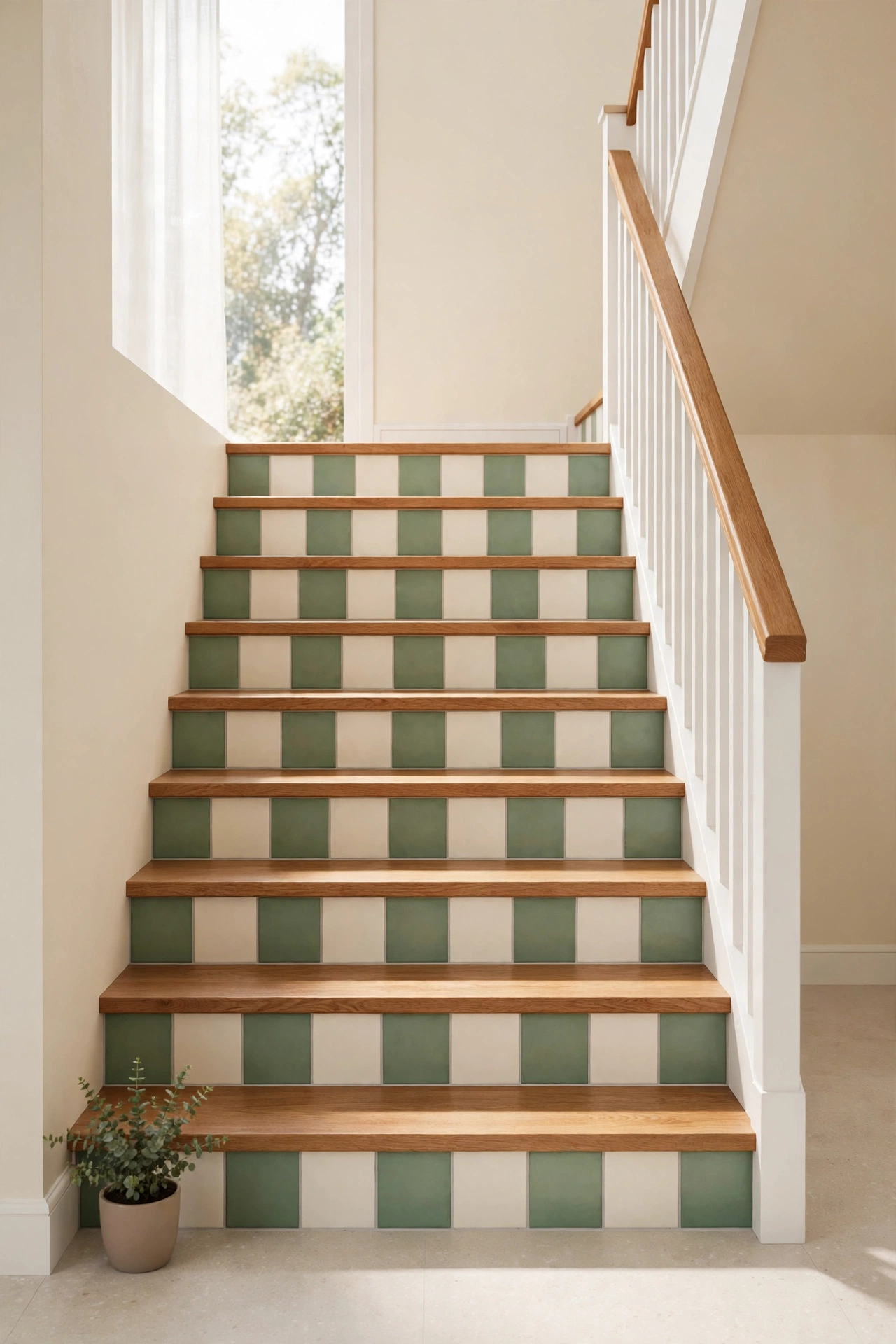
Tiled staircase risers are a perfect canvas for paint. Each riser is a small rectangle, so you can paint them all one color for a calm look or alternate two colors for a playful rhythm up the stairs. Painted risers turn a plain staircase into a design feature that guests notice the moment they walk in.
Paint the treads a durable neutral if they are tiled too, or leave wood treads alone and paint only the risers for contrast. Use a tough floor paint and a clear sealer, since stairs take heavy daily wear. For a full staircase refresh that goes beyond the risers, these budget friendly staircase makeover ideas offer more ways to upgrade the climb without a big budget.
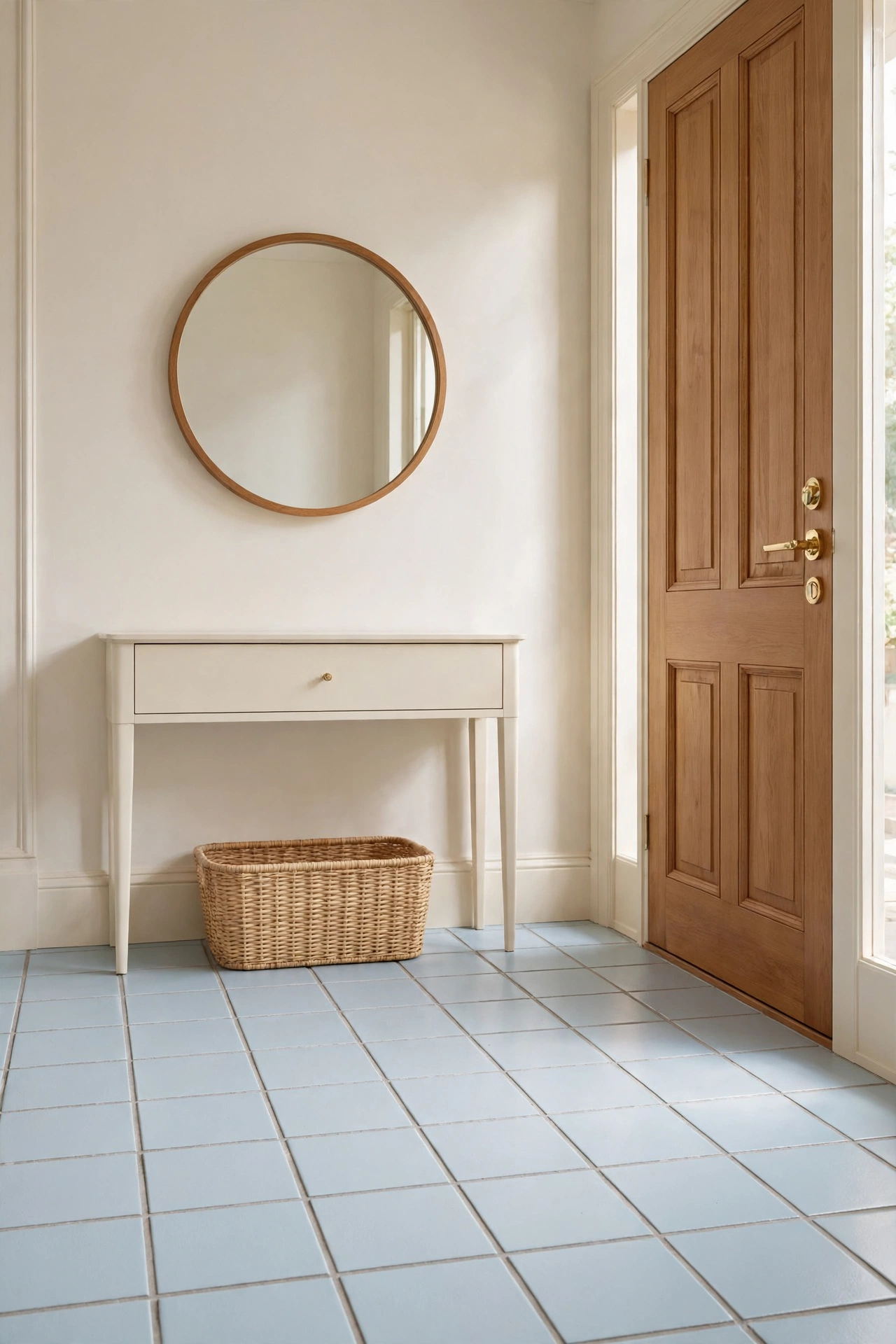
10. Brighten the Entryway Floor With Painted Tiles
The entryway floor takes more abuse than any other floor in the house, and paint can give its tired tiles a fresh start. A light color like warm cream or pale blue makes a small entry feel larger and more welcoming, while a patterned stencil adds personality to the first space guests see. The entry sets the tone for the whole home, so it deserves the effort.
Because entry floors face shoes, water, and dirt, preparation matters more here than anywhere else. Degrease, sand, prime, and seal with extra care, and give the paint a full cure before heavy use. For more affordable floor transformations throughout the home, see these cheap flooring makeover ideas that stretch a small budget a long way.
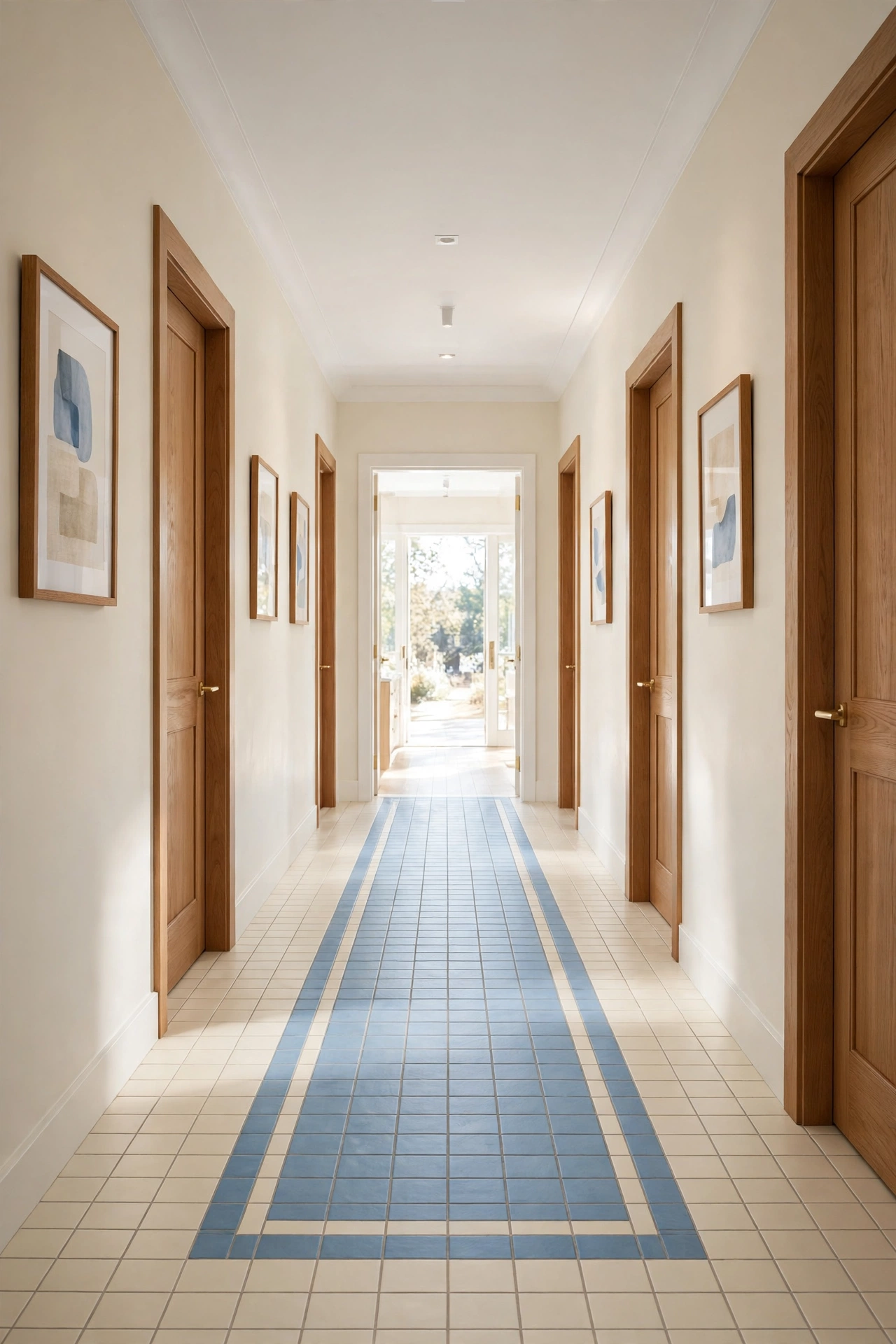
11. Paint a Tile Runner Down the Hallway Floor
A painted tile runner is a border of pattern or color that runs down the center of a hallway floor, like a rug that never slips. It gives a long, plain hallway direction and charm, and it costs only paint and patience. A runner in soft blue or warm terracotta can make the hallway feel designed rather than forgotten.
Tape off a straight border down the length of the hall and paint inside it, leaving the outer tiles their original color or a calm neutral. A simple stripe or a row of stenciled diamonds looks polished without much effort. Seal the runner well, since hallway floors see constant foot traffic from every room in the house.
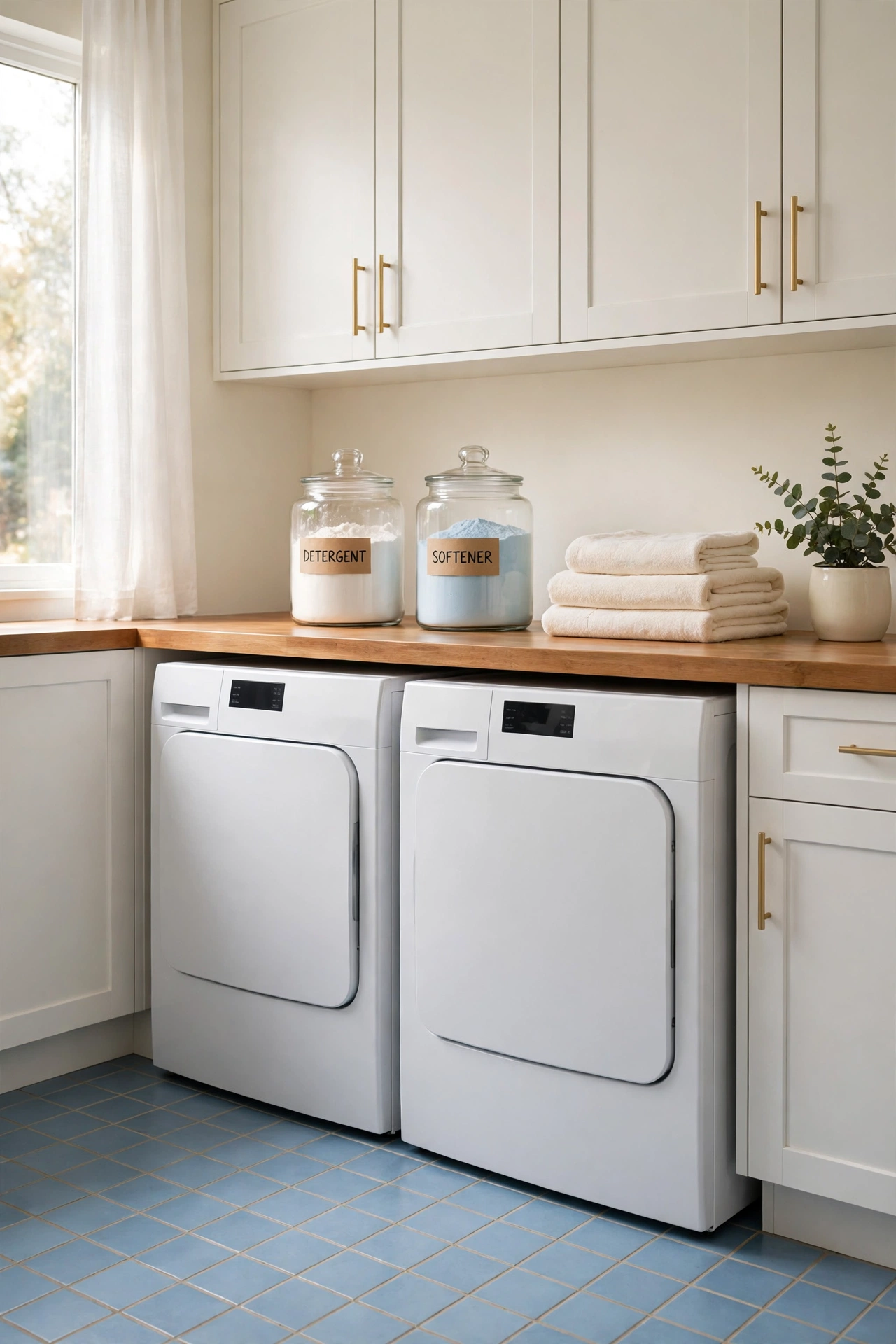
12. Freshen the Laundry Room Floor With Painted Tiles
Laundry rooms are often left with the oldest, least loved tile in the house, which makes them ideal for a paint makeover. A cheerful color or a simple pattern on the floor tiles turns a chore room into a space that feels bright and cared for. You will spend time in the laundry room anyway, so the floor may as well make you smile.
Choose a light, washable color such as soft blue or warm cream, and seal it well against detergent drips and damp clothes. Keep the walls and shelves simple so the painted floor carries the design. A small rug in front of the machines adds softness and protects the paint in the highest traffic spot.
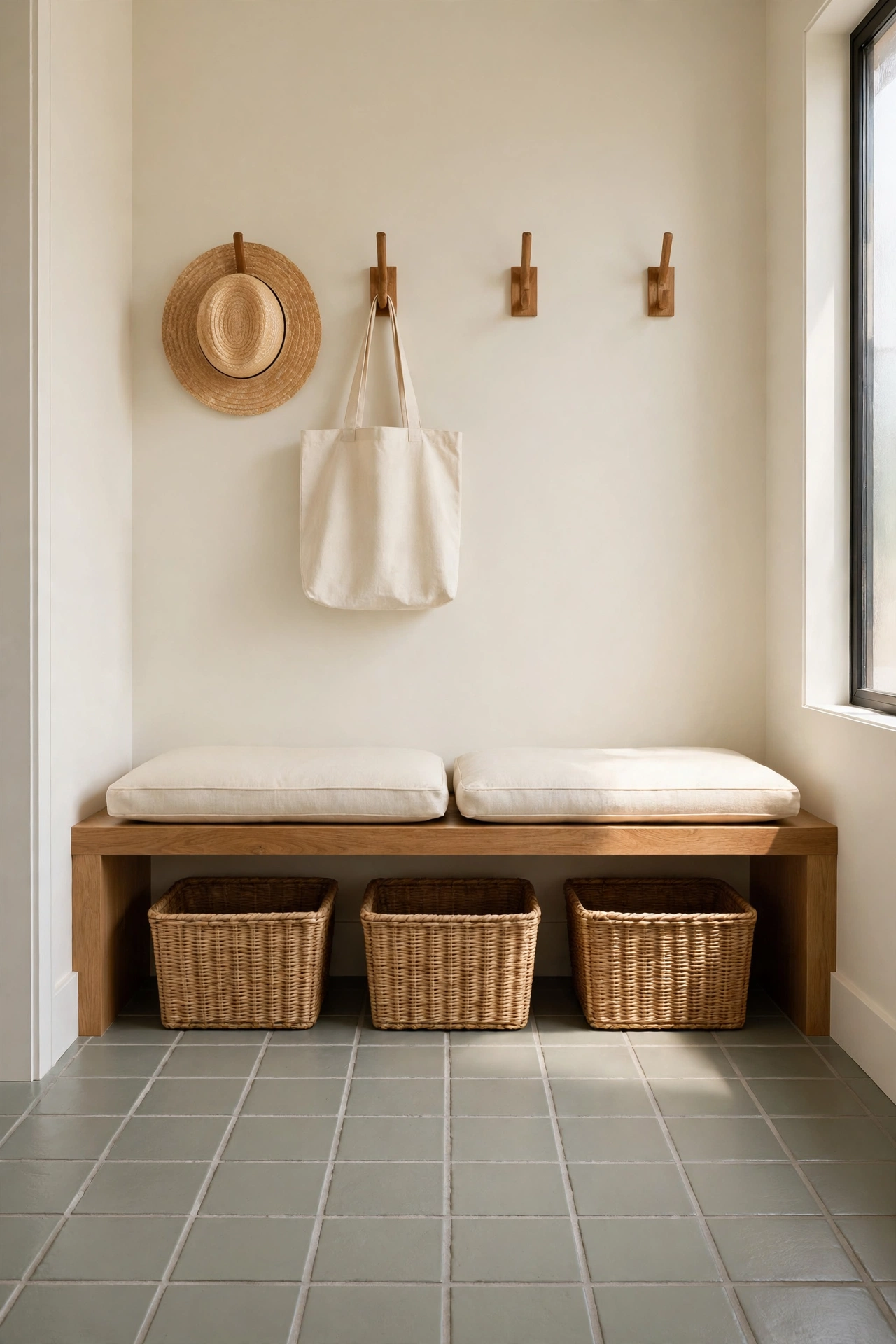
13. Give the Mudroom Floor a Tough Painted Finish
Mudroom floors face boots, paws, backpacks, and wet umbrellas, so they need a finish that is both beautiful and tough. Tile paint in a mid-tone color like warm gray or sage hides dirt between cleanings while still looking fresh and intentional. A painted mudroom floor turns the hardest working room into one that looks pulled together.
Use a floor-rated primer and paint, and apply at least two coats of a heavy-duty clear sealer for maximum durability. A dark grout line, painted or left natural, helps the floor look tidy even on messy days. Add a woven boot tray and wall hooks nearby to complete a mudroom that works as hard as you do.
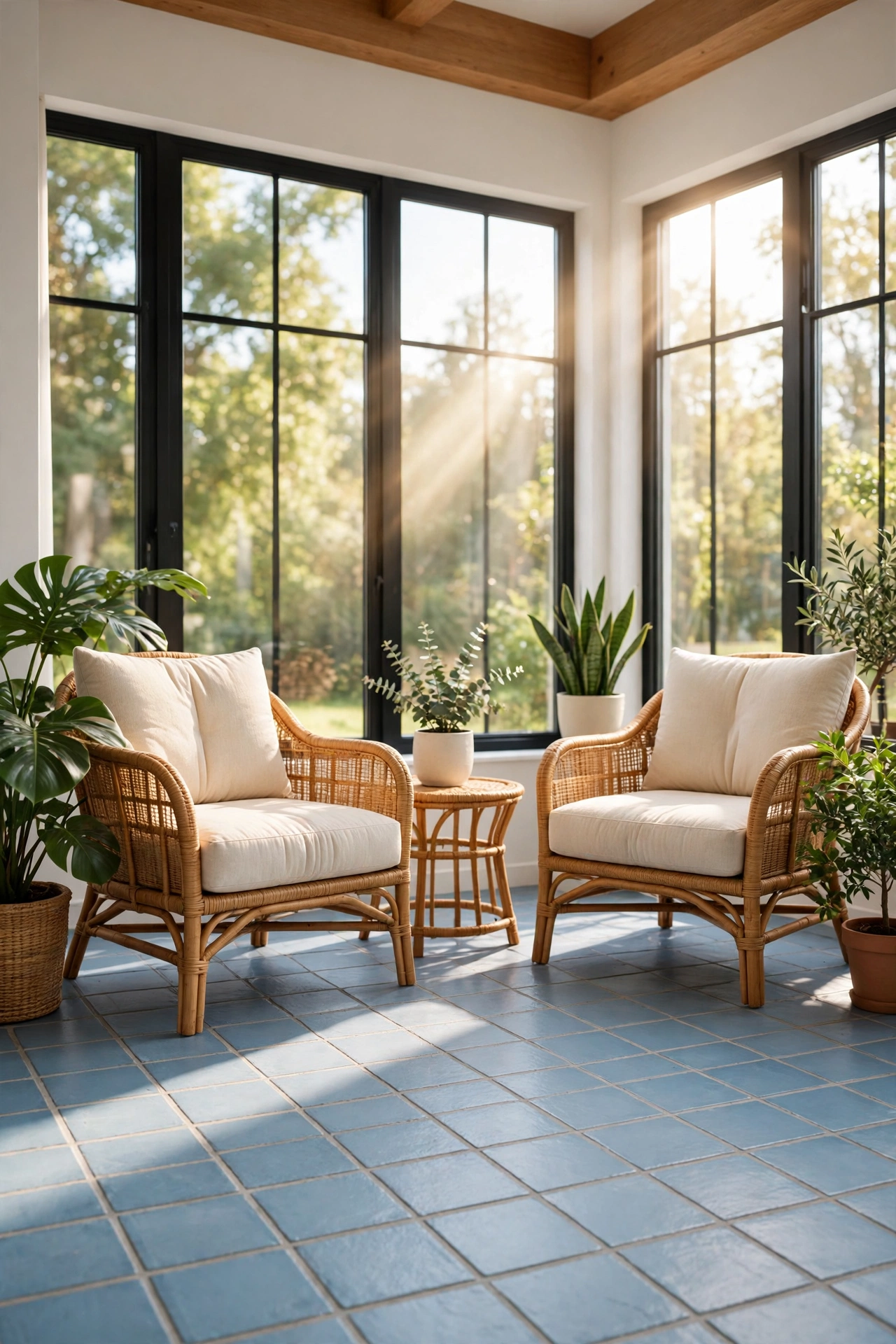
14. Paint Sunroom Floor Tiles a Soft Coastal Blue
A sunroom floor painted soft coastal blue feels like an extension of the sky outside. The pale blue tiles reflect daylight and make the glass-walled room feel even brighter and more open. This is a lovely choice for a room where you read, sip coffee, and watch the garden.
Sunrooms get strong sunlight, so choose a paint and sealer rated for UV exposure to keep the blue from fading. Keep the furniture light with rattan chairs, linen cushions, and potted plants that echo the breezy feeling of the floor. A painted sunroom floor costs little and changes the mood of the room completely.
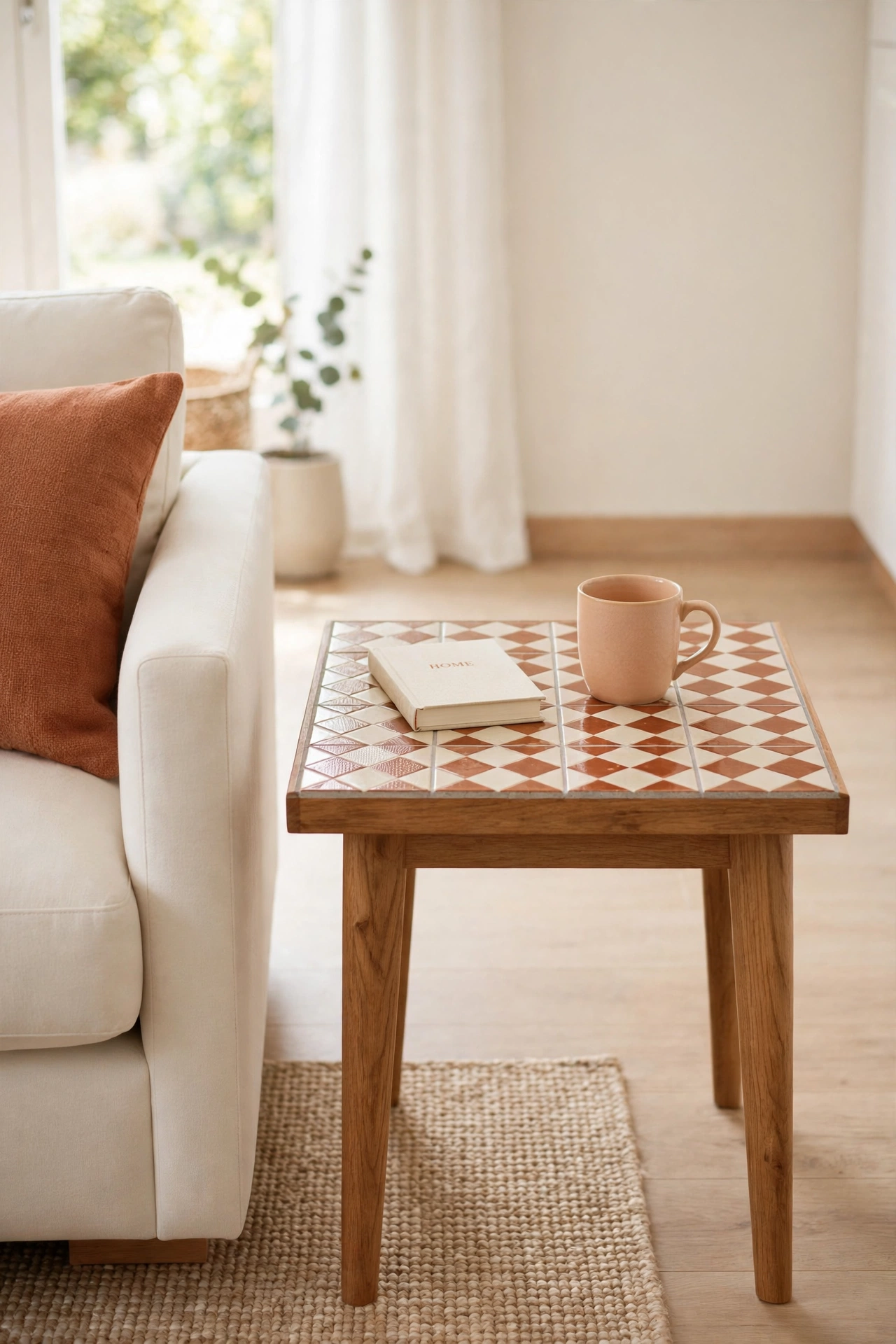
15. Paint a Tile Tabletop for a Custom Accent Piece
A tile-topped side table or coffee table with dated tiles is a perfect small paint project. One afternoon of painting turns a thrifted table into a custom accent piece, and the flat surface is easy to stencil, color block, or paint in a single bold shade. The table becomes a conversation piece in the living room or on a covered porch.
Sand the tiles lightly, prime them, and paint with thin coats for a smooth finish. A geometric stencil or a simple border pattern looks especially good on a tabletop, where the design sits at eye level when you sit down. Seal the top with several coats of clear finish so cups and books never mark the paint.
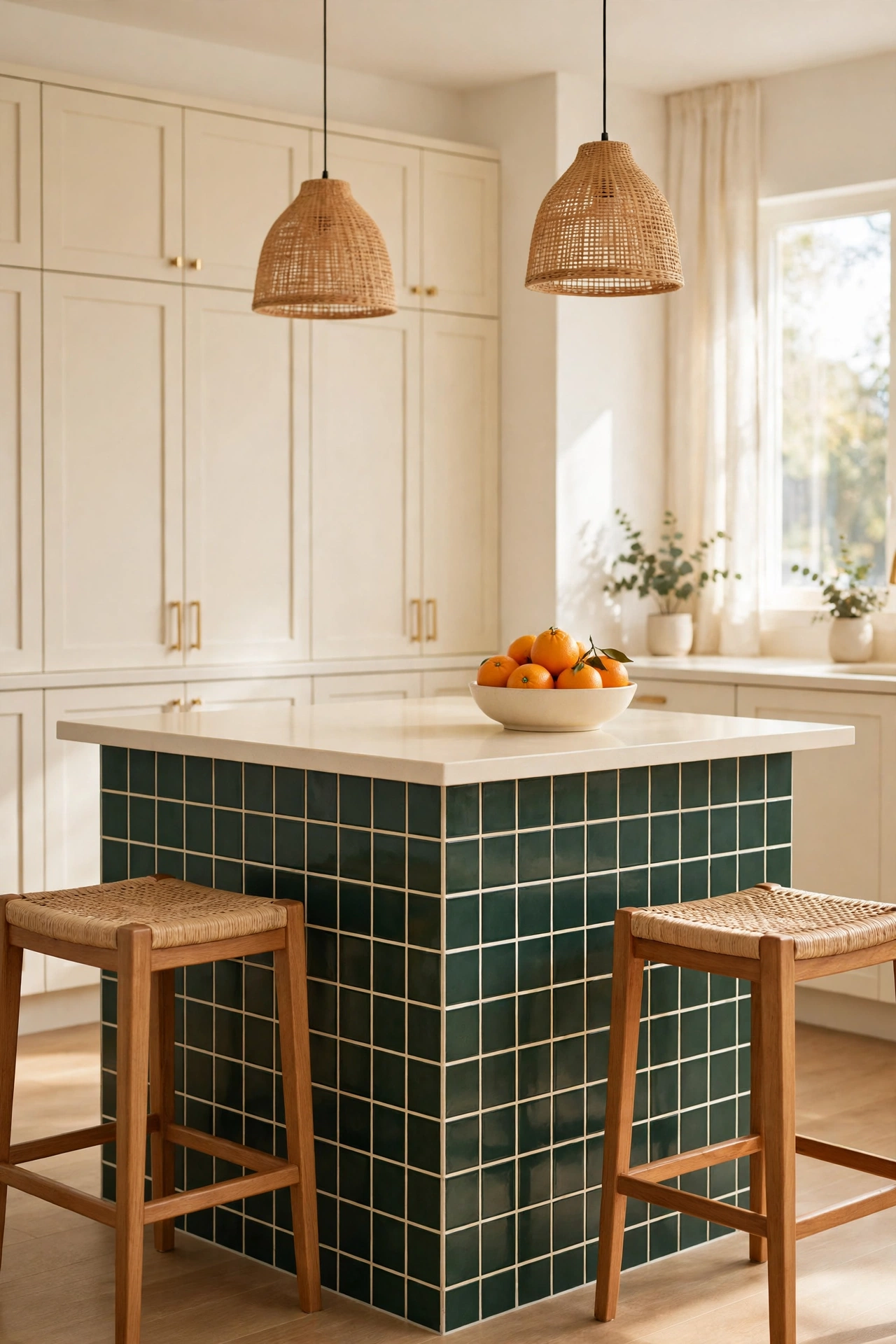
16. Paint the Tile Base of a Kitchen Island
Many kitchen islands have a tiled base or tiled panels that date the whole kitchen. Paint turns that base into a design feature, and a single bold color on the island makes it the centerpiece of the room. Deep green, navy, or warm terracotta all look stunning against light cabinets and countertops.
Paint the island base the same way you would paint a backsplash: clean, sand, prime, paint, and seal. Keep the countertop clear and add two woven stools so the island reads as a deliberate design choice. A painted island base is a quick project with an outsized effect on the whole kitchen.
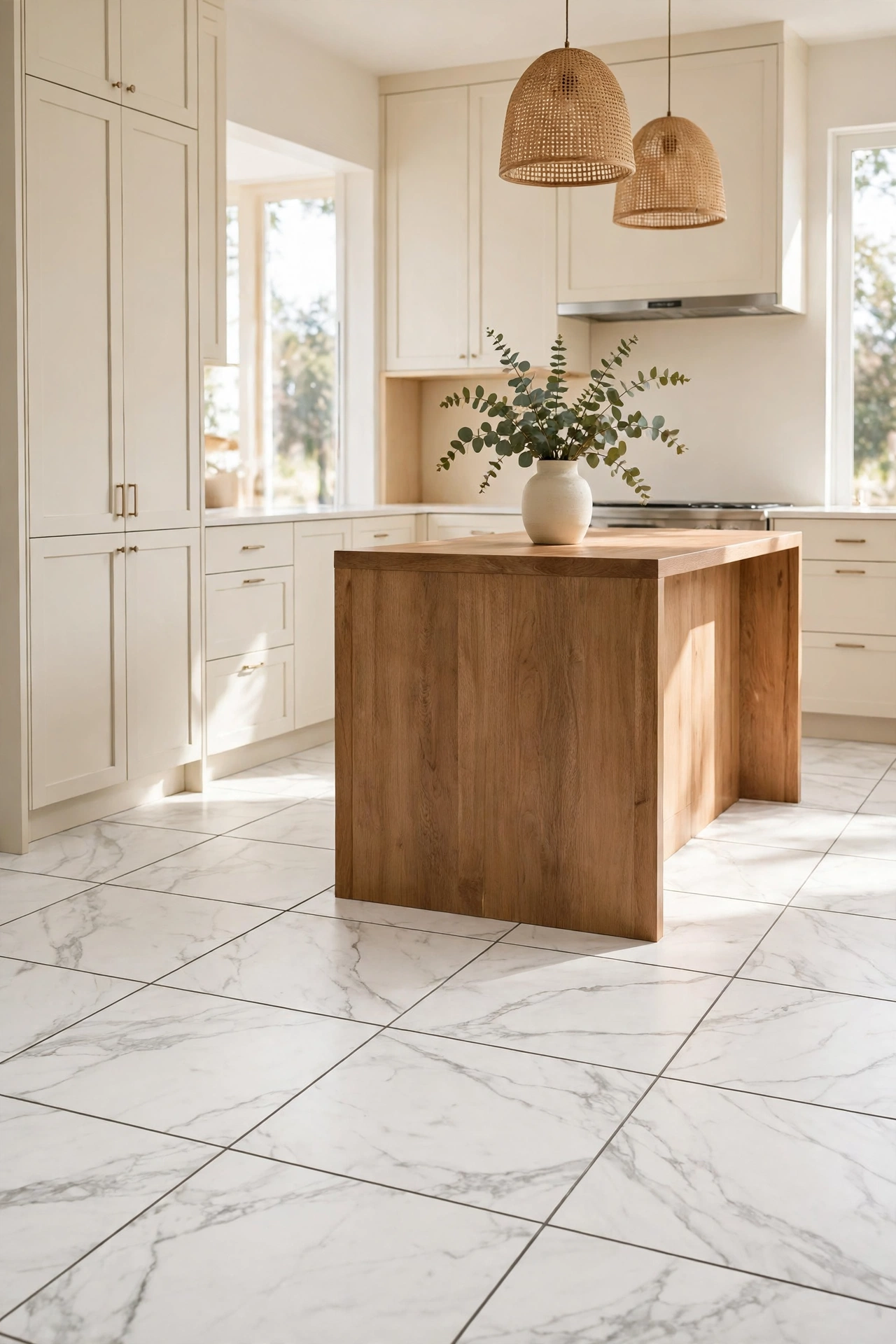
17. Create a Faux Marble Look on Kitchen Floor Tiles
Faux marble paint gives plain kitchen floor tiles the veined elegance of real stone at a tiny fraction of the price. Soft gray veins painted over a white base create a surface that looks luxurious underfoot, and the technique is simpler than it looks. The kitchen instantly feels more refined without a single tile being replaced.
Paint the floor white first, then drag a feather or a fine brush through thin gray paint to draw soft, wandering veins. Keep the veins subtle and random, and seal the floor with a glossy topcoat to mimic the sheen of polished marble. The result fools the eye from standing height and wipes clean like any sealed floor.
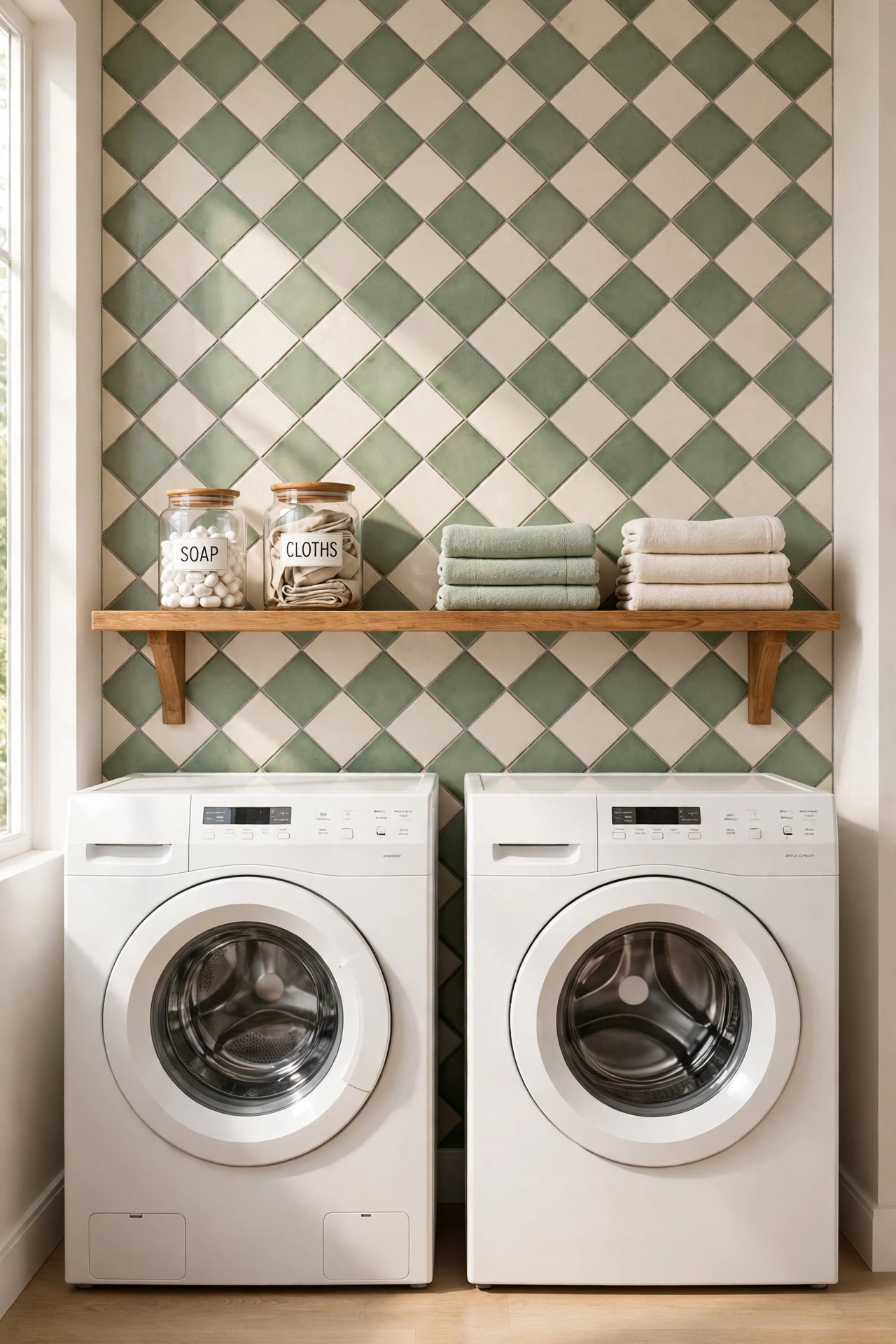
18. Paint a Patterned Tile Wall Behind the Washer and Dryer
The wall behind the washer and dryer is usually blank and overlooked, yet it is a perfect spot for painted tile. A patterned tile backsplash in this small area adds charm to a room that rarely gets any attention, and the painted surface wipes clean when detergent splashes. The laundry room suddenly feels finished instead of forgotten.
If the wall already has tile, paint it directly with a stencil or a solid color that matches the room. If the wall is plain, tile-look paint techniques or peel-and-stick panels can stand in until a full tile job makes sense. Add a wood shelf above the machines with labeled jars and folded towels to complete the look.
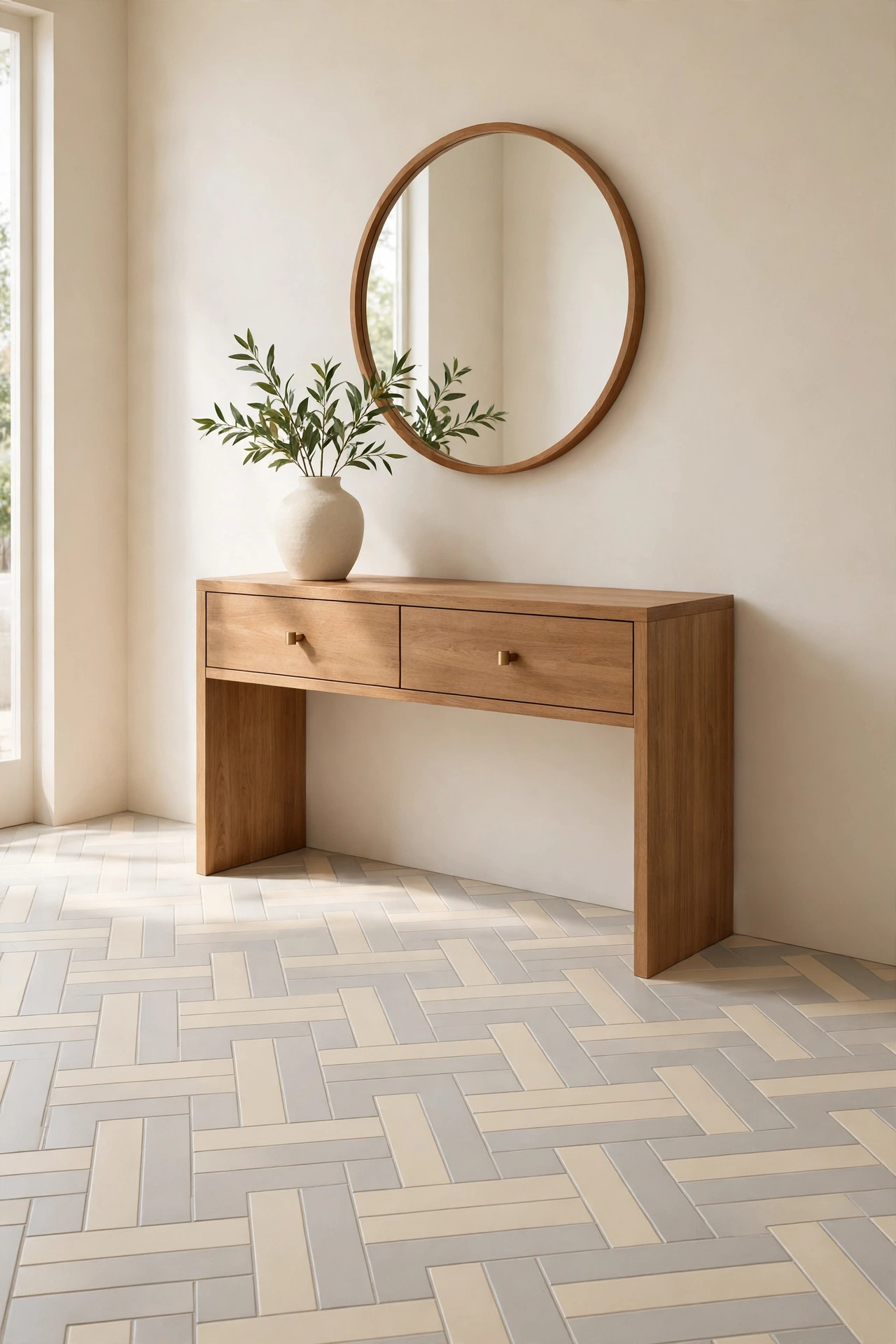
19. Paint Herringbone Floor Tiles in the Foyer
Herringbone is a zigzag pattern that makes any floor look custom and high end, and paint can create the effect on plain square tiles. By painting alternating tiles in two tones and arranging the visual rhythm carefully, you can suggest the herringbone weave without relaying a single tile. The foyer becomes a grand entrance with a designer feeling.
Plan the pattern on paper first, then mark the floor with tape and a straightedge before you paint. Two close tones, such as warm cream and soft gray, keep the pattern elegant rather than busy. A sealed herringbone foyer floor greets every guest with a floor that looks far more expensive than it was.
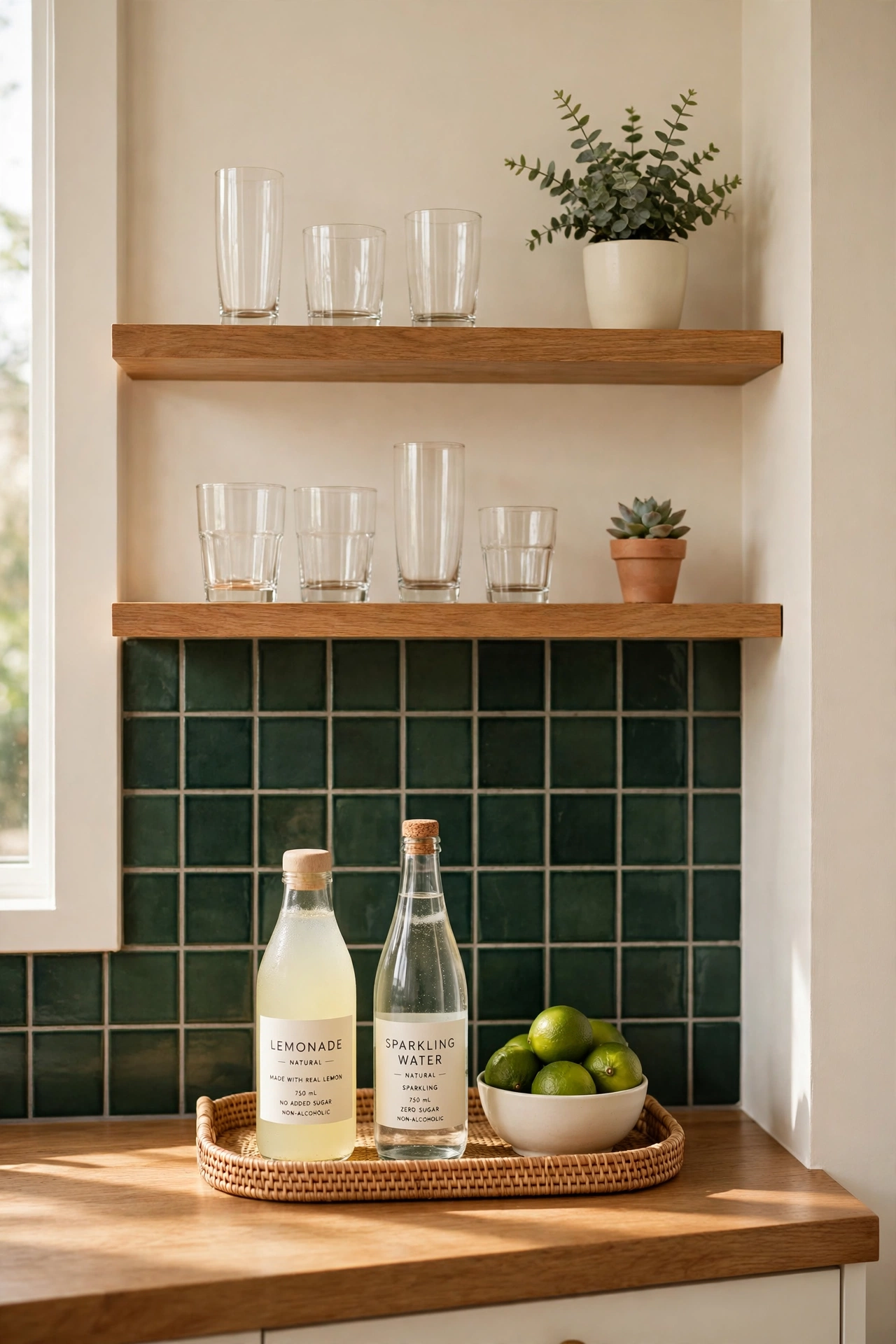
20. Paint a Tile Backsplash for a Home Bar Nook
A home bar nook with painted tile becomes a destination instead of an afterthought. A deep color or a metallic-accent stencil behind the bottles and glasses gives the nook a moody, lounge-like feeling, and the painted tile wipes clean after every gathering. Even a tiny corner of the living room can feel like a proper bar with the right tile treatment.
Paint the nook tiles in a rich shade such as deep green, charcoal, or warm amber, and add a wood shelf for glasses and a small tray for bottles. Keep the countertop tidy with a few labeled jars and a small plant. A painted bar backsplash turns an unused corner into the favorite spot in the house.
Conclusion
Tile paint is one of the most powerful budget tools in home decorating. A single can of paint can rescue a backsplash, revive a floor, refresh a fireplace, or transform a staircase, all without demolition, dust, or a contractor bill. The surfaces in your home do not need to be replaced to look new again.
Start with the surface that bothers you most, whether it is the kitchen backsplash or the entryway floor. Prepare it well, paint it with care, and seal it properly, and you will enjoy the result for years. With these 20 ideas as your guide, every outdated tile in your home is an opportunity waiting for a brush.
Frequently Asked Questions About DIY Tile Painting Ideas for Outdated Interior Surfaces
Does tile paint really last on floors?
Yes, tile paint lasts for years on floors when the surface is prepared well and sealed properly. Degreasing, sanding, and priming are the steps that make paint stick, and two coats of a durable floor sealer protect it from foot traffic. High traffic areas may need a fresh sealer coat every couple of years.
What kind of paint should I use on ceramic tile?
Use a paint made for tile, a bonding primer followed by an acrylic or epoxy paint, or a dedicated tile refinishing kit. Floor tiles need a floor-rated paint and sealer for durability. Always read the product label to confirm it suits your tile type and the room conditions.
Do I need to sand tile before painting?
Yes, light sanding is one of the most important steps. Sanding dulls the glossy glaze so primer and paint can grip the surface instead of peeling away. Use fine sandpaper, wipe away all dust, and let the surface dry fully before you prime.
Can I paint tile in a rental home?
Painting tile is a permanent change, so always ask your landlord for written permission before you start. If permission is refused, peel-and-stick tile decals and removable floor tiles give a similar fresh look without altering the original surface. Never paint tile in a rental without approval.
How long does painted tile need to cure before use?
Most tile paints feel dry within a few hours, but a full cure takes 48 to 72 hours or longer depending on the product. Wait the full cure time before heavy use, water exposure, or placing rugs and furniture on a painted floor. Patience during curing is what keeps the finish hard and durable.

Hi, I’m Emily! I turn messy corners into cozy, organized spots. DreamNestDecor is where I share simple, practical home ideas — decor, organization, and small-space solutions that work in real life, not just in photos. Every idea here is carefully researched before it’s shared.