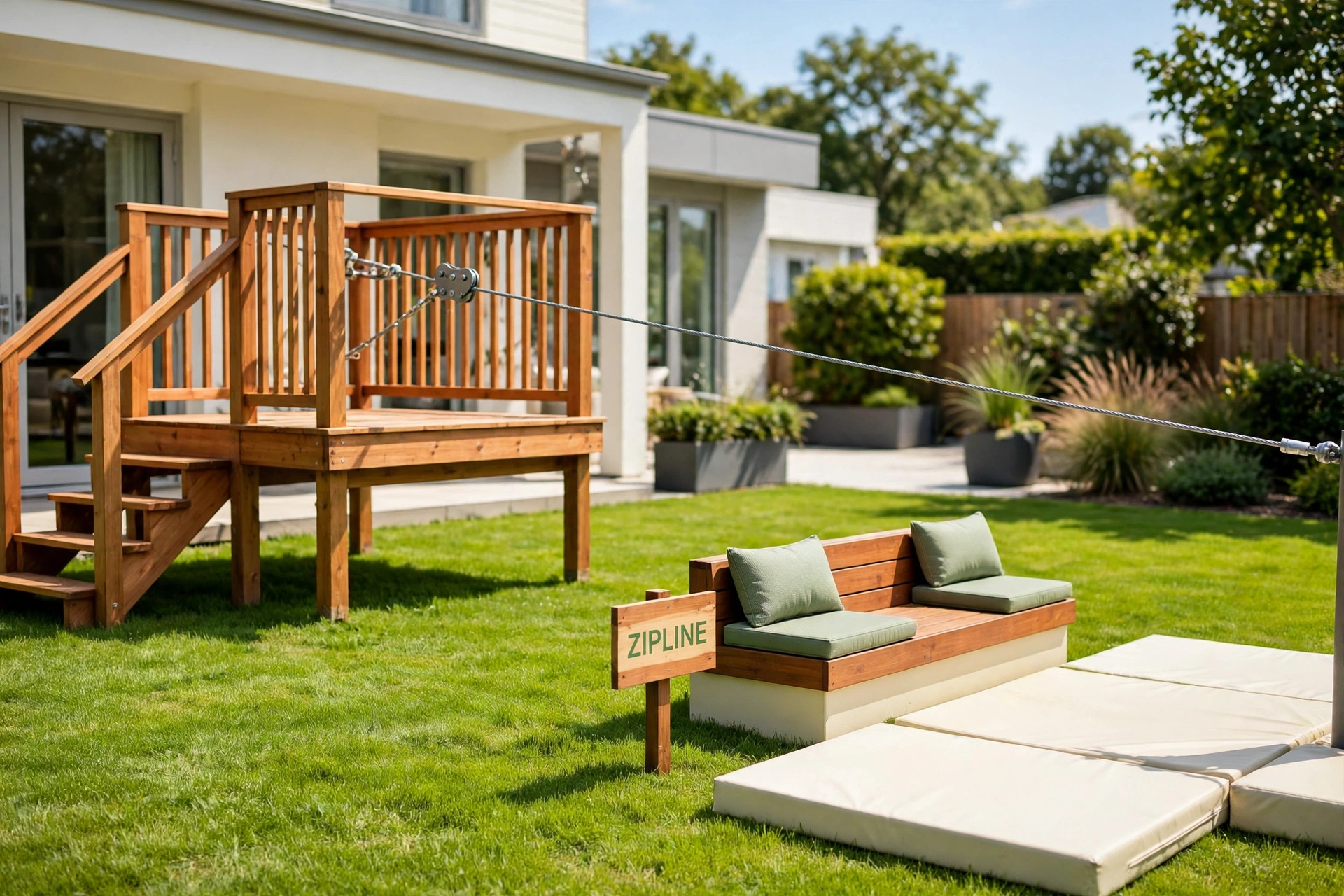
Picture this: you step out into your backyard on a sunny morning and a steel cable runs from a tall wooden platform at one end of the garden to a soft landing zone at the other end. A harness hangs ready from the trolley, the cable gleams in the daylight, and the whole yard feels like a small adventure park waiting for the first ride of the day. That rush of excitement is exactly what a backyard zipline brings to an ordinary garden.
You do not need a huge yard or a professional course to build one. With strong trees or sturdy posts, a good cable, and the right safety gear, a family zipline fits in most backyards. These 19 backyard zipline ideas for adventure lovers will help you plan a safe setup, choose the right platform and landing zone, and turn your garden into a place the whole family loves.
1. Build a Classic Two Tree Zipline
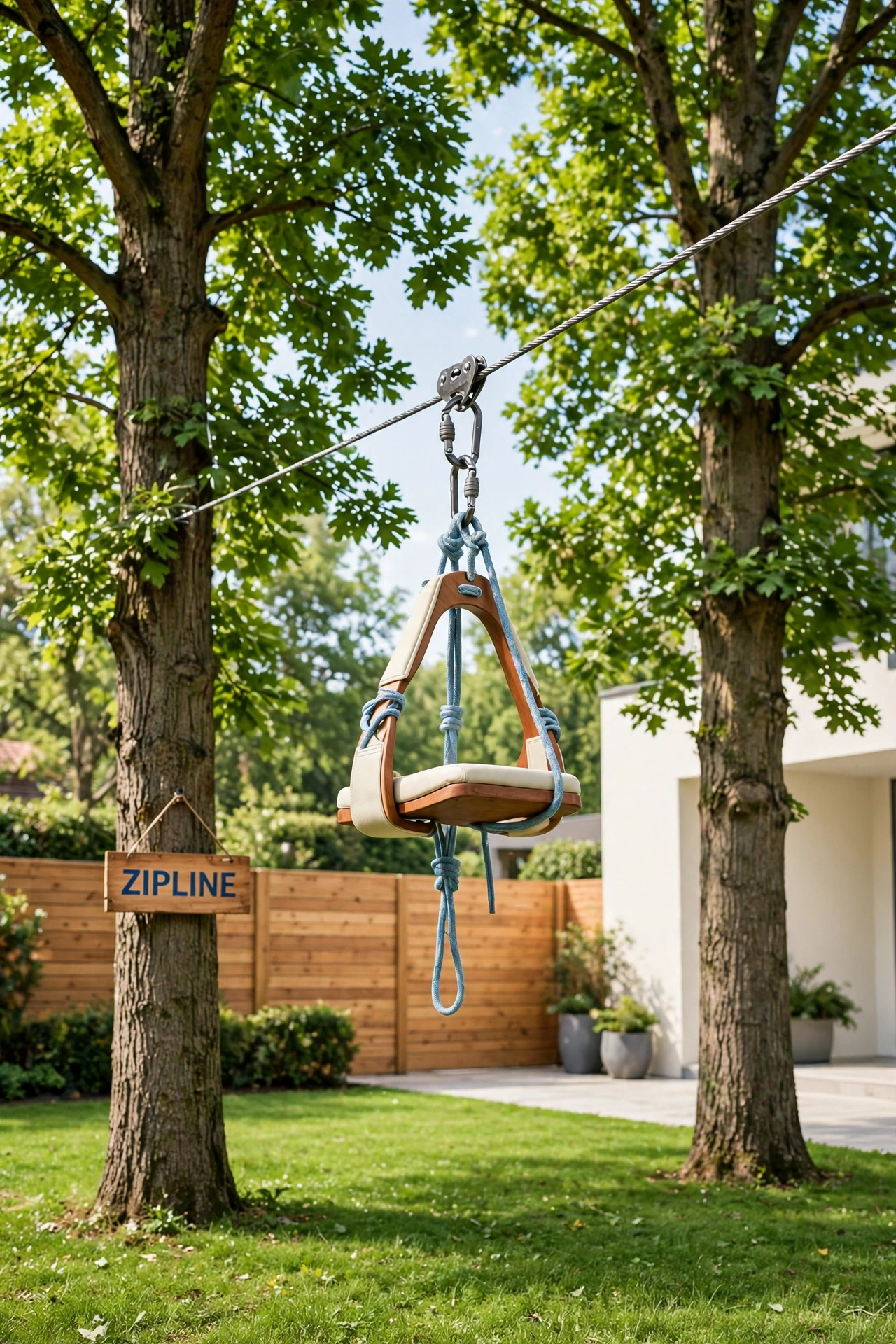
A classic two tree zipline is the simplest way to start, and it works in any yard with two strong trees. Choose two healthy trees at least fifteen meters apart, with trunks thick enough to hold the cable and the rider. Wrap a tree saver strap around each trunk and anchor the cable high enough that the lowest point still clears the ground by a full meter.
Keep the slope gentle, with the launch end about one meter higher than the landing end for every fifteen meters of cable. A gentle slope gives a smooth ride without too much speed at the end. Check both trees every season for cracks, loose bark, or leaning trunks, and replace the straps if they show wear.
2. Add a Wooden Launch Platform
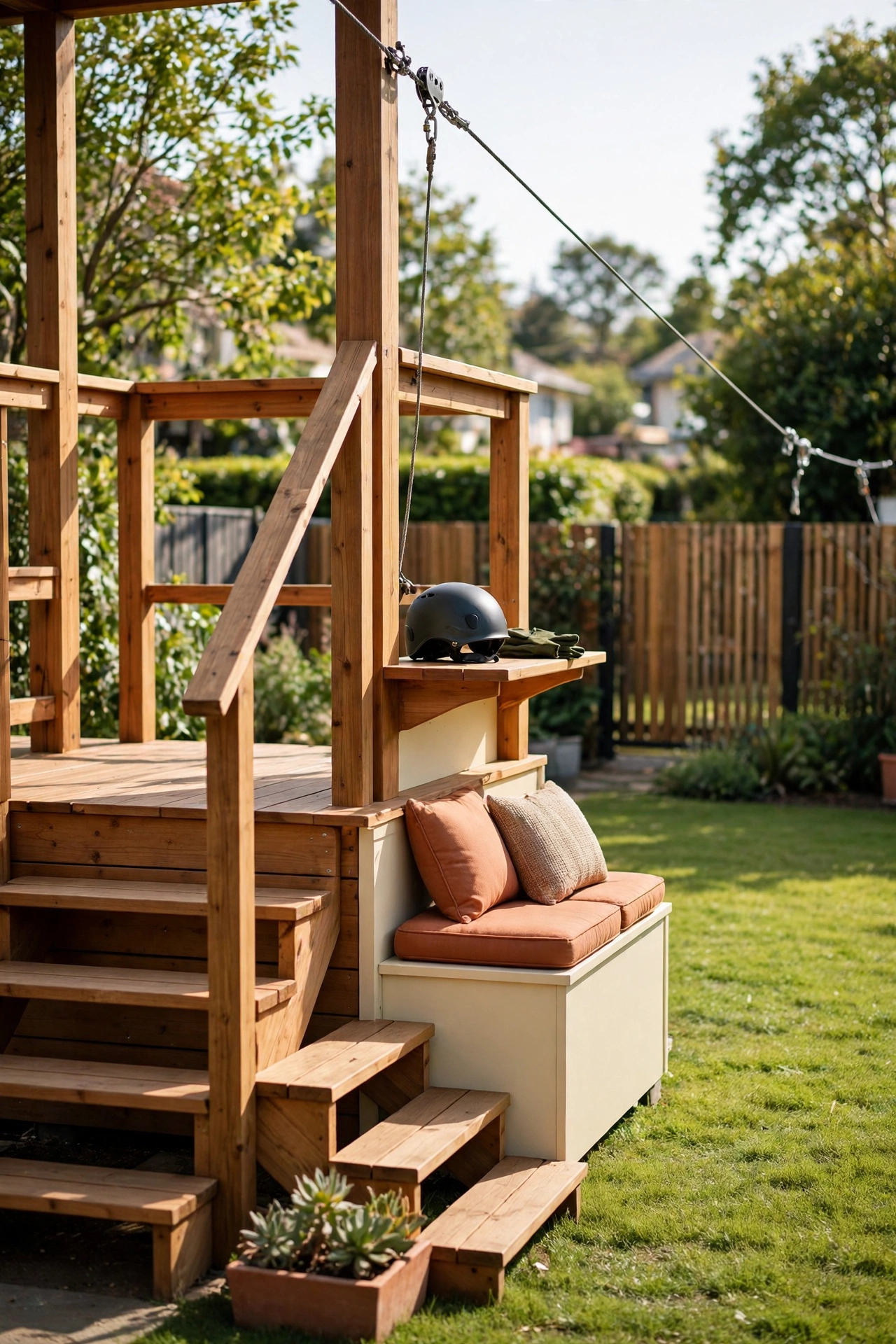
A wooden launch platform gives riders a safe place to stand while they clip in and get ready. Build the platform from pressure treated timber with a flat deck at least one meter square, and add a sturdy handrail on three sides. The open side faces the cable so the rider can step off cleanly.
Anchor the platform posts in concrete footings so the deck never wobbles when someone steps onto it. Add a non slip surface to the deck boards and a small shelf for gloves and helmets. A solid platform makes every ride start calmly instead of with a scramble up a ladder.
3. Install a Steel Cable Line
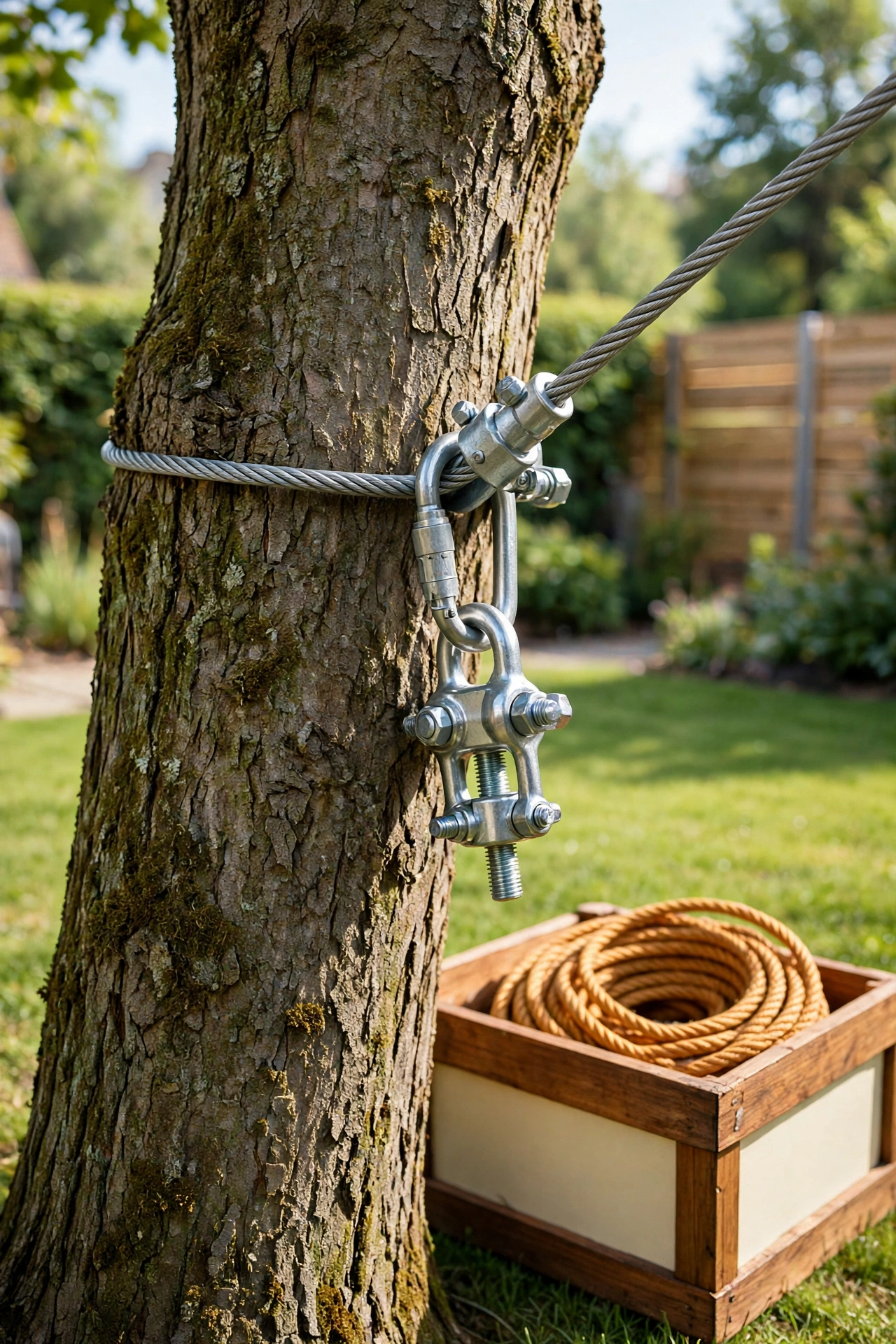
The steel cable is the heart of the zipline, so choose a galvanized aircraft cable rated well above the weight of your heaviest rider. A cable with a thick core resists stretching and lasts for years in rain and sun. Use proper cable clamps at each end and tighten them with a turnbuckle so the line stays taut.
Inspect the full length of the cable every month for rust spots, broken strands, or loose clamps. Replace the cable at the first sign of damage, even if it looks small. A well kept cable is the difference between a fun ride and a dangerous one, so never skip the inspection.
4. Choose a Seated Harness Zipline
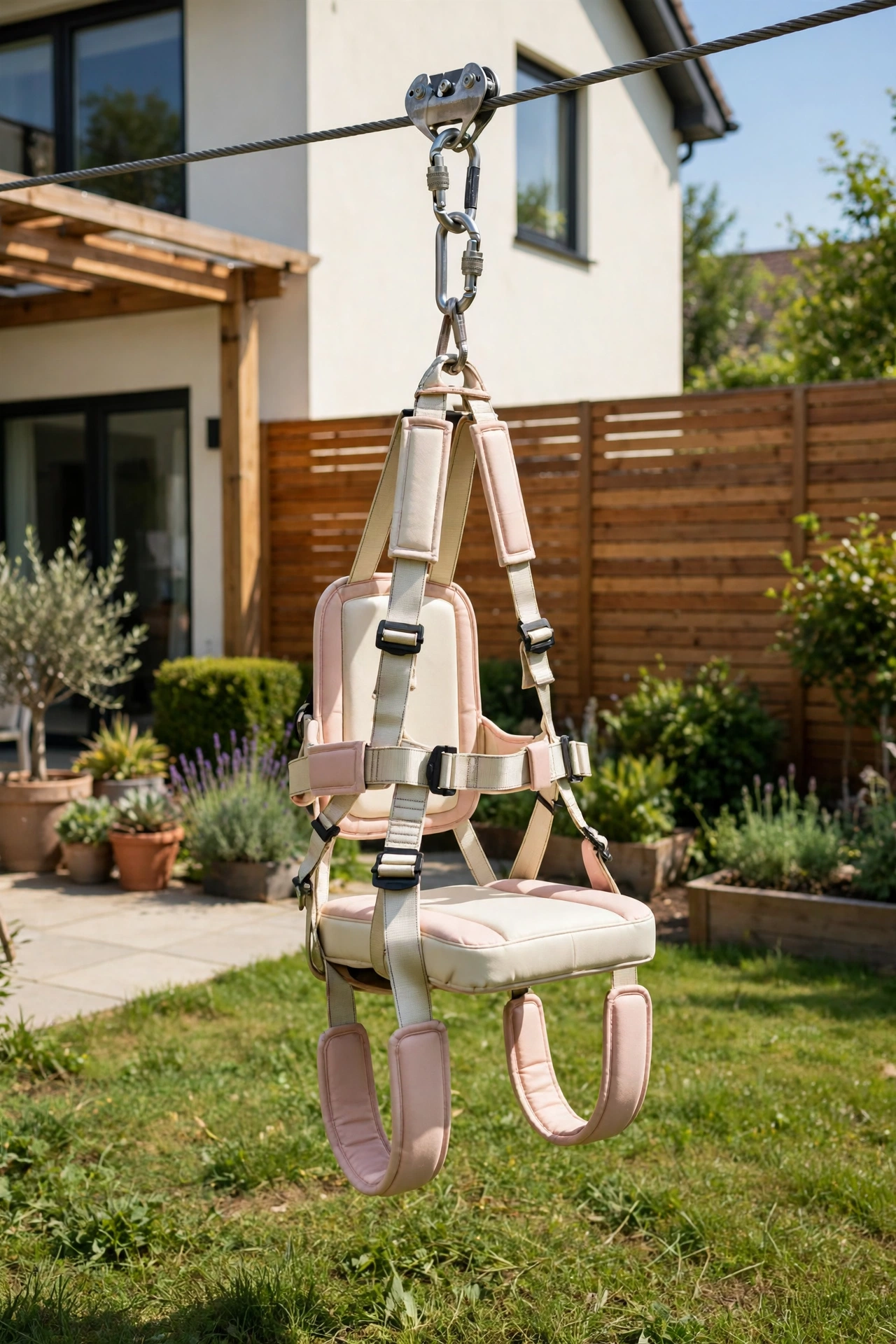
A seated harness zipline uses a full body harness that keeps the rider secure from shoulders to hips. The harness clips to the trolley with a locking carabiner, and the rider sits in a comfortable seat with legs forward. This setup suits families because it fits children and adults with a simple adjustment.
Buy a harness made for ziplines rather than a climbing harness, since the padding and leg loops suit a seated ride better. Check every buckle and stitch before each ride, and retire any harness with frayed webbing. A good harness turns the zipline into a ride everyone can enjoy with confidence.
5. Create a Low Zipline for Young Children
A low zipline for young children runs close to the ground, with the cable no higher than one and a half meters at the launch end. The short drop keeps the speed gentle, and the rider can step off easily at the end. This setup suits children from about five years old with adult supervision.
Place thick foam mats or soft mulch under the whole line so a slip never hurts. Use a seat with handles that small hands can grip, and keep the ride short, around eight to ten meters. A low line gives young children their first taste of adventure without any real height.
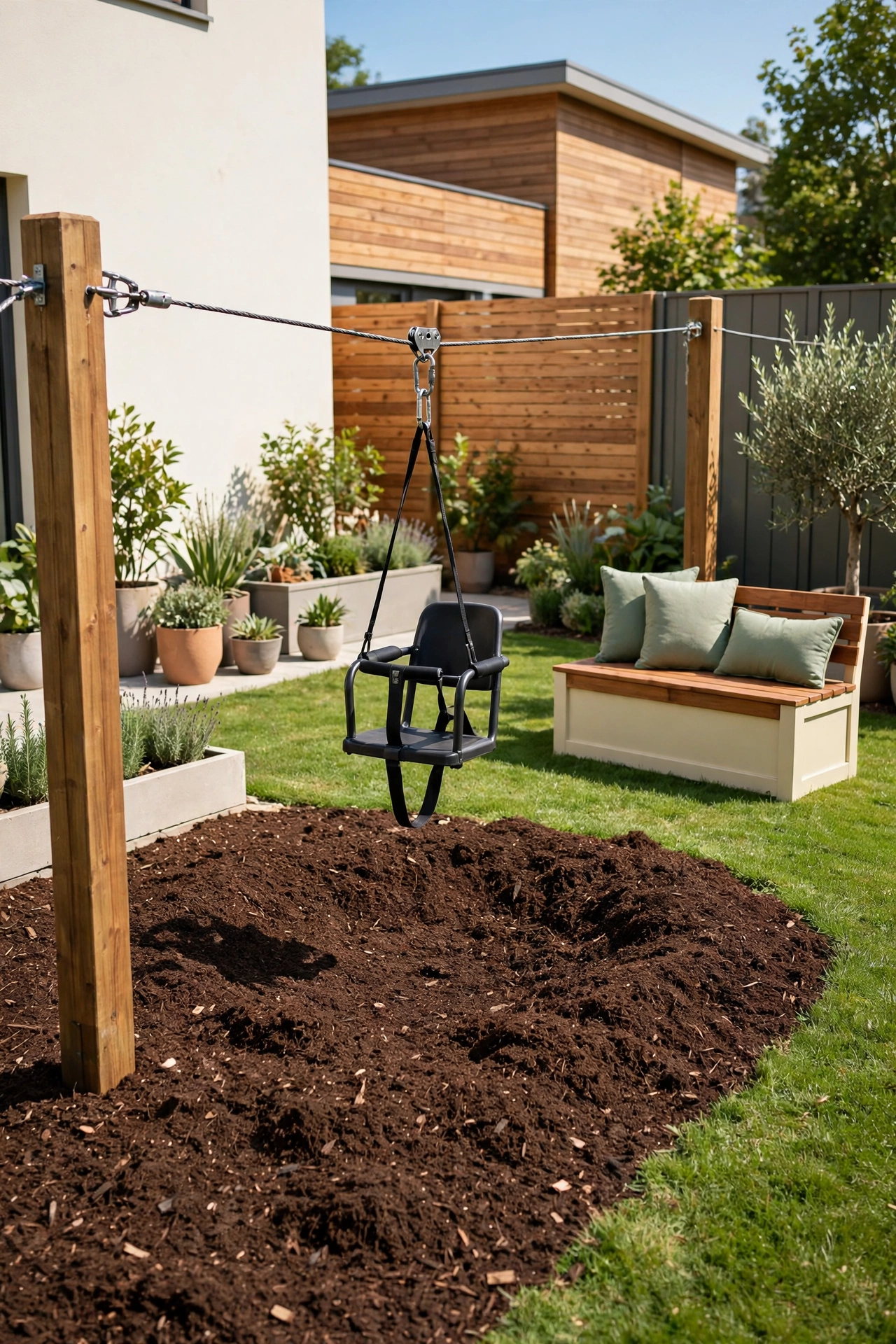
6. Add a Landing Zone with Soft Mulch
A landing zone with soft mulch catches the rider gently at the end of every ride. Spread a deep layer of bark mulch or wood chips, at least thirty centimeters thick, across the landing area. The soft surface absorbs the stop and keeps the ground from turning to mud in wet weather.
Edge the landing zone with low timber boards so the mulch stays in place and the area looks tidy. Top up the mulch each spring, since it settles and breaks down over time. A soft landing zone is one of the cheapest safety upgrades you can add to a backyard zipline.
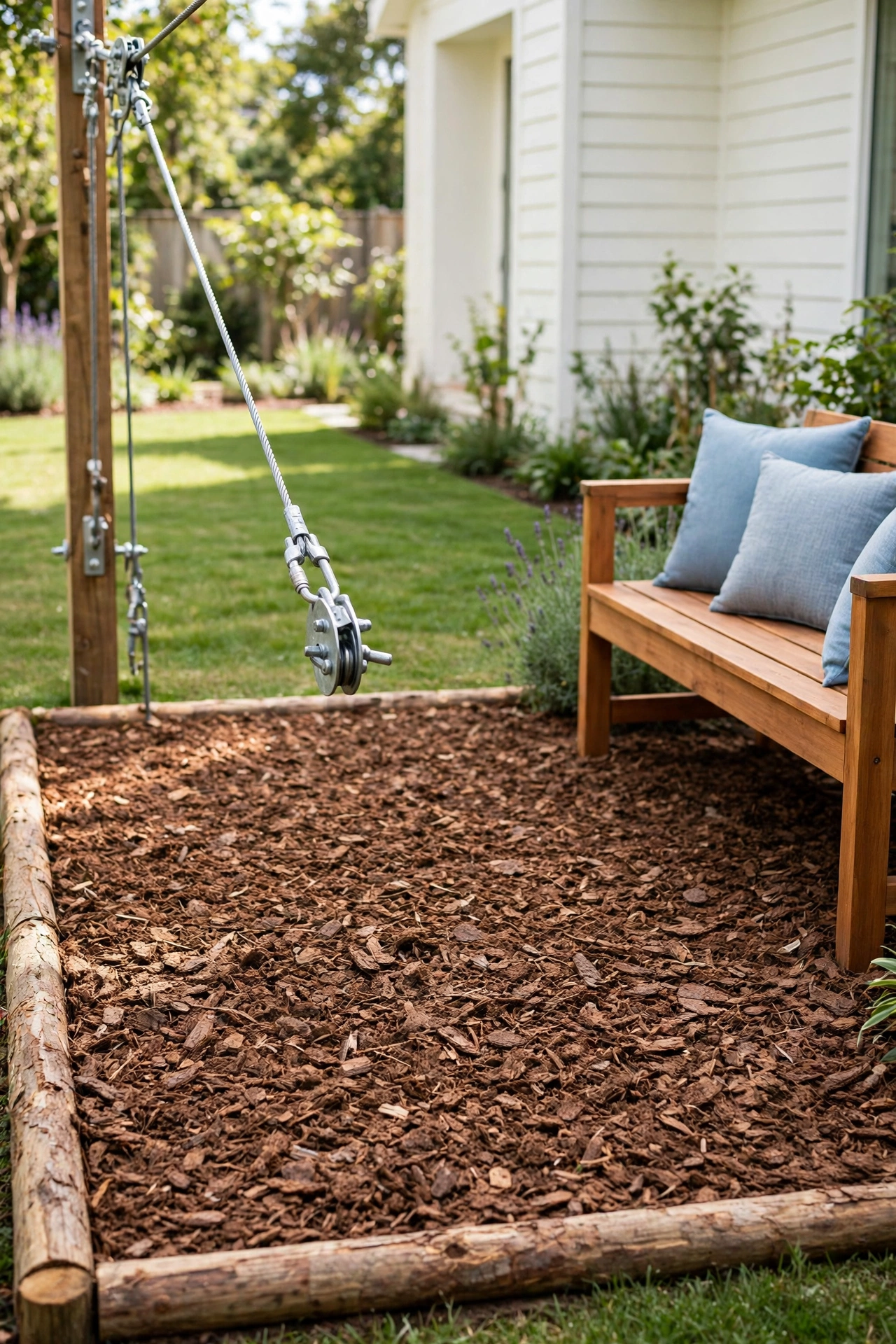
7. Build a Treehouse Launch Deck
A treehouse launch deck turns the start of the zipline into a destination of its own. Build a small deck high in a sturdy tree, with a railing, a ladder, and a bench where riders can wait their turn. The deck doubles as a play space when the zipline rests.
Use treehouse attachment bolts that let the tree keep growing without damage, and never nail a deck directly into living wood with plain nails. Add a small roof over the deck so the launch stays dry in light rain. A treehouse deck makes the zipline feel like a real adventure course rather than a single cable.
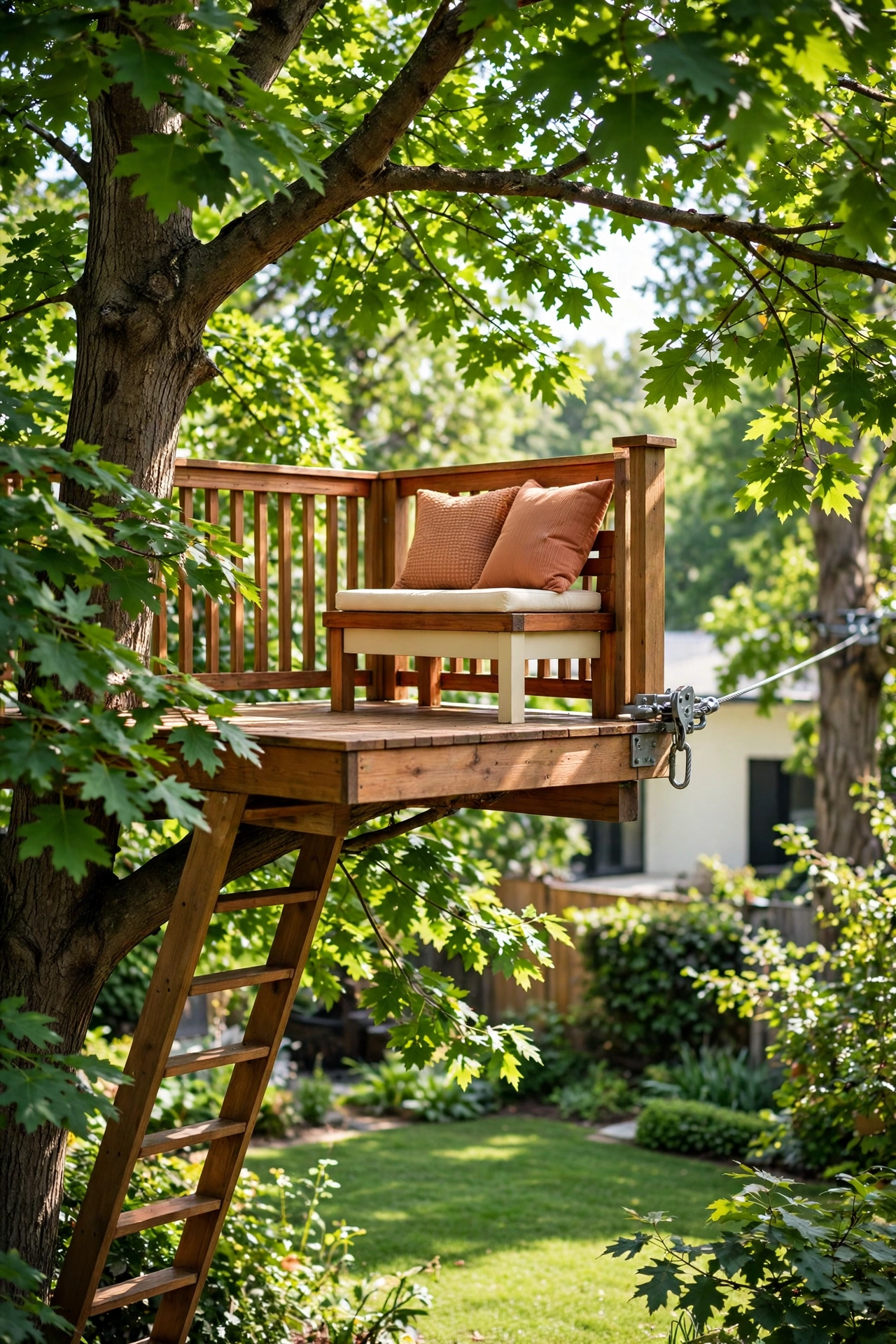
8. Use a Zip Line Trolley with a Brake
A trolley with a brake gives the rider control over speed and a gentle stop at the end of the line. The brake pad presses against the cable as the trolley rolls, so the ride slows down before the landing zone. This feature matters most on longer lines where speed builds up.
Choose a trolley with sealed bearings and a sturdy steel body, and grease the wheels twice a year. Test the brake before the first ride of each day by rolling the trolley along the line without a rider. A trolley with a brake keeps fast rides fun instead of frightening.
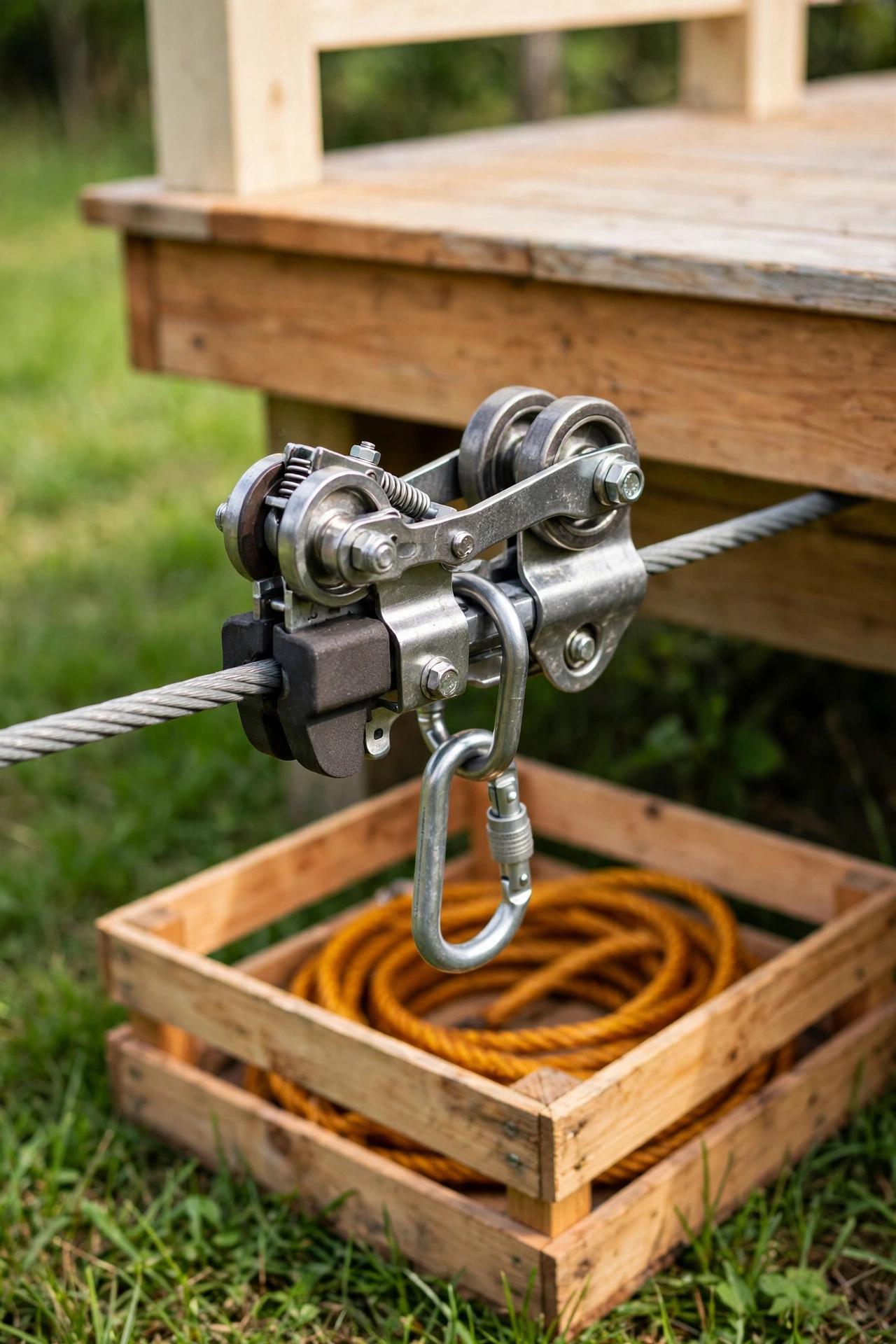
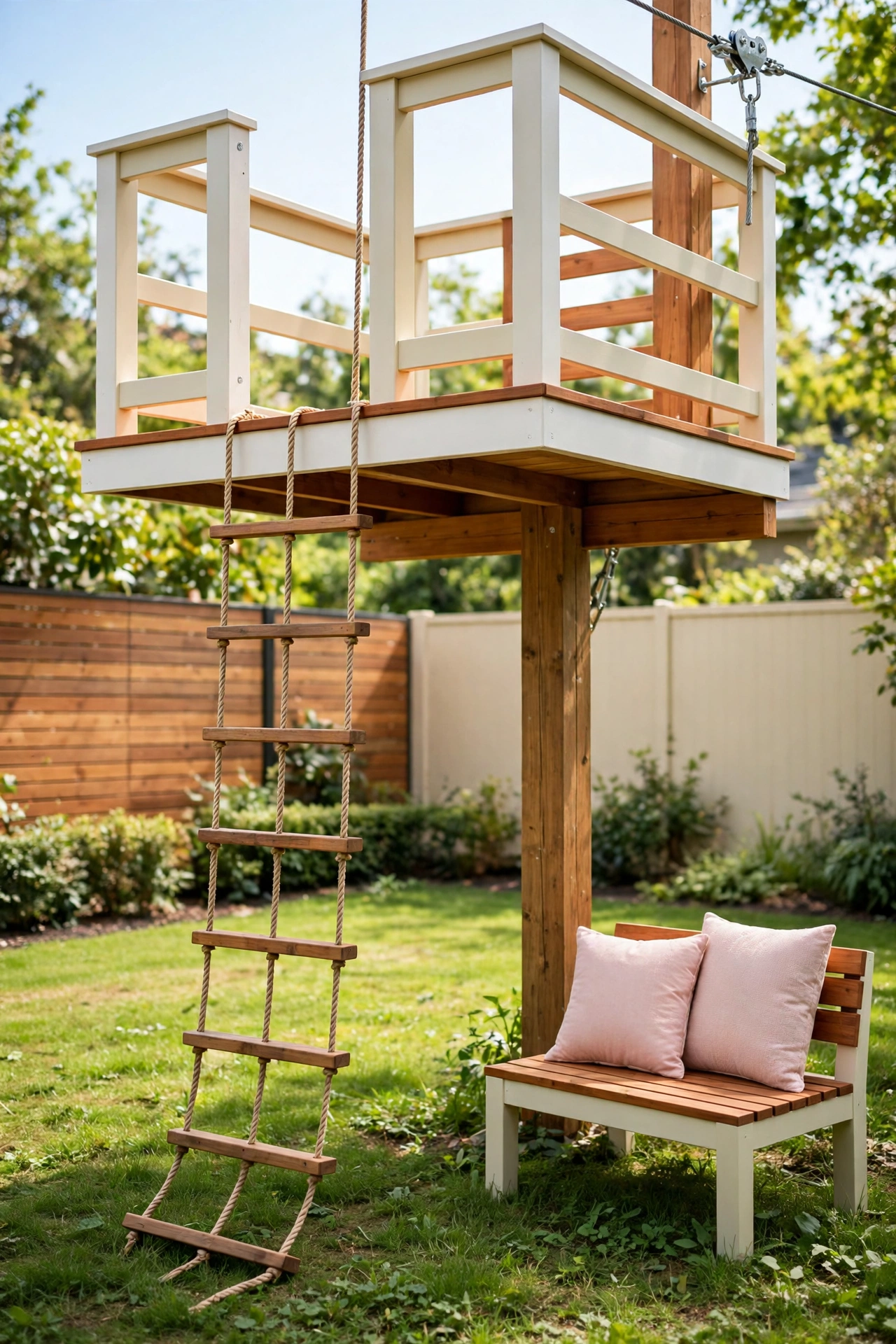
9. Add a Rope Ladder to the Platform
A rope ladder gives riders a fun way to climb up to the launch platform. Hang the ladder from the deck edge with strong rope and wooden rungs spaced evenly apart. The ladder sways a little as you climb, which adds to the adventure before the ride even starts.
Fix the bottom of the ladder to a ground anchor so it stays steady while someone climbs. Check the rope for wear every month and replace any frayed sections right away. A rope ladder suits older children and adults, while younger riders can use fixed wooden steps instead.
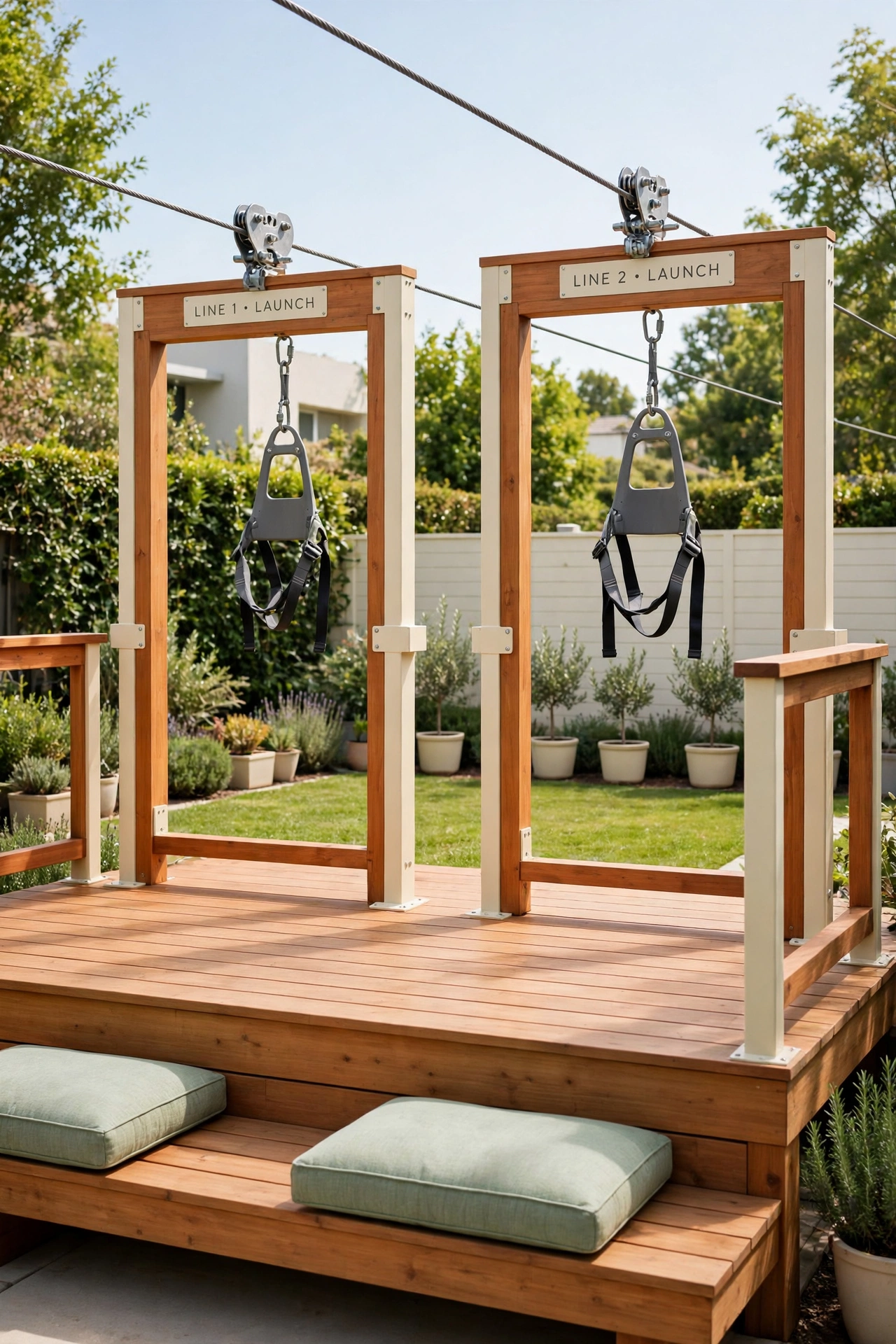
10. Create a Dual Line for Friendly Races
A dual line runs two parallel cables side by side so two riders can race to the landing zone together. Space the cables at least two meters apart so the riders never collide, and build a wide launch platform with two separate gates. Races turn a solo ride into a family event.
Keep both lines the same length and slope so the race stays fair. Add a finish marker at the landing zone and a scoreboard on the platform for the season. For more ways to turn your yard into a full adventure course, see these backyard obstacle course ideas. A dual line is the best upgrade for a backyard that already has one zipline.
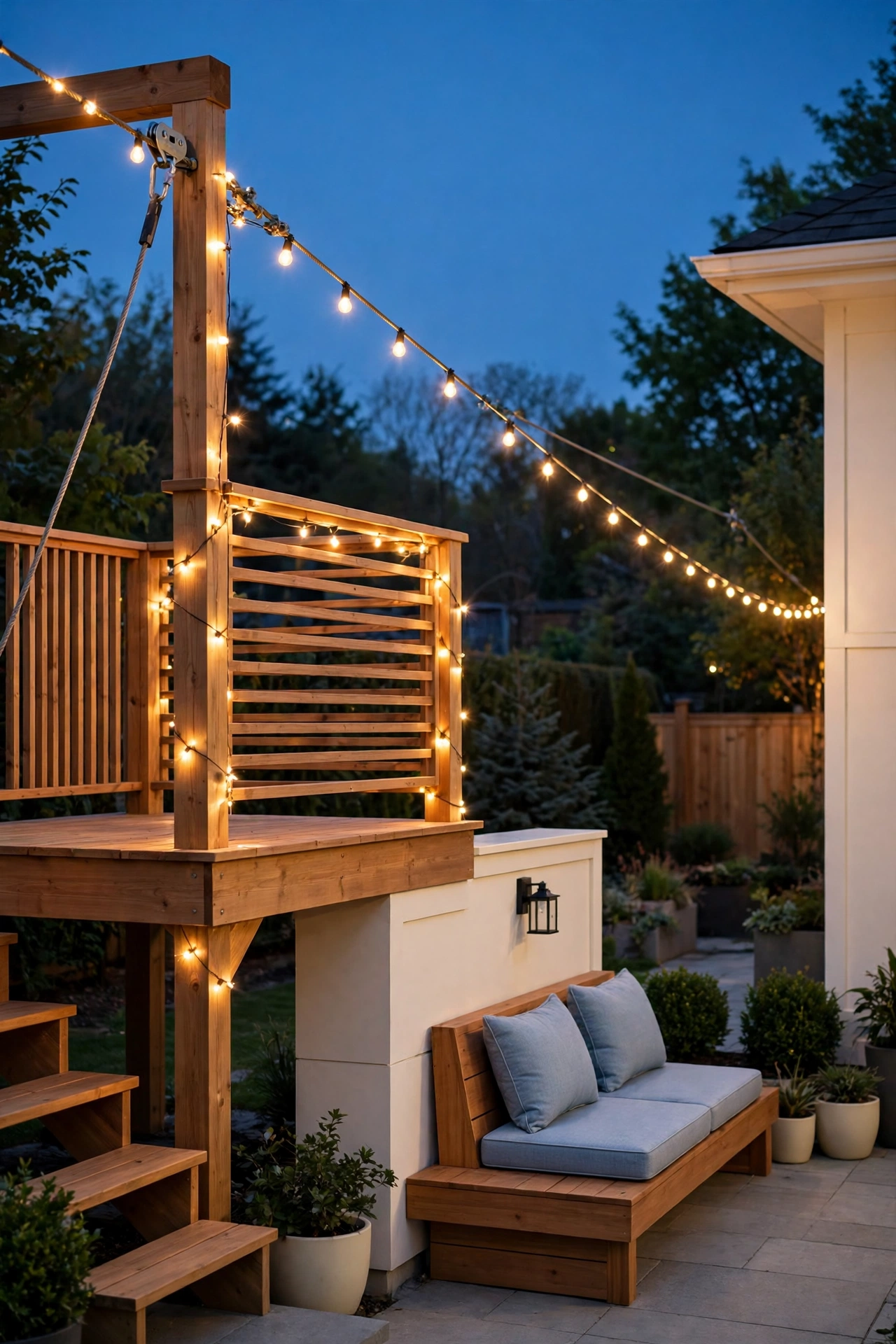
11. Install a Night Zipline with String Lights
A night zipline with string lights lets the adventure continue after sunset. Hang warm white string lights along the cable path and around the launch platform, so the whole line glows in the dark. The lights mark the route clearly and turn an evening ride into something magical.
Use outdoor rated lights with a low voltage transformer, and keep all plugs well away from the landing zone. Add a small floodlight over the landing area so riders can see exactly where they will stop. Night rides suit older children and adults, and they make summer evenings in the backyard unforgettable.
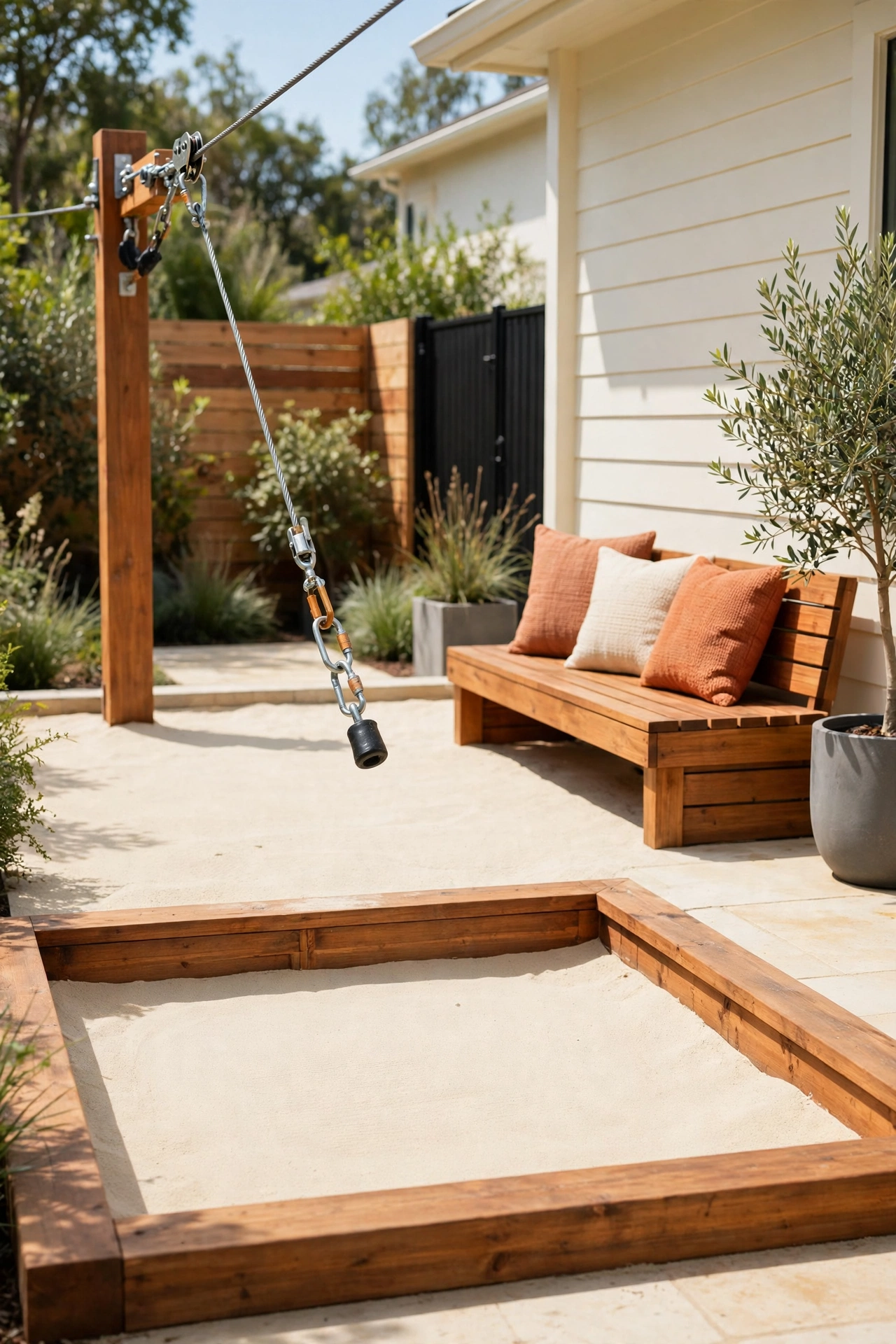
12. Add a Sand Pit Landing Zone
A sand pit landing zone gives riders the softest possible stop at the end of the line. Dig a shallow pit at the landing end, line it with landscape fabric, and fill it with clean play sand at least forty centimeters deep. The sandabsorbs the landing and gives children a place to play after the ride.
Cover the pit with a tarp when it rains so the sand stays dry and clean. Rake the sand smooth once a week and top it up each summer. For more soft landing play ideas, see these outdoor trampoline area ideas. A sand pit suits families with young children who love to dig and build after their ride.
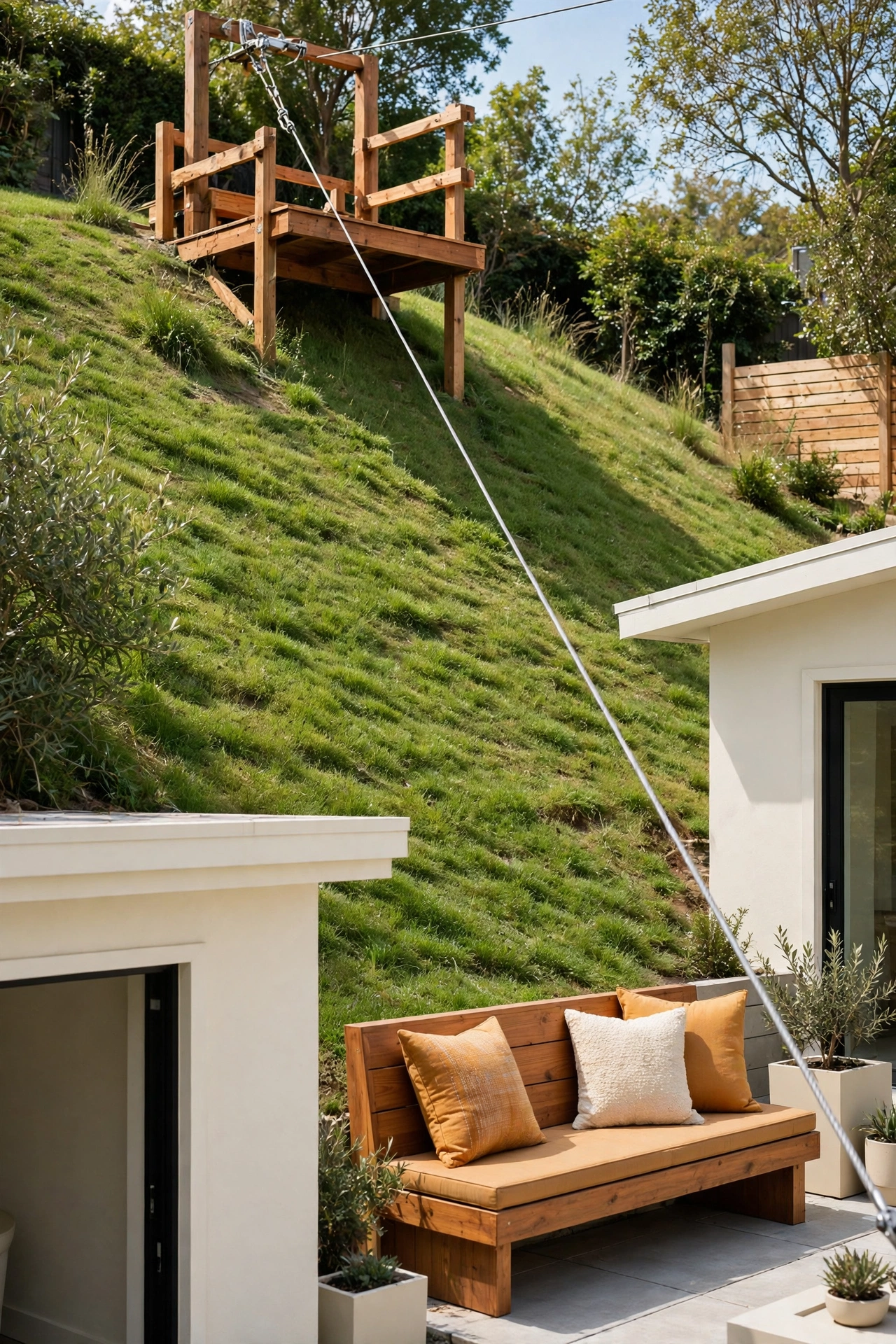
13. Build a Slope Zipline on a Hill
A slope zipline on a hill uses the natural ground to create speed without a tall launch tower. Anchor the launch end at the top of the slope and the landing end at the bottom, with the cable following the hillside. The hill doesthe work that a tall platform would do on flat ground.
Clear the slope of rocks, stumps, and low branches so the rider has a clean path below the line. Add steps or a path up the hill so riders can walk back to the top easily. A slope zipline suits yards with a natural rise and gives the longest rides of any backyard setup.
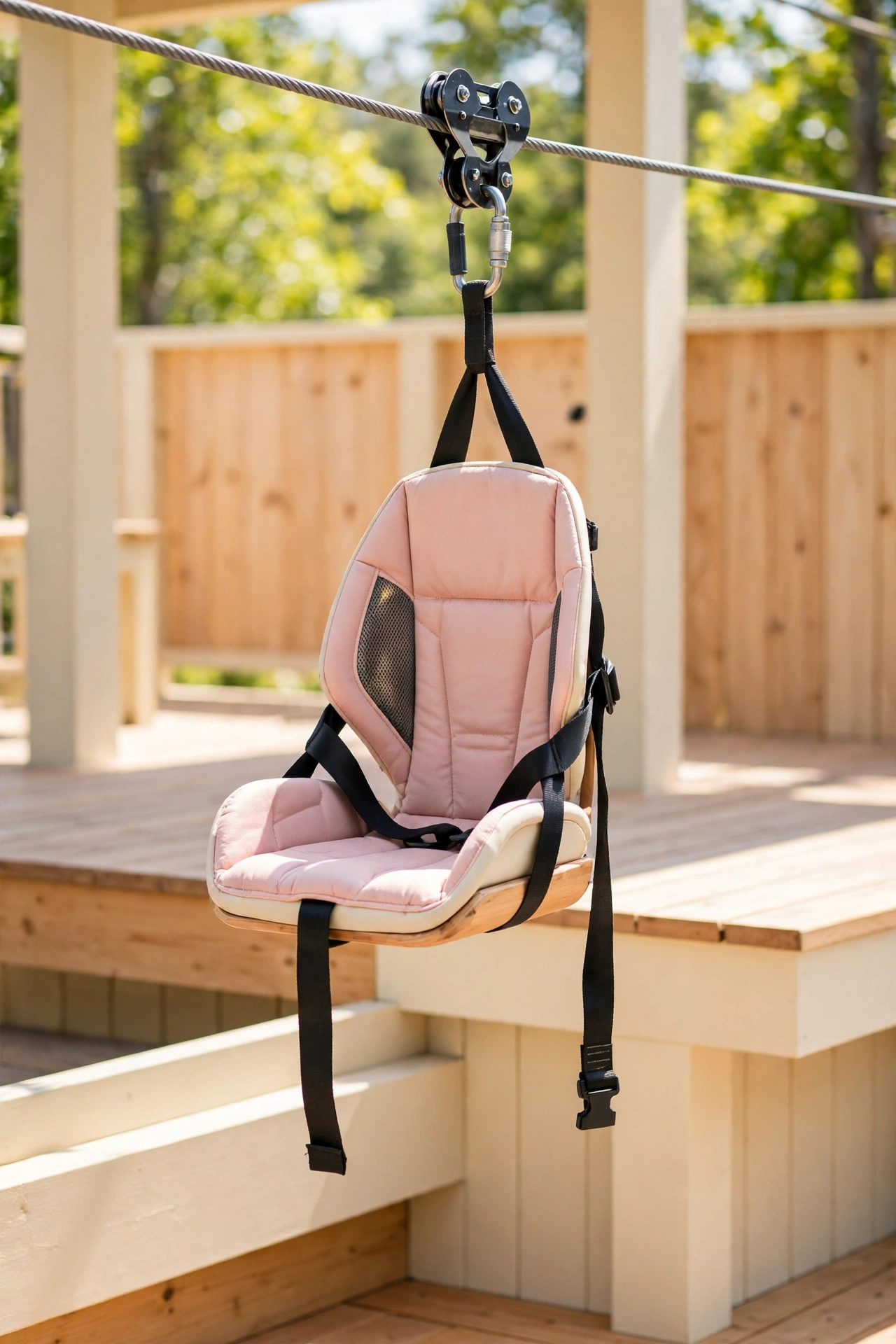
14. Use a Zip Line Seat with a Backrest
A zip line seat with a backrest lets the rider sit back and enjoy the view instead of gripping a handlebar. The seat hangs from the trolley on two straps, with a padded back that supports the rider through the whole ride. Thissetup suits grandparents and anyone who wants a relaxed glide.
Choose a seat with a wide base and a safety strap across the lap for extra security. Adjust the straps so the seat hangs level and the rider sits upright. A seat with a backrest turns the zipline into a gentle scenic ride that suits every age.
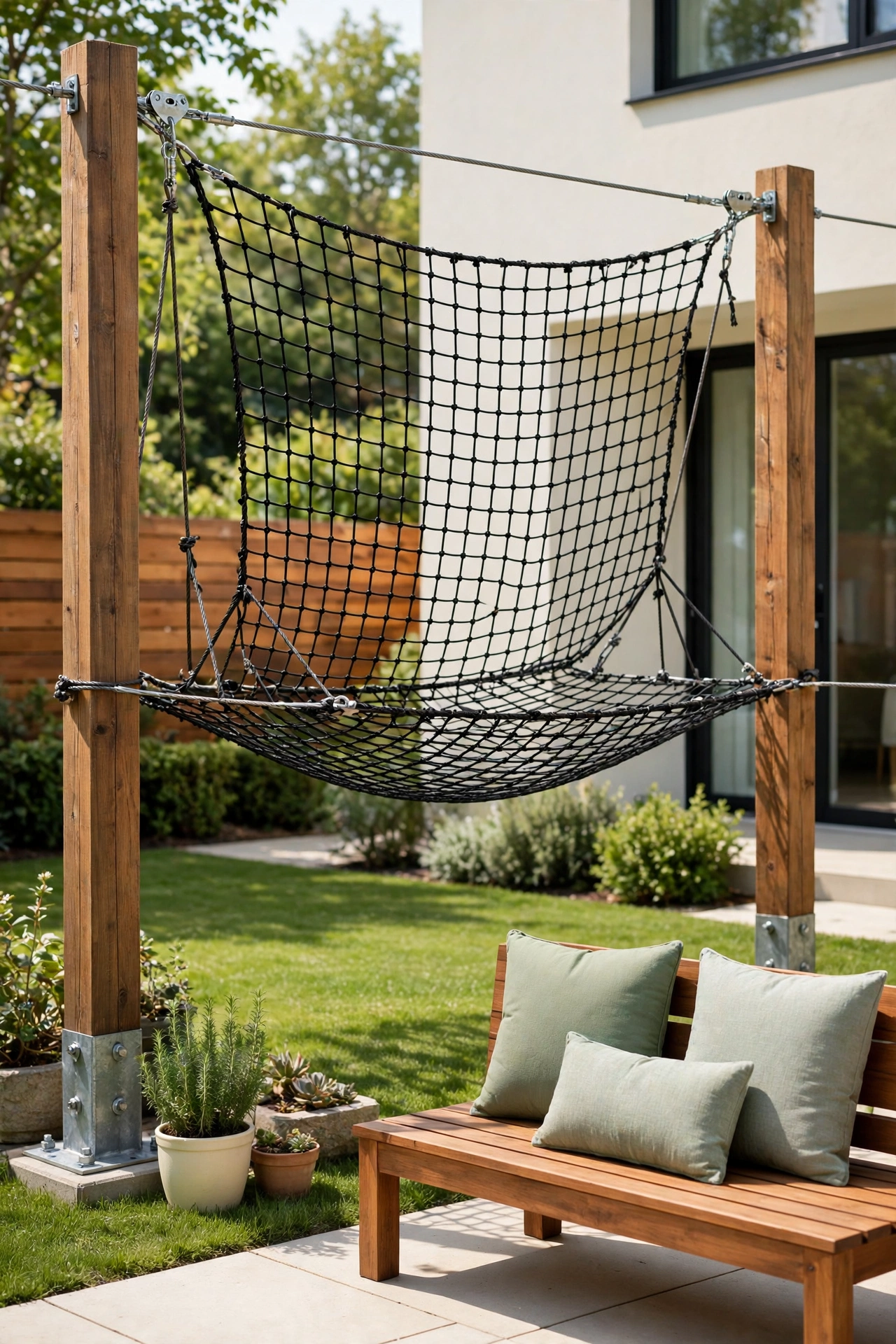
15. Add a Safety Net Below the Line
A safety net below the line catches anything that falls, from a dropped glove to a rider who slips. Stretch a strong cargo net under the full length of the cable, anchored to posts on each side. The net sags a little in the middle,which absorbs the impact of a fall.
Use a net rated for outdoor use with UV resistant rope, and check the anchor points every season. Keep the net low enough that it never touches the rider, but high enough to catch a fall before the ground. A safety net gives parents peace of mind on every single ride.
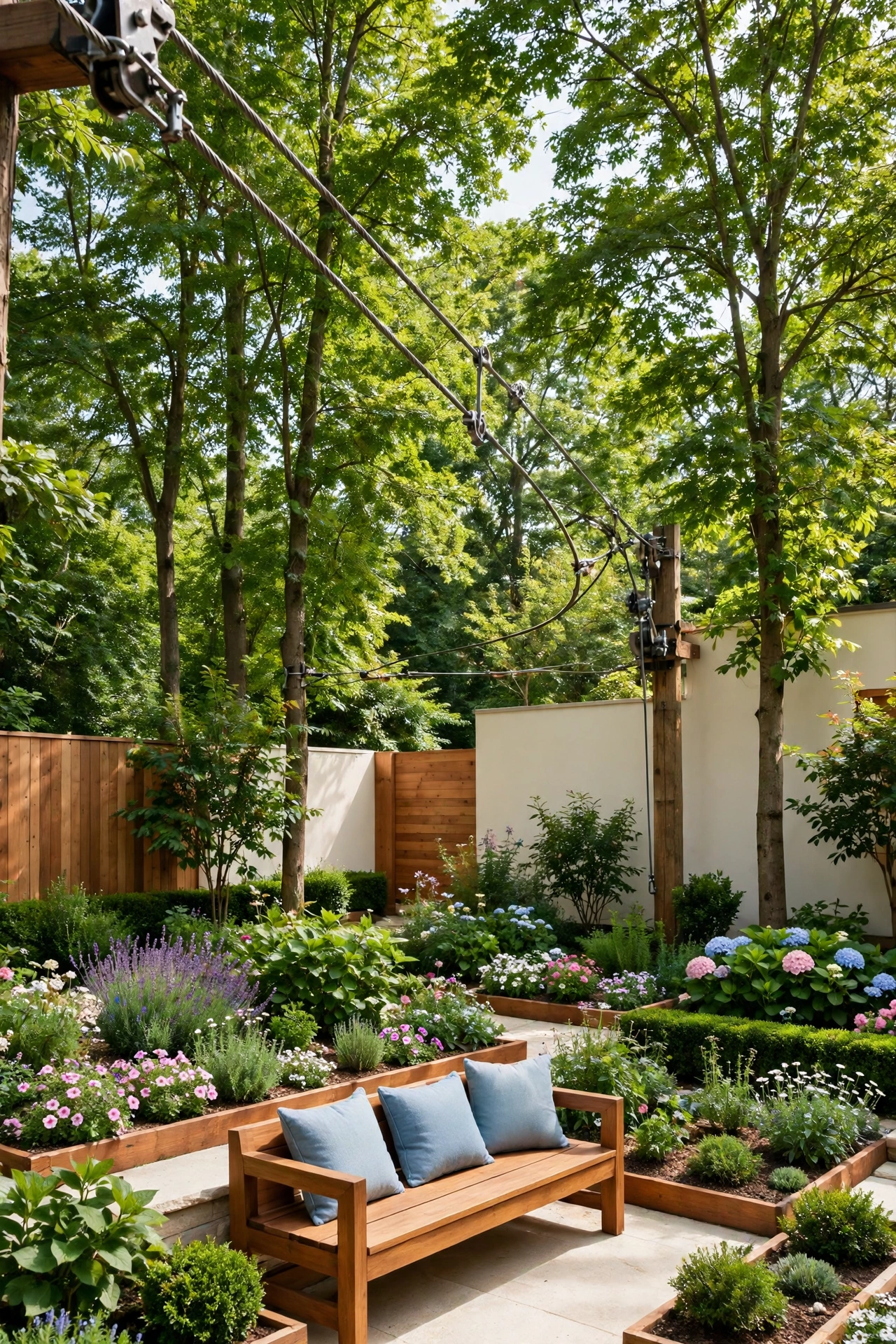
16. Create a Garden Zipline Through the Trees
A garden zipline through the trees winds between trunks and over flower beds, so the ride feels like flying through a forest. Plan the route to follow the natural gaps between trees, and trim only the branches that hangdirectly over the cable. The garden stays lush while the line threads through it.
Keep the speed low on a winding route, since turns in the path need a gentle pace. Add small wooden signs along the route naming the trees and plants below. A garden zipline suits nature lovers who want adventure without clearing their yard.
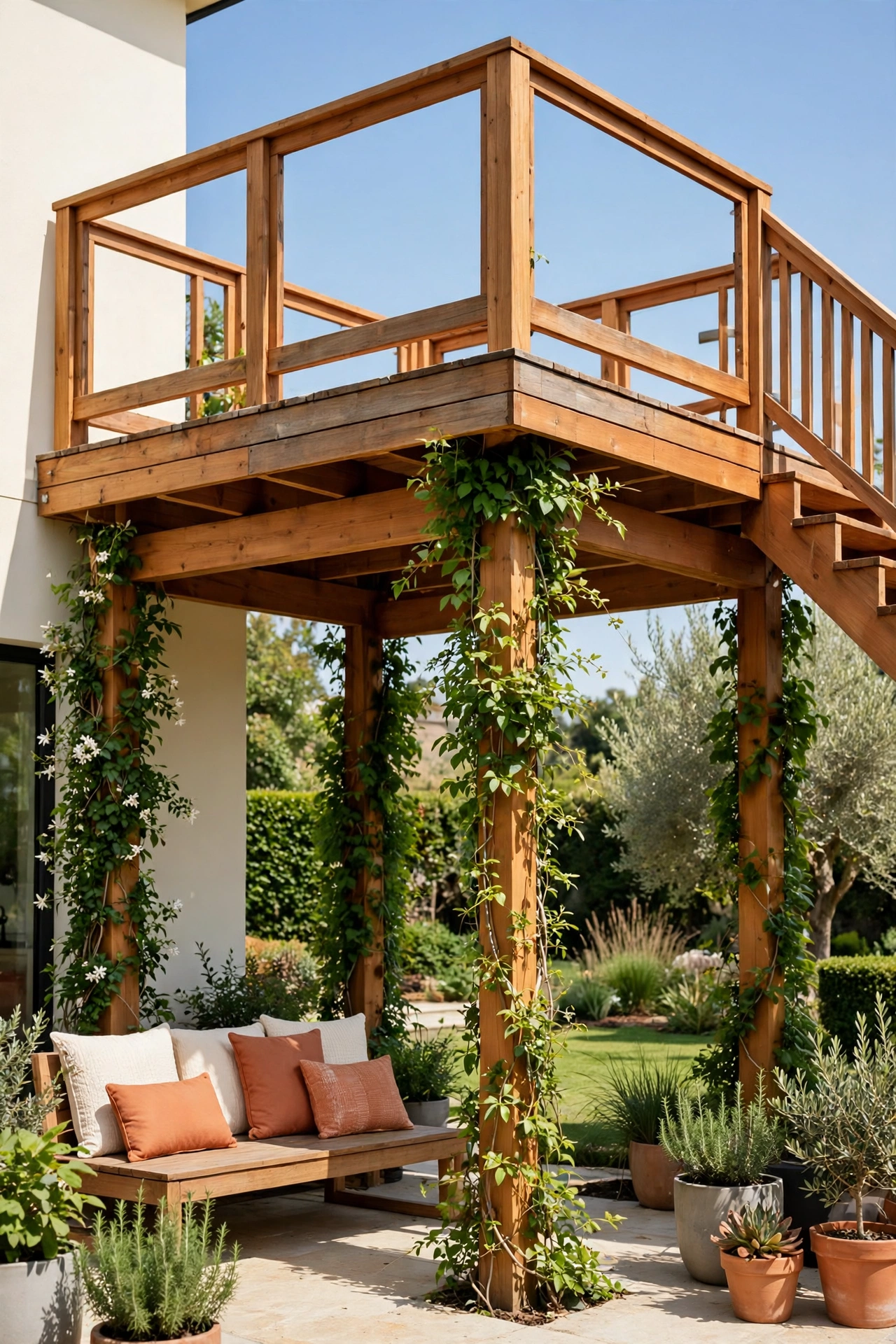
17. Build a Pergola Launch Platform
A pergola launch platform combines shade and height in one beautiful structure. Build a sturdy pergola with thick posts and a slatted roof, then add a deck on top as the launch point. The pergola gives the yard a stylish featurewhile the deck gives riders a high start.
Grow climbing plants up the pergola posts for shade and color, and add a bench underneath for waiting riders. Make sure the deck structure can hold the weight of several adults, since the pergola posts carry the load. A pergola platform looks like garden architecture, not playground equipment.
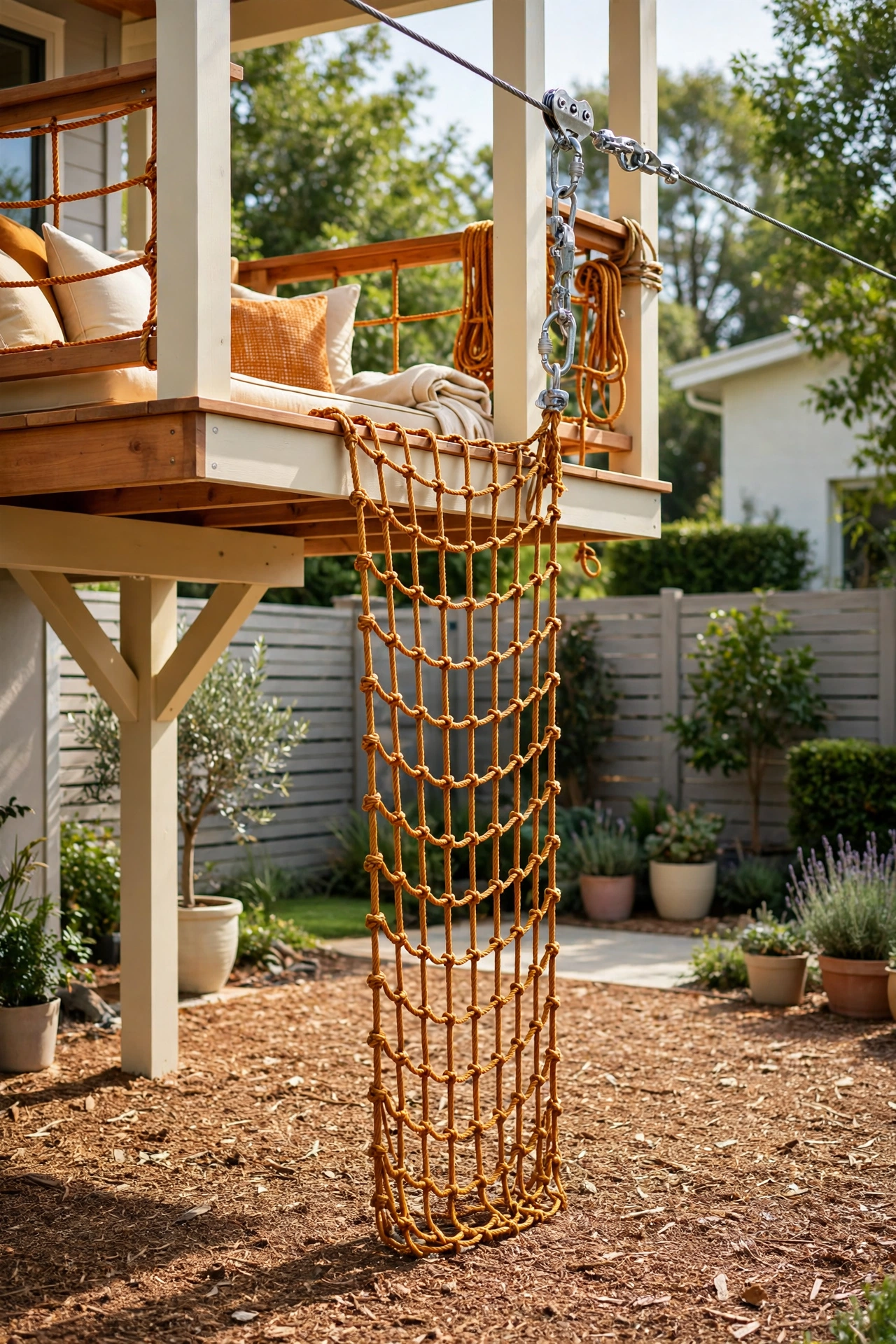
18. Add a Zipline with a Cargo Net Climb
A zipline with a cargo net climb starts with a challenge before the ride begins. Hang a cargo net from the platform so riders climb up the net to reach the launch deck. The climb warms up the muscles and adds a sense ofachievement to every ride.
Anchor the net at the top and bottom so it stays taut while someone climbs. Place soft mulch under the net in case a climber slips. For more climbing fun in the backyard, see these outdoor climbing wall ideas. A cargo net climb suits active children and teens who want more than a simple ladder.
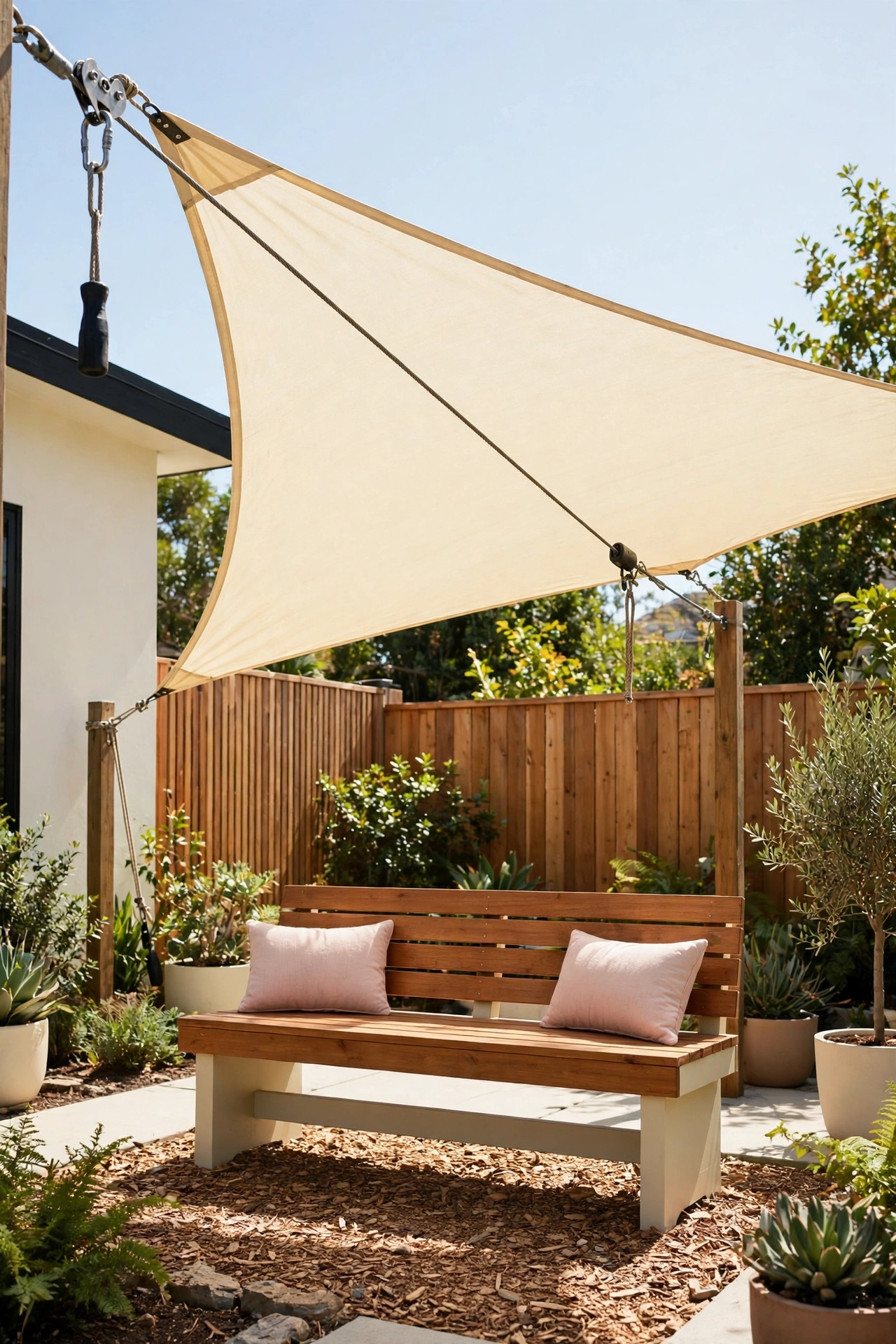
19. Finish with a Shade Sail Over the Landing Zone
A shade sail over the landing zone keeps the end of the ride cool on hot summer days. Stretch a triangular sail between two posts and a nearby tree, high enough that riders pass safely underneath. The sail blocks harsh sunwhile letting a breeze through.
Choose a UV resistant fabric in a soft color that matches the garden, and take the sail down in winter to keep it in good shape. Add a bench and a water cooler under the sail so the landing zone becomes a rest spot. A shade sail finishes the zipline area and makes it comfortable all afternoon.
Conclusion
A backyard zipline turns an ordinary garden into a place of adventure, and the ideas here cover every part of the setup, from the first tree anchor to the final shade sail. A strong cable, a solid platform, and a soft landing zone are the three things every zipline needs. Everything else, from string lights to a cargo net climb, adds fun and character to the ride.
Start with one simple line and add features over time as your family grows more confident. Check the cable, harness, and anchors every season, and keep safety first on every ride. For more ways to build an adventure backyard, see these backyard skate park ideas. Your backyard can become the favorite place in the whole neighborhood.
Frequently Asked Questions About Backyard Zipline Ideas for Adventure Lovers
How much space do I need for a backyard zipline?
Most backyard ziplines need at least fifteen meters of clear run between the launch and landing points, plus room for a platform and a landing zone. A low line for young children can work in as little as ten meters. Measure your yard first and choose a line length that leaves space at both ends.
What is the safest age for children to use a backyard zipline?
Children from about five years old can use a low zipline with a seat and adult supervision. Older children can use a full height line with a harness once they understand the safety rules. Always match the setup to the age and size of the rider, and never let a child ride alone.
How do I keep a zipline cable in good shape?
Inspect the full cable every month for rust, broken strands, and loose clamps. Keep the cable taut with a turnbuckle and replace it at the first sign of damage. A galvanized steel cable lasts for years when you check it regularly and store the trolley and harness indoors.
Can I build a zipline without tall trees?
Yes, sturdy wooden posts set in concrete footings work well as anchors when trees are not available. Two posts at least fifteen centimeters thick can hold a family zipline safely. For more family backyard fun ideas, see these backyard mini golf course ideas. A post based line also lets you place the zipline exactly where you want it.
How much does a backyard zipline cost to build?
A simple backyard zipline with a cable, trolley, harness, and a basic platform usually costs between three hundred and eight hundred dollars. A longer line with a treehouse deck or a dual cable setup costs more. Start simple and add features over time to spread the cost across seasons.

Hi, I’m Emily! I turn messy corners into cozy, organized spots. DreamNestDecor is where I share simple, practical home ideas — decor, organization, and small-space solutions that work in real life, not just in photos. Every idea here is carefully researched before it’s shared.