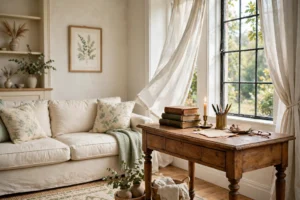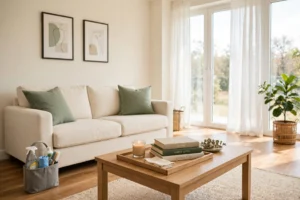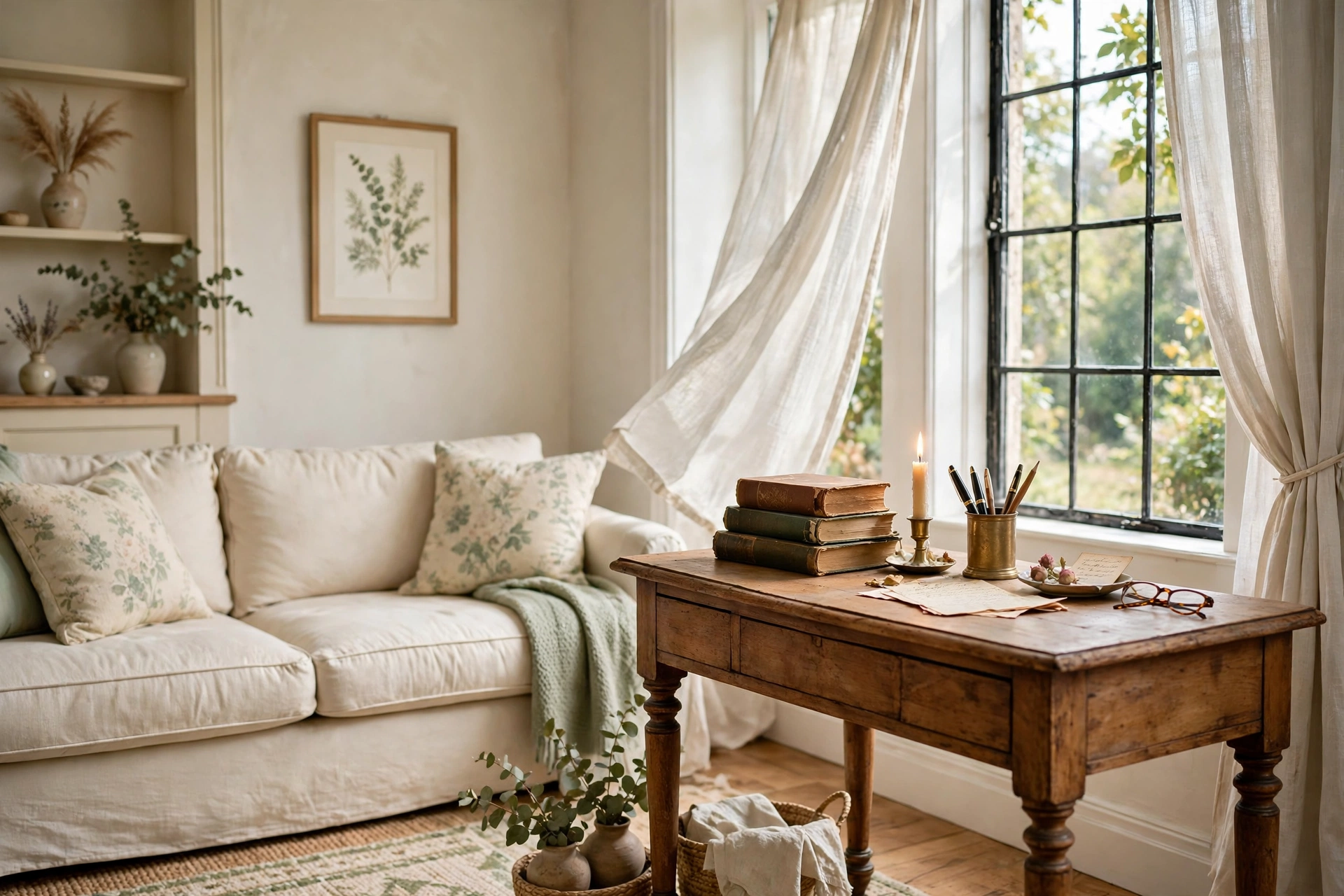
Picture this: you walk into a quiet room where an old wooden desk sits by the window, a stack of worn poetry books waits beside a lit candle, and soft daylight falls across faded floral cushions. The air feels calm and full of stories, like the pages of a favorite book that has been read many times. That gentle, dreamy feeling is exactly what poetcore style gives a home.
You do not need a large budget or a grand old house to bring this look home. All you need is a love of books, warm light, and a few aged pieces that carry a sense of history. These 26 poetcore home decor ideas will help you fill every room with literary charm, soft muted color, and quiet romance, one thoughtful detail at a time.
1. Start with an Antique Writing Desk
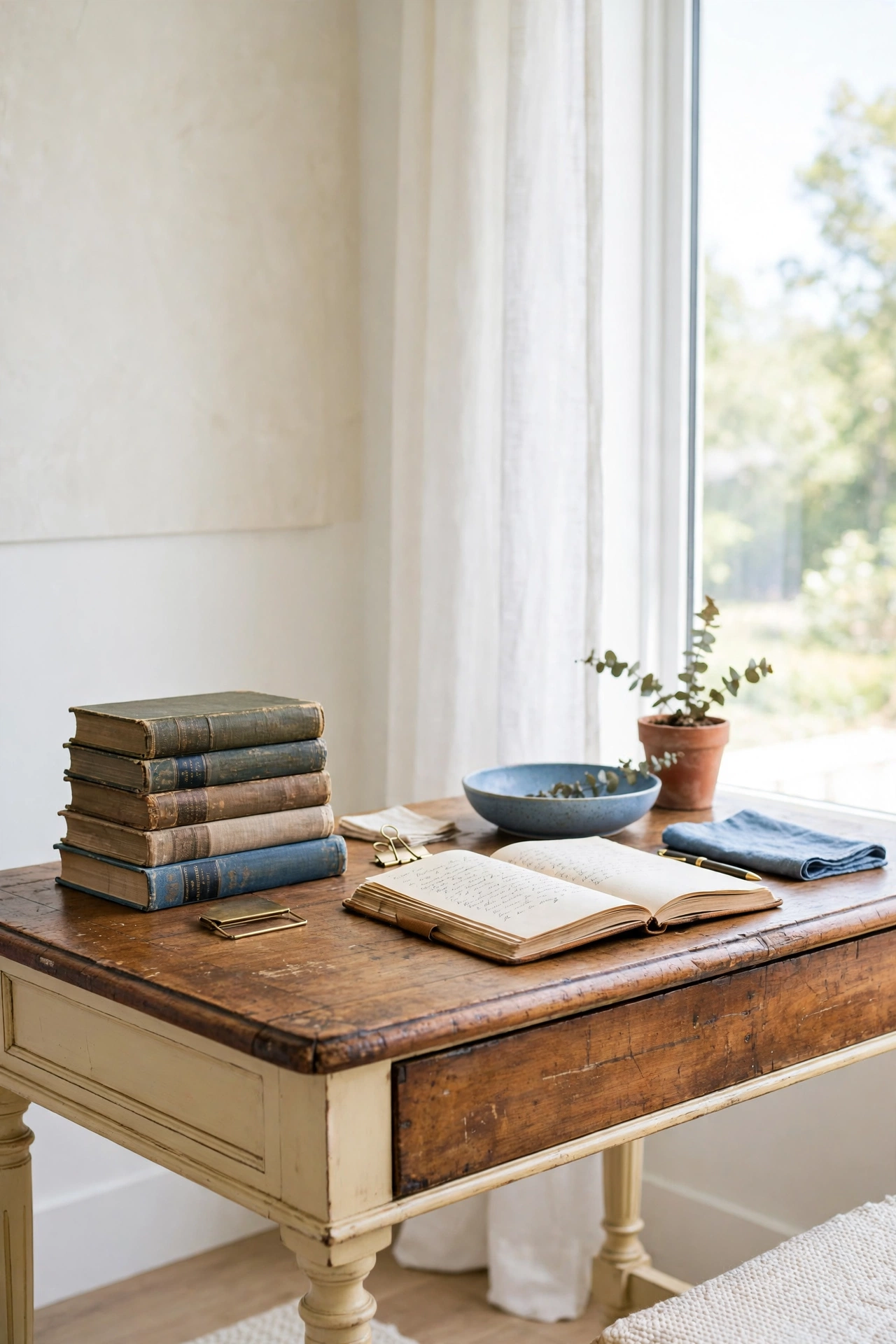
A small wooden writing desk with visible age and gentle wear becomes the natural heart of a poetcore room. It suggests a space made for reading, writing, and quiet thought, and it gives the whole room a clear purpose. A slant front desk or a simple flat top desk in a warm wood tone fits the style far better than a glossy modern desk.
Place the desk near a window so natural light falls across the surface while you read or write. Add a small stack of stationery, a fountain pen, and a worn journal on top, and the desk becomes a complete vignette. This one piece anchors the entire room, so choose it early and let the rest of the decor grow around it.
2. Gather a Collection of Well Loved Books
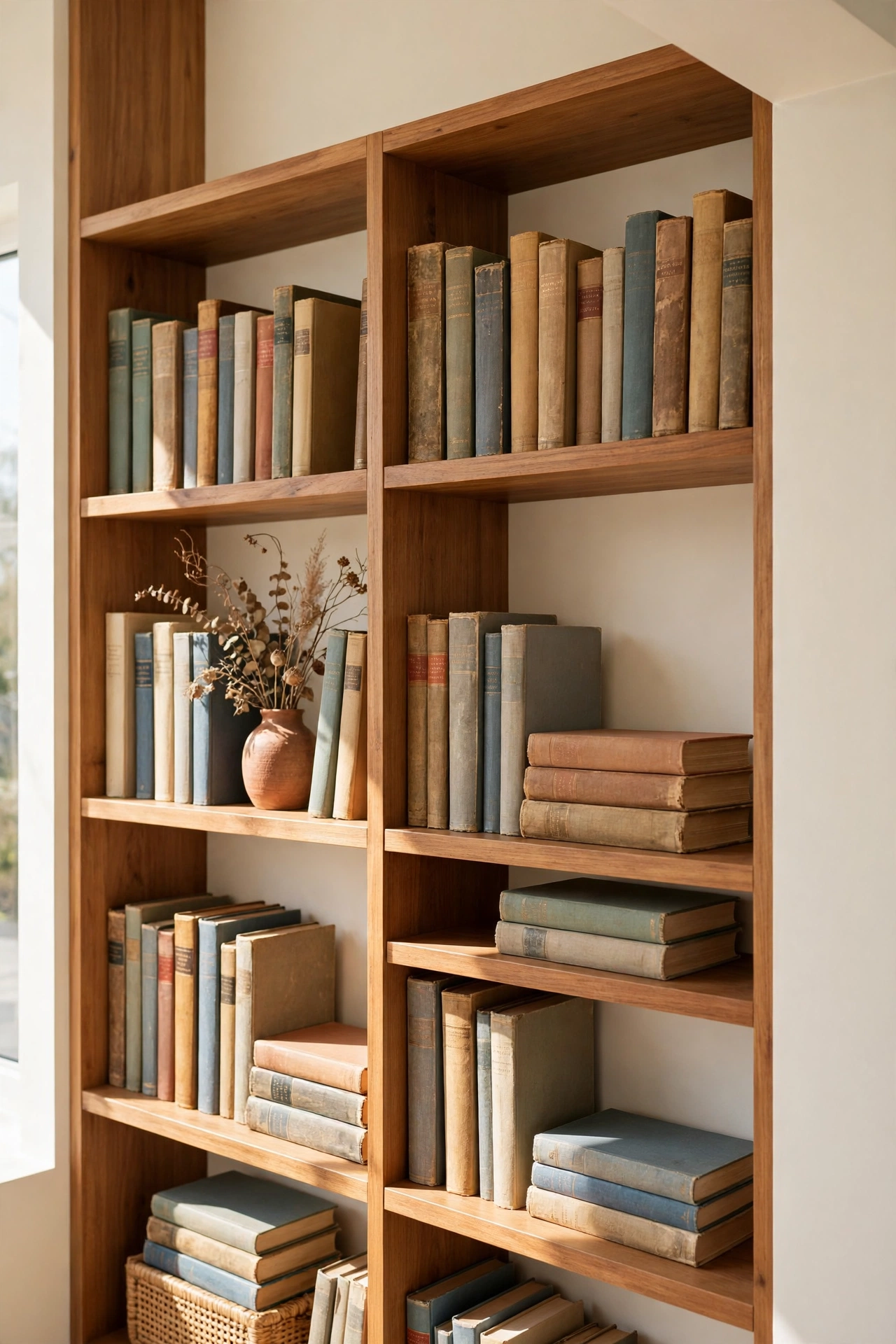
A personal library of poetry collections, classic novels, and worn hardcovers is the single most defining element of a poetcore space. Choose editions with faded spines and visible signs of use, since a well loved book carries far more character than a pristine new copy. Mix sizes, bindings, and colors so the shelves feel collected over time rather than bought in one trip.
Build the collection slowly, adding books as you read them or find them in thrift shops and used bookstores. Stack a few books horizontally on a nightstand or a windowsill instead of keeping every book upright. Books that are read and enjoyed give the room a genuine, lived in feeling that no purely decorative object can match.
3. Let Candlelight Set the Evening Mood
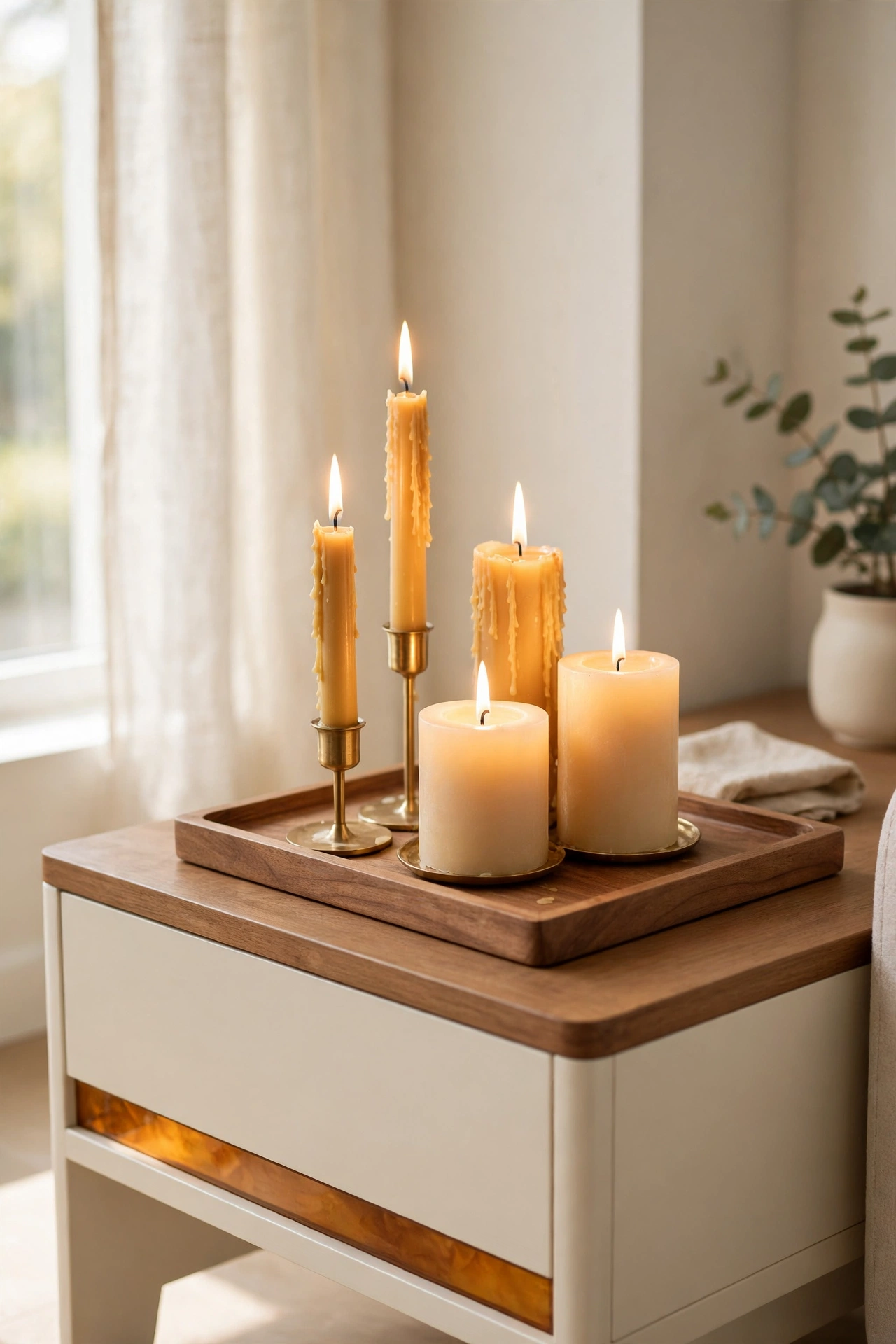
Candles bring the warm, flickering light that sits at the center of the poetcore mood. Taper candles in simple brass holders or a small cluster of pillar candles on a tray turn an ordinary evening into something soft and romantic. Choose unscented or lightly scented candles in cream, ivory, or soft amber to match the muted palette of the room.
Group three to five candles of different heights on a mantel or a desk tray for a stronger effect than single candles scattered around the room. Flameless LED candles with a realistic flicker work well on a bedside table or anywhere an open flame is not practical. Warm candlelight changes how every object in the room reads after dark, so treat it as the main evening light source.
4. Choose Faded Floral and Botanical Fabrics
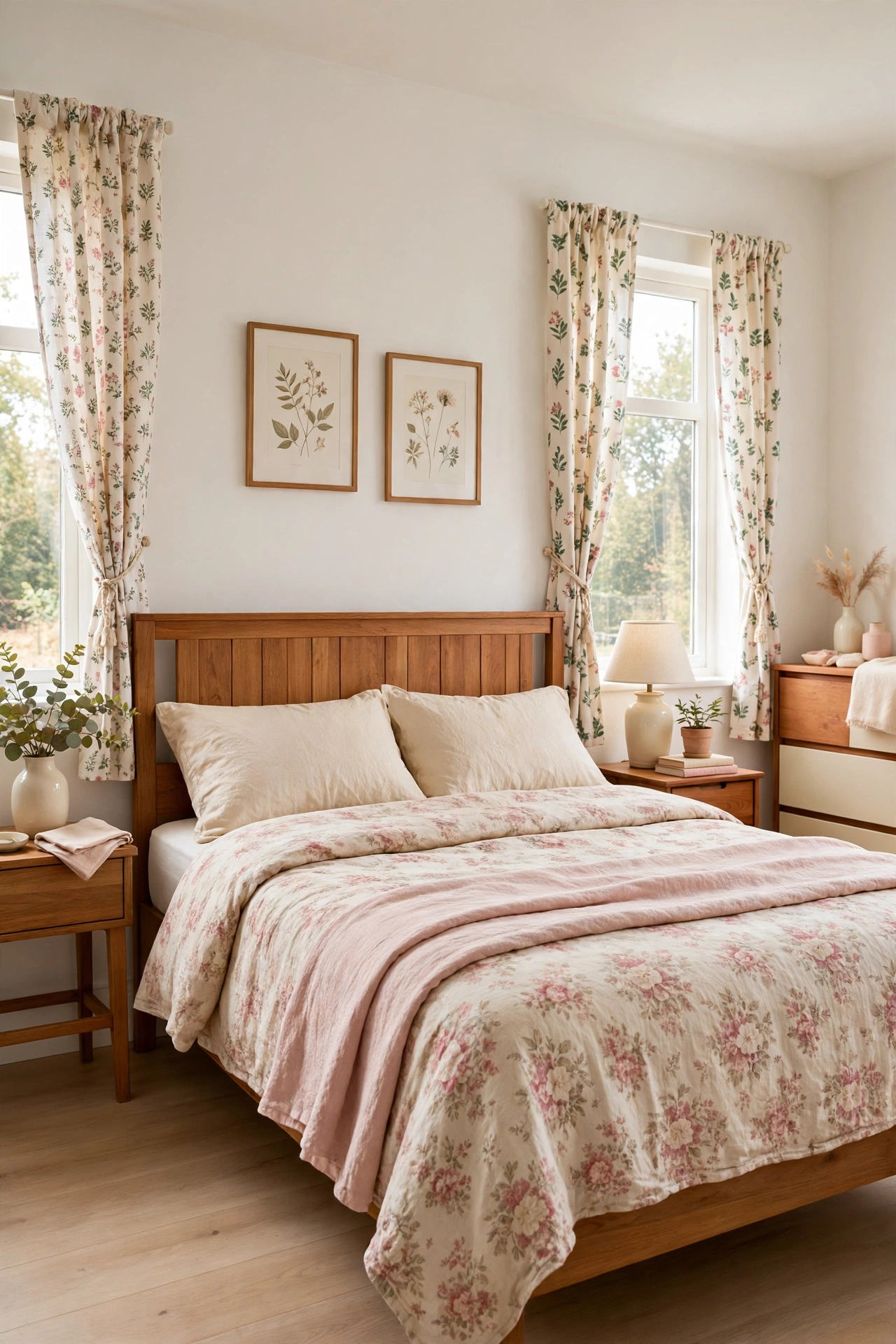
Bedding, curtains, or upholstery in a small scale, slightly faded floral or botanical print brings the pressed flower quality of old poetry books into the room. Keep the colors muted and dusty, with sage, dusty rose, and cream leading the palette, since bright saturated colors break the aged literary mood. A floral duvet cover or a pair of curtains in a soft print can carry the whole look.
Pair one patterned piece with plainer solid surfaces elsewhere in the room so the pattern stays a focal point instead of competing with other prints. A floral accent chair or a floral cushion on a plain linen sofa works beautifully. Vintage floral fabric from an estate sale often has a more convincing faded palette than a new reproduction print.
5. Frame Pressed Flowers and Botanical Prints
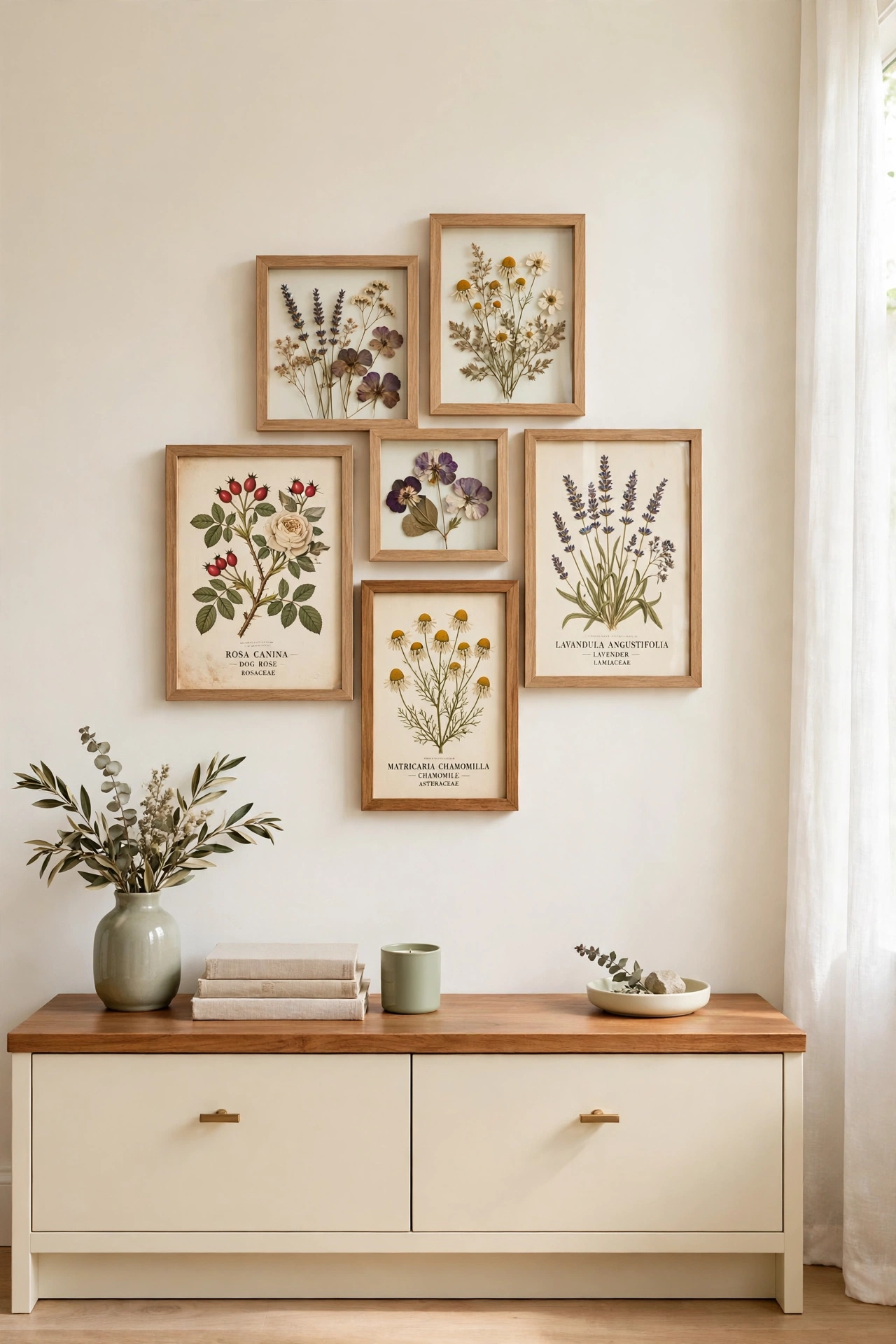
Pressed flowers framed one by one or grouped in a small cluster bring the naturalist quality of old field journals onto the wall. Vintage style botanical illustration prints from public domain books work just as well and cost very little. Group three to five smaller pieces together for an intimate, collected display that suits the quiet detail of the style.
Pressing your own flowers with a simple flower press or heavy books adds genuine personal history to the display and costs almost nothing. For more ways to arrange art in a classic home, see these antique gallery wall ideas. A wall of pressed flowers and botanical prints turns a plain wall into a small museum of nature and poetry.
6. Add a Worn Leather Reading Chair
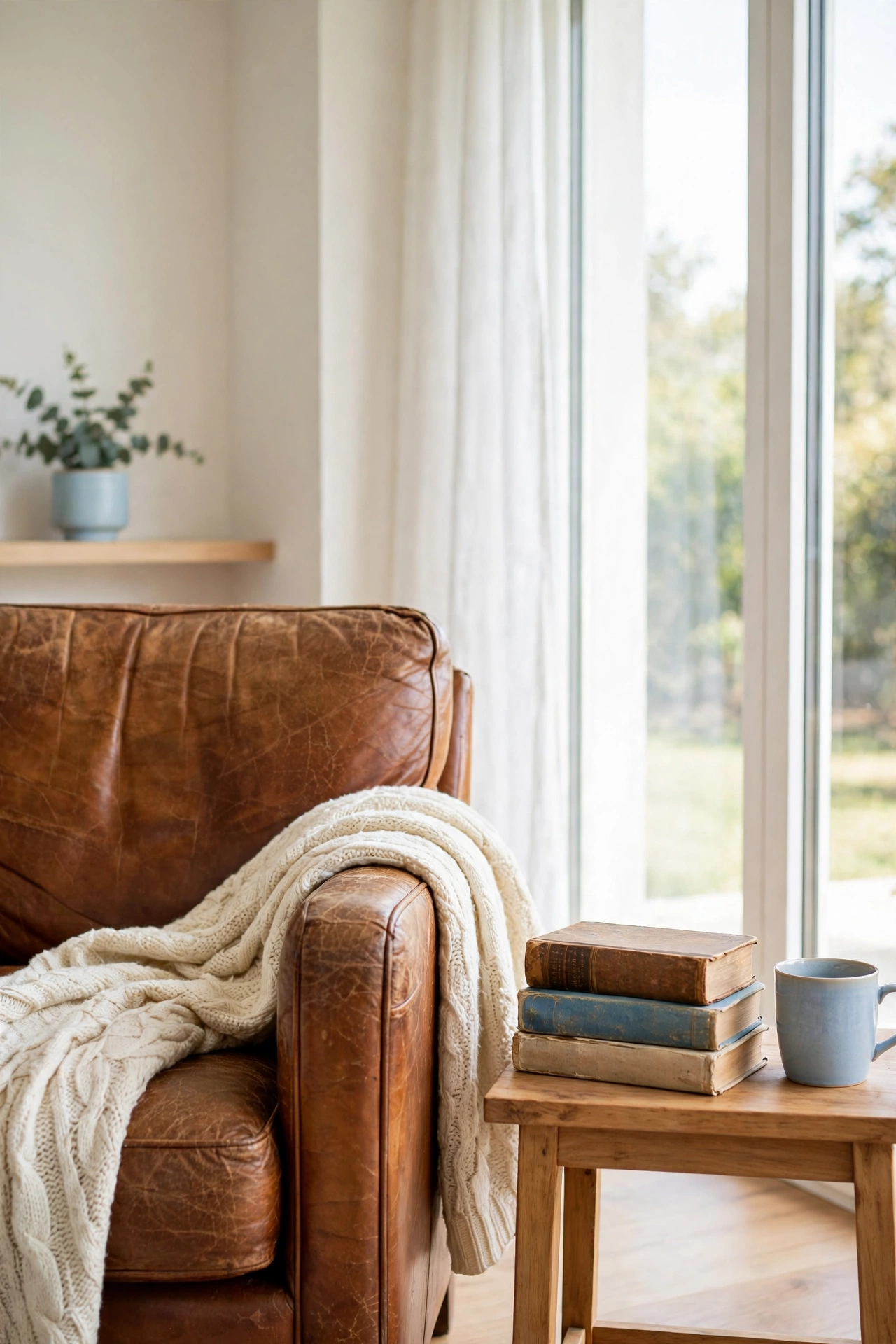
A leather armchair with visible age, gentle creasing, and a softened patina gives the room a functional reading spot and a strong anchor piece at the same time. A cognac or chestnut leather tone fits the warm, aged palette far better than bright or heavily distressed black leather. Place the chair near a window or a reading lamp, with a small side table nearby for a stack of books and a cup of tea.
Drape a soft wool or knit throw over one arm of the chair to suggest a space that is used every day rather than staged for a photo. The chair and the writing desk together form the two main anchors of a poetcore room, so give the chair a generous corner and let it invite long quiet reading sessions.
7. Display a Vintage Typewriter
A vintage typewriter is one of the most recognizable objects of the poetcore aesthetic, calling to mind handwritten manuscripts and old writing studios. Place it on the writing desk with a stack of paper nearby and perhaps a half finished letter in the roller, and it creates a small story in one corner of the room. A working model can be used for real writing, which adds a tactile pleasure that fits the old fashioned creative spirit of the style.
One typewriter is enough, since several in a single room can tip the look from evocative into overly themed. A decorative model costs less than a restored working one and still gives the same visual character. Keep the desk around it simple so the typewriter stays the clear star of the vignette.
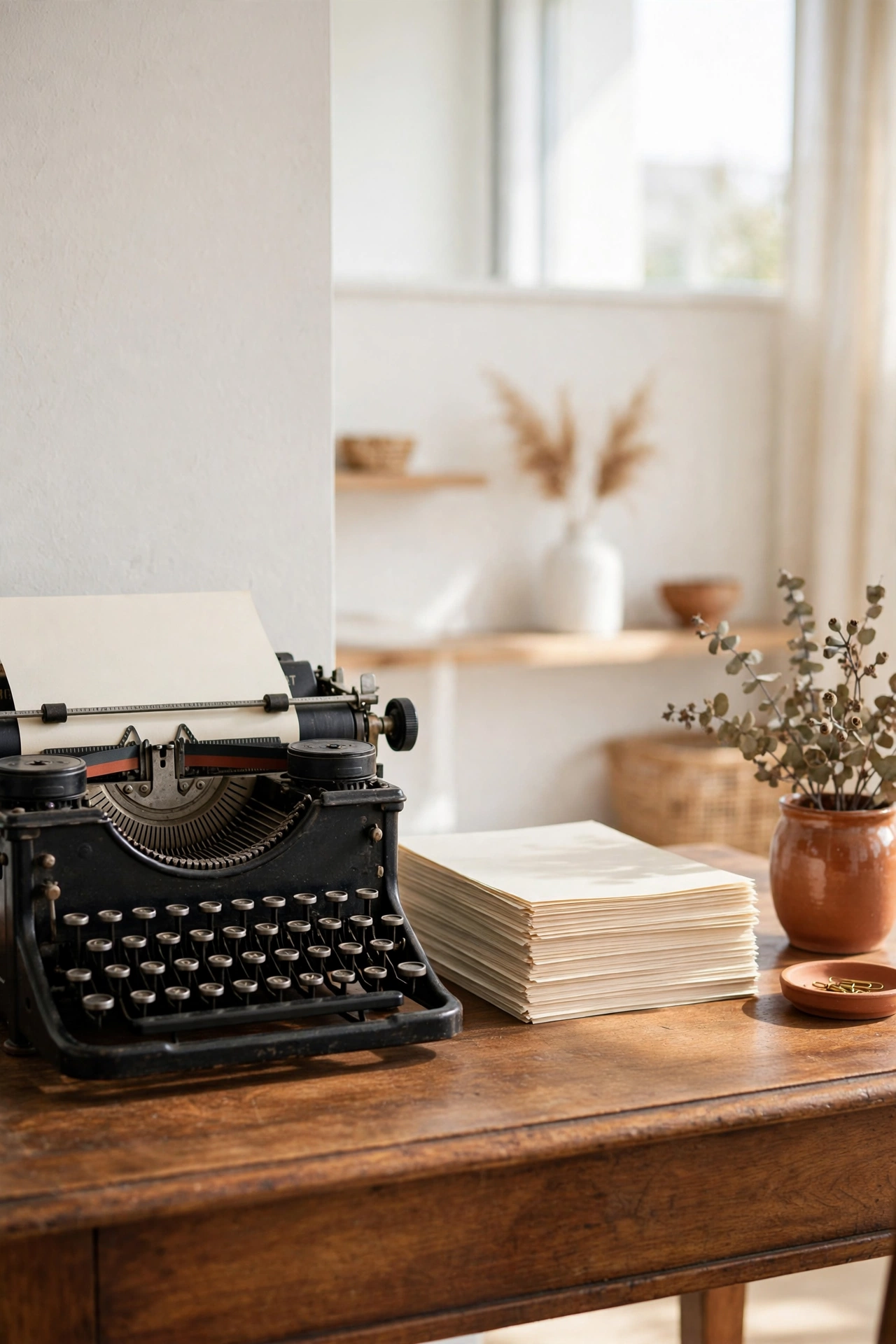
8. Arrange Dried Flowers in Muted Tones
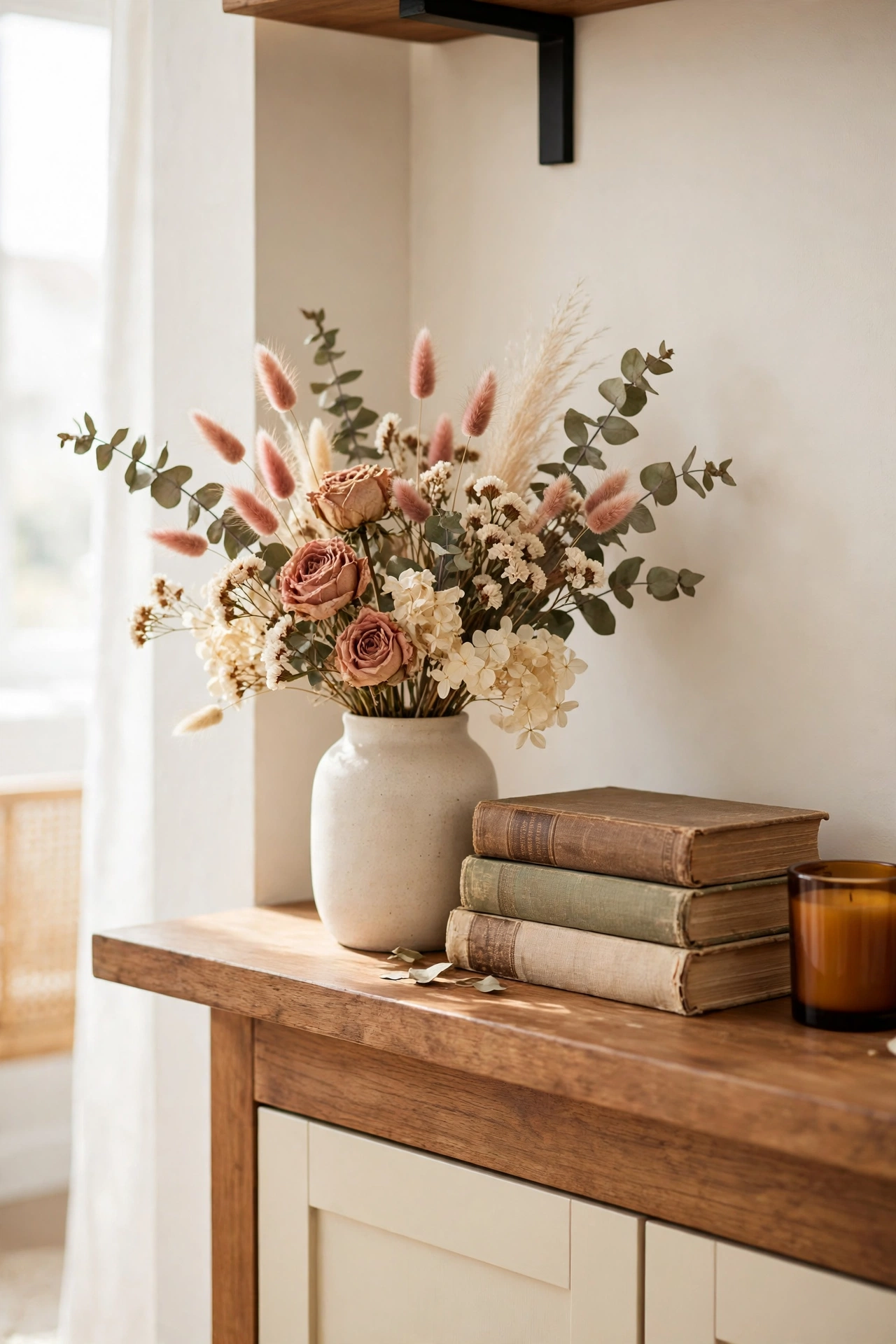
Dried flower arrangements in dusty rose, sage, and cream bring the same faded quality found in poetcore textiles into a three dimensional display. Dried grasses, lavender, and baby breath add texture without introducing brighter colors, and the arrangement lasts for months with no upkeep. A simple ceramic or glass vase keeps the focus on the stems.
Place a dried arrangement on the writing desk or a nearby shelf where it can soften the hard lines of wood and leather. Dry flowers yourself from a fresh bouquet by hanging the stems upside down in a dark room. Refresh a few stems every few months so the display never grows dusty beyond the intended faded charm.
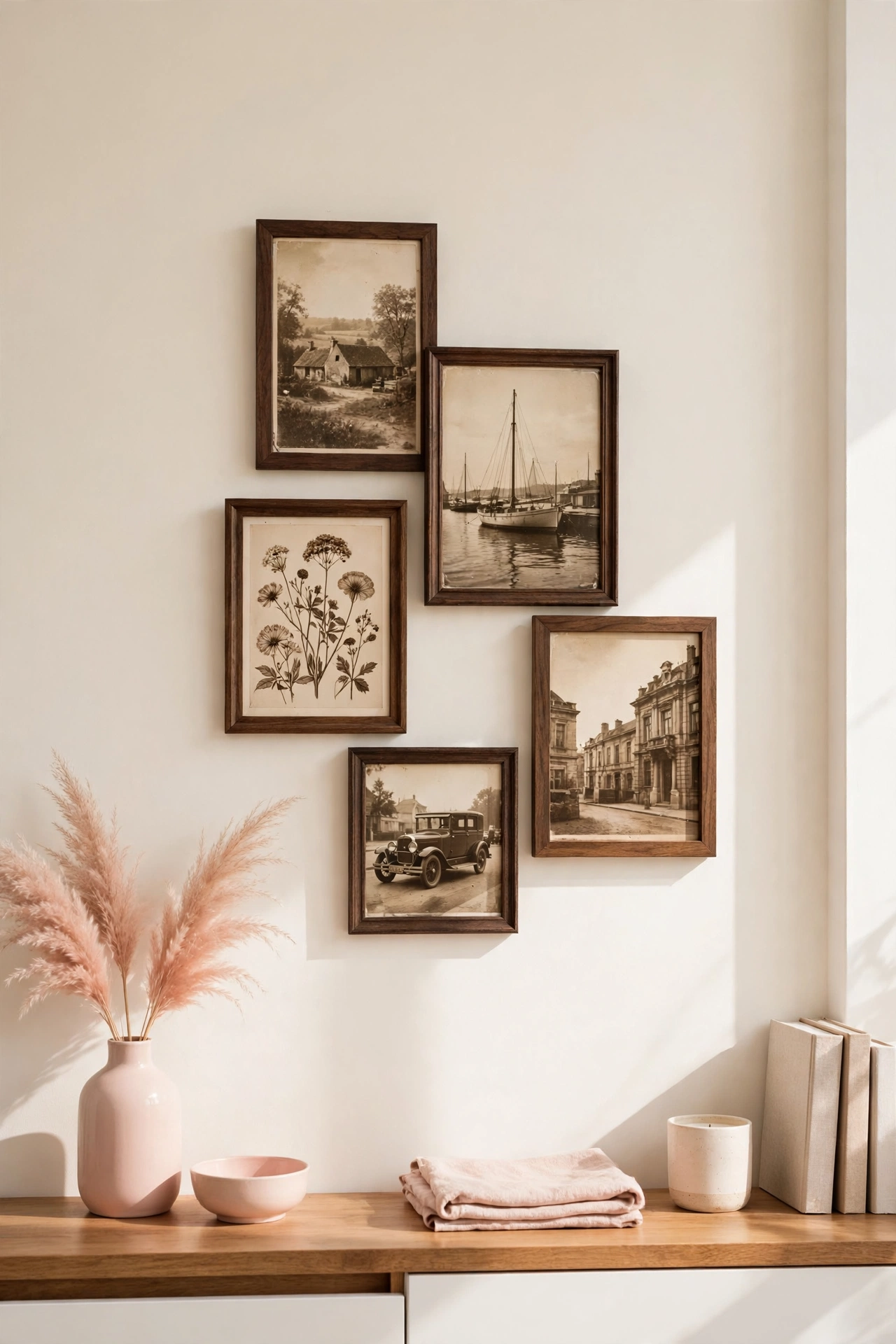
9. Hang Sepia Toned Vintage Photographs
Framed sepia toned photographs, whether genuine family photos or reproduction prints, add a sense of history and quiet nostalgia to the walls. Choose simple dark wood or aged brass frames rather than ornate gilt frames, so the display feels literary and calm instead of formal. A small cluster arranged slightly off center feels like it grew naturally over time.
Mix a few sepia photographs with pressed flowers and botanical prints to build a layered gallery wall that tells a fuller story. Using real family photographs adds genuine personal meaning, since the faces and places in the frames belong to your own history. Keep the cluster small and intimate so each piece can be appreciated on its own.
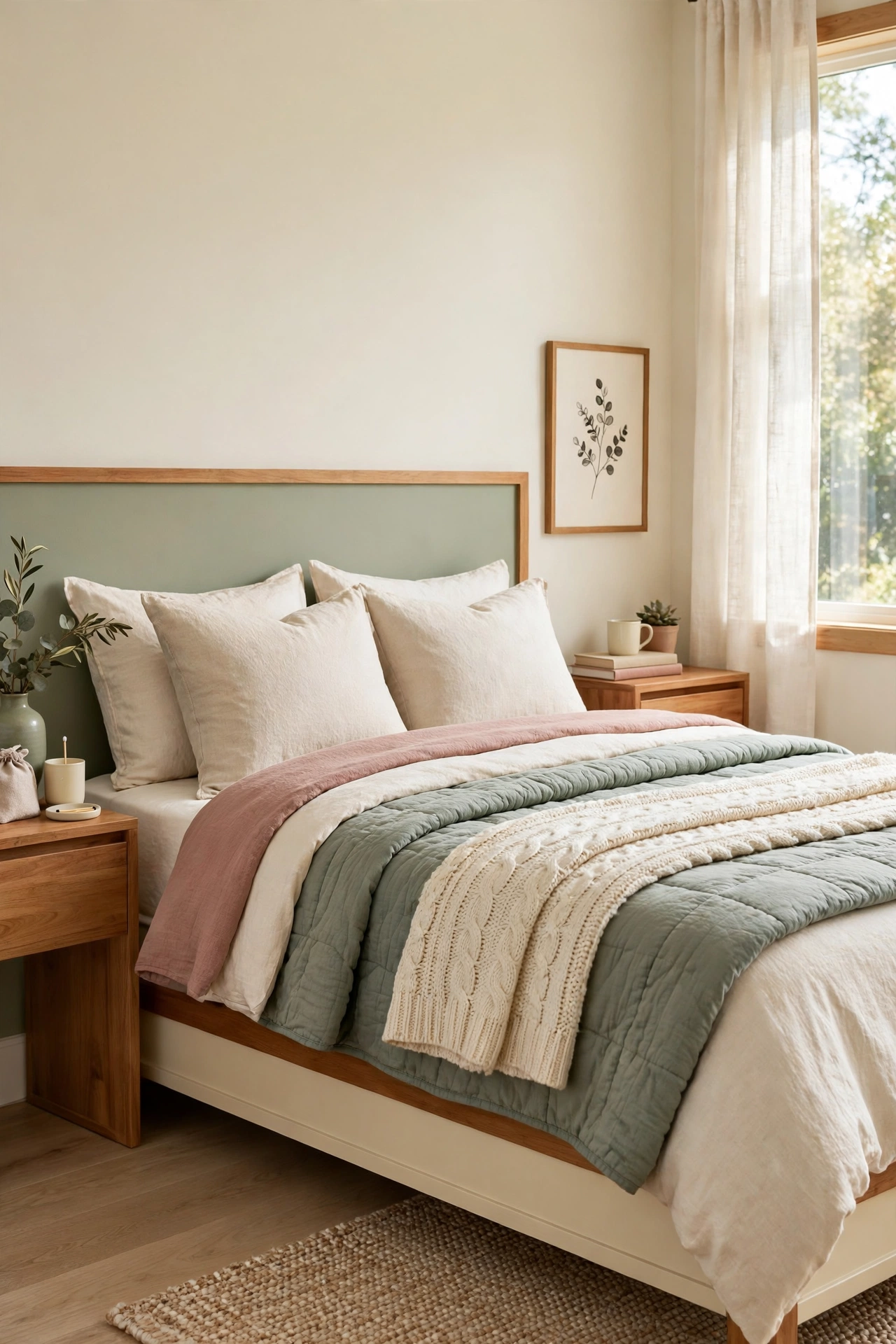
10. Layer Soft Bedding in Muted Colors
Bedding in layered muted tones brings the soft faded palette of the style into the bed itself. Start with a cream base sheet, add a dusty rose or sage quilt, and finish with a knit throw folded across the foot of the bed. Natural fibers like cotton, linen, and wool fit the preference for genuine textured materials far better than synthetic blends.
Layer a quilted coverlet over a simpler duvet to add depth and a cozier, more lived in quality. A small embroidered or lace trimmed pillow tucked among plainer pillows adds a handmade detail that echoes the old world sensibility of the room. For more ways to style a classic bedroom, see these vintage bedroom painted accents. Good bedding is used every day, so it earns its place as both decor and comfort.
11. Style Wax Seals and Vintage Stationery
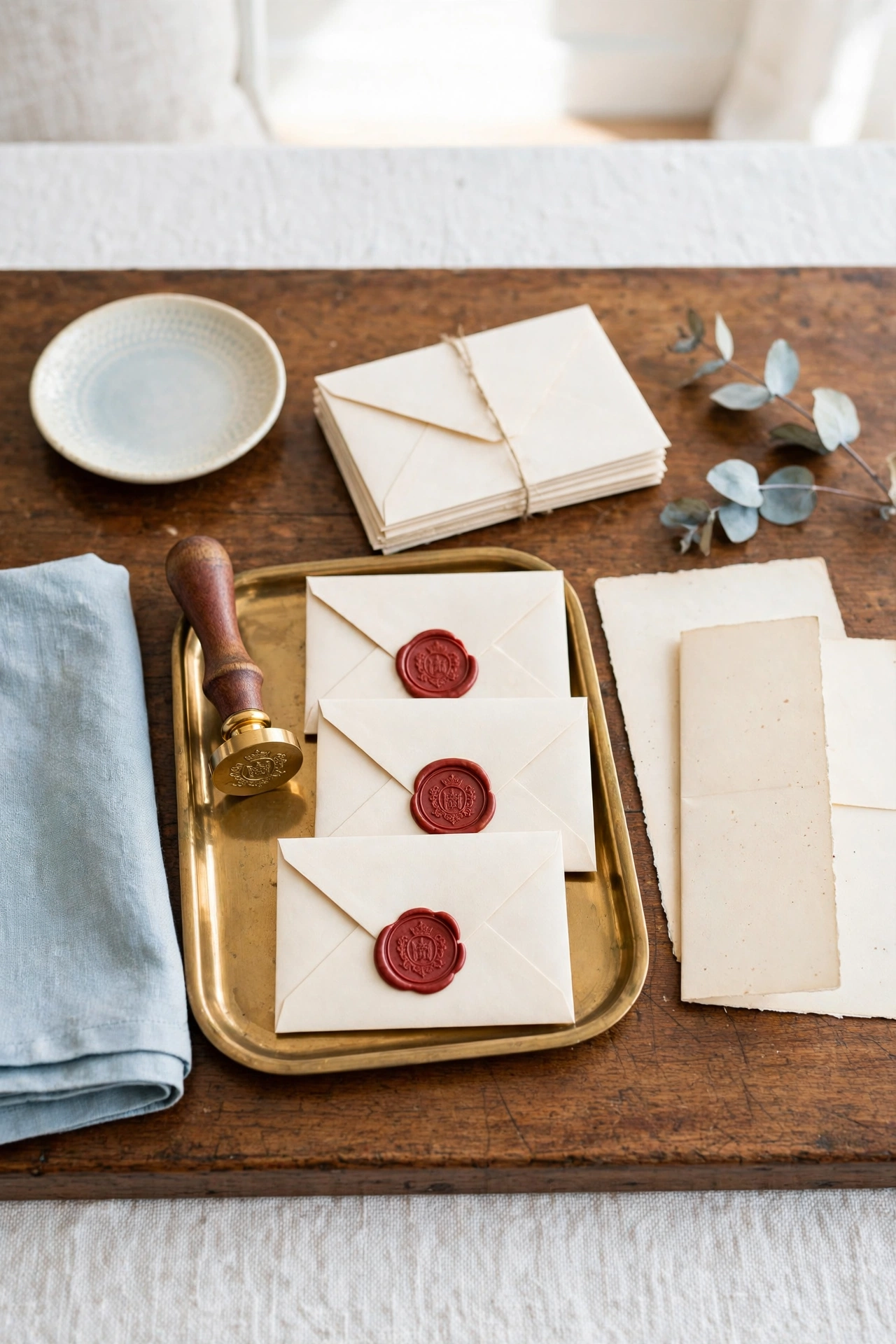
A small collection of wax seals, vintage style stationery, and fountain pens on the writing desk reinforces the letter writing story of the room in fine detail. A wax seal stamp and a few wax sticks cost very little, yet they add one of the most authentic touches in the whole style. Display a small stack of folded sealed letters on the desk to complete the vignette.
Use the seals and stationery for real letters instead of keeping them purely as props, and the objects gain genuine function and personal meaning. A simple tray or dish keeps the small pieces tidy on the desk surface. This detail rewards anyone who enjoys the tactile handmade side of the aesthetic as much as its visual mood.
12. Lay a Vintage Rug in Faded Tones
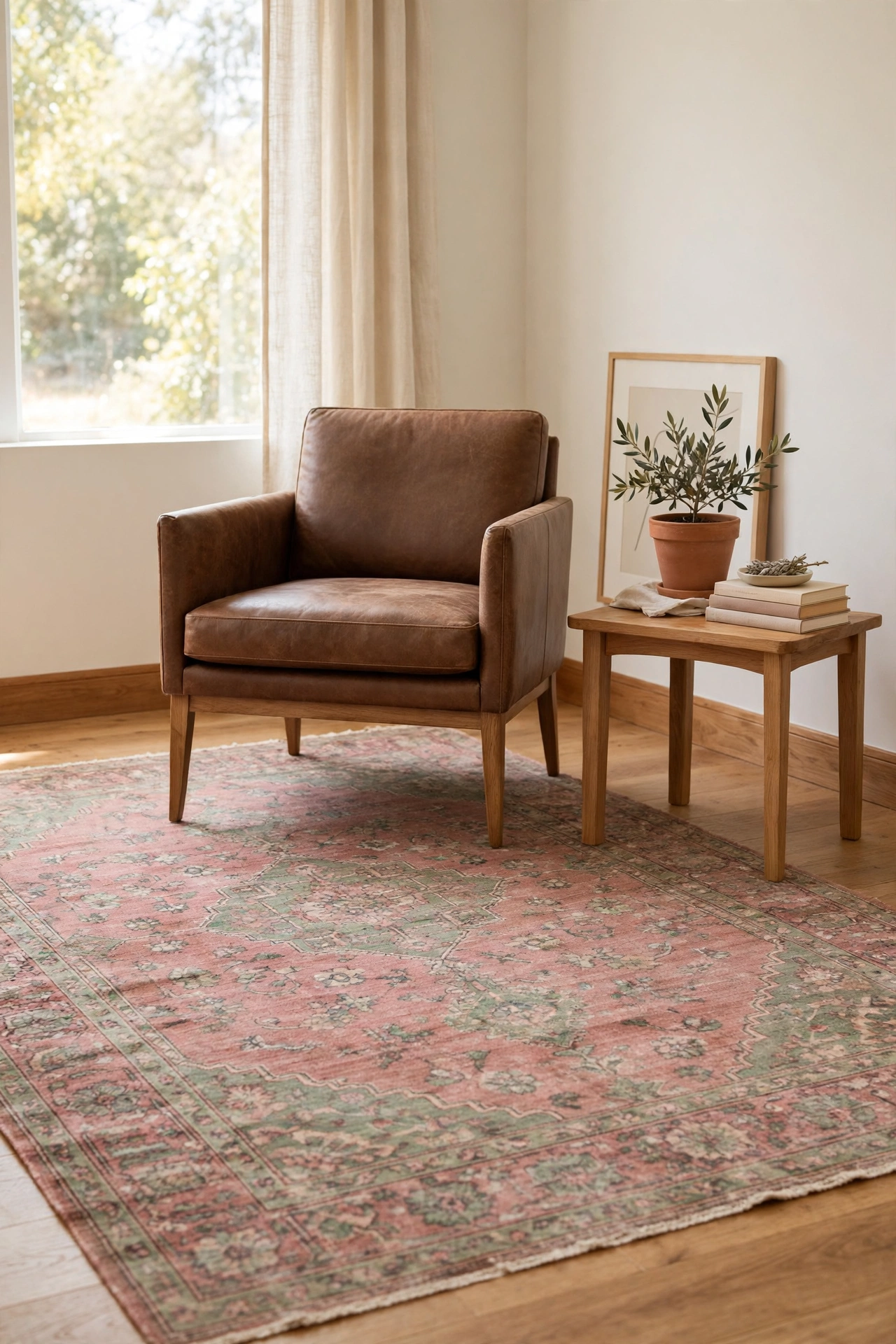
A worn Persian, floral, or braided rug in muted faded colors adds softness underfoot and reinforces the aged collected feeling of the room. Visible wear at the edges or in high traffic areas supports the aesthetic rather than spoiling it, since the rug looks like it has lived a long and loved life. A lower pile flatweave rug fits the quiet understated mood better than a plush modern rug.
Place the rug beneath the reading chair and writing desk area to tie the two main zones of the room together visually. Older secondhand rugs are often more affordable than new vintage style reproductions, so check estate sales and antique shops first. One good rug can ground the whole room and make every other piece feel more settled.
13. Display Ink Bottles and Fountain Pens
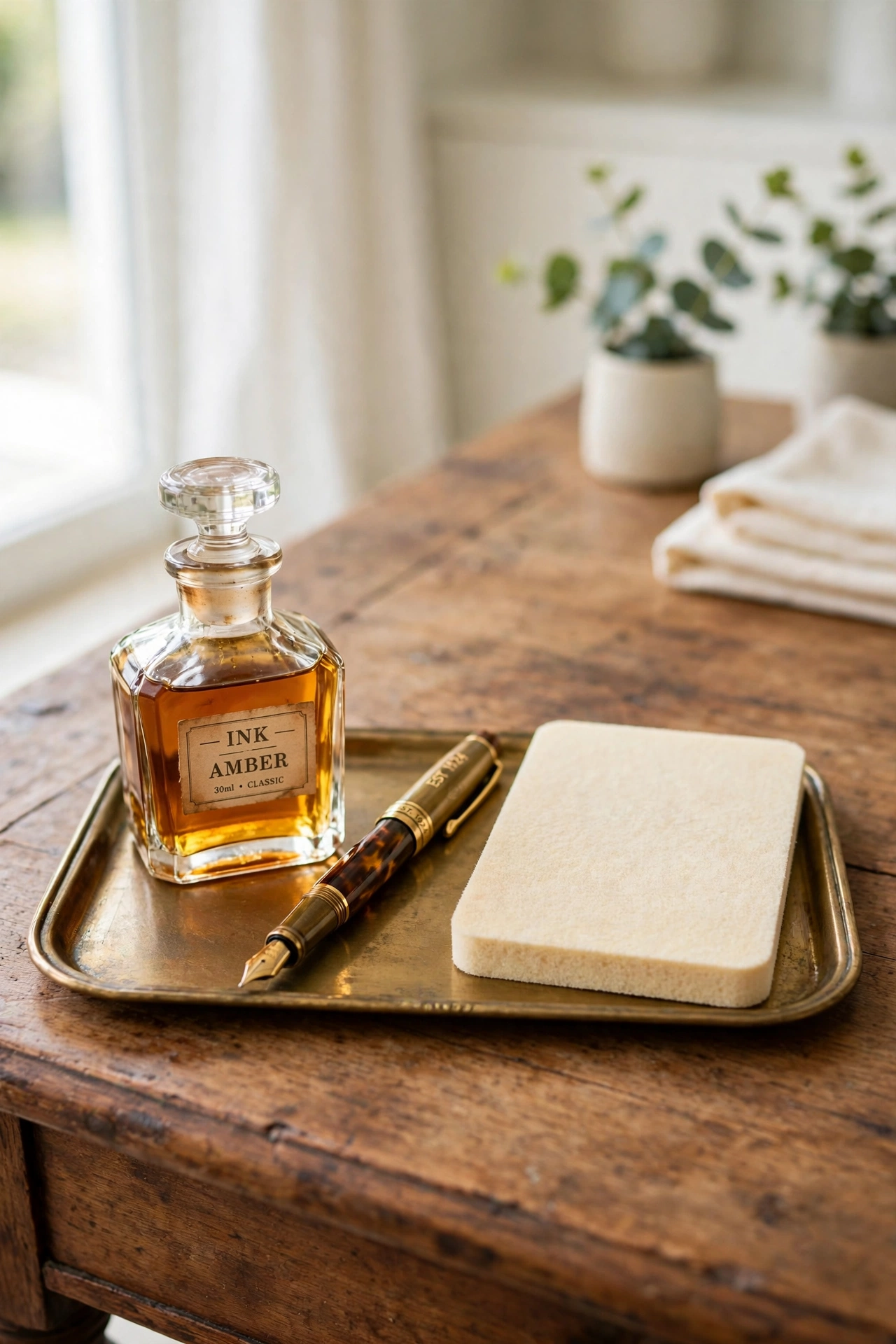
A small display of an ink bottle, a quill or vintage fountain pen, and a blotting pad on the writing desk completes the central literary vignette with genuine functional tools. A simple wood or brass pen tray keeps the small items organized and tidy instead of cluttered on the desk surface. Choose a working fountain pen so the display can be used for real journaling and letter writing.
Place the ink and pens beside the typewriter and stationery so the desk reads as one cohesive detailed scene rather than scattered objects. This is one of the more affordable additions on the list, and it pairs naturally with a habit of journaling if writing is part of what draws you to the style. Small details like these reward a closer look.
14. Add Warm Light with Layered Lamps
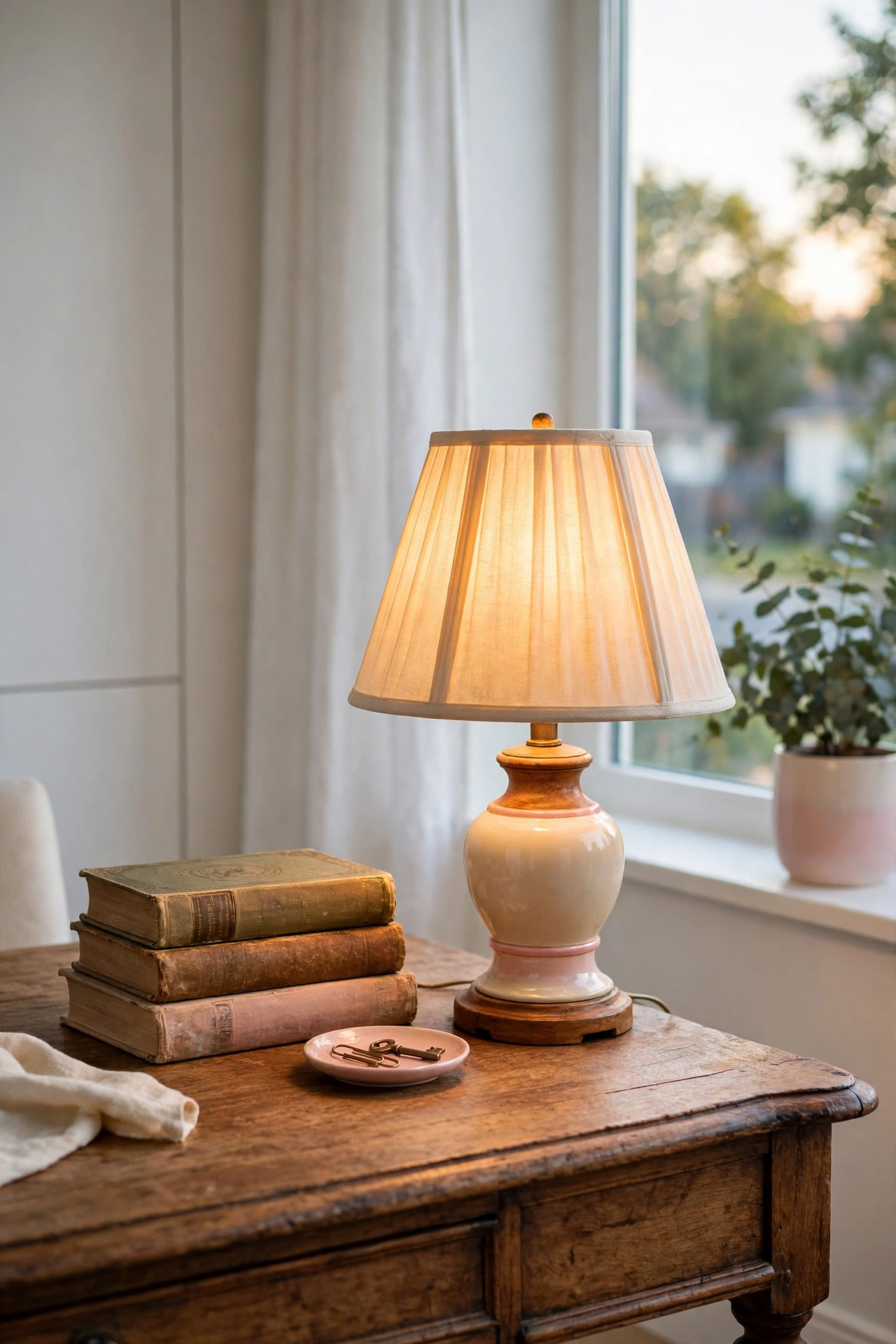
Warm toned table and floor lamps with fabric or amber glass shades provide the soft golden ambient light that sits at the heart of the poetcore mood. Warm white bulbs in the 2700 to 3000K range are essential, since cool white or daylight bulbs undercut the warm candlelit quality of the room. A lamp on the writing desk gives real task light for evening reading, while a second lamp near the reading chair extends the warmth across the room.
A dimmer switch or a lamp with adjustable brightness lets the room shift between brighter functional light for daytime tasks and a softer atmospheric glow in the evening. The quality and warmth of the light shapes how every object and texture reads once the sun goes down, so treat lighting as a central design choice rather than an afterthought.
15. Layer Vintage Maps and Literary Keepsakes
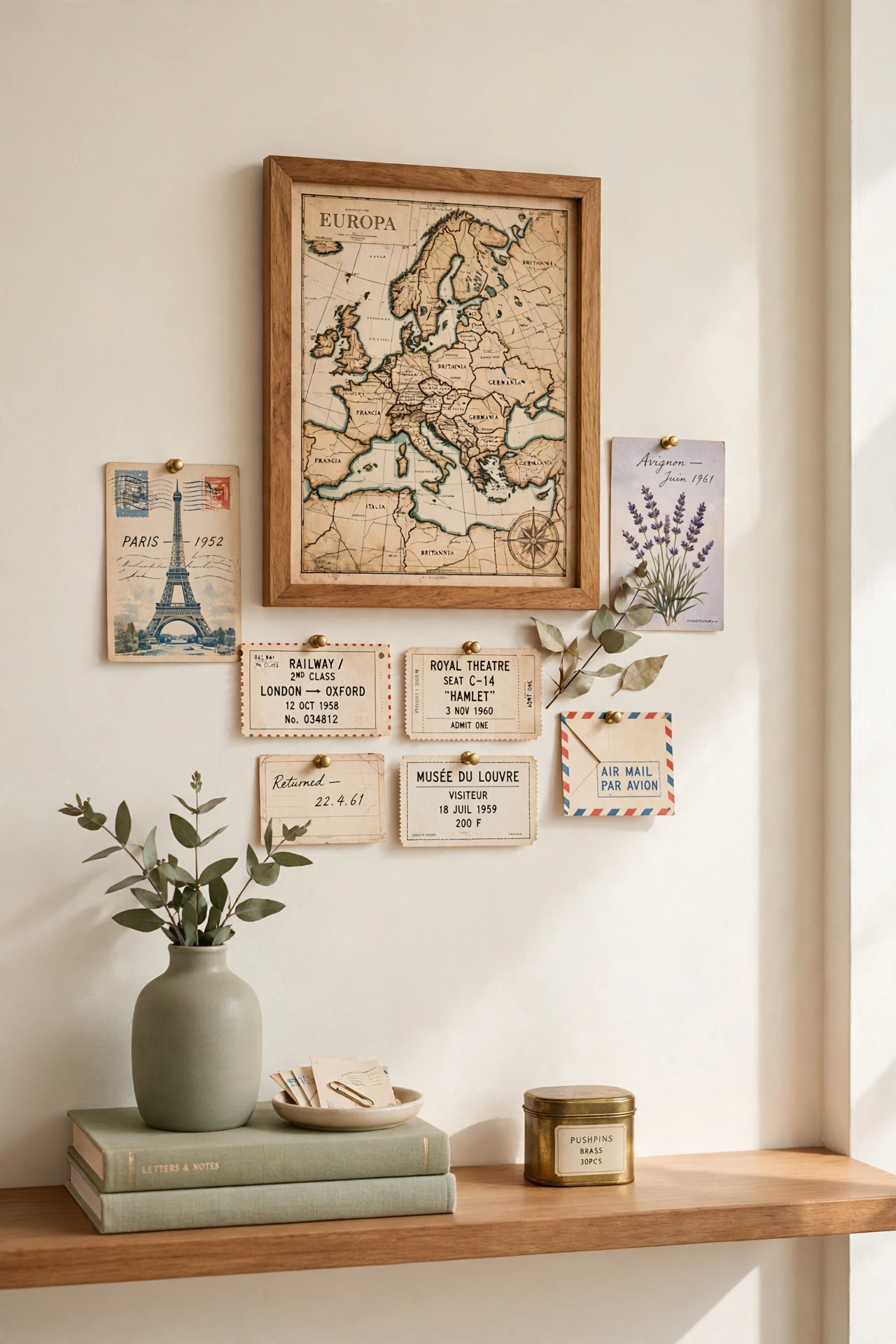
Vintage or reproduction maps, old book pages, and small literary keepsakes like ticket stubs, postcards, and pressed bookmarks add a sense of travel, story, and personal history to the room. Choose pieces connected to specific books, places, or journeys you love, since genuine meaning matters more than decoration alone. Frame a few maps or pin keepsakes into a small curated cluster on the wall.
Mix these pieces with the sepia photographs and botanical prints from earlier in this list to build a rich layered wall display. The specific choices behind each piece are what give the space real depth and separate a genuinely lived in literary room from a room that simply follows a trend. Let the wall grow slowly as you find new pieces worth keeping.
16. Frame Handwritten Poems and Favorite Quotes
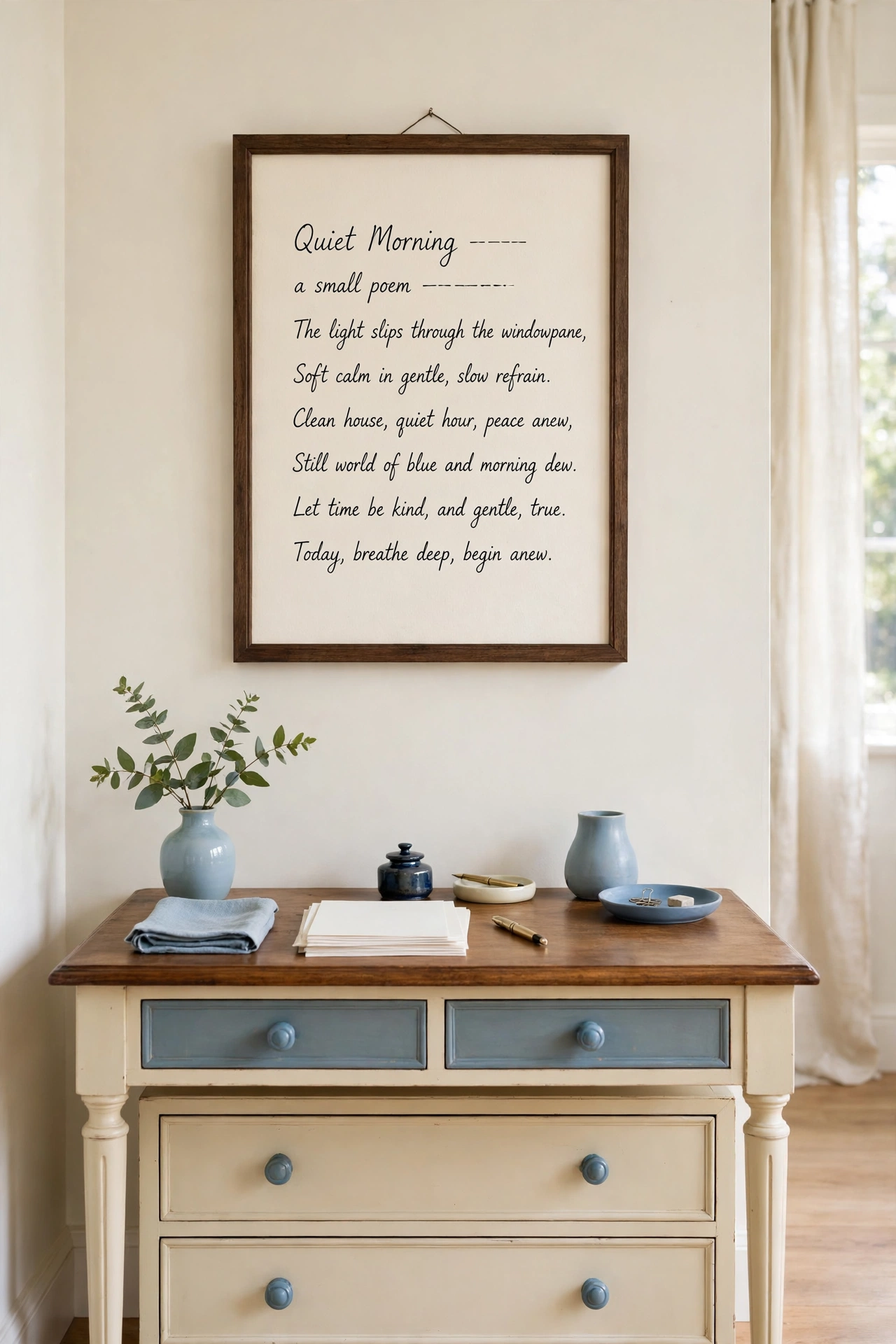
A framed handwritten poem or a favorite line from a beloved book turns the words themselves into wall art. Write the lines by hand in neat ink on cream paper, or print them in a classic serif typeface, and frame them in simple dark wood. One framed poem above the writing desk or beside the bed gives the room a voice that no picture can match.
Choose lines that mean something to you rather than famous quotes picked at random, since the personal connection is what makes the piece feel real. Change the framed poem with the seasons or when a new favorite finds you, and the wall stays alive. This small idea costs almost nothing and carries the whole literary spirit of the style in a single frame.
17. Create a Cozy Window Reading Nook
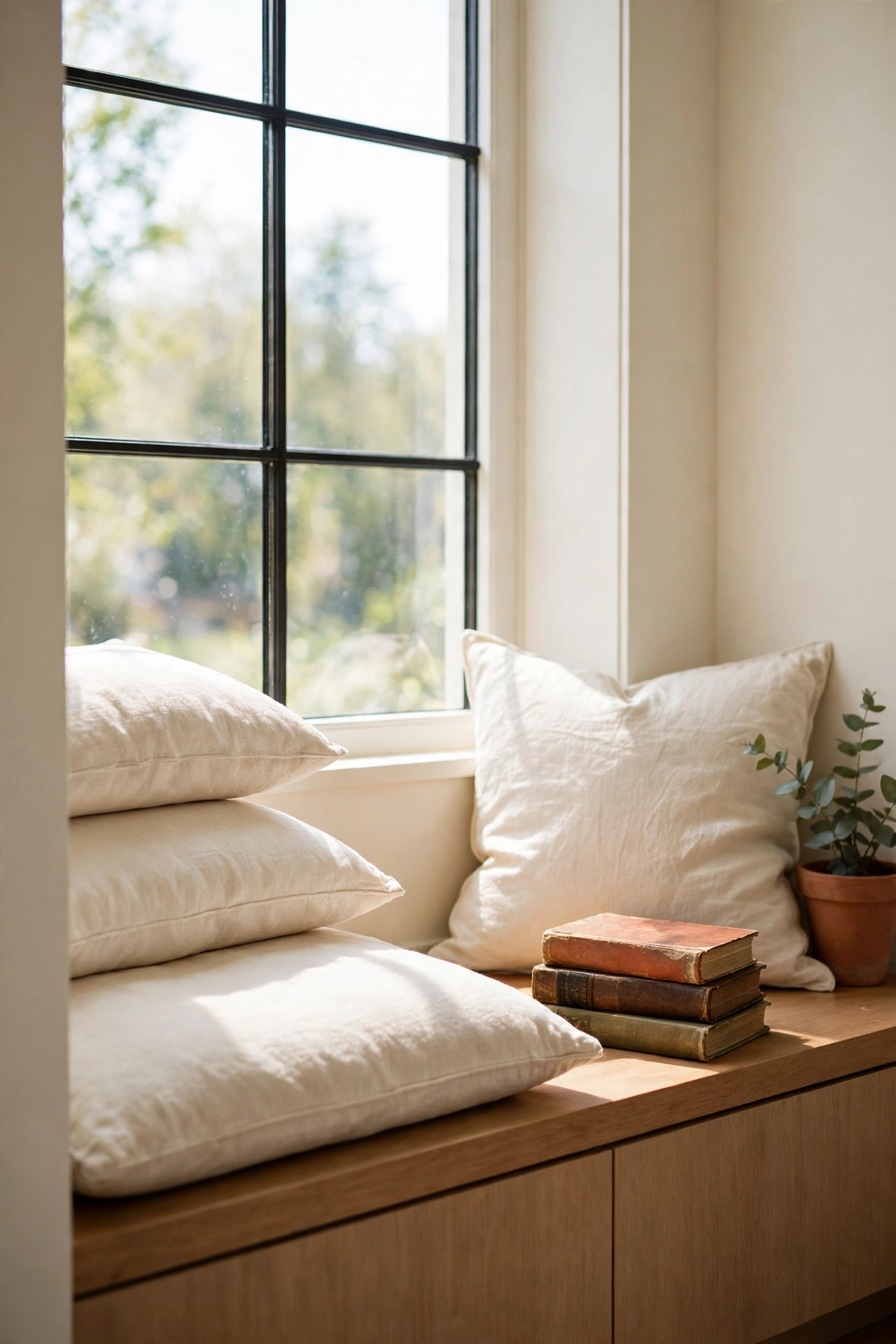
A window seat or a deep windowsill dressed with linen cushions and a soft throw becomes the most loved spot in a poetcore home. The natural light is perfect for reading, and the view outside gives the mind room to wander between pages. Add a small cushion stack in muted sage or dusty rose and a tiny shelf nearby for the book you are reading now.
Keep the nook simple, with only a cushion, a throw, and one or two books, so it stays inviting instead of cluttered. For more ways to shape a small reading corner, see these small reading nook layout ideas. A window nook turns an unused corner into a quiet retreat where poetry and daylight meet.
18. Display an Open Book on a Wooden Stand
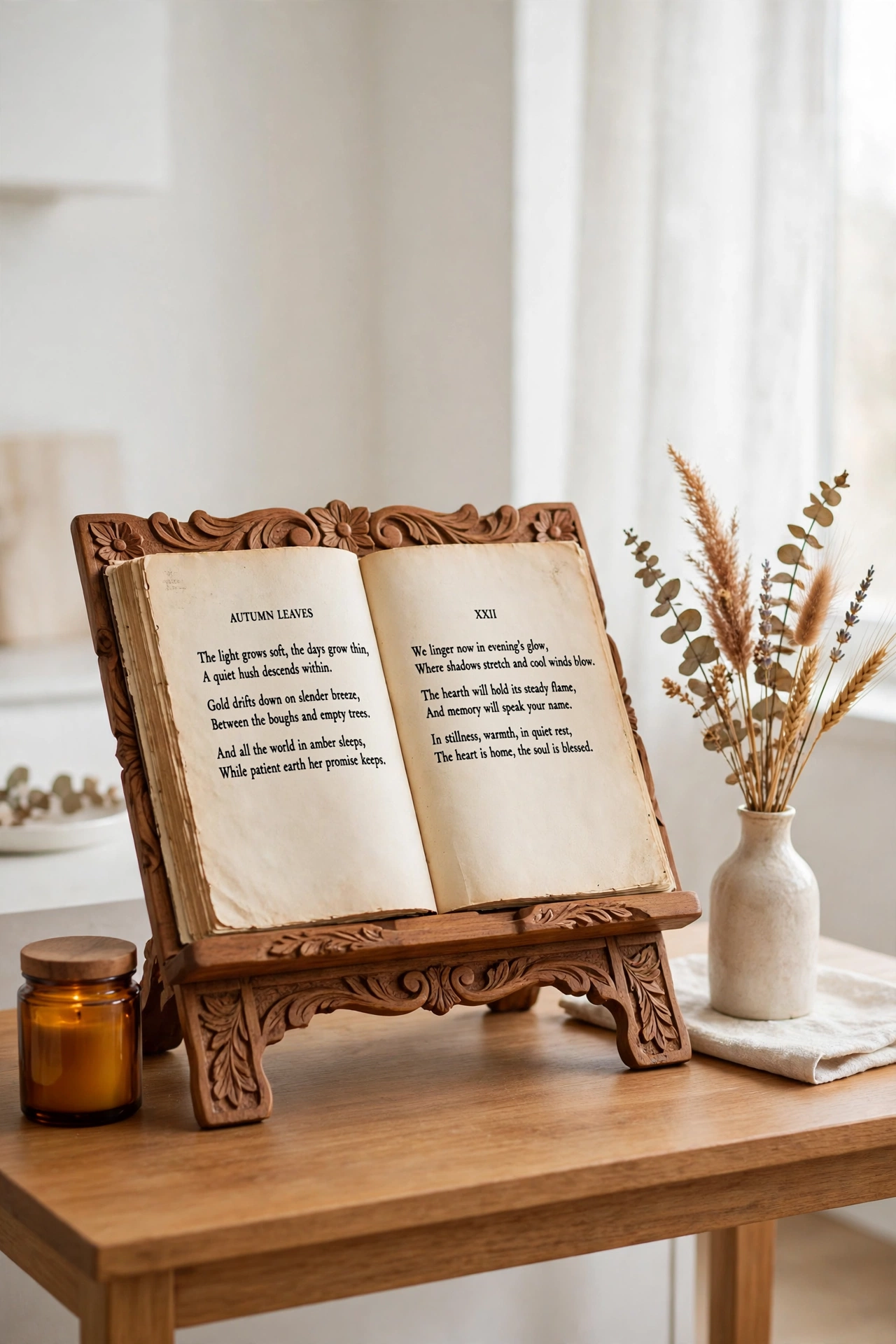
An open book resting on a carved wooden stand looks like a moment frozen in time, as if someone just stepped away from reading. Choose a well loved poetry collection or a classic novel and open it to a favorite page. Place the stand on the writing desk, a side table, or a bookshelf where it can be admired from across the room.
Change the open page every week or so, and the display stays fresh without any new purchase. A wooden or brass stand suits the aged palette, while a clear acrylic stand can look too modern for the style. This quiet display invites guests to lean in and read a line or two, which is exactly the feeling a poetcore room should give.
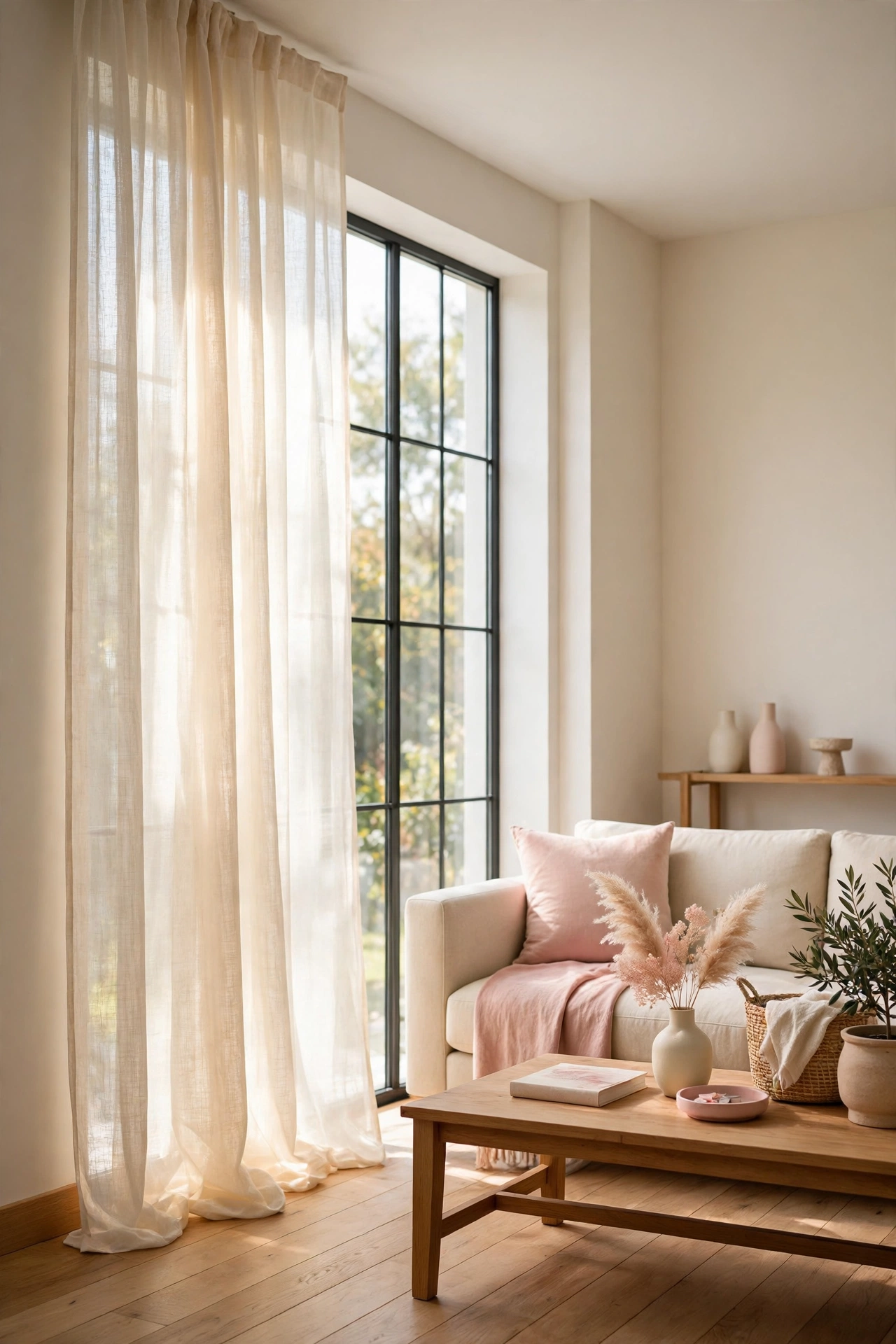
19. Hang Sheer Linen Curtains for Soft Daylight
Sheer linen curtains filter harsh sunlight into a soft glow that flatters every surface in the room. The fabric moves gently with the breeze and adds a sense of air and lightness to a space full of dark wood and leather. Choose cream or pale sage linen, and hang the curtains high so the room feels taller.
Layer sheer curtains under heavier drapes if you need privacy in the evening, so the room can shift from bright and airy by day to warm and candlelit by night. Linen wrinkles naturally, which suits the relaxed, imperfect charm of the style. Soft daylight through linen is one of the simplest ways to make a poetcore room feel dreamy all day long.
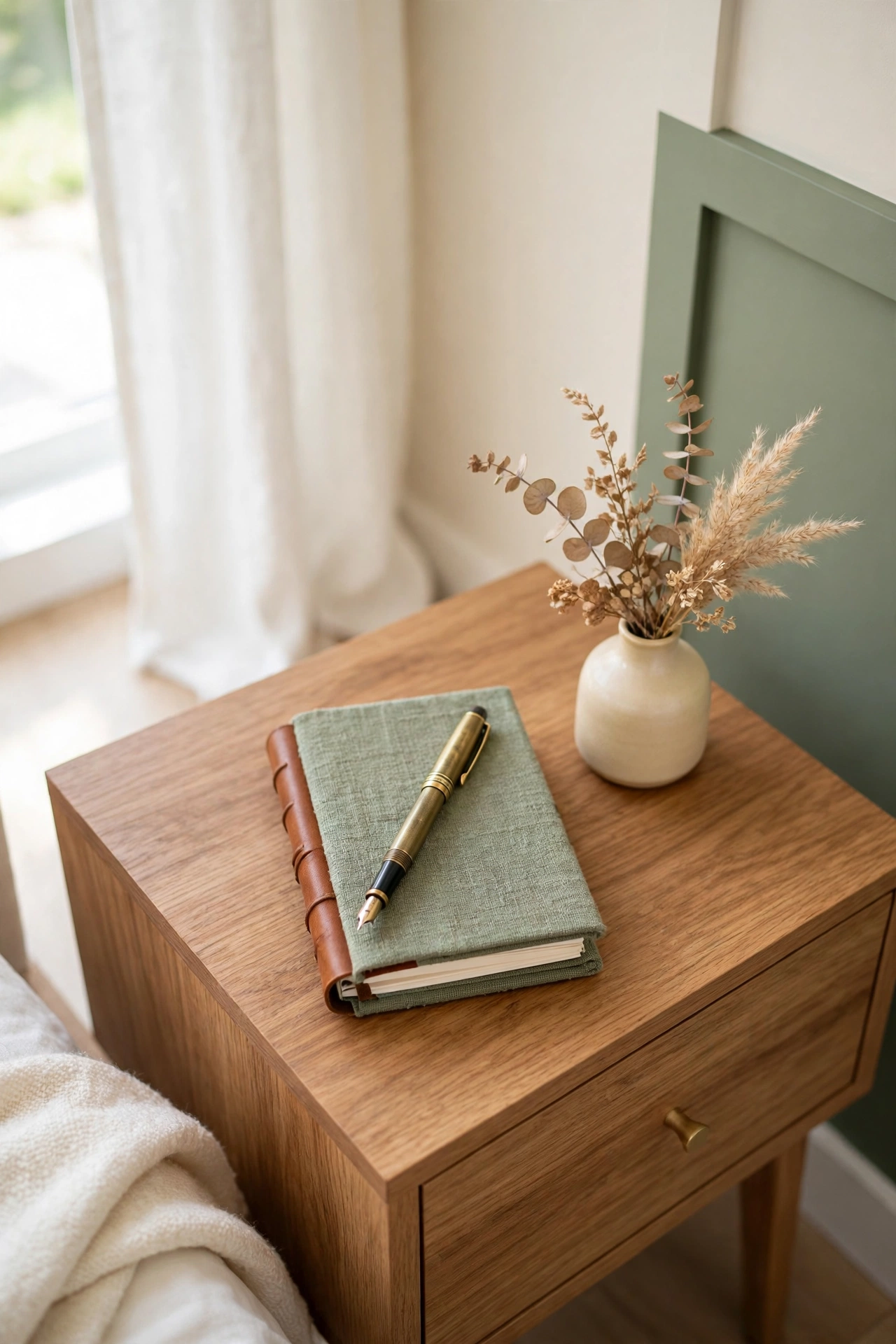
20. Keep a Poetry Journal on the Nightstand
A small journal on the nightstand invites a few lines of poetry or a thought before sleep, and it keeps the literary habit close at hand. Choose a journal with a cloth or leather cover in a muted tone, and keep a fountain pen beside it so writing feels like a small ritual. A few pressed petals tucked between the pages add a personal touch.
Write in the journal only when a line or a feeling arrives, so it never becomes a chore. Over time the journal fills with fragments of poems, quotes, and quiet observations that belong only to you. A nightstand journal is a private piece of the style that no guest ever needs to see to feel its effect on the room.
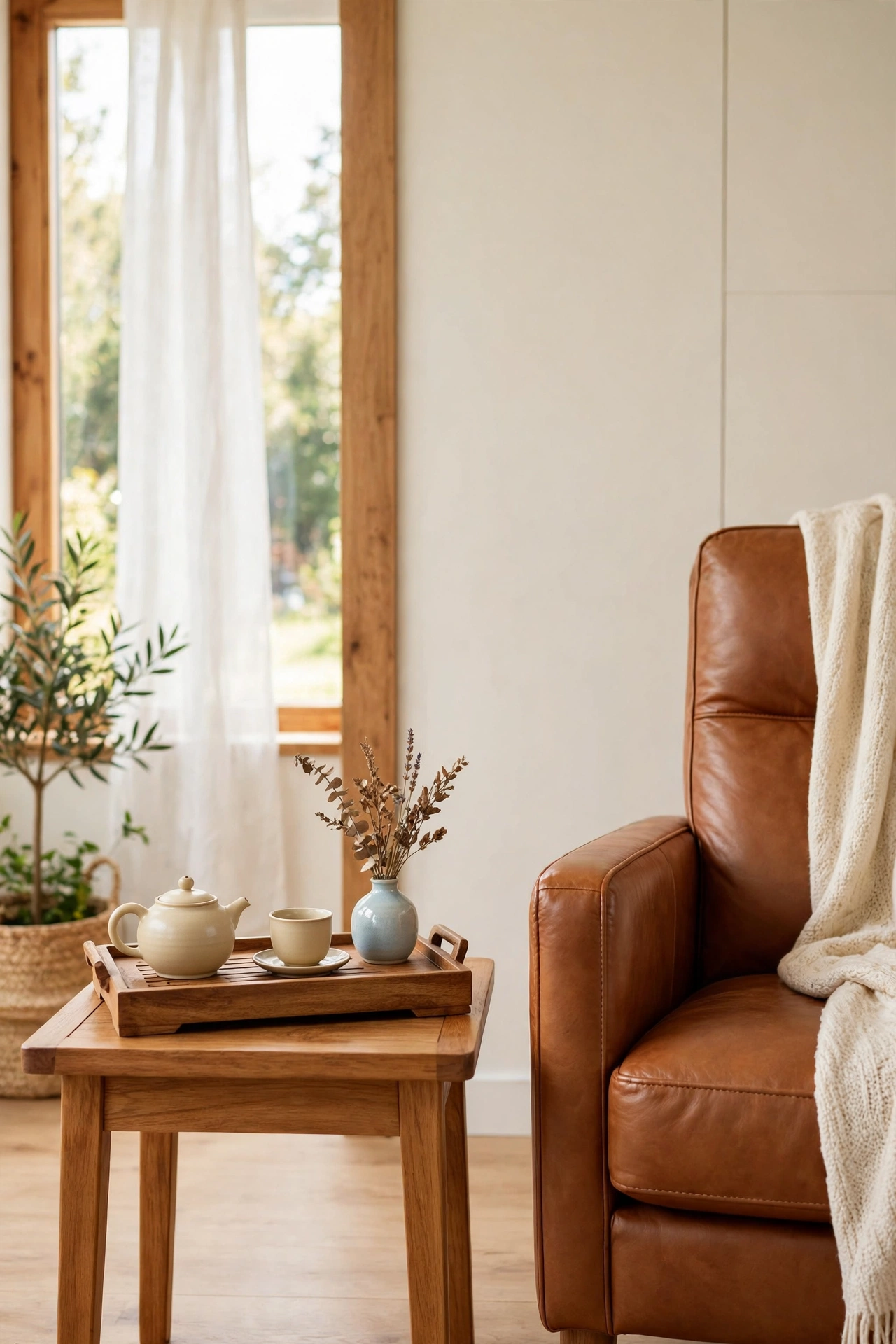
21. Style a Tea Tray for Slow Reading Evenings
A tea tray set with a small teapot, one cup, and a tiny vase of dried stems turns reading time into a gentle ritual. Place the tray on a side table beside the reading chair, and the whole corner becomes an invitation to sit down with a book for an hour. A wooden or brass tray in a warm tone fits the palette, while a chipped ceramic cup adds the right amount of imperfection.
Keep the tray small and simple, with only what you need for one cup of tea, so it never feels like clutter. A linen napkin folded beside the cup and a single book resting on the tray complete the scene. Slow evenings with tea and poetry are the heart of the poetcore mood, and the tray makes that ritual visible.
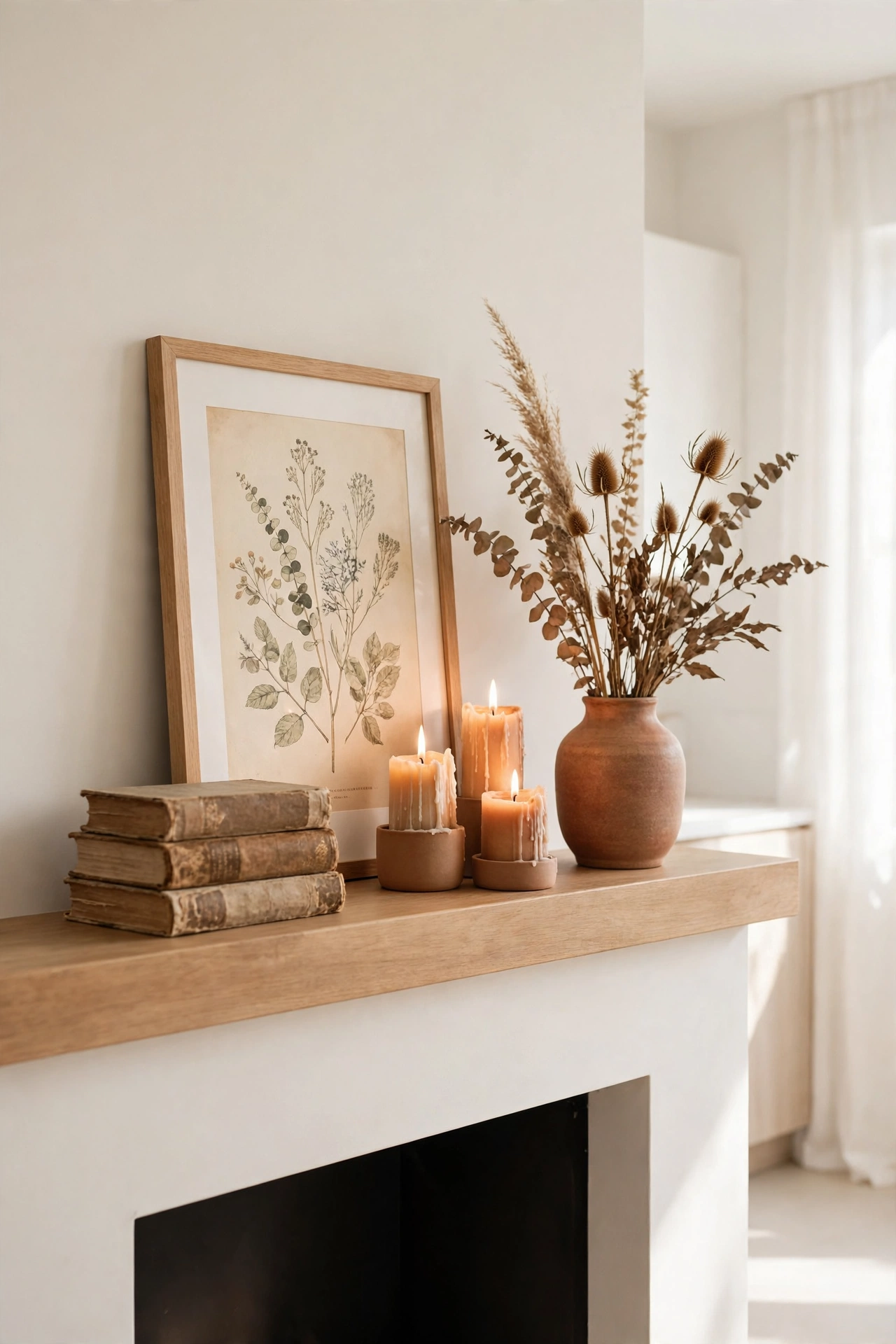
22. Style a Mantel with Books, Candles and Dried Stems
A fireplace mantel dressed with a small stack of books, two or three candles, and a vase of dried stems becomes a quiet stage for the literary style. Keep the arrangement low and balanced, with the tallest piece at one end and the smallest at the other, so the mantel reads as a composed scene rather than a crowded shelf. A small framed botanical print leaning against the wall behind the books adds depth.
Change the books and stems with the seasons to keep the mantel feeling alive. For more ways to dress a fireplace well, see these budget friendly fireplace makeover ideas. A styled mantel ties the whole room together, since it sits at eye level and catches the light of the candles in the evening.
23. Add a Vintage Globe or Brass Compass
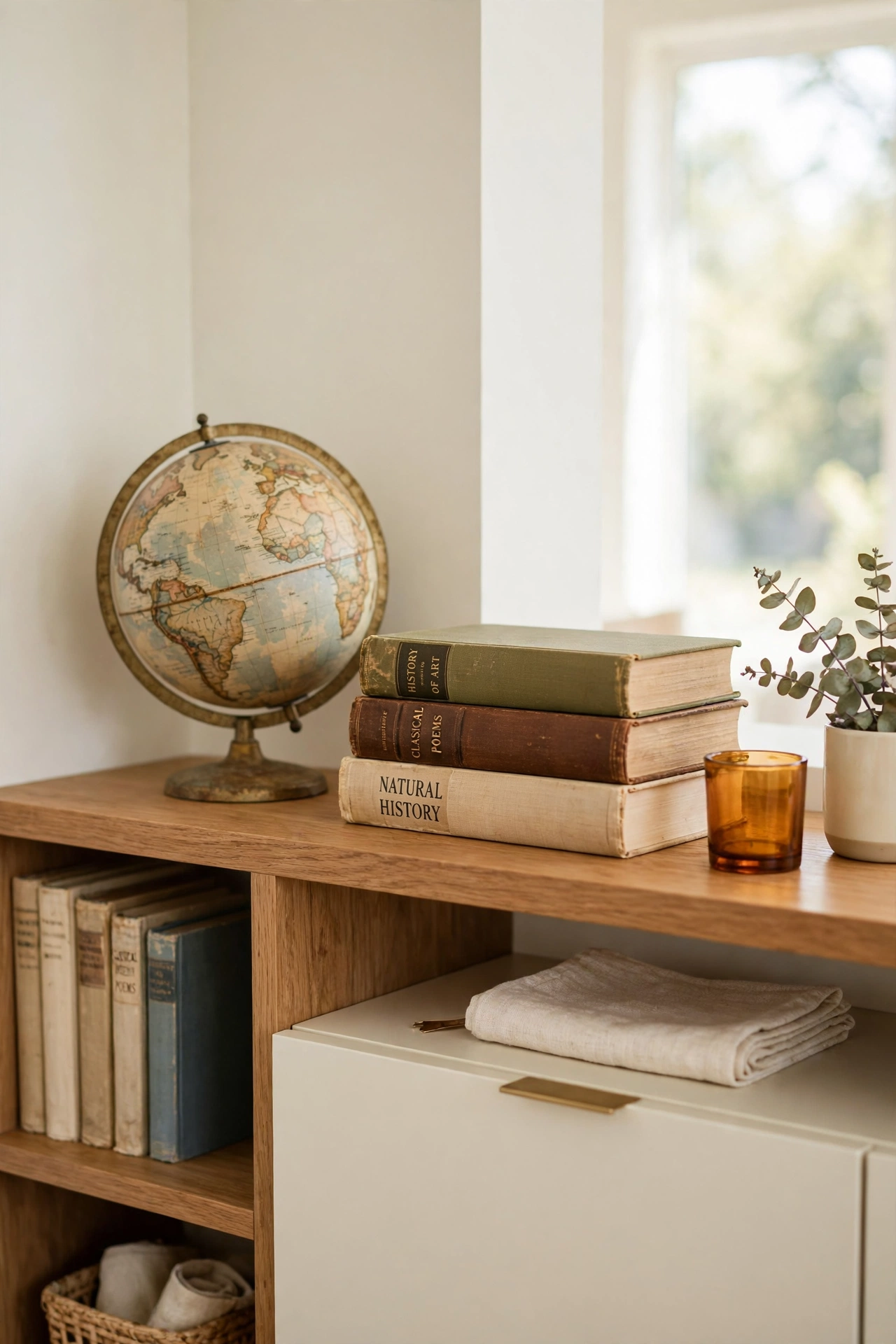
A small vintage globe or a brass compass on the desk or a bookshelf adds a sense of travel and old world curiosity to the literary room. The globe suggests faraway places from the poems and novels on the shelves, while the compass speaks of journeys and quiet adventure. Choose a globe with muted, faded colors rather than a bright modern one.
Place the globe beside a stack of travel poetry or classic adventure novels so the objects tell one story together. A brass compass in a small wooden box works just as well on a desk where space is tight. One travel object is enough, since the goal is a hint of wanderlust, not a collection of souvenirs.
24. Drape a Knit Throw over the Reading Chair
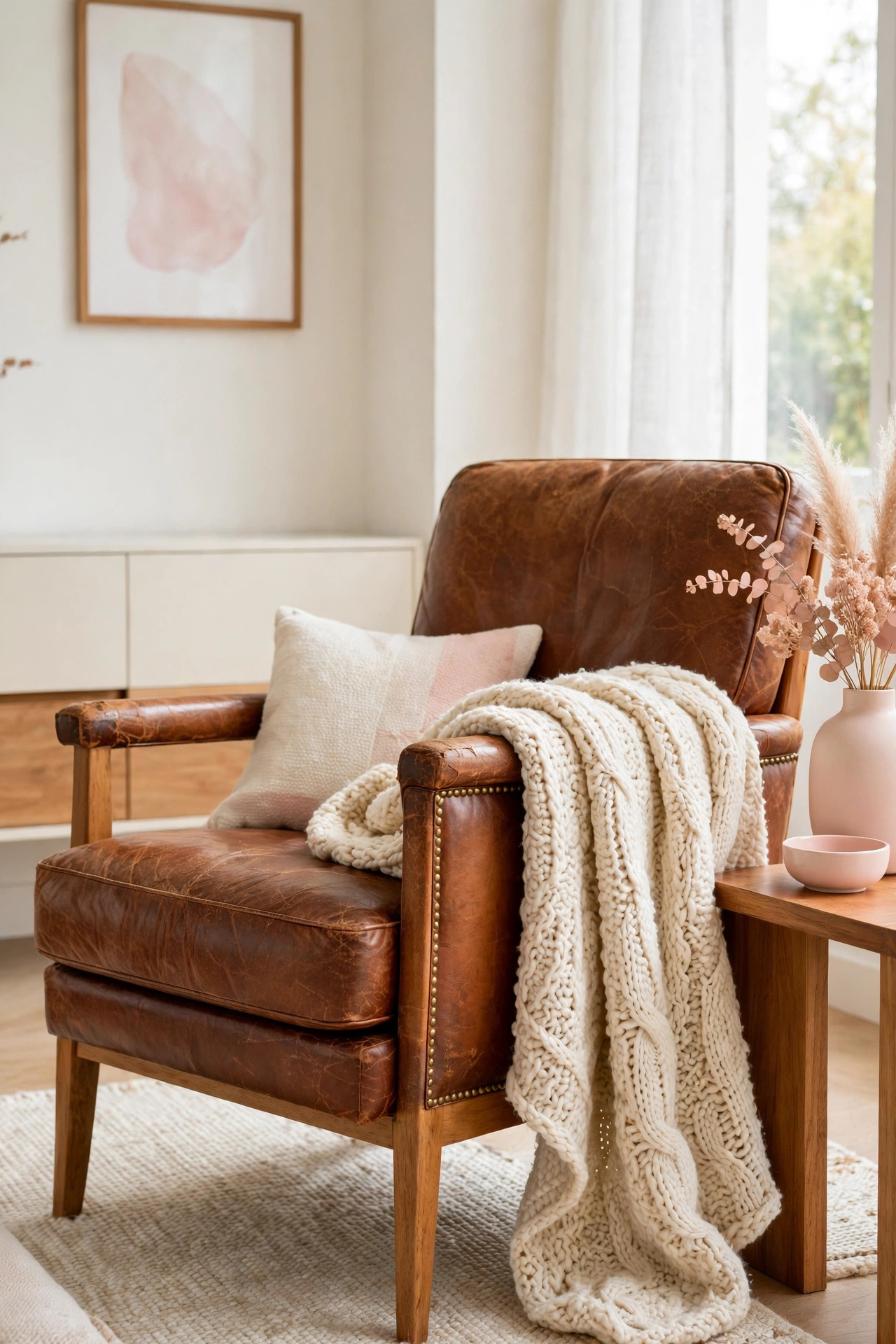
A chunky knit throw draped over the arm of the reading chair adds warmth and texture in one simple move. Choose a cream, sage, or dusty rose throw in wool or a wool blend, and let one corner fall naturally toward the floor. The soft handmade texture contrasts beautifully with the smooth worn leather of the chair.
Fold the throw loosely instead of arranging it into perfect pleats, since a slightly imperfect drape feels more lived in and inviting. Keep a second throw in a basket nearby for cold evenings when two readers share the room. A knit throw is a small comfort that makes the reading chair the most inviting seat in the house.
25. Build a Gallery Wall of Book Cover Art
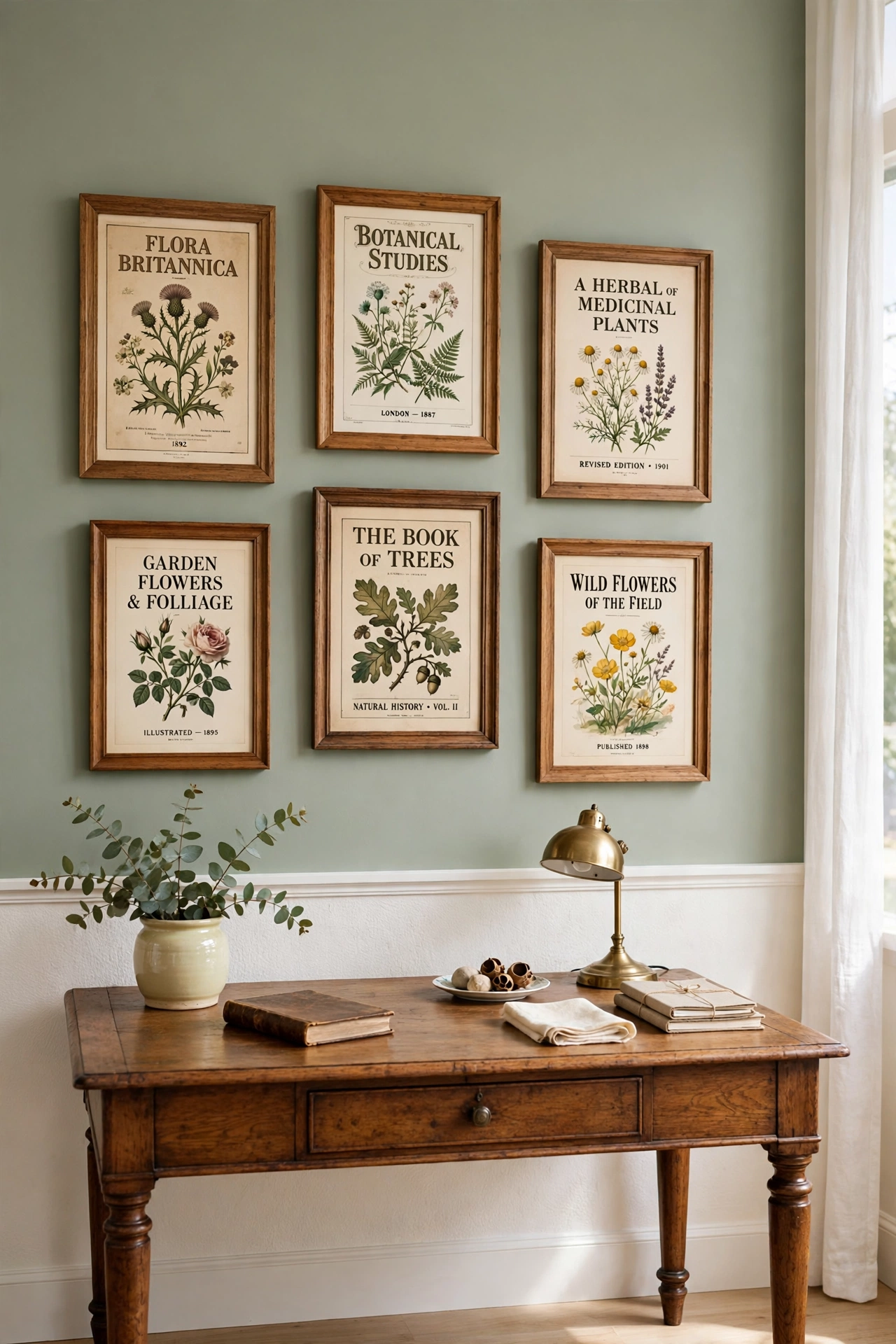
A gallery wall made from beautiful book covers turns the art of the books themselves into decor. Frame vintage covers with striking typography or botanical illustrations, and hang them in a loose grid above the writing desk or along a hallway. Old poetry collections and classic novels often have covers that are artworks in their own right.
Mix cover art with one or two small pressed flower frames so the wall feels curated rather than repetitive. Choose covers in the same muted palette as the rest of the room so the gallery feels calm instead of busy. This wall celebrates the books as objects of beauty, which is the most poetcore idea of all.
26. Collect Bookmarks in a Small Glass Jar
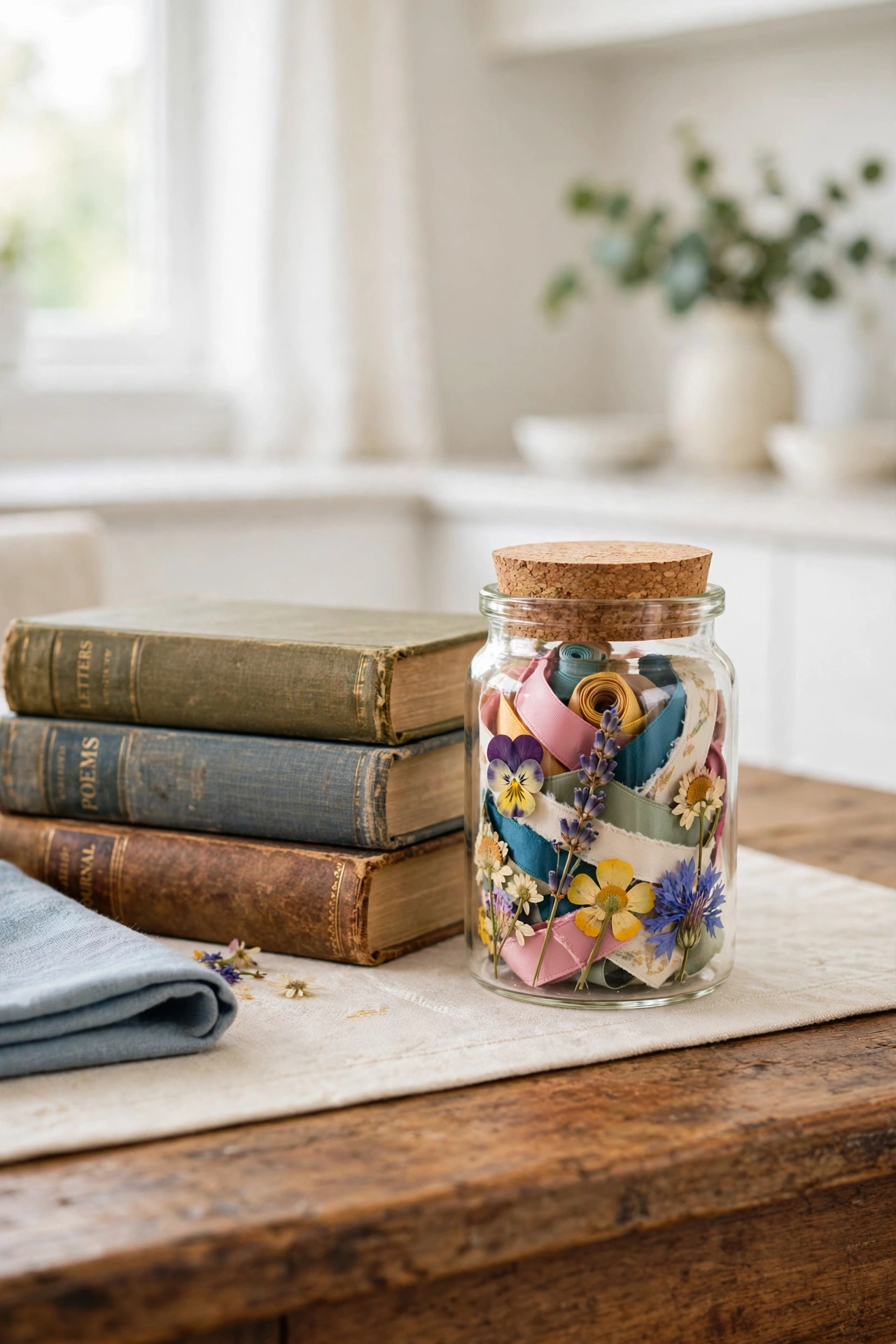
A small glass jar filled with beautiful bookmarks is a charming detail that costs almost nothing and tells a story of many finished books. Collect pressed flower bookmarks, ribbon markers, and handmade paper bookmarks over time, and let them fill the jar on the writing desk or a bookshelf. The jar becomes a tiny archive of your reading life.
Choose a simple glass jar with a wooden or cork lid so the bookmarks stay clean and visible. Add a new bookmark to the jar each time you finish a book, and the collection grows with your reading. This final small idea is a quiet reminder that poetcore style is built from a real love of books, one page at a time.
Conclusion
Poetcore home decor does not have to be expensive or complicated. From an antique writing desk and a shelf of worn books to candlelight and pressed flowers, there is an idea here for every home and every budget. The best rooms grow slowly, one loved object at a time, until the whole home feels like a well read book.
Pick one or two ideas that fit your home and start today. Gather your favorite books, light a candle, and frame a poem you love. For a calm home beyond the reading room, these nightly reset routine ideas will help you keep every room organized with just a few minutes each evening.
Frequently Asked Questions About Poetcore Home Decor Ideas for Book Inspired Interiors
What is poetcore home decor?
Poetcore home decor is a romantic literary style inspired by classic poetry and old books. It uses antique furniture, worn books, candlelight, faded florals, and muted colors to create rooms that feel quiet, dreamy, and full of stories. The style values aged and well loved pieces over new and perfect ones.
Which colors work best in a poetcore room?
Cream, sepia, dusty rose, and sage work best, with deep burgundy or ink navy as small accents. Avoid bright white or anything neon, and keep the whole palette muted and slightly faded. Soft desaturated tones give the room its dreamy, old book feeling.
Can I create a poetcore room on a small budget?
Yes, poetcore is one of the most budget friendly styles to build. Secondhand books, thrifted frames, candles, and dried flowers cost very little, and pressing your own flowers is nearly free. Start with books and candlelight, then add one detail at a time as you find pieces you love.
How do I keep a poetcore room from looking cluttered?
Give every object a clear home, such as a tray, a shelf, or a basket, and keep surfaces mostly clear. Choose one or two focal points per wall and leave empty space between displays. A quiet room with a few meaningful pieces feels far more literary than a room crowded with decor.
Where should I start with poetcore decor in a small home?
Start with the two functional anchors of the style, a writing desk and a reading chair, even if both fit into one corner. Add a small stack of books and a candle, and the mood appears at once. Small spaces suit poetcore well, since the style favors intimate corners over grand rooms.

Hi, I’m Emily! I turn messy corners into cozy, organized spots. DreamNestDecor is where I share simple, practical home ideas — decor, organization, and small-space solutions that work in real life, not just in photos. Every idea here is carefully researched before it’s shared.