Picture this: you need your passport for a trip, and you know exactly where it is. No more searching through drawers and boxes while the clock ticks. That calm feeling is exactly what a good document storage system gives you every single day. When your important papers have a proper home, your whole household runs more smoothly.
You do not need a fancy safe or expensive filing cabinet to get there. All you need is a simple system that keeps every birth certificate, passport, and legal paper in one safe place. These 16 important document storage ideas will help you protect the papers that matter most and find them in seconds when you need them.
1. Clear a Drawer and Sort First
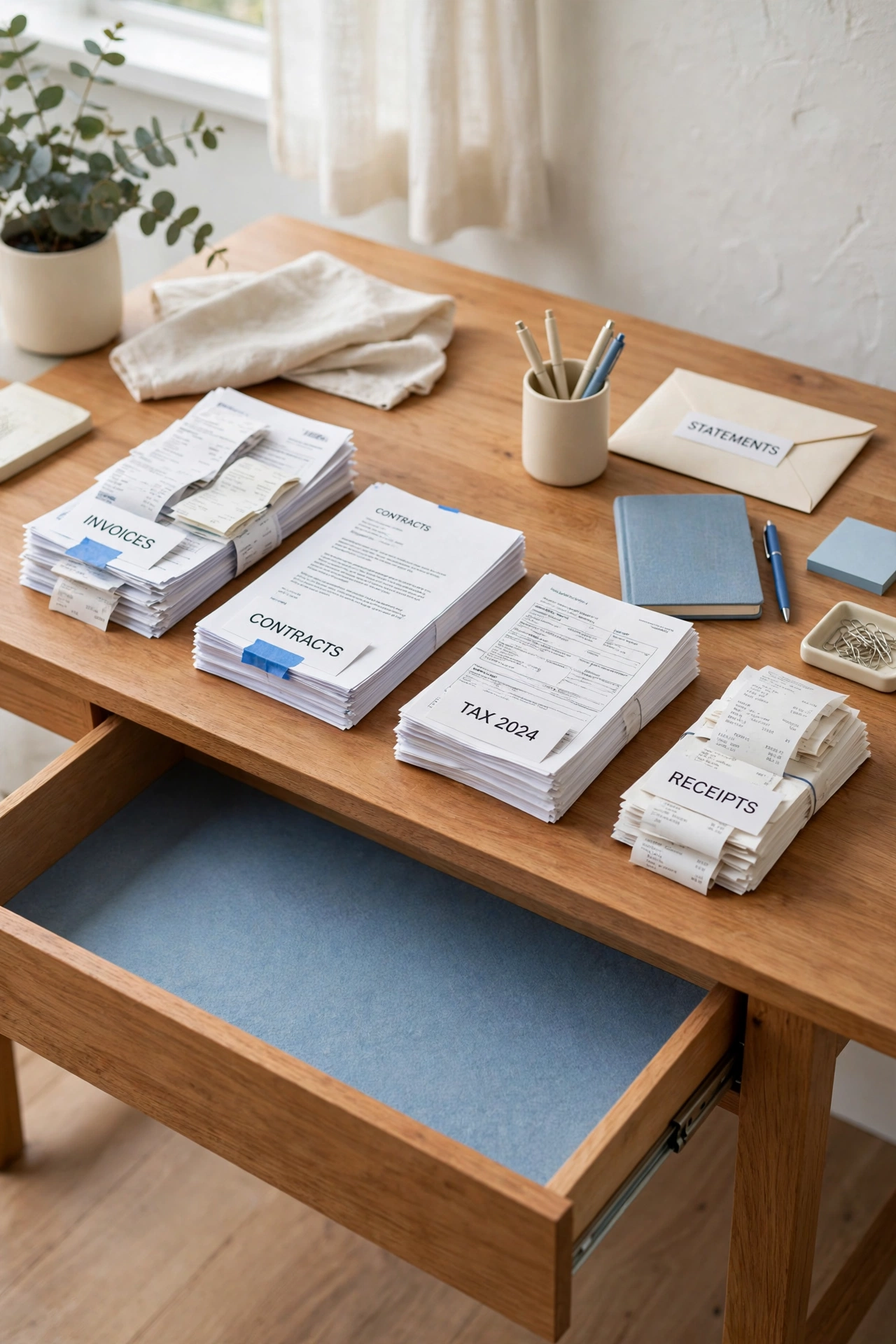
Before you buy a single box or binder, empty the drawer or shelf where your documents live right now. Spread everything out on a clean table and sort the papers into piles by type, such as identity papers, medical records, and property papers. This fresh start shows you exactly what you own and what is missing.
Throw away old papers you no longer need, such as expired coupons and outdated forms, but keep every original document safe in a separate pile. Once the drawer is empty, wipe it clean and line it with a fresh liner if you like. A clean drawer makes the new system feel like a real fresh start. For more ways to clear paper clutter before you sort, see these paper clutter organization ideas.
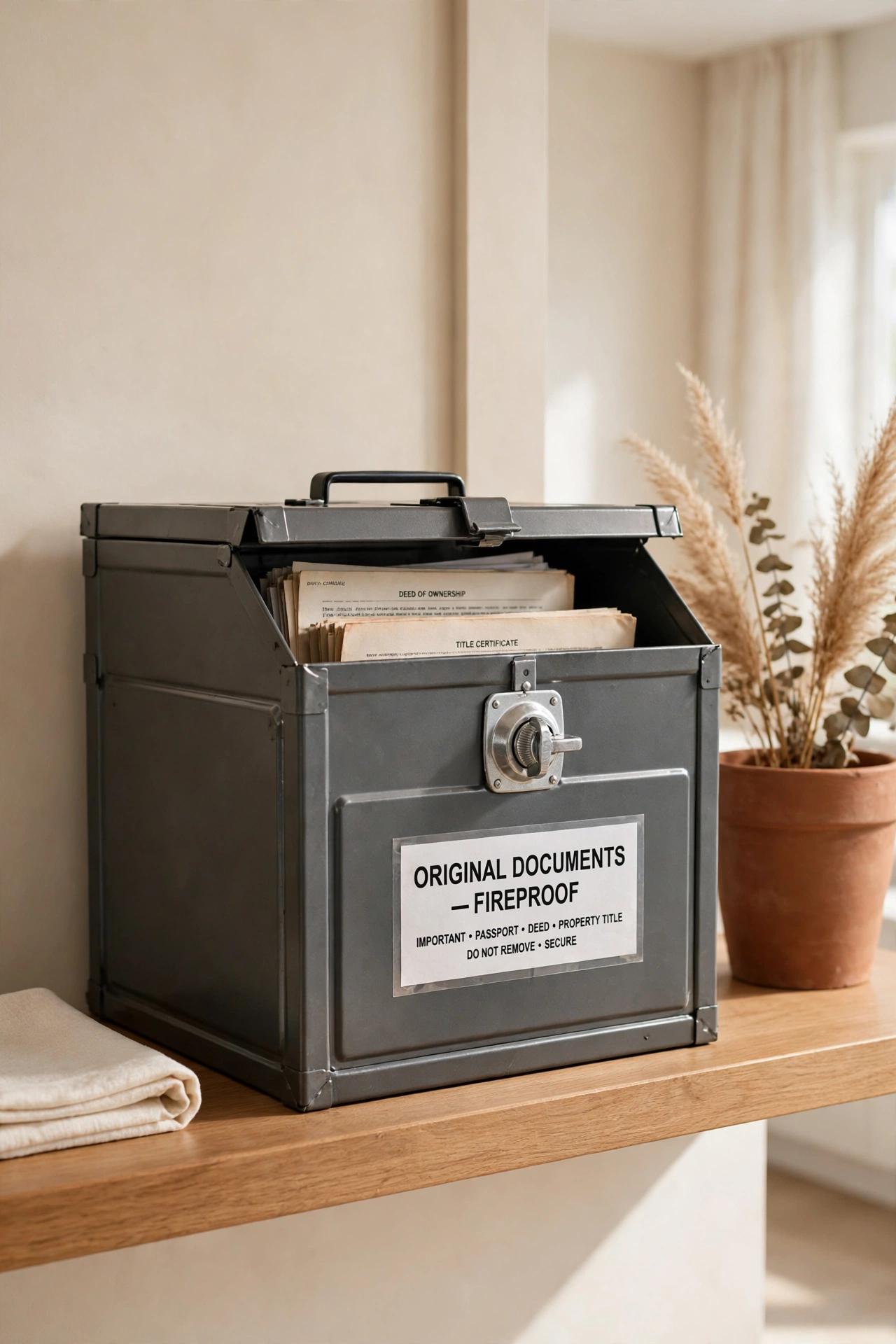
2. A Fireproof Box for Originals
A fireproof box is the safest home for your original birth certificates, passports, and property deeds. These boxes resist heat and water, so your most important papers survive a fire or a flood. Choose a box with a lock and a sturdy handle, and keep it in a place that is easy to reach but hard for visitors to spot.
Store only originals in the fireproof box, and keep everyday copies somewhere else for quick use. Check the box once a year to make sure the lock works and the seal is tight. This one purchase protects the papers that would be hardest to replace.
3. Labeled Folders by Category
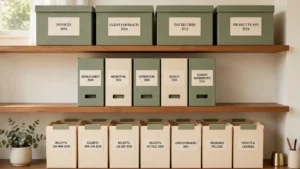
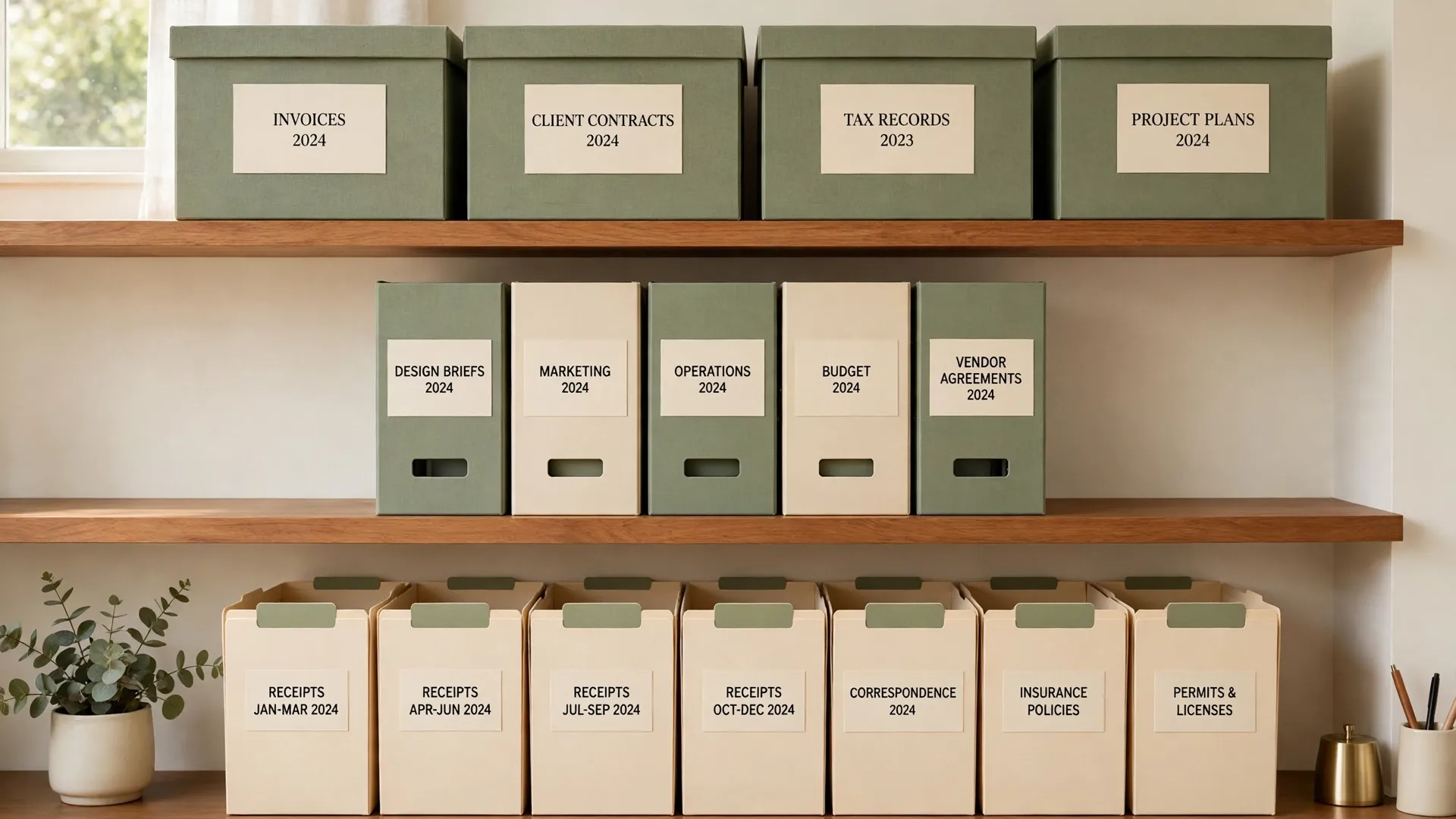
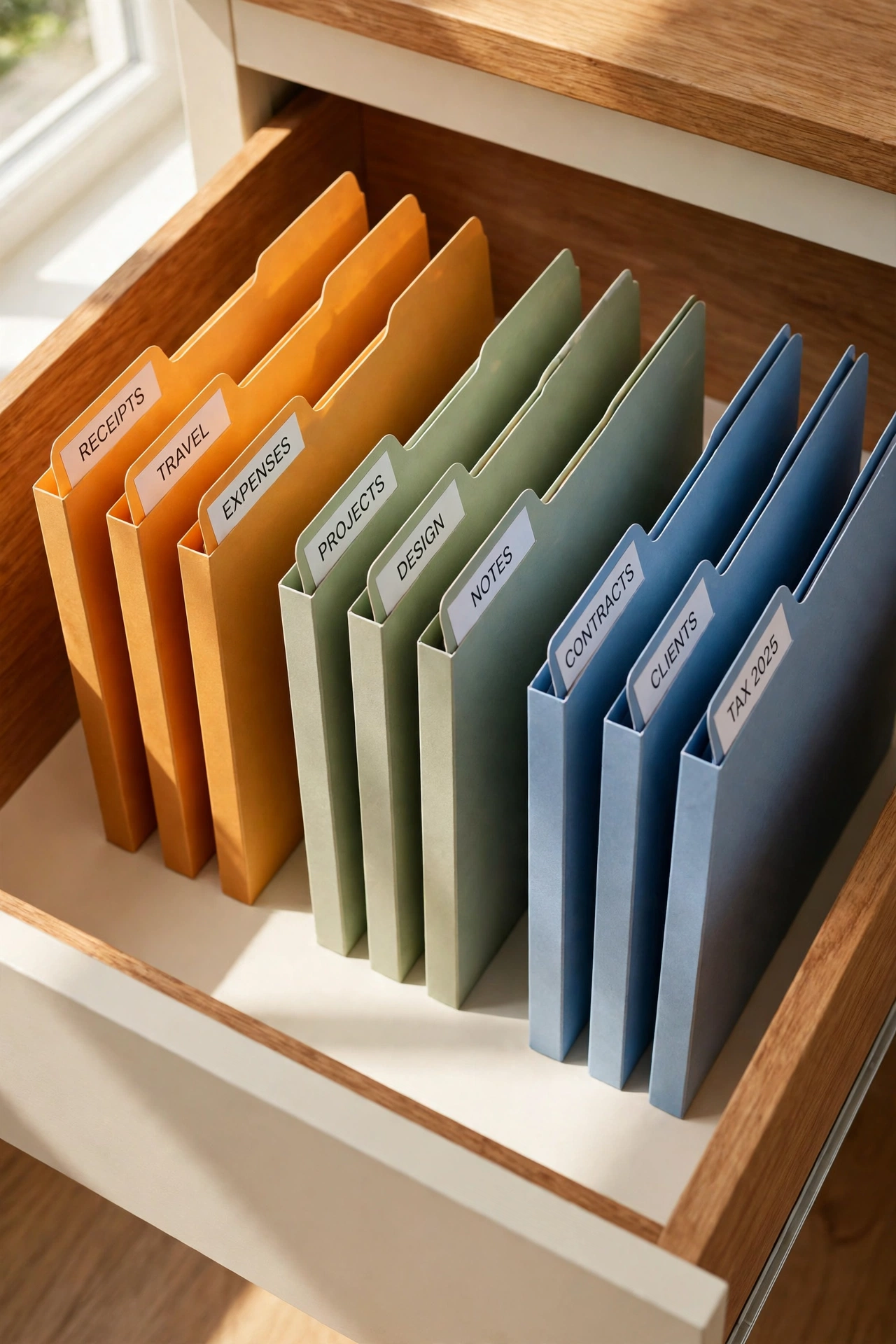
Labeled folders turn a messy pile of papers into a system you can actually use. Give each category its own folder, such as identity, medical, school, insurance, and property. Write the category name on the tab in clear capital letters, so anyone in the family can find the right folder in seconds.
Use a different color for each category if you like, and keep the folders in one drawer or box in the same order every time. When a new paper arrives, it goes straight into its folder instead of landing on a counter. This simple habit stops paper piles from forming in the first place.
4. A Binder for Birth Certificates and Passports
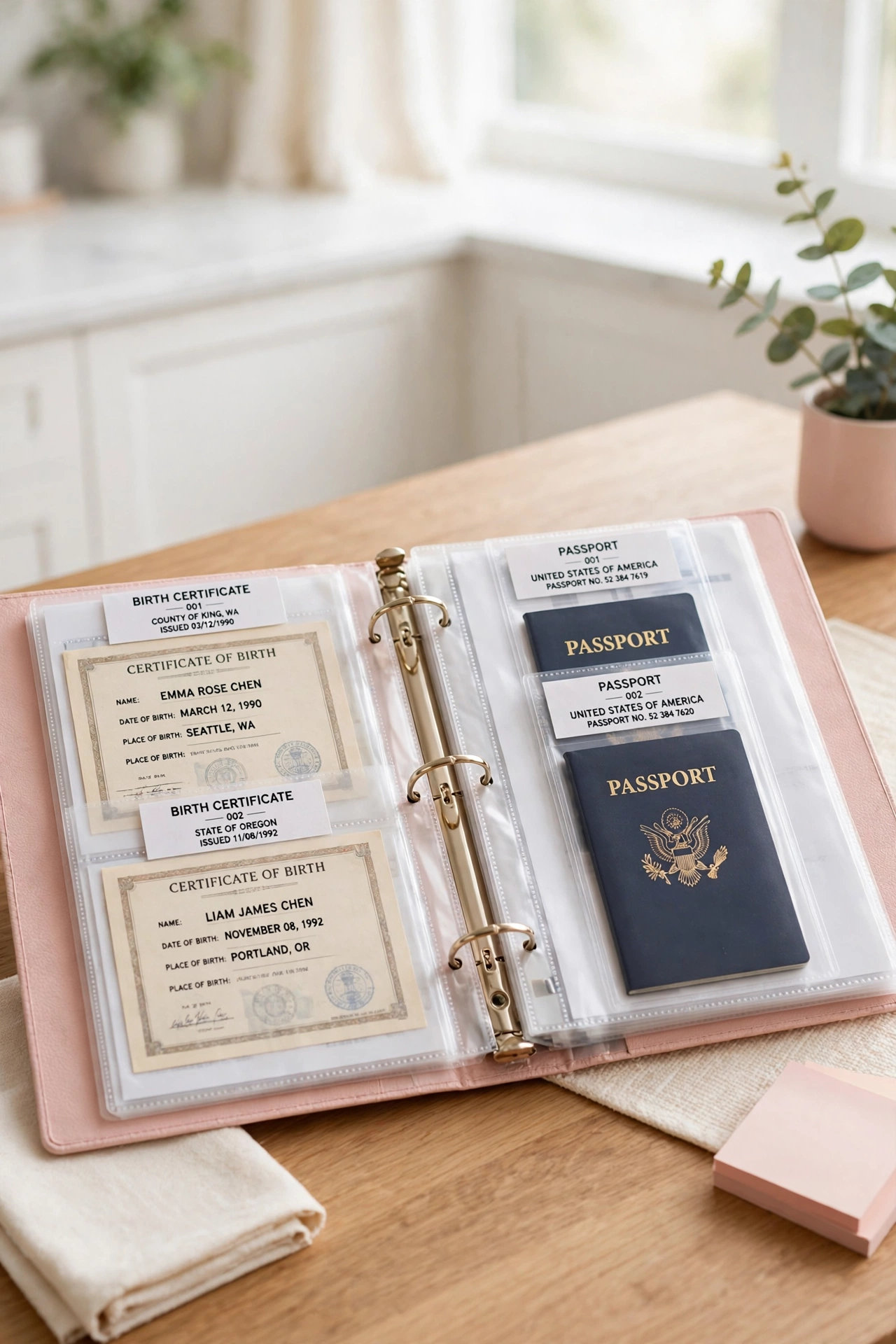
A dedicated binder for birth certificates and passports keeps your identity papers together in one safe place. Use a sturdy three-ring binder with clear plastic sleeves, and give each family member a labeled section. The sleeves protect the papers from dust and spills while keeping them easy to read.
Store the binder with your fireproof box or in a locked drawer, and tell every adult in the family where it lives. When you need a passport for a trip or a birth certificate for school, you will know exactly where to look. A binder turns a frantic search into a thirty-second task.
5. Keep a Copy of Every Document
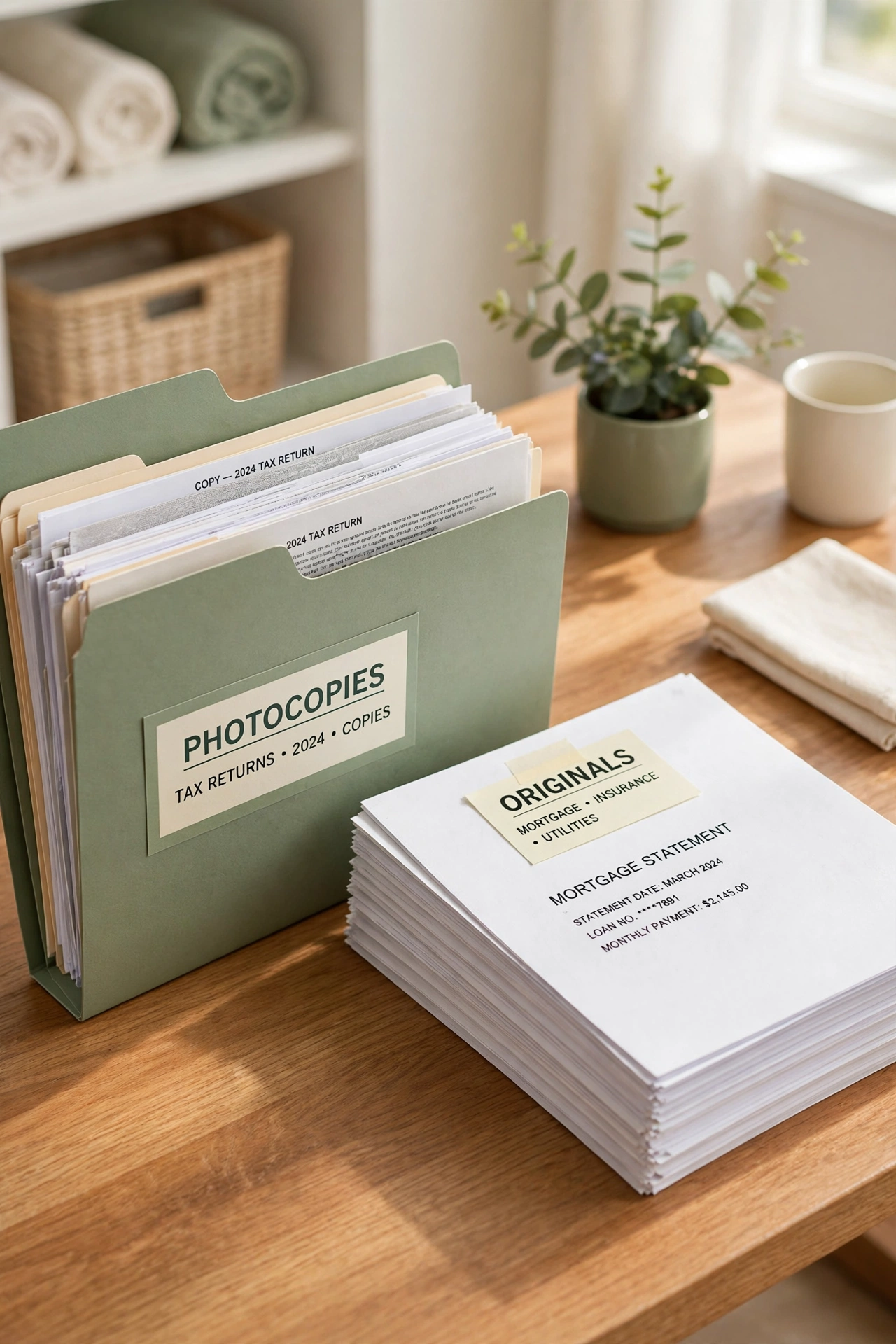
Keep a photocopy or a clear scan of every important document, and store the copies apart from the originals. If an original is ever lost or damaged, a copy makes the replacement process much faster. Make copies of passports, birth certificates, insurance cards, and property deeds.
Store the paper copies in a labeled folder in a different room from the originals, so one accident cannot destroy both sets. For receipts and other small papers that fade over time, these receipt organization ideas will help you keep readable copies that last. Copies are cheap insurance for papers you cannot afford to lose.
6. A Digital Backup on a USB Drive
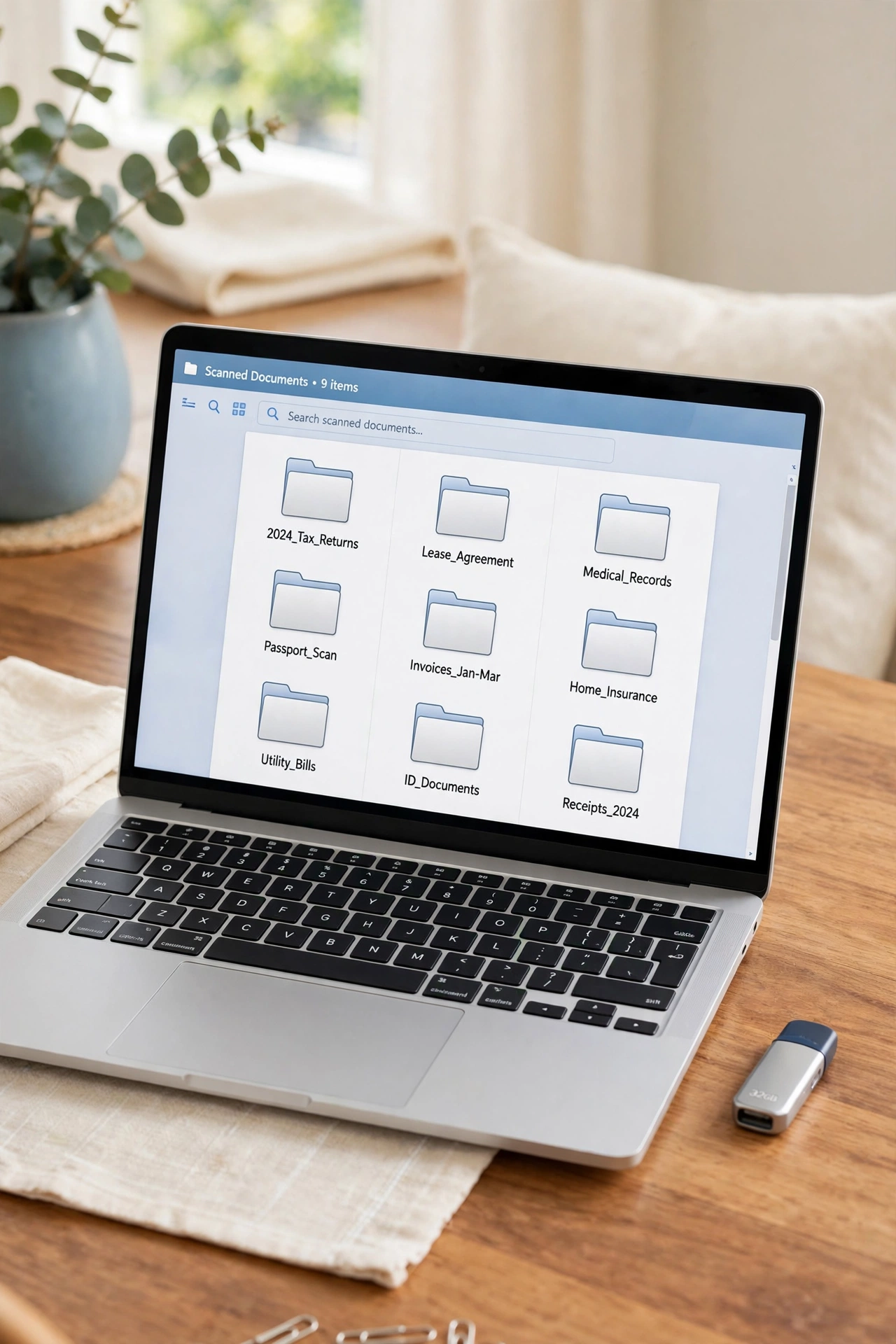
A USB drive gives you a digital backup of every important document in a package smaller than your thumb. Scan each original at high quality, save the files in clearly named folders, and store the drive in your fireproof box or in a second safe place. A digital backup means you can print a copy any time you need one.
Update the drive every time a new document arrives, and keep a second copy on a different drive stored somewhere else, such as with a trusted family member. Password-protect the drive so your private papers stay private. A digital backup costs very little and protects you from loss, fire, and theft.
7. Store Medical Records Together
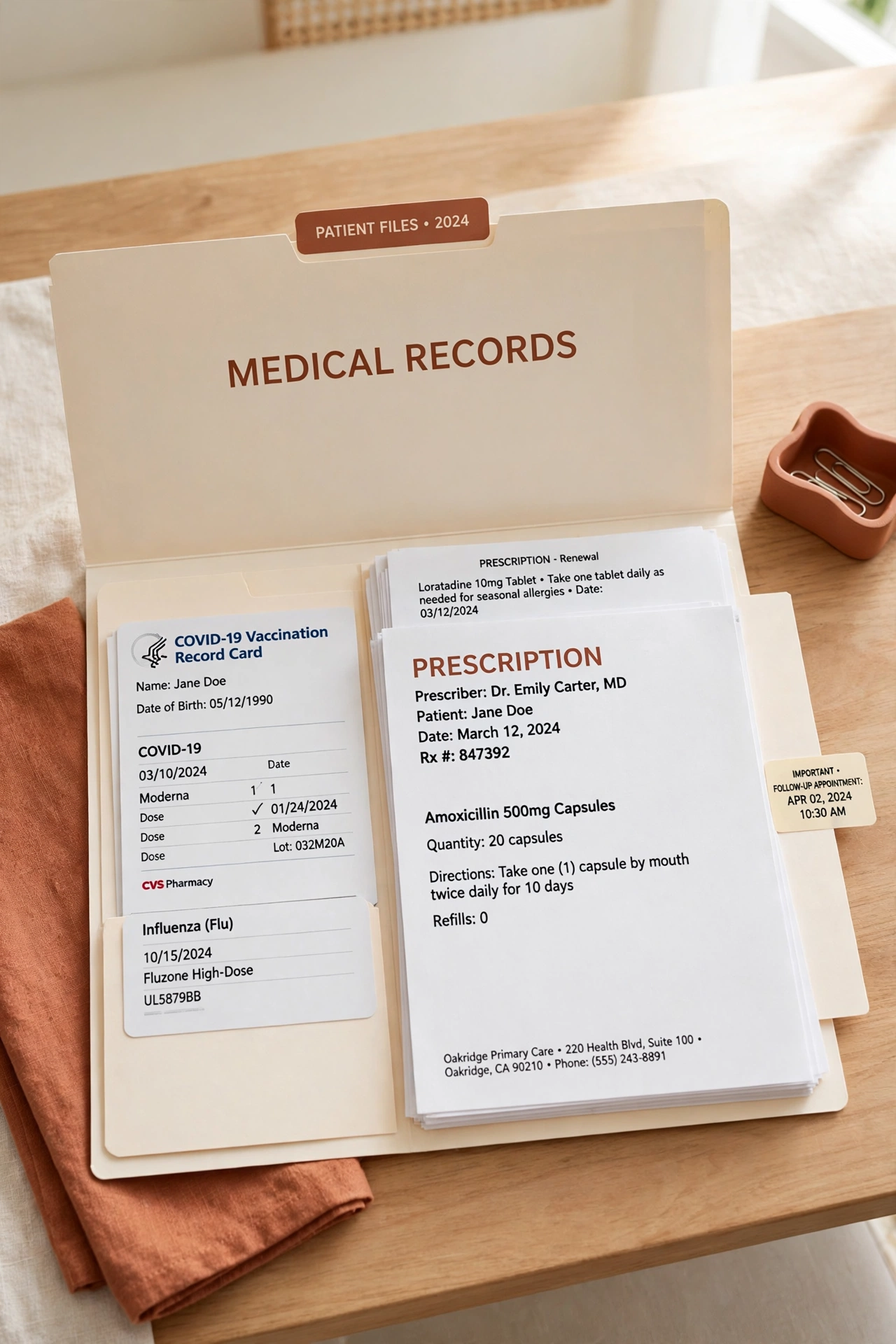
Medical records belong in one place, so you can grab them in a hurry when a doctor asks for them. Keep vaccination cards, prescriptions, test results, and health insurance papers in a single folder or binder. Give each family member a labeled section inside, and keep the newest papers at the front.
Take the folder with you to medical appointments, and file new papers the same day you receive them. When school forms or sports registrations ask for medical records, you will have them ready in minutes. For school papers that arrive alongside medical forms, see these school paper organization ideas.
8. Keep Insurance Papers in One Place
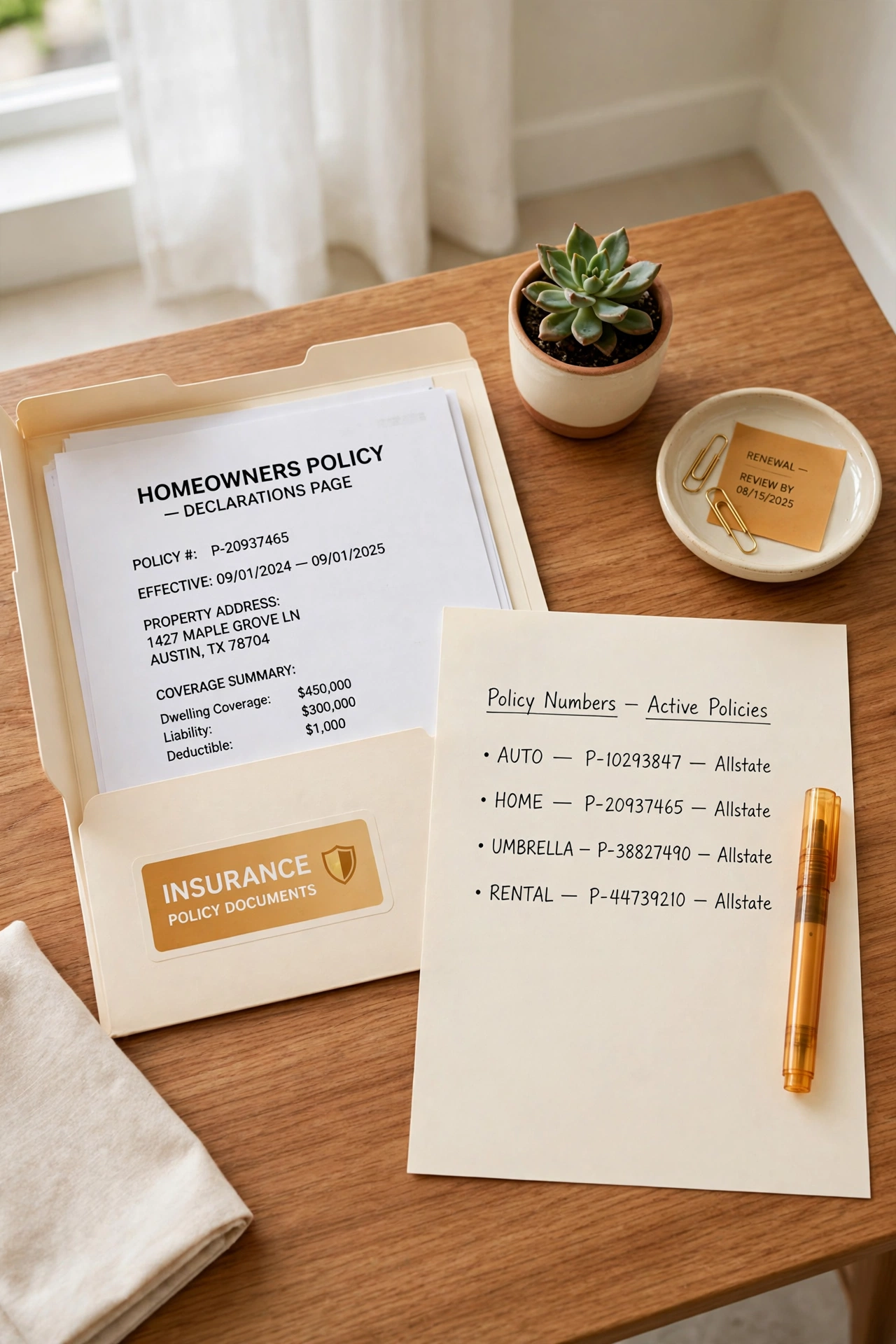
Insurance papers are easy to lose because they arrive at different times from different companies. Keep every policy, card, and claim form in one folder, and label it clearly with the word INSURANCE. When you need to make a claim, you will not waste time hunting through drawers.
Add a simple list to the front of the folder with each policy number, the company name, and the phone number to call. Review the folder once a year when policies renew, and remove old papers that no longer apply. One folder keeps every insurance detail within easy reach.
9. A Folder for Property Documents
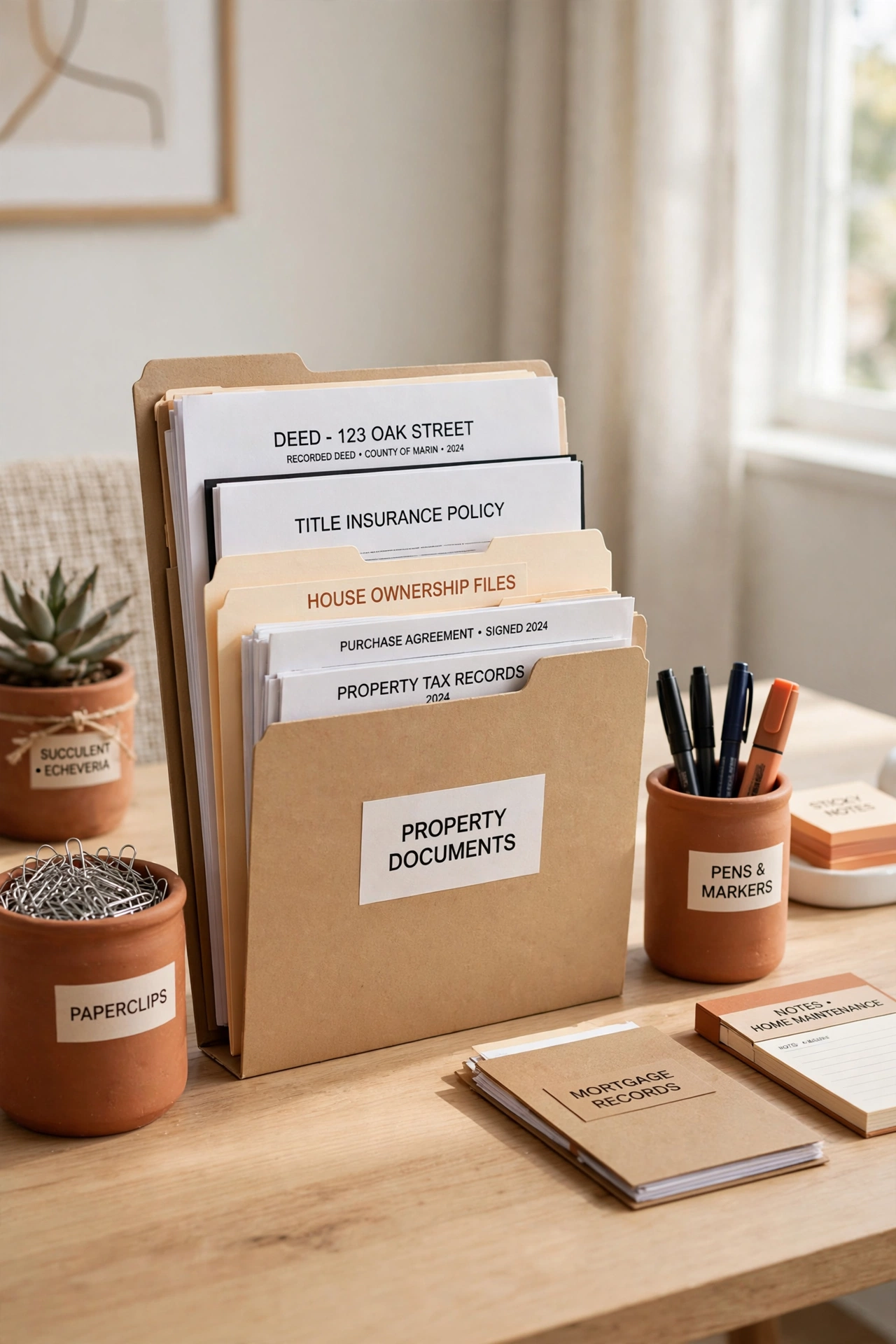
Property documents prove that you own your home and show the history of every repair and payment. Keep the deed, the mortgage papers, tax records, and warranty papers in a single folder. Label it with the word PROPERTY, and store it with your other important documents.
Add a copy of your home insurance policy to the same folder, so everything about your house sits in one place. When you sell the house or apply for a loan, the buyer or the bank will ask for these papers. A property folder saves you from a stressful search at the worst possible time.
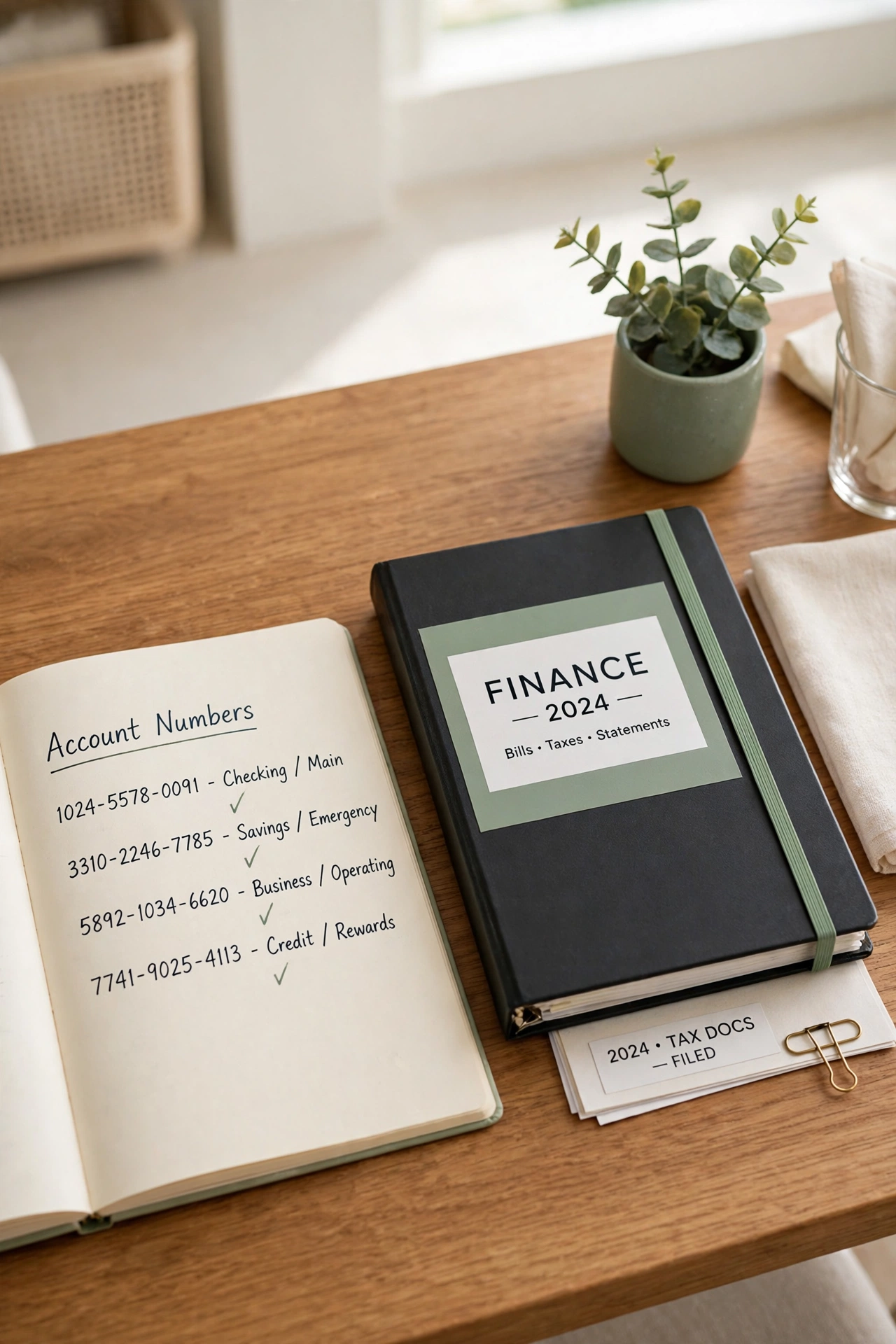
10. Keep a List of Account Numbers
A simple list of account numbers saves you from digging through statements when you need a number in a hurry. Write down the account number, the bank or company name, and the customer service phone number for each account. Keep the list in your document binder or in your fireproof box.
Do not write down passwords on this list, and keep it in a locked place where only trusted family members can find it. Update the list whenever you open or close an account. A short list of numbers turns a long phone call into a quick one.
11. Store Wills and Legal Papers Safely
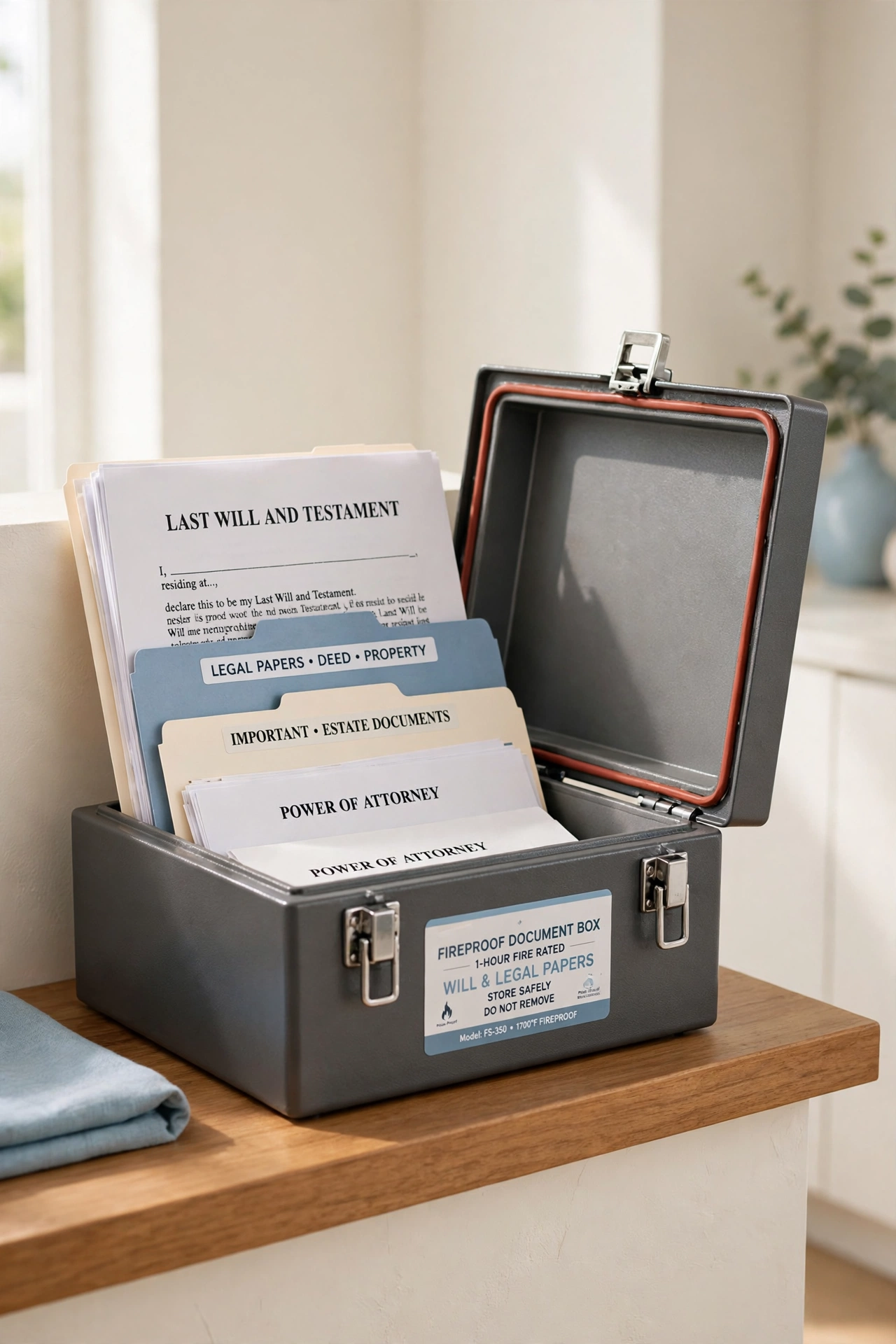
Wills and other legal papers need a safer home than an ordinary drawer. Store the originals in your fireproof box or in a bank safe deposit box, and keep a copy in your document binder. Tell your spouse or a trusted family member where the originals live.
Review your will and other legal papers every few years, or whenever your family changes, such as after a birth or a marriage. Old legal papers can cause real problems if they no longer match your wishes. Safe storage plus regular review keeps your family protected.
12. A Monthly Document Check Routine
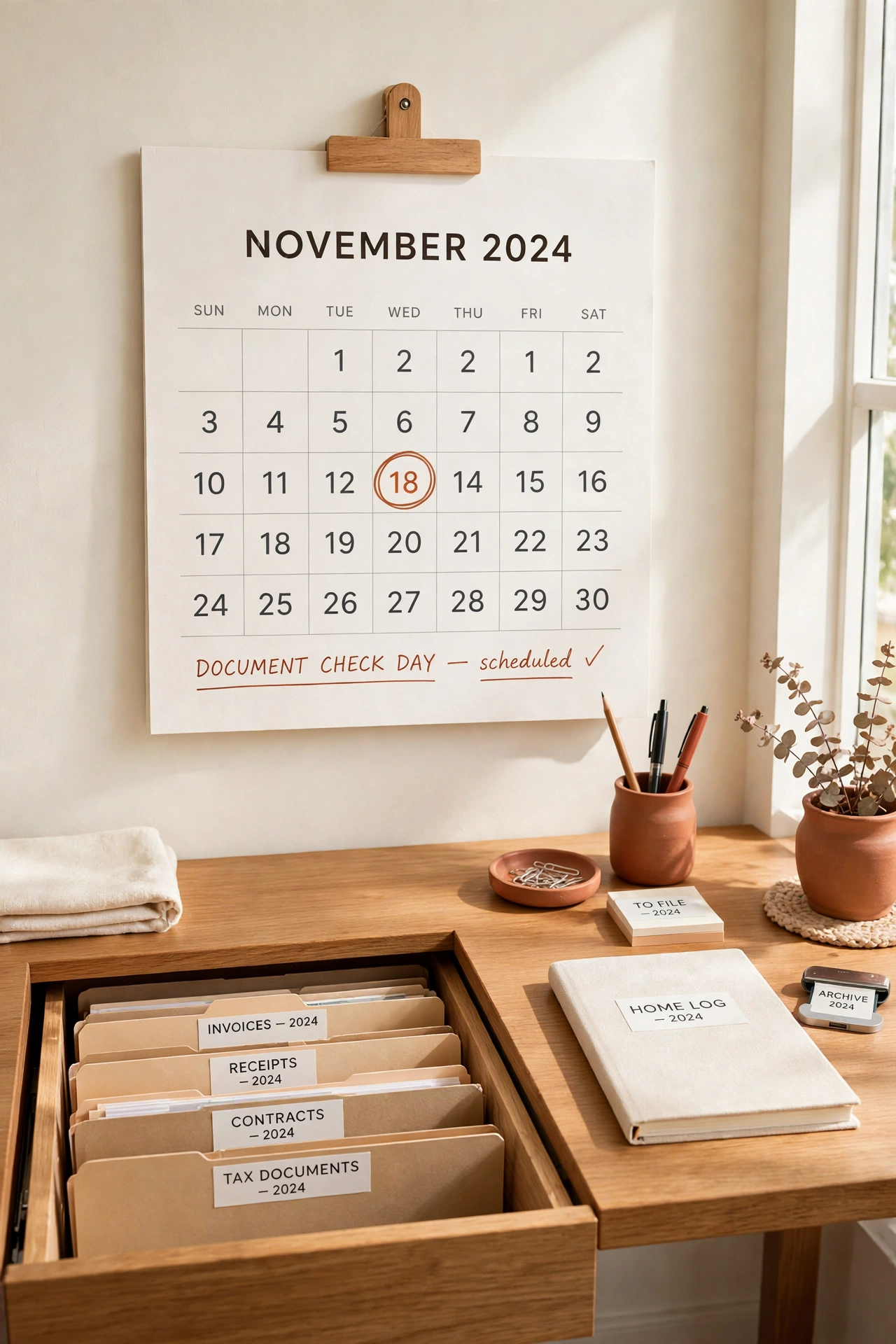
A monthly document check takes only ten minutes and keeps your whole system working. Once a month, open your document drawer and file any new papers that arrived since the last check. Throw away papers you no longer need, and move anything that belongs in the fireproof box.
Pick the same day each month, such as the first Sunday, and put it on your calendar. A short monthly routine stops paper from piling up on counters and tables. Small regular checks are easier than one big cleanup every year.
13. Keep a Go-Folder by the Door
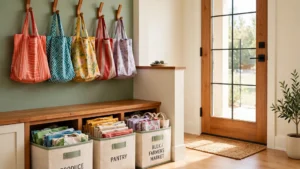
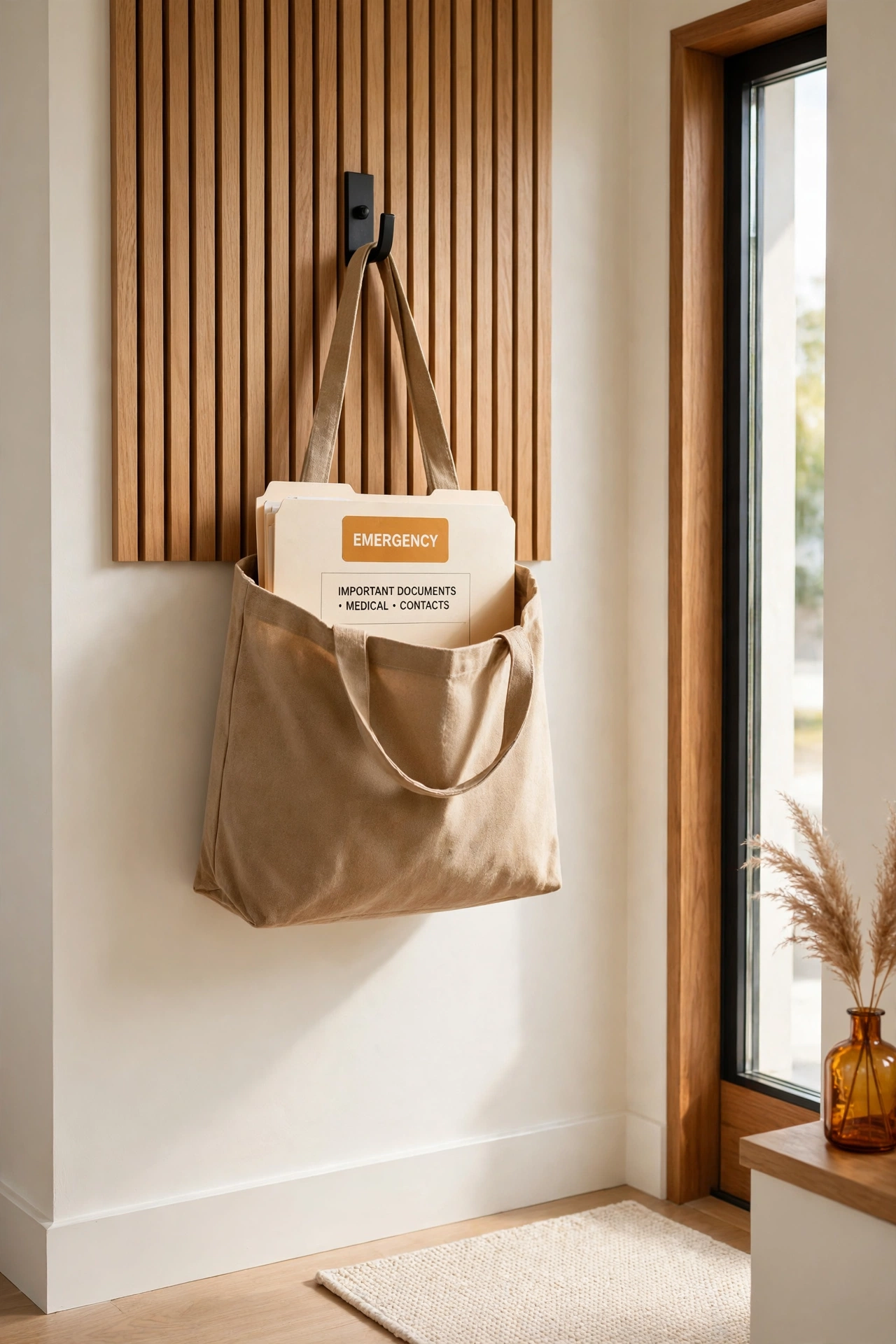
A go-folder holds the papers you would grab in an emergency, such as copies of passports, insurance cards, and medical records. Keep it in a labeled bag or folder near the front door, so you can pick it up in seconds. In a fire or a flood, a go-folder can save you days of paperwork later.
Update the go-folder every few months, and check that every copy inside is still current. For ideas on keeping your entryway ready for a quick exit, see these entryway organization ideas. A go-folder by the door gives your whole family peace of mind.
14. Shred Old Documents You No Longer Need
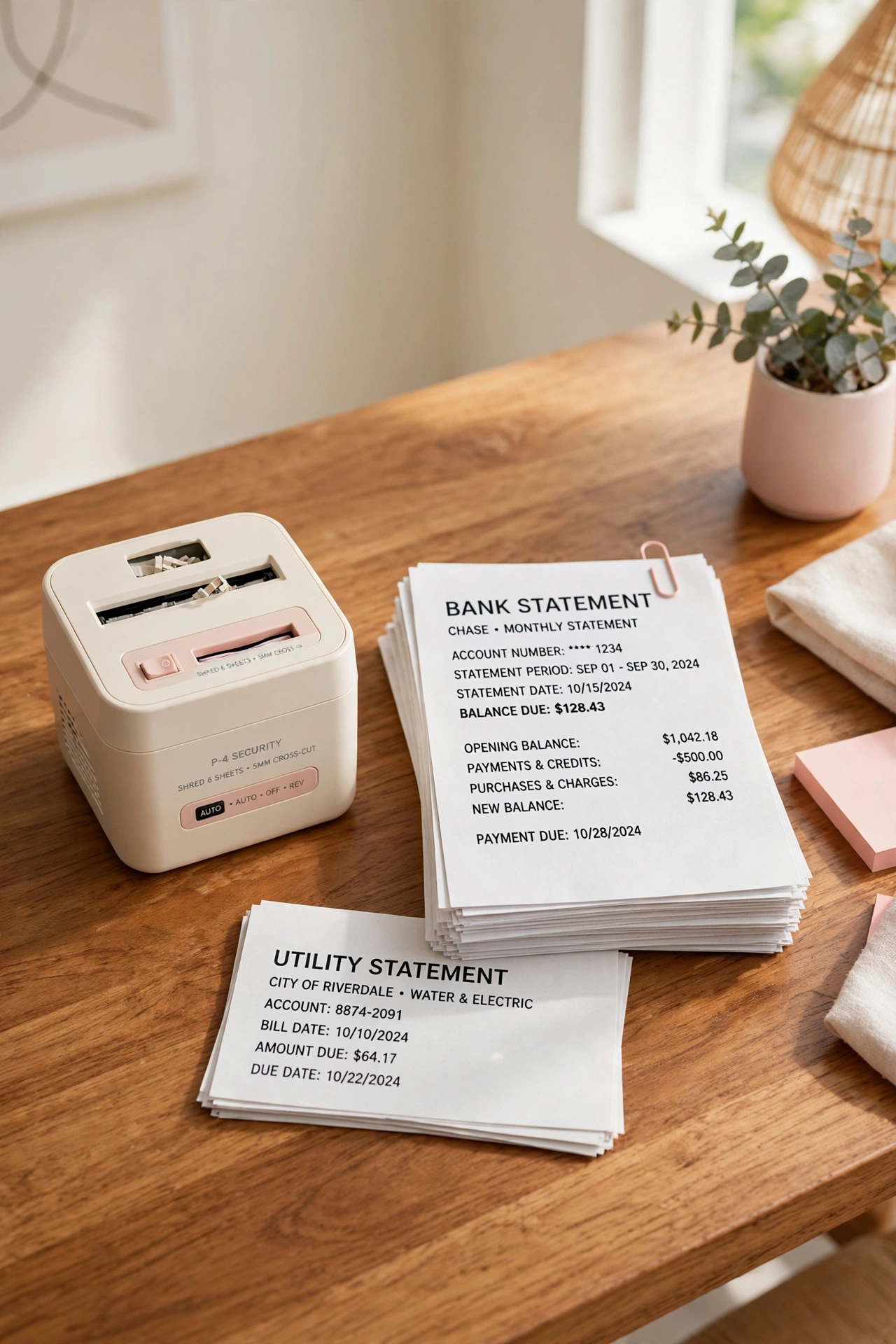
Old documents with your name, address, or account numbers should be shredded, not thrown in the trash. Bank statements, old bills, and expired insurance papers can be used by thieves if they fall into the wrong hands. A small home shredder handles a few pages at a time and costs very little.
Set aside a shredding pile and clear it once a month, so old papers never pile up. Keep tax records for the number of years your country requires, and shred the rest when the time is up. Shredding protects your identity and keeps your document drawer free for papers that still matter.
15. Label Every Folder Clearly
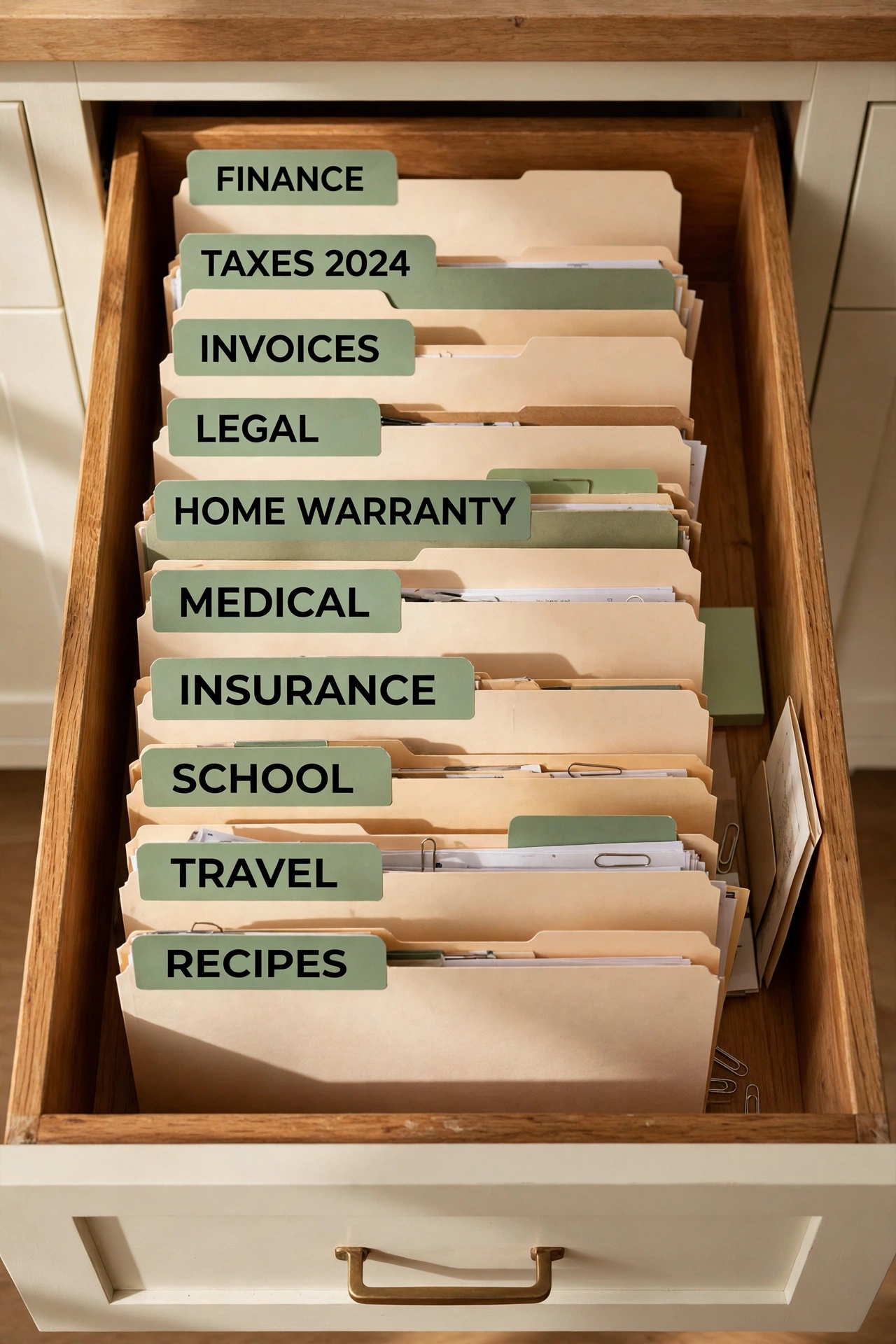
Clear labels are the difference between a filing system and a pile of folders. Write each label in large capital letters with a dark marker, and place it on the tab where it is easy to read. If several people use the same drawer, labels stop anyone from filing a paper in the wrong place.
Use the same label style on every folder, so the drawer looks tidy and reads like a simple index. Replace any label that fades or peels, and update the label whenever the contents change. A drawer full of clear labels is a drawer anyone can use.
16. Review and Update Once a Year
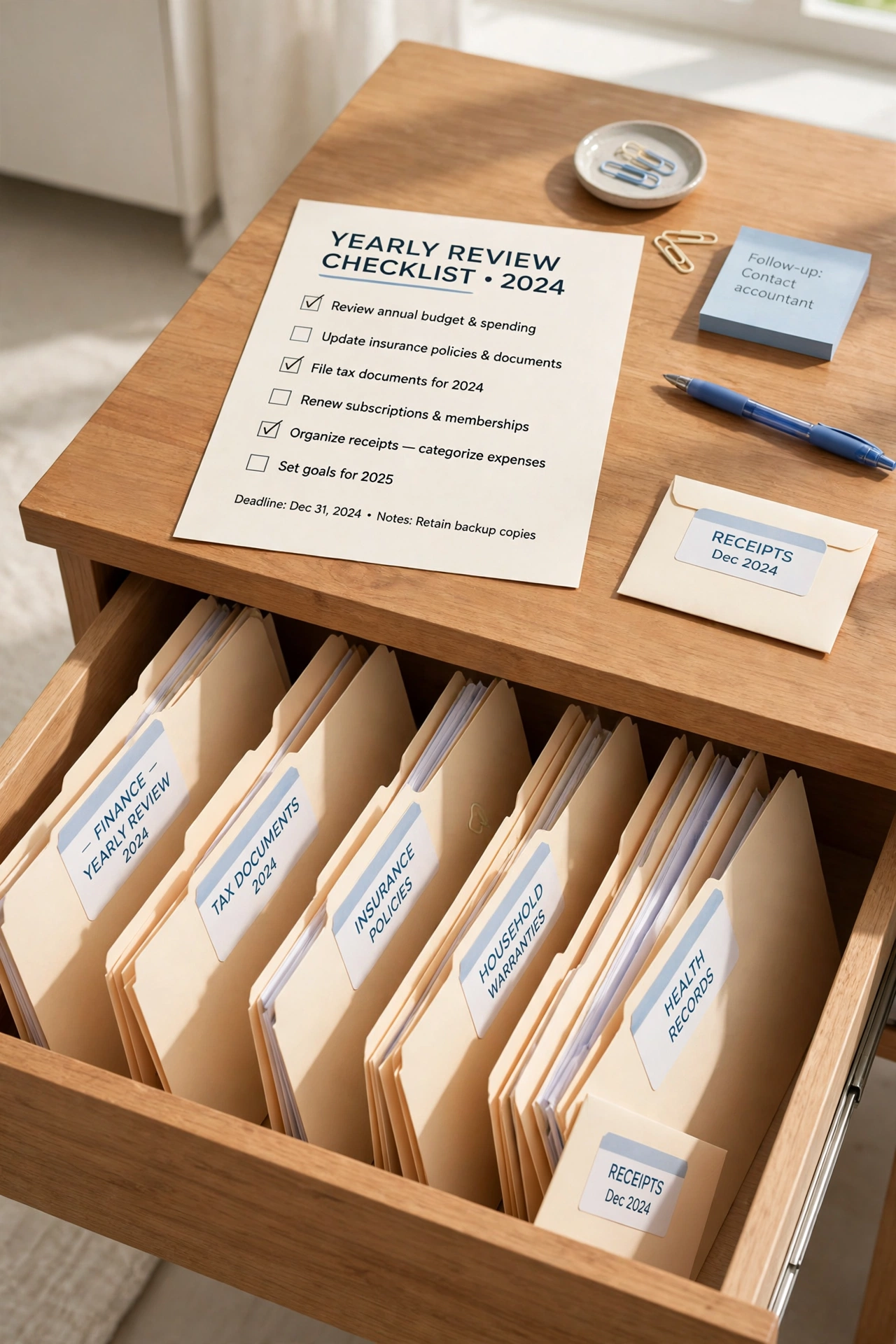
Once a year, sit down with your whole document system and review it from start to finish. Check that every folder has the papers it should, remove anything outdated, and update your account list and your digital backup. An annual review catches small problems before they grow.
Pick a fixed date each year, such as the first weekend of January, and treat it like an appointment you cannot miss. After the review, your system will feel fresh and reliable again. A yearly review is the final step that keeps your important documents safe for life.
Conclusion
Important document storage does not have to be complicated or expensive. From a fireproof box to labeled folders and a simple annual review, there is an idea here for every home and every budget. The best system is the one you will actually keep up every month.
Pick one or two ideas that fit your home and start today. Gather your papers, sort them into folders, and give every document a safe home. For a calm home beyond the filing drawer, these nightly reset routine ideas will help you keep every room tidy with just a few minutes each evening.
Frequently Asked Questions About Important Document Storage Ideas for Birth Certificates and Passports
What documents should I keep in a fireproof box?
Keep original birth certificates, passports, property deeds, wills, and marriage certificates in a fireproof box. These papers are hard to replace, so they deserve the strongest protection in your home. Store copies of the same papers somewhere else for everyday use.
How long should I keep tax records and old bills?
Keep tax records for the number of years your tax authority requires, which is often three to seven years depending on your country. Keep old bills and bank statements for one year, then shred them. Check the rules in your country before you throw anything away.
Is a digital backup enough, or do I still need paper copies?
A digital backup is a great safety net, but it does not replace paper originals. Many offices still ask to see original birth certificates and passports in person. Keep the originals safe, keep paper copies for quick use, and keep a digital backup as a third layer of protection.
Where is the safest place to store a passport at home?
Store your passport in a fireproof box or a locked drawer, away from damp areas and direct sunlight. Keep a copy in your go-folder by the door for emergencies. When you travel, take the passport with you and leave the copy at home.
How do I organize documents for a whole family?
Give each family member a labeled section in one shared binder or a separate folder in the same drawer. Use the same categories for everyone, such as identity, medical, and school, so the system stays simple. A single family system is easier to maintain than a separate system for each person.

Hi, I’m Emily! I turn messy corners into cozy, organized spots. DreamNestDecor is where I share simple, practical home ideas — decor, organization, and small-space solutions that work in real life, not just in photos. Every idea here is carefully researched before it’s shared.