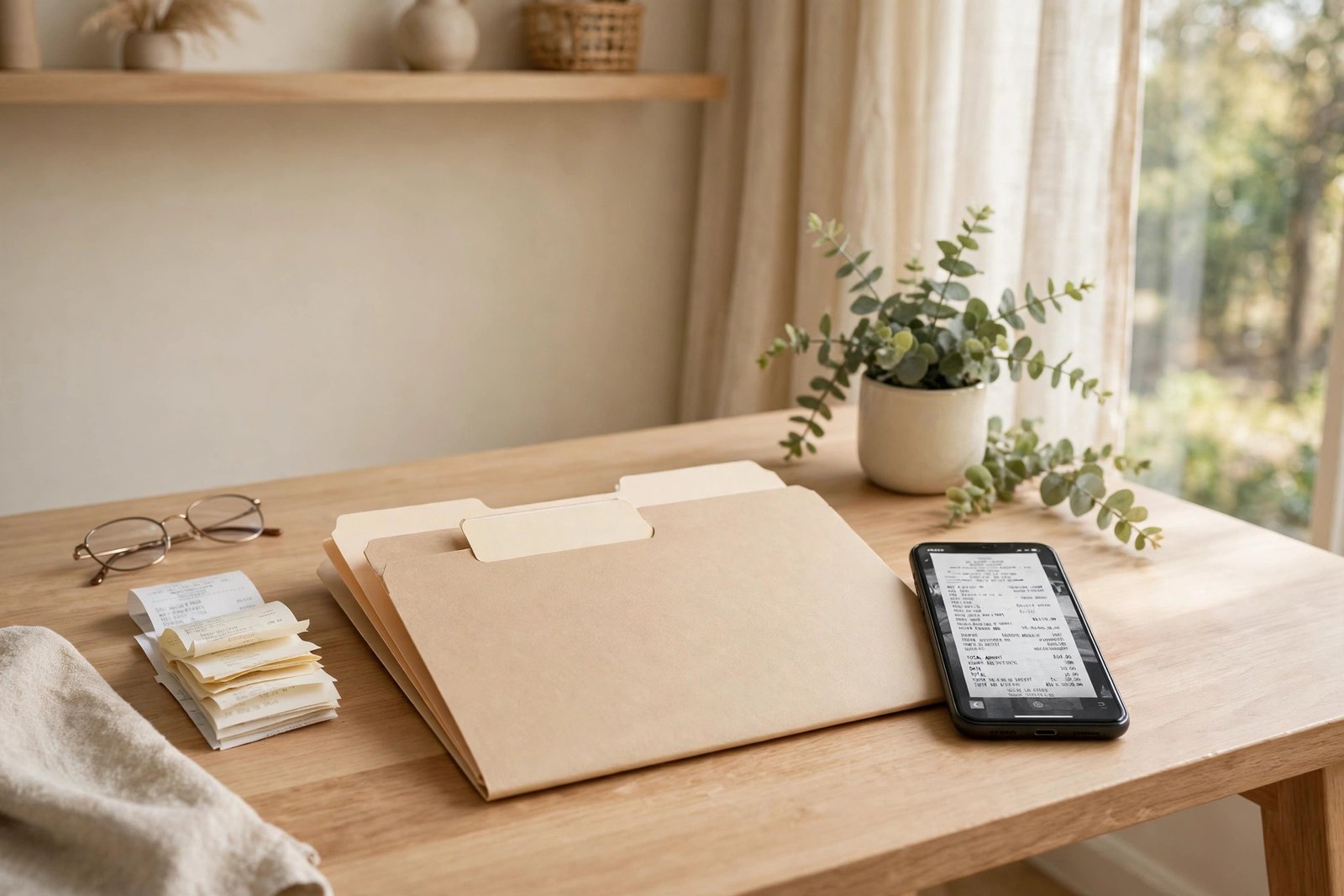
Picture this: you open a drawer to find a receipt for a return, and a landslide of faded paper slips greets you instead. Some are months old, some have lost their ink, and not one of them is the receipt you actually need. You close the drawer, promise yourself you will sort it someday, and the pile quietly grows a little taller.
You do not need a perfect filing cabinet or fancy tools to fix this. A few labeled folders, a phone camera, and ten quiet minutes a week are enough to keep every receipt findable. These 10 ideas will help you sort, scan, and store receipts in a simple system, so your home moves a little closer to paperless without any stress at all.
1. Sort Receipts Into Clear Categories
Sorting receipts by category is the fastest way to find any receipt later, because you already know where to look. Start with five or six simple groups, such as groceries, home, car, health, and gifts, and keep the list short so it stays easy to remember. When a new receipt arrives, drop it into the right group.
Categories also show you where your money actually goes, which helps at tax time and when you plan the month ahead. Look at each group once a month, and move any receipt that landed in the wrong place. A system with a few clear groups beats a perfect system you never use, so keep it simple and stick with it.

2. Give Every Receipt a Labeled Folder or Envelope
A labeled folder or envelope gives every receipt a home the moment it enters your house. Choose one folder for each category, or one envelope per month, and write the label in large clear letters on the front. Keep the folders in a drawer or basket near the door, so sorting takes seconds instead of becoming a weekend chore.
Folders work best when they live where receipts land, and for most homes that spot is the front door. Put a tray beside the folders for unsorted receipts, and empty it every Sunday night. A tidy landing spot keeps paper from spreading, and these entryway organization ideas show how to build one that fits your home.
3. Scan Receipts Into a Digital Folder
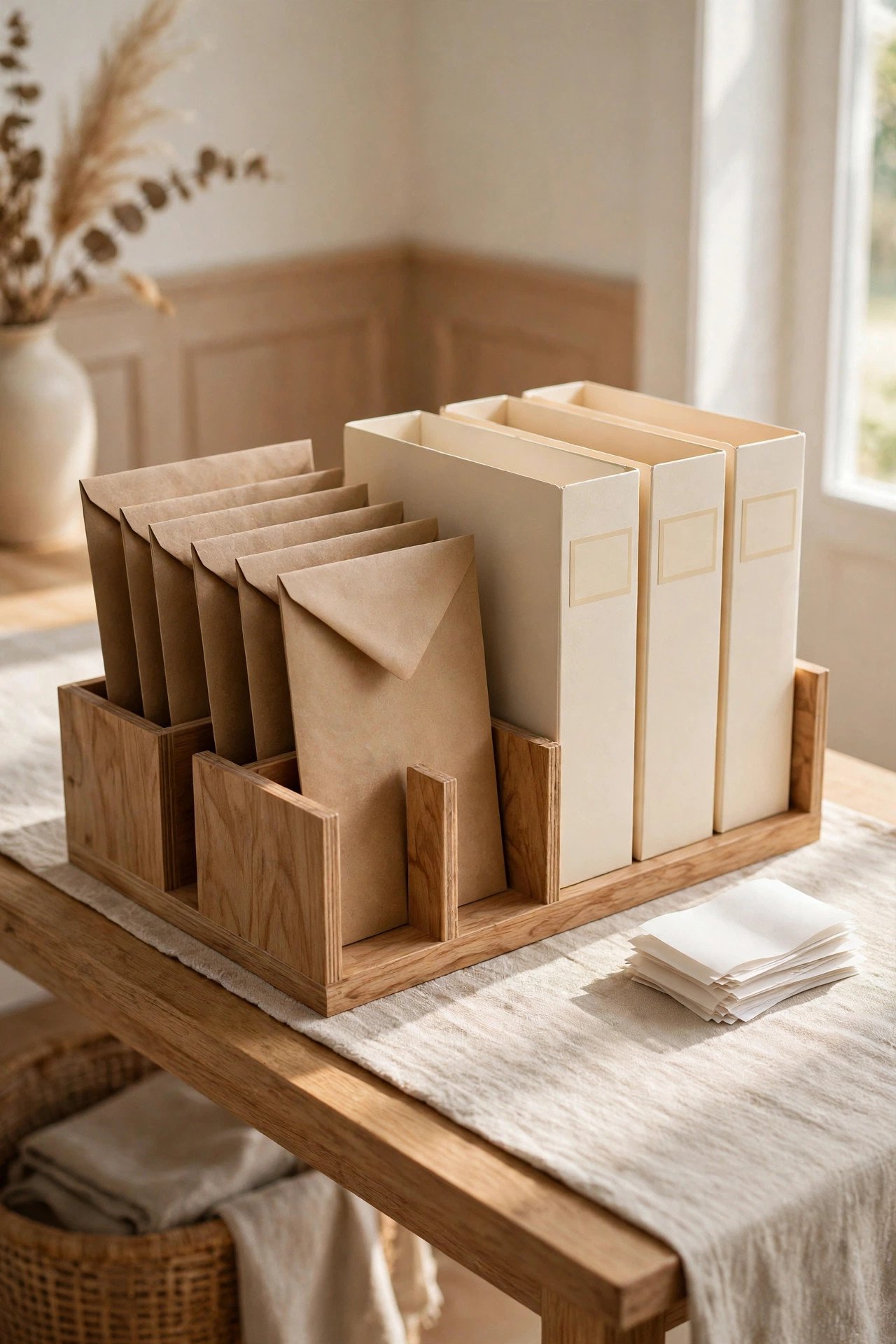
Scanning receipts turns a pile of paper into a neat digital folder you can search in seconds. Use your phone camera or a small scanner, and save each scan the same day you receive the receipt. Name the file with the store and the date, so a quick search finds it later without opening a single drawer.
A digital folder protects you from faded ink, because printed receipts fade after a few months. Back up the folder each week, then shred paper copies once the scans are safely stored. A desk corner suits this habit well, and these small home office layout ideas show how to fit a scanning spot into a tight space.
4. Date and Label Every Receipt You Keep
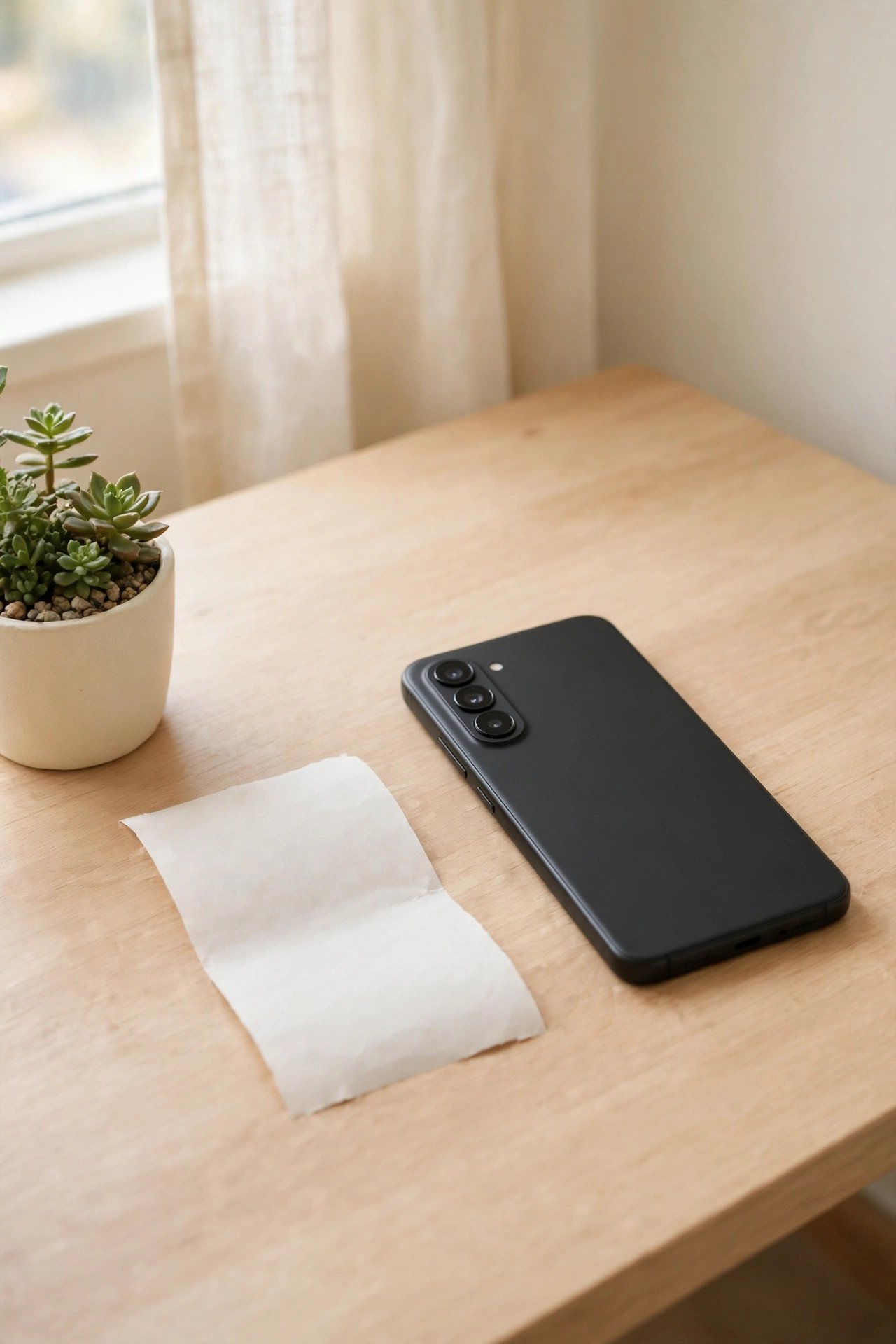
A date and a short label turn a mystery slip of paper into a useful record. Write the date and what you bought on the top corner as soon as the receipt reaches your home. That small habit saves you from guessing later, and it makes tax time far less stressful when every receipt tells its own story.
Labels work best when they stay short and use the same words every time. Pick simple labels such as groceries, gifts, or car care, and use them the same way in your folders and your digital scans. When your labels match everywhere, finding one receipt takes seconds, and your whole system feels calm and reliable.
5. Keep an Accordion Organizer by Month
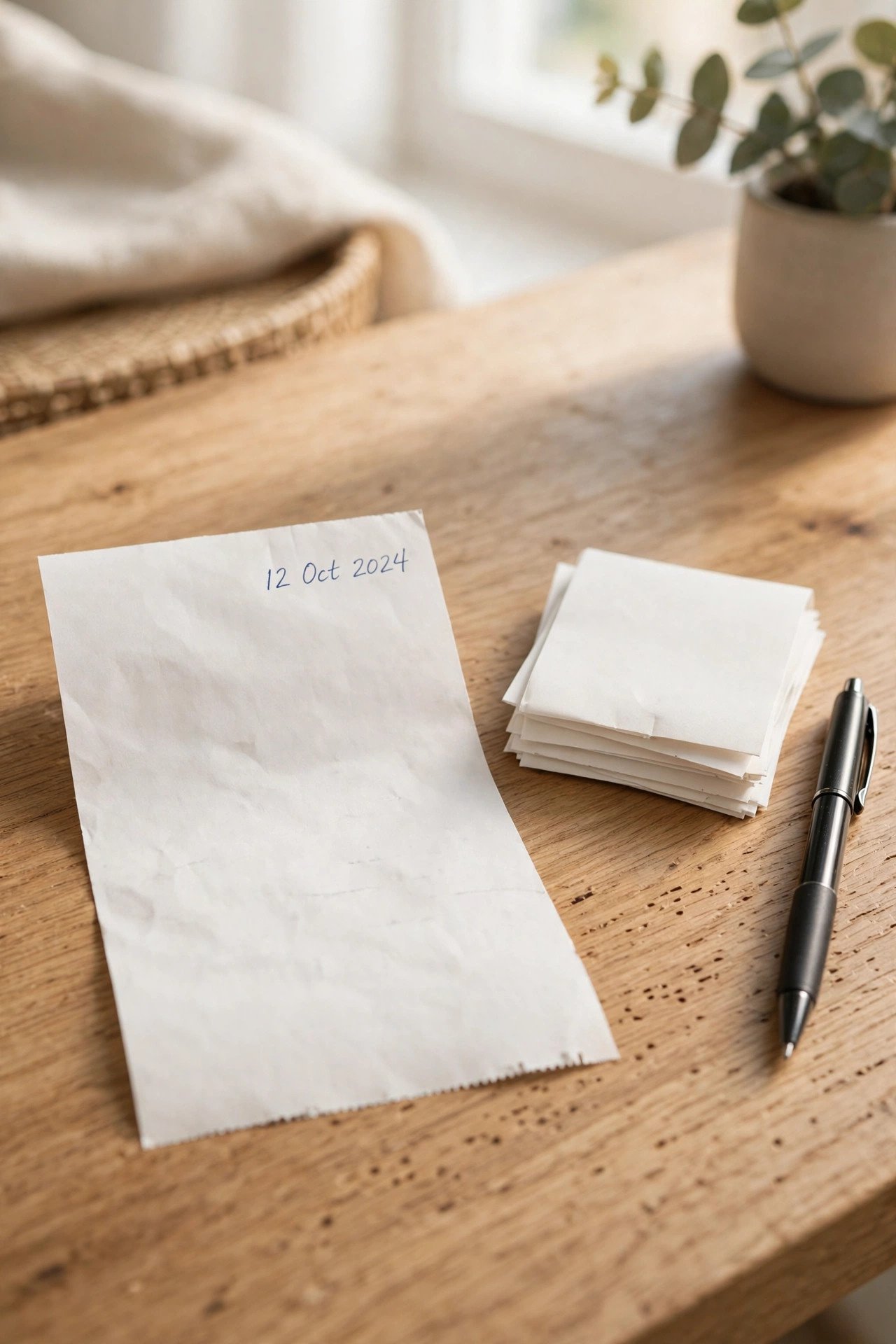
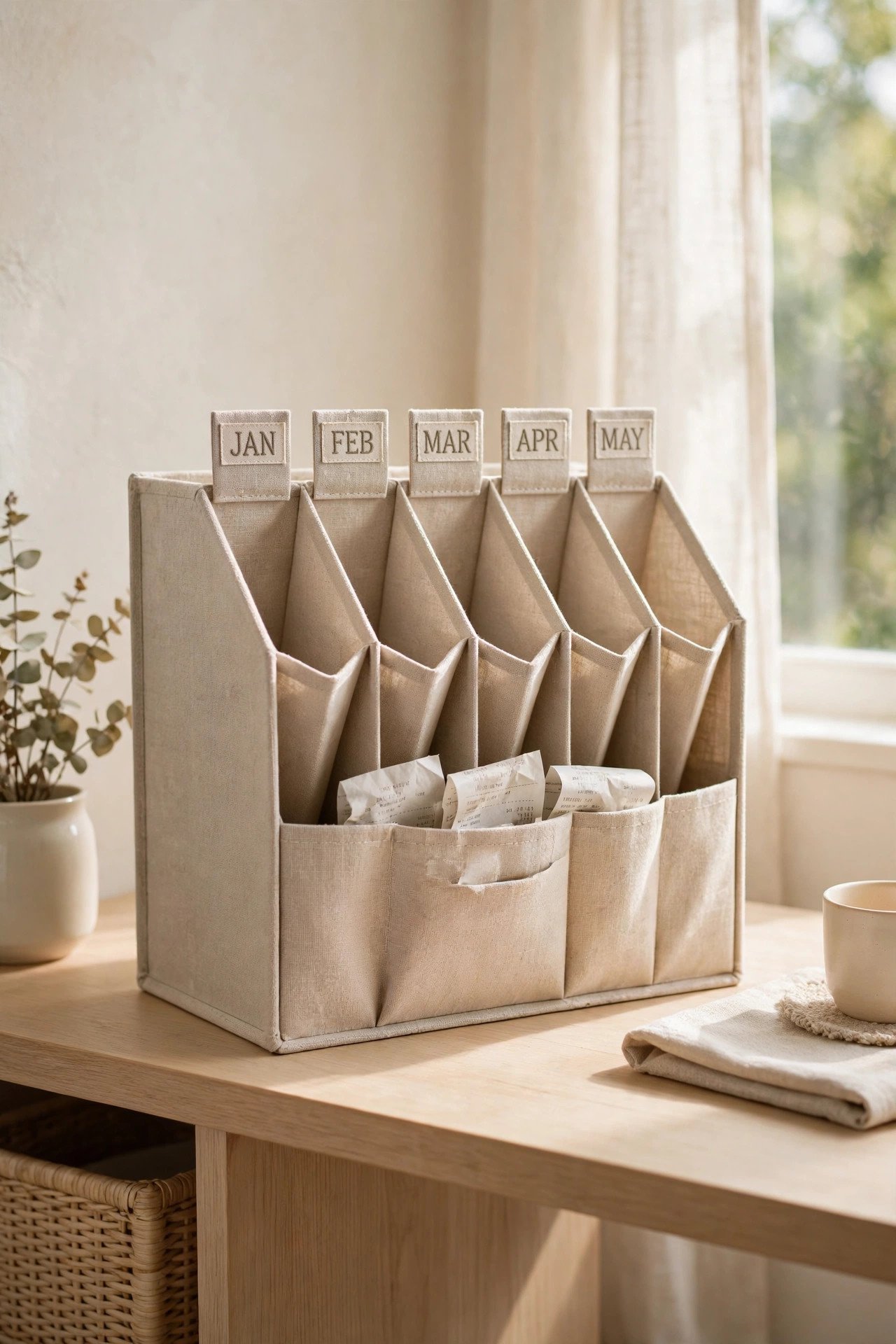
An accordion organizer with one pocket per month keeps a year of receipts in one tidy file. Drop each receipt into the pocket for its month, and you never need to sort a year of paper at once. The organizer sits on a shelf or in a drawer, and it travels well when you need records away from home.
Monthly pockets show you when spending ran high, so you can plan the next month with clear eyes. Each new month, flip to the pocket and leave the old ones alone until review time. Labeled pockets work the same way everywhere, and these board game organization ideas show how labeled containers keep things easy to find.
6. Track Spending in a Simple Spreadsheet
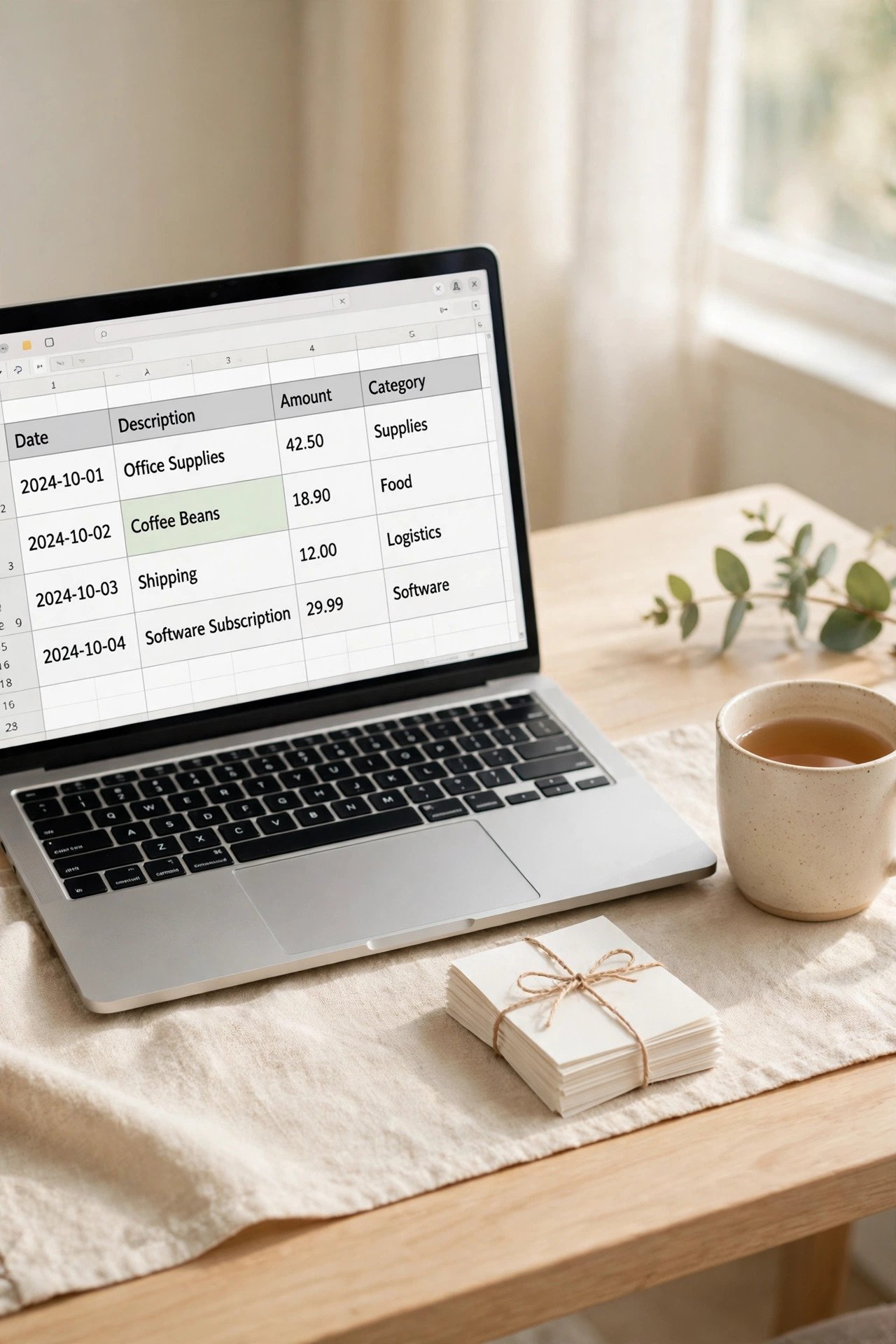
A simple spreadsheet turns your receipts into a clear picture of where your money goes each month. Make four columns for date, store, category, and amount, and add each receipt as one short row. After a few weeks, the totals show your real habits, and you can spot the small leaks that quietly add up.
Keep the spreadsheet simple, or you will stop using it after the first week. Update it every Sunday night, and let the numbers guide your choices instead of guessing how the month went. A calm record of spending brings peace of mind, and it makes tax time far easier when every amount is already written down.
7. File Receipts in a Binder With Clear Sleeves
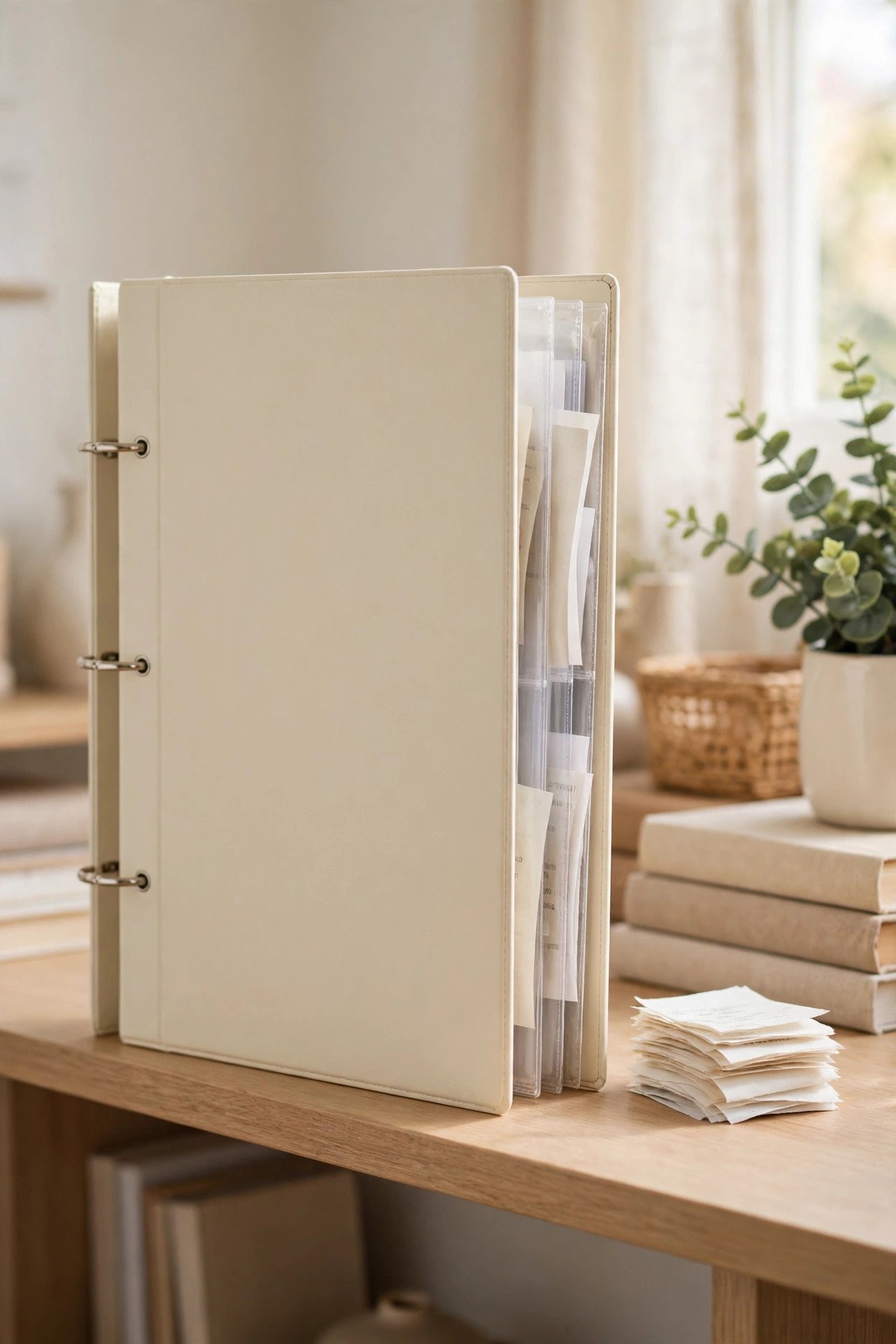
A binder with clear sleeves protects paper receipts from fading, tearing, and coffee spills. Slide each receipt into its own sleeve, and add a divider for each month or category so nothing hides in a stack. The binder sits upright on a shelf, and you can flip straight to the receipt you need in seconds.
Binders work best when one binder holds one year, so the system never grows too heavy to lift. At the end of the year, move the full binder to a storage shelf and start a fresh one. A binder you can carry to the table also makes tax time easier, because every receipt sits in order and ready to check.
8. Let an Expense App Sort Receipts for You
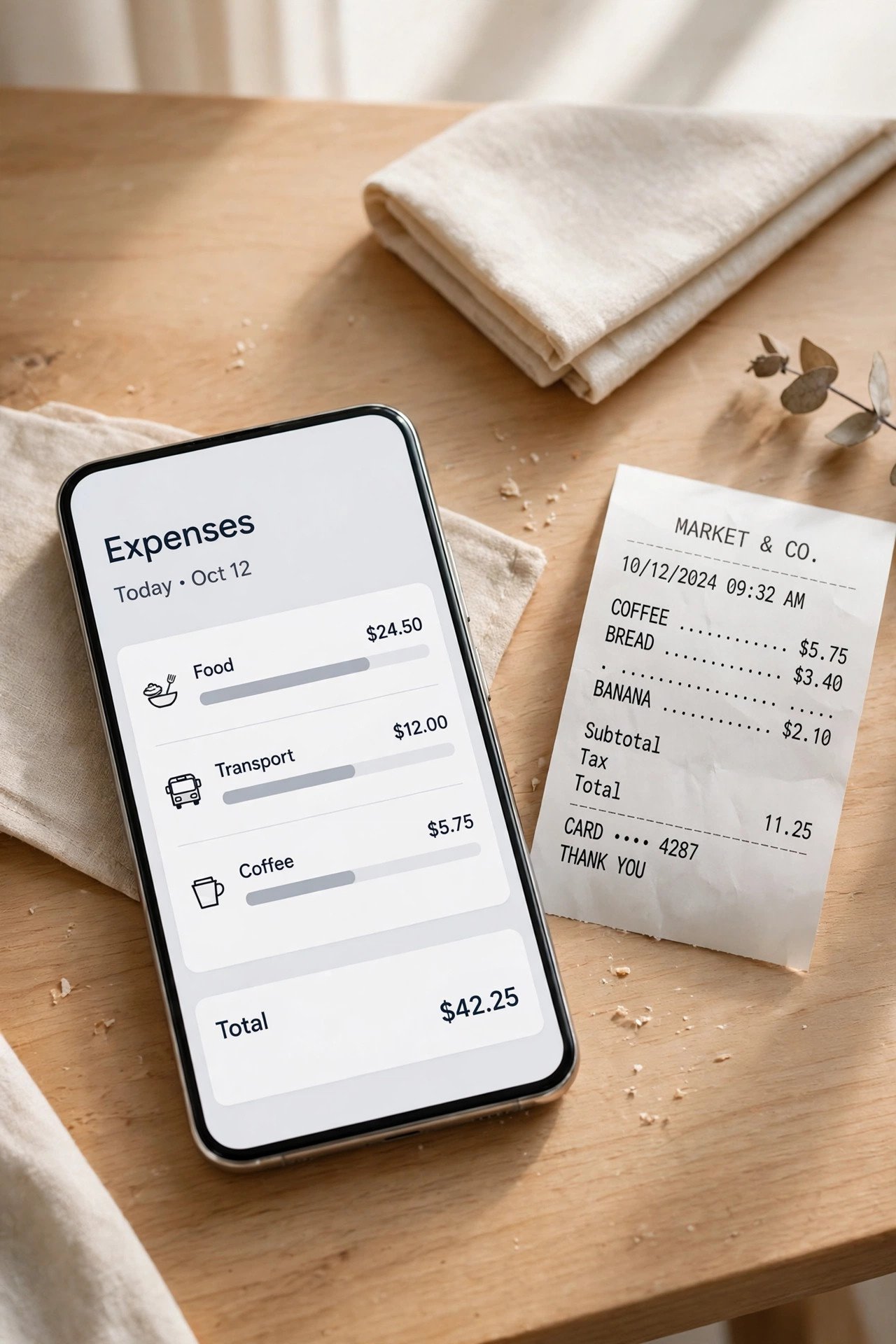
An expense app can sort your receipts while you get on with your day. Snap a photo of each receipt, and the app reads the store, the date, and the amount for you. Your receipts stay searchable by store or category, and you can find any purchase without digging through a drawer or a folder.
Apps work best when you photograph receipts the same day, before they fade or get lost in a bag. Pick one app and use it for every receipt, so nothing hides in two different places. A single digital home for receipts keeps the paper pile small, and your records stay tidy with almost no effort at all.
9. Carry a Catch-All Envelope for Receipts on the Go
Receipts slip away fastest when you are out and about, so carry one small envelope just for them. Tuck it into your bag or car, and drop every receipt inside the moment you get one. The envelope catches the slips that usually end up in pockets, cup holders, and the bottom of shopping bags.
Empty the envelope each evening, and sort its receipts into your folders or scan them that night. An envelope left full for weeks turns into a junk drawer, so keep it light and use it daily. Give the envelope a home by the front door, and a simple landing tray there keeps it from wandering off.
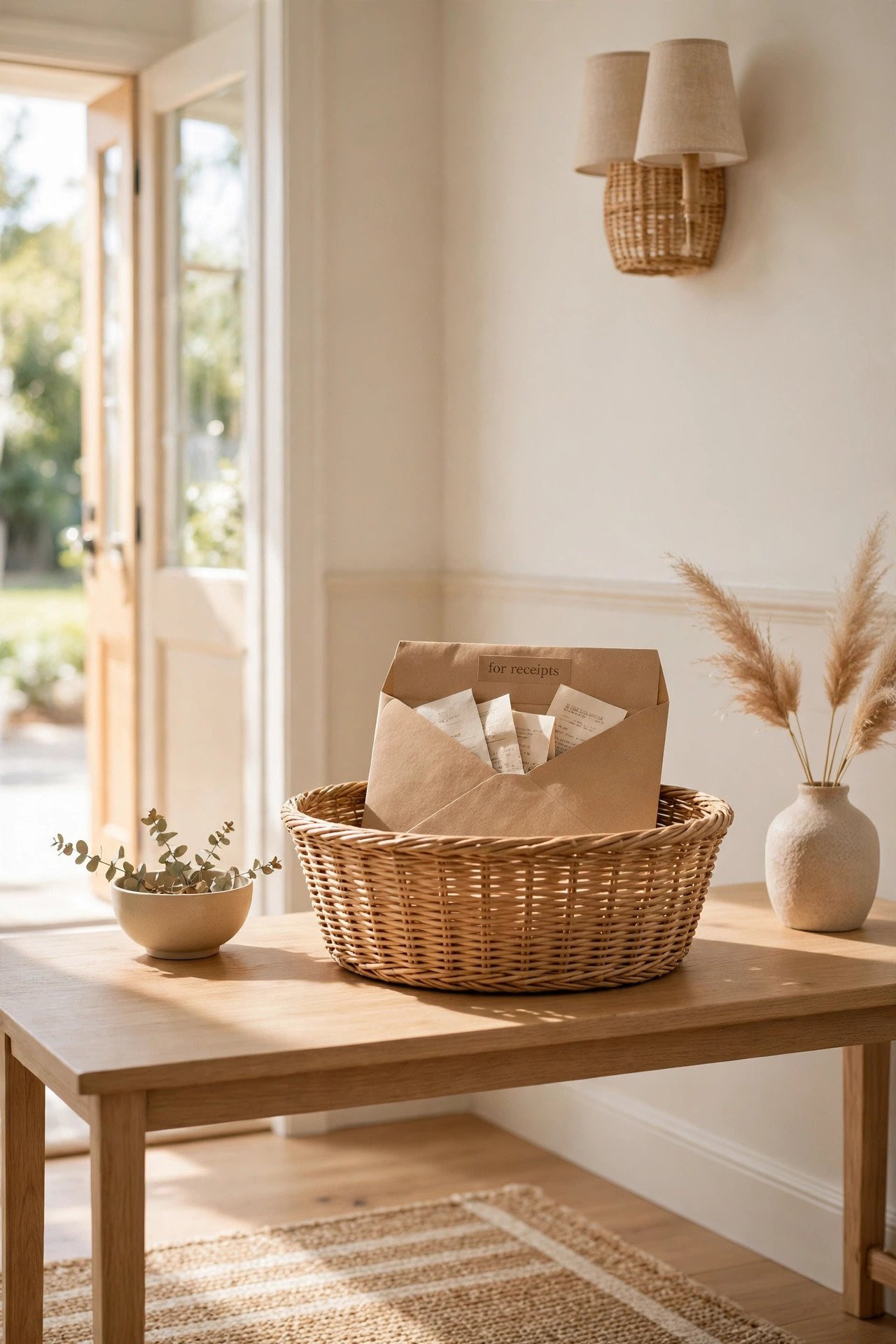
10. Review and Purge Receipts Every Month
A monthly review keeps your receipt system small and honest. Set aside twenty minutes at the end of each month, and look through every folder, envelope, and scan. Keep the receipts you may need for returns, warranties, or taxes, and let go of the rest with a clear conscience.
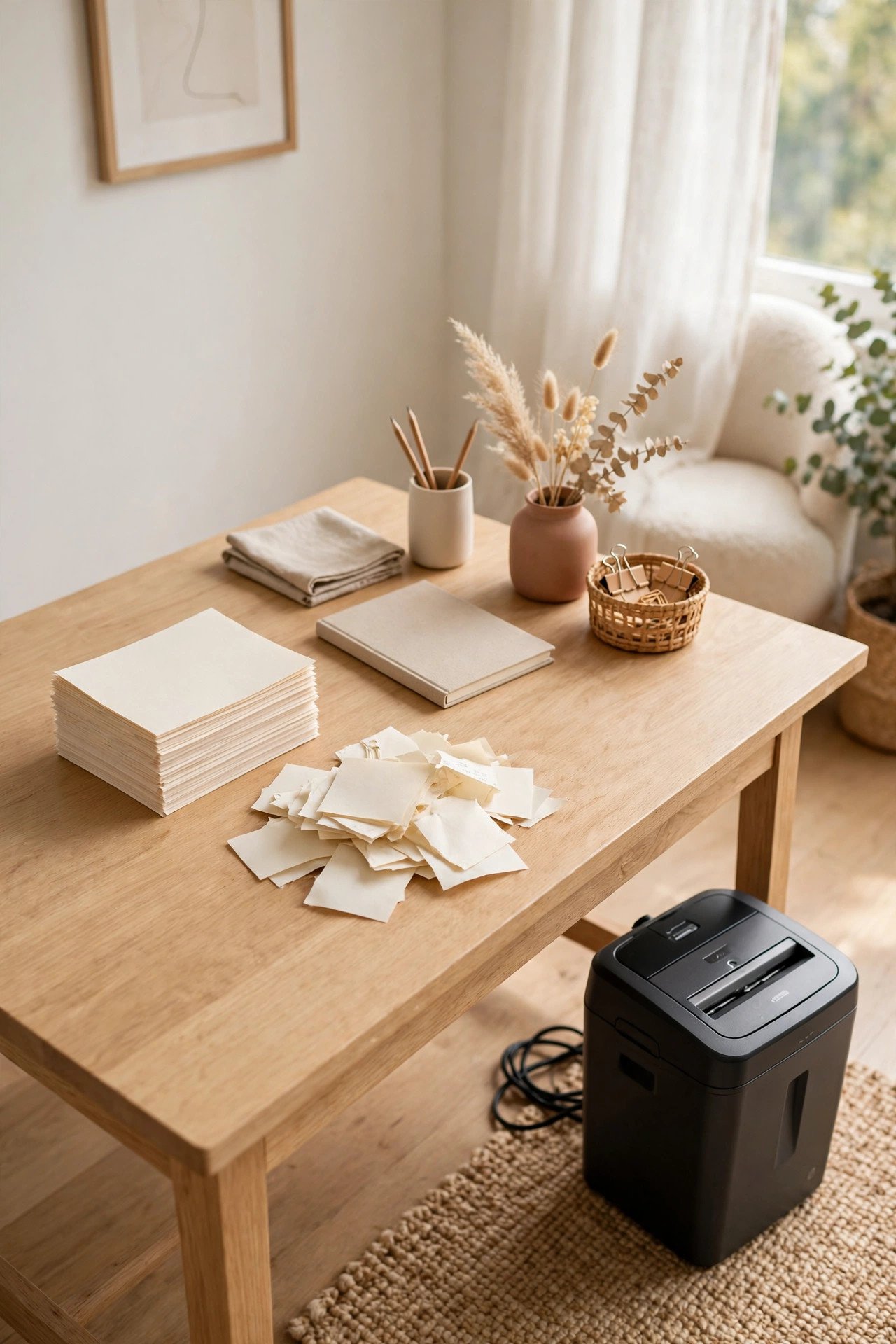
Purging on a schedule stops old receipts from piling up until the system feels too big to face. Shred paper copies you no longer need, and delete duplicate scans so the digital folder stays lean. A fresh start each month keeps the habit light, and your future self will thank you at tax time.
Conclusion
A paperless-ish home is not about throwing every receipt away. It is about knowing where each one lives, so a return, a warranty claim, or tax time never turns into a hunt through drawers. With sorted folders, quick scans, and a monthly purge, your receipts stop being clutter and start working for you.
Start with the simplest step, and let the habit grow. Pick one idea from this list, such as a labeled folder or a phone scan routine, and use it for a week before adding the next one. A calm home grows from small nightly habits, and these nightly reset routines show how fifteen quiet minutes each evening keep the house tidy.
Frequently Asked Questions About 10 Receipt Organization Ideas for a Paperless-ish Home
What is the best way to organize receipts at home?
The best way is a simple system you will actually use. Sort receipts into a few labeled folders by category or month, scan the ones you want to keep, and review the pile once a month. A small routine beats a perfect system every time.
How long should I keep receipts?
Keep everyday receipts for at least a month, or until any return window closes. Hold on to receipts for warranties, big purchases, and taxes for as long as the warranty or tax rules require. Shred the rest during your monthly review so the pile stays small.
Should I scan receipts or keep the paper copies?
Scan the receipts you need to keep, and store the scans in one backed-up digital folder. Paper copies fade fast, so scans are safer for warranties and taxes. Keep the paper only until the scan is safely stored, then shred it during your next review.
What is the easiest receipt system for a busy family?
One catch-all envelope by the front door, emptied every evening, works best for busy families. Sort the envelope into labeled folders or scan the receipts the same night. A monthly purge keeps the system small, and everyone can follow the same simple habit.
How do I stop receipts from piling up again?
Give every receipt a home the moment it arrives, and never let it sit in a pocket or a bag. Sort or scan it the same day, review the pile once a month, and shred what you no longer need. Small daily habits keep the pile from ever growing back.

Hi, I’m Emily! I turn messy corners into cozy, organized spots. DreamNestDecor is where I share simple, practical home ideas — decor, organization, and small-space solutions that work in real life, not just in photos. Every idea here is carefully researched before it’s shared.