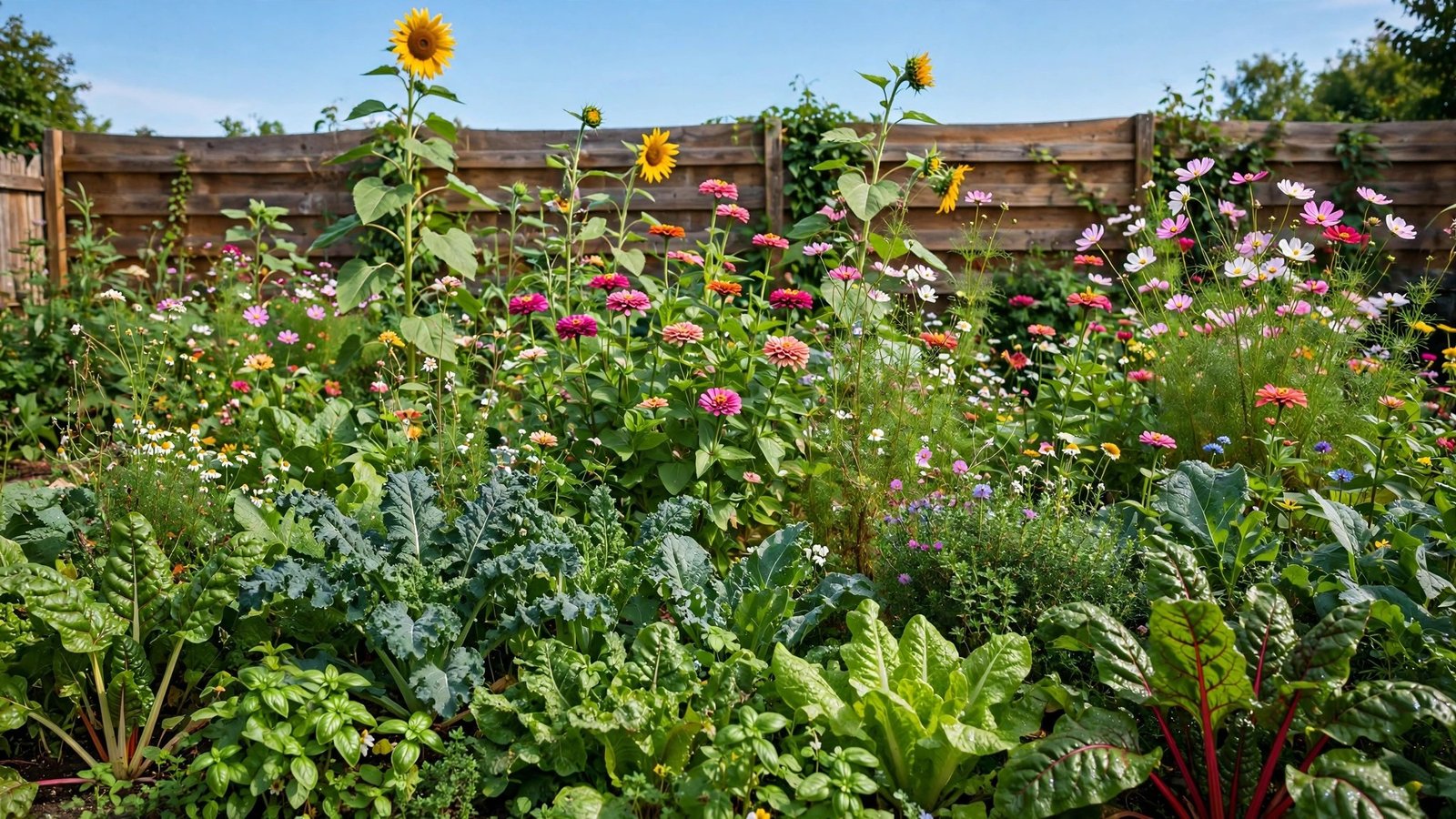
Picture your backyard on a warm Saturday morning, coffee in hand, while bees hum over a tangle of zinnias and a curious rabbit nibbles clover at the edge of the bed. Nothing is planted in straight rows, yet everything feels alive and intentional in its own wild way. That is the quiet magic of a chaos garden, where you trade the ruler for a handful of mixed seeds and let nature arrange the details.
You do not need perfect soil, a big budget, or years of experience to grow one. All you need is a sunny patch, a few seed packets, and the willingness to welcome surprises. These 21 chaos gardening ideas will help you build a wildlife-friendly backyard that feeds pollinators, shelters small creatures, and looks more beautiful with every passing week.
1. Blend Flower and Vegetable Seeds Together
One of the simplest ways to start is to mix flower seeds and vegetable seeds in one bowl before you scatter them. Try sunflowers with lettuce, zinnias with kale, and marigolds with radishes. The flowers draw in bees and butterflies while the vegetables grow happily in their company, and the bed looks colorful from the very first sprouts.
This mix also helps your garden stay healthier with less effort from you. Strong-scented flowers like marigolds can confuse pests, while tall sunflowers give light shade to tender greens on hot afternoons. If you love sustainable home decor ideas, you will appreciate how this low-waste method turns one small bed into food, flowers, and habitat all at once.
2. Use Up Leftover Seed Packets
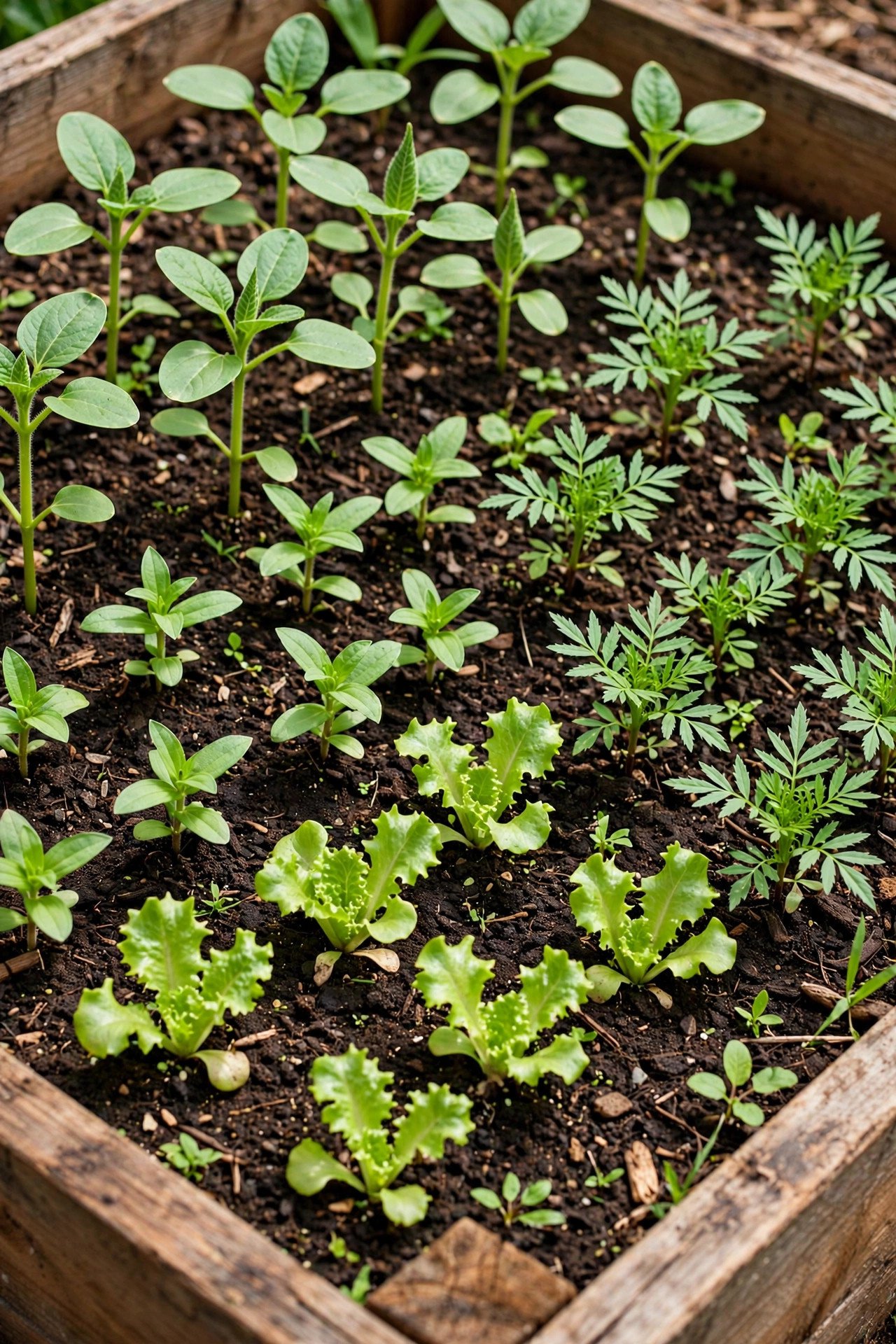
Almost every gardener has a drawer of half-used seed packets from past seasons, and a chaos garden is the perfect place to empty them. Pour the leftovers into a large bowl, stir them together, and scatter the mix across a prepared bed. You will be surprised how many forgotten seeds still sprout when they get sunlight and rain.
This approach costs nothing and keeps good seeds out of the trash. Because you are mixing many varieties, something will always thrive even if one type fails in your soil. It is a relaxed, rental-friendly decor hack for the garden too, since it needs no special tools and works in even the smallest rented yard.
3. Start a Wildflower Chaos Patch
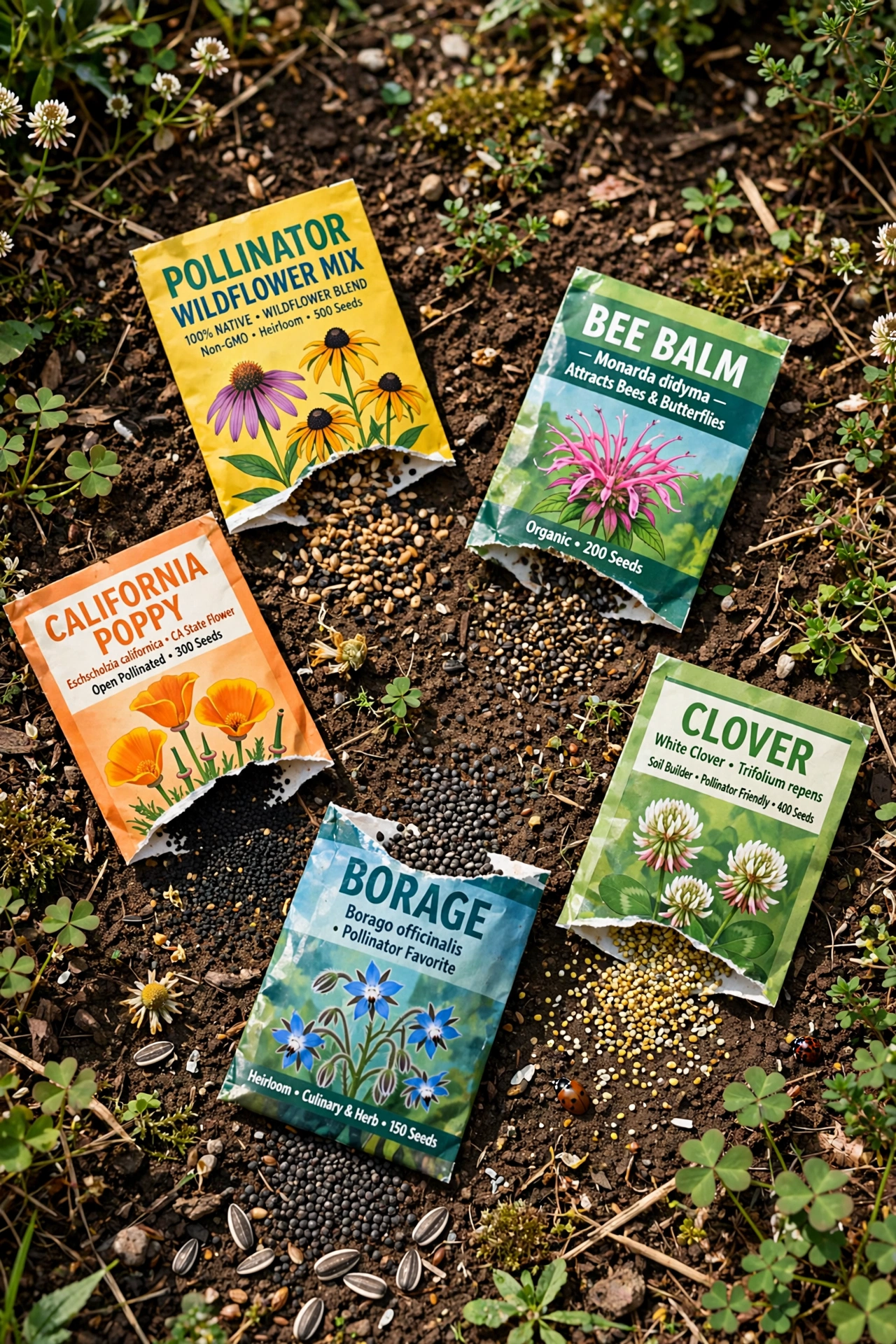
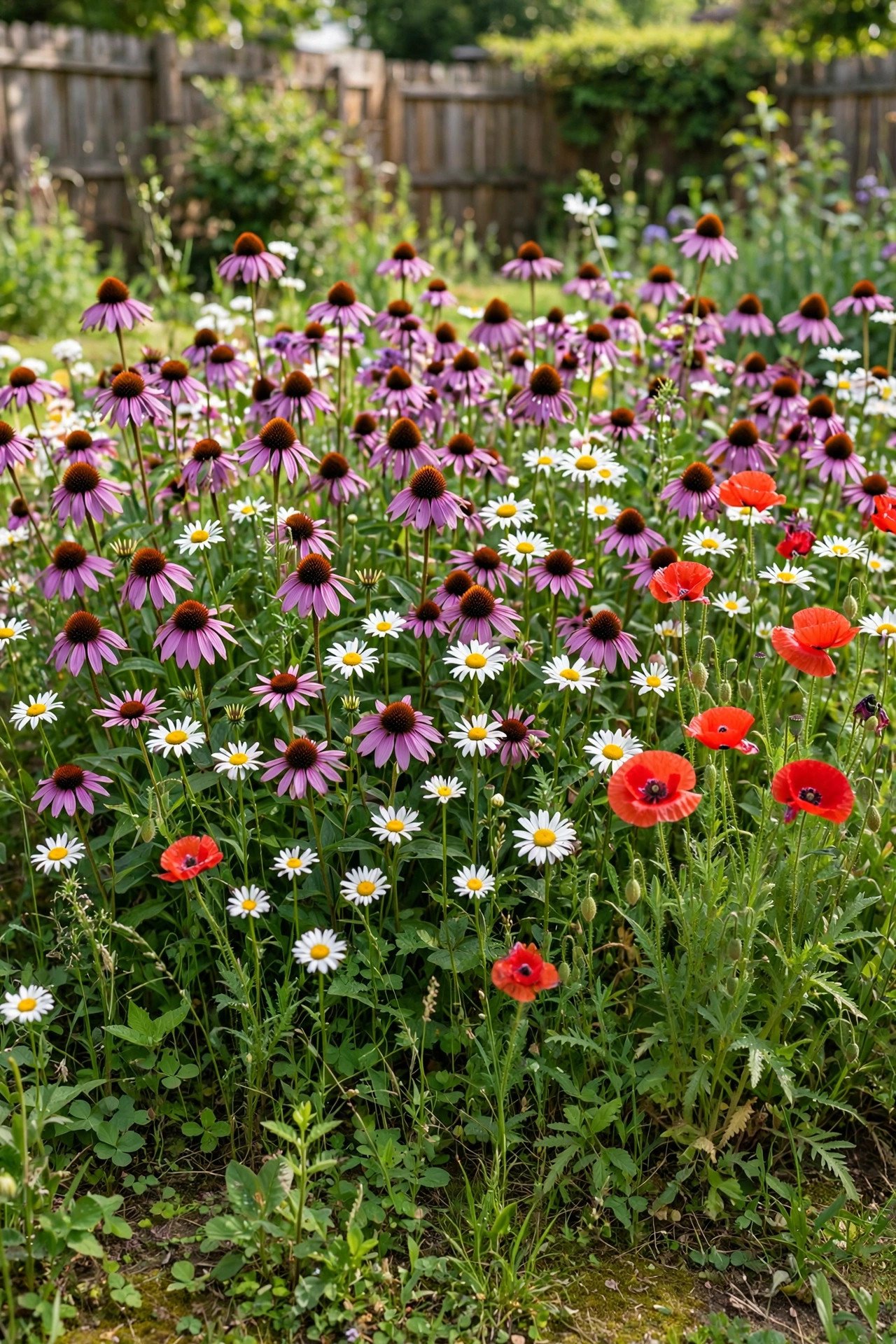
If you want a truly low-maintenance corner, toss a generous wildflower seed mix into a sunny spot and step back. Wildflowers are bred to grow in crowds, so their random patterns create a meadow effect that looks planned even though it is not. Within weeks you will see the first green carpet, followed by waves of color.
Wildlife will find this patch faster than you expect. Goldfinches love the seed heads, bees work the blooms from morning to evening, and butterflies drift through on calm afternoons. A patch like this pairs beautifully with romantic garden styling ideas when you add a simple bench nearby for watching it all unfold.
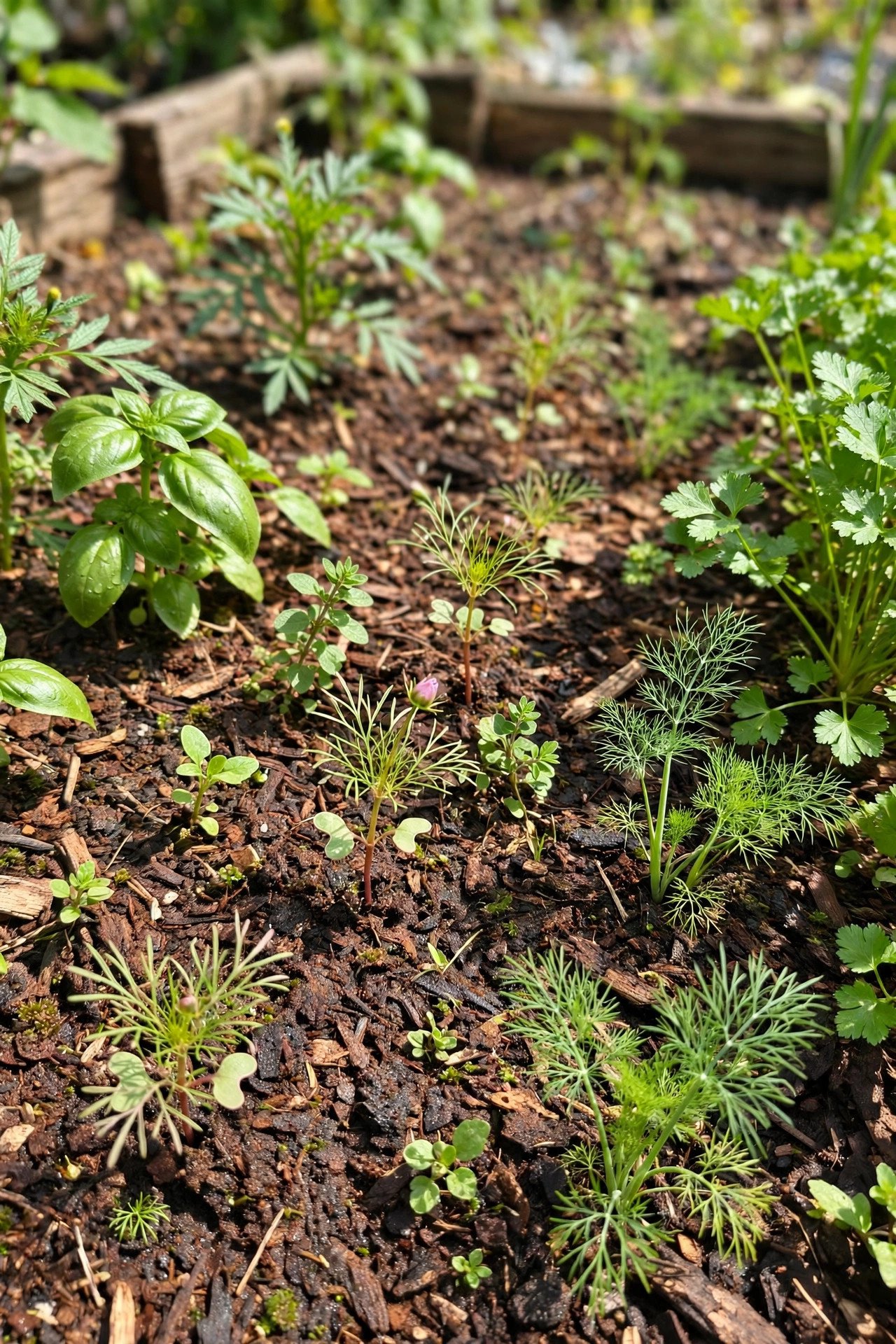
4. Toss Herbs Into the Seed Mix
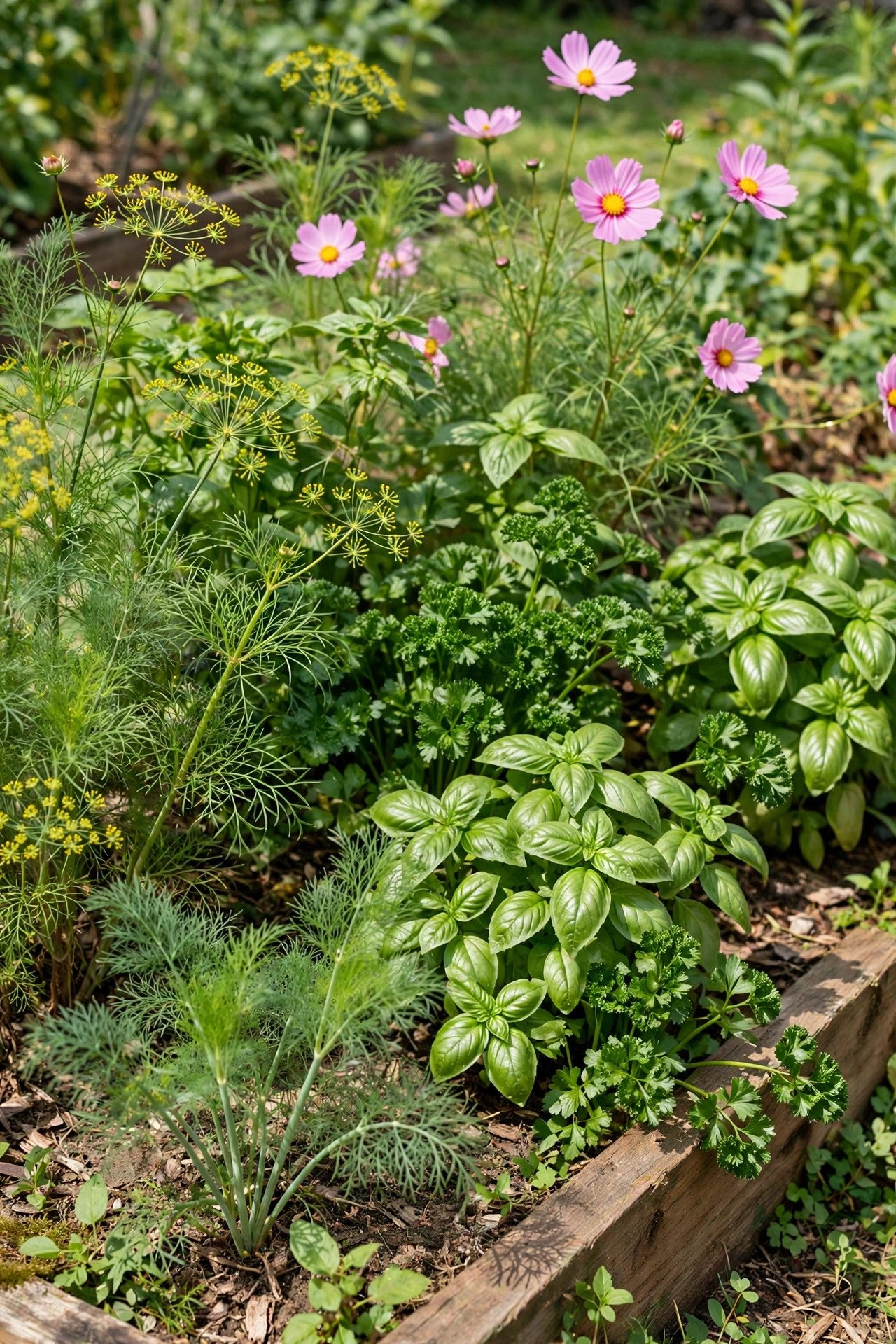
Chaos gardens are not only for flowers and vegetables, so add a generous handful of herb seeds to your mix. Basil, dill, cilantro, and parsley pop up in unexpected places and fill the air with fragrance when you brush past them. The feathery leaves of dill look especially pretty rising above lower blooms.
Herbs are also some of the best wildlife plants you can grow. Dill and parsley feed swallowtail caterpillars, basil flowers attract bees, and flowering cilantro draws tiny beneficial insects. Snip what you need for dinner and leave the rest standing, because a chaos garden is meant to be shared with its wild visitors.
5. Plant a Pollinator-Friendly Chaos Garden
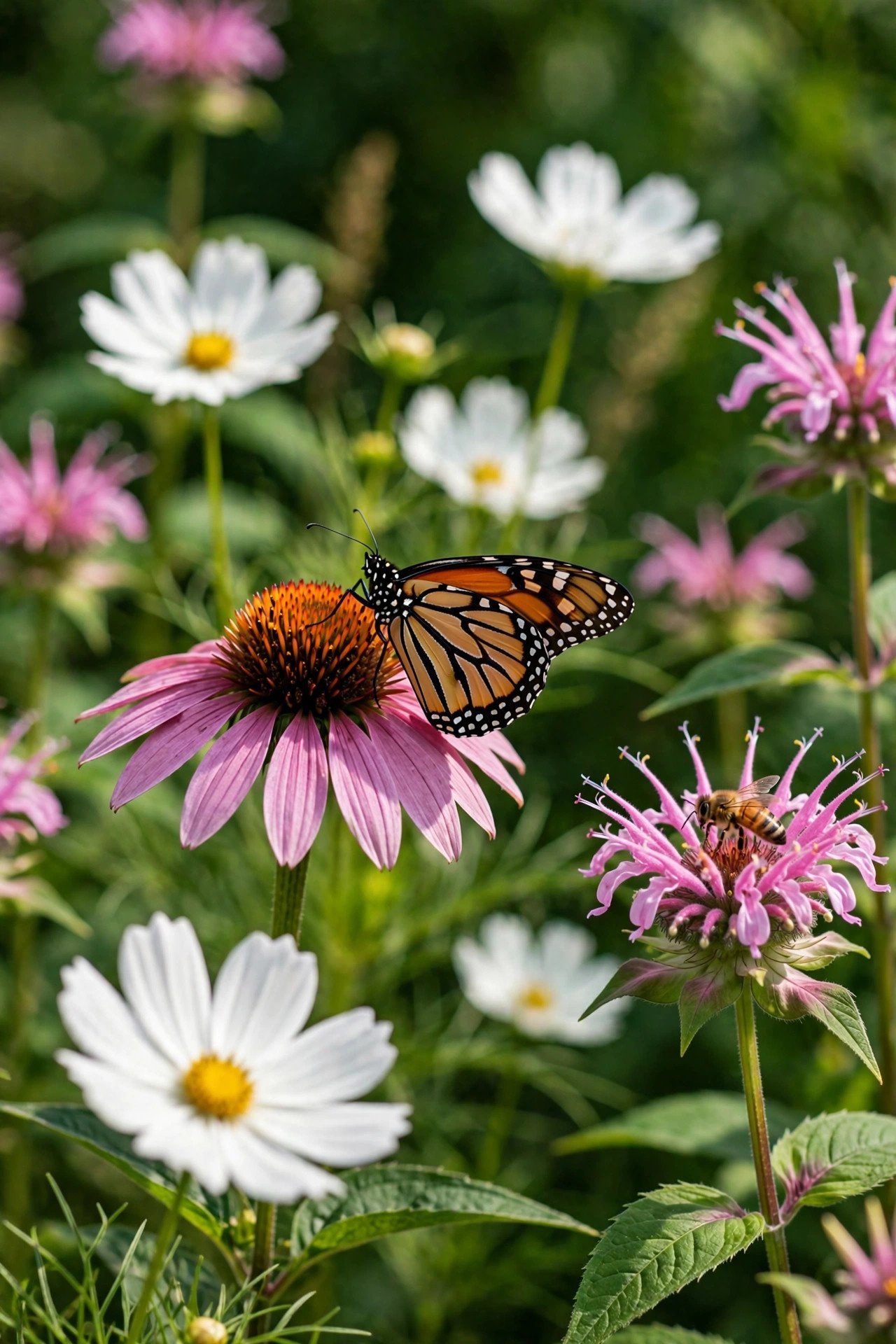
To turn your backyard into a buzzing haven, build your seed mix around pollinator favorites. Lavender, coneflowers, cosmos, bee balm, and marigolds give bees and butterflies nectar from spring through fall. Scatter them thickly so blooms overlap and there is always something open.
You will notice the difference within days as bumblebees arrive to work the lavender and butterflies circle the coneflowers. Leave a shallow dish of water with pebbles nearby so thirsty insects can drink safely. This single bed can do more for local wildlife than a whole yard of plain lawn.
6. Scatter Seeds in Raised Beds
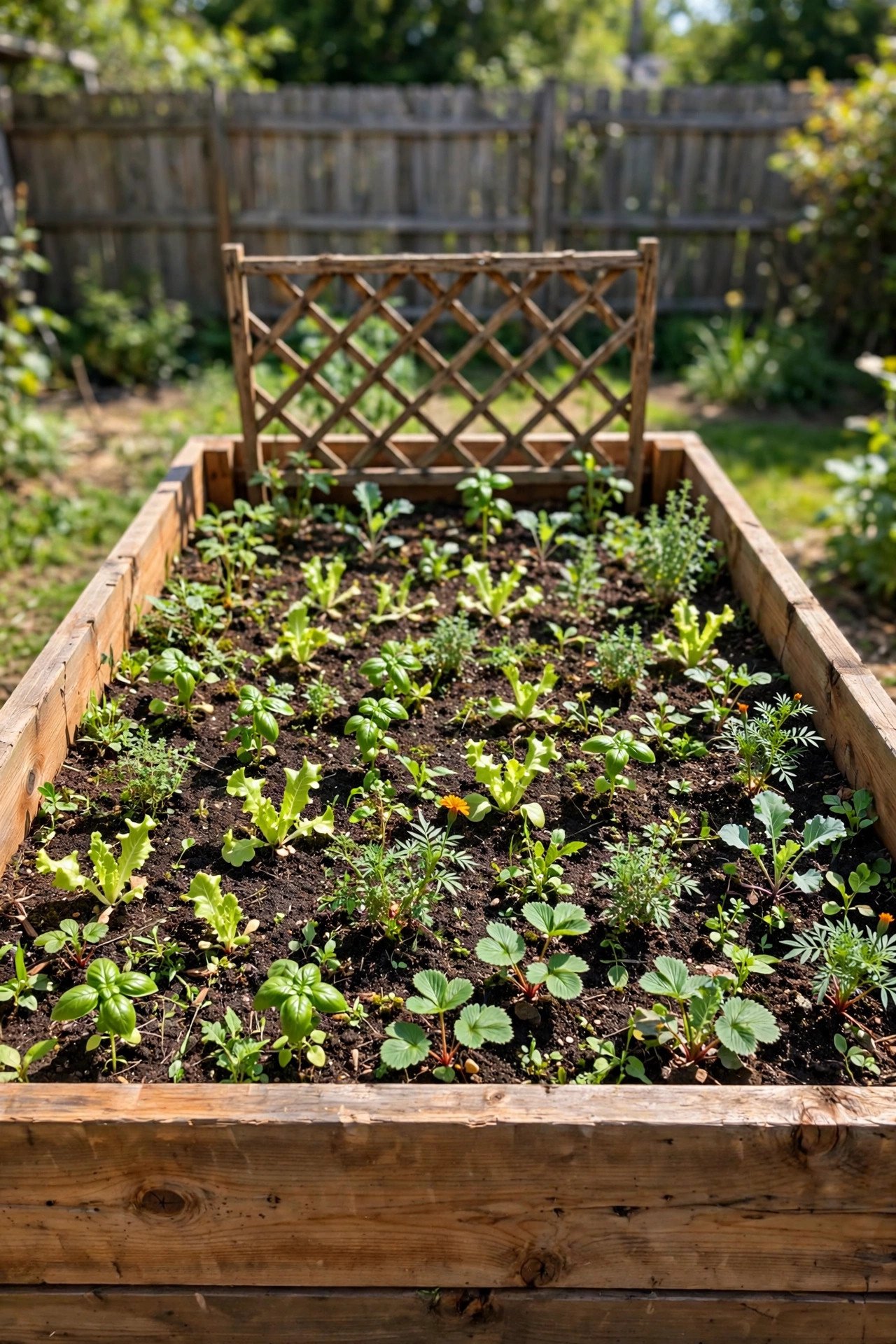
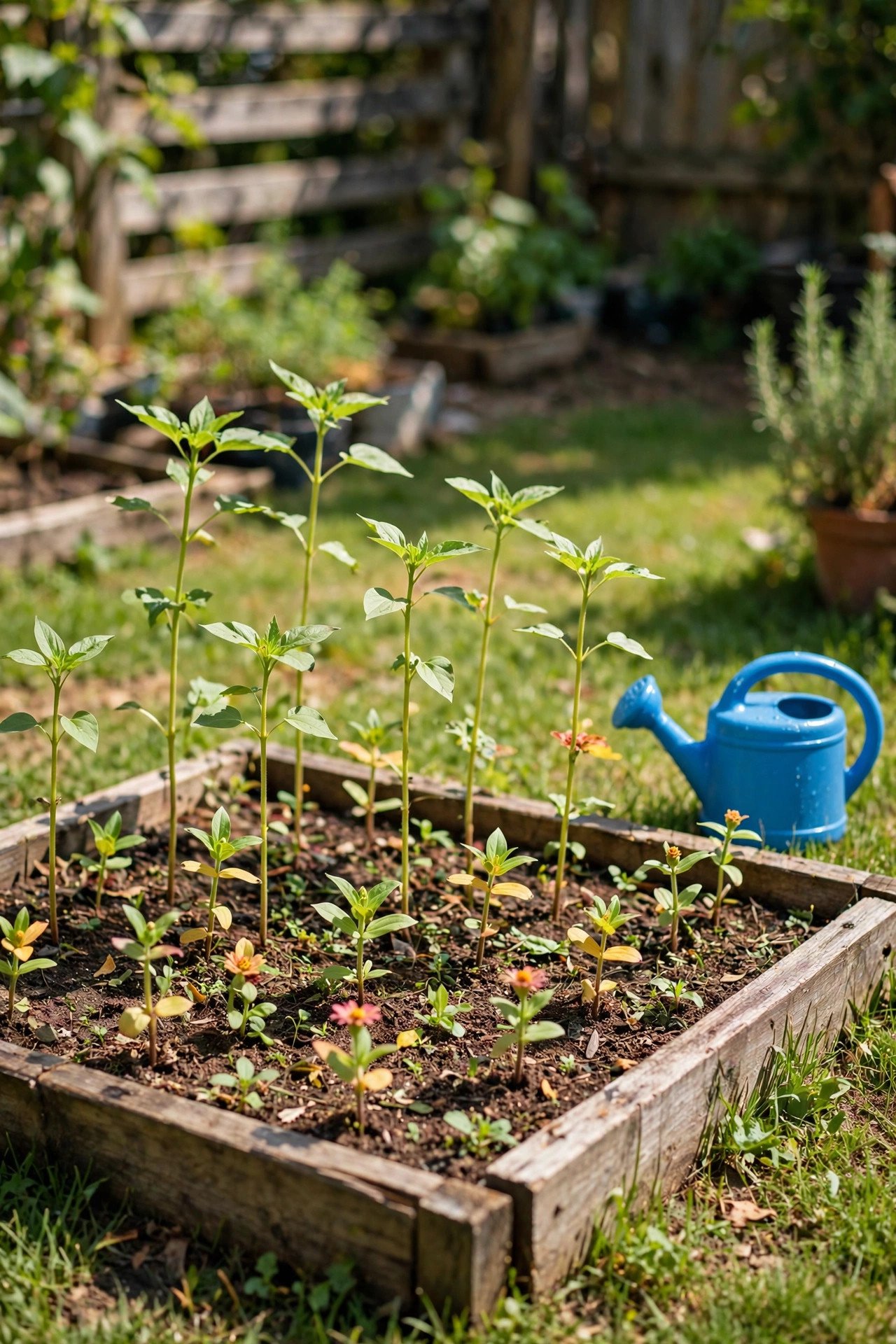
Raised beds are wonderful frames for chaos gardening because the tidy wooden edges keep the wildness contained. Instead of planting in rows inside the bed, mix your seeds and scatter them evenly across the soil surface. The contained space stays manageable while the planting itself looks wonderfully free.
Raised beds also warm up earlier in spring, which gives your scattered seeds a head start. Add a low trellis at the back for beans or peas to climb, and the bed gains height without losing its relaxed feel. Even a small balcony urban oasis can host a mini version in a deep planter box.
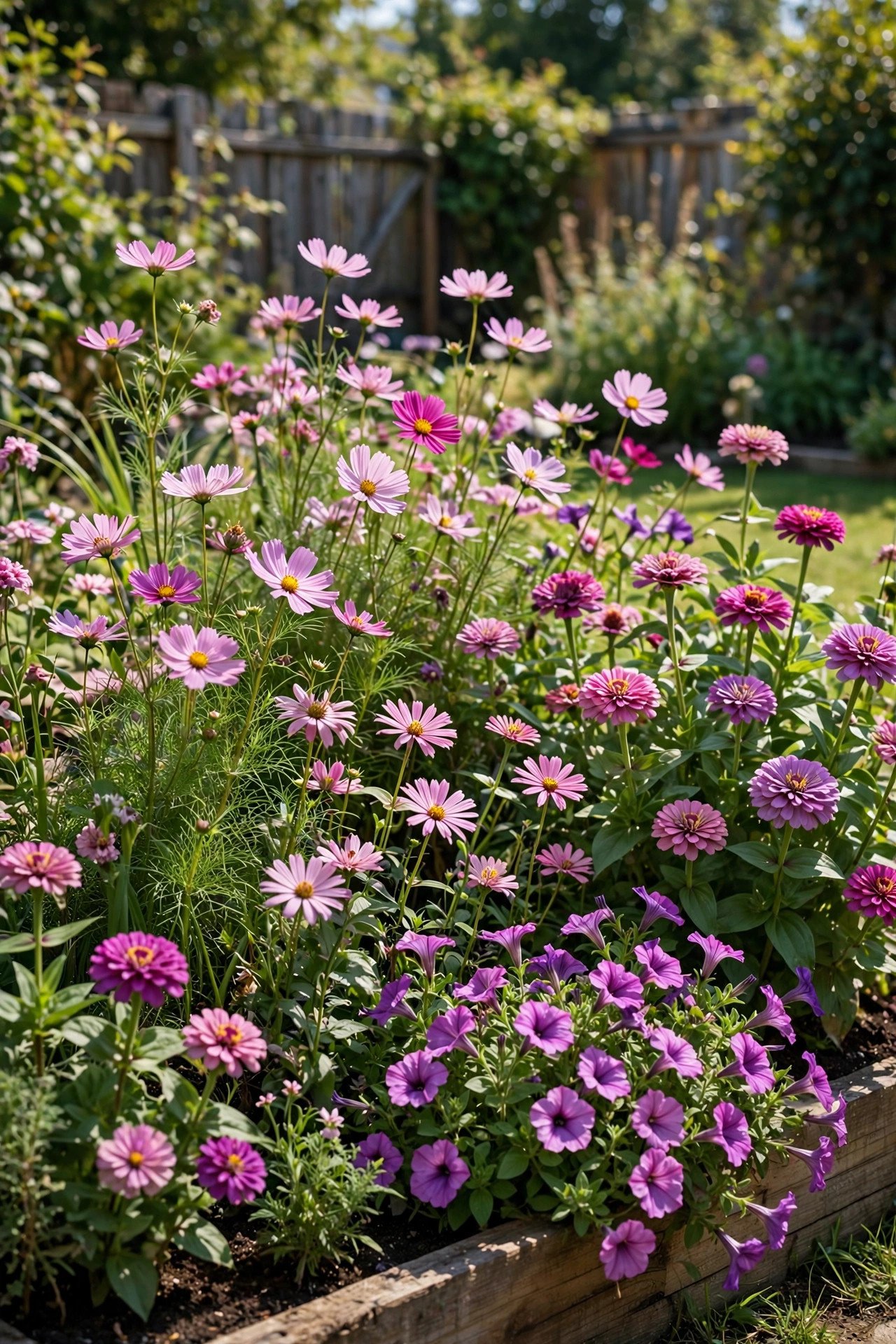
7. Try a Single-Color Chaos Theme
If a full rainbow feels too wild for you, choose one color family and let the chaos happen inside it. A pink and purple garden of cosmos, petunias, zinnias, and snapdragons looks remarkably pulled together even though every plant lands where it lands. The shared palette ties the randomness into a clear design.
Wildlife does not mind a limited palette as long as the flowers are rich in nectar. Bees are especially drawn to purple and blue blooms, so a cool-toned chaos bed can hum with activity all summer. Photograph it at golden hour and the whole bed glows like a watercolor painting.
8. Let Climbing Plants Join the Mix
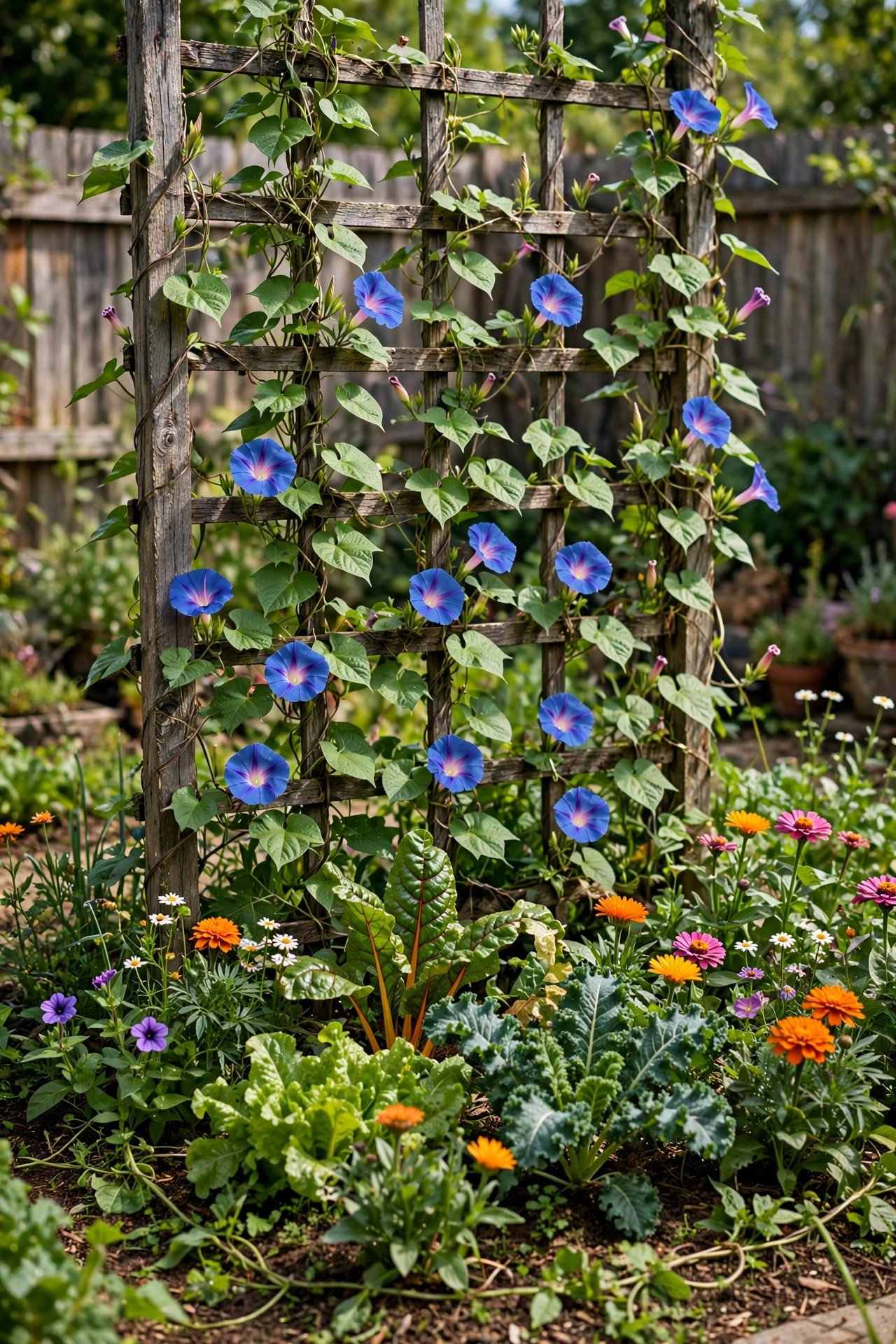
Chaos gardens become even more magical when plants climb. Toss seeds for peas, beans, or morning glories near a fence or trellis so they can weave upward through the rest of the planting. The vertical threads of green add a whole new layer to the design.
Morning glory flowers open at dawn and feed early bees, while bean blossoms attract bumblebees all day long. Hummingbirds may even visit scarlet runner beans if you include them. Just give climbers something sturdy to grip, then let them wander where they please.
9. Add Native Plants for Wildlife
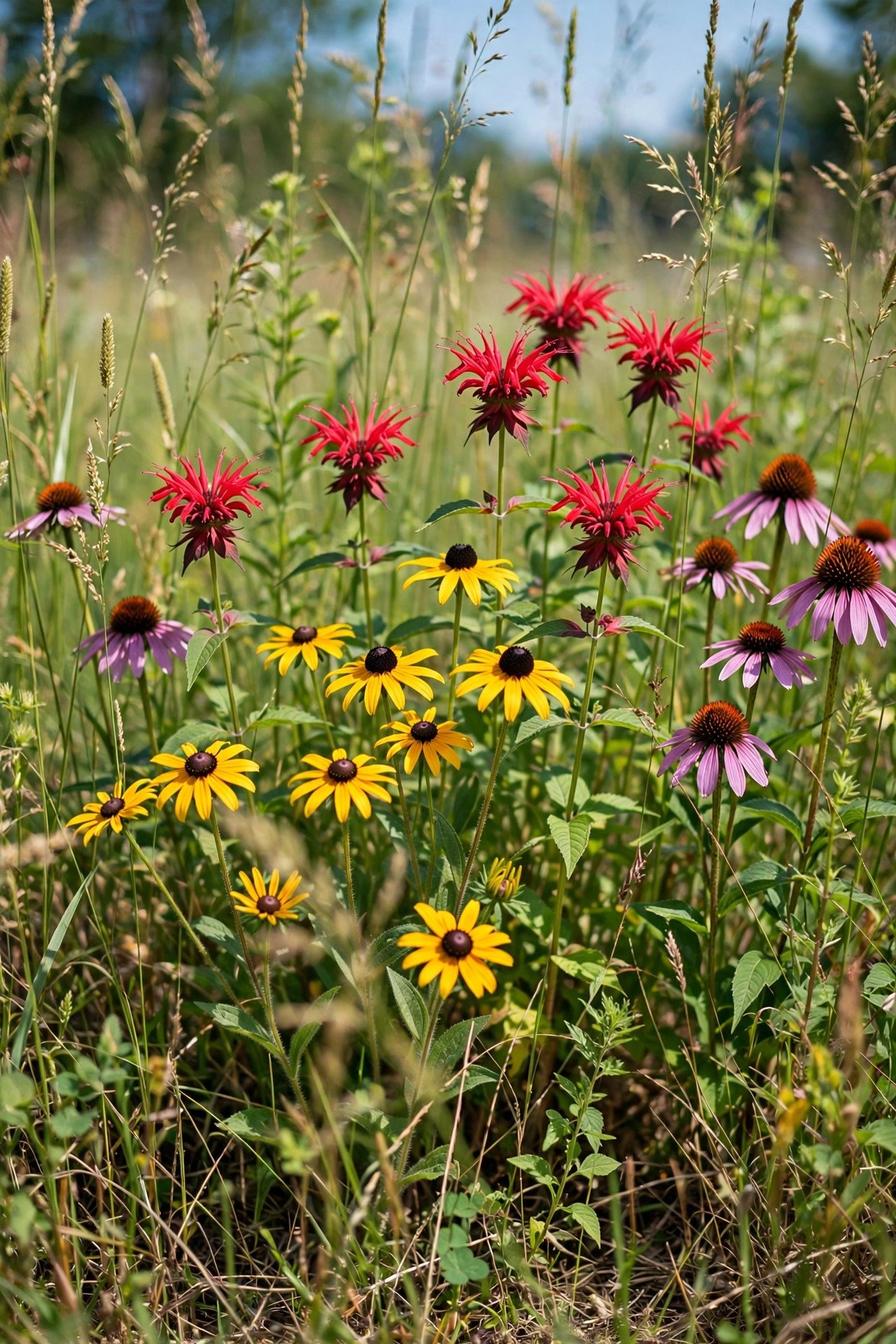
Native plants are the smartest seeds you can add to a chaos mix because they already belong in your region. They handle local weather with ease, need little extra water once settled, and feed the exact insects and birds that evolved alongside them. Look for a native wildflower mix suited to your state or county.
Because natives bloom on a natural schedule, they keep the garden alive for wildlife from the first spring flowers to the last fall seed heads. Leave the stems standing through winter and you will feed seed-eating birds for months. Few choices help backyard wildlife more than planting what was always meant to grow there.
10. Grow a Chaos Garden in the Shade
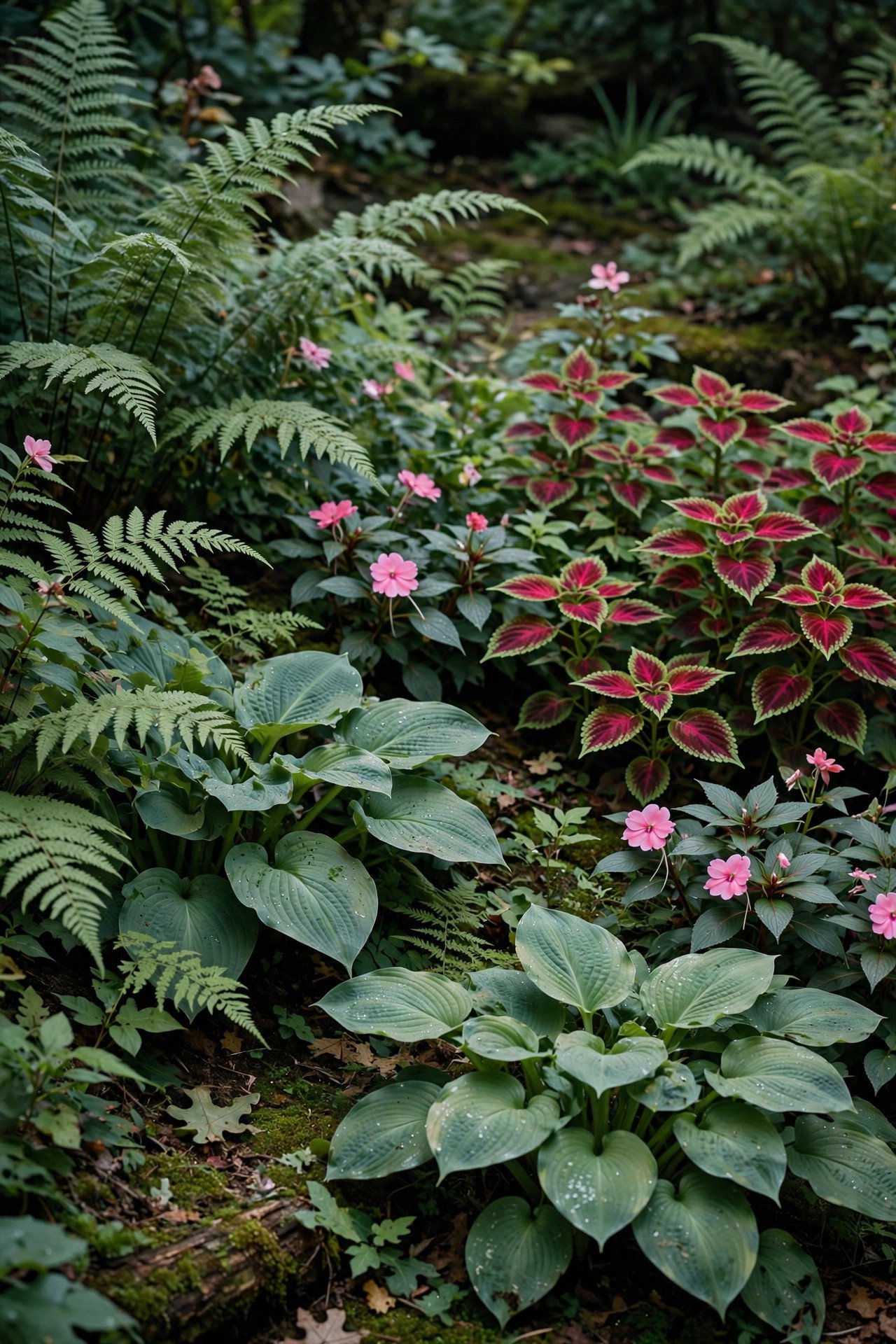
Not every chaos garden needs full sun, and a shady corner can become the lushest spot in the yard. Mix seeds for impatiens, coleus, and shade-tolerant wildflowers, then tuck in ferns and hostas as transplants for instant fullness. The layered foliage creates a jungle-like depth that sun beds cannot match.
Shady chaos beds are havens for frogs, toads, and fireflies, which all prefer cool, damp shelter. A small dish of water half-buried in the soil gives amphibians a place to cool off. You will love how this quiet corner feels like a secret woodland right outside your door.
11. Throw Seed Bombs Around the Yard
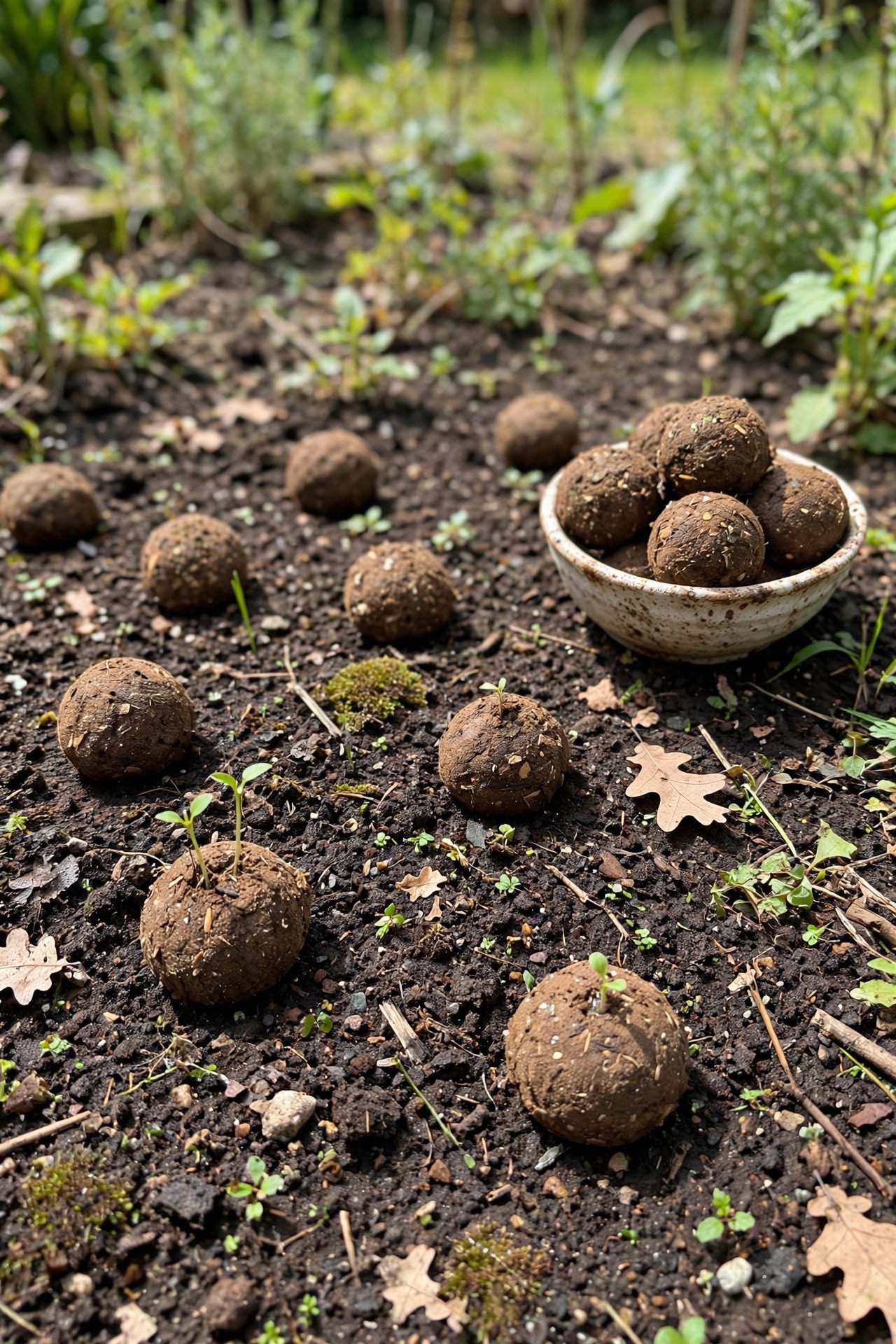
Seed bombs make chaos gardening feel like a joyful game. Mix seeds with compost and powdered clay, roll the blend into small balls, and let them dry in the sun. Then toss them into bare spots, along fences, or into that forgotten corner behind the shed whenever rain is on the way.
Kids especially love this method because there are no rules and no tools required. Each bomb carries its own little pocket of nutrition, so seeds sprout even in poor soil. It is a playful way to turn dull, empty patches into surprise wildflower colonies by midsummer.
12. Make a Kid-Friendly Chaos Patch
Give children their own small bed and let them run the whole show, from choosing seed packets to scattering the mix. Without strict rows to protect, kids can dig, pour, and pat soil freely, which keeps gardening fun instead of fussy. Sunflowers and giant zinnias are perfect because they sprout fast and grow tall enough to amaze.
A kid-tended patch also becomes a living science lesson as they watch bees visit, worms tunnel, and seeds turn into dinner. Let them keep a simple drawing journal of what pops up each week. The pride on their face at the first bloom is worth more than any perfectly planned bed.
13. Combine Tall and Short Plants
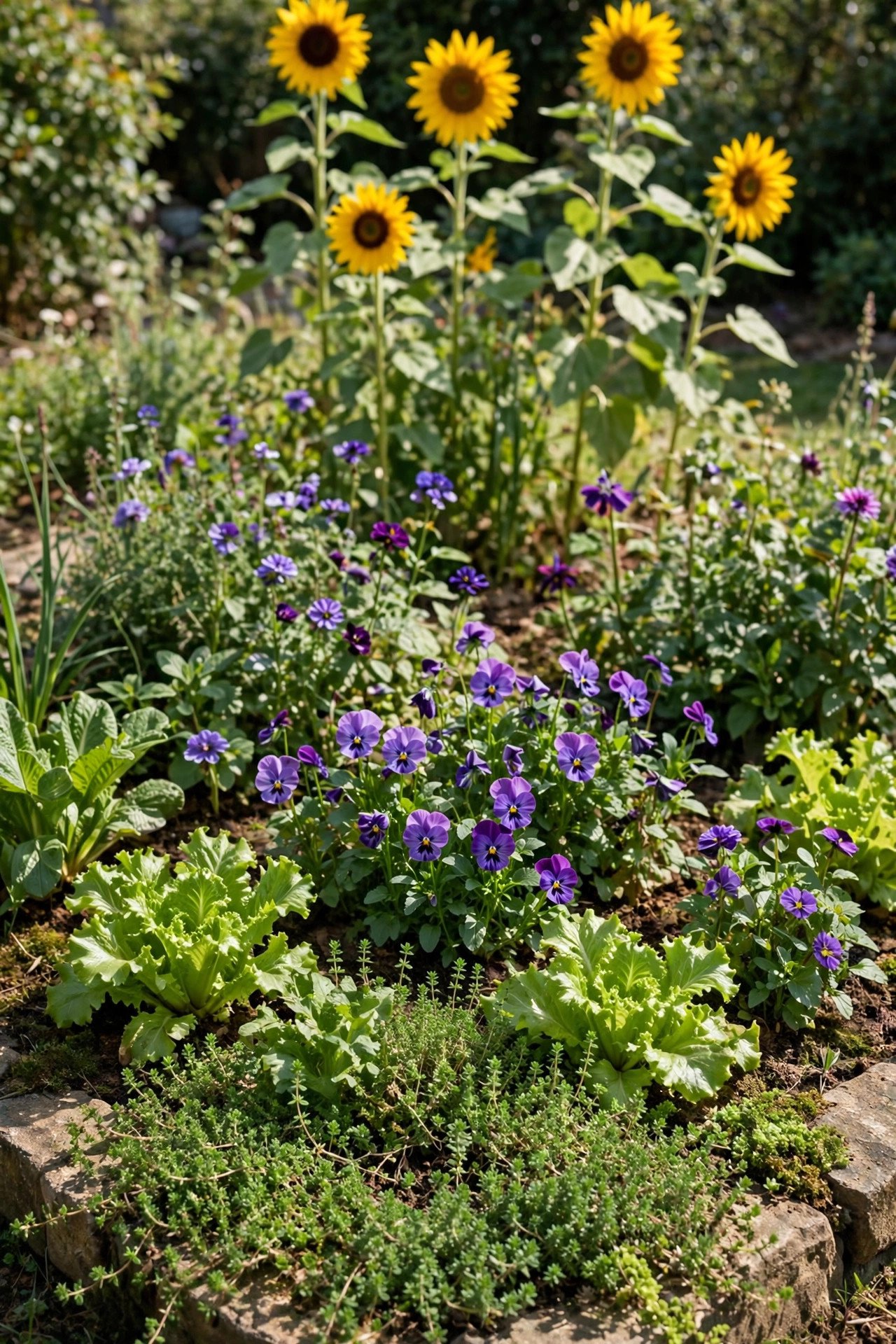
Mixing heights is the easiest way to make a scattered planting look rich and intentional. Pair towering sunflowers and hollyhocks with low growers like lettuce, pansies, and creeping thyme. The tall plants create a living backdrop while the short ones carpet the soil and keep it cool.
This layering helps wildlife too, because different creatures use different levels. Ground beetles patrol the low foliage, bees work the mid-height blooms, and birds perch on the tall stems. Think of it as building a tiny apartment block where every floor has a happy tenant.
14. Scatter Edible Flower Seeds
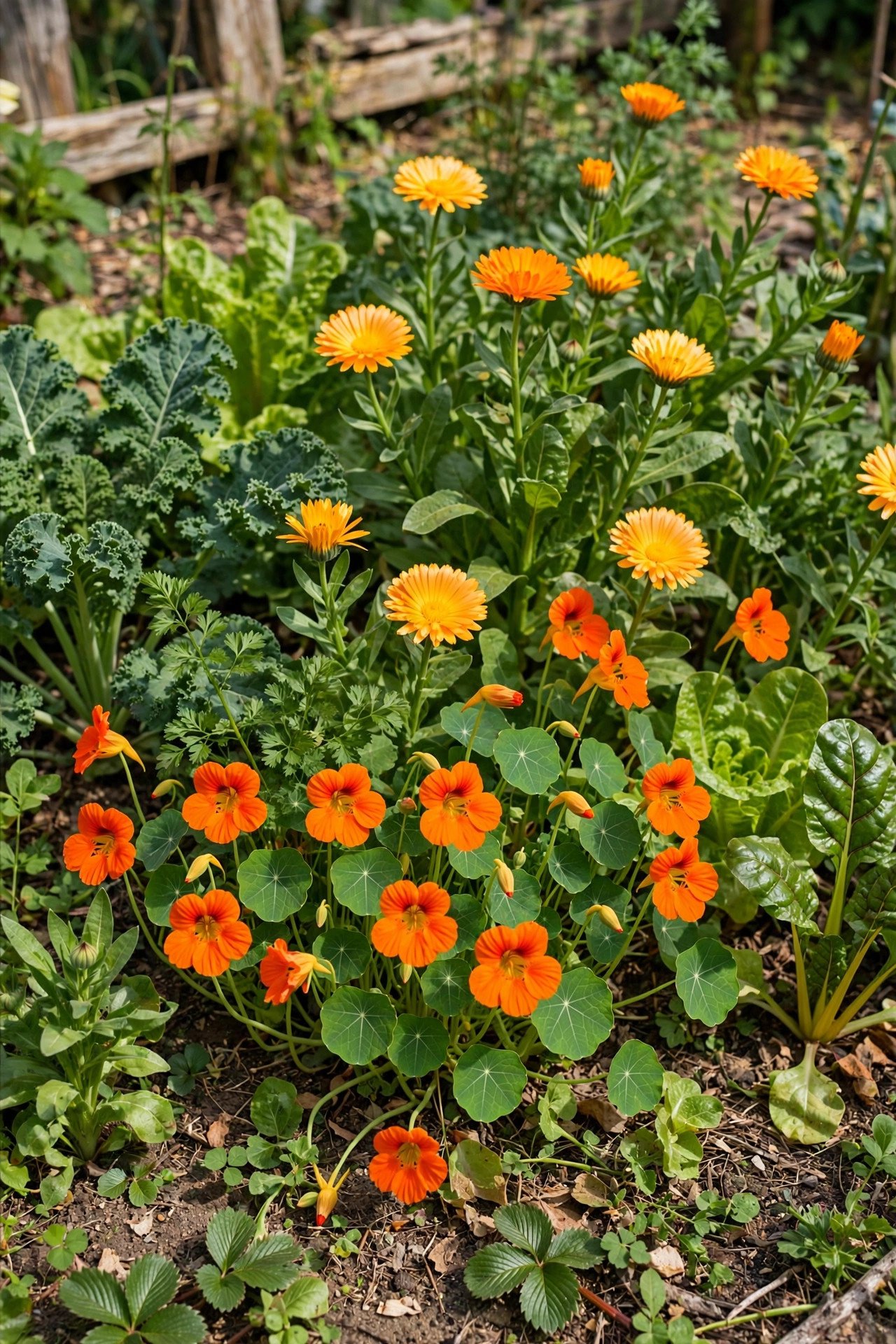
Edible flowers are a delicious bonus in any chaos garden. Nasturtiums, calendula, and borage sprout easily from scattered seed and their petals can brighten salads and summer drinks. They bloom for months and ask for almost nothing in return.
Pollinators adore these flowers just as much as cooks do. Borage in particular is a bee magnet, with blue star-shaped blooms that refill with nectar quickly. Plant plenty so there is enough for your plate and for the wildlife that shares your garden.
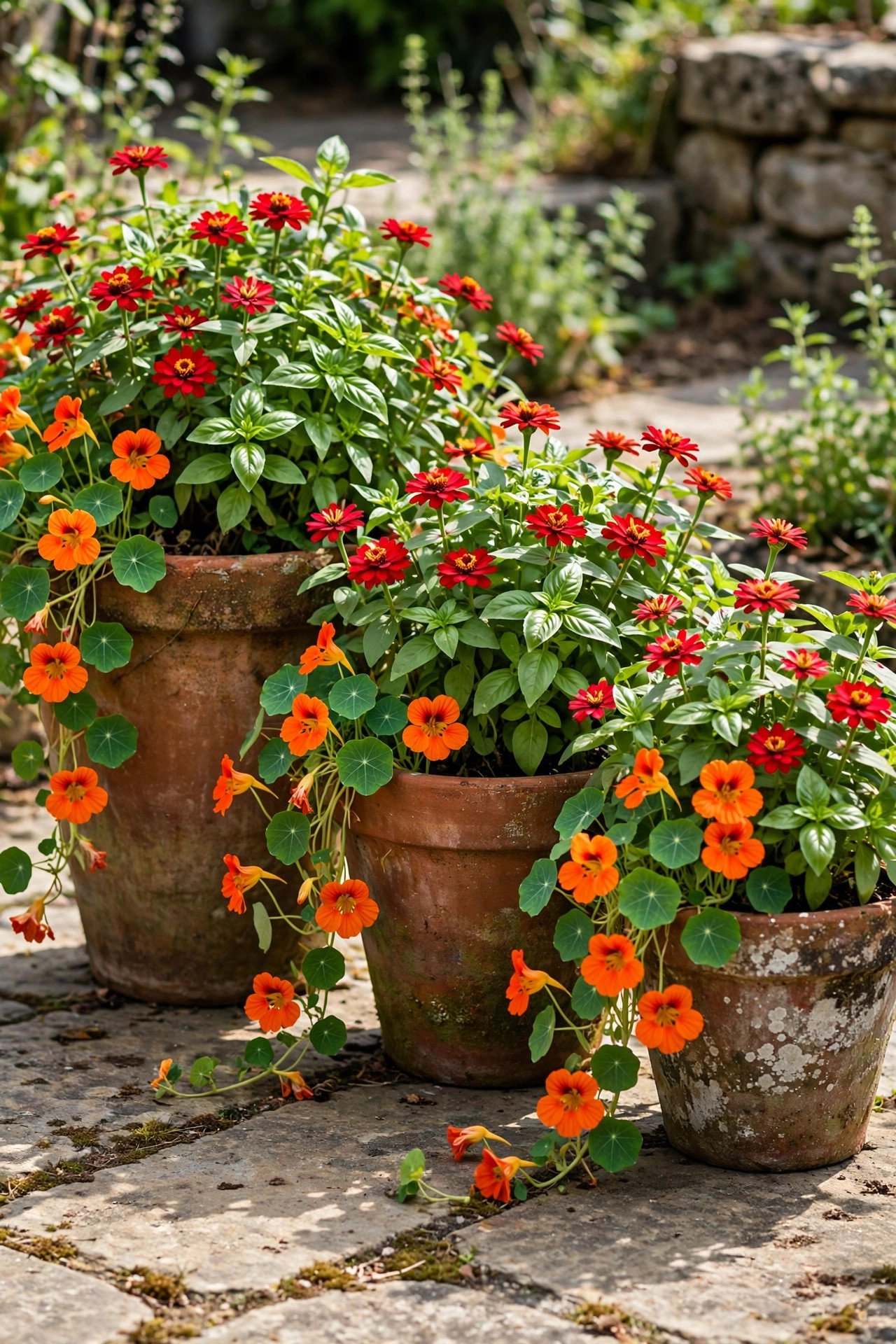
15. Grow Mini Chaos Gardens in Pots
Short on ground space does not mean missing out, because large pots and planters make excellent mini chaos gardens. Fill a deep container with potting soil, scatter a mixed handful of compact flower and herb seeds, and water gently. Even a sunny doorstep can host a buzzing little ecosystem.
Choose smaller varieties like dwarf zinnias, trailing nasturtiums, and bush basil so nothing outgrows the pot too fast. Group three pots of different heights together for a lush layered look. This trick works beautifully on patios, and fans of European garden with antique accents can use aged terracotta pots for extra charm.
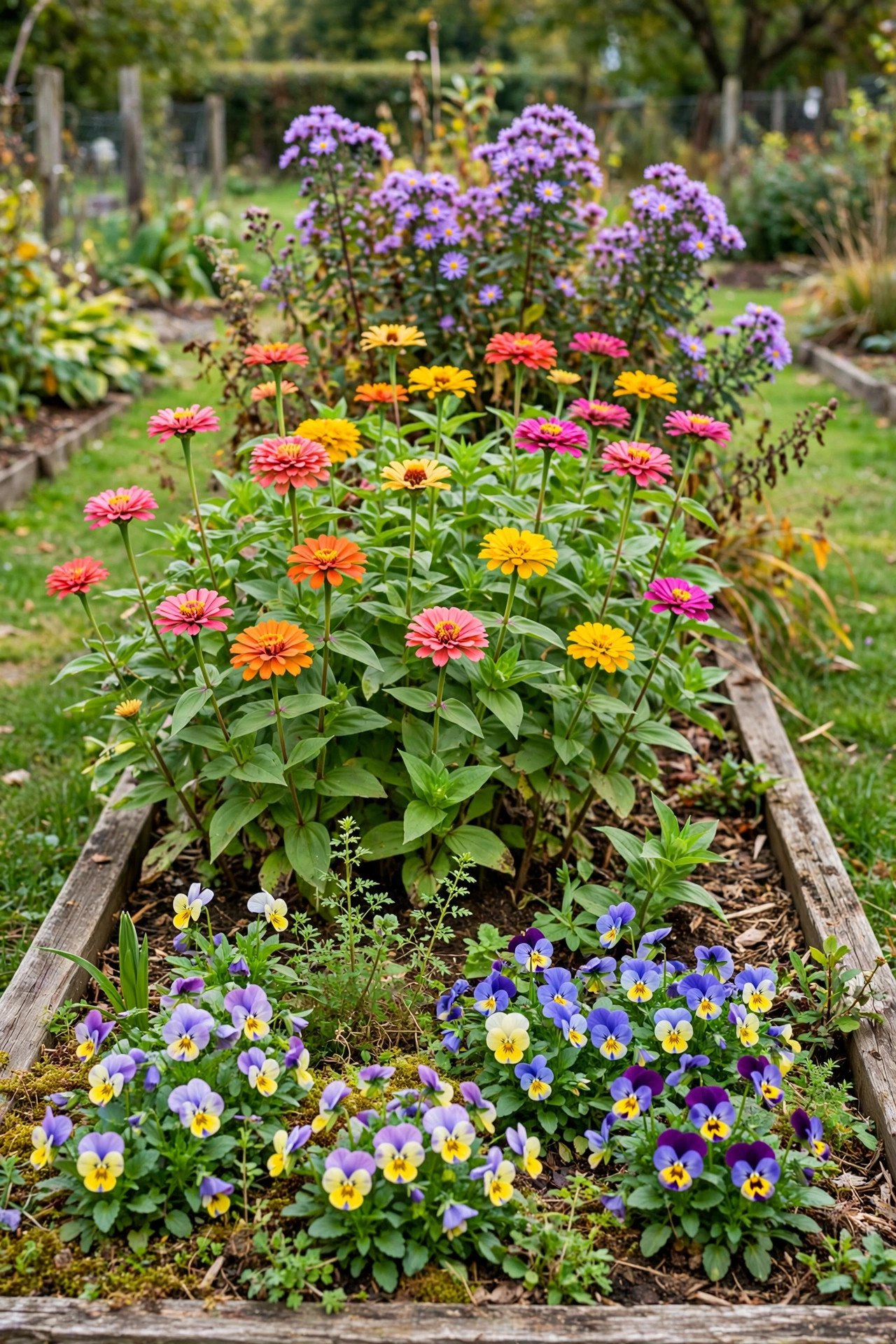
16. Plan a Season-by-Season Chaos Garden
You can stretch the chaos across the whole year by choosing seeds that peak at different times. Early greens and pansies lead the spring show, zinnias and sunflowers own the summer, and asters plus ornamental kale carry the fall. Each season the garden reinvents itself without any replanting plan.
This rolling display keeps wildlife fed for months instead of weeks. Early bees find the first blooms, summer brings the butterfly rush, and fall seed heads feed migrating birds. Sow a fresh handful of cool-season seeds in late summer to keep the cycle going strong.
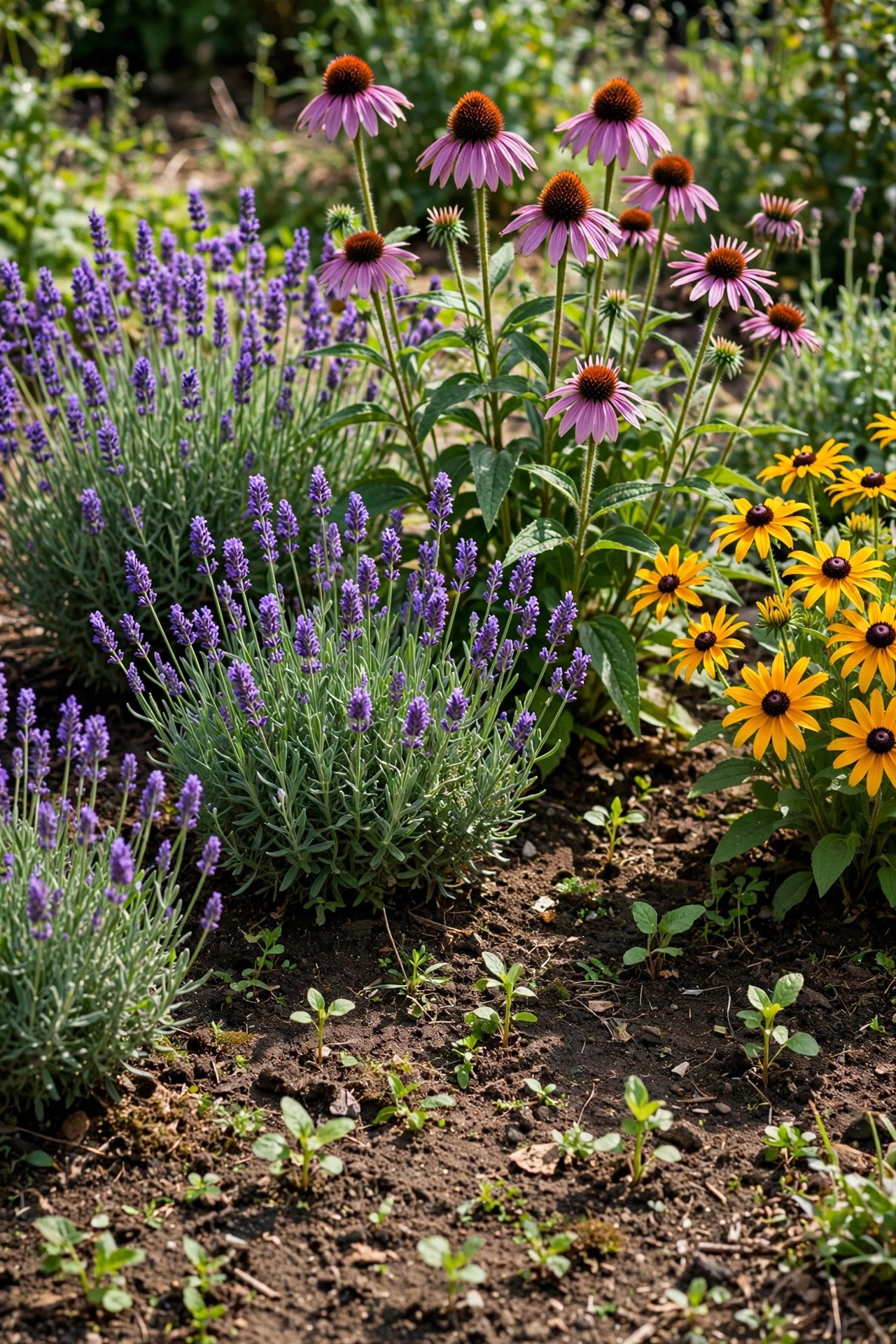
17. Anchor It With Hardy Perennials
Annual chaos is fun, but a few steady perennials give the garden bones that return every year. Echinacea, black-eyed Susans, lavender, and bee balm settle in once and then anchor each new round of scattered annual seeds. They also make the bed look established from the very first spring.
Perennials are wildlife workhorses because their deep roots survive drought and their seed heads feed birds in winter. Plant them first as small transplants, then scatter your annual chaos mix around them each spring. The garden will look wilder and richer with every passing year.
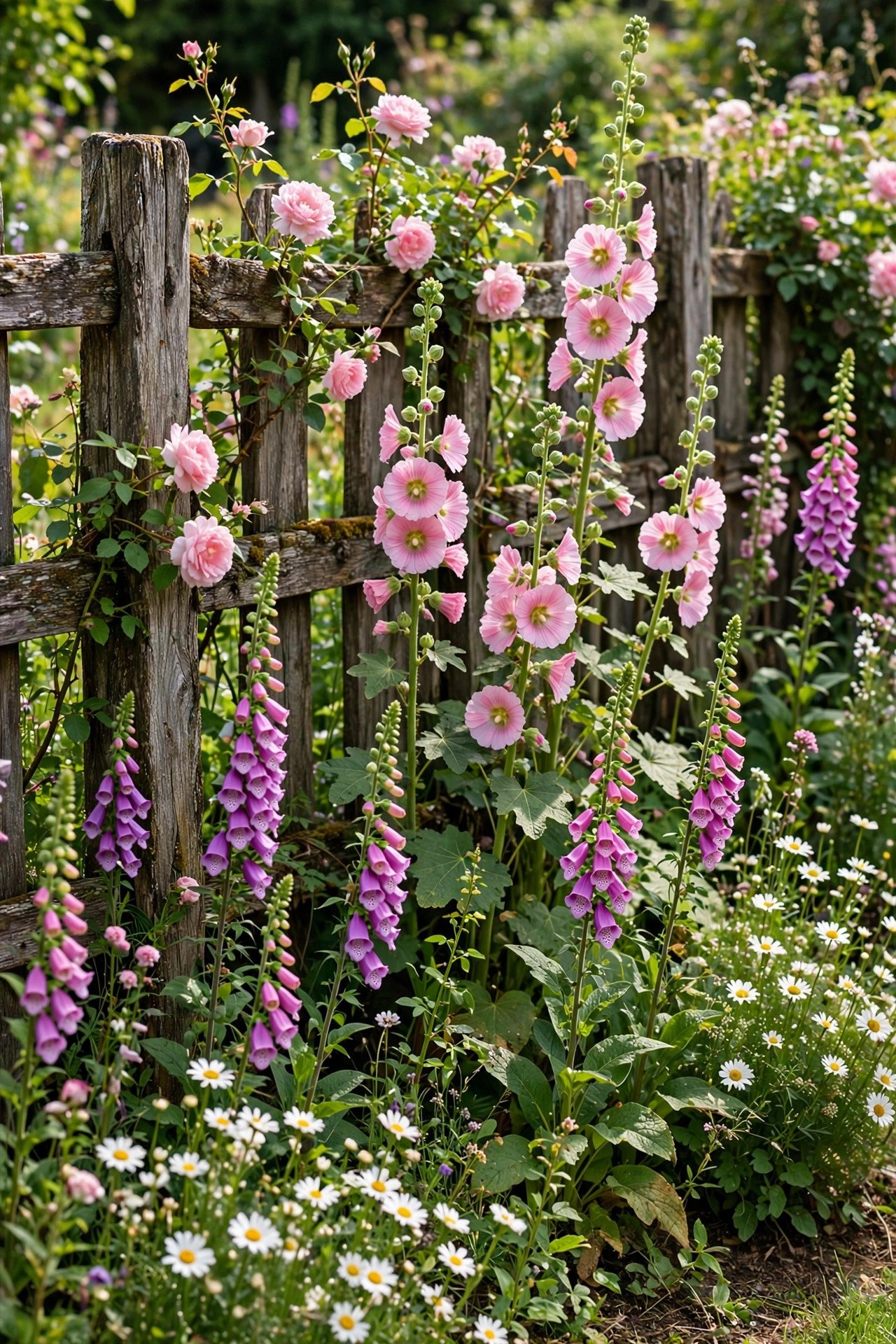
18. Go for a Cottage Garden Feel
Cottage gardens were chaotic long before the trend had a name, so they blend perfectly with this style. Mix hollyhocks, foxgloves, daisies, roses, and herbs in generous drifts and let them self-seed freely. The result is romantic abundance that looks like it grew straight out of a storybook.
This style is a dream for wildlife because so many cottage flowers are rich in nectar and pollen. Foxgloves feed bumblebees, daisies host tiny beneficial insects, and the dense planting shelters toads and beetles. Add a rustic bench and the whole scene invites slow, happy wandering.
19. Scatter Seeds Right After Rain
Timing matters more than technique, and the best moment to scatter is right after a good rain. Moist soil grips the seeds, keeps them from blowing away, and gives them the damp start they need to germinate quickly. You can almost watch the bed wake up in the days that follow.
Watch the forecast and keep a jar of mixed seeds ready by the door during spring. A ten-minute scattering session after a shower can outperform an hour of careful planting on dry soil. Nature does the watering, and you simply provide the seeds.
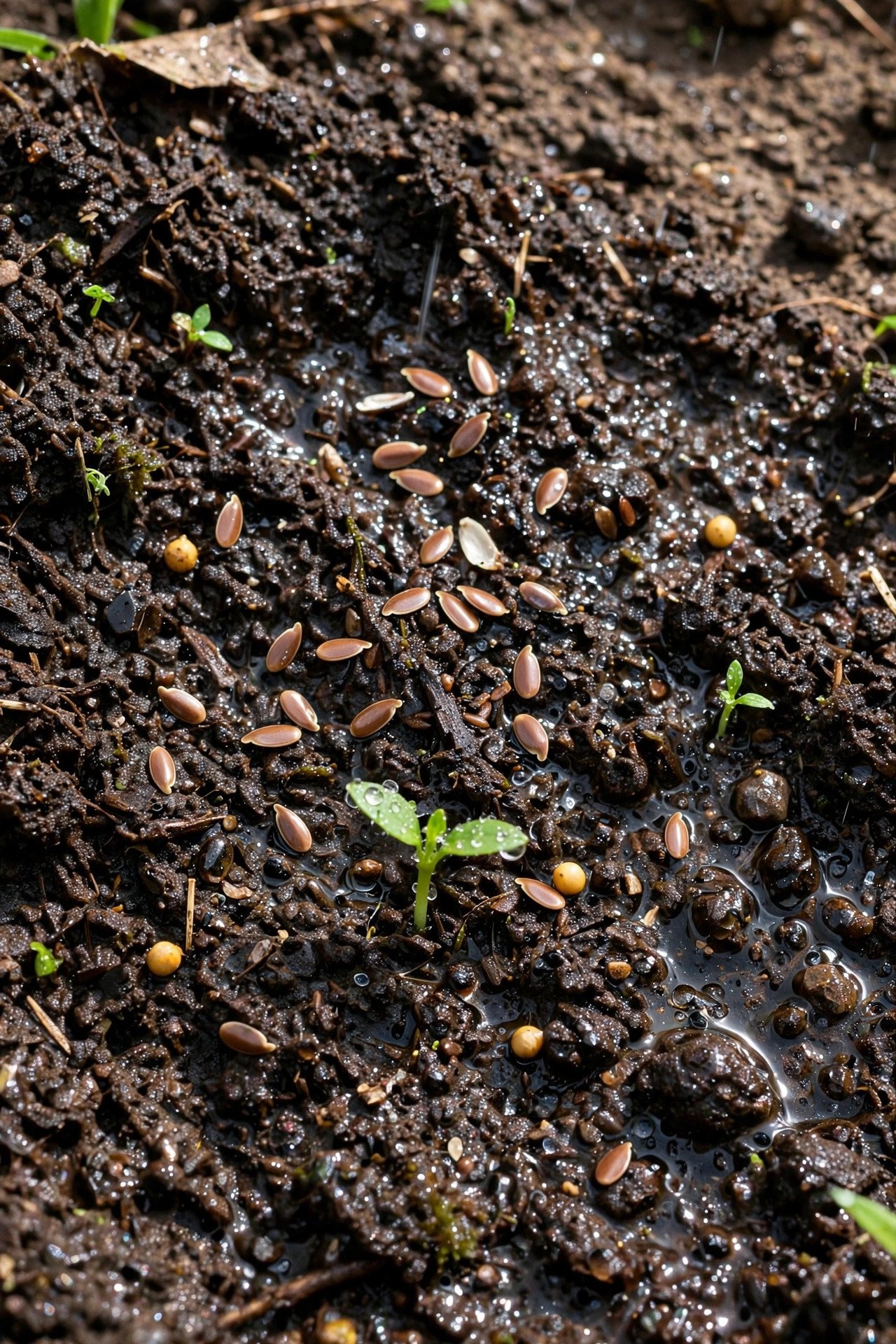
20. Let Volunteer Seedlings Stay
Volunteers are the free plants that pop up from last season dropped seeds, and they are pure gold in a chaos garden. Instead of pulling every surprise seedling, let the strongest ones grow where they landed. They chose that spot themselves, which often means the conditions suit them perfectly.
These self-sown plants are usually the toughest in the garden because only the fittest seeds survived. They also keep the wildlife buffet going without any effort from you. Think of volunteers as nature co-designing the garden alongside you, one seed at a time.
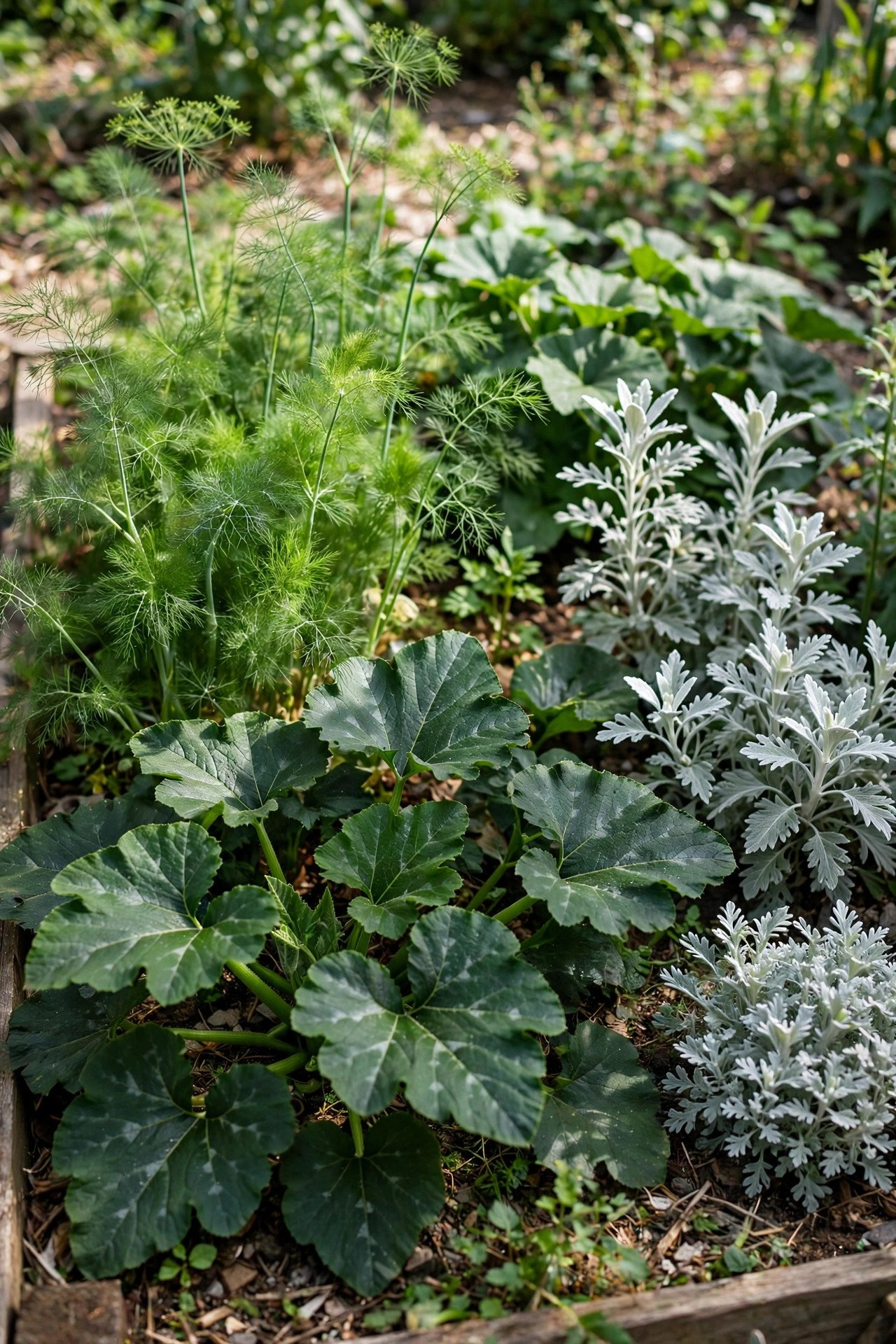
21. Play With Leaf Textures
A chaos garden delights the eyes even before it blooms when you mix bold leaf textures. Pair feathery dill and fennel with broad squash leaves, silvery artemisia, and ruffled ornamental kale. The contrast of fine and bold foliage keeps the bed interesting from the first sprout to the last frost.
Textured foliage also creates better shelter for small wildlife. Dense low leaves hide ground beetles and toads, while tall feathery stems give butterflies safe landing spots. When the flowers finally open above this textured base, the whole planting looks lush, layered, and completely alive.
Conclusion
A chaos garden asks you to loosen your grip and trust the seeds, and the reward is a backyard that feels more alive than any manicured lawn ever could. Each handful you scatter becomes food for bees, shelter for small creatures, and a fresh surprise waiting to bloom. The garden truly designs itself, with you as its happy assistant.
Start small with one bed or a few pots, keep a jar of mixed seeds by the door, and let the seasons do the rest. Before long you will have a wildlife-friendly backyard that changes every week and brings you a little more joy every single day.
Frequently Asked Questions About Chaos Gardening Ideas for Wildlife-Friendly Backyards
What is chaos gardening?
Chaos gardening is a relaxed planting style where you mix many kinds of seeds together and scatter them instead of planting in neat rows. The plants grow where they land, creating a natural, meadow-like look. It needs less planning, less weeding, and welcomes wildlife into your yard.
Which seeds work best for a wildlife-friendly chaos garden?
Choose a blend of native wildflowers, pollinator favorites like coneflowers and bee balm, plus herbs and easy vegetables. Native seeds support local insects and birds best because they evolved together. A regional wildflower mix is the simplest way to get the balance right.
Will a chaos garden look messy to my neighbors?
It can look wild, but neat edges make all the difference. Keep the lawn or path around the bed trimmed, add a simple border or fence, and consider a small sign explaining it is a pollinator garden. Most people change their minds once the flowers bloom.
How much maintenance does a chaos garden need?
Very little once it is established. Water during dry spells in the first weeks, pull any truly invasive weeds, and let the rest grow. An annual cut-back in late fall or early spring keeps the bed healthy and ready for the next round of self-sown seeds.
Can I grow a chaos garden in containers?
Yes, large pots and deep planters work beautifully for mini chaos gardens. Use compact flower and herb varieties, scatter the seeds over good potting soil, and keep them watered. Group several pots together for a lush, layered look on patios and balconies.

Hi, I’m Emily! I turn messy corners into cozy, organized spots. DreamNestDecor is where I share simple, practical home ideas — decor, organization, and small-space solutions that work in real life, not just in photos. Every idea here is carefully researched before it’s shared.