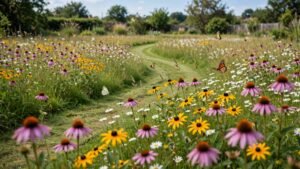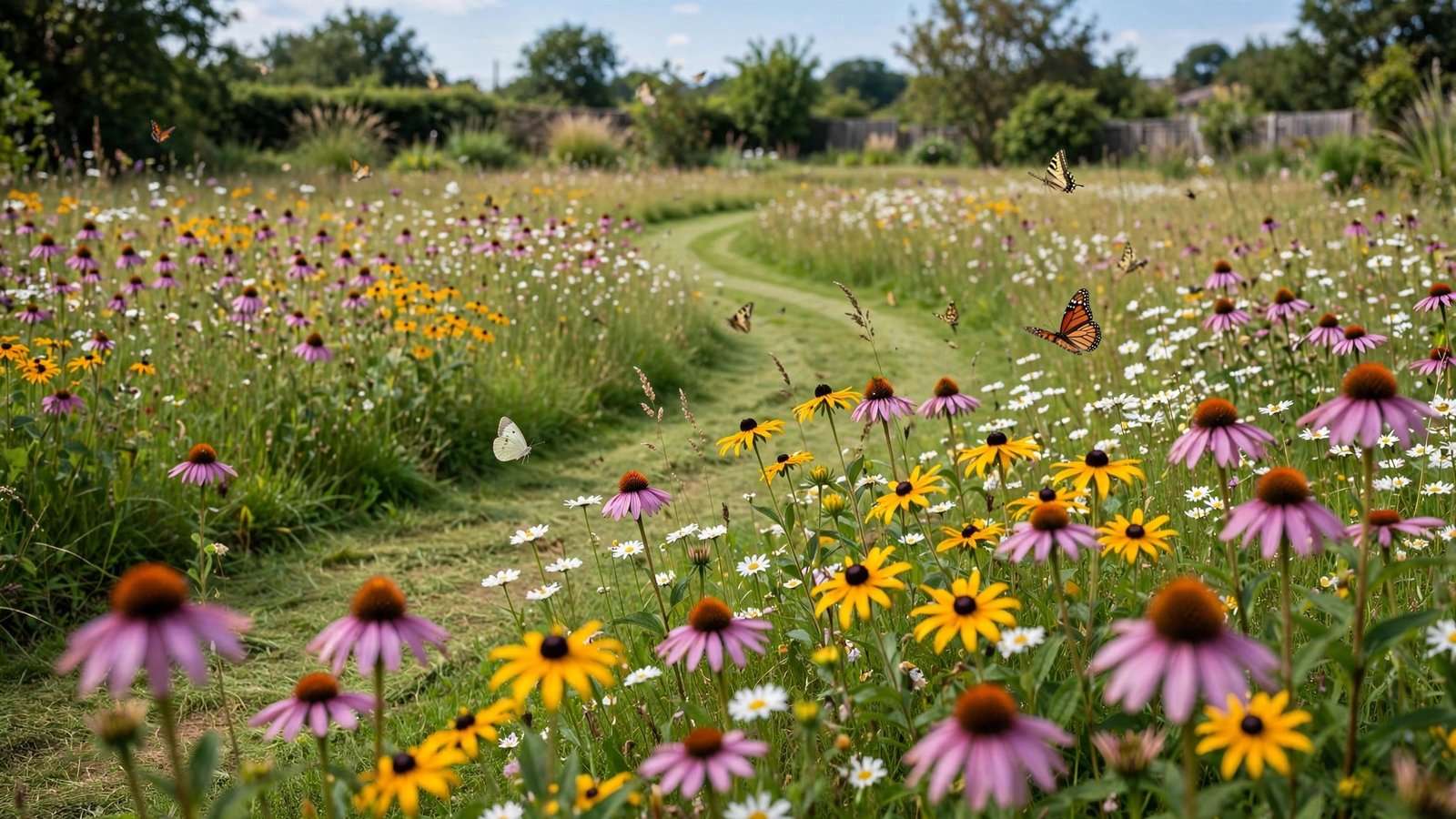
Close your eyes and picture it: a sea of purple coneflowers and golden black-eyed Susans swaying in the breeze, a narrow mown path winding through the middle, and butterflies drifting from bloom to bloom while you walk slowly with your morning coffee. No mower roaring every Saturday, no fertilizer schedule, just a living meadow doing what meadows do best.
A backyard wildflower meadow trades thirsty turf for a tapestry of native blooms and grasses that feeds pollinators, shelters wildlife, and changes its colors with the seasons. These 18 ideas will help you plan, plant, and enjoy a natural meadow of your own.
1. Carve Mown Paths Through the Meadow
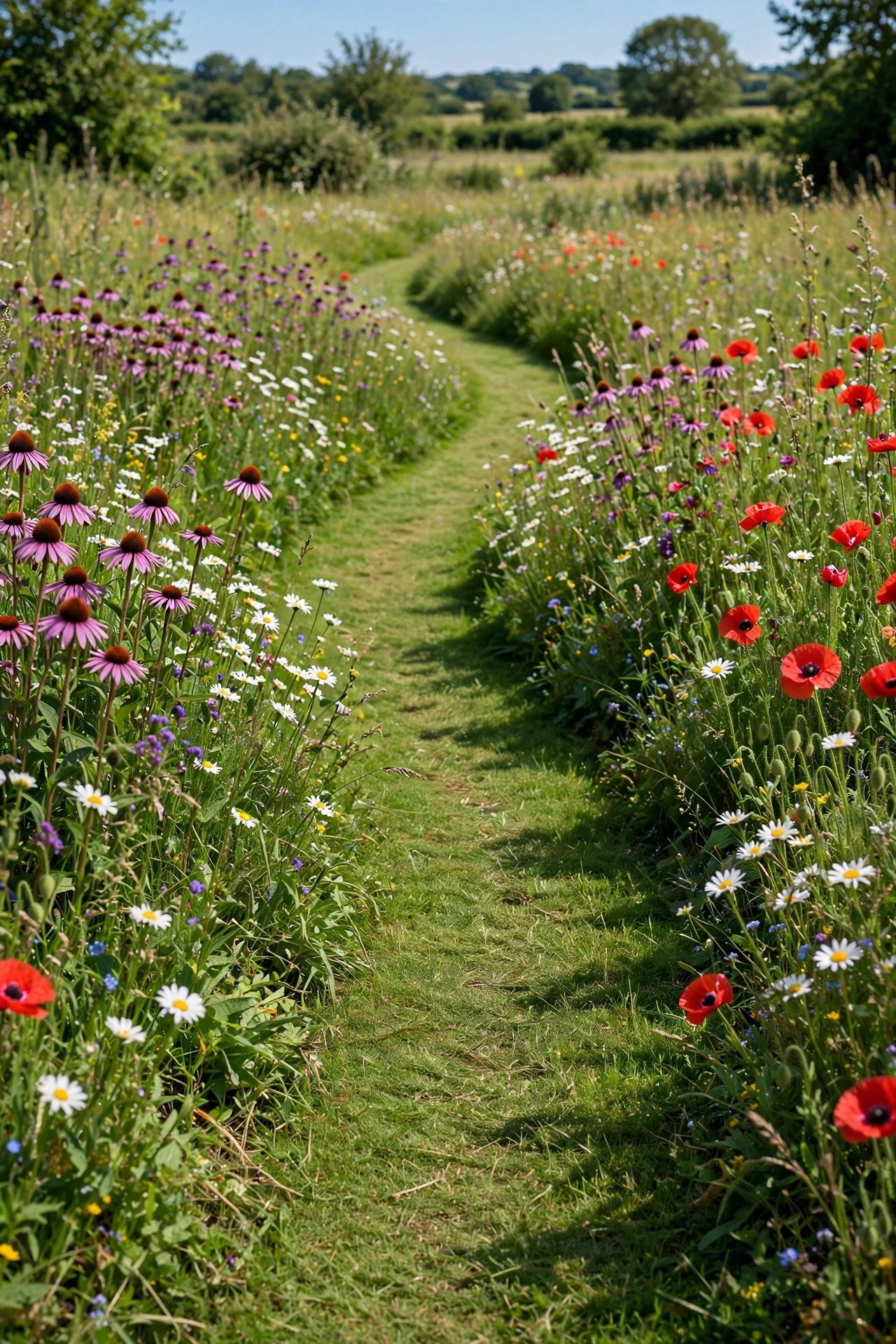
A winding mown path is the single detail that turns a wild planting into an intentional design. Mow a curving ribbon eight to twelve inches wide through the meadow every week or two during the growing season. The neat green line against the tall blooms tells every visitor, including skeptical neighbors, that this wildness is on purpose.
Paths also give you a way to stroll through the flowers without trampling them, and they make maintenance access easy. Let the path curve rather than run straight, because a meandering route feels like a discovery. Your meadow becomes a place to wander, not just to look at.
2. Sow a Regional Pollinator Seed Mix
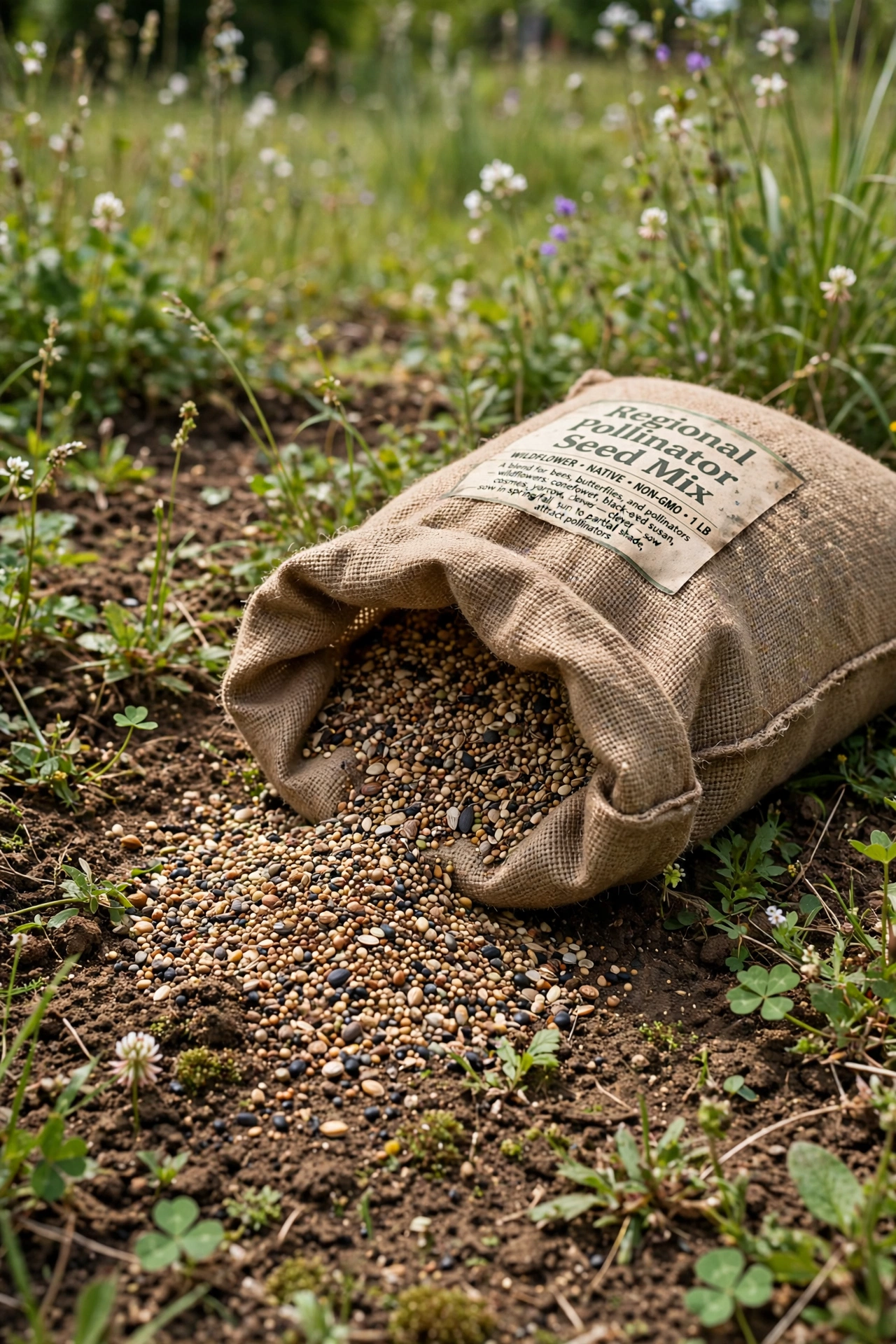
The best meadow seed is local meadow seed, so choose a mix blended for your region rather than a generic bag. Regional mixes contain the coneflowers, bee balm, milkweed, and asters that your native bees and butterflies recognize as food. They are also tuned to your rainfall and soil.
Sow in fall or early spring onto cleared, weed-free soil, and be patient through the first sparse year while roots establish. Choosing regional seed is one of the purest sustainable home decor ideas for the landscape, because local plants need the least help to thrive. By the second summer the meadow fills in gloriously. Local seed is the difference between a meadow that survives and one that truly thrives.
3. Mix Native Grasses Into the Planting
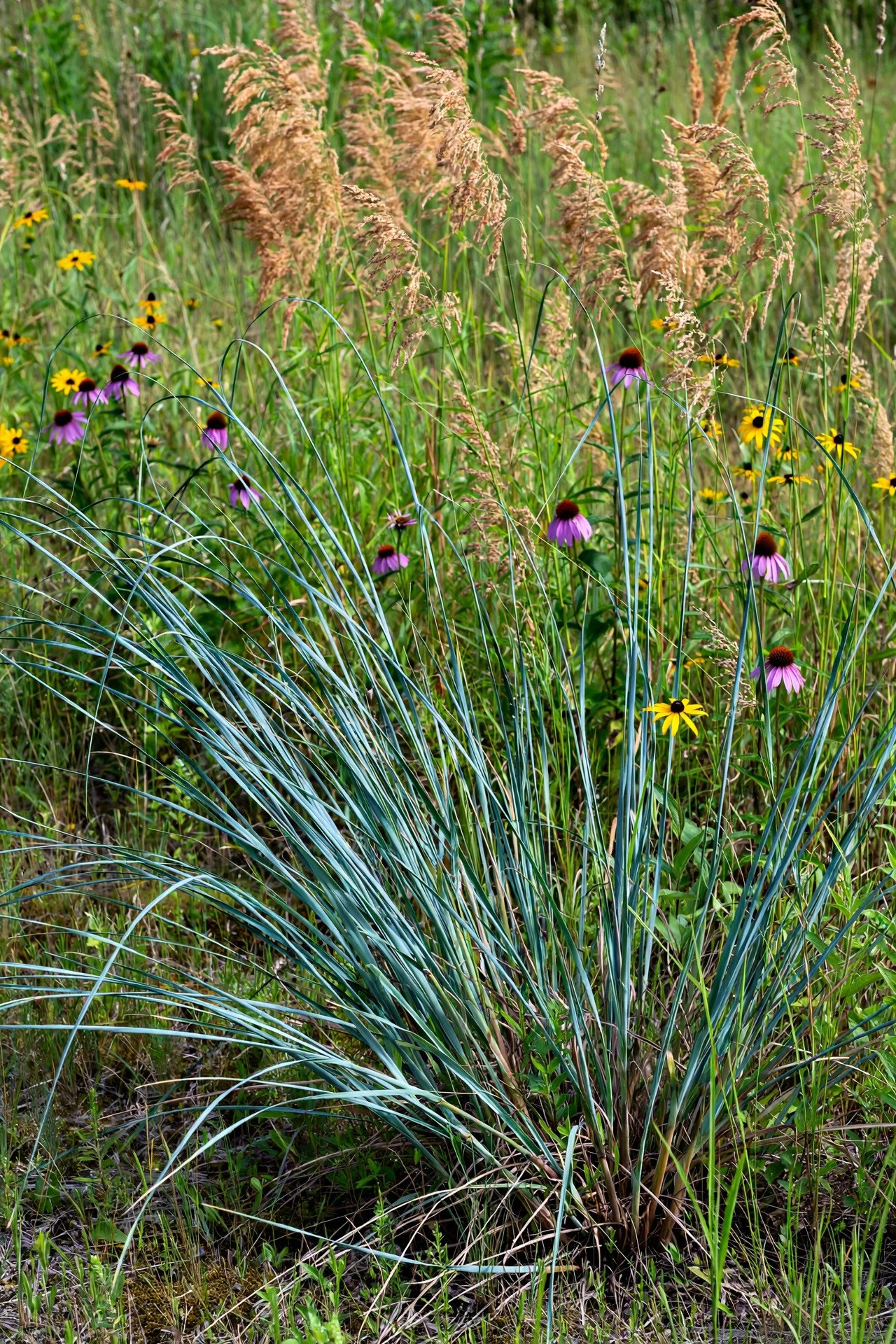
Grasses are the quiet backbone of every great meadow, making up about a third of the planting. Little bluestem, prairie dropseed, and switchgrass give the flowers something to lean on, add winter structure, and turn gold and copper in fall. Without grasses, a meadow can look leggy and collapse after rain.
Grass clumps also shelter ground-nesting bees and overwintering insects through the cold months. Sow them right along with your flower seed so everything knits together from the start. Flowers may get the applause, but grasses hold the whole show together.
4. Build a Structured Wildflower Border
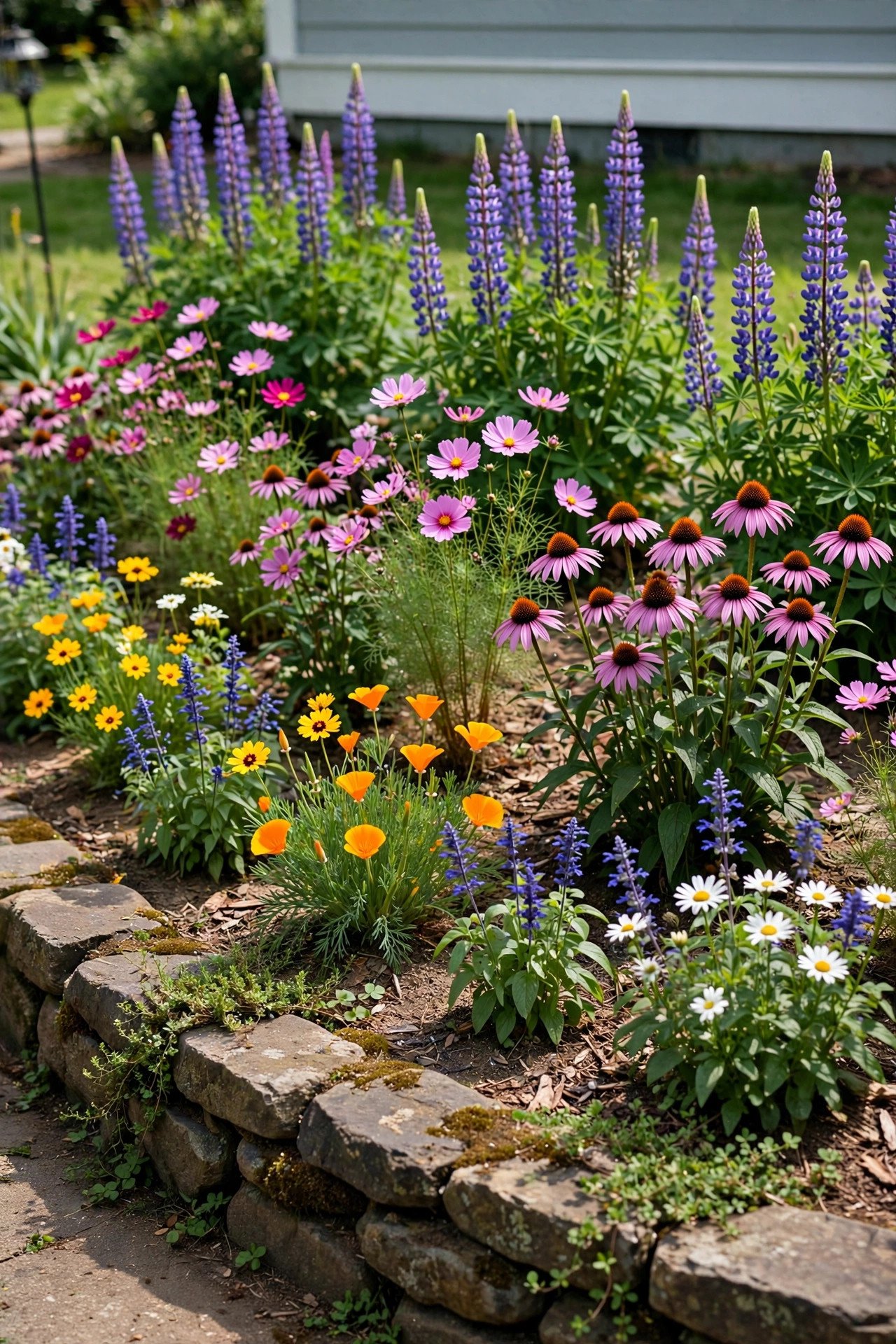
If a full meadow feels too wild for your front yard, a structured border gives you the best of both worlds. Define the bed with stone edging or a neat fence, then plant wildflowers in organized drifts with the tallest at the back. The result reads as a designed garden with a wild heart.
Repeat the same species in rhythmic groups so the border feels composed rather than chaotic. This approach suits visible areas and smaller yards beautifully. You can enjoy meadow magic without a single raised eyebrow from the neighbors.
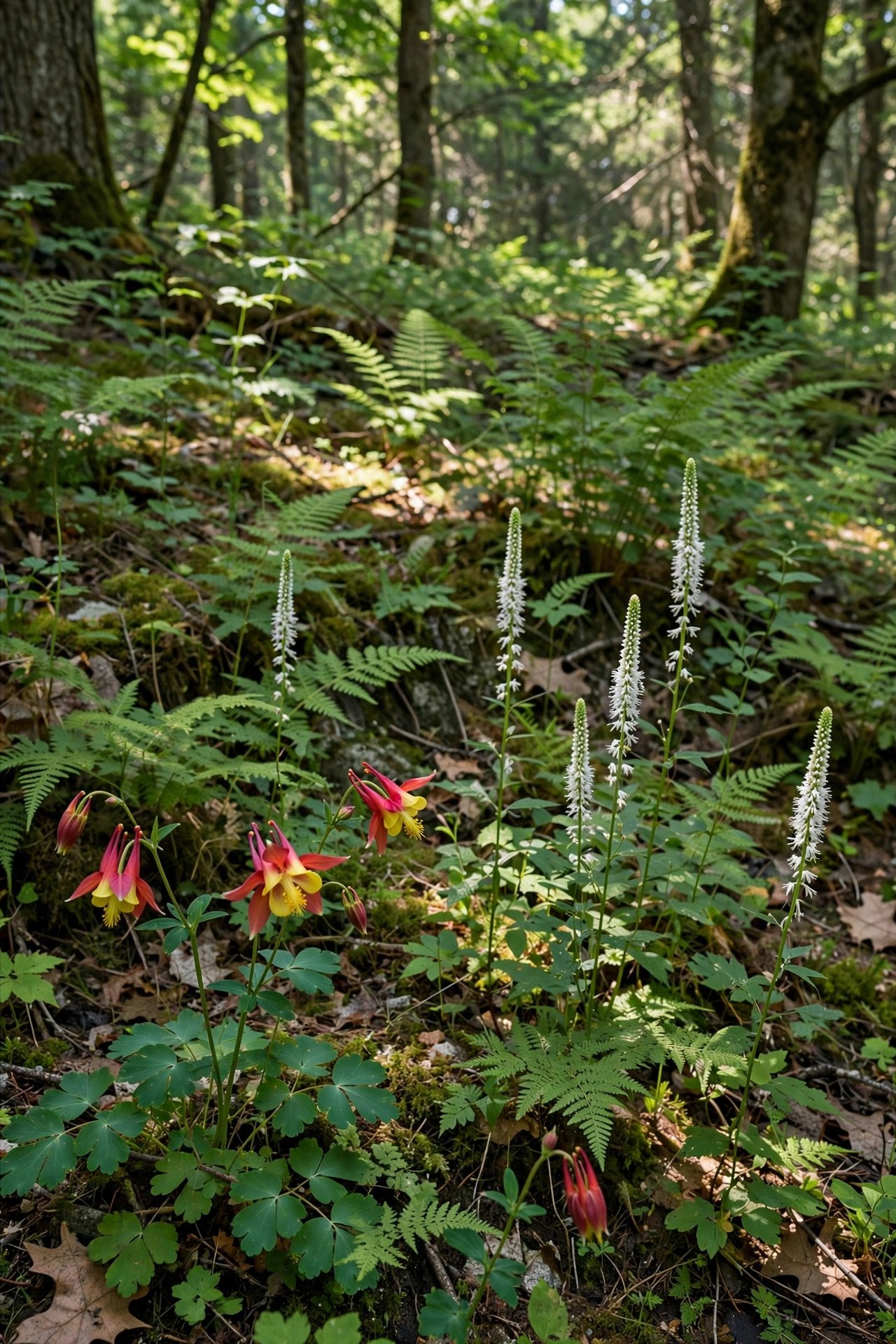
5. Plant a Shady Woodland Edge
Meadows are not only for full sun. Along a woodland edge or beneath high shade, sow shade-tolerant natives like wild columbine, foamflower, and woodland asters. These delicate blooms light up dim corners where lawn grass would struggle anyway.
A woodland-edge meadow feels like a secret glade and gives shade-loving pollinators their own buffet. Add a simple log bench where the light filters through. Even the shadowy side of the yard can join the meadow movement.
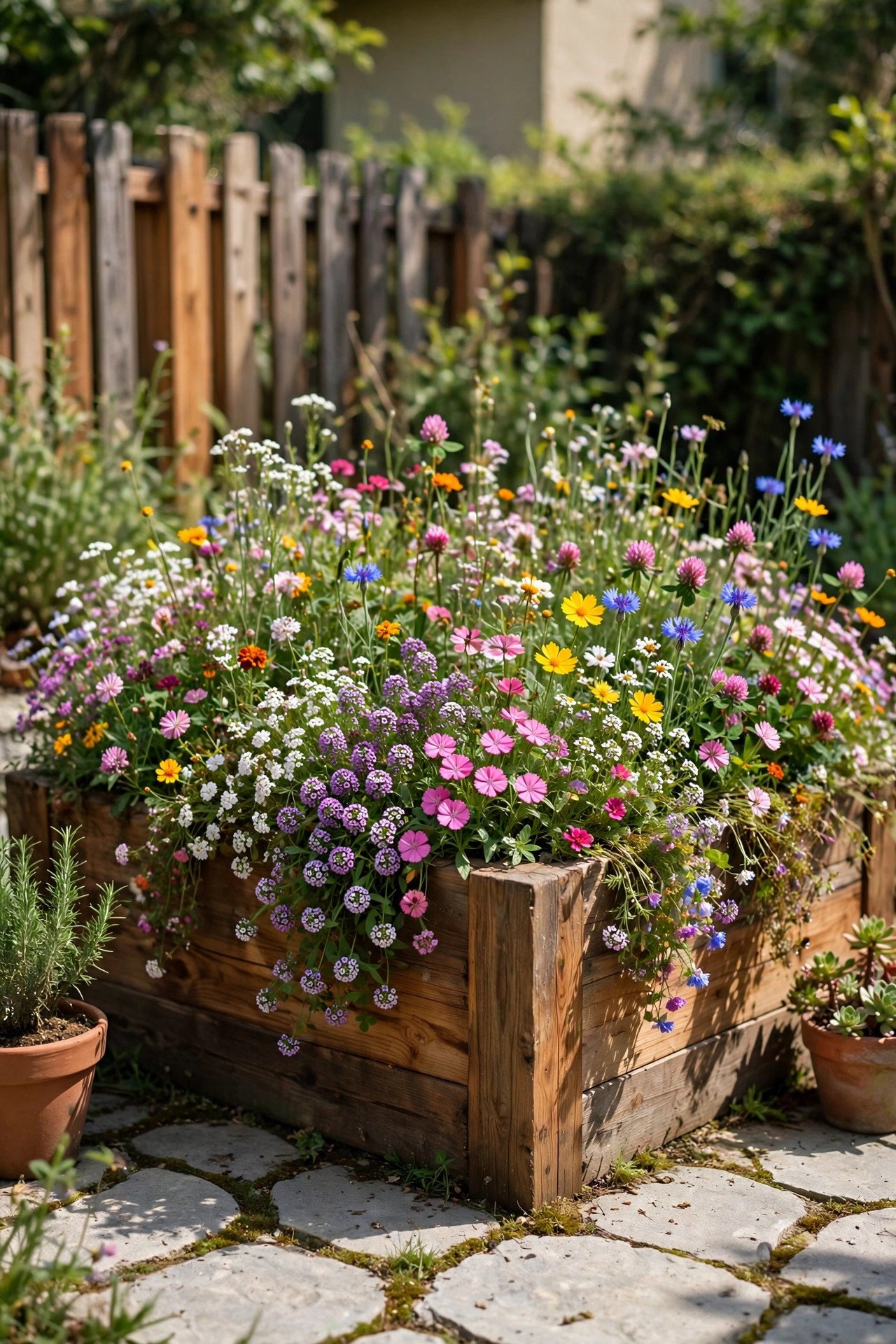
6. Start a Mini Meadow in a Raised Bed
No big yard is no excuse, because a deep raised bed can host a charming mini meadow. Fill it with lean, low-fertility soil, sow a compact wildflower mix, and let the blooms spill over the wooden edges. Even a patio corner can buzz with life.
This small-scale version is perfect for trying meadow gardening before committing a whole lawn. It also suits small balcony urban oasis gardeners who want wild beauty in a tiny footprint. Big meadow energy comes in small beds too.
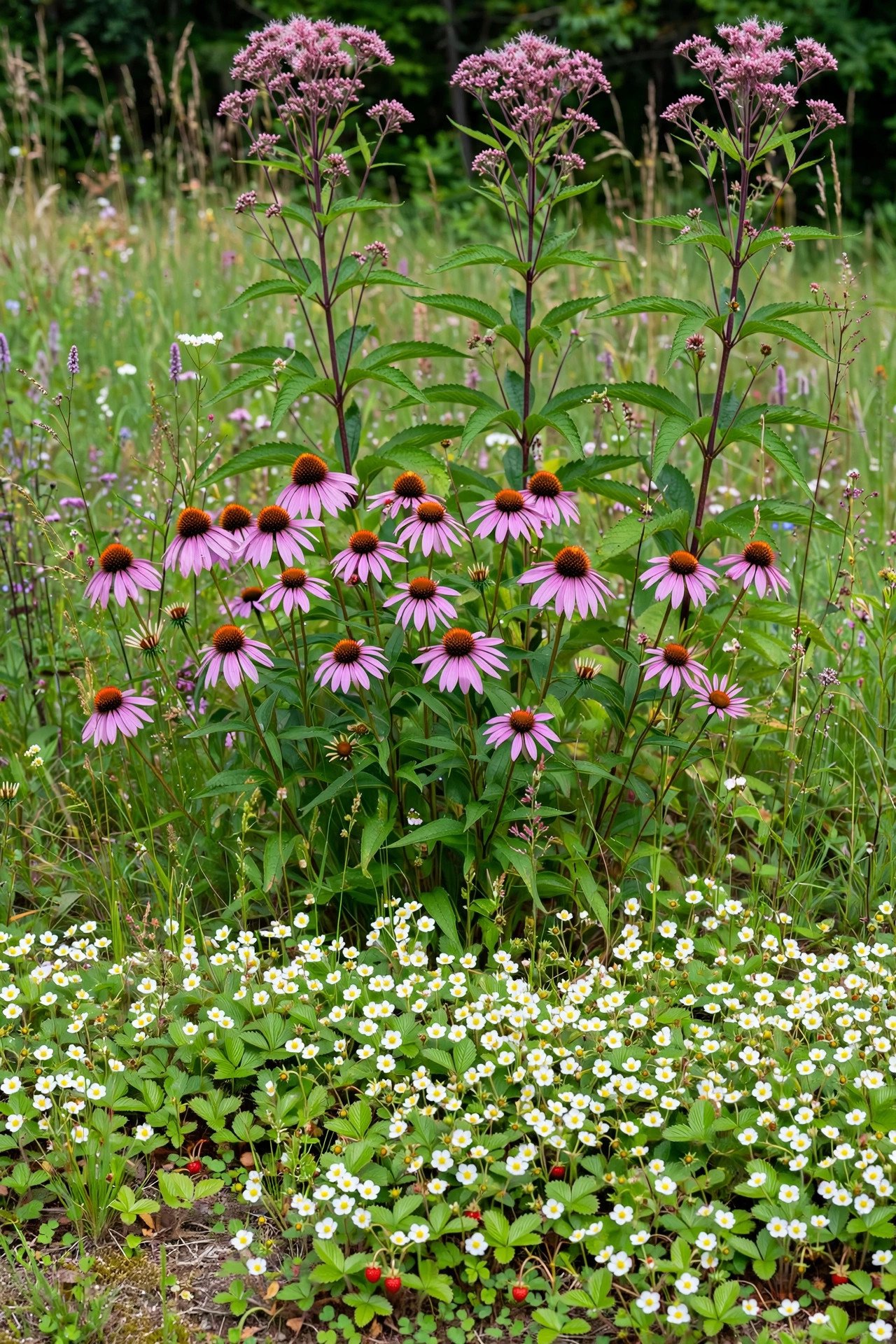
7. Layer Tall and Short Blooms
A meadow with only one height looks flat, so layer your seed mix with tall, medium, and short bloomers. Towering Joe Pye weed and sunflowers rise above mid-height coneflowers, while low wild strawberry and prairie smoke carpet the ground. The layers create depth that shifts beautifully in the wind.
Different heights also serve different wildlife, from ground beetles in the low foliage to goldfinches perched on tall seed heads. When choosing seed, check the mature heights on the packet and aim for a full staircase of blooms.
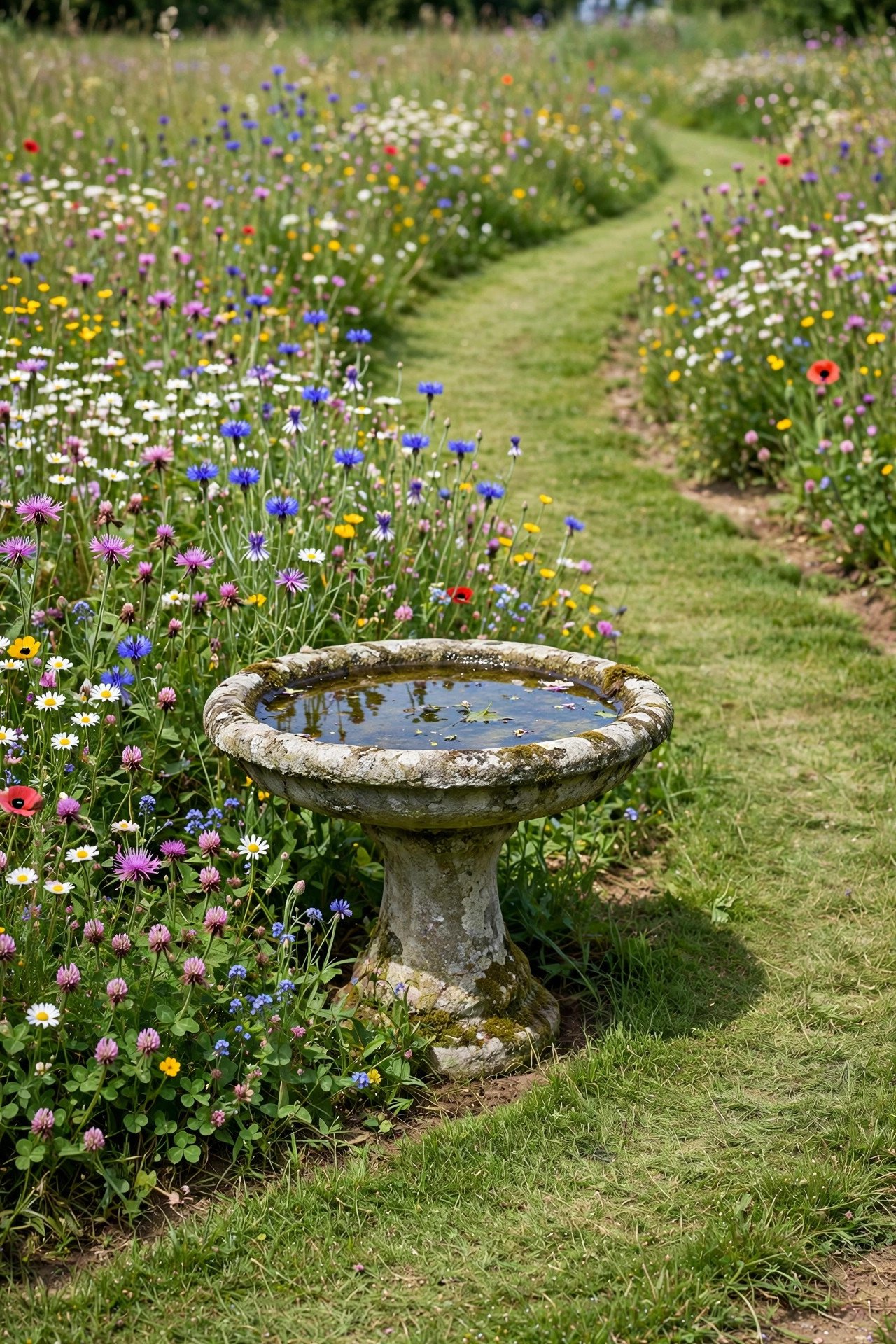
8. Add a Birdbath as a Focal Point
A simple stone birdbath set where the mown path curves gives the meadow a classic focal point. Birds drink and bathe among the flowers, and the bath draws the eye through the planting the way sculpture anchors a gallery. Keep the water fresh and shallow for the smallest visitors.
This timeless touch pairs beautifully with romantic garden styling ideas, where the birdbath becomes the heart of a dreamy, flower-filled scene. One strong focal point makes acres of wildflowers feel composed.
9. Sow Yellow Rattle to Tame the Grass
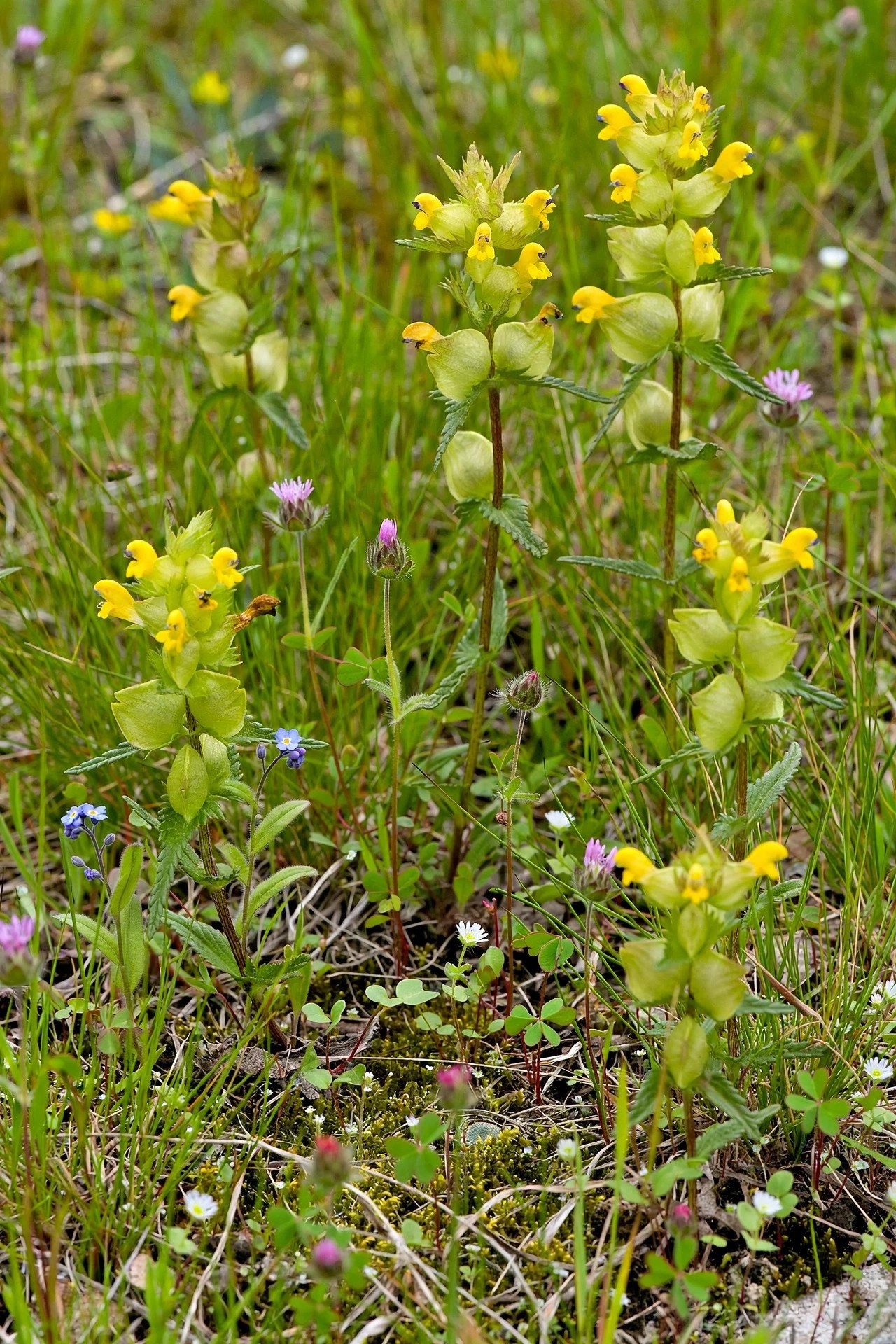
Aggressive grasses can bully young wildflowers, but yellow rattle is nature secret weapon against them. This pretty annual is semi-parasitic on grass roots, weakening the turf just enough for flowers to compete. Sow it in fall into existing grassy areas before overseeding with wildflowers.
The cheerful yellow blooms are lovely in their own right, and the rattling seed pods delight children. Meadow gardeners in England have used this trick for centuries. Sometimes the best tool is another plant.
10. Leave a Wild Corner Untouched
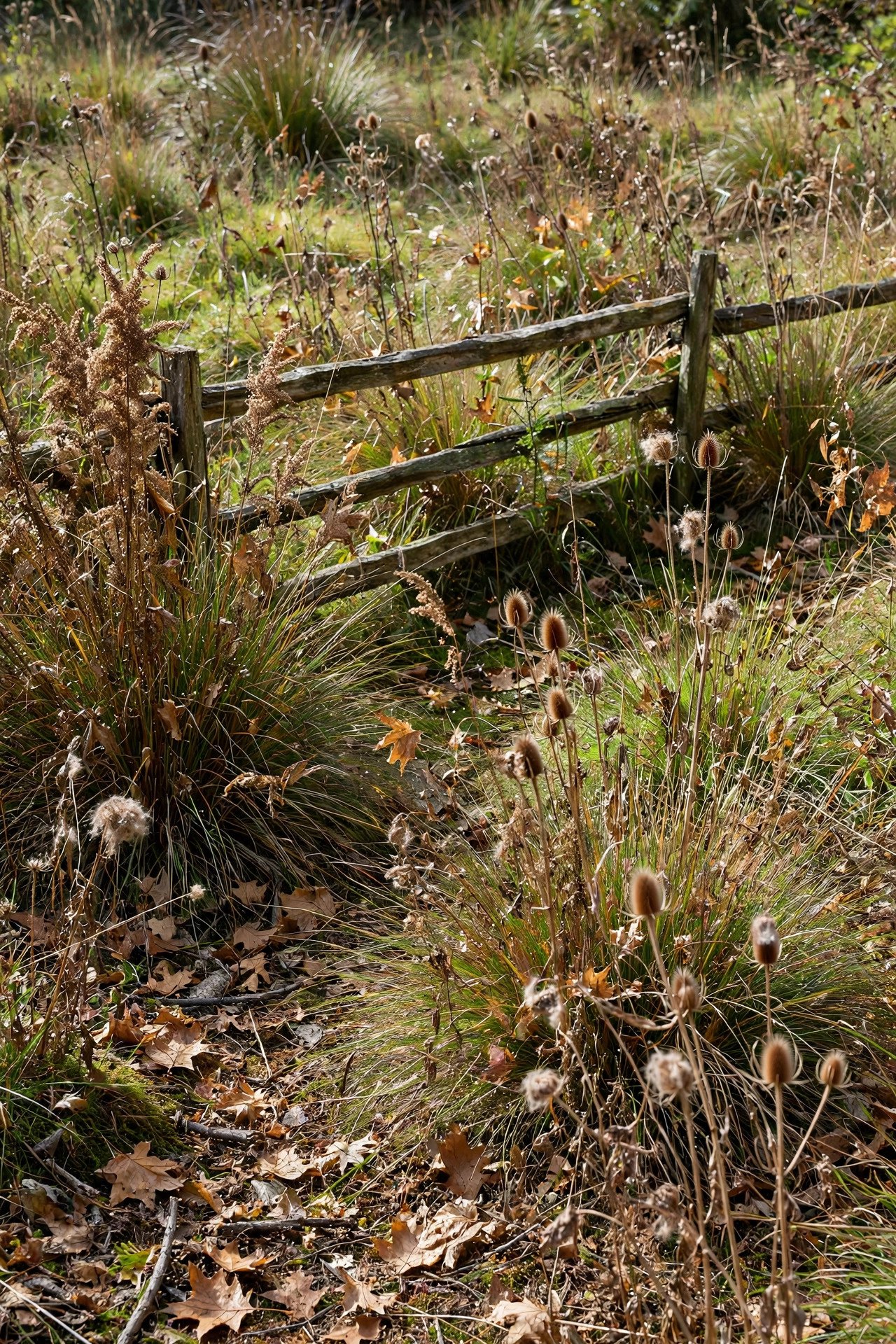
Reserve one corner of the meadow where you never mow, never tidy, and never intervene. Fallen stems, leaf litter, and tussocks become a nursery for hedgehogs, overwintering insects, and ground-nesting birds. Wildlife needs messy places as much as flowery ones.
Frame the wild corner with a simple rustic fence or a small sign so it reads as a habitat choice, not neglect. This is conservation you can do in your slippers. The wildest corner often hosts the most life.
11. Try a Single-Color Meadow Theme
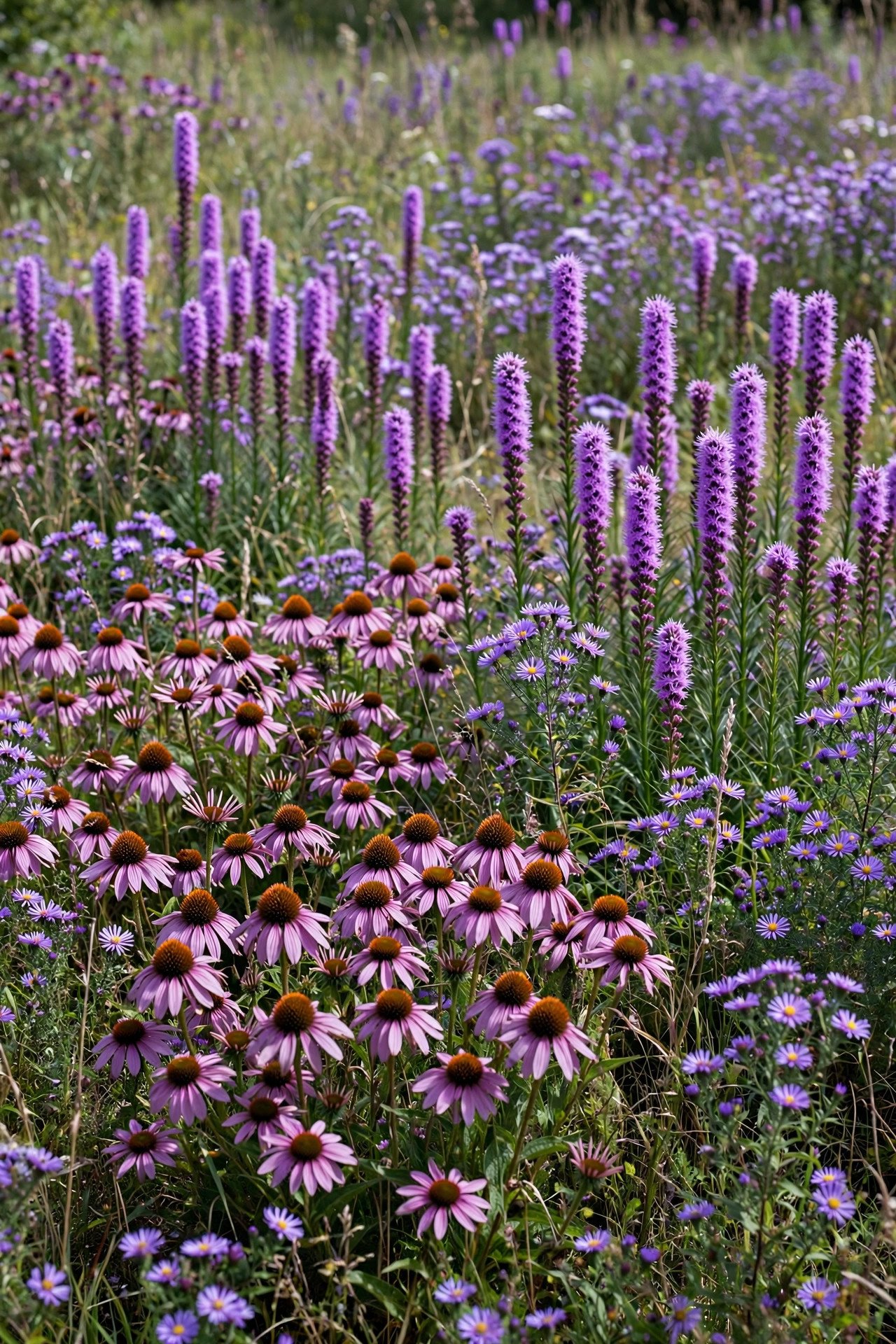
A meadow in one color family looks breathtakingly designed. Imagine a drift of purples: coneflowers, blazing star, asters, and bee balm flowing together in waves. Or go golden with black-eyed Susans, coreopsis, and goldenrod for a sunlit effect.
Bees especially love blue and purple blooms, so a cool-toned meadow will hum from dawn to dusk. A themed meadow photographs beautifully and feels like a deliberate art installation. Restraint with color creates the strongest impact.
12. Set a Bench at the Meadow Edge
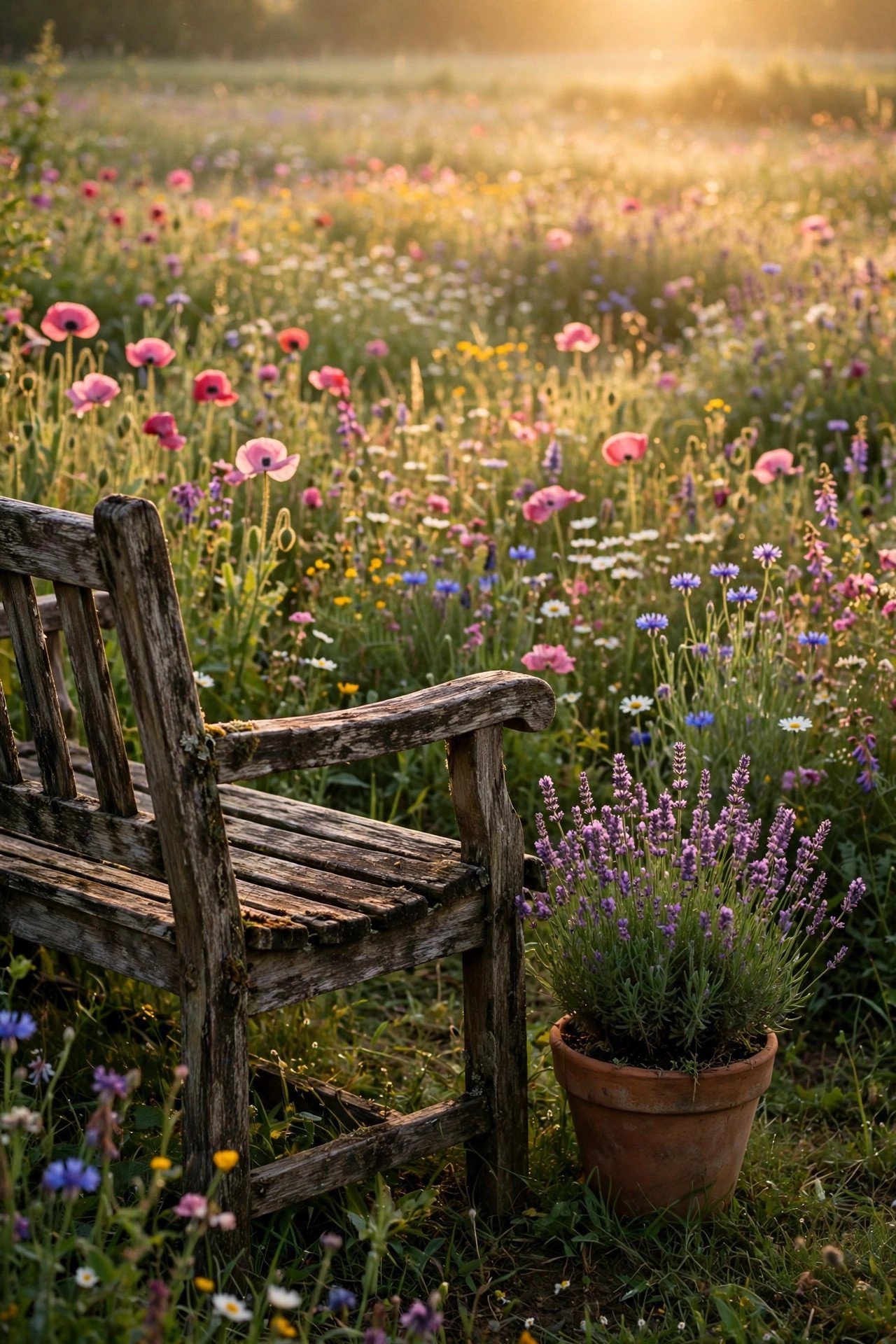
A bench placed where the lawn meets the meadow invites you to sit inside the landscape rather than observe it from afar. Face it into the flowers so the blooms fill your view, and add a small side table for your coffee. Dawn and dusk are the magic hours here.
Choose a weathered wooden bench that ages gracefully among the wildflowers, and dress the nook with Mediterranean porch touches like a terracotta pot of lavender beside it. You will find yourself planning your day around sitting here. A meadow without a seat is a story without a reader.
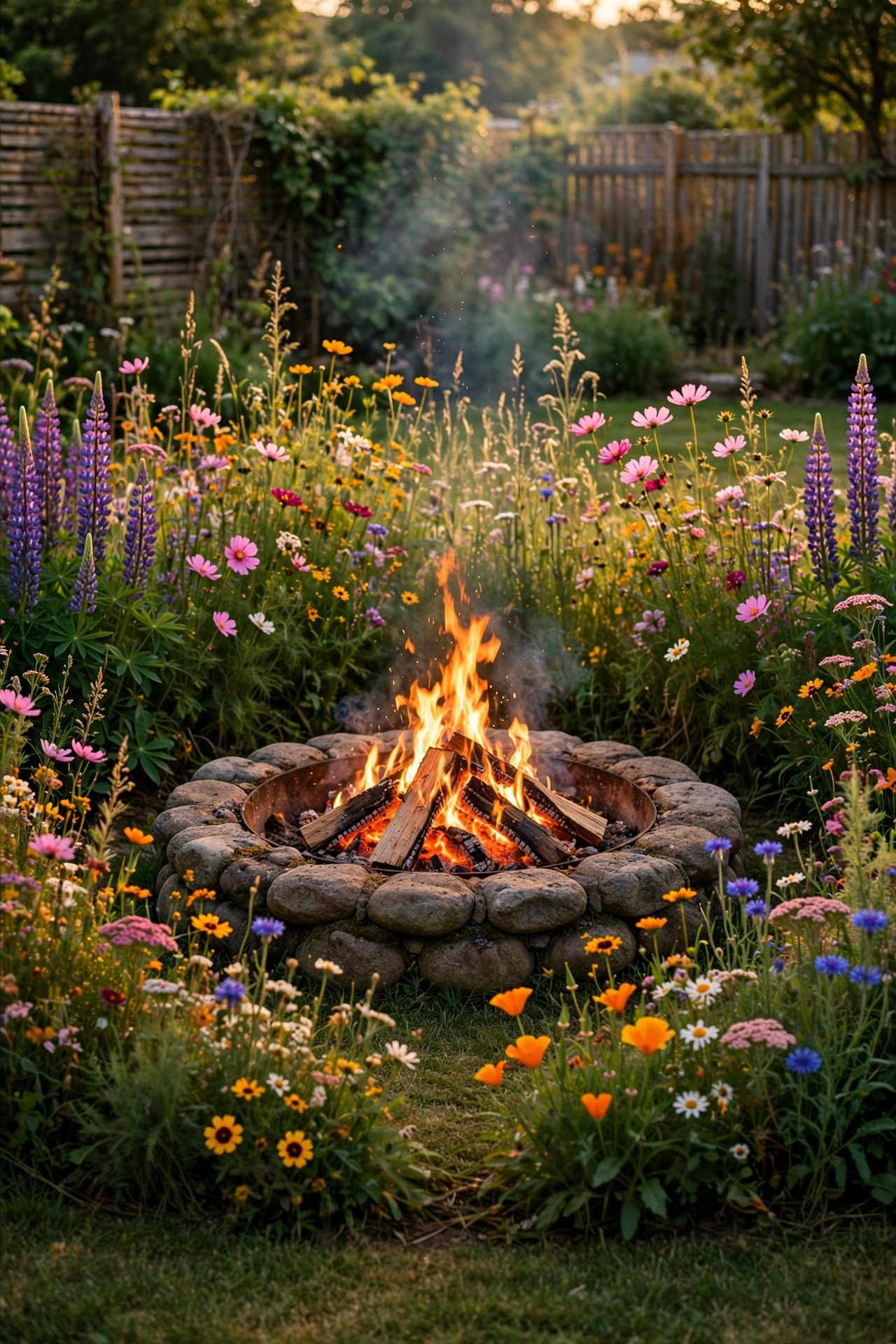
13. Ring a Fire Pit With Wildflowers
A fire pit clearing ringed by meadow plantings makes summer evenings unforgettable. Keep a mown circle for the pit and seating, then let wildflowers rise in a colorful wall around it. The blooms catch the firelight beautifully after dark.
Keep flammable mulch away from the pit itself and use stone or gravel in the immediate ring for safety. This combination of wild beauty and cozy gathering space will become your favorite spot in the yard. Meadows and firelight are old friends.
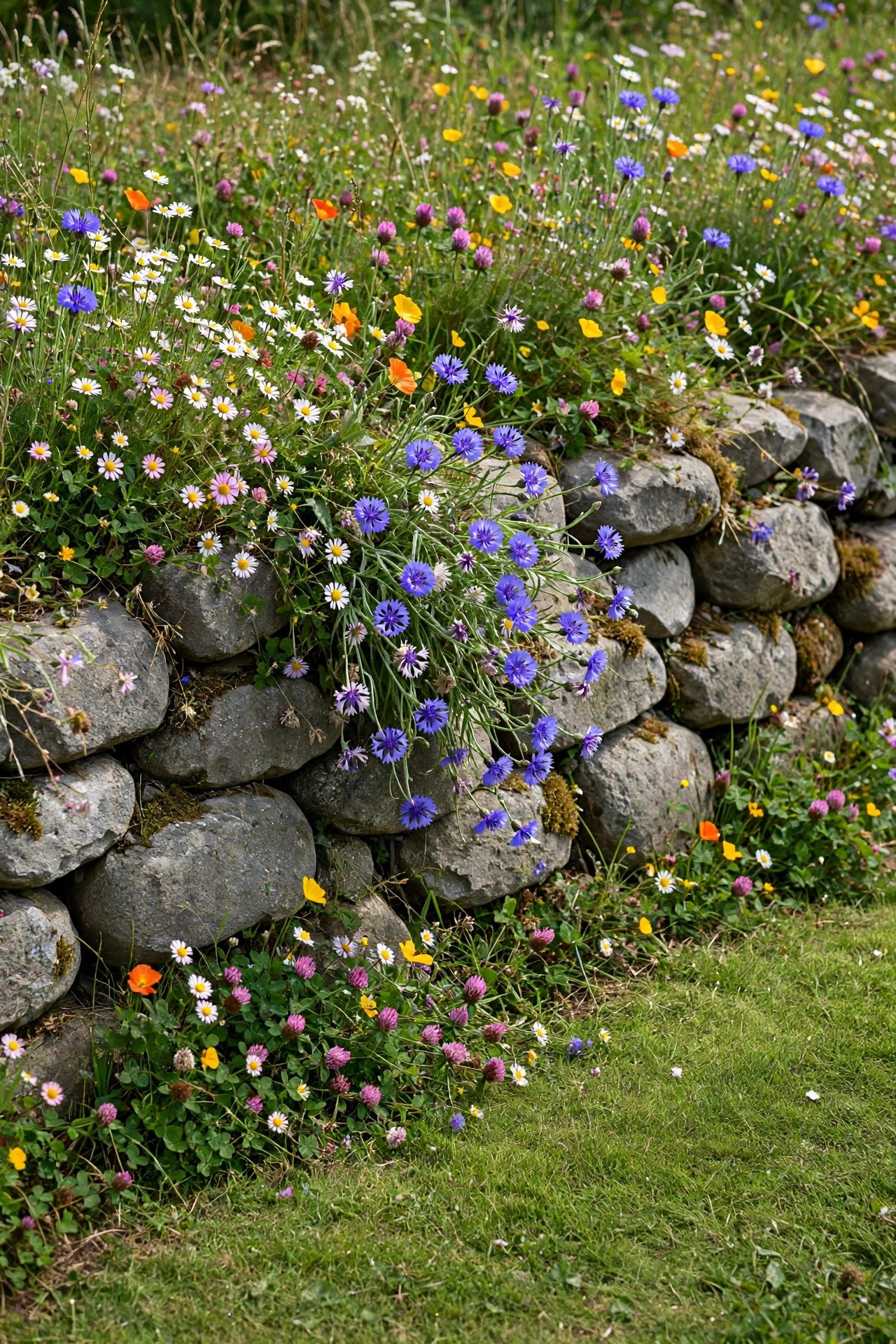
14. Edge Beds With Natural Stone
A loose border of fieldstone gives the meadow edge a finished, collected look without any formality. Lay the stones in a gentle, uneven line where the meadow meets the lawn or path, letting flowers flop softly over them. The stone grounds the wildness beautifully.
This edging needs no maintenance and looks better every year as moss softens the stones. It is a trick borrowed from European garden with antique accents, where aged materials meet abundant planting. Simple stone, spectacular effect.
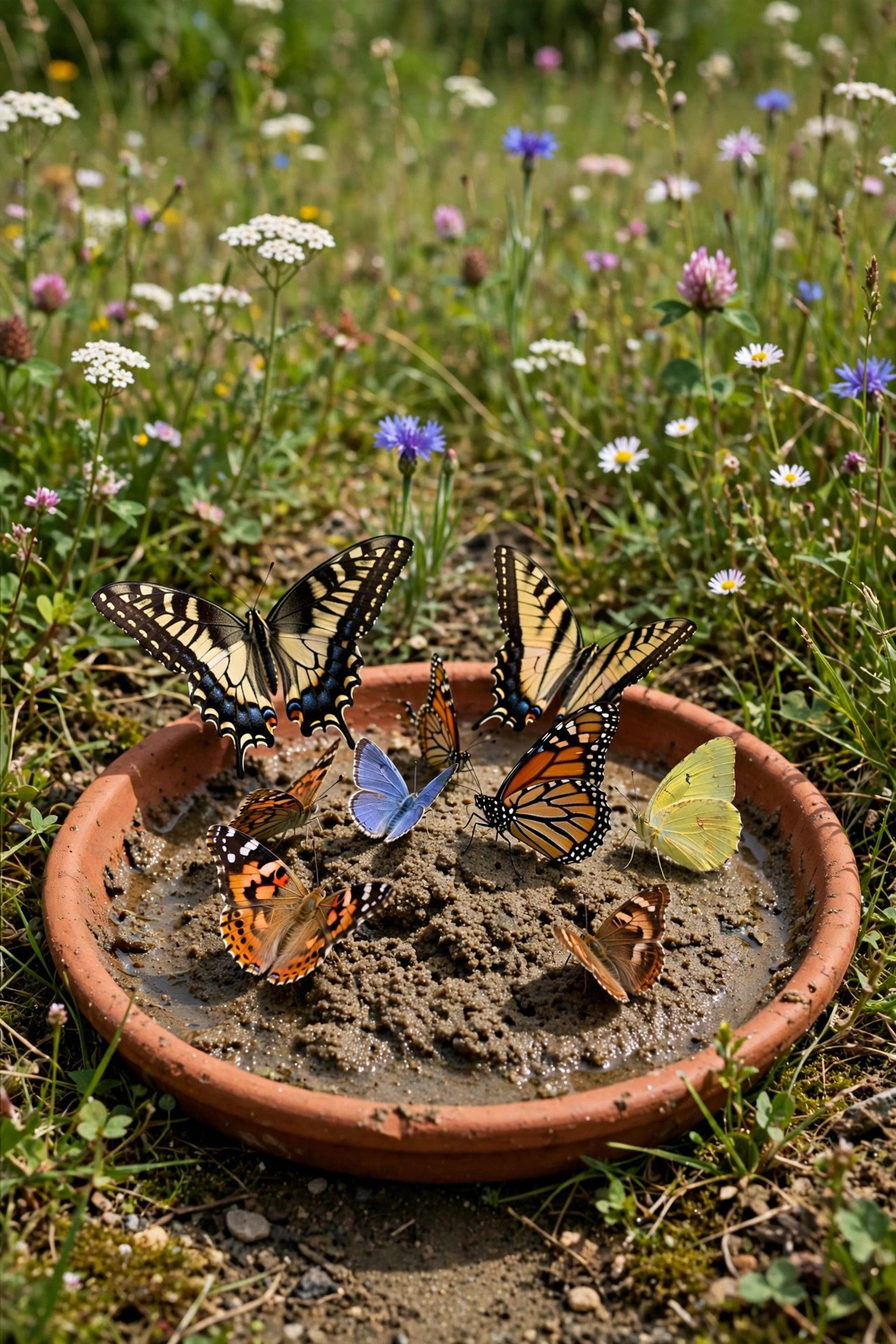
15. Add a Butterfly Puddling Dish
Butterflies need minerals as well as nectar, and a shallow dish of damp sand gives them exactly that. Sink a wide saucer into the meadow edge, fill it with sand, and keep it moist. On sunny afternoons you will find butterflies gathered with their wings slowly opening and closing.
Add a pinch of sea salt to the sand now and then for extra minerals. This tiny feature costs almost nothing and delivers unforgettable wildlife moments. Watch quietly and they will come.
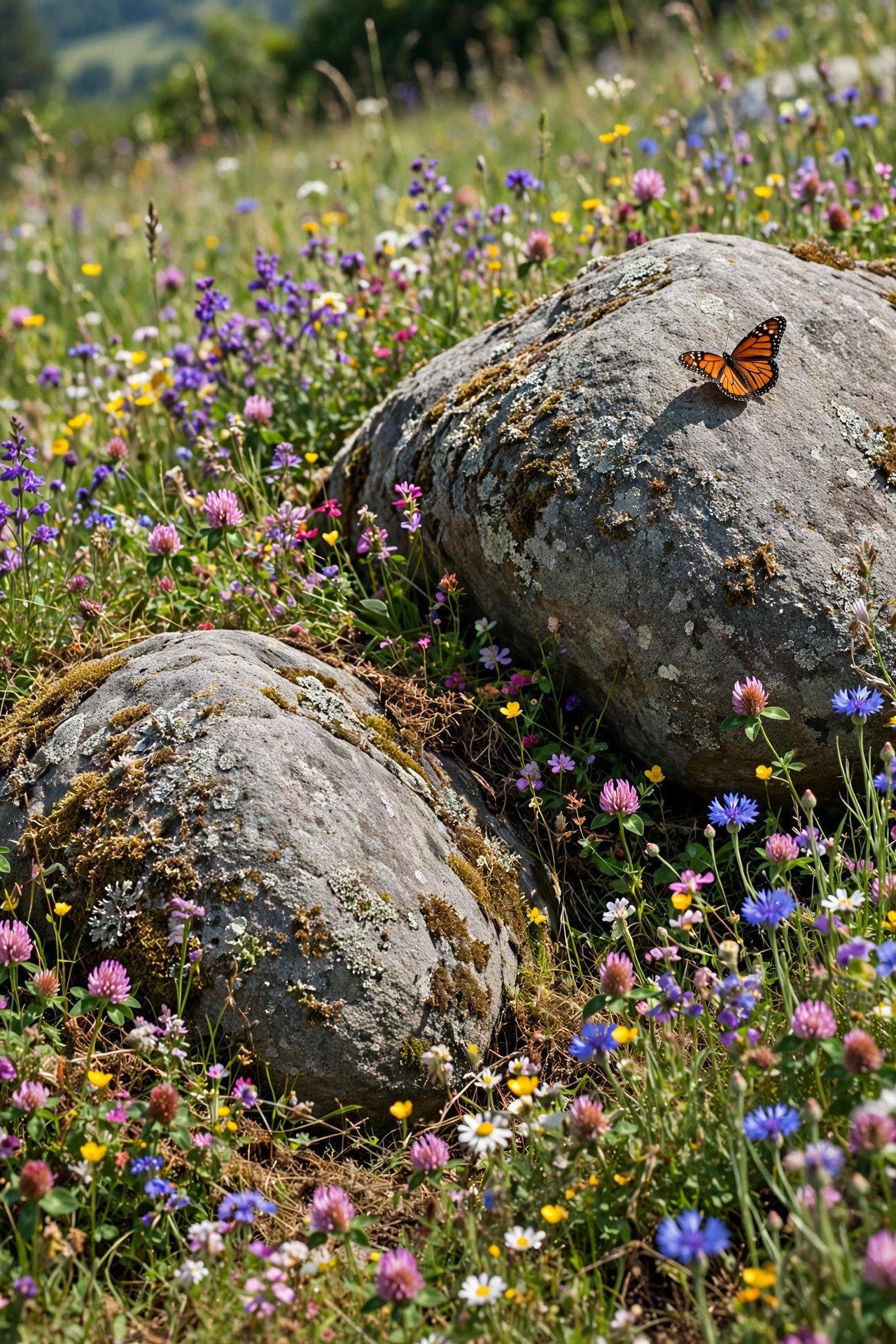
16. Anchor the Meadow With Boulders
A few well-placed boulders give a billowing meadow the visual weight it needs. Half-bury two or three stones of different sizes so they look naturally occurring, then let the flowers wash around them like waves around rocks. The contrast of hard stone and soft blooms is striking.
Boulders also warm up in the sun, creating basking spots for butterflies and lizards. Choose local stone for an authentic look. Every great meadow needs an anchor or two.
17. Sow in Fall for a Spring Start
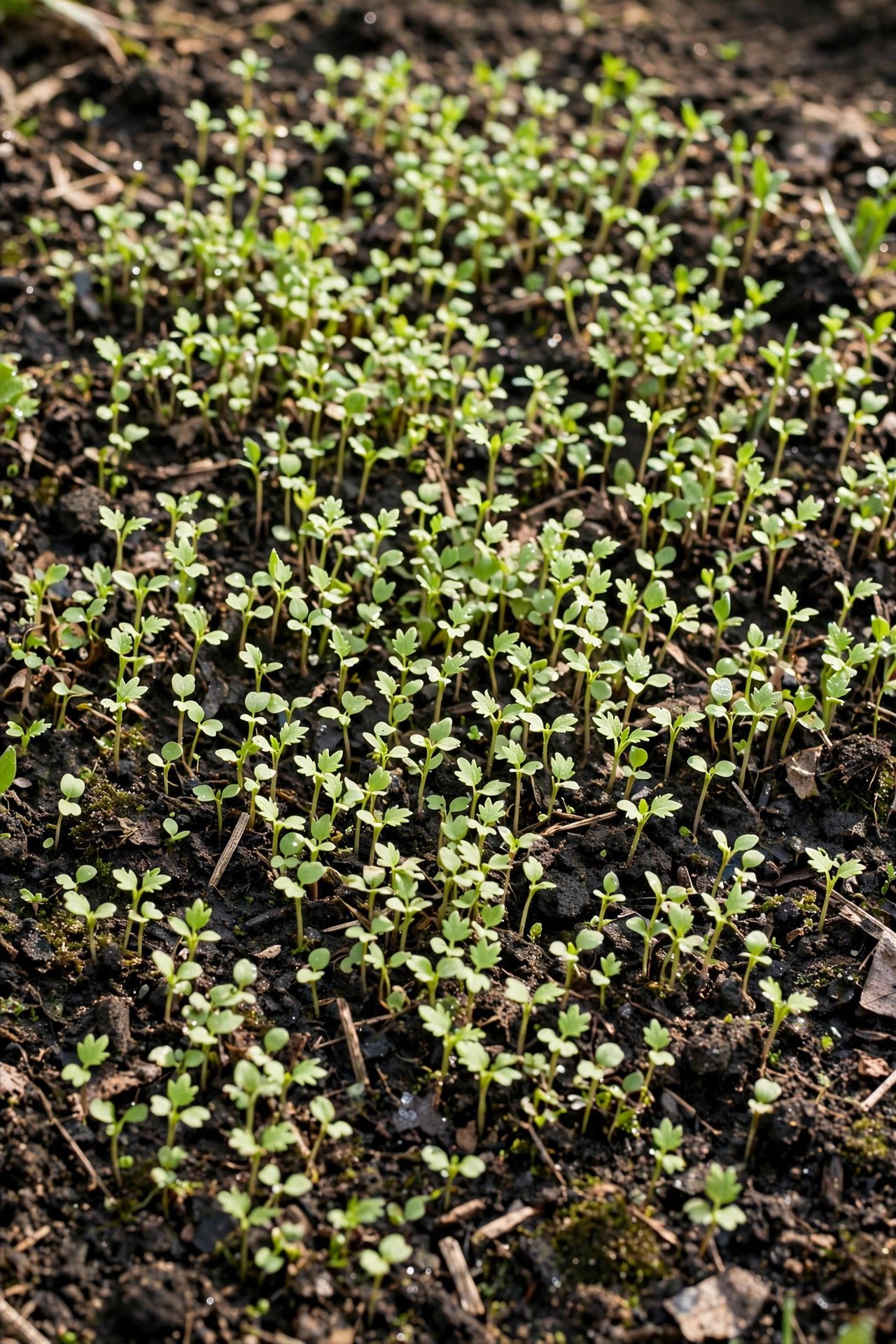
Fall sowing lets winter do the stratification work for you. Scatter your seed mix in late autumn onto prepared soil, and the cold months will crack seed coats naturally so spring brings strong, even germination. It mimics exactly how wild meadows seed themselves.
Mark the area clearly so nobody mistakes the bare winter bed for an empty one. Come April, the first green haze of seedlings will be your reward for autumn patience. Work with the seasons and they will work for you.
18. Leave Seed Heads Standing for Winter
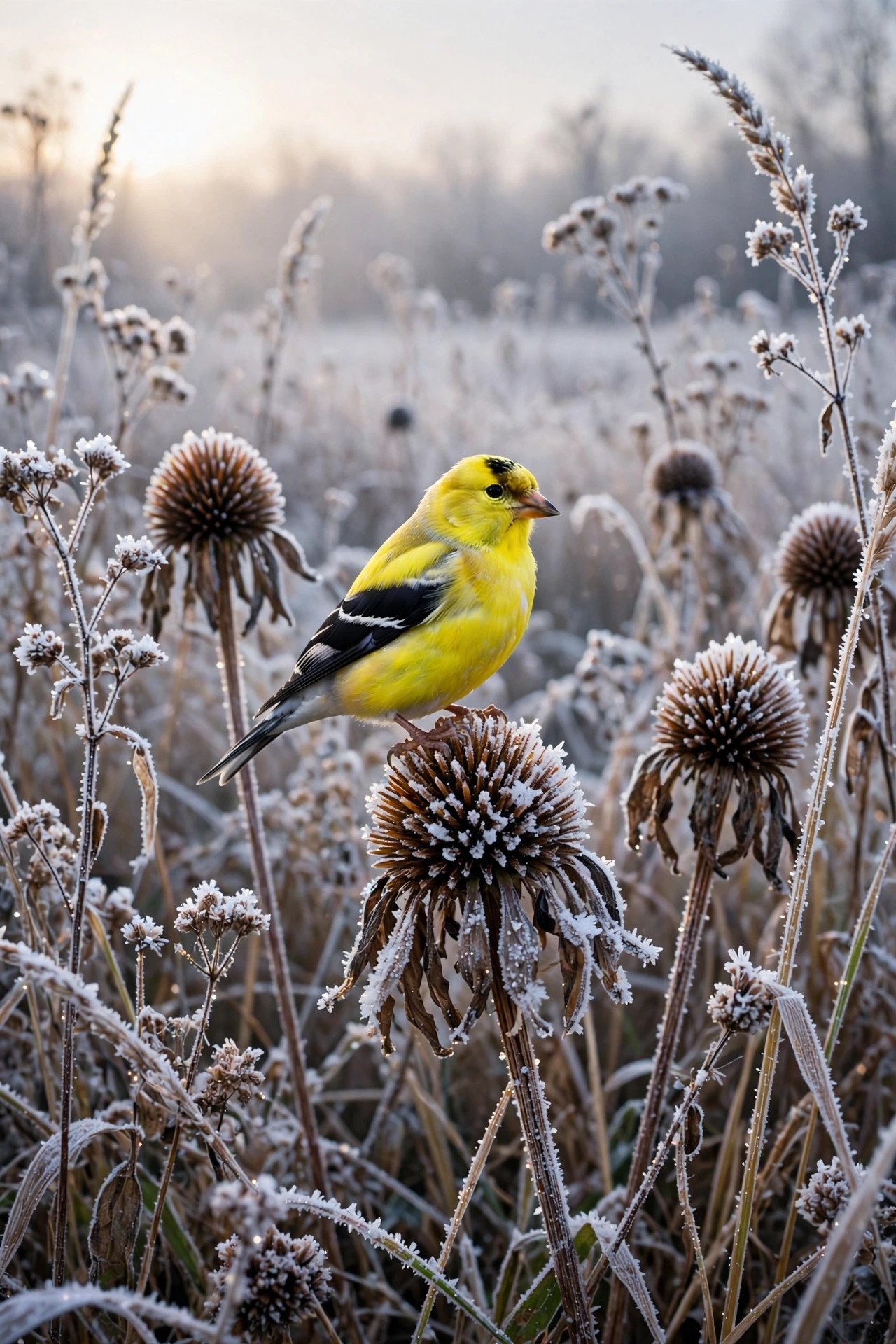
Resist the urge to cut the meadow down in fall, because standing seed heads are a winter bird feeder. Goldfinches cling to coneflower heads, sparrows work the grasses, and frost on the stems looks magical on cold mornings. The meadow earns its keep all winter.
Do one cut in late winter or early spring before new growth starts, and leave the cuttings a few days so seeds drop. This single annual haircut is the whole maintenance program. Restraint is the meadow gardener greatest skill.
Conclusion
A wildflower meadow asks for patience in the first year and gives back for decades. Less mowing, less watering, and more life than any lawn could hold: that is the honest math of meadow gardening. Each season the planting deepens, the wildlife multiplies, and the colors grow richer.
Start with the sunniest patch you have, sow good regional seed, and mow a path so the world can see it is intentional. Then step back and let nature paint. Your backyard will never be boring again.
Frequently Asked Questions About Backyard Wildflower Meadow Ideas for Natural Beauty
How long does it take to establish a wildflower meadow?
Expect a sparse first year while plants build root systems, a fuller second year, and a glorious third year. This is completely normal and worth the wait. Fall sowing and good soil preparation speed things along noticeably.
Do I need to remove my lawn first?
Yes, wildflowers cannot compete with established turf grass. Smother the lawn with cardboard for a few months, or strip the sod, before sowing. Yellow rattle can also weaken grass in an existing lawn to help flowers establish.
How often should I mow a wildflower meadow?
Mow the whole meadow just once a year in late winter or early spring, and mow paths every week or two in summer. Leave cuttings for a few days so seeds drop back into the soil. That is the entire mowing program.
Will a meadow attract ticks or pests?
A sunny, open meadow with mown paths is not prime tick habitat, which prefers damp shade and leaf litter. Keep paths clear and do a quick check after walking through tall growth. The birds and beneficial insects a meadow attracts actually reduce many pest problems.
Can I have a meadow in a small yard?
Absolutely. A structured wildflower border or a raised-bed mini meadow brings the same beauty and wildlife benefits to a small space. Even a few square feet of native blooms will feed pollinators all season long.

Hi, I’m Emily! I turn messy corners into cozy, organized spots. DreamNestDecor is where I share simple, practical home ideas — decor, organization, and small-space solutions that work in real life, not just in photos. Every idea here is carefully researched before it’s shared.