
Decluttering your whole home feels impossible until you break it into rooms. Staring at the entire house at once leads to overwhelm, but one small zone at a time feels completely doable. That is the quiet power of a room-by-room checklist.
This printable-style plan walks you through fifteen zones, from the kitchen counters to the garage. Each section tells you exactly what to check, toss, and organize. Work through one zone per session, and your whole home will feel lighter within a few weeks.
1. Clear the Kitchen Counters First
Start where you will see the biggest visual payoff: the kitchen counters. Remove every small appliance you have not used in the past month, and find each one a cabinet home. Corral the true daily items, like the coffee maker and knife block, onto a single tray so the rest of the counter stays bare.
Checklist focus: toss expired coupons and dead batteries from the counter drawer, recycle old takeout menus, and wipe down every surface once it is clear. When counters hold only what you use daily, the whole kitchen feels twice as large.

2. Work Through the Pantry Shelf by Shelf
The pantry hides expired food and duplicate purchases better than any room in the house. Pull everything off one shelf at a time, check every date, and toss anything stale or past its prime. Group what remains by category: breakfast, baking, snacks, and canned goods.
Checklist focus: discard opened packages you will never finish, combine half-empty duplicates, and wipe each shelf before restocking. For lasting order, pair this reset with your pantry system so every category keeps a labeled home.

3. Empty and Reset the Fridge and Freezer
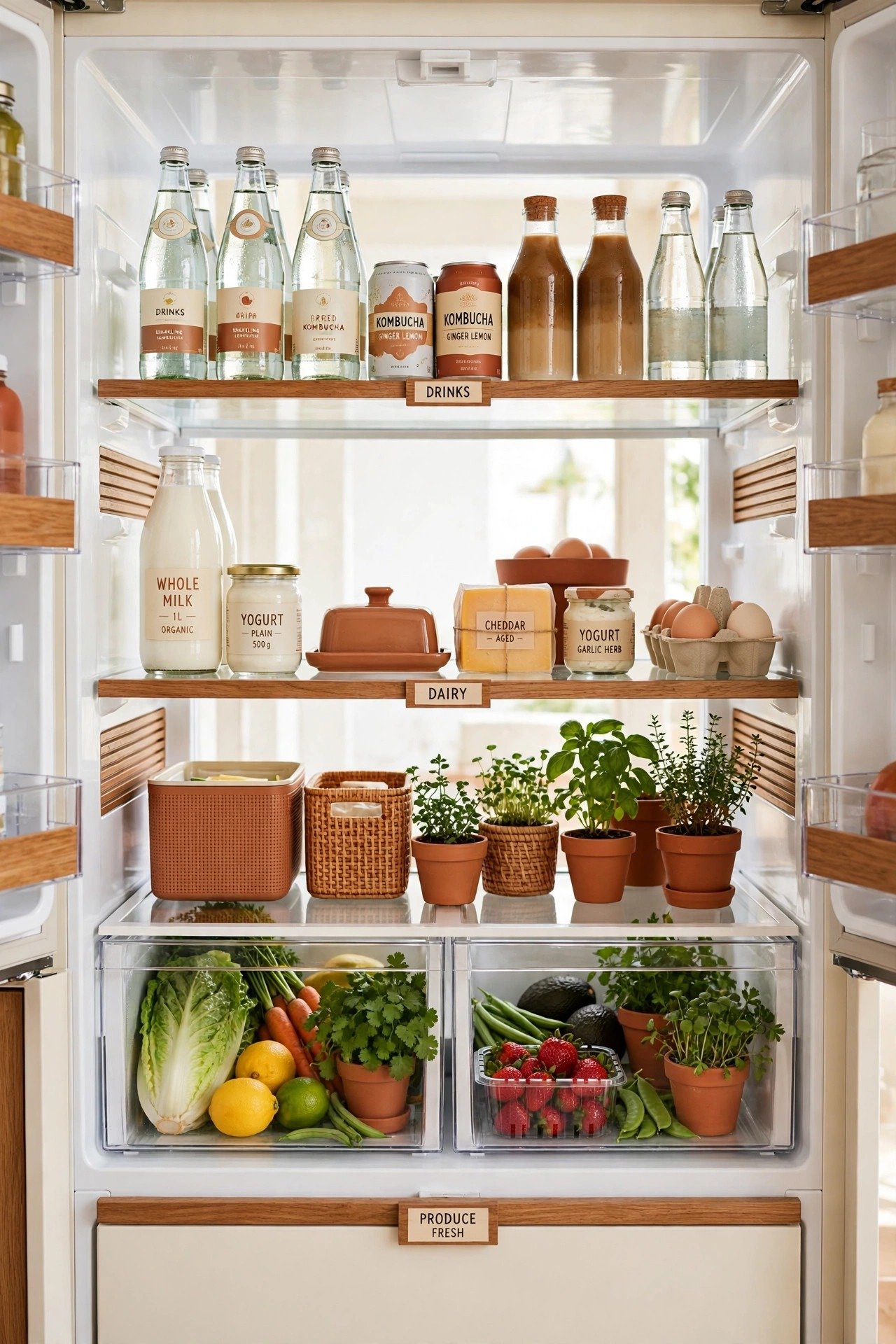
A crowded fridge makes you buy food you already own. Take everything out, toss expired condiments and mystery leftovers, and wipe the shelves clean. Put items back by zone: drinks on one shelf, dairy together, produce in its drawers.
Checklist focus: check freezer dates and discard anything older than six months, toss wilted produce, and recycle empty jars. Your fridge will feel brand new, and grocery shopping gets easier when you can actually see what you have.
4. Simplify the Living Room Surfaces
Living rooms collect clutter because everyone passes through them. Clear every flat surface: coffee table, side tables, and shelves. Keep only decor you love and items you use daily, like the remote and a good book. Everything else needs a real home elsewhere.
Checklist focus: recycle old magazines, return borrowed items to their rooms, and contain remotes and coasters in one tray. Add one basket for stray items, and empty it each evening. A simplified living room invites you to actually relax in it.

5. Reset the Entryway Drop Zone
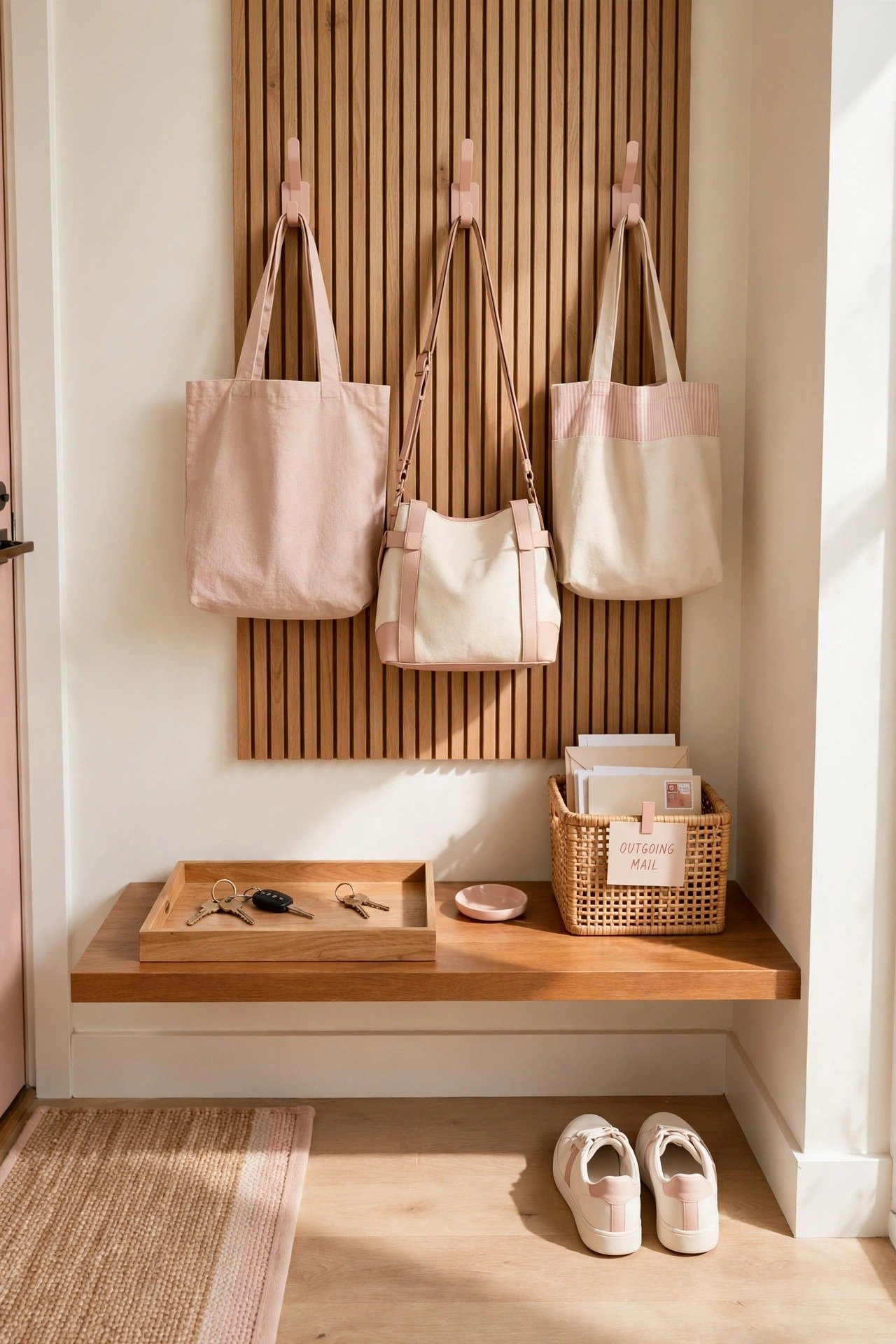
The entryway sets the tone for your whole home, yet it collects shoes, mail, and bags faster than anywhere else. Clear the surface completely, then rebuild it with intention: a tray for keys, hooks for daily bags, and a small bin for outgoing mail. Limit shoes to one pair per person.
Checklist focus: toss expired coupons and junk mail, donate outgrown outerwear, and wipe down the bench or table. A tidy mudroom or entryway makes coming home feel like a deep breath instead of another chore.
6. Declutter the Primary Bedroom
Your bedroom should be a restful retreat, not a storage unit. Clear the nightstands down to a lamp, a book, and your charger. Fold or hang the chair-drobe, that pile of clothes that are neither clean nor dirty, and put each item properly away.
Checklist focus: recycle old magazines, remove anything that belongs in another room, and dust every cleared surface. Under-bed storage deserves a quick audit too. When your bedroom holds only restful things, sleep comes easier.

7. Edit the Bedroom Closets
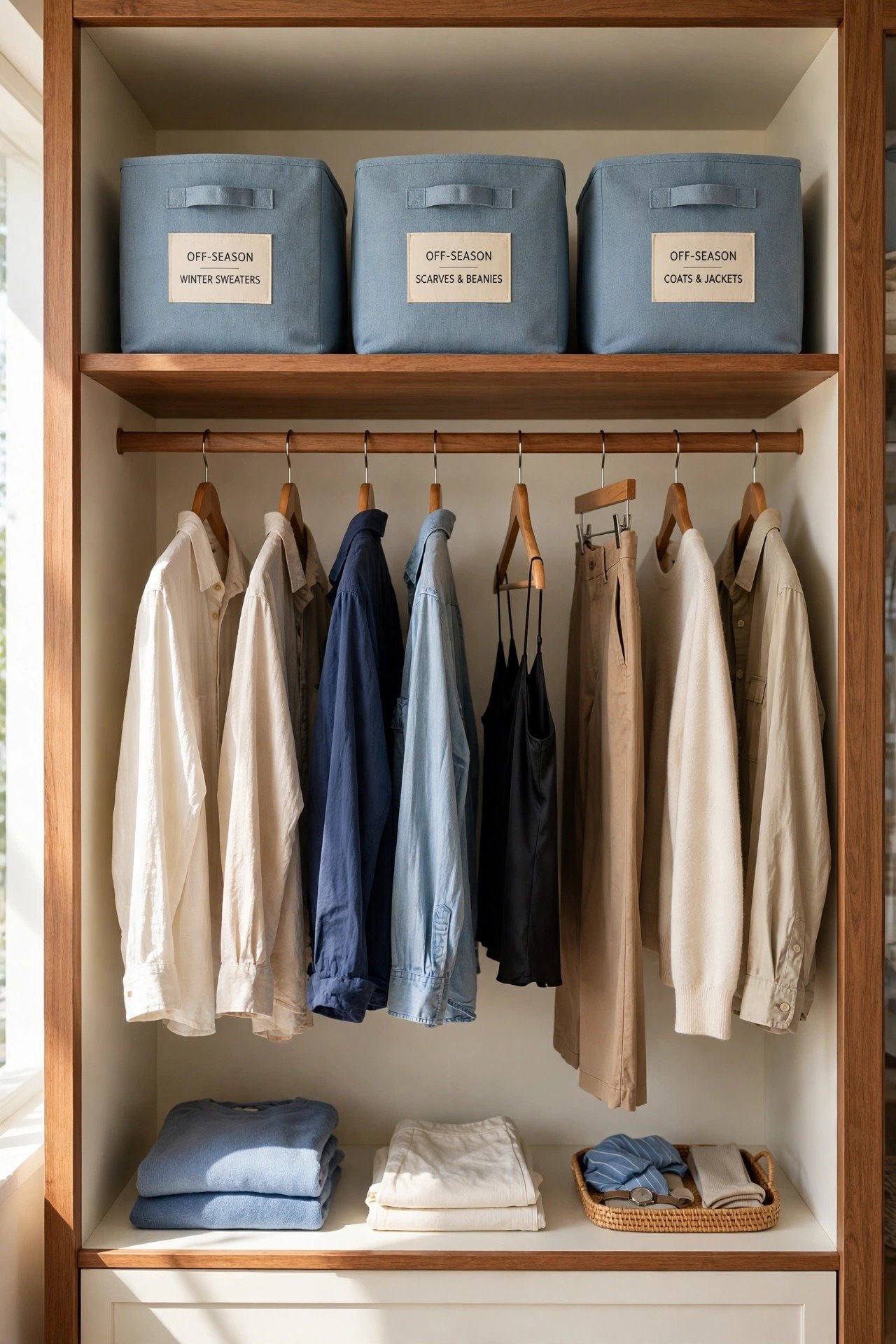
Closets fill with clothes that no longer fit, flatter, or function. Try on the questionable pieces and be honest about each one. Donate what does not fit your life today, and move off-season items to clearly labeled bins on the top shelf.
Checklist focus: toss single socks and stretched-out basics, donate duplicates, and match every hanger to a garment you actually wear. A closet with breathing room makes getting dressed faster and far more pleasant each morning.
8. Sort the Bathroom Cabinets
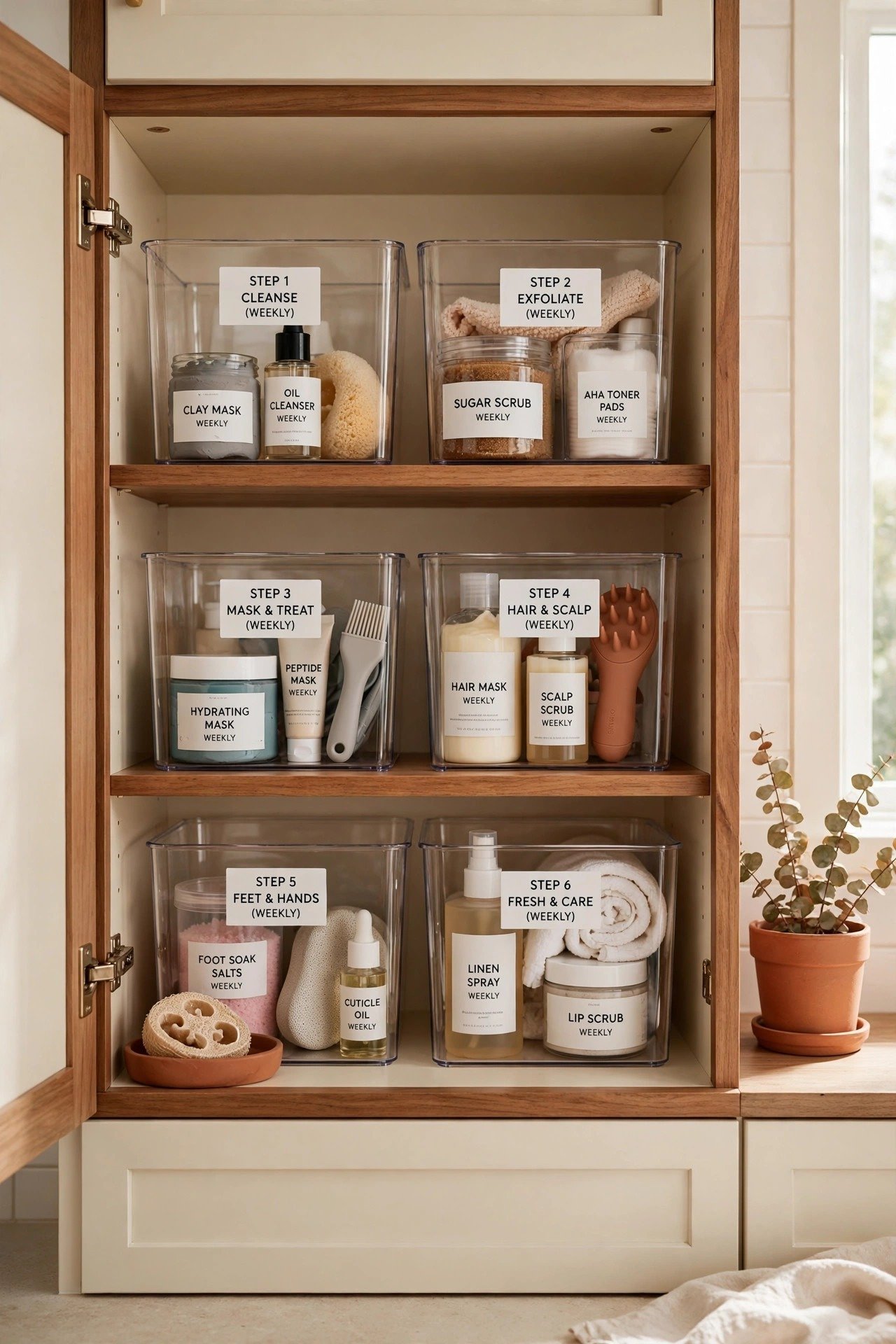
Bathroom cabinets collect half-used products, expired medicines, and hotel toiletries you will never touch. Pull everything out and check every date. Toss anything expired, crusty, or abandoned, and keep only products you use at least weekly.
Checklist focus: discard dried-out nail polish and old makeup, recycle empty bottles, and group remaining items by routine step. Clear bins keep categories visible so the cabinet never slides back into chaos. A sorted cabinet makes your daily routine smoother.
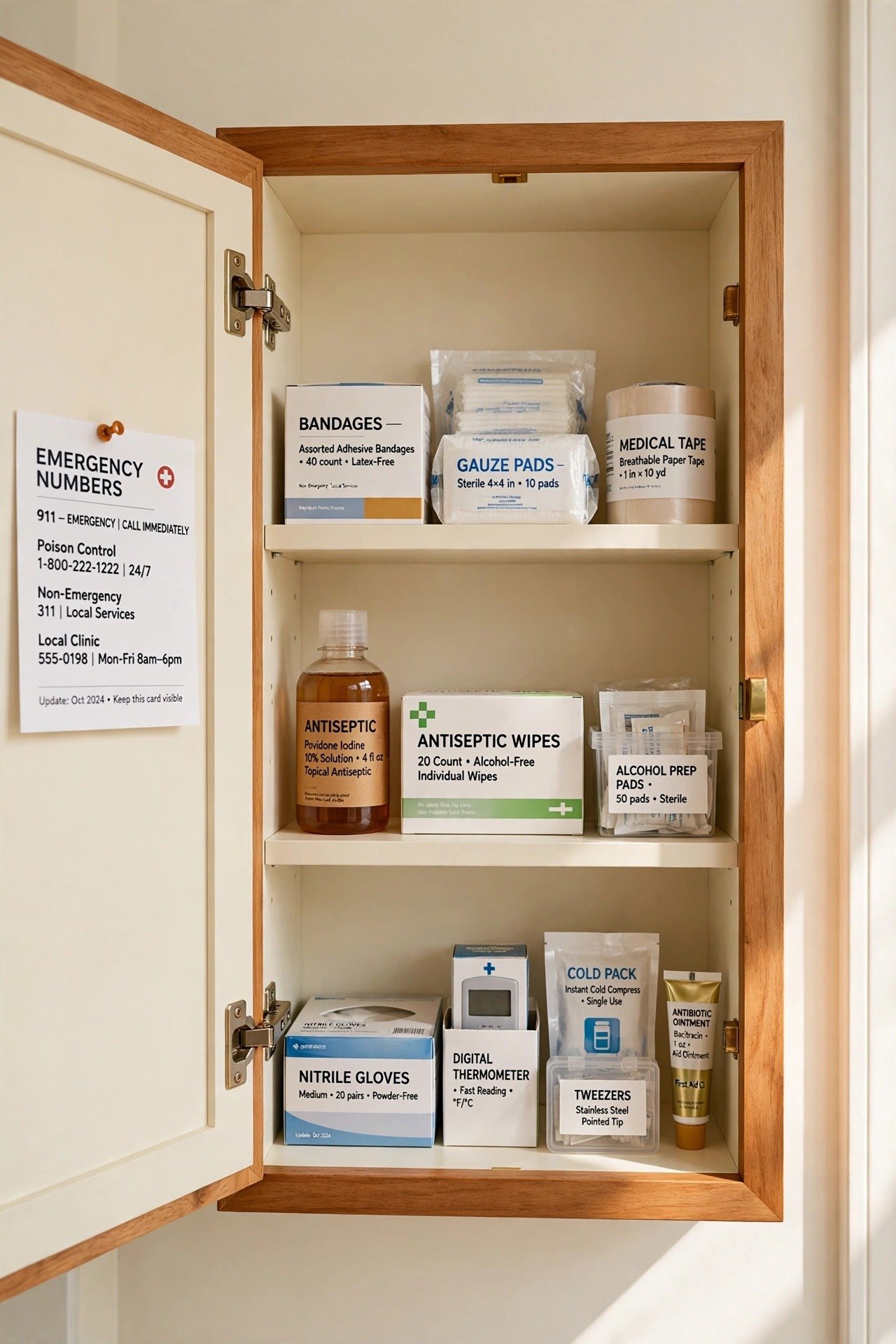
9. Tidy the Medicine Cabinet and First Aid
An outdated medicine cabinet can be genuinely unsafe. Check every expiration date on pain relievers, allergy pills, and prescriptions. Safely dispose of expired medications according to your local pharmacy guidelines, and restock basics like bandages and antiseptic.
Checklist focus: toss dried-out ointments, replace missing thermometer batteries, and keep a current list of emergency numbers inside the door. A tidy first-aid setup means you find what you need fast when someone actually gets hurt.
10. Streamline the Home Office Desk
Paper piles multiply on desks because every sheet feels vaguely important. Sort all paper into four piles: act now, file, recycle, and shred. Process the act-now pile immediately, then give every kept paper a labeled folder home. Clear the desktop down to your computer, one notebook, and a pen cup.
Checklist focus: recycle outdated notes, shred old statements, and test every pen before it earns drawer space. A streamlined desk clears your mind as much as your workspace. You will sit down to work with far less resistance.

11. Sort Paper, Mail, and Files
Paper clutter deserves its own zone because it behaves differently from other clutter. Set up three trays: incoming mail, action needed, and to file. Touch each piece of mail once when it arrives, and file or shred it the same day. Go paperless for bills and statements wherever you can.
Checklist focus: shred documents older than seven years, recycle junk mail immediately, and digitize important papers with your phone. A weekly ten-minute paper session keeps this zone from ever overwhelming you again.

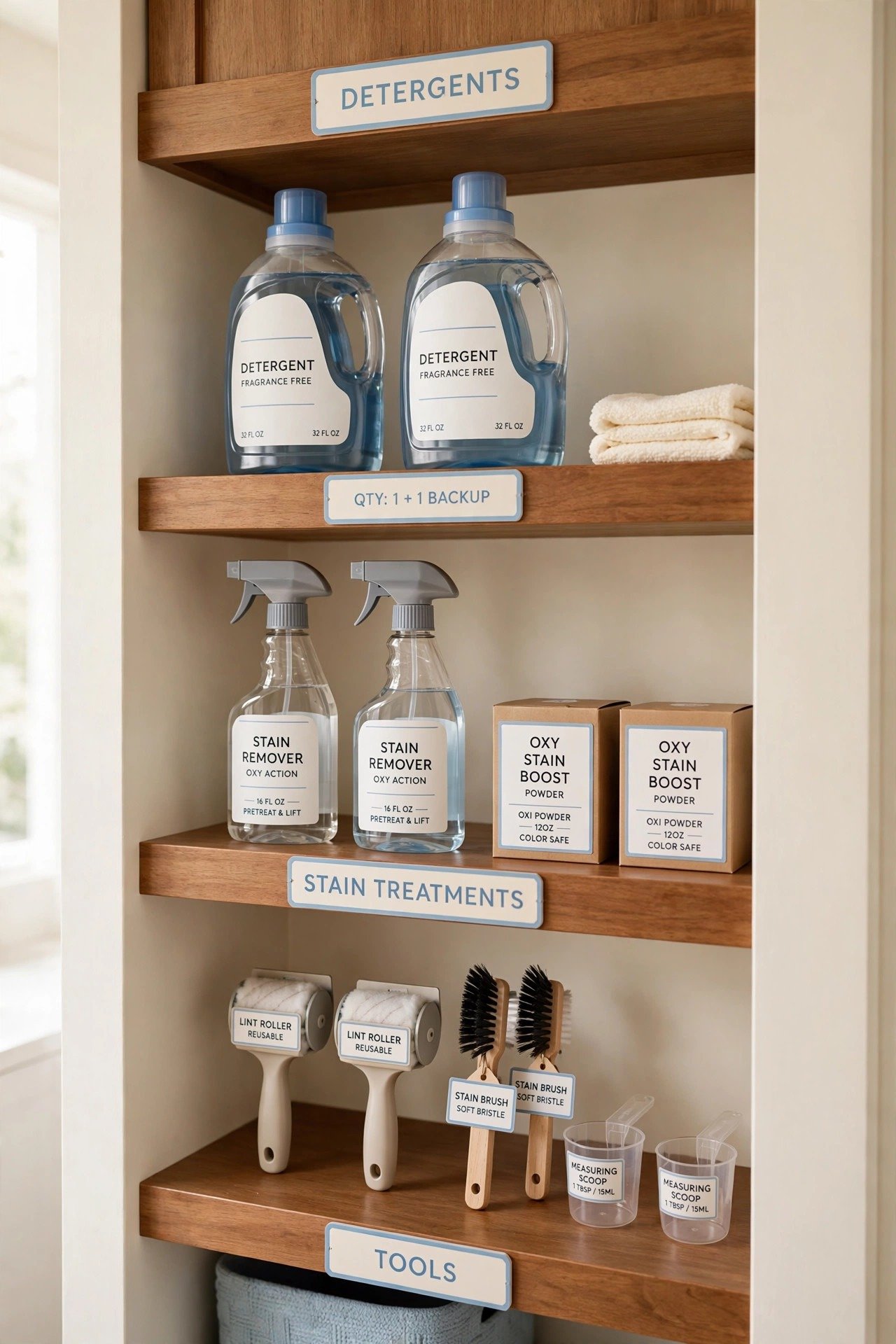
12. Organize the Laundry Room Shelves
Laundry rooms become graveyards for single socks, empty detergent bottles, and cleaning products you bought twice. Clear every shelf, toss the empties, and keep one backup of each supply instead of five. Group detergents, stain treatments, and tools into labeled zones.
Checklist focus: discard dried-out dryer sheets, match and toss single socks, and wipe sticky shelves clean. Your laundry room shelves should hold supplies, not archaeology. A lean supply shelf makes laundry day noticeably easier.
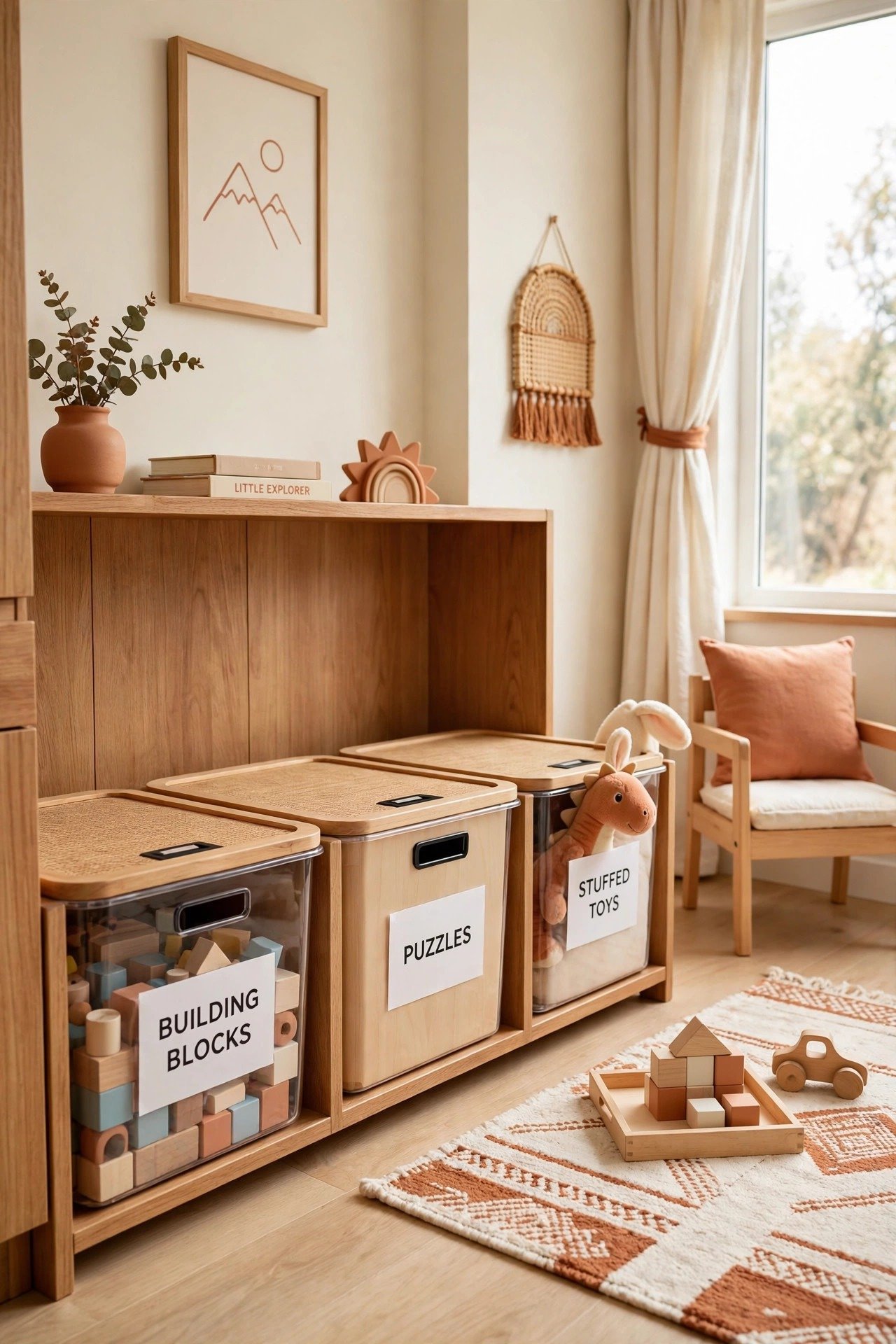
13. Declutter Kids’ Rooms and Toy Bins
Toys multiply faster than any other category in the house. Involve your kids and sort toys into keep, donate, and broken piles. Keep the favorites, donate the outgrown, and toss anything with missing pieces or dead batteries. Fewer toys actually means more creative play.
Checklist focus: recycle broken crayons and dried markers, donate duplicate toys, and contain small pieces like building blocks in lidded bins. Rotate a few bins into storage and swap them monthly to keep play feeling fresh without buying anything new.
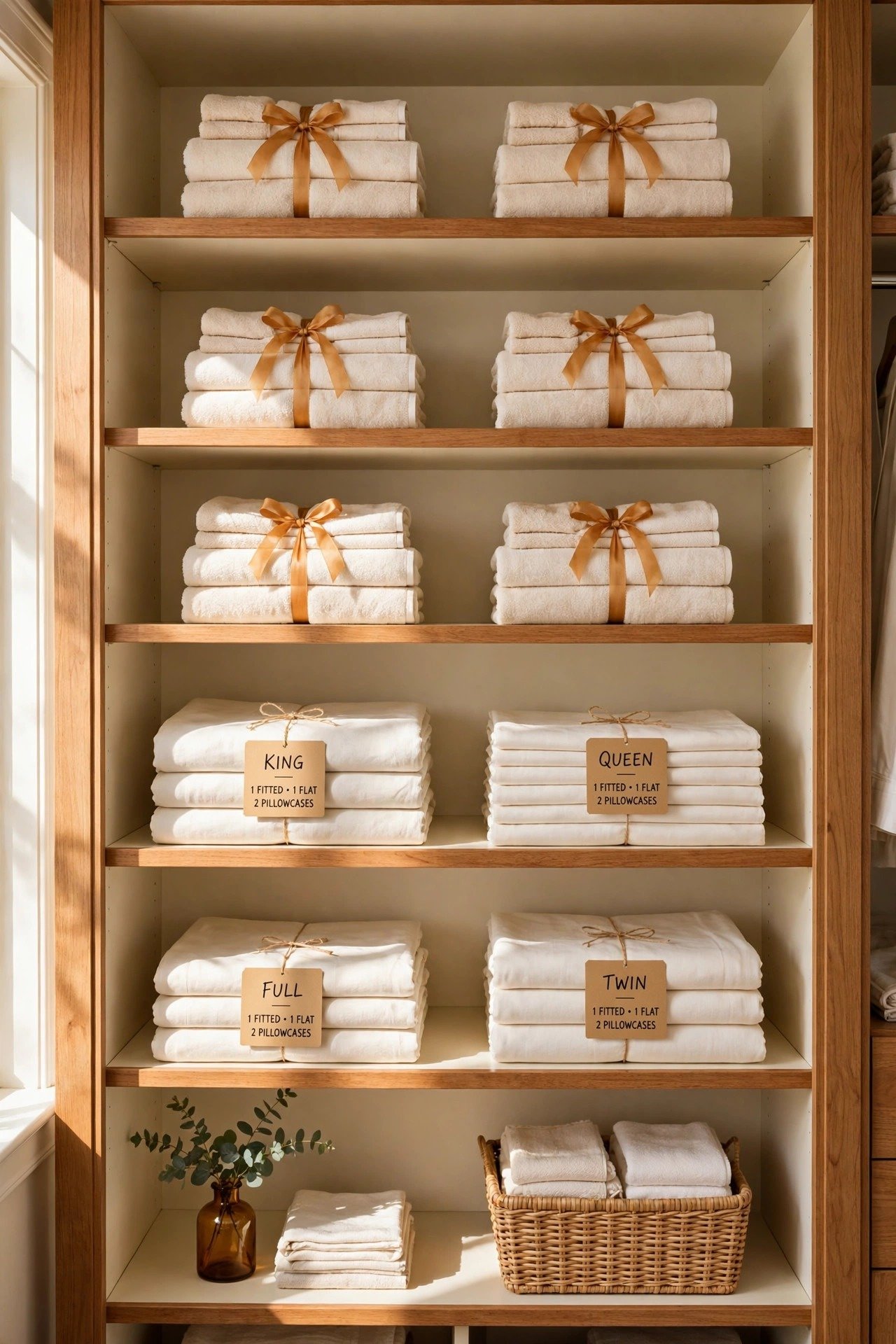
14. Refresh the Linen Closet
Linen closets hide stained sheets, single pillowcases, and towels that have seen better days. Pull everything out and keep two complete sets per bed plus two towel sets per person. Donate the rest to animal shelters, which always need old towels and blankets.
Checklist focus: toss frayed washcloths, recycle worn-out pillows, and fold sets together so each bed’s linens stay matched. A refreshed linen closet makes changing the sheets a five-minute job instead of a digging expedition.
15. Tackle Storage Areas and the Garage
Save the garage and storage areas for last, when your decision muscles are strongest. Sort everything into zones: tools, seasonal decor, sports gear, and donations. If you have not used it in a year and it has no sentimental value, it is a donation candidate.
Checklist focus: recycle old paint and chemicals properly, toss broken items you keep meaning to fix, and sweep the floor once zones are clear. Labeled bins on sturdy shelving keep the garage functional. Finishing here means every zone of your home is done.

Conclusion
Fifteen zones might sound like a lot, but you never tackle them all at once. One zone per session, one checklist at a time, and the whole house transforms without a single overwhelming weekend. The printable-style structure keeps you focused on exactly what to do next.
Print this plan or save it on your phone, then start with the zone that bothers you most. Each finished room builds momentum for the next. In a few weeks, you will walk through a home that feels lighter, calmer, and entirely yours.
Frequently Asked Questions About Declutter Checklists
How do I start decluttering when the whole house feels overwhelming?
Start with one small zone, like a single drawer or one shelf, and finish it completely. Small wins build the momentum and decision skills you need for bigger rooms. Never try to declutter the whole house in one weekend.
What should I do with items I want to donate?
Sort donations into bags or boxes as you declutter, and schedule a drop-off within the week. Keeping donation bags around too long invites second-guessing. Many charities offer pickup, which makes the whole process easier.
How do I declutter without making a bigger mess?
Work zone by zone and finish each area before moving on. Use four boxes labeled keep, donate, relocate, and trash so every item has an immediate destination. Put keep items away as you go instead of piling them for later.
How long should a full room-by-room declutter take?
Most homes take four to eight weeks working one or two zones per week. Rushing leads to burnout and poor decisions. A steady pace with short sessions beats marathon weekends every time.
How do I keep rooms decluttered after I finish?
Give every item a labeled home and follow a one-in-one-out rule for new purchases. Do a five-minute reset in each room every evening. Small daily habits protect your progress far better than occasional big purges.

Hi, I’m Emily! I turn messy corners into cozy, organized spots. DreamNestDecor is where I share simple, practical home ideas — decor, organization, and small-space solutions that work in real life, not just in photos. Every idea here is carefully researched before it’s shared.