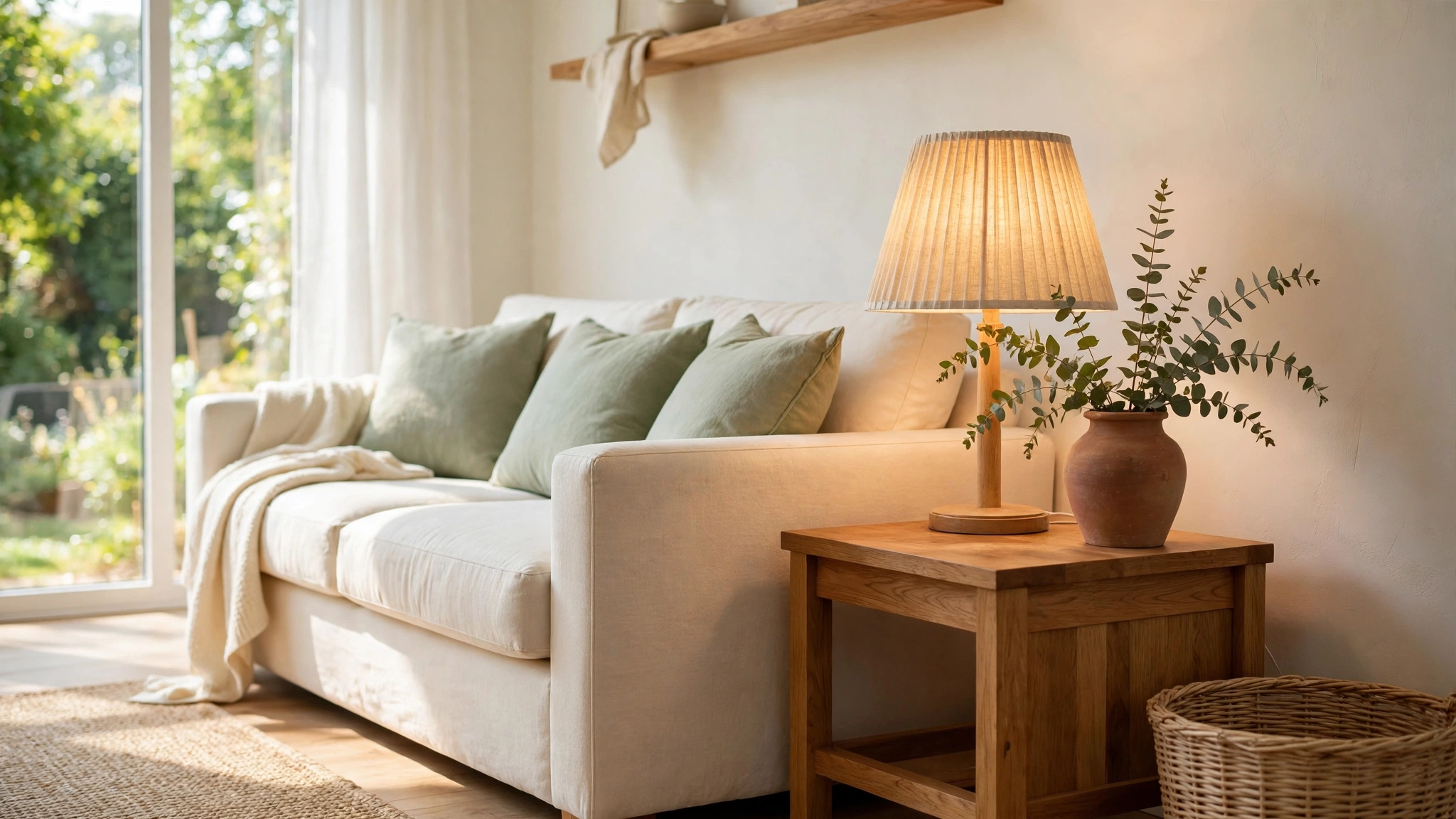
Picture this: a plain white lampshade sits on a side table, and it looks tired and dull next to the rest of the room. Then you slip a crisp linen cover over it, and the whole corner changes. The lamp glows warmer, the colors feel richer, and the shade looks like it was made just for that spot.
You do not need sewing skills, a big budget, or a new lamp to get that custom look. A length of fabric, a few simple tools, and an hour of quiet work can turn any old shade into a one of a kind piece. These 24 diy fabric lampshade cover ideas will show you how to pleat, gather, wrap, and trim fabric into covers that fit your style and your home.
1. Make a Crisp Pleated Linen Cover
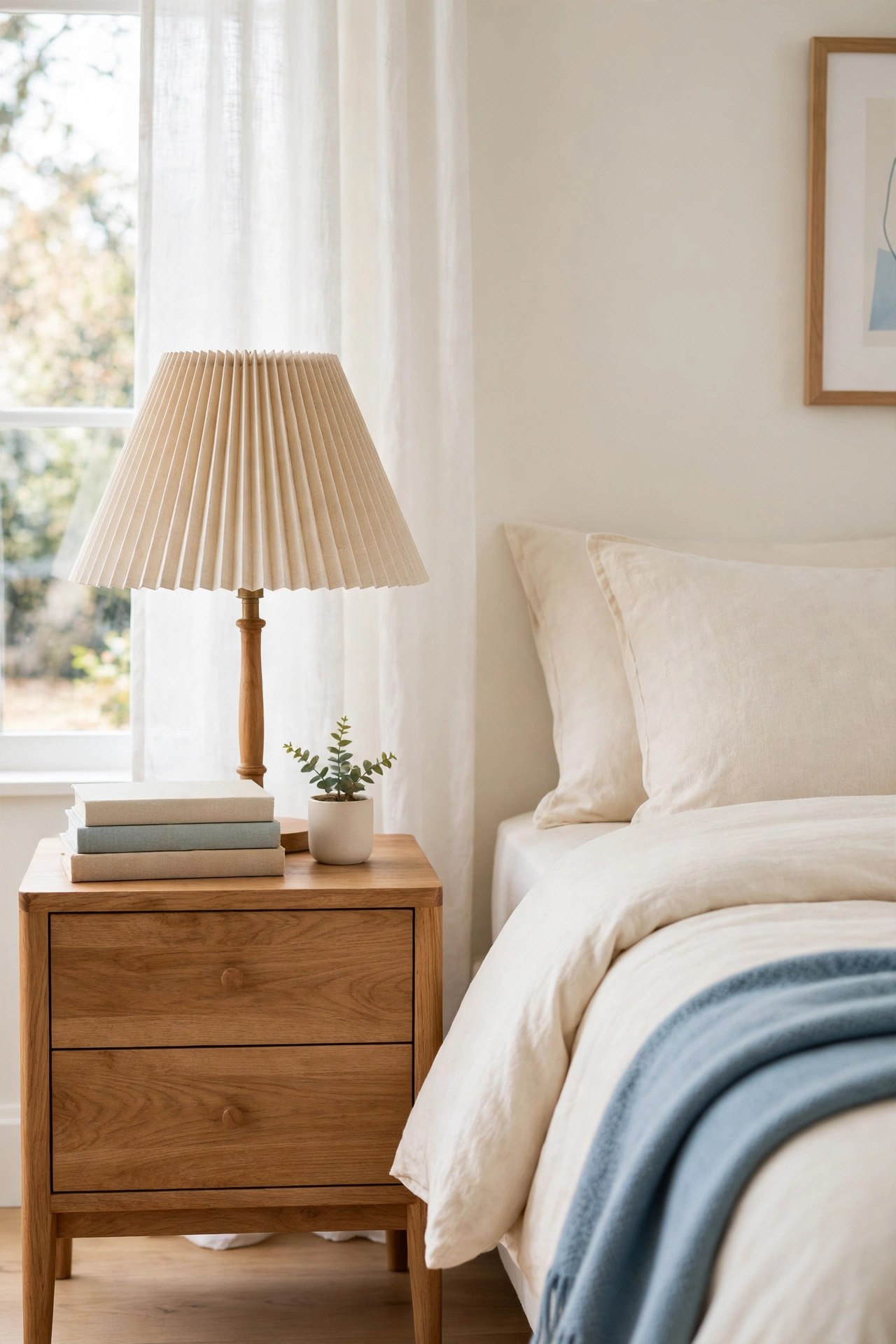
A pleated linen cover gives a lampshade a tailored, elegant finish that suits almost any room. Start with a medium weight linen in a soft neutral color, and fold it into even knife pleats around the shade. Pin each pleat as you go, and keep the folds the same width from top to bottom so the pattern stays neat.
Press the pleats with a warm iron before you attach the fabric, because crisp folds hold their shape better under the heat of the bulb. Stitch or glue the top and bottom edges to the inside of the shade frame, and trim any extra fabric close to the rings. The finished cover catches the light in gentle ridges and adds quiet texture to a bedside table or a reading corner.
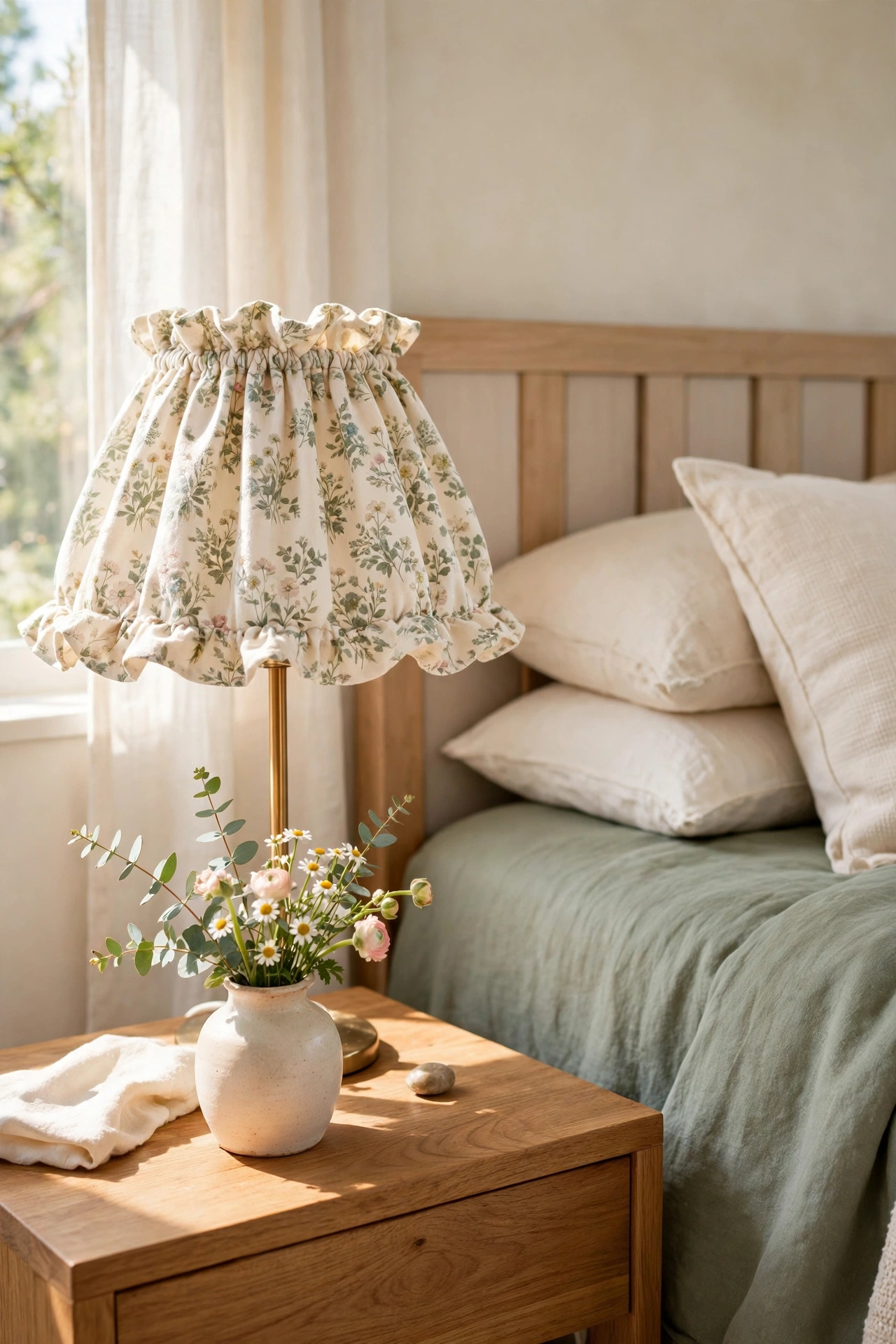
2. Sew a Soft Gathered Cotton Cover
A gathered cotton cover is the friendliest first project for anyone new to fabric work. Cut a rectangle of lightweight cotton that is twice as wide as the shade, run a long gathering stitch along the top edge, and pull the thread until the fabric ripples evenly. The soft folds hide small mistakes and give the shade a relaxed, cottage feel.
Choose a cotton print that picks up a color already in the room, such as sage green bedding or a terracotta rug. Gather the bottom edge the same way, and fasten both edges inside the shade with fabric glue or a few neat stitches. The gentle fullness of the gathers softens the light and makes the lamp feel cozy and handmade.
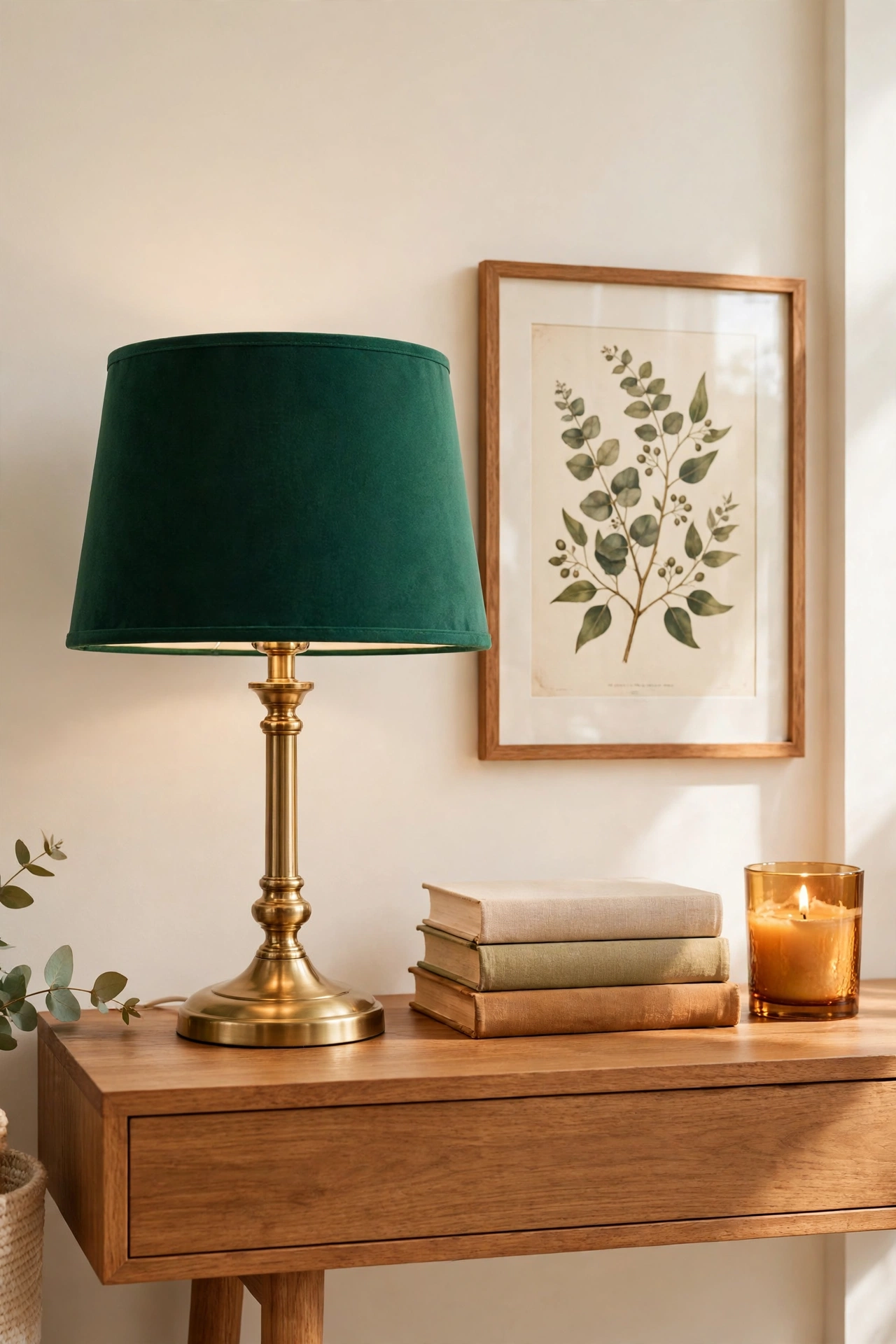
3. Fit a Tailored Velvet Slipcover
A velvet slipcover turns an ordinary shade into a rich, luxurious accent with very little effort. Measure the top and bottom rings of the shade, cut the velvet to match, and sew one straight seam to form a tube. Slip the tube over the shade and smooth the pile with your hand so the nap runs in one direction.
Velvet in deep tones like emerald, plum, or rust adds drama to a living room, while blush or soft blue velvet keeps the look gentle. Fold the raw edges under the rings and secure them with small stitches or strong fabric tape. The dense fabric dims the glow slightly, so use a bright bulb and enjoy the warm, moody light the velvet creates.
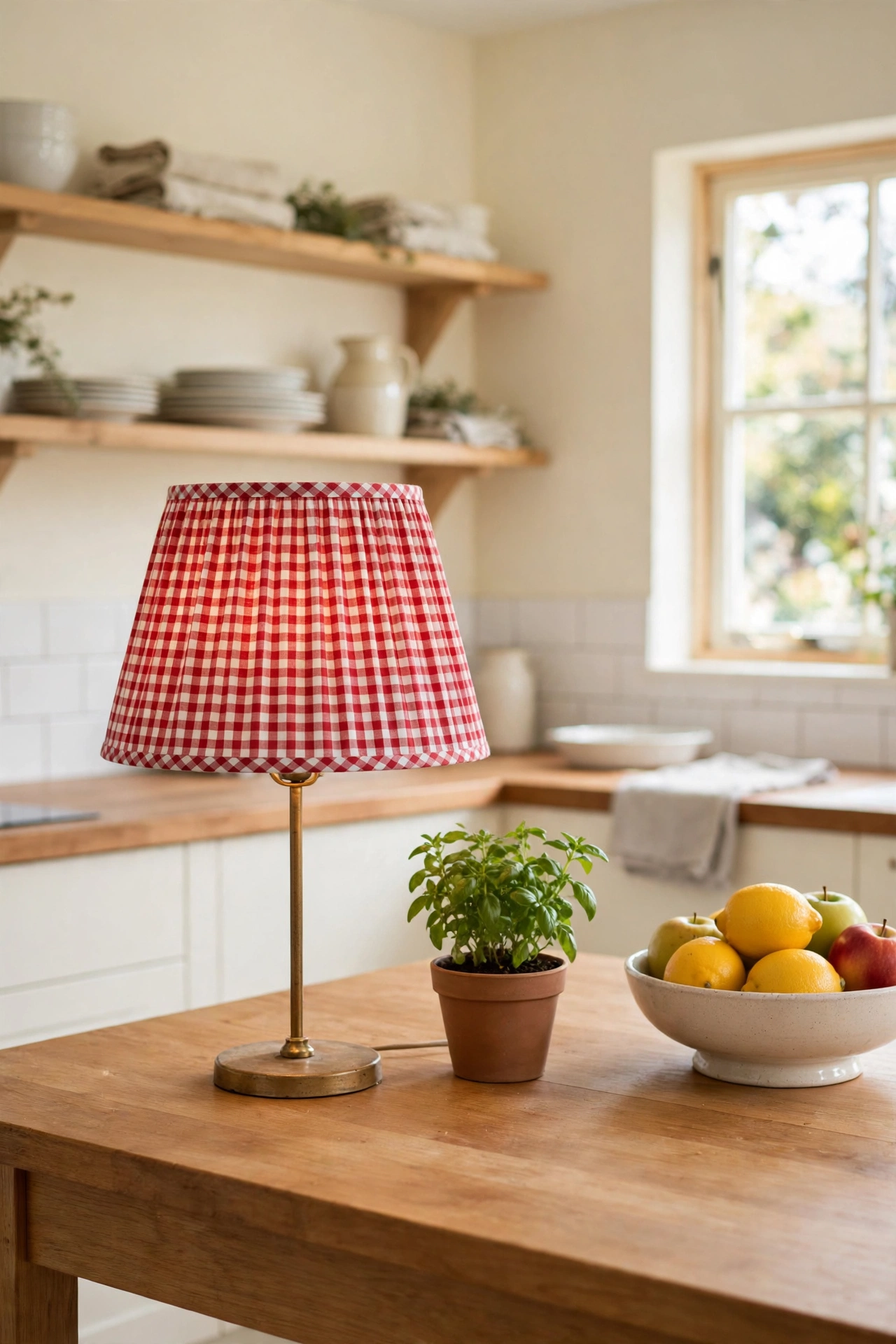
4. Try a Gingham Check Cover for a Cottage Look
Gingham check fabric brings instant cottage charm to a lampshade, and it is one of the easiest patterns to work with. The woven squares help you cut straight lines and keep seams even without measuring every inch. A small check in red, blue, or sage green reads fresh and cheerful in a kitchen or a breakfast nook.
Wrap the gingham around the shade with the checks lined up at the seam, and press the seam flat before you glue it inside. Add a narrow band of solid fabric at the top and bottom edges if you want a more finished look. The crisp pattern pairs well with white walls, warm wood, and simple furniture, and it never goes out of style.
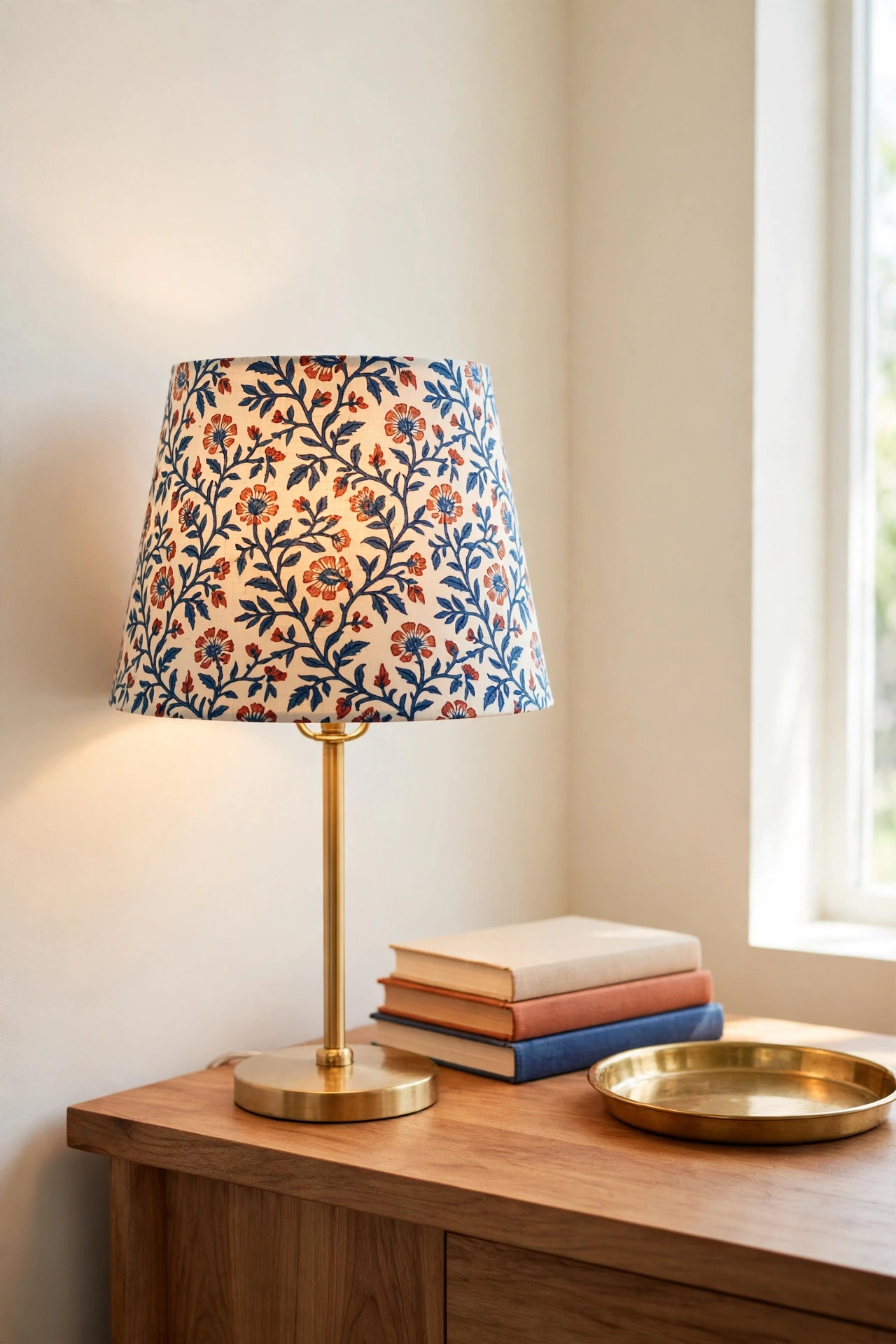
5. Cover a Shade with Hand Block-Print Cotton
Hand block-print cotton gives a lampshade an artisan feel, because every motif carries the small variations of the printing block. Look for cotton with floral vines, paisley shapes, or geometric stars in two or three colors. The printed pattern does most of the decorating work, so the construction can stay simple.
Cut the fabric so a full motif sits at the front of the shade where it will be seen most often. Wrap it snugly, glue the overlap at the back, and fold the edges inside the rings. When the lamp is on, the light shines through the cotton and makes the printed pattern glow softly, which turns the shade into a piece of art after dark.
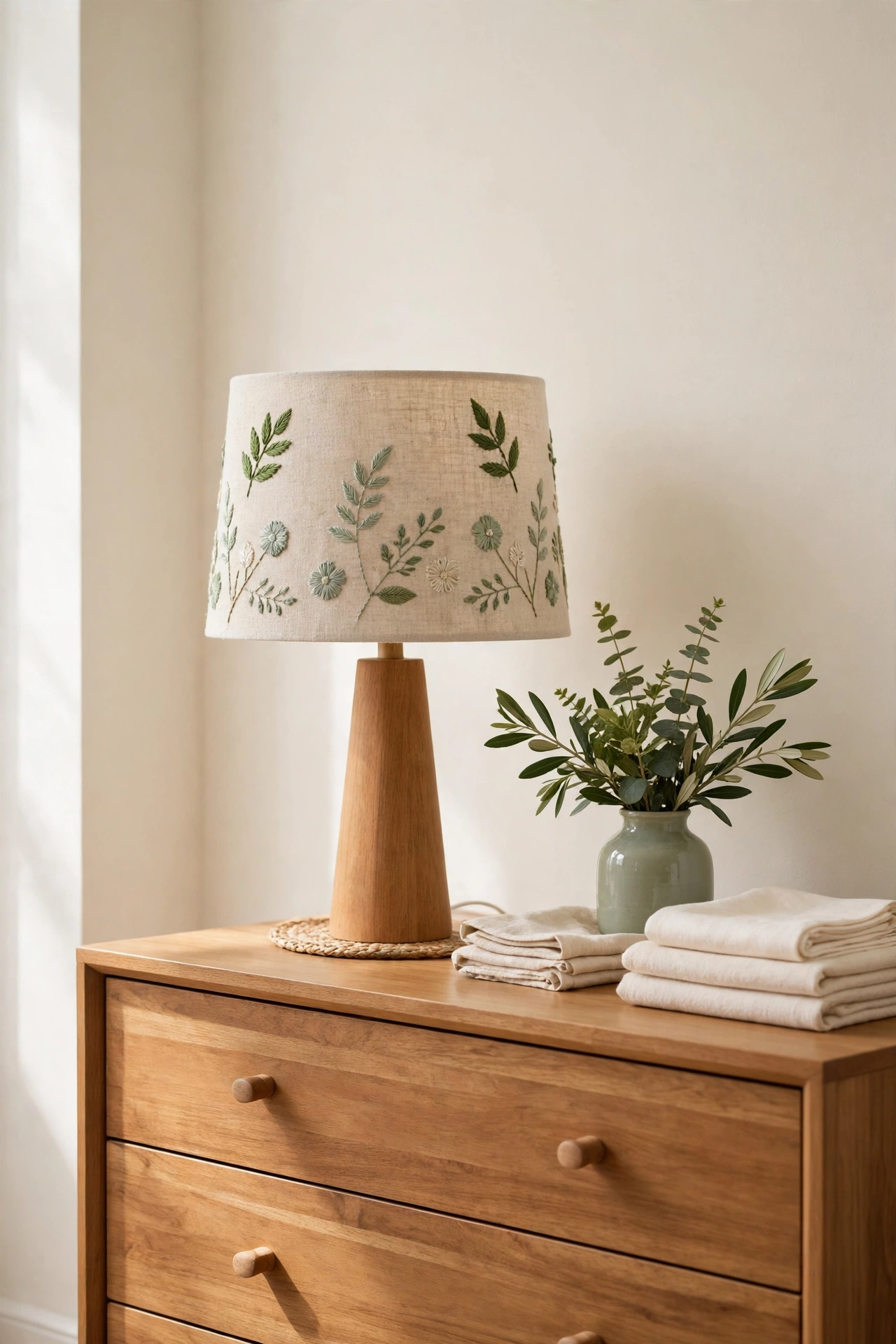
6. Stitch an Embroidered Botanical Cover
An embroidered botanical cover adds delicate handwork to a shade and makes it feel truly personal. Start with plain linen or cotton, and stitch simple leaf sprigs, stems, and small flowers with a basic running stitch or backstitch. You do not need advanced skills, because a few repeated sprigs look charming even with uneven stitches.
Work the embroidery before you attach the fabric to the shade, and keep the stitched area on the front and sides where it will show. Leftover embroidered fabric from other projects works well too, and these diy fabric wall art ideas show how the same stitched pieces can decorate a wall when you have fabric to spare. The raised threads catch the light and cast tiny shadows that make the shade feel alive.
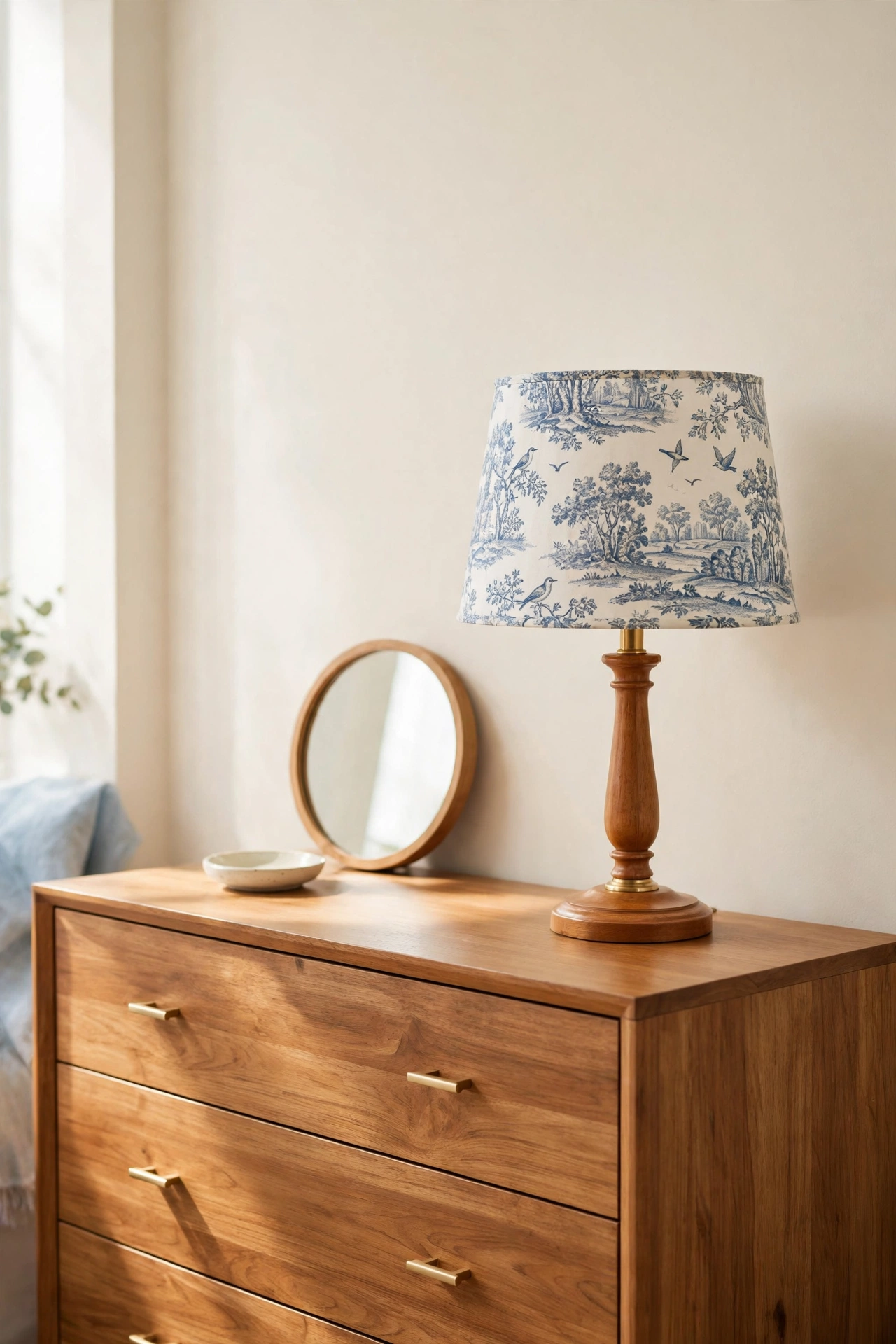
7. Choose a Classic Toile Print Cover
Toile fabric brings old world elegance to a lampshade with its fine pastoral scenes and delicate line work. The single color printing on a cream or white ground looks refined in a bedroom, a hallway, or a formal living room. Blue, black, and soft red are the classic colorways, and each one pairs well with warm wood furniture.
Cut the toile so a complete scene, such as a garden arch or a pair of birds, lands on the front of the shade. Keep the construction simple with a smooth wrap and a hidden back seam, because the busy print needs no extra trim. When the lamp glows, the fine lines of the toile stand out beautifully and give the room a quiet, collected feel.
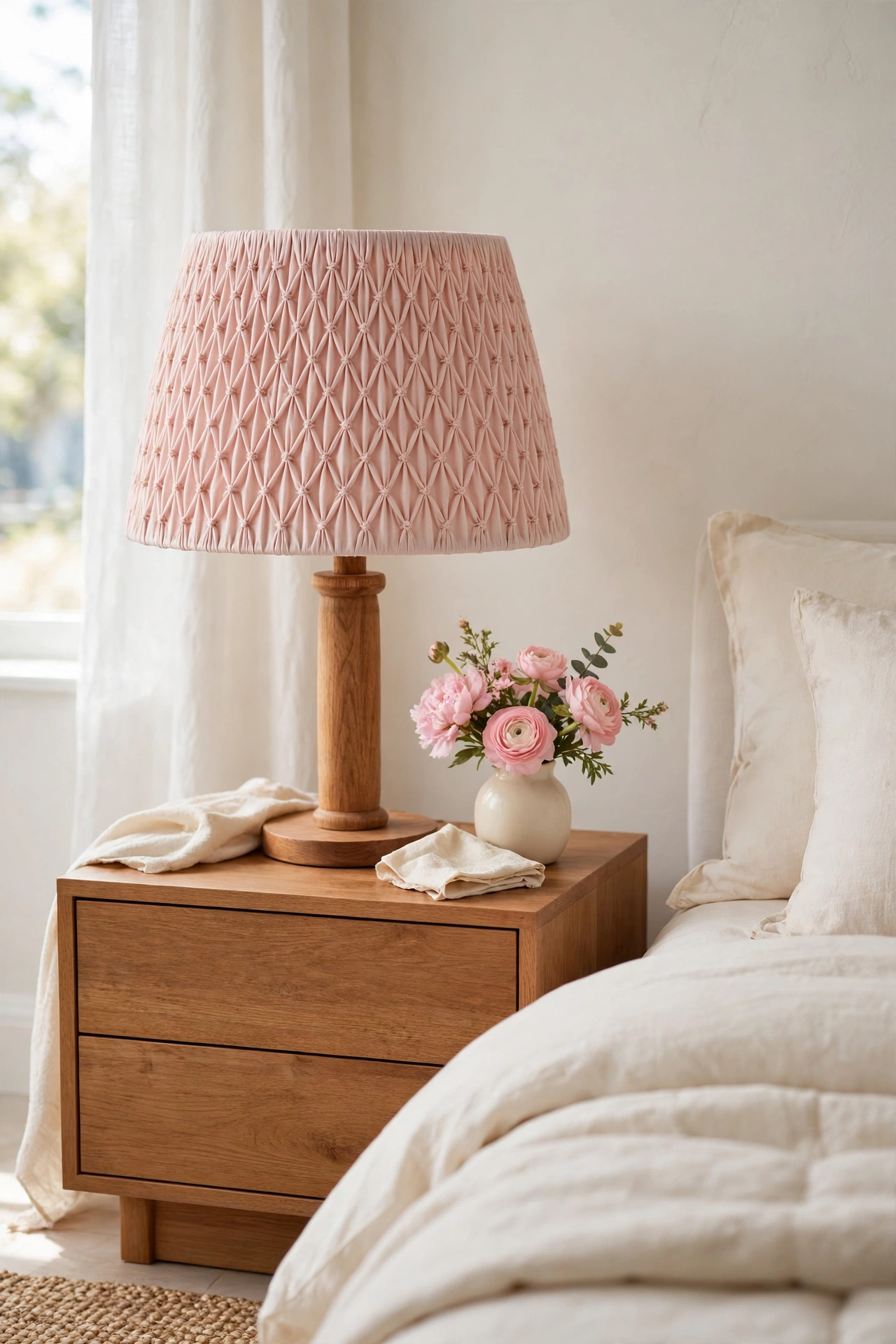
8. Sew a Smocked Panel Cover
A smocked panel cover uses tiny gathered stitches to create a stretchy, textured band of fabric that hugs the shade. Smocking is made by stitching rows of small gathers in a diamond or wave pattern, and the result looks far more complex than it is. A smocked band in soft cotton adds a vintage, handcrafted touch to a nursery lamp or a guest room.
Smock a panel wide enough to cover the middle of the shade, then join it to plain fabric panels above and below. The elastic quality of the smocking helps the cover fit snugly without puckers. Choose a thread color that matches the fabric for a subtle look, or a contrasting thread for a bolder pattern that shows up clearly in daylight.
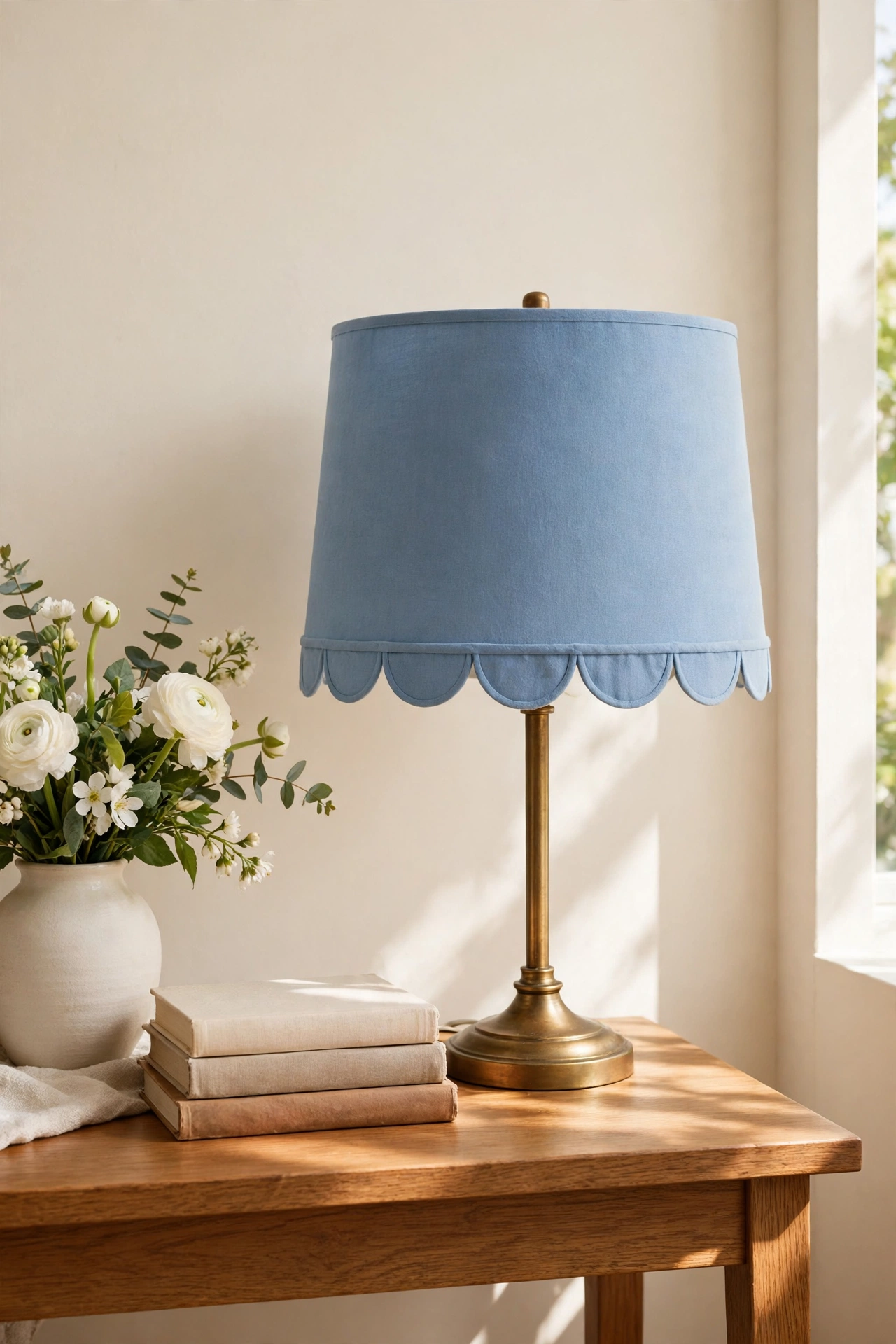
9. Finish a Shade with a Scalloped Hem Cover
A scalloped hem cover gives a lampshade a sweet, finished edge that looks like it came from a boutique. Cut the bottom edge of the fabric into even half circles, and finish each scallop with a narrow hem or a row of small stitches. The curved edge softens the straight lines of the shade and adds movement to the silhouette.
Use a cup or a round lid as a template so every scallop is the same size, and mark the curves with a pencil before you cut. A scalloped hem works best on drum shades, where the straight sides let the curves show clearly. Pair the cover with a solid color fabric so the scalloped shape stays the star of the design.
10. Bond a No-Sew Cover with Fusible Hem Tape
Fusible hem tape lets you make a fabric lampshade cover with no needle and no thread. Cut the fabric to size, fold the edges over the tape, and press with a hot iron to bond the hem in place. The tape creates a clean, strong edge that holds up well, and the whole project takes less than an hour from start to finish.
This method is ideal for renters and beginners, because the cover can be removed later without damage to the shade frame. Choose a medium weight cotton that presses well, and test the tape on a scrap piece first to set the right iron temperature. Overlap the back seam by one inch, bond it with a second strip of tape, and the cover is ready to slip on.
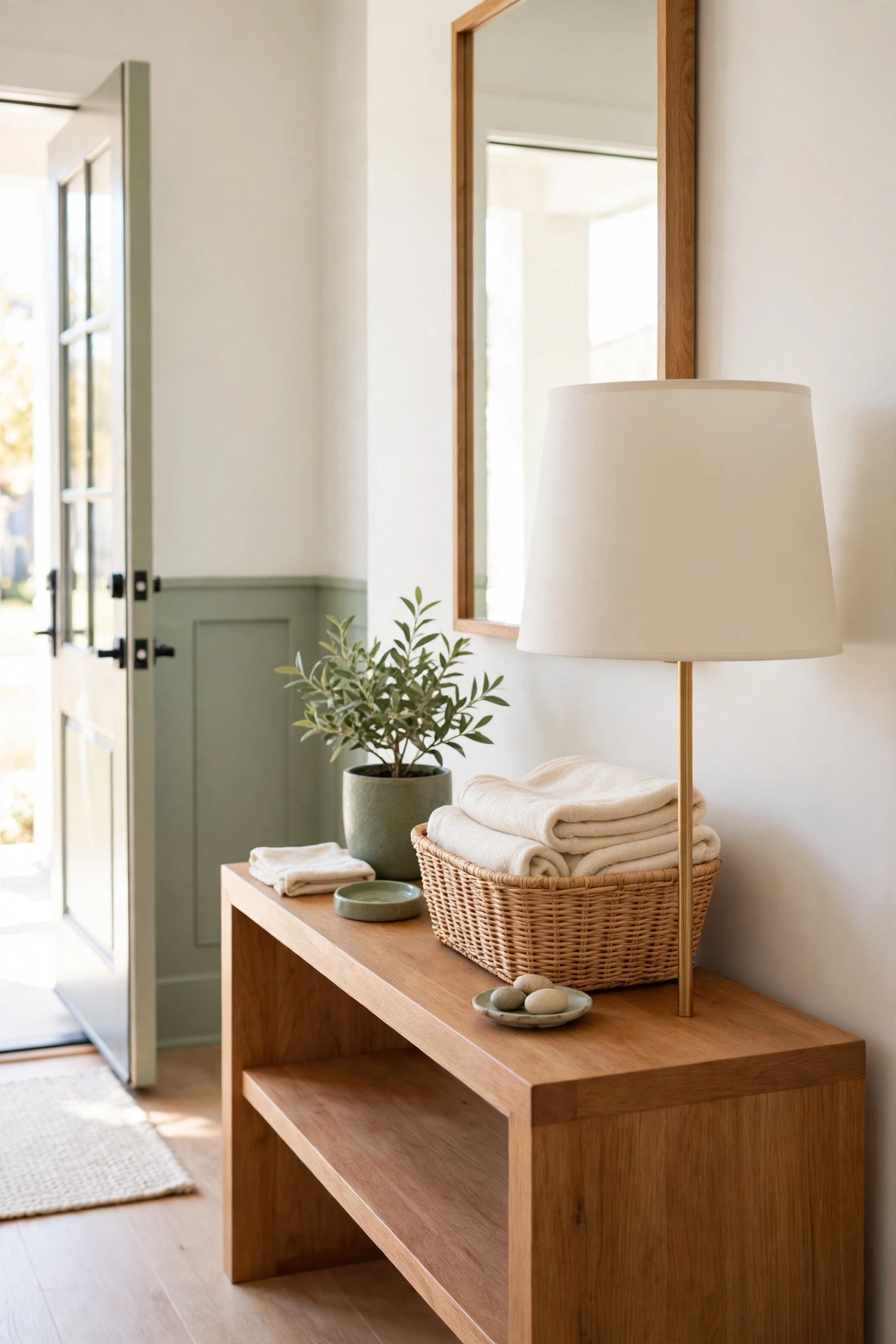
11. Line a Shade with a Soft Silk Cover
A silk cover gives a lampshade a gentle, luminous glow that no other fabric can match. Silk diffuses light evenly and adds a subtle sheen that makes the whole lamp look expensive. Line the silk with a thin cotton backing so it holds its shape and the light does not show the frame through the fabric.
Work slowly with silk, because it slips easily under the iron and the scissors. Pin generously, use a sharp needle, and keep the seams narrow. A silk cover in ivory, champagne, or pale gold suits a floor lamp in a reading corner, and these modern floor lamp ideas show how a refined shade can anchor a stylish seating area. The soft glow flatters the whole room and feels calm in the evening.
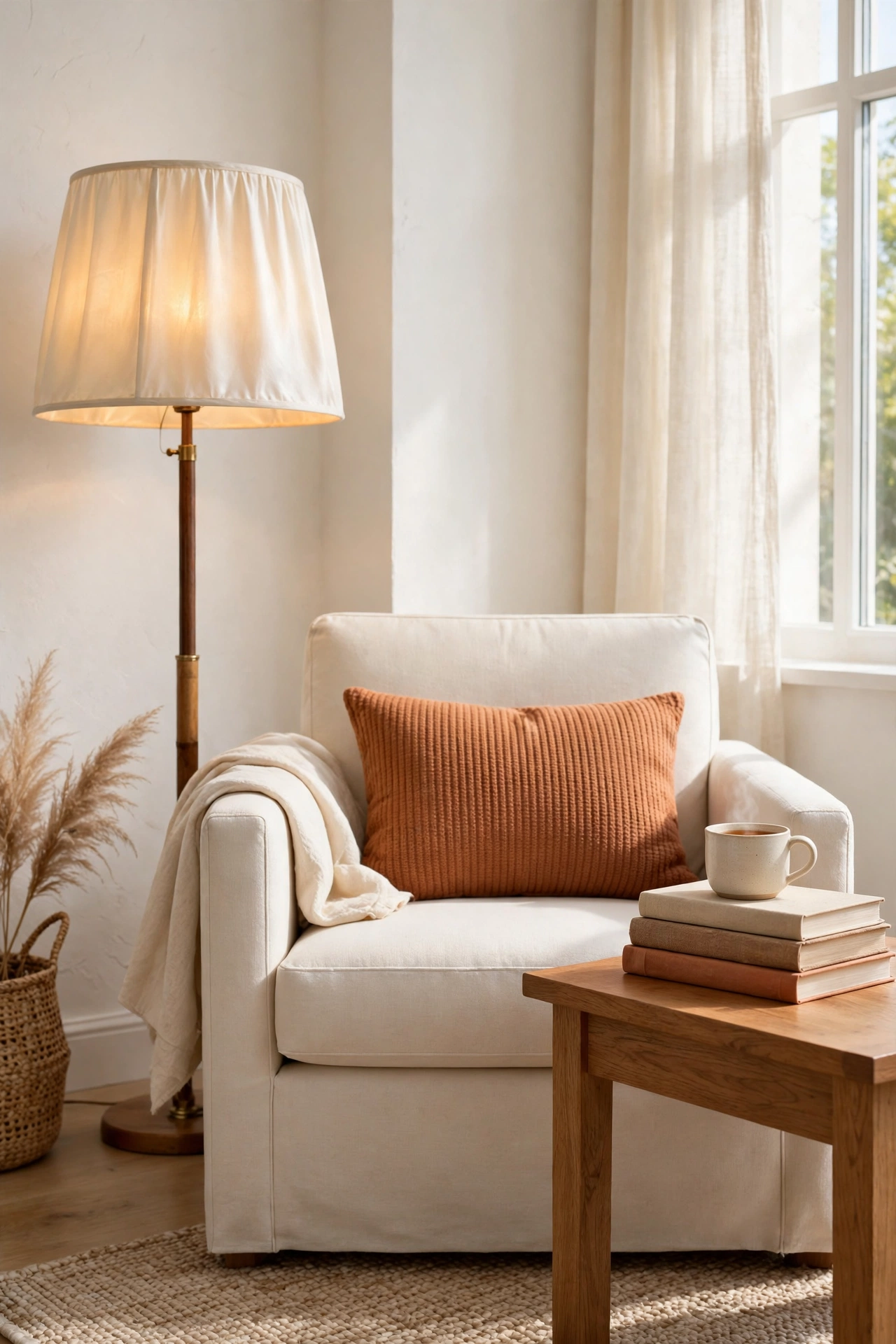
12. Wrap a Shade in Ticking Stripe Fabric
Ticking stripe fabric is the sturdy cotton once used for mattress covers, and its narrow woven stripes give a lampshade a fresh, tailored look. The classic blue and white stripe suits farmhouse and coastal rooms, while charcoal or red stripes add contrast to a neutral space. The tight weave blocks glare while still letting warm light through.
Line up the stripes at the back seam so the pattern flows around the shade without a visible break. Press the top and bottom edges inside the rings, and add a thin stripe of ribbon trim in a matching color if you want extra polish. The crisp stripes pair well with white bedding, natural wood, and woven baskets for a clean, collected look.
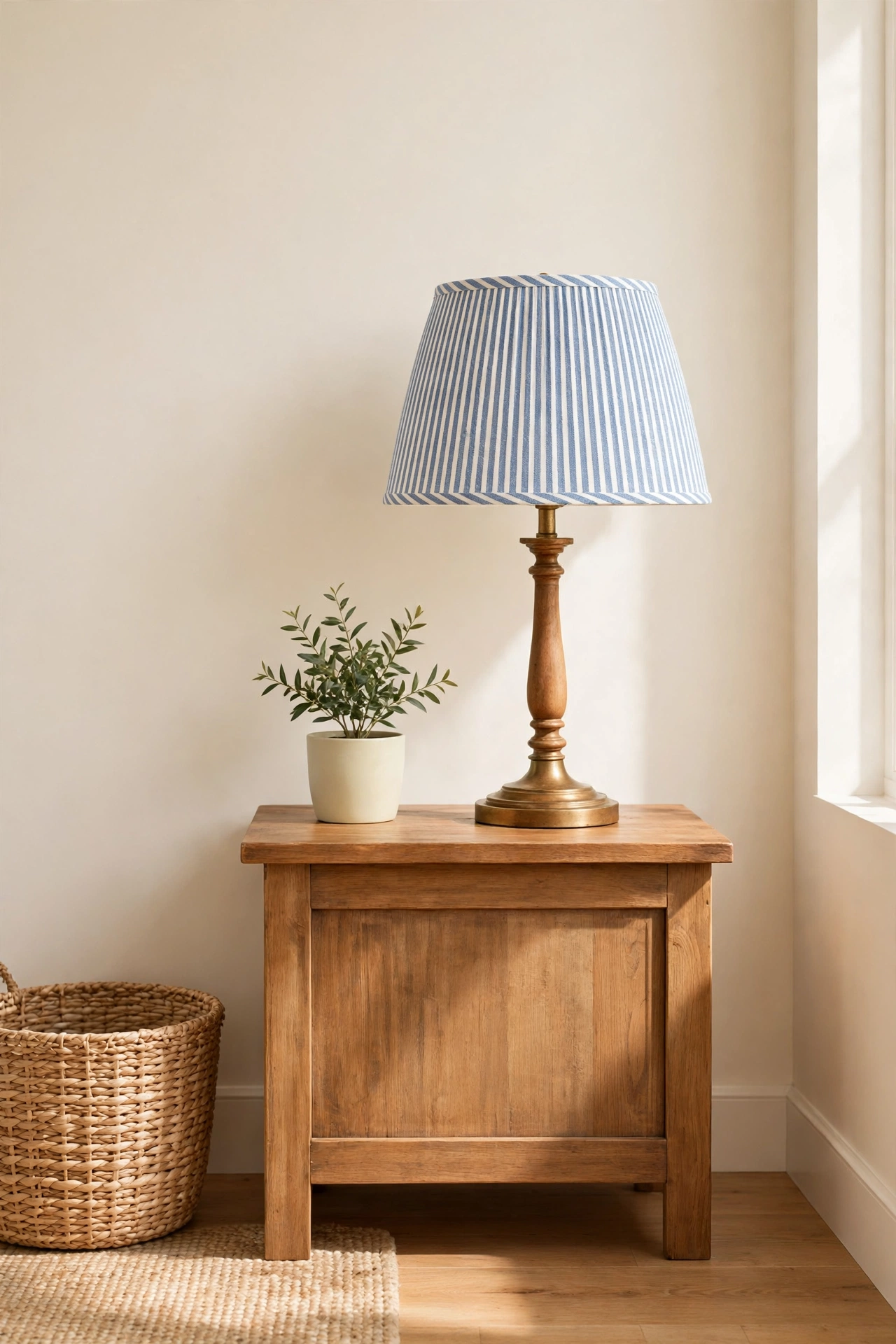
13. Piece a Patchwork Cover from Fabric Scraps
A patchwork cover turns leftover fabric scraps into a colorful, one of a kind lampshade that costs almost nothing. Cut the scraps into squares or rectangles of the same size, and sew them into rows until the panel is wide enough to wrap the shade. Mix small prints, solids, and stripes in a shared color family so the patchwork feels planned rather than random.
Press every seam open before you join the rows, because flat seams make the cover sit smoothly on the shade frame. A patchwork cover in warm autumn tones suits a cozy den, while pastel scraps brighten a craft room or a child bedroom. The mix of patterns tells a story, and each square can hold a memory from a past sewing project.
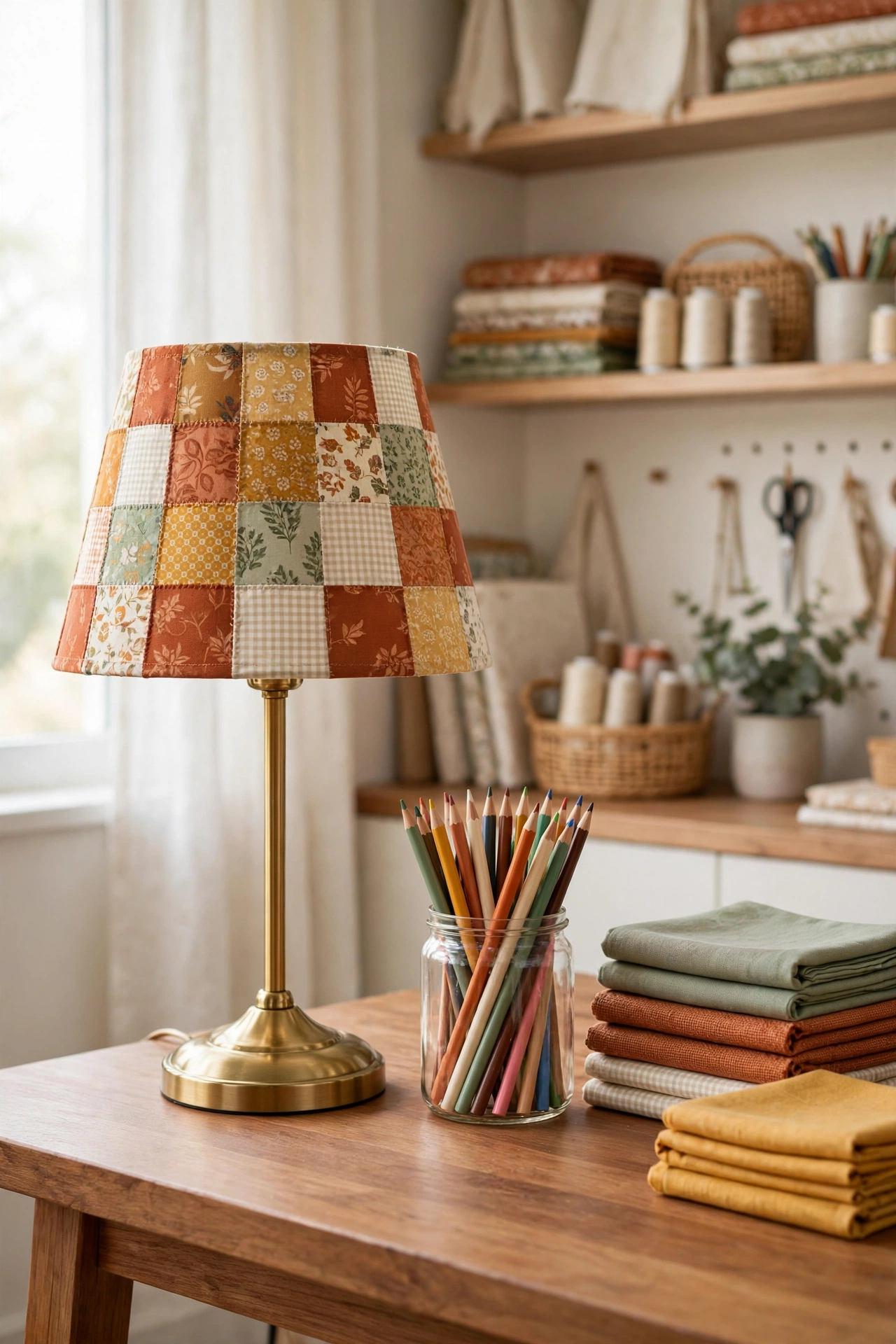
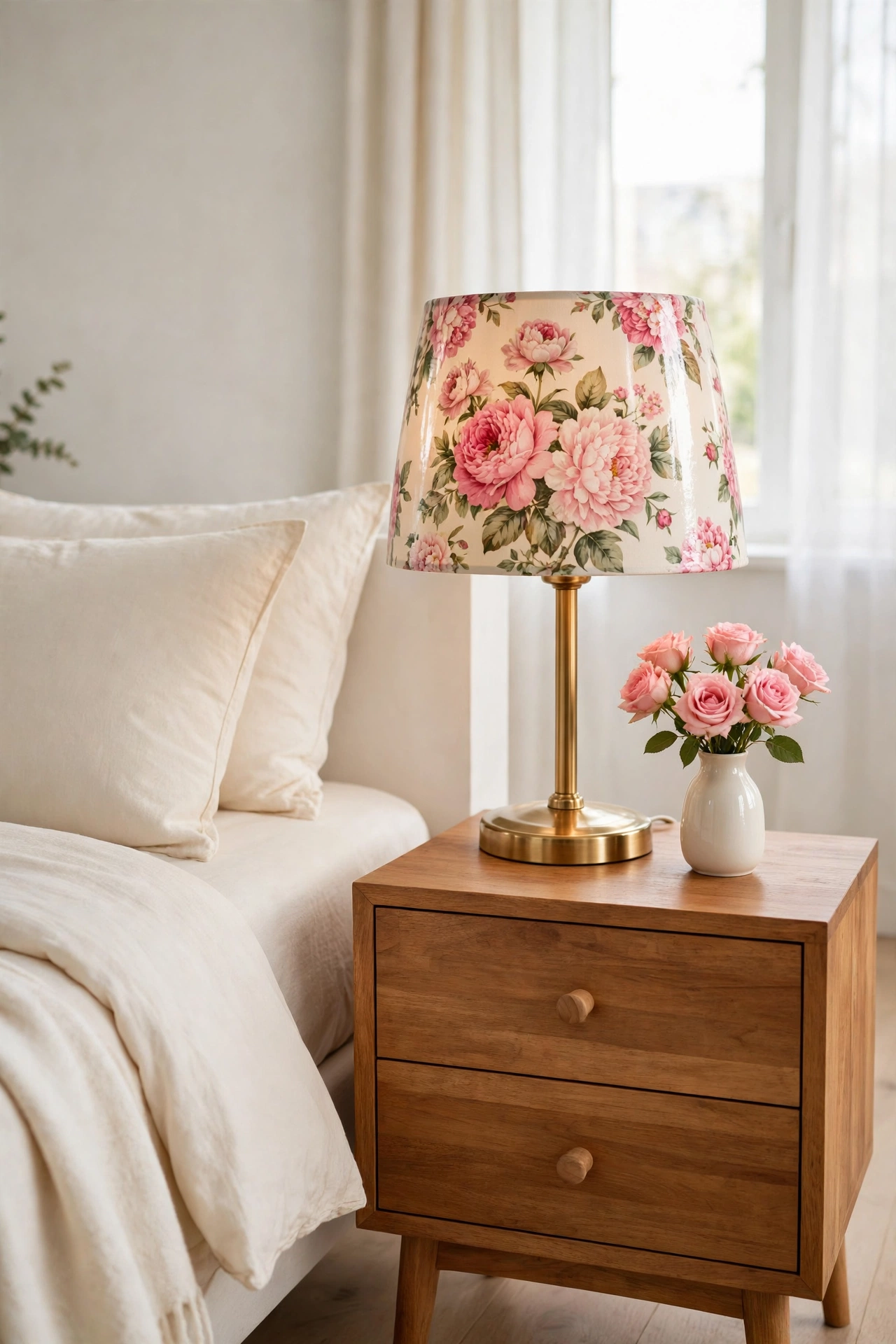
14. Dress a Shade in Chintz Floral Fabric
Chintz floral fabric brings bold, glossy blooms to a lampshade and fills a room with garden color. The glazed finish of chintz reflects light in a soft sheen, which makes the flowers look rich and full even in a dim corner. Large scale roses, peonies, and trailing vines work best on drum shades, where the print has room to show.
Cut the fabric so the largest bloom sits at the front, and keep the seam at the back where it will not interrupt the pattern. A smooth wrap suits chintz best, because the print is busy enough without pleats or gathers. Pair the shade with plain bedding or solid cushions so the floral pattern has space to shine without competing prints nearby.
15. Add a Ruffled Edge Fabric Cover
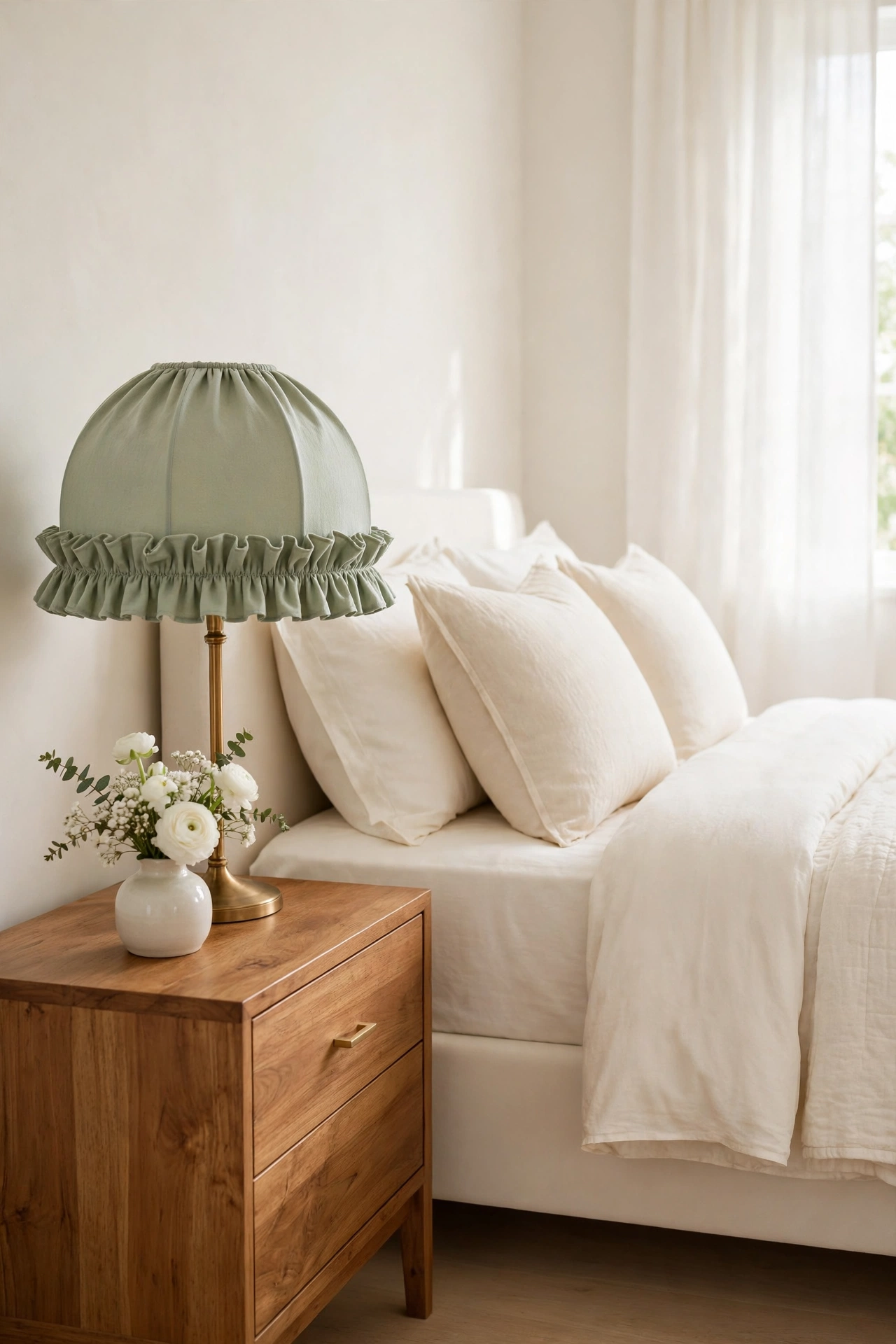
A ruffled edge cover adds soft, romantic movement to the bottom of a lampshade. Cut a long strip of fabric twice the length of the shade bottom, gather it into even ruffles, and stitch it to the lower edge of the cover. The ruffle catches the light as it moves and gives the lamp a gentle, feminine silhouette.
Use the same fabric as the cover for a unified look, or a contrasting print for a playful touch. A single ruffle suits a small bedside lamp, while two stacked ruffles make a statement on a larger table lamp. Keep the ruffle short, about two inches deep, so it does not block the light or collect dust too quickly.
16. Applique Motifs onto a Fabric Cover
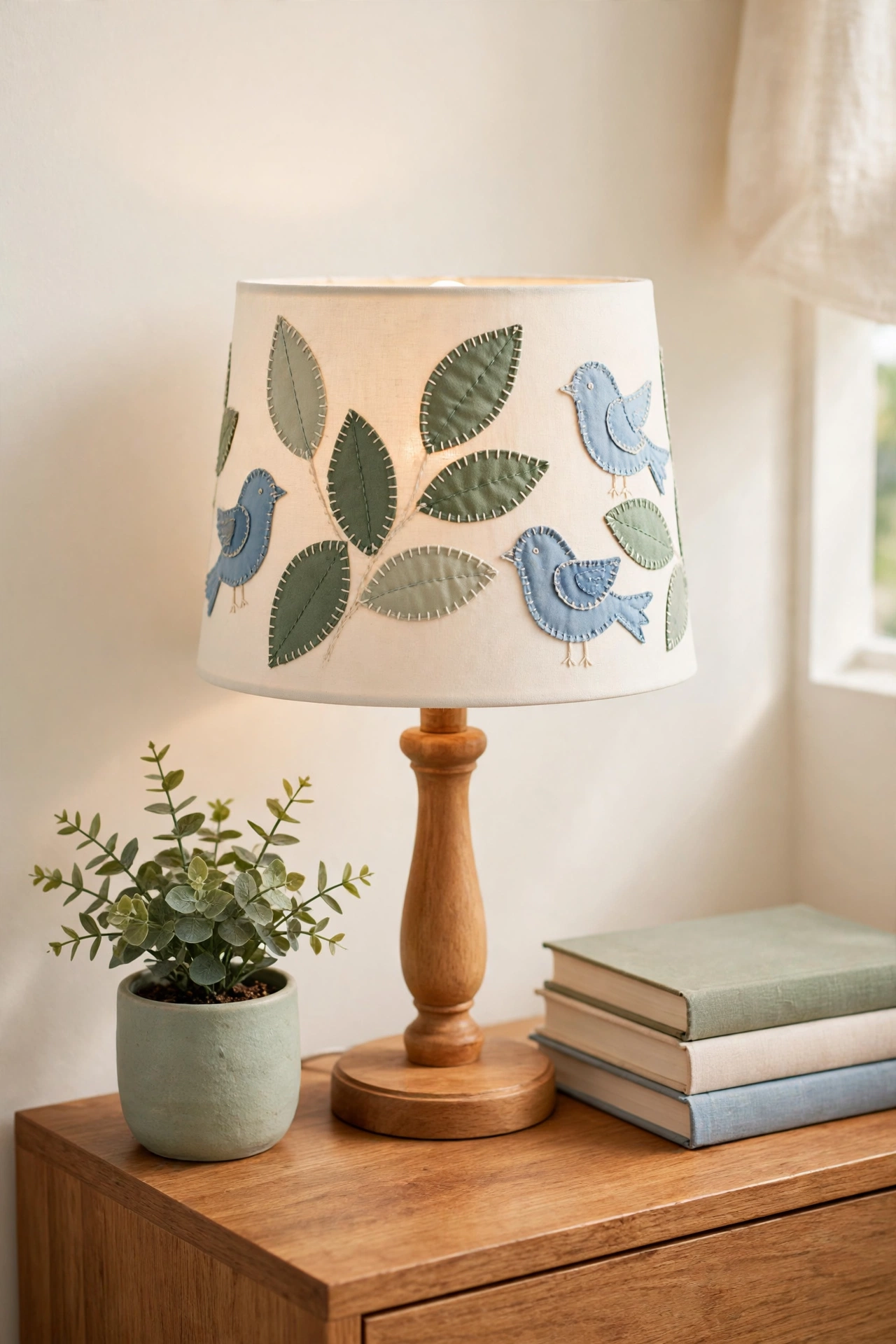
Applique lets you add any shape you like to a lampshade cover, from simple leaves to stars, hearts, or birds. Cut the shapes from contrasting fabric, and stitch them onto the cover fabric with a blanket stitch or a tight zigzag before you wrap the shade. The layered shapes add depth and a handmade charm that printed fabric cannot match.
Keep the motifs simple and bold, because fine details get lost when the lamp is on. Space the shapes evenly around the shade, and press them flat after stitching so they sit smoothly. Applique is a wonderful way to match a shade to a child room theme or to repeat a motif from curtains or cushions already in the room.
17. Layer Sheer Fabric over a Solid Cover
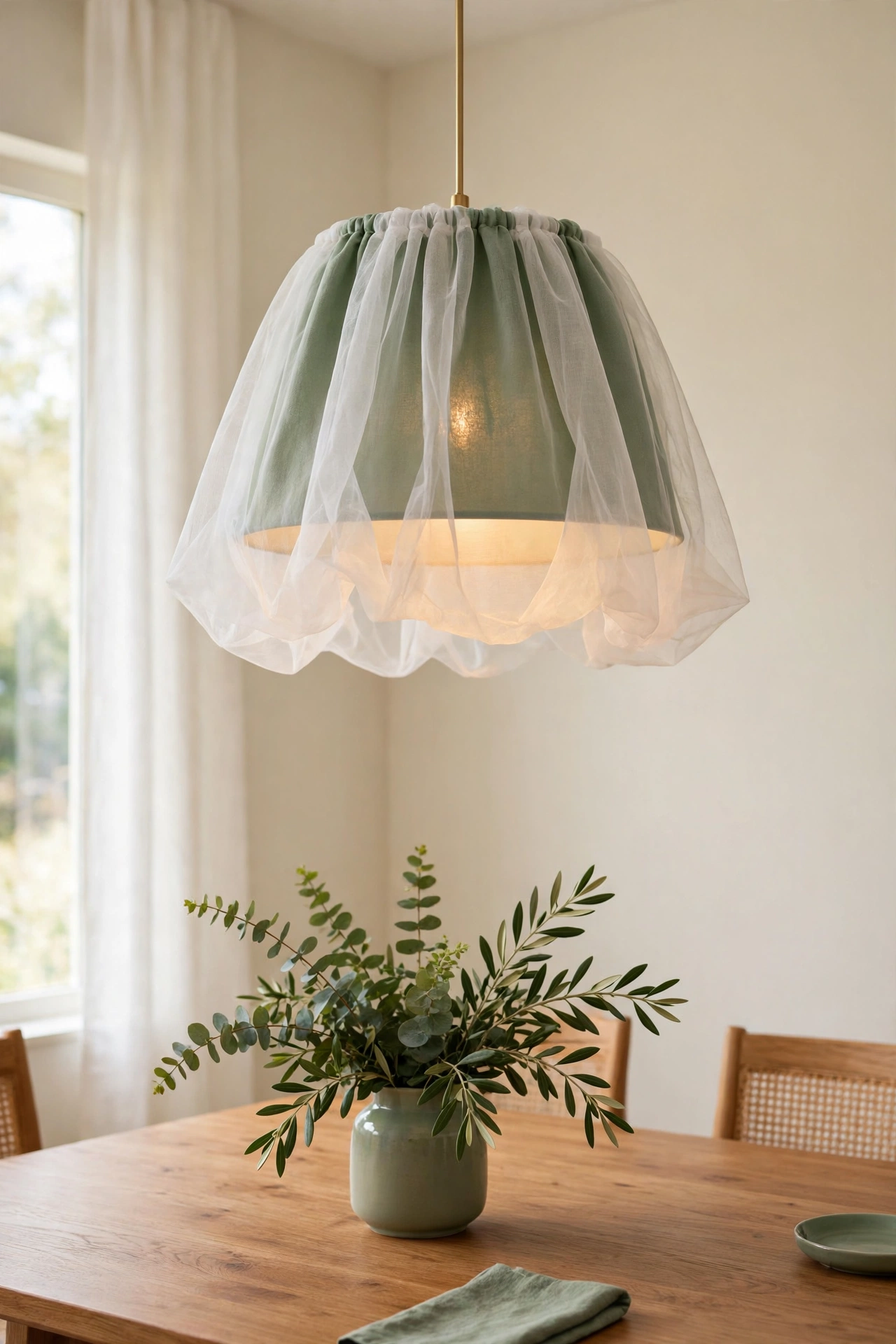
A double layer cover pairs a sheer outer fabric with a solid inner cover, and the combination creates depth that a single layer cannot match. The sheer layer softens the solid color beneath it and adds a hazy, dreamy quality to the light. Try white voile over sage green, or blush organza over warm cream for a gentle glow.
Attach the solid cover first, then gather or pleat the sheer layer over it and fasten both layers at the rings. The sheer layer can be changed on its own when you want a fresh look, which makes this idea flexible for seasonal decorating. The layered glow suits pendant shades too, and these diy pendant light makeover ideas offer more ways to refresh hanging lights with fabric and simple materials.
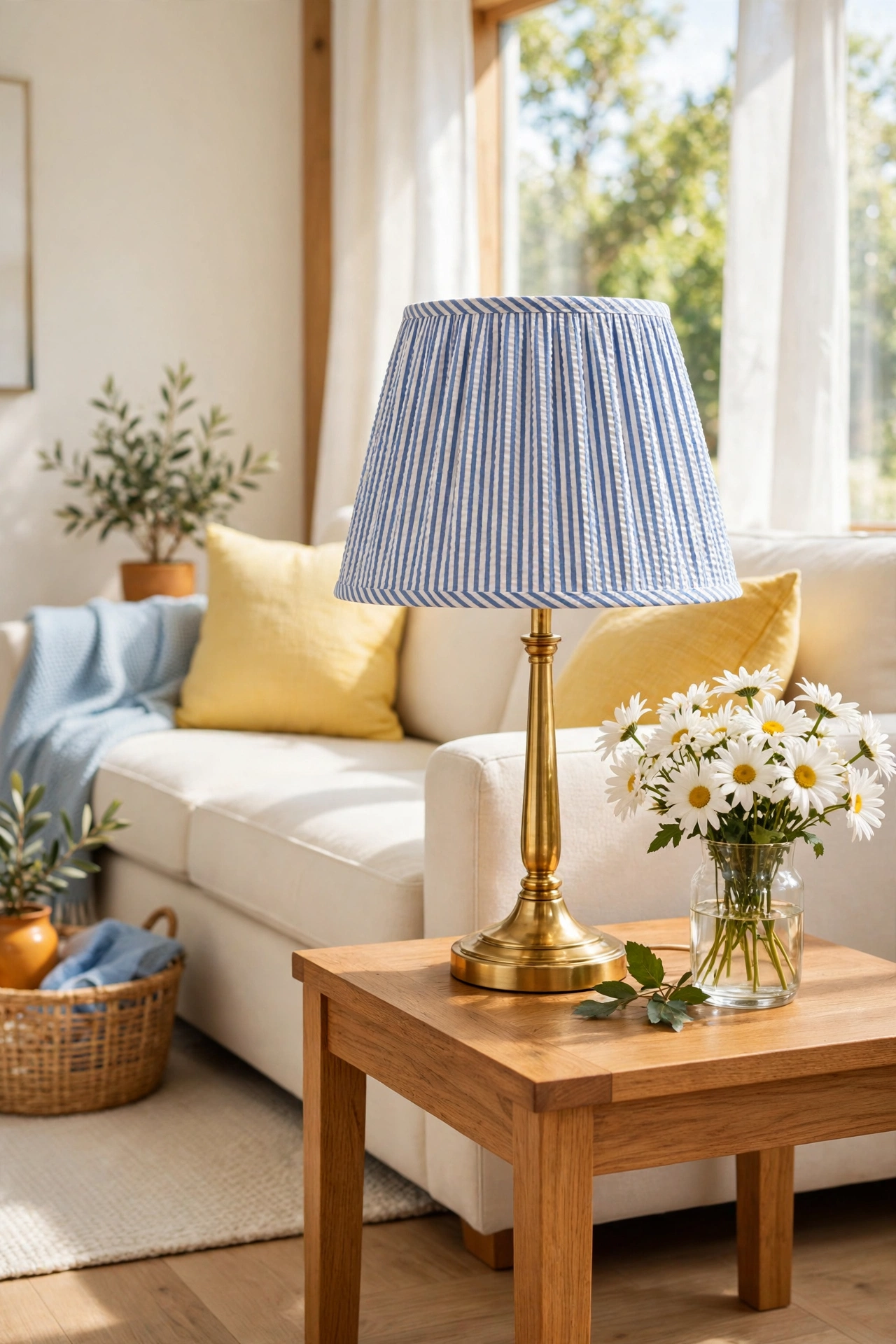
18. Sew a Striped Seersucker Cover
Seersucker fabric has a puckered texture and a crisp stripe that feels fresh and summery on a lampshade. The lightweight cotton is easy to sew, and the puckers hide small wrinkles so the cover always looks neat. Blue and white is the classic pairing, but pink, green, and yellow stripes all bring a cheerful note to a sunny room.
Cut the seersucker so the stripes run vertically around the shade, which makes the lamp look taller and slimmer. A smooth wrap with a hidden back seam shows the stripes to best effect, and a narrow grosgrain ribbon at the top edge adds a tailored finish. The breezy fabric suits a porch lamp, a guest room, or any spot that needs a light summer touch.
19. Quilt a Stitched Fabric Cover
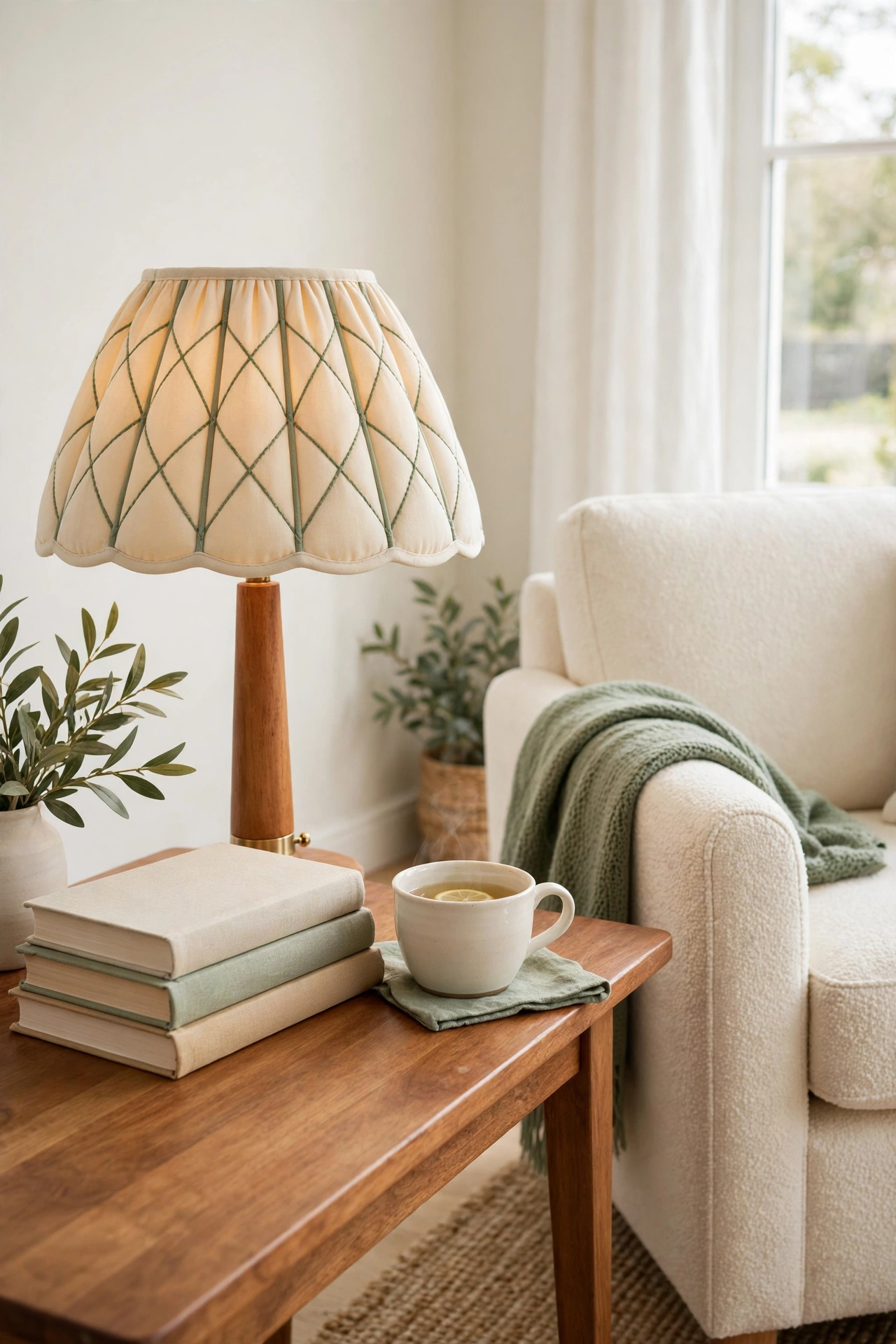
A quilted cover adds soft padding and neat stitching lines to a lampshade, which gives it a cozy, crafted feel. Layer a top fabric, a thin cotton backing, and a backing fabric, then stitch through all three layers in straight lines or a diamond grid. The quilting holds the layers together and creates a gentle puffed texture.
Keep the batting very thin so the cover stays flexible and the light still passes through the fabric. A quilted cover in warm cream with sage stitching suits a reading lamp, while a bold print with contrasting thread makes a statement in a craft room. The padded surface also muffles the glare of a bright bulb and softens the light in the evening.
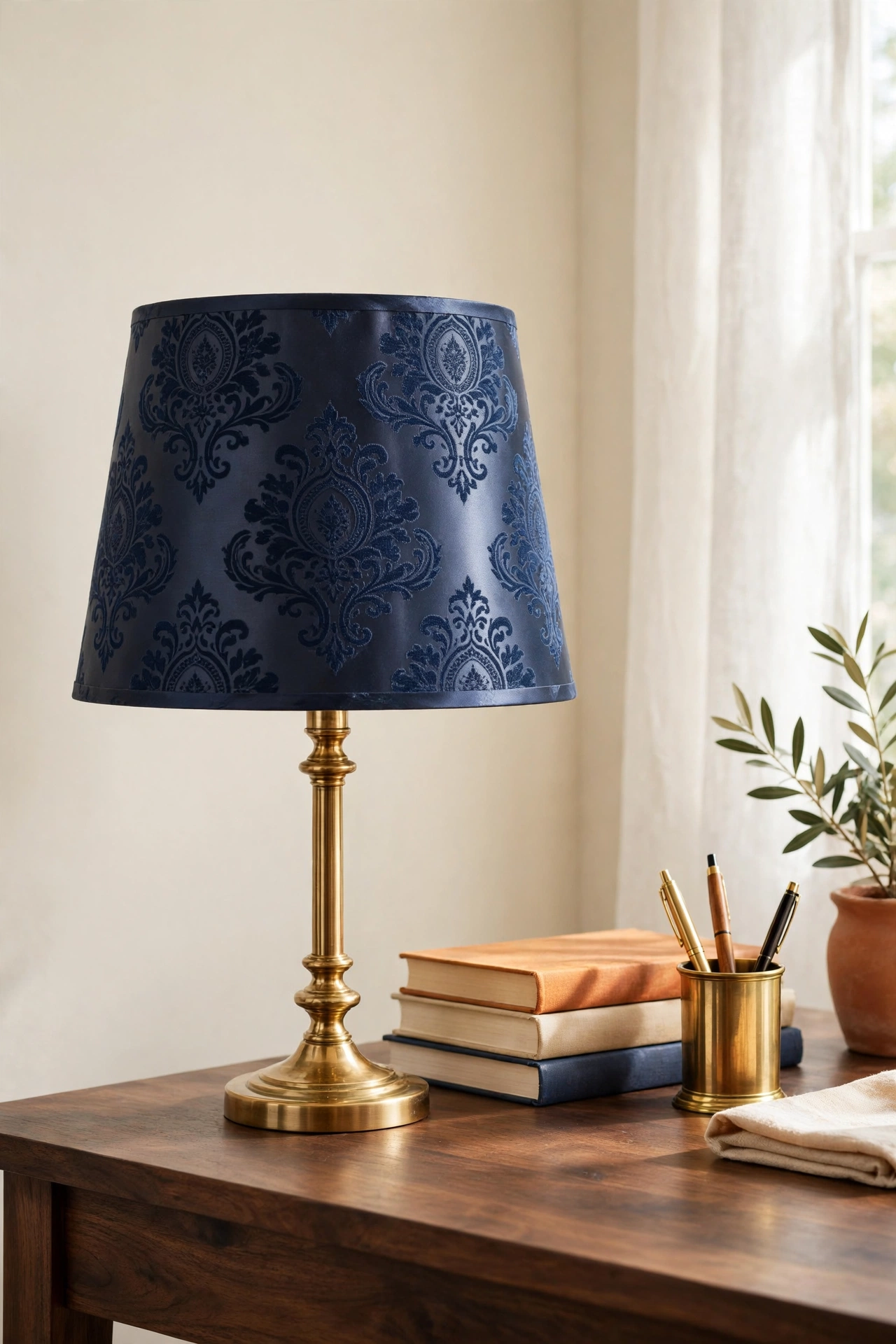
20. Wrap a Shade in Damask Print Fabric
Damask fabric brings formal elegance to a lampshade with its woven tone on tone pattern of scrolls and medallions. The subtle sheen of the weave changes as you move around the room, which gives the shade a rich, layered look. Damask in charcoal, navy, or deep gold suits a formal living room or a refined home office.
Choose a smooth wrap so the woven pattern stays flat and readable, and line the fabric with thin cotton to keep the light even. A damask cover pairs well with brass lamp bases, dark wood furniture, and classic art on the walls. The timeless pattern works in traditional rooms and in modern rooms that need one elegant accent.
21. Make a Two-Tone Color-Block Cover
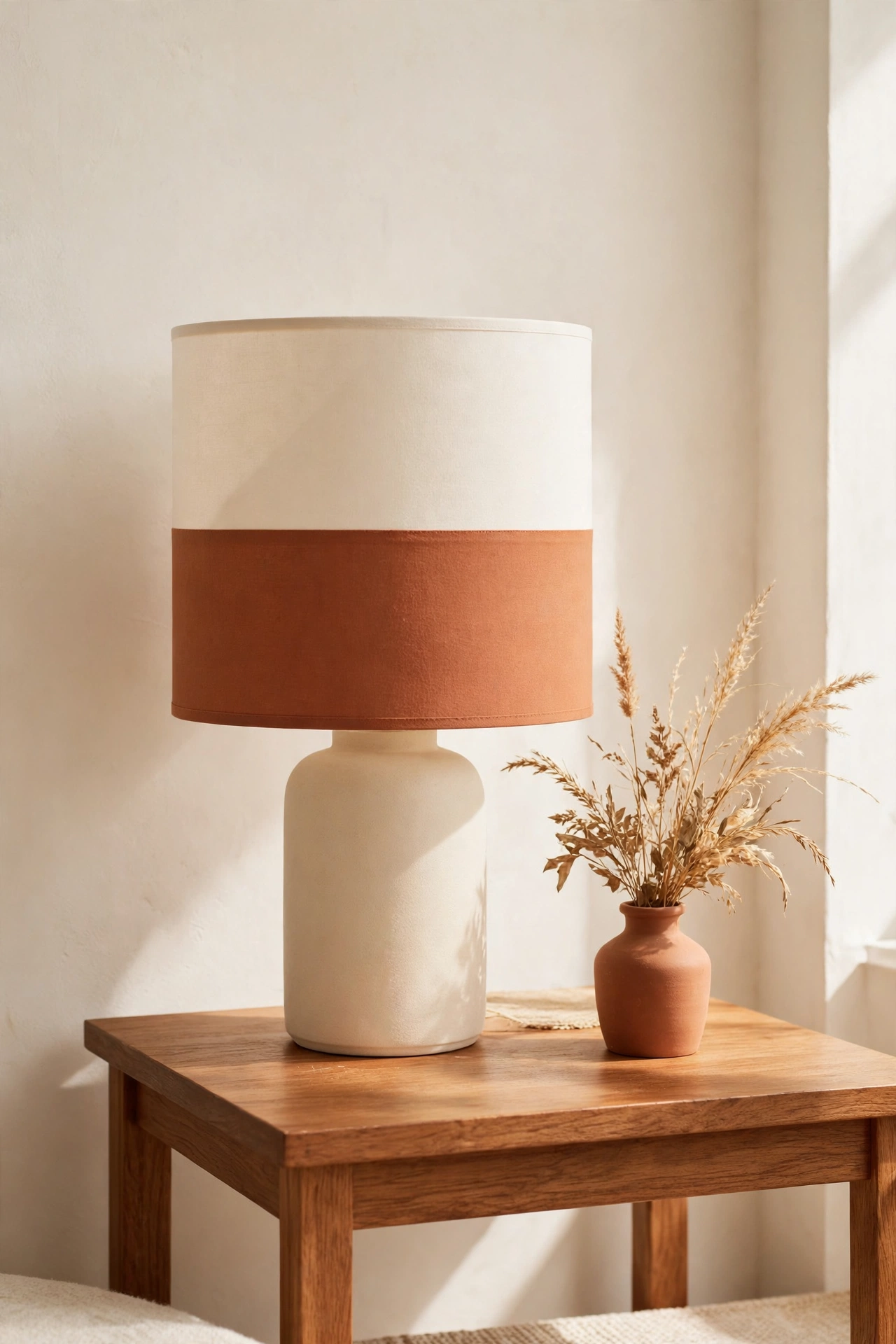
A color-block cover joins two solid fabrics in one bold design, and the clean horizontal or vertical seam becomes the main feature. Try cream on top with terracotta below, or soft blue with warm white, for a modern look that still feels calm. The two tones let you pick up two colors from the room in a single shade.
Sew the two fabrics together with a flat pressed seam before you wrap the shade, and line up the seam so it sits level all the way around. A color-block cover suits drum shades best, where the straight sides keep the color division crisp. This simple design is a good choice when you want a modern accent without a busy print.
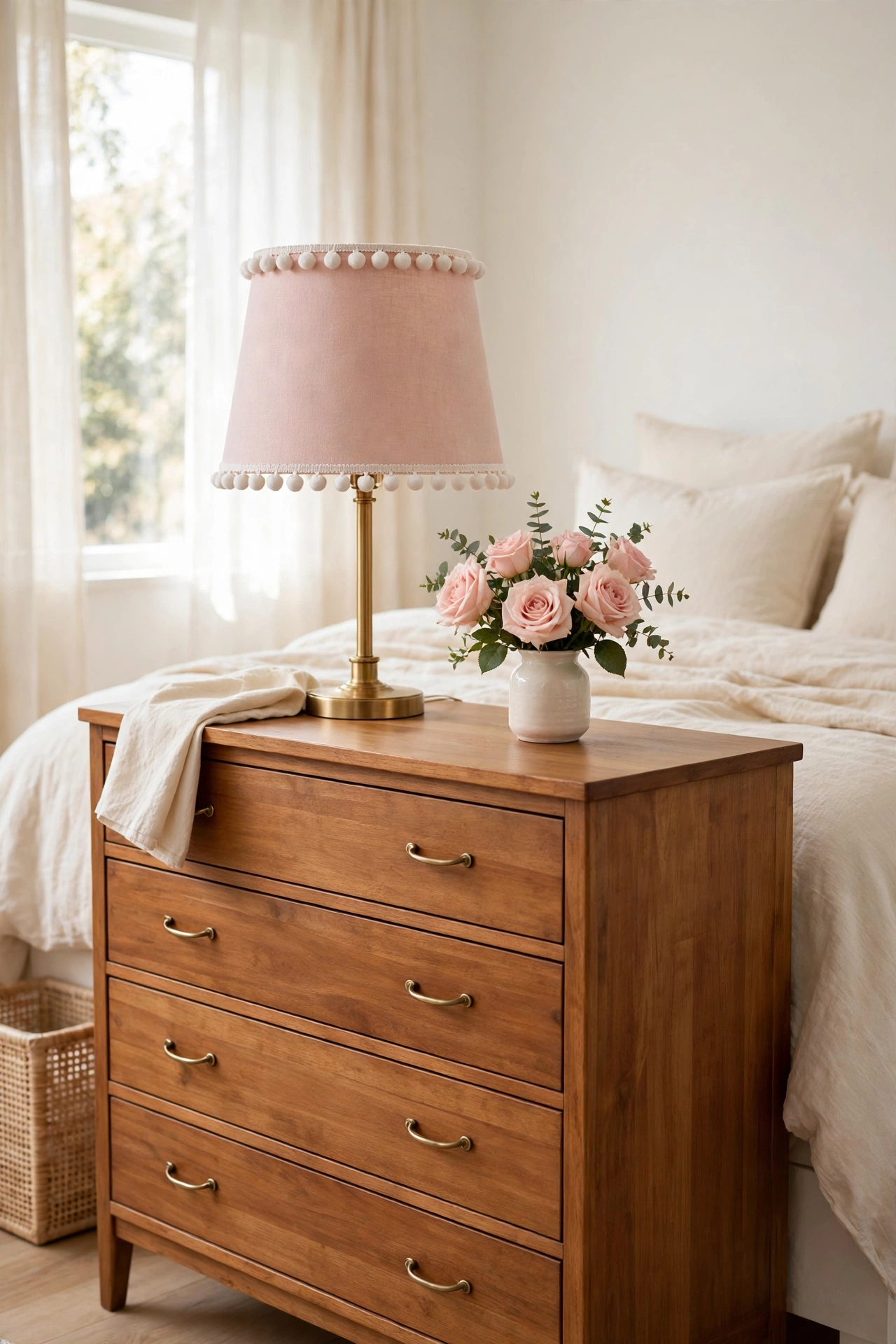
22. Trim a Cover with Pom-Pom Edging
Pom-pom trim adds a playful fringe of soft balls along the top and bottom edges of a fabric cover. The trim is sold by the yard in many colors, and it sews or glues onto the cover edge in minutes. White pom-poms on a sage cover feel fresh, while matching tone on tone trim keeps the look subtle and refined.
Attach the trim to the cover fabric before you wrap the shade, and keep the balls evenly spaced by pinning the trim tape flat. Pom-pom edging suits a nursery lamp, a boho bedroom, or any room with a relaxed, cheerful style. Keep the cover fabric simple so the trim stands out, and trim any loose threads so the fringe stays neat.
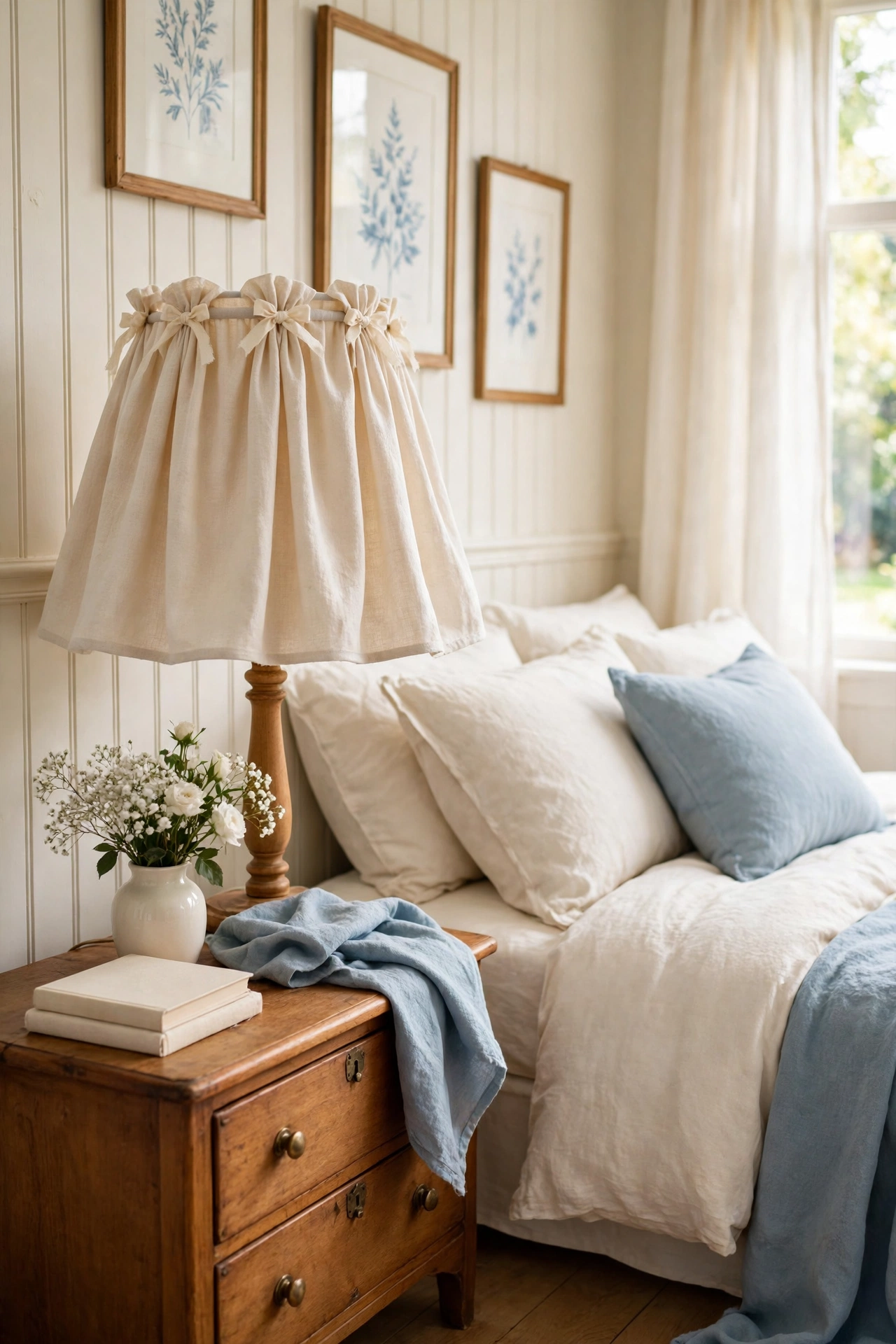
23. Tie a Drape-Style Cover with Ribbons
A drape-style cover gathers soft fabric at the top of the shade and ties it in place with fabric ribbons, which creates a relaxed, gathered silhouette. Cut the fabric wider than the shade, gather the top edge, and tie the ribbons in small bows around the top ring. The loose drape falls in soft folds that move gently with the air.
Choose a lightweight fabric like cotton voile or soft linen so the drape falls naturally without stiffness. Ribbon ties in a matching or contrasting color add a sweet detail and make the cover easy to remove for washing. This style suits a vintage inspired bedroom or a shabby chic living room where soft, flowing lines feel at home.
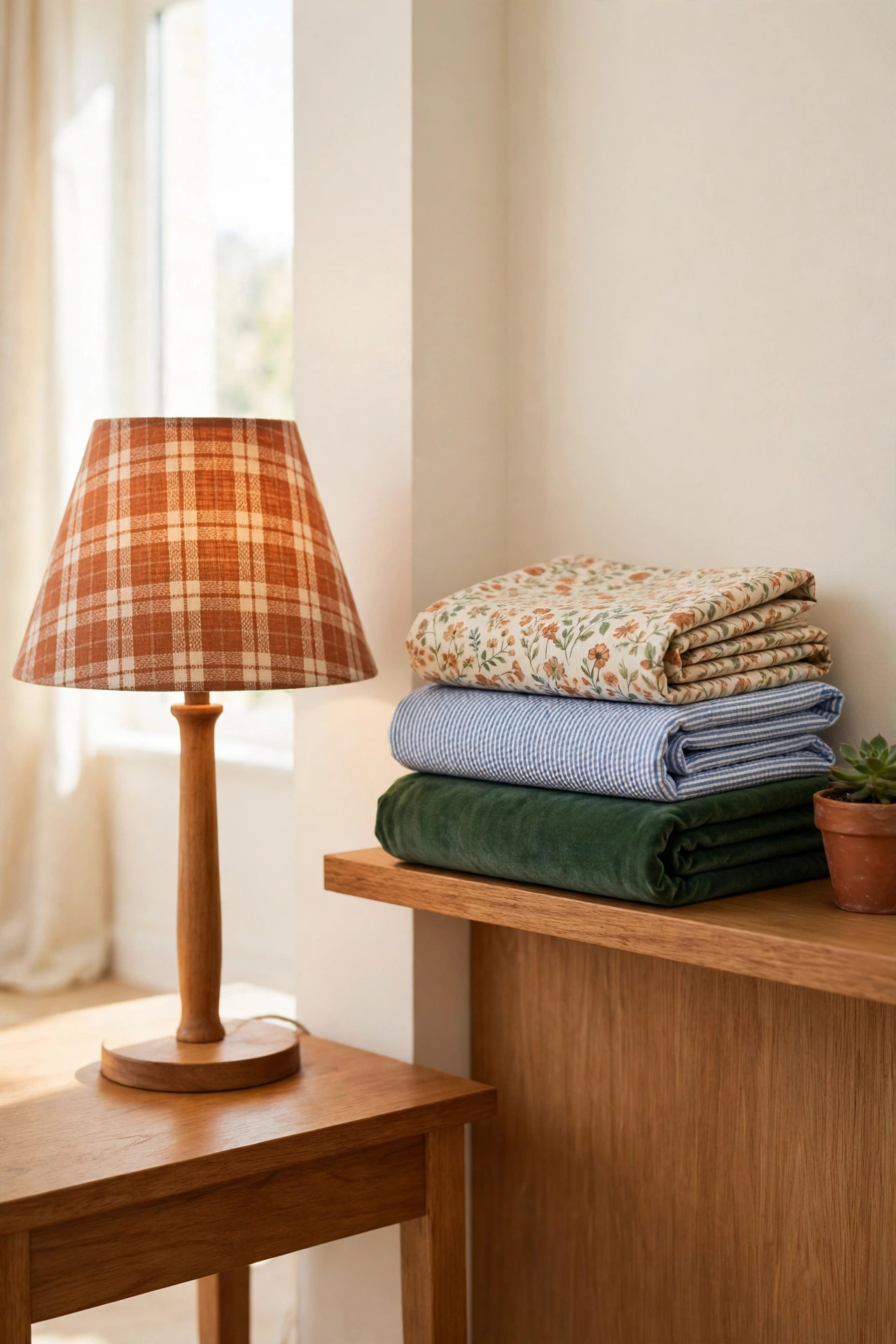
24. Build an Interchangeable Seasonal Cover Set
An interchangeable cover set gives you four fabric covers for one shade, one for each season, and each cover slips on in minutes. Sew each cover as a simple tube with elastic or ribbon ties at the top and bottom, and store the off season covers flat in a drawer. A fresh cover changes the whole mood of the room without buying a new lamp.
Choose light florals for spring, crisp seersucker for summer, warm plaid for autumn, and deep velvet for winter. The set also makes it easy to wash covers when they get dusty, because a clean cover is always ready to swap in. For more ways to refresh old shades with new materials, these diy lampshade makeover ideas cover the full range of techniques beyond fabric alone.
Conclusion
A fabric lampshade cover is one of the simplest ways to give a room a custom, finished look without spending much money. Whether you pleat linen, gather cotton, wrap silk, or stitch a patchwork panel, the fabric you choose sets the mood of the whole corner. Start with one shade, keep the construction simple, and let the pattern and texture do the talking.
Pick one idea from this list and try it this weekend with fabric you already own or a remnant from a fabric shop. Thrifted lamps are perfect for these projects, and these thrift store decor ideas will help you find shades and bases worth covering. Once you see how much a new cover changes a lamp, you will want to make one for every room in the house.
Frequently Asked Questions About DIY Fabric Lampshade Cover Ideas for Custom Designs
What is the best fabric for a DIY lampshade cover?
Medium weight cotton and linen are the best fabrics for most lampshade covers, because they hold their shape, press well, and let light through evenly. Lightweight fabrics like voile work for layered covers, while velvet and silk suit accent lamps where a dimmer glow is welcome. Avoid very thick fabrics, because they block too much light and trap heat near the bulb.
How do I keep a fabric lampshade cover safe from heat?
Use LED bulbs, which stay much cooler than old incandescent bulbs, and keep the fabric at least two inches from the bulb. Choose natural fabrics like cotton and linen over synthetics, because they handle warmth better. Never drape loose fabric over a bare bulb, and check the cover now and then to make sure it has not slipped close to the light source.
Can I make a lampshade cover without sewing?
Yes, fusible hem tape, fabric glue, and ribbon ties all make strong no-sew covers. Fusible tape bonds hems with an iron, fabric glue holds seams and trims in place, and ribbon ties fasten a gathered cover to the shade rings. No-sew covers are easy to remove and wash, which makes them a good choice for renters and for seasonal cover sets.
How do I measure a lampshade for a fabric cover?
Measure around the top ring and around the bottom ring, then measure the slant height from the top edge to the bottom edge along the side of the shade. Add one inch to each measurement for seam allowance and overlap. For a gathered or pleated cover, cut the fabric one and a half to two times wider than the largest ring measurement so the fullness has room to form.
How do I clean a fabric lampshade cover?
Remove the cover from the shade and shake it gently outdoors to release dust. Most cotton and linen covers can be hand washed in cool water with mild soap, then air dried flat. Velvet and silk covers should be spot cleaned or dry cleaned. Dust the cover weekly with a soft brush or a lint roller to keep it looking fresh between washes.

Hi, I’m Emily! I turn messy corners into cozy, organized spots. DreamNestDecor is where I share simple, practical home ideas — decor, organization, and small-space solutions that work in real life, not just in photos. Every idea here is carefully researched before it’s shared.