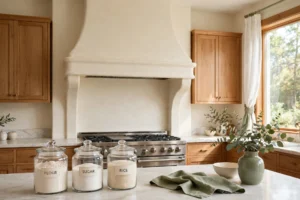
Picture this: a clear jar sits on the kitchen counter, and every evening a small folded slip of paper goes inside it. Each slip names one item that left the home that day, and by the end of the month the jar is full. That simple jar turns a chore into a game, and the game turns a crowded home into a calmer place to live.
You do not need a full weekend, a large budget, or a perfect plan to make real progress. All you need is a format that keeps you moving, a clear finish line, and a way to celebrate small wins along the way. These 26 decluttering challenge ideas will help you choose a game, a race, or a daily habit that fits your energy, your schedule, and the amount of clutter you want to release.
1. Play the 30-Day Minimalism Game
The 30-Day Minimalism Game is simple to explain and surprisingly powerful to play. On day one you release one item, on day two you release two items, on day three you release three items, and the number grows by one each day until day thirty. The slow start builds confidence, and the rising count keeps the game interesting all month long.
Keep a small notebook or a notes page on your phone to record the daily total, because the running count becomes part of the fun. By the final week you will look at shelves, drawers, and storage boxes with fresh eyes. If a day feels too hard, keep the items small and easy, such as expired coupons, worn-out pens, or duplicate cords.
2. Try the 12-12-12 Challenge
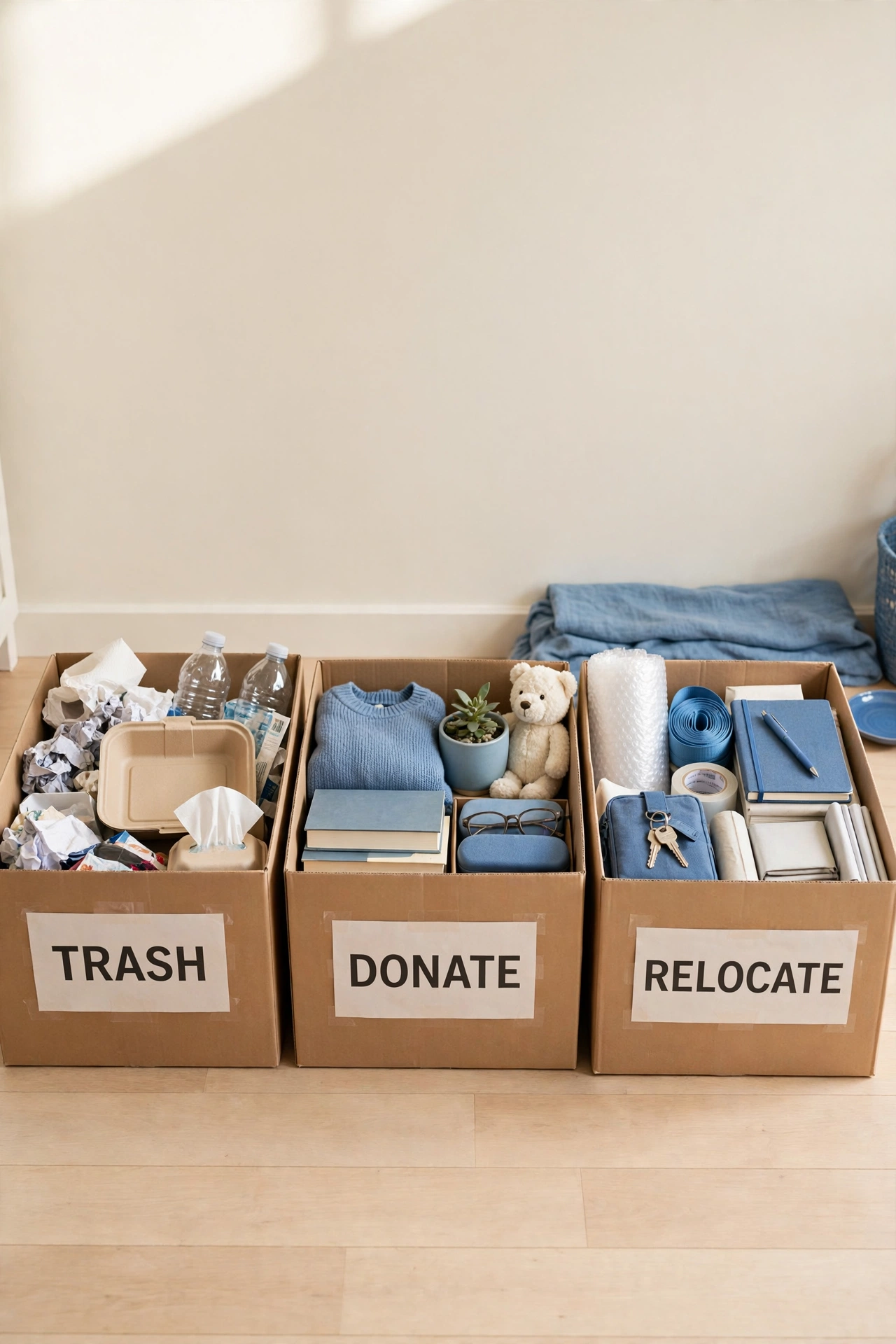
The 12-12-12 Challenge gives you three clear targets in a single session. You find 12 items to throw away, 12 items to donate, and 12 items to return to a better home somewhere else in the house. The three equal groups keep the work balanced, and the session ends when all three groups reach twelve.
Set out three bags or boxes with clear printed labels before you begin, so every decision has an obvious place to go. Work quickly and trust your first instinct on each item. This format works well on a busy evening, because the fixed numbers give you a finish line you can see from the very first minute.
3. Race Through the Four-Box Sorting Game
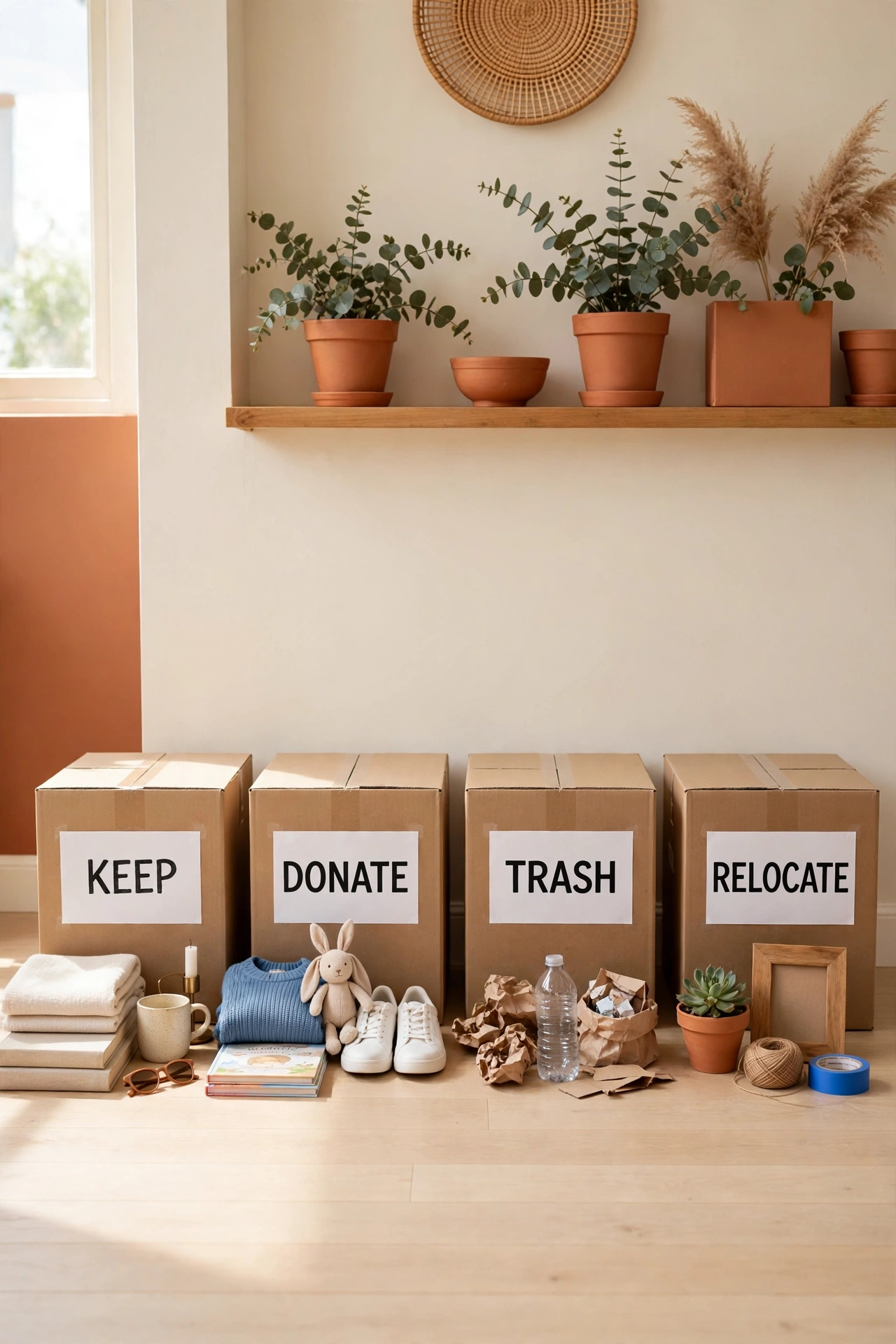
The Four-Box Sorting Game turns every decision into a quick sorting move. Label four boxes as Keep, Donate, Trash, and Relocate, then pick up one item at a time and place it in the correct box without pausing to reorganize anything yet. The game rewards speed and clear decisions, not perfect tidiness in the moment.
Set a timer for twenty or thirty minutes and see how many items you can sort before the timer ends. When the time is up, return the Keep box items to their places, carry the Donate box to the car, and empty the Trash box right away. The Relocate box gets emptied last, one item at a time, so nothing drifts back into clutter.
4. Start a 10-Minute Tidy Sprint Streak
A 10-Minute Tidy Sprint Streak is built for days when a long session feels impossible. Set a timer for ten minutes, work as fast as you can, and stop when the timer ends, even if the area is not finished. The streak grows by one each day you complete a sprint, and protecting the streak becomes its own reward.
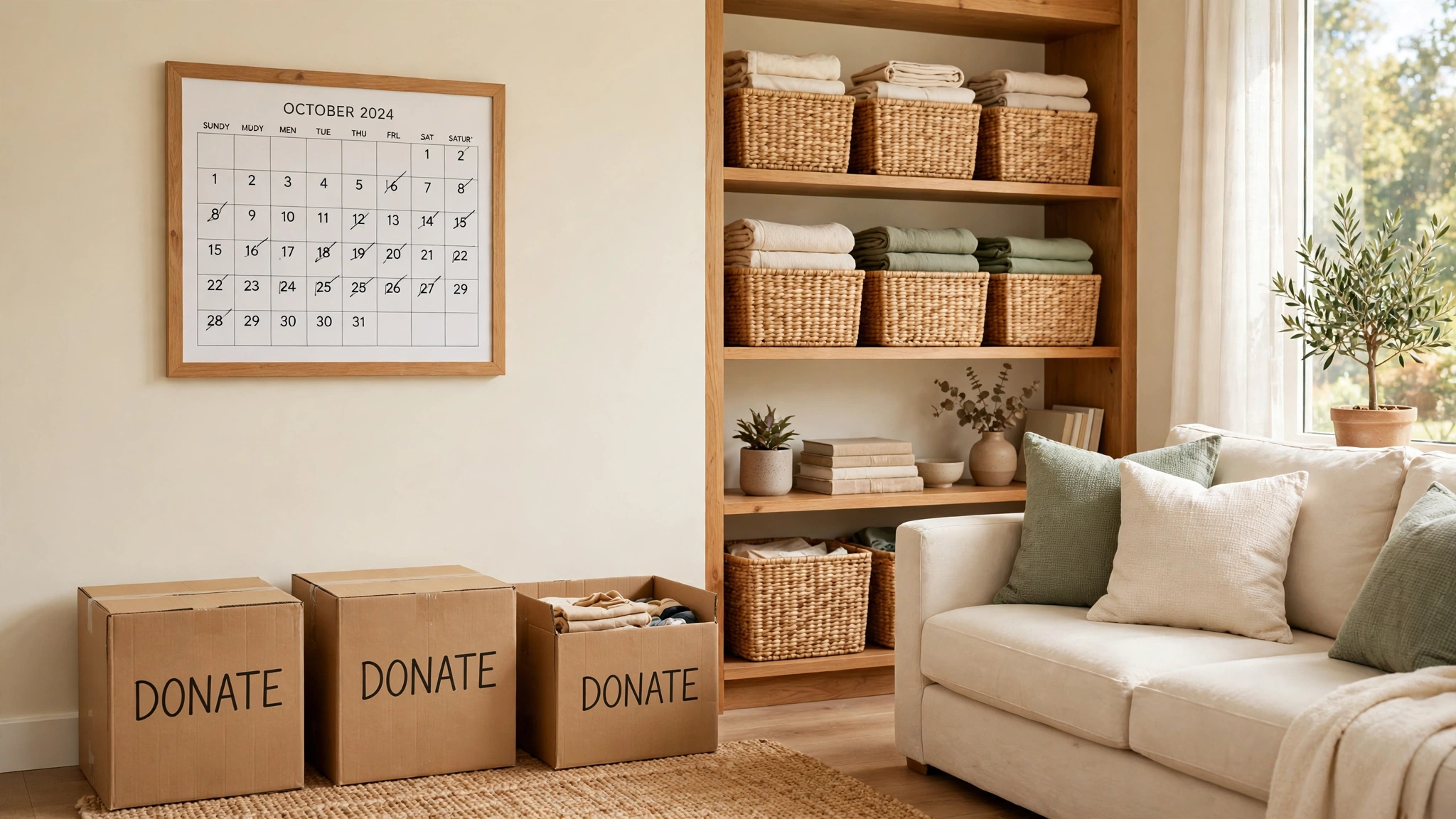
Mark each completed day on a paper calendar with a large X, so the chain of marks stays visible and satisfying. Short sprints work best when you choose one small surface or one small container at a time and leave larger projects for another day. For a daily rhythm that pairs well with short sprints, these daily cleaning checklist ideas show how small repeated tasks keep a home steady without long cleaning sessions.

5. Fill One Bag a Day for 30 Days
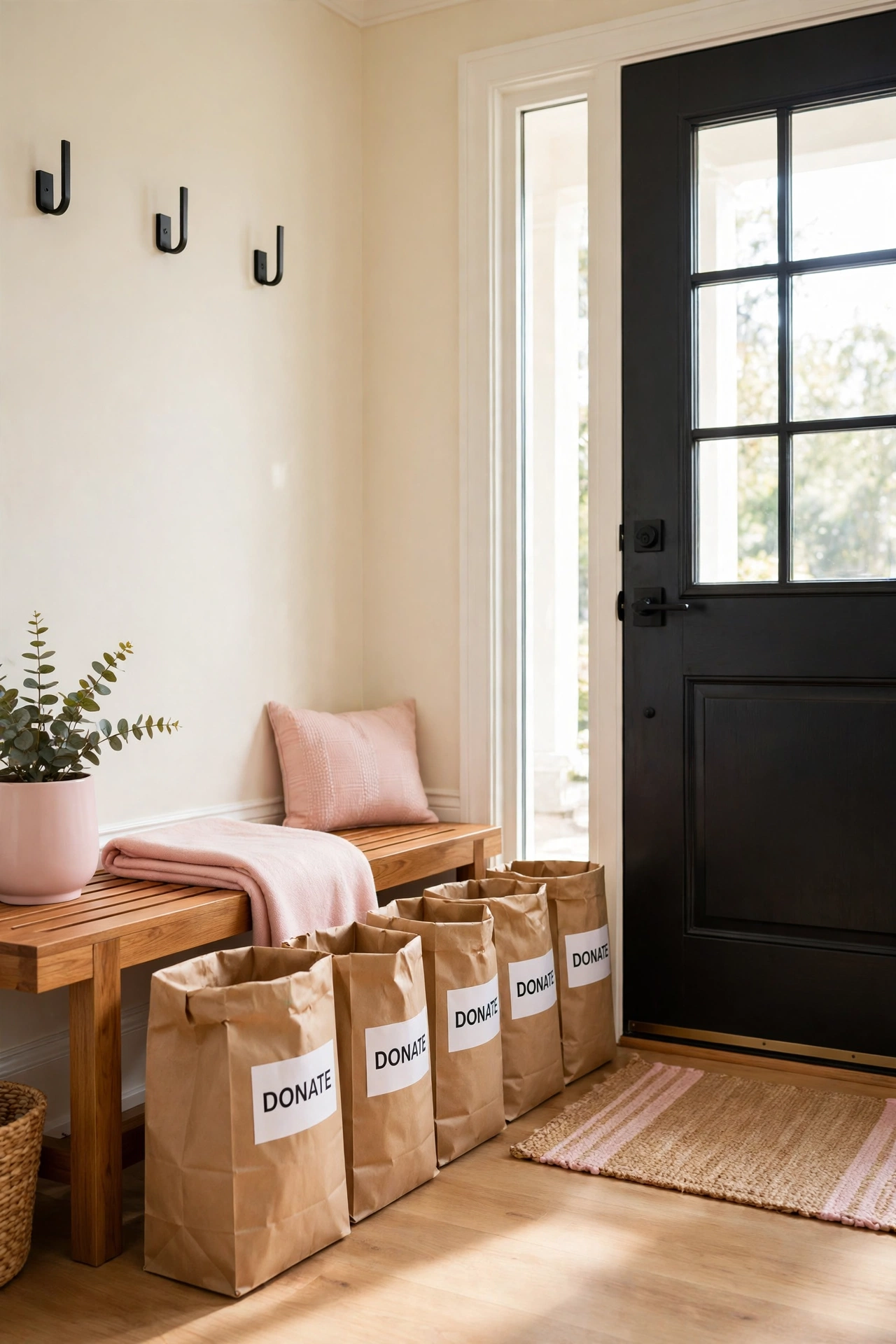
The One Bag a Day Challenge asks for a single filled bag each day for thirty days, and nothing more. The bag can hold donations, trash, recycling, or items to return to another spot, as long as the bag is full by the end of the day. One bag feels small, yet thirty full bags add up to a remarkable amount of released clutter.
Keep a stack of sturdy bags in one visible spot so starting each day takes no preparation at all. Photograph each full bag before it leaves the home if you want a visual record of progress. On a hard day, fill the bag with paper clutter, empty containers, or worn-out odds and ends, and the streak stays alive.
6. Play Declutter Bingo With a Printed Card
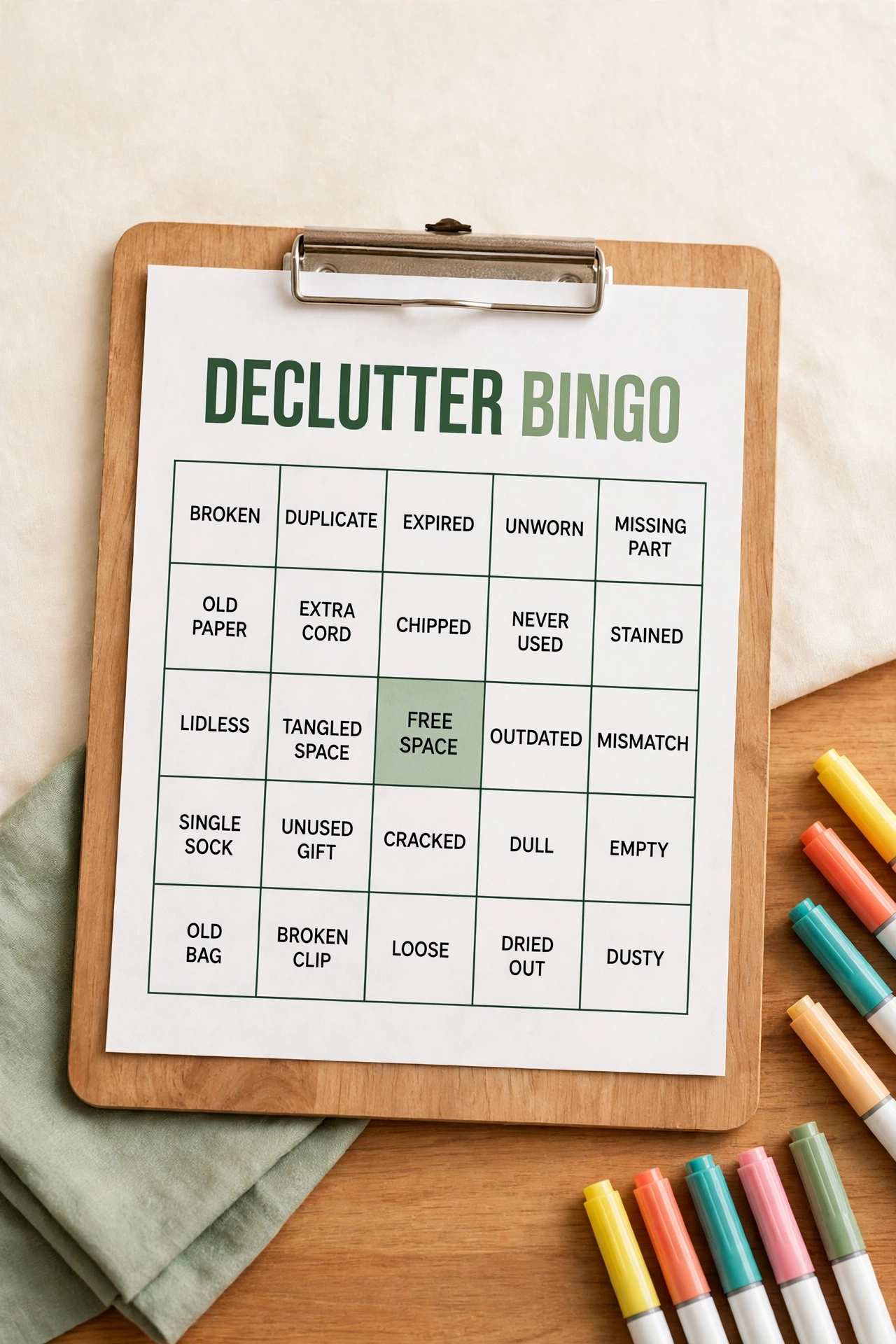
Declutter Bingo turns a paper card into a playful hunt for clutter. Each square names a type of item, such as something broken, something duplicate, something expired, something unworn, or something with a missing part. You mark a square each time you release an item that matches, and you aim for a full row, a full column, or a full card.
Print a fresh card each week or draw your own squares on a large sheet of paper, and keep the card on the refrigerator where everyone can see it. Add small rewards for a completed row, such as a favorite snack or a relaxing evening with no chores. Bingo works well for families, because each person can play a card at the same time.
7. Take the 7-Day Speed Declutter Challenge
The 7-Day Speed Challenge compresses a month of good intentions into one focused week. Each day you set a timer for thirty minutes and release as many items as you can before the timer ends, with no sorting, no reorganizing, and no rearranging until the seven days are done. The only goal is volume, and the short deadline keeps momentum high.
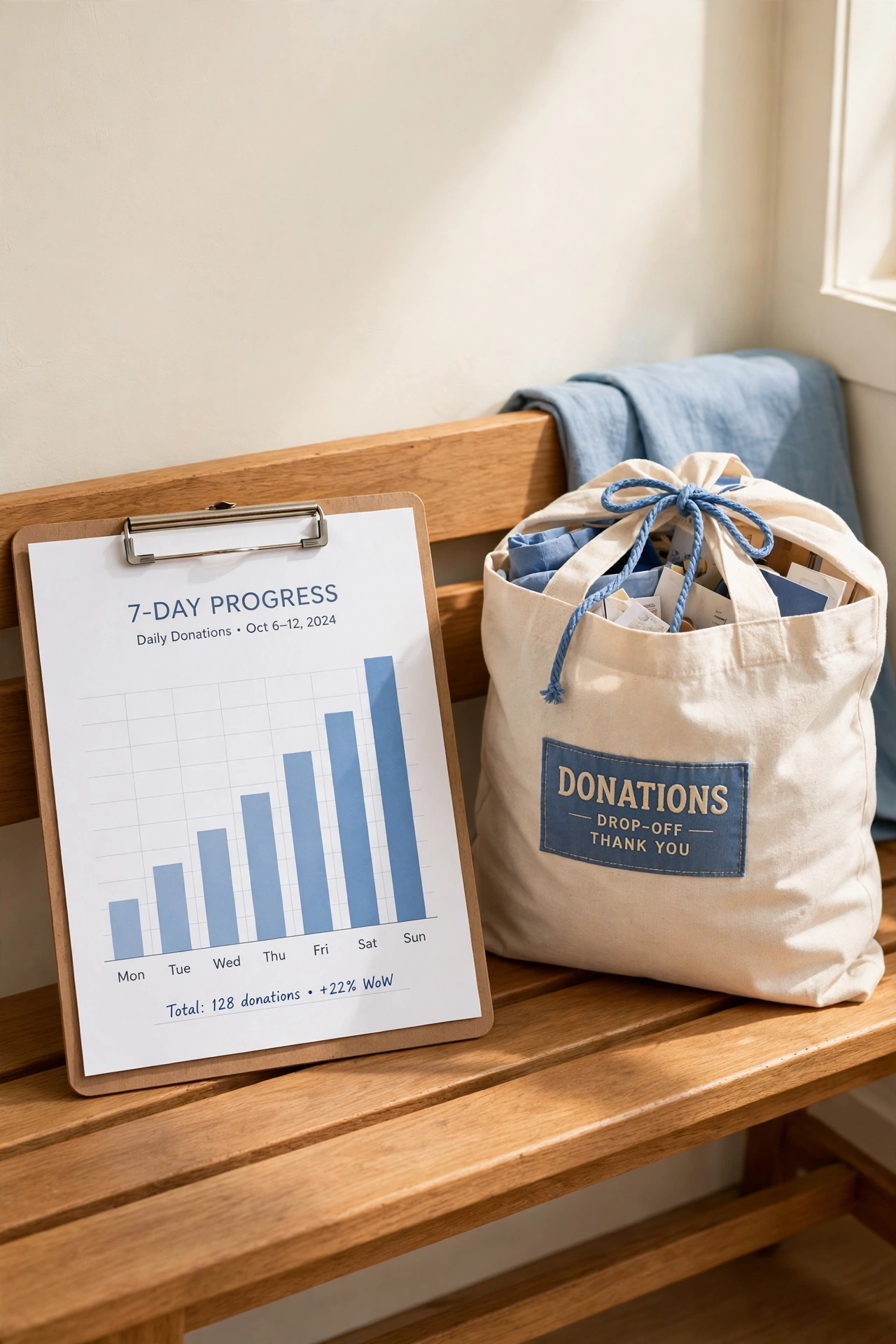
Record your daily item count on a simple chart, and try to beat the previous day total by at least one item. Keep donation bags by the door and empty them each evening, so released items cannot creep back into the home overnight. A single focused week often clears more clutter than months of occasional tidying.
8. Photograph One Leaving Item Every Day
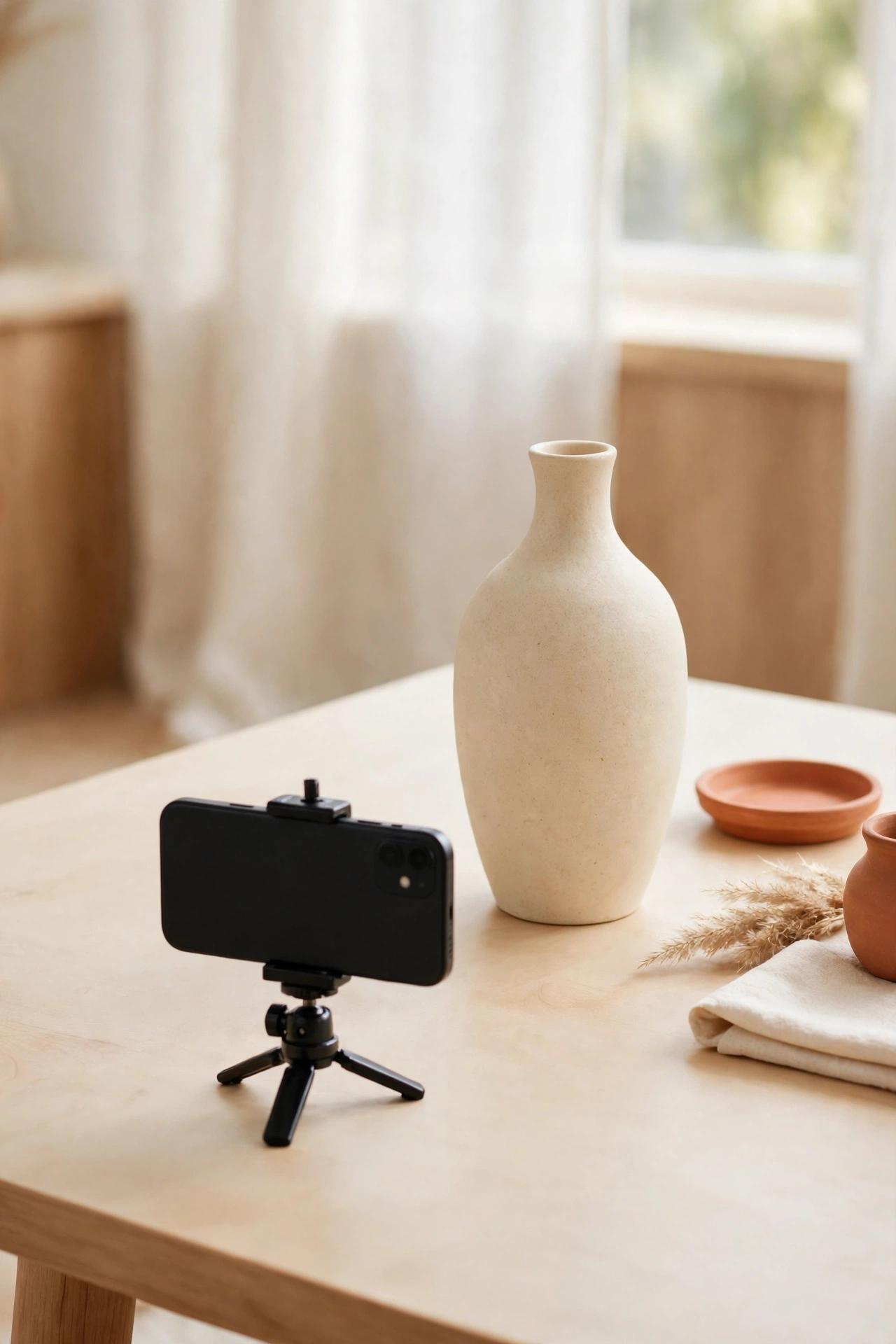
The Photo-A-Day Challenge gives each released item a small moment of attention before it leaves. Each day you choose one item, photograph it in good light, and write one sentence about why it is leaving. The photo record makes progress visible, and the short note helps you notice patterns in what you buy and keep.
Store the photos in a dedicated album on your phone, and look back through the album at the end of each week. You may notice repeated categories, such as duplicate kitchen tools or unused gifts, and that insight helps you shop more carefully in the future. Keep the photos private if you prefer, because the record is for you, not for an audience.
9. Fill 40 Bags in 40 Days
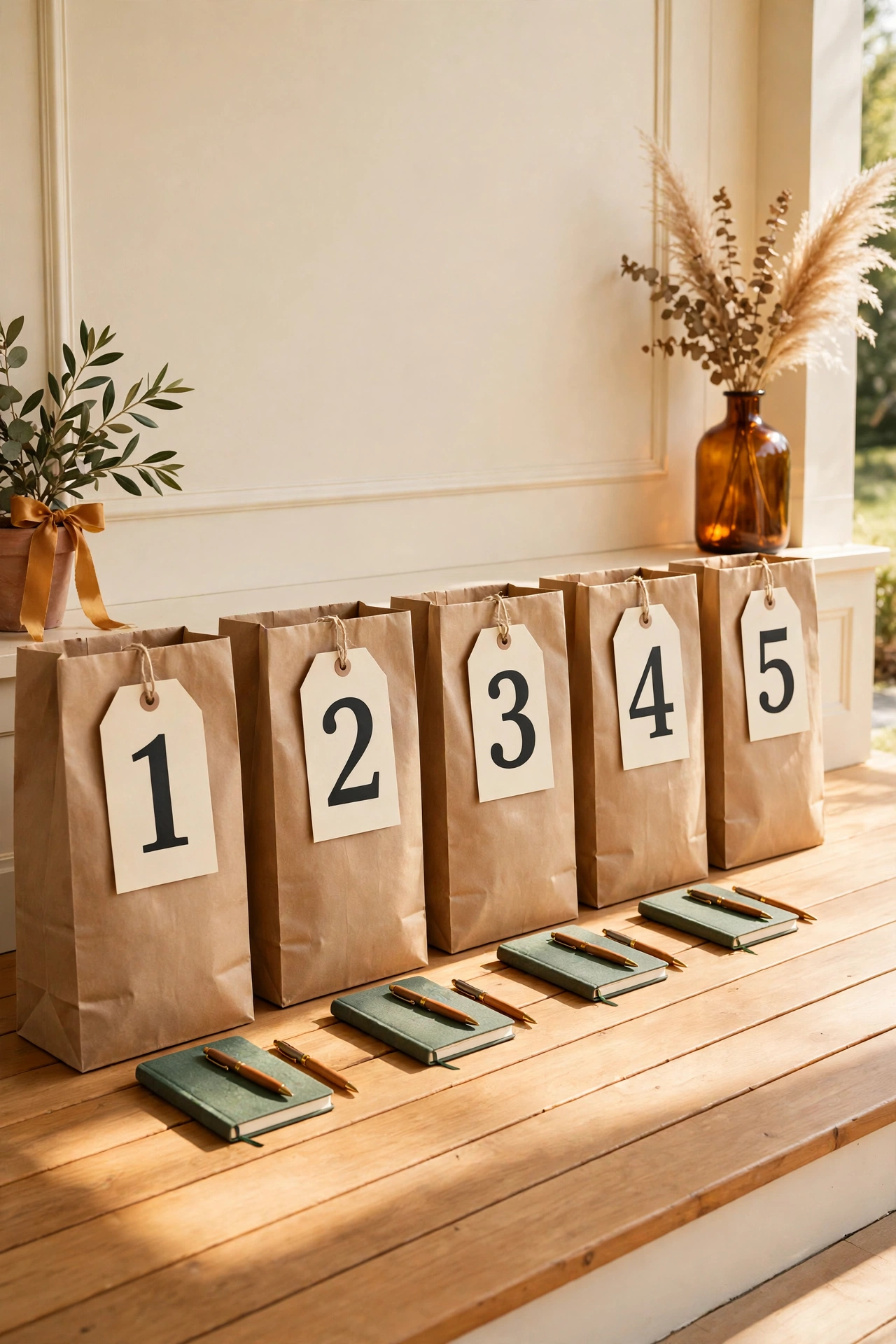
The 40 Bags in 40 Days Challenge stretches the one-bag idea into a longer, steadier rhythm. For forty days in a row, you fill one bag with items to donate, recycle, throw away, or relocate, and you remove the bag from the home the same day. The longer timeline suits a home with a larger amount of clutter and a slower daily pace.
Number each bag on a small tag or a strip of tape, so the growing stack of numbers tells the story of the challenge. On days with little time, fill a small bag with paper, packaging, or expired items, and keep the streak going. The power of this challenge comes from repetition, not from any single heroic day.
10. Count Your Way to 100 Released Items
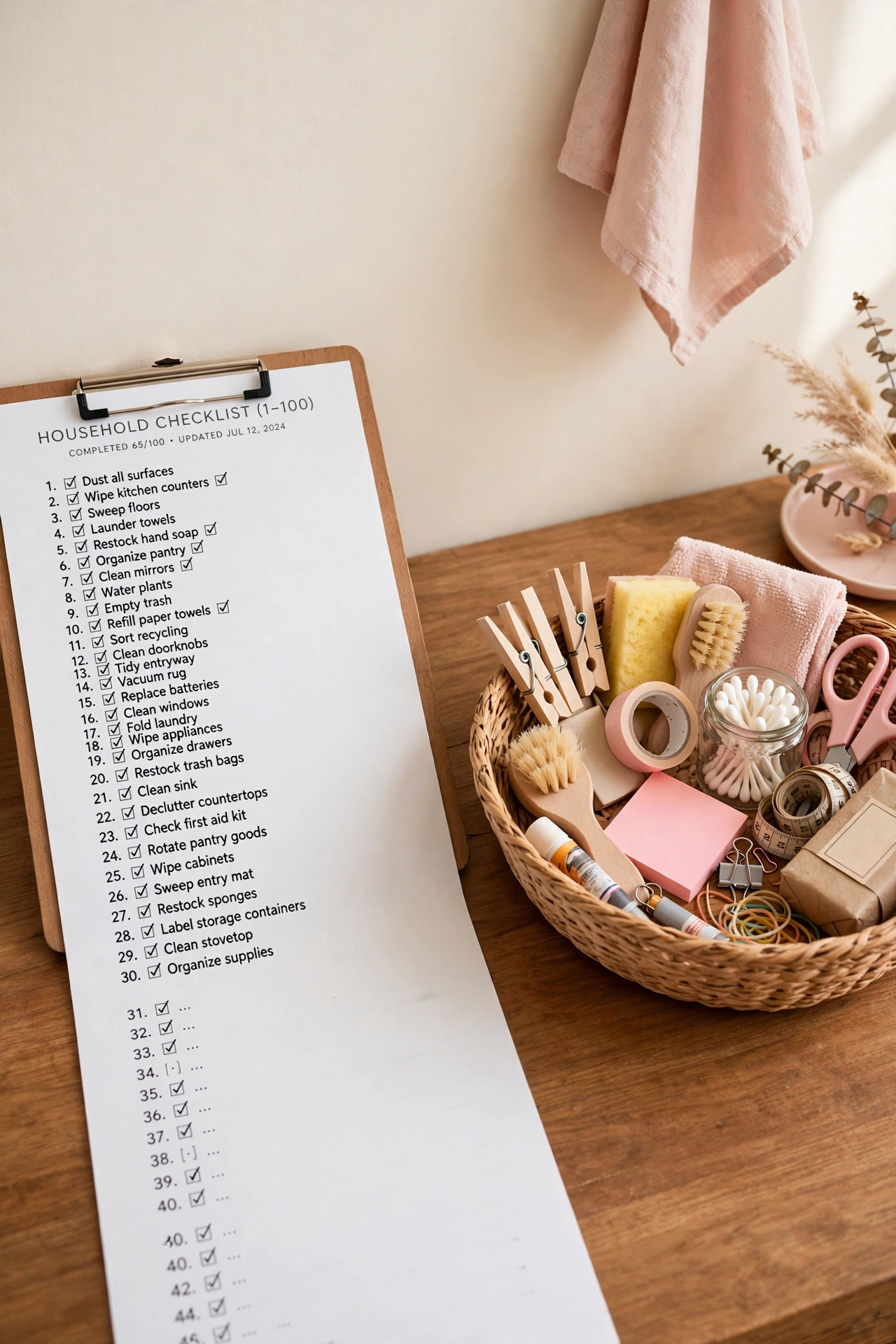
The Count to 100 Challenge sets one clear number as the finish line. You release items one by one, or in small groups, until the total reaches one hundred, and you track every item on a numbered list from 1 to 100. The list itself becomes satisfying to complete, because each crossed-off line is proof of progress.
Start with the easiest items first, such as empty boxes, expired pantry goods, worn-out socks, or duplicate cables, so the list fills quickly and motivation stays high. Larger items count the same as small ones, so a single bulky item can still move the total forward by one. When the list reaches one hundred, celebrate the milestone before you decide whether to start a second round.
11. Let a Dice Roll Choose Your Daily Number
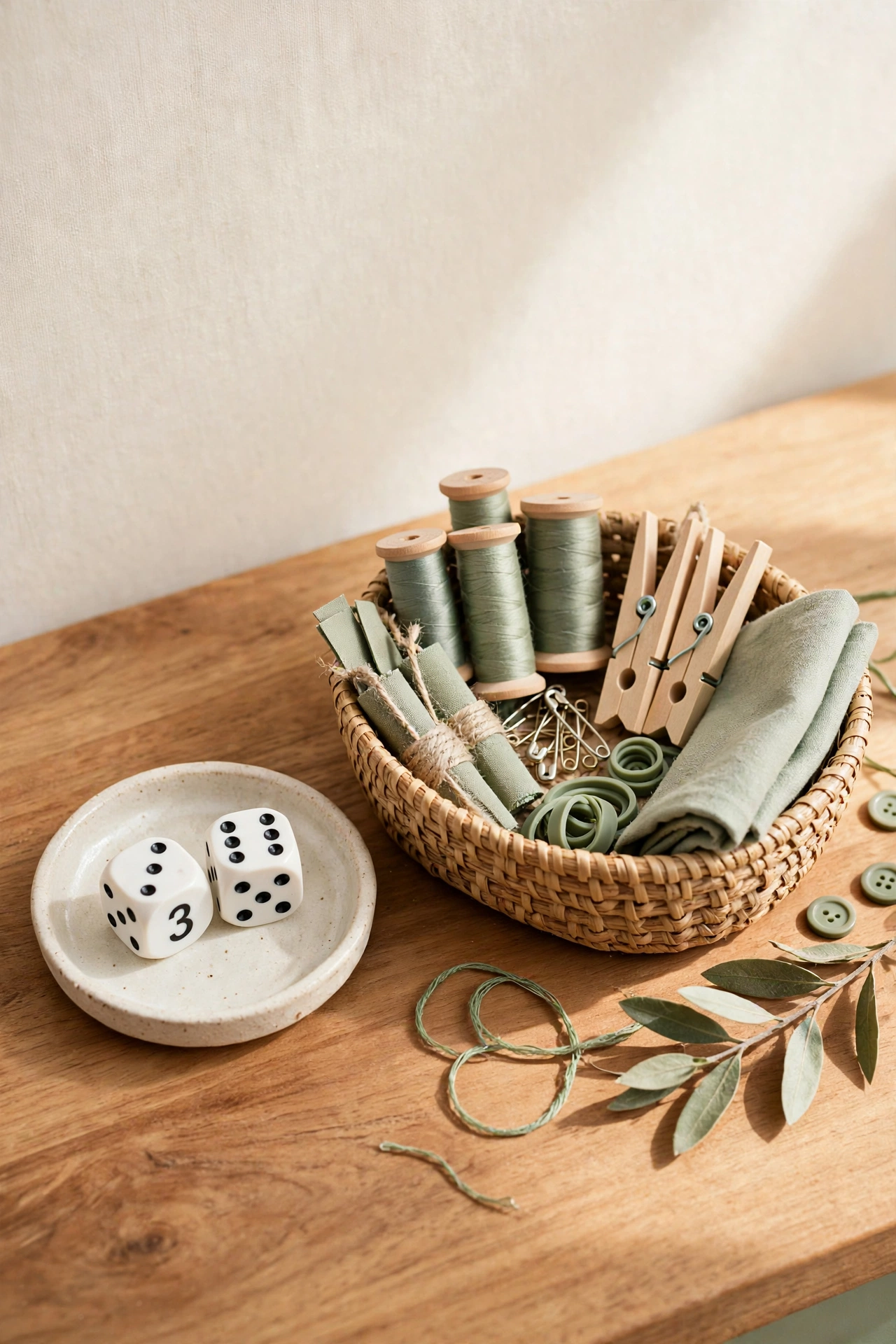
The Dice Roll Game adds chance to the daily target, which keeps the challenge fresh and unpredictable. Each morning you roll one die, and the number you roll becomes the number of items you release that day. A roll of one makes for a gentle day, and a roll of six calls for a more ambitious hunt.
Roll two dice if you want a larger daily target, or roll once a week and divide the total across seven days. Keep the dice in a small dish on a shelf where you will see them each morning, so the roll becomes a quick daily ritual. The randomness removes the pressure of choosing a number, and the game element makes the work feel lighter.
12. Race the Clock in a Single Timed Session
The Beat the Clock Race is a one-session game with a single rule: release as many items as you can before the timer ends. Choose a time limit that fits your day, such as fifteen, thirty, or sixty minutes, and work without stopping to clean, fold, or reorganize anything else. The timer creates urgency, and urgency creates fast, honest decisions.
Count the items at the end of the session and write the total on a sticky note on the refrigerator. The next time you play, try to beat that total by a small margin. This format suits a free afternoon, a quiet morning, or a burst of energy before guests arrive, because the session has a clear start and a clear end.
13. Follow the One In, One Out Rule for 30 Days
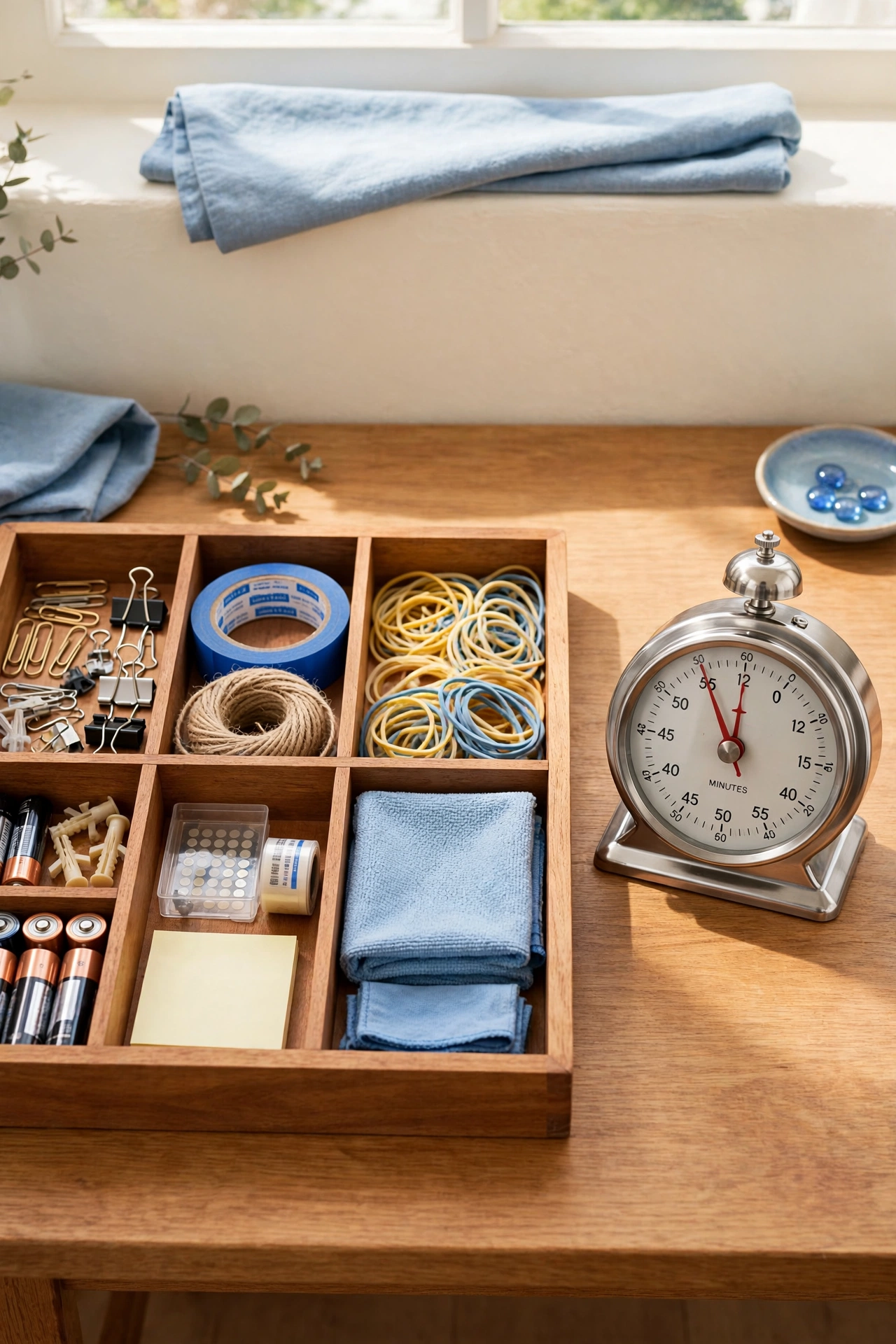
The One In, One Out Challenge focuses on balance rather than speed. For thirty days, every new item that enters the home must be matched by one similar item that leaves the home on the same day. A new shirt means an old shirt leaves, and a new kitchen tool means an old tool leaves, so the total amount of stuff never grows.
Keep a small basket near the entrance for outgoing items, and make the swap before you put the new item away. The rule works best when you apply it to purchases, gifts, and free items alike, because every new arrival counts. After thirty days, the habit of matching arrivals with departures often continues on its own.
14. Build a 14-Night Evening Reset Streak
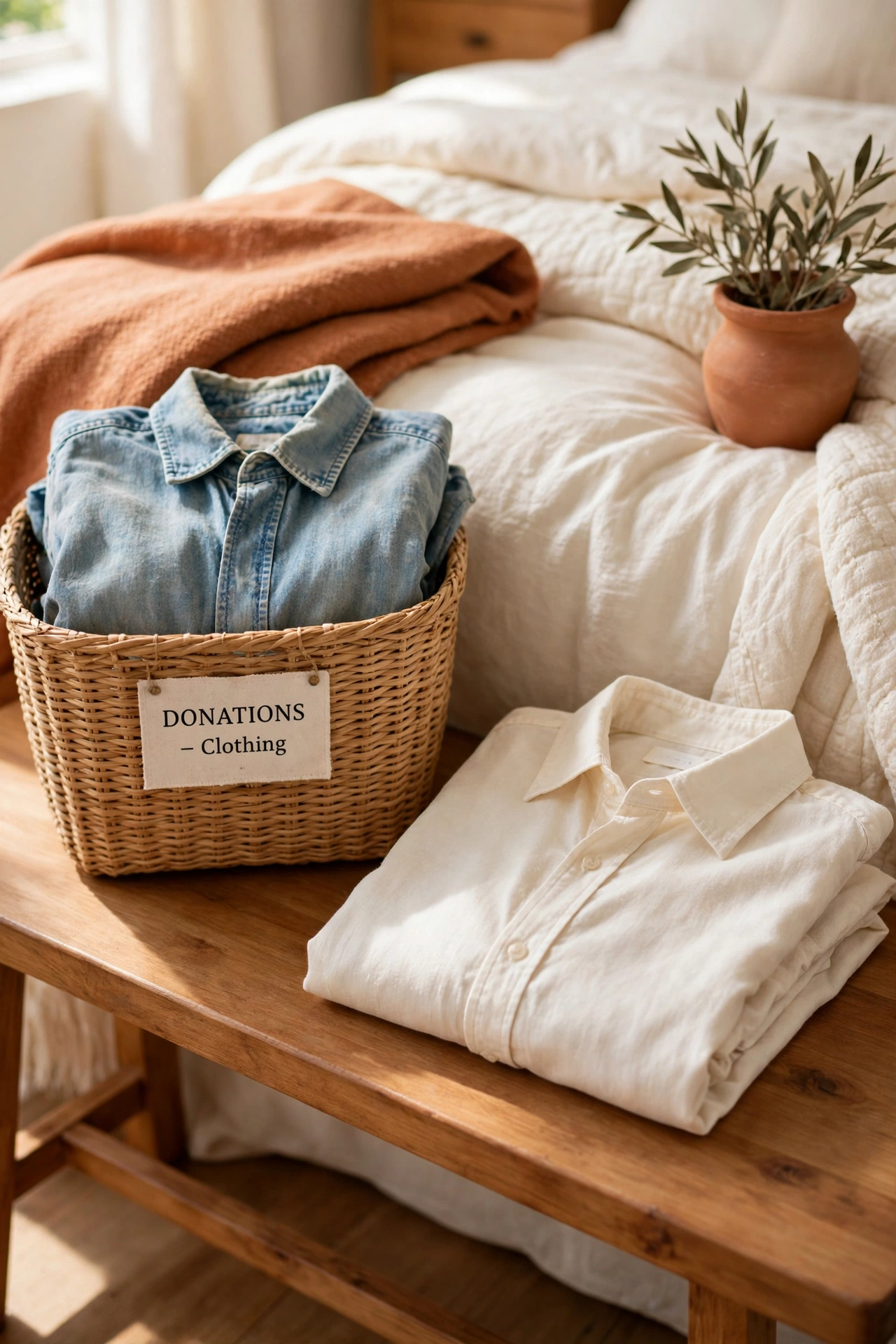
The Evening Reset Streak turns the last fifteen minutes of each day into a small decluttering ritual. For fourteen nights in a row, you walk through the main living areas with a basket, return stray items to their homes, and release anything that is broken, expired, or no longer needed. The streak ends each day with a calmer home and a clearer morning.
Keep the basket in the same spot every evening, and empty it completely before bed so the ritual stays complete. A short evening routine is easier to protect than a long weekend project, because it fits into daily life without rearranging the whole day. For a gentle nightly rhythm to follow, these nightly reset routines show how a few calm minutes each evening keep clutter from building up again.
15. Run a 48-Hour Weekend Declutter Blitz
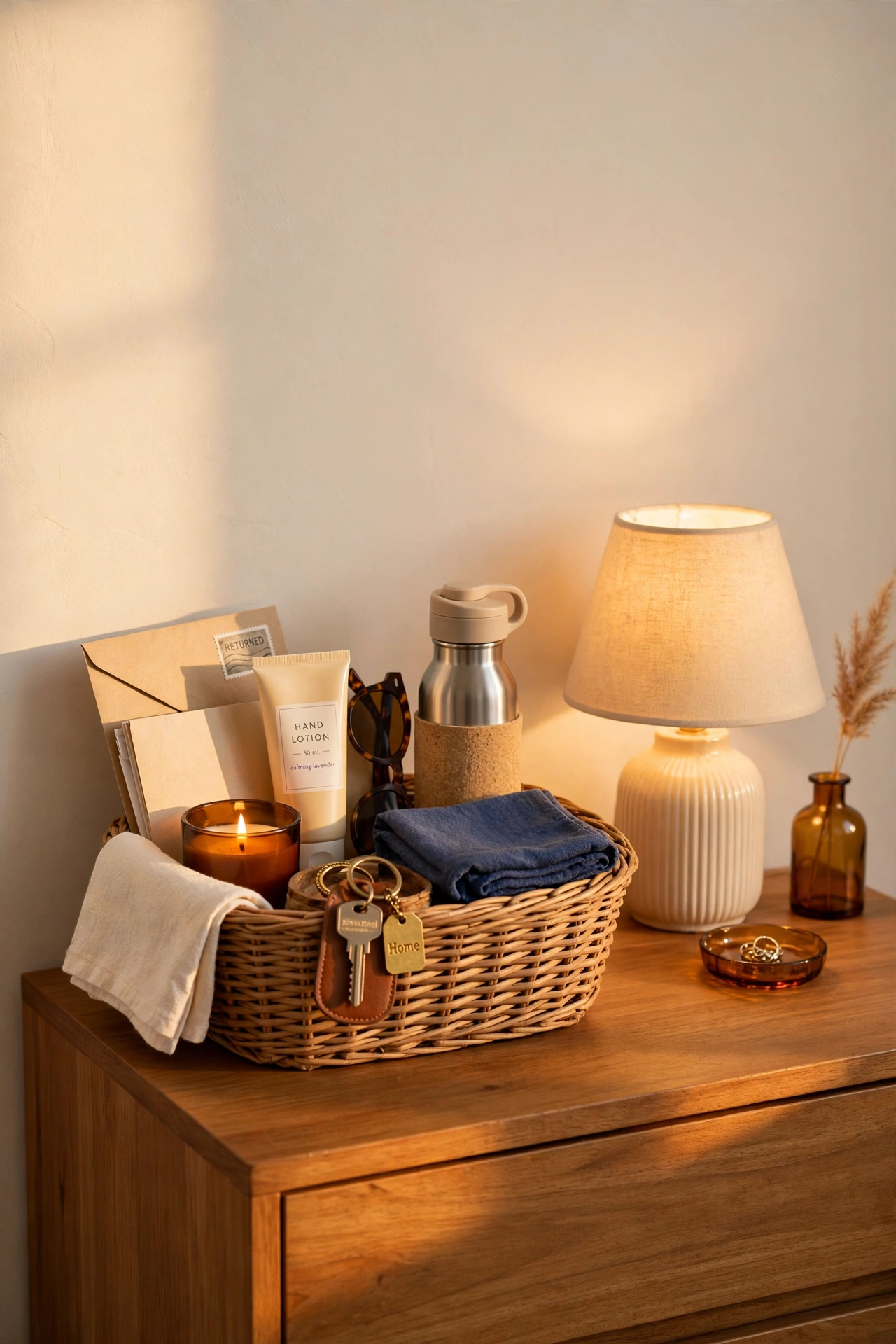
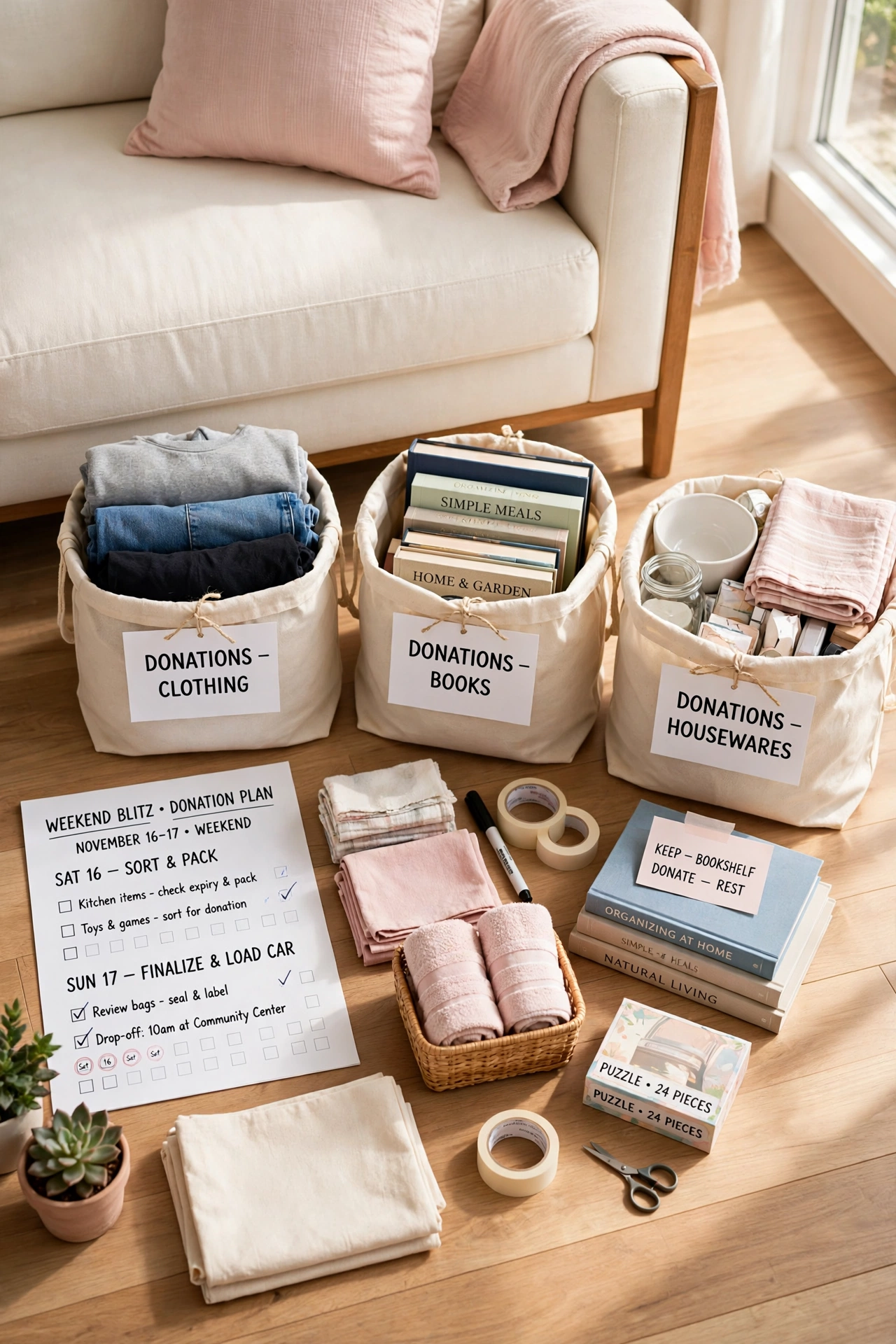
The Weekend Blitz compresses a challenge into two focused days with a clear start time and a clear finish time. You begin on Saturday morning with fresh bags, clear labels, and a simple rule: every item you touch must be kept, donated, thrown away, or relocated before the weekend ends. The short deadline keeps decisions fast and energy high.
Plan short breaks, good lighting, and a donation drop-off time on Sunday afternoon, so the weekend has structure from start to finish. Work in short blocks with rest in between, and keep water and snacks nearby so energy stays steady. A weekend blitz will not finish every project, but it can release a surprising amount of clutter in a short burst.
16. Turn Decluttering Into a Scavenger Hunt
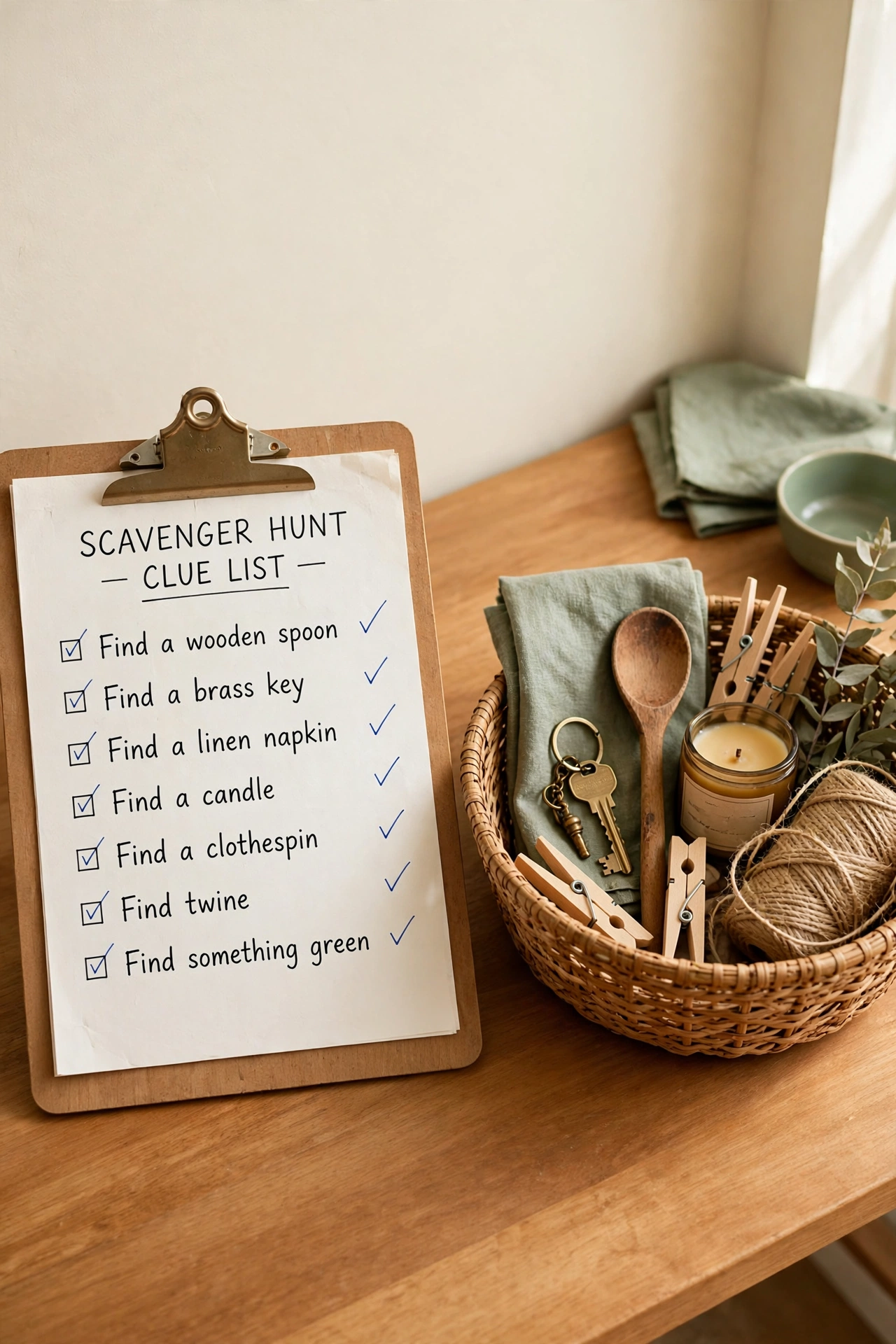
The Scavenger Hunt Challenge gives you a list of clues instead of a list of chores. Each clue describes a type of item to find, such as something you have not used in a year, something with a missing piece, something you own twice, or something that arrived as a free gift. You hunt through the home for one match per clue, and the game ends when the list is complete.
Write ten or twenty clues on a sheet of paper, and check off each clue as you find a match. The hunt format works well for children and teenagers, because the clues feel like a game rather than a cleaning task. Keep the clues gentle and playful, and let each player choose which matching item to release.
17. Work Through the Alphabet From A to Z
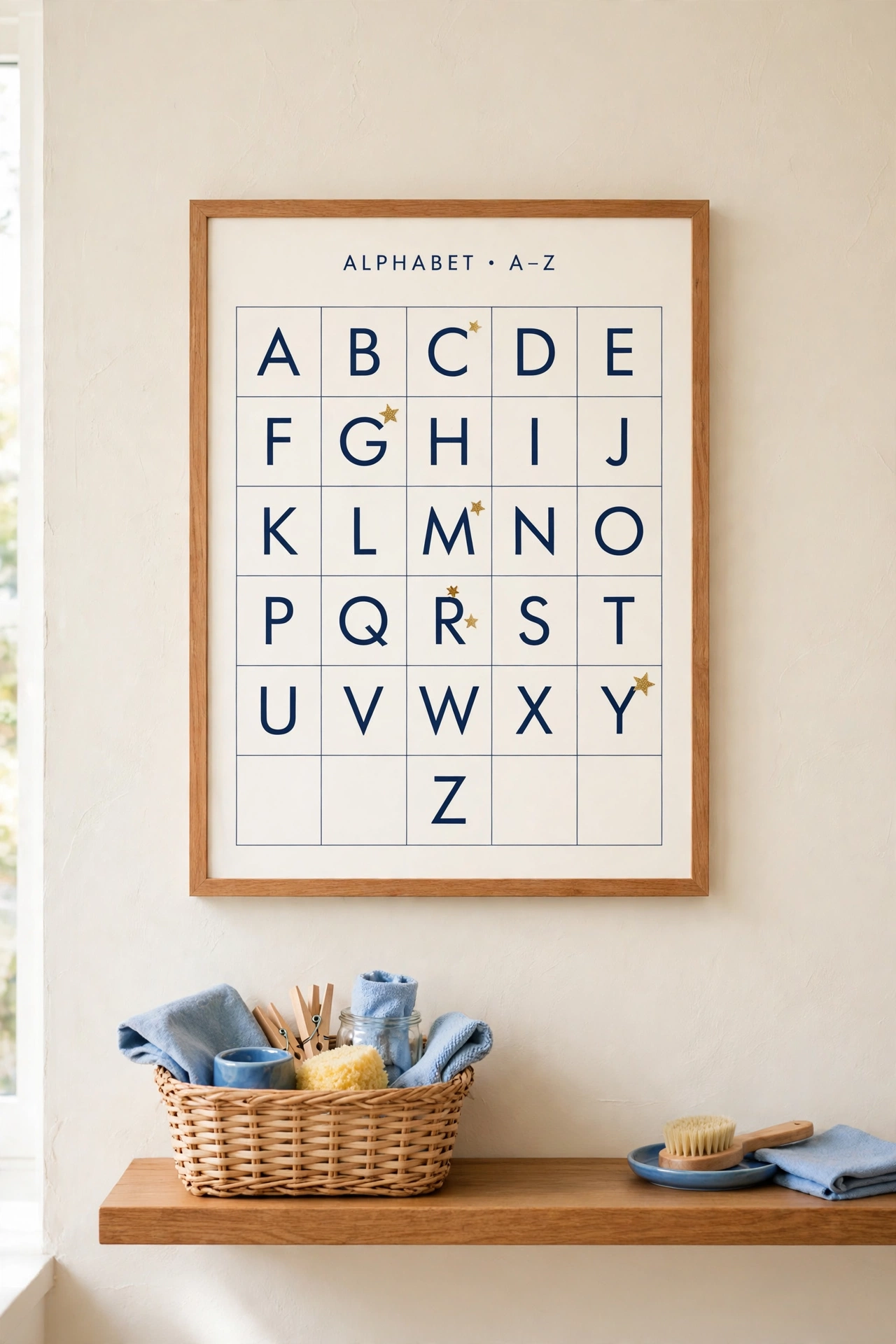
The Alphabet Challenge assigns one letter to each day, and you release at least one item that starts with that letter. On A day you might release an old apron, on B day a broken basket, and on C day a chipped cup, with the alphabet guiding your choices instead of your mood. The letters give you a starting point on days when choosing feels hard.
Keep an alphabet chart on the wall and mark each completed letter with a sticker or a star. Difficult letters, such as Q, X, and Z, can use creative matches, such as an item with a quiet purpose, an extra item, or a zippered pouch you no longer use. The alphabet keeps the challenge moving forward, one letter at a time, until the full set is done.
18. Build a New Habit in 21 Days
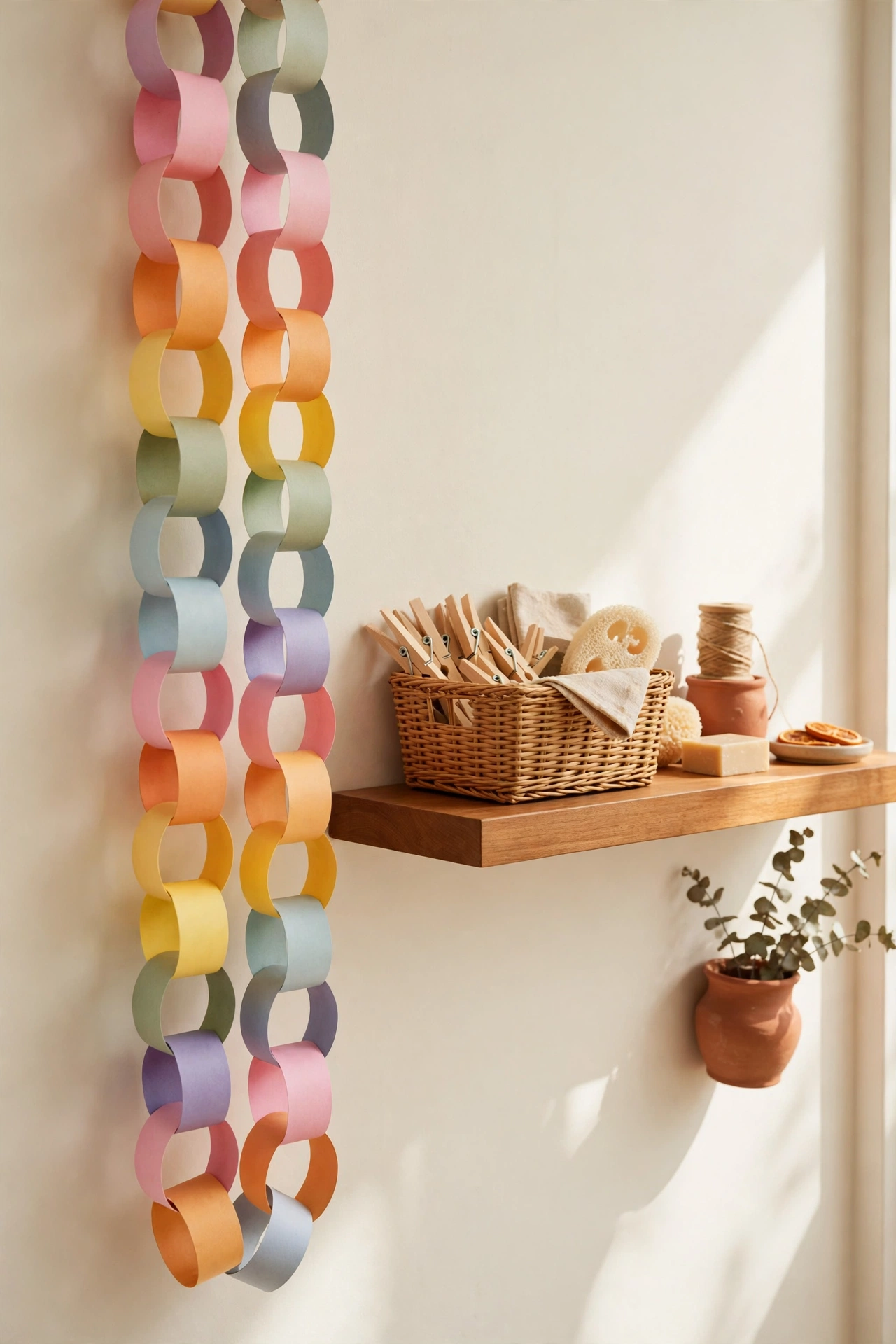
The 21-Day Habit Challenge treats decluttering as a daily practice rather than a single event. For twenty-one days in a row, you spend a short, fixed amount of time releasing items and returning stray things to their homes. The same time each day, the same timer, and the same small basket turn the work into a habit your brain starts to expect.
Track the streak on a paper chain, with one new link added each day, so the growing chain becomes a visual reminder of your consistency. If you miss a day, start the count again without blame, because the goal is a steady rhythm, not a perfect record. After three weeks, the daily habit often feels easier than the first few days did.
19. Release Just Five Items Every Day
The Five-Item Daily Purge sets a small, fixed target that anyone can meet on a busy day. Each day you find five items to release, no more and no less, and you remove them from the home before the day ends. Five items feel easy, yet five items a day add up to thirty-five items in a single week.
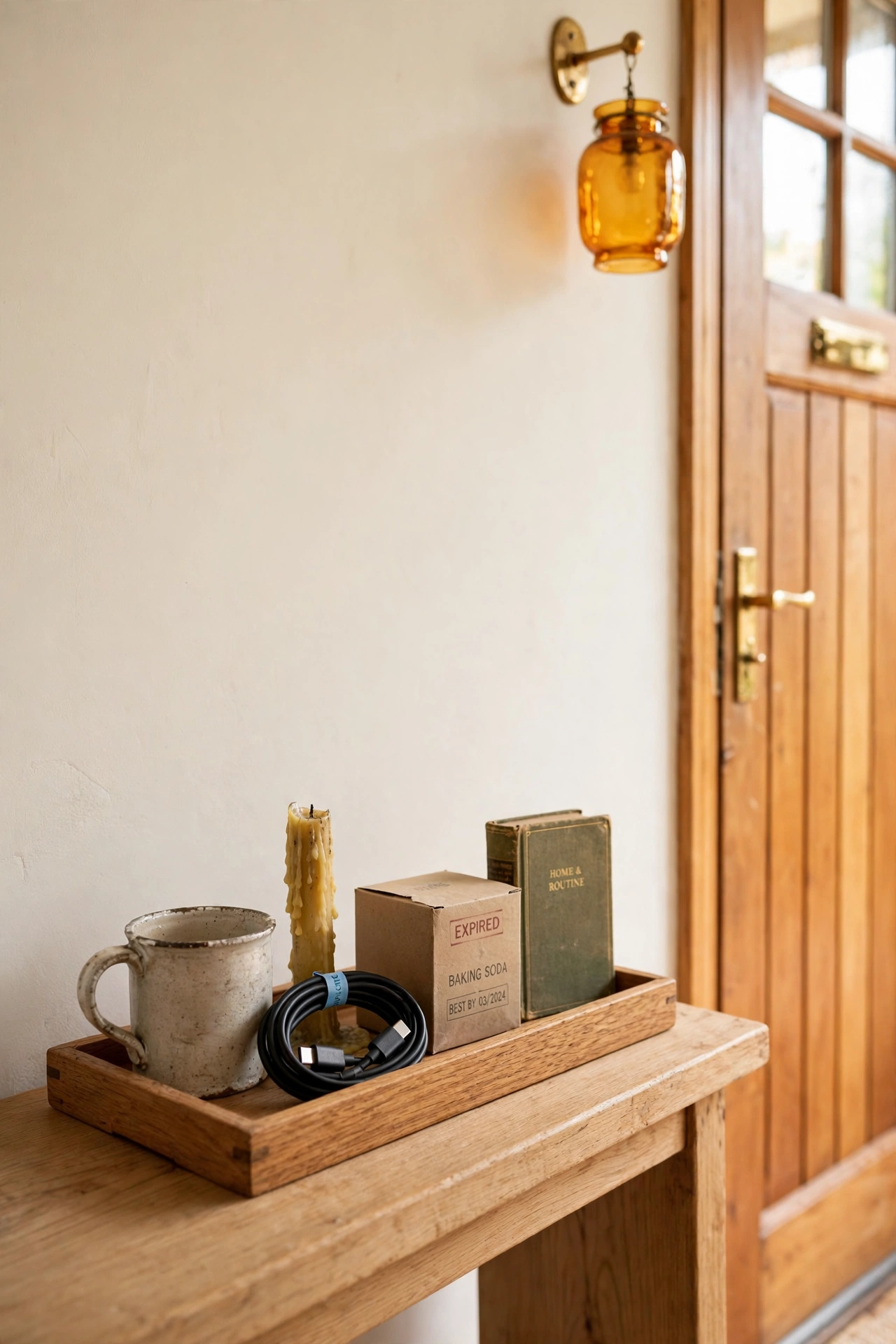
Keep a small tray by the door for the five daily items, and empty the tray each evening so the count stays honest. Small targets work well when energy is low, because the bar is low enough to clear every single day. Expired food, worn-out containers, and duplicate tools are easy early wins, and a tidy pantry makes the daily hunt simpler, as these pantry organization ideas show with clear containers and readable labels.
20. Compete as Teams in a Family Challenge
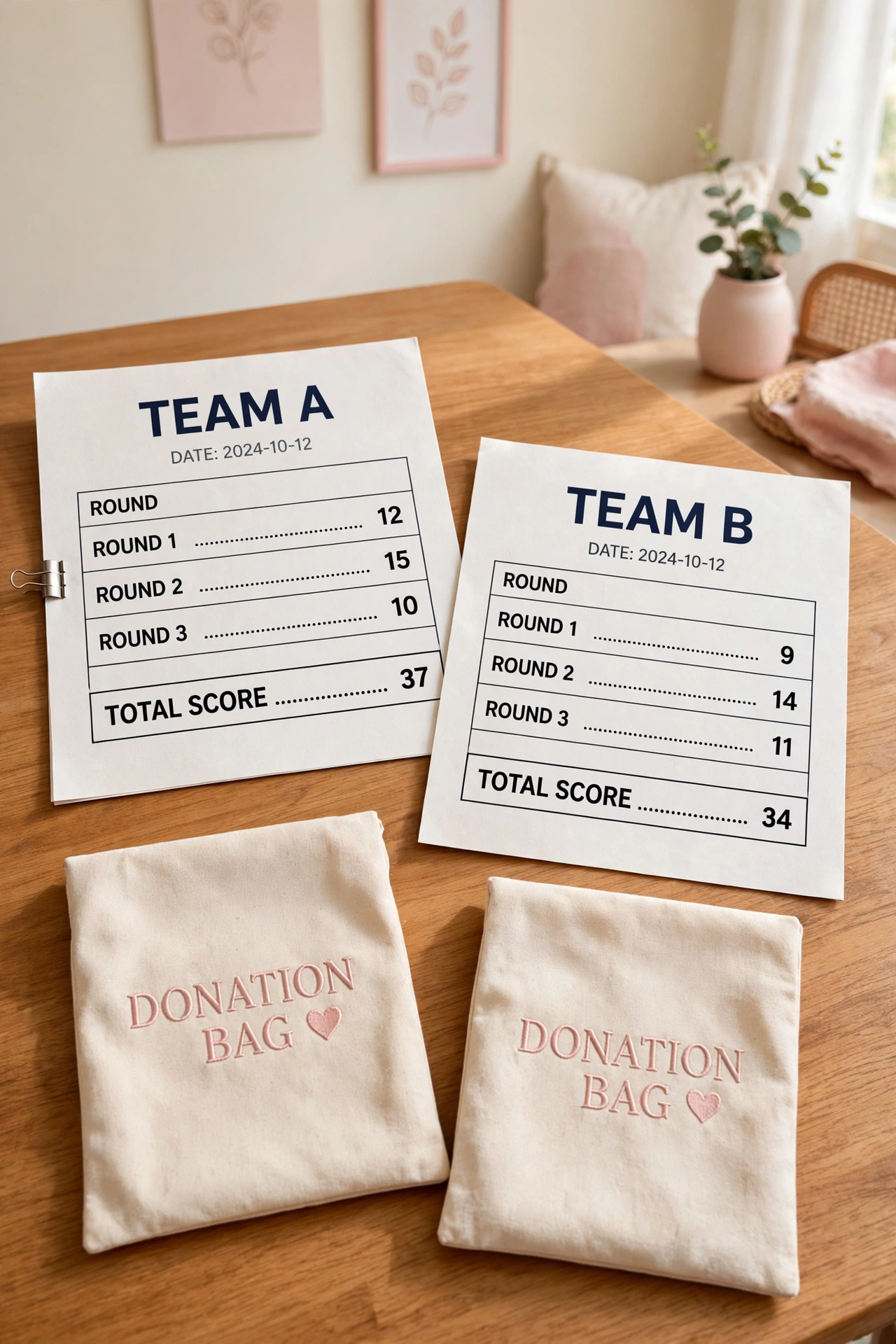
The Family Team Challenge splits the household into two teams and turns decluttering into a friendly contest. Each team gets its own donation bag, its own score sheet, and the same amount of time, and the team with the higher item count at the end wins a simple prize, such as choosing the evening movie or a favorite meal. The contest adds energy and laughter to the work.
Set clear ground rules before you begin, so no team releases items that belong to another person without permission. Count items fairly, one item at a time, and celebrate both teams at the end, because every released item helps the whole home. Team challenges work best with a short time limit and a cheerful, low-pressure tone.
21. Race to Fill One Donation Box Completely
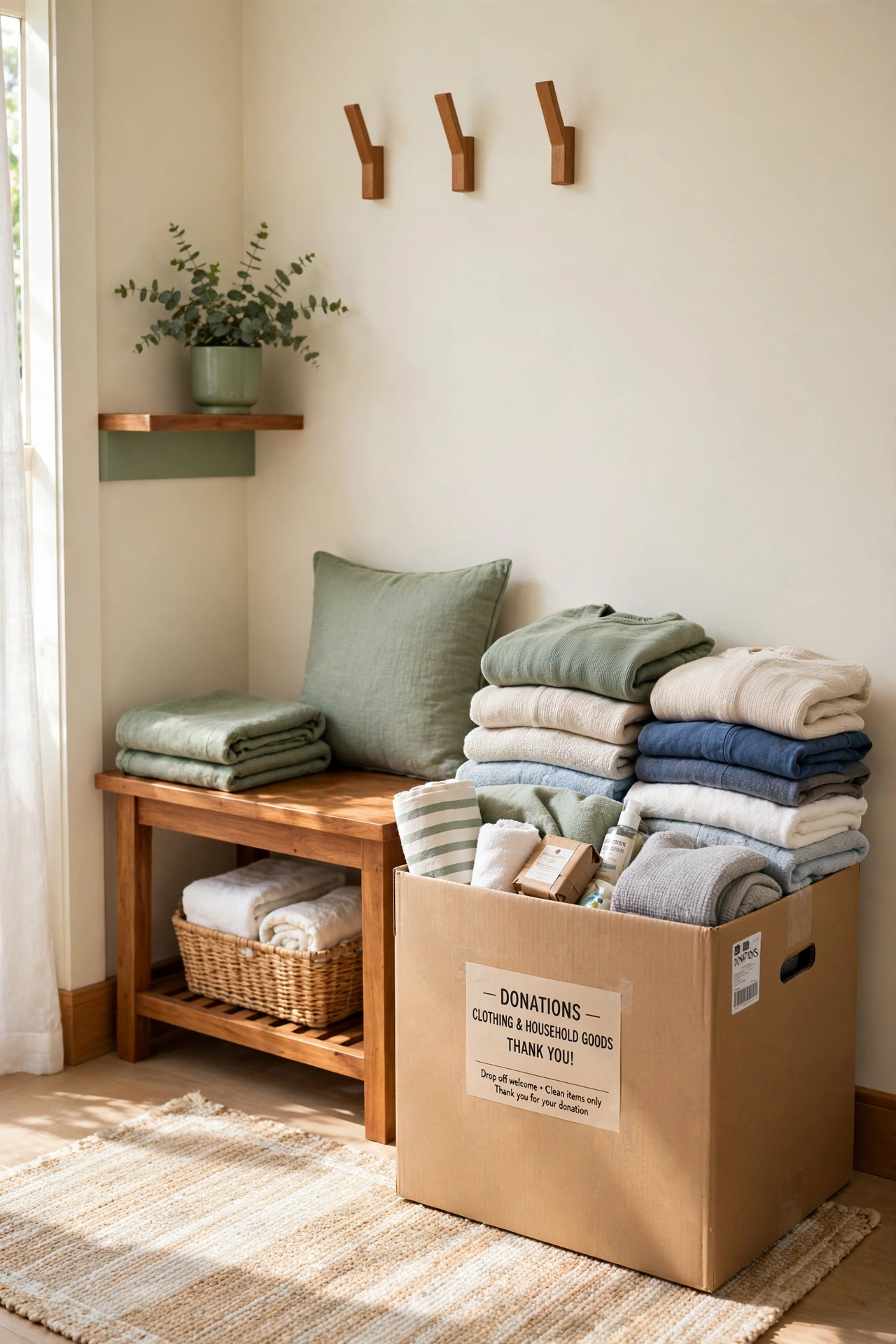
The Fill the Box Race sets one box as the finish line and one deadline as the clock. Choose a sturdy box, set a deadline such as the end of the week, and add items to the box every day until it is completely full. The box stays visible in a shared area, so the rising level of items keeps everyone motivated.
Label the box clearly and place it where you will pass it often, such as near the entrance or beside a main hallway. When the box is full, seal it, carry it to the car the same day, and start a new box only if you feel ready for another round. A single full box is a satisfying, concrete result that you can see and feel.
22. Track Progress With Before and After Photos
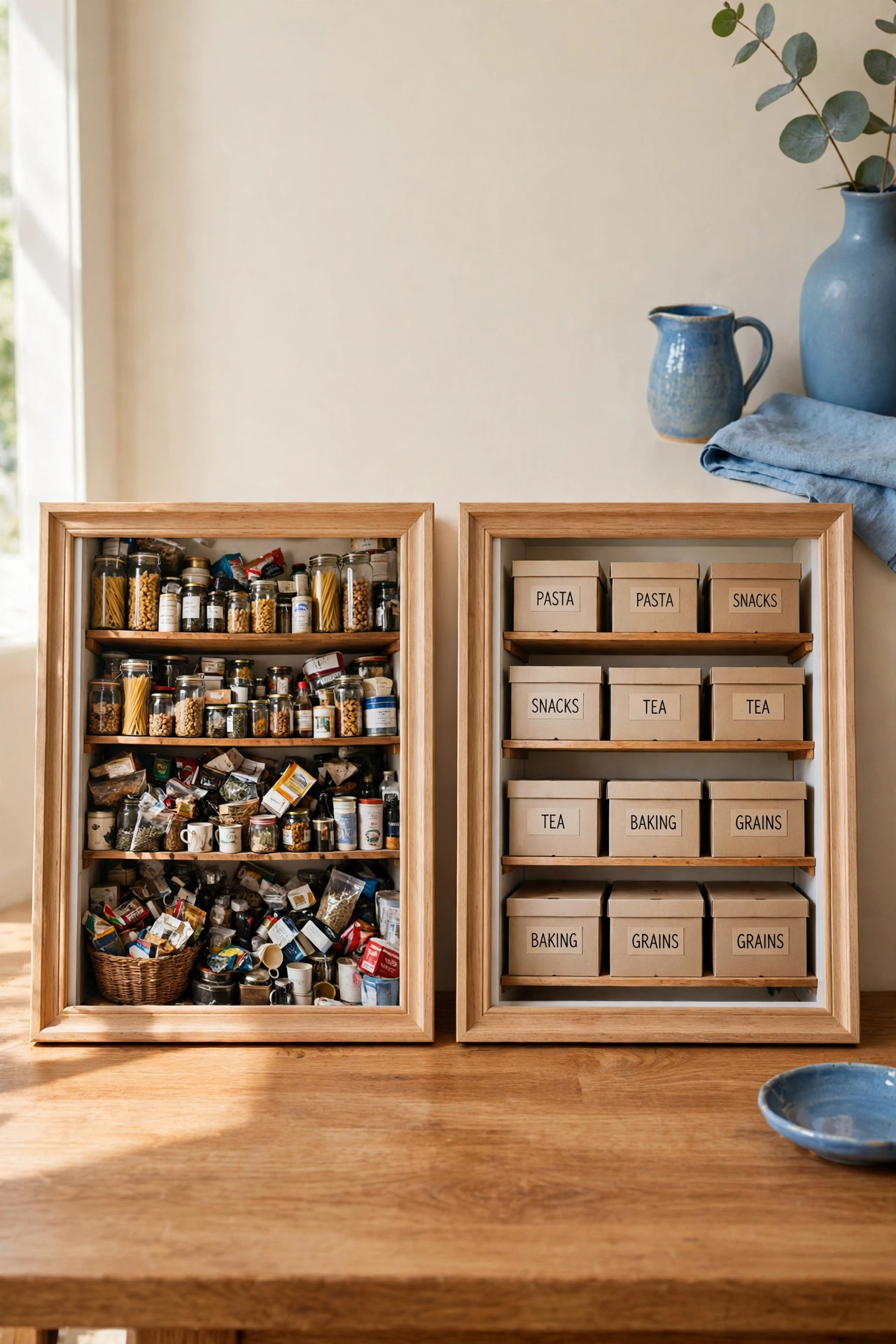
The Before and After Photo Challenge uses pictures of small areas to make progress visible over time. Before you begin a session, photograph one small surface, shelf, or container exactly as it is. After the session, photograph the same spot from the same angle, and place the two photos side by side in a dedicated album.
The side-by-side comparison shows change that daily life can hide, because you see the same spot with fresh eyes in the photos. Keep the photo spots small and specific, so each pair of photos tells a clear story. At the end of a month, scroll through the album and enjoy the full record of calmer, clearer spaces.
23. Open a New Task on a Countdown Calendar
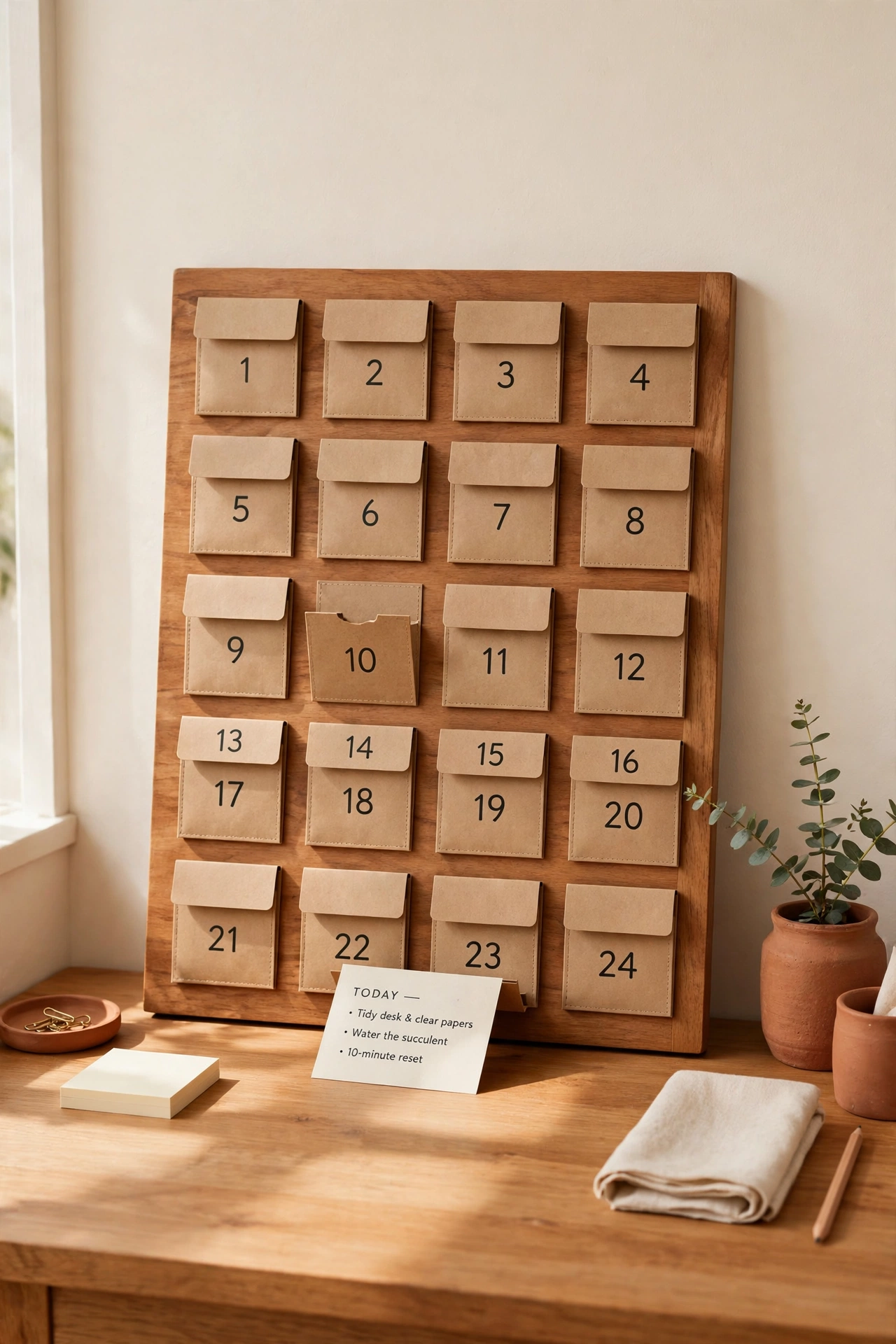
The Countdown Calendar Challenge hides one small task behind each day on a paper calendar, and you open one task each morning. Each task names a simple action, such as releasing three expired items, returning five stray items, or clearing one small surface. The surprise of each new task keeps the challenge interesting from day to day.
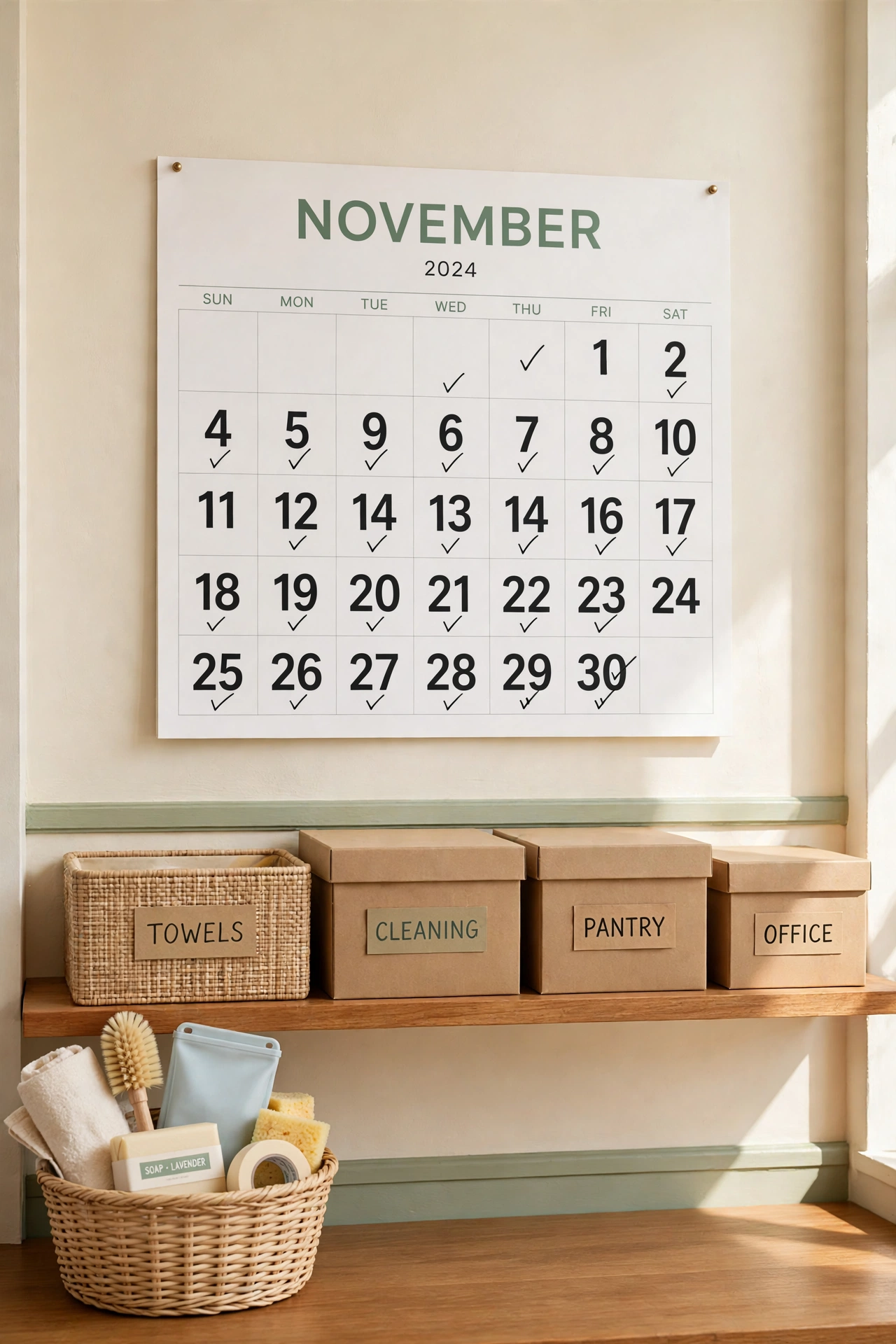
Prepare the calendar in advance with thirty small tasks, and keep the tasks short enough to finish in fifteen minutes or less. Number the days in order, and mark each completed task with a sticker or a check mark. The countdown format suits a busy month, because each day asks for only one small, clear action.
24. Decide in Two Minutes With the Quick Decision Rule
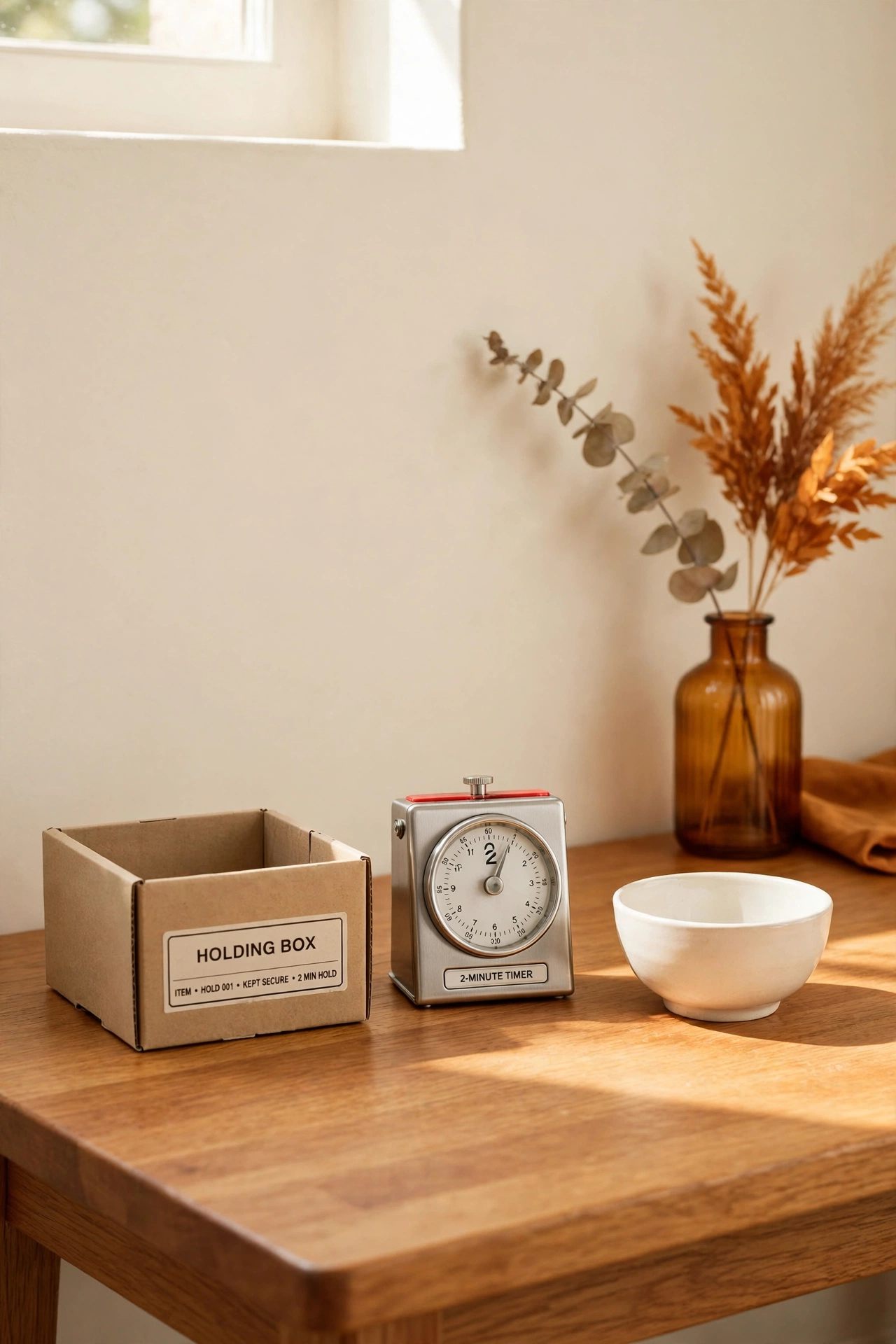
The Quick Decision Rule Challenge gives every item a two-minute limit. Pick up one item, set a two-minute timer, and decide within that time whether the item stays, leaves, or moves to a better spot. If the decision is still unclear when the timer ends, the item goes into a holding box for thirty days, and a clear decision is made when the box is opened again.
The time limit stops long debates with yourself and keeps the session moving at a steady pace. The holding box removes pressure, because uncertain items get a second chance later, without staying in daily circulation in the meantime. This format suits sentimental items and gifts, because the pause feels kind rather than rushed.
25. Reset Once Every Season With a Quarterly Challenge
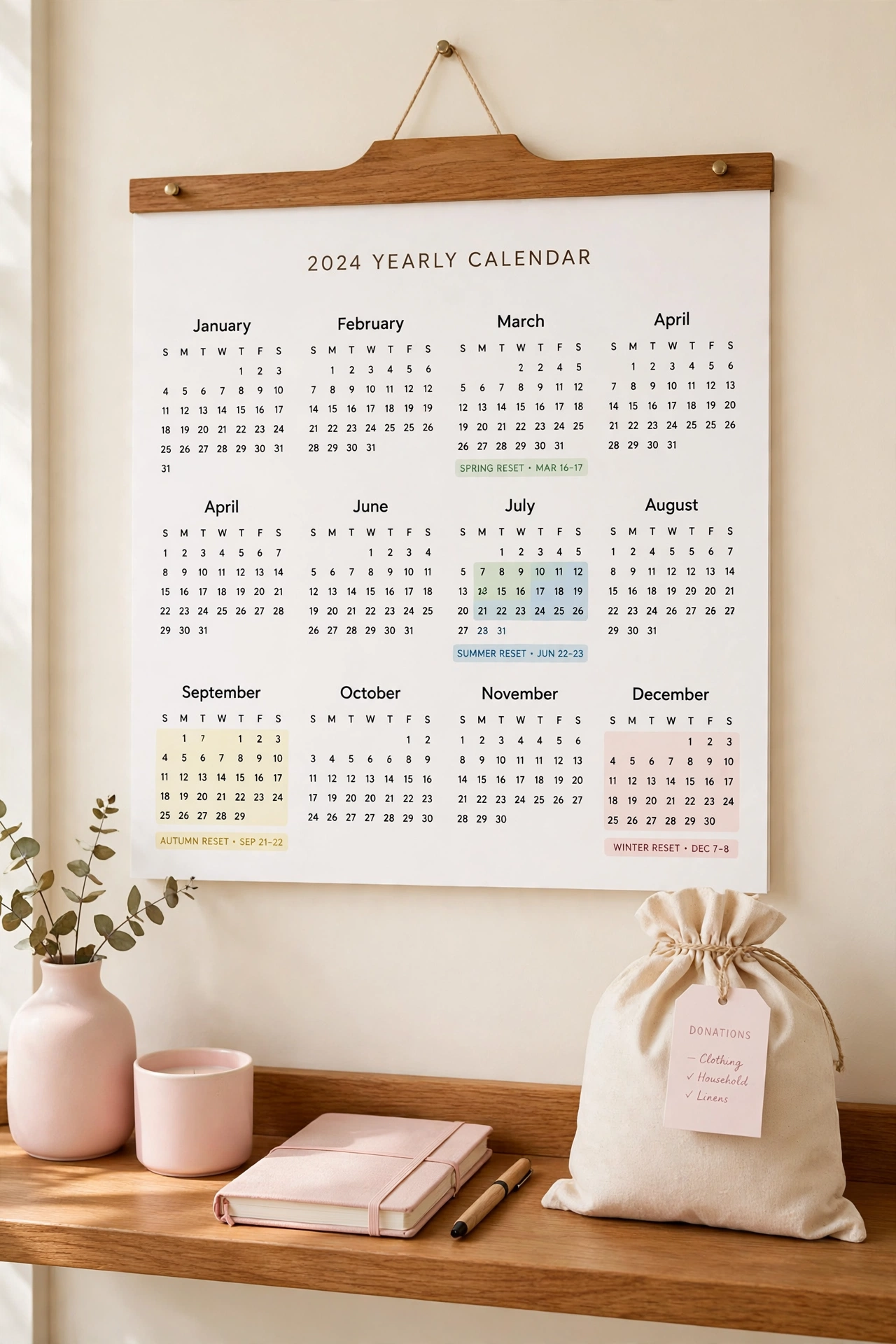
The Quarterly Reset Challenge repeats four times a year, once at the start of each season, with the same simple format each time. During one focused weekend each quarter, you release expired items, worn-out items, duplicates, and anything you have not used since the last reset. The seasonal rhythm keeps clutter from building up quietly between resets.
Mark the four reset weekends on a yearly calendar in advance, so the challenge becomes a regular part of the year rather than a sudden project. Keep the same bags, labels, and donation routine each time, so starting each reset takes almost no preparation. For a seasonal rhythm that covers the whole home, these monthly home maintenance checklist ideas pair well with a quarterly reset, because small regular checks prevent large buildups.
26. Release One Item a Day for a Full Year
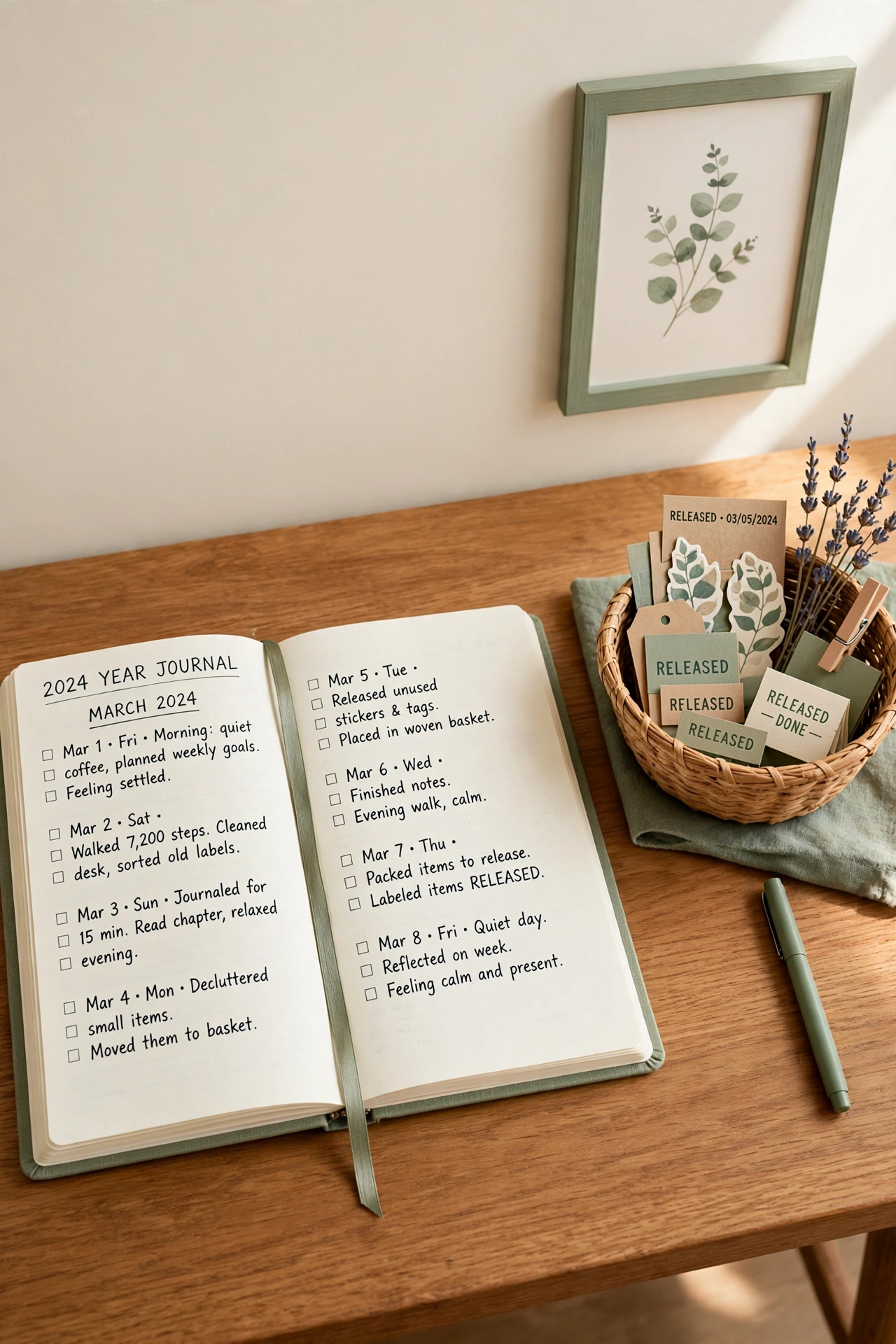
The One Item a Day Year Challenge is the longest format on this list, and also one of the gentlest. For 365 days, you release a single item each day, and you record the item in a simple journal or a numbered list. One item a day never feels overwhelming, yet the year ends with 365 fewer items in the home.
Keep the journal in a visible spot, such as beside the bed or on a kitchen shelf, so the daily entry becomes part of a morning or evening routine. On travel days or busy days, release a small item the night before, and keep the streak alive. A full year of small daily choices builds a lasting habit of noticing what you own and what you truly need.
Conclusion
A decluttering challenge works because it gives you a game to play, a number to reach, or a streak to protect, instead of an open-ended chore with no finish line. Whether you choose a fast race, a gentle daily habit, or a long year of small choices, the best format is the one you will actually enjoy enough to finish. Start small, keep the rules simple, and let each completed day build confidence for the next one.
Pick one challenge from this list and begin today, with a timer, a bag, and a clear label. When the challenge ends, give the items you kept a proper home, so the calm you created lasts. For hidden storage that keeps kept items tidy and out of sight, these under bed storage organization ideas show how the space beneath a bed can hold seasonal items neatly until you need them again.
Frequently Asked Questions About Decluttering Challenge Ideas for a More Manageable Home
Which decluttering challenge is best for beginners?
The 12-12-12 Challenge and the 10-Minute Tidy Sprint Streak are strong starting points, because both have a clear finish line and a short time limit. Beginners do best with small targets, visible progress, and a format that ends quickly, so confidence grows before the challenge grows harder.
How long should a decluttering challenge last?
A challenge can last a single afternoon, seven days, thirty days, or a full year, depending on your energy and the amount of clutter in the home. Short challenges build momentum quickly, while longer challenges build habits that last. Choose a length you can finish, and start a second round only after the first one is complete.
What should I do with items I release during a challenge?
Donate items in good condition, recycle what your local rules accept, and throw away items that are broken, expired, or unsafe to pass on. Remove donation bags from the home on the same day when possible, so released items cannot drift back into storage. Keep a holding box for uncertain items, and decide on the full box after thirty days.
Can children take part in a decluttering challenge?
Yes, children enjoy game formats such as Declutter Bingo, the Scavenger Hunt Challenge, and the Family Team Challenge, because the rules feel playful rather than demanding. Let children choose which of their own items to release, keep sessions short, and celebrate effort as much as results. Never release a child item without permission, because trust keeps the game fun.
How do I keep clutter from coming back after a challenge ends?
Follow the One In, One Out Rule for new purchases, keep a donation box in a visible spot year-round, and repeat a short challenge once each season. A brief evening reset each night also helps, because small daily habits prevent clutter from building up quietly between larger challenges.

Hi, I’m Emily! I turn messy corners into cozy, organized spots. DreamNestDecor is where I share simple, practical home ideas — decor, organization, and small-space solutions that work in real life, not just in photos. Every idea here is carefully researched before it’s shared.