Picture this: you open a crowded drawer in the morning, you lift out one worn spatula you never use, and you place it in a box by the door. The drawer looks a little calmer, the task took less than a minute, and you feel a small win before breakfast. That one small action is the whole secret, and it is easy enough to repeat tomorrow.
You do not need a full weekend, a sorting marathon, or a perfect plan to make your home feel lighter. You only need one item out every single day, chosen with care and tracked with a simple system. These 17 one item a day decluttering challenge ideas will help you build the habit, track your progress, and keep momentum going until a calmer home becomes part of your daily life.
1. Start With a Simple Daily Out Box by the Door
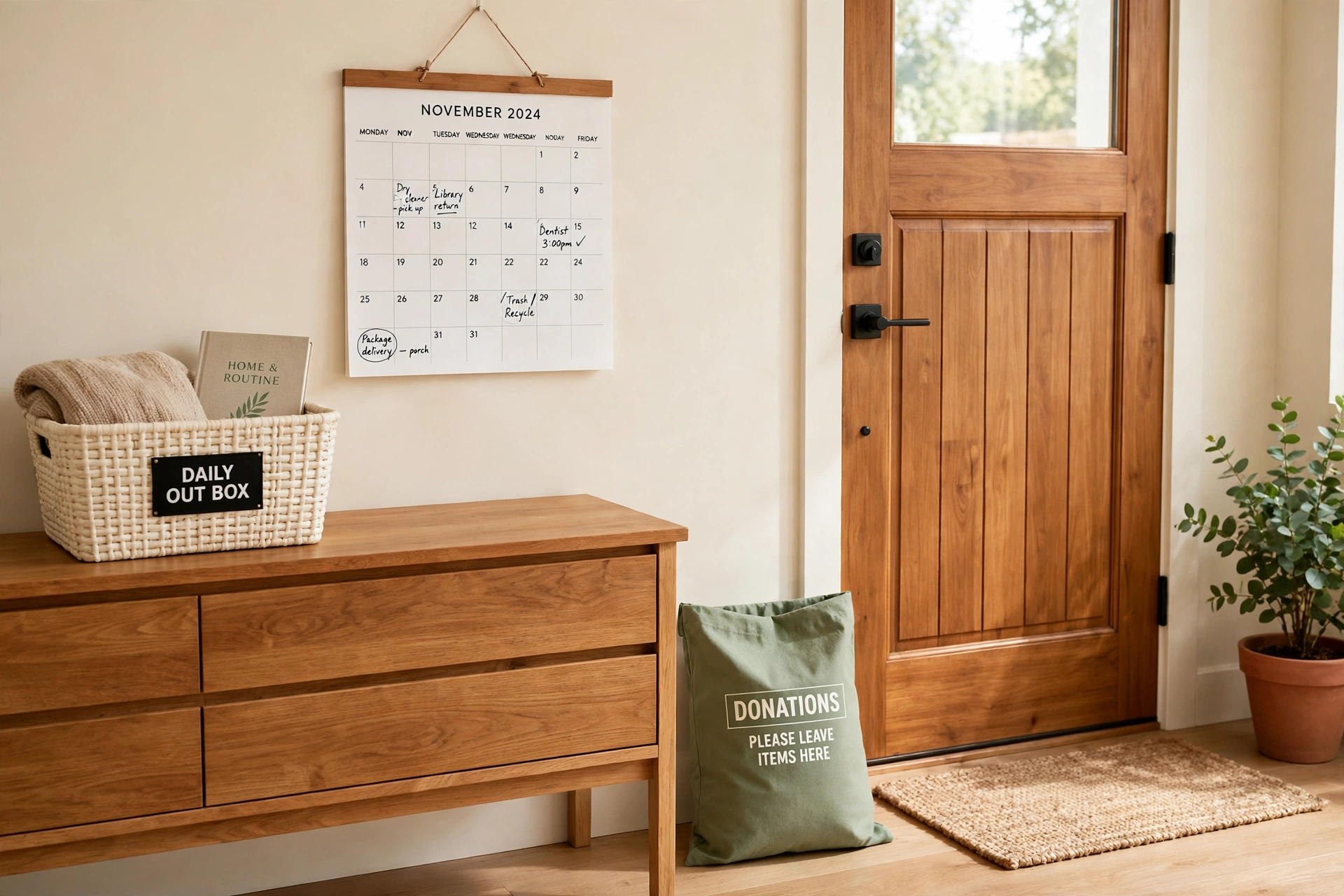
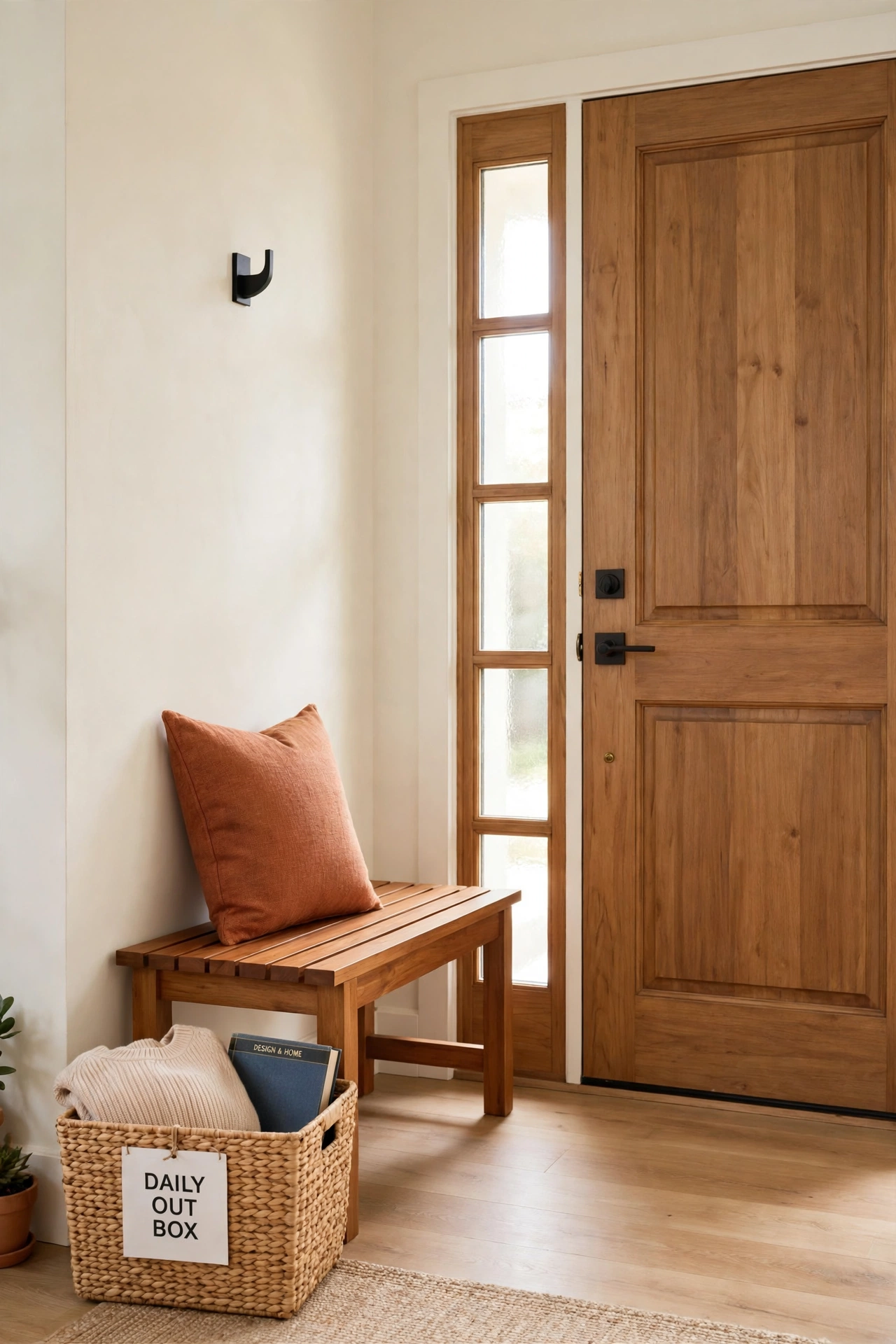
A daily out box gives your one item a clear destination the moment you choose it. Place a sturdy open box or basket near the door you use most, label it clearly, and drop each daily item inside. The box keeps outgoing items out of drawers and off counters while you build a small collection for donation or recycling.
Keep the box visible but tidy, and empty it on a regular schedule so it never overflows. A box by the door also stops second guessing, because once an item goes in, the decision is made. For a welcoming and practical setup around your exit, these entryway organization ideas will help you place the box where it works with coats, shoes, and keys.
2. Keep a One Item Calendar on the Fridge
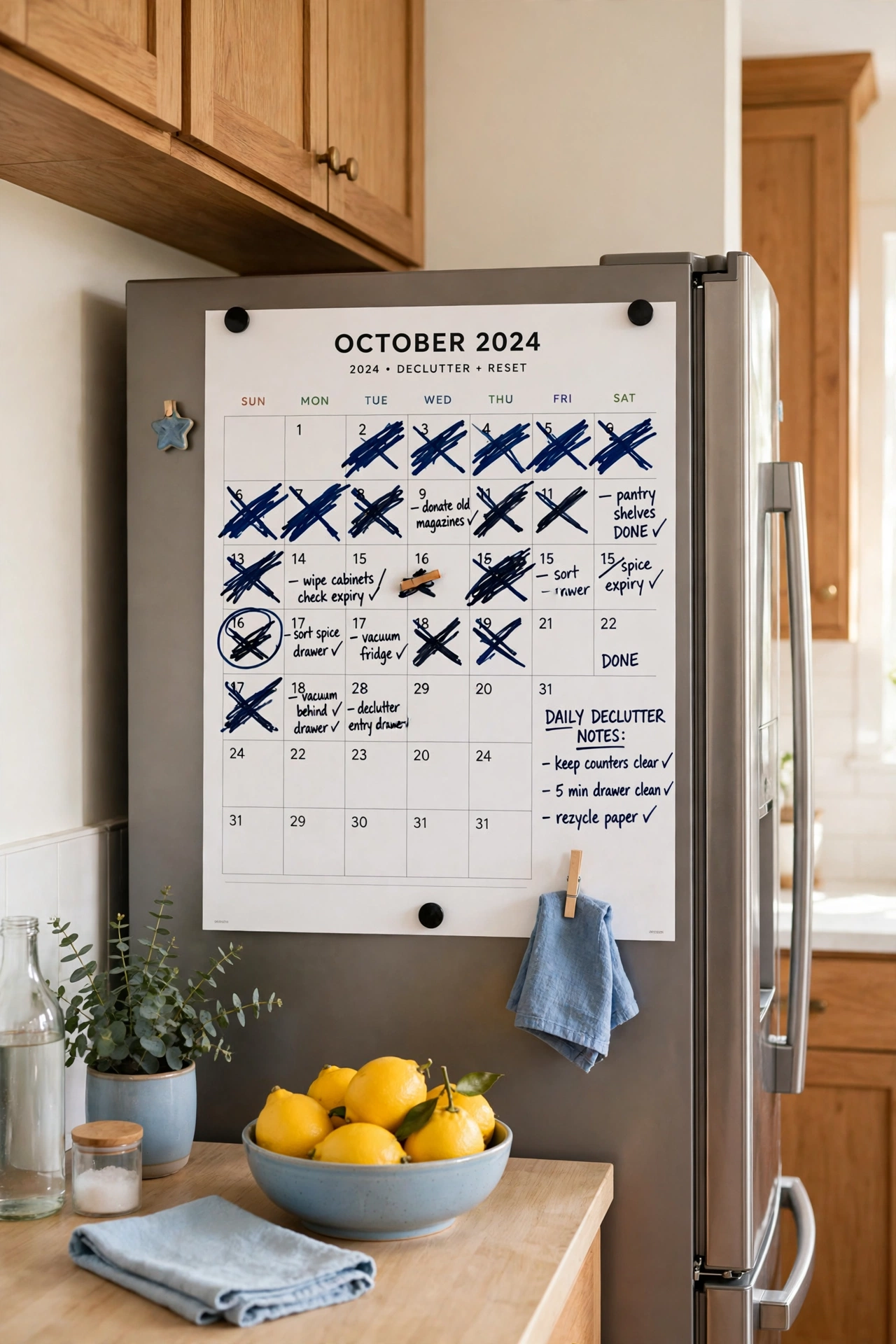
A wall calendar turns an invisible habit into a visible record. Hang a simple monthly calendar on the fridge, write the item you removed on each date, and cross off the day with a bold marker. The growing row of crossed off days shows your effort at a glance and makes it hard to skip a day without noticing.
Use short labels that are easy to write, such as one chipped mug, one old cable, or one stretched sweater. At the end of the month, the calendar becomes a clear record of progress and a reminder of how much lighter your home has become. A calendar also helps the whole household see the habit in action and join in when they are ready.
3. Decide What Counts as One Item Before Day One
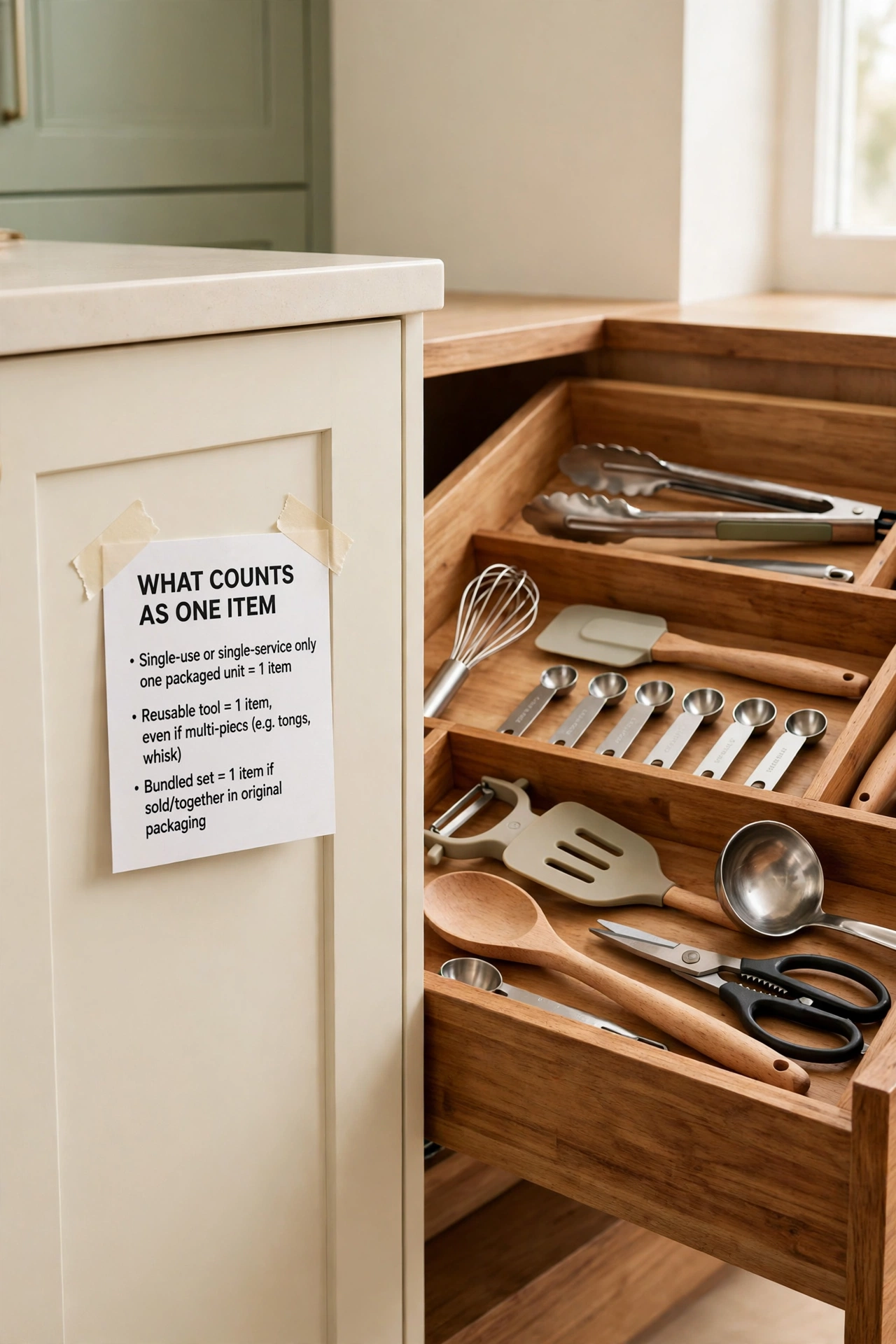
A clear rule about what counts as one item removes doubt and keeps the challenge fair. Decide in advance that one item means one single object, such as one book, one shirt, or one kitchen tool, and that a matched pair counts as one set only when the two pieces are used together. A clear rule keeps the daily choice honest and simple.
Write your rule on a small card and tape it inside a cupboard door or beside your calendar. When a tricky case appears, such as a bundle of old cables or a stack of expired coupons, check the card instead of debating the choice. A simple rule protects the habit, because the challenge stays about one steady decision each day, not about clever counting.
4. Drop a Coin in a Jar for Every Item Removed
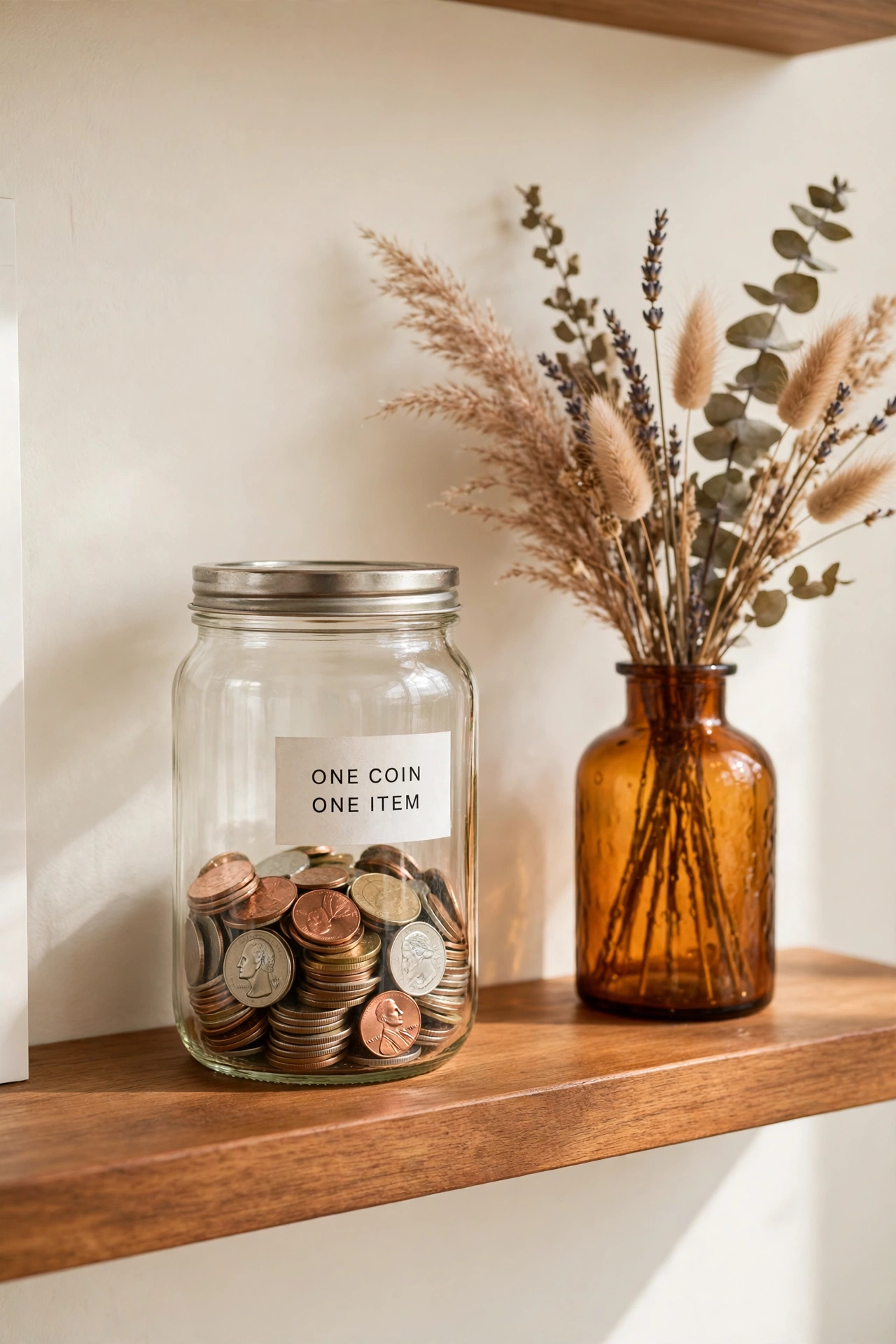
A coin jar turns daily progress into something you can see and hear. Place a clear glass jar in a spot you pass every day, and drop one coin inside each time you remove one item. The rising level of coins shows your streak in a tangible way, and the small clink becomes a satisfying end to the daily task.
Choose coins of one size so the level rises evenly, and label the jar with the start date and a simple goal. When the jar fills, use the coins for something small and useful, such as fresh drawer liners or a new storage basket. The jar keeps motivation visible without any app, chart, or extra paperwork.
5. Photograph Each Daily Item for a Photo Log
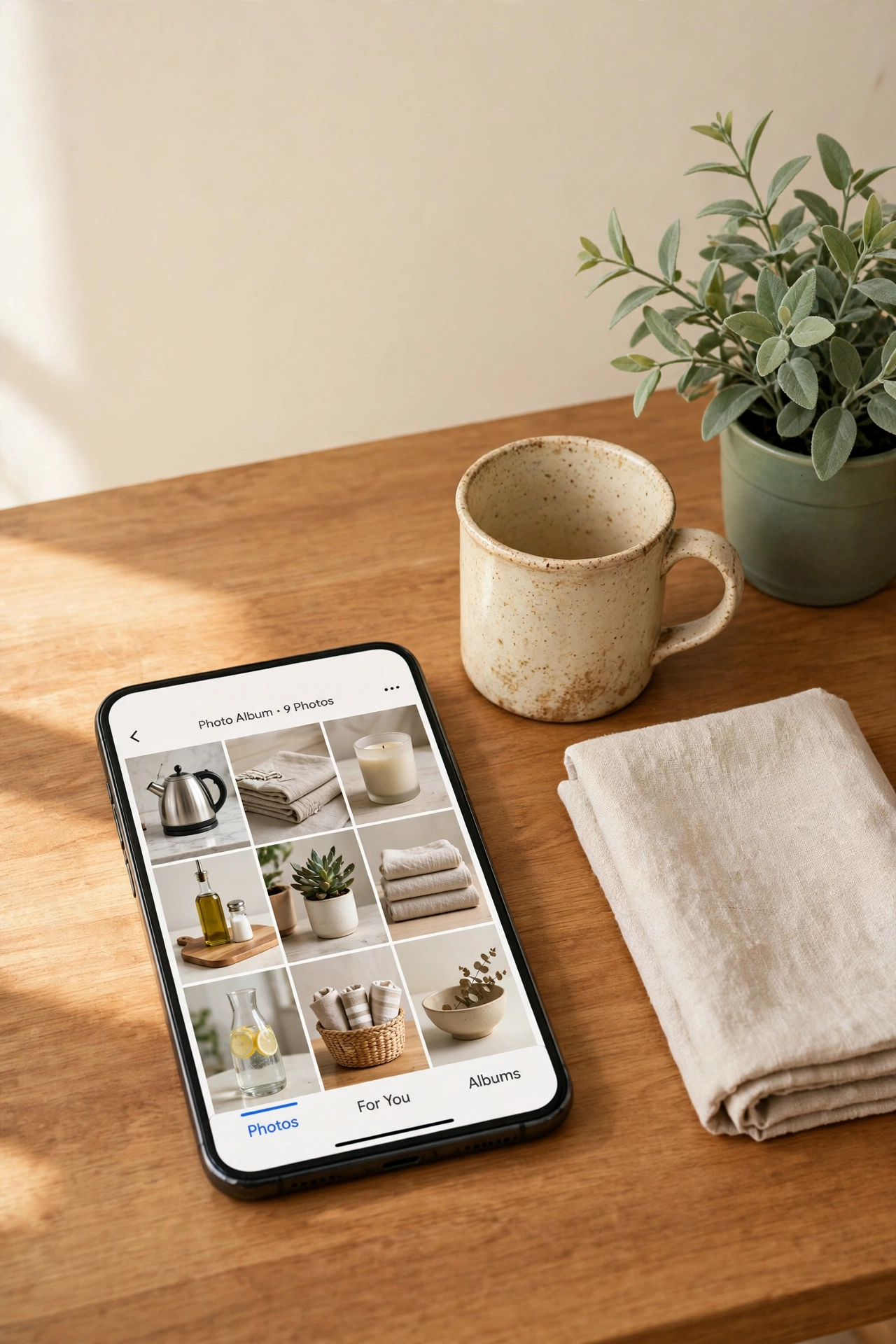
A photo log captures proof of progress without keeping the item itself. Take one quick photo of each daily item before it goes in the out box, and save the photos in a single album on your phone. The album grows day by day, and scrolling back through it shows just how many objects have left your home.
Keep the photos simple and consistent, with each item placed on the same clean surface in good light. Name the album clearly and review it at the end of each week to notice patterns, such as duplicate kitchen tools or clothes you never wear. For keeping those photos tidy and easy to find, these digital photo organization ideas will help you sort albums, backups, and folders with ease.
6. Assign One Small Category to Each Weekday
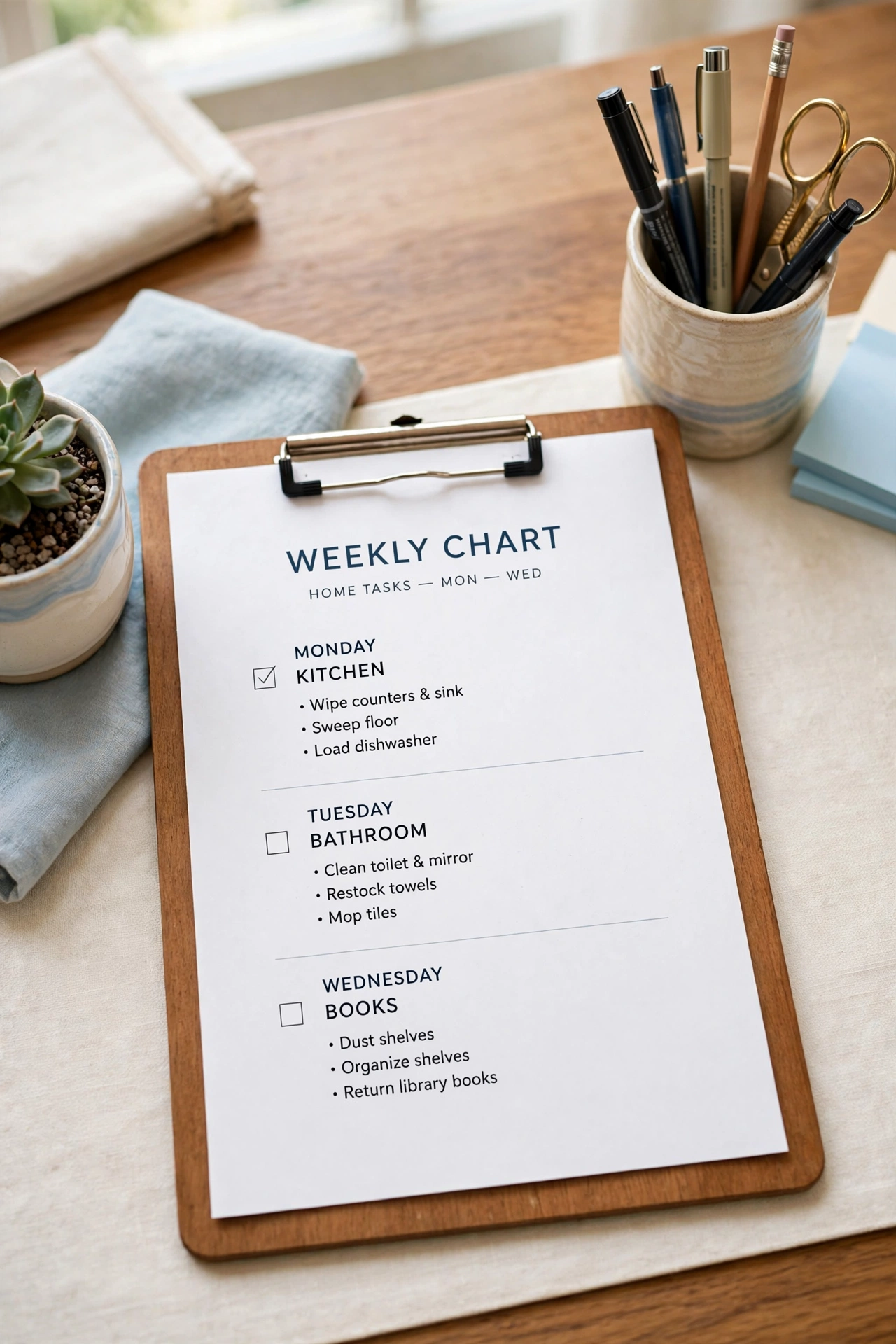
A weekday category removes the daily question of where to look. Assign one small area to each weekday, such as kitchen tools on Monday, bathroom items on Tuesday, and books on Wednesday, and let the category guide your single choice. The narrow focus makes the decision fast, because you only scan one small area each day.
Keep the categories small enough to finish in minutes, and rotate them so no area is ignored for long. A weekday plan also prevents the habit from stalling on busy days, because a tiny category always offers at least one easy item. Over a month, every part of the home gets steady attention without any single day feeling overwhelming.
7. Anchor the Habit to Your Morning Routine
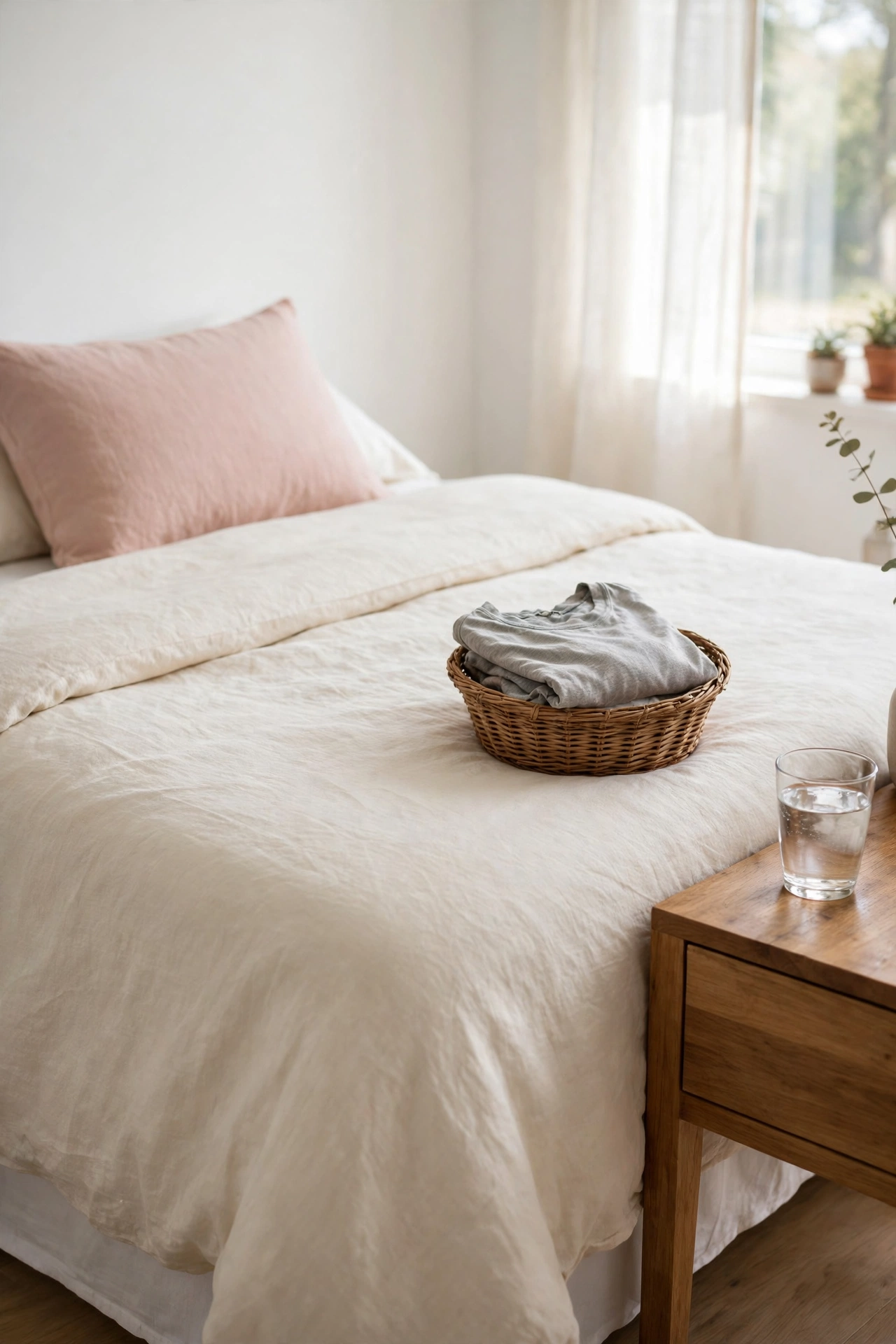
A habit anchor ties the daily item to something you already do without thinking. Choose a fixed moment, such as right after you make the bed or right after you start the kettle, and use that moment as the cue to pick one item. The existing routine carries the new habit, so you do not need willpower or a reminder alarm.
Keep the anchor in the same place every day, and keep the out box close to that spot so the item moves out in one smooth motion. If you miss the morning cue, use a backup cue later in the day, such as after lunch, so the day still counts. A steady anchor turns decluttering from a project into a quiet part of daily life.
8. Use a Weekly Theme to Guide Your Daily Pick
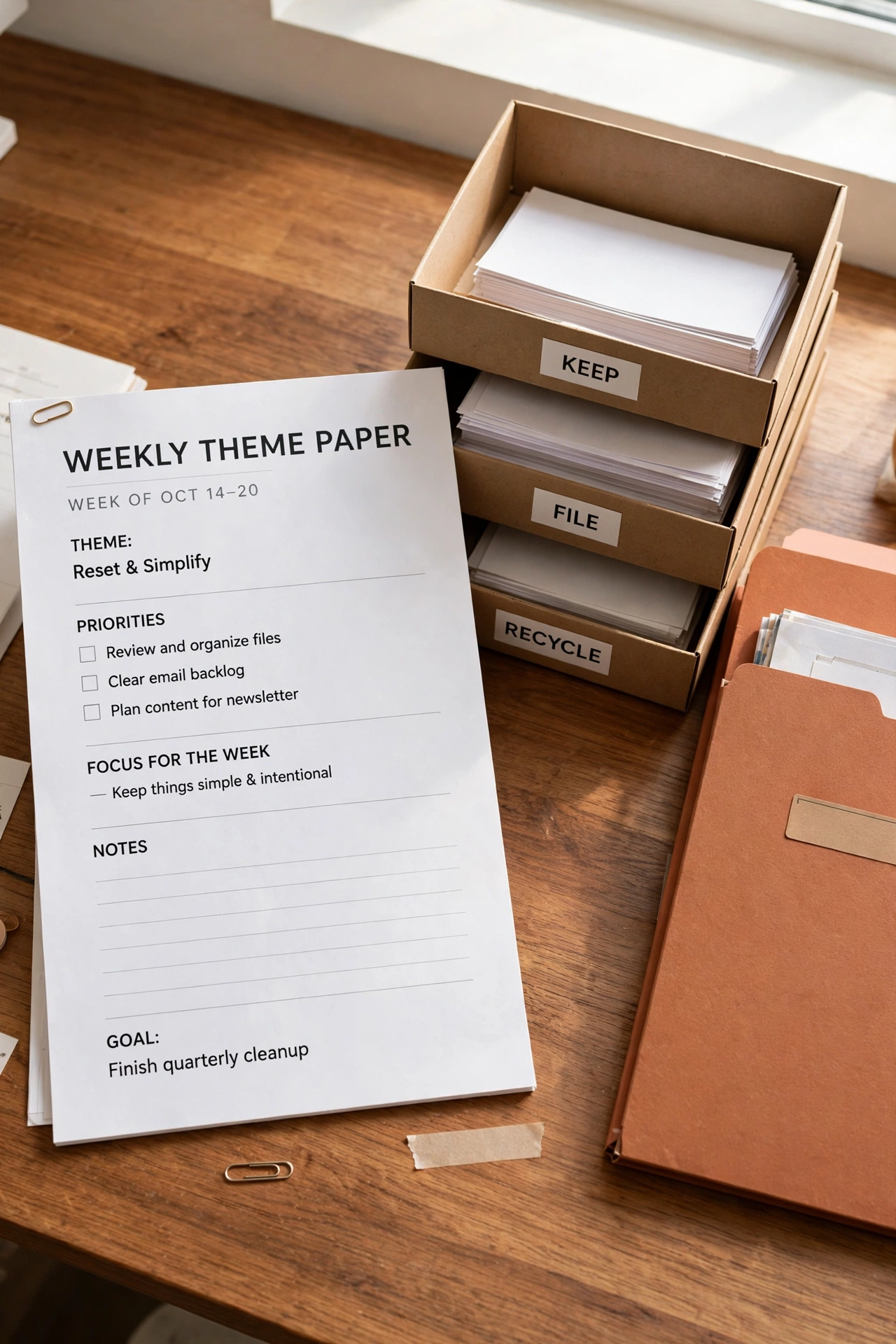
A weekly theme gives seven daily choices a shared direction without making any day large. Choose one theme for the week, such as paper, clothes, or kitchen extras, and pick one item from that theme each day. The theme keeps your attention focused, and by the end of the week you will see real change in one whole area.
Write the theme on your calendar at the start of the week, and list a few likely spots to check, such as a junk drawer, a coat closet, or a paper pile. A paper theme, for example, can clear old manuals, expired coupons, and duplicate forms one day at a time. For sorting the paper you decide to keep, these paper clutter organization ideas will help you file, label, and store what remains.
9. Keep a Running List on a Clipboard in the Hallway
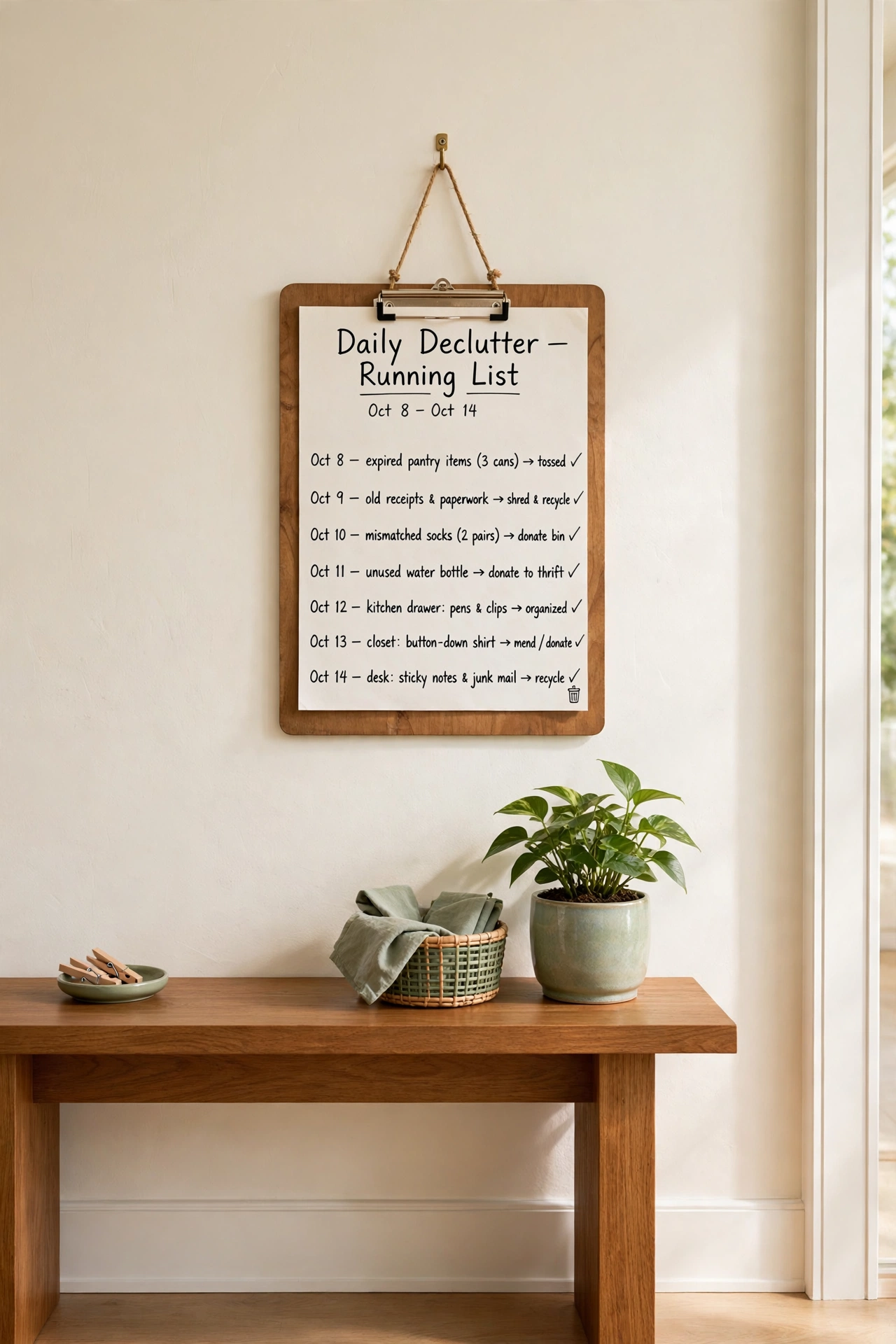
A running list on a clipboard keeps every daily item in one place, in order, without any digital tool. Hang the clipboard in the hallway, write the date and the item on one line each day, and let the list grow down the page. The list is easy to read, easy to update, and always visible when you walk past.
Use a fresh sheet each month and store finished sheets in a slim folder so you can compare months at a glance. The list also reveals useful patterns, such as a steady stream of expired pantry items or duplicate chargers, and those patterns guide smarter shopping. A clipboard list costs almost nothing and works even when your phone is charging in another room.
10. Choose the Easiest Item First to Build Momentum
Starting with the easiest item builds confidence and keeps the habit enjoyable. On each day, look for the most obvious choice first, such as a broken pen, an empty container, or a single sock with no match. An easy win takes seconds, and it proves that progress does not require hard decisions every day.
Save harder choices, such as sentimental objects or expensive items, for days when you feel ready and have a little more time. The challenge works because easy days keep the streak alive, and the streak gives you courage for the harder days later. Momentum grows from repeated small wins, not from one exhausting clear out.
11. Set a Two Minute Timer for the Daily Decision
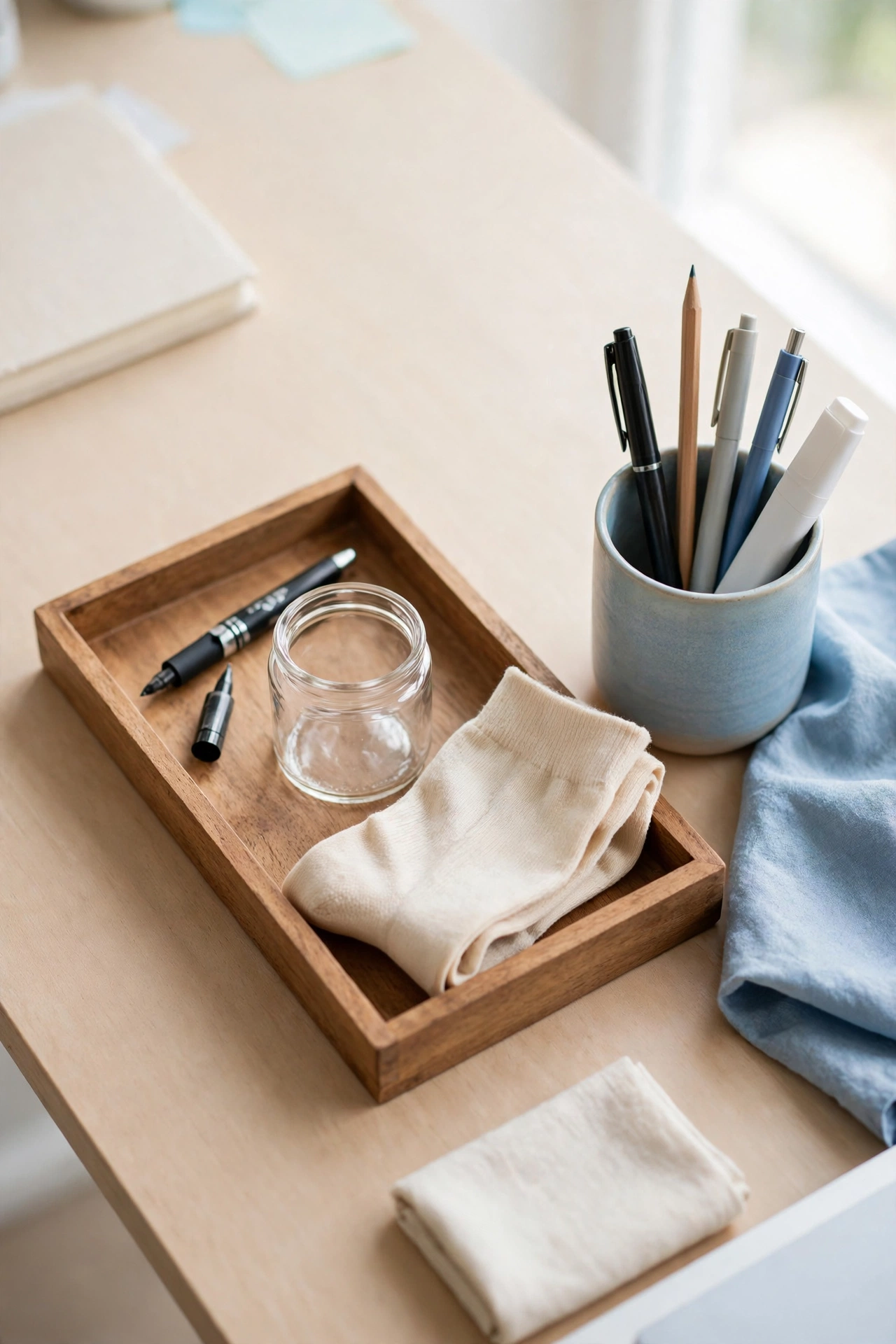
A two minute timer keeps the daily choice quick and prevents the habit from turning into a long sorting session. Start the timer, scan one small area, pick one item, and place it in the out box before the timer ends. The short limit forces a simple decision and keeps the task from spreading across the whole morning.
If the timer ends and you have not chosen, pick the first item you noticed and move on. The goal is a daily habit, not a perfect choice, and a fast decision is better than a skipped day. Over time, the timer becomes unnecessary, because choosing one item starts to feel as automatic as locking the door.
12. Review Your Week Every Sunday Evening
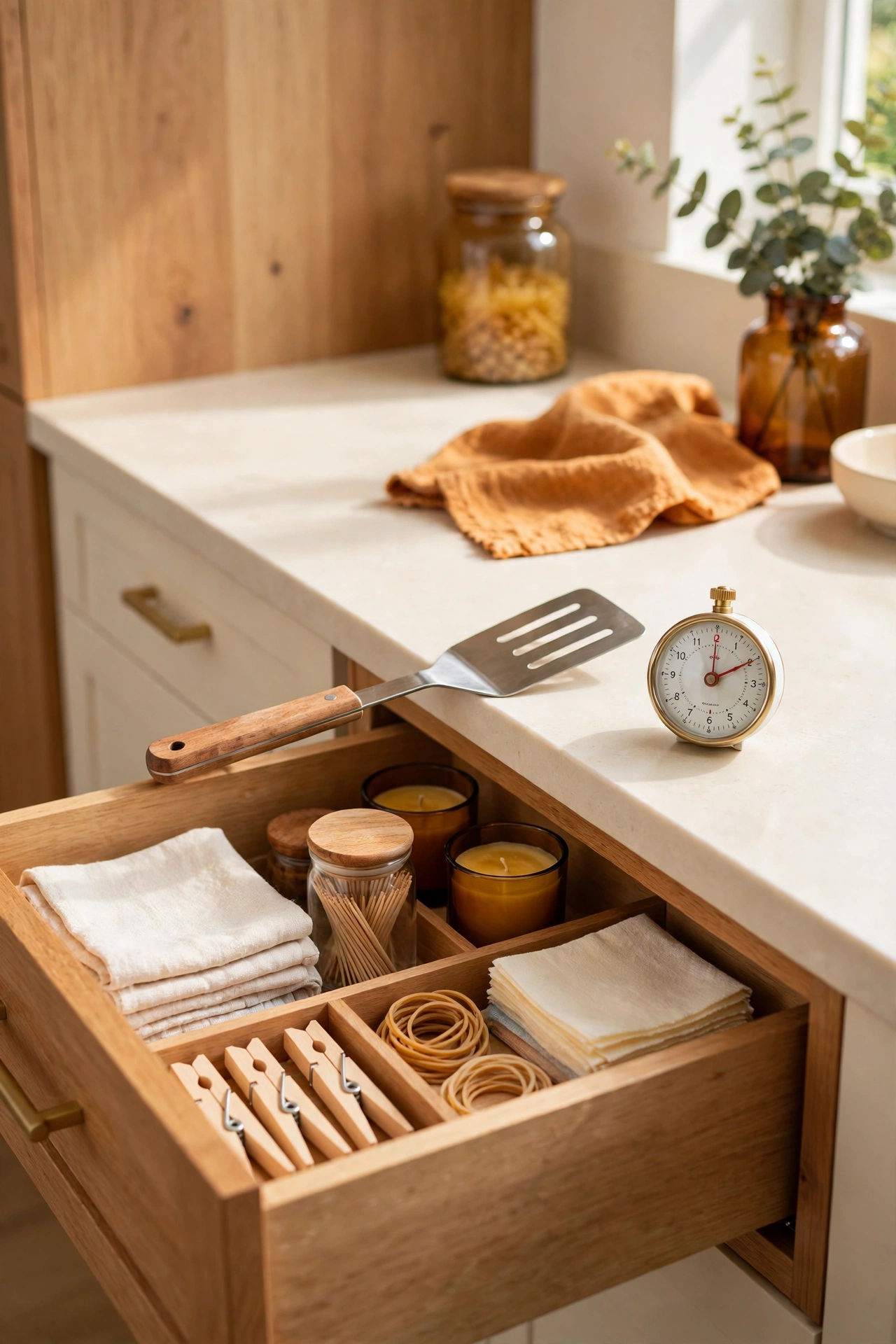
A short Sunday review turns seven daily actions into a clear weekly story. Sit down for five minutes, read your calendar or list, and count the items that left your home that week. The review shows which areas improved, which categories still feel crowded, and which theme deserves attention next week.
Use the review to plan the next week, choose a theme, and check that the out box is ready for Monday. A calm weekly check also pairs well with other simple routines that keep a home steady. These weekly home reset routine ideas will help you combine the review with light tidying so the whole home starts each week feeling fresh.
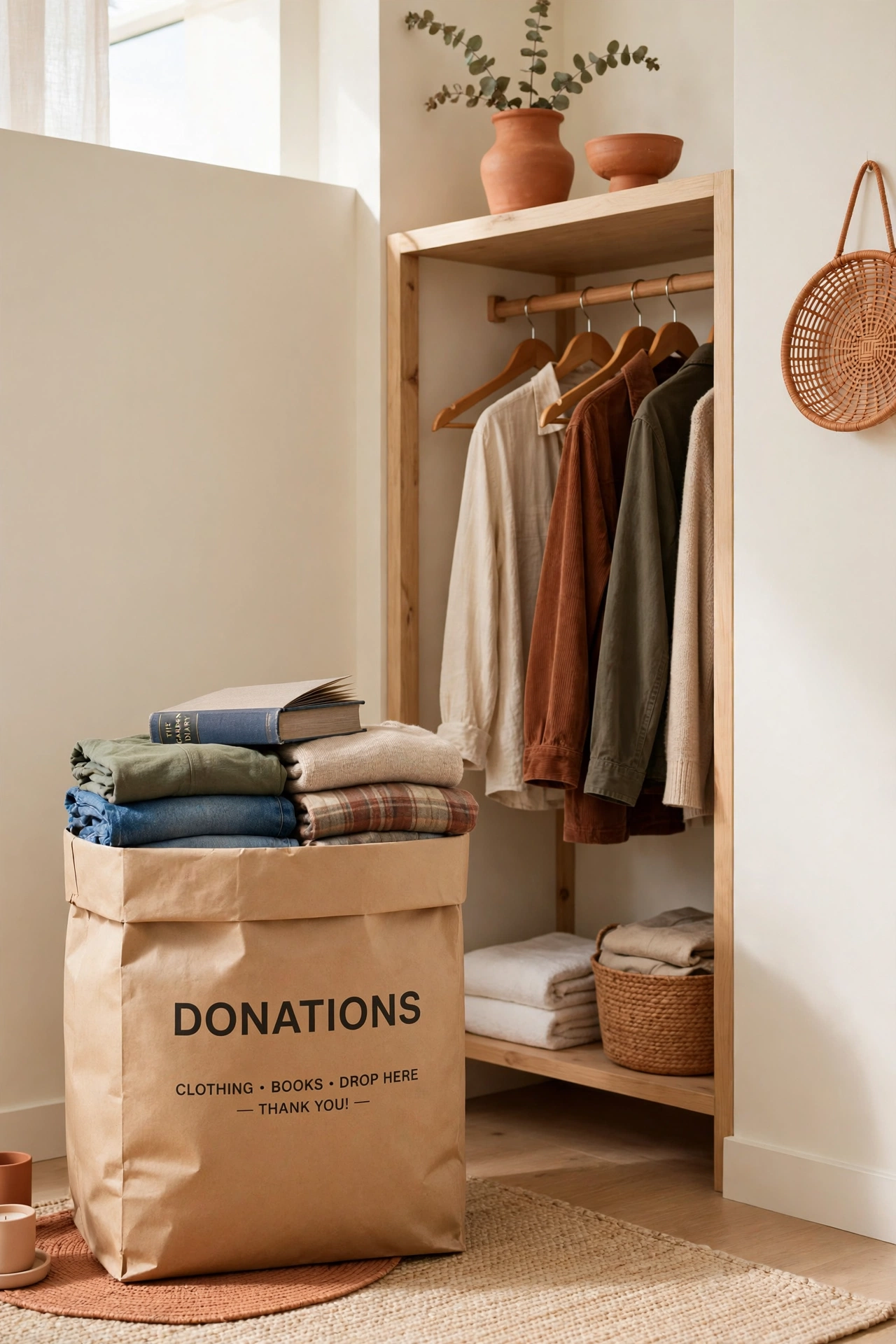
13. Move the Daily Item Straight to a Donation Bag
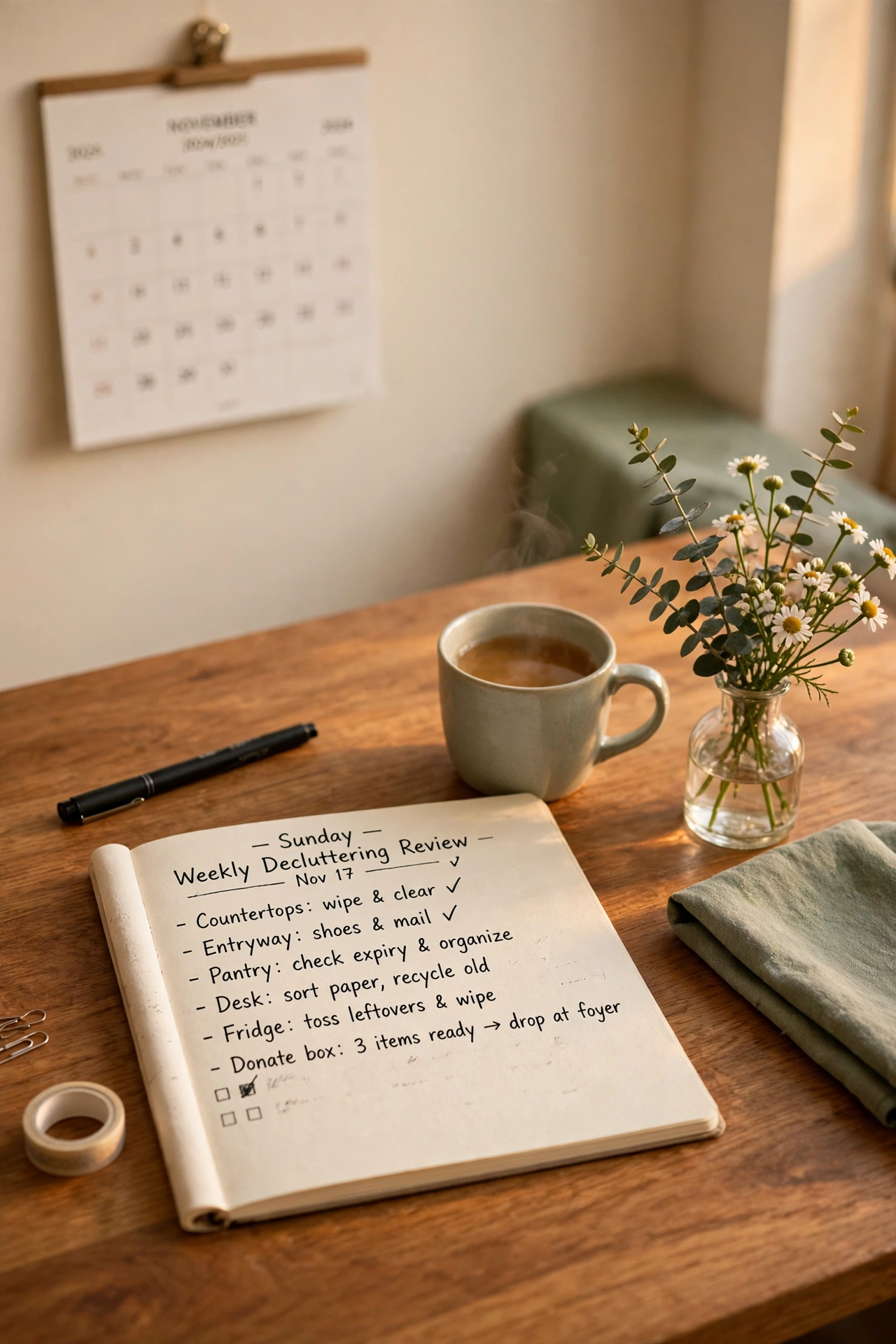
Moving the daily item straight to a donation bag prevents it from drifting back into a drawer. Keep a sturdy bag beside the out box, place each usable item inside right away, and tie the bag loosely so new items slide in easily. The bag creates a one way path out of the house, with no pile of maybes in between.
Label the bag clearly and keep it in a spot that is easy to reach but out of the main walkway. When the bag fills, move it to the car or the hallway so the next trip out takes it away. A direct path from shelf to bag keeps decisions final and keeps the home from filling up again with items waiting for a decision.
14. Track Your Streak With a Numbered Paper Chain
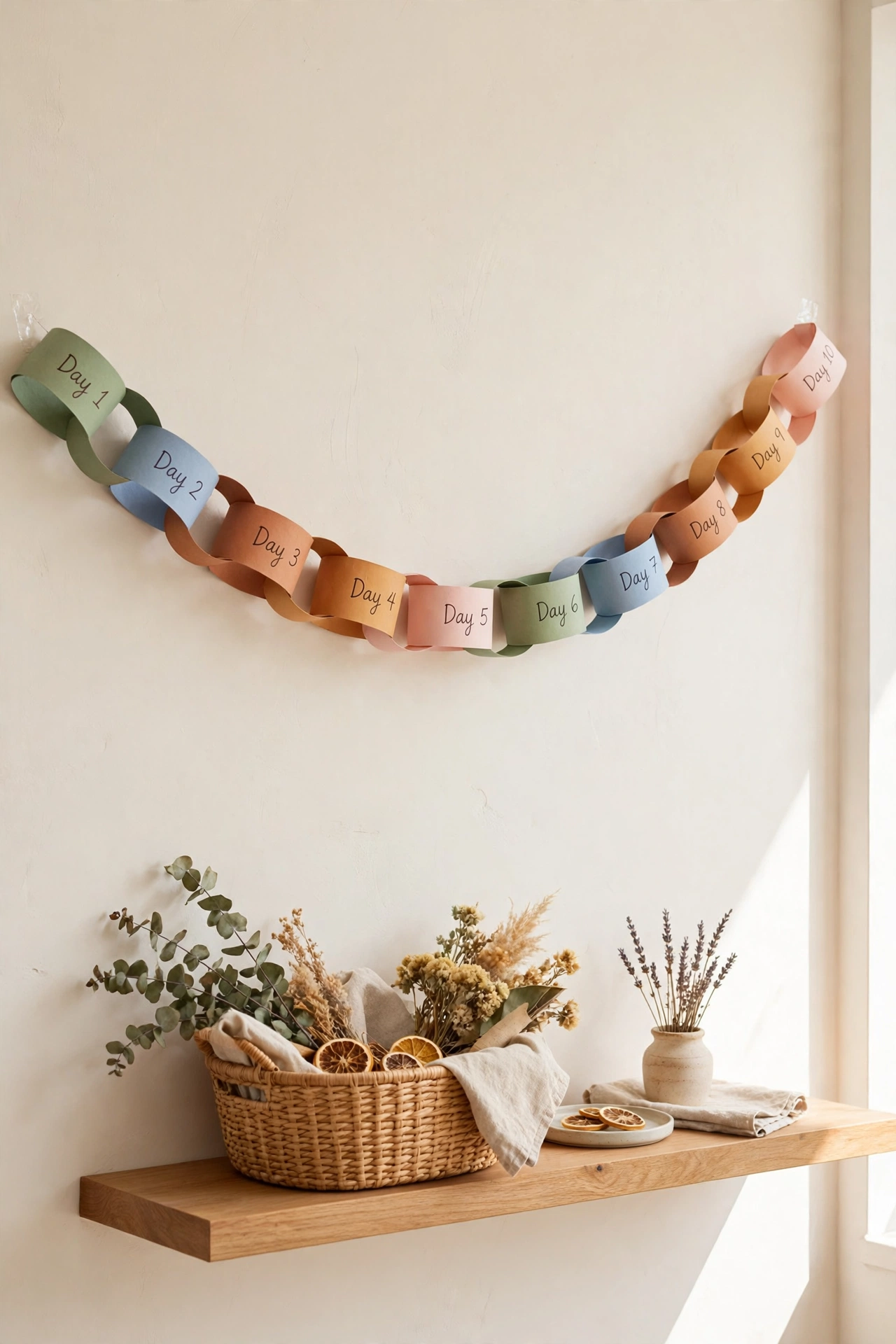
A numbered paper chain turns a streak into a decoration you can watch grow. Cut one strip of colored paper for each day, write the day number and the item on it, and link it to the chain. Hang the chain along a wall or across a doorway, and watch it lengthen as the habit holds.
Use a new color each month so the chain shows time passing as well as items leaving. The chain is especially encouraging for households with children, who can add a link each day and see the whole family effort grow. A visible chain makes a long streak feel rewarding, and a broken link is easy to restart the very next day.
15. Pair the Challenge With Your Nightly Reset
Pairing the challenge with a nightly reset gives the daily item a fixed home in your evening routine. As you tidy the kitchen or straighten the living room, pick one item from the room you are already in and place it in the out box. The reset already brings you face to face with clutter, so the extra step takes almost no effort.
Keep the out box within reach of the rooms you reset each night, and let the evening sweep guide your choice. A nightly pairing also means the habit survives busy mornings, because the evening offers a second chance to complete the day. Over time, the reset and the daily item become one calm closing ritual for the whole home.

16. Plan a Monthly Drop Off Day for Collected Items
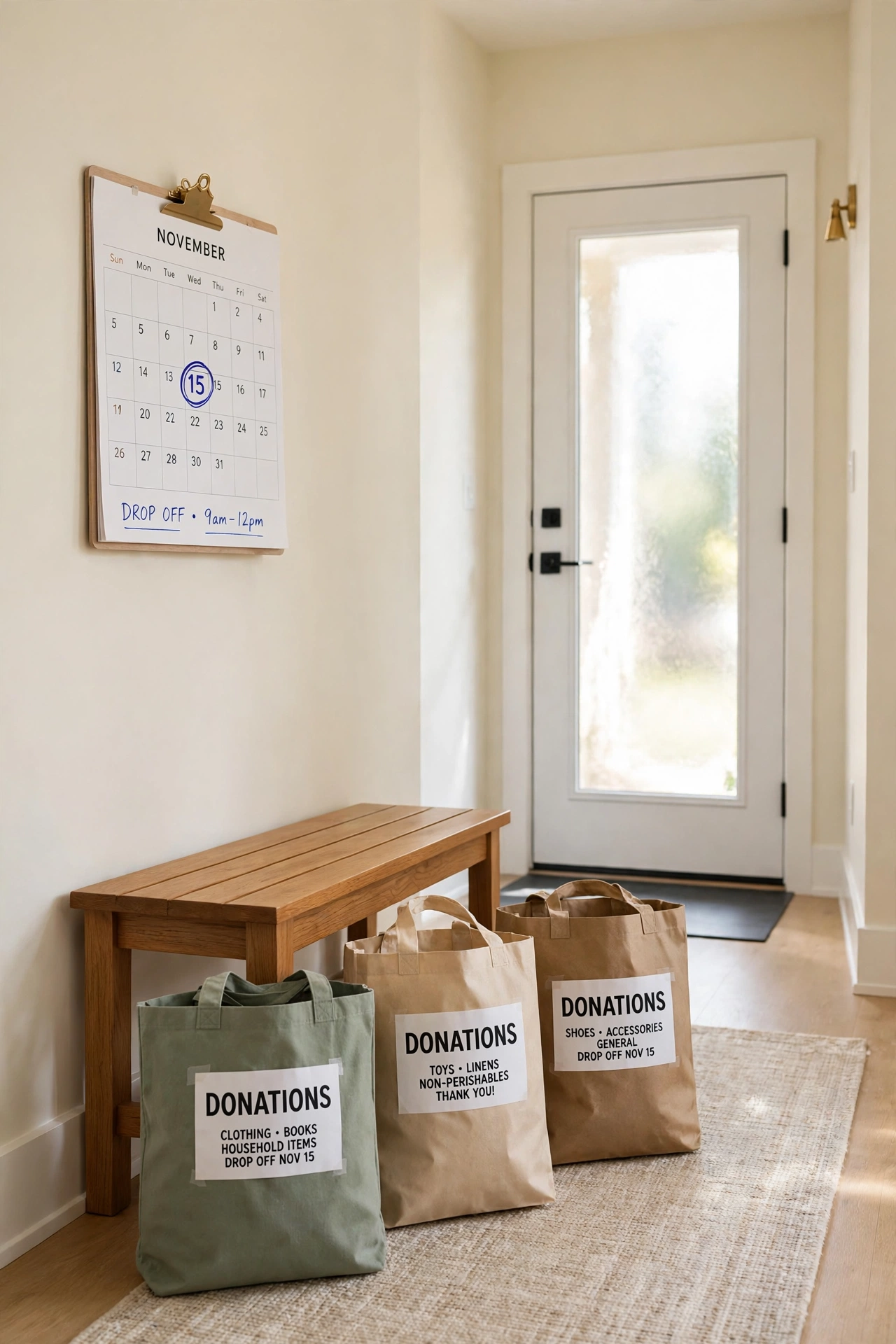
A monthly drop off day closes the loop and keeps collected items from piling up at home. Mark one date each month on the calendar, gather the out box and donation bag, and take everything to a donation center or recycling point in a single trip. The fixed date gives the daily habit a clear finish line each month.
Prepare the trip the evening before by checking that bags are tied, fragile items are wrapped, and electronics are separated for proper recycling. A single monthly trip saves time and fuel, and it keeps the entryway clear for the next month of daily items. The drop off day is also a satisfying milestone, because you can see the full month of progress leaving the house at once.
17. Celebrate Milestone Days to Keep Momentum Strong
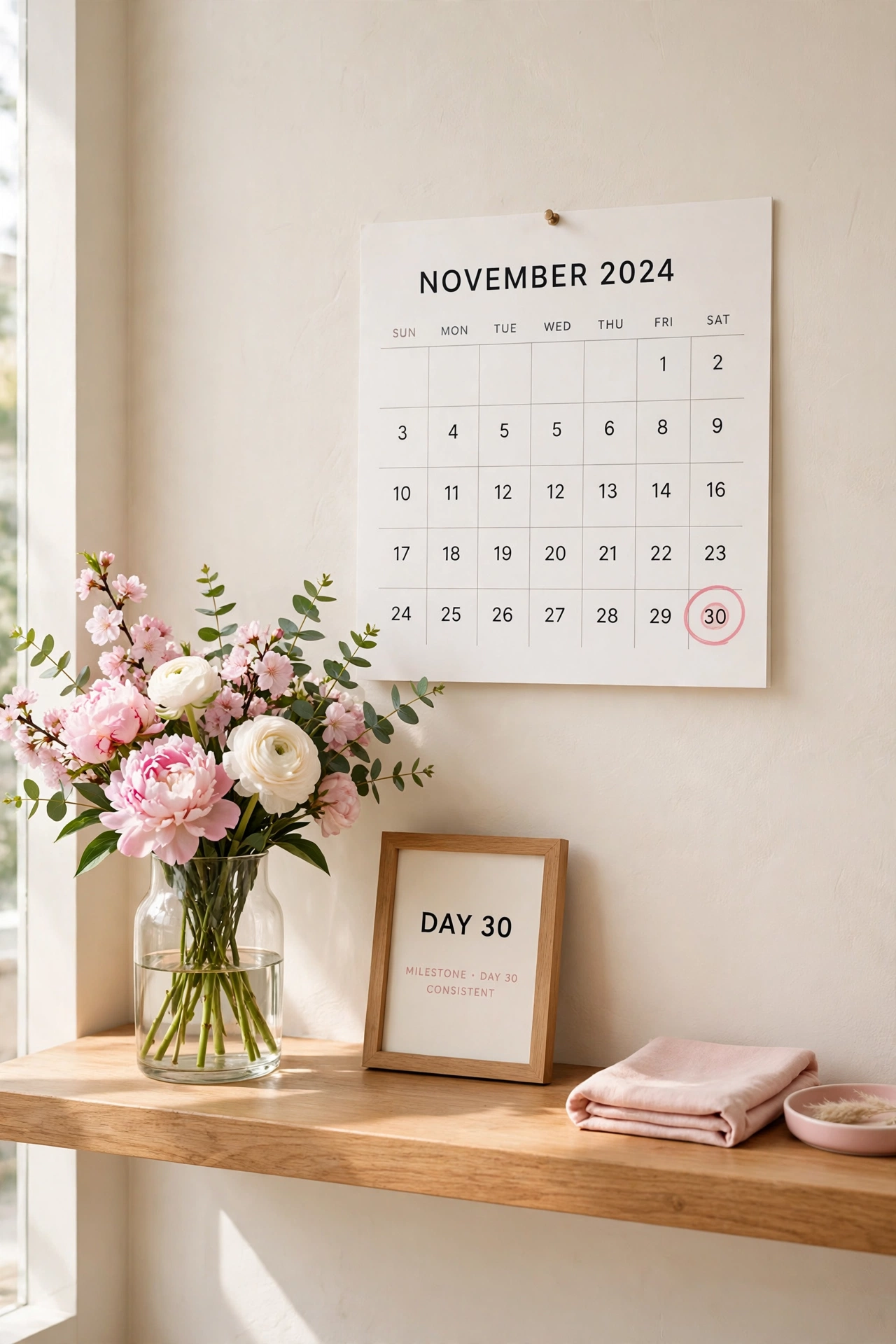
Milestone days give a long habit moments of recognition that keep energy high. Mark day 30, day 60, and day 90 on your calendar, and plan a small reward for each one, such as fresh flowers for a cleared shelf or a quiet evening in a tidy room. The reward celebrates consistency, not speed, and it honors the steady effort of one item a day.
At each milestone, review your calendar, photo log, or paper chain and notice how many items have left and which rooms feel calmer. Share the milestone with your household so the habit feels shared and supported. A small celebration turns a quiet daily routine into a story of progress that you will want to continue.
Conclusion
One item a day sounds almost too simple to change a home, and that simplicity is exactly why it works. A calendar, a jar, a photo log, and a box by the door turn a small daily choice into a steady system, and the system does the heavy work while you get on with daily life. Each item that leaves makes the next choice a little easier and the home a little calmer.
Start tomorrow with the easiest item you can find, write it down, and place it in the out box before you move on with your day. Repeat the same small step the next day, and let the streak, the list, and the growing chain carry you forward. For a calm evening routine that pairs beautifully with this habit, these nightly reset routines will help you close each day with a tidy home and a clear mind.
Frequently Asked Questions About One Item a Day Decluttering Challenge Ideas
What counts as one item in a one item a day challenge?
One item means one single object, such as one book, one shirt, or one kitchen tool. A matched pair that is used together, such as a pair of gloves, can count as one set when you decide the rule in advance. A clear rule written on a card keeps daily choices simple and fair.
What should I do if I miss a day?
Simply restart the next day with one item and keep going. Do not try to catch up by removing extra items in one session, because that turns a gentle habit into a chore. A missed day is a small pause, not a failure, and the streak can start again right away.
How long does the daily task take?
Most days take two minutes or less, because you only need to choose one item and place it in the out box. A timer helps on busy days, and a weekday category or weekly theme makes the choice even faster. The habit stays small by design so it fits into real daily life.
Where should the daily item go after I choose it?
Place usable items straight in a donation bag, place broken items in the trash or recycling, and place items for another household member in a labeled holding spot for one week only. A direct path out of the room prevents items from drifting back into drawers and keeps decisions final.
How do I keep momentum after the first few weeks?
Track progress with a calendar, a coin jar, a photo log, or a paper chain so the streak stays visible. Review each week on Sunday evening, plan a monthly drop off day, and celebrate milestone days with a small reward. Visible progress and regular reviews keep a quiet habit feeling rewarding for months.

Hi, I’m Emily! I turn messy corners into cozy, organized spots. DreamNestDecor is where I share simple, practical home ideas — decor, organization, and small-space solutions that work in real life, not just in photos. Every idea here is carefully researched before it’s shared.