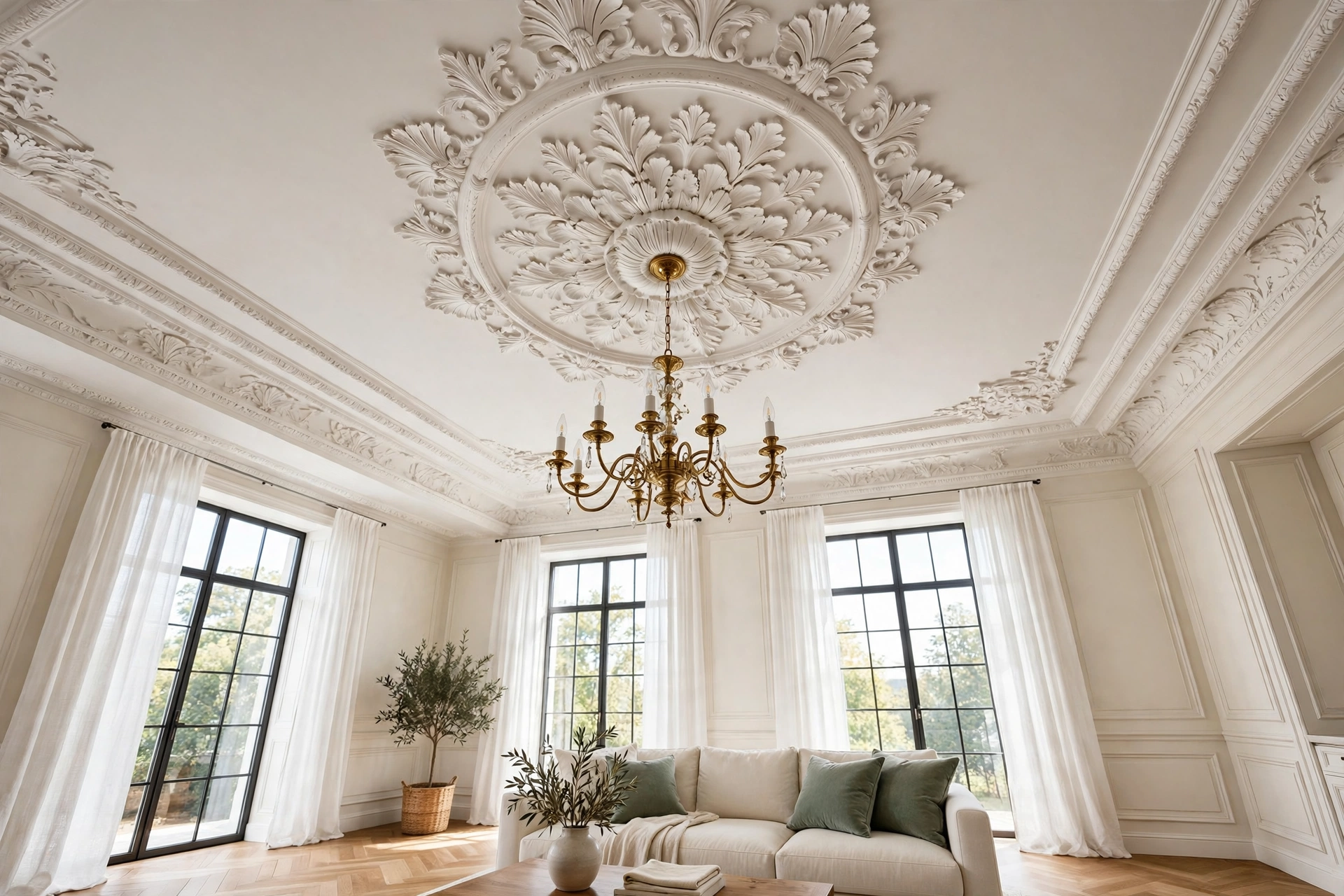
Picture this: you walk into a living room, glance upward, and the ceiling stops you in your tracks. Soft plaster curves frame a beautiful chandelier, delicate moldings trace the edges of the room, and the whole space feels finished in a way that flat white paint never achieves. That quiet moment of admiration is exactly what a decorative plaster ceiling gives a home every single day.
You do not need a historic mansion or a huge budget to enjoy that feeling. Plaster is one of the oldest and most versatile ceiling materials, and it suits everything from grand traditional rooms to calm modern spaces. These 24 decorative plaster ceiling ideas will help you choose the right moldings, medallions, textures, and finishes to make your ceiling the most elegant feature in the room.
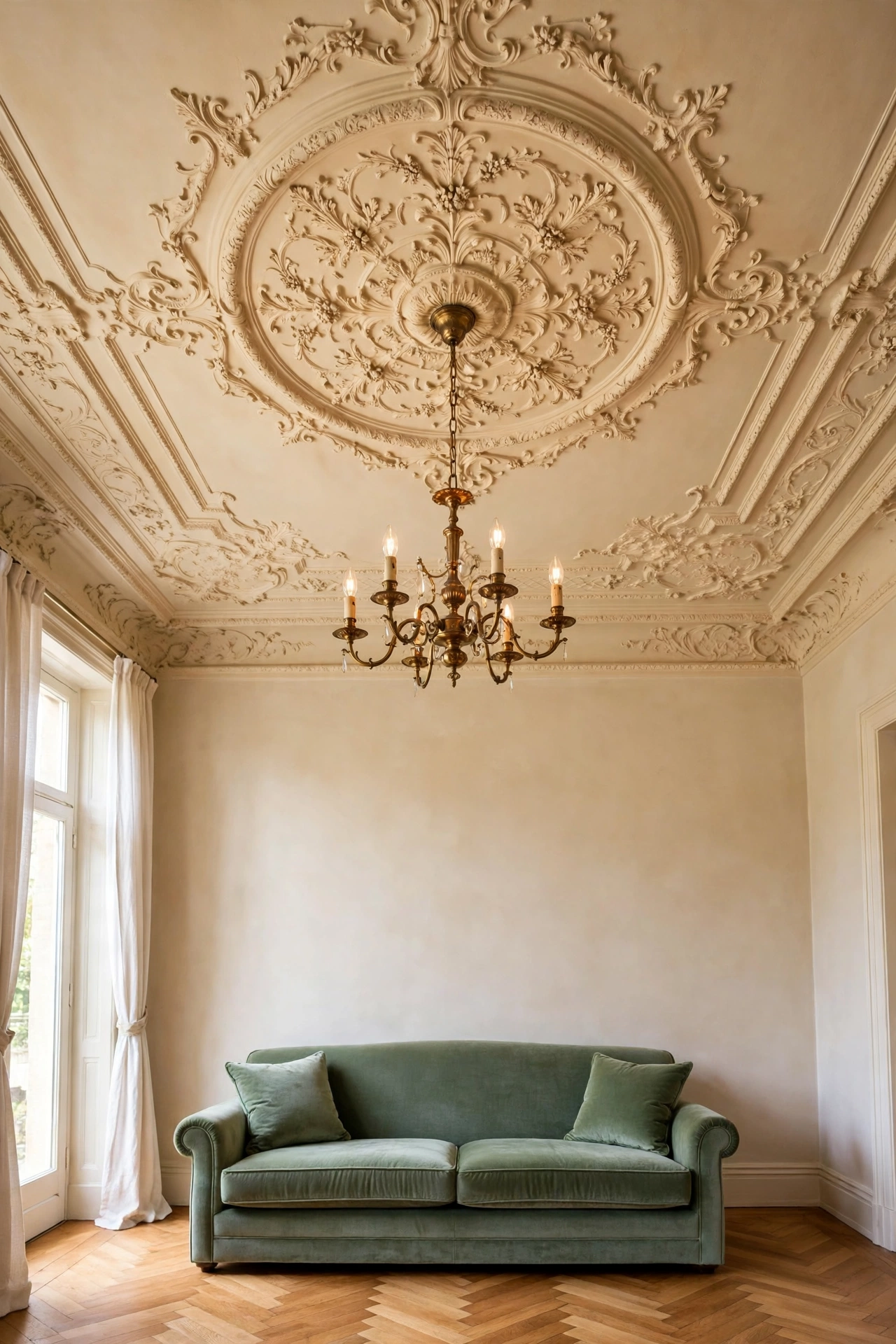
1. Crown a Living Room With an Ornate Plaster Medallion
An ornate plaster medallion is the classic way to give a living room ceiling a true focal point. The medallion sits at the center of the ceiling, usually around a chandelier or pendant light, and its carved petals and scrolls draw the eye upward the moment you enter the room. Even a modest living room feels grander when the ceiling carries this kind of detail.
Choose a medallion size that matches your room and your light fixture. A large medallion suits a high ceiling and a wide chandelier, while a smaller design works better in a cozy sitting room. Paint the medallion the same color as the ceiling for a soft, unified look, or add a touch of warm gold on the raised edges for gentle contrast.
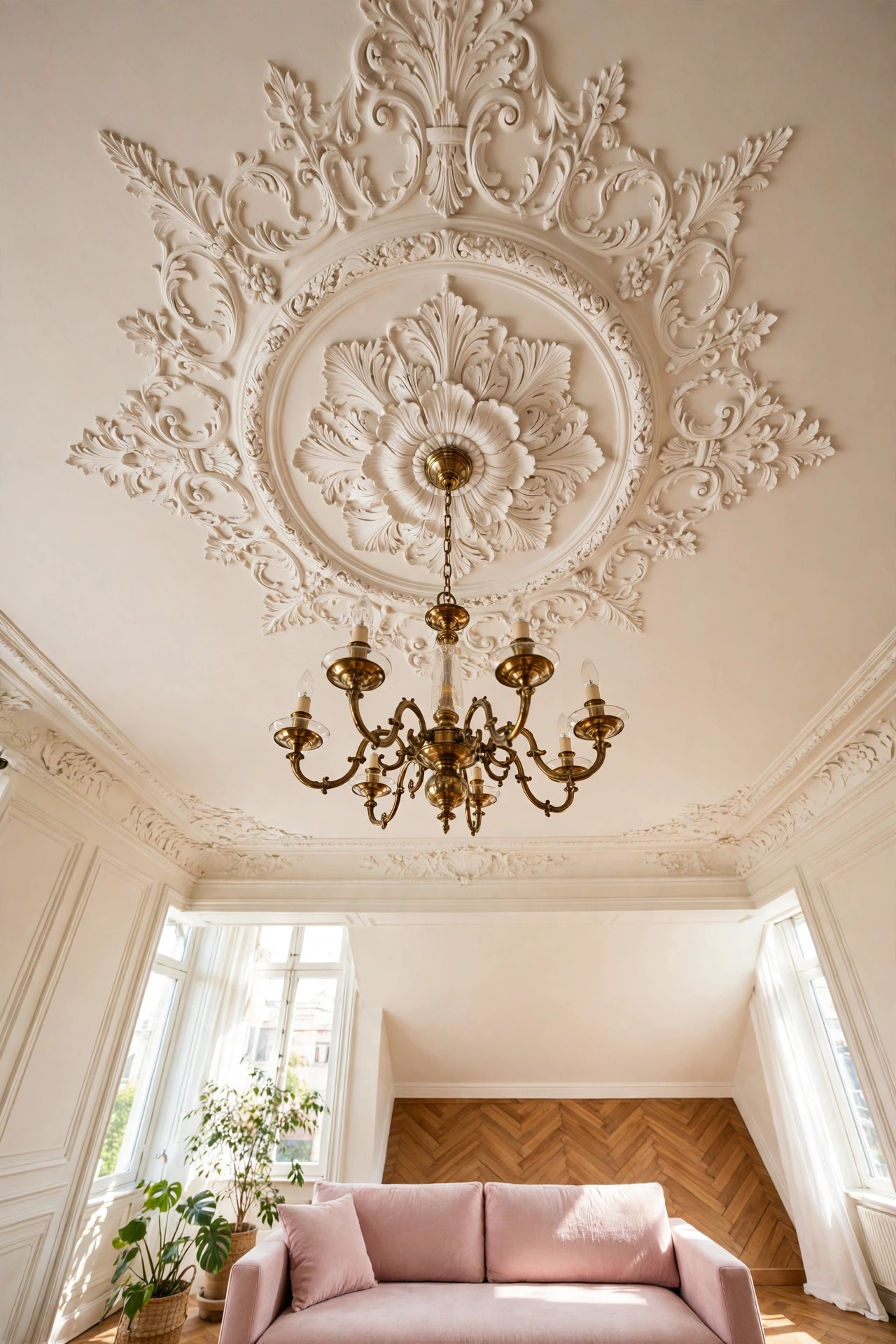
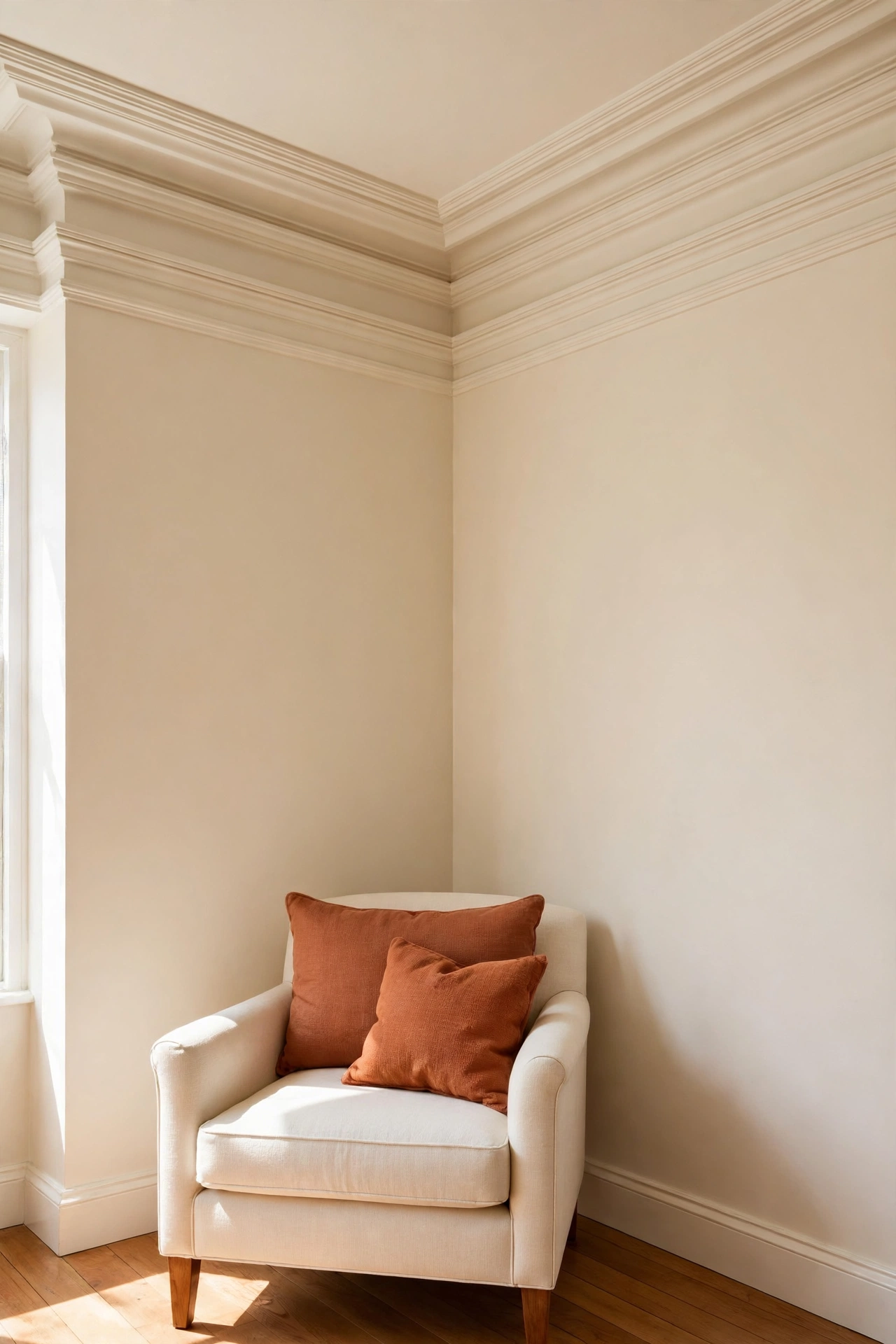
2. Frame the Ceiling With Layered Plaster Crown Molding
Layered plaster crown molding turns the plain joint between wall and ceiling into a graceful transition. Two or three stacked profiles create depth and shadow, and the effect is far richer than a single thin strip of trim. The molding frames the whole room from above, like a picture frame for the ceiling itself.
This idea works in almost any room, from a formal dining room to a relaxed bedroom. Keep the molding painted in a soft cream or warm white so it reads as part of the architecture rather than a bold accent. For rooms with tall ceilings, choose a deeper profile so the molding holds its presence from floor level.
3. Add a Plaster Tray Ceiling for Layered Depth
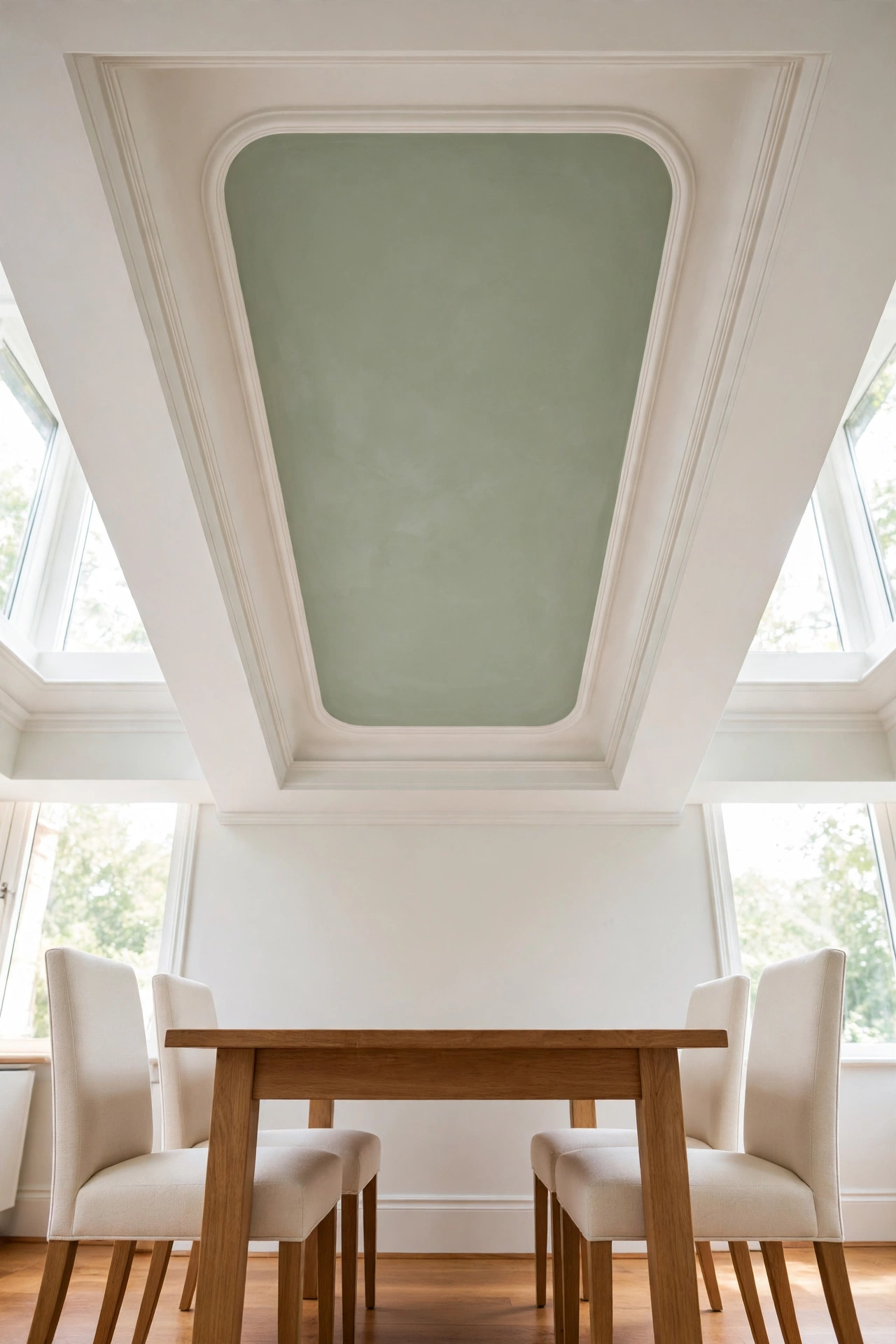
A plaster tray ceiling adds a recessed center panel that makes a flat ceiling feel layered and architectural. The recess can be shallow or deep, and the inner edges are finished in smooth plaster that catches light beautifully. A tray ceiling gives a bedroom or dining room a sense of occasion without any furniture changes at all.
Finish the recessed panel in a slightly deeper tone than the rest of the ceiling to emphasize the depth. Soft sage, pale blue, or warm blush all work well inside a tray, while the outer frame stays cream. For more ways to shape a ceiling into a design feature, see these ceiling design ideas that suit rooms of every size and style.
4. Dress a Dining Room With a Plaster Ceiling Rose
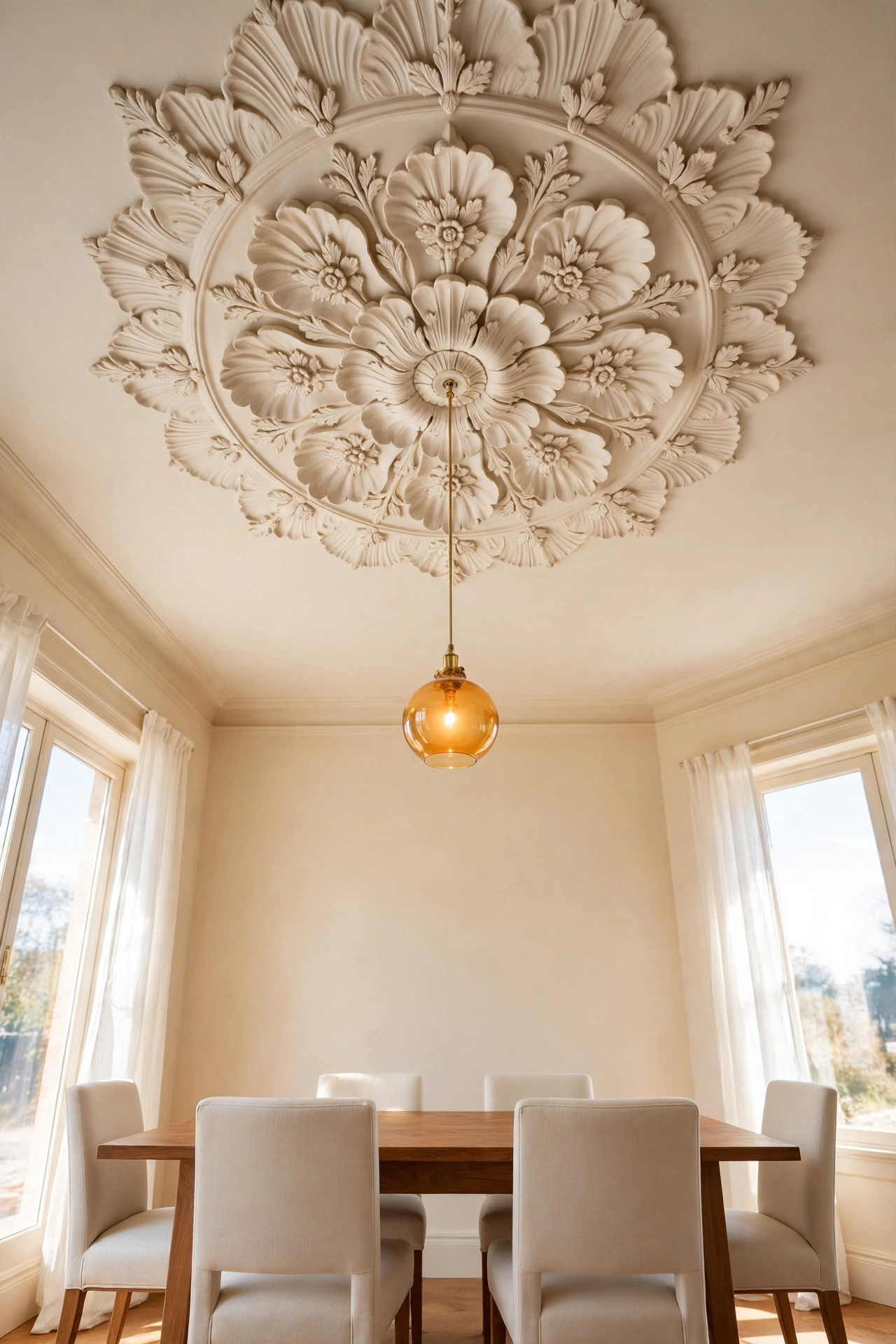
A plaster ceiling rose is a round floral ornament that sits flat against the ceiling, usually above the dining table. Its petals and leaves radiate outward in a symmetrical pattern, and it gives the dining room a finished, traditional elegance that guests notice at once. The rose anchors the light fixture and the table below it in one graceful composition.
Ceiling roses come in many sizes, from small and simple to large and richly detailed. Measure your table and your room before you choose, so the rose feels balanced rather than crowded or lost. A ceiling rose also hides the junction box of the light fixture, which makes the ceiling look cleaner and more polished.
5. Add Egg-and-Dart Plaster Molding for Classic Detail
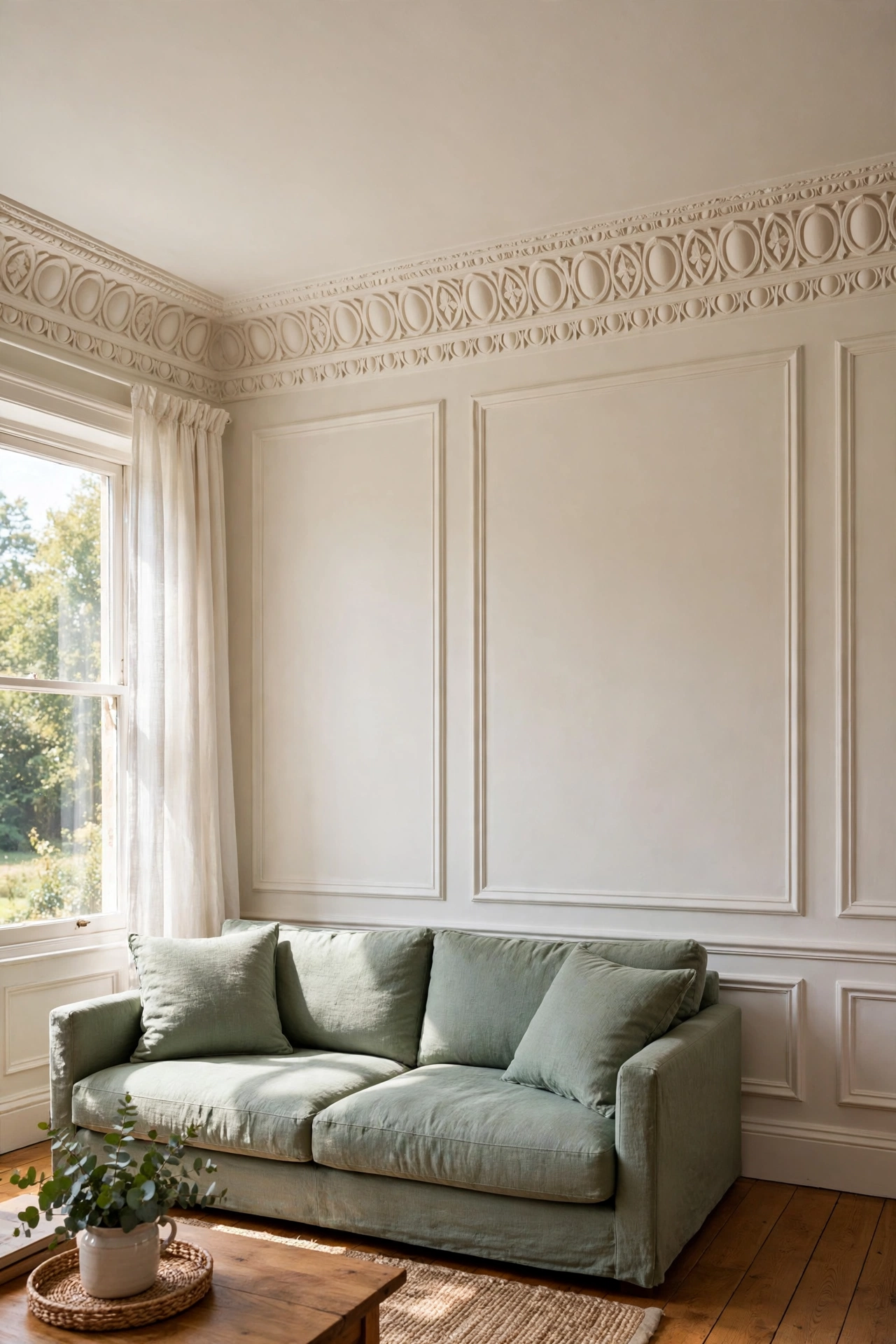
Egg-and-dart molding is a repeating pattern of oval shapes and small darts, carved in plaster and run along the ceiling edge. This ancient pattern has decorated elegant rooms for centuries, and it brings a sense of history and craftsmanship to a modern home. The rhythm of the repeating shapes is calm and pleasing from every angle.
Use egg-and-dart molding as a single band where the wall meets the ceiling, or pair it with a plain crown molding above for extra depth. It suits traditional living rooms, libraries, and entryways especially well. Painted in warm white, the pattern shows up through gentle shadows rather than bold contrast.
6. Smooth a Bedroom Ceiling With a Skim Coat Plaster Finish
A skim coat is a thin, smooth layer of plaster spread over the whole ceiling to create a flawless surface. It hides small cracks, old patches, and uneven texture, and it leaves the ceiling looking calm and velvety. In a bedroom, that smooth finish makes the whole room feel softer and more restful.
A skim coat is also the perfect base for paint. Because the surface is so even, color goes on cleanly and light reflects gently across the room. If your bedroom ceiling has years of small repairs showing through, a skim coat is the simplest way to make it look new again without replacing anything.
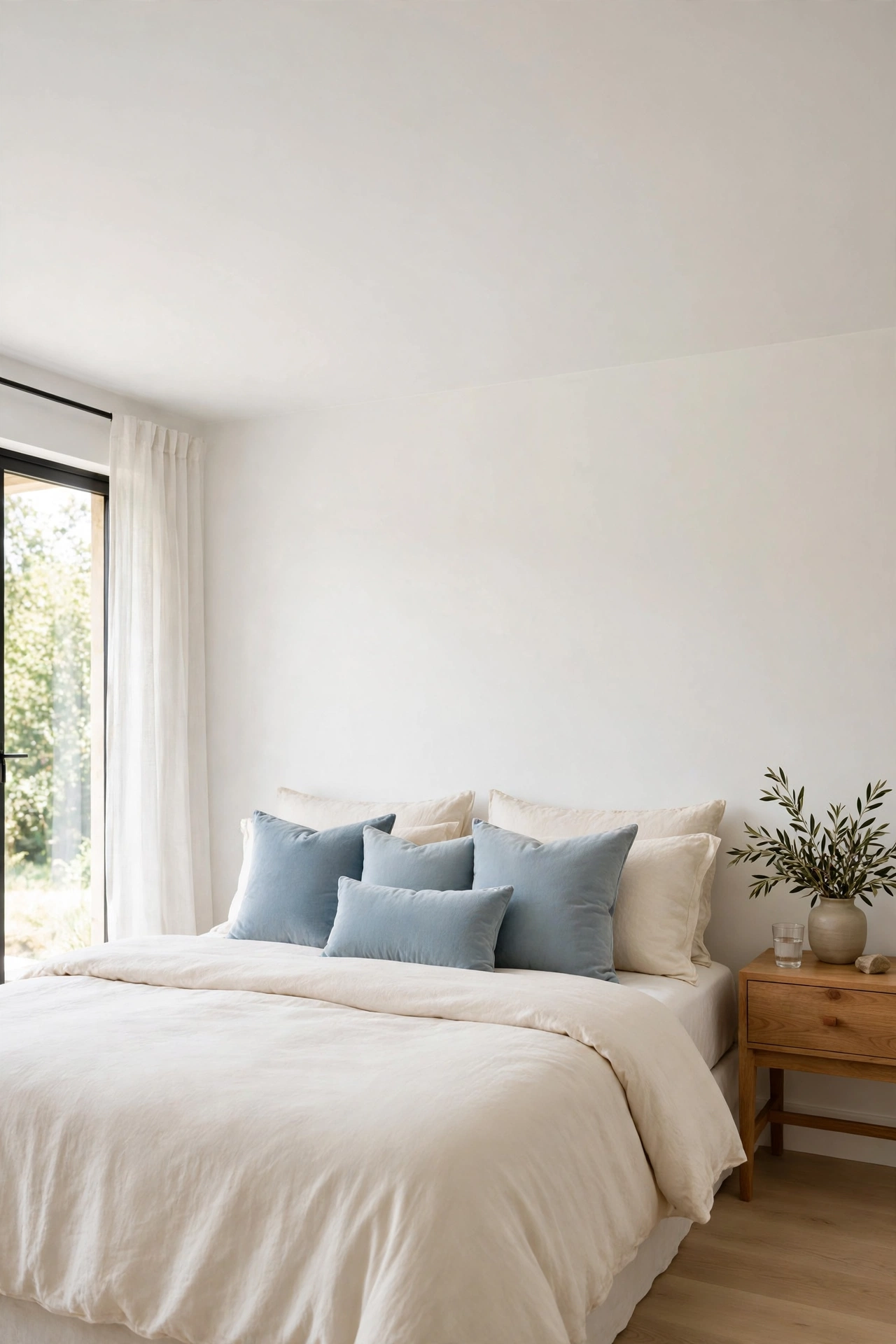
7. Add Plaster Cornice Details Around the Ceiling Edge
A plaster cornice is a decorative molding that projects from the top of the wall and curves into the ceiling. Unlike simple crown molding, a cornice often carries layered curves, small brackets, or carved details that give the room a sculpted finish. It is one of the most elegant ways to dress the edge of a ceiling.
Cornices suit rooms with generous ceiling height, where their projection has room to breathe. In a grand living room or a formal hallway, a cornice turns an ordinary ceiling edge into a piece of architecture. Keep the rest of the ceiling simple so the cornice remains the star of the room.
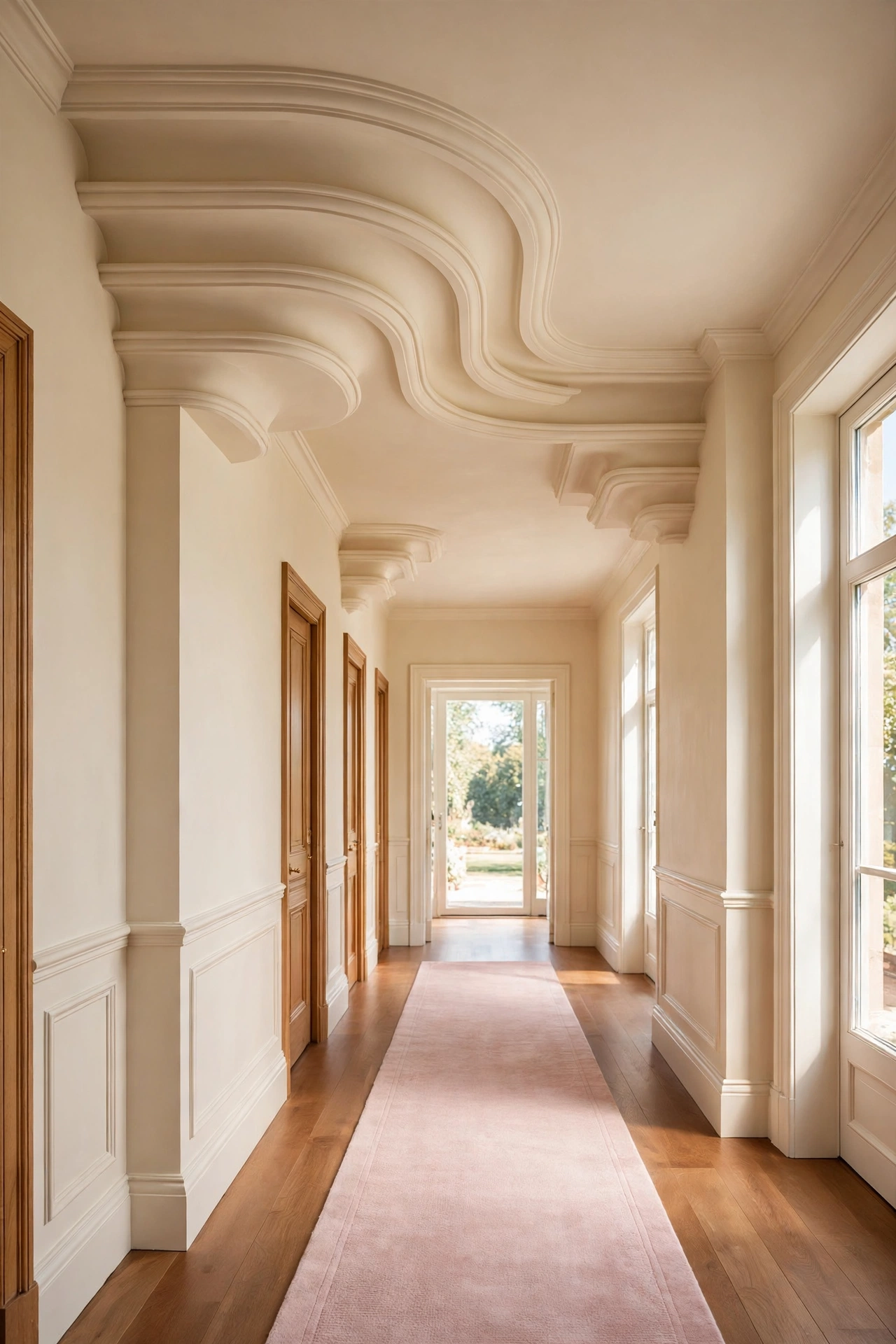
8. Shape Faux Plaster Beams for a Rustic Ceiling
Faux plaster beams give you the warmth of exposed beams with the smooth, soft finish of plaster. The beams are shaped and coated in plaster, then painted or washed to look like aged wood or clean painted timber. They add structure and rhythm to a ceiling without the weight of solid wood.
This idea suits kitchens, family rooms, and farmhouse style spaces where the ceiling needs visual warmth. Space the beams evenly and run them in one direction for a calm, ordered look. A warm cream or soft terracotta wash on the beams keeps the room feeling light while the beams add character.
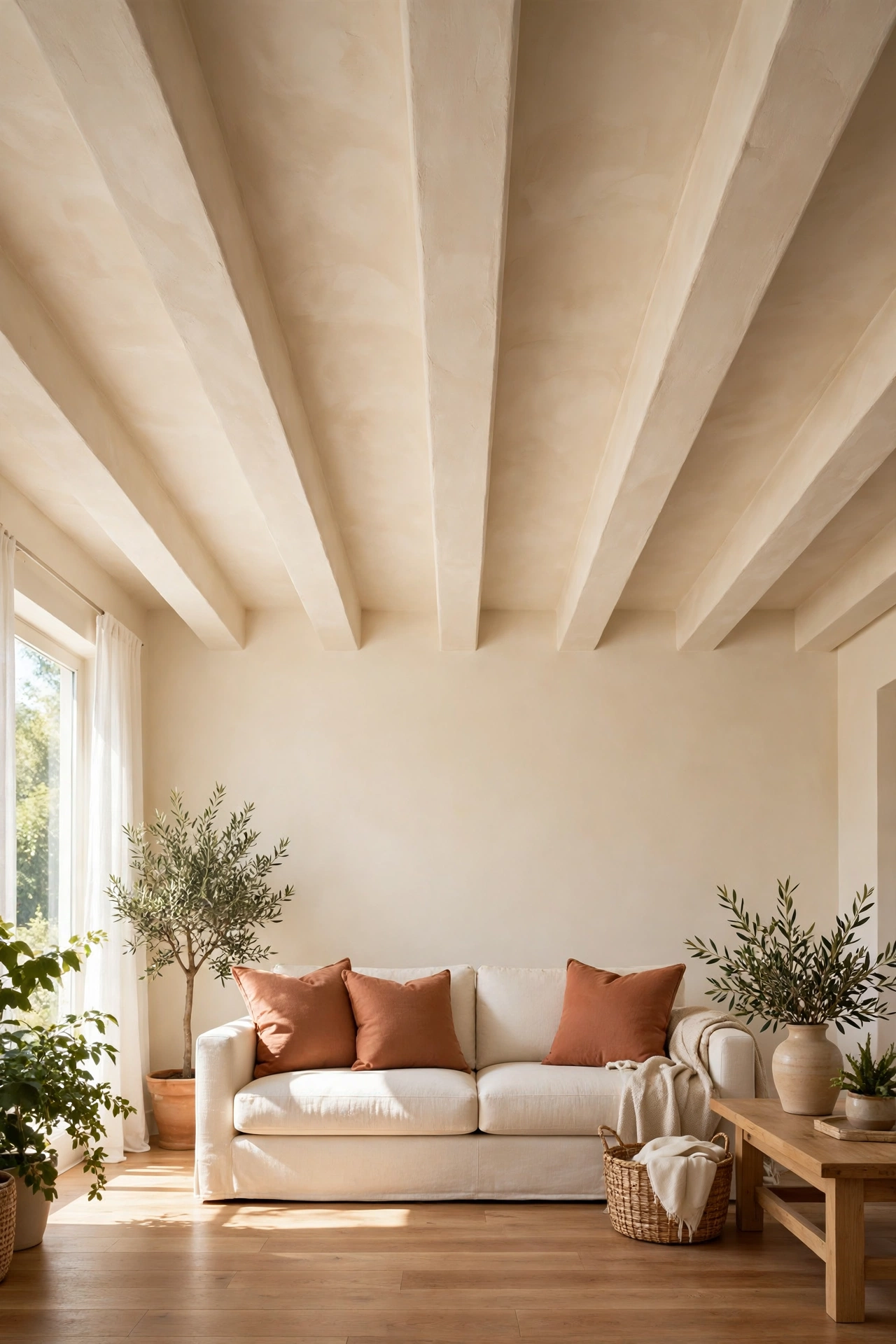
9. Paint a Plaster Ceiling in Soft Sage for a Calm Room
A plaster ceiling painted in soft sage turns the whole room into a calm retreat. The gentle green sits quietly overhead, and the smooth plaster surface keeps the color looking soft rather than heavy. Sage works beautifully with warm wood floors, cream walls, and natural linen fabrics.
Use a flat or matte paint finish so the color stays velvety and the plaster texture shows through subtly. A colored ceiling also makes a small room feel more intentional, as if every surface was chosen with care. For more inspiration on using color overhead, these colorful ceiling ideas show how a painted ceiling can transform a plain room.
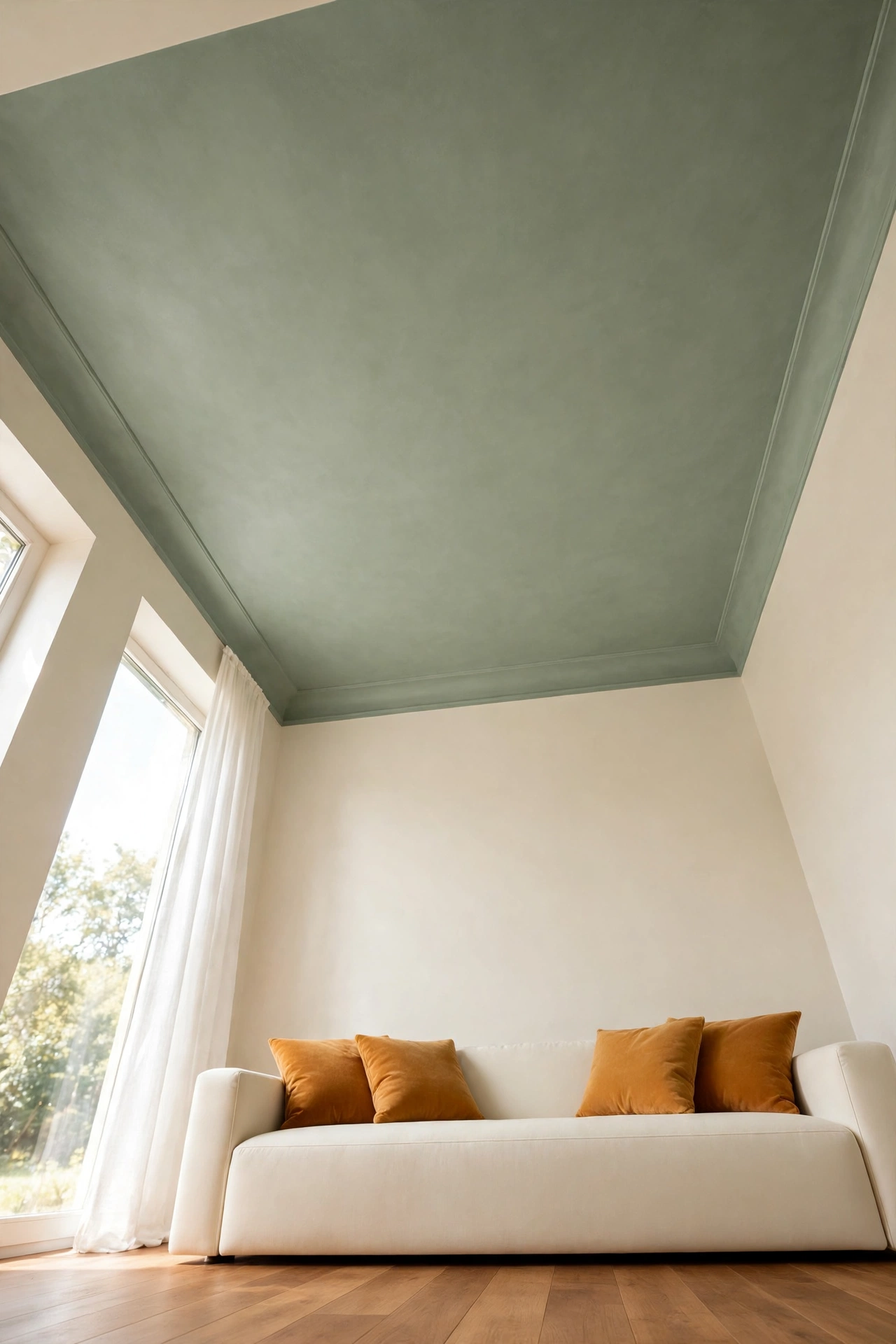
10. Add a Plaster Ceiling Border in a Hallway
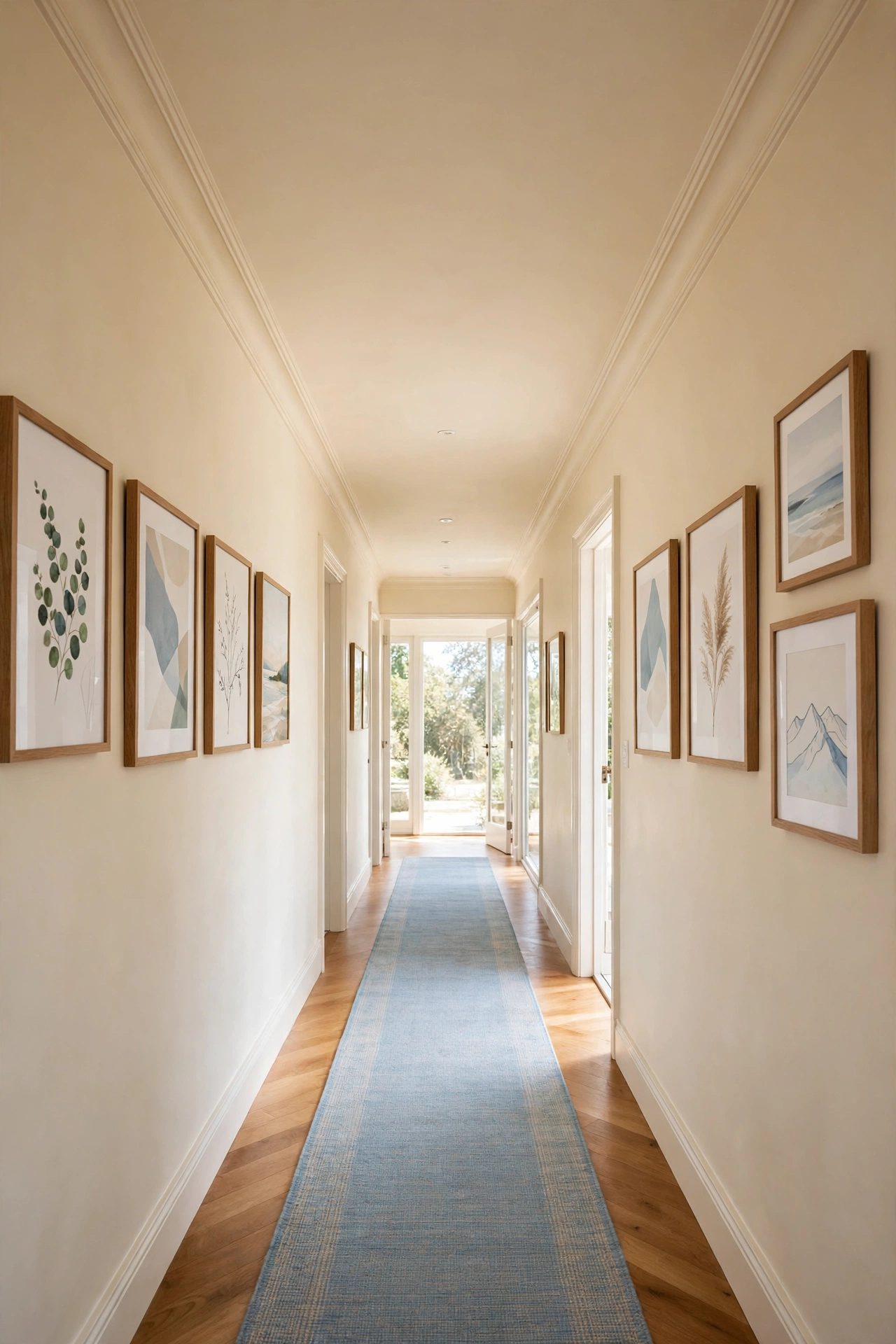
A plaster ceiling border runs a decorative band around the edge of a hallway ceiling, giving a narrow space a sense of design and direction. The border can be a simple raised band, a rope pattern, or a small repeated motif, and it leads the eye gently down the hall. Hallways are often overlooked, and a plaster border is an easy way to make one feel intentional.
Keep the border slim in a narrow hallway so it does not crowd the ceiling. Paint it the same color as the ceiling for a subtle effect, or use a slightly deeper cream to make the pattern visible. A border also helps a long hallway feel less like a tunnel and more like a gallery.
11. Use Textured Plaster for a Rustic Ceiling Finish
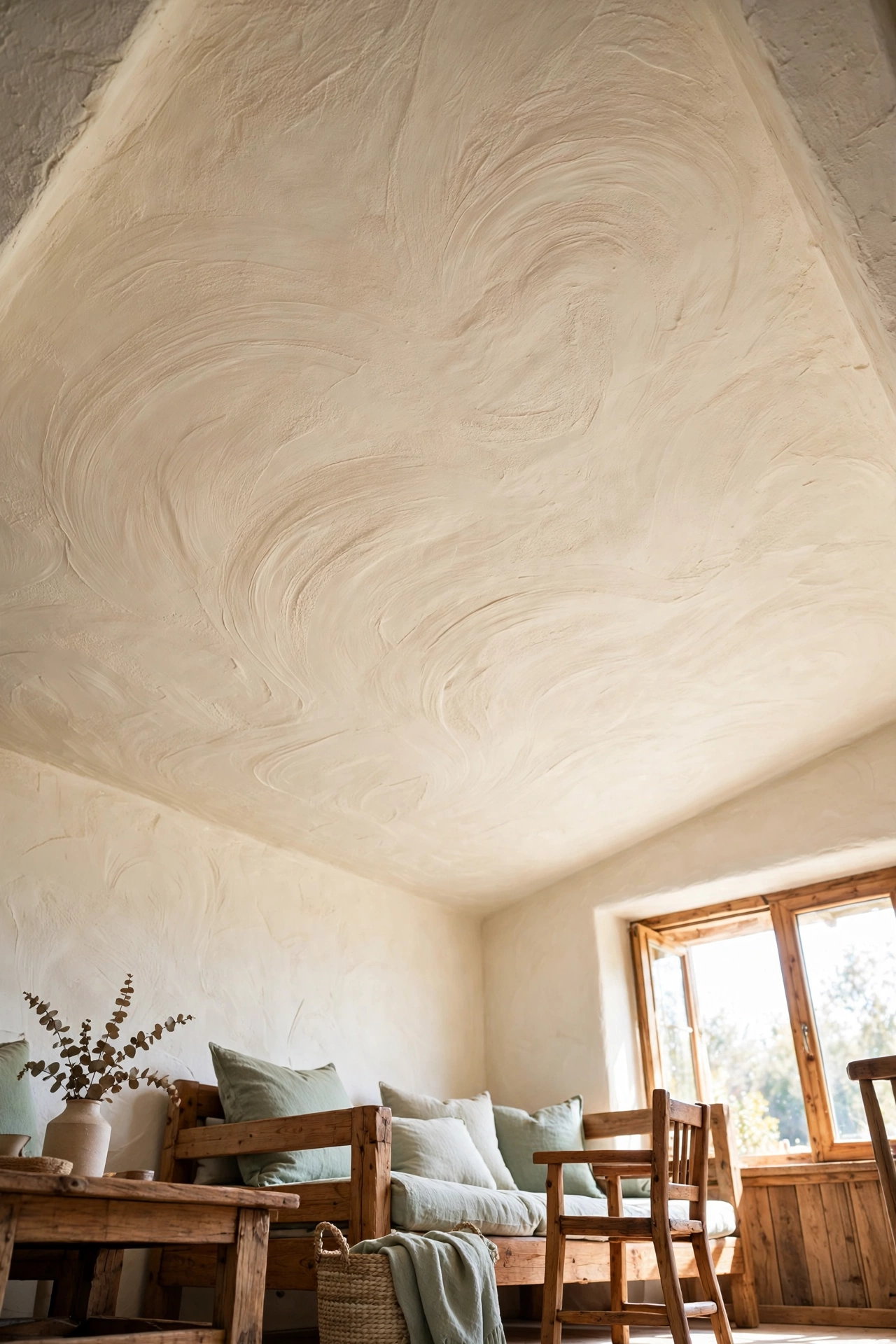
Textured plaster gives a ceiling a handcrafted, rustic surface that suits cottages, farmhouses, and Mediterranean style homes. The plaster is applied with a trowel or brush to leave gentle waves, swirls, or a soft sandy grain. Light plays across the texture through the day, so the ceiling always looks alive.
Choose a light texture for a subtle effect, or a deeper texture for a bolder rustic statement. Textured plaster also hides minor ceiling flaws, which makes it practical as well as beautiful. Pair it with warm wood beams or simple cream walls and let the ceiling texture carry the character of the room.
12. Frame a Chandelier With a Plaster Ceiling Ring
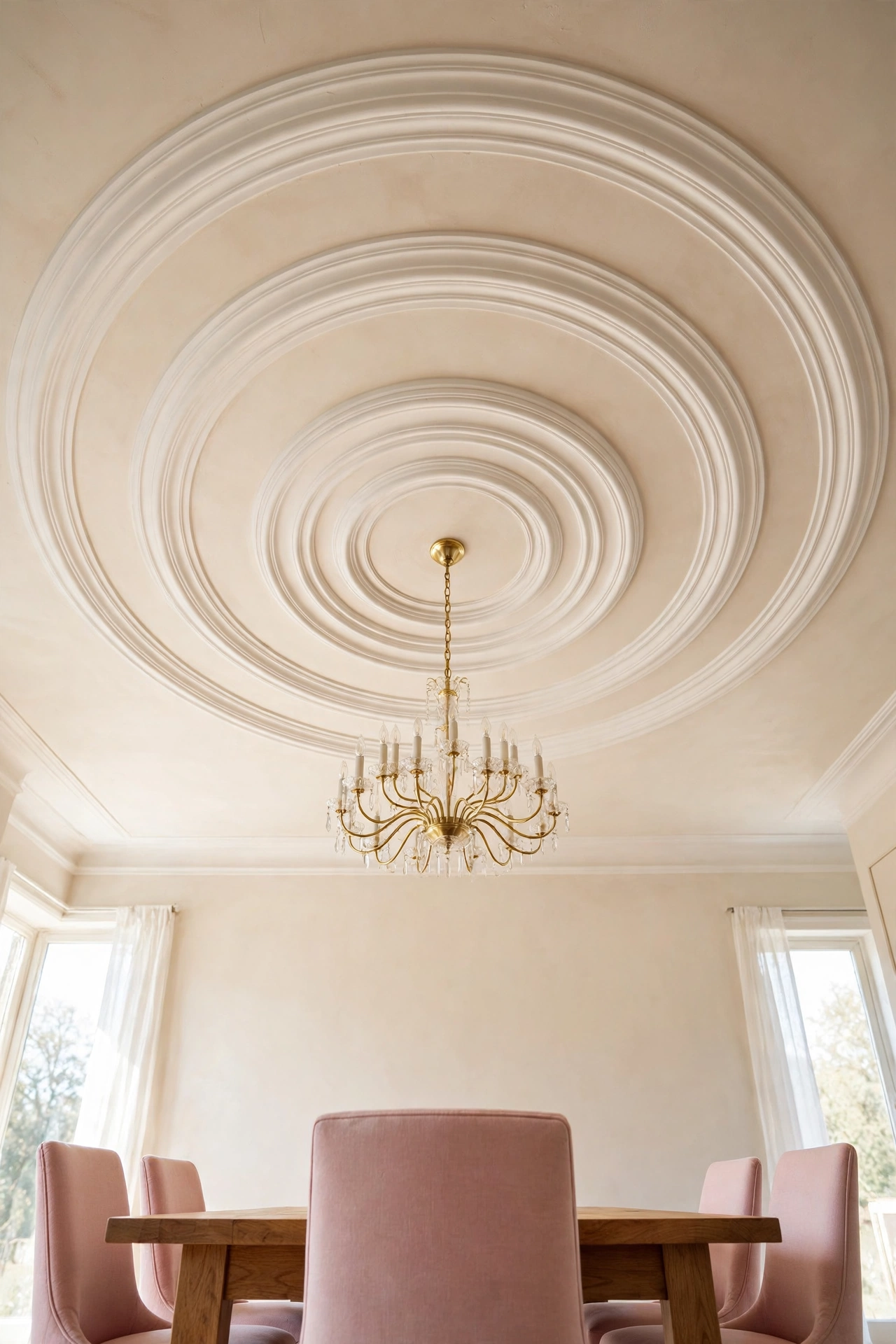
A plaster ceiling ring is a circular molding that frames the base of a chandelier like a halo. It is simpler than a full medallion, with clean concentric circles that suit both traditional and modern rooms. The ring gives the chandelier a clear home on the ceiling and makes the light fixture look more deliberate.
Ceiling rings work especially well in rooms where a large medallion would feel too busy. A single ring, or two rings of different sizes, adds just enough detail to elevate the ceiling. For more ornamental ceiling centerpieces, see these decorative ceiling medallion ideas that pair beautifully with chandeliers of every style.
13. Add Plaster Dentil Molding for Traditional Elegance
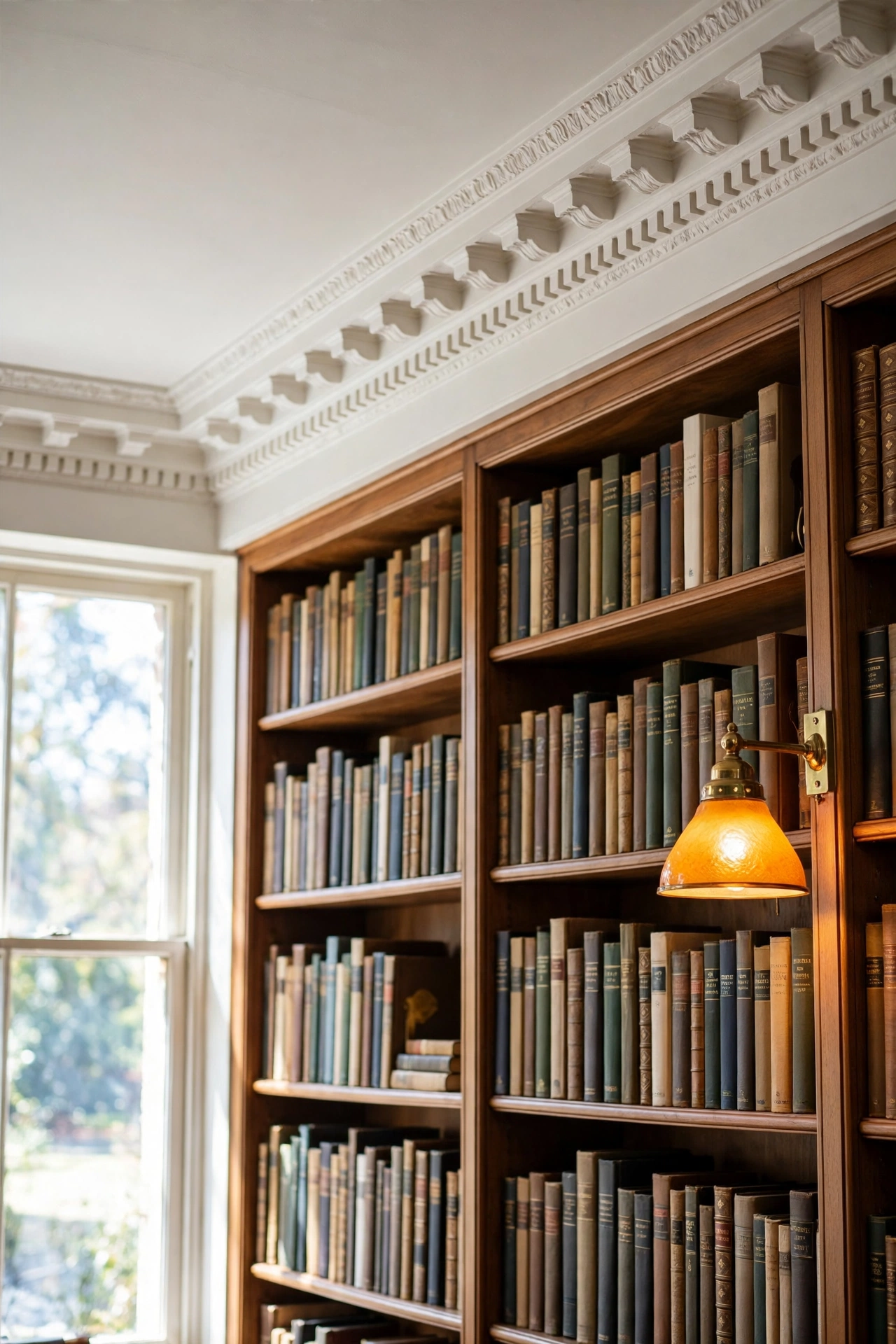
Dentil molding is a row of small, evenly spaced plaster blocks that runs along the ceiling edge like a row of tiny teeth. This crisp, geometric pattern has decorated classical rooms for centuries, and it brings a tailored, orderly elegance to a traditional interior. The small blocks catch light and shadow in a steady rhythm.
Use dentil molding on its own for a clean traditional look, or combine it with crown molding for a richer layered edge. It suits libraries, dining rooms, and formal living rooms where precision and symmetry matter. Painted in warm white, dentil molding reads as refined detail rather than decoration for its own sake.
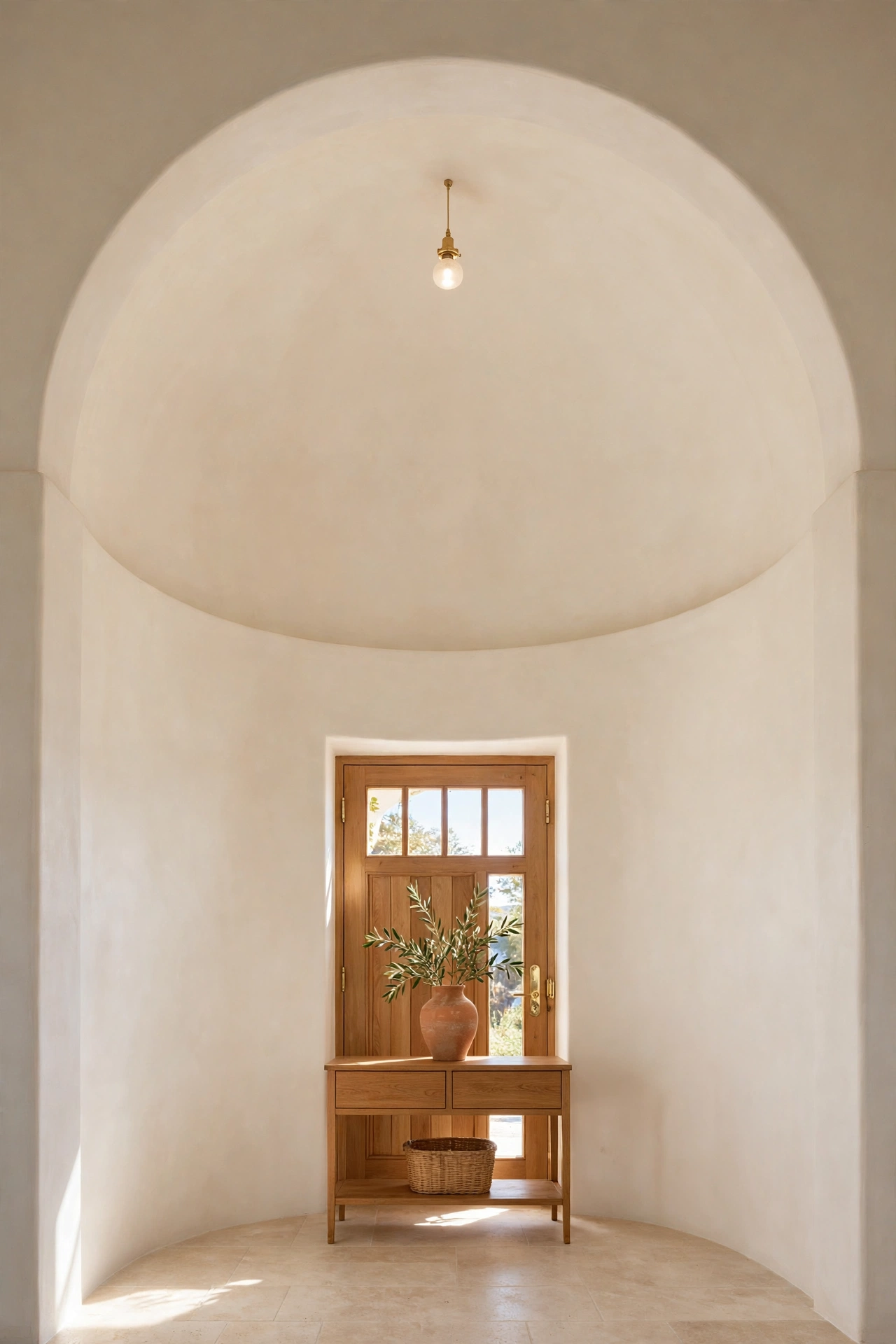
14. Create a Plaster Dome Ceiling in an Entryway
A plaster dome ceiling turns an entryway into a moment of arrival. The curved plaster surface rises above the door, and its smooth shape catches light from every direction. Even a small entryway feels grand when the ceiling curves upward instead of sitting flat.
Keep the dome simple and smooth, with a small medallion or pendant light at its center. A soft cream or pale amber finish makes the curve glow in daylight. A dome is a bold choice, but in the right entryway it becomes the feature guests remember long after they leave.
15. Use Venetian Plaster on a Bathroom Ceiling
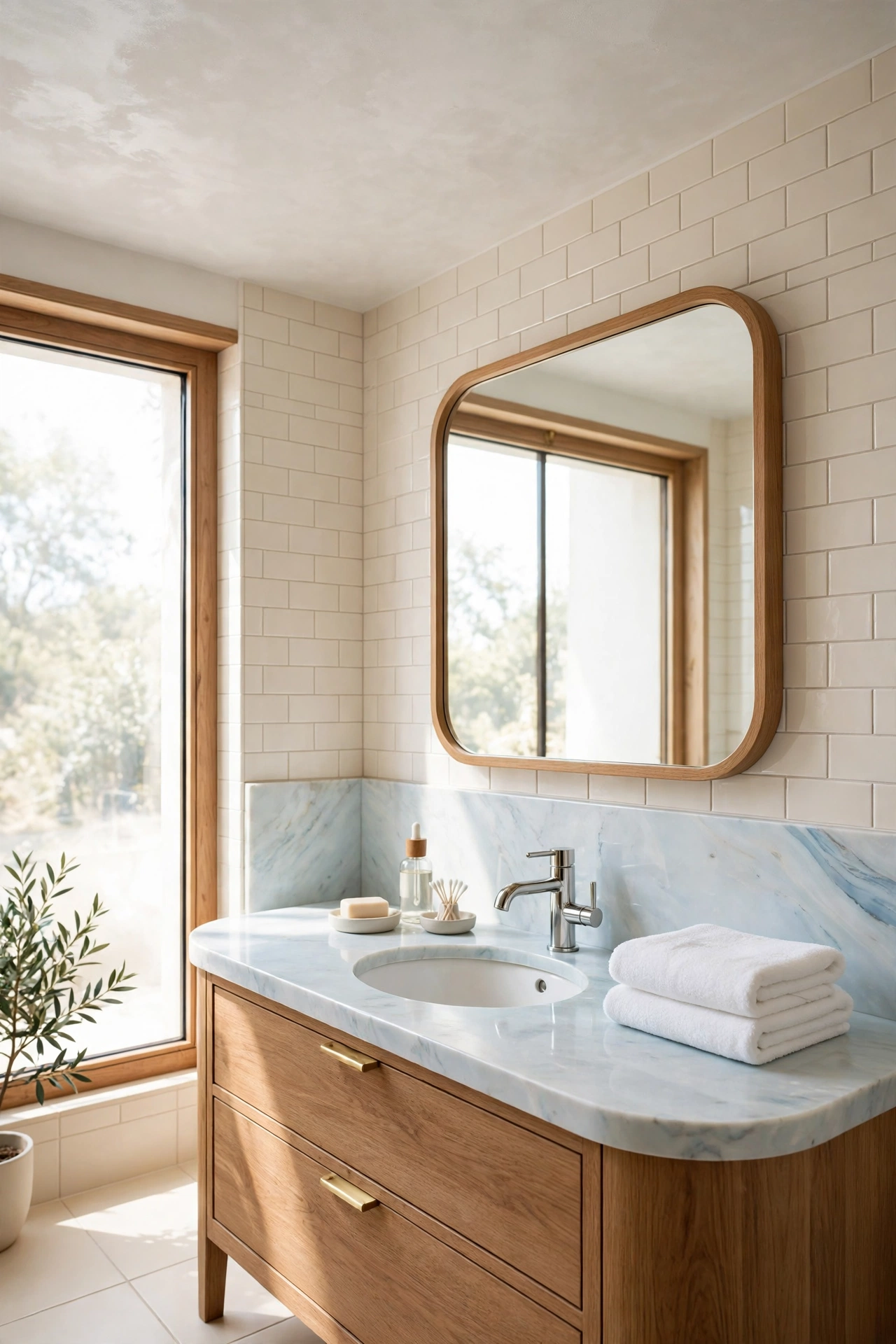
Venetian plaster gives a bathroom ceiling a polished, marble-like surface that handles humidity beautifully. The plaster is burnished to a soft sheen, and its subtle movement of tone makes the ceiling feel like a natural stone surface. In a bathroom, that elegant finish turns an overlooked surface into a luxury detail.
Choose a pale tone such as soft blue, warm cream, or light blush so the ceiling stays bright in a room with little natural light. Seal the plaster properly so it resists steam and moisture for years. To see how this finish works on other surfaces, these Venetian plaster wall ideas show the same elegant technique used across a whole room.
16. Add Plaster Ribbing for a Vaulted Ceiling
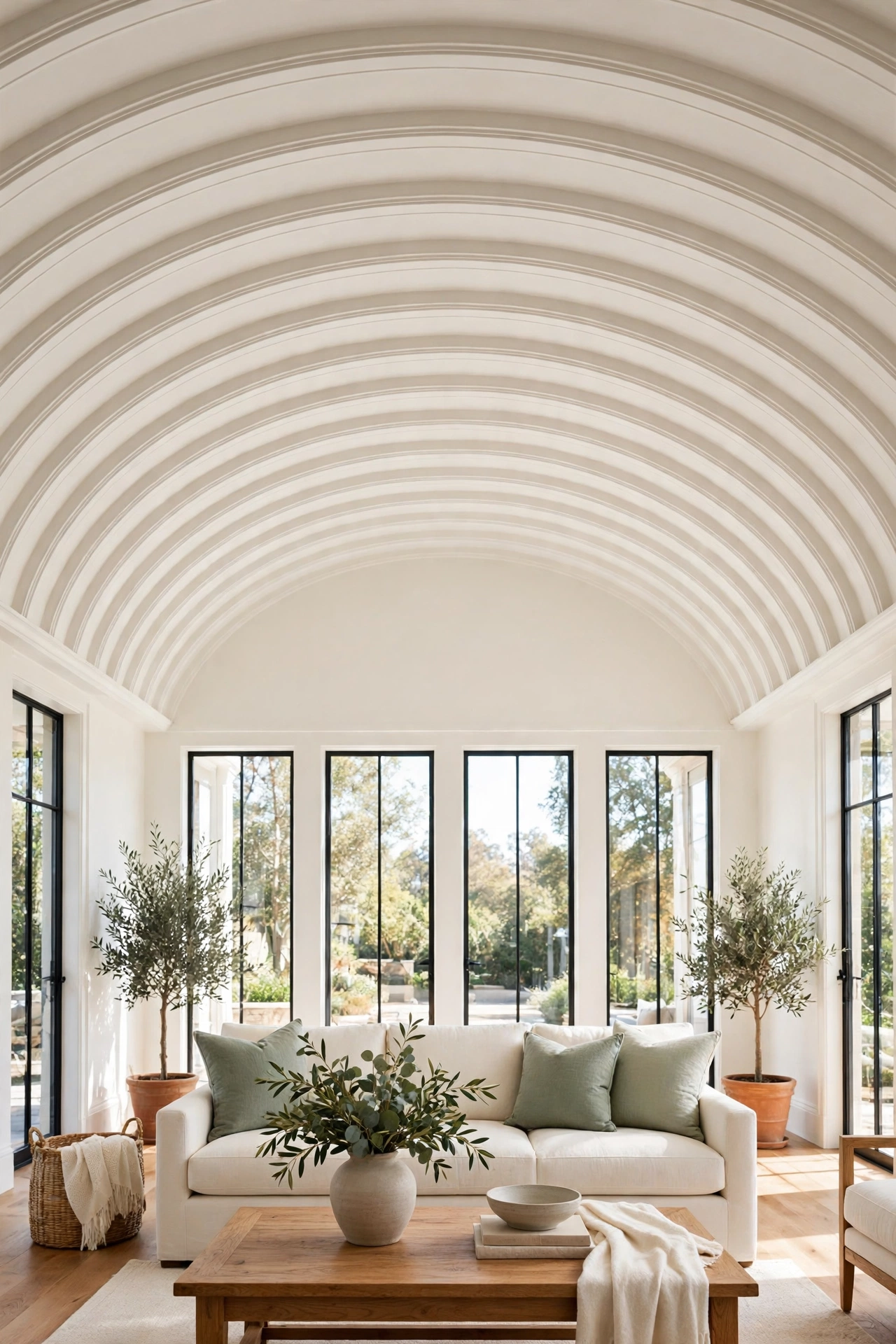
Plaster ribbing follows the curve of a vaulted ceiling with a series of raised ribs that emphasize the height and shape of the room. The ribs run from wall to wall in even spacing, and they give a vaulted ceiling a graceful, cathedral-like rhythm. This detail suits great rooms, sunrooms, and bedrooms with pitched ceilings.
Paint the ribs and the ceiling in the same warm white so the shape speaks through shadow rather than color. The ribs also break up a large vaulted surface so it feels designed instead of empty. Soft daylight from high windows will make the ribbed profile glow through the day.
17. Dress a Nursery Ceiling With a Simple Plaster Medallion
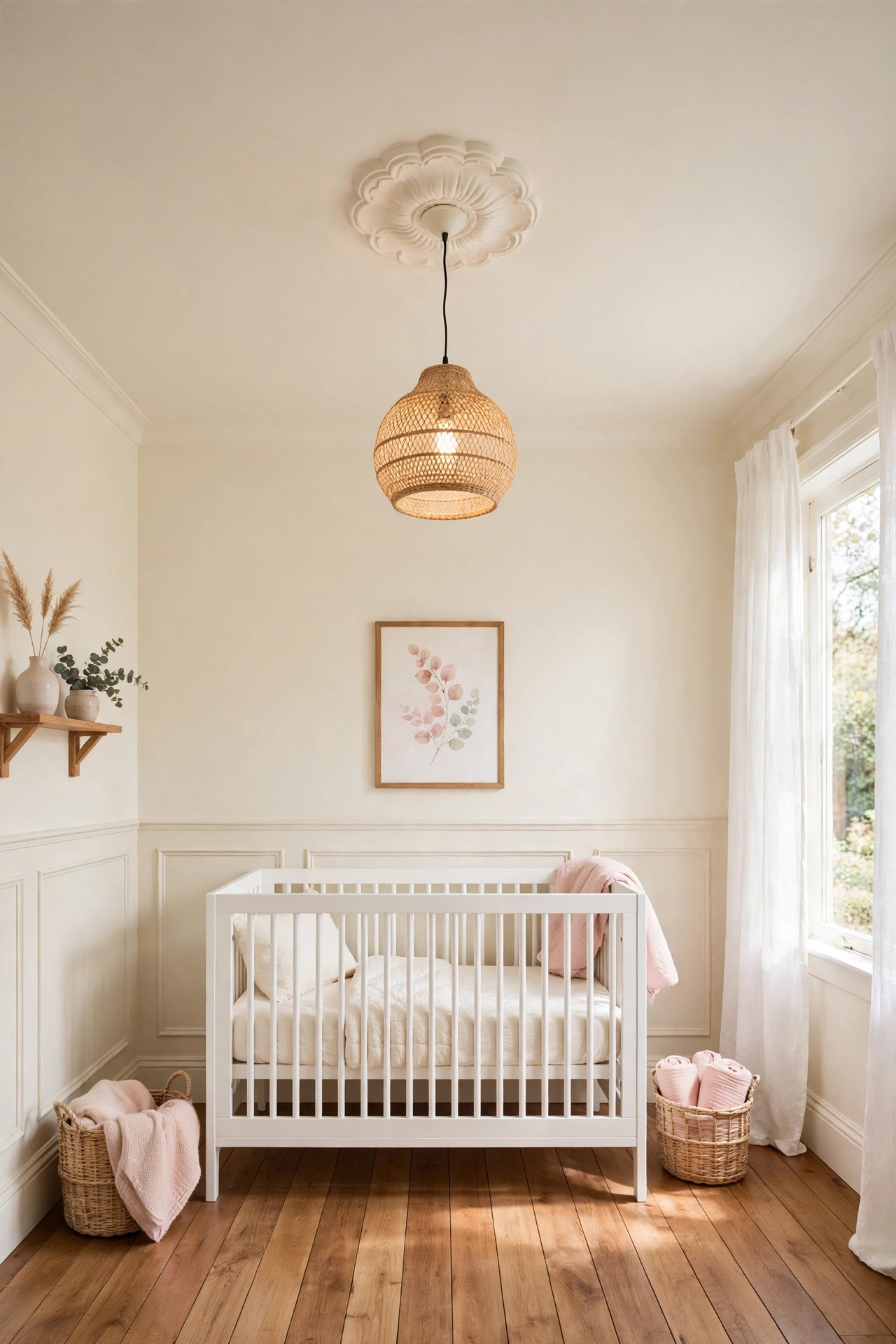
A simple plaster medallion is a gentle way to dress a nursery ceiling without overwhelming the room. Choose a small, soft design with rounded petals or a plain ring, and let it frame a simple pendant light above the crib area. The medallion adds a touch of timeless charm that will suit the room as the child grows.
Keep the nursery ceiling light and calm, with the medallion painted the same soft cream as the rest of the ceiling. Avoid heavy or dark ornament in a nursery, where a light and airy feeling matters most. A simple medallion is a detail the room can carry gracefully from baby days through childhood.
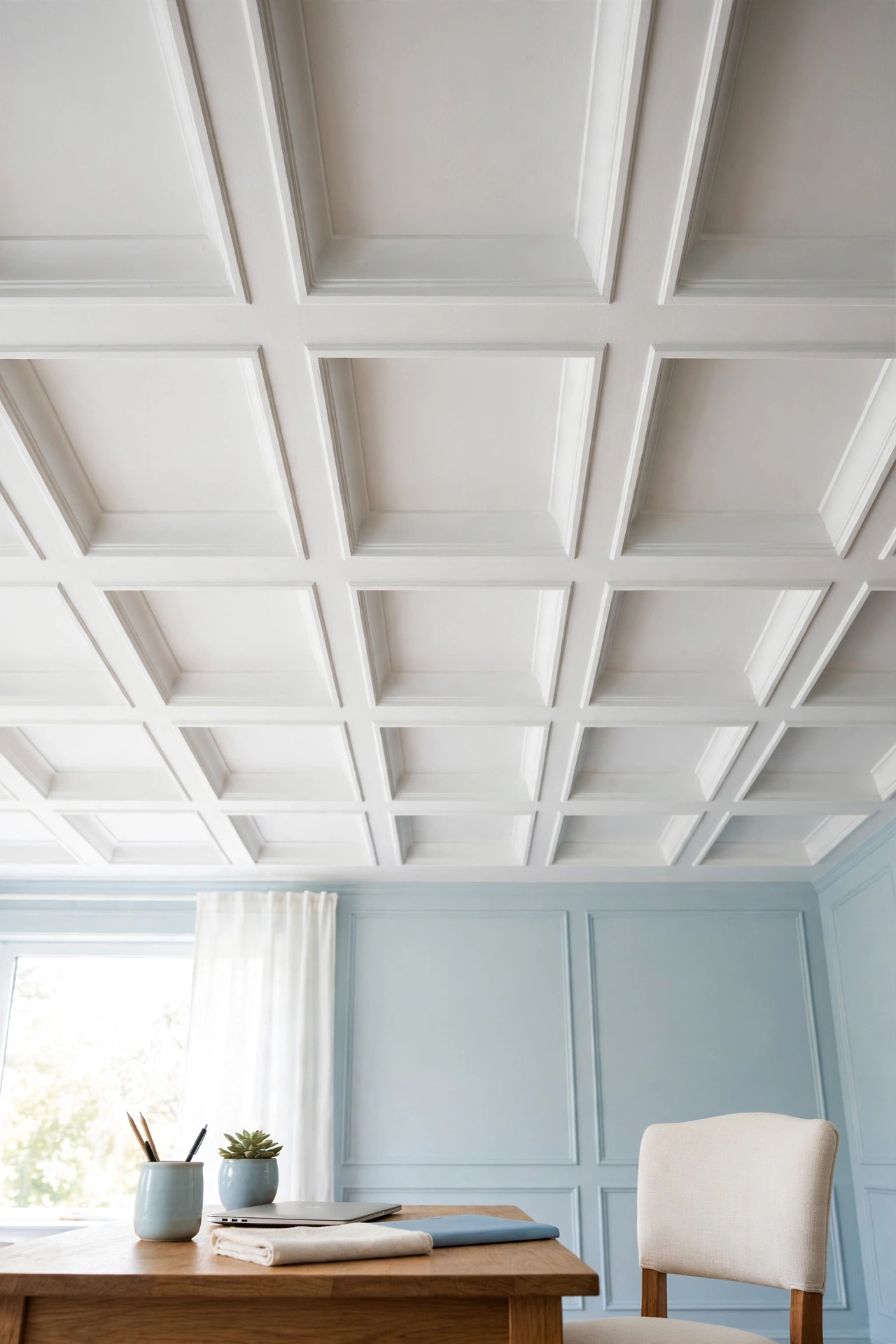
18. Create a Plaster Ceiling Panel Grid in a Home Office
A plaster panel grid divides an office ceiling into a neat pattern of recessed rectangles framed by raised plaster bands. The grid gives the ceiling a tailored, architectural order that suits a workspace, and it makes the room feel considered and professional. Each panel can hold a small light or stay plain for a quieter look.
Keep the grid regular and symmetrical so it reads as intentional design. A warm white finish keeps the office bright, while the raised bands add just enough shadow to show the pattern. This idea also works well in a library or a formal study where structure and calm matter.
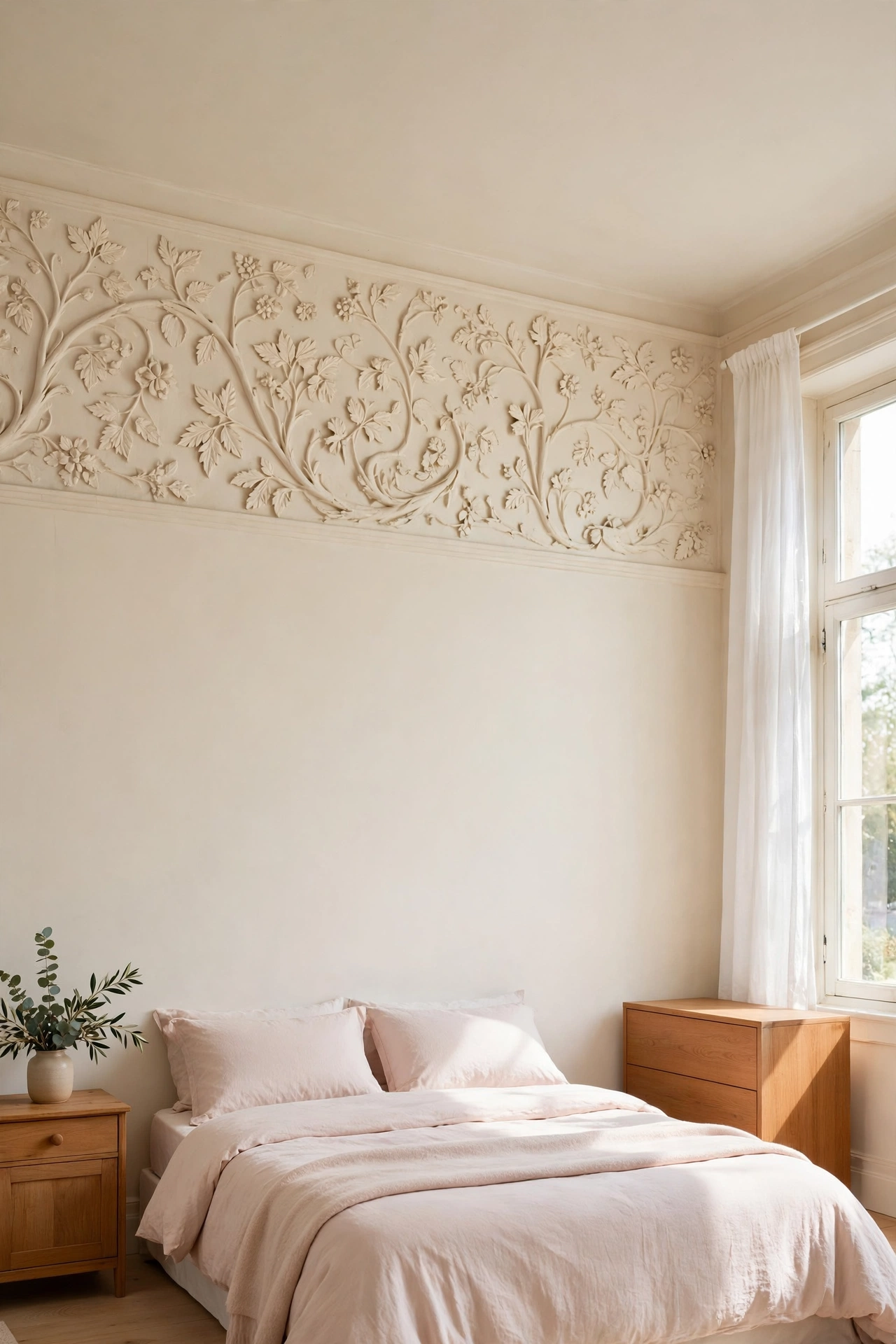
19. Add a Plaster Ceiling Frieze With Floral Relief
A plaster frieze is a wide decorative band that runs around the upper wall just below the ceiling, carrying a raised floral relief of leaves, vines, and blossoms. It is one of the most romantic ceiling details, and it turns the top edge of a room into a garden in plaster. The relief catches light softly and rewards a second look.
Floral friezes suit bedrooms, living rooms, and dining rooms with a traditional or romantic style. Choose a design with a clear repeating motif so the band feels rhythmic rather than random. Painted in cream or pale blush, the flowers show through gentle shadow and give the room a soft, handcrafted character.
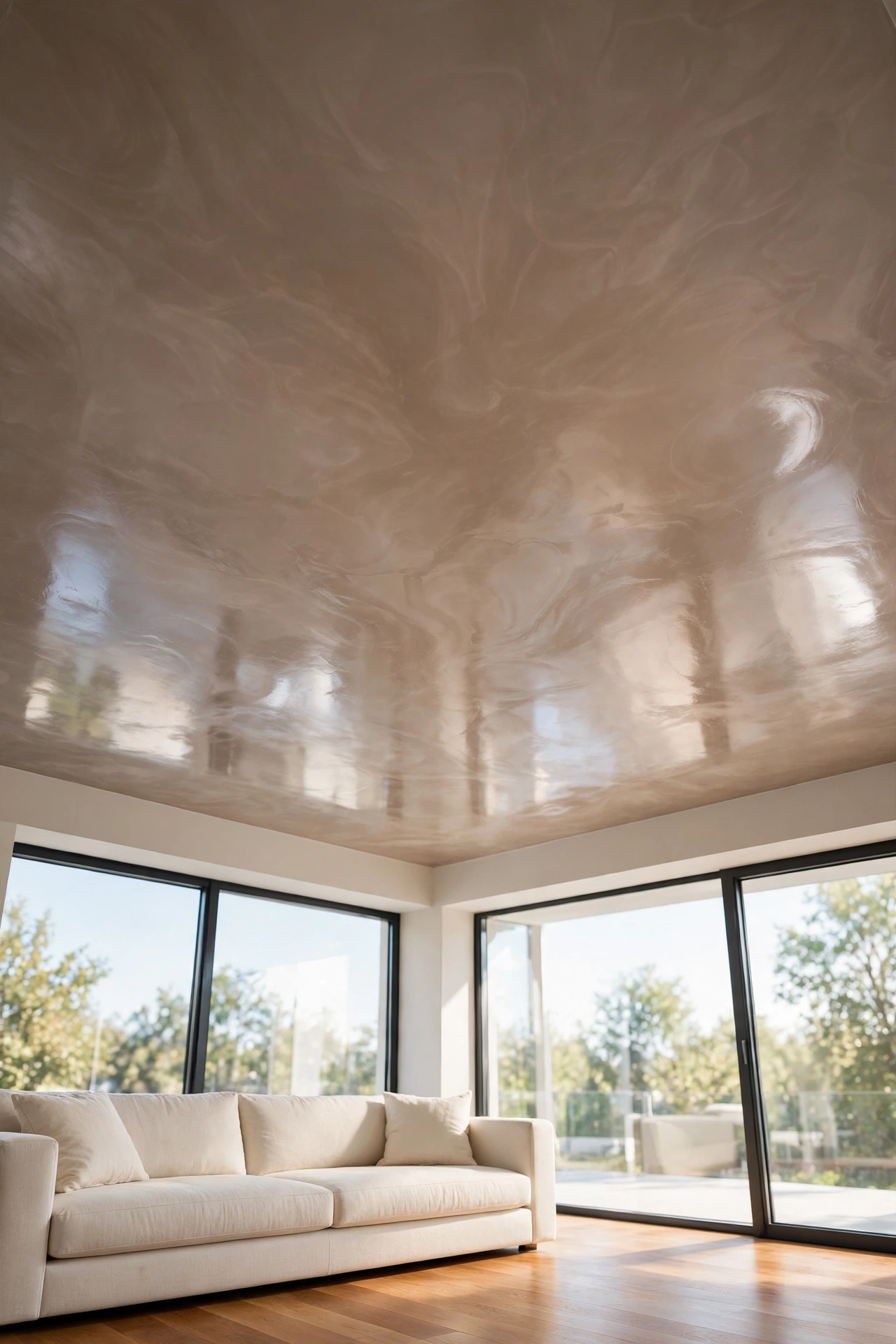
20. Use Polished Plaster for a Modern Ceiling Sheen
Polished plaster gives a modern ceiling a smooth, reflective surface with a soft sheen that feels luxurious without being glossy. The plaster is trowelled and burnished until it glows gently, and its subtle tonal movement adds depth to a flat ceiling. In a modern living room, a polished plaster ceiling feels sleek and quietly expensive.
Choose a neutral tone such as warm gray, soft taupe, or pale cream so the sheen stays elegant rather than showy. Polished plaster also reflects light around the room, which helps a modern space with large windows feel even brighter. Pair it with simple furniture and let the ceiling finish carry the sophistication.
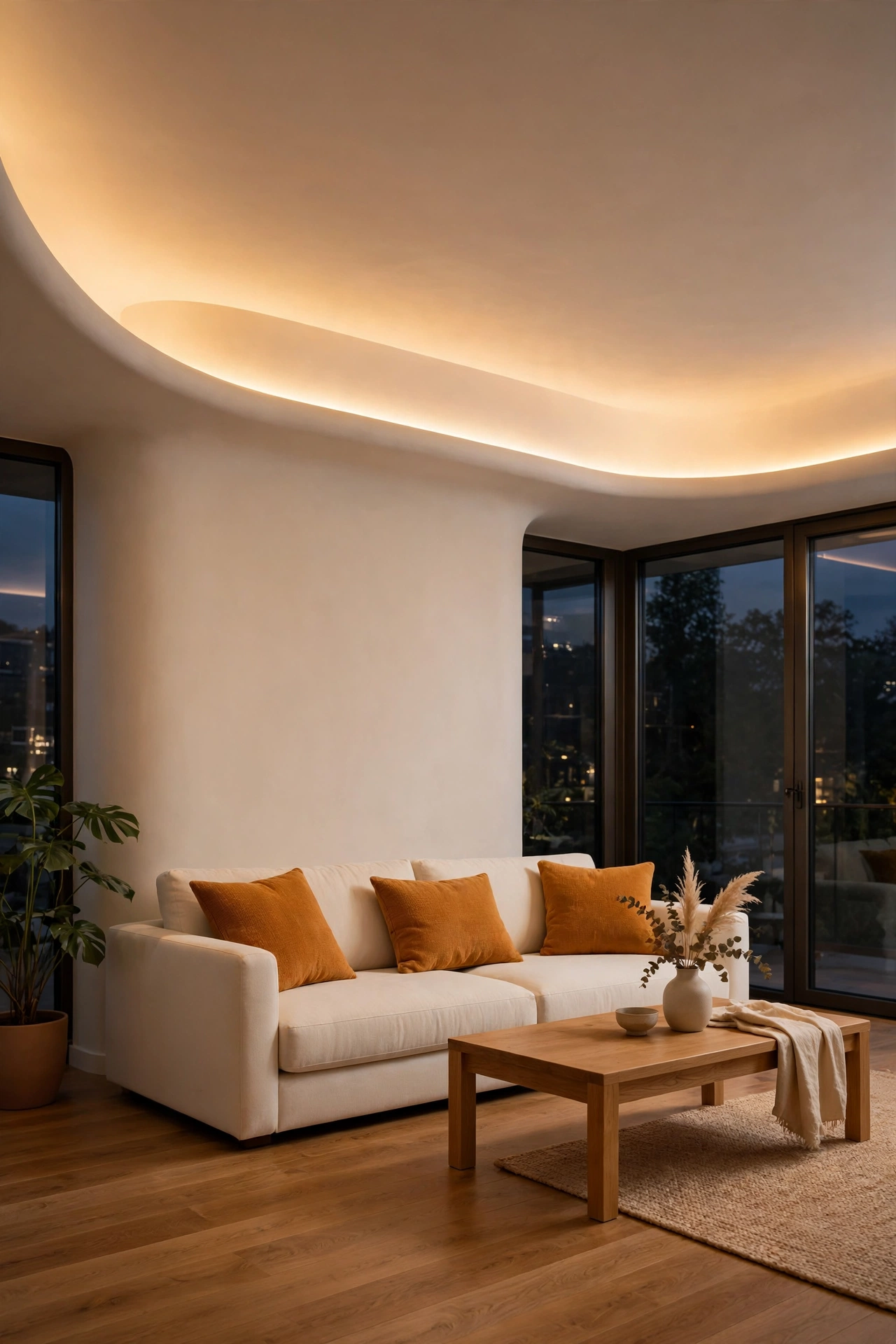
21. Add Plaster Cove Lighting Channels for Soft Glow
Plaster cove lighting channels hide a strip of warm light behind a curved plaster ledge near the ceiling edge. The light washes upward across the ceiling and downward along the wall, creating a soft glow with no visible fixture. The effect is calm and luxurious, especially in the evening.
Build the cove as a smooth plaster curve so the light flows evenly with no harsh lines. Use warm white light for a cozy feeling, and add a dimmer so you can adjust the glow for different moods. Cove lighting suits living rooms, bedrooms, and dining rooms where atmosphere matters as much as brightness.
22. Restore a Vintage Plaster Ceiling in an Old Home
Restoring a vintage plaster ceiling preserves the craftsmanship of an old home while bringing the surface back to life. A skilled plasterer can repair cracks, reattach sagging sections, and recast missing pieces of molding from the original patterns. The restored ceiling keeps its historic character and gains decades of new life.
Before you restore, have the ceiling inspected so you know which areas need repair and which are sound. Keep as much of the original plaster as possible, since old plaster has a depth and texture that new work rarely matches. A careful restoration honors the home and adds real value that buyers notice.
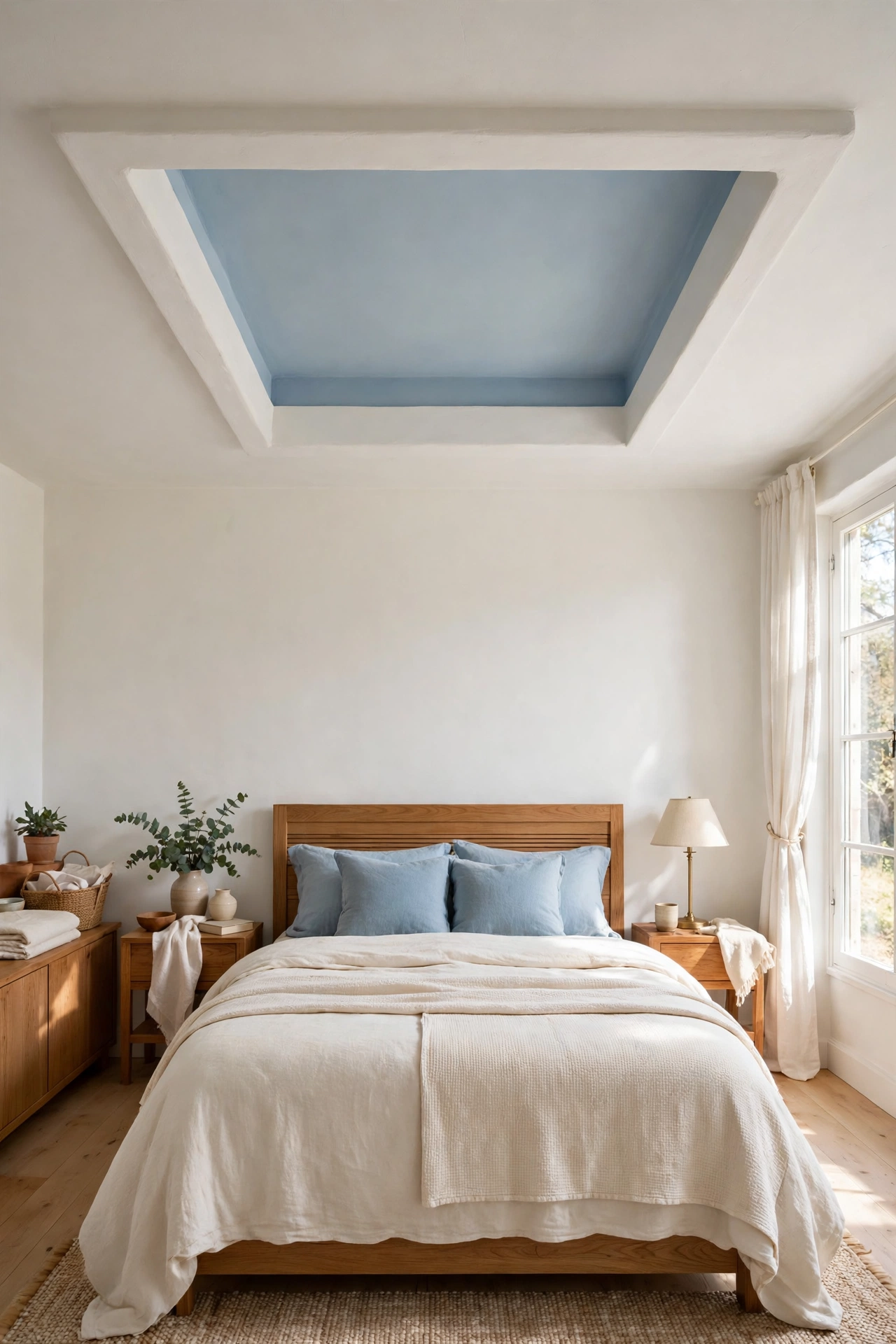
23. Add a Plaster Ceiling Inset Above a Bed
A plaster ceiling inset is a shallow recessed panel positioned directly above the bed, framed by a raised plaster border. It gives the bedroom a clear focal point and makes the bed feel like the centerpiece of the room. The inset can hold a small pendant light or a painted motif that echoes the bedding.
Keep the inset simple, with clean plaster edges and a soft color inside the panel. A pale blue or warm blush inset adds a gentle accent without disturbing the calm of the bedroom. This idea works best in a bedroom with a ceiling high enough for the recess to read clearly from the doorway.
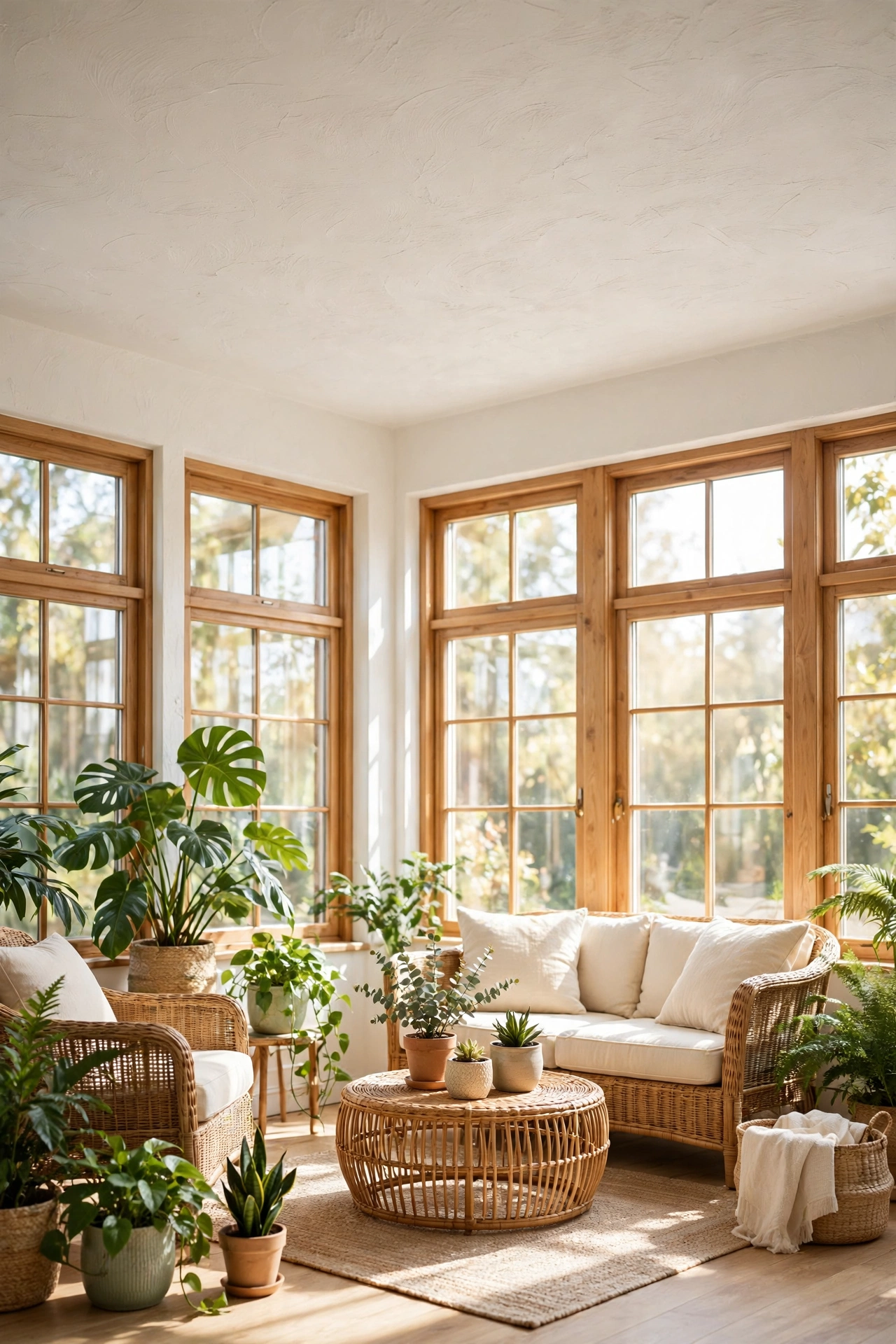
24. Finish a Sunroom Ceiling With Light Plaster Texture
A light plaster texture is the perfect finish for a sunroom ceiling, where bright daylight shows every flaw on a flat surface. A soft skip-trowel or stippled texture hides small imperfections and gives the ceiling a gentle, handcrafted character. The texture glows in sunlight and keeps the sunroom feeling warm and natural.
Use a very light texture so the ceiling stays bright and does not collect dust in deep grooves. A warm white plaster finish pairs beautifully with wood frames, green plants, and woven furniture. The result is a sunroom ceiling that feels as fresh and natural as the garden outside.
Conclusion
A decorative plaster ceiling is one of the most rewarding upgrades a home can have. From a simple medallion in a nursery to a full cornice in a formal living room, plaster adds depth, shadow, and craftsmanship that flat paint can never match. The ceiling is the largest surface in every room, and it deserves the same care as the walls and floors.
Start with one idea that fits your room and your budget, such as a medallion, a crown molding, or a smooth skim coat. Live with the result for a while, and you will soon find yourself looking up and smiling. A beautiful plaster ceiling does not just decorate a room, it completes it.
Frequently Asked Questions About Decorative Plaster Ceiling Ideas for Elegant Interiors
What is the difference between a plaster medallion and a plaster ceiling rose?
A medallion is usually a larger, more detailed ornament with layered carving, while a ceiling rose is a flatter, floral roundel. Both sit at the center of a ceiling and frame a light fixture. Medallions suit grand rooms and large chandeliers, while roses suit smaller rooms and simpler lights.
Can plaster ceiling moldings be added to a low ceiling?
Yes, but choose slim profiles that do not project far into the room. A shallow crown molding or a simple ceiling ring adds elegance without making the ceiling feel lower. Avoid deep cornices and heavy medallions in rooms with ceilings below eight feet, since large ornament can crowd the space.
Can you paint a decorative plaster ceiling?
Yes, plaster ceilings paint beautifully once the surface is clean and primed. Use flat or matte paint for a soft finish, and apply thin coats so fine carved detail stays crisp. If you want pattern as well as color, these striped ceiling paint ideas show how painted stripes can add interest to a smooth plaster surface.
How do you clean a plaster ceiling?
Dust a plaster ceiling gently with a soft brush or a dry microfiber duster on an extension pole. Avoid water and harsh cleaners, which can stain or soften plaster. For carved details, use a soft paintbrush to reach into crevices without pressing hard on the plaster.
Is a plaster ceiling expensive to install?
Costs vary widely by design. A simple medallion or crown molding is affordable, while a full cornice, dome, or custom relief costs considerably more. Plaster work is skilled labor, so get quotes from experienced plasterers and start with one feature if your budget is limited.

Hi, I’m Emily! I turn messy corners into cozy, organized spots. DreamNestDecor is where I share simple, practical home ideas — decor, organization, and small-space solutions that work in real life, not just in photos. Every idea here is carefully researched before it’s shared.