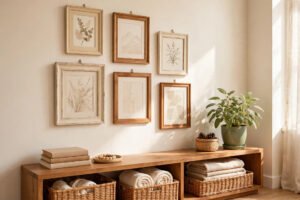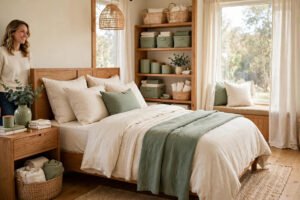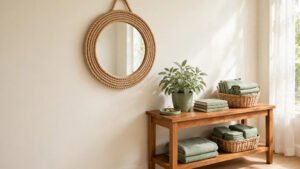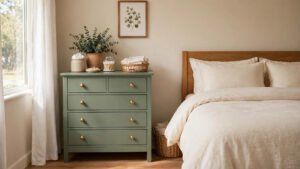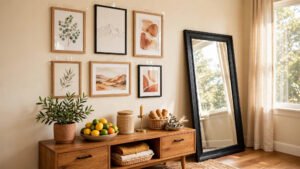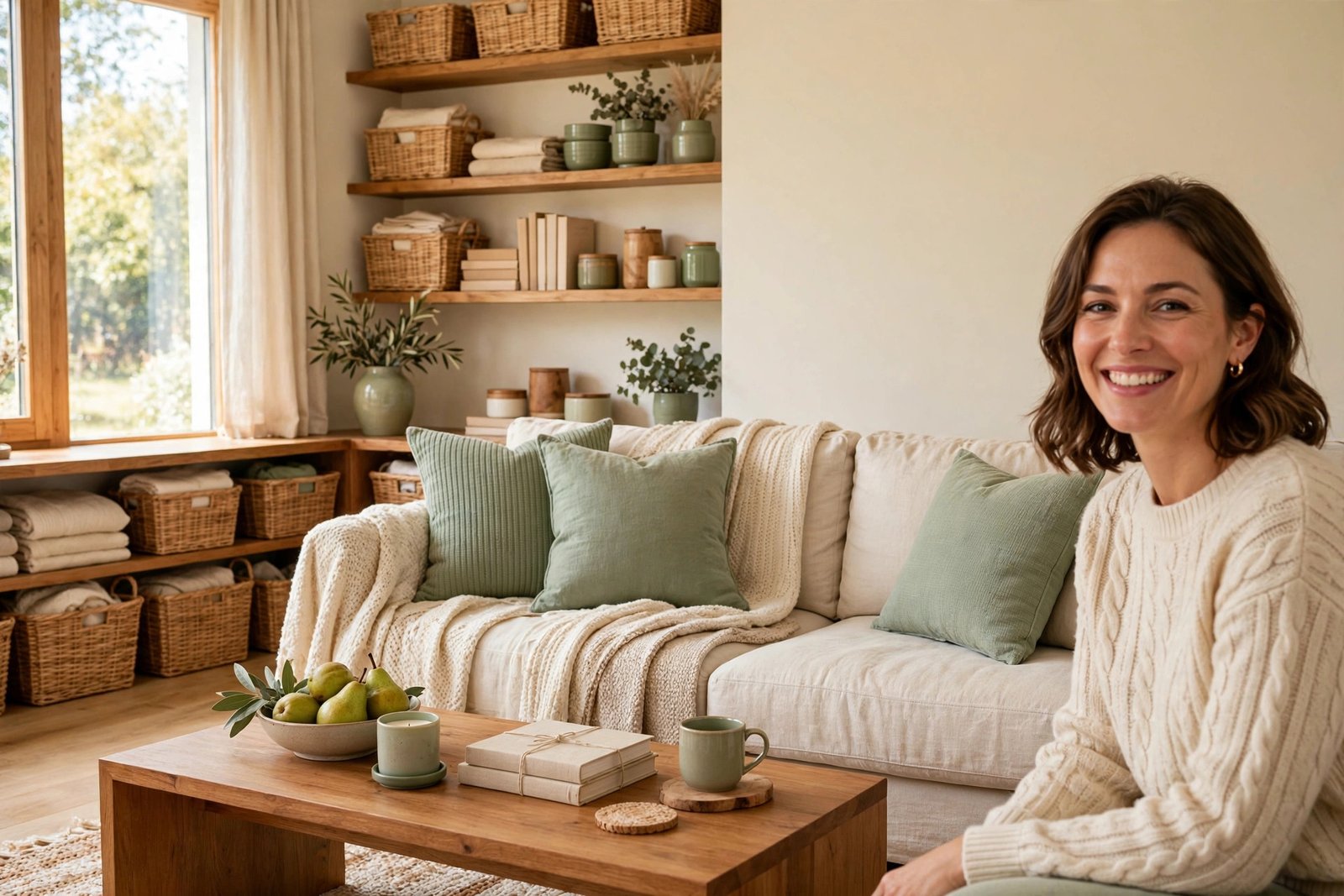
My living room looked tired for years and I thought fixing it would cost a fortune. One weekend I repainted a single wall, rearranged the cushions I already owned, and hung up a mirror I had in the hallway. When my neighbor walked in, she asked if I had hired a decorator. You can get that same reaction without spending much at all.
Cheap does not have to mean cheap-looking. The ideas below use paint, textiles, and clever rearranging to make your living room feel brand new. Pick the ones that fit your space and your budget, and start with the simplest one first. Your room is about to feel like a whole new home.
1. Warm Neutrals with Layered Comfort
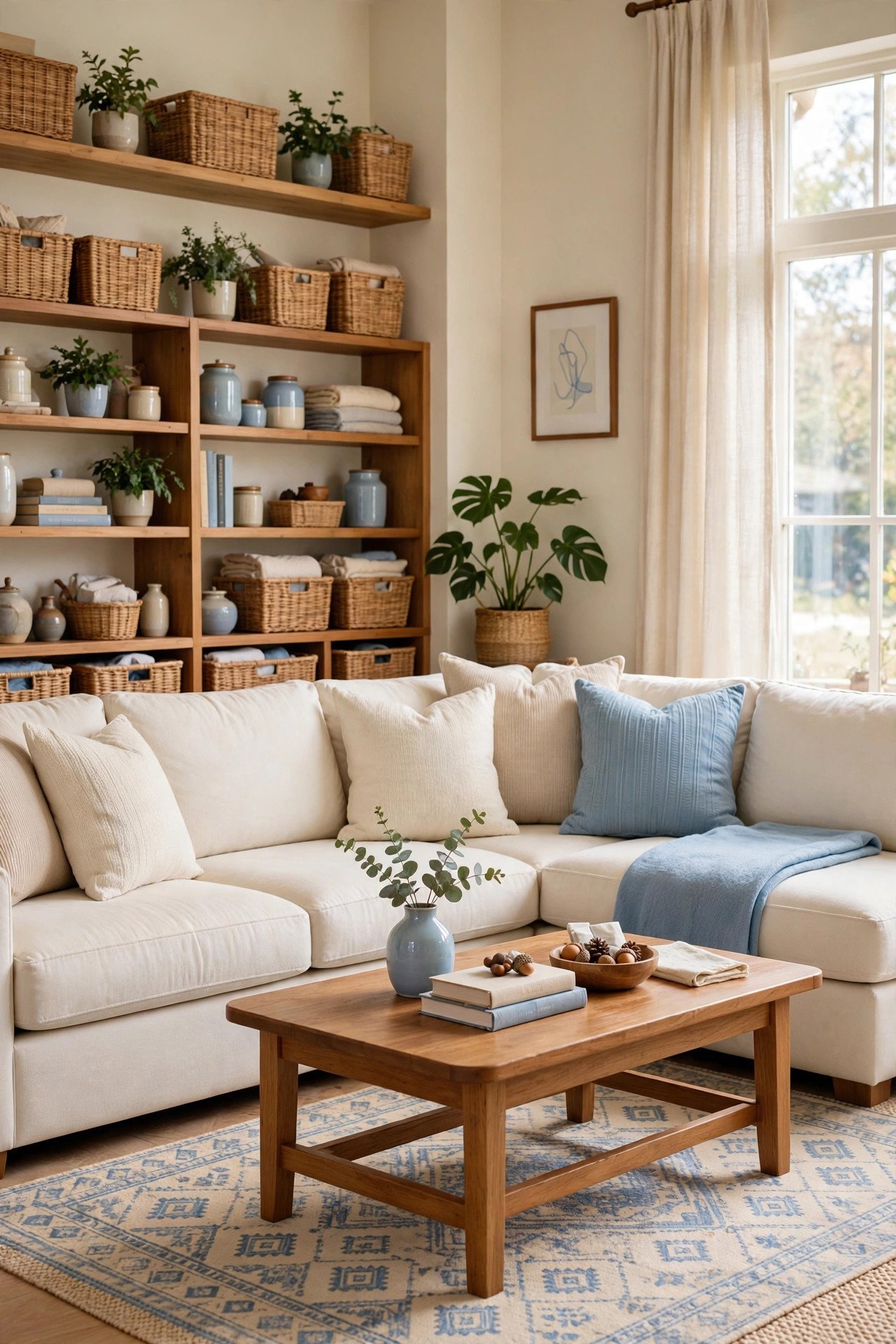
Start with one calm color family and layer different textures on top of it. A cream sofa becomes rich and inviting when you add cushions in slightly darker shades, a woven throw, and a patterned rug underneath. The mix of materials does all the decorating work for you.
Look at what you already own before you buy anything new. Pull throws and pillows from other rooms and see how they sit together. When everything shares one palette, even a plain thrifted coffee table looks like part of a carefully collected set.
2. Soft Cottage-Inspired Calm
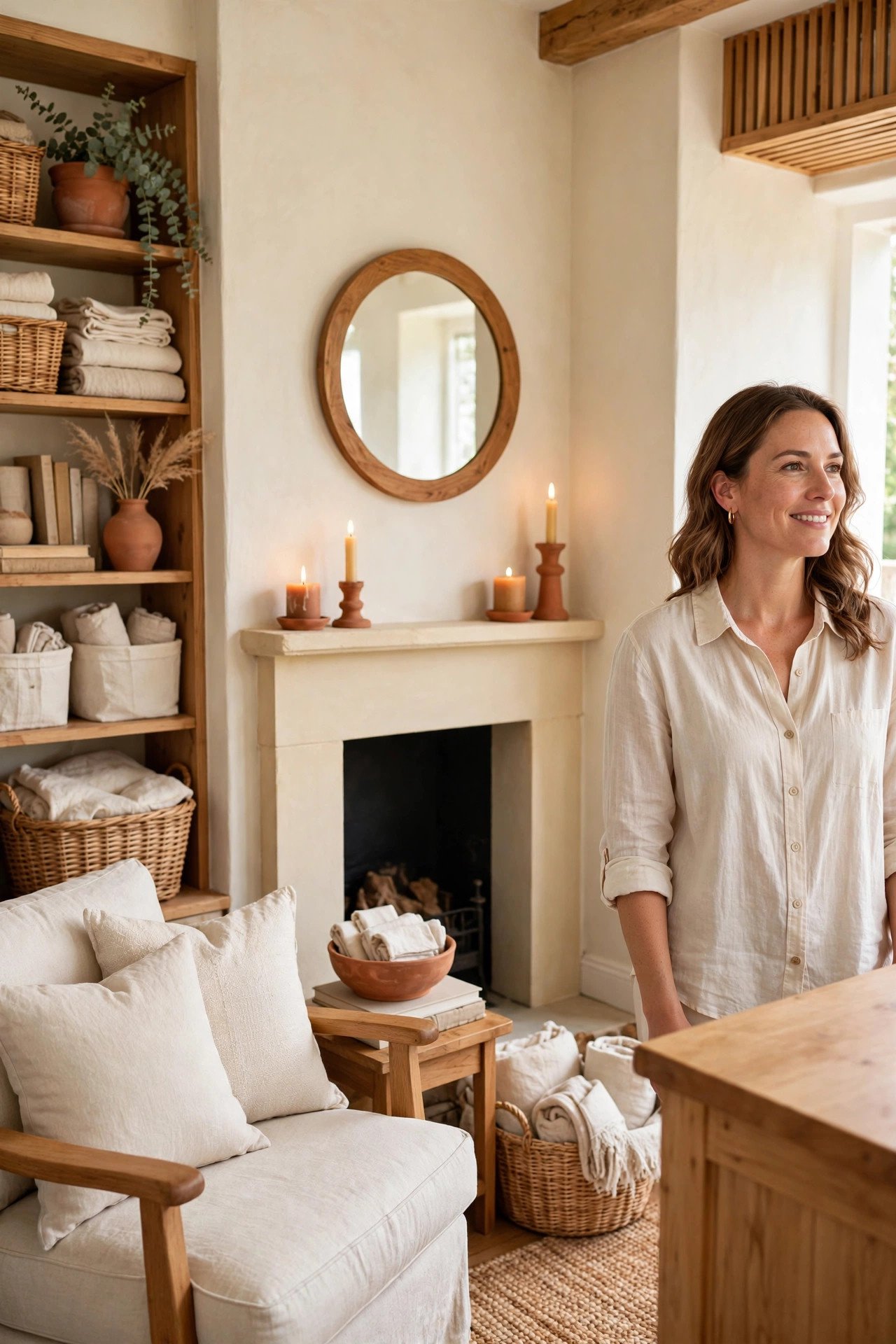
Paint your walls a soft pale shade and let the light do most of the styling. A simple fireplace mantel decorated with a few candles and a leafy plant feels welcoming without any expensive furniture. The secret is restraint, not excess.
Choose linen-look cushions and keep patterns small and quiet. This style suits older furniture perfectly because the pale colors make everything look fresh. If your living room connects to an entryway, carry the same calm palette through for a seamless feel.
3. A Blue Accent Wall with Big Personality
One can of paint on one wall can change the whole mood of your room. A muted blue brings depth behind a neutral sofa and makes everything in front of it look brighter. This is the cheapest transformation on this list.
Keep your bigger furniture pieces neutral so the painted wall stays the star. Add patterned pillows in blues and creams to tie the wall into the rest of the room. When you want a change next year, you only need to repaint one wall, not the whole room.
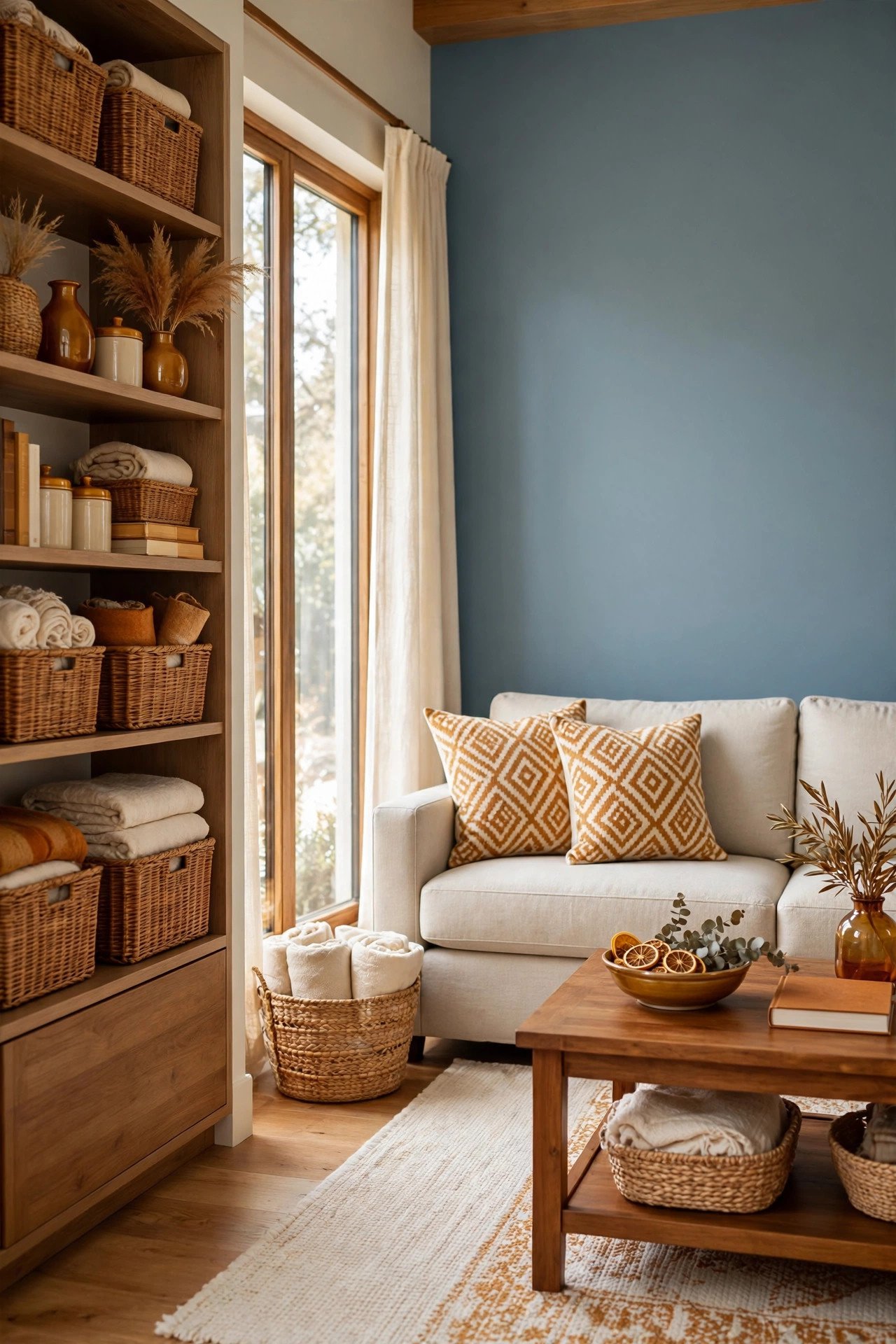
4. Simple Lines with Cozy Touches
Choose a calm, simple base and then add warmth with small affordable details. A light sofa and a plain rug are enough to start. Then bring in a textured throw, a woven basket for blankets, and two or three framed prints on the wall.
The beauty of this look is that nothing is permanent. Baskets, throws, and small art are easy to swap when your taste changes. Start with what you have and add one new piece at a time instead of redoing everything at once.

5. Neutral Layers That Feel Elevated
Repeat the same tones across your cushions, artwork, and accessories to make the room feel pulled together. When everything sits in one beige family, even simple pieces look intentional and expensive. Add sculptural shapes like a curved vase or a round tray for interest.
Vary the textures so the room does not feel flat. Mix smooth ceramic, nubby linen, and soft wool in the same color story. This repetition trick is why designer rooms look so calm, and it costs nothing extra to use.

6. Lived-In Monochrome Style
Black, white, and a touch of wood never go out of style. Paint one wall dark or hang a gallery wall of black-and-white prints to give the room structure. The contrast between dark and light makes the space feel sharp and modern.
Soften the monochrome base with patterned cushions and a warm wooden side table. Thrift stores are full of simple black frames that you can fill with your own photos. A black and white room always looks intentional, even when the pieces cost very little.

7. Moody Green Walls for Cozy Evenings
Darker walls can actually save you money because they add so much impact on their own. A deep green wraps the room in warmth and means you need fewer accessories to make it feel finished. The room becomes a cozy cocoon in the evenings.
Keep your furniture neutral so the walls carry the drama. Add warm lamp light and a candle or two to bring out the richness of the color. For more ideas in this palette, see these moody fall decor ideas that work all year.

8. Classic Neutrals with a Fresh Twist
Symmetry makes a room look expensive for free. Place matching lamps, cushions, or chairs on both sides of your sofa and the space instantly feels balanced. Soft beige seating and simple paneling or picture-frame molding complete the classic look.
Mix structured furniture with softer textiles for that effortless feel. A tailored sofa with a relaxed linen throw says comfortable and classy at once. You do not need new furniture for this, just a balanced arrangement of what you already have.

9. Playful Pops of Color
Keep your base neutral and add color in small, cheap doses. Bright cushions in mustard and blush can transform a plain sofa in minutes. When you get bored of the colors, you only need to change the pillows, not the furniture.
Pick two or three colors that play well together and repeat them around the room. A colored throw, a bright cushion, and one piece of colorful art are enough. This is the easiest way to refresh your living room every season without spending much.
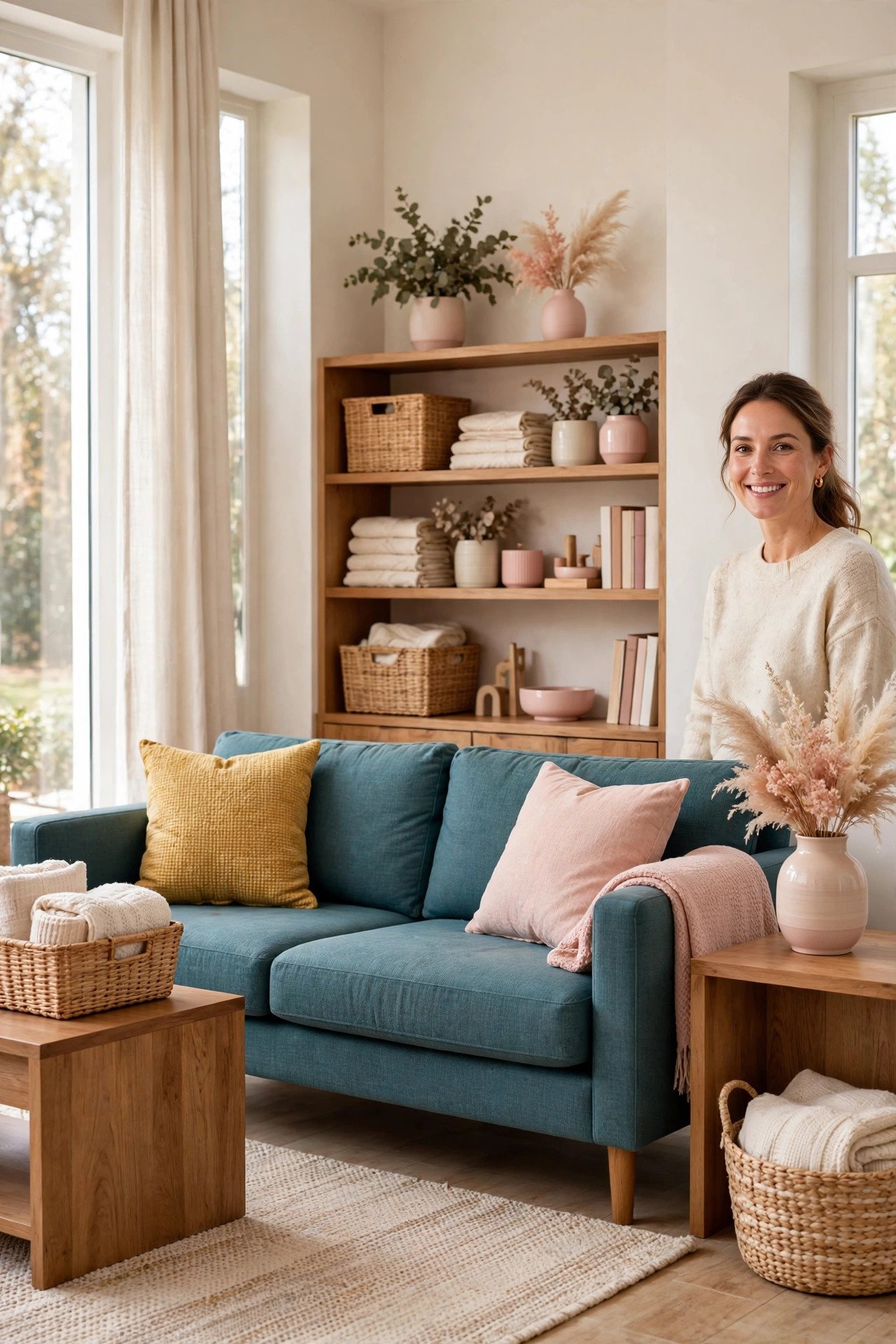
10. Bold and Bright Colorful Styling
Embrace color fully and let your room feel collected instead of decorated. Mix patterns, reuse pieces from other rooms, and hang art that makes you happy. A bold room feels personal and joyful, which no price tag can buy.
The trick is to repeat a few colors so the mix feels connected. If everything shares shades of pink, orange, and blue, even clashing patterns sit together happily. Paint an old bookshelf in one of your colors to anchor the whole scheme.
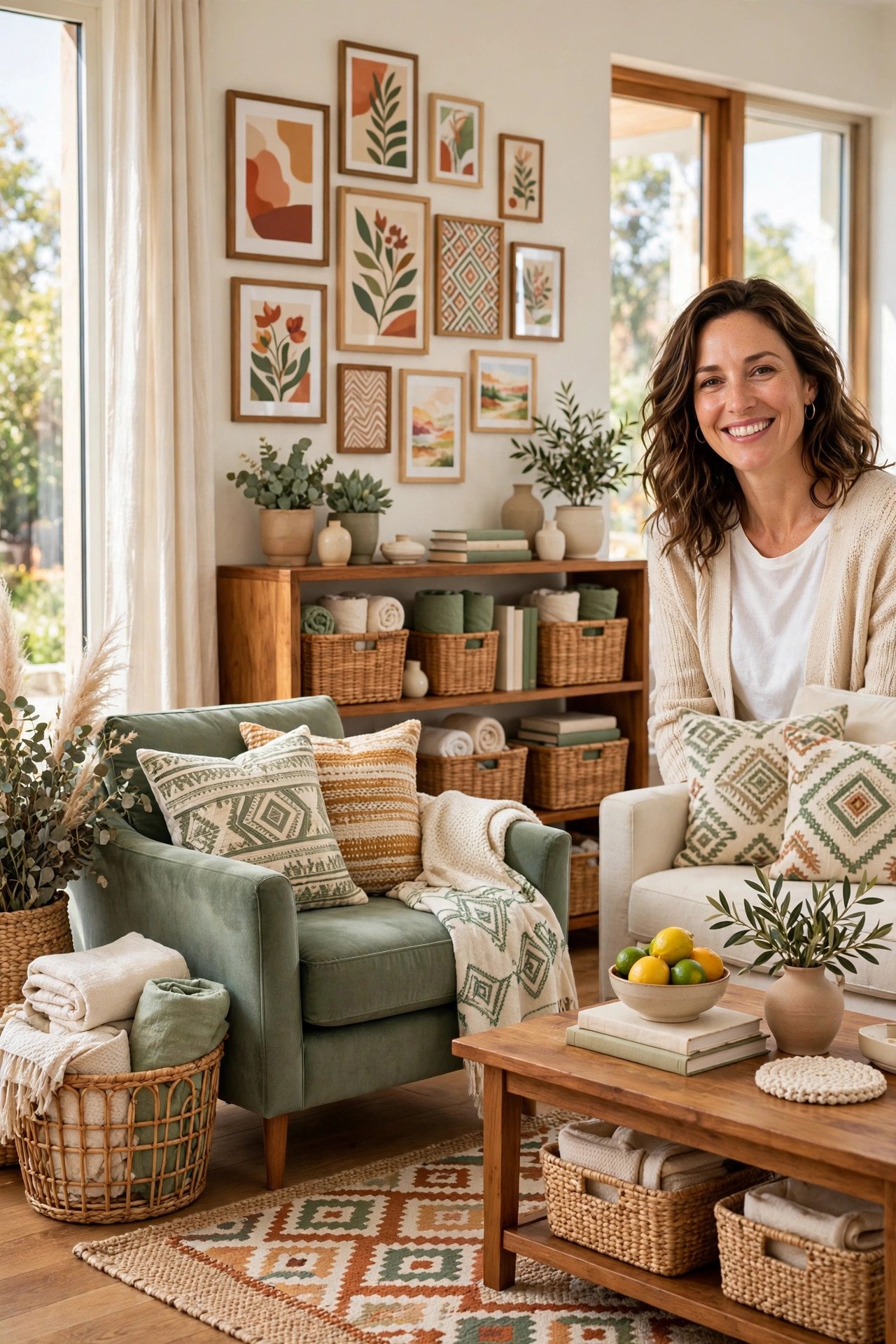
11. A Moody Nook with Warm Glow
Turn a forgotten corner into the coziest spot in your home. Paint one small wall in a deep navy or charcoal, hang a round mirror to bounce light around, and add taper candles for a warm glow. The corner becomes a little evening retreat.
This works in a tiny reading chair nook or beside a fireplace. Add a small plant and two or three floating shelves with books or candles. Because the area is small, even a bold paint choice costs almost nothing.
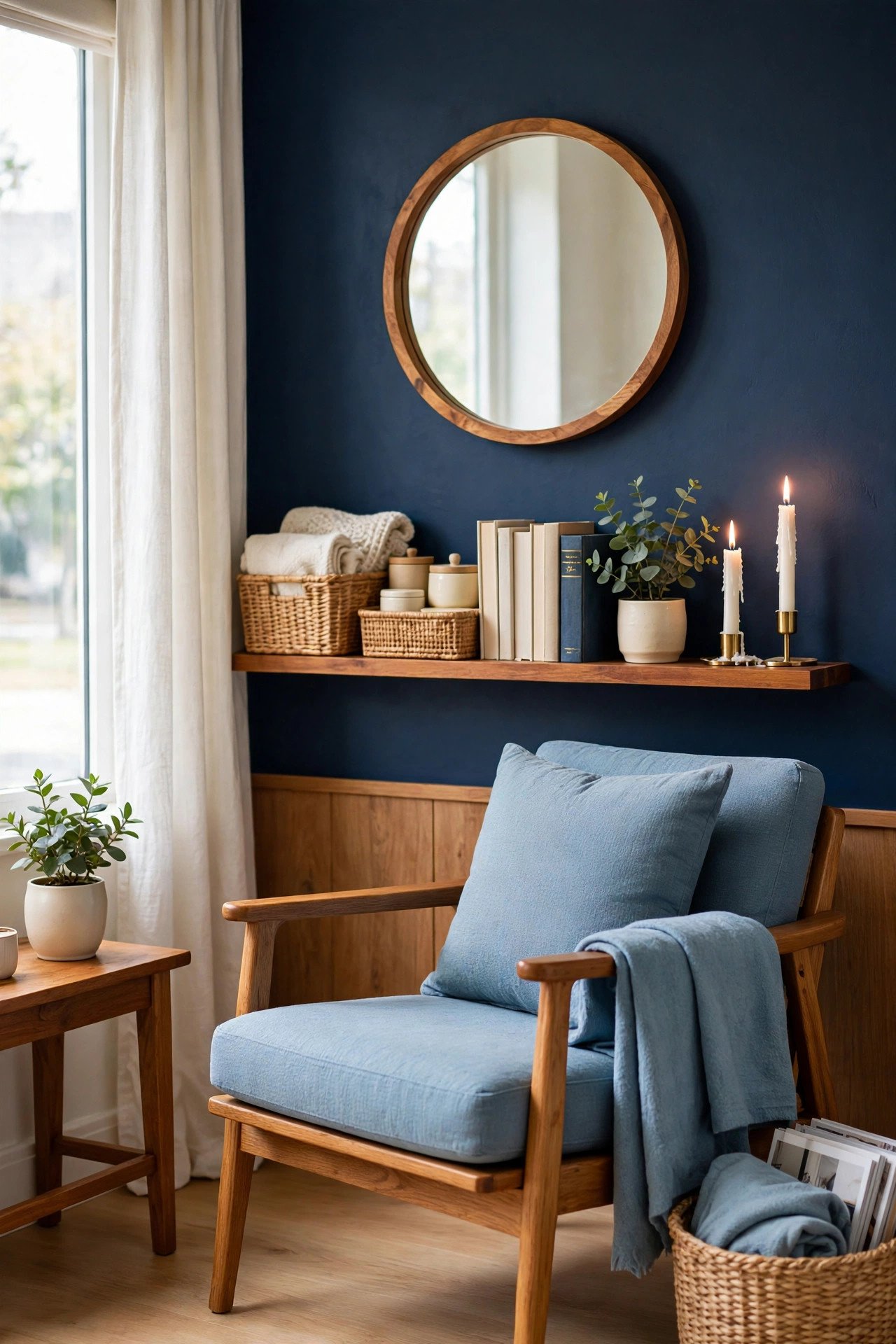
12. Soft Glam with a Subtle Shine
Add a touch of polish with cream upholstery and a few dark accents. Black cushions, picture frames, and a simple lamp base give the room structure, while a plush rug and textured walls keep it soft. The contrast reads as elegant, not stark.
You do not need crystal or gold to get a glamorous feeling. A shiny tray, a metallic frame, and a pair of tapered candles add enough shine. Keep the palette calm so the few dark pieces look intentional.
13. Navy Walls with Natural Layers
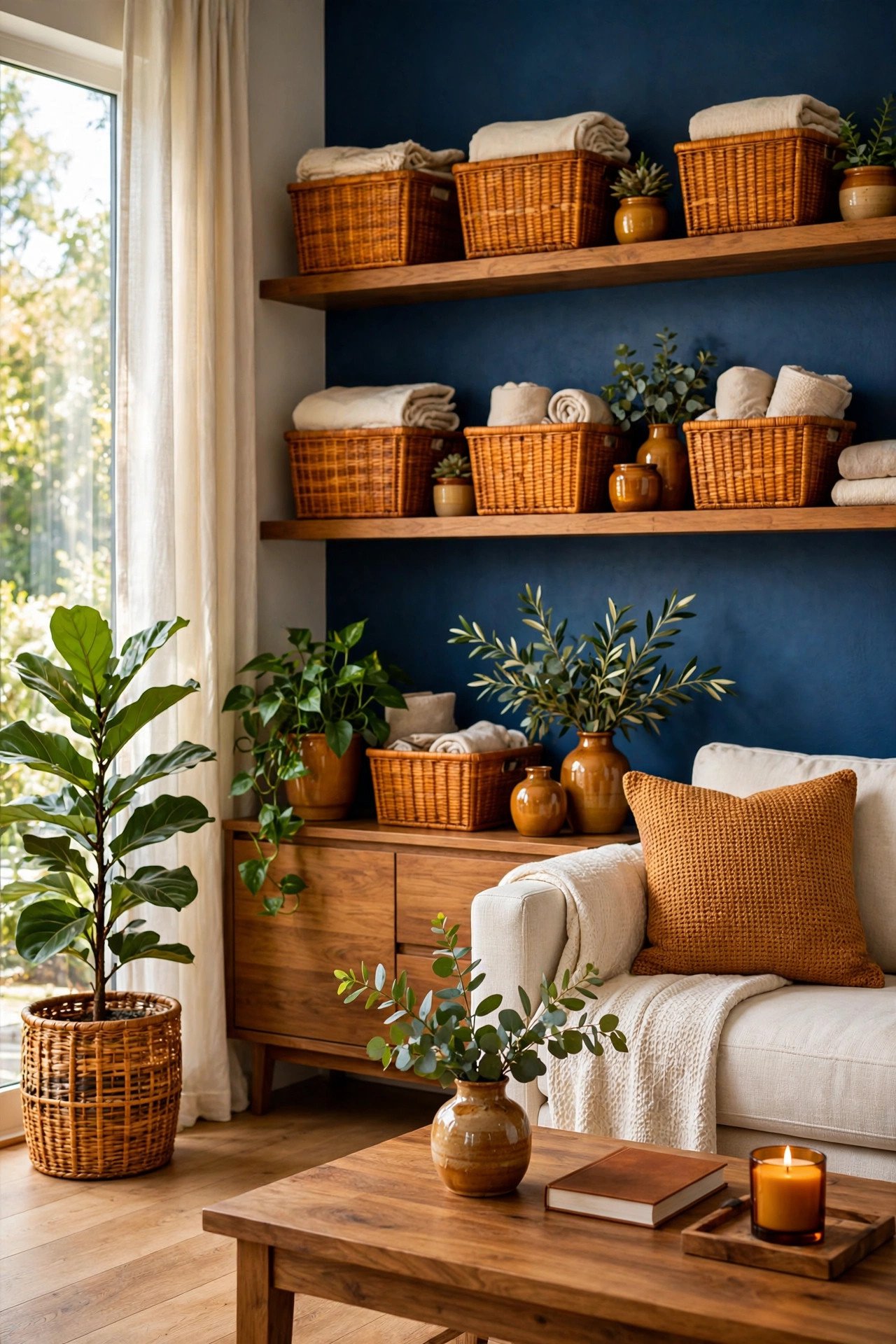
A deep blue wall feels calm and confident, especially when you soften it with natural textures. Woven baskets, leafy plants, and warm wooden furniture keep the dark color from feeling heavy. The room looks collected, not decorated.
Use the blue wall as your backdrop for simple art or a leaning mirror. Plants look especially good against dark blue because the green pops. This combination photographs beautifully and costs only a can of paint and a few baskets.
14. Calm Contrasts in the Living Room
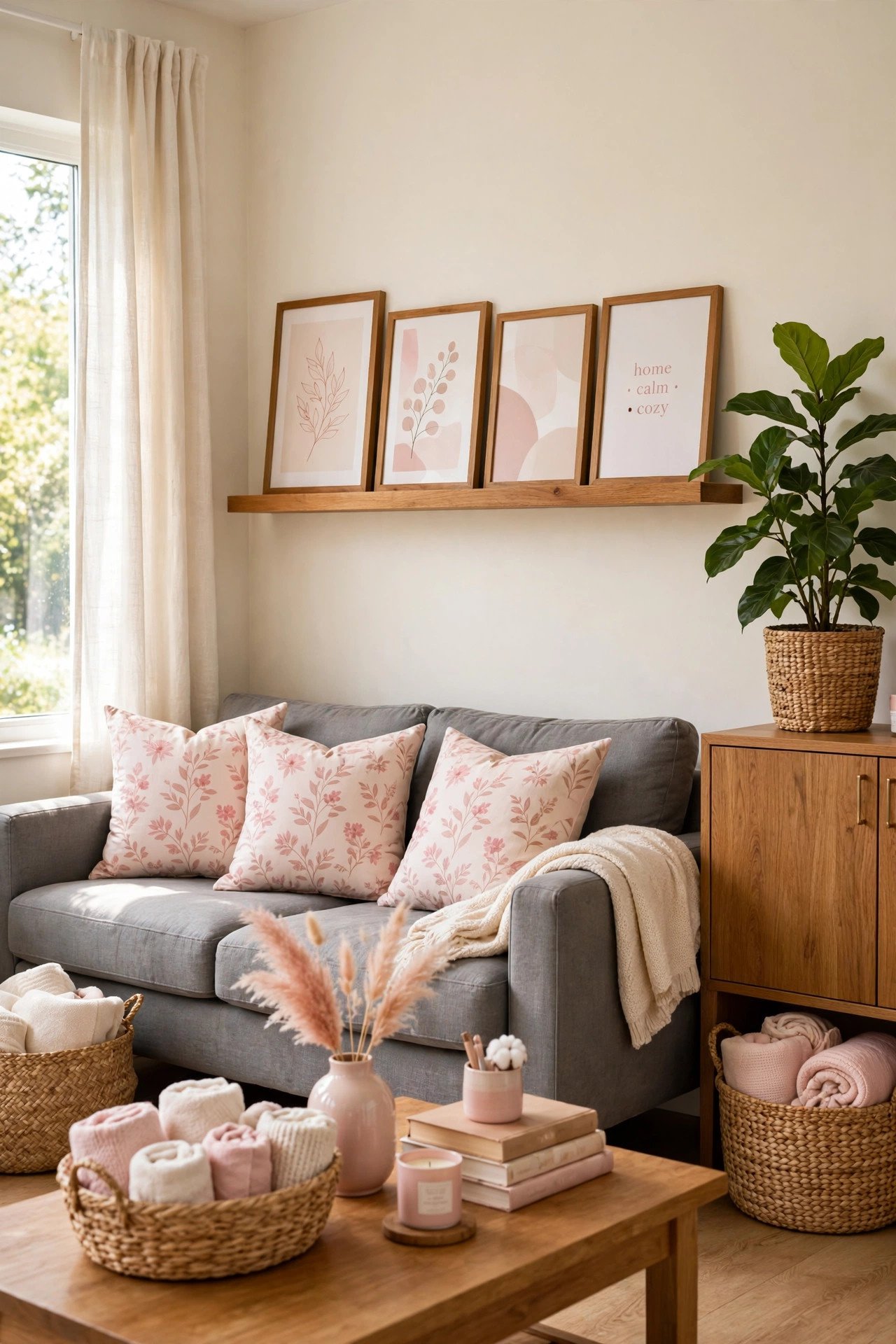
Pair soft grey seating with creamy walls for a look that feels calm and modern. Add just enough pattern in the cushions to keep things interesting. A floating shelf with framed prints and one leafy plant completes the room.
This style is all about editing. Remove half the accessories you currently have and see how refined the room feels. Fewer, better-placed pieces always look more expensive than a crowded shelf.
15. Classic Comfort in a Light-Filled Room
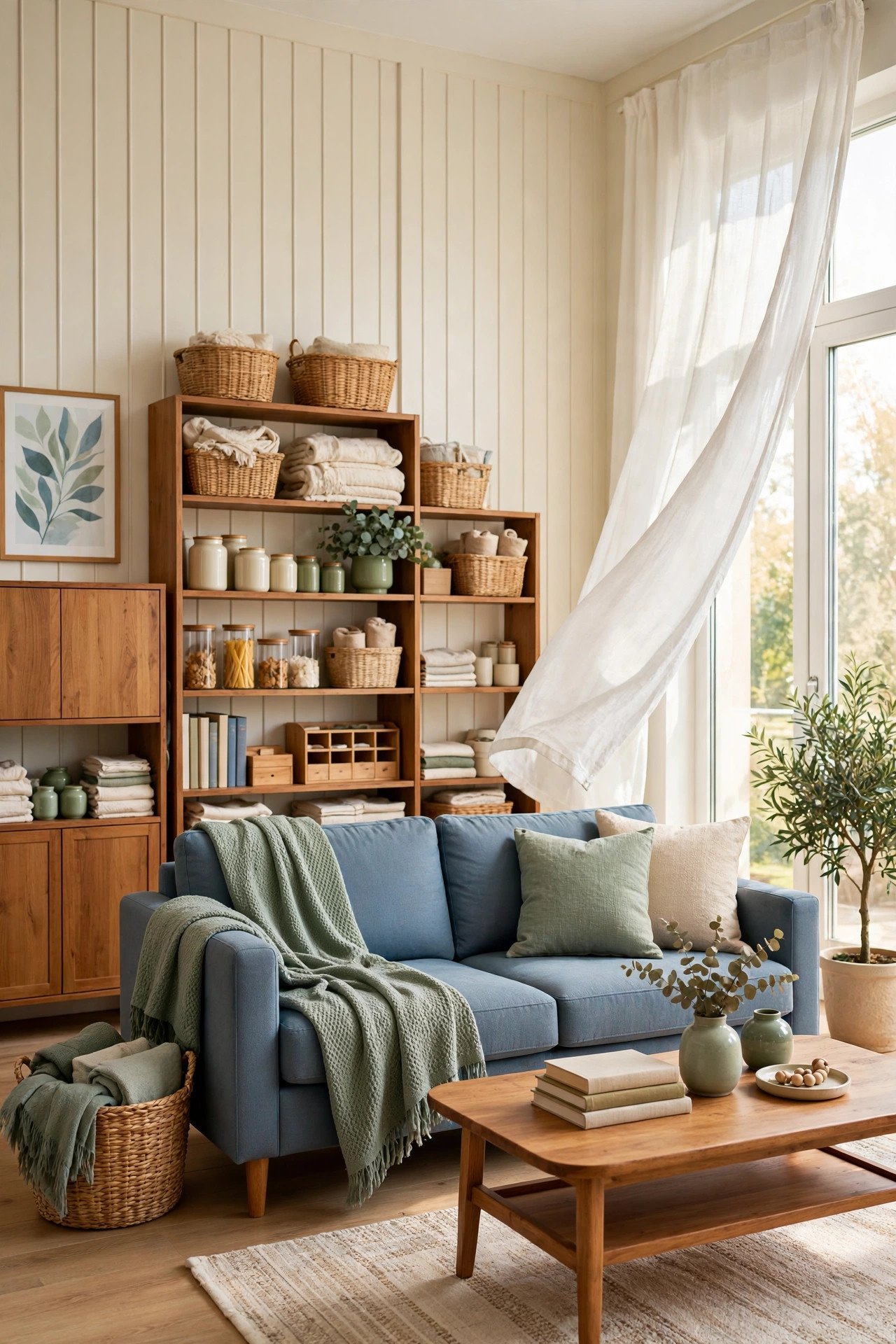
Choose one standout piece, like a blue-toned sofa, and keep everything else simple around it. Paneled walls or simple molding, soft drapery, and a neutral rug create a timeless backdrop. Good light does the rest.
If you already own a colored sofa, this idea costs nothing. Clear the clutter around it, add soft lighting, and hang classic artwork. Letting one piece shine is a designer trick that works in any budget.
16. A Picture Ledge with Effortless Style
Hang a simple wooden ledge and lean framed art and photos along it. This gives you a gallery wall look without committing to nail holes everywhere. You can swap and rearrange the frames whenever you like.
A deep wall color behind the ledge makes the frames stand out beautifully. Mix frame sizes and lean some photos in front of others for a casual, collected feel. This is one of the cheapest ways to make a big wall look styled.

17. A Balanced and Breezy Look
Stick to a tight, cohesive palette and let consistency do the decorating. Soft blue seating against crisp white walls looks fresh and intentional. When your colors agree, even simple furniture feels elevated.
Add just enough texture to keep white walls from feeling flat. A woven throw, a jute rug, and light curtains add warmth without breaking the calm. This palette is perfect if your room gets a lot of natural light.
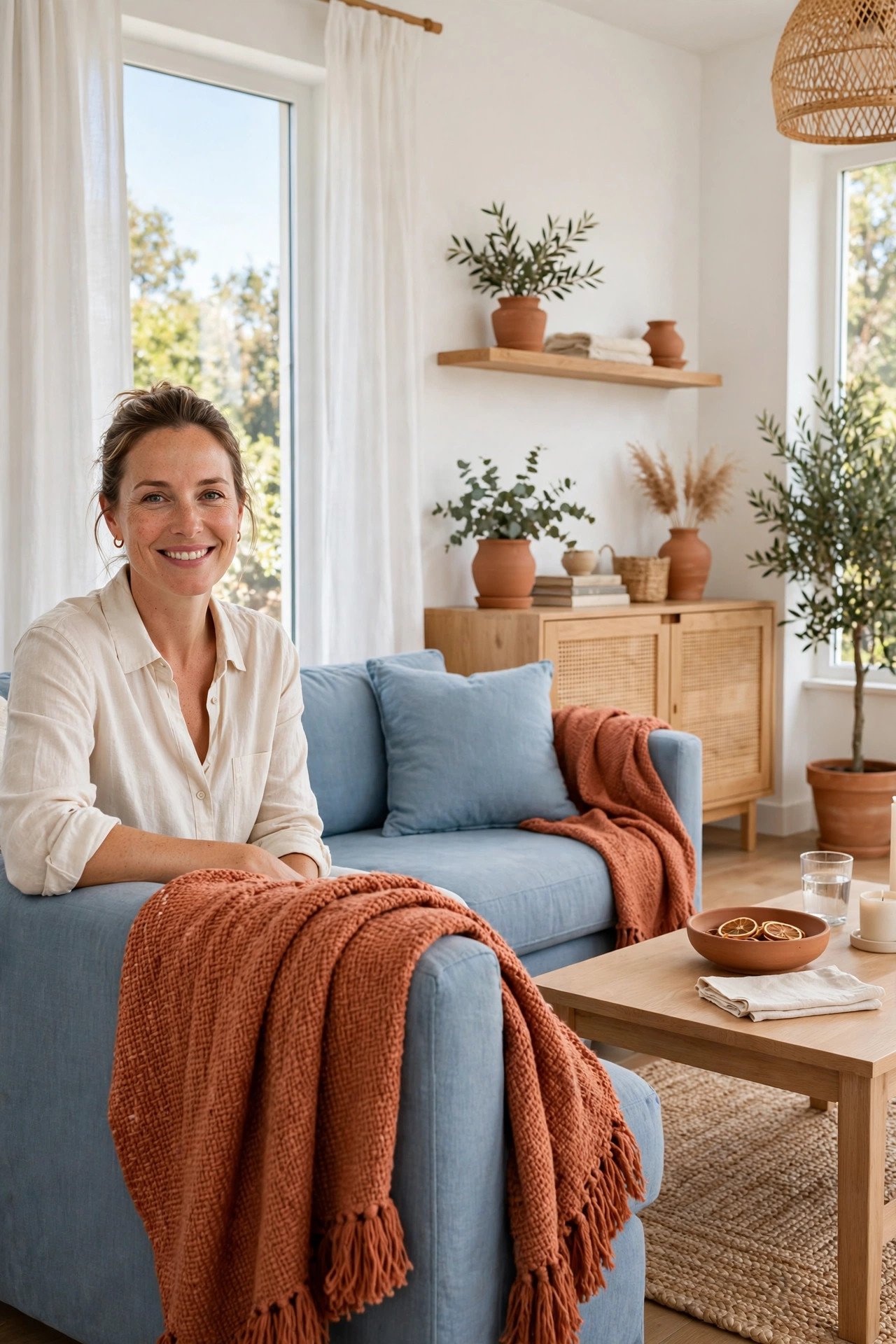
18. Cozy Corners with Personal Touches
Fill a corner with things that mean something to you. A green wall, layered cushions, family photos, and small signs create a space that feels deeply personal. Character costs nothing when the decor is your own story.
Mix photos, art, and textures without worrying about perfect matching. A corner that has grown over time always reads as authentic. Rotate in new photos or mementos whenever you feel like a refresh.
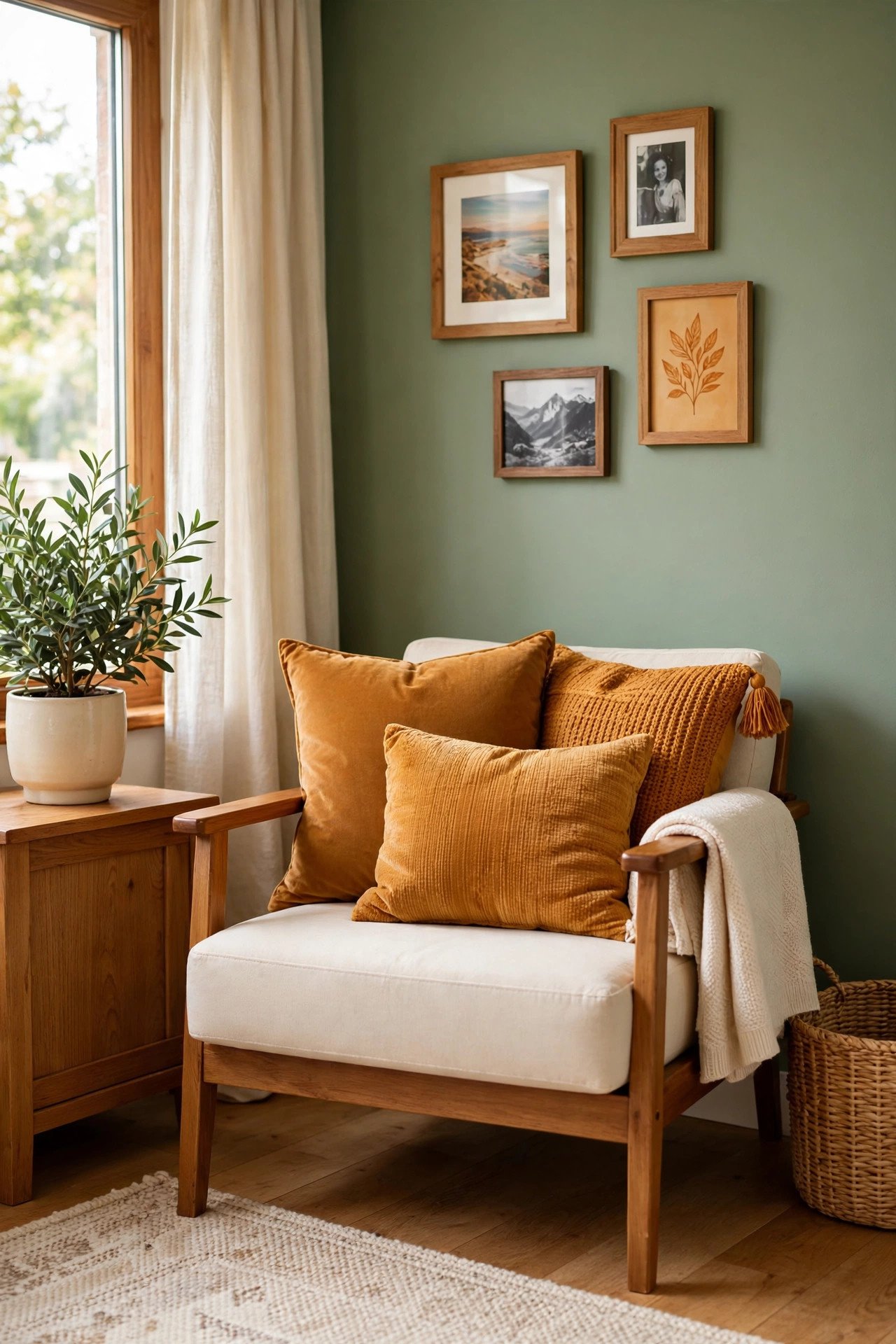
19. Soft Greens with Evening Glow
Muted green walls and warm lighting create the perfect evening atmosphere. Light a few candles, pile on the cushions, and let the room become your favorite place to unwind. Ambiance matters more than furniture, and it costs almost nothing.
Keep the furniture simple so the mood takes center stage. Wooden side tables and a soft rug are all you need. Dim the main lights and let lamps and candles create the glow.
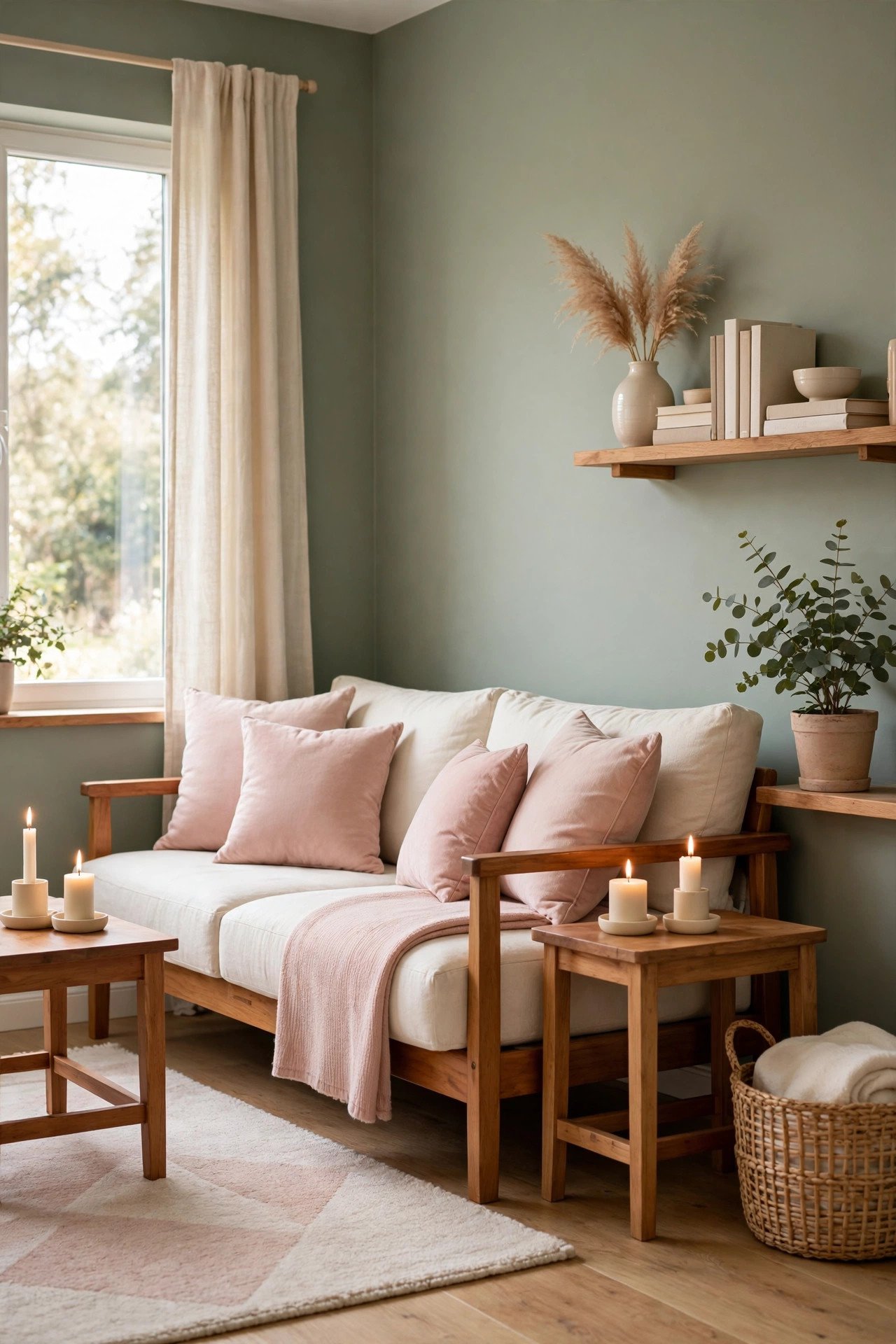
20. Warm Minimalism with One Color Pop
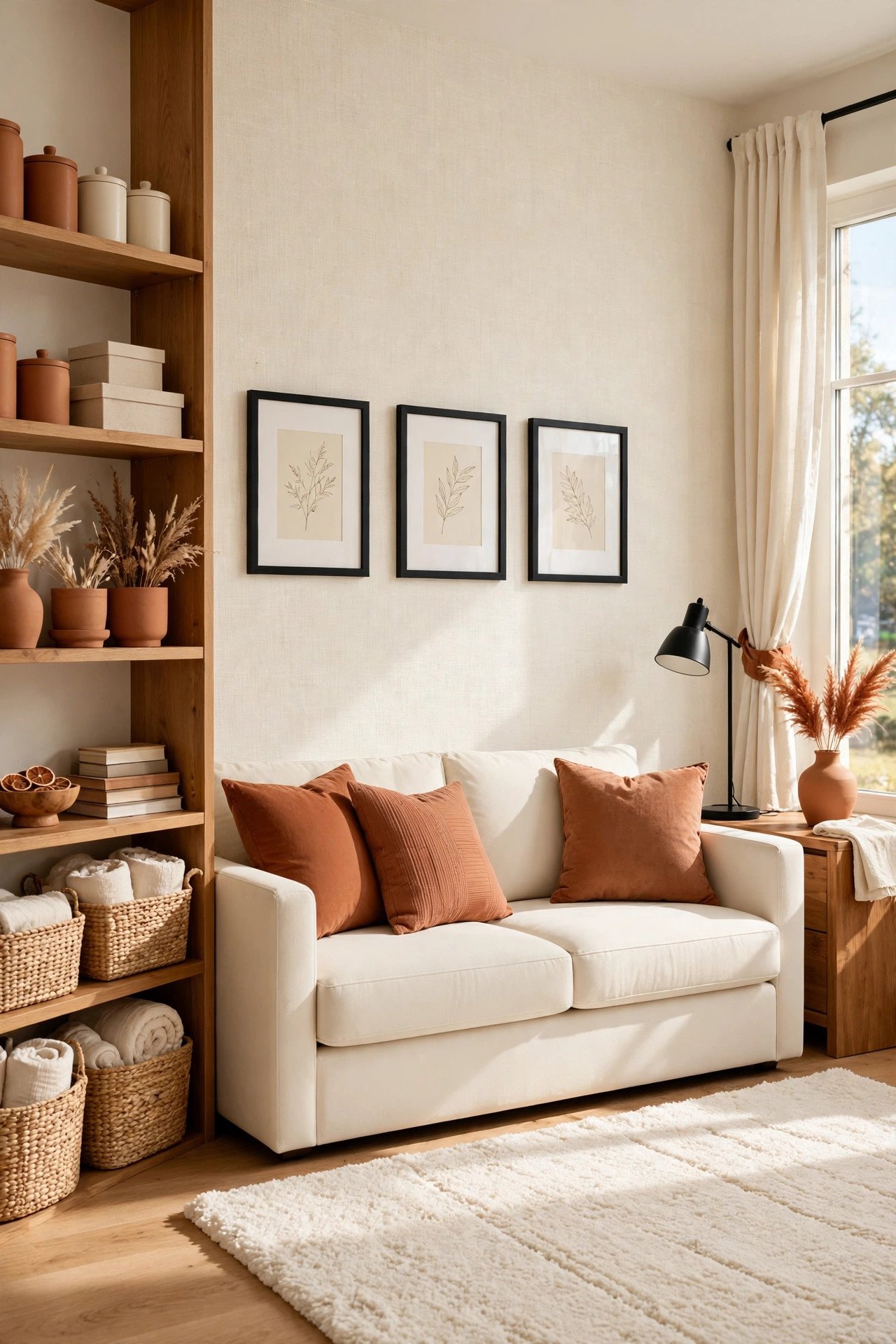
Choose one strong tone, like rust or terracotta, and let it echo around a minimal room. A colored sofa with matching cushions and one piece of art creates a look that feels curated and warm. The minimal base keeps it from feeling busy.
Repeat your chosen color in small moments throughout the room. A cushion here, a vase there, and the color carries the whole space. This focused approach makes a small budget look like a deliberate design choice.

21. A Light, Airy, and Effortless Room
Let natural textures carry your room. Wicker, wood, and linen need almost no help to look good together. Pale walls and a few green plants complete the fresh, morning-light feeling.
This style suits small living rooms especially well. Light colors and natural materials make the space feel bigger and brighter. For more small-room strategies, browse these small space boho solutions.
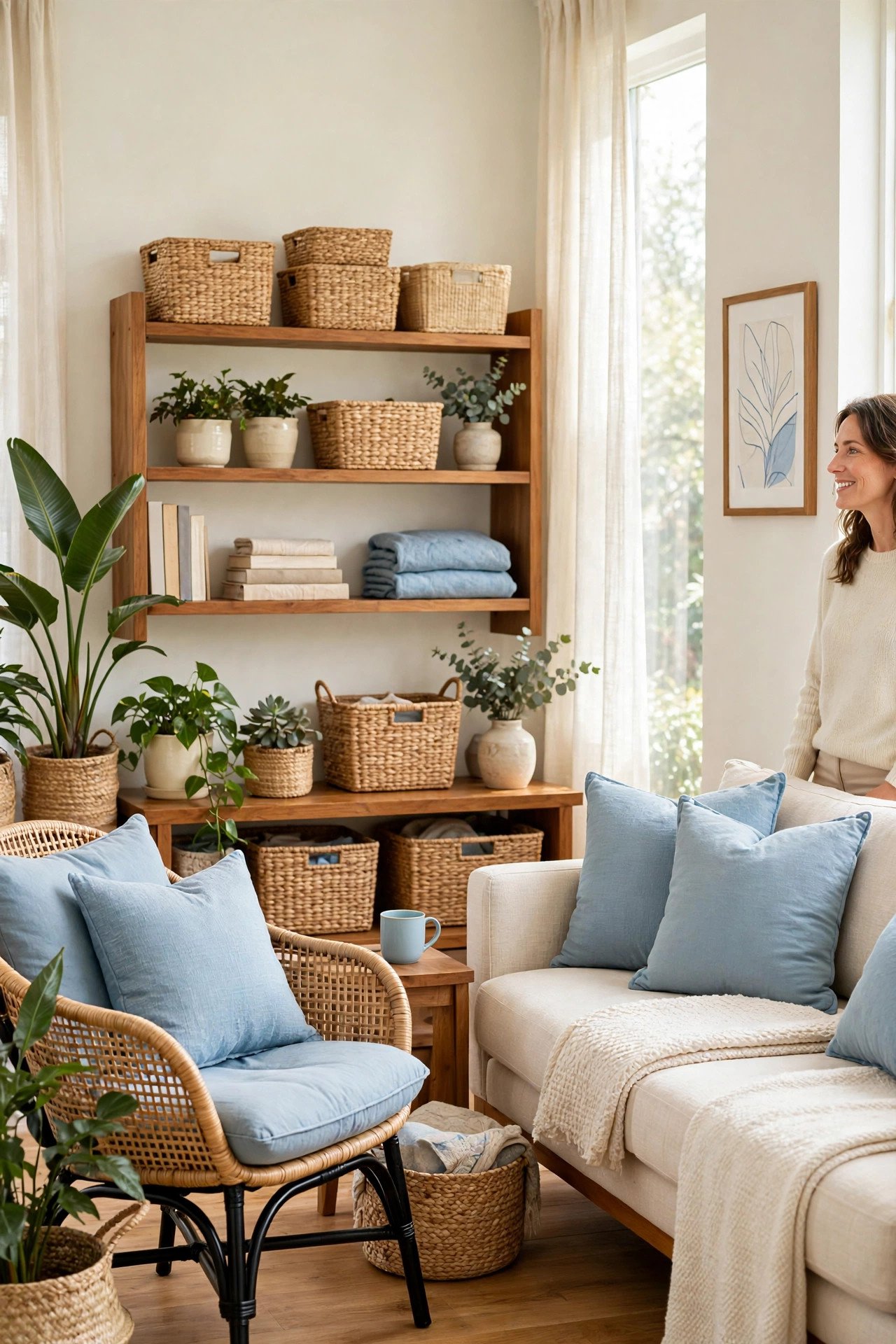
22. Soft Sage Walls for Serenity
One sage green wall adds gentle color without overwhelming the room. Keep your sofa pale and your wood tones warm, then add a throw and a few layered cushions. The result is styled but never stuffy.
Sage works beautifully with cream, beige, and soft white. It is a forgiving color that hides imperfections and looks good in any light. If you rent, you can get the same effect with a large painted canvas instead of painting the wall.

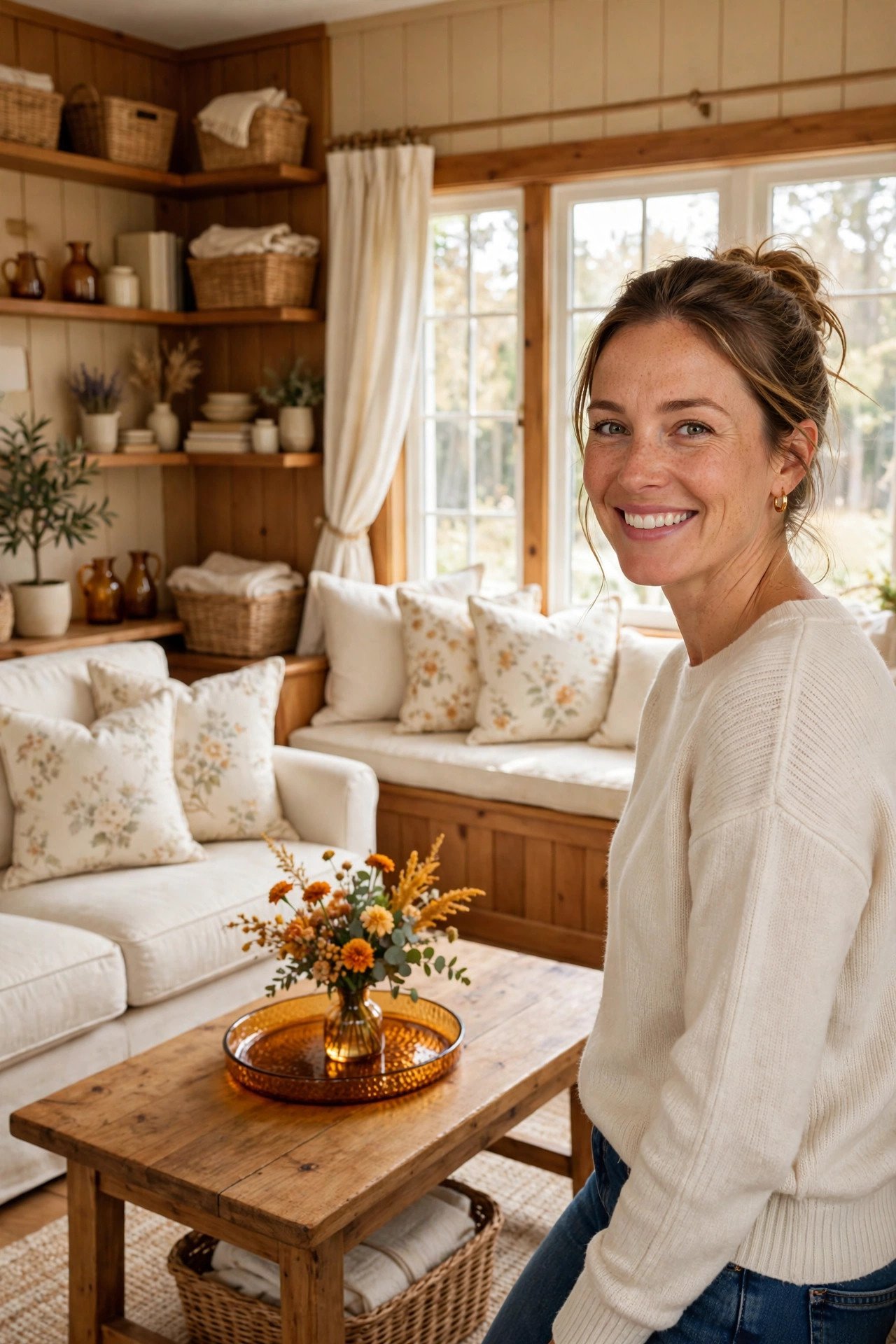
23. Quiet Countryside Cottage Calm
Bring countryside charm into your living room with cream upholstery and soft floral patterns. A window seat piled with cushions, a tray of flowers, and light drapery create a room that invites you to slow down. Nothing here feels rushed or expensive.
Collect the look over time with thrifted finds. Floral cushions, a simple tray, and textured throws are easy to find secondhand. These rental-friendly decor hacks fit the same gentle spirit.
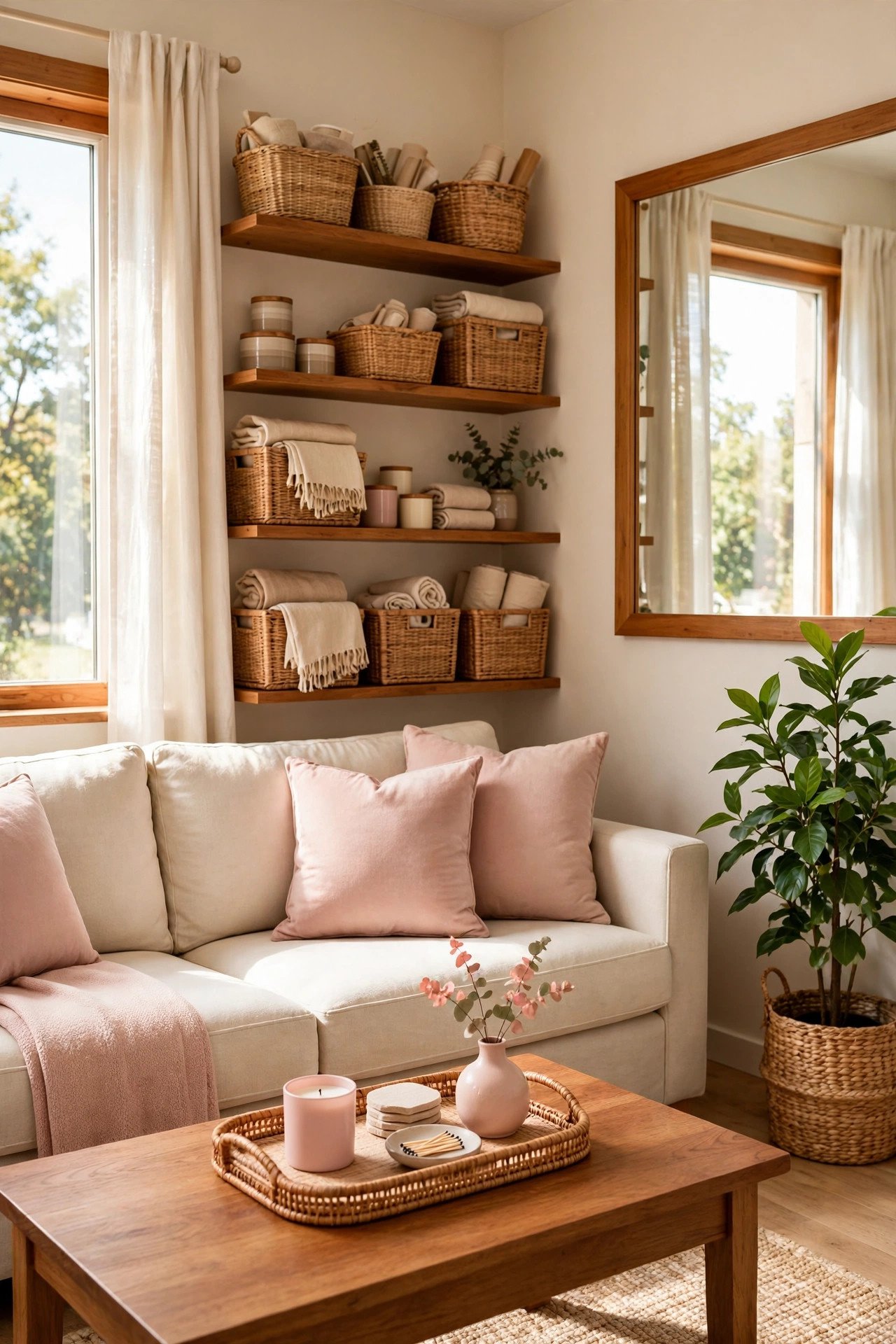
24. Bright Corners with Soft Layers
Make the most of your sunlight with soft beige seating and simple layered styling. A tray on the coffee table, a draped throw, and a few leafy touches are all you need. The room feels ready for both quiet mornings and slow evenings.
Place a mirror opposite your brightest window to double the light for free. Keep window treatments light so sunshine pours in. Bright rooms need fewer accessories because the light itself becomes the decoration.
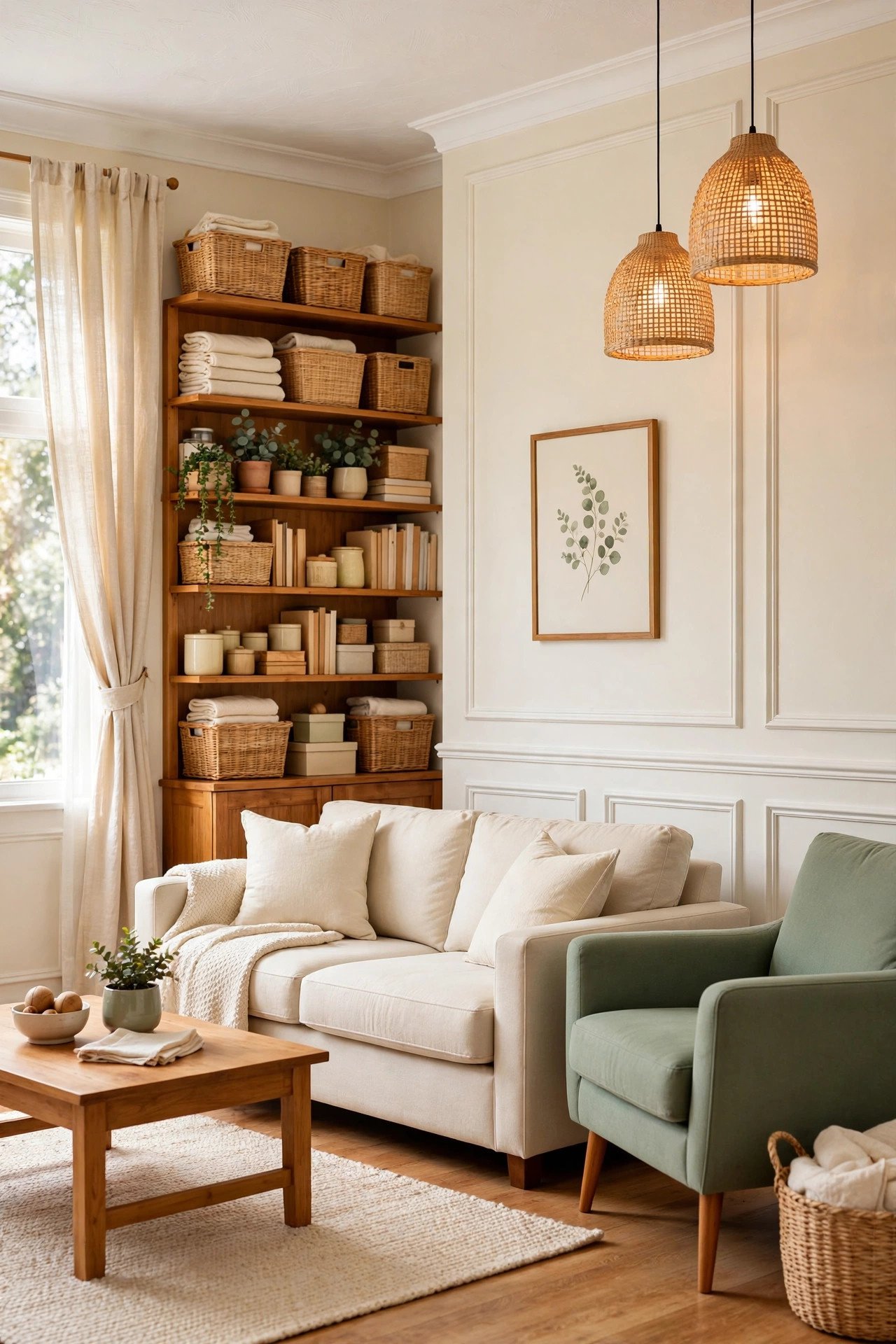
25. Classic Paneling with a Modern Feel
Add simple panel molding to your walls for instant structure and depth. The molding itself costs very little, but it makes the room feel architectural and timeless. Pair it with soft neutral seating and warm pendant lights.
Ground the pale room with a few darker accents. A deep green chair, black furniture legs, and subtle artwork add contrast without stealing the show. The result feels balanced, calm, and quietly confident.
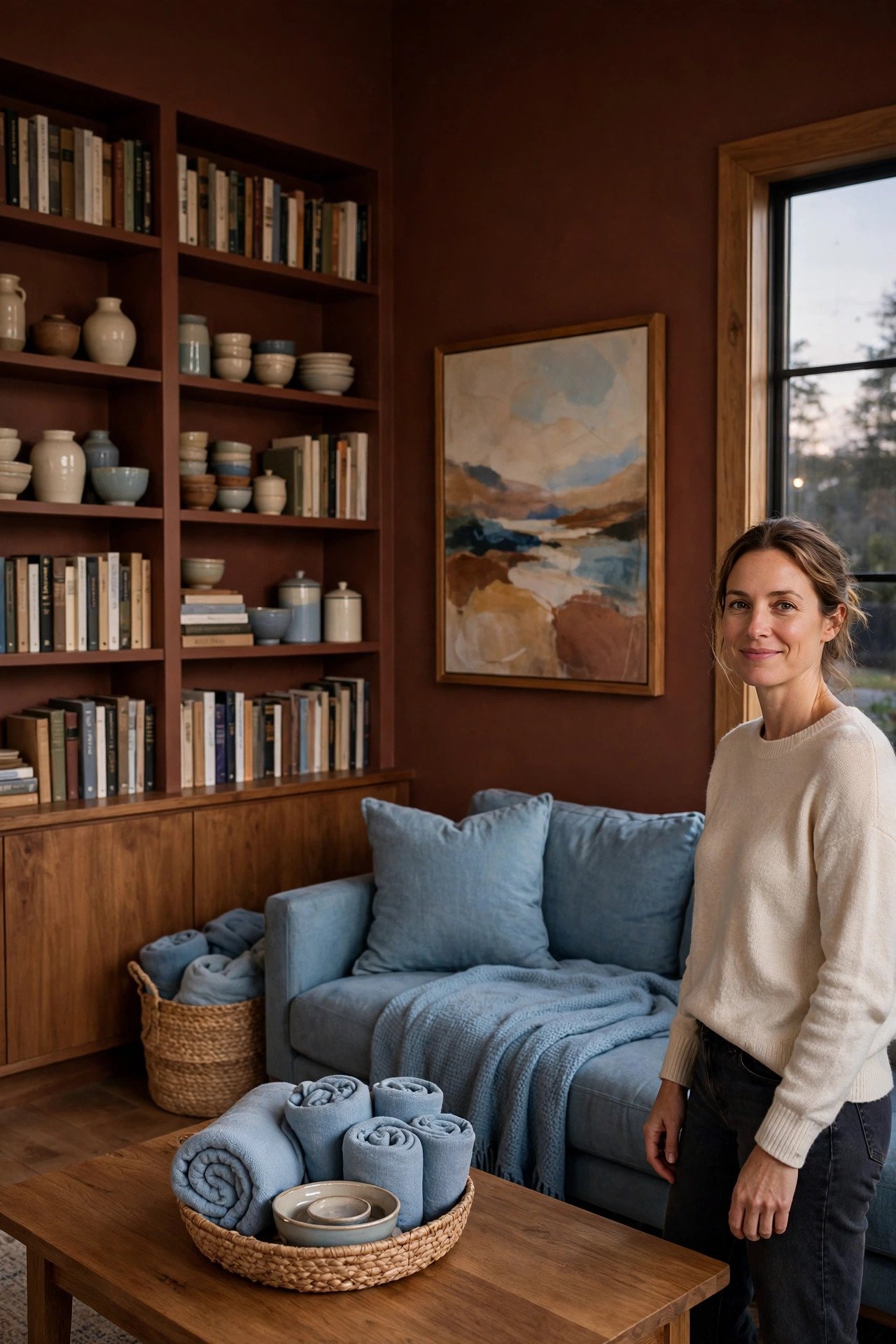
26. Moody Elegance with Layered Depth
Deep walls, warm wood, and built-in shelving create a room that feels rich and intimate. Layer books, ceramics, soft textiles, and one statement artwork for depth. The room gets even better in the evening when the light softens.
You can fake built-ins with affordable bookcases painted the same color as your walls. Style the shelves with things you already own. This layered look grows beautifully over time and never needs expensive furniture.
Conclusion
Your living room does not need a big budget to feel brand new. A can of paint, a few rearranged pillows, and one or two thrifted finds can completely change how the space feels. Start with the idea that excites you most and build from there.
Take a photo of your room before you begin so you can see the difference later. Small changes add up faster than you think. You are closer to your dream living room than you believe.
Frequently Asked Questions About Cheap Living Room Makeovers
What is the cheapest way to makeover a living room?
Paint is the cheapest transformation. One accent wall in a new color, rearranged cushions, and a decluttered shelf can change the whole room for the price of a single can of paint and an afternoon.
How can I make my living room look expensive on a budget?
Stick to one calm color palette, repeat tones across cushions and art, and add texture with throws and rugs. Symmetry and editing also make a room look far more expensive than it is.
Can I refresh my living room without buying new furniture?
Yes. Rearrange what you own, repaint one wall, swap cushion covers, and style surfaces with a tray or candles. Most of the ideas in this article use your existing furniture.
What color makes a living room feel bigger?
Pale walls in warm white or soft beige reflect the most light and make a room feel open. Pair them with a mirror opposite the window to double the brightness.
How often should I update my living room decor?
Small refreshes once or twice a year keep the room feeling new. Rotate cushions, throws, and small art seasonally rather than redoing everything at once.

Hi, I’m Emily! I turn messy corners into cozy, organized spots. DreamNestDecor is where I share simple, practical home ideas — decor, organization, and small-space solutions that work in real life, not just in photos. Every idea here is carefully researched before it’s shared.