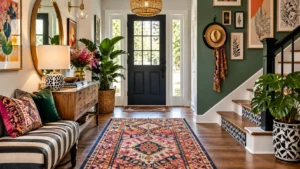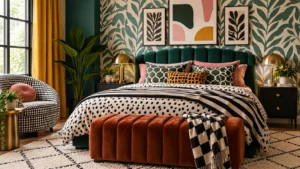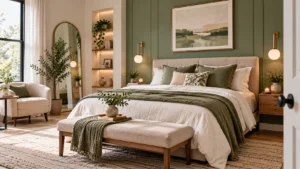

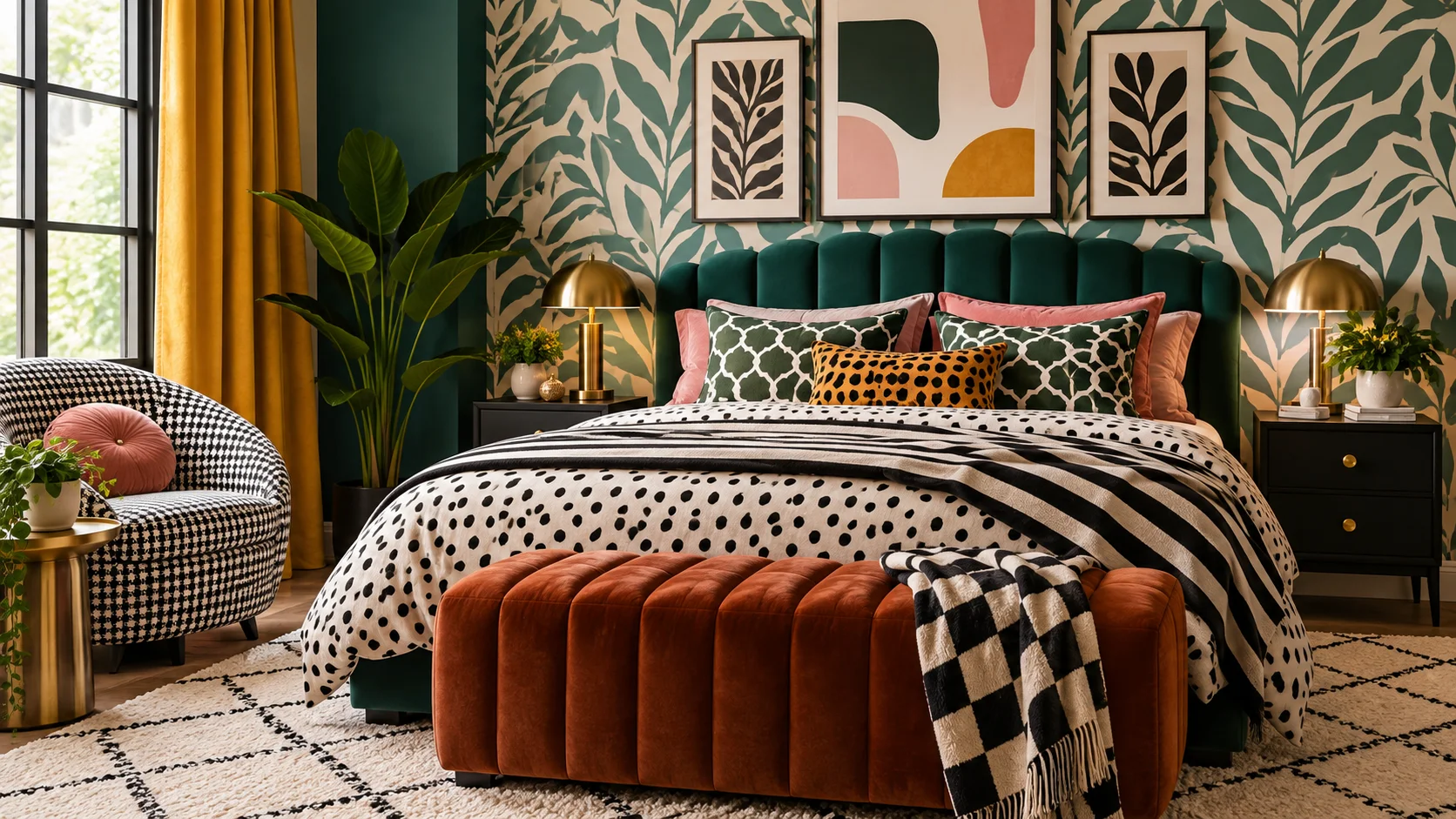
Most people are afraid to mix more than one pattern in a room, worried it will look like a mistake. The truth is, the boldest, most talked about bedrooms are built on exactly that fear being ignored.
Mixing patterns is not about throwing random prints together and hoping for the best. It follows a few simple rules that anyone can learn, and this guide will walk you through exactly how to build a confident, statement making bedroom.
1. Pick One Color Story First:
Before choosing any patterns, decide on two or three colors that will run through the entire room. This shared color thread is what keeps a mix of bold prints from feeling chaotic or disconnected.
Once your colors are locked in, every pattern you choose afterward should pull from that same palette in some way. This single step is the real secret behind rooms that look intentionally bold instead of accidentally messy.
A similar approach works well when bringing stronger color into a modern room, as shown in these Mid Century Modern ideas with a bold color twist, where color becomes part of the overall design rather than an isolated accent.
2. Vary the Scale of Each Pattern:
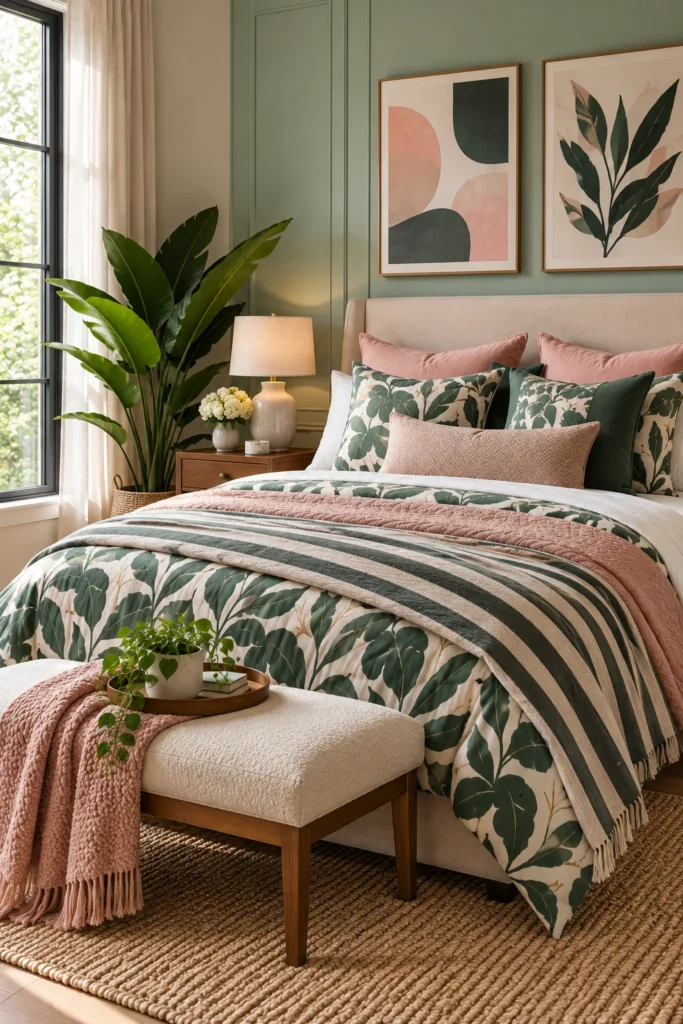
Combine a large scale pattern, a medium one, and a small one instead of choosing three prints of similar size. This variation in scale is what allows the eye to read each pattern separately rather than blending into visual noise.
A bold floral on your curtains, a medium stripe on your headboard, and a small dot on a throw pillow can work together beautifully. Without this kind of size contrast, even well matched colors can start to feel flat or overwhelming.
3. Let One Pattern Lead the Room:
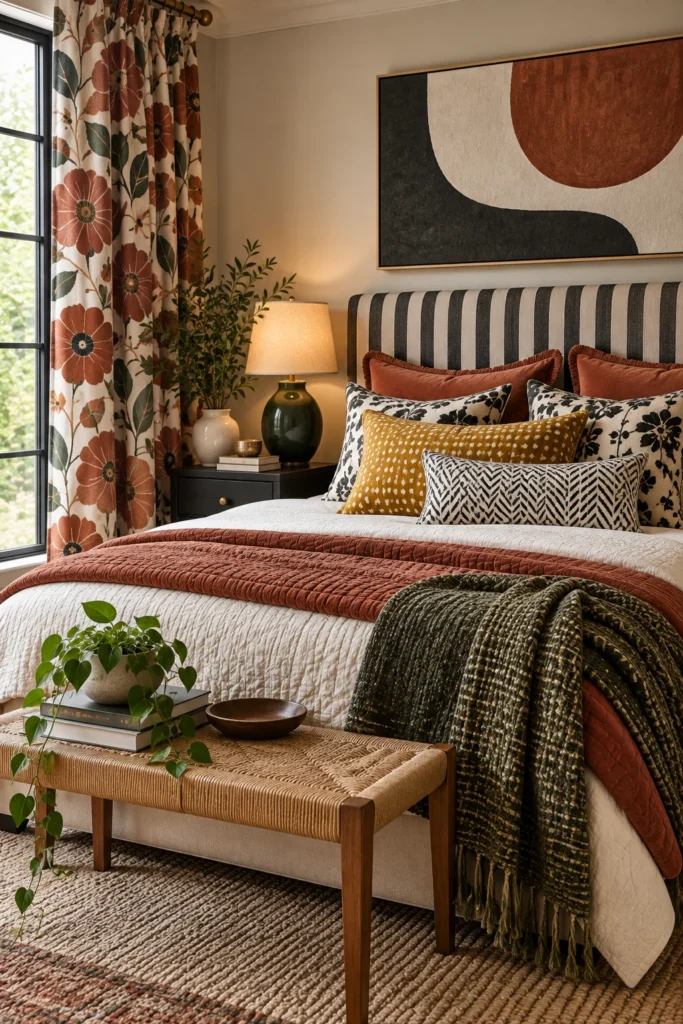
Choose one standout pattern, usually the largest or boldest one, to act as the anchor for the entire space. Every other pattern in the room should feel like it is supporting this lead piece rather than competing with it for attention.
This lead pattern is often best placed somewhere large, like a duvet cover, an accent wall, or a statement headboard. Once this anchor is set, building the rest of the room around it becomes far less intimidating. For inspiration on making one strong design element feel intentional rather than overwhelming, these 22 Art Deco minimalist home decor ideas offer another example of how a standout feature can anchor a room.
4. Use Solid Colors as Breathing Room:
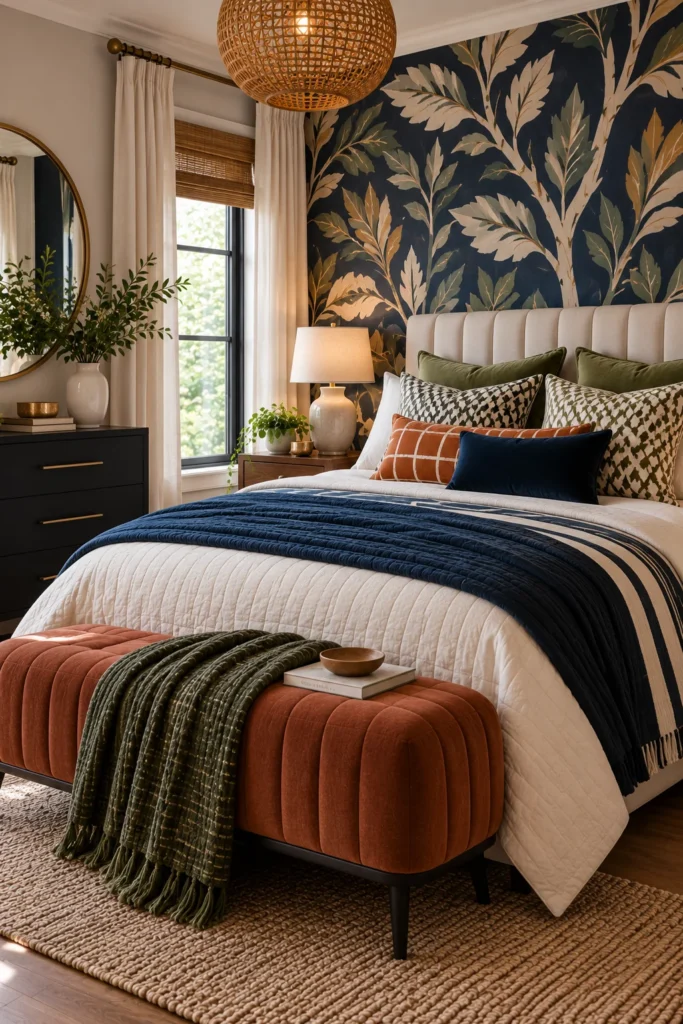
Balance your bold patterns with plenty of solid colored pieces, like a plain rug or simple curtains. These solid areas act as visual breathing room, giving the eye a place to rest between busier patterned elements.
Without enough solid color in the mix, even a well planned pattern combination can start to feel overwhelming or exhausting to look at. A good general rule is to let solids make up more of the room than patterns do overall.
For another example of using restraint to balance a room, these 23 quiet luxury decor ideas that look expensive on any budget show how simple colors, textures, and carefully chosen pieces can create a polished overall feel.
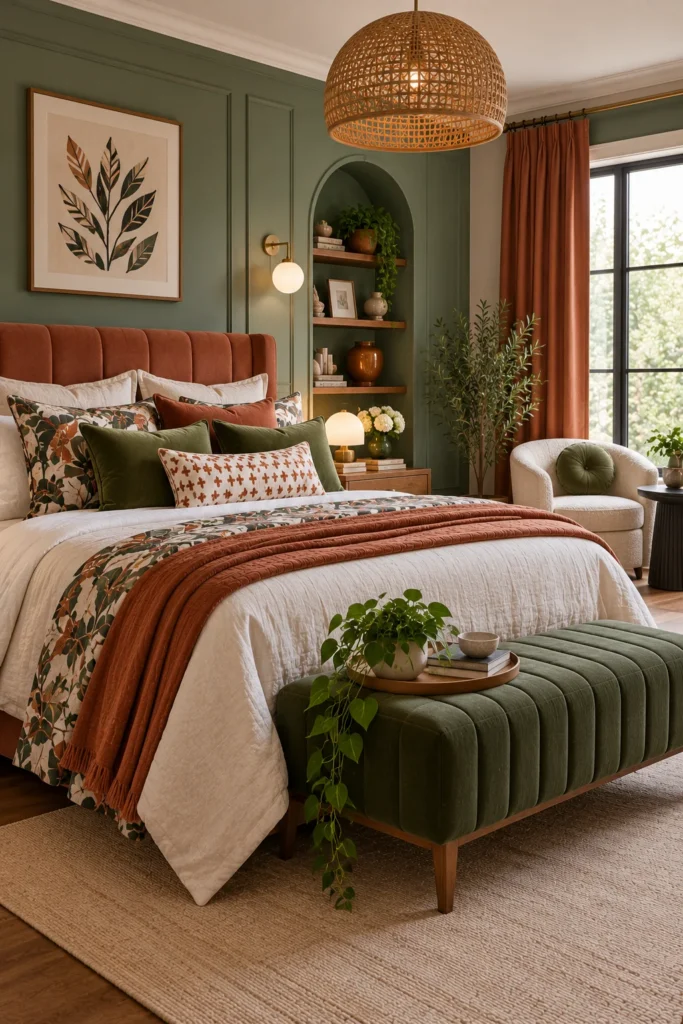
5. Stick to a Common Thread Beyond Color:
Beyond color, look for another shared element between your patterns, like a similar texture, era, or design style. This could mean choosing patterns that all feel vintage inspired, or ones that share a similar hand drawn quality.
This kind of subtle connection ties everything together even when the patterns themselves look quite different from each other. It is often the difference between a room that feels curated and one that feels randomly assembled.
If you love a more collected and character-filled look, exploring vintage bedroom ideas with charming painted accents can also help you see how different decorative details can work together without making the space feel overly matched.
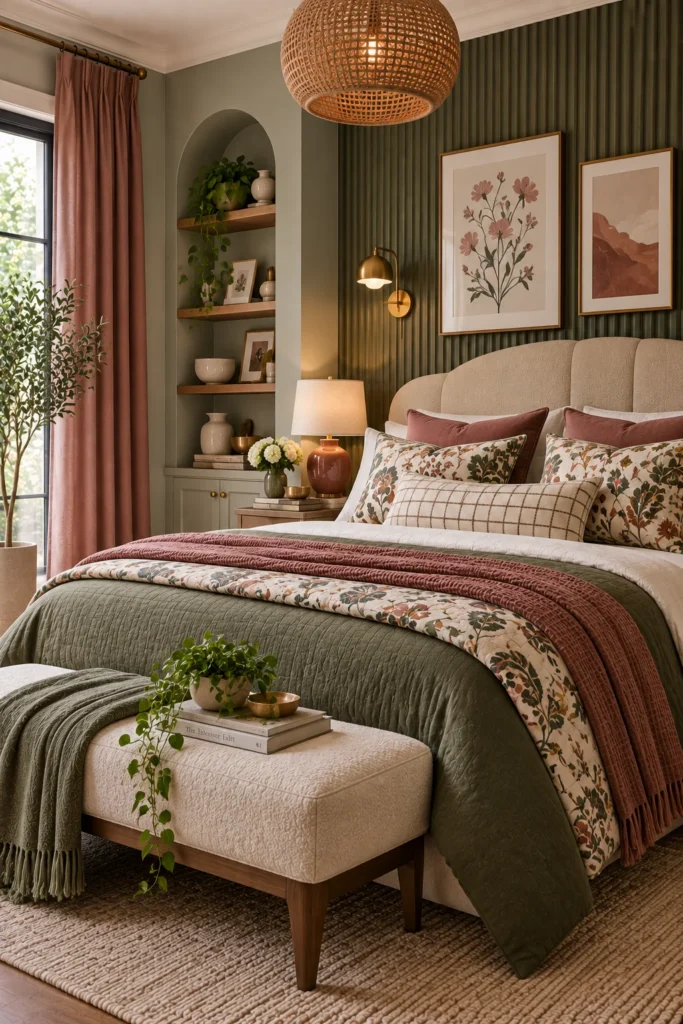
6. Mix Geometric and Organic Patterns Together:
Pair a structured, geometric pattern like stripes or checks with a softer, organic one like florals or paisley. This contrast between rigid lines and flowing shapes creates a natural visual balance within the room.
Geometric patterns tend to feel modern and clean, while organic ones feel relaxed and natural, and combining both keeps the room from leaning too far in either direction. This pairing is one of the most reliable combinations for beginners to start with.
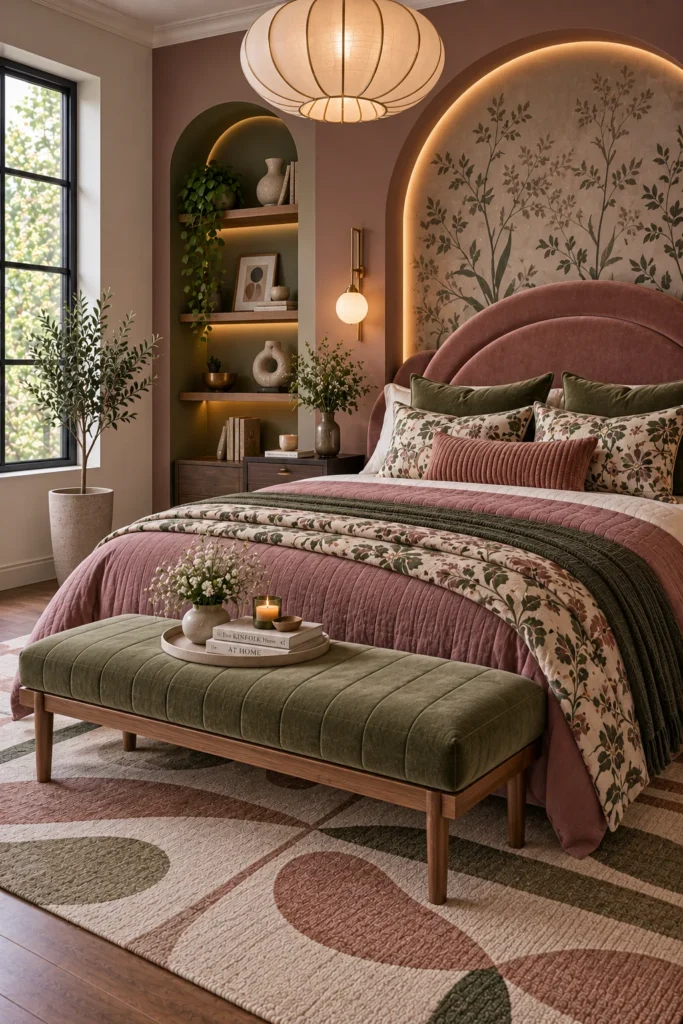
7. Use Pattern on Unexpected Surfaces:
Do not limit bold patterns to just your bedding and pillows, since walls, lampshades, and even the backs of bookshelves can carry pattern too. Spreading patterns across different surfaces makes the room feel cohesive rather than having all the visual interest concentrated in one spot.
This approach also lets you use smaller doses of bolder, more daring prints in places that are easier to change later. A patterned lampshade or a single papered shelf is a low commitment way to experiment before going bigger.
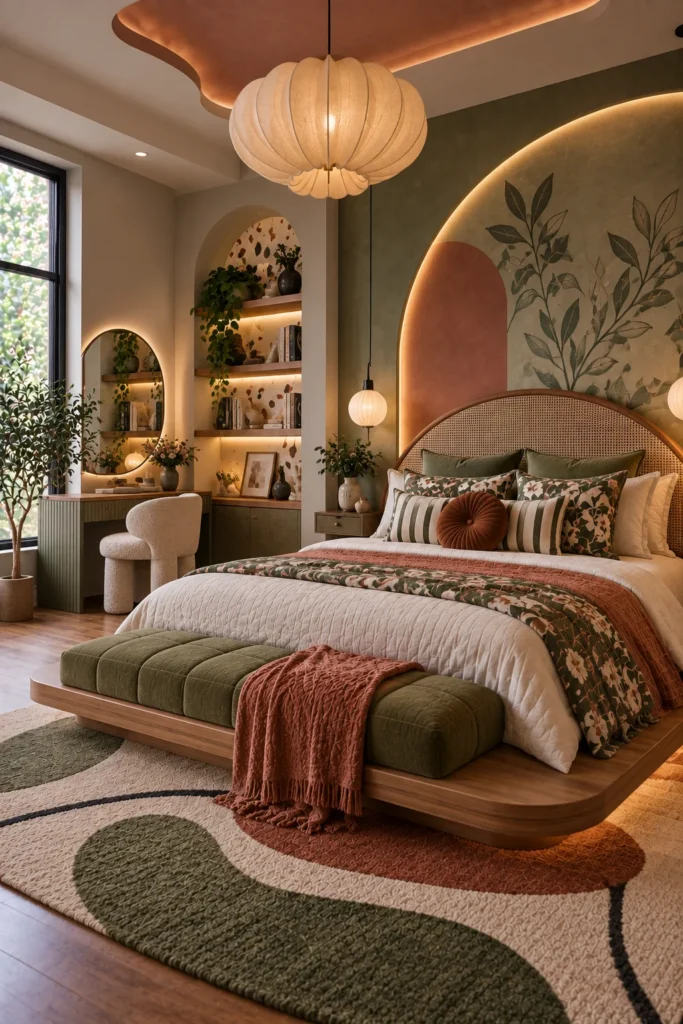
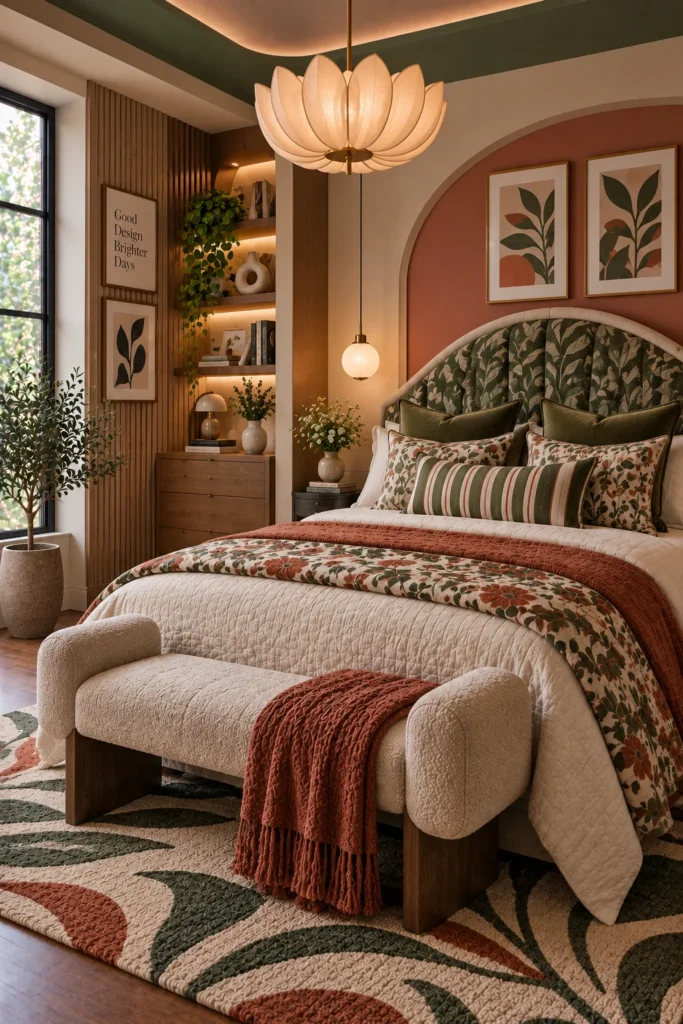
8. Repeat at Least One Pattern Twice:
Choose one specific pattern and use it in two different spots around the room, even if the scale changes slightly. This repetition acts as a visual anchor that subtly ties the whole space together without feeling overly matched.
A striped pattern on your headboard and again on a smaller accent pillow is a simple example of this trick in action. Repetition like this gives the eye something familiar to return to as it moves around a busy, pattern filled room.
9. Test Combinations Before Committing:
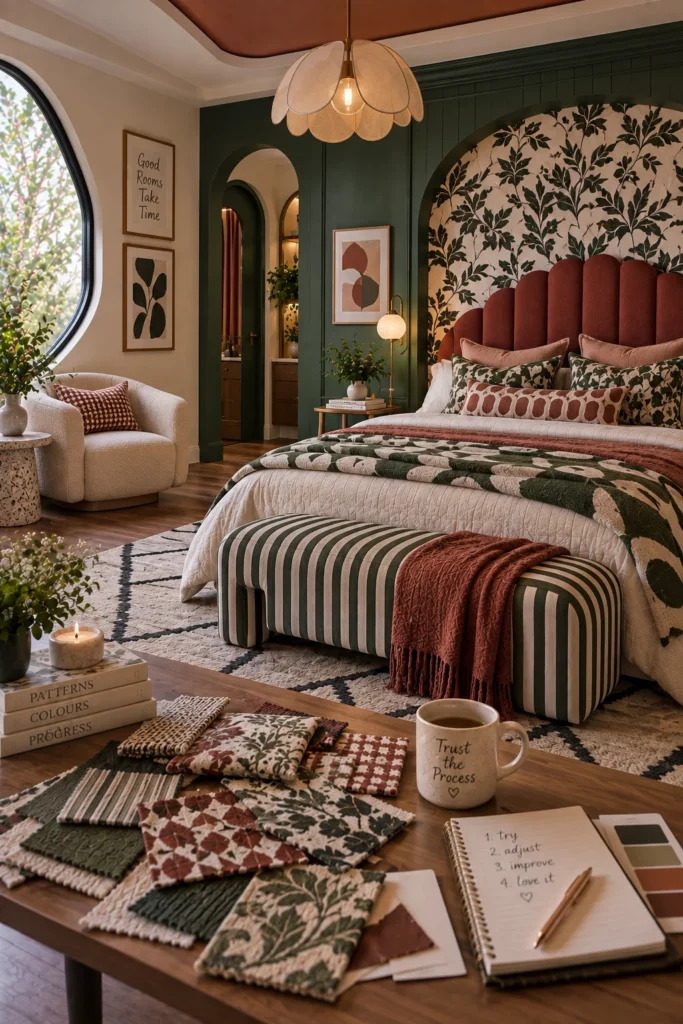
Before buying everything at once, gather fabric swatches or small samples of each pattern and lay them next to each other. Seeing them together in person reveals clashes or surprising pairings that photos alone often fail to show.
Live with the samples for a few days under both natural and artificial light, since colors and patterns can shift depending on lighting. This small extra step can save you from costly mistakes once everything is actually installed in the room.
10. Trust the Process and Edit as You Go:
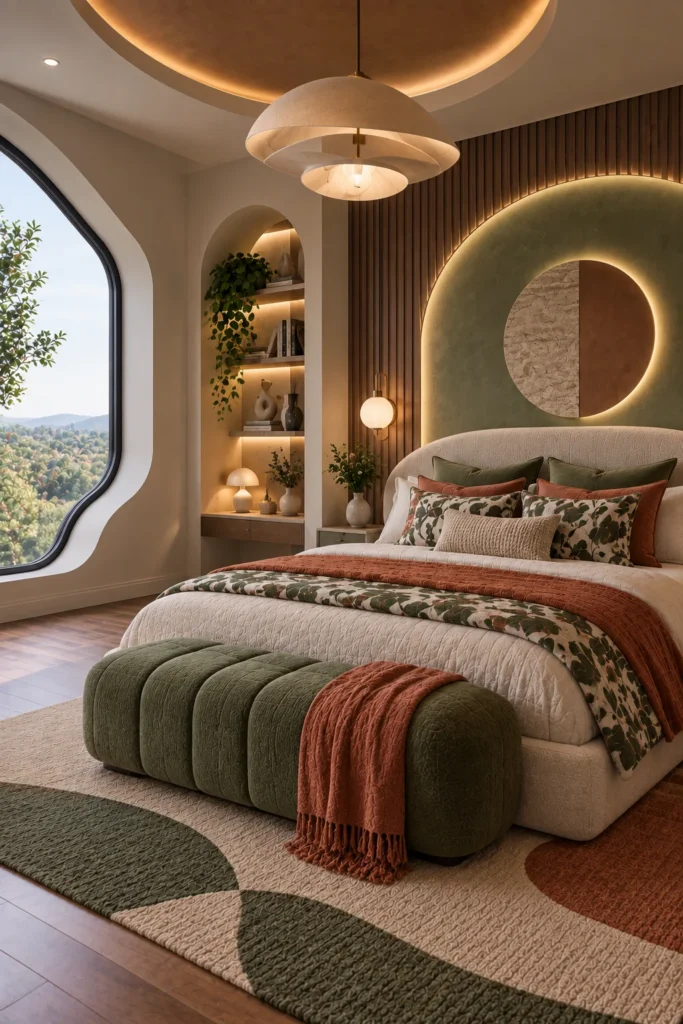
Once your patterns are in place, step back and assess the room as a whole rather than focusing on individual pieces. If one pattern feels like it is fighting for attention rather than supporting the room, it is okay to swap it out.
Bold pattern mixing is rarely perfect on the very first try, and most striking rooms go through some trial and error before they click. Giving yourself permission to adjust along the way is often what separates a good result from a truly great one.
A Bedroom That Tells Your Story:
A statement bedroom built on bold patterns is not about following strict rules to the letter. It is about understanding the few key principles, like scale, color, and balance, that let you mix prints with real confidence.
Start with just one bold piece, like a patterned headboard or a single accent wall. Watch how quickly you find the courage to build a room that feels completely, unmistakably your own.
Frequently Asked Questions:
How many patterns can I mix in one bedroom?
Three to five patterns generally work well together without feeling overwhelming. The key is varying their scale and keeping them connected through a shared color palette or common design theme.
What patterns are easiest to mix for beginners?
Stripes, florals, and small geometric prints are the easiest combinations for beginners. Pairing one bold print with two smaller, simpler ones tends to create a balanced look without much risk of clashing.
Do mixed patterns work in small bedrooms?
Yes, small bedrooms can absolutely handle mixed patterns if the scale and color palette are controlled carefully. Using lighter colors and fewer large scale patterns helps keep a small space from feeling too busy.
Should I match patterns to my existing furniture?
Your patterns do not need to match furniture exactly, but they should complement its tone and material. A wood toned room often pairs well with warm, earthy patterns rather than cool, stark ones.
How do I avoid patterns looking too busy?
Balance bold patterns with solid colored pieces like rugs, curtains, or walls. Keeping at least half the room in solid tones gives the eye somewhere to rest between patterned elements.
Can stripes and florals be mixed together?
Yes, stripes and florals are a classic combination because they contrast structured lines with soft, organic shapes. This pairing is one of the most reliable starting points for mixing patterns confidently.
What is the biggest mistake people make when mixing patterns?
The most common mistake is choosing patterns of similar scale, which makes them blend together instead of standing out. Varying the size of each pattern is essential for a clean, intentional looking result.
How do I choose a color palette for mixed patterns?
Pick two or three colors you genuinely love and want repeated throughout the room. Every pattern should pull from this same palette in some way to keep the overall look cohesive and connected.

Hi, I’m Emily! I love turning messy corners into cozy, organized spots. This all started years ago with my own entryway: shoes everywhere, keys always missing, and bags dumped on the floor every single day. I got tired of the chaos, so I started fixing it little by little, and I fell in love with the whole process along the way.
Now I run DreamNestDecor, where I share simple, real ideas that actually work for busy homes: not fancy, expensive makeovers, just easy changes anyone can do on a weekend. From cozy mudrooms to cute storage hacks, everything I share, I’ve tried myself first. I believe a calm, organized home shouldn’t feel like a dream: it should be something every family can have.
So grab a coffee, look around, and let’s make your home feel a little more “you.”