Your walls speak long before you say a word. When a guest steps into your living room, the first thing the eye finds is what hangs on the wall. A bare wall feels cold and unfinished, but the right piece of abstract art can turn that same wall into the soul of the room.
Abstract art has a quiet power. It does not tell you what to see. It lets you feel the color, the shape, and the mood in your own way. You can hang one bold canvas above your sofa or build a small gallery of prints in the hallway. Either way, the room feels more thoughtful and more complete.
Below you will find twenty ideas to style abstract art in a sophisticated way. Each idea shows you a different look, from bold color blocks to soft nature tones. Read through them, picture them on your own walls, and pick the ones that match your home and your heart.
1. Bold Color Block Wall Art
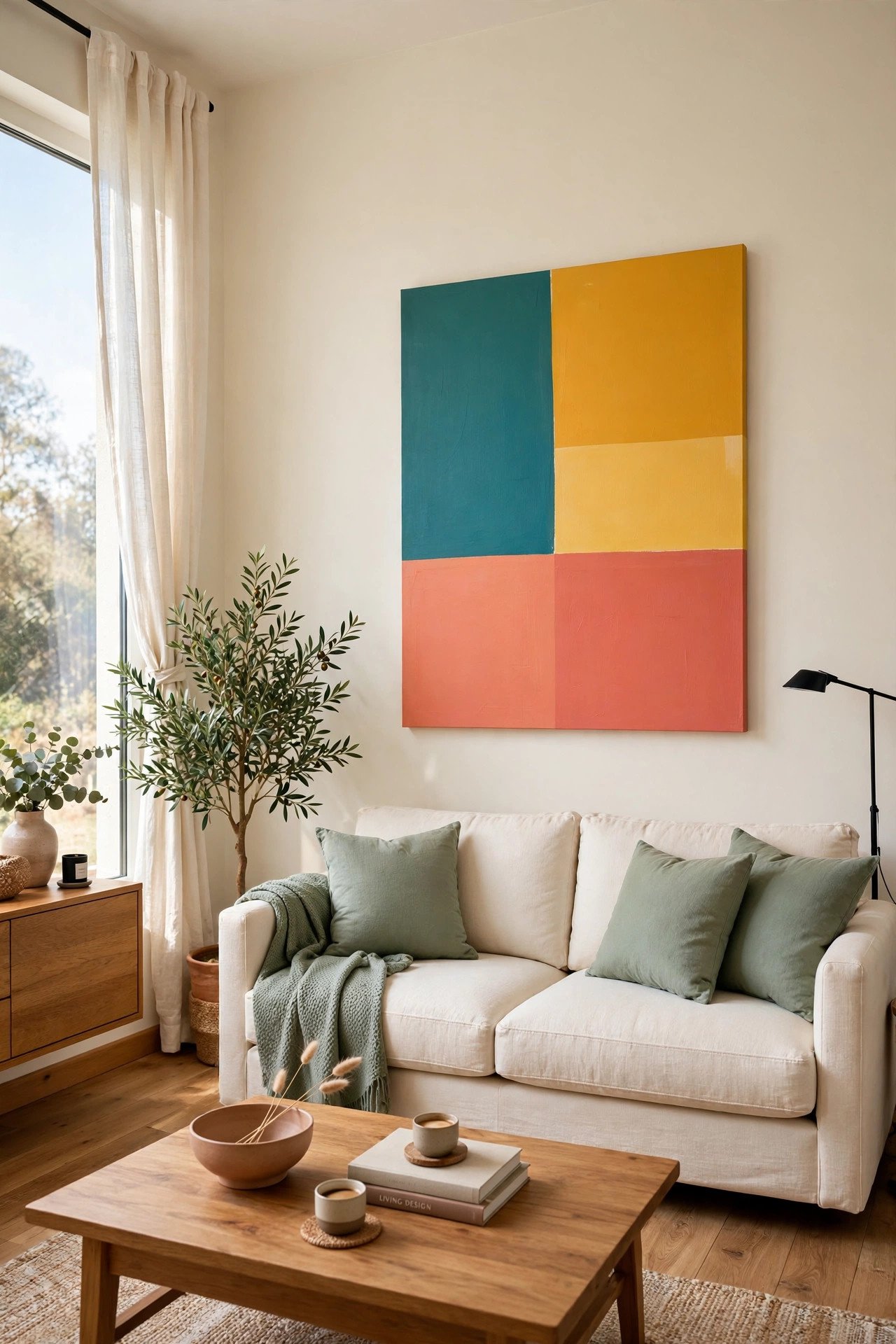
Color block art uses solid shapes of color in different sizes. Think of a large canvas with panels of teal, mustard, and soft coral set against a calm cream wall. The look is clean, modern, and full of energy.
You can hang one large color block piece as a statement, or you can group two or three smaller panels in a row. Keep the wall behind the art simple so the colors can do the talking. If you want the wall itself to carry color, explore two tone wall paint ideas for a matching backdrop. A neutral sofa and a light rug let the blocks shine.
2. Fluid Pour Artwork
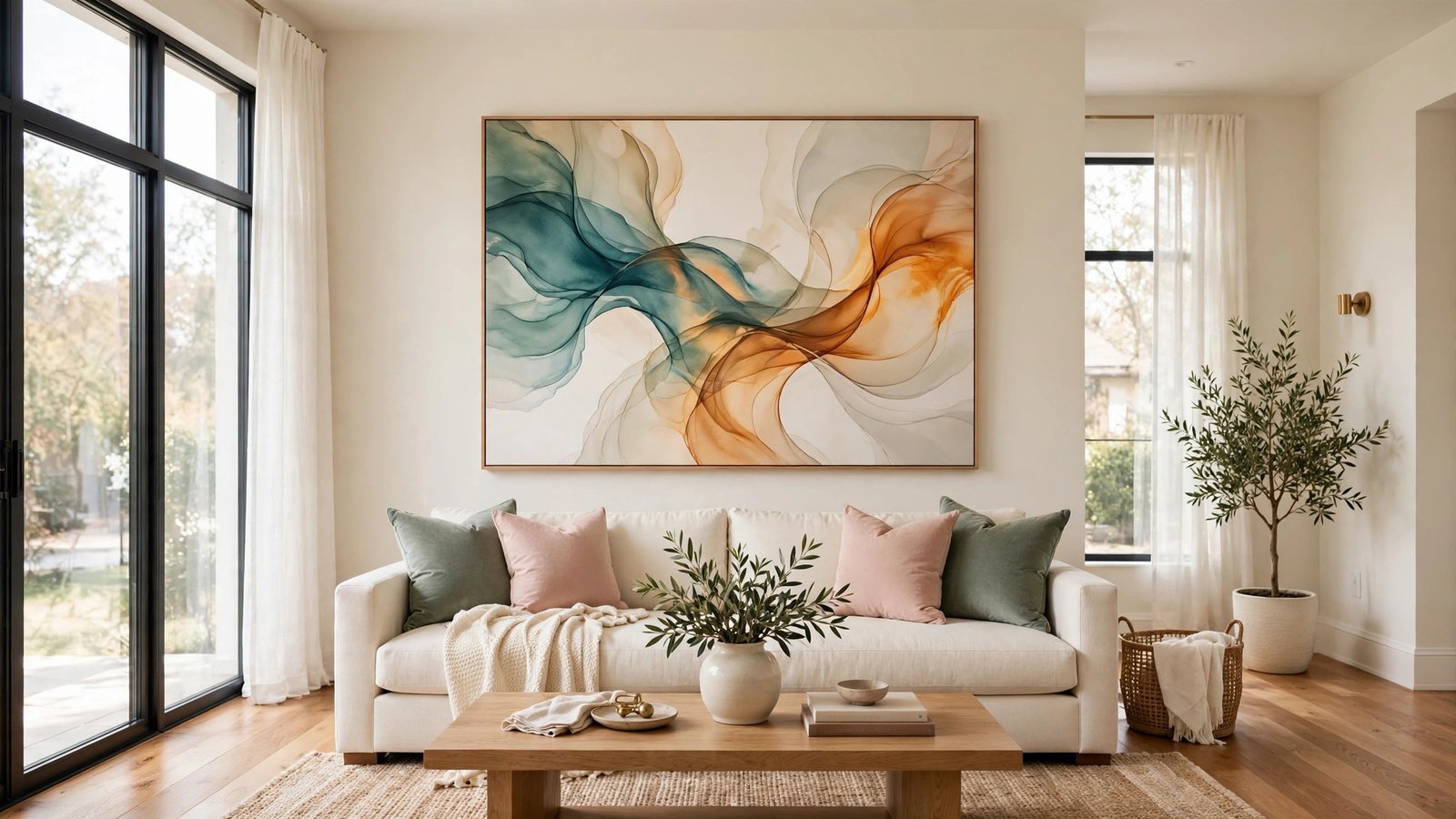
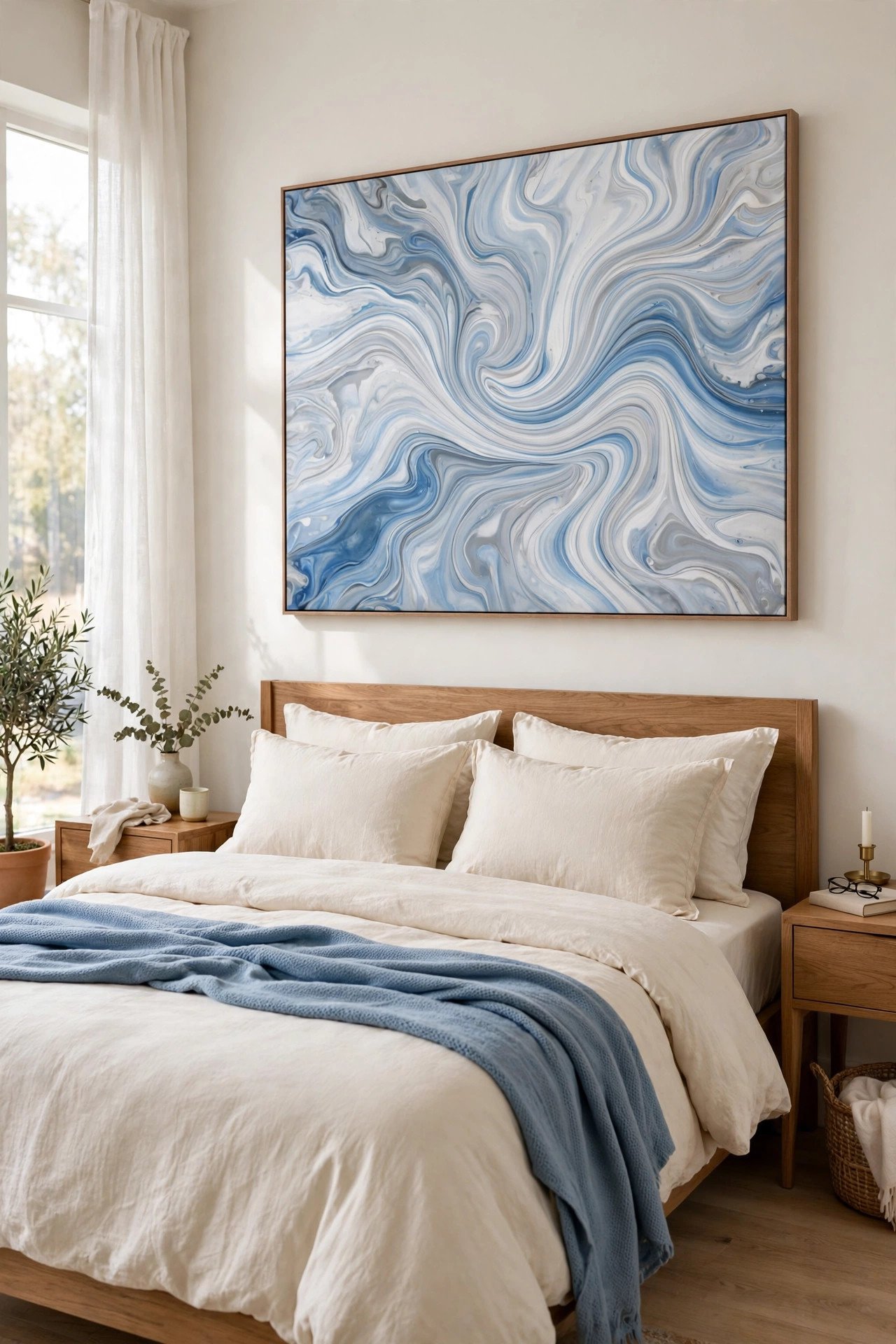
Fluid art comes from pouring liquid paint on a canvas and letting the colors flow together. The result looks like motion frozen in time, with soft swirls and gentle waves. Every piece is one of a kind, which makes it feel very special.
A large fluid painting works best as a focal point in the living room or above a bed. Choose colors that match your room, like cool blues for calm or warm amber tones for energy. The soft lines bring a peaceful feeling to the space.
3. Geometric Shape Artwork
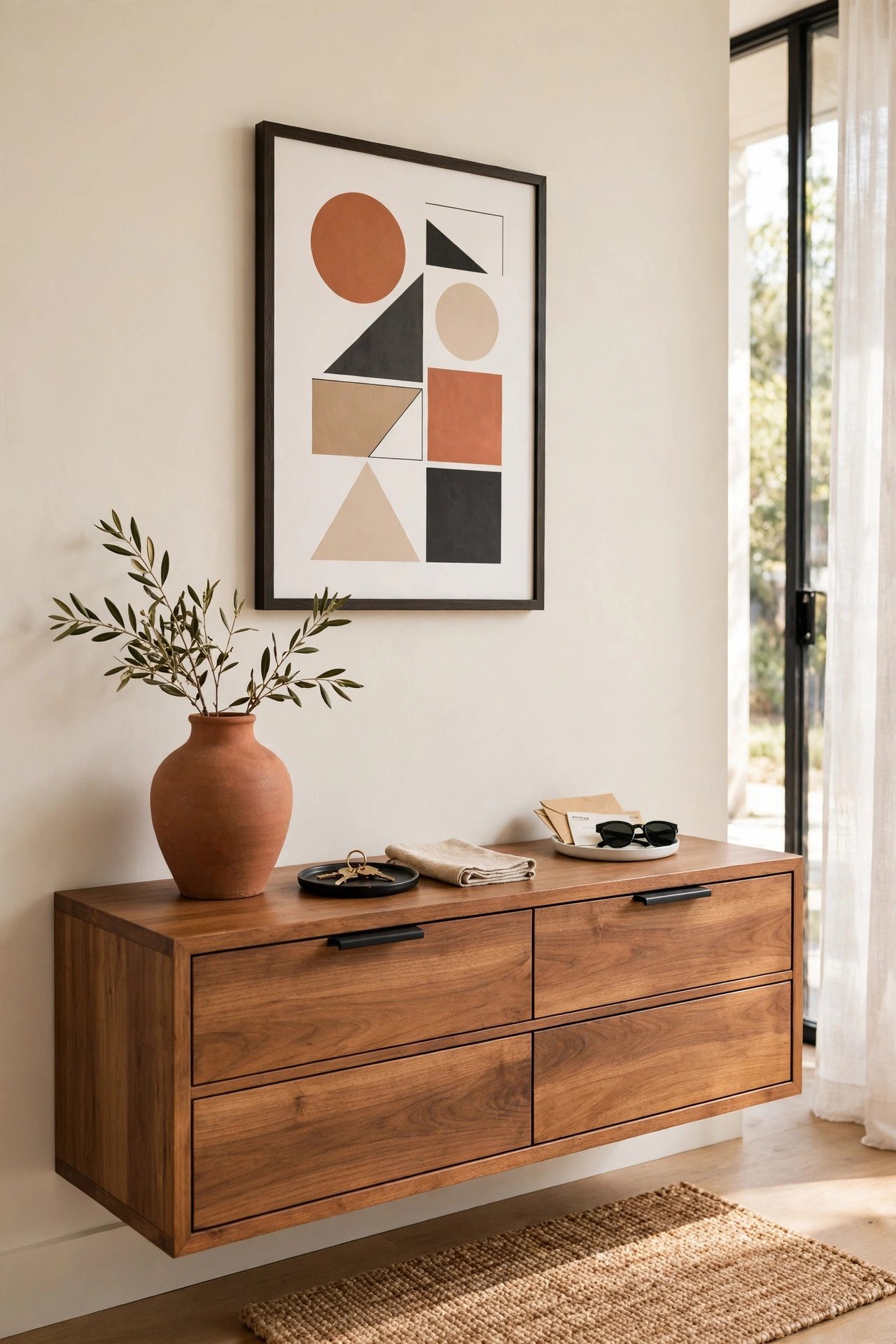
Geometric abstract art uses clean lines and sharp shapes like circles, triangles, and squares. It adds energy to a room while keeping the look tidy and balanced. The rhythm of the shapes guides the eye across the wall.
Match the geometry to your furniture. If your sofa has straight lines, pick art with squares and rectangles. If your room has soft curves, choose circles and arches. A minimal frame or a wide white mat helps the shapes stand out.
4. Layered Mixed Media Art
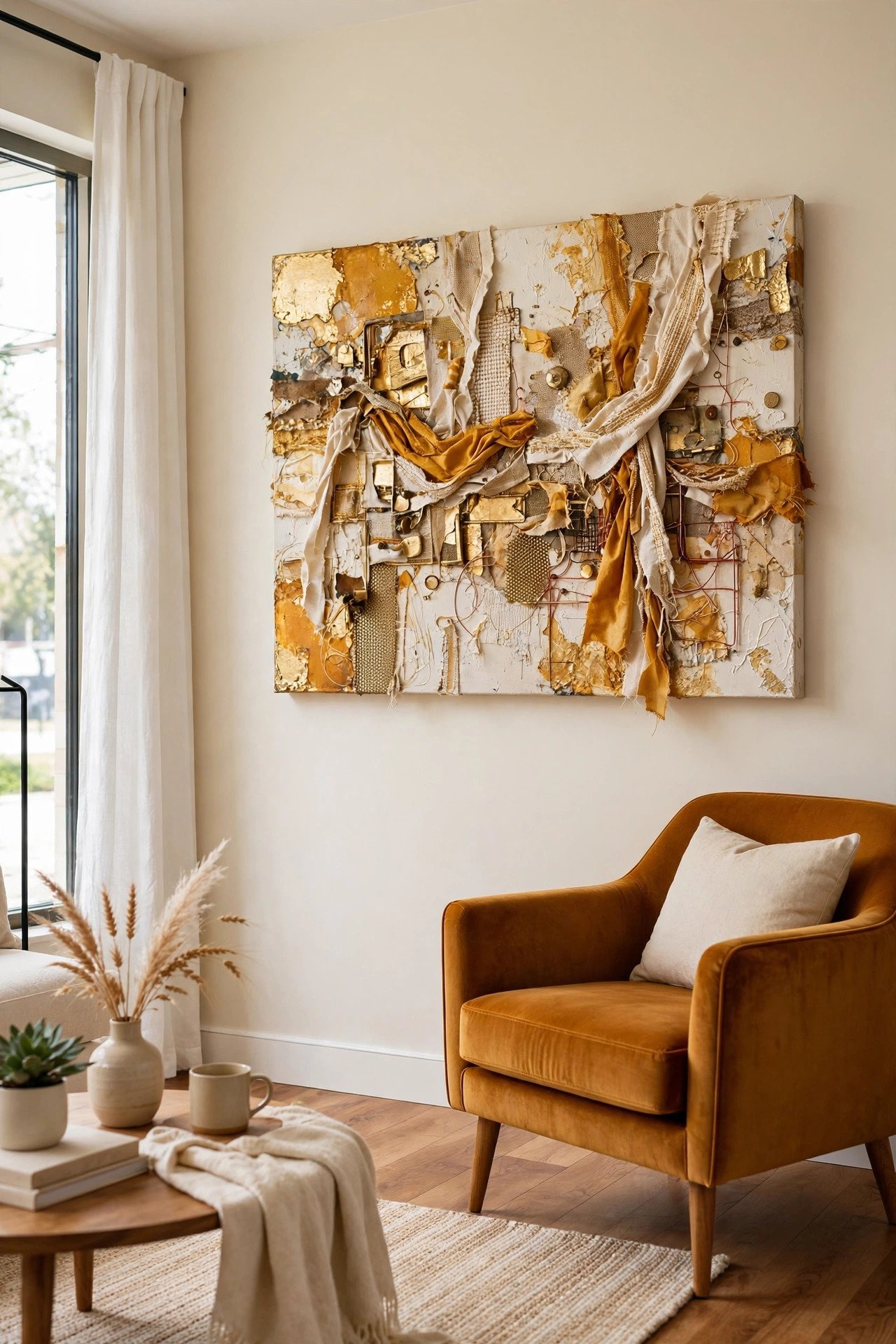
Mixed media art blends paint with fabric, paper, and small metal pieces. The result has texture you can almost feel, plus a depth that flat prints cannot give. It brings character to a wall without shouting.
Hang one large mixed media piece as the anchor of the room, then add two smaller works to build a layered gallery. Vary the sizes and textures so the display feels rich. Soft lighting will highlight the raised surfaces and make the wall come alive.
5. Black and White Statement Art
Black and white abstract art has a timeless elegance that fits almost any room. The strong contrast lets the lines and shapes speak clearly, even in a small space. It works with warm wood, cool metal, and every color in between.
Use one large black and white canvas to anchor a busy room, or arrange three smaller prints for a quiet gallery wall. Try different frames and mats to shift the mood. Add one colorful accent, like a sage cushion or a terracotta vase, to warm the look.

6. Nature-Inspired Abstract Pieces
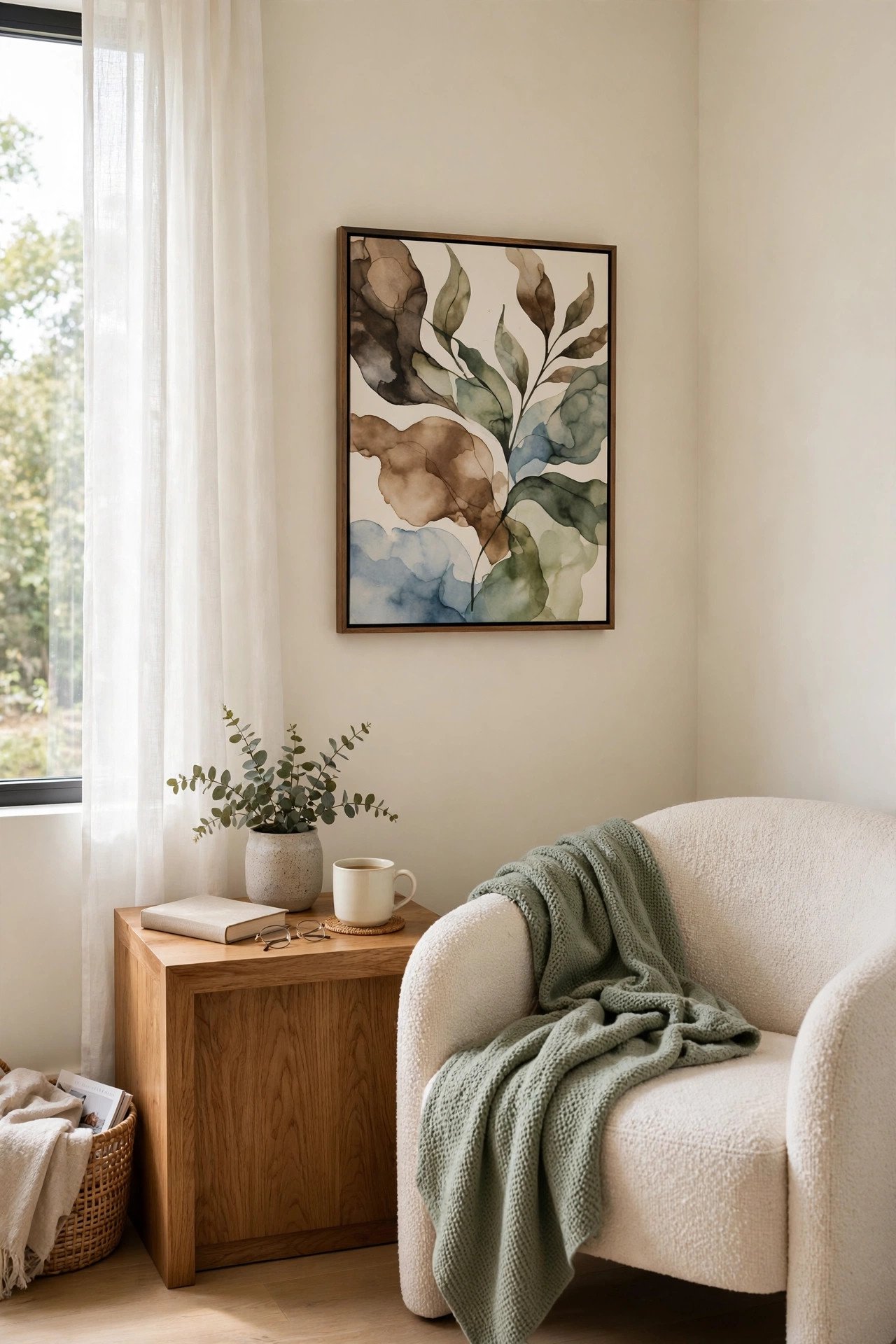
Nature-inspired abstracts use soft earth tones and organic shapes to bring the outdoors inside. You will see hints of leaves, waves, and hills without a single realistic detail. The mood stays calm and fresh.
Choose earthy browns, soft greens, and muted blues for a gentle base. A limewashed wall in a soft earthy tone makes a perfect backdrop for these pieces, and these limewash wall paint ideas show how it is done. Hang these pieces where you rest, such as a bedroom or a reading corner. Pair the art with natural materials like wood furniture and linen curtains, and the whole room will feel connected to nature.
7. Inspirational Quote Art
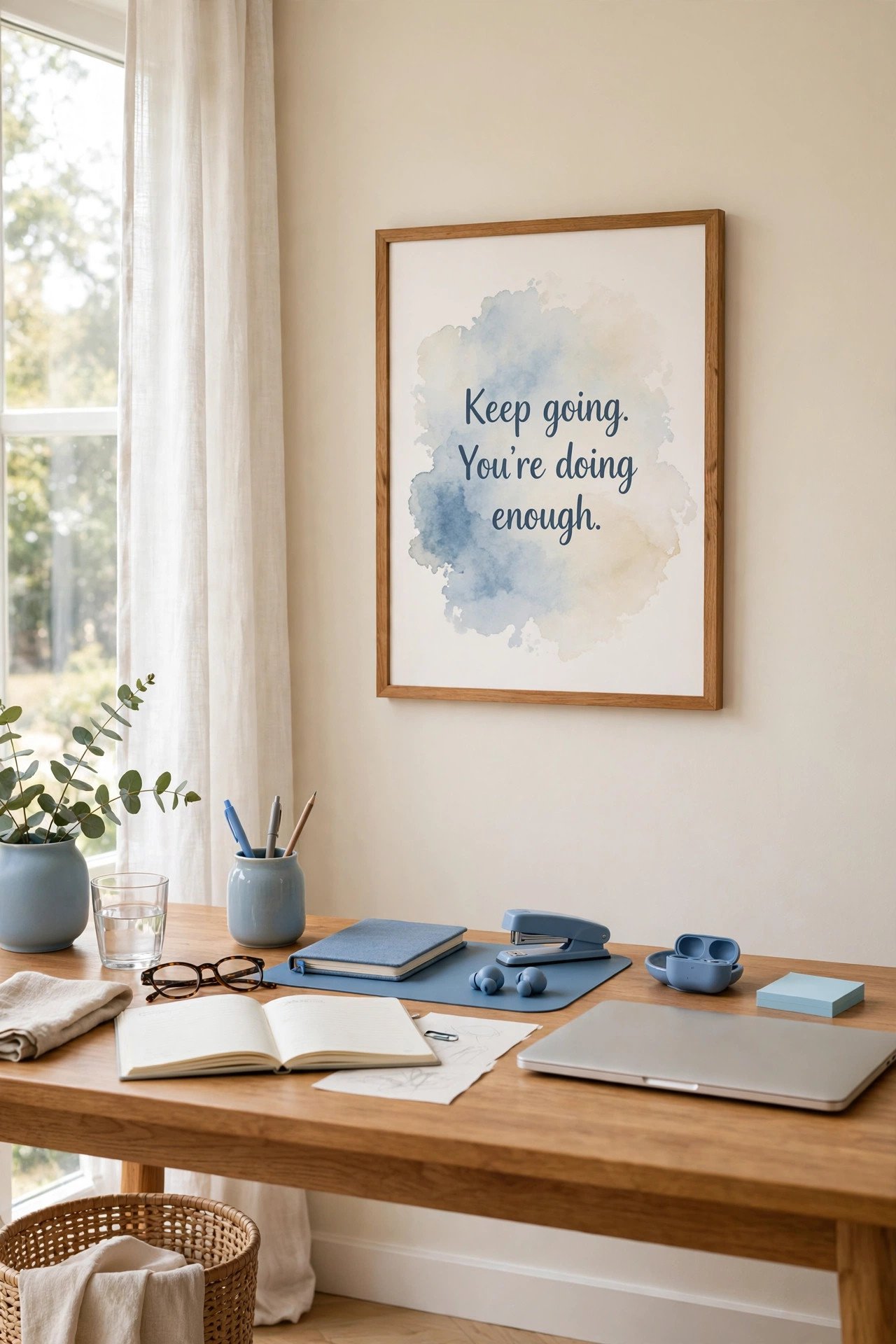
Quote art pairs uplifting words with abstract shapes and soft color washes. The words give you a daily reminder, while the art keeps the wall beautiful. The key is balance, so neither the text nor the art overpowers the other.
Pick a quote that reflects your values and keep the colors in harmony. A neutral base with one bright accent reads well from across the room. Hang it in your work corner, entry hall, or living room where you will see it every day.
8. Textured Canvas Art
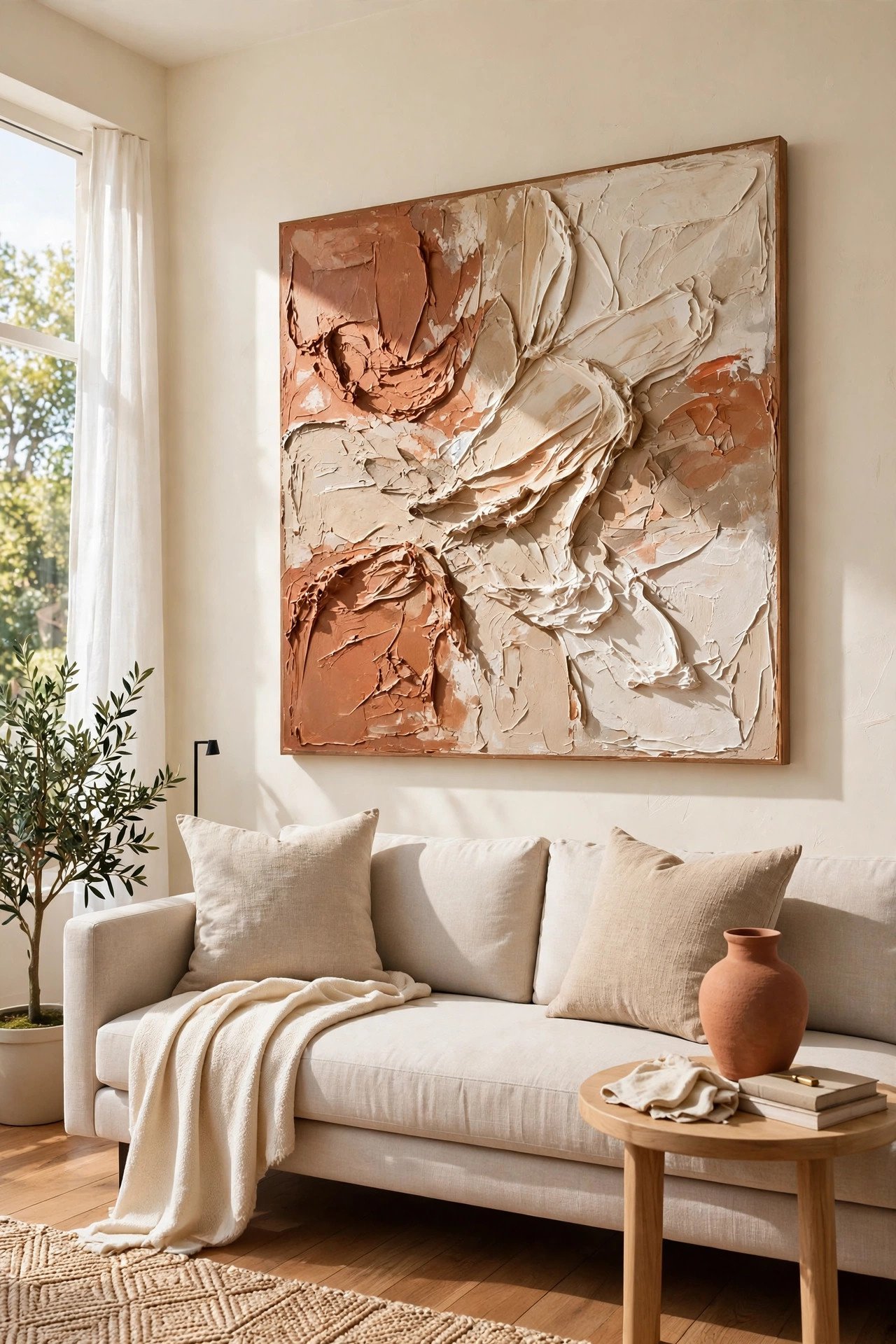
Textured canvas art adds depth you can see and almost touch. Thick paint, strips of fabric, and touches of plaster create ridges and layers that catch the light. It makes a wall feel alive as you pass by.
Go big with one large textured piece in an open room to create a strong focal point. Matte finishes keep glare low, so natural light can play across the ridges. Hang it at eye level and give it space to breathe.
9. Large-Scale Art Installations
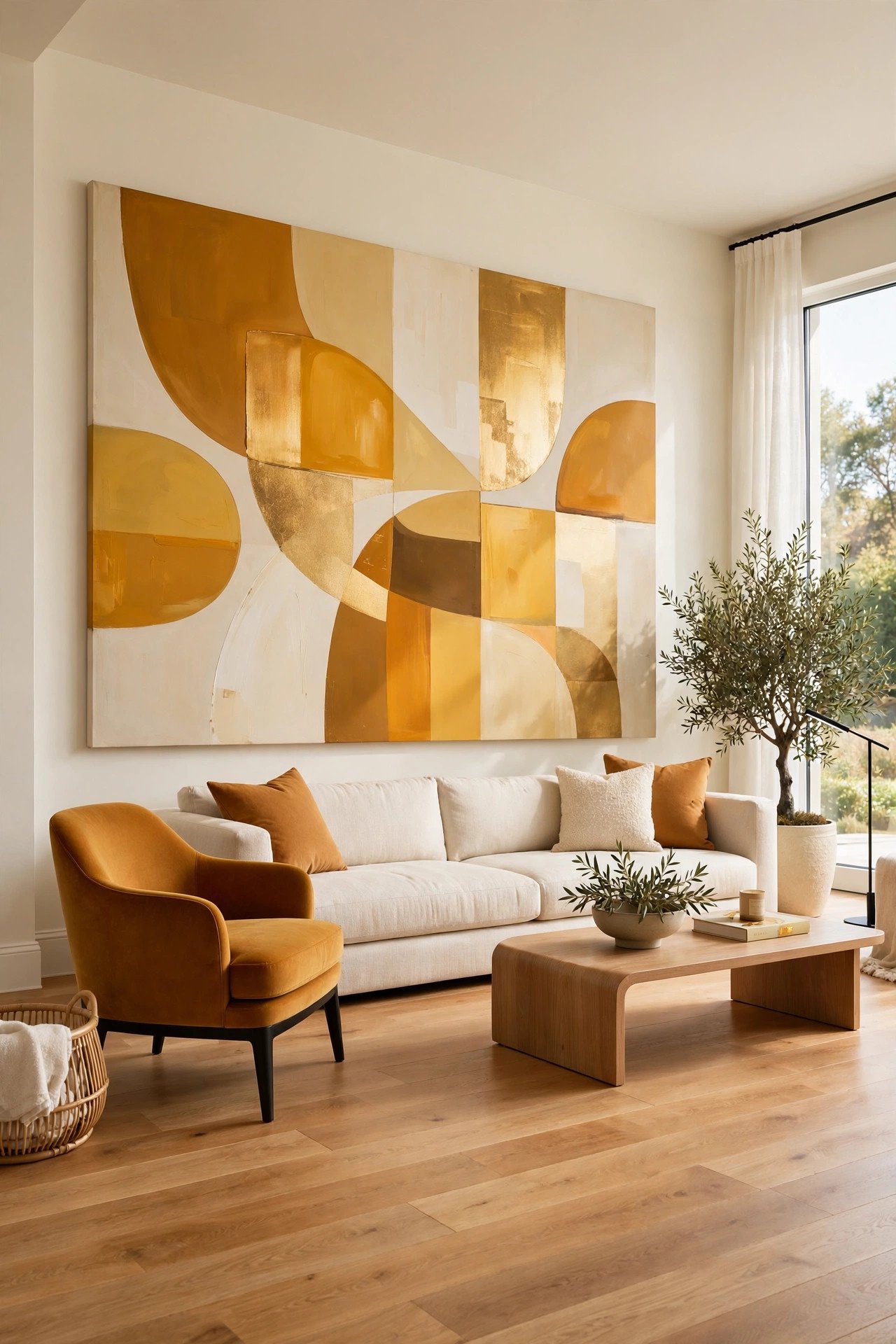
A large-scale piece can stretch across a wide wall or from floor to ceiling. It makes the room feel bigger and more alive, and it pulls the whole space together. One bold work often does more than many small ones.
Measure your wall before you buy, and leave breathing room around the edges. In an open plan, a large installation can mark the living zone or the dining zone. If your room uses color drenching, a canvas in a matching tone feels like part of the wall. Soft, even lighting avoids glare and lets the colors glow.
10. Monochromatic Color Studies
Monochromatic art uses one color in many shades, from light to dark. You get depth and richness without a busy palette. The look stays calm and cohesive, which suits rooms that need a quiet, stylish feel.
Pick a color that matches the mood of your room, then use a range of its shades for variety. A textured plaster wall suits monochrome art beautifully, and these venetian plaster wall ideas show a refined finish that pairs well with it. Add texture with thick brush strokes so the piece does not feel flat. Place it where daylight changes through the day, and new details will appear.

11. Abstract Portrait Art
Abstract portraits show emotion through color and shape instead of a realistic face. They invite a closer look and spark conversation. A portrait that echoes your story adds a deeply personal touch to the room.
Choose portraits whose colors speak to you and hang them above a sofa or in a cozy corner at eye level. Start with one statement piece, then add two or three more in the same color family. Simple frames keep the focus on the art.
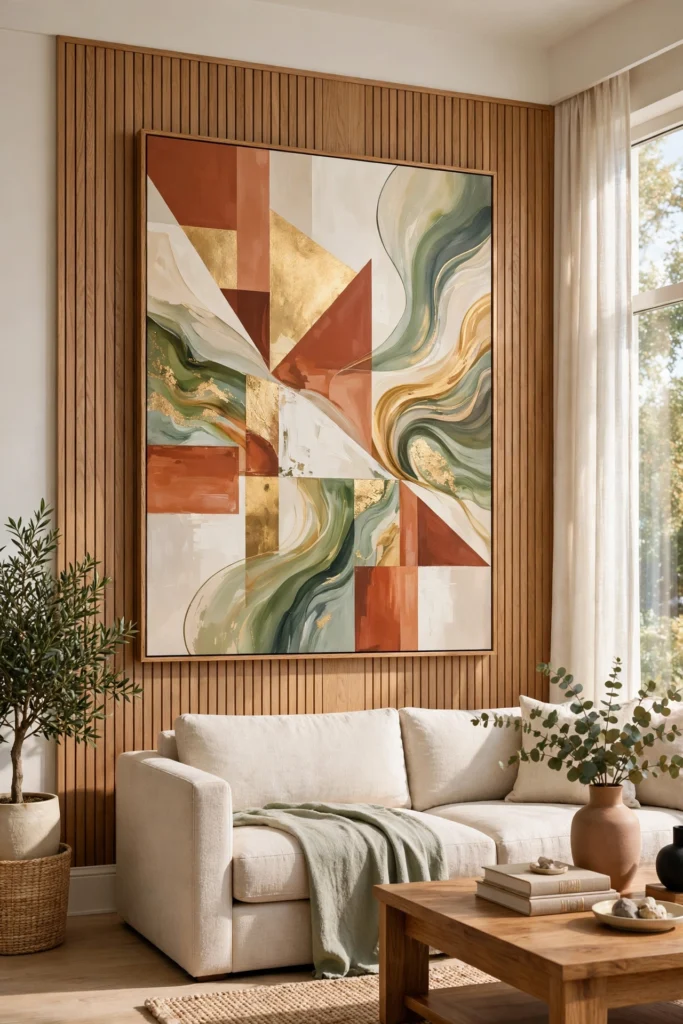
12. Seasonal Rotating Art
You can match your wall art to the seasons without buying new pieces. A simple rotation plan lets you swap prints as the mood of the year changes. Warm oranges for fall, soft greens for spring, and cool blues for winter keep the wall fresh.
Set up one dedicated swap area with a small gallery frame or a ledge shelf. Store the resting pieces flat in labeled boxes. Pair each season with cushions and throws in the same mood, and your room will feel renewed four times a year.

13. Digital Print Abstracts
Digital abstract prints are easy to swap and kind to your budget. You can try bold or soft colors, test sizes, and change the layout before you print. It is a low-risk way to learn what you love.
Pick a high-resolution piece so the print looks sharp at a large size. Canvas adds texture, while metal or acrylic looks sleek and modern. Mix one digital piece with a real painting for a varied and interesting wall.
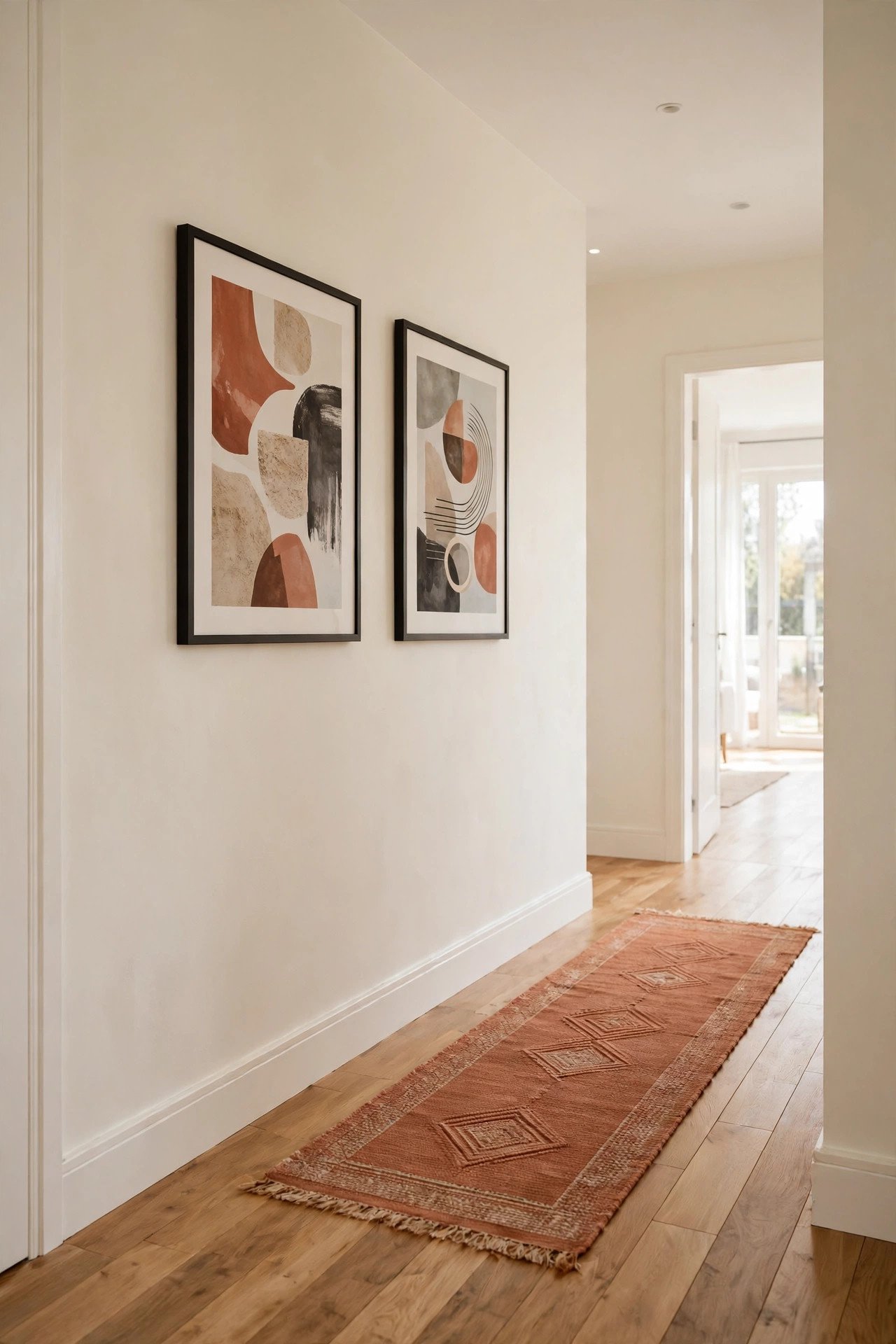
14. Family Collaboration Art
A collaboration piece lets many hands create one work of art. You, your partner, and your kids each add lines, shapes, or colors to a shared canvas. The result is a living memory that hangs on your wall.
Set a simple shared palette so all the contributions fit together. Start with a light base layer, then let each person add their touch. Seal the finished canvas and hang it where the family gathers. It will always spark a happy story.

15. Upcycled Material Art
Upcycled art turns old materials into fresh shapes. Old newspapers, fabric scraps, and wood pieces become layered and textured artwork. No two pieces are the same, which makes your wall truly yours.
Lay out your design before the glue goes down, and use a light seal to protect the layers. Hang the piece in a slim frame where natural light hits the textures. A small group of upcycled works creates a bold and meaningful wall.

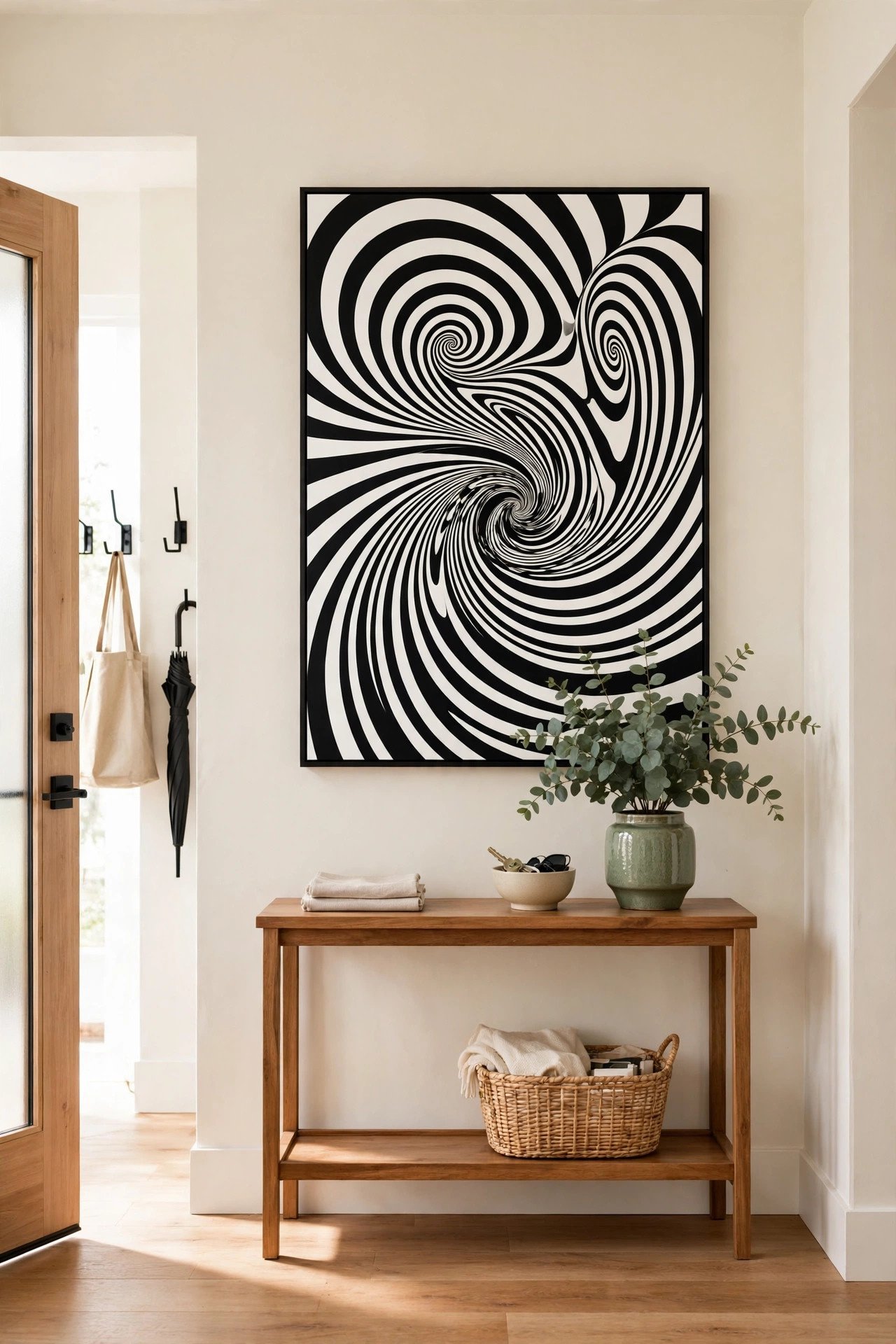
16. Optical Illusion Art
Optical illusion art plays tricks on the eye. Flat patterns and bold colors create a sense of depth and motion. One well-chosen piece acts as a focal point and invites conversation from every guest.
Place it where the eye lands first, like an entryway or above the mantel. High-contrast palettes sharpen the effect, so keep the rest of the room simple. A crisp board and batten wall gives the illusion piece a sharp, gallery-like backdrop. A soft spotlight will deepen the illusion.
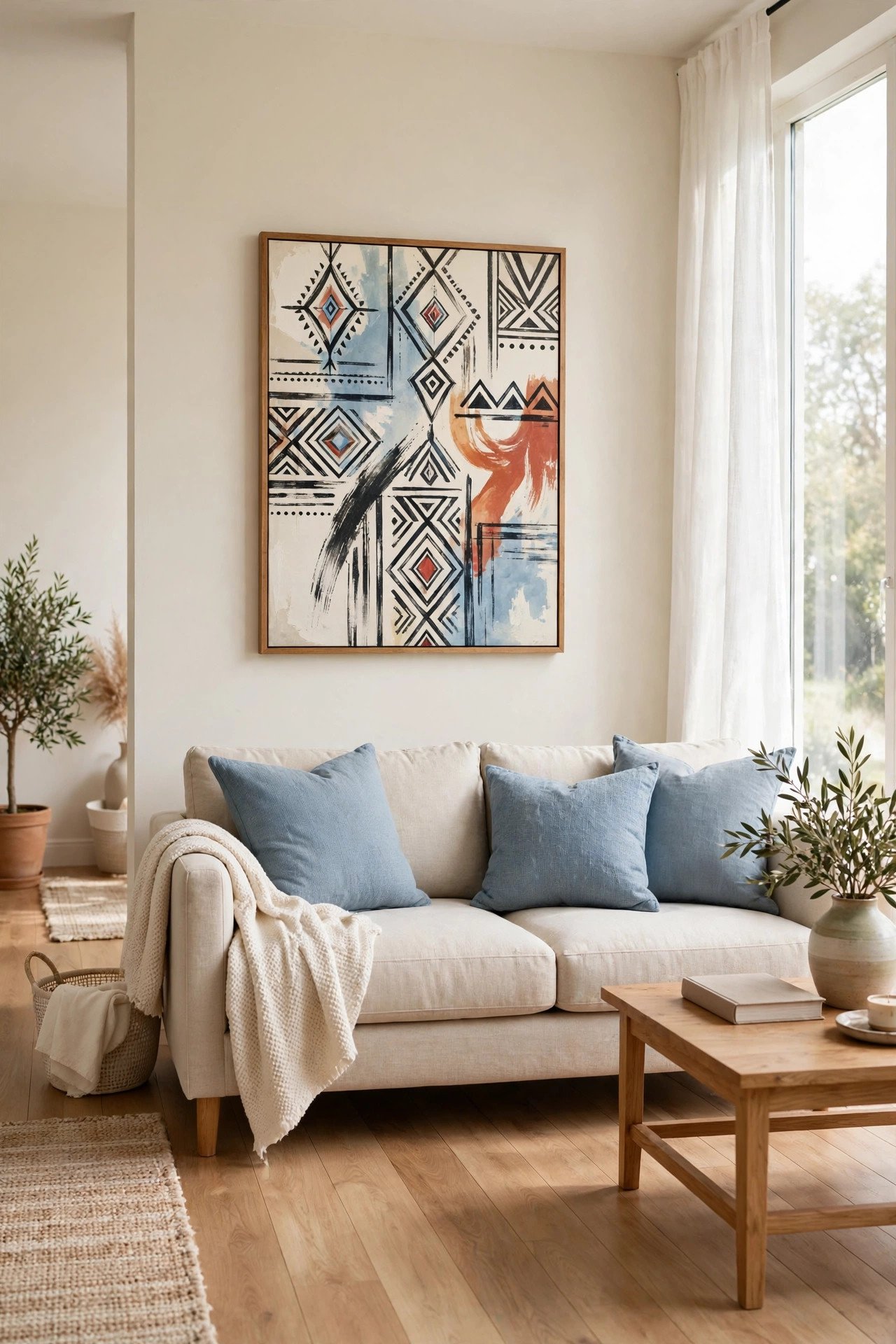
17. Cultural Pattern Art
Cultural abstract art adds history and a sense of travel to your walls. Tribal motifs, ink-style brushwork, and woven patterns from many lands bring warmth and meaning. Your home will feel thoughtful and collected.
Choose pieces that connect with your roots or your travels. Mix them with modern furniture for balance, and keep the walls calm so the art can breathe. A soft lamp will reveal the texture on rough surfaces and bring warmth to the display.
18. Surrealist Dream Art
Surrealist abstracts pull you into dreamlike spaces. Odd shapes float in new colors, and everyday forms appear in strange ways. The result is mood and curiosity, not just decoration.
Use one large surreal piece or a small gallery of prints to keep balance. Pair the art with simple furniture and calm walls so it can shine. It fits modern, eclectic, and boho rooms when the colors echo your other accents.

19. Vintage Revival Art
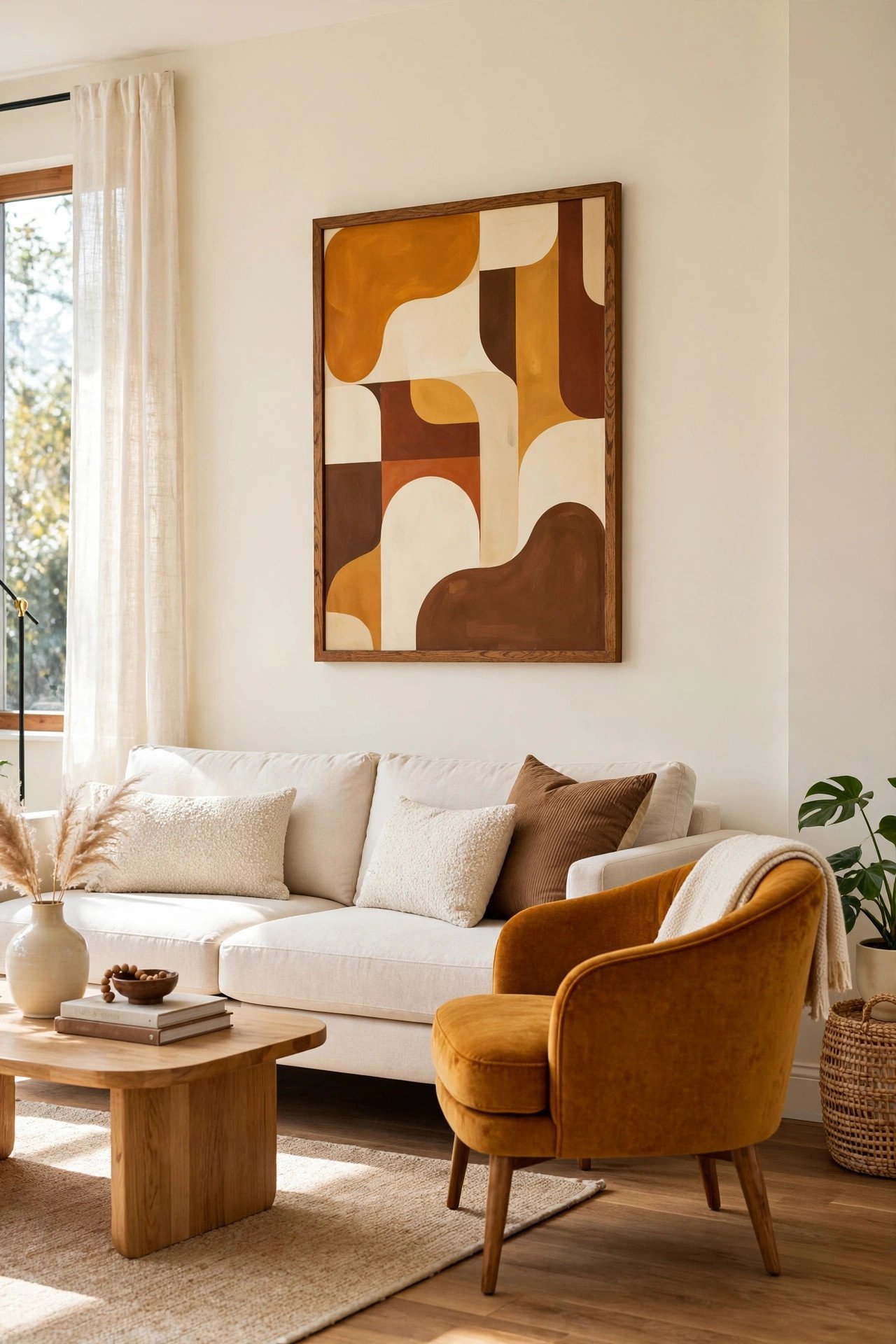
Vintage revival abstracts borrow bold color and playful shapes from past decades. The energy of the sixties and the warmth of the seventies work beautifully with modern rooms. The mix feels nostalgic yet fresh.
Pair a vintage piece with clean, modern furniture to create a striking contrast. Look for quality materials like canvas or wood panels, and use slim frames that suit your space. Start with two or three pieces to build a small collection.
20. Kids’ Room Abstract Art
Abstract art suits a child’s room perfectly. It brings color and fun without locking the room into one theme. Bright blocks and friendly shapes spark imagination and grow with your child.
Let your child pick the colors and shapes they love. Use a simple clip system or a magnetic strip so you can swap pieces as tastes change. Pair the art with a solid bedspread or rug to keep the room balanced and calm.

Conclusion
Abstract art gives you color, shape, and mood without rules. From bold blocks to soft nature tones, there is a look here for every wall and every heart. Start with one piece that moves you, and let your walls grow from there.
Take your time with hanging and lighting. A well-placed canvas at the right height can change how a whole room feels. Your walls are ready to tell your story, so let the art begin.
Frequently Asked Questions
How do I choose abstract art for a sophisticated room?
Pick a color palette that matches your room first, then choose a style like color blocking or monochrome. One large piece often looks more refined than many small ones. Keep the frame simple so the art stays the focus.
What size should abstract wall art be?
Measure your wall before you buy. Art should fill about two thirds of the wall space above a sofa or console. On a large empty wall, one oversized piece makes a stronger statement than several tiny ones.
How do I hang a gallery of abstract prints?
Lay the pieces on the floor first to test the layout. Keep two to three inches between frames for a clean look. Hang the center of the group at eye level, which is about 57 inches from the floor.
Can I mix different abstract styles in one room?
Yes, you can mix styles if you keep one common thread. Use a shared color palette or the same frame style to tie the pieces together. This keeps the wall feeling curated instead of random.
Where should I place abstract art for the best effect?
Hang art where the eye lands first, like above the sofa or in the entryway. Good lighting matters as much as placement. A picture light or a nearby window helps the colors and textures show their best.

Hi, I’m Emily! I turn messy corners into cozy, organized spots. DreamNestDecor is where I share simple, practical home ideas — decor, organization, and small-space solutions that work in real life, not just in photos. Every idea here is carefully researched before it’s shared.