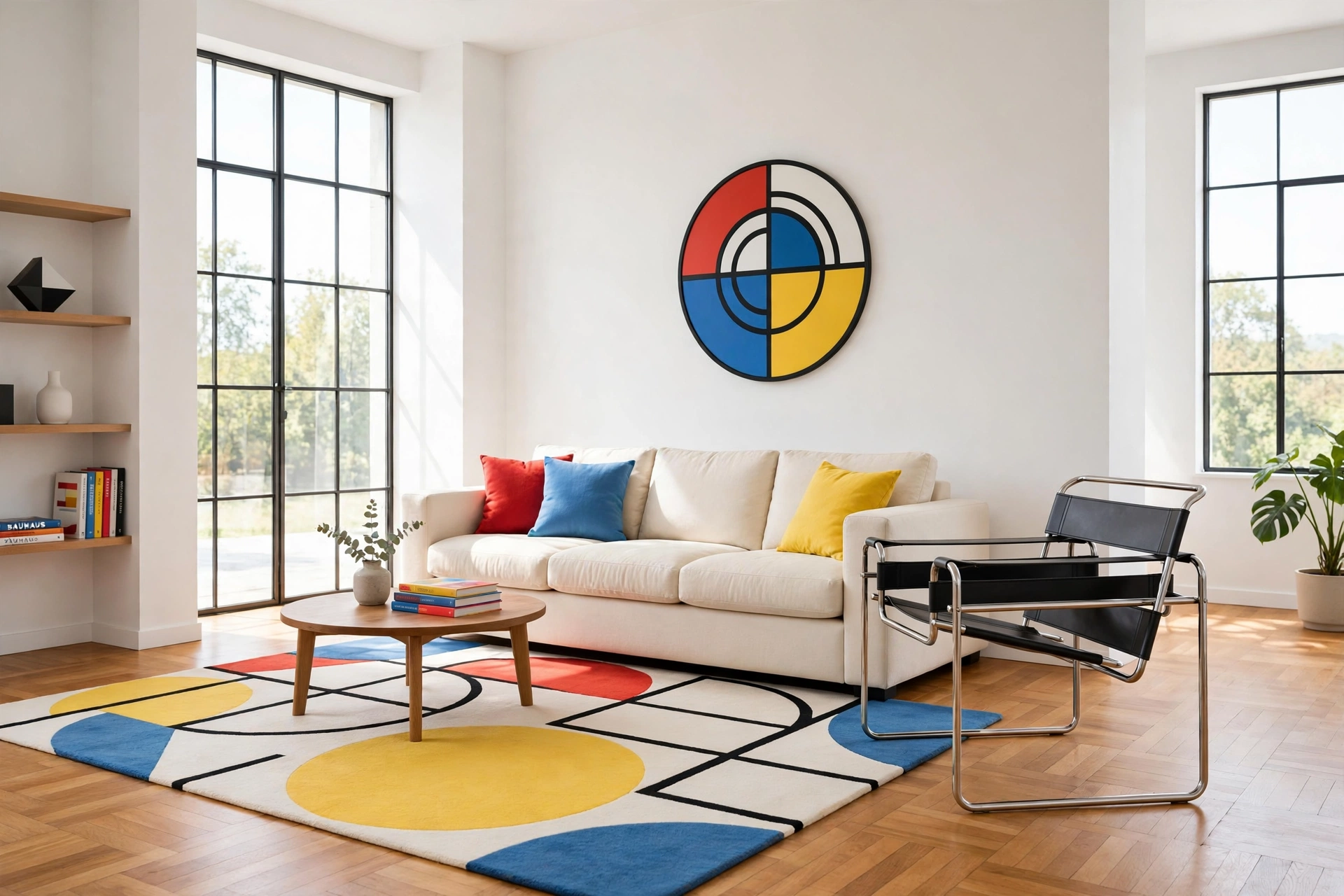
Picture this: you walk into a room where every piece has a clear purpose, every line is clean, and bold blocks of red, blue and yellow sit calmly against crisp white walls. Nothing feels crowded and nothing feels random. That calm sense of order is exactly what Bauhaus design brings into a home, and it has stayed fresh for more than one hundred years.
You do not need a museum budget or a complete remodel to bring this look home. All you need is an eye for simple shapes, honest materials and furniture that works as hard as it looks. These 27 Bauhaus interior design ideas for functional spaces will help you build a home that is practical, beautiful and full of quiet confidence.
1. Start with a Primary Color Palette
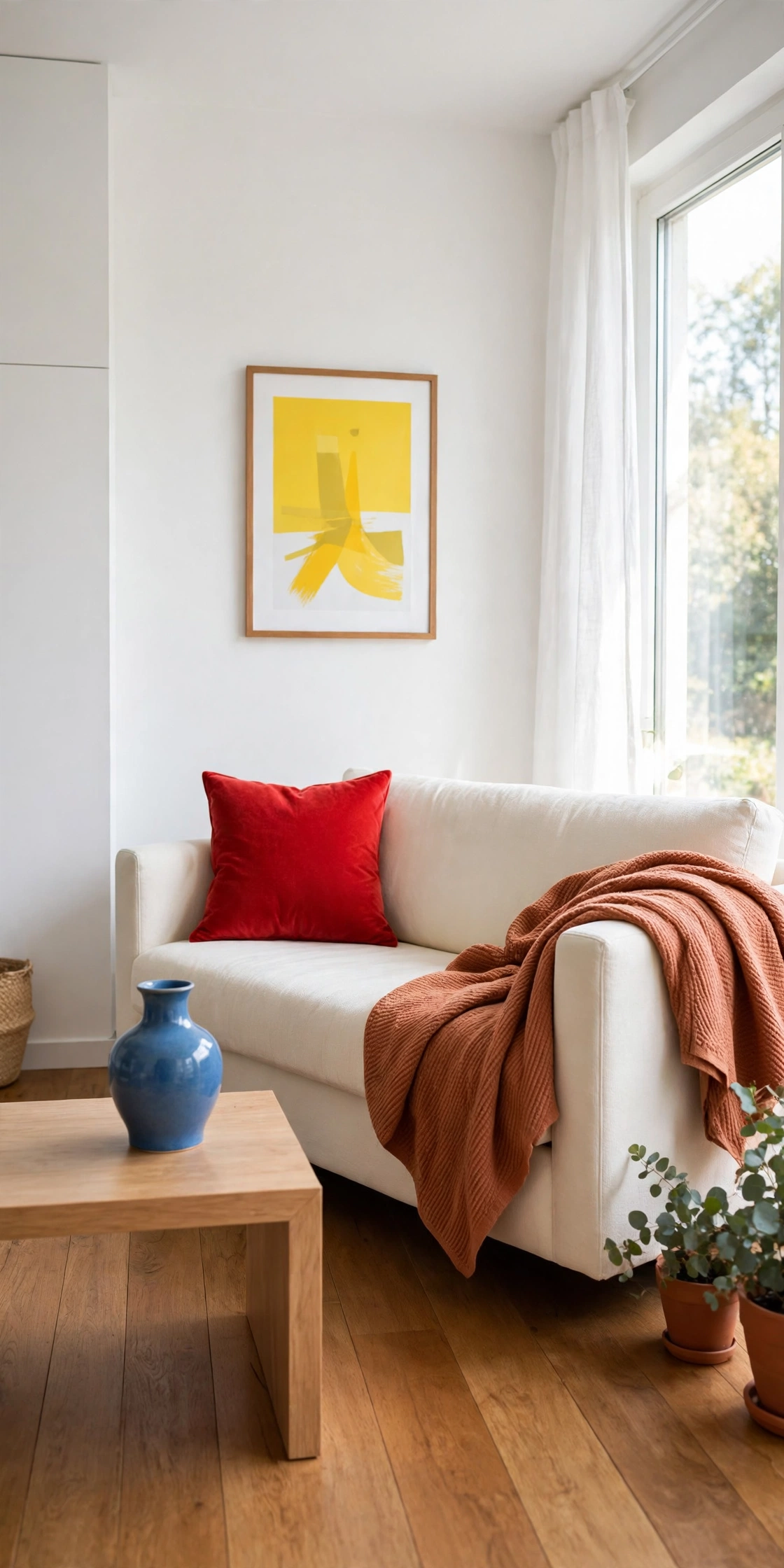
The Bauhaus palette starts with red, blue and yellow, set against black, white and warm neutrals. Use these three bold colors in small, confident blocks rather than spreading them everywhere. A red cushion, a blue vase and a yellow art print are enough to set the tone of a whole room.
Keep the base of the room calm so the primary colors can shine. White walls, a cream sofa and warm wood floors give the bold colors a clean stage. When the palette stays limited to these few colors, the room feels planned and balanced instead of loud.
2. Choose Tubular Steel Furniture
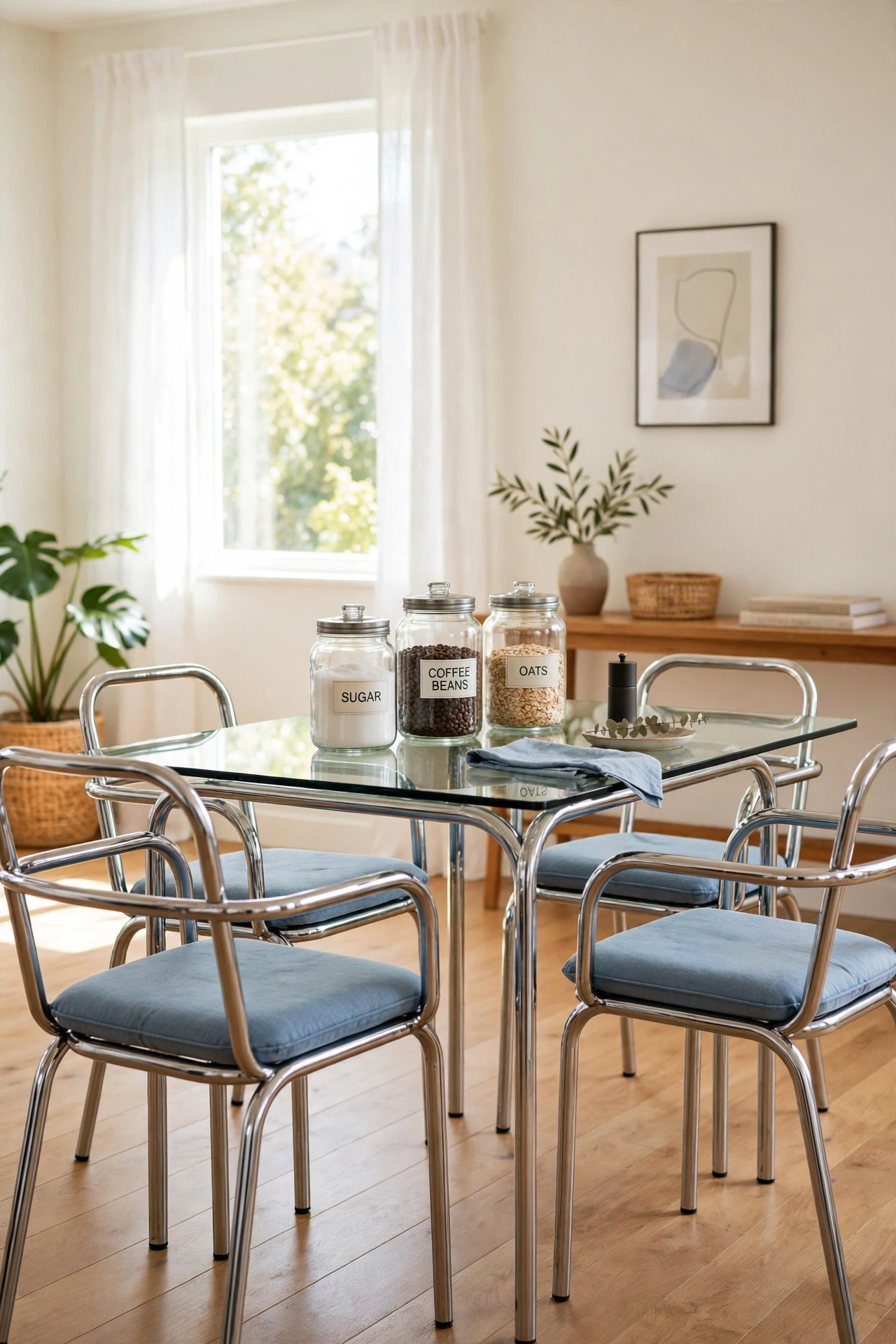
Tubular steel is one of the most famous Bauhaus materials, and it still looks modern today. Chairs, tables and shelving made from bent steel tubes are light, strong and honest about how they are built. The smooth chrome curve of a steel frame brings a quiet shine into a room.
Pair steel furniture with wood or leather so the room does not feel cold. A steel frame chair beside a warm wood table is a classic Bauhaus combination. For more ideas on statement furniture, see these curved furniture ideas that also celebrate bold shapes.
3. Add a Cantilever Chair
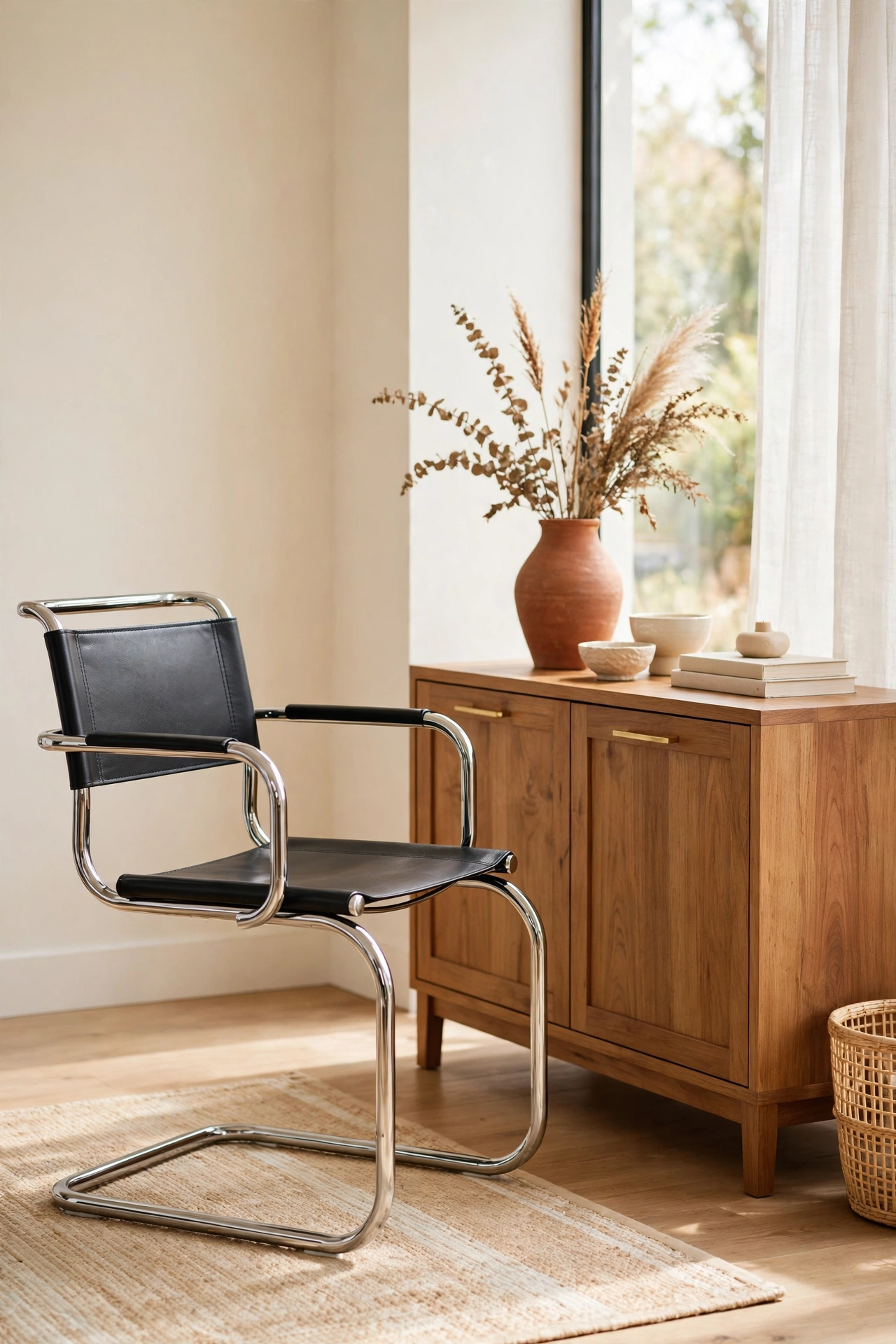
A cantilever chair has no back legs, so it seems to float on its steel frame. This clever design came straight from the Bauhaus workshops, where designers wanted furniture that was light, flexible and new. The chair bounces gently when you sit, which makes it surprisingly comfortable.
Place one cantilever chair at a dining table or two in a reading corner to make a clear design statement. Keep the seat in black leather or a bold primary color so the shape stays the star. One strong chair can carry the whole Bauhaus story of a room.
4. Use Geometric Shapes Everywhere
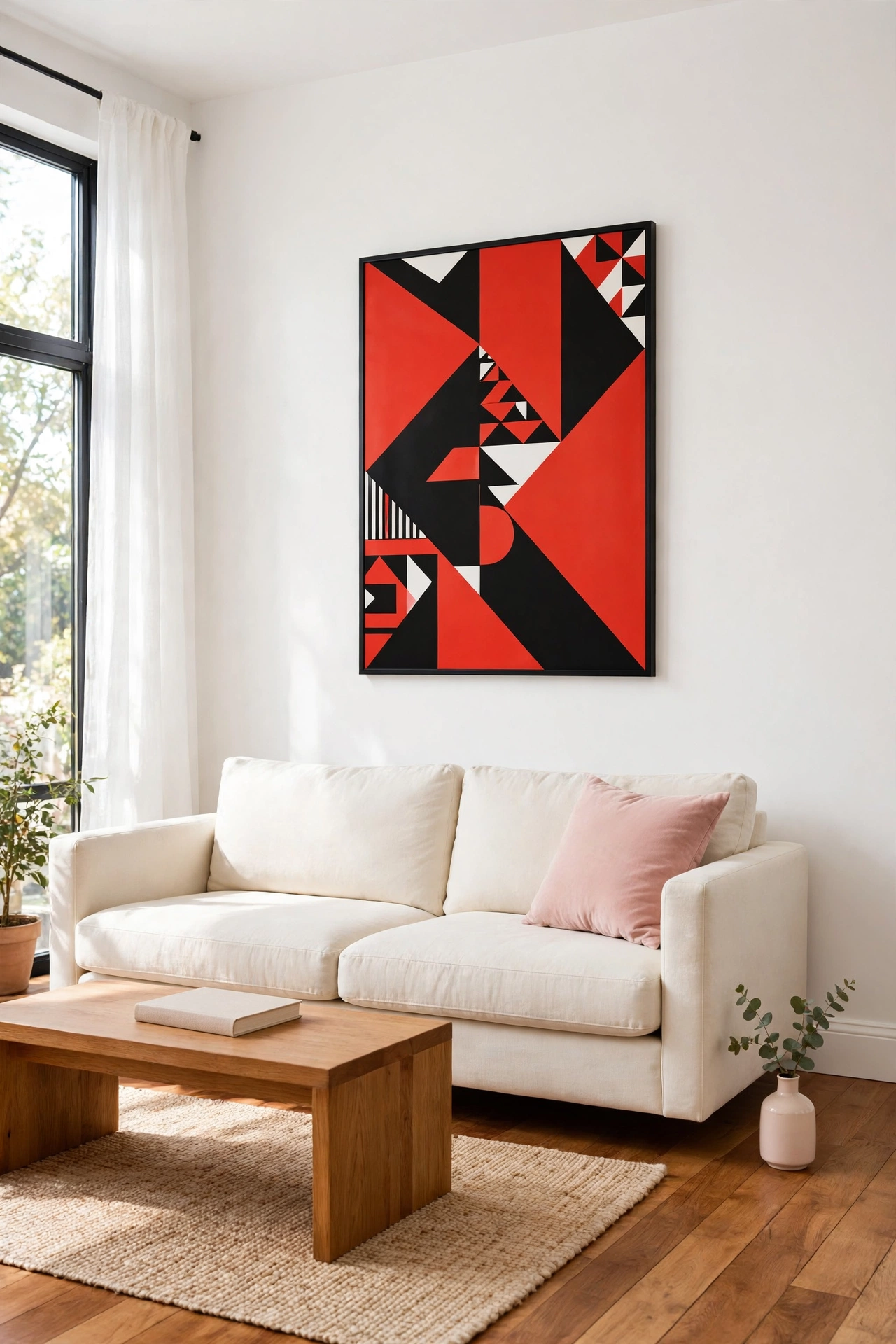
Circles, triangles, squares and semicircles are the visual language of Bauhaus design. Repeat these shapes across the room in art, rugs, cushions and light fixtures. When the same shapes appear again and again, the room starts to feel like one complete composition.
Start small if bold geometry feels new to you. A rug with large semicircles or a set of round cushions can introduce the shapes without changing the whole room. Layer two or three geometric pieces together and the pattern will feel intentional rather than random.
5. Keep the Walls Crisp White
White walls are the quiet background that lets Bauhaus color and shape stand out. A clean white wall makes a red chair look redder and a black frame look sharper. It also bounces daylight around the room, which keeps the space bright and open.
Choose a warm white rather than a cold one so the room still feels welcoming. A soft white with a hint of cream pairs well with wood floors and natural light. If plain white feels too bare, add one large geometric print and leave the rest of the wall empty.
6. Let Form Follow Function
Form follows function is the most famous Bauhaus rule, and it means every object should earn its place by being useful. Before you buy or keep a piece, ask what job it does in the room. If it has no clear purpose, it probably does not belong.
This rule makes decorating simpler, not harder. A bench that holds shoes, a shelf that holds books and a lamp that lights a reading chair are all Bauhaus pieces. When every object works, the room stays tidy and calm without constant effort.
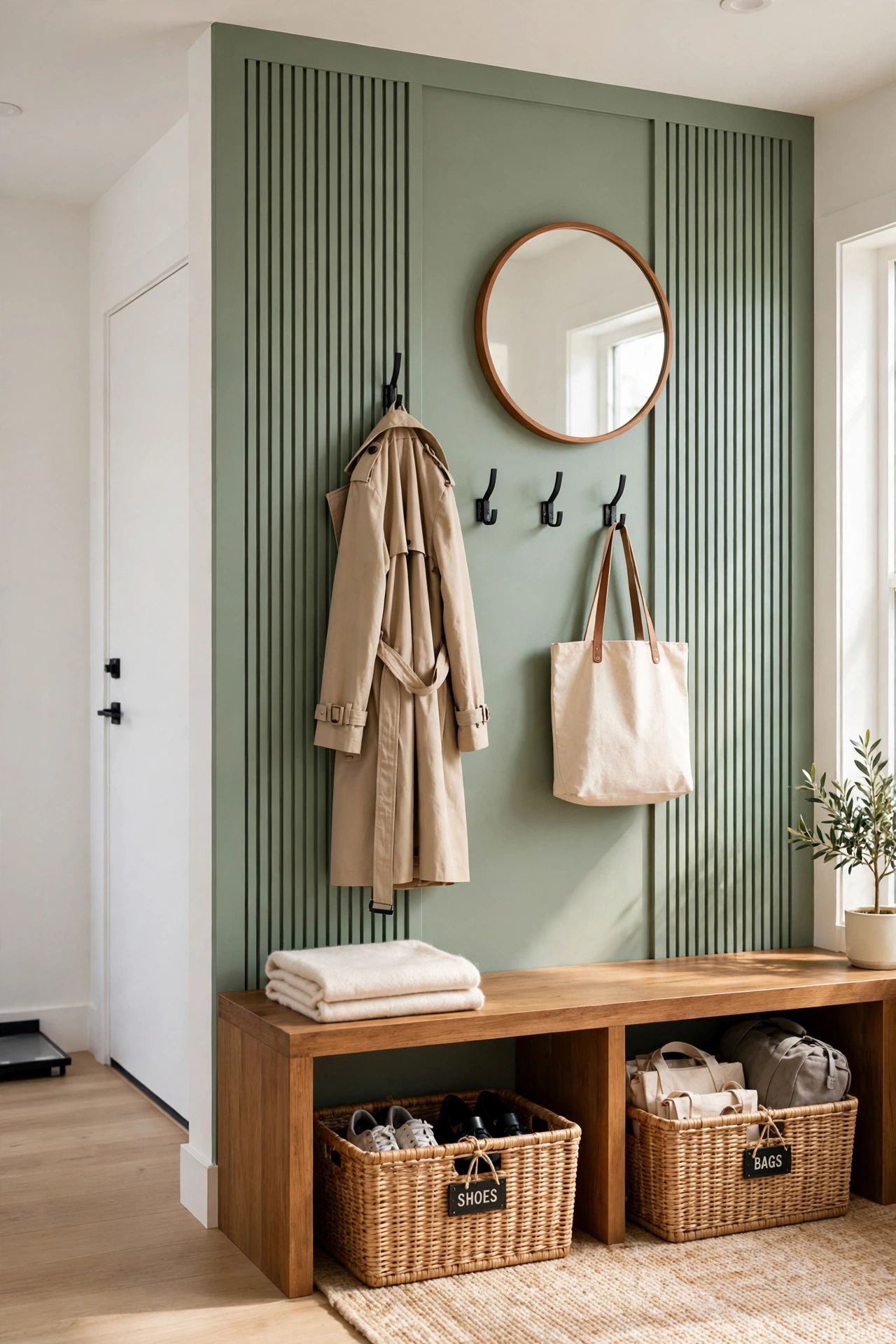
7. Add a Wassily Chair as a Statement Piece
The Wassily chair pairs a tubular steel frame with wide leather straps, and it is one of the most recognized Bauhaus designs in the world. Its open frame makes it look light even though it is a full size armchair. The mix of chrome and leather feels both industrial and warm.
Give the chair room to breathe by placing it where it can be seen from across the room. A reading corner with a floor lamp and a small side table is a natural home for it. One Wassily chair can set the design direction for an entire living room.
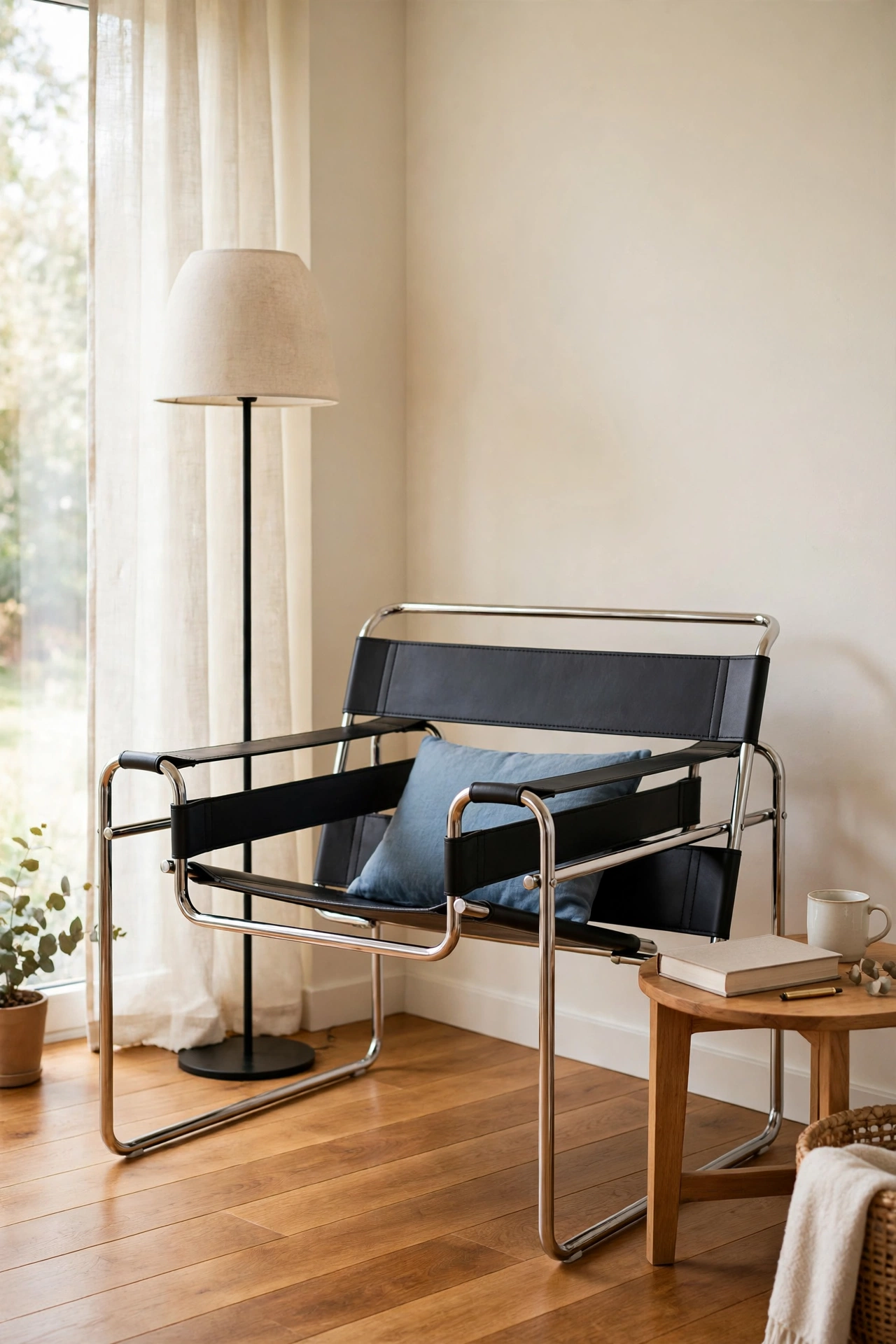
8. Use Strong Black and White Contrast
Black and white contrast gives Bauhaus rooms their graphic punch. Black frames, black chair legs and black shelf edges stand out sharply against white walls and pale floors. This contrast makes the shapes of furniture easy to read and pleasing to the eye.
Keep the black and white balance close to even so neither color takes over. A black coffee table on a white rug, or white cushions on a black sofa, creates a rhythm that feels bold yet calm. For a softer take on graphic contrast, see these art deco minimalist home decor ideas that use the same clean lines.
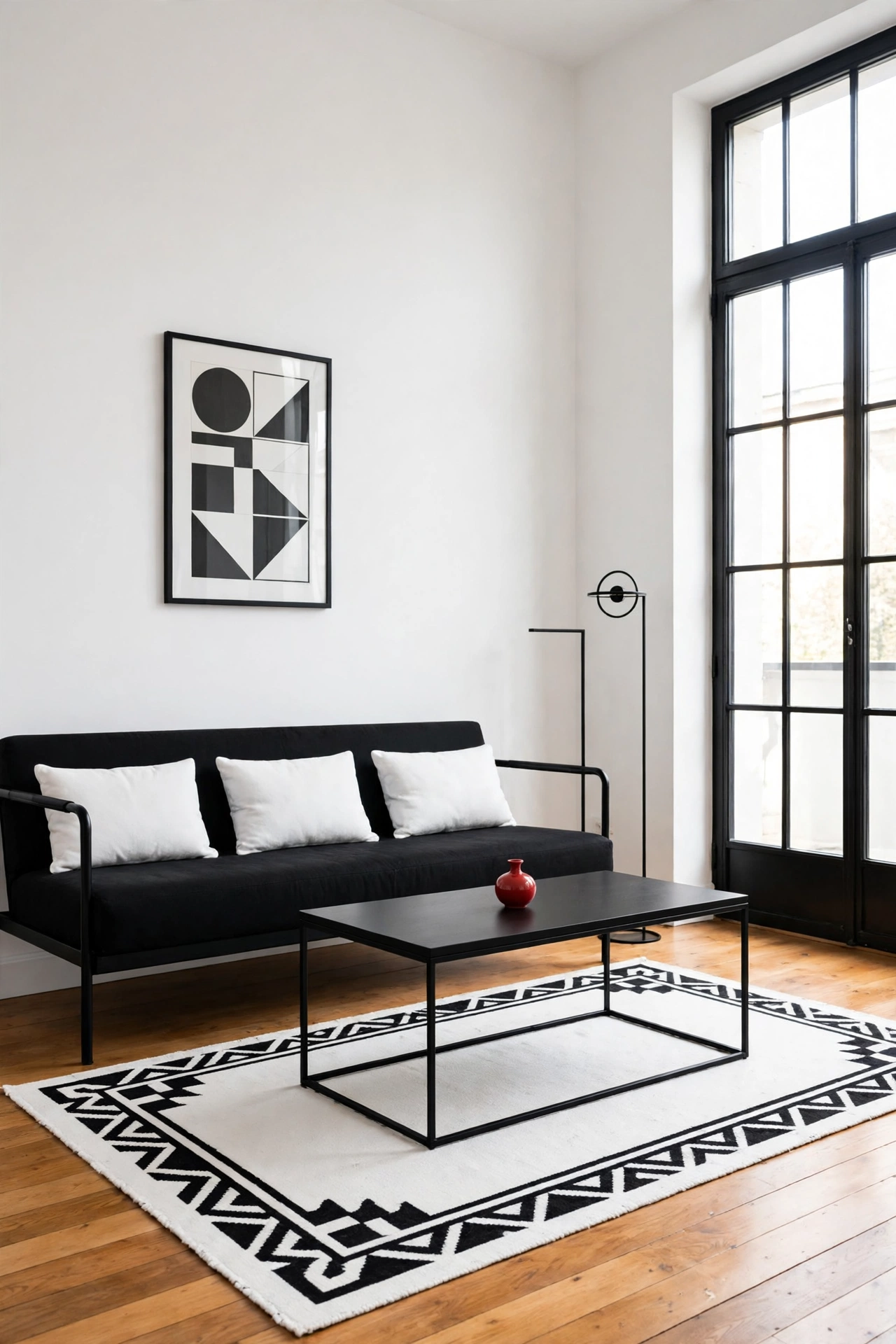
9. Lay Down a Geometric Bauhaus Rug
A rug with bold circles, arcs and blocks of color can anchor a whole Bauhaus room. Choose a large rug so the main furniture sits on it or just touches its edge. The pattern underfoot ties the chairs, table and sofa into one clear arrangement.
Pick a rug that repeats the colors you already use in the room, such as red, blue, yellow or black. A rug with a strong pattern also hides everyday wear better than a plain one. If your room feels flat, a geometric rug is often the fastest way to give it energy.
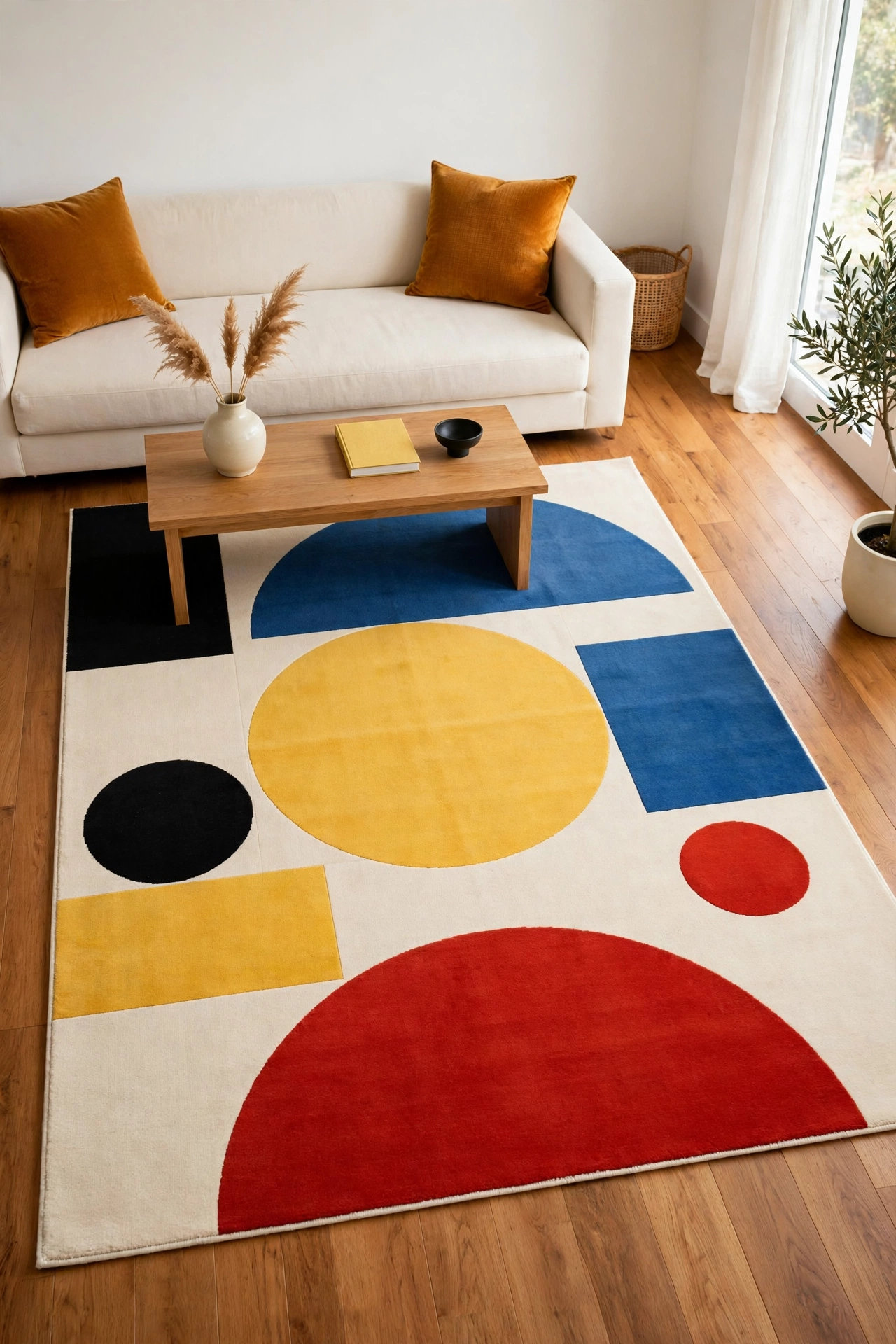
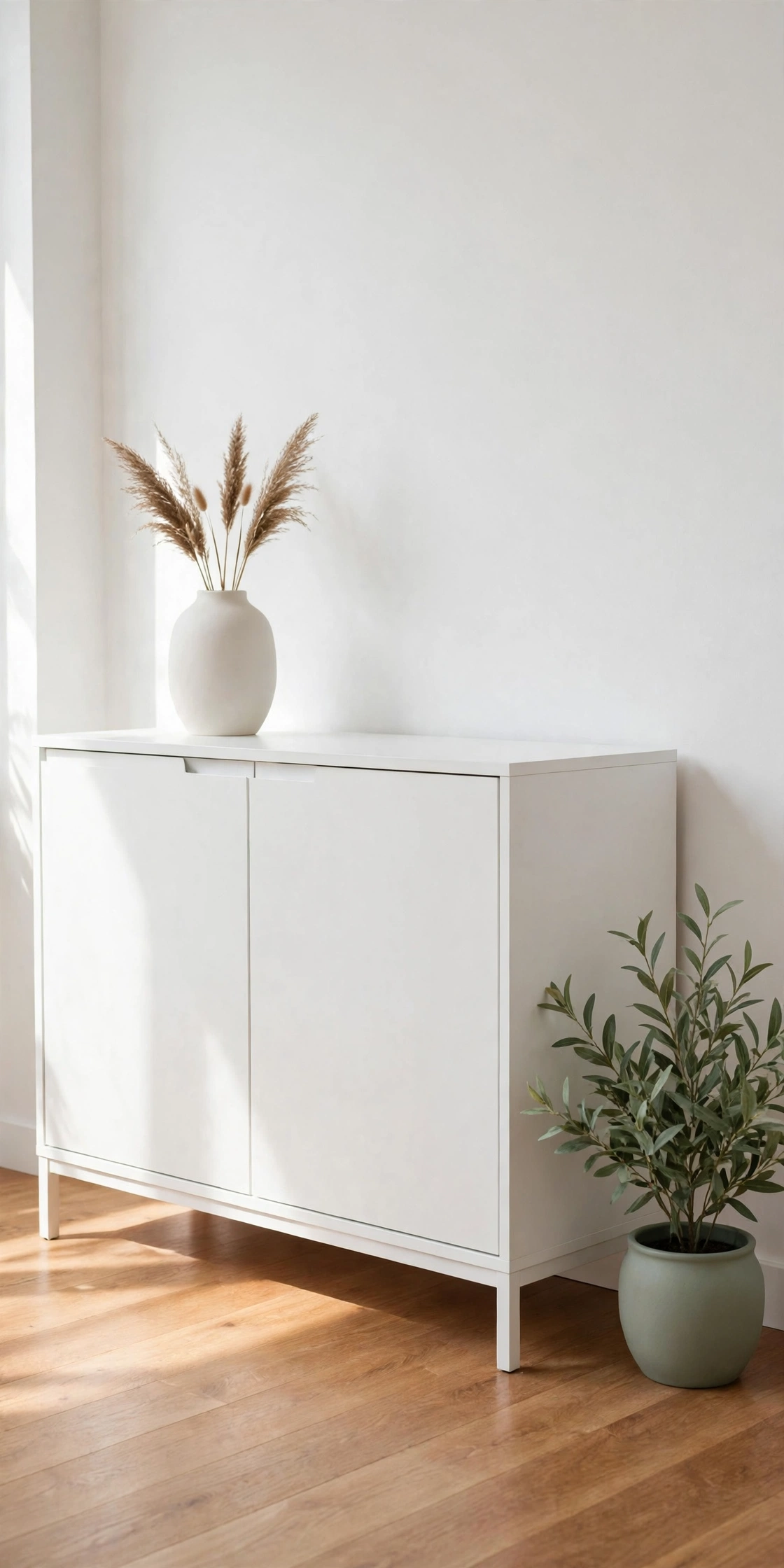
10. Choose Flat and Clean Surfaces
Bauhaus rooms favor flat planes and smooth surfaces over carved details and heavy ornament. A plain sideboard, a flat front cabinet and a simple slab table all fit the style. These clean surfaces make a room feel calm and easy to look at.
Keep the tops of your furniture mostly clear so the flat lines stay visible. One vase, one stack of books or one small sculpture is enough decoration for a long sideboard. When surfaces stay clear, the room looks larger and tidier with very little effort.
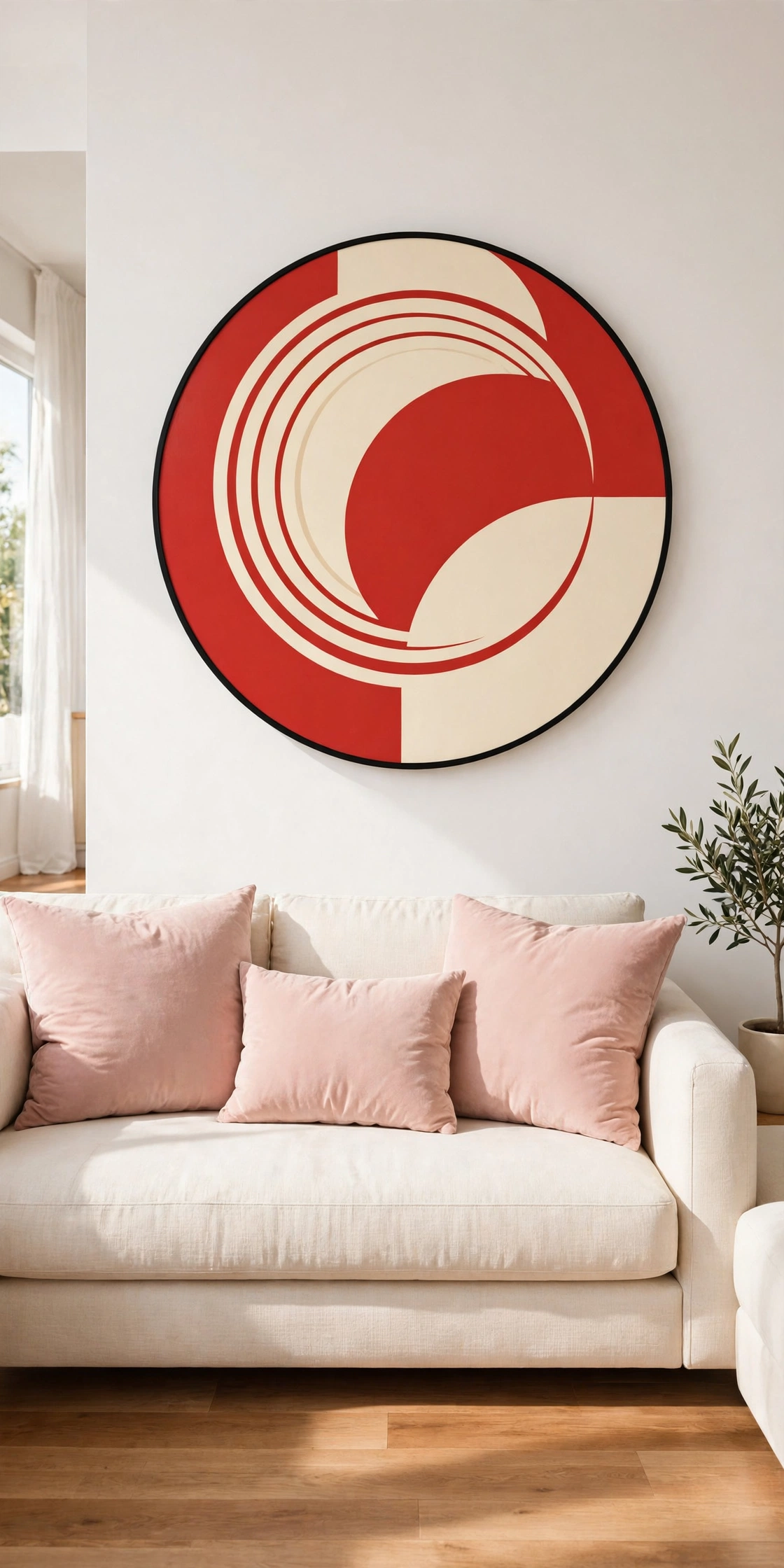
11. Hang Bold Circle Wall Art
A single large circle print can become the focal point of a Bauhaus wall. Circles soften the straight lines of furniture while keeping the geometric theme strong. Hang the art at eye level above a sofa, bed or sideboard where it can be seen clearly.
Choose a print with two or three colors from your palette, such as a red semicircle on cream or a blue circle on white. Keep the frame thin and black so it does not compete with the art. One bold circle is stronger than a wall full of small prints.
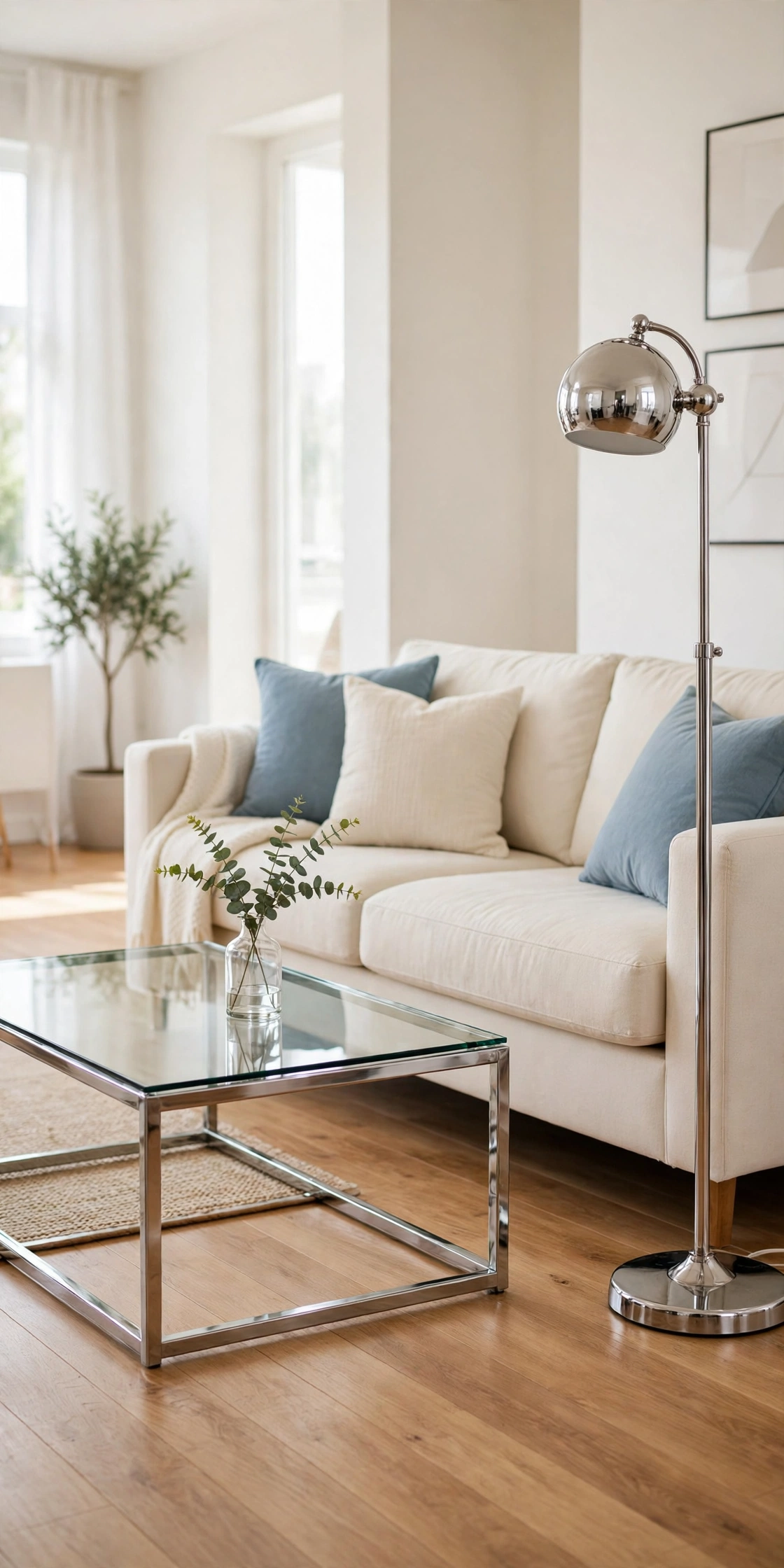
12. Add Glass and Chrome Accents
Glass and chrome bring light and shine into a Bauhaus room without adding visual weight. A glass top table, a chrome lamp base or a glass vase keeps the space feeling open. These materials also reflect daylight, which makes small rooms feel bigger.
Use glass and chrome in a few places rather than everywhere. A chrome floor lamp beside a glass coffee table is enough shine for one room. Balance the cool metal with warm wood or soft fabric so the room stays welcoming.
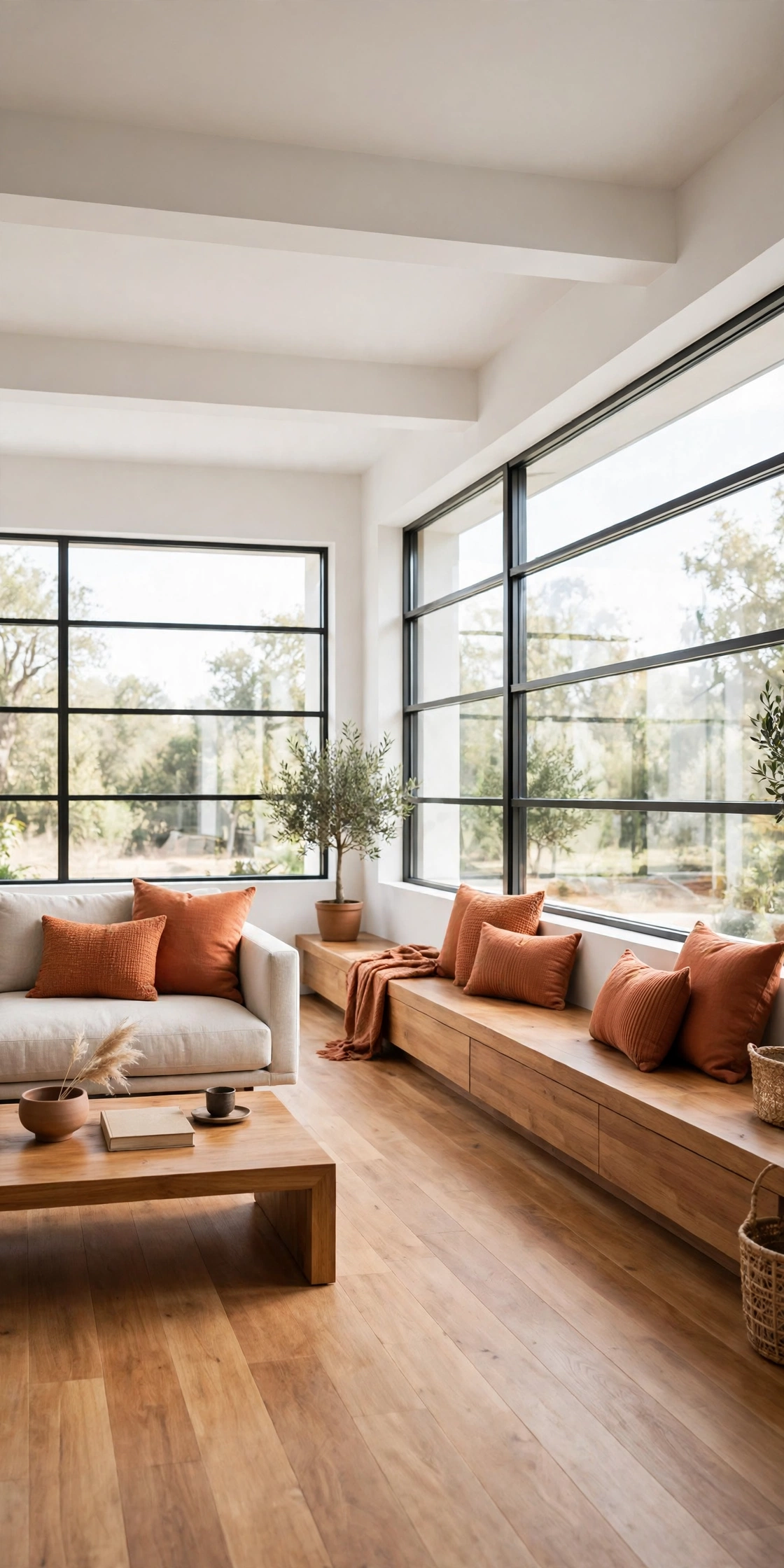
13. Keep Furniture Low and Horizontal
Low, long furniture is a hallmark of Bauhaus interiors. A low sofa, a long bench and a wide sideboard all stretch the eye sideways and make a room feel wider. Horizontal lines also create a calm, grounded feeling that suits everyday living.
Pair low furniture with art hung a little lower than usual so the whole room stays in one relaxed band. Avoid tall, heavy cabinets that break the horizontal rhythm. If you need tall storage, choose a slim open shelf that keeps the airy feeling.
14. Add a Bauhaus Style Floor Lamp
A floor lamp with a simple shade and a slim steel stand is a classic Bauhaus piece. Look for a lamp with a clear geometric shape, such as a round shade, a dome or a straight cone. The lamp should light the room well while looking like a piece of sculpture.
Place the lamp beside a reading chair or at the end of a sofa where it can serve a real purpose. A lamp that arcs over a chair is especially useful for reading. For more lighting inspiration, see these modern floor lamp ideas that share the same clean shapes.
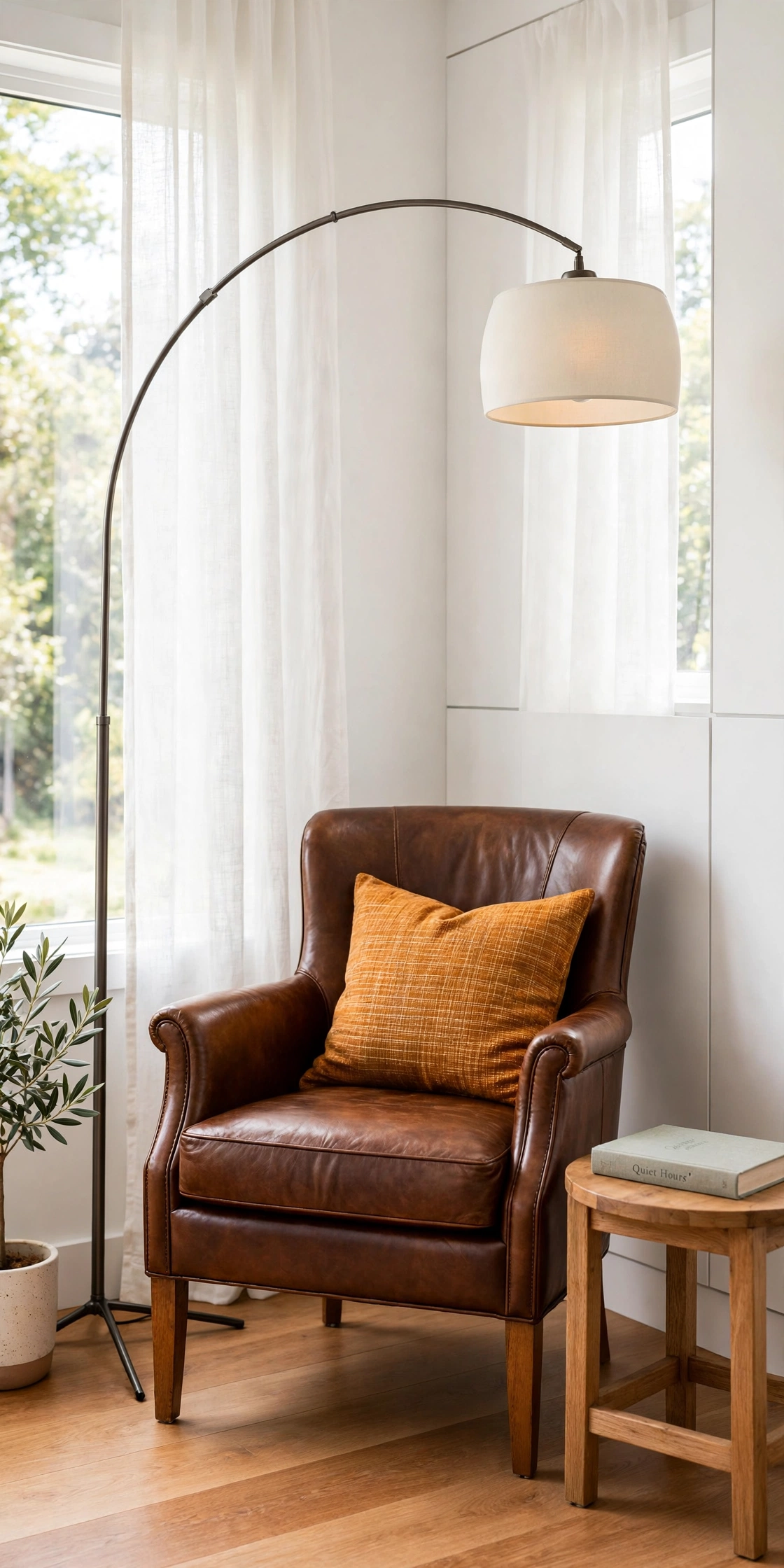
15. Use Asymmetry on Purpose
Bauhaus design often breaks symmetry on purpose to create energy and movement. An off center shelf, a picture hung to one side or a rug placed at an angle can make a room feel alive. Asymmetry works best when the rest of the room stays simple.
Try one asymmetric move at a time so the room stays balanced. Hang two prints at different heights, or place a tall plant on one side of a sofa and leave the other side empty. The contrast between order and surprise is what makes asymmetry feel designed rather than accidental.
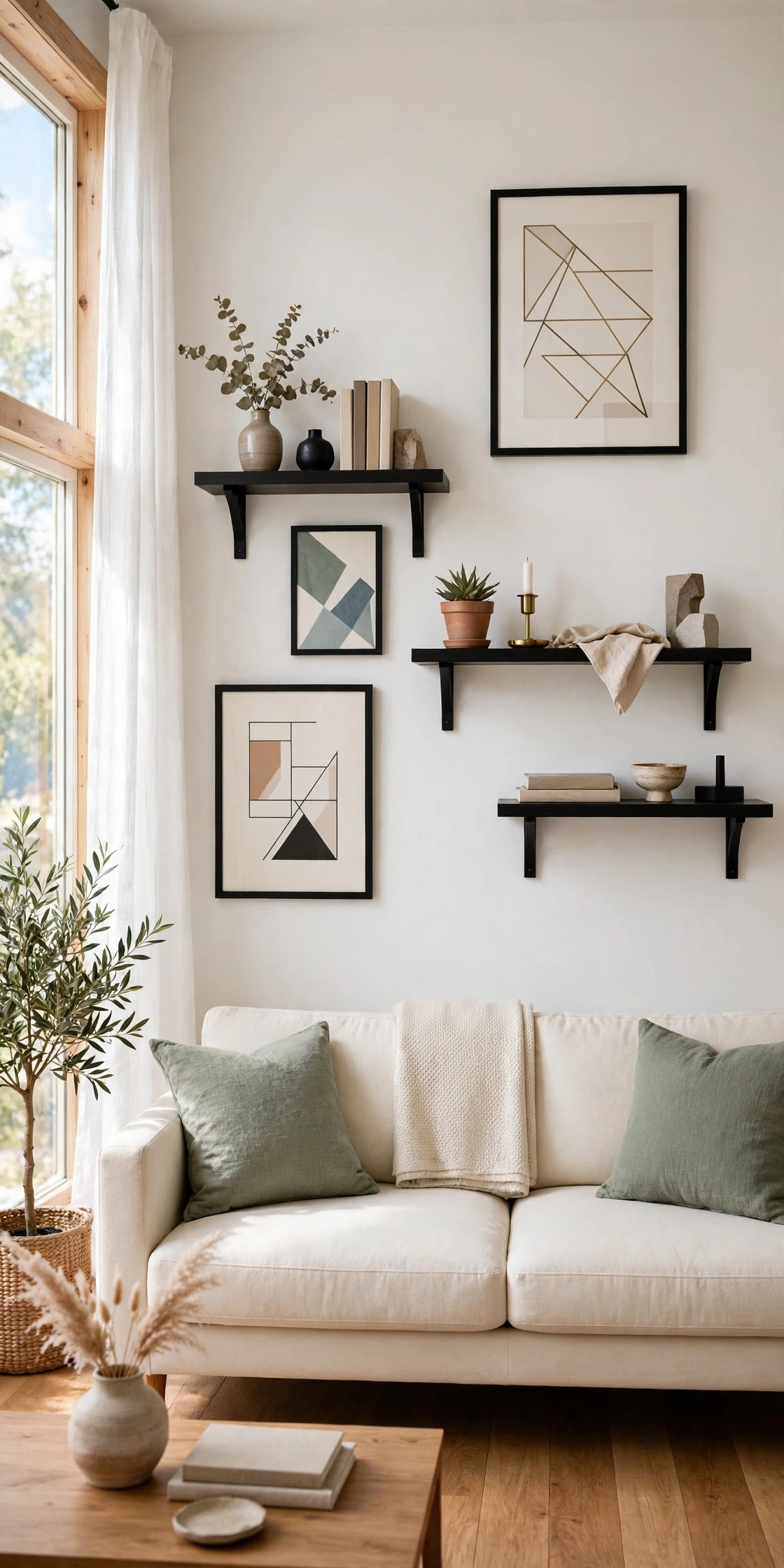
16. Choose Warm and Simple Wood Tones
Warm wood softens the steel, glass and bold color of Bauhaus rooms. Light oak, beech or pale walnut works best because the grain stays calm and the color stays warm. Wood floors, a wood dining table or a wood bench can carry this warmth through the whole home.
Keep the wood tones consistent across the room so they read as one material. One or two wood finishes are enough, and they should match in warmth. A single warm wood tone makes the whole room feel more natural and lived in.
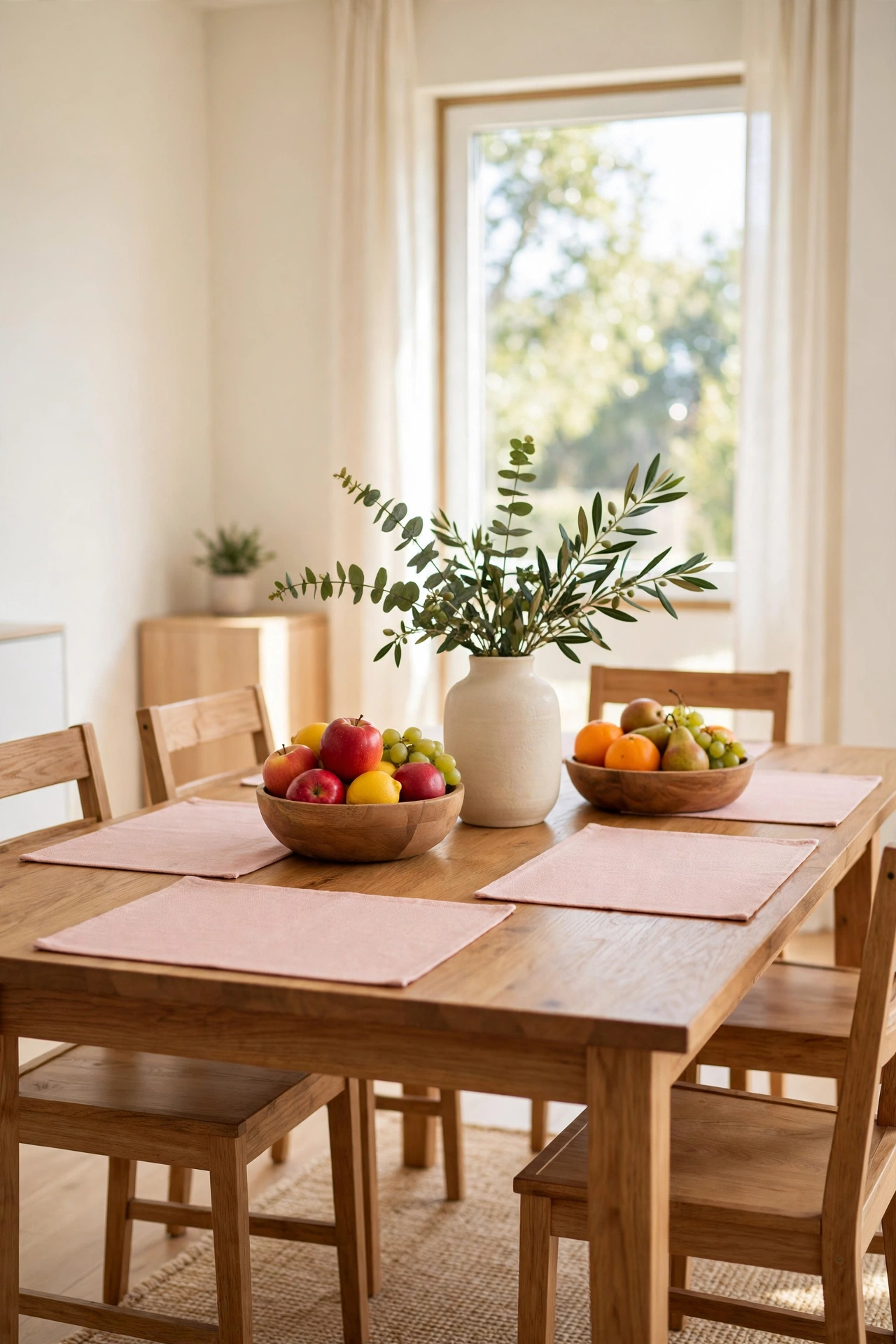
17. Build a Bauhaus Gallery Wall
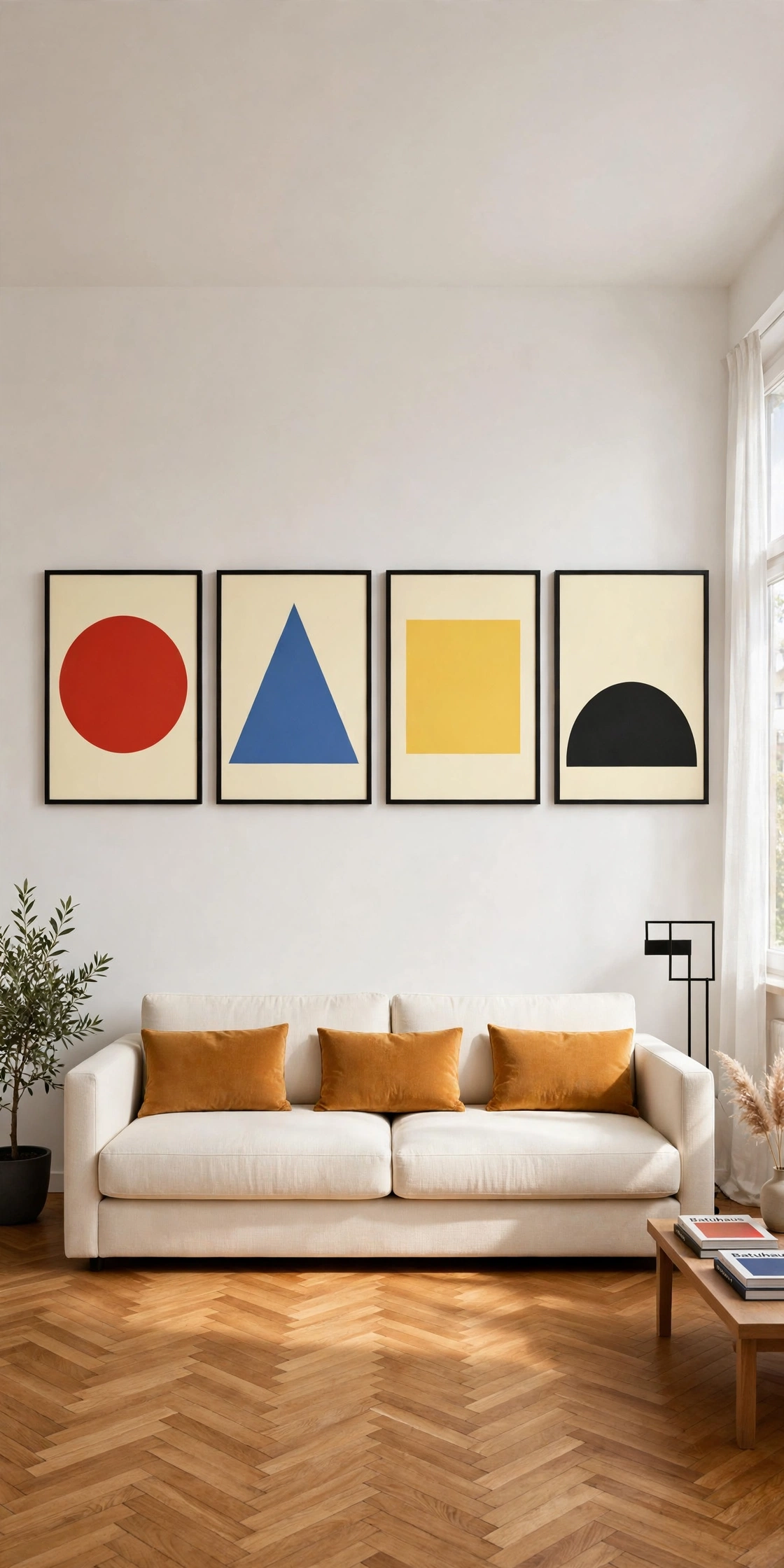
A gallery wall of Bauhaus posters turns a plain wall into a small art show. Choose prints that share the same palette of red, blue, yellow, black and white. Keep the frames identical and thin so the art, not the frames, does the talking.
Plan the layout on the floor before you hang anything. A neat grid suits the Bauhaus love of order, while a loose cluster suits a more relaxed room. Leave equal gaps between frames so the whole wall reads as one tidy composition.
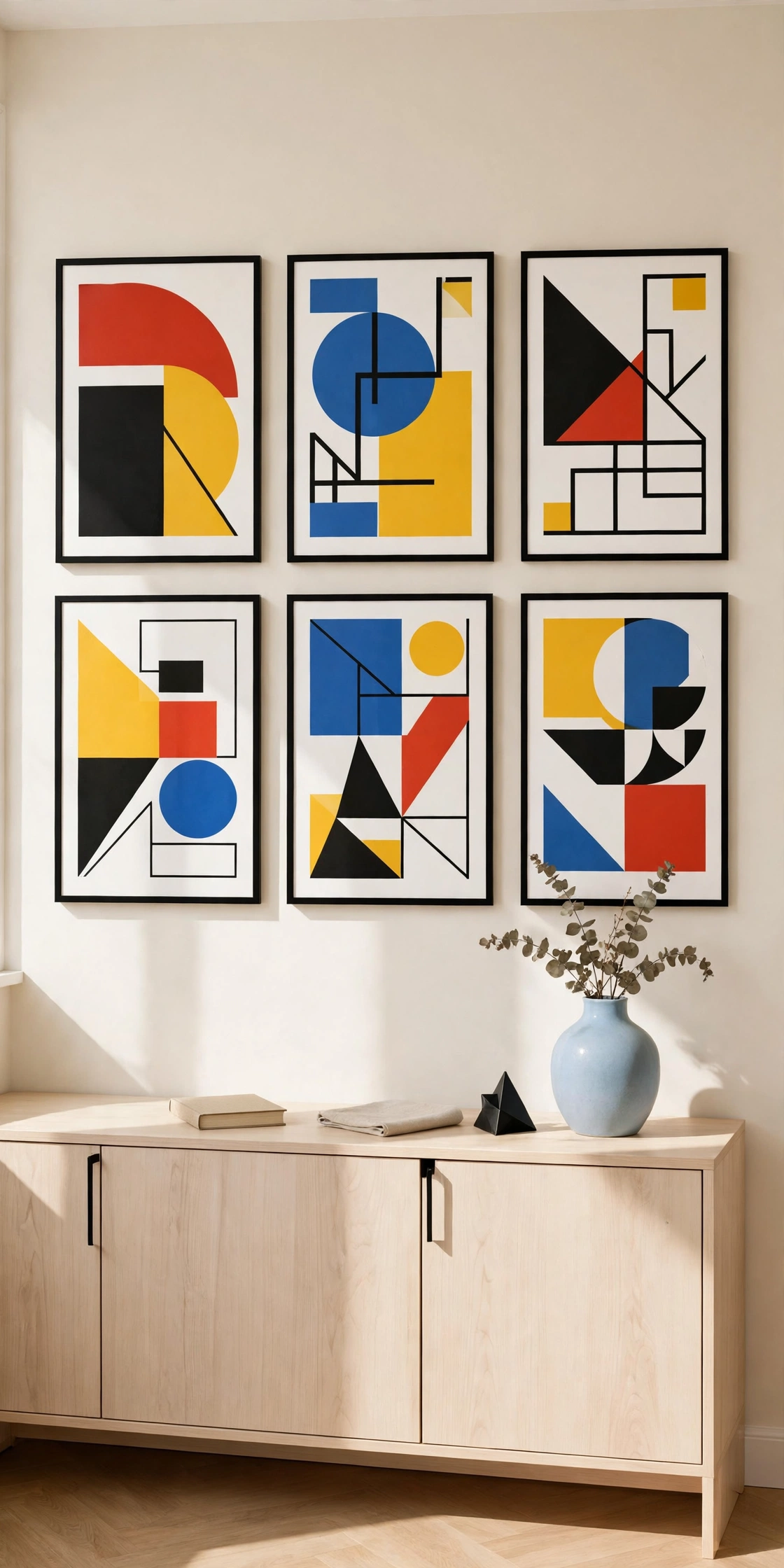
18. Use Typography as Wall Decor
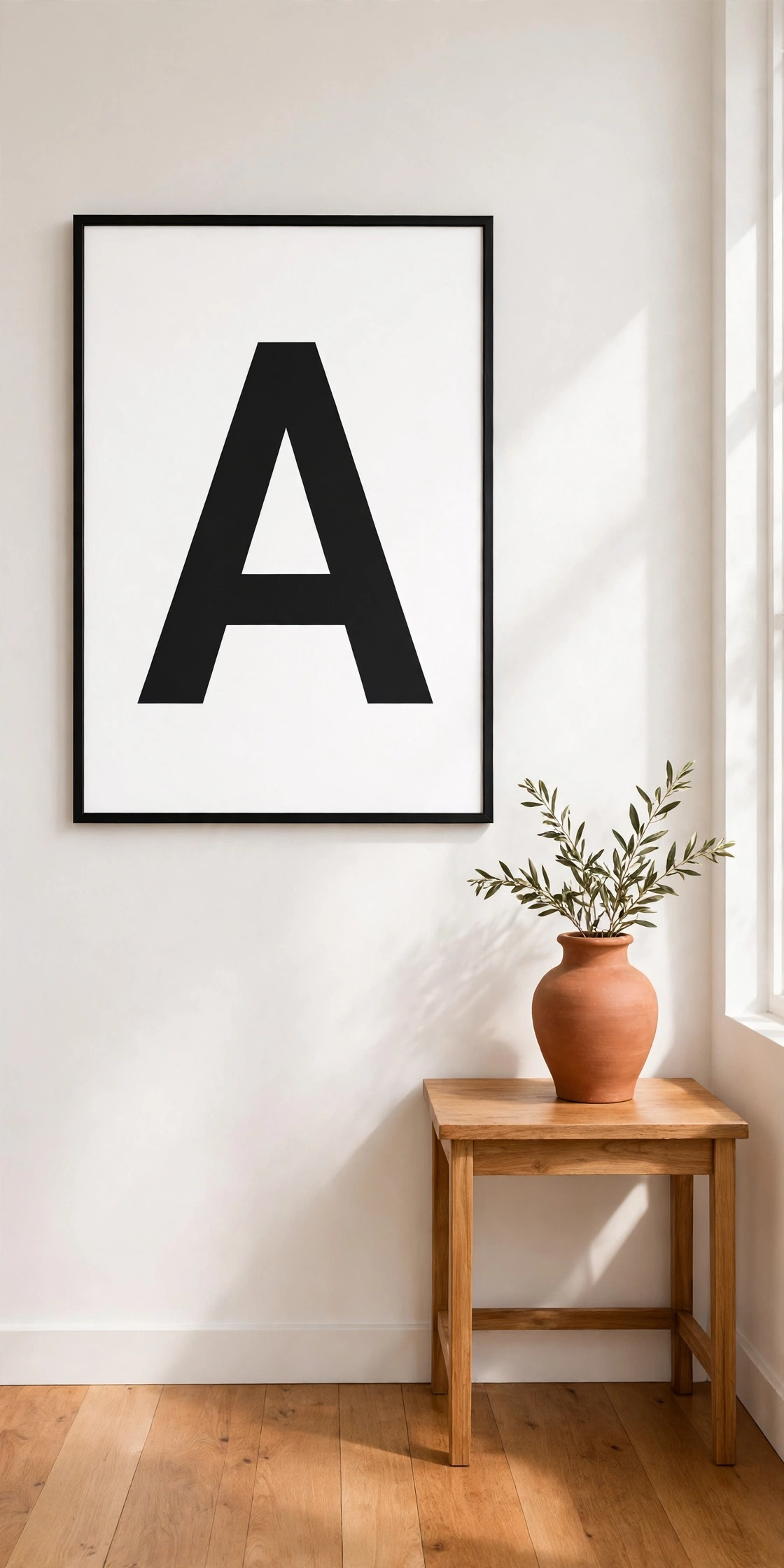
Bold letters and numbers are a natural Bauhaus decoration because the school loved clear, simple type. A framed poster with one large letter, a word or a year can fill a wall with very little effort. Typography art also adds a personal touch when you choose a word that means something to you.
Keep the typeface simple and geometric, with clean lines and even spacing. Black letters on white, or white letters on a primary color, give the strongest effect. One typography poster per room is enough to make the point.
19. Keep Window Treatments Simple and Bare
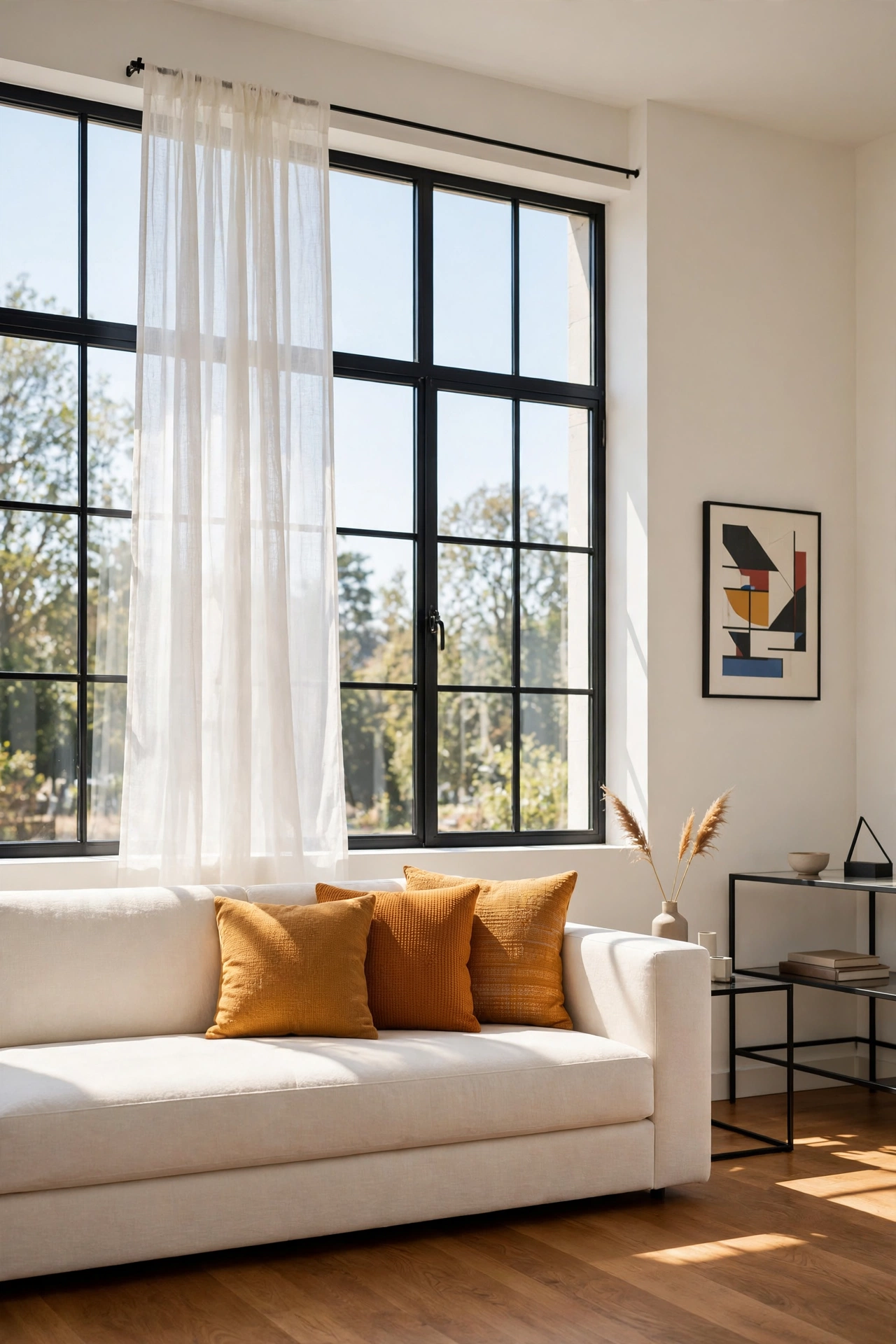
Bauhaus rooms celebrate daylight, so windows should stay as open as possible. Bare windows or a single sheer panel let the sun in and keep the view clear. Heavy curtains with patterns or frills fight against the clean Bauhaus look.
If you need privacy, choose a plain roller blind in white or cream that disappears when it is raised. A simple linen panel in one solid color is another good choice. The goal is to frame the window, not to cover it.
20. Hang a Sculptural Pendant Light
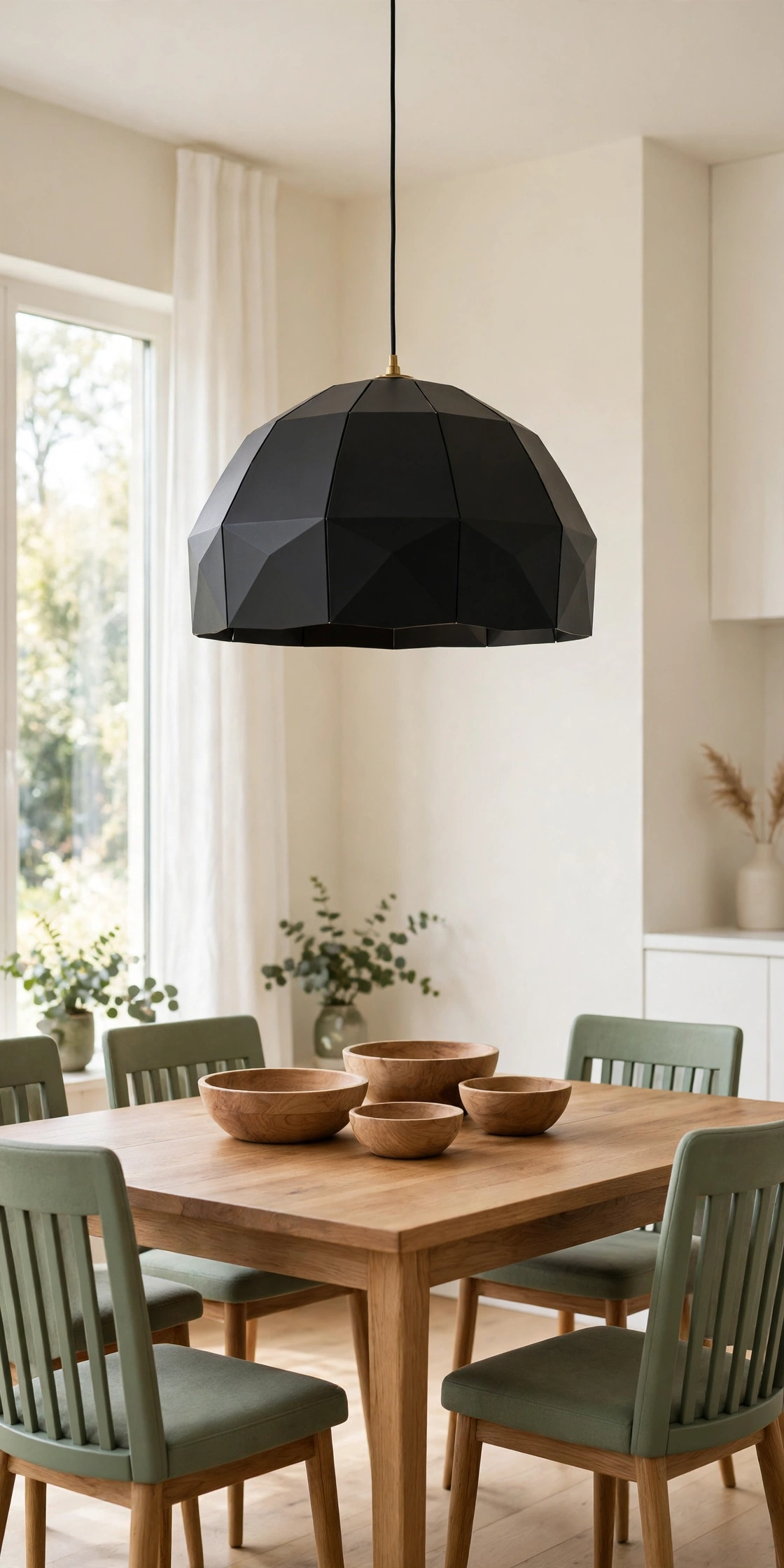
A pendant light with a strong geometric shape can become the jewelry of a Bauhaus room. Look for a dome, a cone, a sphere or a set of stacked rings in metal or matte black. The light should hang low enough to feel close to the table while leaving a clear view across the room.
Hang one large pendant over a dining table or a pair of smaller pendants over a kitchen island. Keep the cord simple and straight so nothing distracts from the shape of the shade. A sculptural light works even when it is switched off.
21. Open Up the Floor Plan
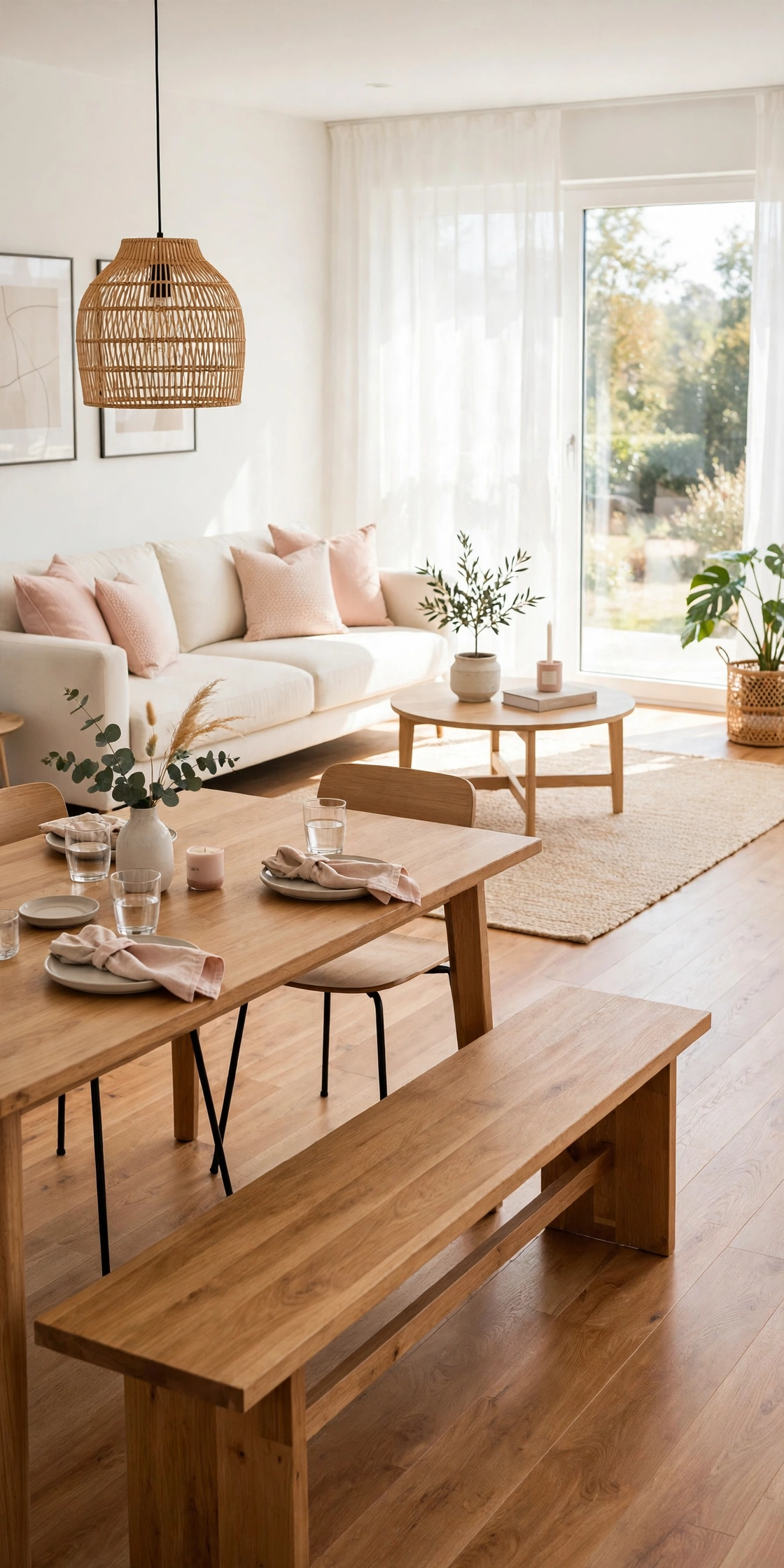
Bauhaus architecture loved open, flowing space, and your home can borrow that idea. Remove a visual barrier between the living room and dining area, or use a low shelf instead of a wall to divide zones. Open plans let light travel and make small homes feel generous.
Use a rug, a change of floor color or a long bench to mark where one zone ends and the next begins. Keep sightlines clear from one end of the room to the other. When the plan stays open, the whole home feels calmer and easier to move through.
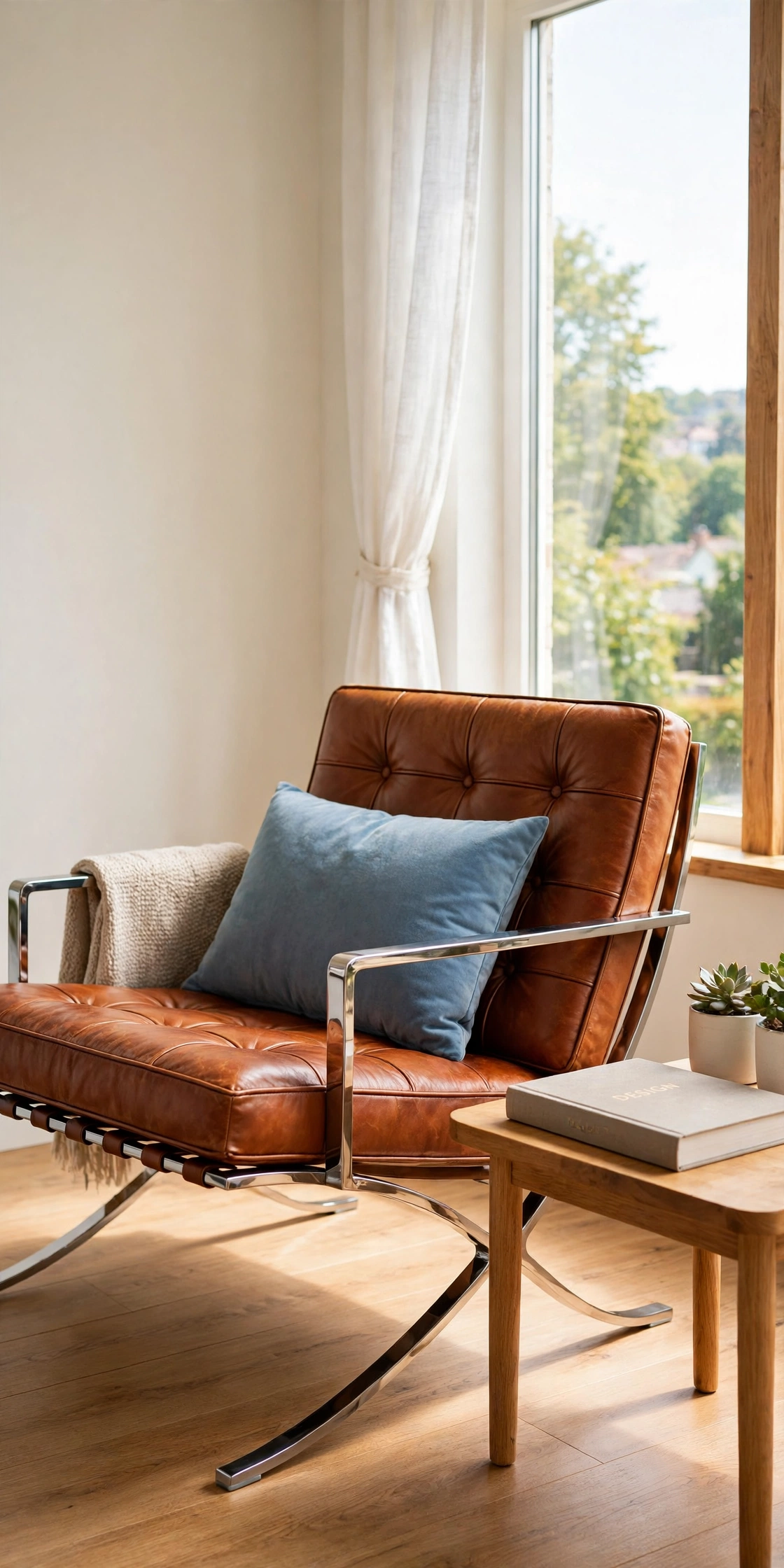
22. Add a Leather and Steel Lounge Chair
A lounge chair that pairs dark leather with a steel frame is a true Bauhaus classic. The leather softens with age while the steel keeps its shape, so the chair only gets better with time. It is comfortable enough for daily reading and striking enough to anchor a corner.
Place the chair near a window with a small side table and a reading lamp. Choose black or cognac leather to keep the palette warm and simple. A leather and steel chair brings the Bauhaus workshop spirit straight into your living room.
23. Bring in Bold Yellow Accents
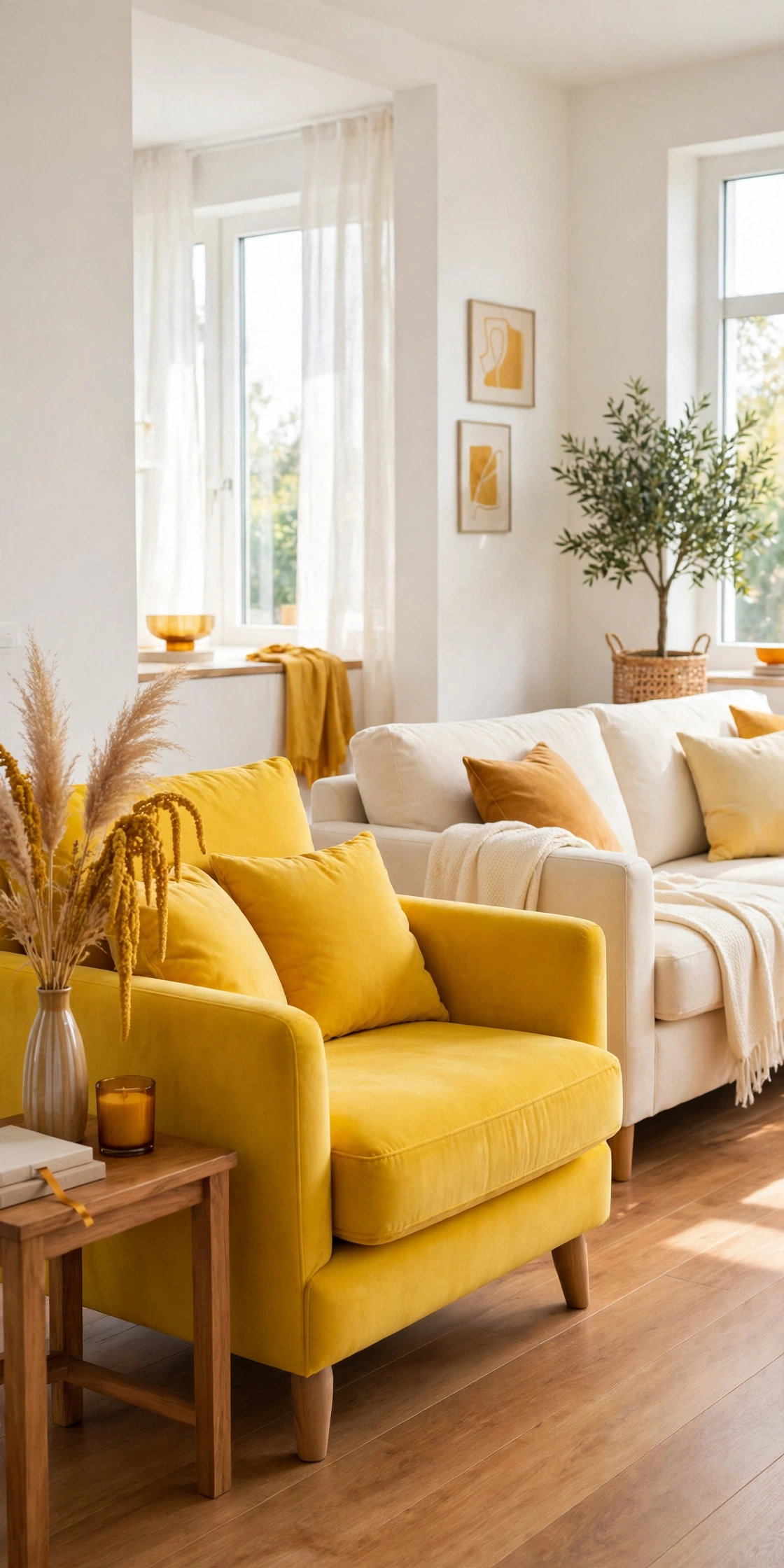
Yellow is the warmest of the three Bauhaus primary colors, and a little of it goes a long way. A yellow armchair, a set of yellow cushions or a yellow vase can lift a neutral room in seconds. Yellow also pairs beautifully with warm wood and soft daylight.
Use yellow as an accent rather than a main color so it stays fresh. One or two yellow pieces per room are enough to create a focal point. For more ideas on using one strong color with confidence, see these color drenching ideas that show how a single hue can transform a space.
24. Use Grid Style Open Shelving
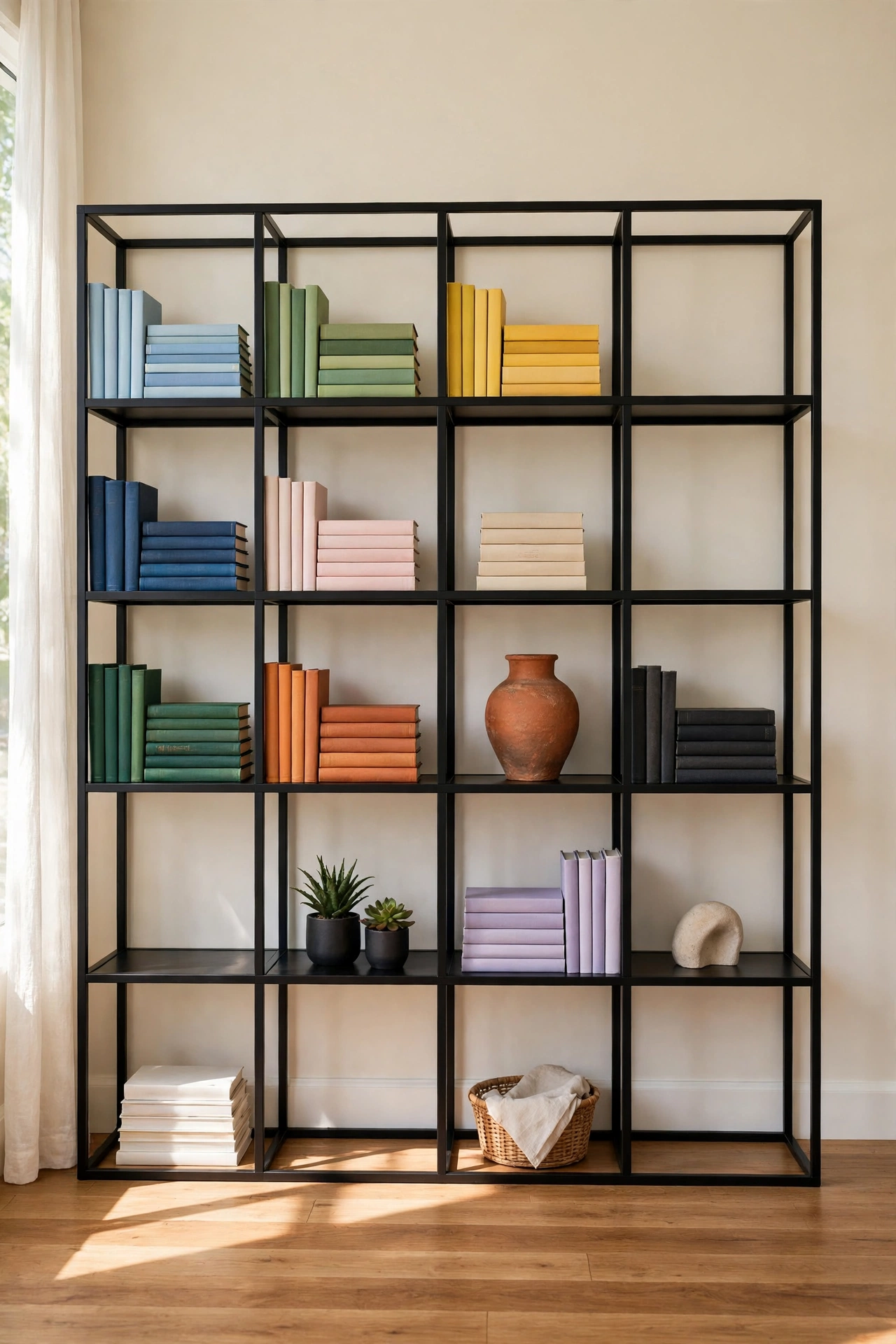
Open shelving built on a strict grid is a very Bauhaus way to store and display. Equal sized cubbies in black steel or pale wood create order while keeping books and objects visible. The grid itself becomes a design feature even before you fill it.
Fill only part of each cubby and leave some empty so the grid stays easy to read. Group books by color or size and leave space around special objects. A grid shelf that is half empty looks more designed than one packed to the brim.
25. Choose a Bauhaus Coffee Table
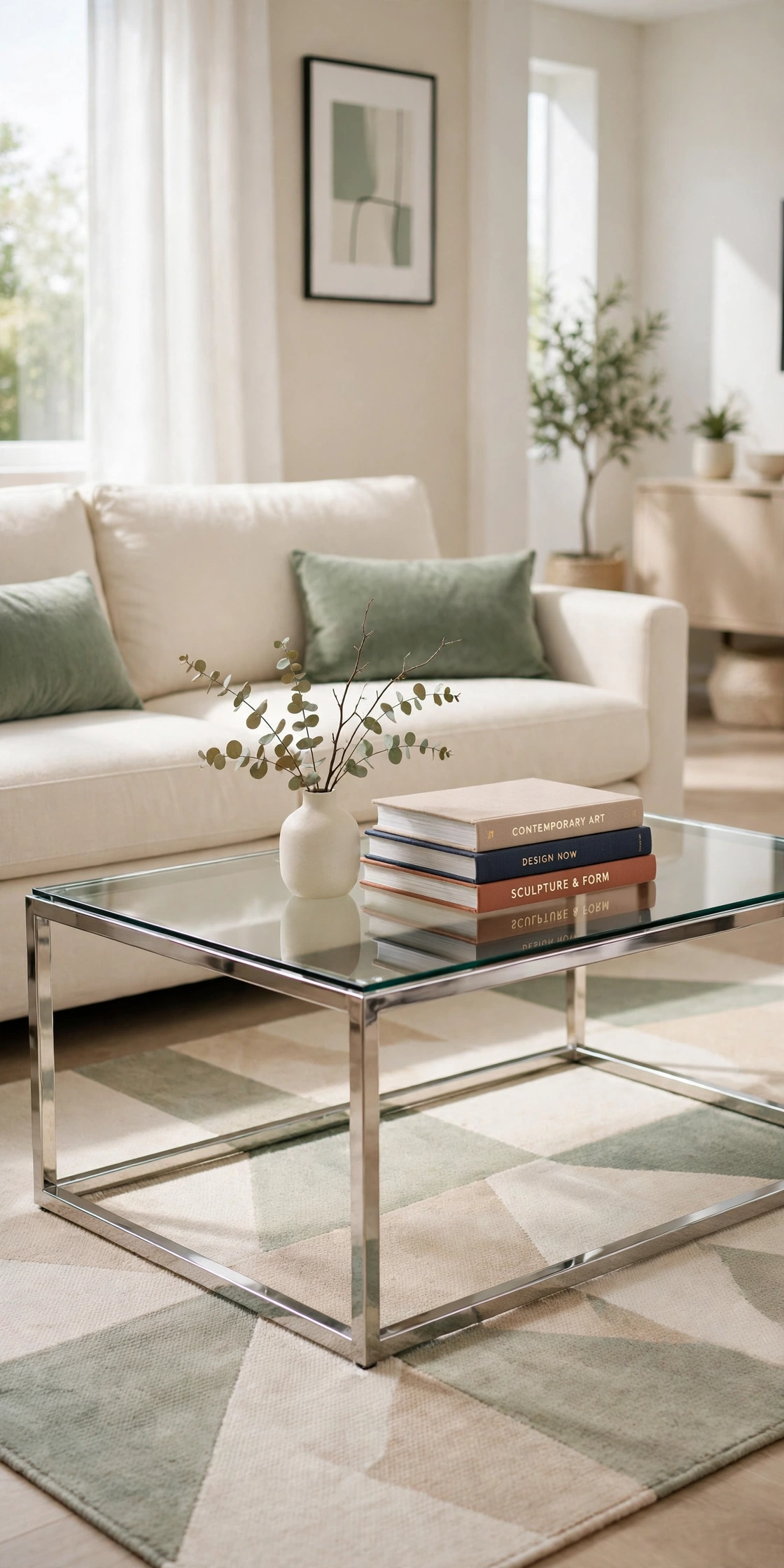
A Bauhaus coffee table is usually low, rectangular and honest about its materials. Glass tops, steel frames and plain wood slabs are all true to the style. The table should serve the sofa well while keeping the center of the room open and clear.
Keep the tabletop simple with one or two objects, such as a small vase or a stack of art books. A glass top is a good choice in small rooms because it lets the rug pattern show through. The right coffee table ties the seating group together without stealing attention.
26. Keep Decor Minimal and Intentional
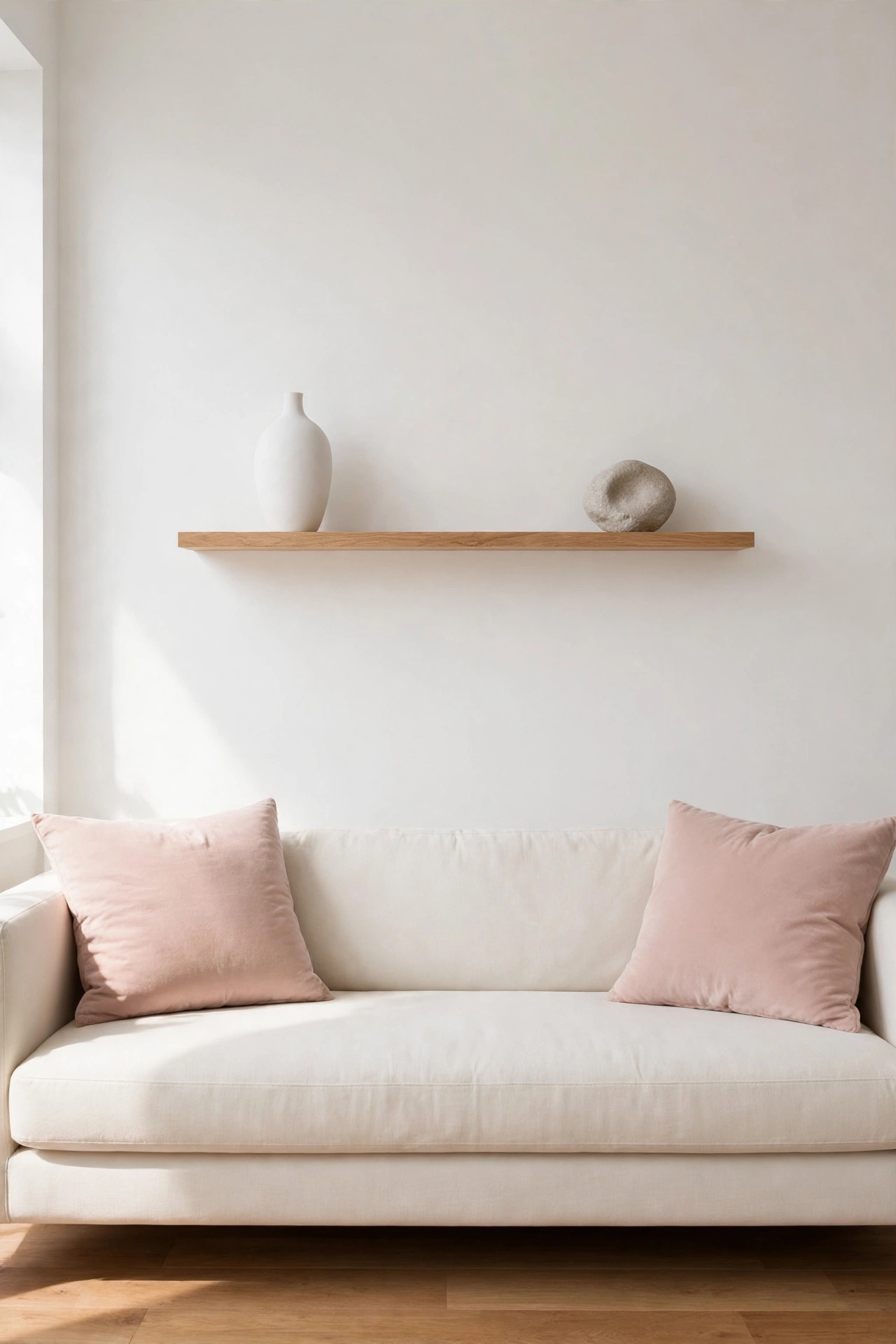
Bauhaus rooms feel calm because every object is chosen with care. Instead of filling shelves with many small items, choose a few pieces that you truly love. A single vase, one sculpture or one framed print can say more than a crowded shelf.
Walk through each room and remove anything that does not serve a purpose or bring you joy. The empty space you create is part of the design, not a flaw. Minimal decor also makes cleaning faster and keeps the room feeling fresh every day.
27. Blend Bauhaus with Modern Comfort
Bauhaus style does not have to feel like a museum. Soft cushions, a warm throw and a comfortable rug can make a geometric room feel cozy without breaking the rules. Comfort and good design belong together, and the Bauhaus designers would agree.
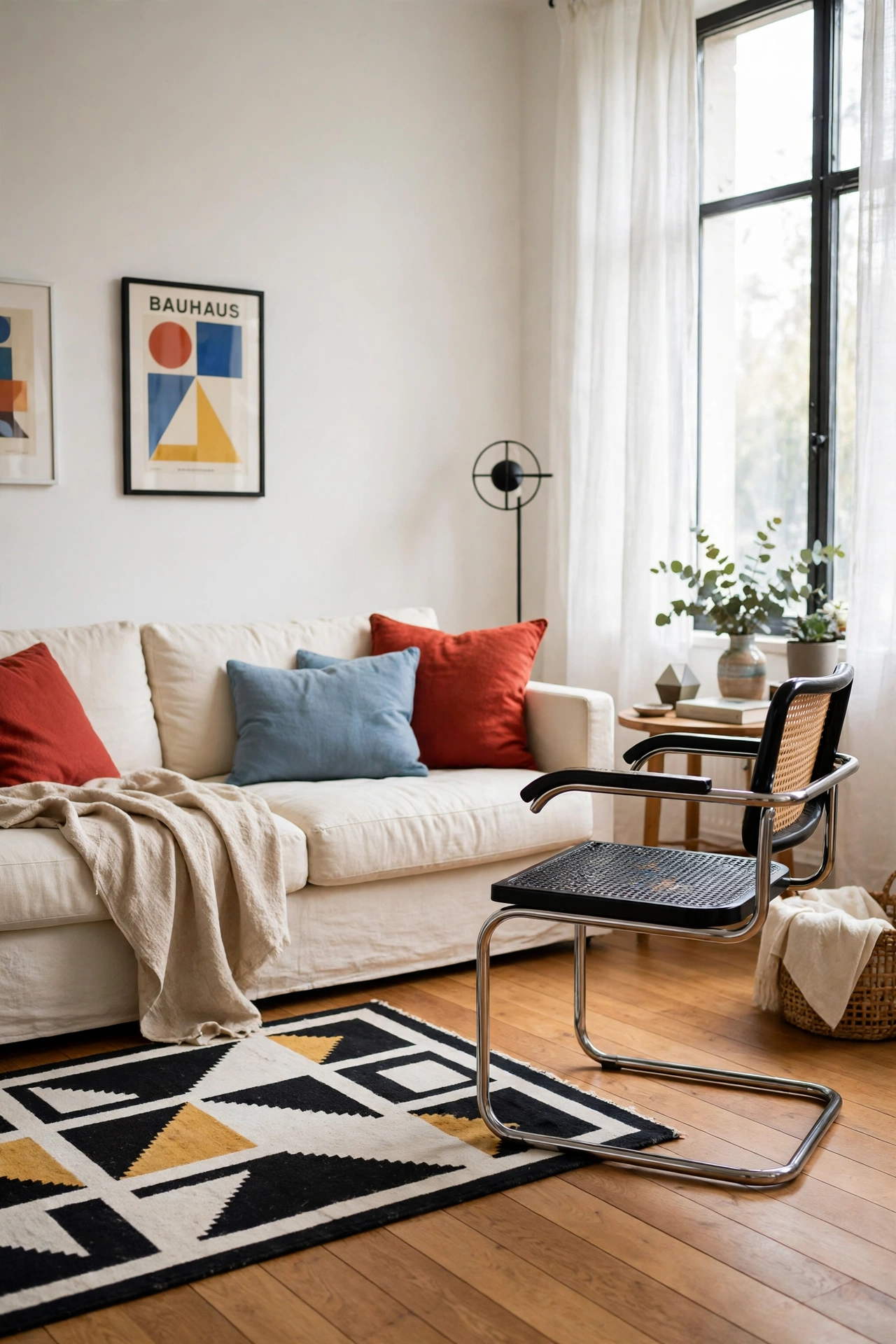
Keep the shapes and colors true to Bauhaus while letting the textures stay soft. A cream sofa with red cushions, a wool rug under a steel chair and a linen throw on a leather seat all blend the old and the new. The result is a room that looks designed and still invites you to sit down and stay.
Conclusion
Bauhaus design proves that a home can be both practical and beautiful. From a primary color palette and tubular steel furniture to geometric rugs and open floor plans, each idea here adds one more layer of clarity to your rooms. The best Bauhaus home is the one that fits the way you actually live.
Pick one or two ideas that fit your space and start today. Add a geometric rug, hang a bold circle print or bring home a cantilever chair and watch the room take shape. For more modern design inspiration, these mid century modern ideas with a bold color twist show how the same love of clean lines and strong color works in a newer style.
Frequently Asked Questions About Bauhaus Interior Design Ideas for Functional Spaces
What is Bauhaus interior design?
Bauhaus interior design comes from the German art school founded in 1919. It favors simple geometric shapes, primary colors, honest materials like steel, glass and wood, and furniture that is useful above all else. The style values clean lines and practical function over decoration.
What colors are used in Bauhaus interiors?
The classic Bauhaus palette uses red, blue and yellow as accents against black, white and warm neutrals. Walls usually stay white or cream so the bold colors stand out. Keep the strong colors in small blocks, such as cushions, art or one chair, for the best effect.
Is Bauhaus furniture expensive?
Original Bauhaus pieces and licensed reproductions can be costly, but the look itself does not have to be. Many modern brands make tubular steel chairs, geometric rugs and simple wood furniture at friendly prices. Start with one statement piece and add more over time.
Can Bauhaus style work in a small home?
Yes, Bauhaus style works very well in small homes because it favors open plans, low furniture and clear surfaces. Light colors, glass and chrome make rooms feel larger, while multifunctional furniture saves space. Keep the palette limited and the decor minimal for the best result.
How do I add Bauhaus style without a full remodel?
Start with easy changes that make a big impact. Add a geometric rug, hang a bold circle print, swap in a tubular steel chair or bring in primary color cushions. These small moves introduce the Bauhaus look without painting walls or replacing large furniture.

Hi, I’m Emily! I turn messy corners into cozy, organized spots. DreamNestDecor is where I share simple, practical home ideas — decor, organization, and small-space solutions that work in real life, not just in photos. Every idea here is carefully researched before it’s shared.