
You love the look of a sofa piled high with pretty cushions, but every time you price new throw pillows, the total makes you put them right back on the shelf. Nice cushions cost a small fortune, and the cheap ones look flat and sad after a month. Your sofa deserves better, and so does your wallet.
Cushion covers are one of the smartest DIY projects for your money: a little inexpensive fabric completely changes a room. Old clothes, bedsheets, and bargain fabric all become beautiful covers with basic skills or even no sewing at all. These 25 DIY cushion cover ideas use inexpensive fabrics and clever tricks, and renters can join in too, just like our rental friendly decor hacks.
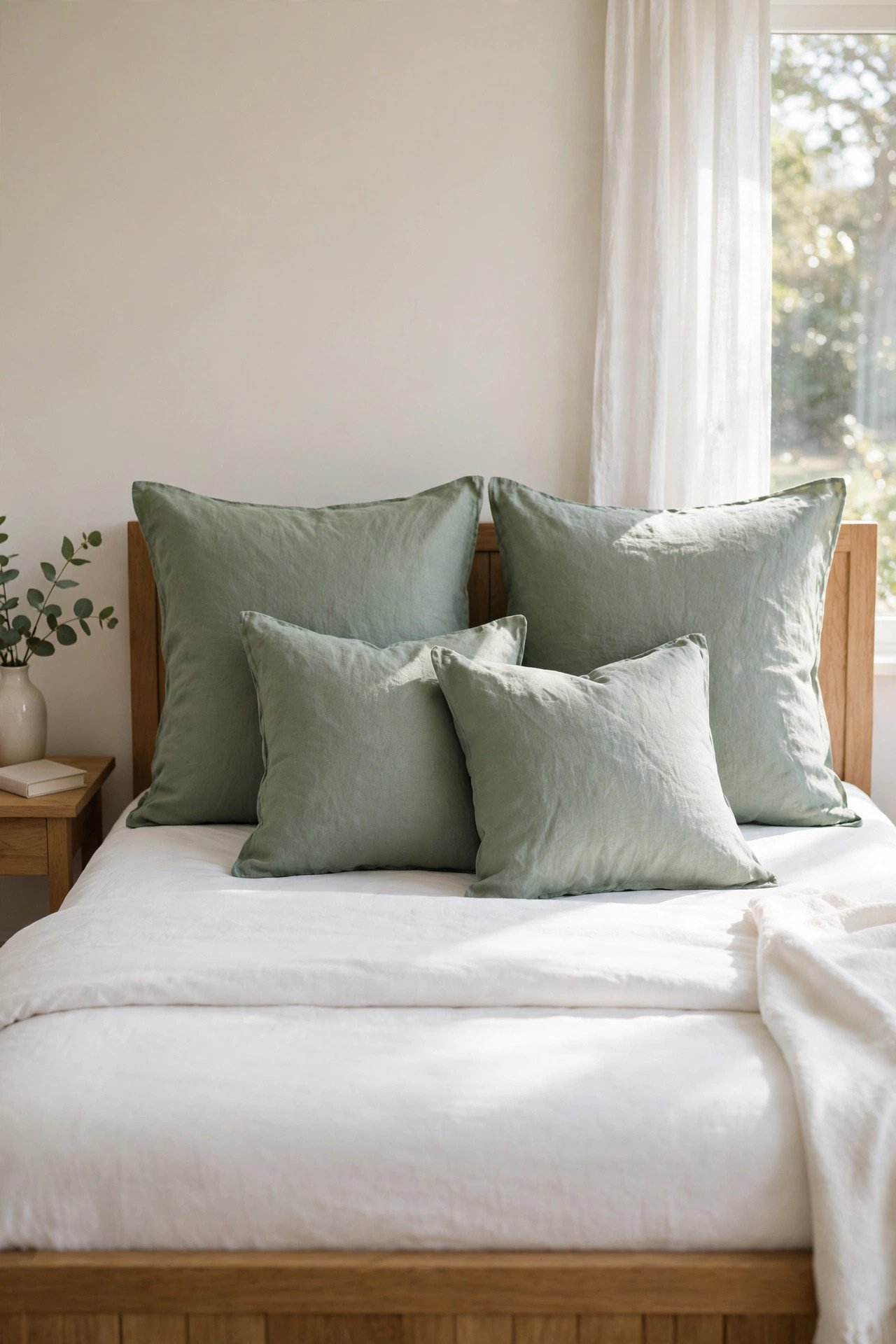
1. No-Sew Envelope Covers from Linen
The envelope fold is the easiest cushion cover ever: one rectangle of fabric, folded like you are wrapping a gift, with the back flaps overlapping. No zipper, no buttons, no sewing machine. Linen looks effortlessly elegant and gets softer with every wash.
Cut the fabric to your pillow size plus overlap, hem the back edges with iron-on tape, fold, and insert the pillow. The whole project takes about fifteen minutes. It is the perfect first project for total beginners.

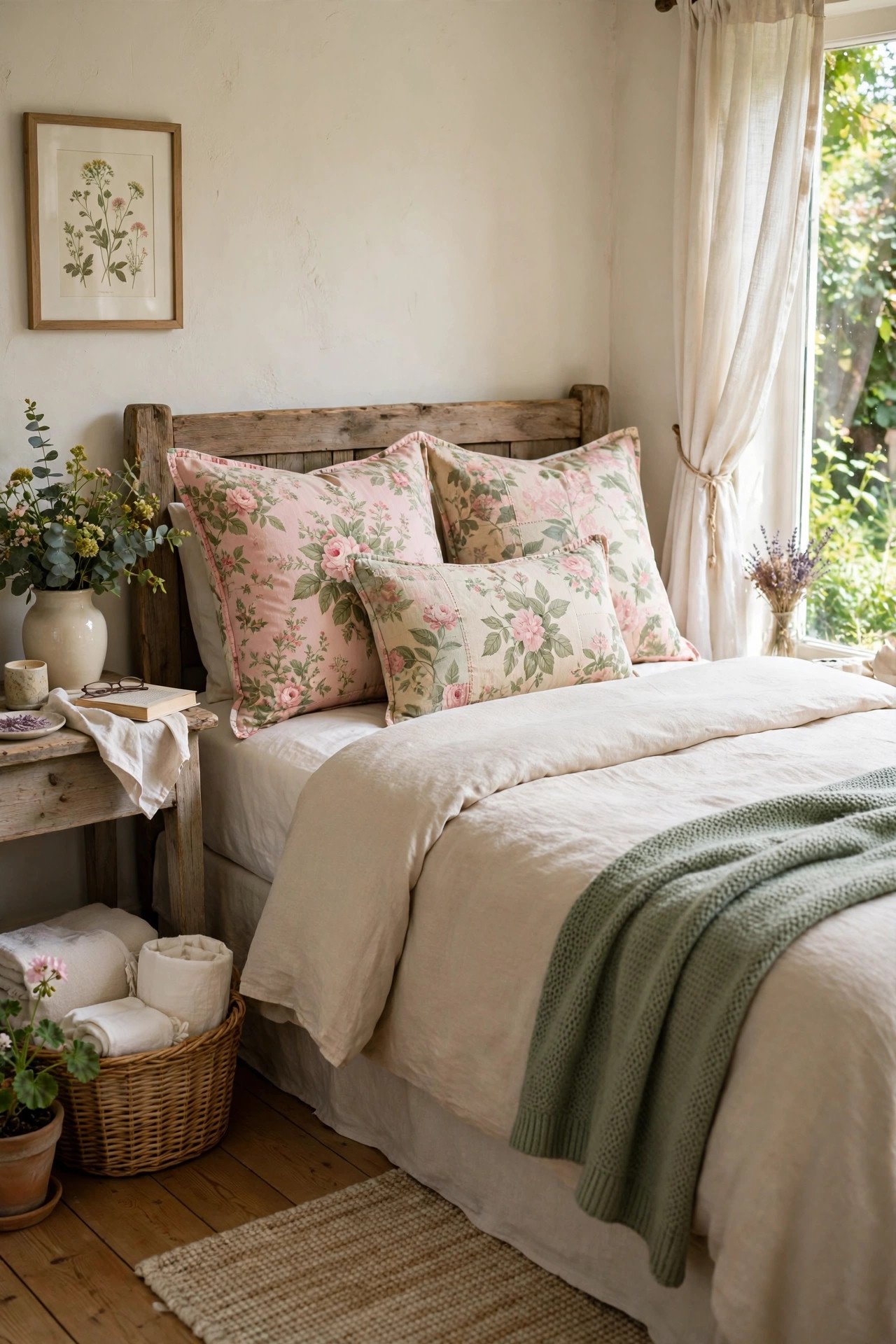
2. Vintage Bedsheet Floral Covers
Thrifted vintage bedsheets are a goldmine of pretty fabric for almost no money. Soft floral prints in pink and green bring cottage charm to any bed or sofa. The fabric is already soft from years of washing.
Cut around the prettiest parts of the print, centering a big bloom on each cover. A simple envelope fold or basic seam finishes the job. You get designer-looking florals for thrift-store prices.
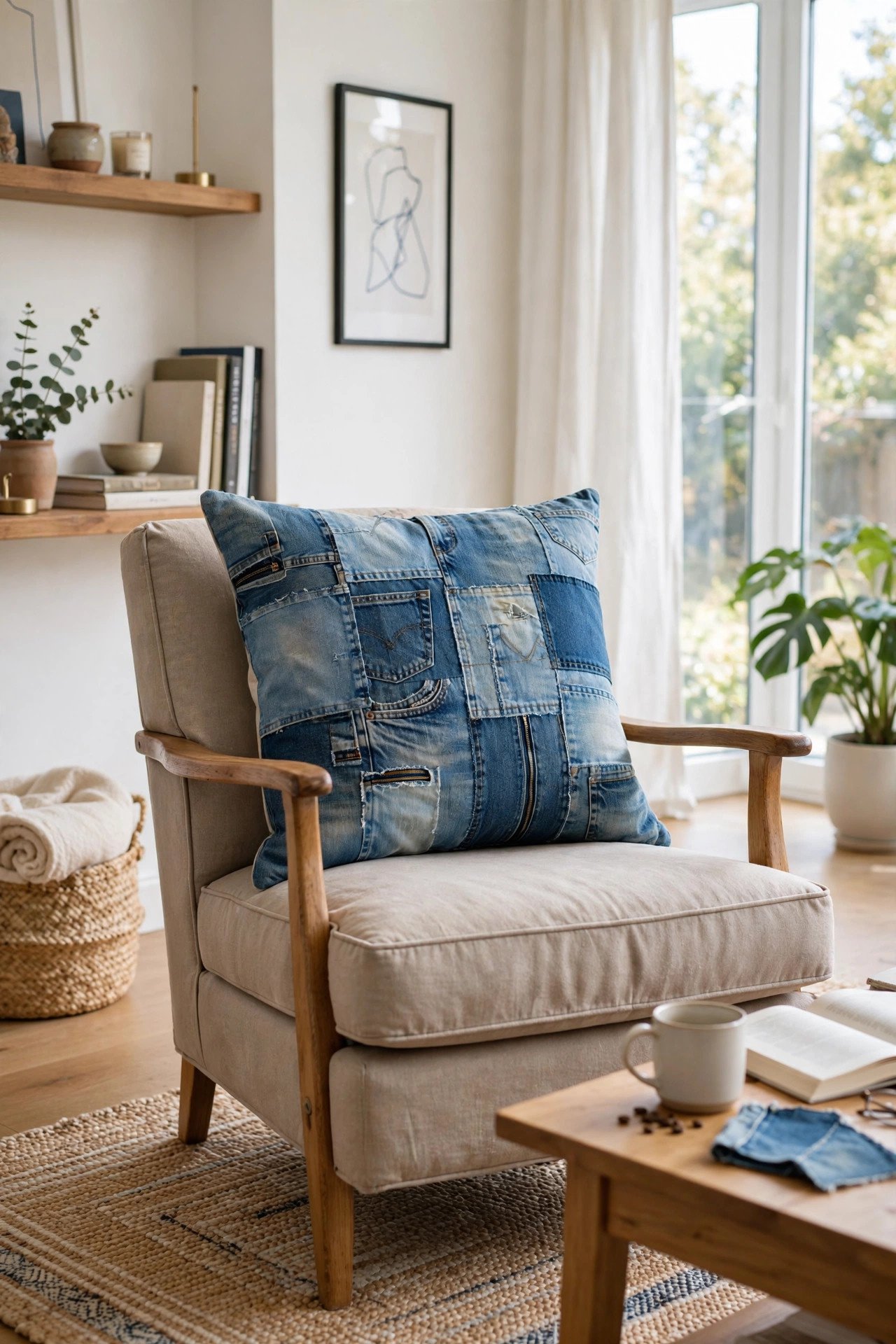
3. Denim Patchwork from Old Jeans
Worn-out jeans become wonderfully textured patchwork covers. Different blue washes pieced together create a casual, creative look that suits modern and eclectic rooms. The heavy denim wears like iron.
Cut squares from the legs, avoiding worn knees, and sew or glue them into a patchwork front. Pair with a plain back for balance. It is recycling at its most stylish.
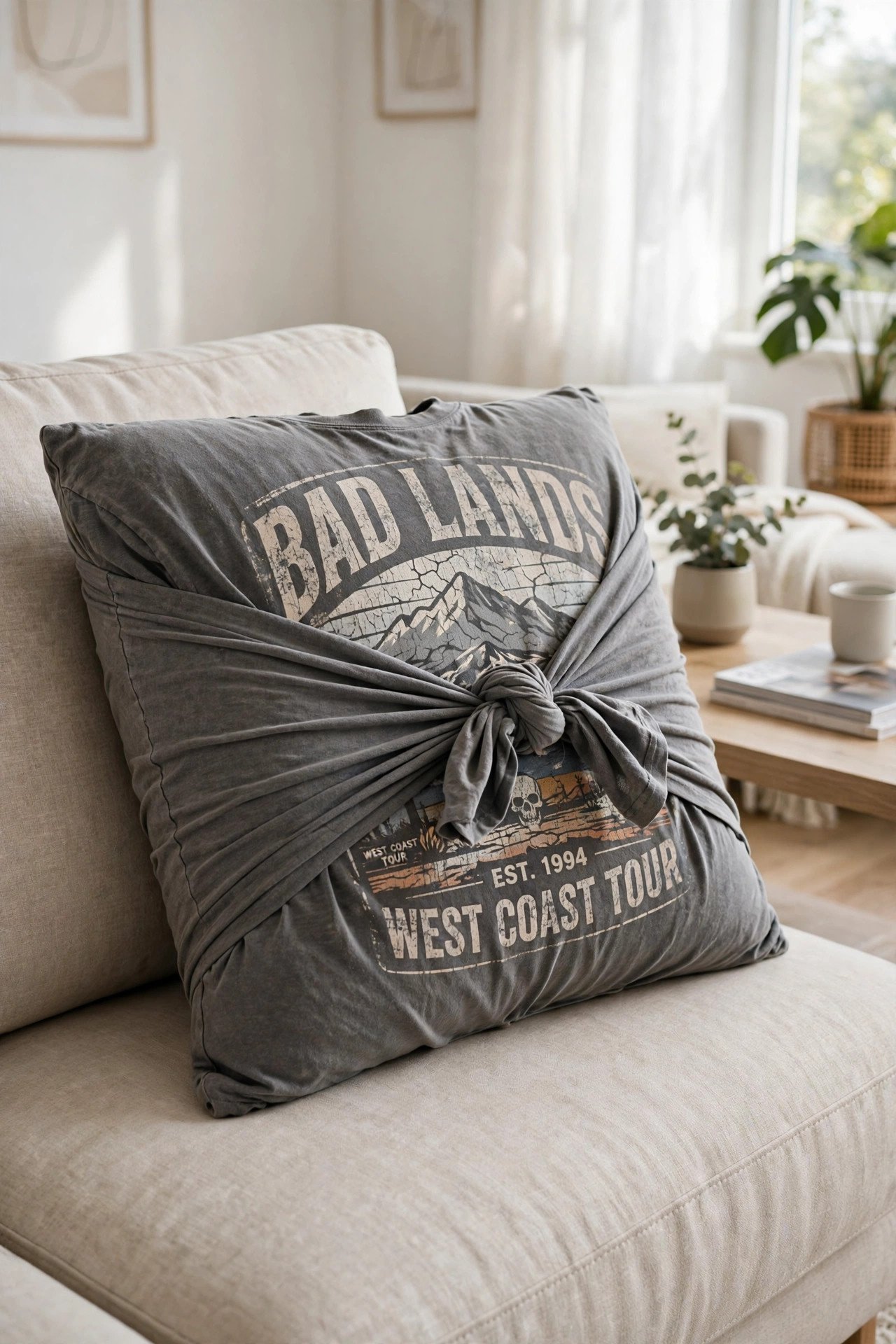
4. T-Shirt Wrap Covers
That favorite old t-shirt you cannot throw away? Wrap it around a cushion. The soft jersey hugs the pillow perfectly, and the graphic becomes instant art. It is upcycling with zero waste and zero cost.
Cut off the sleeves and neckline, wrap the shirt around the pillow, and knot or tuck the excess at the back. Stretchy fabric forgives imperfect measuring. It is personal, comfortable, and completely free.
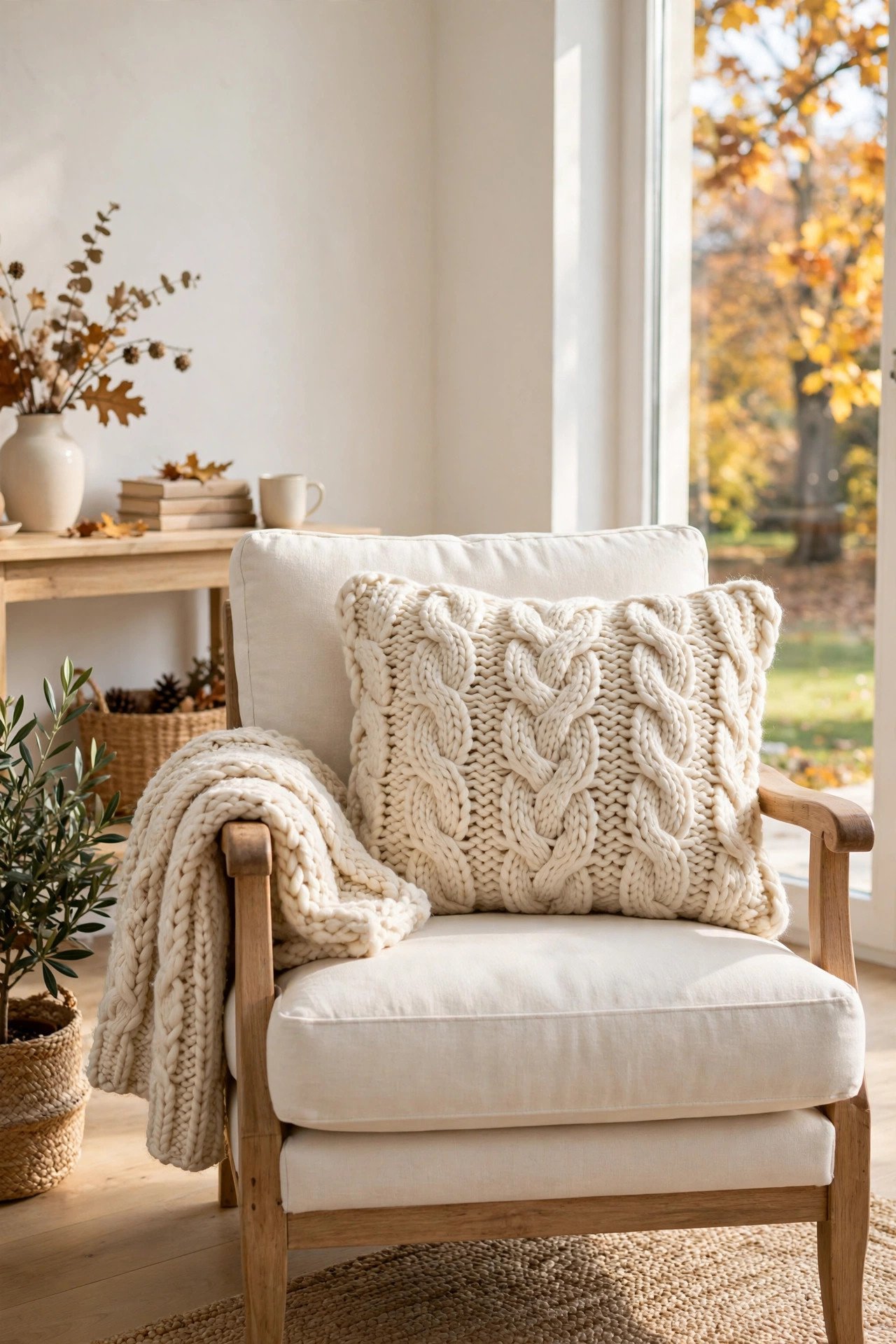
5. Sweater Knit Covers
An old chunky knit sweater makes the coziest cushion cover imaginable. The cable texture adds warmth and autumn comfort to any chair. Felted wool sweaters work especially well because they do not fray.
Cut the body of the sweater to fit, using the existing hem as your bottom edge for a finished look. Sew or glue the sides, and slip it over the pillow. It is like a hug for your sofa.
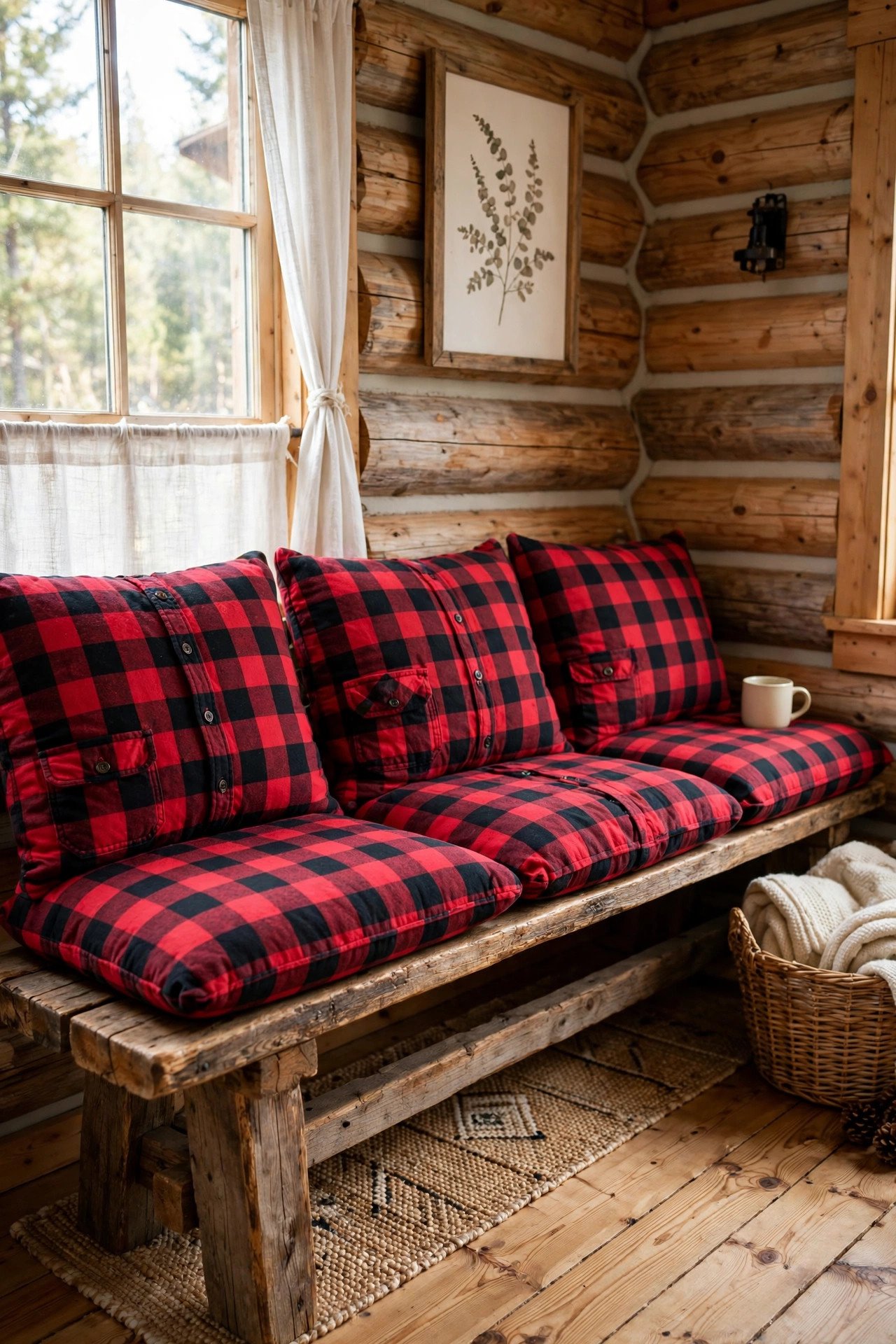
6. Flannel Shirt Covers
Flannel shirts in buffalo check or plaid make wonderfully cozy cabin-style covers. The soft brushed fabric is perfect for fall and winter, and the patterns are timeless. Raid the back of the closet for shirts nobody wears.
Use the shirt front with its buttons as a charming closure detail. Cut to size, finish the edges, and you have a cover with built-in character. Warm, rustic, and free.
7. Repurposed Tablecloth Covers
Vintage tablecloths have generous yardage and beautiful prints that are perfect for cushions. Stripes, florals, and embroidered edges all translate beautifully. A single tablecloth can cover several pillows.
Center the prettiest motifs on each cover, and use any embroidered edge as a decorative border. It is a lovely way to honor a family textile. For more repurposed textile ideas, see our vintage wardrobe storage ideas.
8. Drop Cloth Stenciled Covers
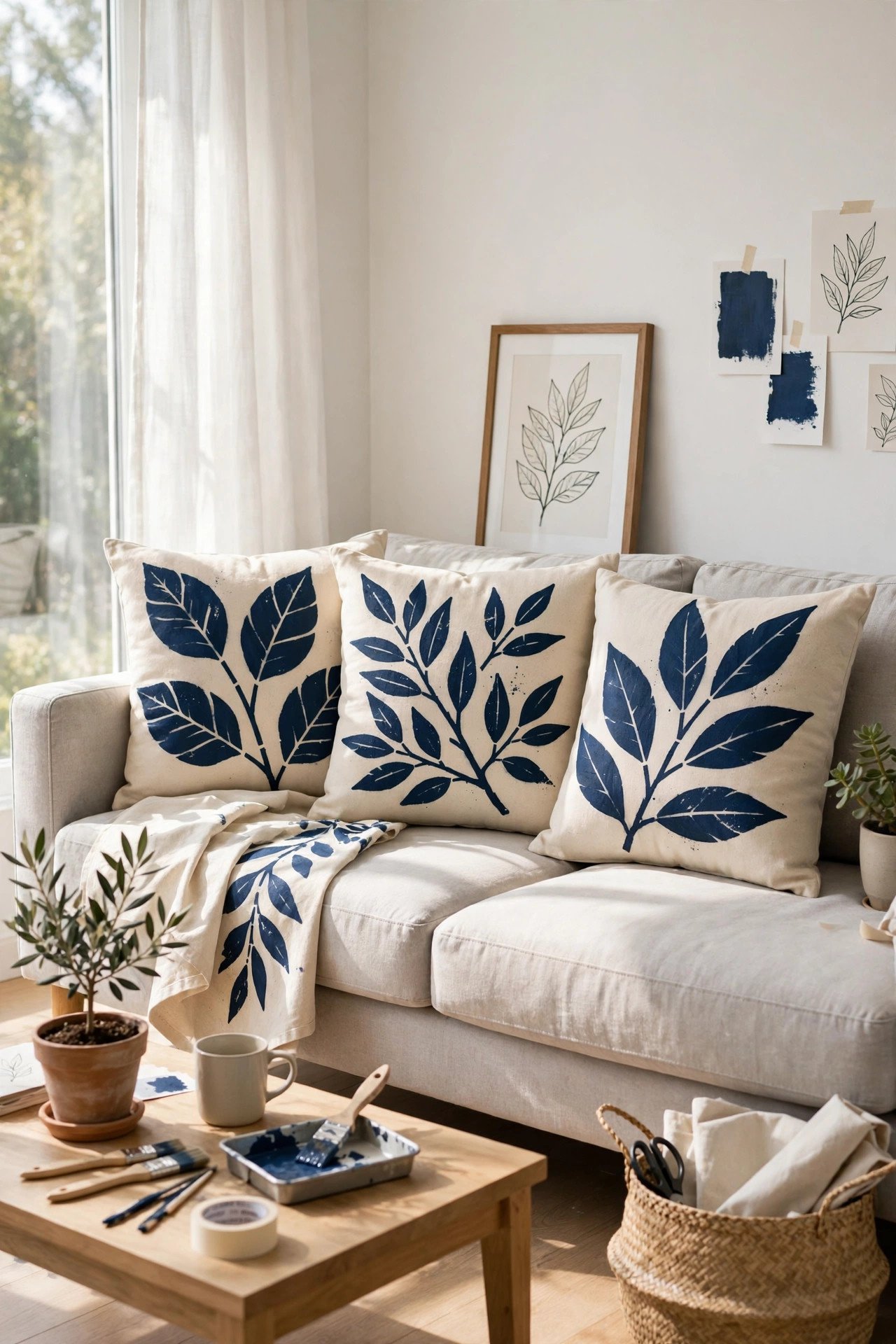
Painter’s drop cloth is the cheapest canvas-weight fabric you can buy, and stencils turn it into custom art. Large botanical leaves or geometric patterns in navy or charcoal look strikingly high-end on the natural canvas. The texture is wonderfully organic.
Wash the drop cloth first to soften it, then stencil with fabric paint and heat-set. The neutral base goes with everything. It is hardware-store fabric with a designer finish.
9. Burlap Monogram Covers
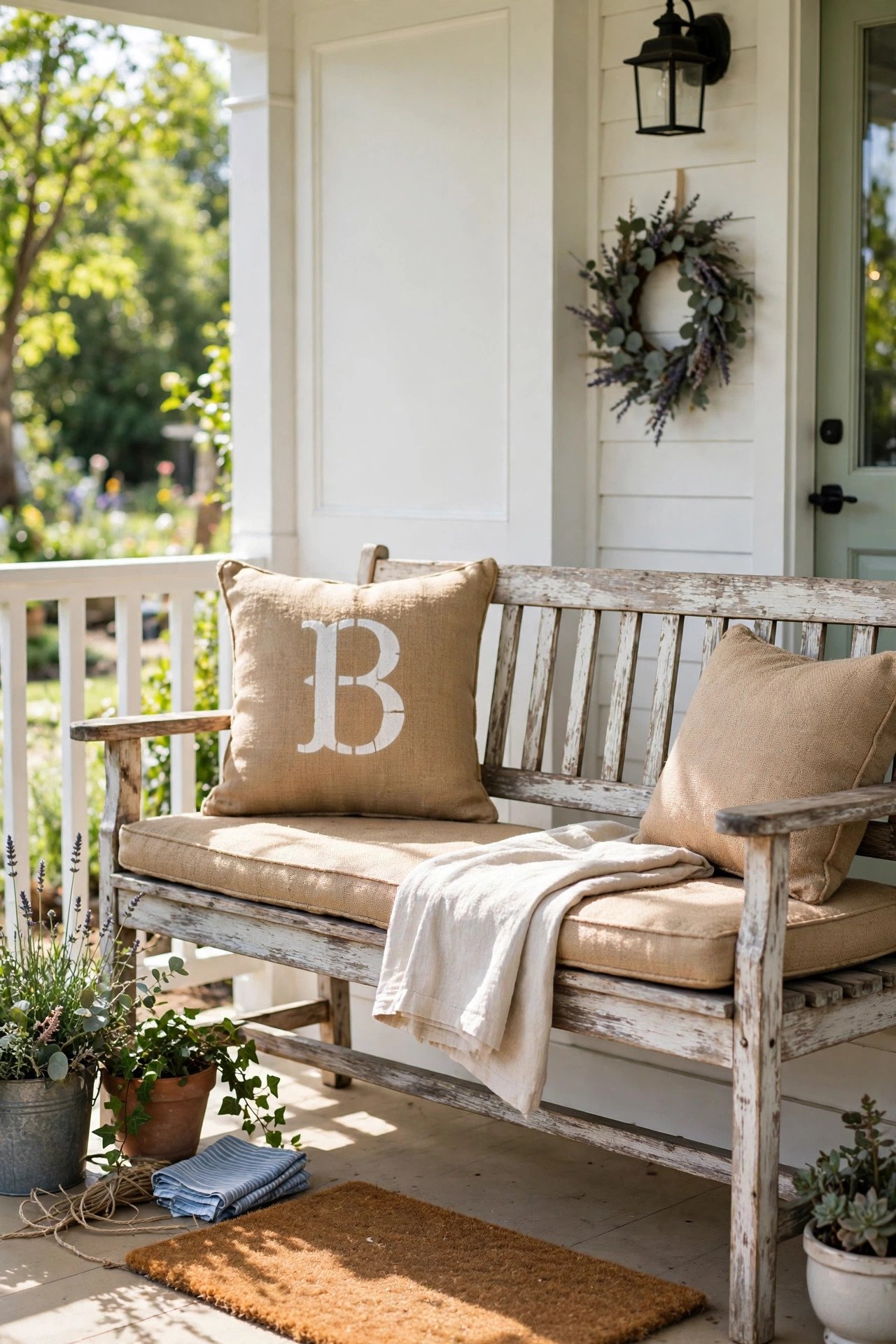
Burlap cushion covers with a stenciled monogram bring personalized farmhouse charm. The coarse texture and crisp white letter look fantastic on a porch bench or in a rustic living room. It is a gift-worthy project.
Use fine-weave burlap so it is not too scratchy, and stencil with fabric paint for a clean letter. Line the cover with muslin for comfort. Personal, rustic, and very affordable.
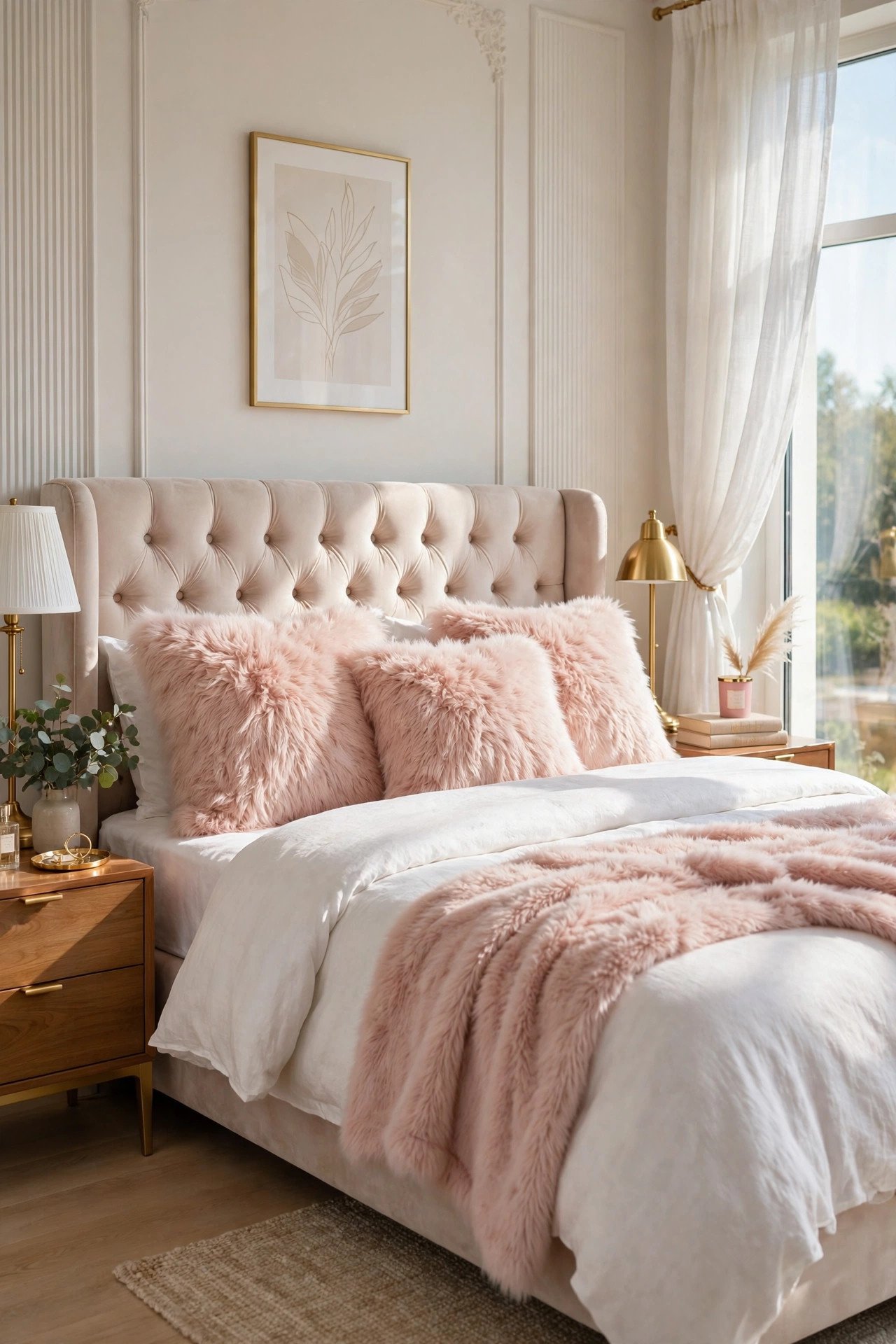
10. Faux Fur Luxe Covers
Faux fur turns an ordinary cushion into pure luxury. Blush pink, cream, or grey fur adds glamorous softness to beds and sofas. A little fur goes a long way: one or two cushions are plenty.
Cut fur from the back to avoid chopping the fibers, and use a simple envelope back. Shake the cover outside after sewing to fluff the fur. It is instant glamour for a modest price.
11. Velvet Remnant Covers
Velvet remnants from the fabric store’s bargain bin make richly elegant covers. Emerald, mustard, and navy velvet catch the light beautifully and feel wonderful to touch. Remnants are often sold at deep discounts.
Sew with the nap running the same direction on every piece for even color. A simple envelope back keeps the focus on the fabric. It is luxury from the leftovers bin.

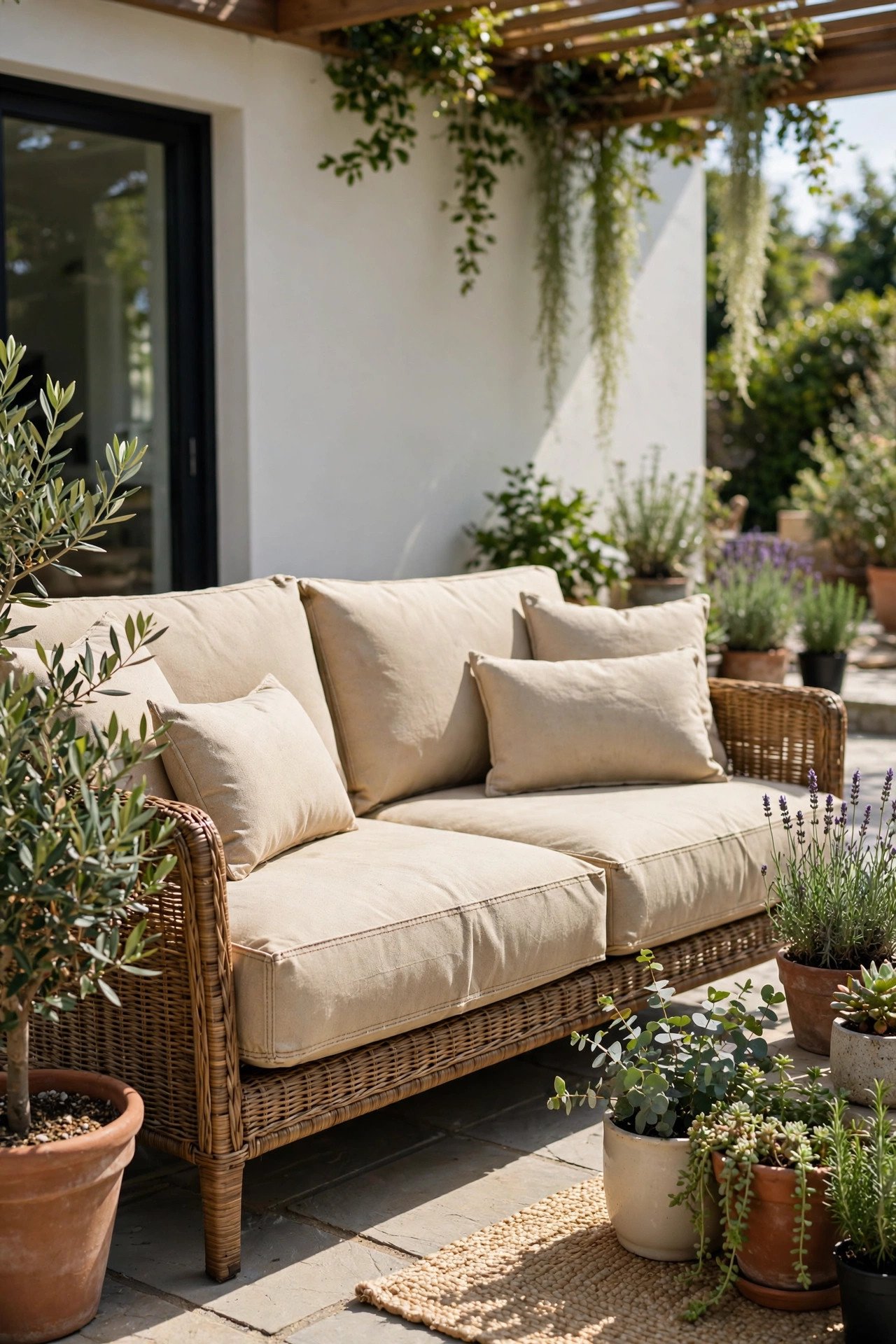
12. Outdoor Canvas Covers
Heavy canvas drop cloth makes tough, weather-friendly covers for patio cushions. The natural fabric suits outdoor spaces perfectly and stands up to sun and spills. Spray with a fabric protector for extra durability.
Sew simple envelope covers and add ties to keep them on the furniture in the wind. They wash easily and age beautifully. Practical, handsome, and cheap.
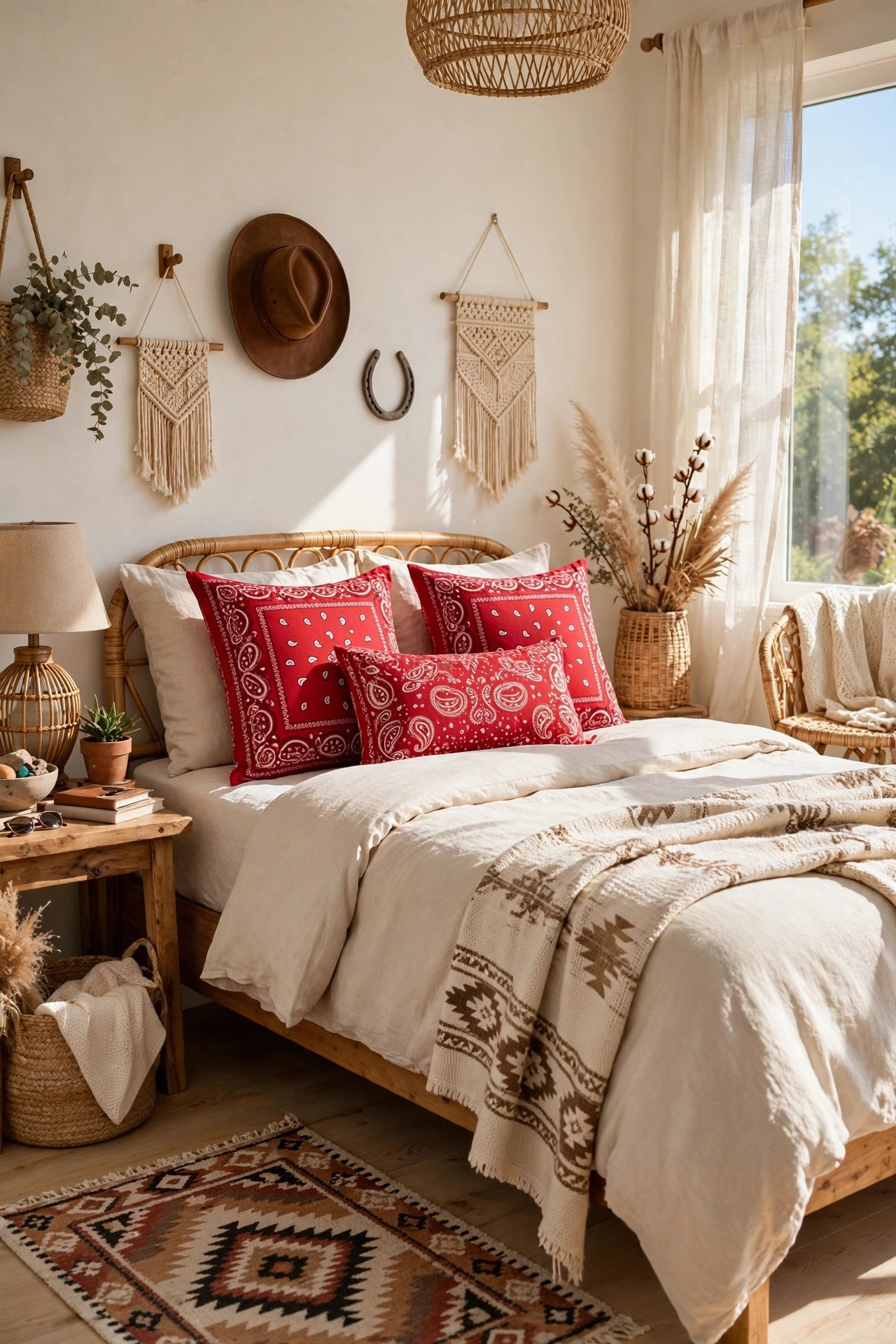
13. Bandana Print Covers
Bandana-print fabric is inexpensive, colorful, and full of western-boho personality. The classic paisley pattern in red, navy, or black makes fun, casual covers. It is perfect for kids’ rooms and eclectic spaces.
Buy bandana fabric by the yard or use actual large bandanas for smaller cushions. A simple sewn cover shows off the bold print. It is cheerful and unmistakably fun.
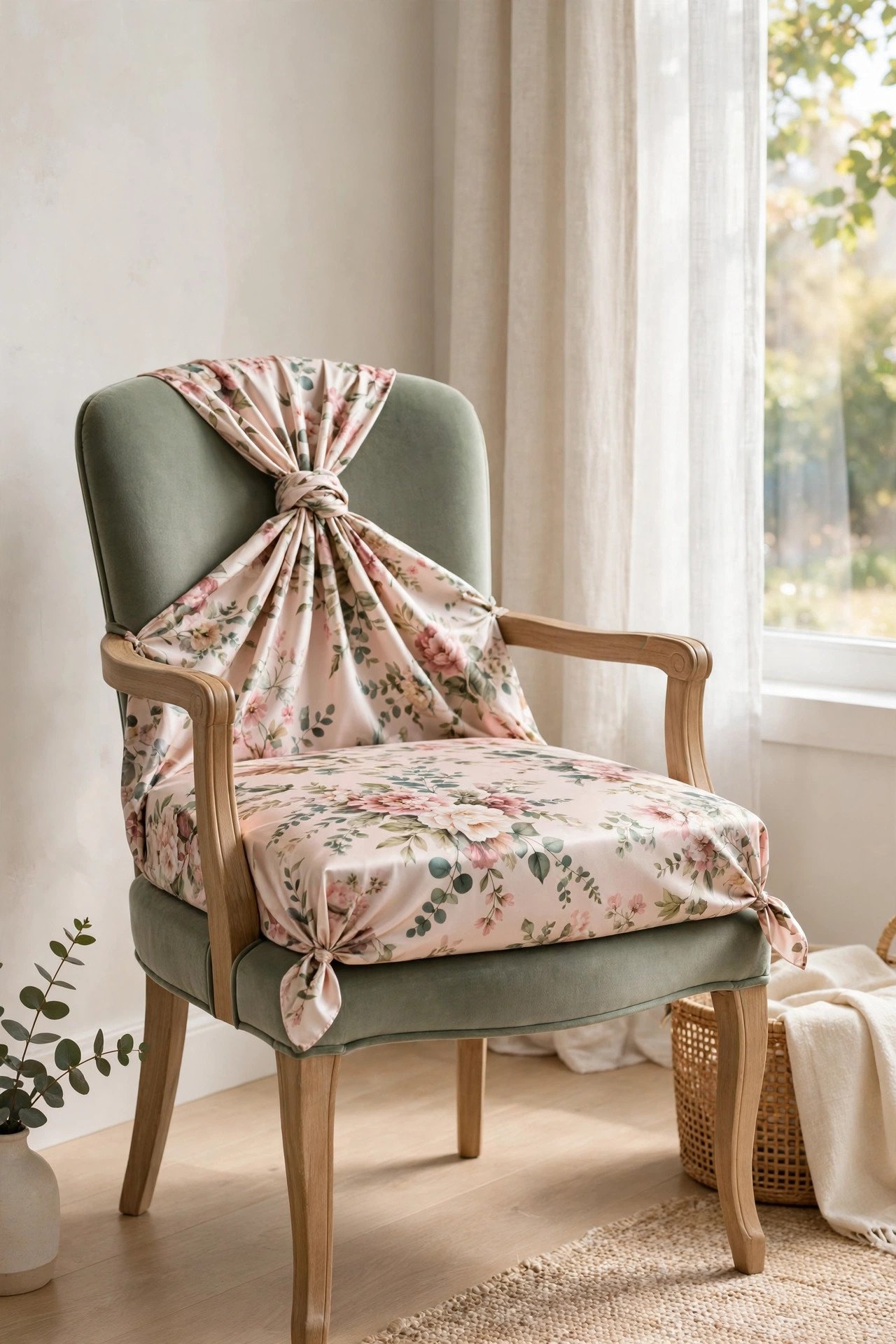
14. Scarf-Wrapped No-Sew Covers
A large silk or cotton scarf wrapped around a cushion is the fastest cover of all: no cutting, no sewing, just folding and knotting. Floral and patterned scarves become instant art pillows. It takes about two minutes.
Center the pillow on the scarf, fold the corners in, and tie a neat knot at the back. Swap scarves with the seasons for endless variety. It is decorating at the speed of getting dressed.
15. Pillowcase Slipcovers
The simplest cushion cover is one you already own: a decorative pillowcase. Standard pillowcases in pretty linen or cotton slip right over square throw pillows. It is not fancy, but it works instantly.
Choose pillowcases slightly smaller than the pillow for a plump, full look. Tuck the open end neatly or fold it under. When you want a change, the linen closet is full of options.
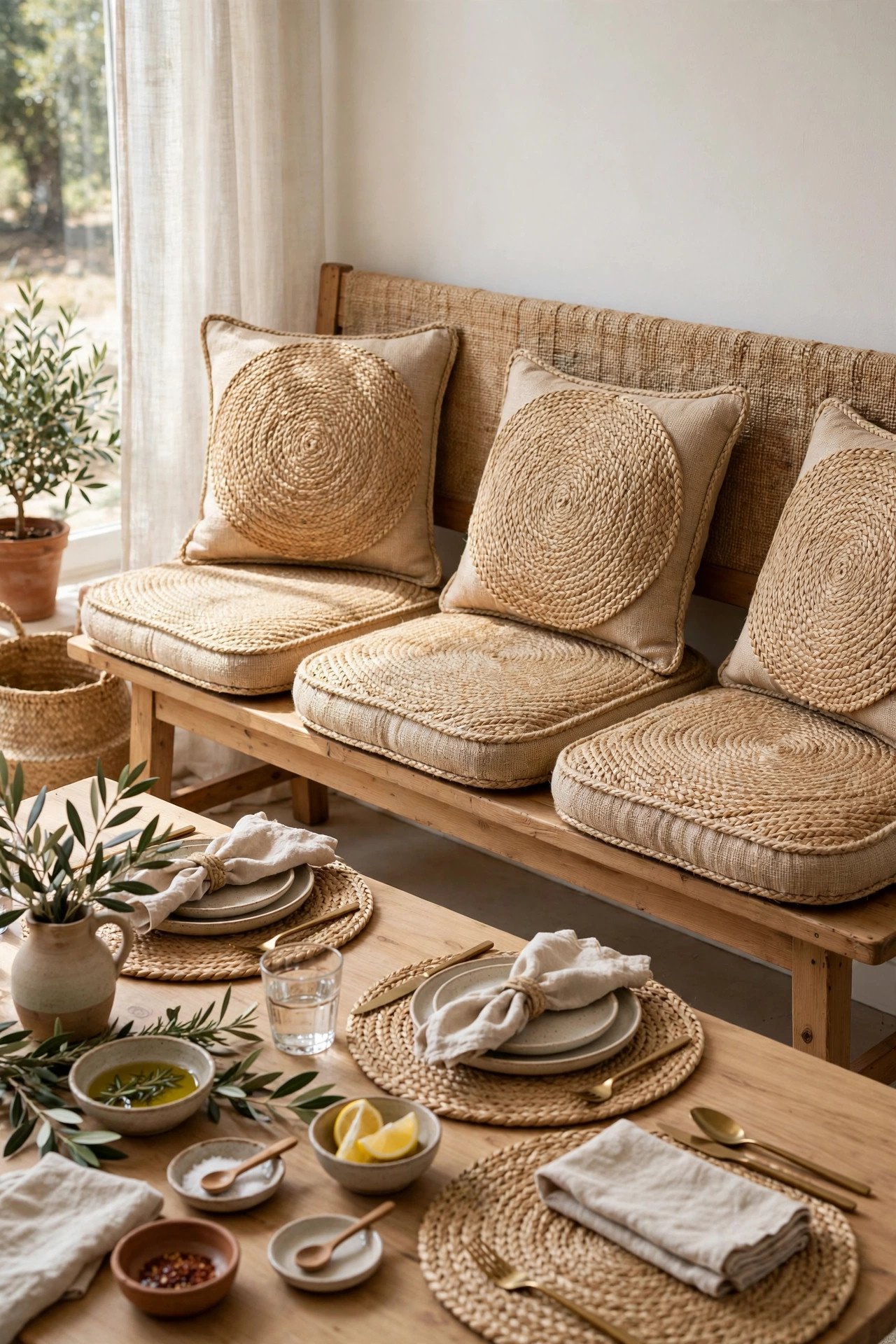
16. Woven Placemat Covers
Fabric placemats in jute, cotton, or woven textures wrap small cushions beautifully. Their finished edges and interesting weaves need no hemming. It is an unexpected material that looks intentional.
Wrap two placemats around a cushion, front and back, and secure with fabric glue or a few stitches. The texture adds wonderful variety to a cushion collection. Look for placemats on clearance for the best deals.
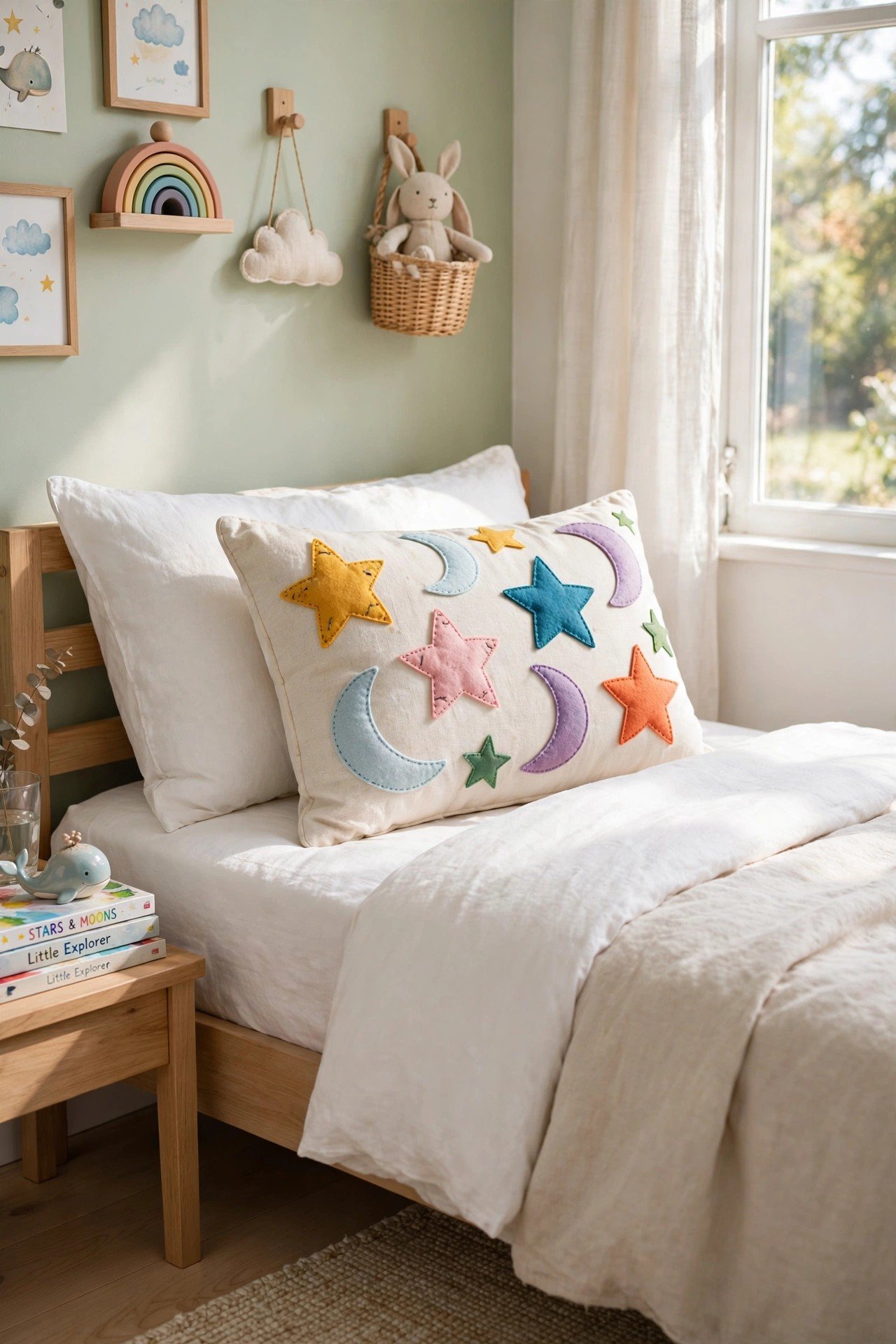
17. Felt Appliqué Covers
Felt shapes glued or stitched onto a plain cover create charming custom designs. Stars, moons, flowers, and initials are all easy to cut from inexpensive felt sheets. Kids especially love helping with this one.
Arrange the shapes before gluing, and use fabric glue for a no-sew version. The felt will not fray, so raw edges are fine. It is a playful, personal touch. For more handmade kids’ ideas, see our small balcony urban oasis ideas for family spaces.
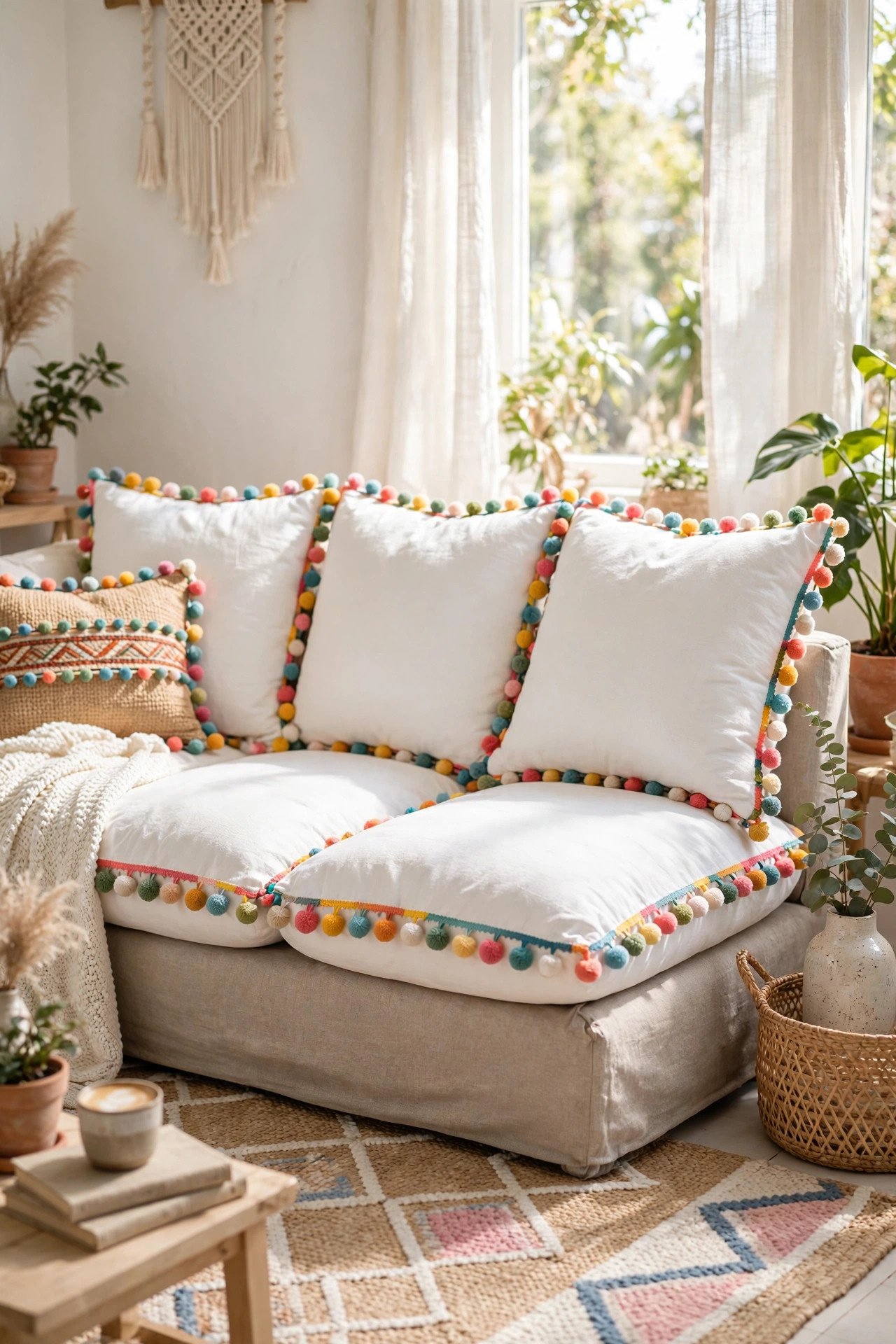
18. Pom-Pom Trimmed Covers
Pom-pom trim turns a plain cover into a party. The fluffy balls around the edges add boho playfulness that suits eclectic and kids’ rooms. Trim is inexpensive and glues on easily.
Glue or sew the trim around the cover’s edge before closing the final seam. Choose colors that pop against the fabric. It is a small detail with a huge smile factor.
19. Tassel-Trimmed Covers
Tassel trim is pom-pom’s sophisticated cousin. The little hanging tassels add movement and elegance to velvet and linen covers. It is a classic upholstery detail you can add yourself.
Attach the trim evenly around the edge, keeping the tassels pointing outward. Cream tassels on colored fabric look especially refined. It is a designer detail for a few dollars.

20. Piping Trim Covers
Contrast piping around the edges gives covers a crisp, tailored, professional finish. White piping on grey linen, or black on cream, defines the shape beautifully. It is the detail that makes homemade look store-bought.
Make your own piping with cord and bias strips, or buy it ready-made. Sandwich it in the seam as you sew. It takes a little practice but the results are worth it.

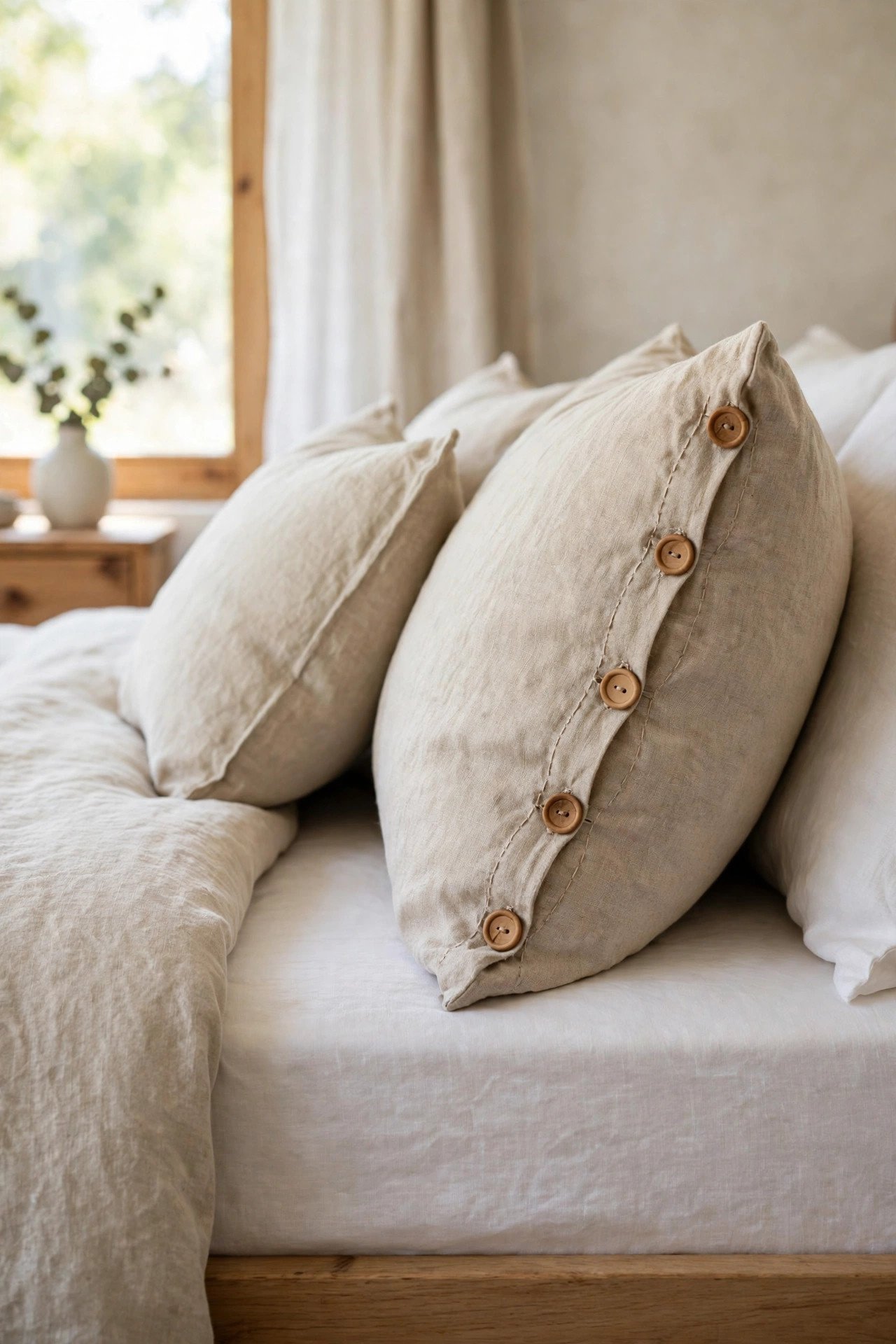
21. Button-Closure Back Covers
Buttons on the back of a cover are both closure and decoration. Wooden, shell, or covered buttons in a row look charming and handmade. The cover slips off easily for washing.
Sew buttonholes or loops on one back flap and buttons on the other. Space them evenly for a neat look. It is a pretty, practical finish.
22. Zipper Closure Covers
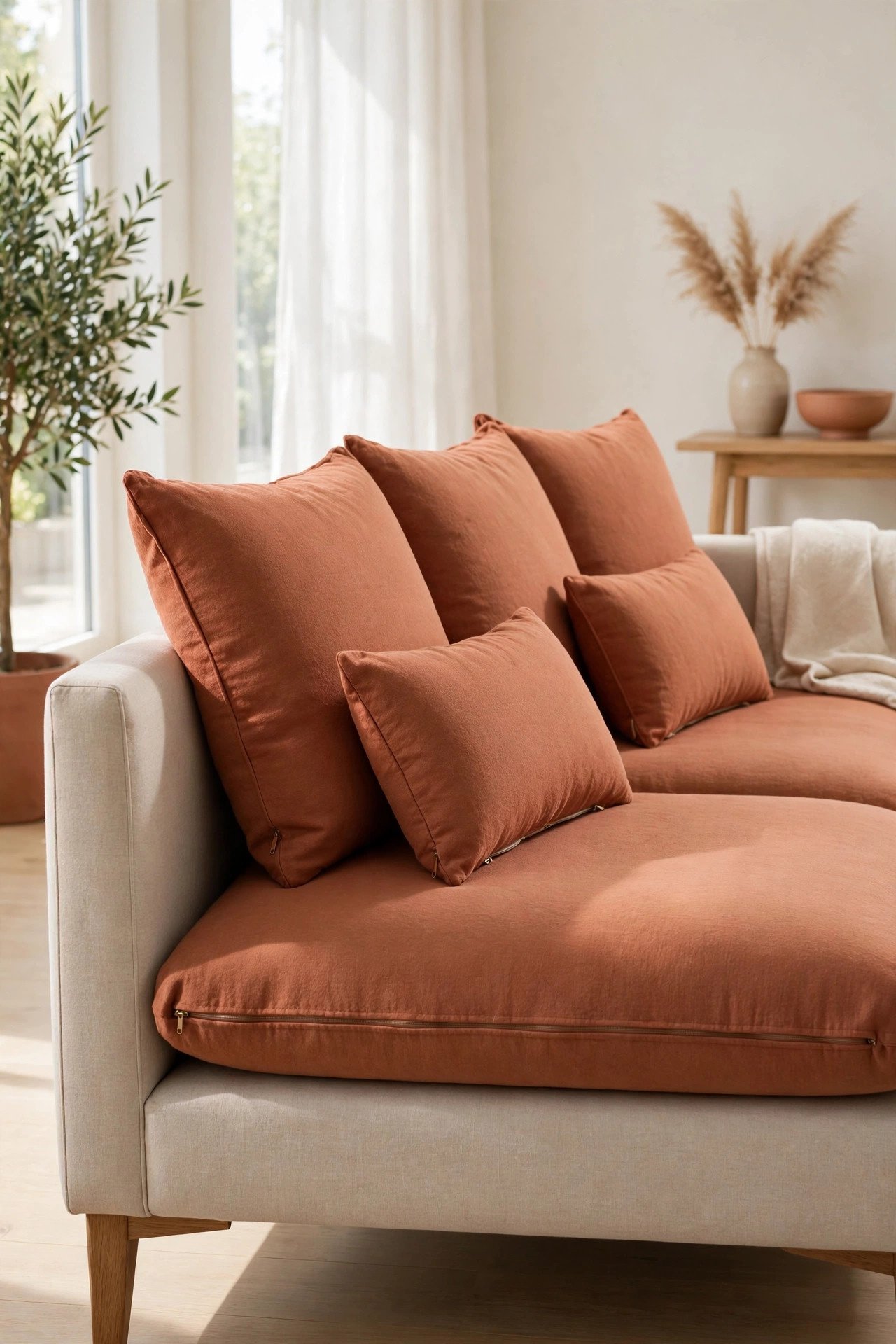
A hidden zipper gives the cleanest, most professional finish. The cover fits snugly with no visible closure, and it comes off in seconds for washing. Beginner zipper tutorials make this very approachable.
Use an invisible zipper in a matching color, and sew it into the bottom seam where it will not show. Take it slow and use a zipper foot. It is a skill worth learning.
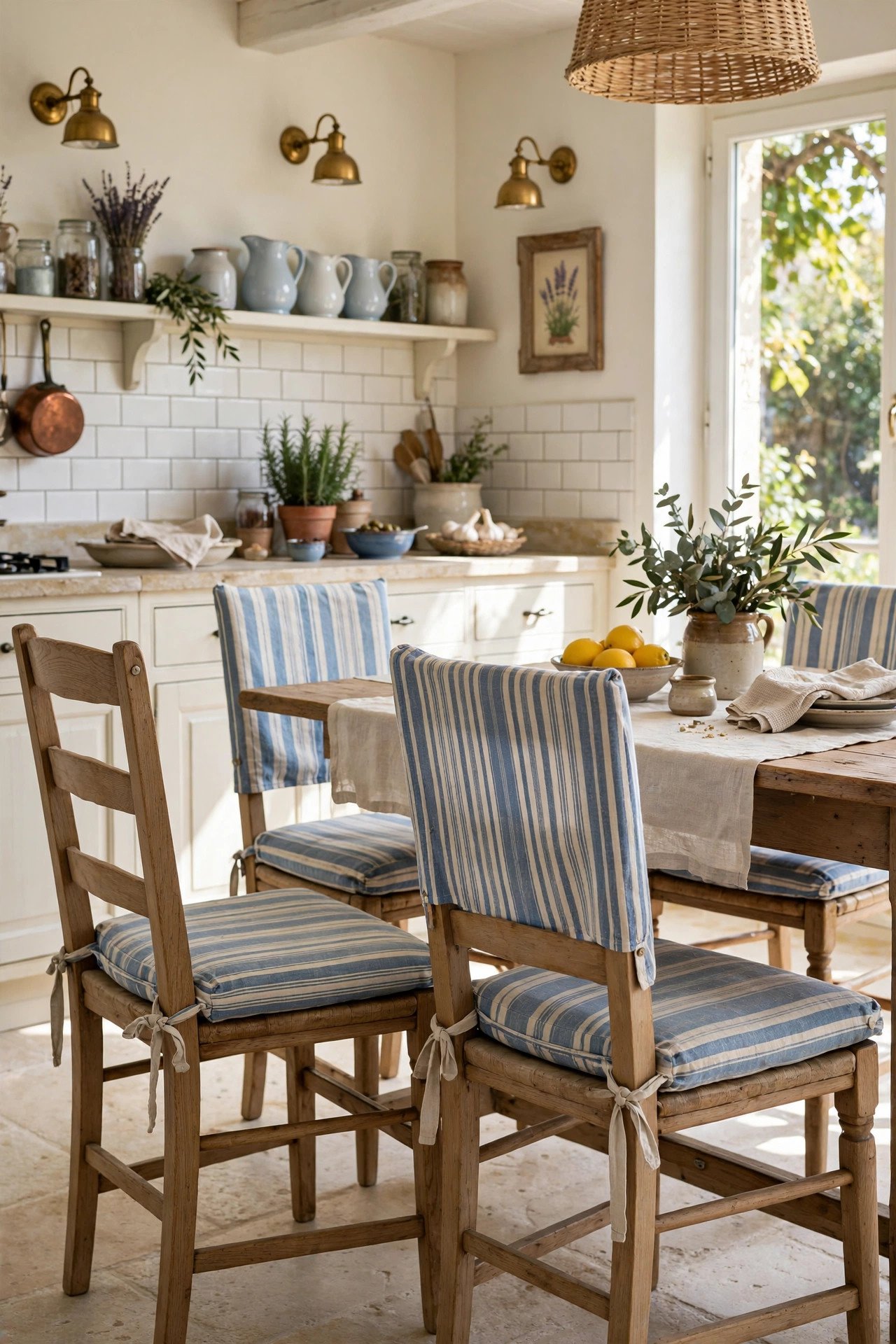
23. Tie-Closure Covers
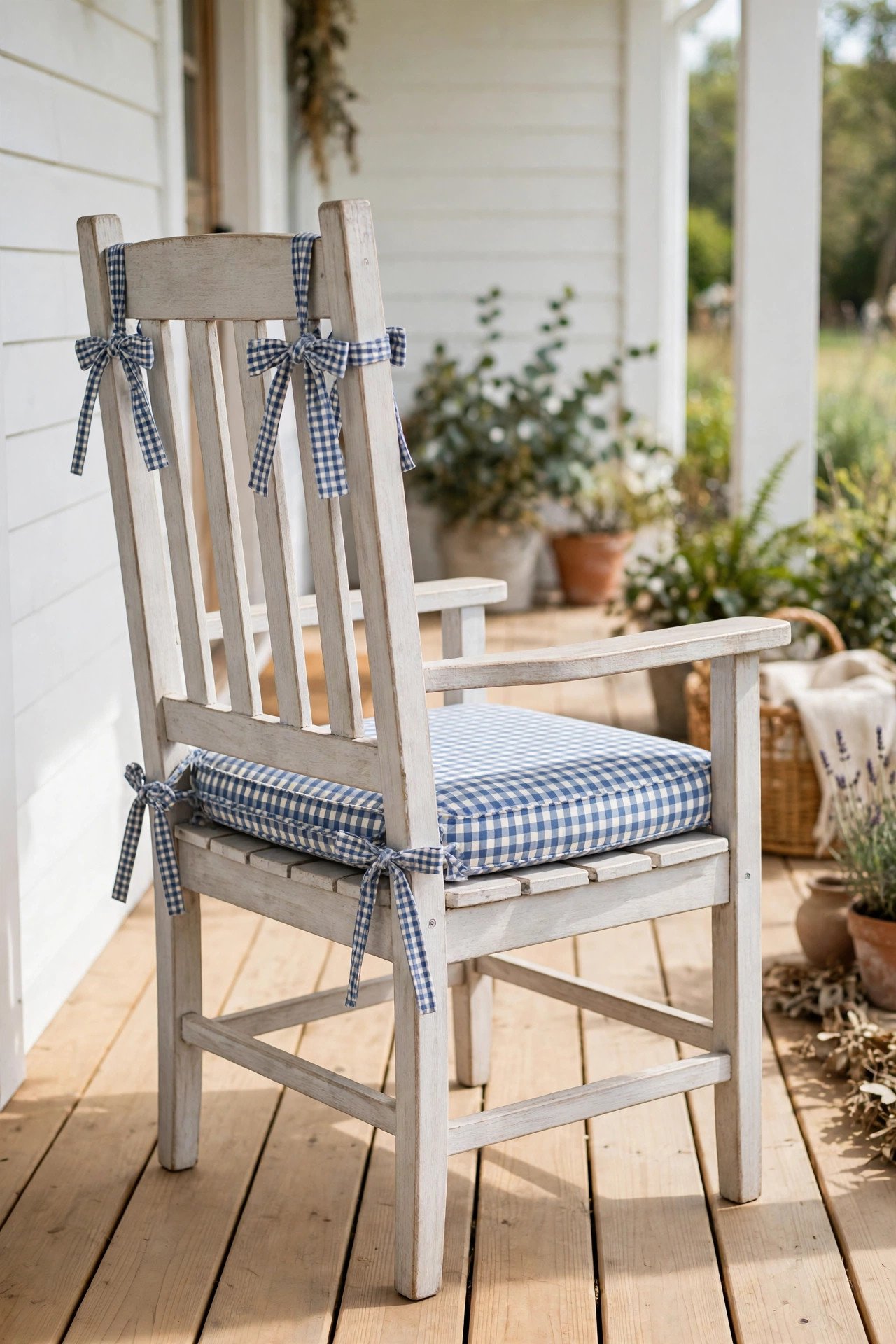
Fabric ties and bows at the back or sides add farmhouse charm and make covers easy to remove. Gingham, ticking stripe, and solid linen all look sweet tied with bows. It is a no-hardware closure anyone can make.
Sew or glue fabric ties to the back flaps, making them long enough for a pretty bow. This is perfect for porch and kitchen cushions. Charming, simple, and washable.
24. Reversible Two-Fabric Covers
Two covers in one: use a different fabric on each side for instant variety. Sage green linen on one side, striped cream on the other, and you can flip the whole look in seconds. It is the best value in cushion covers.
Sew the two fabrics together like a simple pillowcase, leaving an opening to turn. No extra closures needed. It is like redecorating twice for the price of once.

25. Hand-Painted Canvas Covers
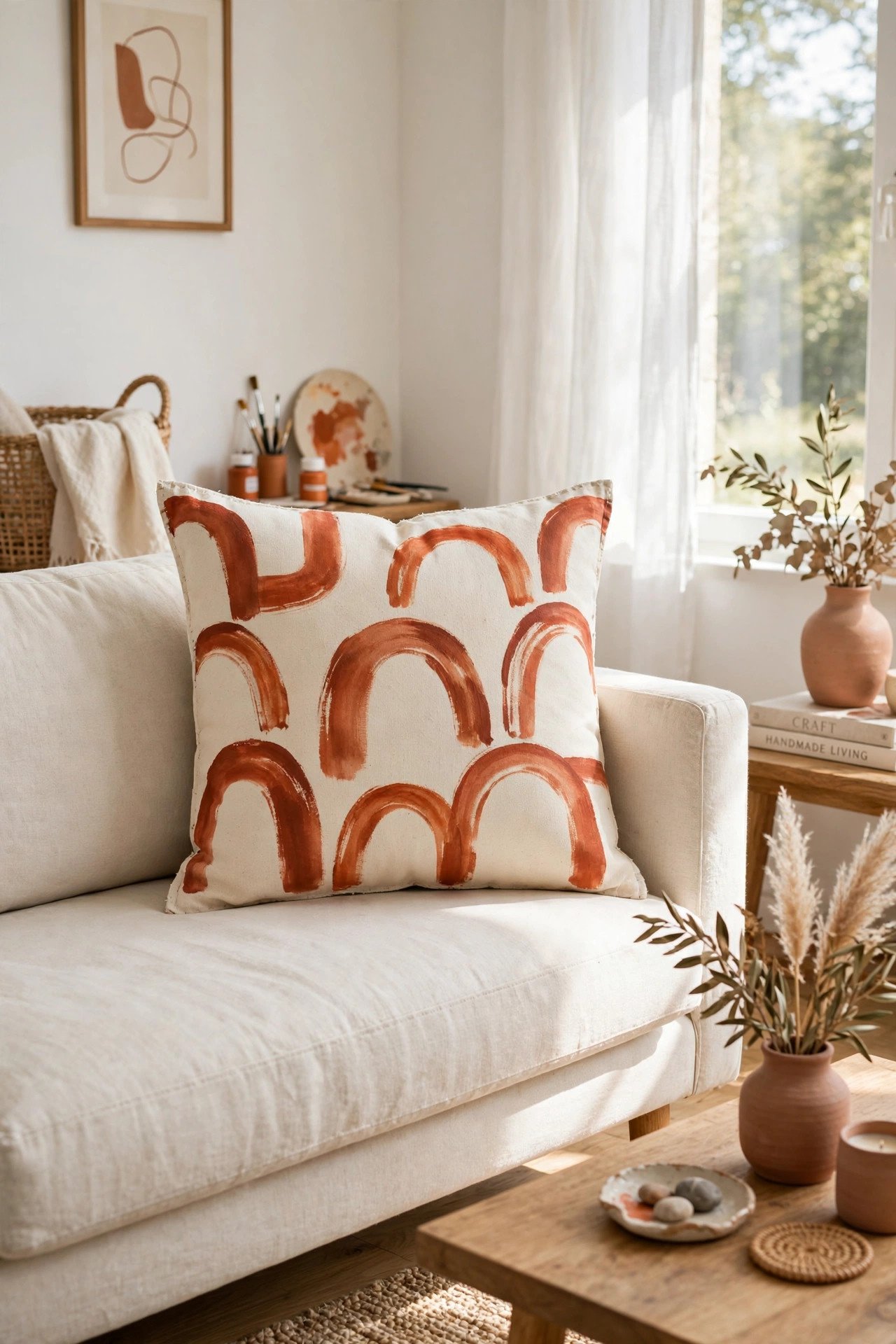
Fabric paint turns plain canvas covers into original art. Abstract arches, simple landscapes, or bold brushstrokes in terracotta and ochre look wonderfully modern. Your cushions become gallery pieces.
Sketch lightly first, paint with fabric paint, and heat-set according to the instructions. No two will match, which is the entire point. It is wearable art for your sofa. For more painted textile ideas, see our wallpaper accent wall ideas for coordinating walls.
Conclusion
Beautiful cushions do not require a big budget: just a little fabric and a little imagination. From no-sew envelope folds to velvet remnants and hand-painted art, these ideas prove that the best-dressed sofas are often DIY. Start with one cover and see how addictive it becomes.
Mix textures, play with color, and do not be afraid to use what you already own. Your sofa is about to become the coziest spot in the house.
Frequently Asked Questions About DIY Cushion Cover Ideas
What is the cheapest fabric for cushion covers?
Drop cloths, flat bedsheets, and thrifted clothing are the cheapest options, often costing just a few dollars. Old t-shirts, sweaters, and jeans from your own closet are completely free and already soft.
How do I make a cushion cover without sewing?
Use the envelope fold method with iron-on hem tape or fabric glue, or simply wrap fabric around the cushion and knot it. Fusible tape creates surprisingly strong, washable seams without a single stitch.
What size should I cut fabric for a cushion cover?
For a sewn cover, cut the fabric to the pillow size plus one inch on each side for seams. For an envelope cover, add extra length for the overlapping back flaps, usually about half the pillow width more in total length.
Can I wash DIY cushion covers?
Yes, especially if you pre-wash the fabric before making the cover. Wash gently and air dry covers made with fabric glue or fusible tape to protect the adhesive. Sewn covers can usually handle a normal gentle cycle.
How do I make cushion covers look professional?
Press every seam with an iron, cut accurately, and add a tailored detail like piping, a hidden zipper, or contrast trim. Choosing quality fabric and keeping patterns centered makes a huge difference.

Hi, I’m Emily! I turn messy corners into cozy, organized spots. DreamNestDecor is where I share simple, practical home ideas — decor, organization, and small-space solutions that work in real life, not just in photos. Every idea here is carefully researched before it’s shared.