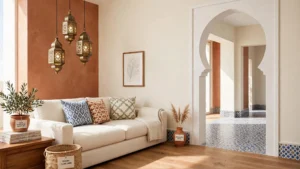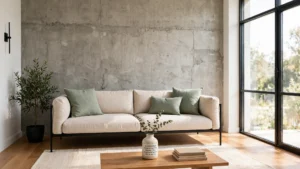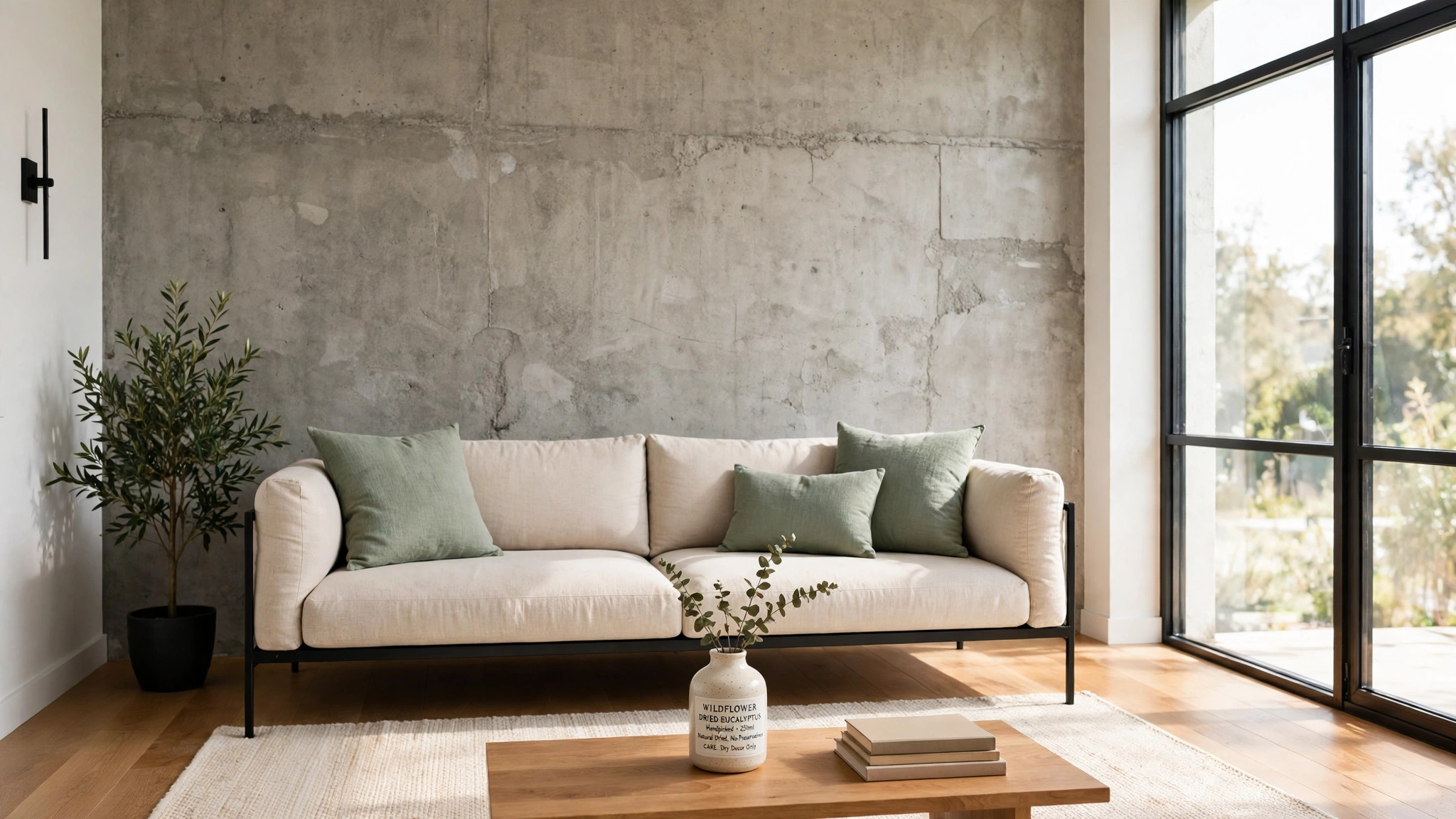
Picture this: you walk into a living room where a raw concrete wall rises behind the sofa, a steel beam crosses the ceiling, and a single timber bench warms the whole space. Nothing is hidden, nothing is dressed up, and yet the room feels calm, strong, and completely intentional. That honest beauty is exactly what brutalist interior design gives to a modern home.
You do not need a concrete tower or a huge budget to bring this style home. All you need is a love of raw materials and a few bold choices that let them speak for themselves. These 16 brutalist interior design ideas with raw materials will help you turn plain concrete, steel, brick, and timber into a home that feels grounded, modern, and full of character.
1. Leave a Concrete Wall Bare and Honest
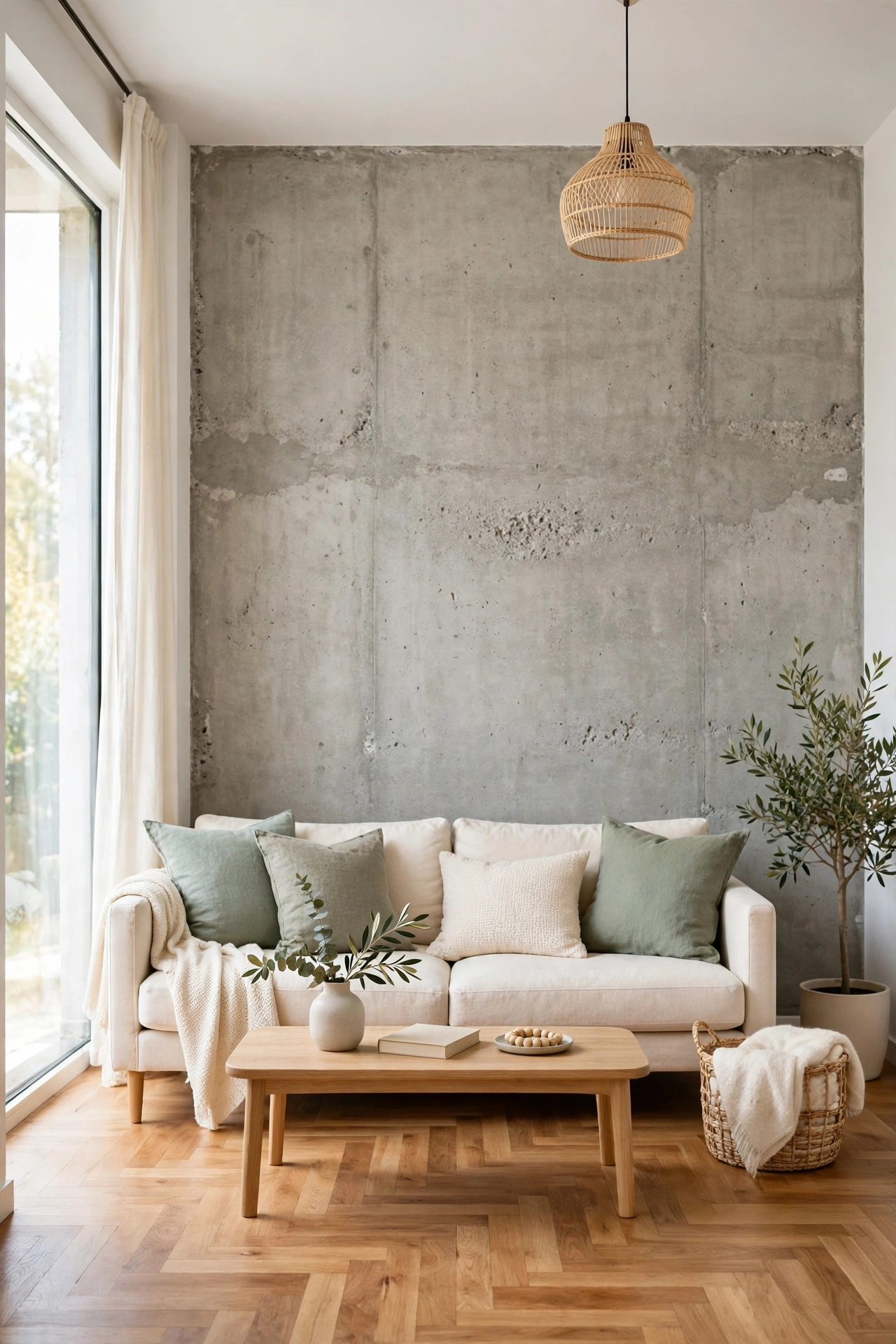
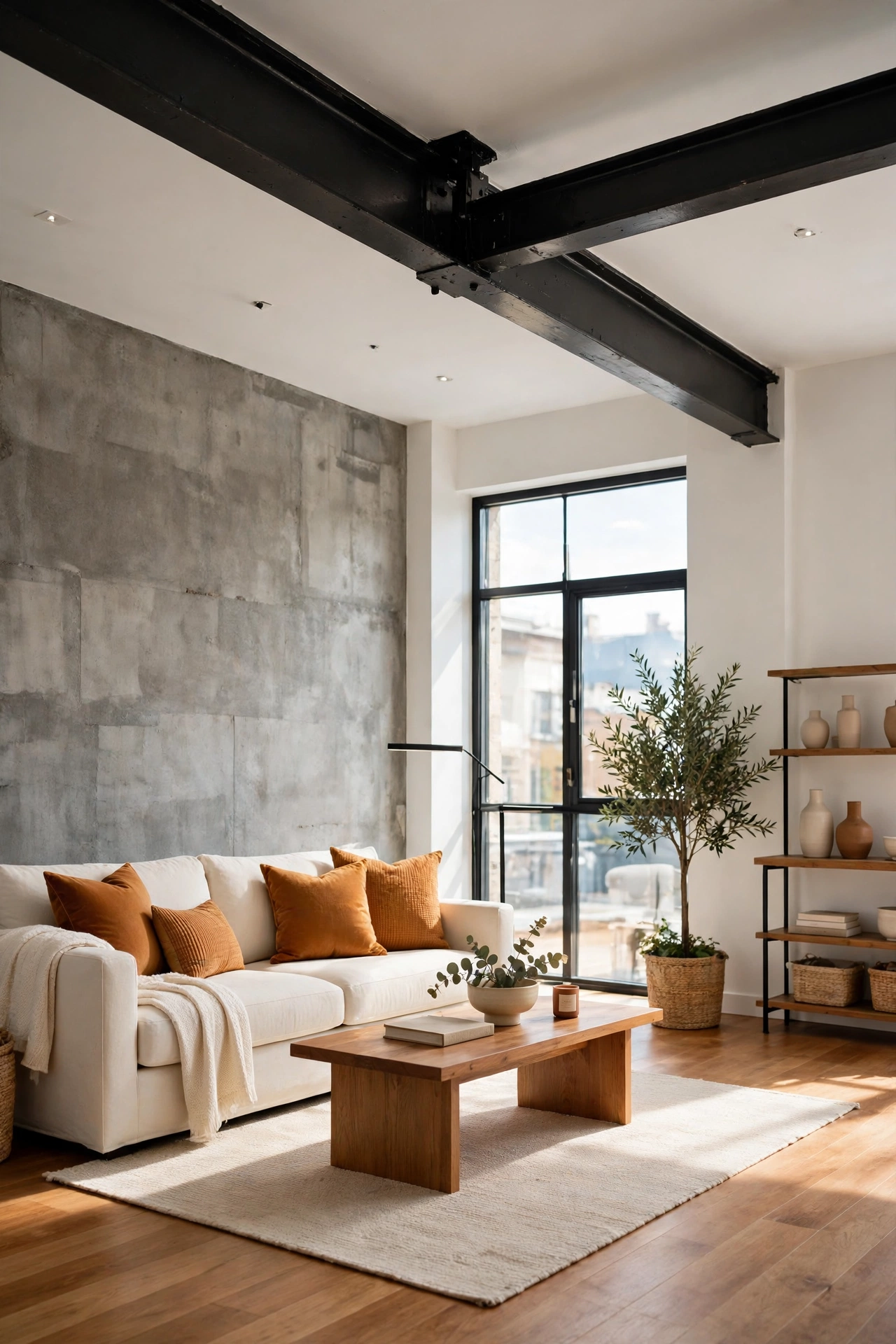
A bare concrete wall is the heart of brutalist design. Leave the surface raw so the texture, the small marks, and the natural grey tones stay visible. The wall becomes a piece of art on its own, with no paint or wallpaper needed to make it interesting.
Start with one feature wall in the living room or bedroom and keep the rest of the room simple. A single concrete wall gives the space drama without making it feel cold. Pair it with warm wood and soft textiles so the room stays welcoming while the concrete does the talking.
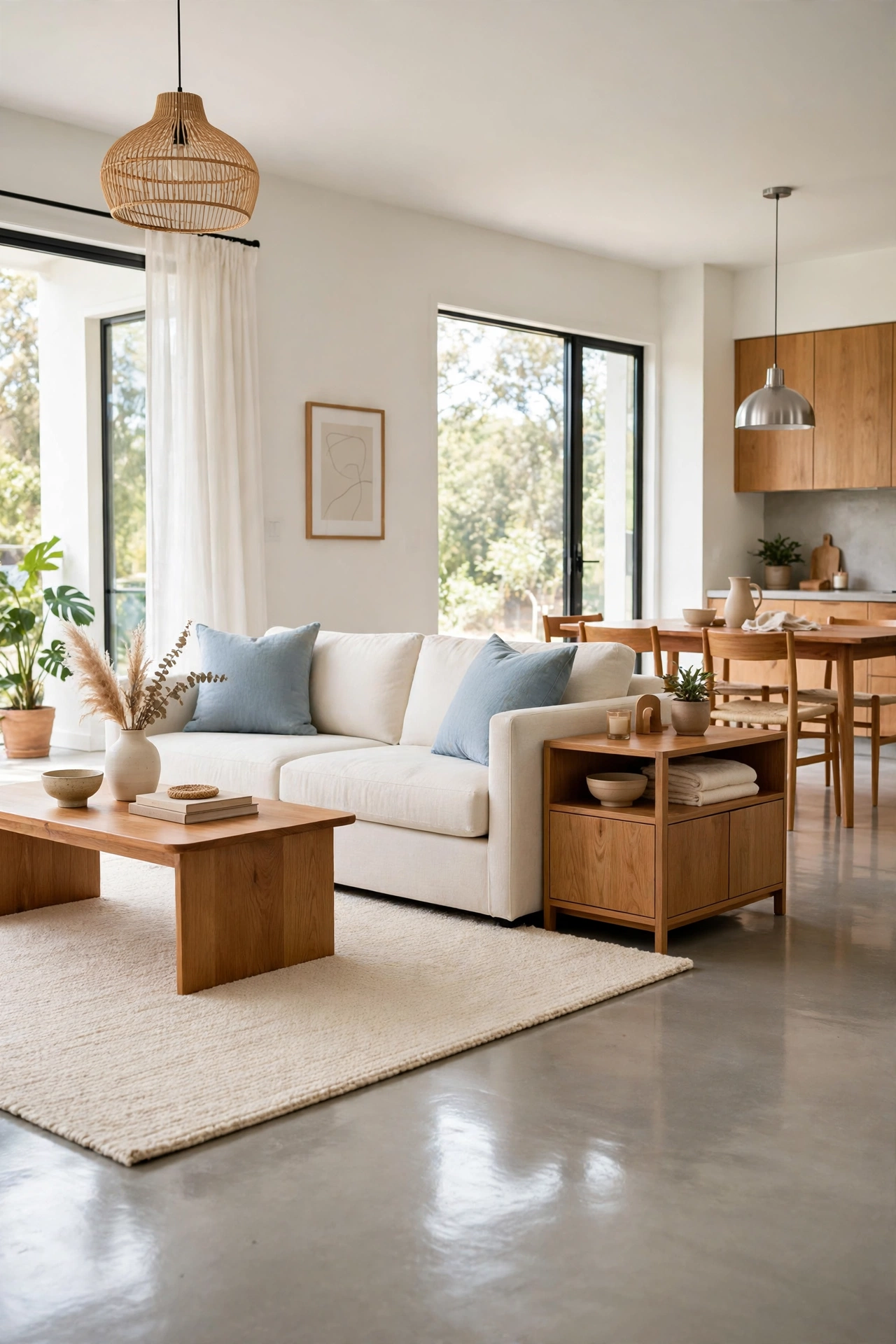
2. Choose a Polished Concrete Floor
A polished concrete floor gives a room a smooth, solid base that lasts for decades. The surface reflects a soft shine from the windows, which keeps the space bright even with dark furniture. It also works well with underfloor heating, so the floor feels warm underfoot in winter.
Keep rugs minimal so the floor stays visible and easy to clean. A single large rug in a warm tone can soften the look without hiding the concrete. For more ways to use this material around the home, see these DIY concrete decor ideas. A polished floor ties the whole brutalist look together from the ground up.
3. Build a Concrete Fireplace Surround
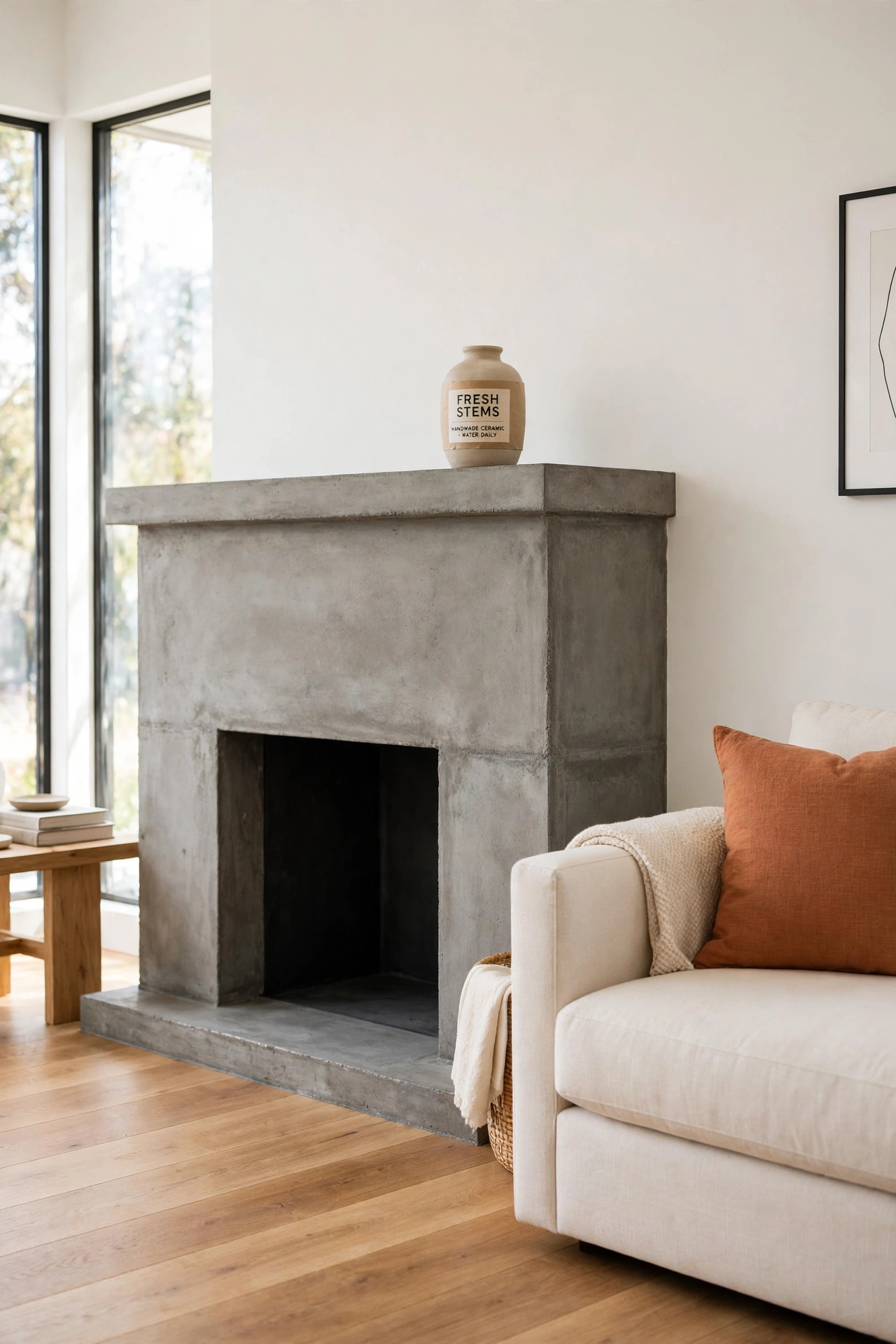
A concrete fireplace surround turns a plain firebox into the strongest feature in the room. The solid block shape anchors the seating area and gives the eye a clear place to rest. The raw surface also handles heat well, so it stays beautiful for years.
Keep the mantel bare or style it with one or two simple objects, like a ceramic vase or a stack of books. Too many small items will fight with the bold shape of the concrete. A clean surround lets the fire and the material share the spotlight.
4. Add a Raw Steel Beam Feature
An exposed steel beam adds instant structure to a ceiling. The dark metal line draws the eye across the room and gives the space an industrial backbone. Steel beams work in living rooms, kitchens, and even bedrooms when the rest of the room stays calm.
Leave the beam unpainted or coat it in a matte black finish so the metal texture stays visible. Match it with steel window frames or a metal light fixture to repeat the material in small doses. One strong beam is enough to change the whole feeling of a room.
5. Pick Steel Frame Furniture
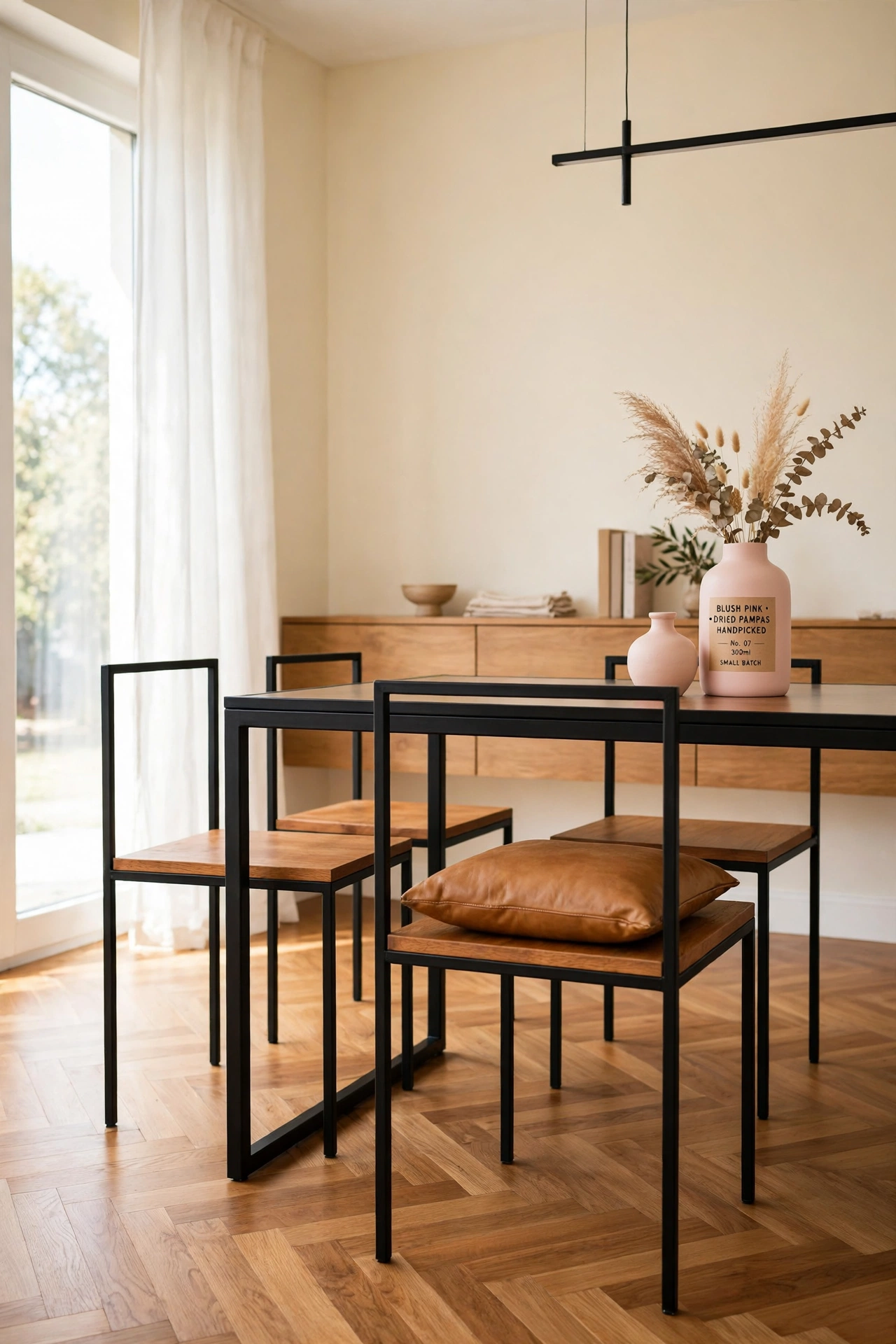
Steel frame furniture brings the brutalist spirit to the pieces you use every day. A sofa with a slim black steel frame, a steel dining table, or a metal bed frame all add structure without visual weight. The thin lines keep the room feeling open while the metal adds strength.
Mix steel frames with natural materials like leather, wool, and solid wood so the room never feels cold. A steel frame chair with a thick wool cushion is a good example of this balance. For ideas on pairing metals with other finishes, see these mixed metal decor ideas. Steel furniture is durable, honest, and easy to style.
6. Use Reclaimed Timber Against Concrete
Reclaimed timber is the warmest partner for raw concrete. The old wood brings grain, knots, and a soft brown tone that softens the grey surface beside it. A timber shelf on a concrete wall or a wooden bench in front of it creates a contrast that feels natural and lived in.
Choose timber with a visible history, like old floorboards or barn wood, and keep the finish matte so the grain stays the star. One large timber piece works better than many small ones. The wood warms the room while the concrete keeps it bold.
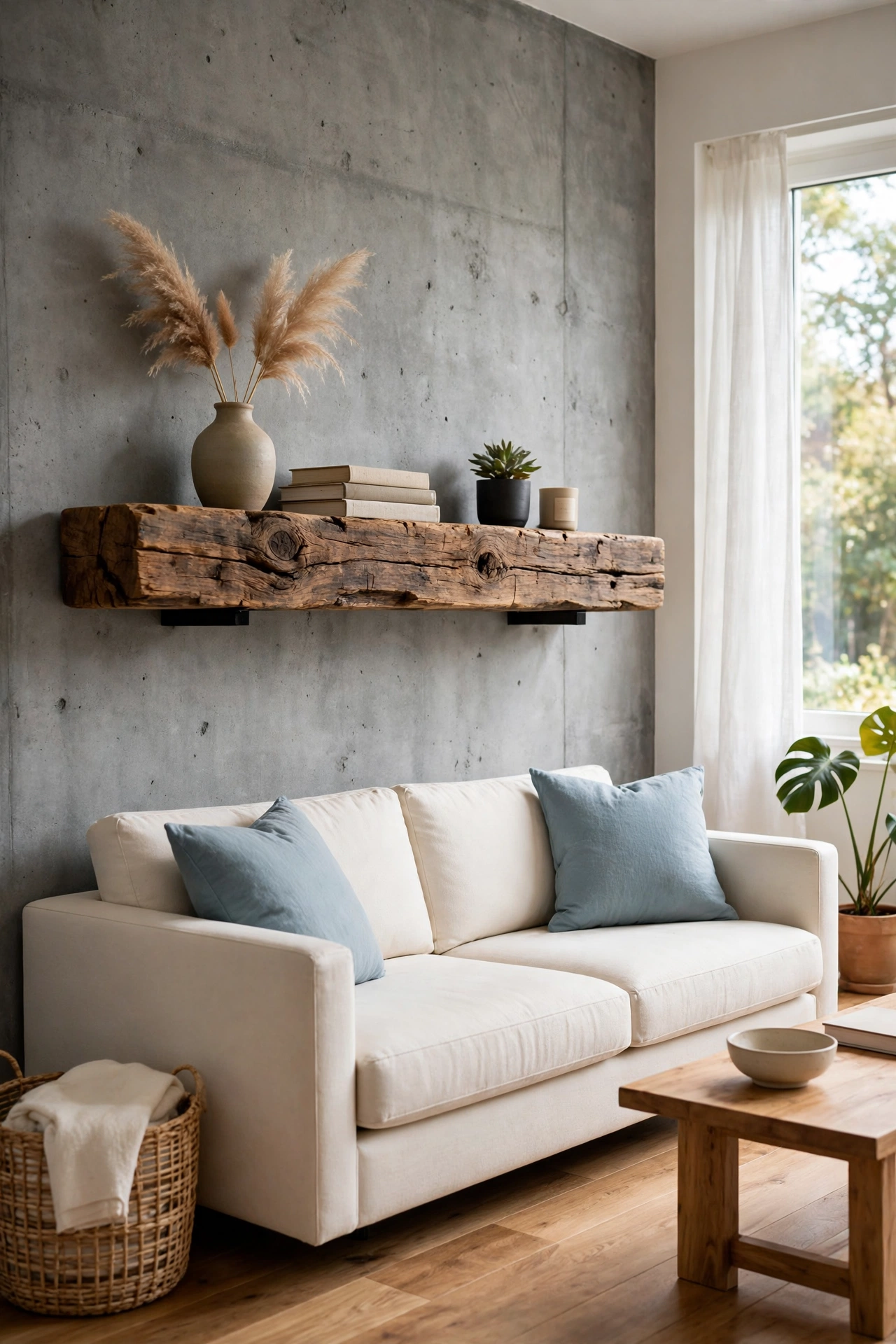
7. Try Limewash Over Raw Plaster
Limewash over raw plaster gives a wall the soft, cloudy texture of old stone without hiding the surface beneath. The finish is matte and slightly uneven, which suits the brutalist love of honest materials. It works well in bedrooms and bathrooms where a full concrete wall would feel too hard.
Apply limewash in thin layers and let each one dry fully so the texture builds up slowly. Choose a warm grey or a soft white for the calmest result. For more on this finish, see these limewash wall paint ideas. Limewash adds depth while keeping the wall feeling natural and handmade.
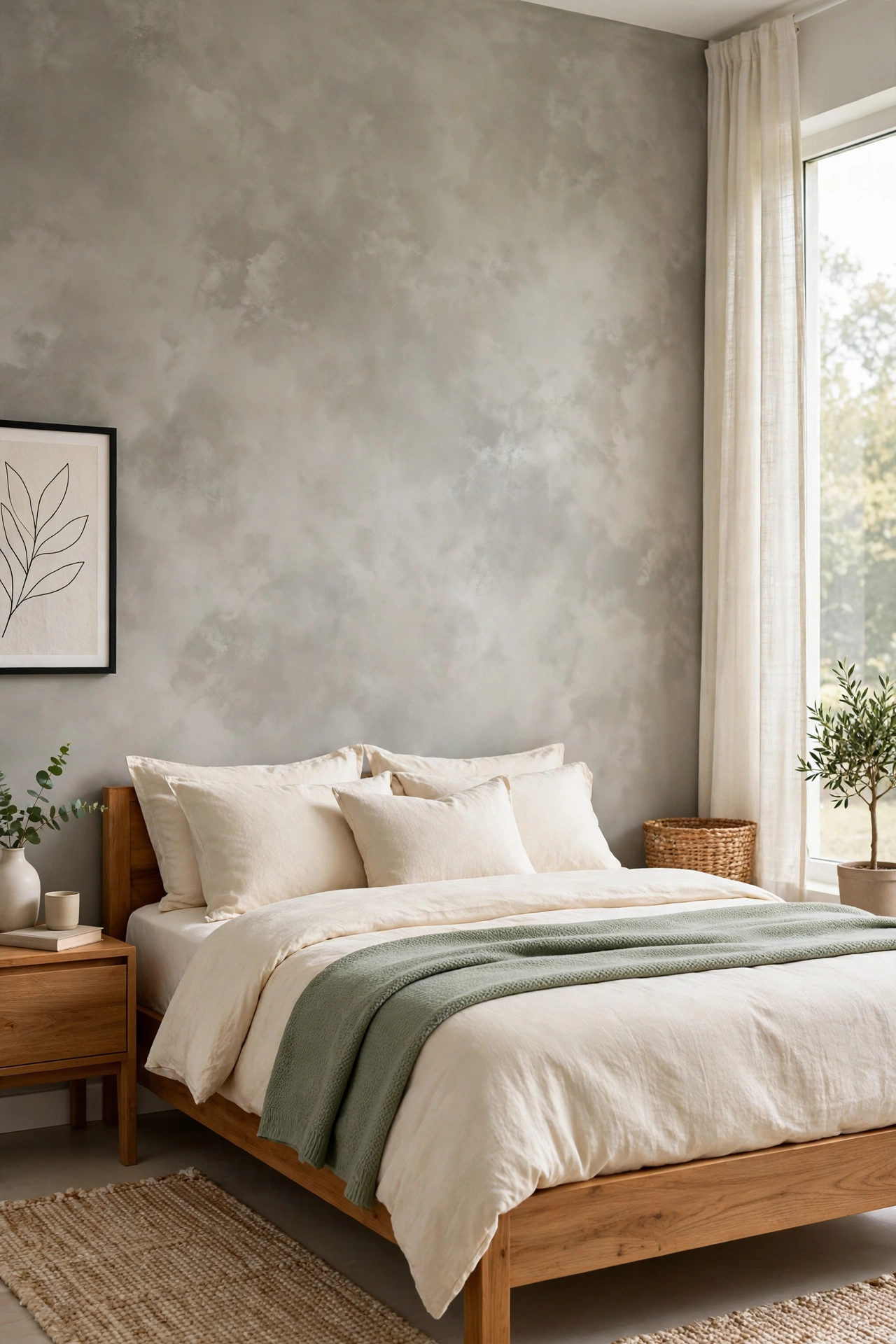
8. Keep Brickwork Exposed
Exposed brickwork adds warmth and history to a brutalist interior. The red or brown tones of the brick break up the grey palette and give the room a sense of age. A single brick wall in a kitchen or living room can carry the whole design.
Clean the brick gently and seal it with a matte finish so dust does not settle into the surface. Leave the mortar lines visible, since they are part of the honest look. Brick pairs well with concrete floors and steel details, and it makes a modern room feel grounded.
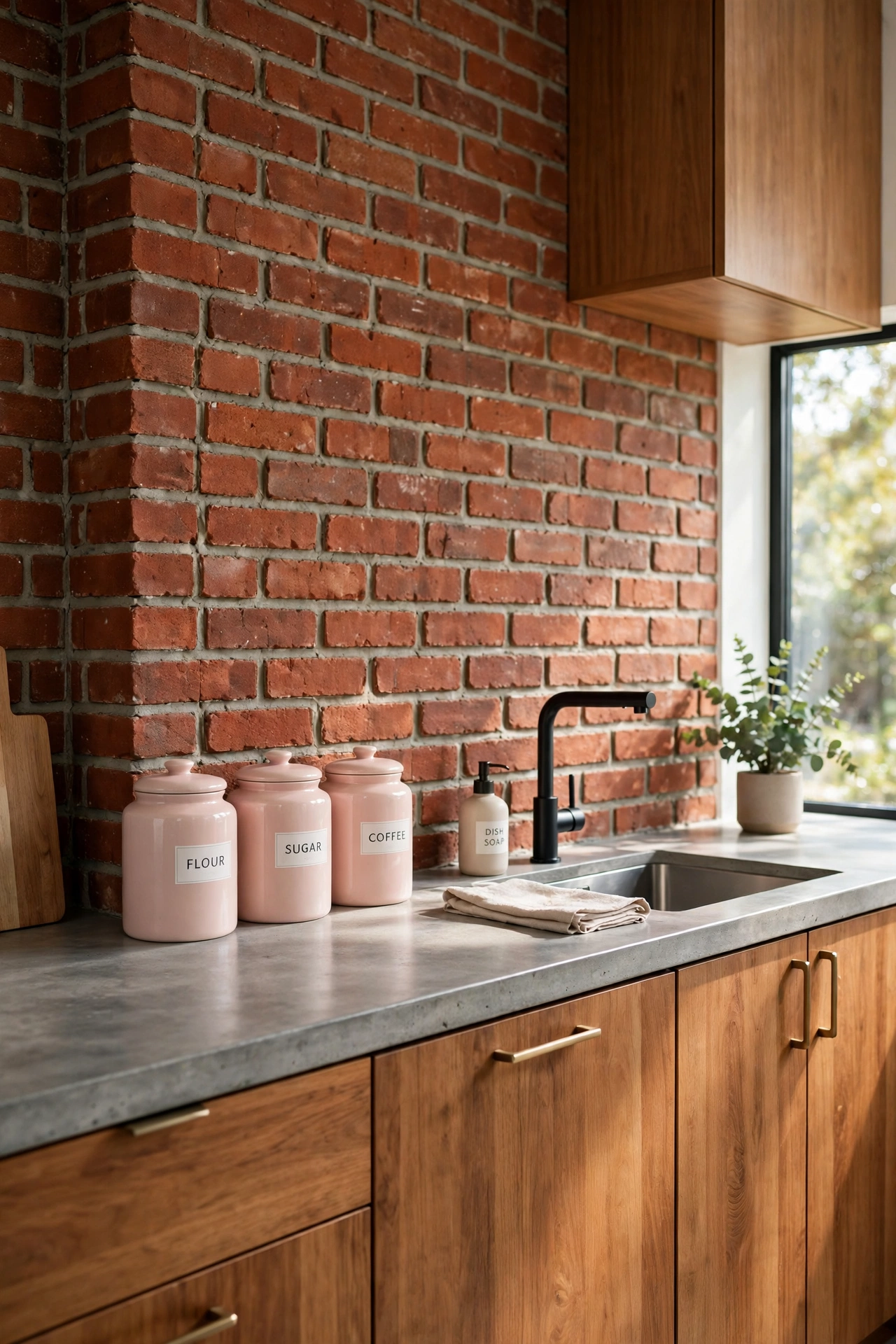
9. Let Pipes and Ducts Stay Visible
Visible pipes and ducts are a signature of brutalist and industrial design. Instead of hiding them behind a false ceiling, paint them in a dark tone and let them run across the room. The lines add rhythm to the ceiling and tell the honest story of how the building works.
Keep the rest of the ceiling simple so the pipes become a deliberate feature rather than a mess. A single run of ductwork above a kitchen island looks intentional and sculptural. This idea costs nothing extra and gives the room a raw, architectural edge.
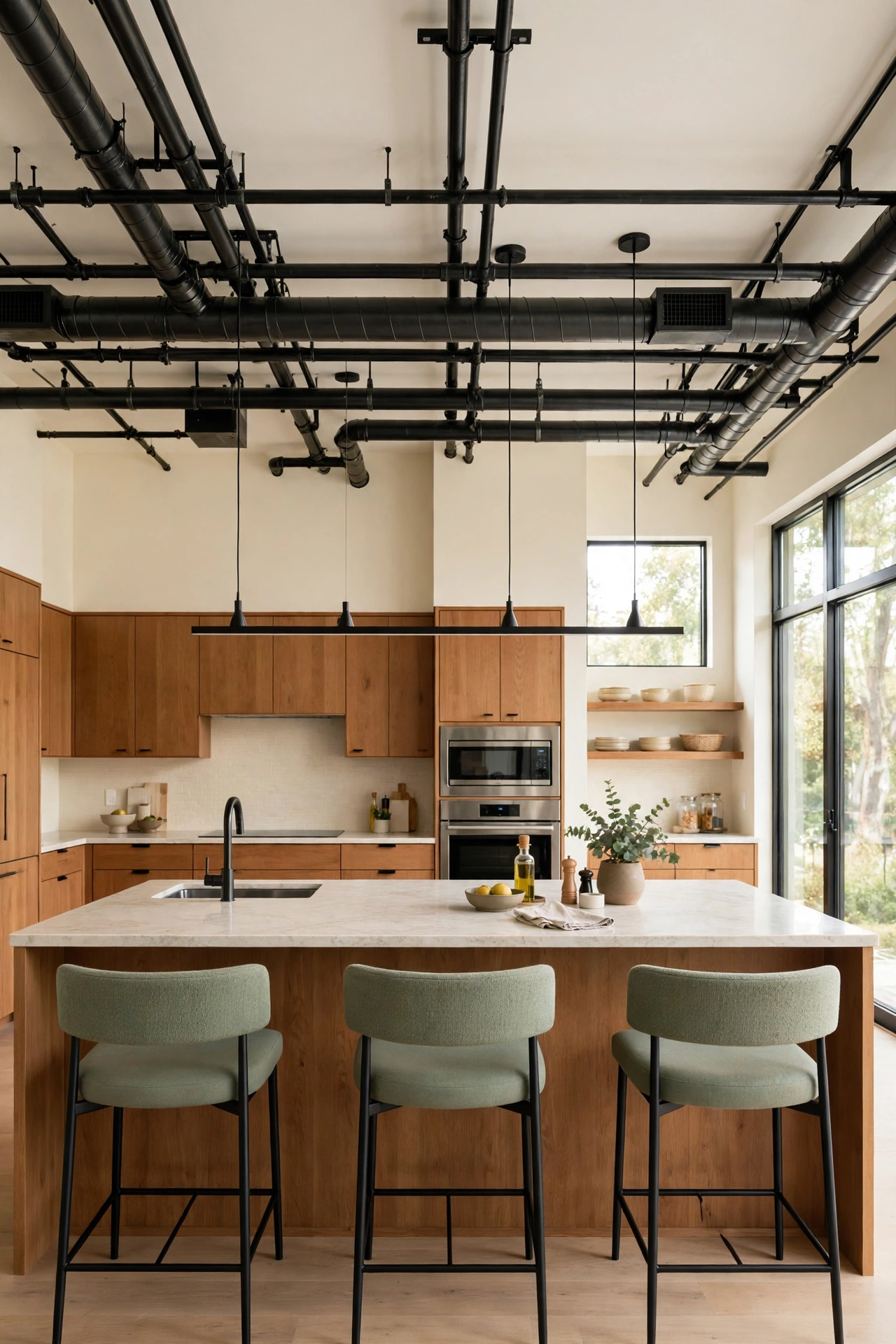
10. Light the Room with Industrial Fixtures
Industrial light fixtures suit brutalist rooms because they are made from the same raw materials as the rest of the space. A steel pendant, a concrete lamp base, or a cage style wall light all add function without decoration. The fixtures become part of the architecture rather than an afterthought.
Use warm bulbs so the light softens the hard surfaces and keeps the room inviting after dark. A large pendant over the dining table or a tall floor lamp beside the sofa can anchor the whole layout. For more lighting inspiration, see these modern floor lamp ideas. Good lighting turns raw materials from stark to welcoming.
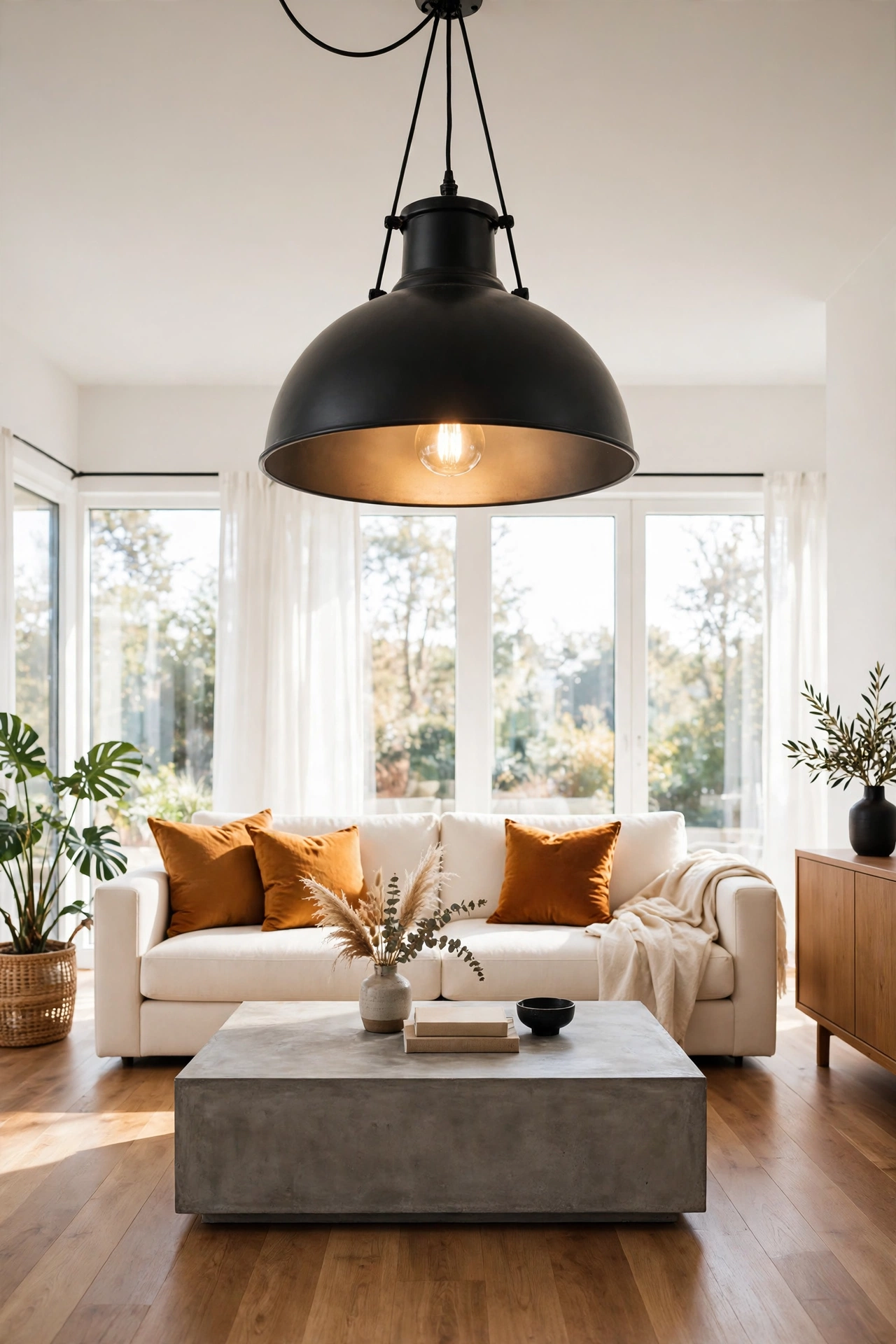
11. Style a Monochrome Grey Palette
A monochrome grey palette lets the materials do all the talking. Layer light grey, mid grey, and charcoal across the walls, the sofa, and the floor so the room feels deep without feeling flat. The different shades create contrast even when the colors stay in one family.
Add one warm accent, like a timber bench or a rust colored cushion, so the grey never feels cold. Keep patterns minimal and let texture carry the interest. A grey palette is the simplest way to make a brutalist room feel calm and pulled together.
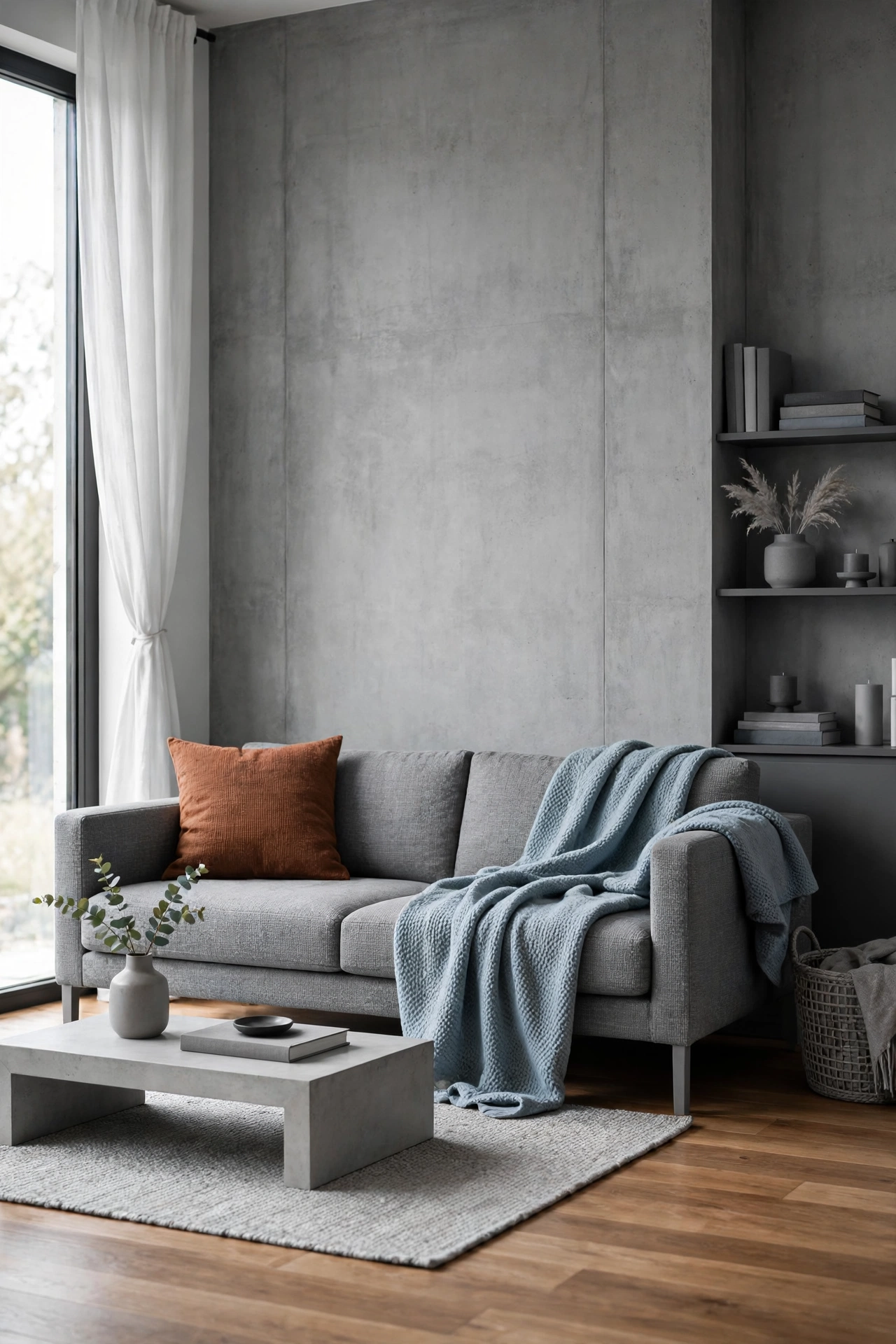
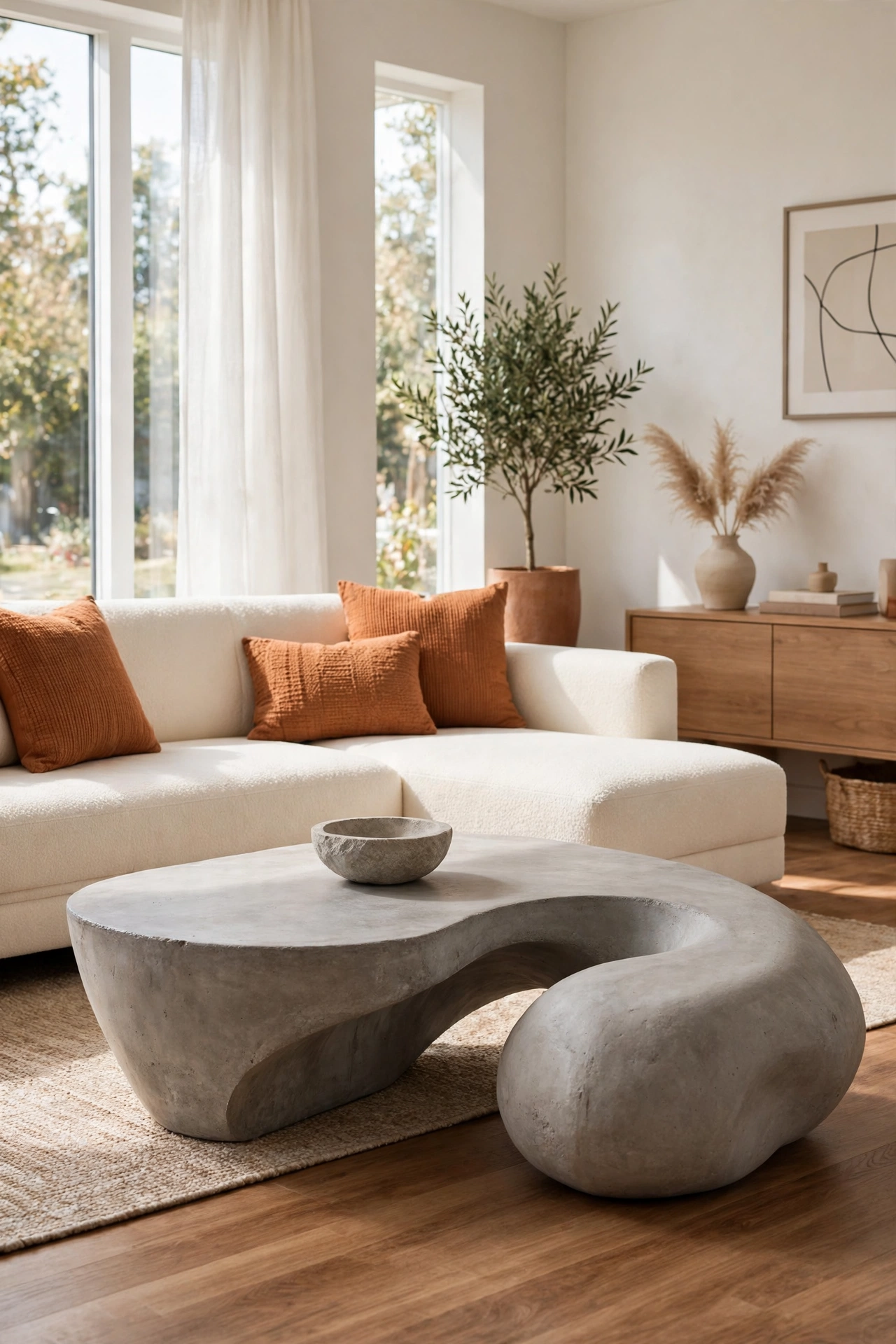
12. Add a Sculptural Concrete Coffee Table
A sculptural concrete coffee table is a piece of furniture and a piece of art at the same time. The solid block shape, the curved edge, or the rough cast surface all draw the eye to the center of the room. It anchors the seating area with real weight.
Keep the tabletop clear or style it with one low object, like a stone bowl or a single book. A heavy table needs breathing room around it, so leave space between the table and the sofa. Concrete furniture is durable, timeless, and impossible to ignore.
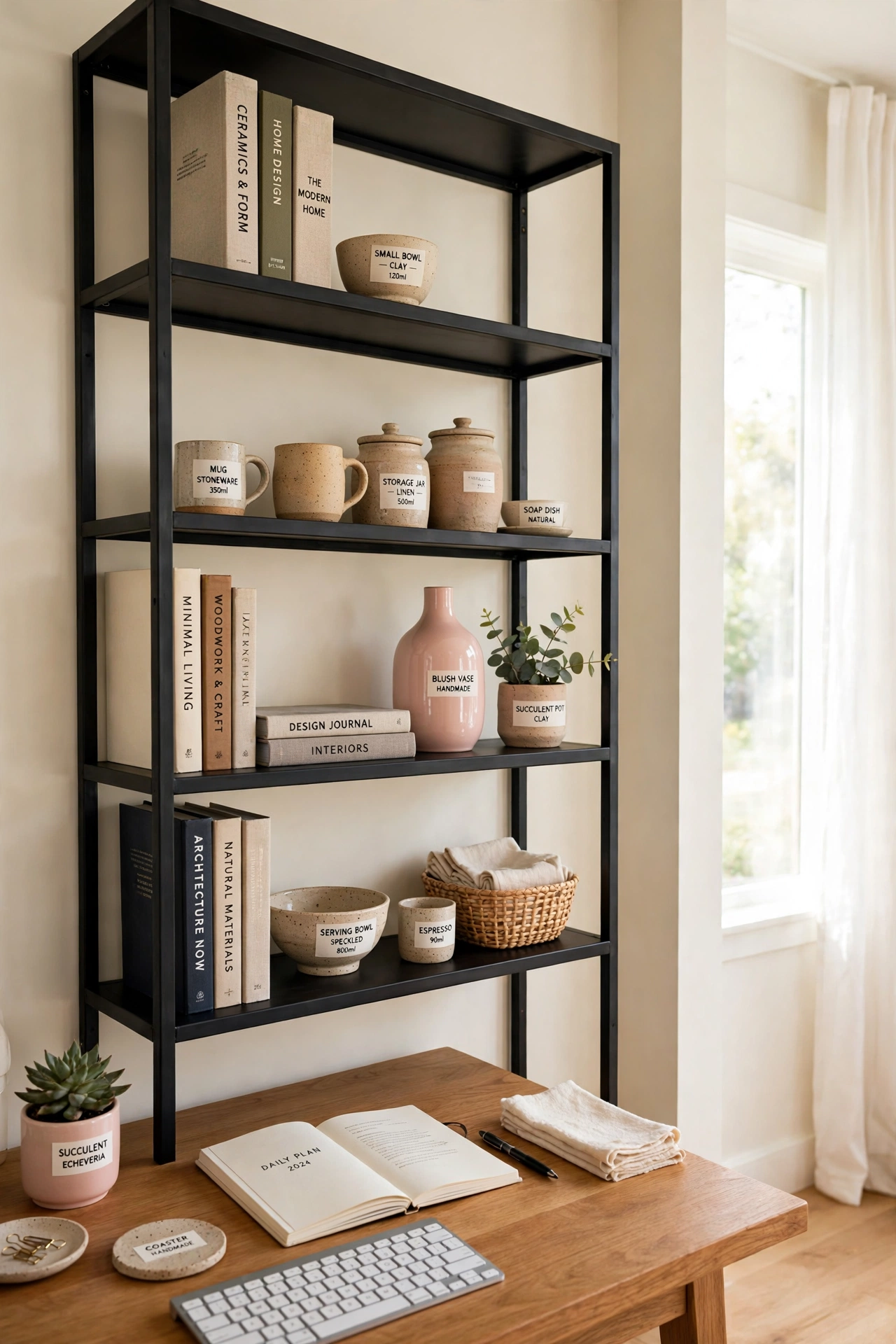
13. Use Blackened Steel Shelving
Blackened steel shelving gives a brutalist room open storage with a strong frame. The dark metal shelves hold books, ceramics, and plants without hiding them behind doors. The open design keeps the room feeling light while the steel keeps it structured.
Style the shelves loosely and leave some empty space so the metal frame stays visible. Mix books with one or two handmade objects for a calm, collected look. Steel shelving works in living rooms, kitchens, and home offices alike.
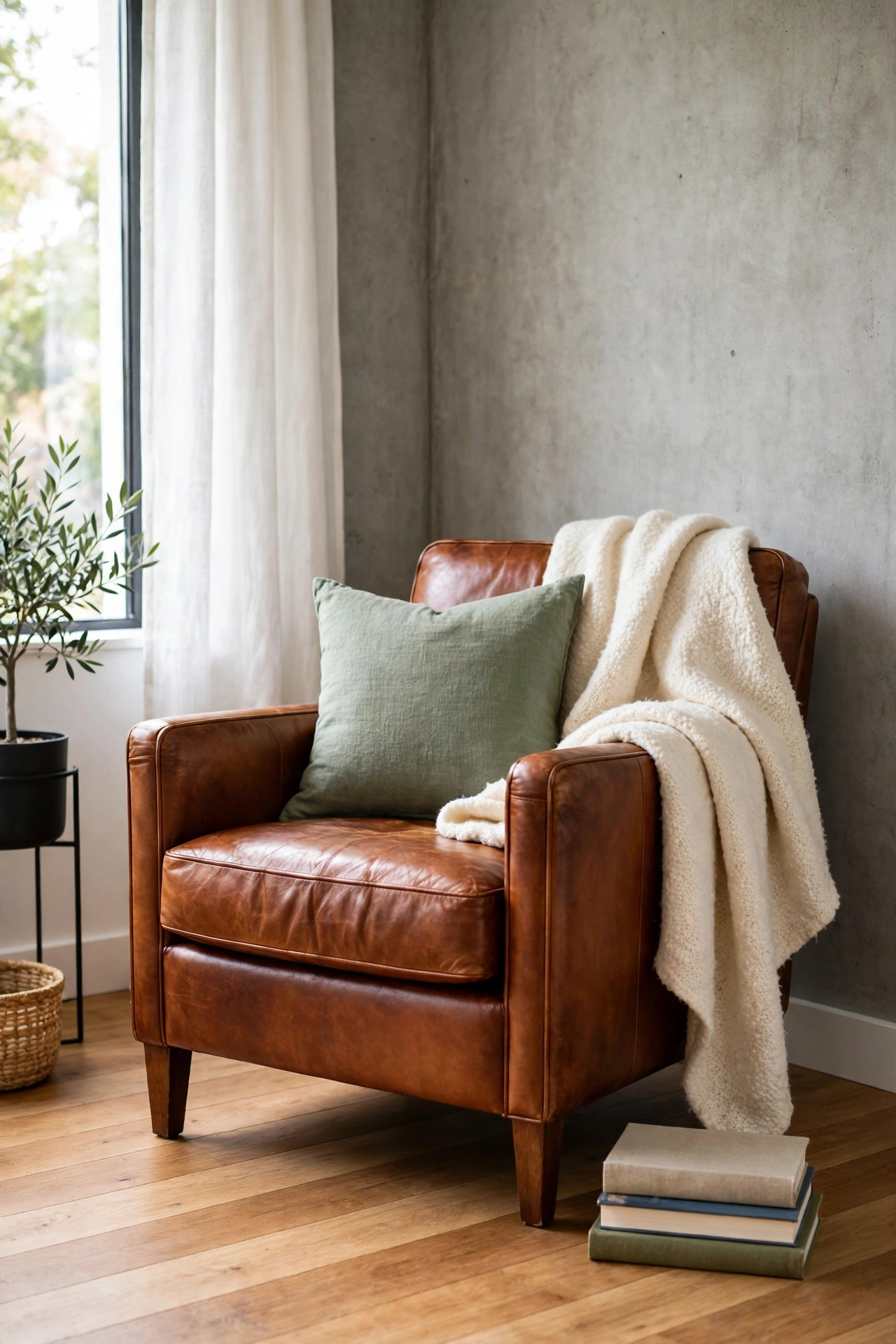
14. Bring in Leather and Wool for Warmth
Leather and wool are the soft materials that make a brutalist room livable. A cognac leather sofa, a thick wool throw, or a sheepskin over a steel chair all add warmth and touch to hard surfaces. These materials age beautifully, which fits the brutalist idea of honesty over time.
Choose natural, undyed tones so the soft pieces blend with the grey and timber palette. One leather chair and two wool cushions can change the whole feeling of a concrete room. Comfort is what turns a bold style into a home.
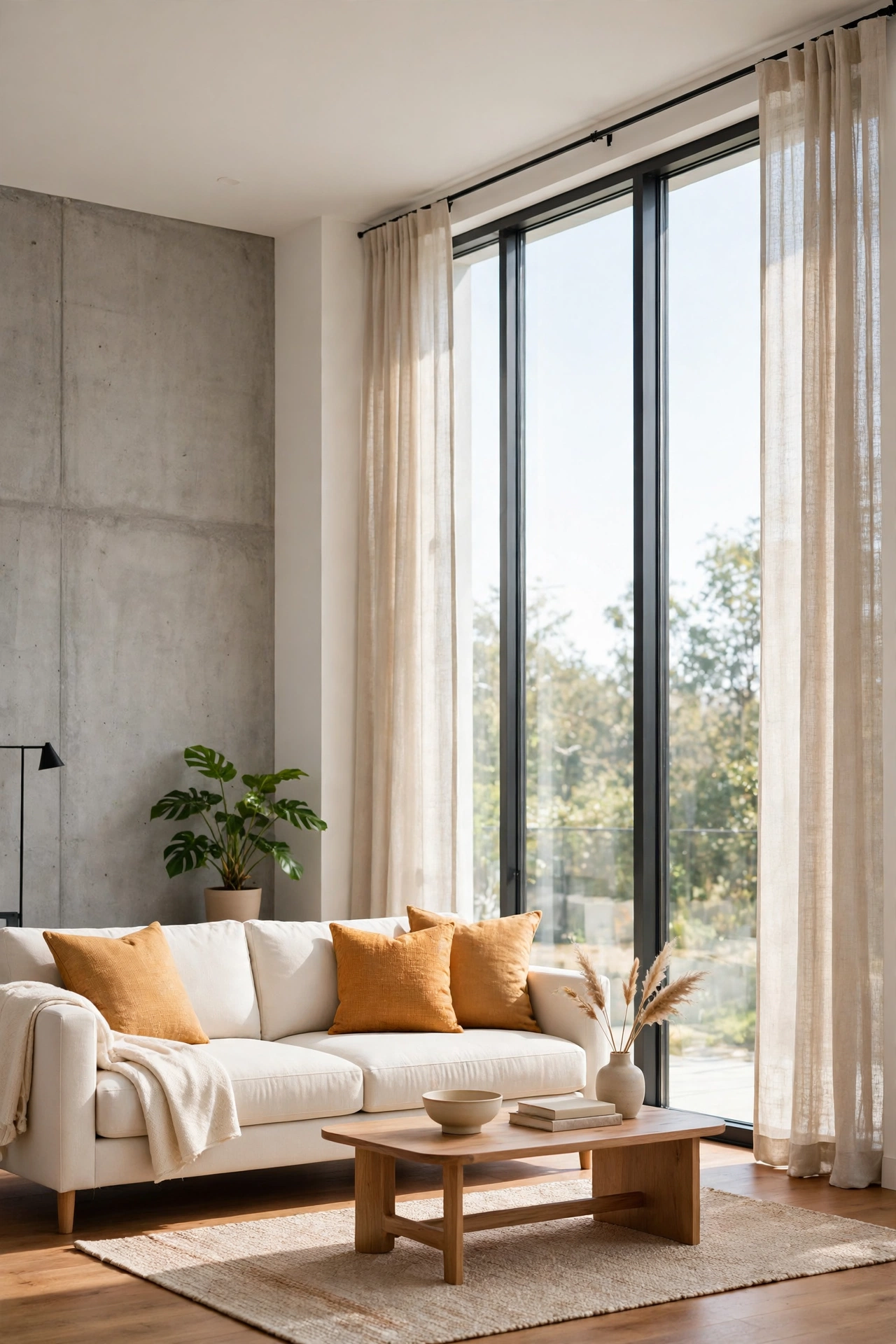
15. Keep Windows Large and Unframed
Large windows with slim frames or no visible frame at all bring daylight deep into a brutalist room. Natural light softens concrete and steel, and it changes the mood of the room through the day. Big glass also connects the interior with the world outside.
Skip heavy curtains and use simple linen panels or nothing at all if privacy allows. The clean glass lets the architecture speak without interruption. Daylight is the cheapest and most effective way to warm up raw materials.
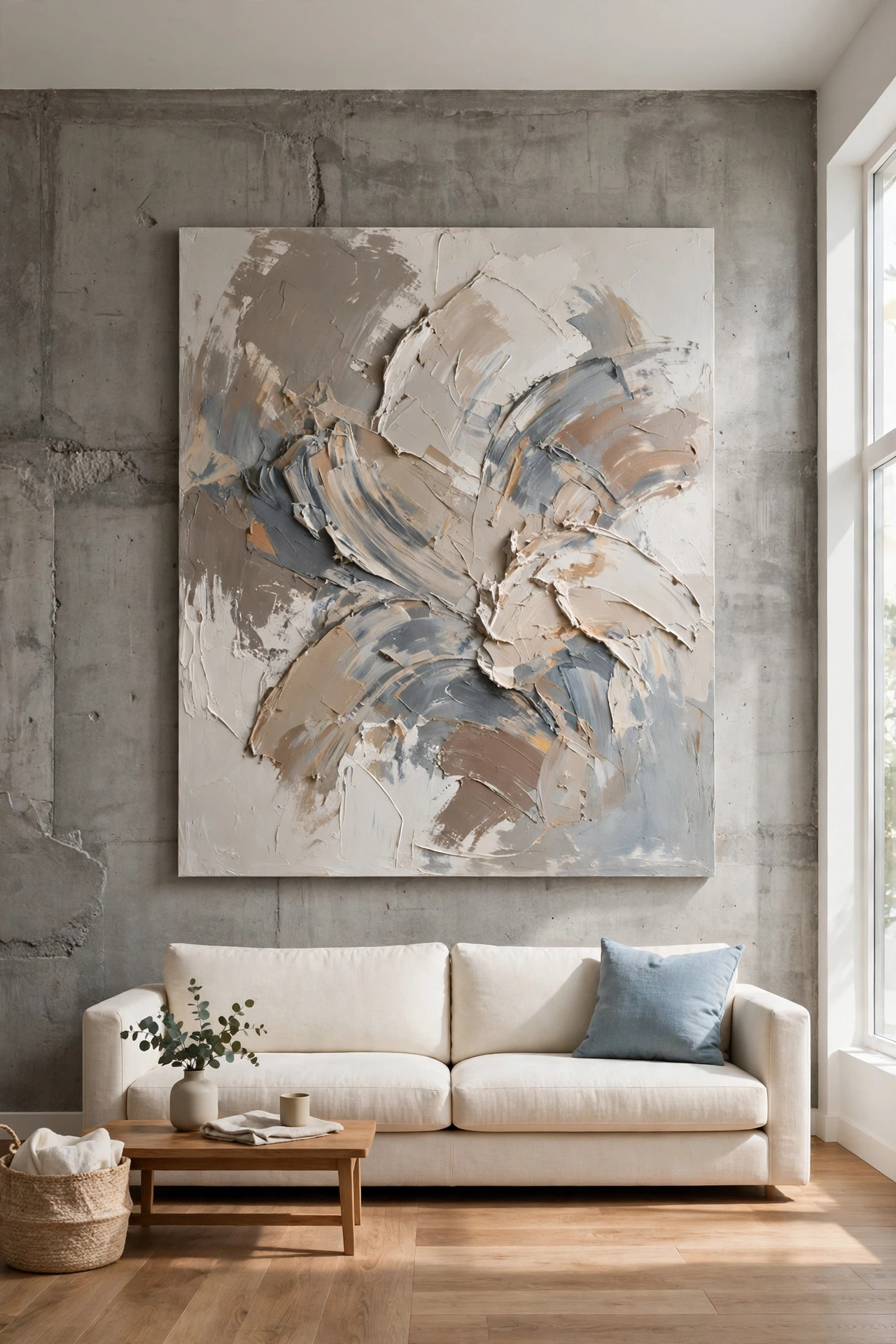
16. Finish with Oversized Raw Art
Oversized raw art is the final layer of a brutalist interior. A large canvas with bold brushstrokes, a rough plaster relief, or a simple concrete sculpture all suit the scale of the room. One large piece has more impact than a wall of small frames.
Hang the art on a bare concrete or plaster wall and give it plenty of empty space around it. The art should feel like part of the architecture, not an afterthought. Choose pieces in muted tones so they support the room instead of competing with it.
Conclusion
Brutalist interior design is not about cold rooms or hard living. It is about honest materials, strong shapes, and the calm that comes from a space with nothing to hide. From a bare concrete wall to a leather chair by a large window, each idea here adds one more layer of character to your home.
Pick one or two ideas that fit your space and start today. Leave one wall bare, add a steel shelf, or swap in a concrete coffee table and watch the room find its strength. For a softer take on bold modern style, these Art Deco minimalist home decor ideas show how clean lines and simple shapes can feel warm and elegant too.
Frequently Asked Questions About Brutalist Interior Design Ideas With Raw Materials
What is brutalist interior design?
Brutalist interior design celebrates raw, honest materials like concrete, steel, brick, and timber. The style uses bold shapes, visible structure, and minimal decoration to create rooms that feel strong and grounded. It grew from brutalist architecture, where the building material itself became the decoration.
Does brutalist design make a home feel cold?
It can feel cold if every surface is grey and hard, but the right balance fixes that. Warm timber, leather, wool, and natural daylight soften concrete and steel. A single warm accent, like a timber bench or a rust colored cushion, keeps the room inviting.
Can I use brutalist ideas in a small home?
Yes, brutalist ideas work well in small homes because the style favors clean lines and few objects. One concrete feature wall, a steel shelf, or a sculptural coffee table adds character without filling the room. Keep the palette light and the windows clear so the space stays bright.
What colors work best with brutalist interiors?
Grey is the base color, from pale stone to deep charcoal, with black steel as an accent. Warm tones like timber brown, cognac leather, rust, and terracotta keep the palette from feeling flat. Soft white and cream add light, while a single bold accent gives the room personality.
Is concrete safe to use inside a home?
Yes, sealed concrete is safe and durable for walls, floors, and furniture. A matte sealer keeps dust out and makes the surface easy to clean. Polished concrete floors are hard wearing and work well with underfloor heating, so they feel comfortable underfoot.

Hi, I’m Emily! I turn messy corners into cozy, organized spots. DreamNestDecor is where I share simple, practical home ideas — decor, organization, and small-space solutions that work in real life, not just in photos. Every idea here is carefully researched before it’s shared.